From the Desk of Yuval Malka | Sr. Community Shlicha, Weintraub Israel Center
This week, we read Parashat Korach. Korach, a community leader, challenges the leadership of Moses and Aaron by gathering 250 community members to rebel, telling Moses: “You’ve gone too far. Why do you raise yourself up above us?”
On the surface, Korach’s message might sound like a just call for equality. To our modern, Jewish ears, Korach’s actions might even seem healthy in a democratic world. What is wrong with the desire for a more equal division of power, which would involve “the entire community?” Would that not be a good thing?
But as the story unfolds, we learn something deeper: Korach’s rebellion isn’t rooted in love for the people or faith in God’s path–it’s driven by ego and ambition. Korach was anything but a true representative of the people advocating for the concerns of the entire community. His critical flaw was that he was more interested in improving his own status than ensuring a safe future for the ancient Israelites–and, by extension, the future of the Jewish people.
Moses, on the other hand, is described as one who always put people’s needs before his own. Throughout the journeys of the Israelites, we see Moses grow as a spiritual leader–from a young man struggling with anger and lack of self-confidence to a leader who is able to overcome his own ego to serve a much greater cause.
Moses responds to Korach not with anger, but by falling on his face–a sign of humility and heartbreak. He proposes a test: that Korach and his followers bring an offering, and let God show who is truly chosen to be a leader. The next day, as Korach and his followers gather at the entrance to the Tent of Meeting, a dramatic moment occurs: the earth opens and swallows them whole. This terrifying end serves not as a punishment for asking questions, but as a response to a rebellion that pretended to be righteous.
Korach wasn’t looking to serve. He was looking to take. Tradition even interprets the opening of the portion–literally “And Korach took”–to mean that he took himself apart from the people.
The problem wasn’t, and isn’t, disagreement; it’s the intention behind it. As Pirkei Avot teaches: “כל מחלוקת שהיא לשם שמים – סופה להתקיים; ושאינה לשם שמים – אין סופה להתקיים.”
Every dispute for the sake of Heaven will endure. But one that is not for the sake of Heaven will not last.
The story of Korach challenges us to consider how we show up for one another—not in competition, but in cooperation. Just as the Torah reminds us of the dangers of discord, we are reminded of the strength we cultivate when we come together with empathy, openness, and a shared purpose. At the J, we know that when we lead with humility and with the needs of our ever growing and changing community in mind, we all benefit and rise together, creating an environment where everyone feels a sense of belonging and is empowered to be their best selves.
This week, we showcased leaders here at the Tucson J in our Team Spotlight roundup, which you can check out here, as well as leaders from within the JCC Movement who are practicing the important work of inclusion. Check out Episode 16 of the Total Wellness at the J podcast for more on that from CEO + President Todd Rockoff, with special guests Betzy Lynch and Scott Ehrlich.
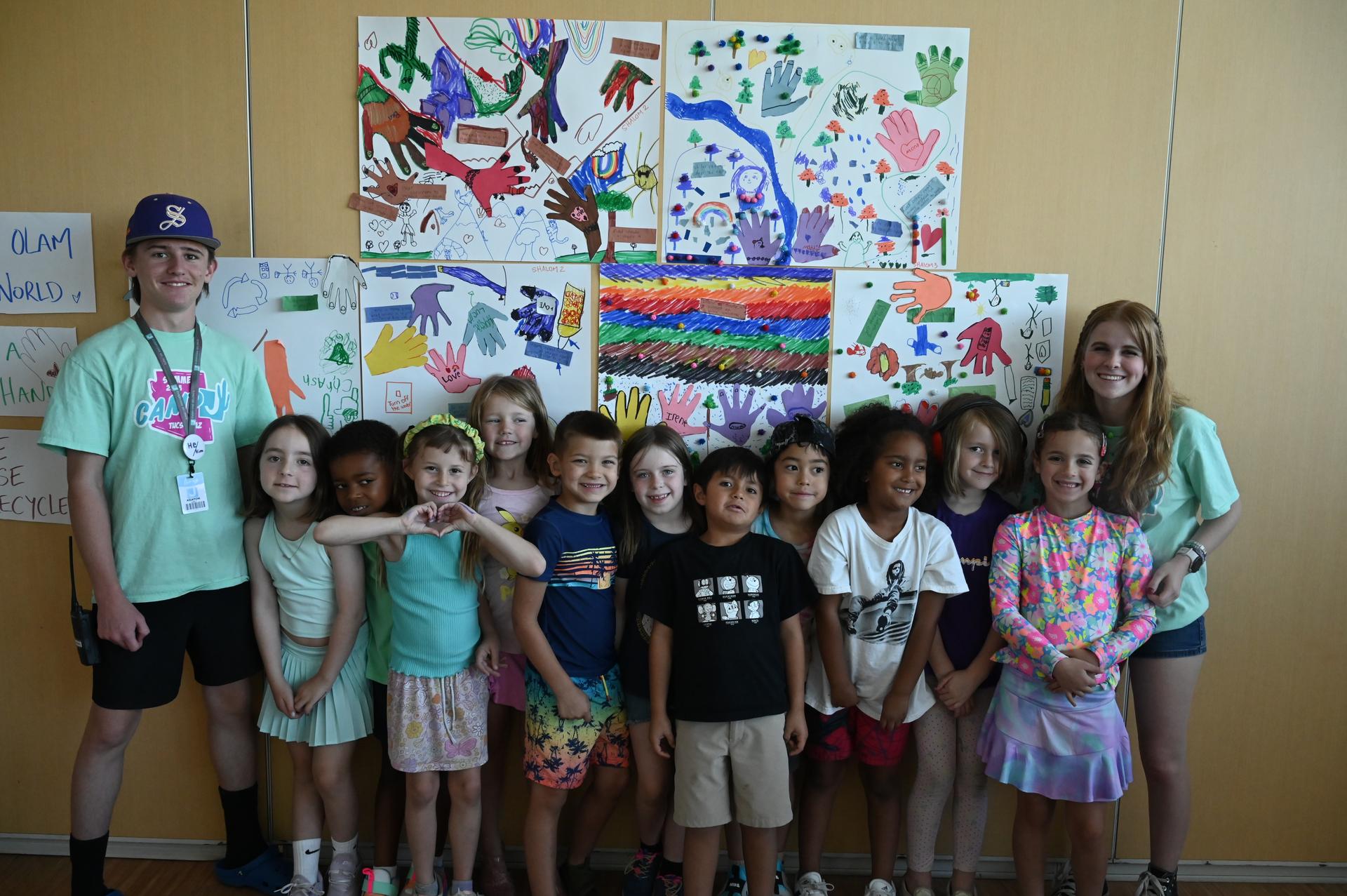
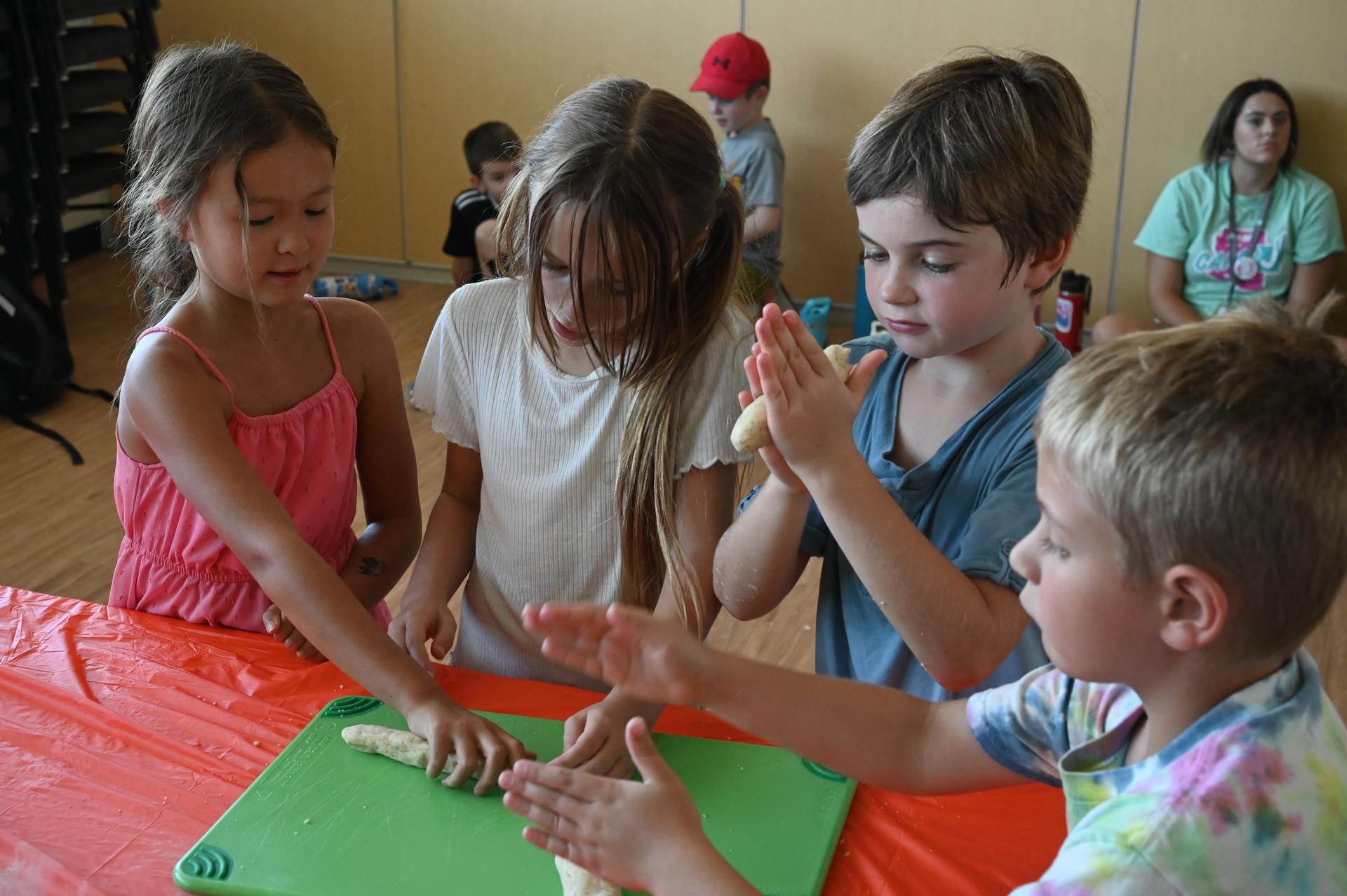
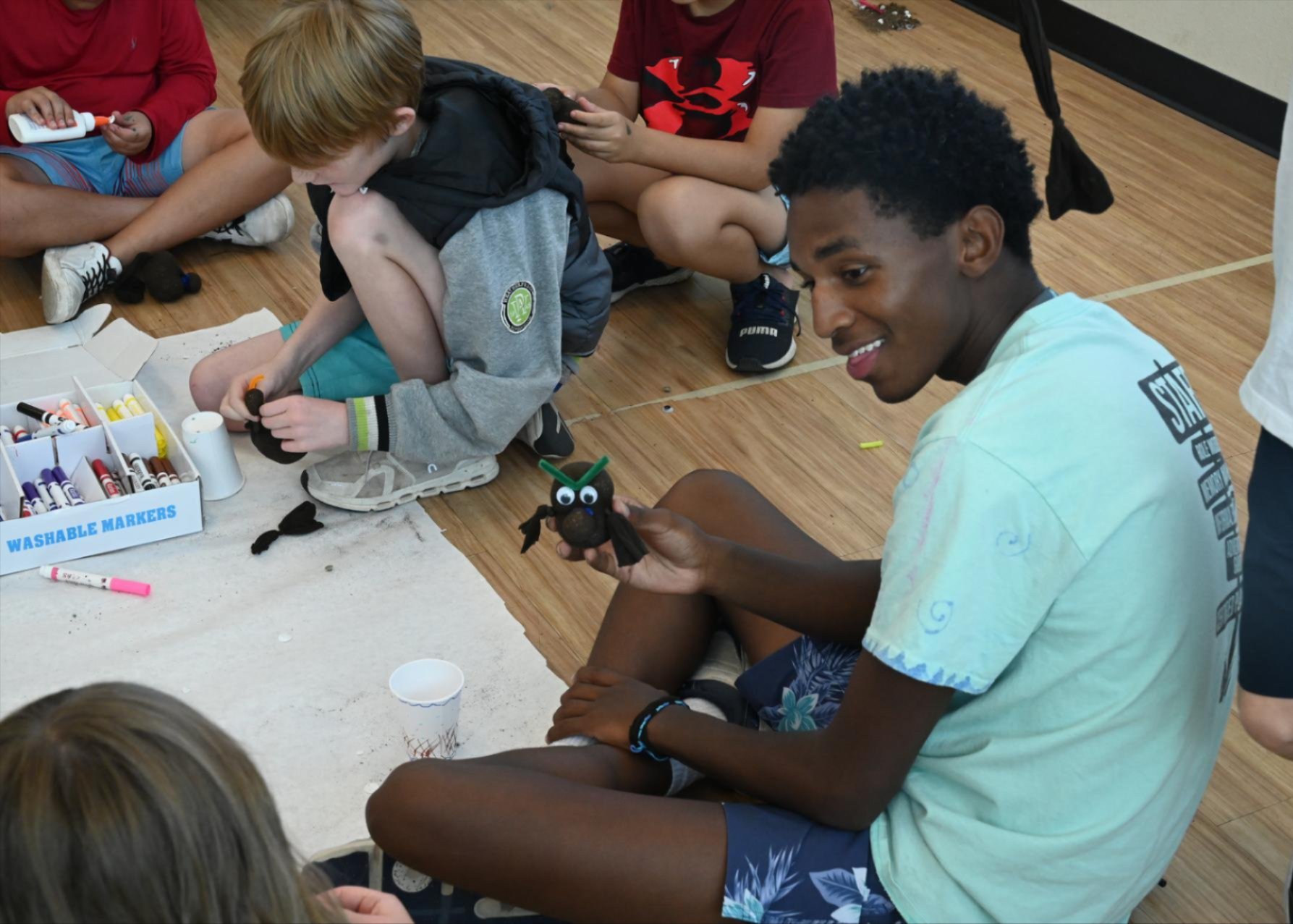
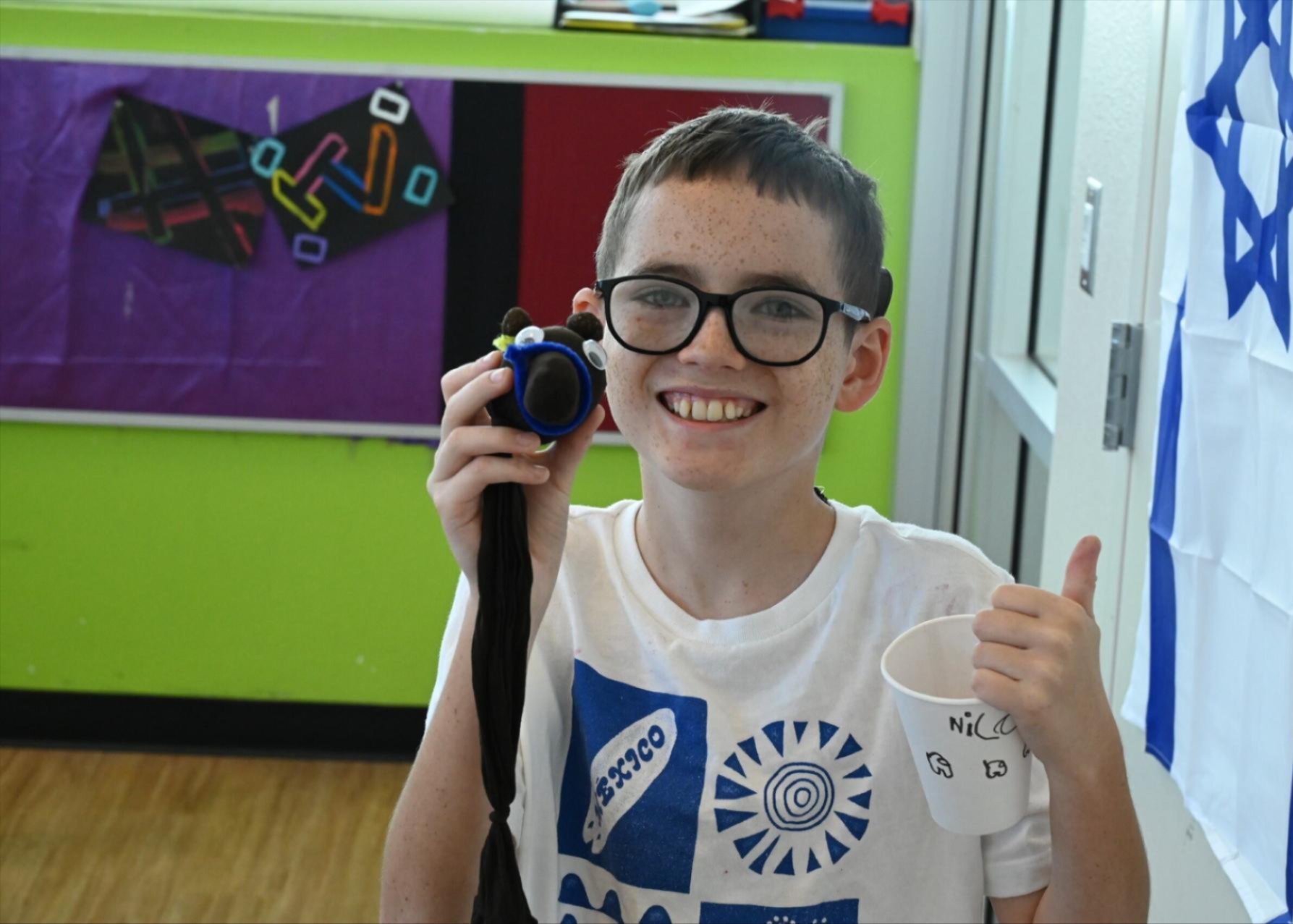
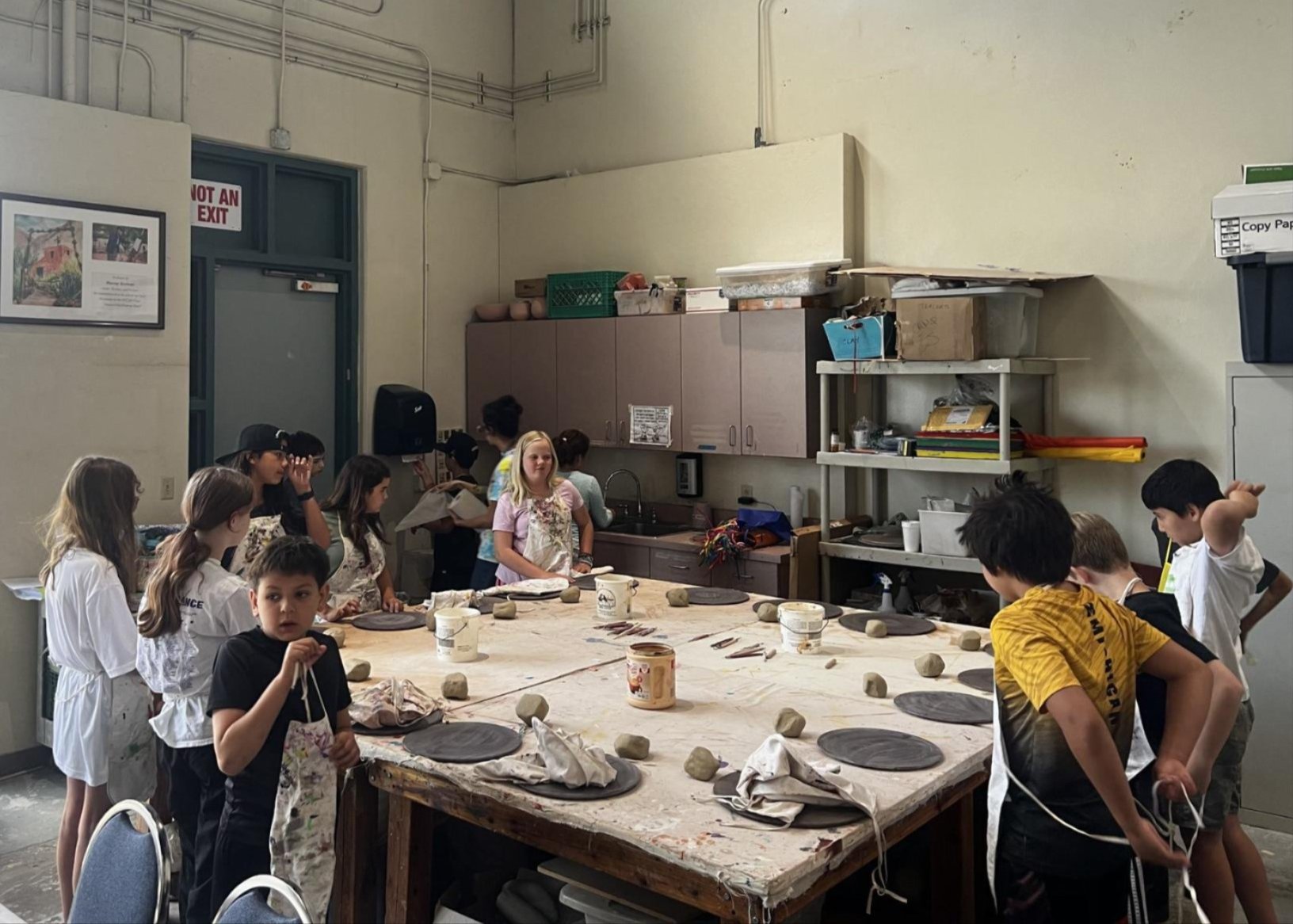
In Camp J, where leaders are grown and friendships are made, we focused on the value of Tikkun Olam (heal the world)! Campers in Cooking made challah and discussed how using local and natural ingredients is good for the earth and our bodies! In Wilderness, which is new this year, campers learned the story of the American bison, how they were nearly made extinct and how they are now a thriving species due to conservation. In Discovery, kids picked up trash around campus, and then repurposed it to create something beautiful from it on posters. They also traced/cut out their hands and added their “helping hands” to their projects. In the art studio, our oldest group of campers in Tiyul got the chance to make pottery on the pottery wheels, and Giborim and Shalom campers created stamps inspired by the artist Keith Haring, who was known for his activism, and our littlest campers in Noar created their own puzzles!
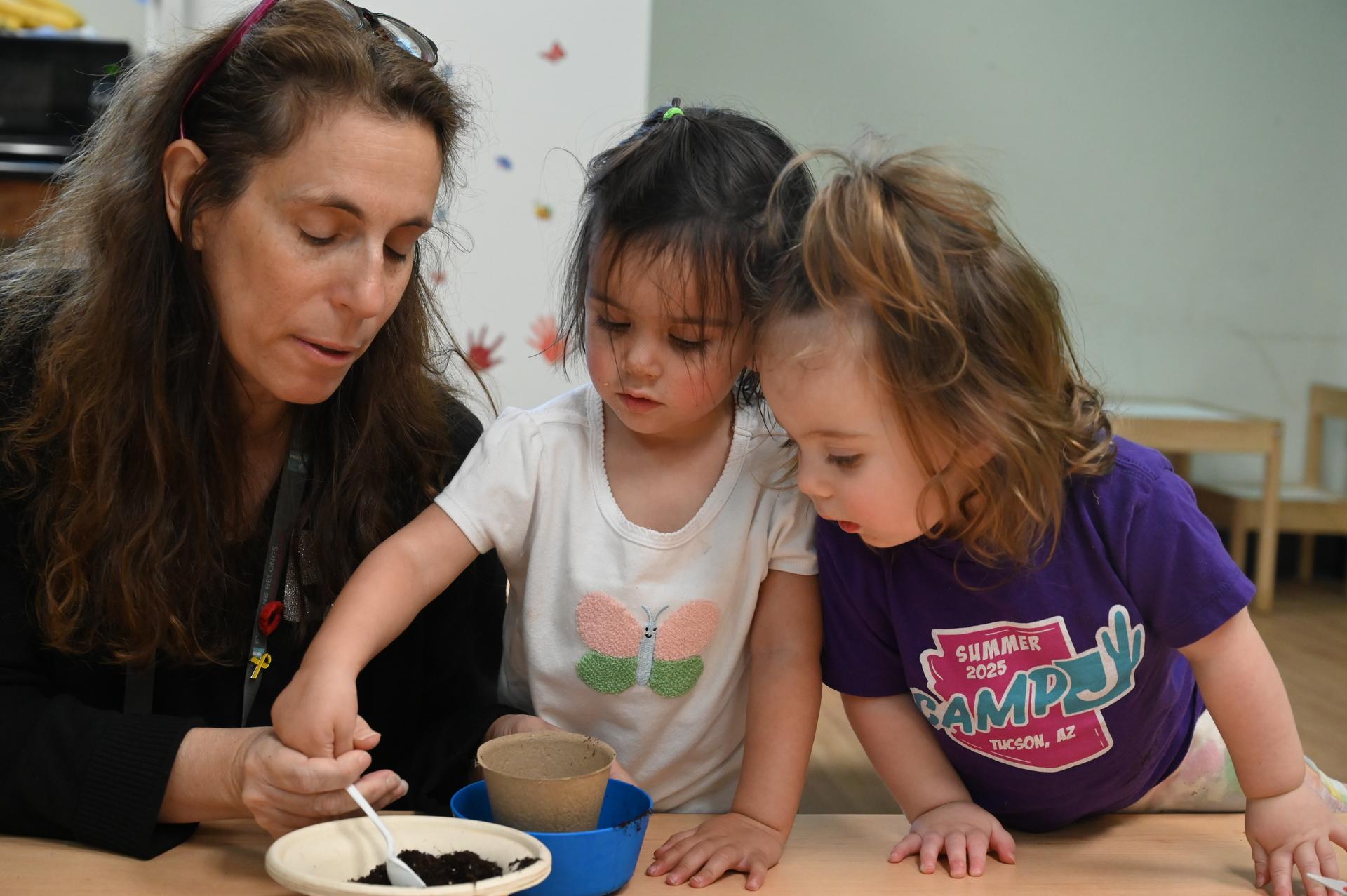
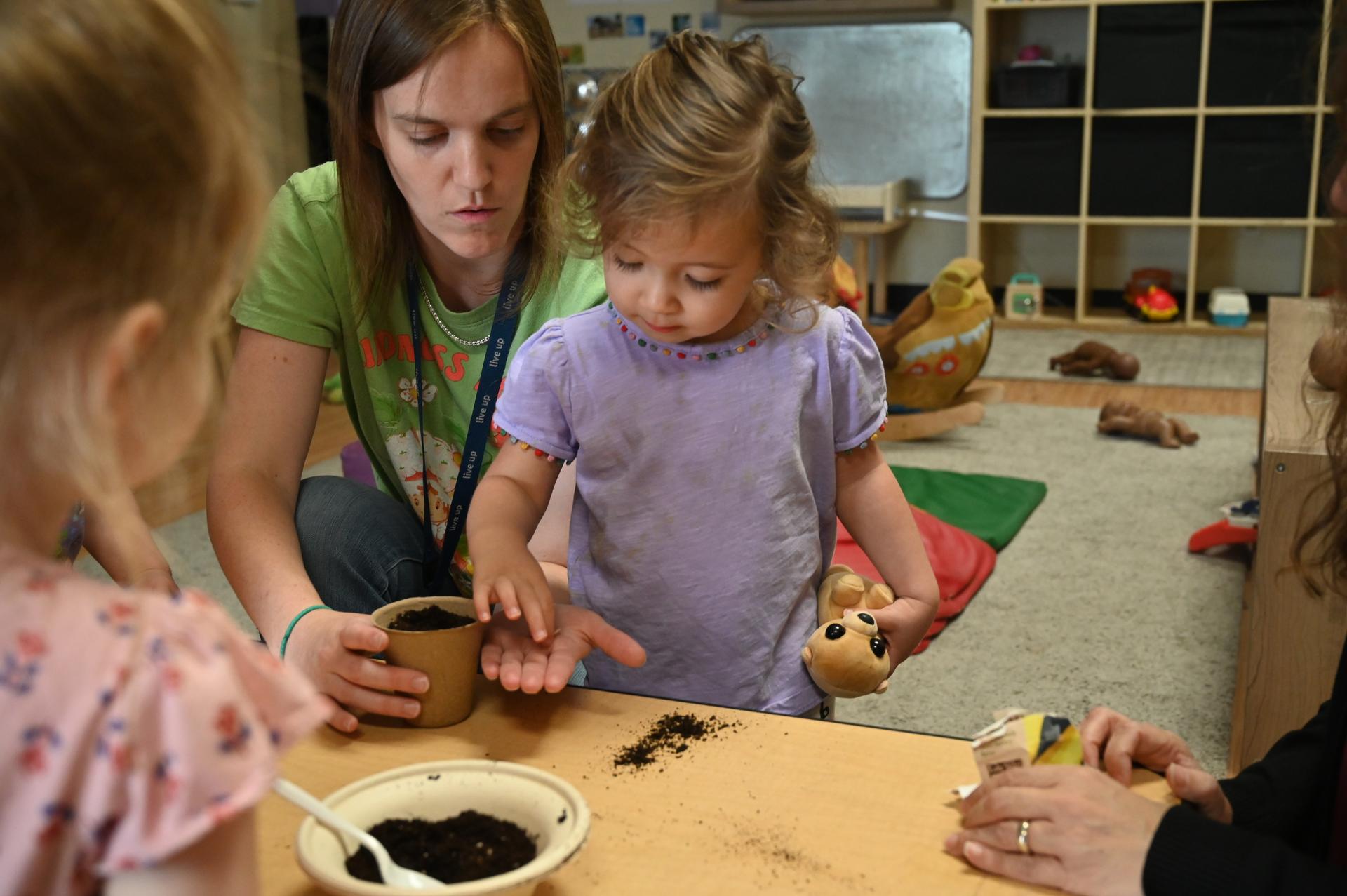
In our Early Childhood Education, kids planted seeds, which they’ll observe as they grow in their classrooms before adding them to the Shay Shay Community Garden where a variety of plants are already thriving thanks to participants in our Taglit Day Program for adults with disabilities! And while it may be hot out, that doesn’t stop our community from staying active in the Fitness + Wellness Center and out on the courts at Sarver. Pickleball programming continues to be a hit and participants in our Movement/Arts Immersion Healthy Aging program boosted their hand-eye coordination and had a little fun with a game of Cornhole!
As we end another month here at the J and look forward to all July has to offer (who’s excited for the 2025 JCC Maccabi Games?!), we invite you take a moment to rest and reflect. Shabbat Shalom.
Reminders, Resources + Learning
Each week we share resources for more learning:
This week’s resources:
- Finding Ourselves Through Others by Rabbi Douglas Krantz (My Jewish Learning)
- Hierarchy and Politics: The Never-Ending Story by Rabbi Jonathan Sacks
Last week’s resources:
- Caleb at the Crossroads by Rabbi Dr. Tzvi Hersh Weinreb (Orthodox Union)
- Seeing Beneath The Surface by Rabbi Neal J. Loevinger (My Jewish Learning)
Is there a topic you’d like to learn more about? Email Jenn Selco with requests.