From the Desk of Rachael Mitchell | Sr. Director of Marketing, Communications + PR

Shabbat Shalom
Shabbat Shalom

From the Desk of Rachael Mitchell | Sr. Director of Marketing, Communications + PR

This evening begins the festival holiday of Sukkot, and there are special readings for the holiday. Meaning “booths,” the holiday is an invitation to welcome others in—and it is an invitation to call in joy. 

In fact, it is the only holiday on the Jewish calendar where we are explicitly commanded to be joyful: 

“You shall celebrate to Hashem your God for seven days … and you shall be only joyful.” Devarim 16:15 

We are told to rejoice. Not once, but again and again.  

As we approach Sukkot, I have been thinking about what it means to make joy a practice. Not because life is always joyful (it certainly isn’t), but because in between the busy moments of living, joy can sometimes feel like something we have to intentionally make room for.

The sukkah (booth) itself feels like a pretty good metaphor for that. It’s temporary. It’s imperfect. It lets in the elements. And yet, we are asked to sit inside it and celebrate anyway.

Joy isn’t necessarily the absence of difficulty. It’s the decision to notice what is good and beautiful even when life feels hard or complicated. And to do it again and again. I love that Judaism doesn’t ask us to wait for everything to be perfect before we celebrate. Sukkot says: Build the sukkah. Invite people in. Eat the meal. Look up at the stars. Find something to be grateful for, if only for a moment. 

As we gather in our sukkahs, around our Shabbat tables, or in other ways that feel meaningful, this week and in the year ahead, I invite us all to choose joy when we can, to notice it when it finds us, and to share it generously when we do.

Shabbat Shalom and Chag Sameach.
As we moved from the solemness of Yom Kippur to Sukkot this week, joy at the Tucson J was bountiful! As a place where everyone belongs, the J is a metaphorical sukkah all year long and a place we hope people come to find joy—in themselves, in the friendships and relationships made here, in the thrill of new activities or favorite pastimes, and in all that we are building together as a community. 


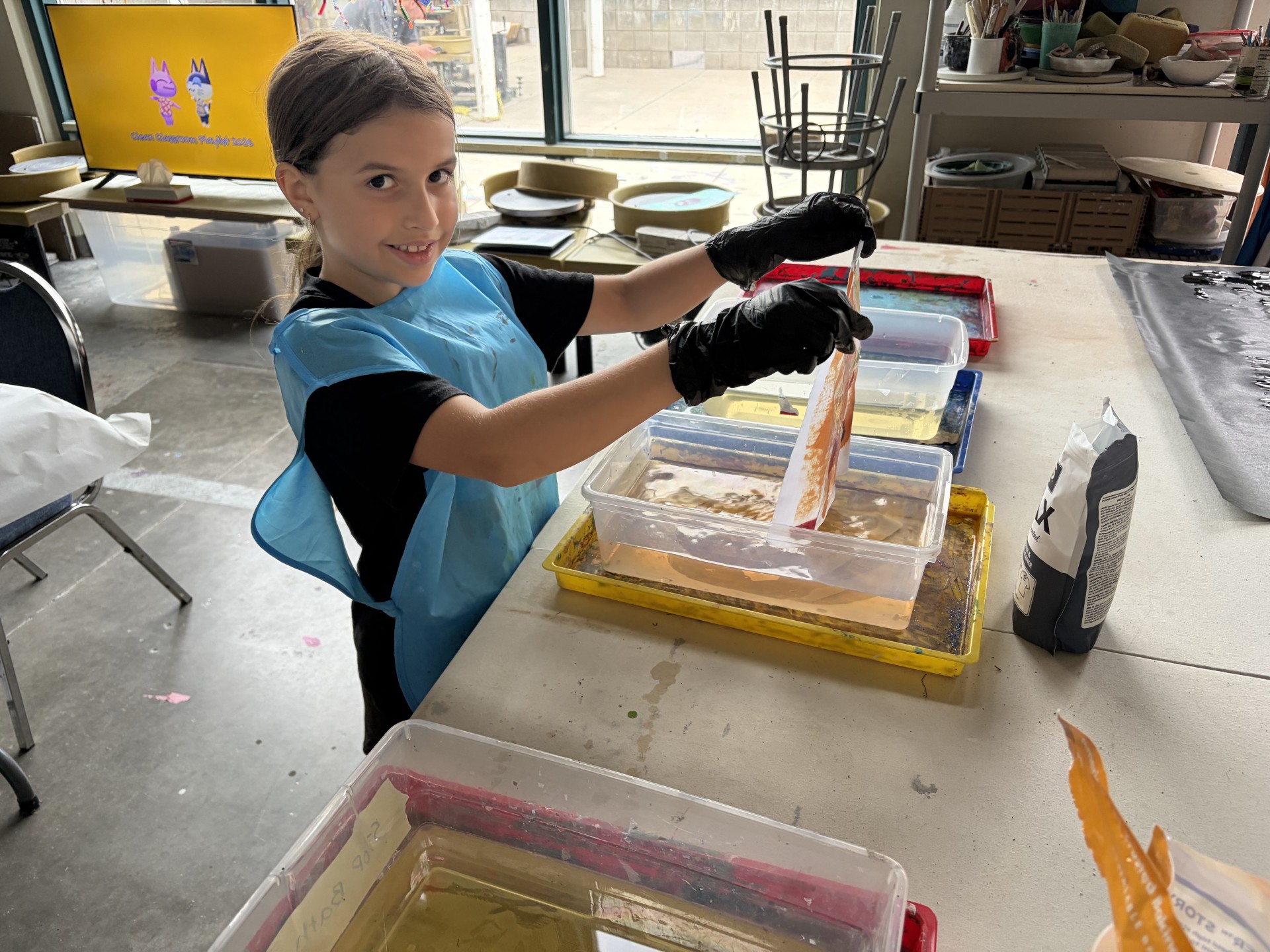
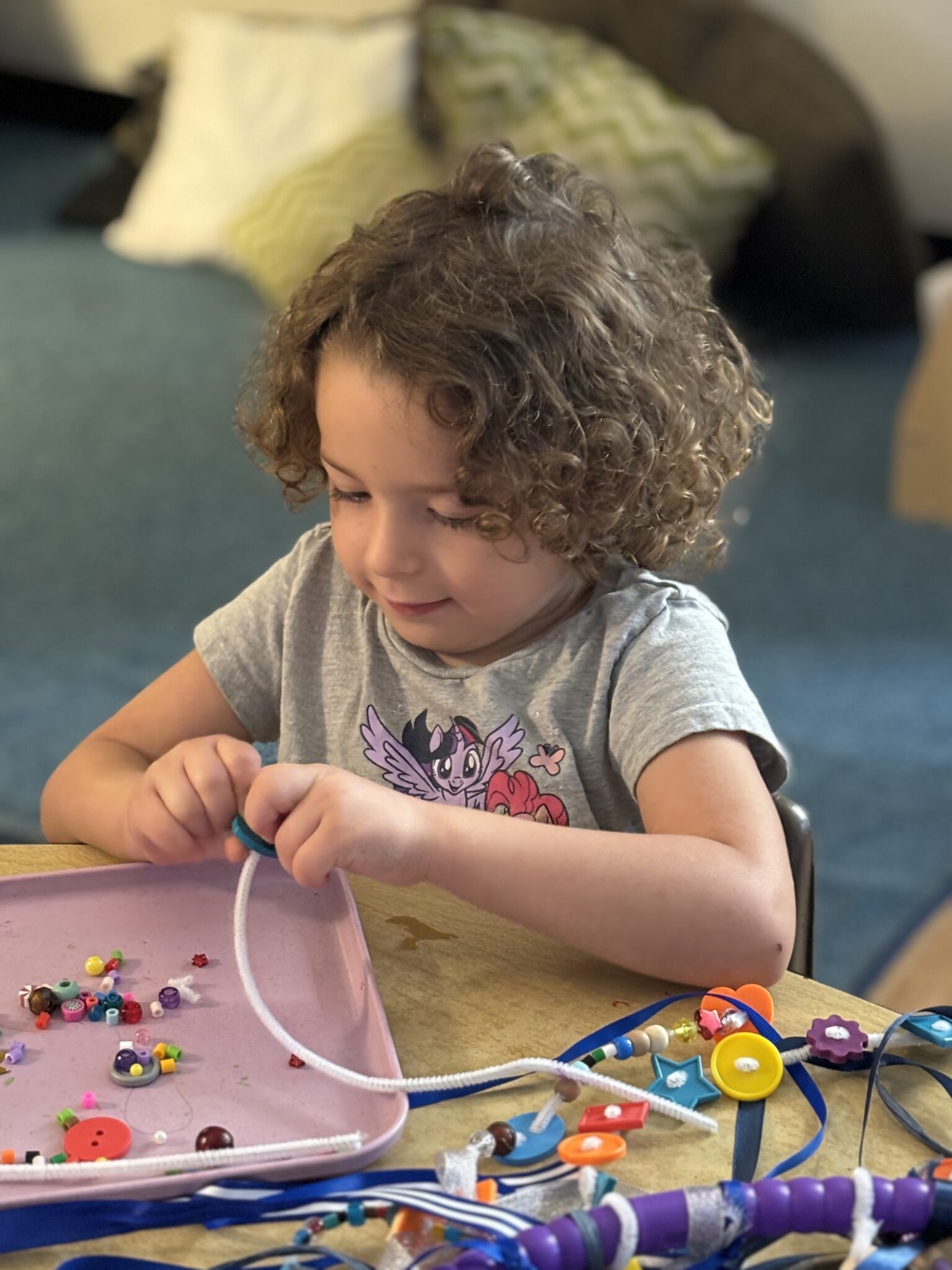
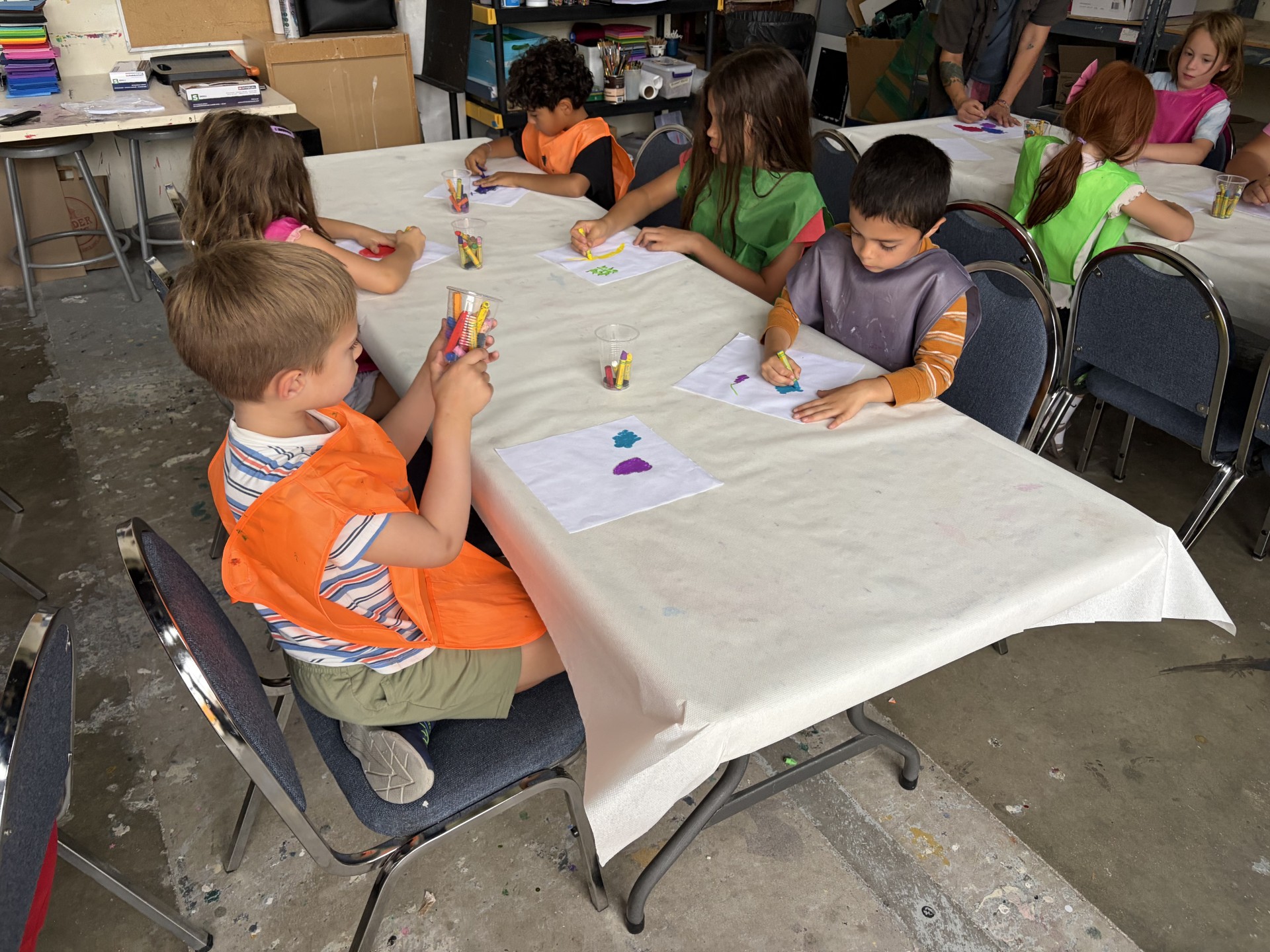
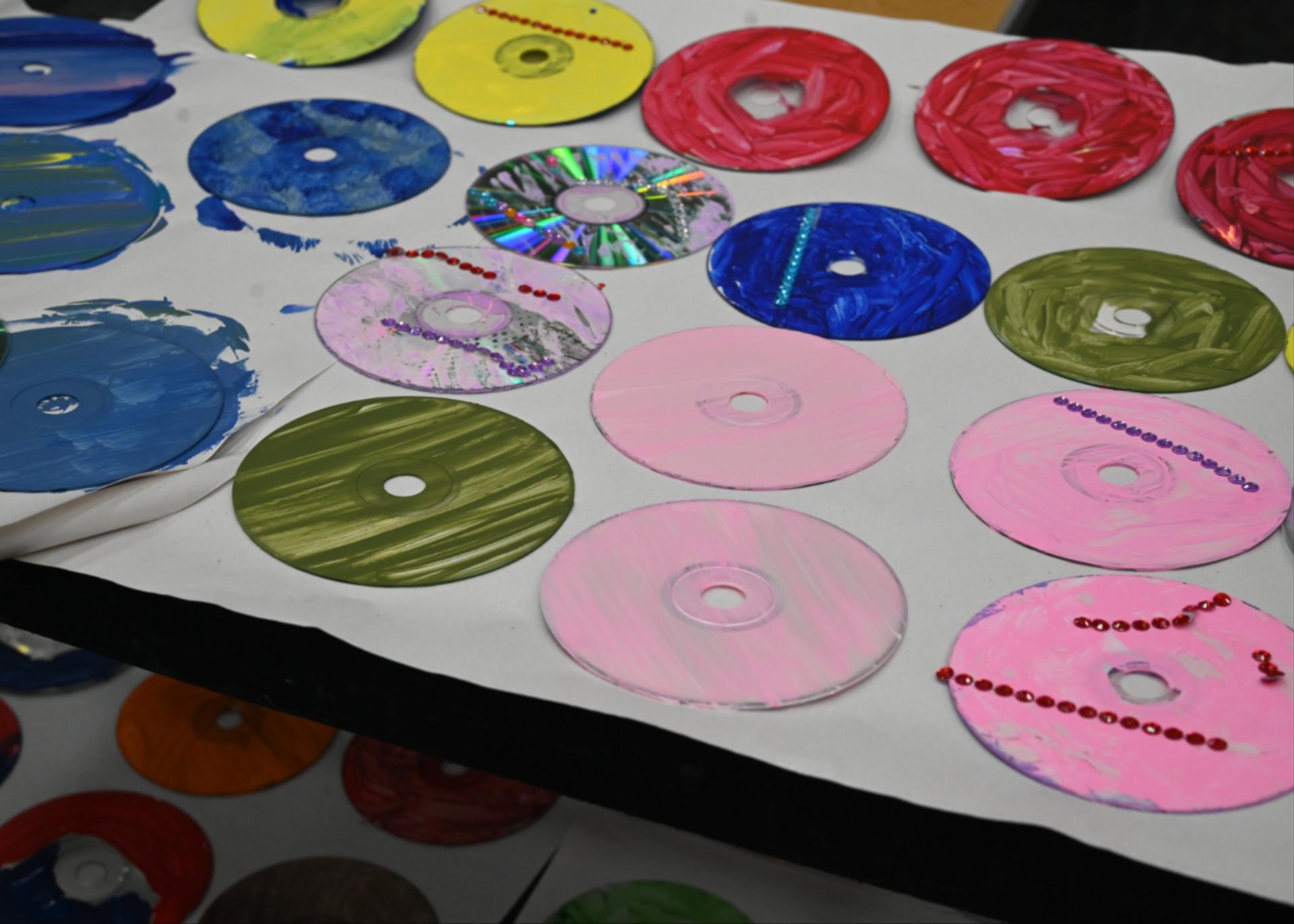
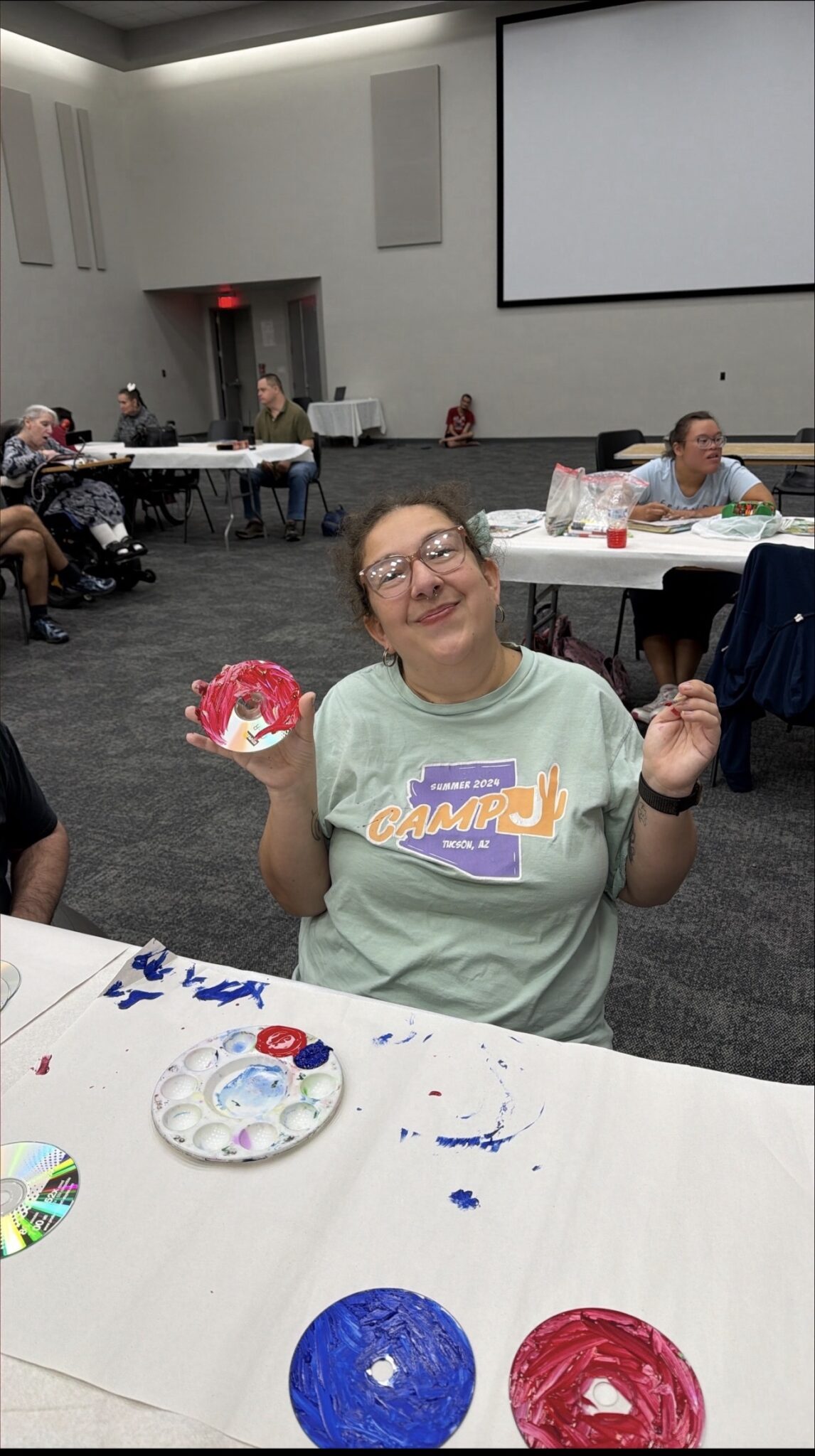
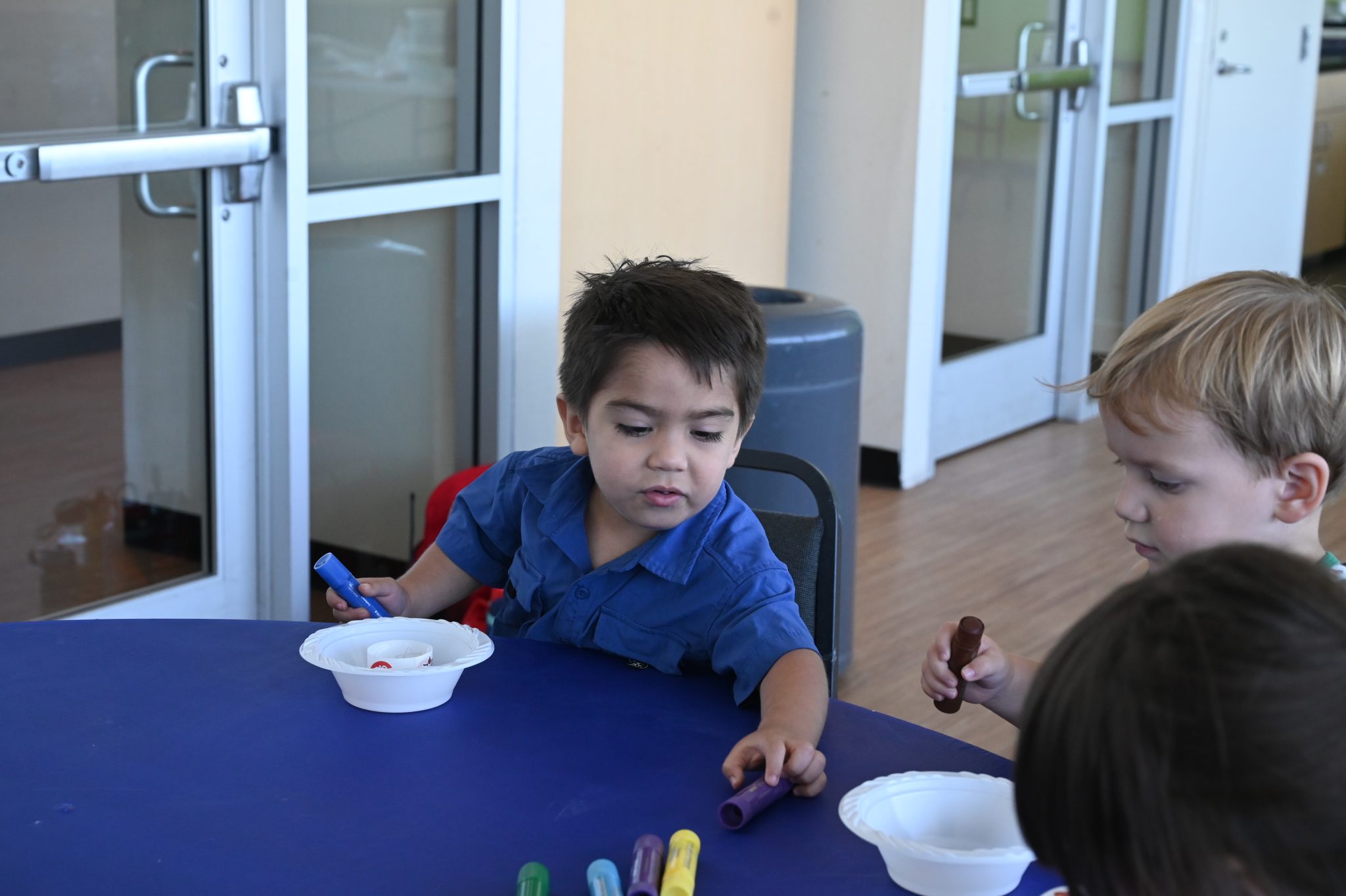
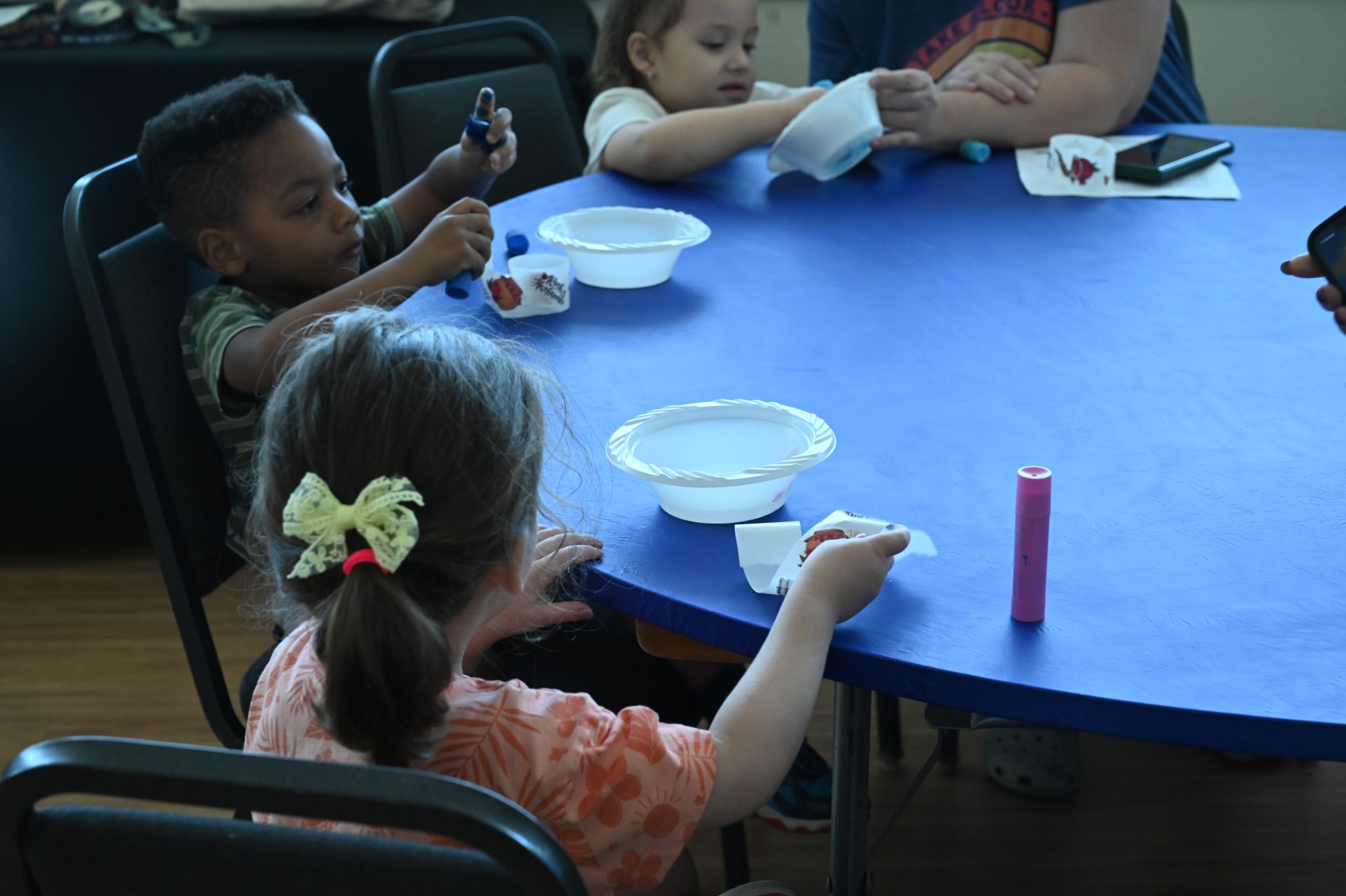
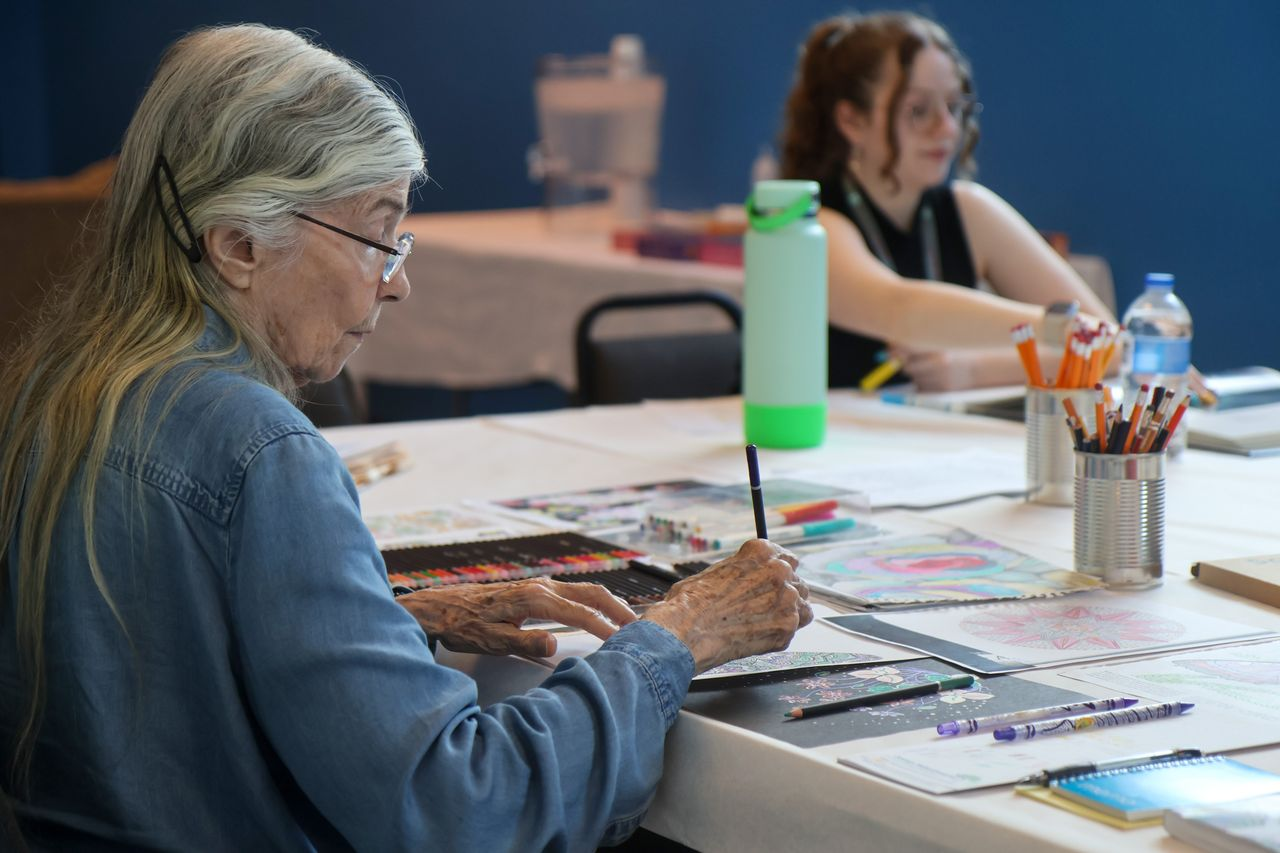
This week at the J we constructed a brand new, bigger and more beautiful sukkah and community members across programs helped create the decor to adorn it with. In Early Childhood Education, children created beaded garlands, while Disability Program Services participants painted CD’s to hang that will catch and reflect the sunlight. JCare afterschool kids embarked on a super cool science-art mashup, exploring the process of anthrotypes using natural dye made from turmeric that changes color when exposed to the sun to create images. Strung together, their artworks became banners to hang around the sukkah. Everyone participated in this joyful joint-project and we are excited to welcome the whole community into the sukkah throughout the next week. Be sure to stop by and enjoy it for yourself! 

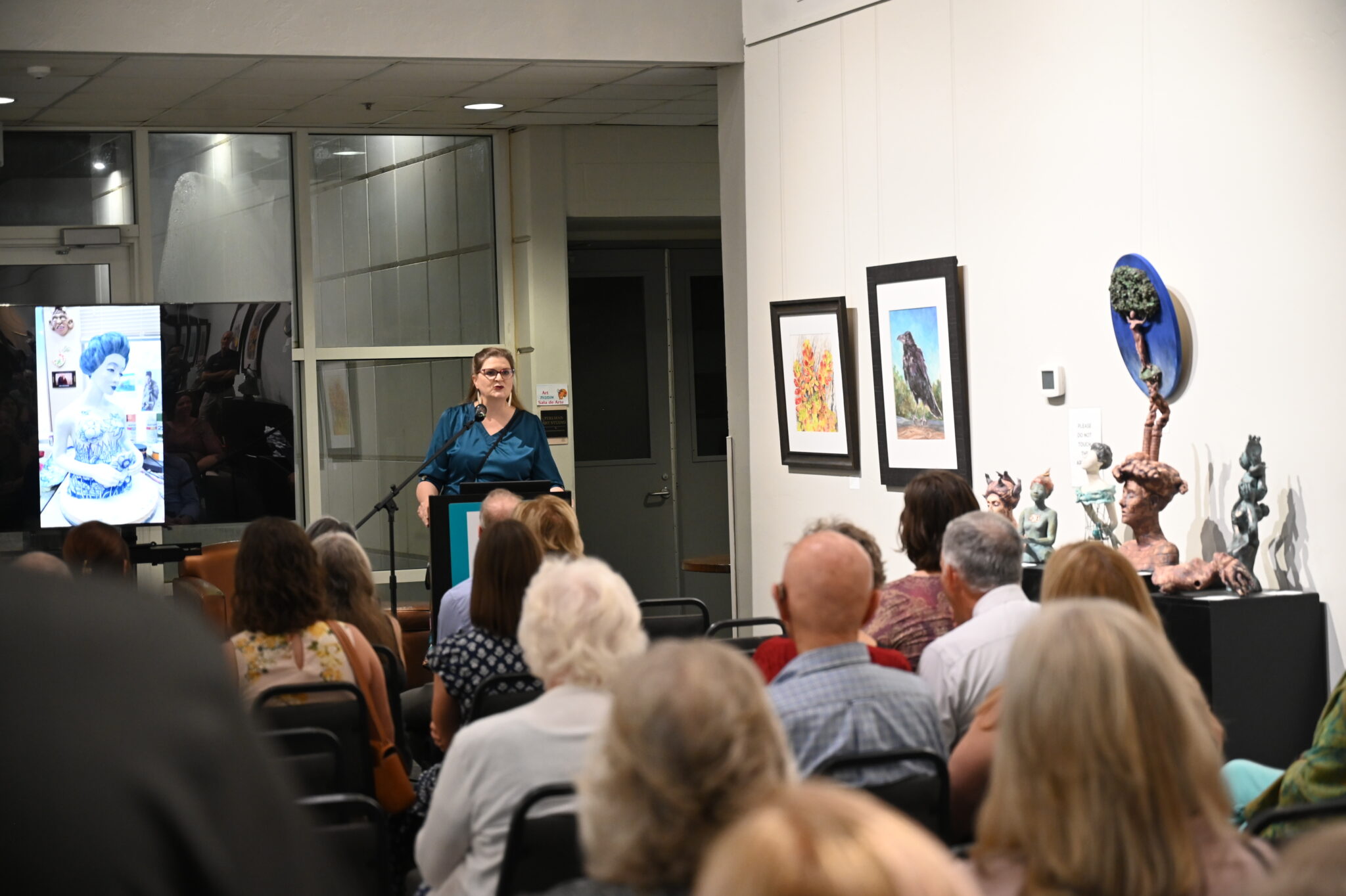
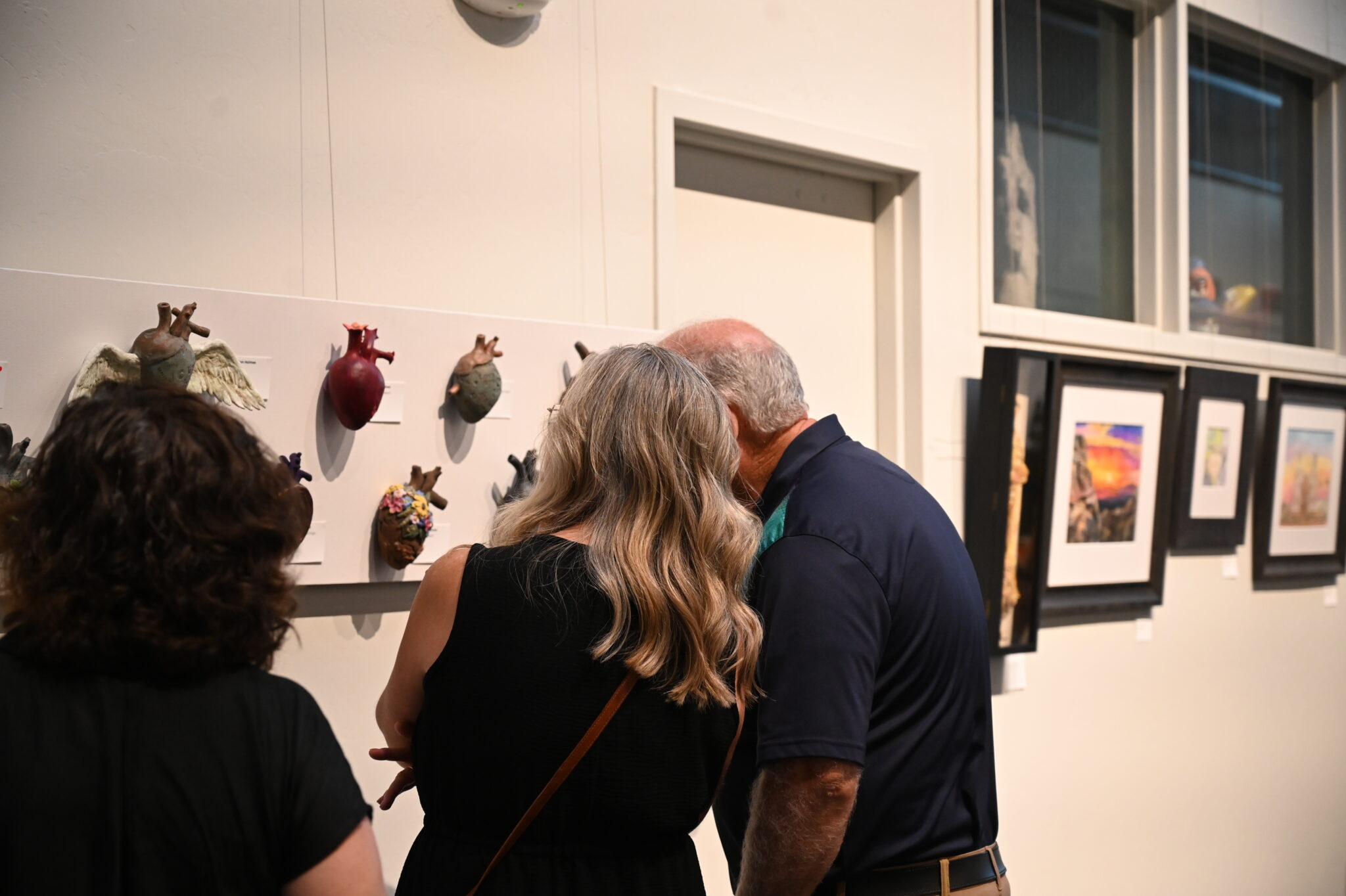
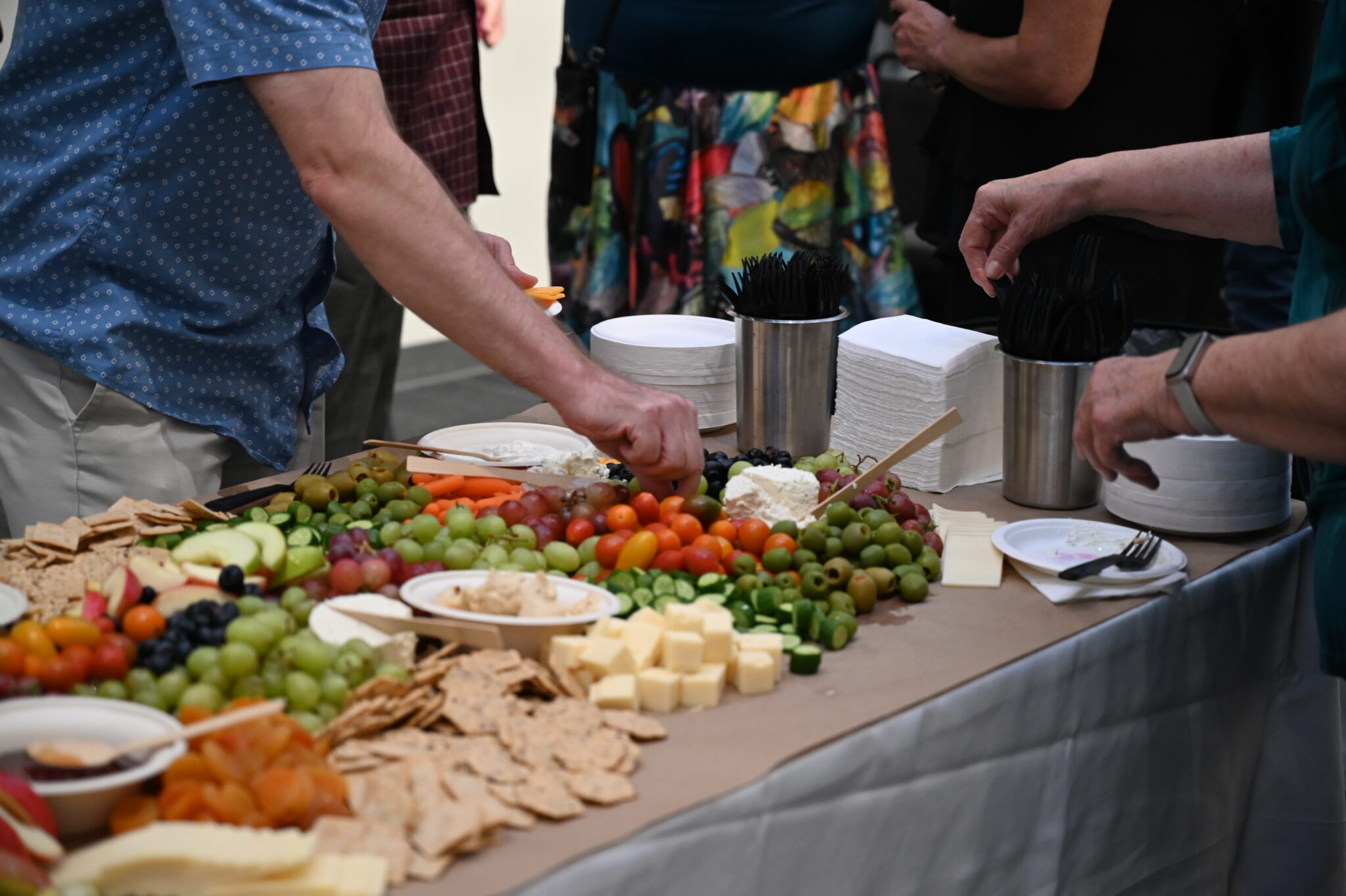
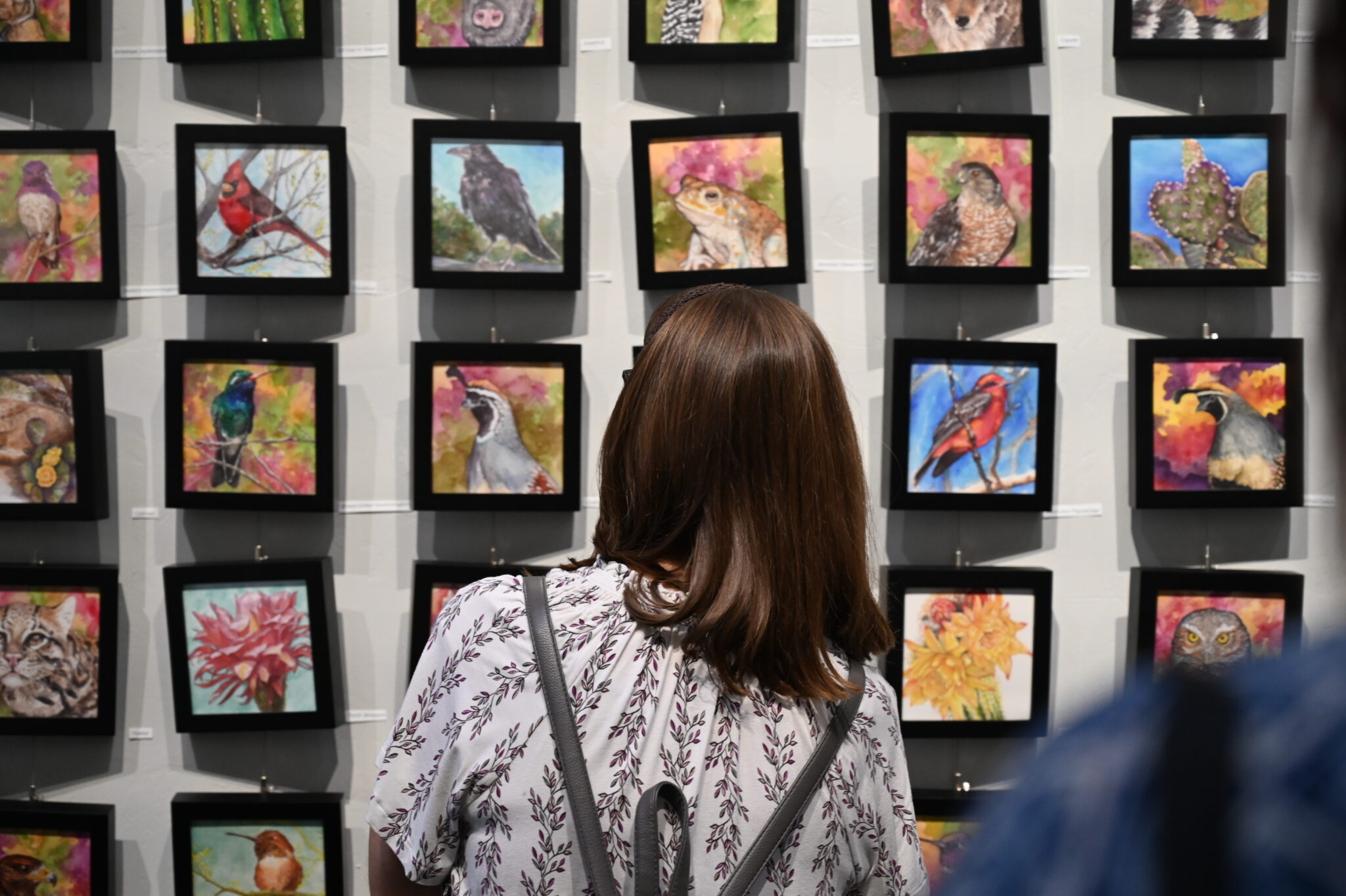
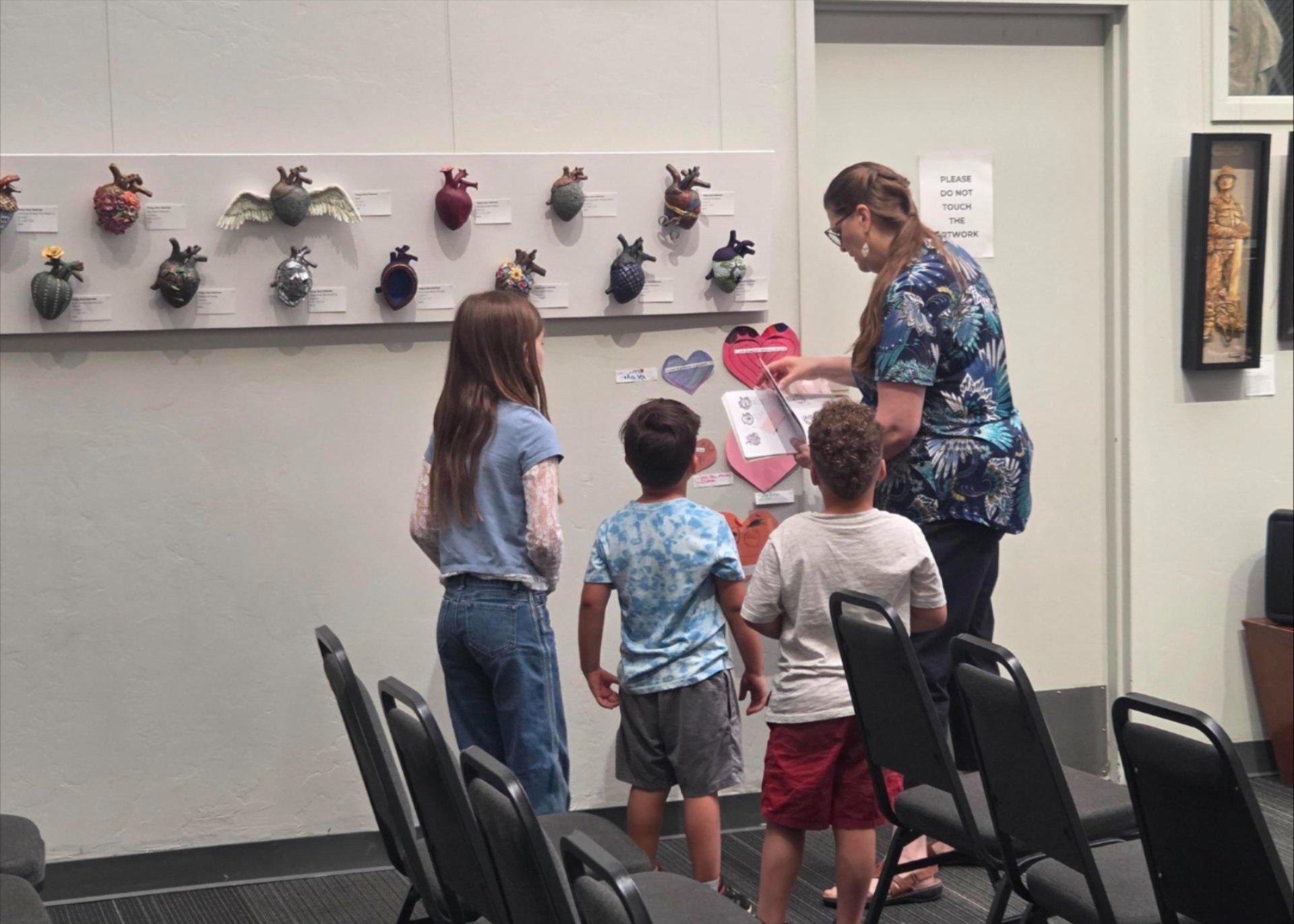
On Thursday evening, over 120 community members joined us for the closing reception of Meditation + Metaphor: Ceramic Sculpture + Watercolors by Tracy Ann Holmes. The show offered a joyful celebration of color and the Sonoran Desert we all call home. Viewers stopped by to appreciate the art, hear from the artist about her process, and nosh on a delicious (and beautiful!) snack board. You can read more about the show here from Tucson Local Media.

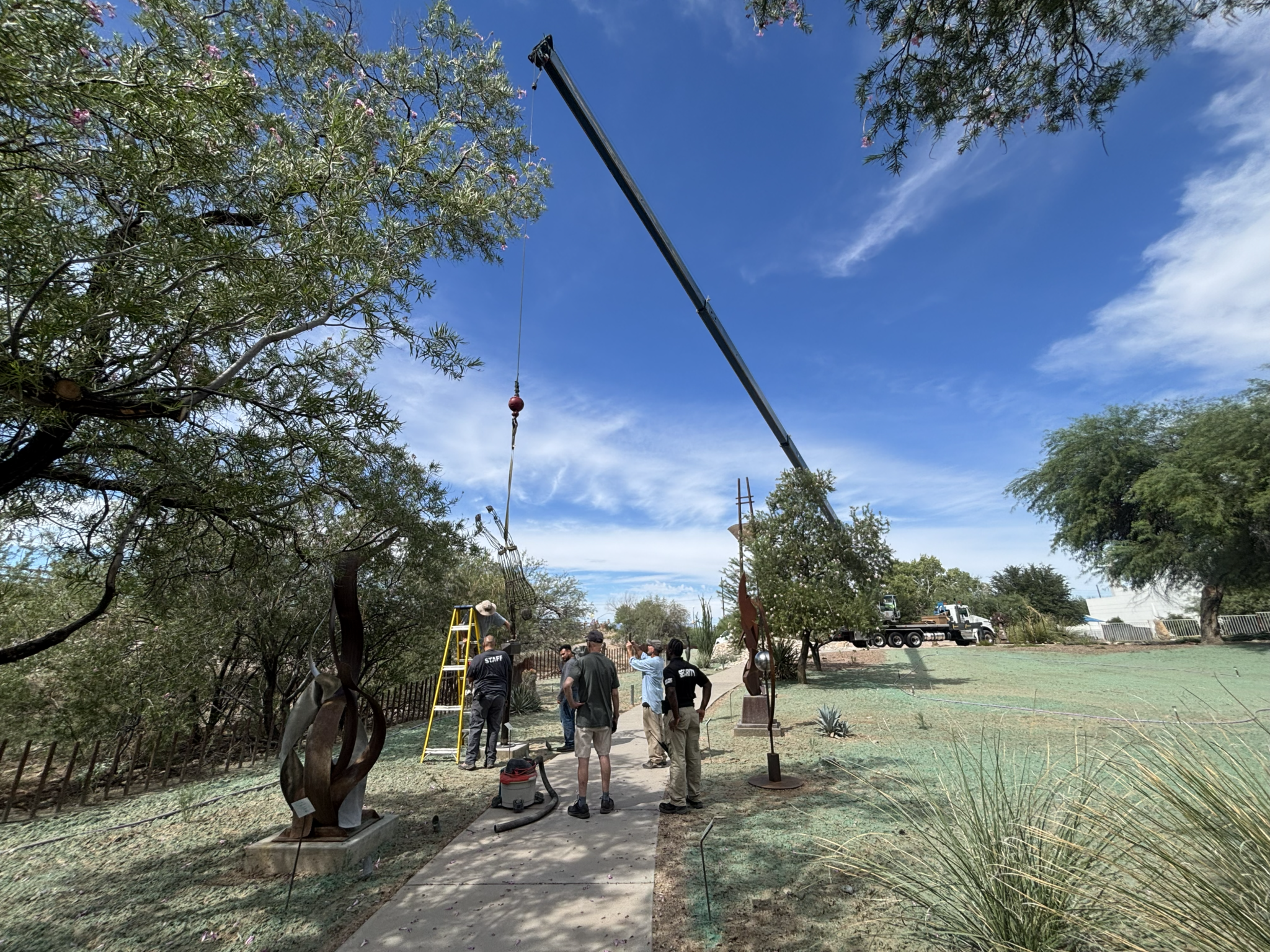
The next show in the Fine Art Gallery is in conjunction with our annual SCULPT event, this year on Sunday, October 18. In preparation, new sculptures were delivered by crane to the Jill Rosenzweig Sculpture Garden—we can’t wait for you to see them! This year’s SCULPT is themed “Making Space” inspired in part by the idea that meaningful spaces don’t just pop into existence but are built with intentionality. In Jewish tradition, the Mishkan (portable sanctuary) was built collectively, with each person contributing what they could to create a space for presence and connection. Sculpt draws on this idea: how do we create spaces in our own lives that hold beauty, reflection, and meaning? What do we choose to surround ourselves with, and why?

From arts, culture, and community, to fitness and wellness, and for people of every age and stage, the J is a place to find your joy. As we continue through the High Holidays and the year ahead, may we keep building spaces—both within ourselves and together as a community—where joy has room to grow, where everyone is welcomed in, and where we can pause to notice and celebrate the beauty we are creating together.

Reminders, Resources + Learning

From the Desk of Zach Glicksman | Chief Operating Officer

Shabbat Shalom
Shabbat Shalom

From the Desk of Zach Glicksman | Chief Operating Officer

This week’s Torah portion is Ha’Azinu (Listen). Rather than a traditional narrative, Ha’Azinu is largely a poem and what feels like Moses’ final message to the Israelites before his death. Moses reminds the people of God’s righteousness and warns them not to lose sight of their own responsibility. When things go wrong, it can be easy to look outward and blame others, our circumstances, or even God. Instead, Moses asks the Israelites to look inward and recognize the role they play in what happens next. 


This idea of ownership stood out to me as I read Ha’Azinu alongside Rabbi Lord Jonathan Sacks’ Lessons in Leadership. Leadership requires us to resist the temptation to escape responsibility. We cannot always control what happens to us, but we can control how we respond. 


Sacks draws on the work of Viktor Frankl (an Auschwitz survivor) and Aaron T. Beck (co-founder of cognitive behavioral therapy) to make a similar point. We are not defined simply by what happens to us, but by how we respond to what happens to us. That distinction feels especially meaningful to me both as a parent and as the COO of the Tucson J. 


As a parent, I want to give my daughter the freedom to make choices, including choices that may not turn out the way she hoped. My role is not to prevent every mistake or solve every problem for her. It is to help her understand what happened, learn from it, and ultimately take responsibility for her actions and celebrate her successes. I think leadership is not all that different. We can create the conditions for people to succeed, support them when things go wrong, and help them grow, but ultimately, we each have a responsibility for how we respond. 


As we find ourselves at Shabbat Shuvah, Shabbat of Return, in between Rosh Hashanah and Yom Kippur, Ha’Azinu feels like an especially appropriate reminder. The holidays ask us to reflect on the year behind us, acknowledge where we could have done better, and think about how we want to move forward. For me, that means being mindful not only of what happens around me, but also of my own role in how I respond. 


Perhaps one of the most important forms of ownership is simply asking ourselves, “What is mine to own?” And then having the courage to answer honestly. 


Shabbat Shalom. 

In Torah portion Ha’Azinu, Moses invites the people to think of the Torah, and thus their covenant with God, like rain. We find the following passage:

Let my teaching drop as rain,

Let my words fall like dew,

Like gentle rain on tender plants, 

Like showers upon the grasses. 

Here at the Tucson J, we also hope to be a life-giving force, providing nourishment that helps our community members grow and flourish—and we do this each day guided by our mission to cultivate and enrich Jewish identity, ensure Jewish continuity, foster wellness, and broaden communal harmony, and our service pledge to create community based on Jewish values by providing the highest quality programs and services in a safe and secure environment for people of all ages. 

This week, we saw the fruit of that rain in a variety of ways.

On Tuesday, a new series of Spanish classes resumed with learners of all ages and skill levels coming together to learn something new guided by esteemed instructor, Myriam. What are you looking forward to learning in the new year? 

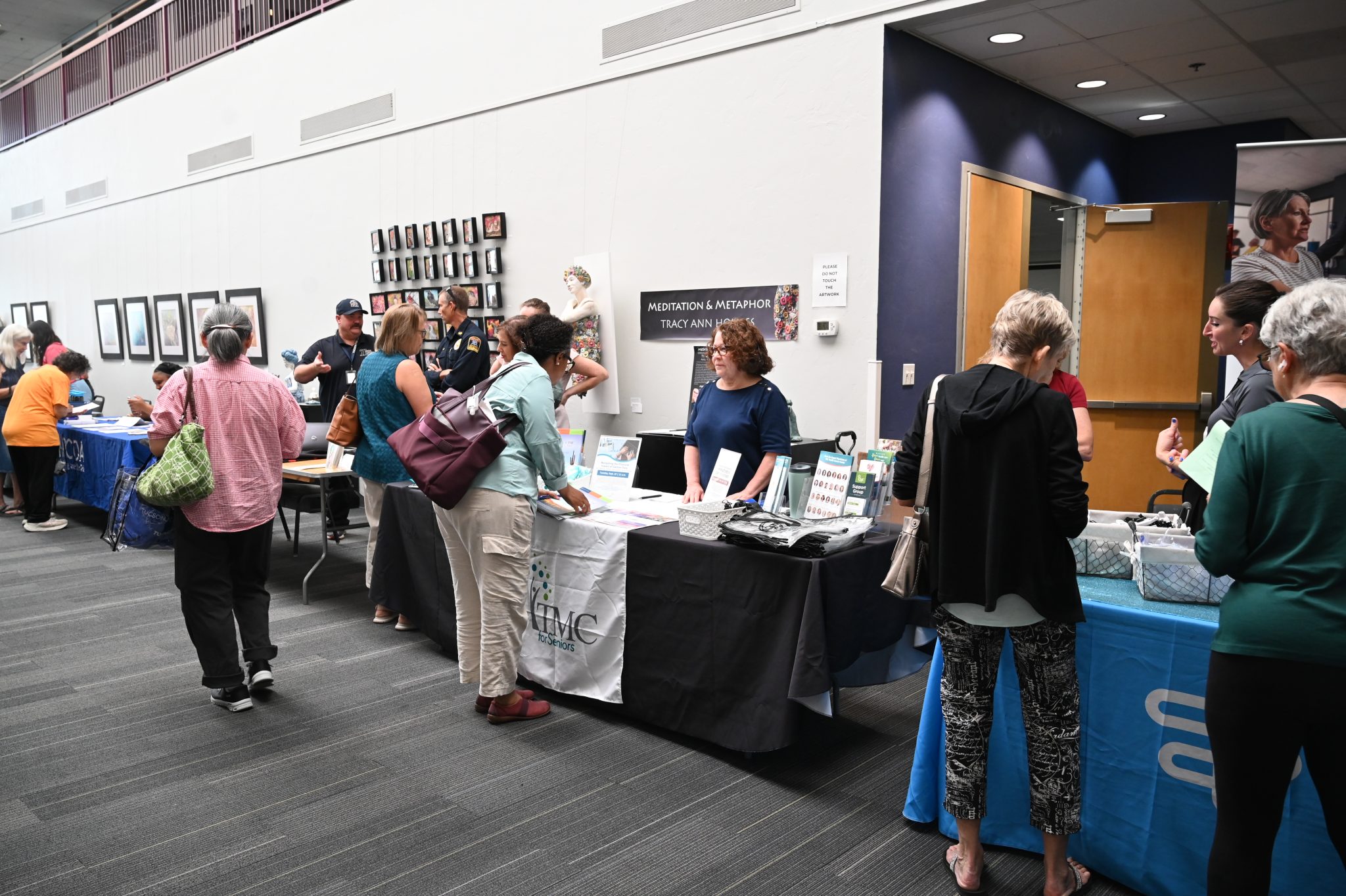
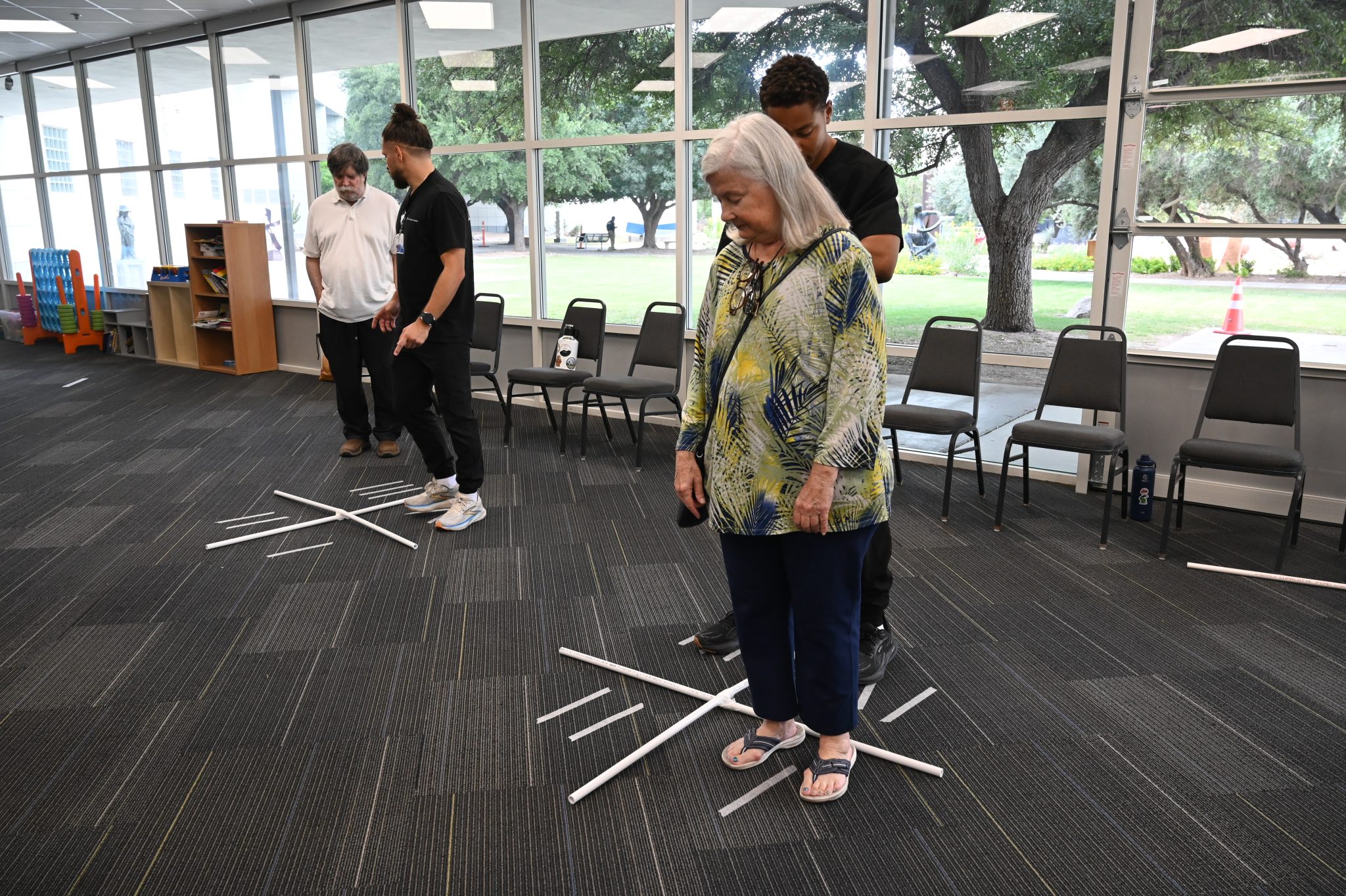
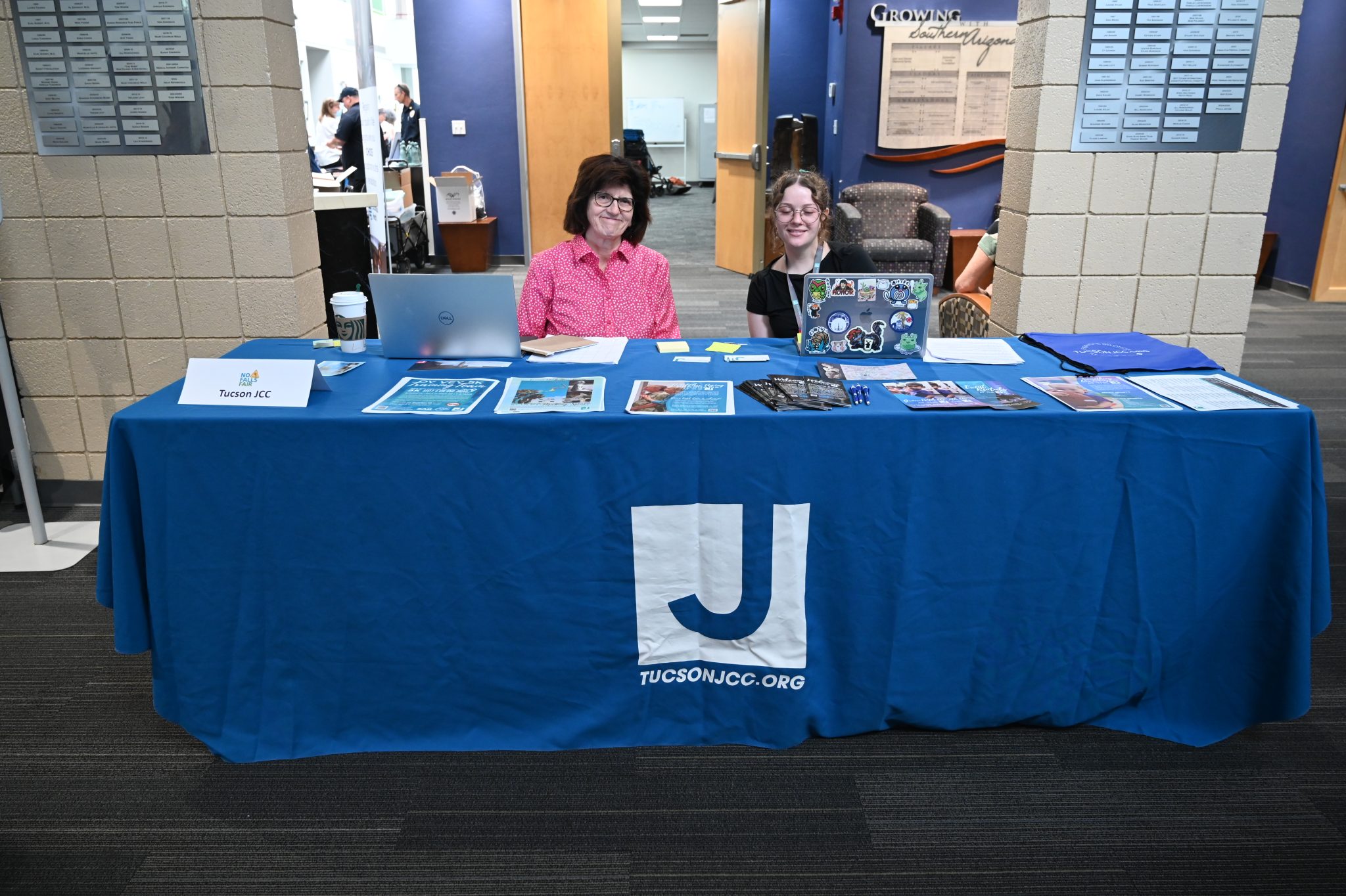
On Wednesday, over 100 community members and many organizations from across the community joined the J and TMC for Seniors for another successful “No Falls Fair,” helping to ensure that our older generation remains active, healthy, and thriving. The event included fall and balance assessments, safety presentations, and more! Learn more about our Healthy Aging programs here. 

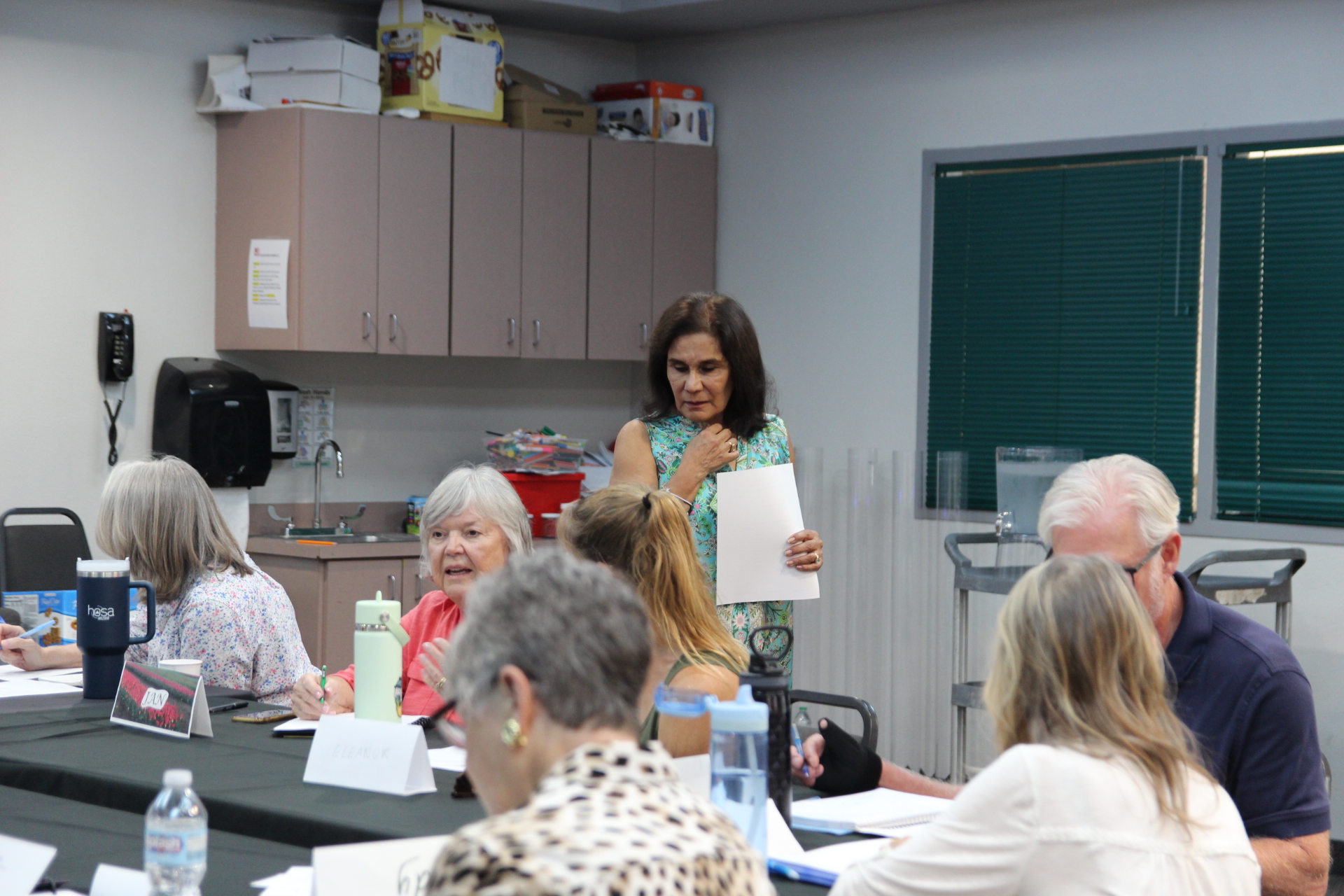
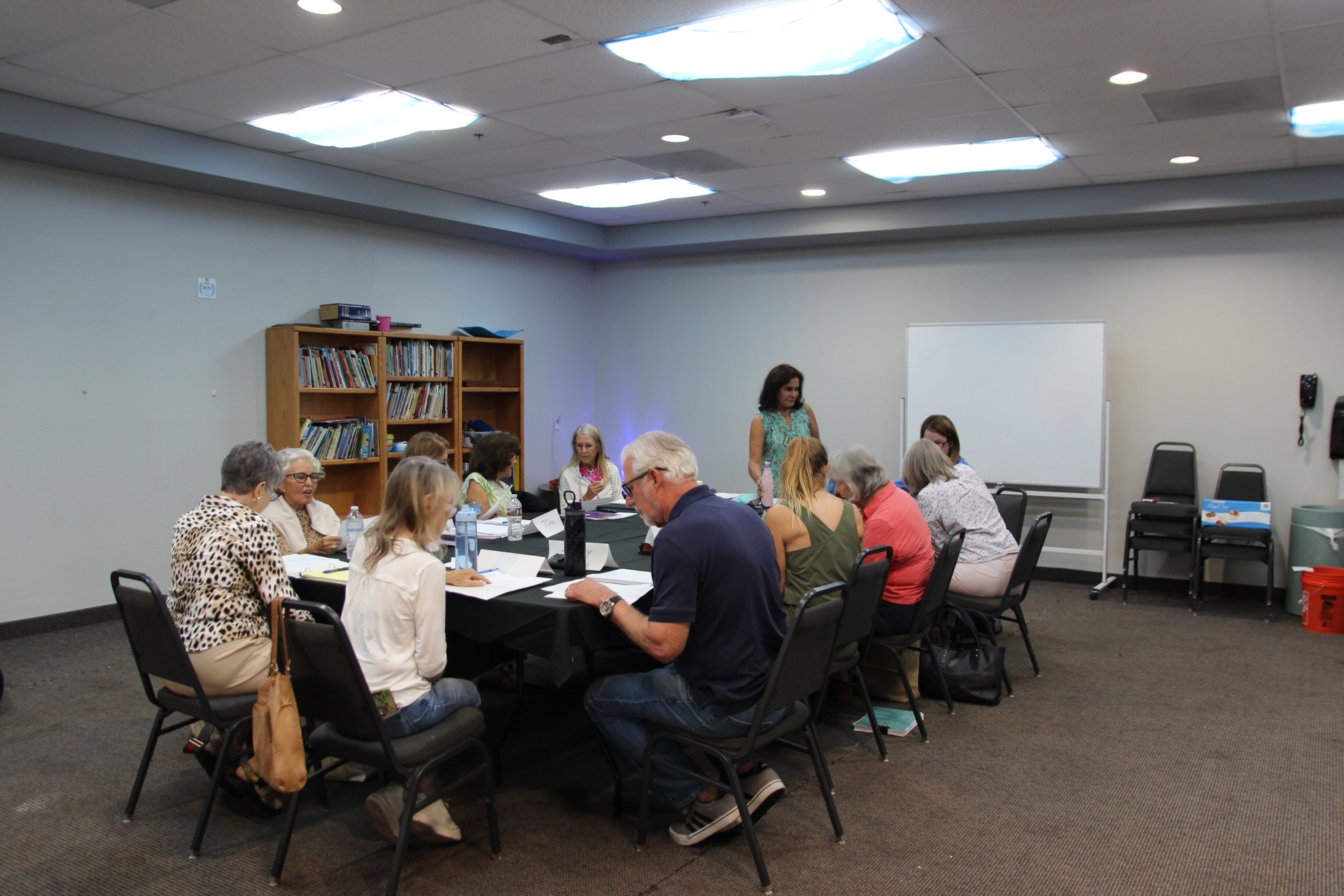
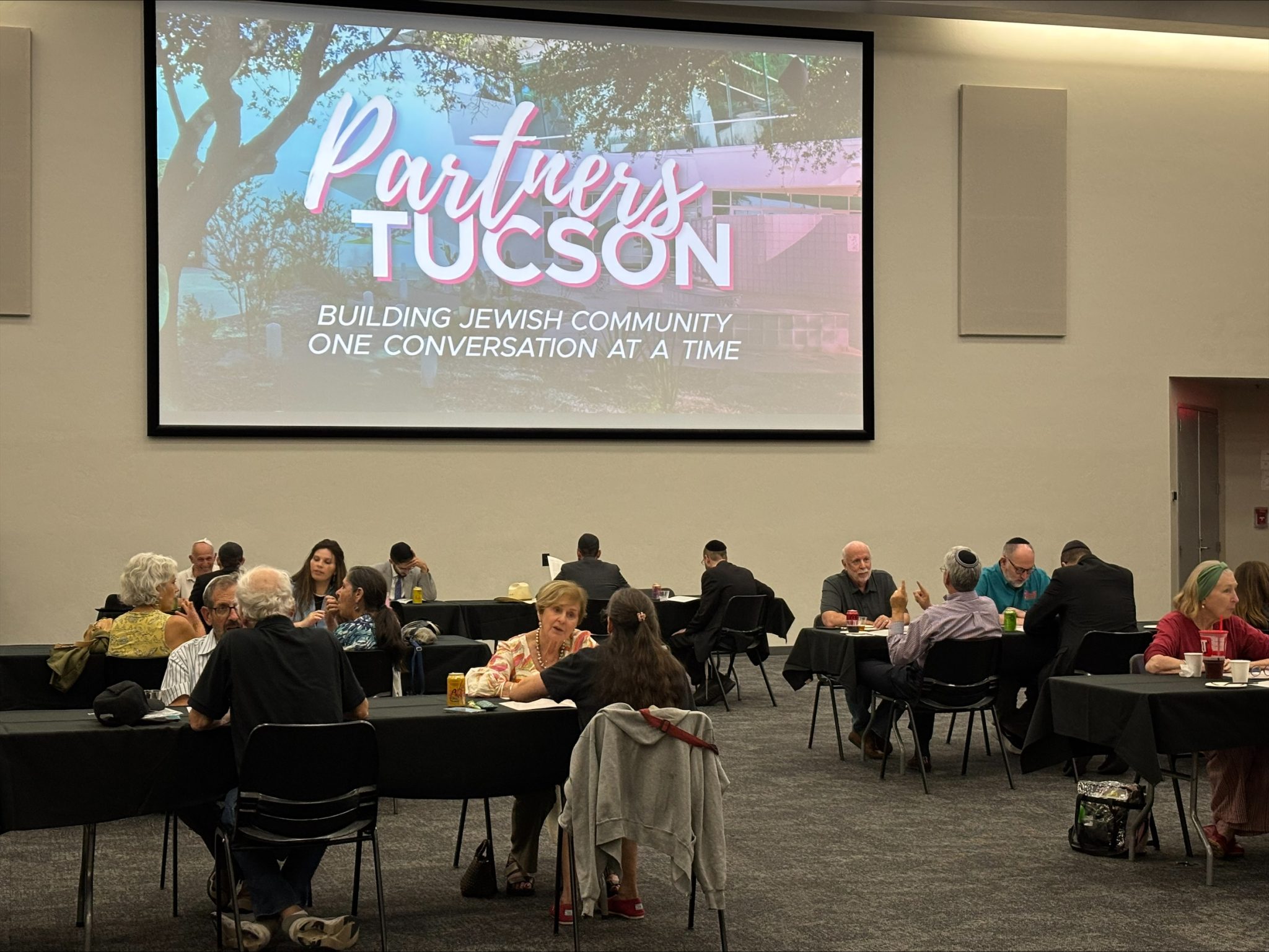
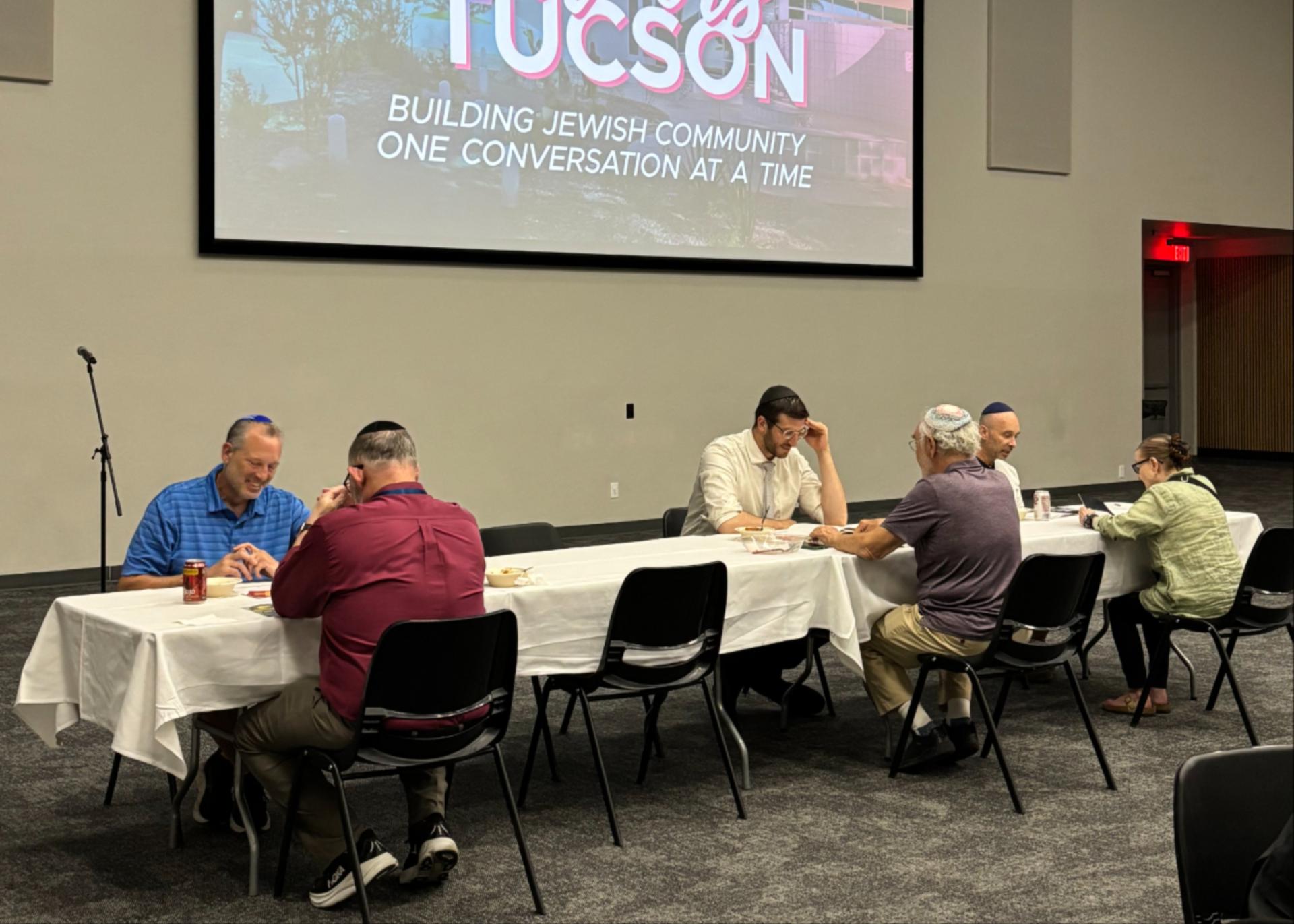
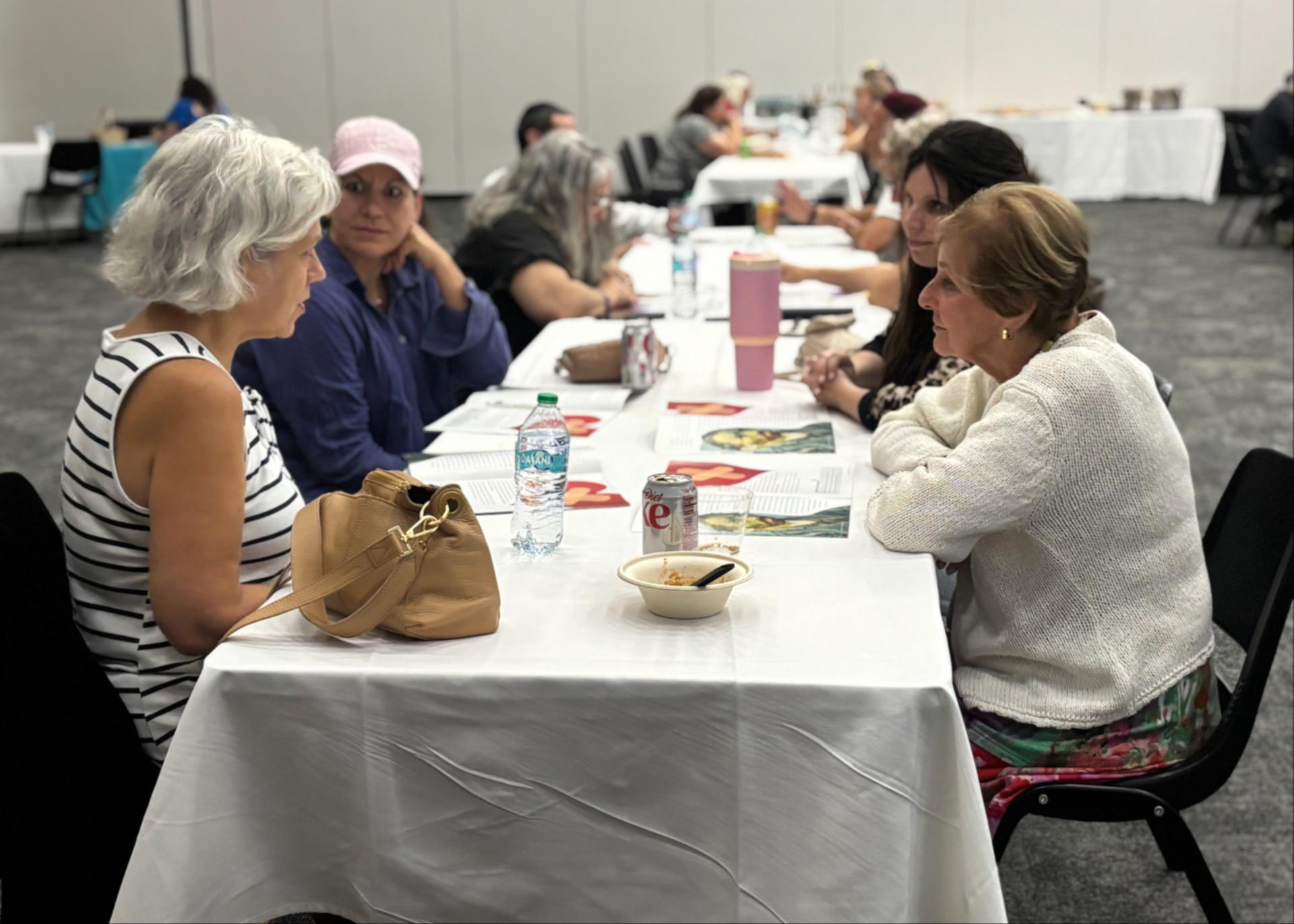
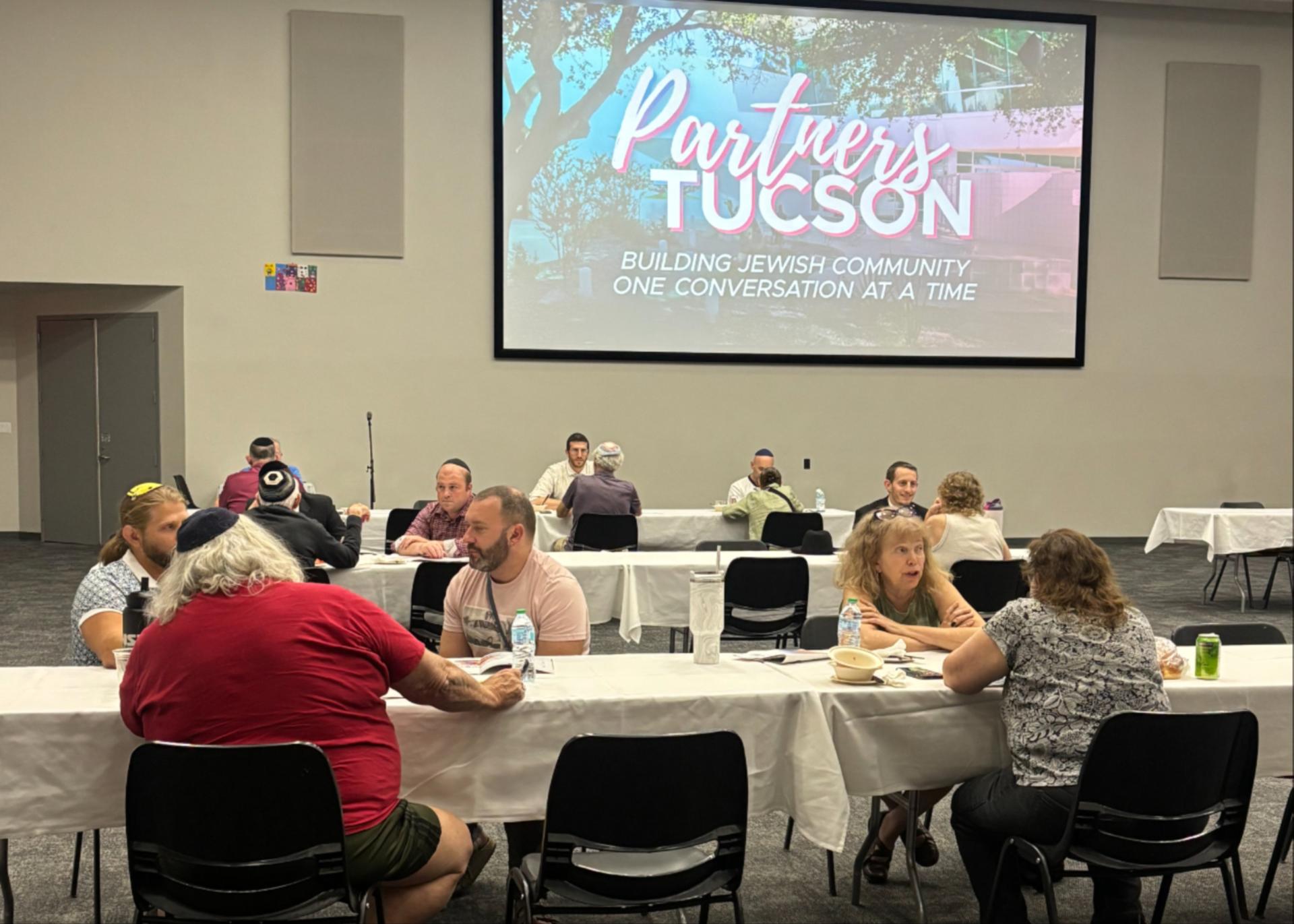
And on Thursday, we welcomed an engaged group of 40 chavrutot (partners) for the second session in a new series of Partners Tucson programs. Designed for Jewish people of all backgrounds and experiences to explore perspectives through meaningful conversation in pairs, using the teachings of Rabbi Lord Jonathan Sacks (z”l), each experience offers enriching conversation and community connection. This week’s program was themed, “The Home We Build Together.” Participants discussed what it takes to build a society that is unified even among differences. You can sign up for the next program here. 

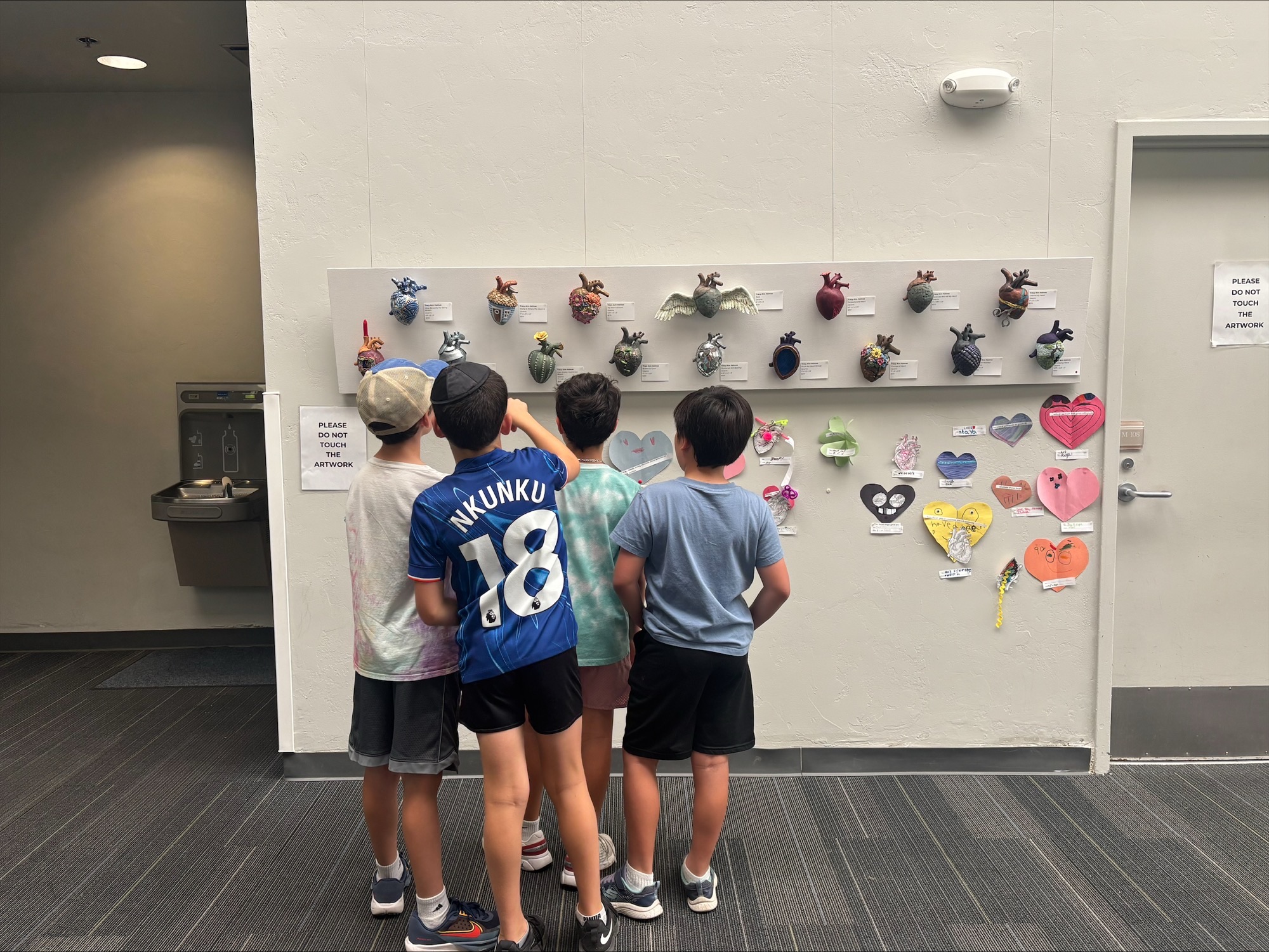
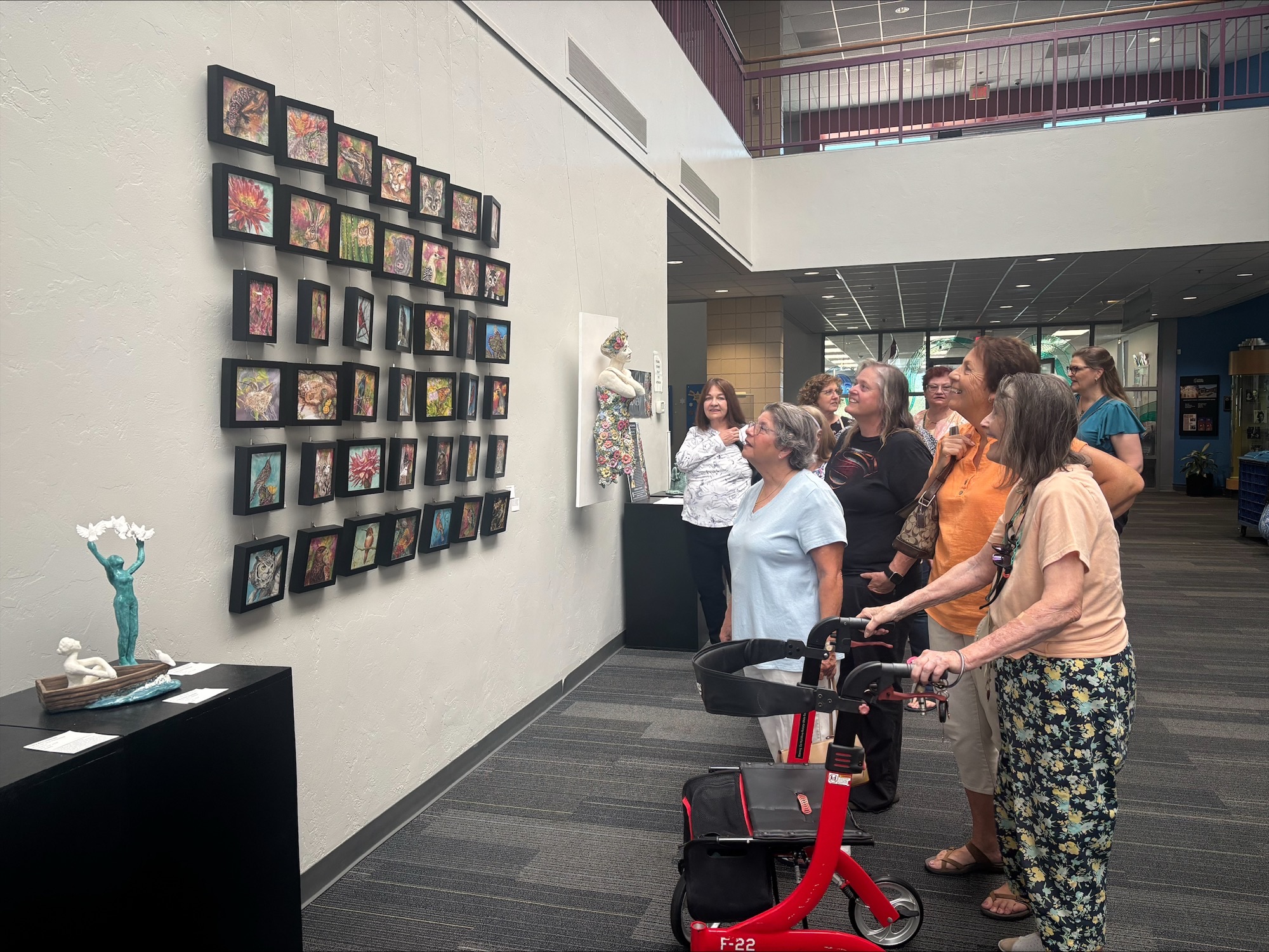
Throughout the week, two different groups joined us at the J to get inspired by the current exhibit in the Fine Art Gallery, Meditation + Metaphor: Ceramic Sculpture + Watercolors by Tracy Ann Holmes. First, the artist’s church sisterhood, and then THA art teacher Kamala Alpert brought fifth and sixth grade classes to enjoy it. We hope to see you at the closing reception on Thursday, September 24 and for SCULPT on Sunday, October 18.

As we continue through the High Holidays taking time to reflect, return, and renew, we invite you to ask: what kind of nourishment am I seeking? Where can I grow in the year ahead? And, how can the Tucson J be part of my journey? Wishing you a Shabbat Shalom and G’mar tov (a good final sealing [in the book of life]). 

Reminders, Resources + Learning

From the Desk of Jennifer Lorch Selco | Sr. Director of Jewish Life + Engagement

Shabbat Shalom
Shabbat Shalom

From the Desk of Jennifer Lorch Selco | Sr. Director of Jewish Life + Engagement

This Shabbat over Rosh Hashanah, communities around the globe will read the story of the binding of Isaac or the story of creation. Rather than reflect on the parsha, I’d like to share one of my favorite stories, The Diamond. There are many versions, this one can be found at Chabad.org.

A king once had a prized jewel, an exquisite diamond. As he held it to the light, perfection glinted from every of its luminous facets. This gem, he felt, would be the crown jewel in his magnificent diadem.

One morning the king awoke, and upon taking out his precious treasure he found, much to his dismay, that there was a single thin crack descending down its face.

The greatest jewelers were called to look at the stone in the hopes of fixing it, but nothing could be done—the crack ran so deeply down the face of the diamond that any effort to remove it would further ruin it.

Finally, one jeweler, a simple man from one of the neighboring villages, stepped forward. He would save the diamond, he claimed.

The king laughed. The greatest craftsmen in the world had seen the gem, and deemed it hopeless; how could this simple jeweler hope to do anything?

Seeing, though, that there was nothing to lose, the king informed the jeweler that he could spend a single night with the diamond. If he managed to fix it, then he would see great reward. If, however, he did not succeed, a bitter lot awaited him.

Locked in his room, the jeweler took a long look at the stone. It was truly magnificent, sparkling like the fire of the sun on the surface of the water. And the crack, however thin, could not be removed without destroying the precious crown jewel in the process. What could be done?

The next morning, the jeweler came out with the stone in hand, a look of triumph on his face.

When he produced the gemstone, the entire royal court—the queen, the ministers, even the jester—erupted in an uproar. The scratch had not been removed; it remained in its place. The jeweler had instead etched a rose, the symbol of the kingdom, on the face of the diamond, turning the crack into its stem.

The king stood up from his throne and embraced the simple jeweler.

“Now, I truly have my crown jewel!” he said. “The diamond was magnificent until now, the best I had ever seen. It was, however, no different than any other stone. Now, though, I have a truly unique treasure!”

On Rosh Hashanah, as we strive to return to our best selves, we must remember that while we cannot erase the mistakes of our past, we can and should learn and grow from them. Shanah tovah u’metukah, wishing you a good and sweet new year. 5787 holds an abundance of possibility, and we get to decide how we will shape the cracks, challenges, and opportunities of the year ahead into something beautiful.

Rosh Hashanah invites us to pause, reflect on the year behind us, and look with hope toward the year ahead. It is a time to consider who we have been, who we want to become, and how we can help shape the year ahead into one filled with meaning, connection, and joy. At the J, we believe everyone belongs and those possibilities are created together. As we welcome 5787, the High Holidays remind us that a new year is not simply a date on the calendar—it is an opportunity to begin again with intention and recommit to the values at the heart of our J community. This week, that spirit of renewal and togetherness was especially visible as our community prepared to welcome the new year.

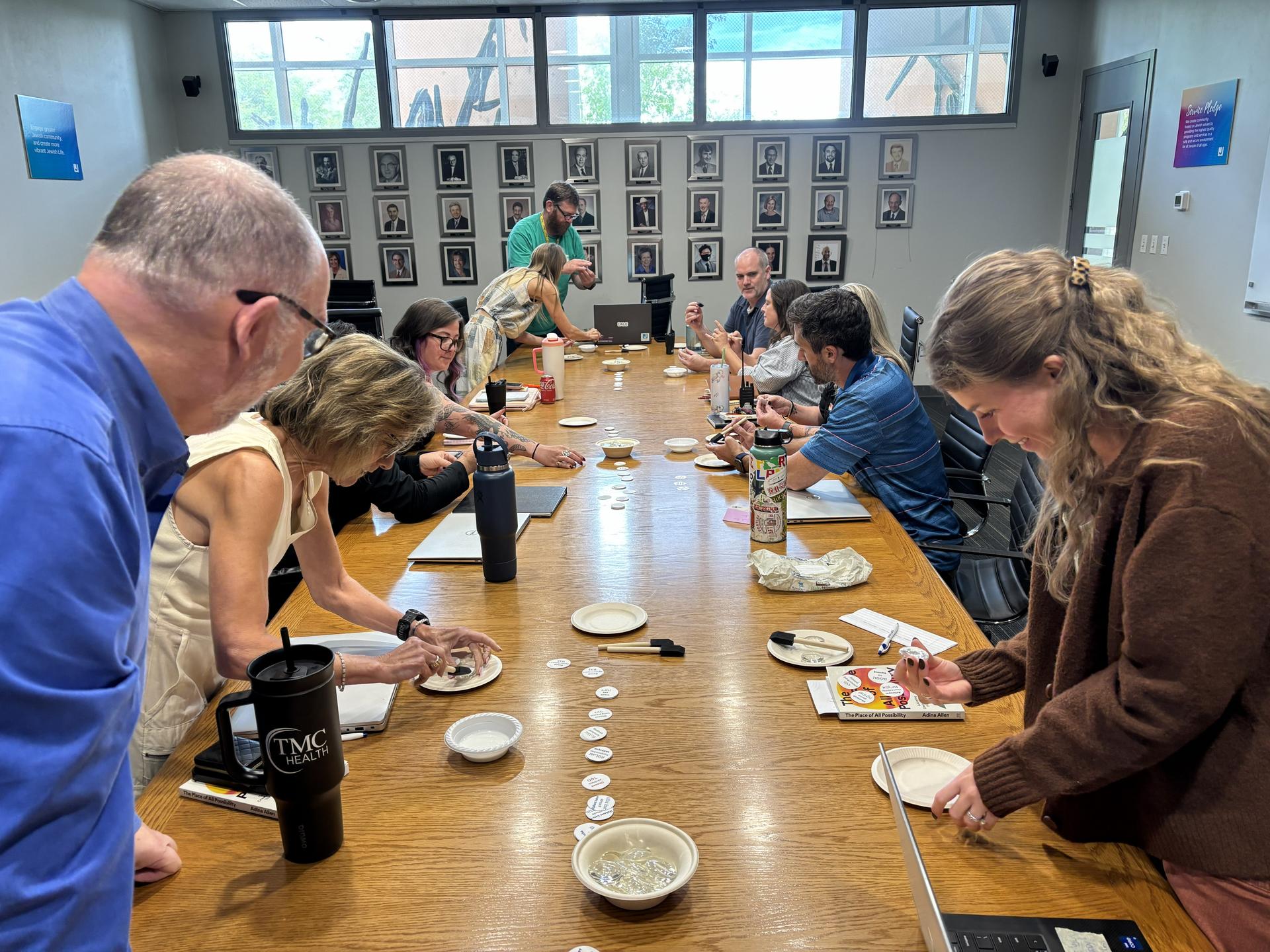
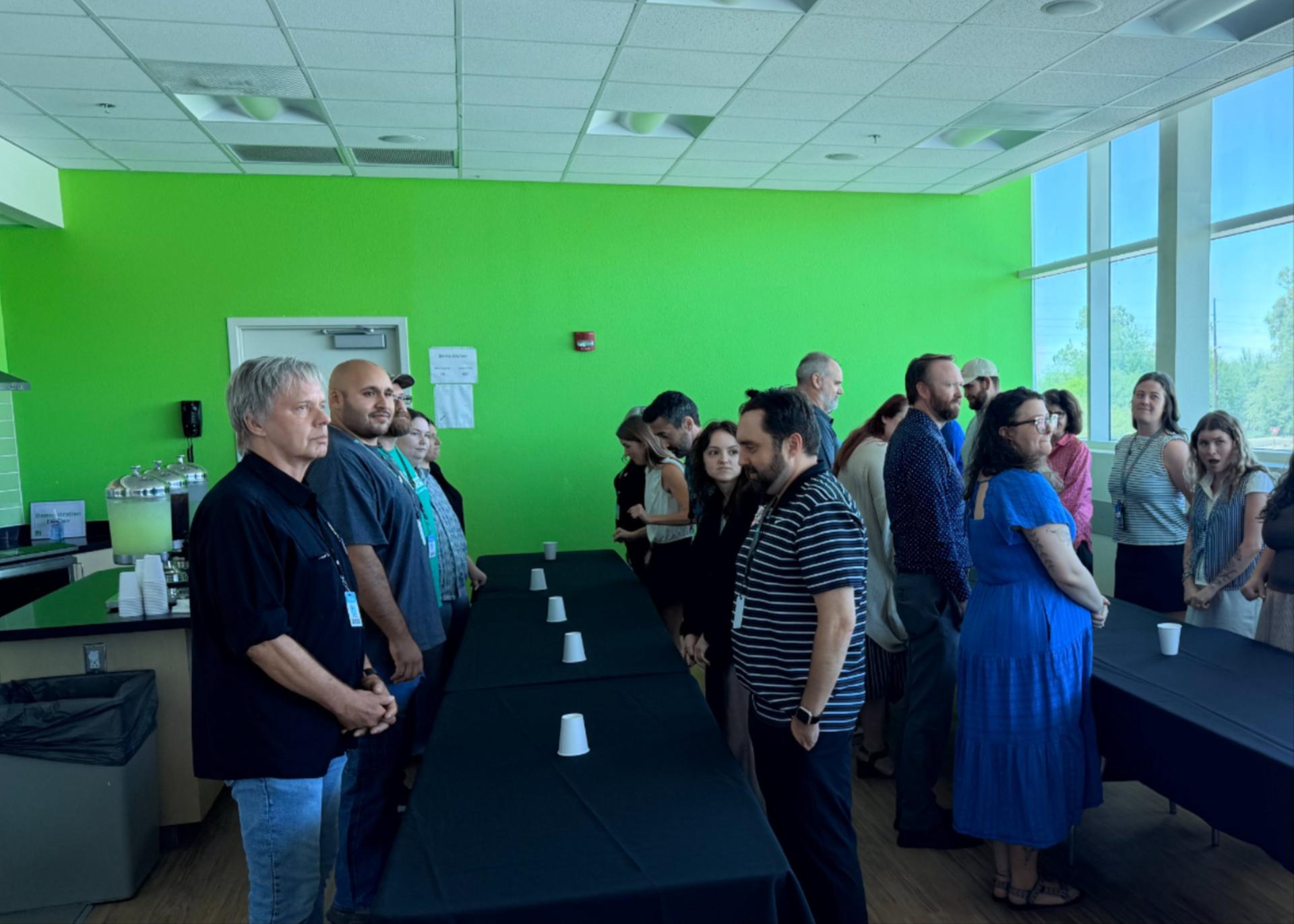
On Tuesday, the J’s senior leadership team began our monthly meeting with an art and intention-setting activity, before engaging in conversation about our aspirations for the year ahead. The moment offered meaningful time to reflect and envision what we hope to create together, the impact we have, and how we can approach our collective work with purpose, innovation, and excellence. 

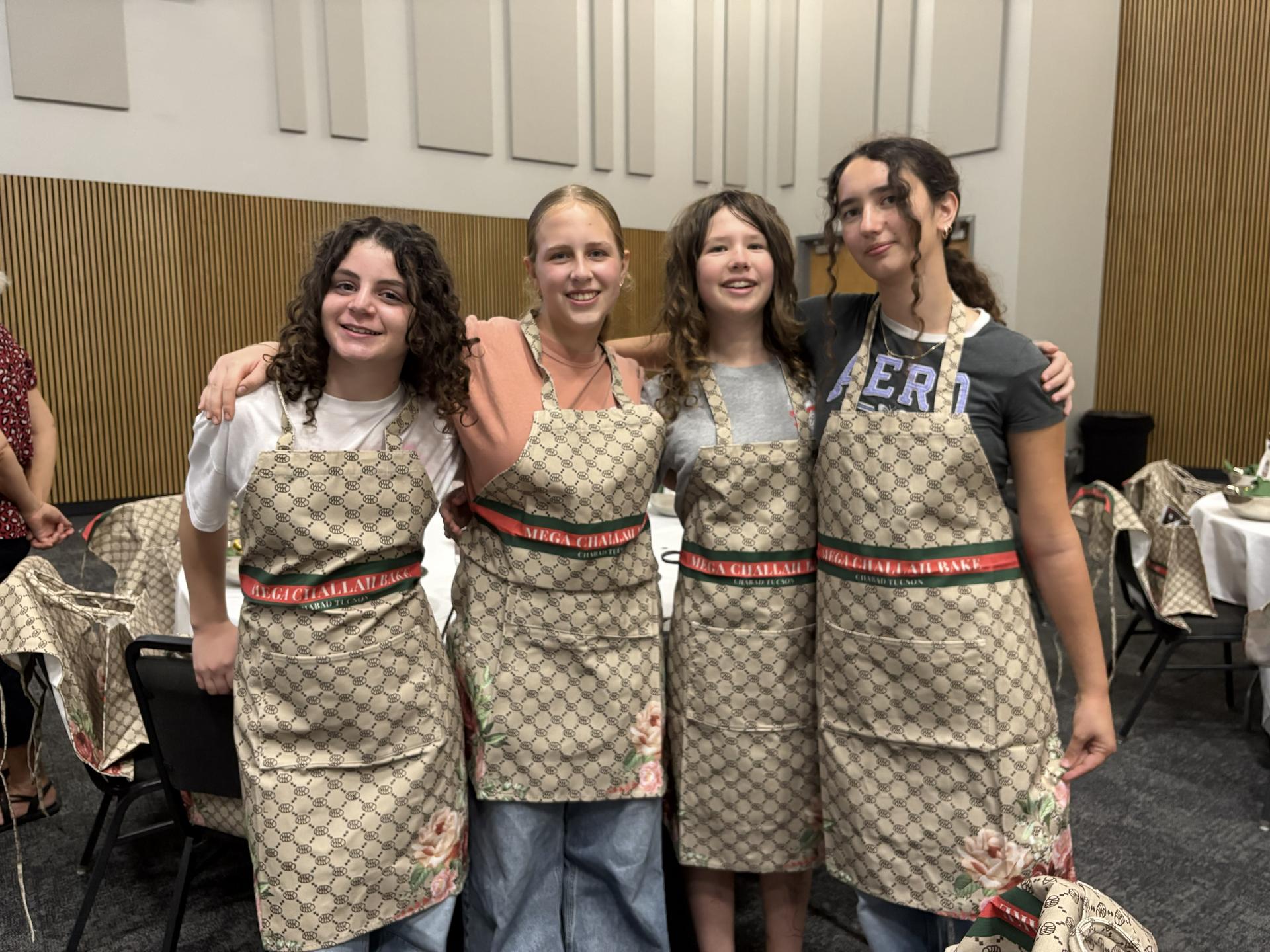
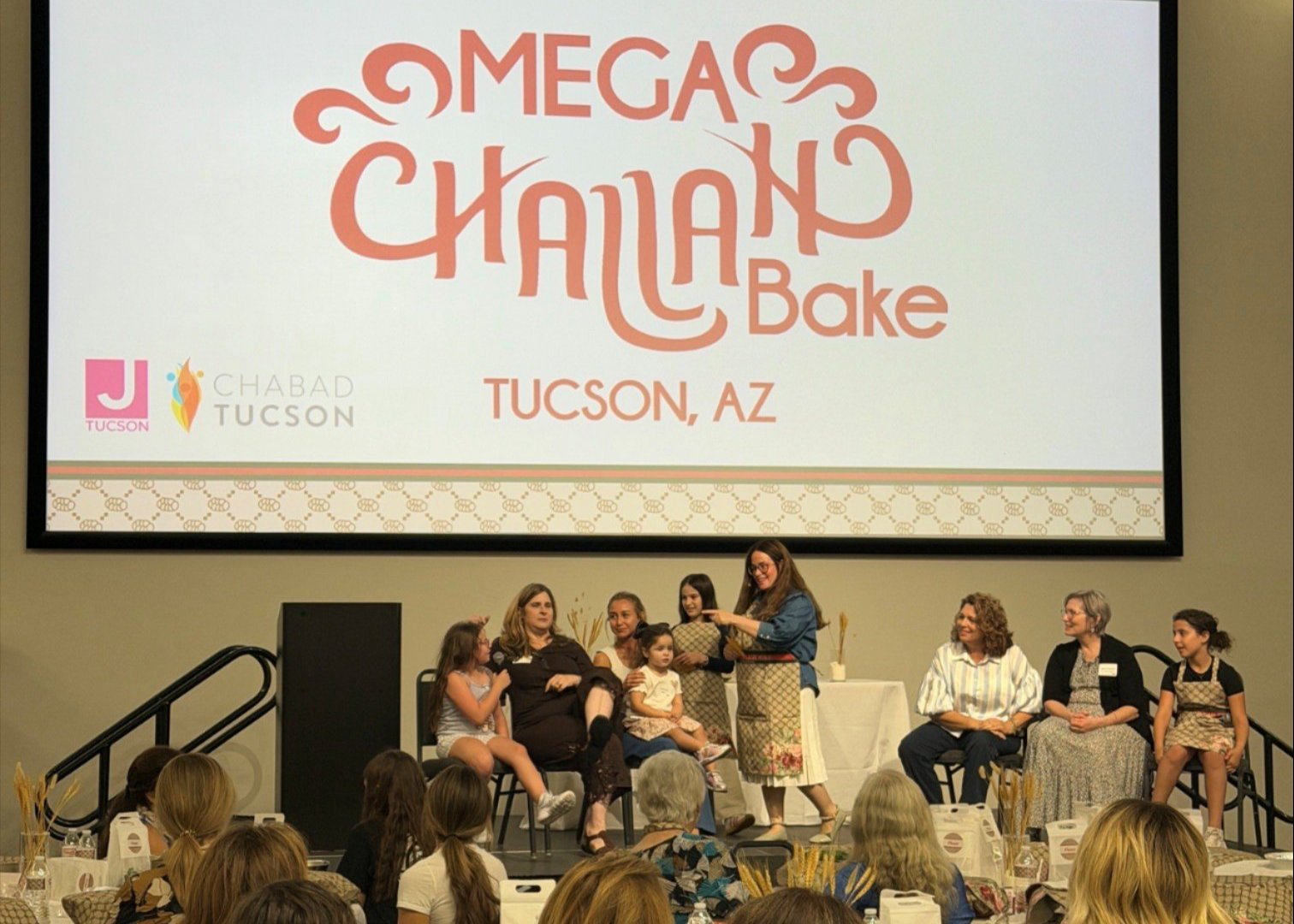
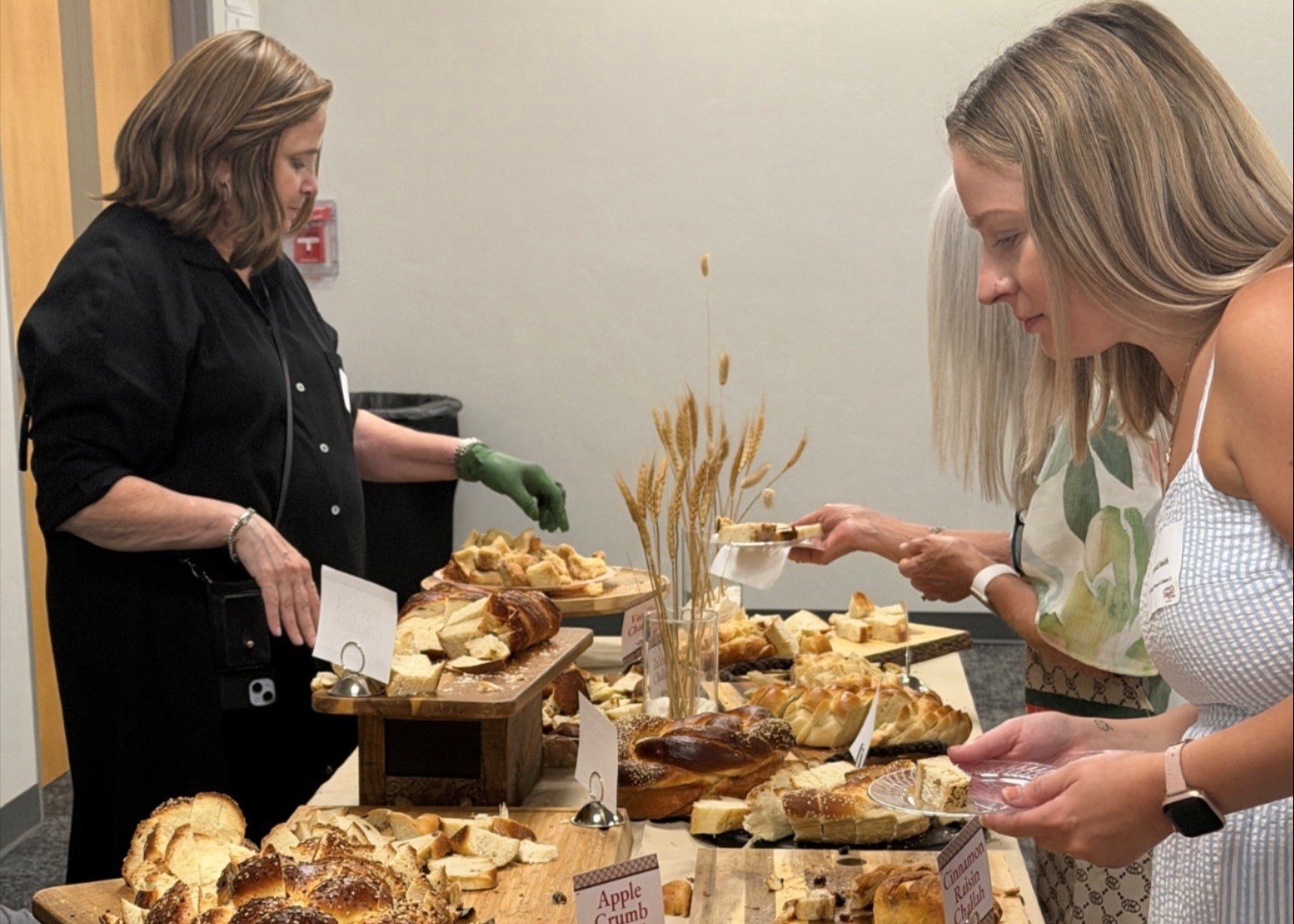
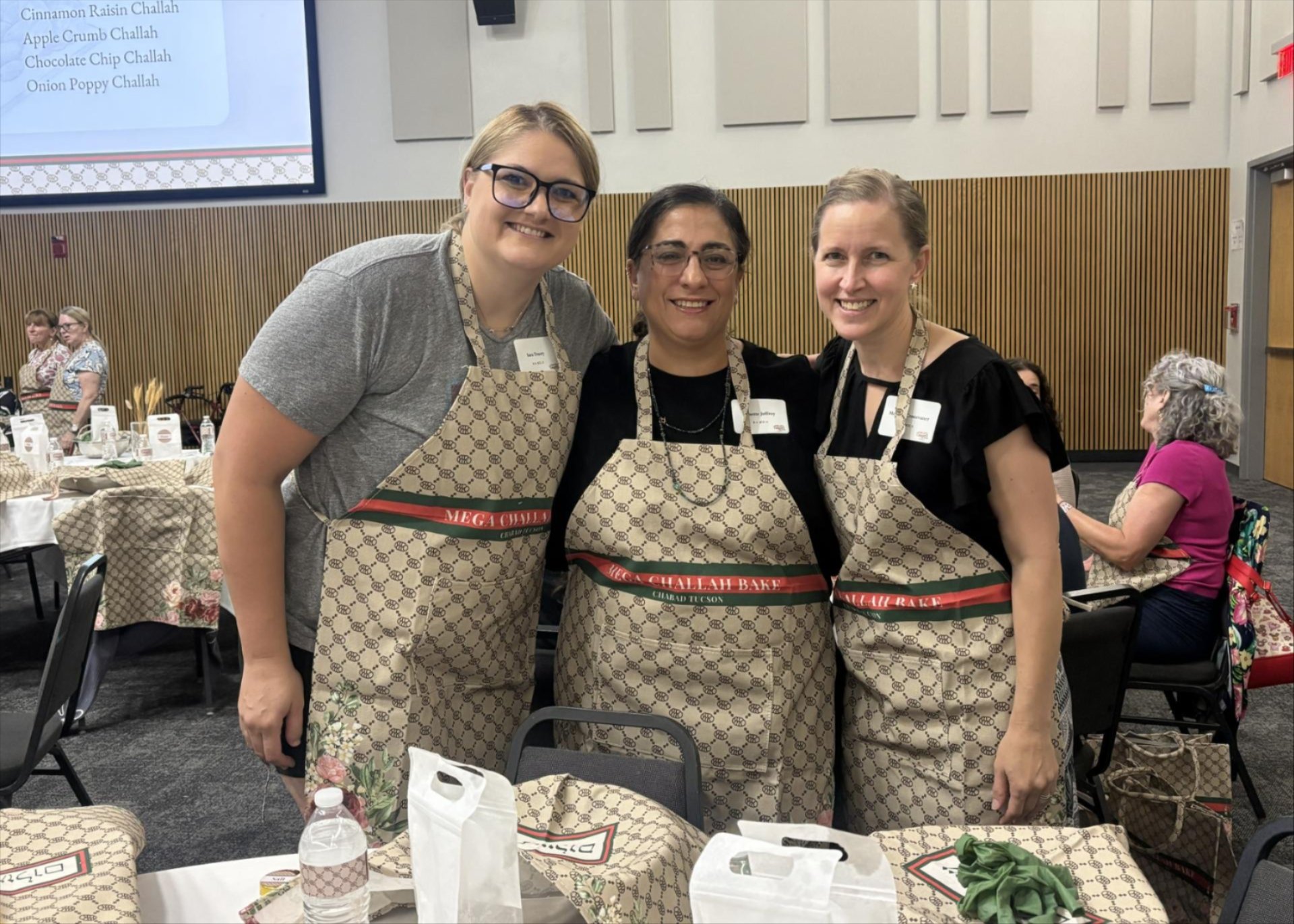
On Wednesday, the J was again proud to partner with Chabad Tucson for their annual Mega Challah Bake, featuring round challahs for the holiday along with so much joy and connection. Yasher koach to Feigi Ceitlin for planning another truly beautiful event for the women and girls in our community! 


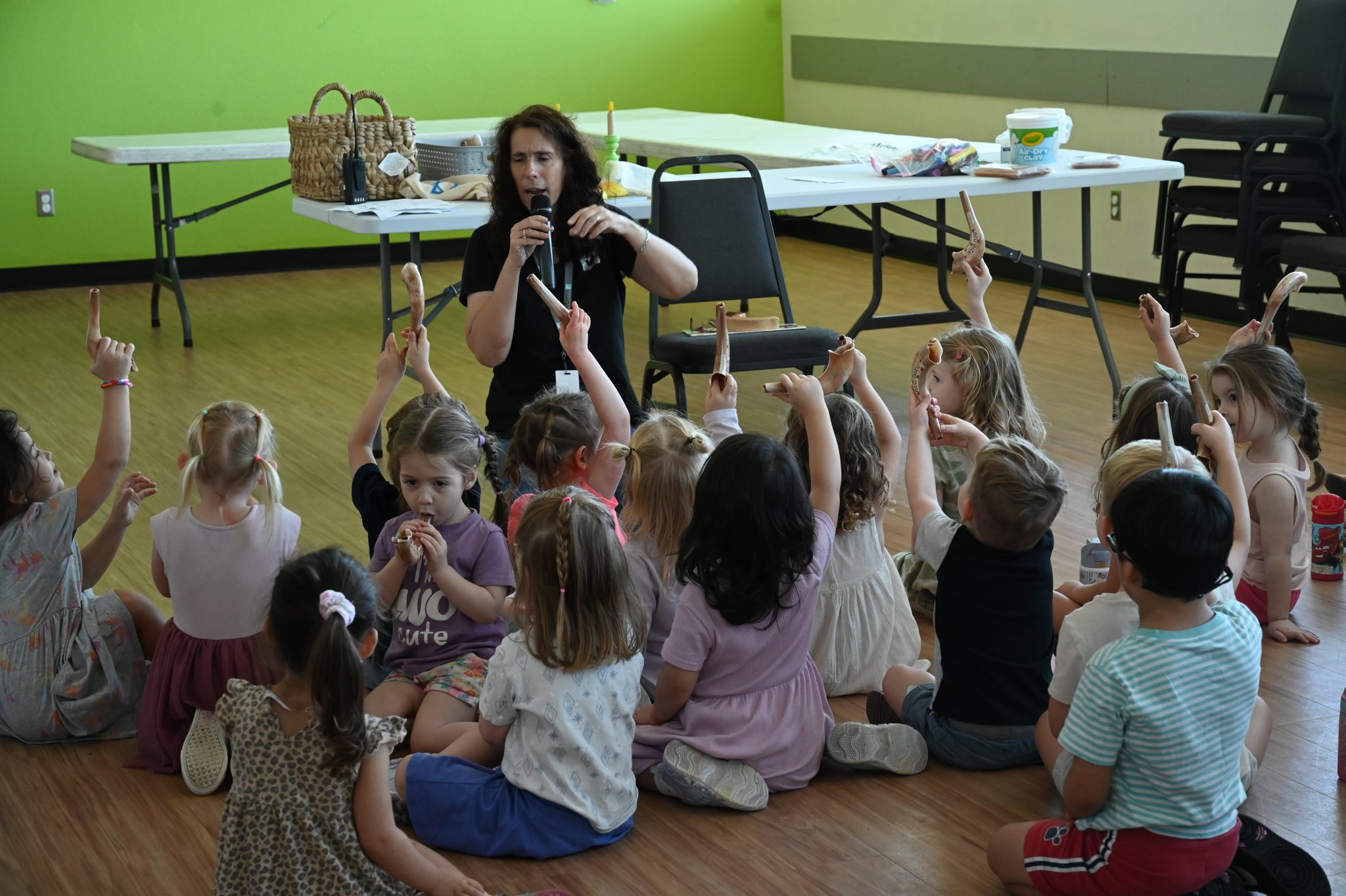
All week long, children in Early Childhood Education have been learning about the holiday, blowing their shofars, and making honey bowls for a sweet new year. In our JCare after school program, students practiced mindfulness and reflection as they followed a step-by-step process to create a sensory sculpture, explored how the holiday encourages us to reflect on our friendships and relationships with a group activity, and made delicious honey donuts! 

As we look ahead, know that the J is here for you in every season. We look forward to offering more opportunities for our community to learn, grow, and thrive together in 5787 and wish you joy and wellness all year long. Shabbat Shalom. 

Reminders, Resources + Learning

From the Desk of Chloe Loos | Director of Arts + Culture 

Shabbat Shalom
Shabbat Shalom

From the Desk of Chloe Loos | Director of Arts + Culture

In this week’s portion, Nitzavim (Hebrew for You Stand), Moses speaks to all who have and who will enter the covenant. He shares that the sacred obligations (more traditionally recognized as commandments) are practical, not distant. 


Toward the close of his book, Why Do Jewish? A Manifesto for 21st Century Jewish Peoplehood, Zack Bodner proclaims, “Judaism is the Jews’ ongoing conversation. The conversation about Judaism is Judaism. The ways Jews become connected to Judaism is by joining the conversation (pg 196).” 


For centuries and even across generations, Jews have engaged in conversation with one another, either in-person, over Zoom, and even across layers of Jewish text. Perhaps the commandment to hear the Torah was about hearing the stories and laws, and just as much about showing up to be part of the experience conversation. 


As we approach the high holy days, marking a new Jewish year, how will you choose to show up and be part of community this year? Who will you invite to show up with you? And, if you’re not yet sure about the Jewish community you seek, reach out to us , we’d love to get to know you, help connect you with community, and be part of your Jewish journey. As we move into the last Shabbat of Hebrew year 5785, I want to wish you and your family a shabbat shalom and a shanah tovah u’metukah, a good and sweet new year. 

This week, as we read Parshat Nitzavim, we are reminded that a strong community is built by every person who shows up to find their place within it. Moses speaks to the entire community—every individual standing together—and reminds us that the choices we make can open the door to renewal, connection, and a life lived with purpose. 

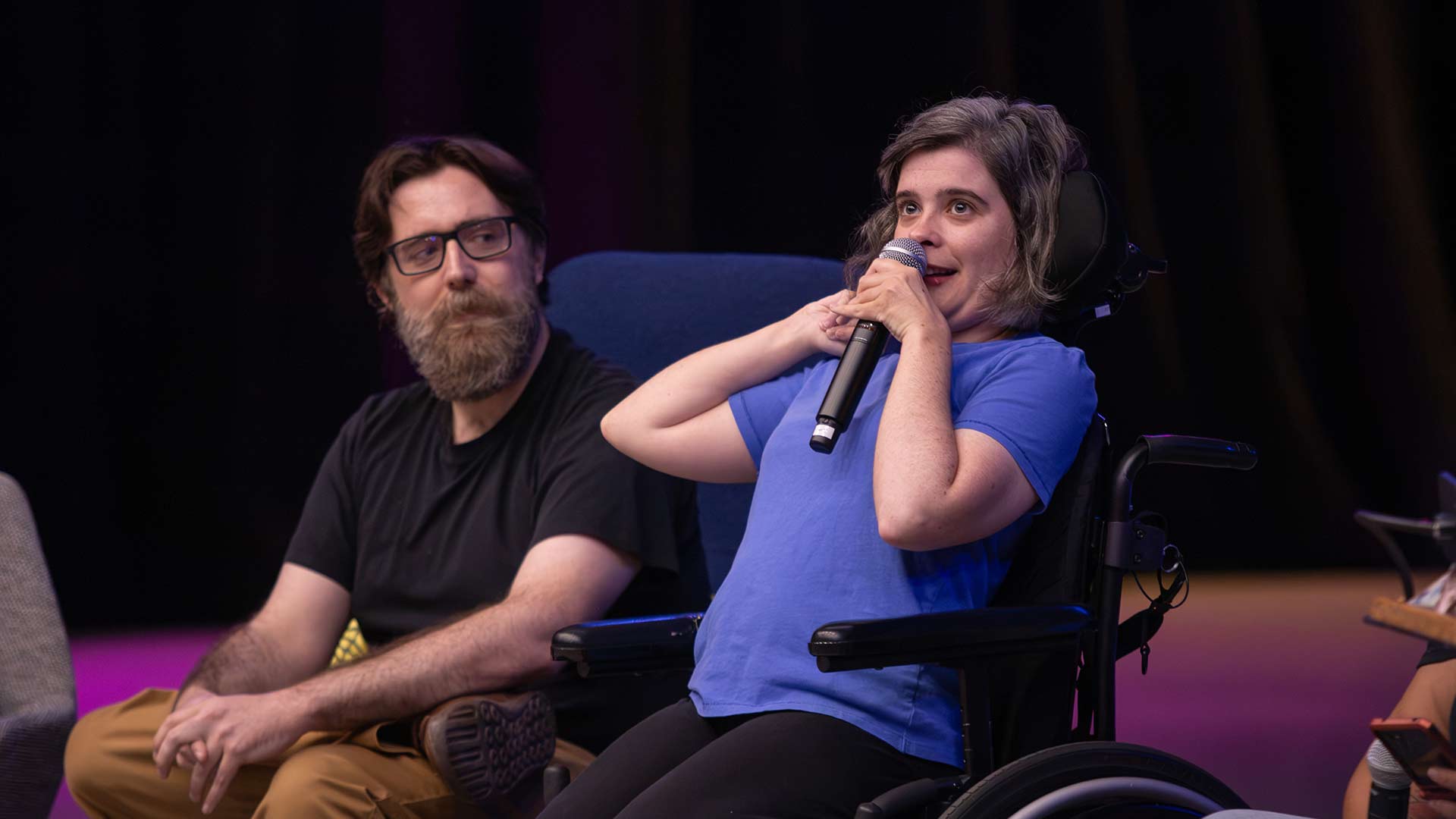
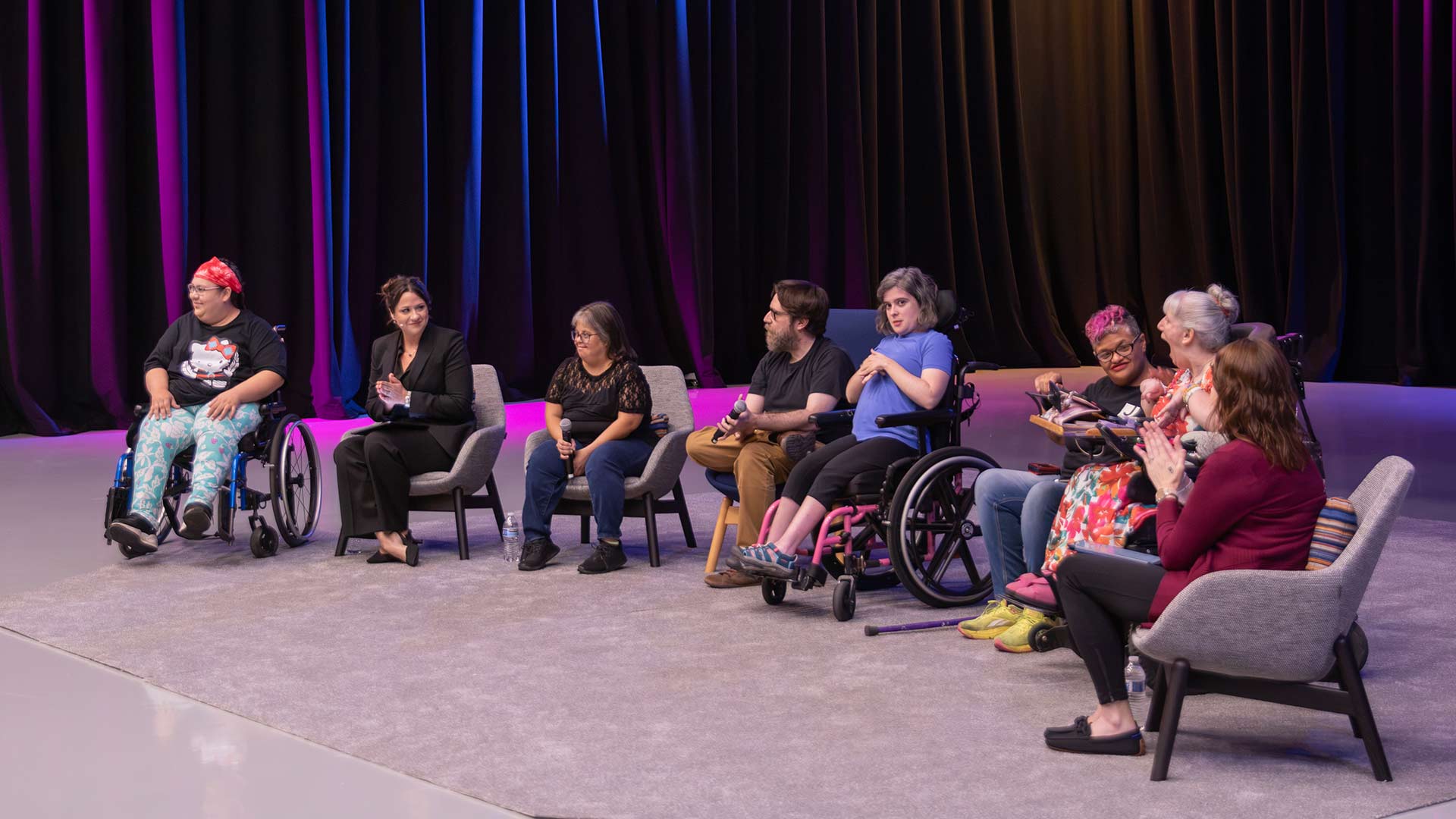
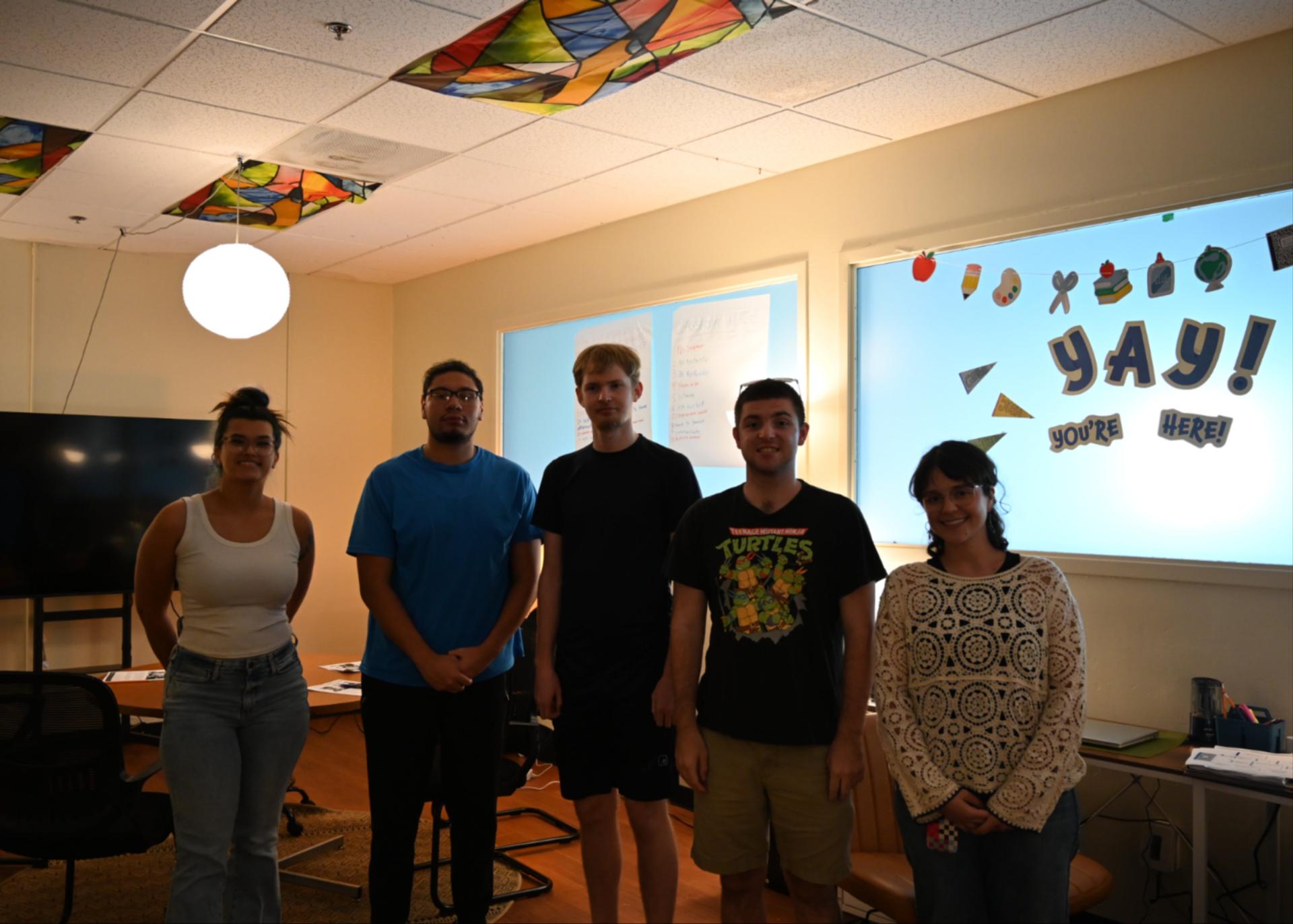
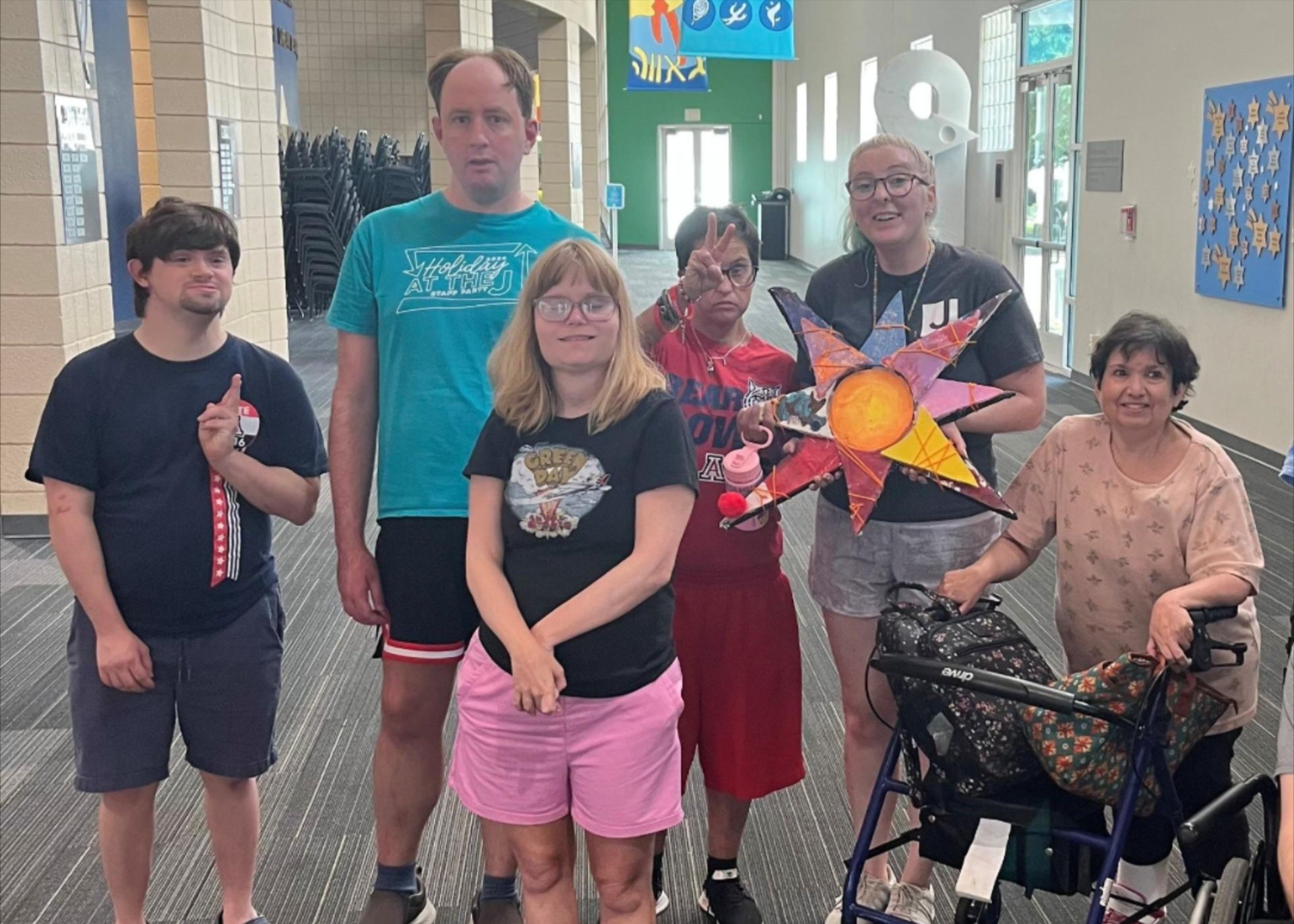
This week was full of exciting accomplishments for our Disability Program Services department. On Saturday, after a series of sessions with staff from AZPM, Tucson Spotlight, and WordSlaw to learn how to craft personal stories, four participants in our Taglit B’Yachad program were featured in a culminating showcase at the new Paul and Alice Baker Center for Public Media. During the event, a packed house enjoyed a video where each participant shared their story about a time they were brave; after the video, there was a Q+A with the participants and team who facilitated the event. This week also marked the official launch of DPS’ new Pathways to Employment program with an inaugural cohort of three! We are thrilled to offer this new opportunity for people with intellectual and developmental disabilities to learn vocational skills that will prepare them for work outside the J upon graduation from the program. Lastly, Taglit created a piece of art as a thank you to Congregation Anshei Israel for lending their space to the participants while Camp J was in session over the summer; they presented the art to Anshei leadership on Thursday. Each of these milestones represents a person taking a new step, sharing their voice, or opening a new door—with a community of support around them.

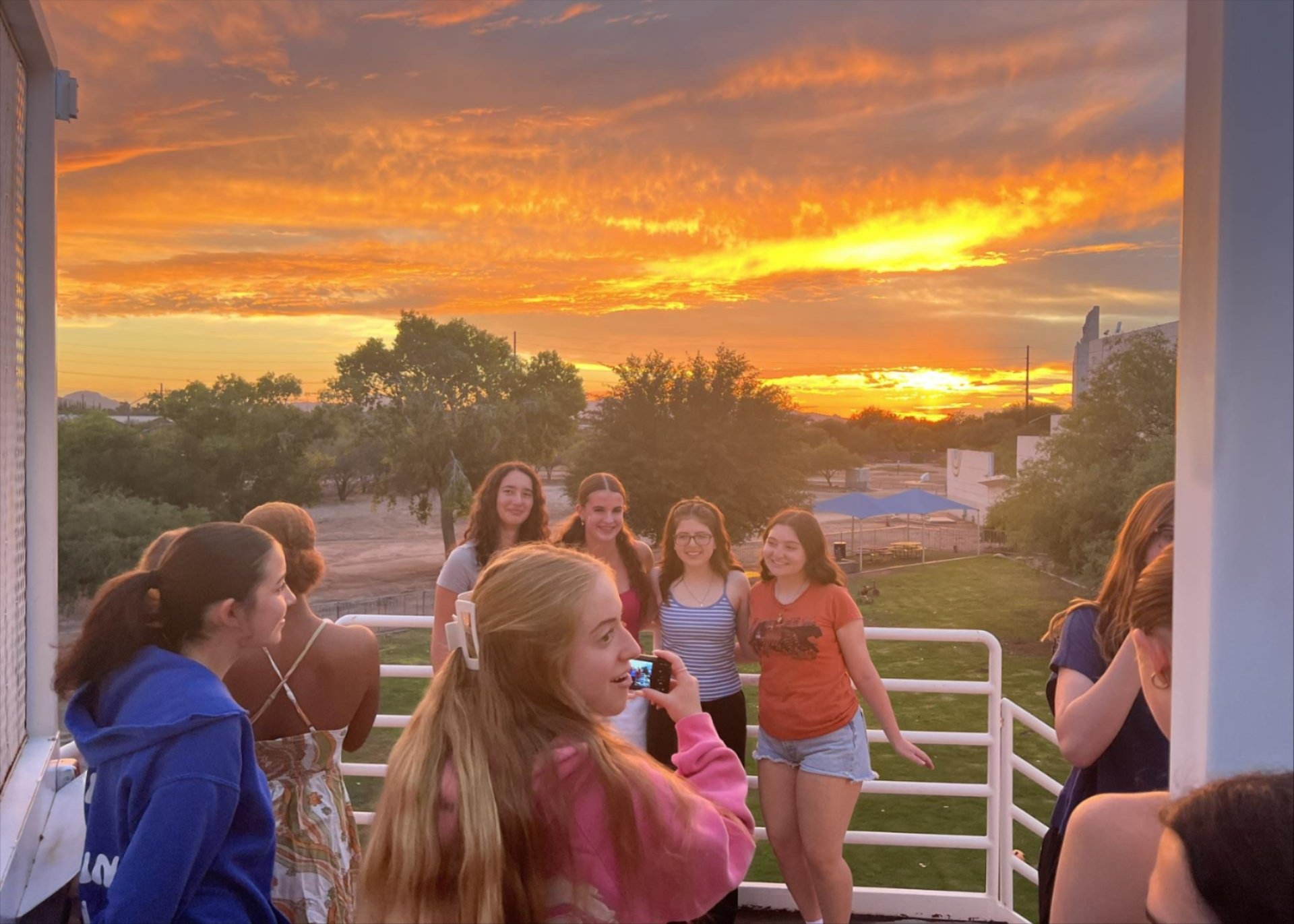
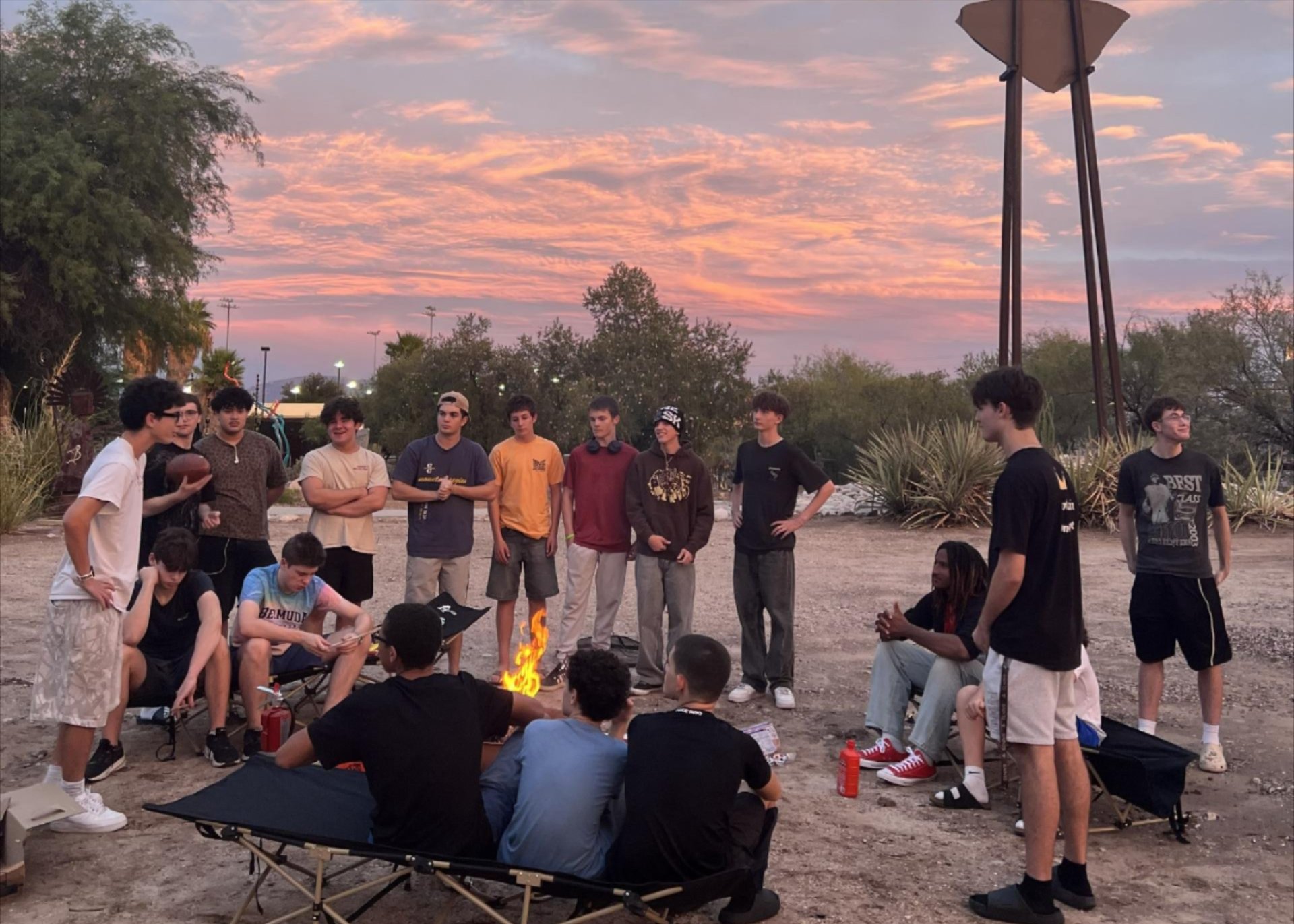
BBYO teens are back in action after a lot of fun during Rush Week. Throughout the week, Kadimah (girls) and Abba Gadol (boys) met up for activities including Pins Bowling, wing night, s’mores around a campfire (with an absolutely incredible AZ sunset!), and henna and yoga, and will conclude the week with a joint Shabbat celebration this evening. It is moments like this that remind us of the power of giving young people the space to choose how they want to connect, build friendships, and become part of something bigger than themselves. 

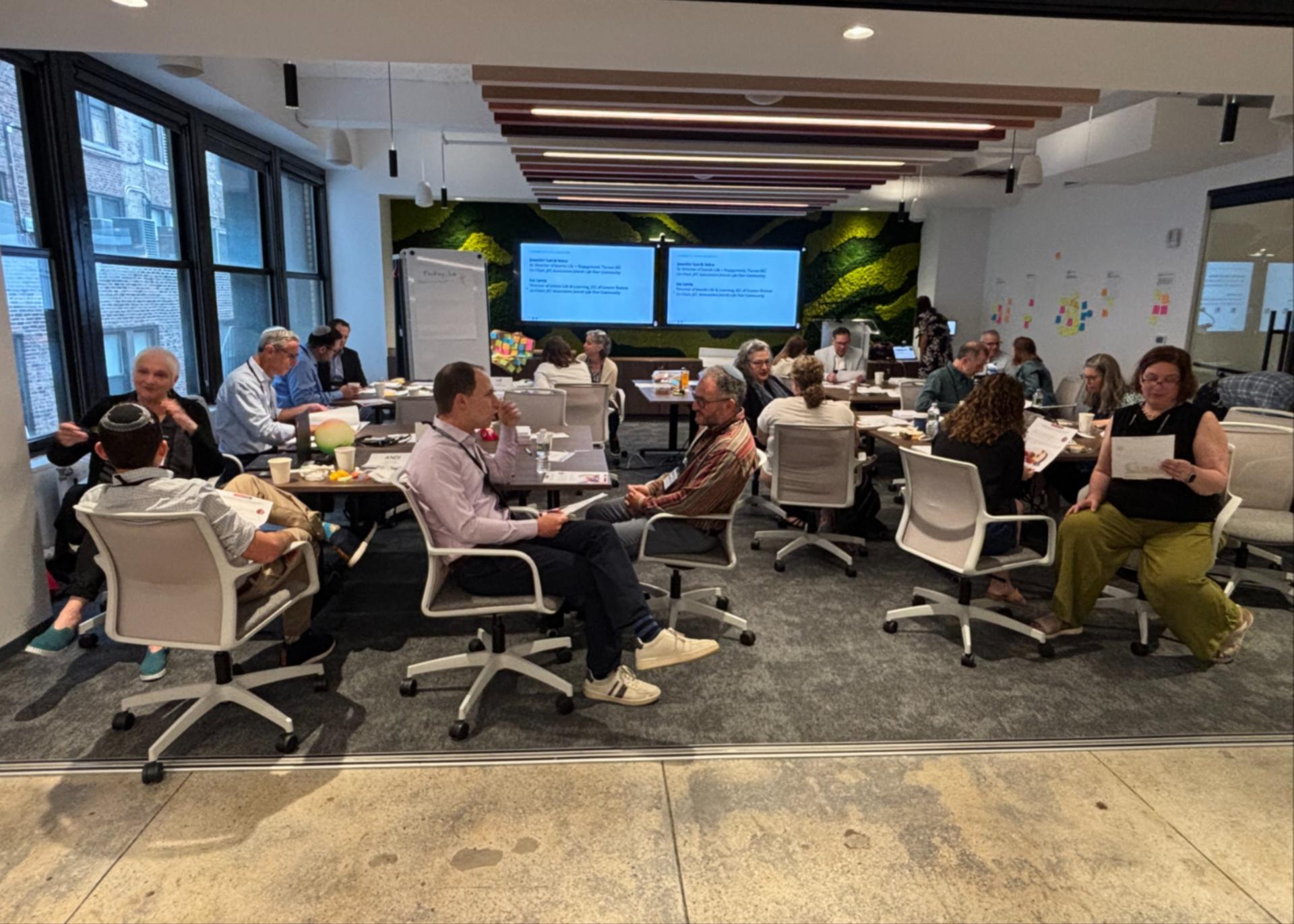
Also this week, Jennifer Lorch Selco, Senior Director for Jewish Life and Engagement, traveled to the big apple to participate in a convening at the JCC Association Mercaz (Center). The group of talented leaders from across the JCC movement explored what adult Jewish education looks like in JCCs and to imagine future opportunities. It was an honor to be invited and to be asked to facilitate a Judaic framing moment for the group. By deepening our work around Jewish learning, we help ensure that our community continues to grow, learn, and find new ways to live out its purpose.

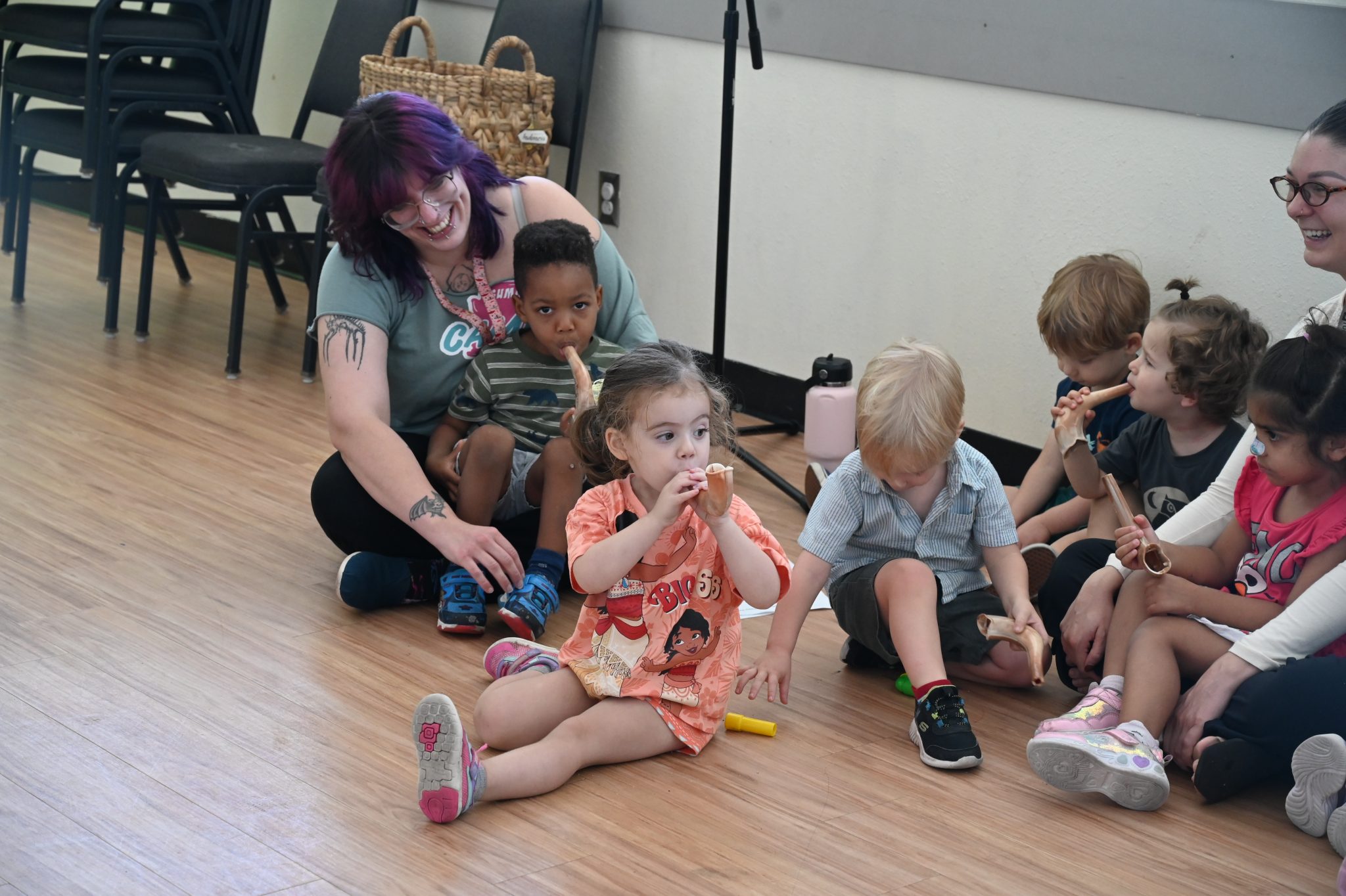
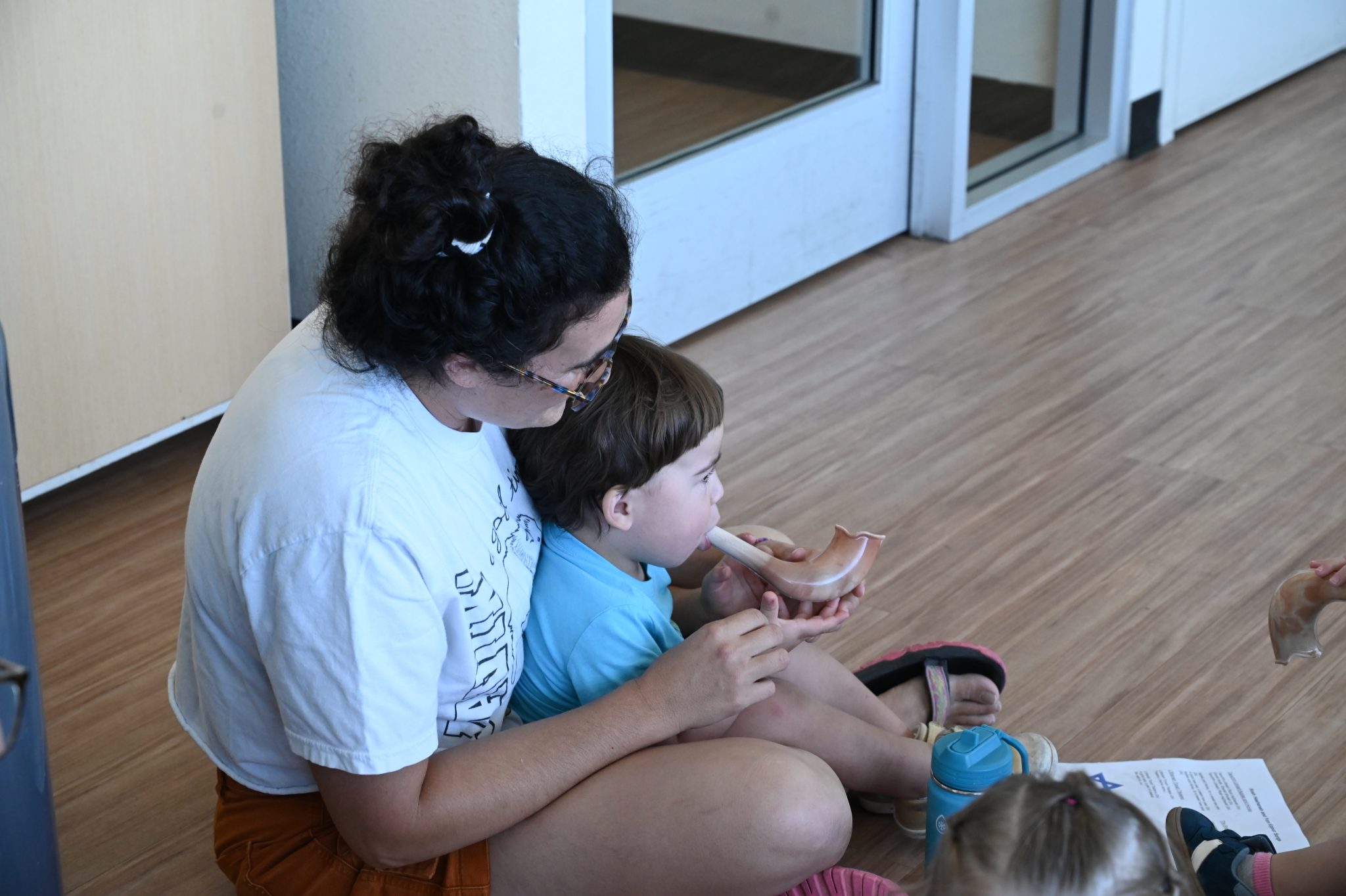
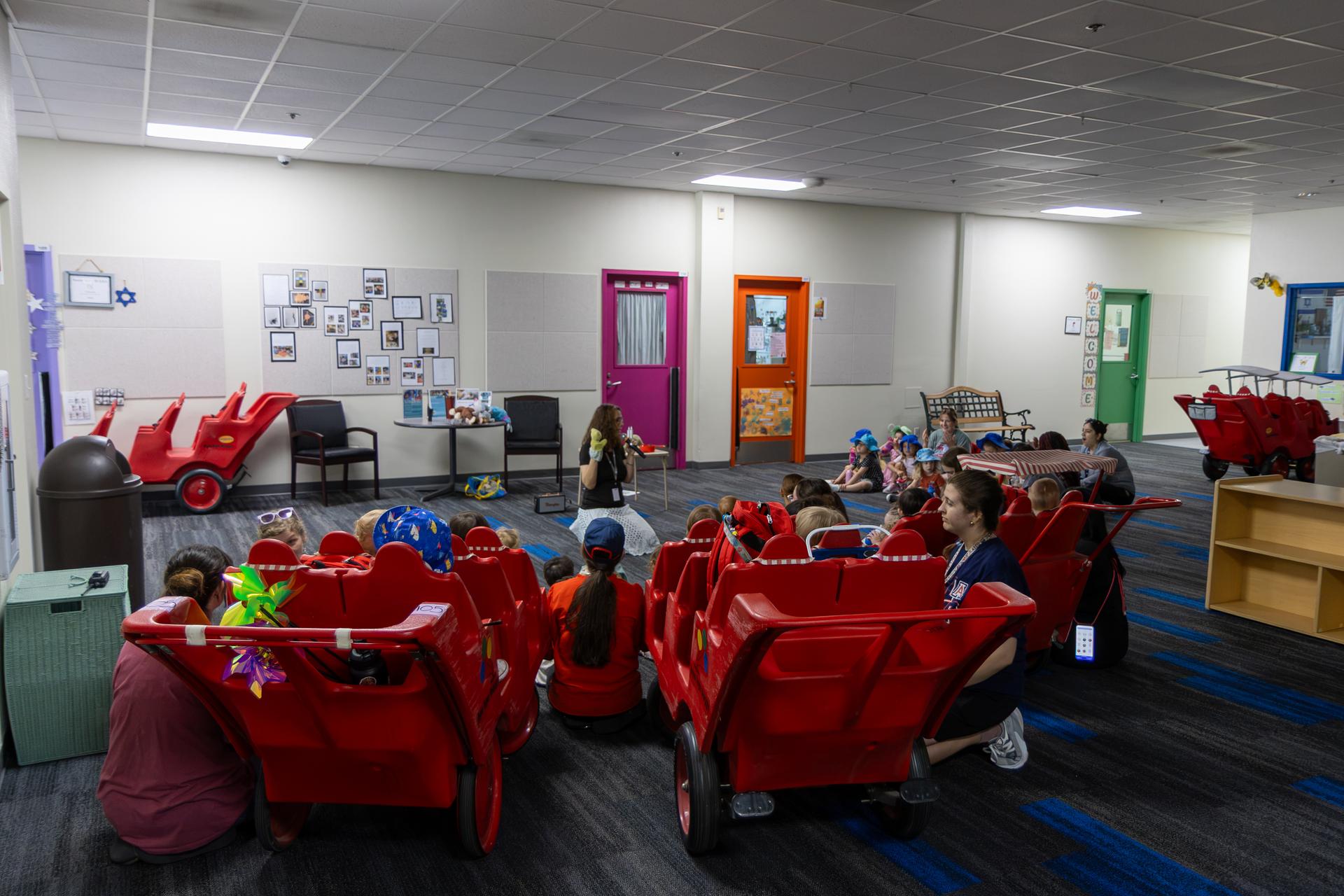
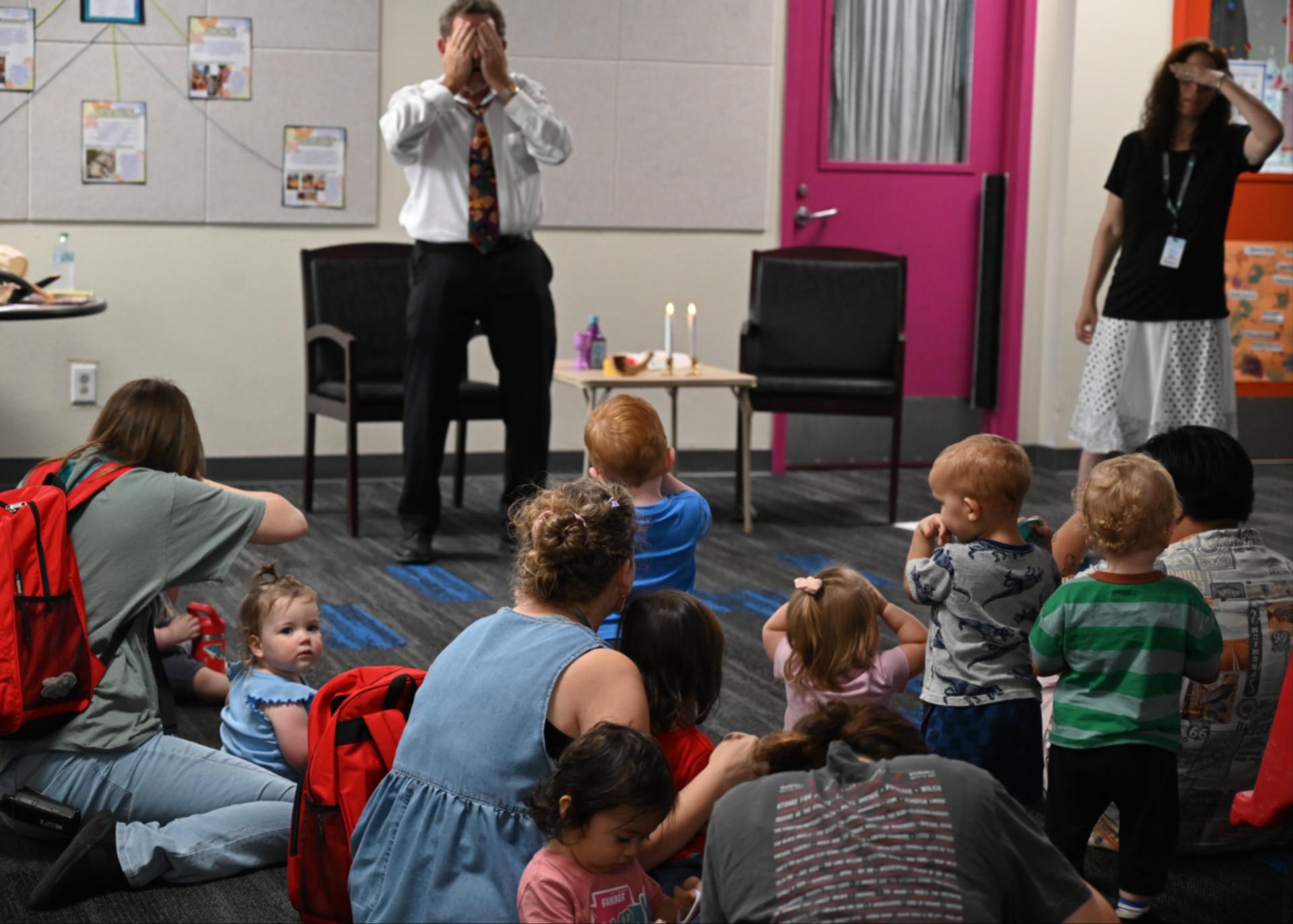
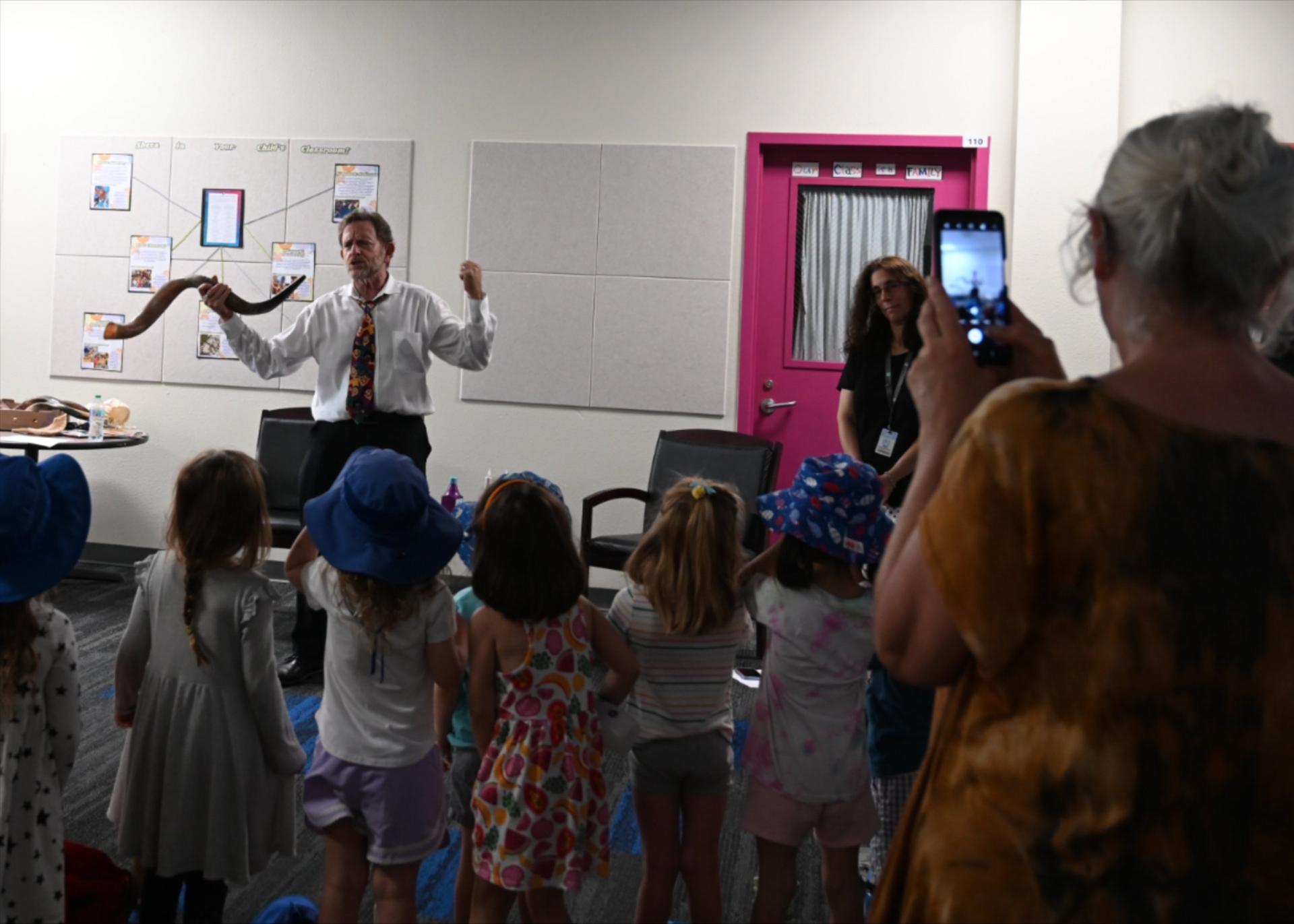
Today, children in our Early Childhood Education program welcomed Rabbi Cohon to their weekly Shabbat celebration. Since we are in the month of Elul leading up to the Jewish New Year, Rabbi Cohon brought his vast collection of shofars (ram’s horns) and shared the different sound each makes with the kids, making for a delightfully noisy morning. Even in these foundational moments of Jewish life, we see the power of gathering together, experiencing something new, and beginning again. 

As we approach the High Holidays, we are grateful for the many people who make our community what it is—and for the many ways each of us can help build the vibrant, inclusive Jewish community we want to see. Shabbat Shalom.

Reminders, Resources + Learning

From the Desk of Jennifer Lorch Selco | Sr. Director of Jewish Living + Engagement

Shabbat Shalom
Shabbat Shalom

From the Desk of Jennifer Lorch Selco | Sr. Director of Jewish Living + Engagement

This week’s Torah portion is Ki Tavo (When You Enter). In this Torah portion, Moses instructs the Israelites regarding the first fruit offering. Moses then lists the blessings the people will enjoy if they keep the commandments, and the punishments they will suffer for disobeying them. Moses is preparing them to enter the land of Israel without them.


In Ki Tavo, we find the verses that we read as part of the Haggadah during Pesach:


You shall then recite as follows before the ETERNAL your God: “My father was a fugitive Aramean. He went down to Egypt with meager numbers and sojourned there; but there he became a great and very populous nation. The Egyptians dealt harshly with us and oppressed us; they imposed heavy labor upon us. We cried to the ETERNAL, the God of our ancestors, and the ETERNAL heard our plea and saw our plight, our misery, and our oppression. GOD freed us from Egypt by a mighty hand, by an outstretched arm and awesome power, and by signs and portents. – Deuteronomy 26:5-8


Rabbi Lord Jonathan Sacks, of blessed memory, writes, “Here for the first time, the retelling of the nation’s history becomes an obligation for every citizen of the nation. In this act, known as the vidui bikkurim, ‘the confession made over first fruits,’ Jews were commanded, it were, to become a nation of storytellers” (Lessons in Leadership, page 277).


Judaism is our story and the sacred obligation to share our story is required of each of us. We are not asked to remember our history, we are asked to retell it as it is our own. I have shared before about master teacher, Avram Infeld, who says, “Jews don’t have history, we have memory.” Not only do we retell our story, we embrace it as our own, and as we live proud Jewish lives of meaning, we add our own chapters to the story. In doing so, we carry with us, our collective memory, not only for our lives today, but for future generations.


Shabbat Shalom.

In Torah portion Ki Tavo, we are commanded to bring an offering of fruit as a way of acknowledging our thanks to God for providing an abundant harvest, and we are also commanded to set aside portions of fruit for the Levite, the stranger, the orphan, and the widow. Embedded here is not only the idea that practicing gratitude for our blessings is important, but sharing our blessings with others makes them more meaningful. Gratitude, in this sense, is not simply about recognizing what we have, but about what we do with what we have been given. At the Tucson J, we have the privilege of building a community where people can share their time, talents, traditions, and joy with one another. This week, we saw that spirit in a number of ways. 

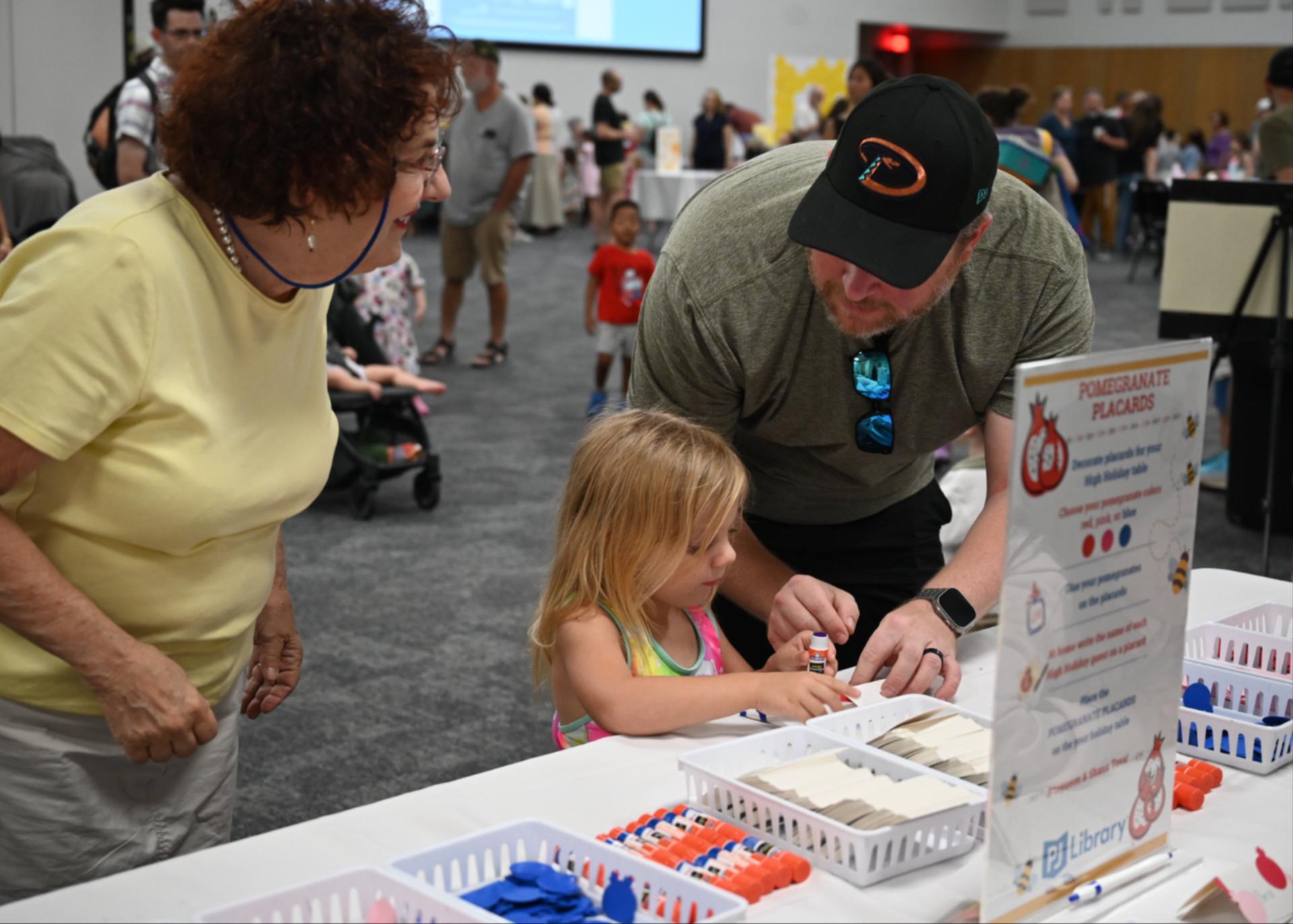
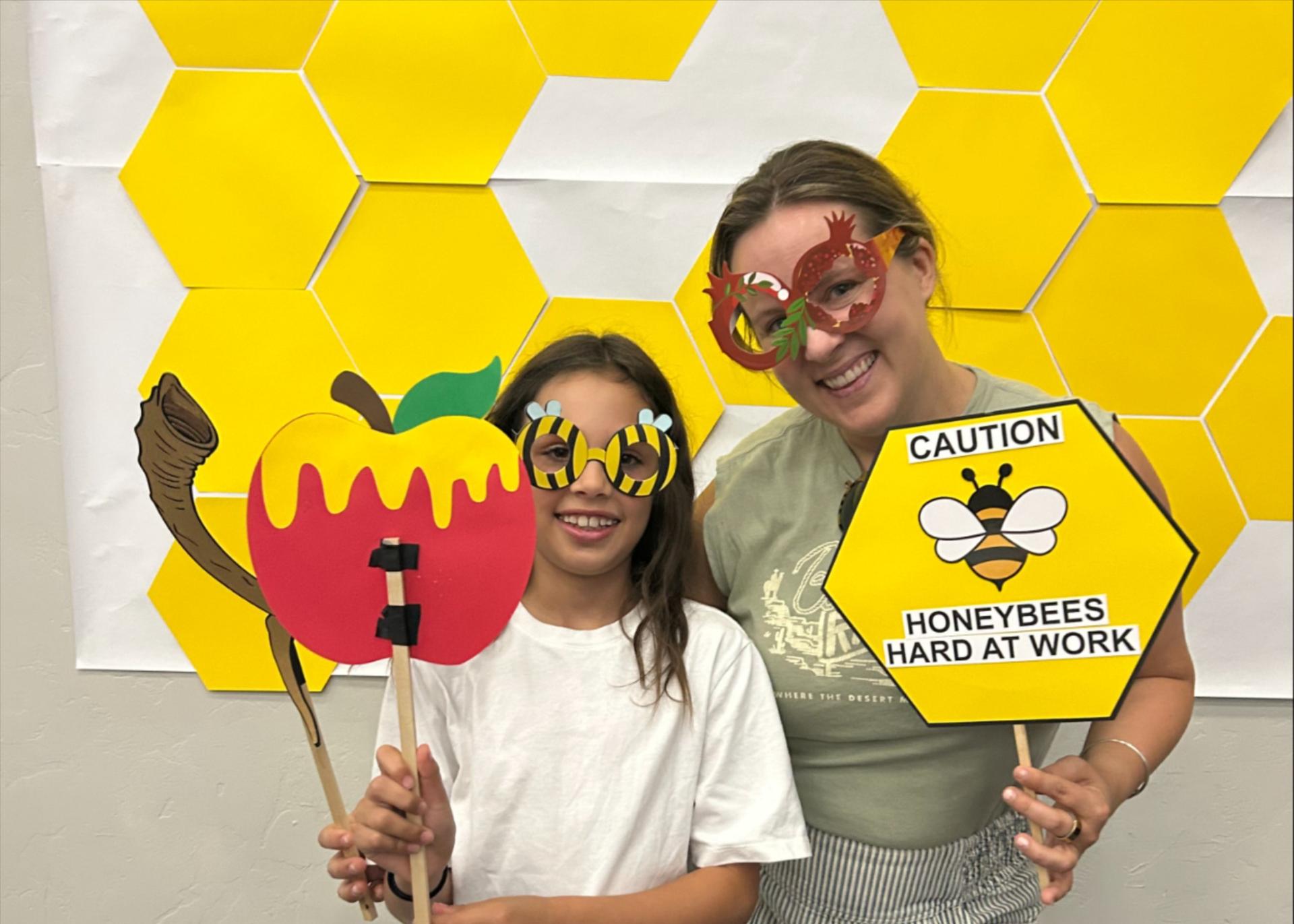
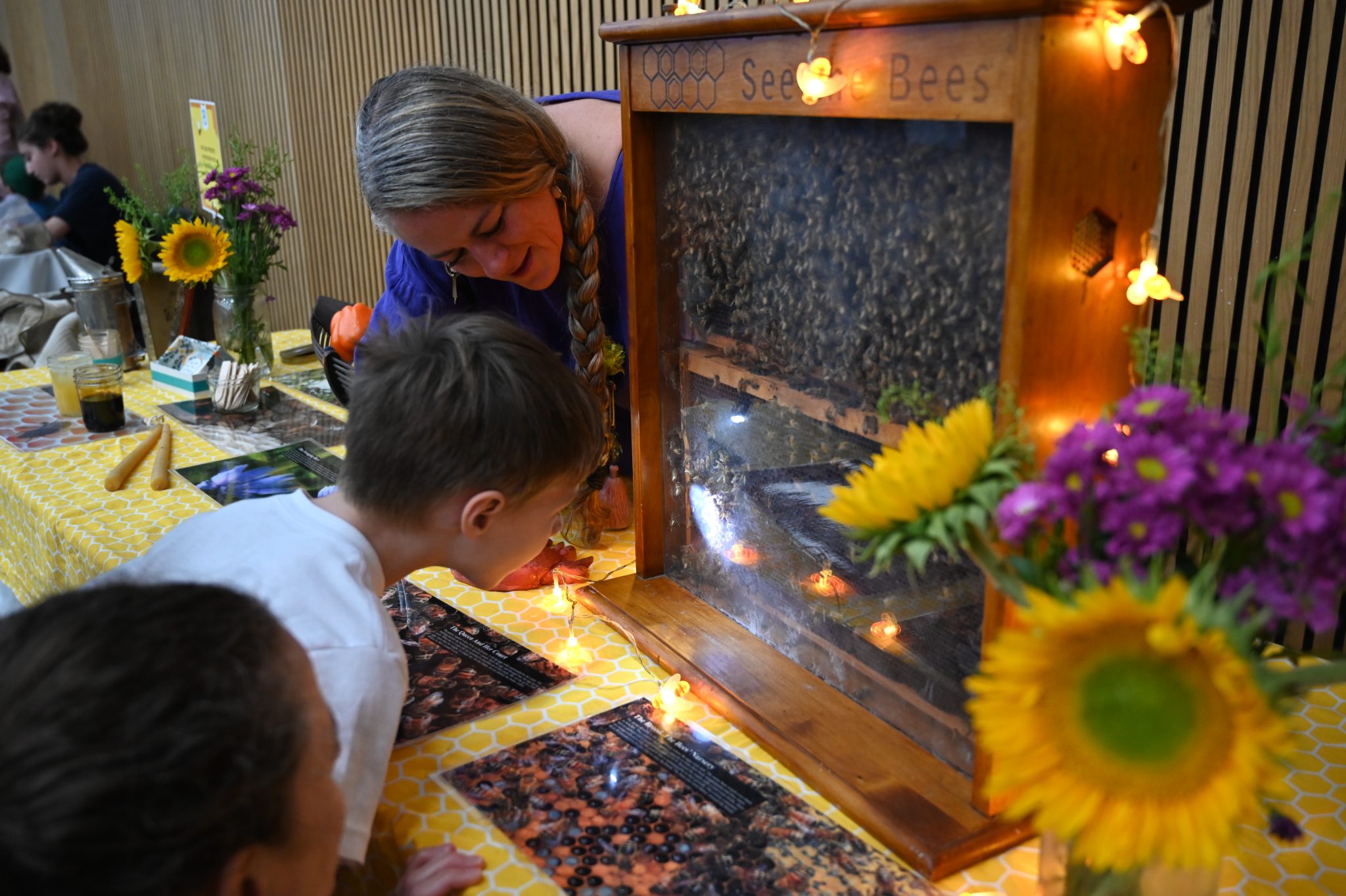
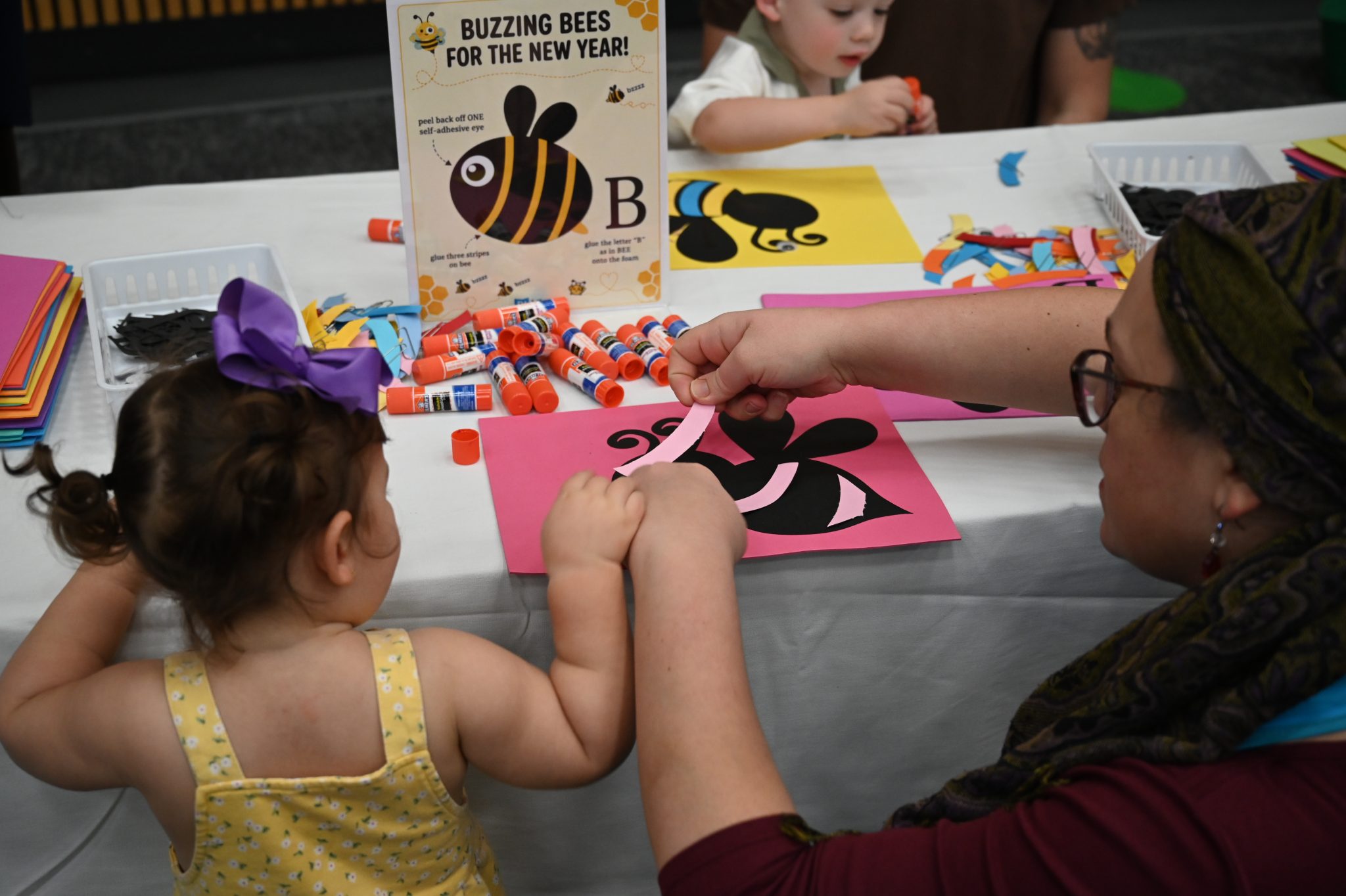
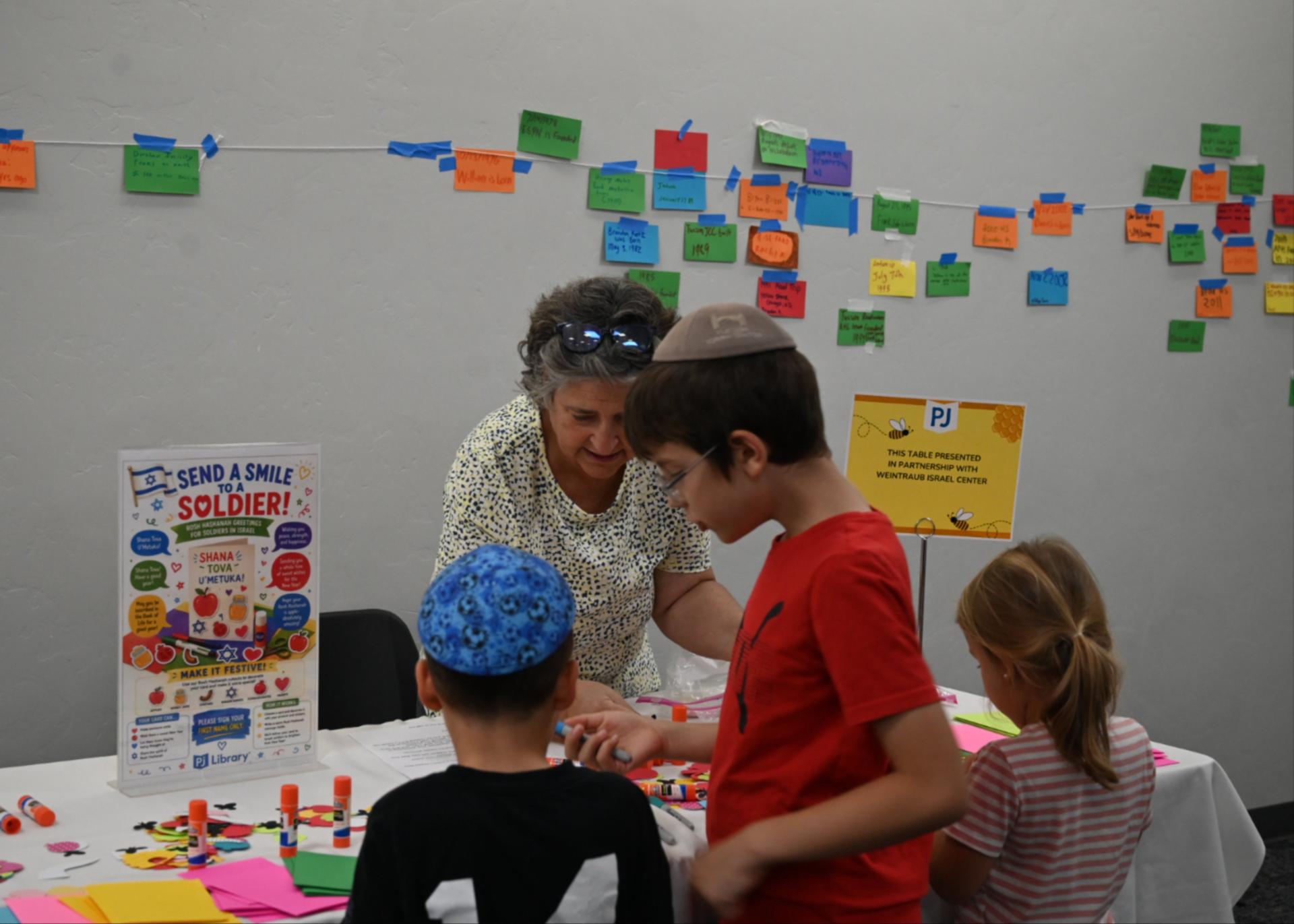
We began the week on Sunday with over 250 people of all generations celebrating the upcoming holiday of Rosh Hashanah with PJ Library’s Sweet Beginnings event in partnership with Jewish Philanthropies of Southern Arizona and organizations from across the Southern Arizona Jewish community. The afternoon was full of fun crafts, yummy treats, and even a live honeybee hive for observing! What a sweet reminder that joy grows when it is shared. 


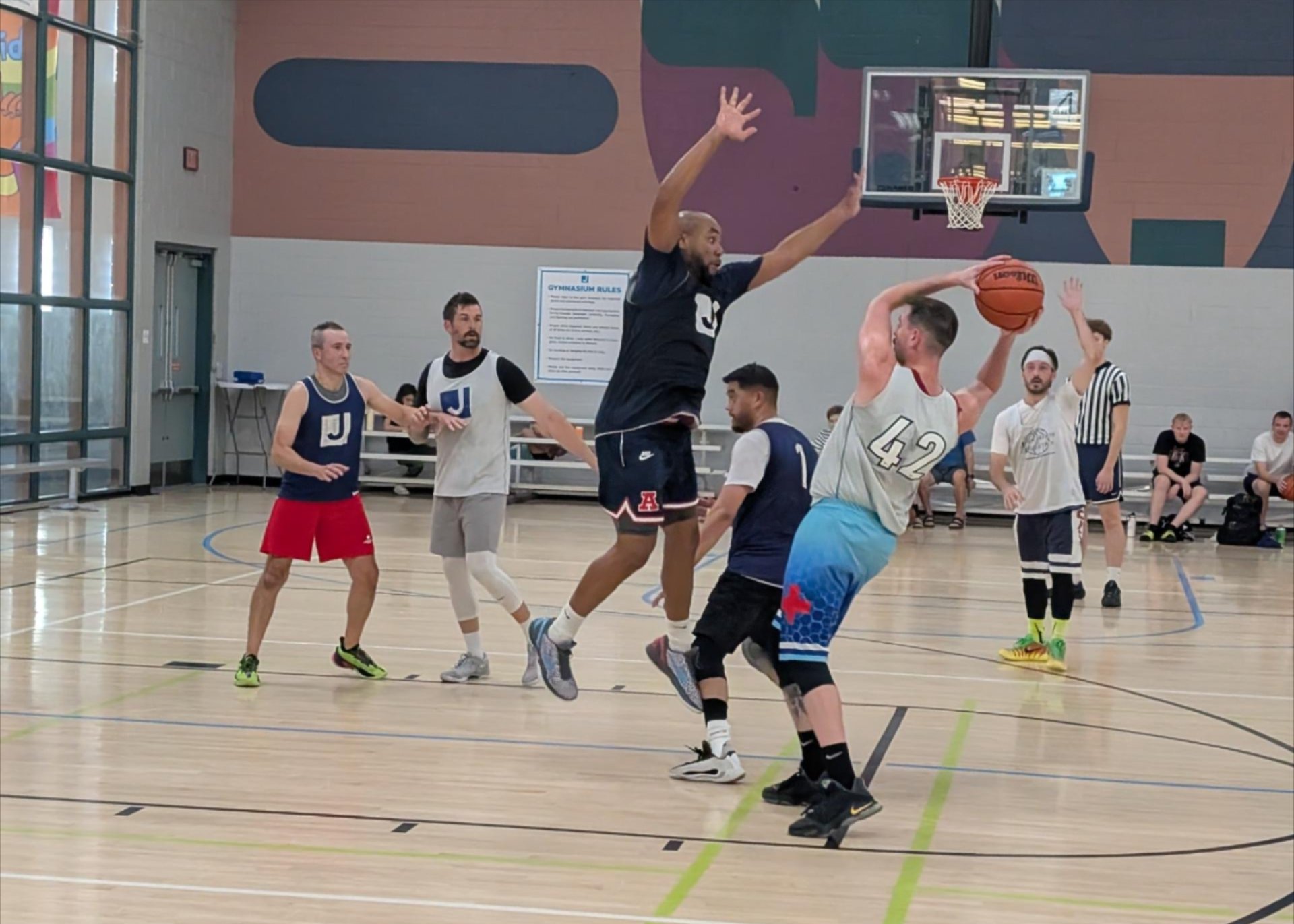
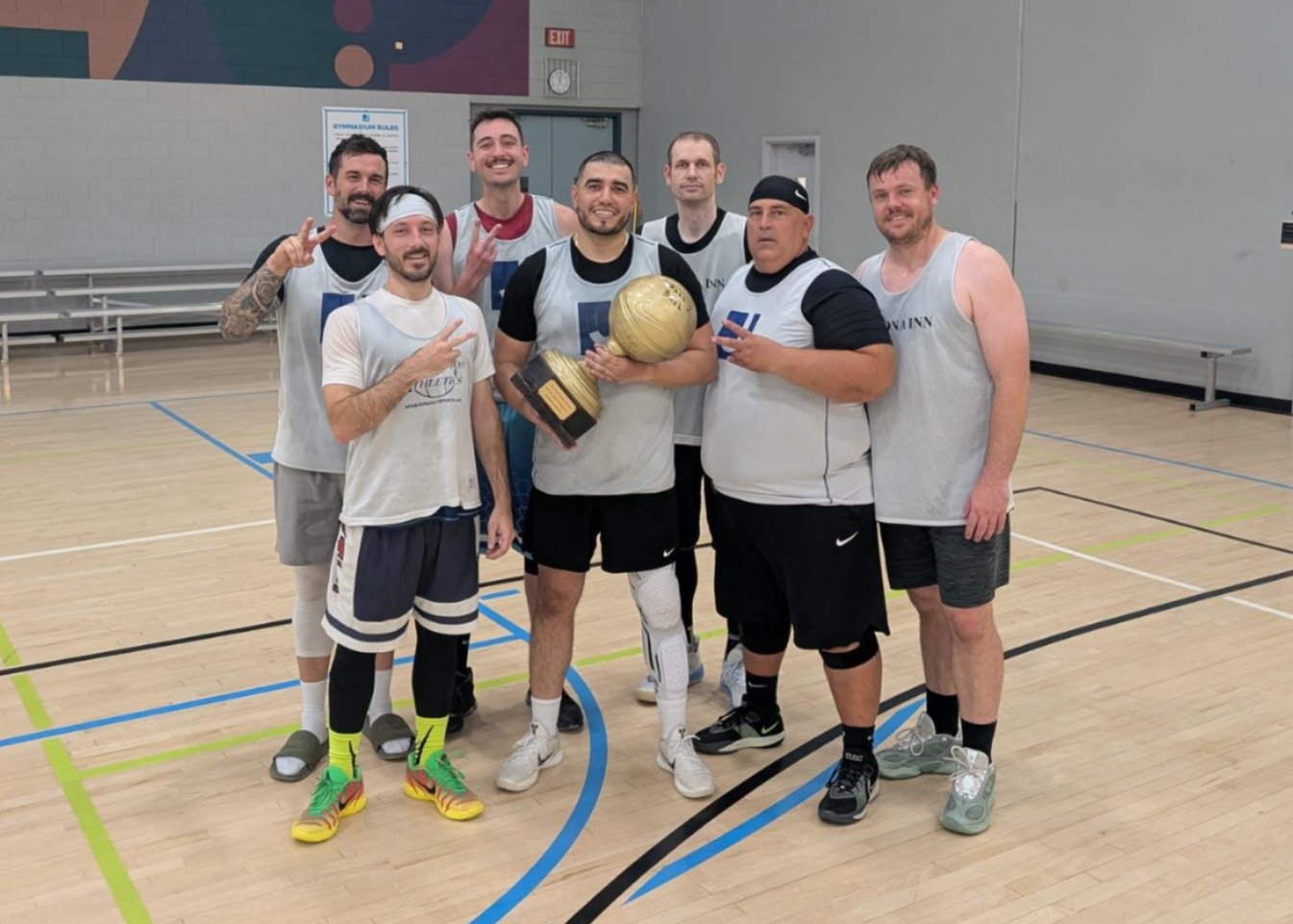
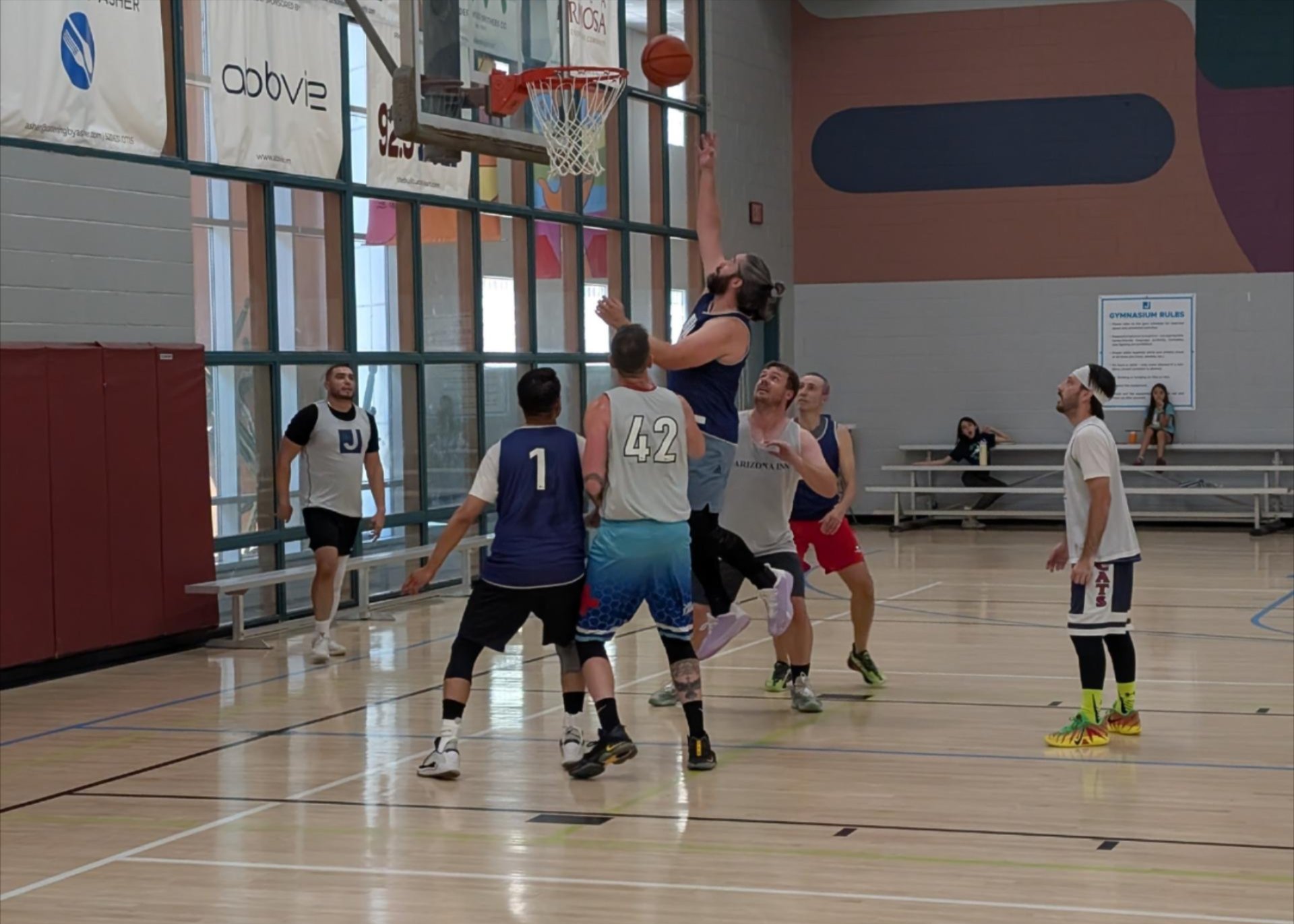
As families were enjoying the Rosh Hashanah festivities, competition was hot on the gymnasium courts with the championship game of our Summer Men’s Basketball League! Congratulations to every player this season, but especially back-to-back season champs, Team 1 and Team 6 in second place! Thank you to everyone who made another great season possible. Fall Men’s Basketball League begins September 20, Co-Ed Volleyball League begins September 30, and there are many more Sports and Rec opportunities for youth and adults all season—learn more here. 

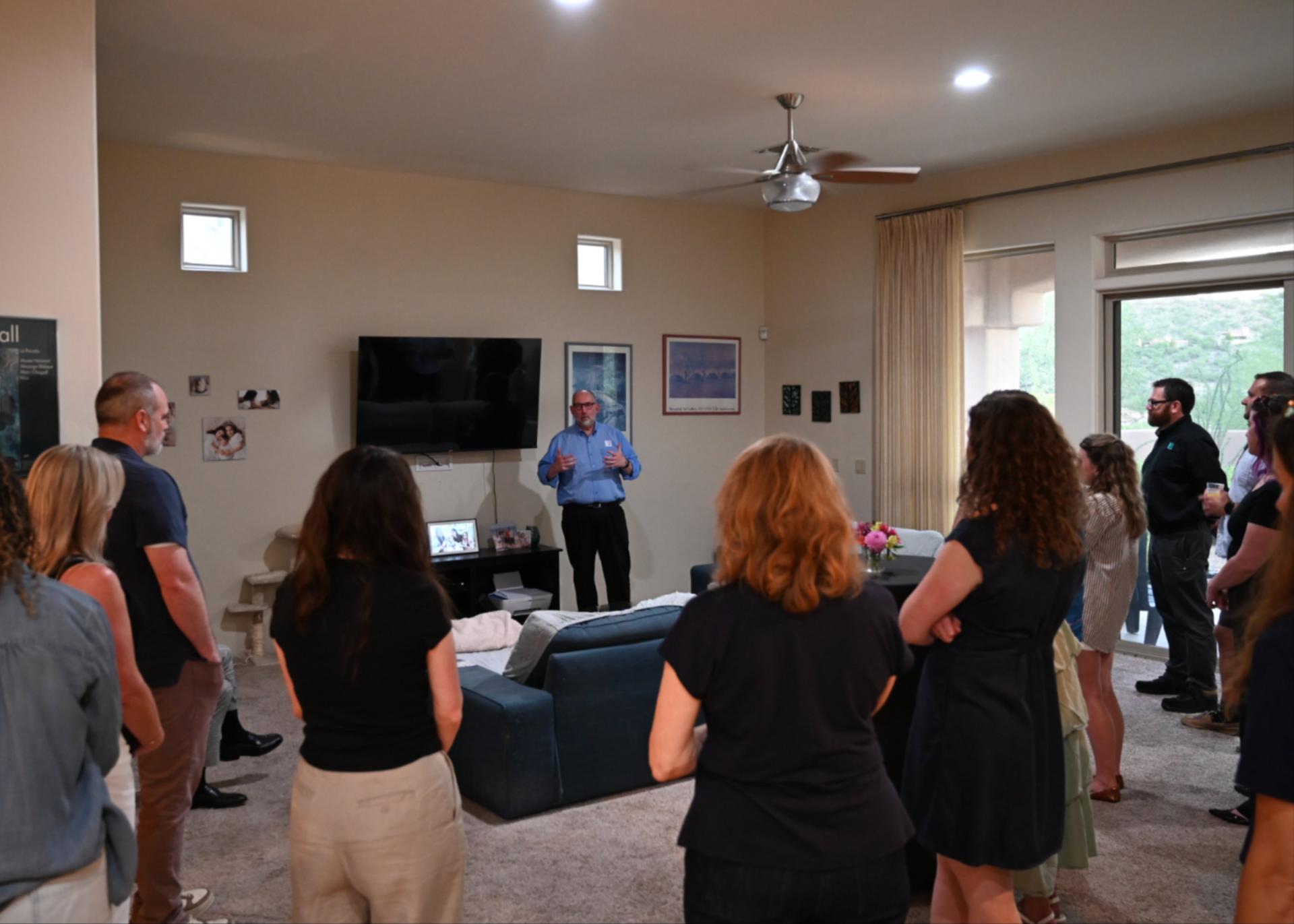
After a day of learning and connection in their annual Board Summit, Tucson J Board Members joined the senior leadership team at CEO + President, Todd Rockoff’s house Sunday evening for a delicious dinner spread, lively conversation, and time to reflect on the meaningful work we are moving forward together. We are grateful for this group of strong and engaged leaders and the skills and dedication they share with our community. 


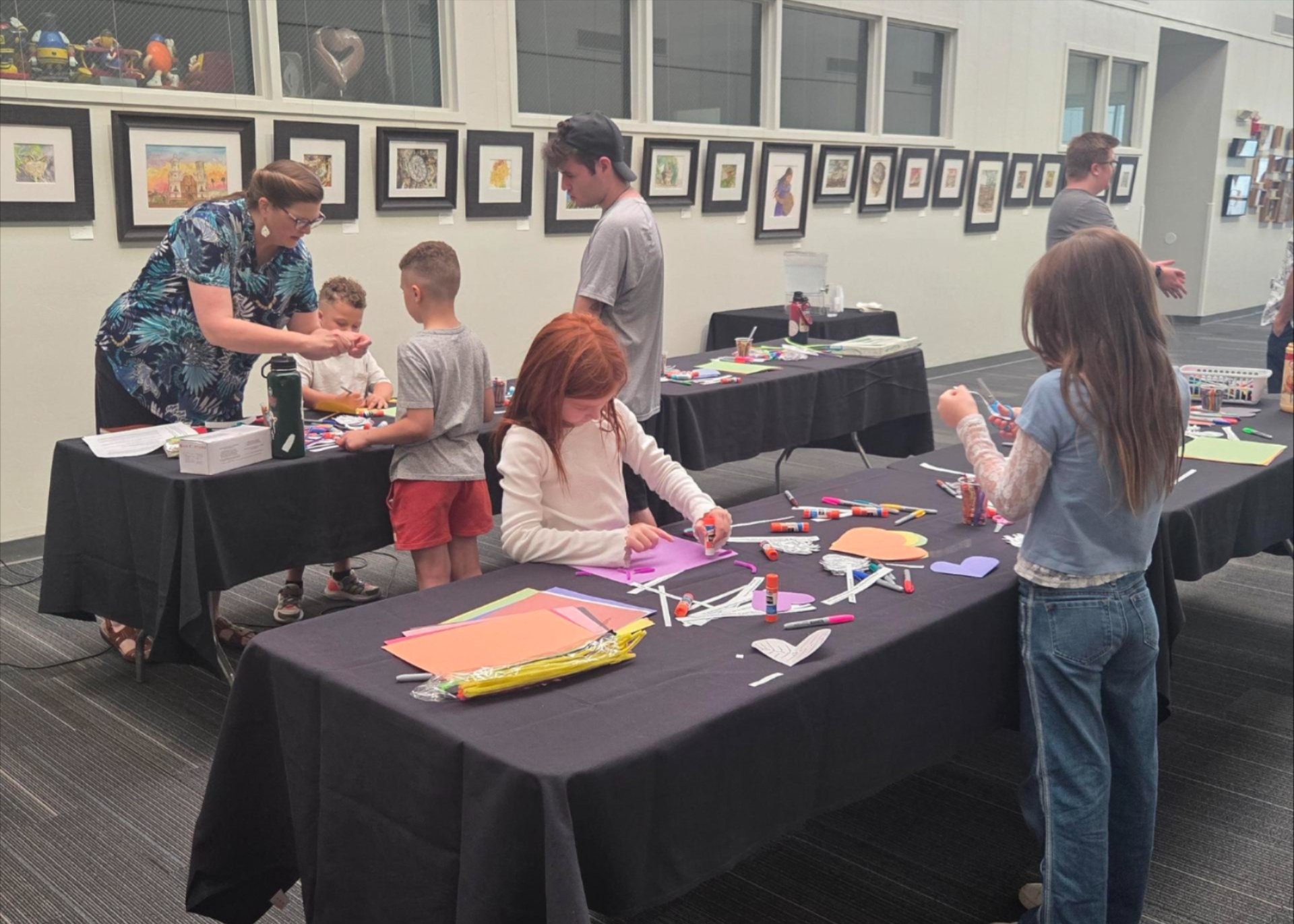
On Thursday, prolific local artist Tracy Ann Holmes led an art activity for kids in the Fine Art Gallery in conjunction with her show, “Meditation + Metaphor: Ceramic Sculpture and Watercolors,” on display through September 27 with a reception on the 24th. In our JCare afterschool program, kids continued in the spirit of creativity making paper mâché shofars, perfect for Rosh Hashanah. Art brings people together at the J, and that is a blessing! Check out more Fall arts opportunities here. 


Our blessings are not meant to be enjoyed in isolation; they become richer when we share them—whether around a dinner table with our volunteer leaders, on the basketball court with friends and teammates, at a joyful Rosh Hashanah celebration with our families, or through the shared experience of making art. As we move into Shabbat, we invite you to take a moment to reflect on something you are grateful for and share it with someone close to you. Shabbat Shalom. 

Reminders, Resources + Learning

CHALLAH ORDERS

Please note: Due to an increase in cost from Nadine’s, Challah will now be $6 cash or $6.50 if paid by card. 10-pass bundles will increase to $60. 


Orders must be made by 10pm on Monday. Orders may be picked up from 5am-6pm at the Front Desk and/or Sports + Wellness Desk on Thursday or Friday each week. 


If you have a child/dependent in one of the J’s childcare programs or Taglit, we can send your Challah order home with them. 


Contact Member Services at membership@tucsonjcc.org or mark the boxes on our online order form to set up a standing order or to purchase a new 10 pass for weekly challah at a discounted rate of $60.

From the Desk of Kelsey Davita Avni, MS | Development + Grants Coordinator, Jewish Family + Children’s Services of Southern AZ

Shabbat Shalom
Shabbat Shalom

From the Desk of Kelsey Davita Avni, MS | Development + Grants Coordinator, Jewish Family + Children's Services of Southern AZ

Two weeks ago, I had the joy of joining Jewish Family and Children’s Services of Southern Arizona as the new Development and Grants Associate. After four years getting to know the Tucson Jewish Community through my work at Hillel, it is exciting to continue my community relationships in this new capacity. It is also exciting to continue writing these shabbat messages! Imagine my amusement upon realizing that this week’s parsha, Ki Teitzei, is *really into* stoning people for their familial transgressions. Alas, as anybody at JFCS could tell you, family therapy has evolved as a discipline over the last few thousand years.  


How can we take this parsha as a whole and understand it in our modern context? Beyond the instances of stoning, topics within run the gamut from adultery, baby birds, ancient marital rites, disobedient sons, and rules regarding captives.  


Overall, Ki Teitzei paints a picture of a people concerned with communal obligation and building a better society. Guess what? Rules and cultural norms have changed, but these are ideas we still deeply care about. Many pieces of an individual’s Jewish life can be completed at home. You can pray, make shabbat dinner, and teach your children within the home. However, a message that Ki Teitzei sends us is that when we step outside of our homes, we are still Jewish and still obligated to act in the best interest of Am Yisrael. A common thread throughout the parsha is that both financial and moral infractions are punishable because of the burden it places upon society. Further, acting in accordance with the laws serves to build society.  


We are all someplace different on the spectrum of observing halacha, but no matter where you personally are, you can still strive to build society. One of my joys from this previous weekend was a project to clear debris from the Bet Shalom Garden alongside both some of my closest compatriots and passionate volunteers. And it has been wonderful to start working with JFCS, whose core mission revolves around providing services that can help build both the Jewish Community as well as improving the lives of the entire Southern Arizona community. We are even about to celebrate 85 years of that mission this upcoming November 8th with a mural reveal and block party! I encourage you this weekend to contemplate as we approach the days of awe:  “How are my actions serving to build my local Jewish community? My local Tucson community?” Then, take the next year to act on your conclusions. This is a takeaway from Ki Teitzei which hopefully can resonate with all of us.  

One of the things Ki Teitzei makes clear is that building a community is an active responsibility. The Torah is concerned not only with how we behave in our own homes, but with how our actions affect the people around us. It asks us to notice one another, take responsibility for our shared spaces, and consider how we are in relationship with the people who are part of our community. That idea feels especially relevant at the J, where community-building is at the center of what we do. As we begin a new season, we’re reminded that a strong community grows through relationships—by welcoming new people to the J, expanding our network in broader Tucson, and creating more opportunities for everyone to learn and connect with one another.


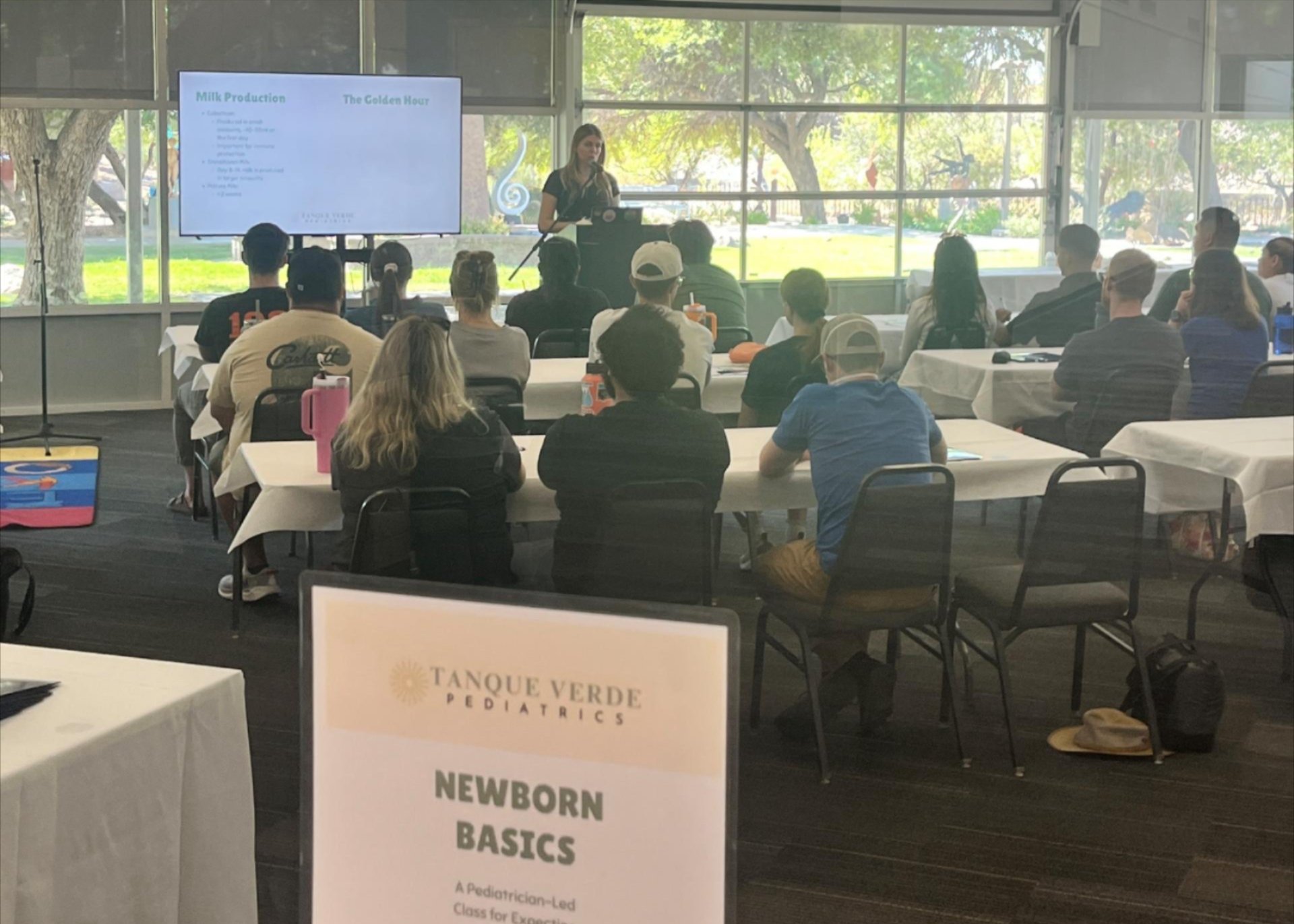
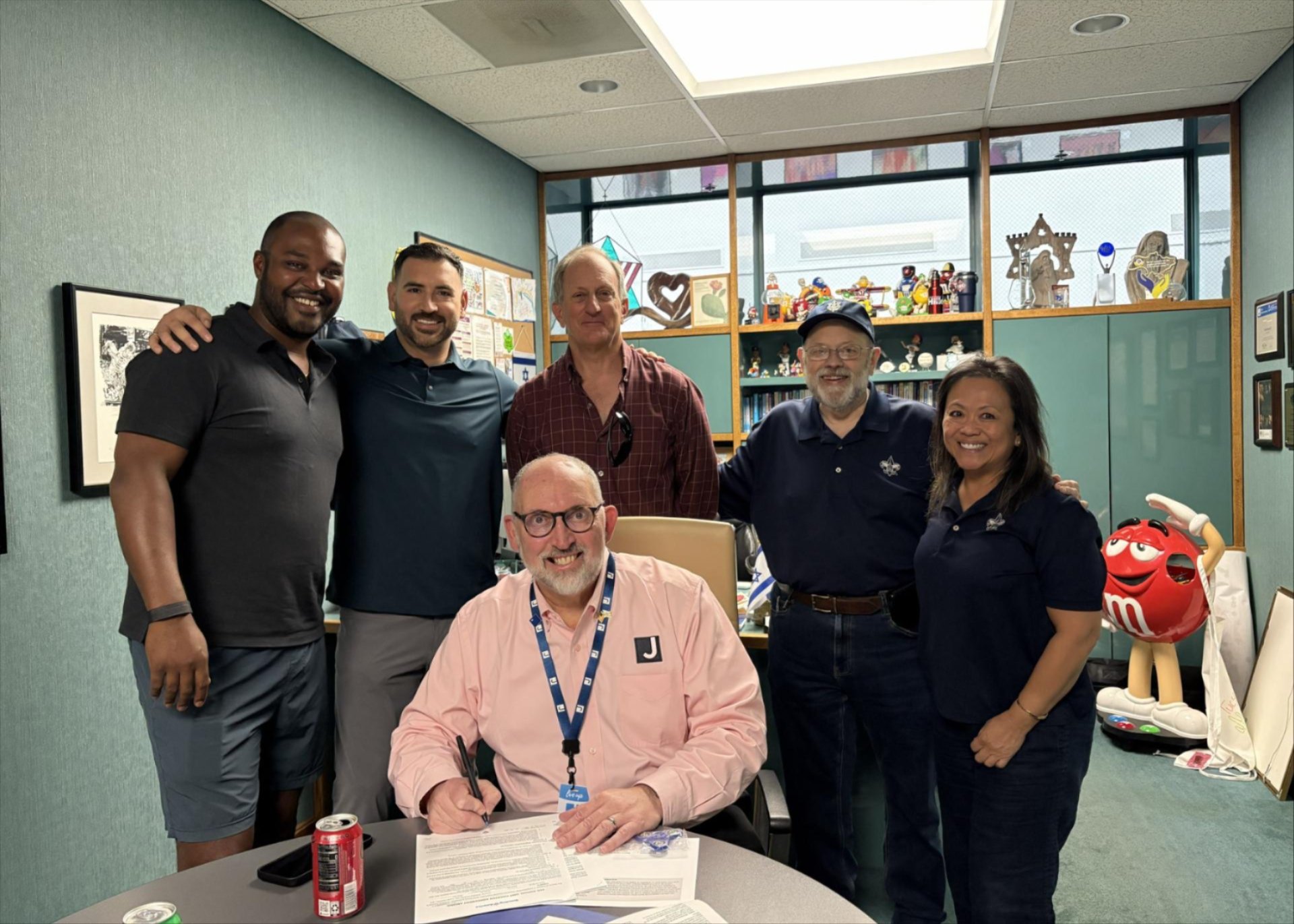
This week at the J, we celebrated the launch of an exciting new partnership with Tanque Verde Pediatrics as we hosted the first Newborn Basics class for expecting parents! We are honored to be a space where families can come to feel supported through every life stage and look forward to hosting these classes quarterly. Also this week, we had the pleasure of meeting with leaders from Cub Scout Pack 613! The group is hosting an information session on Monday, August 24 at 4:30pm in the J’s PlaySpace for kids interested in joining the pack, and adults interested in leadership and volunteer opportunities. 

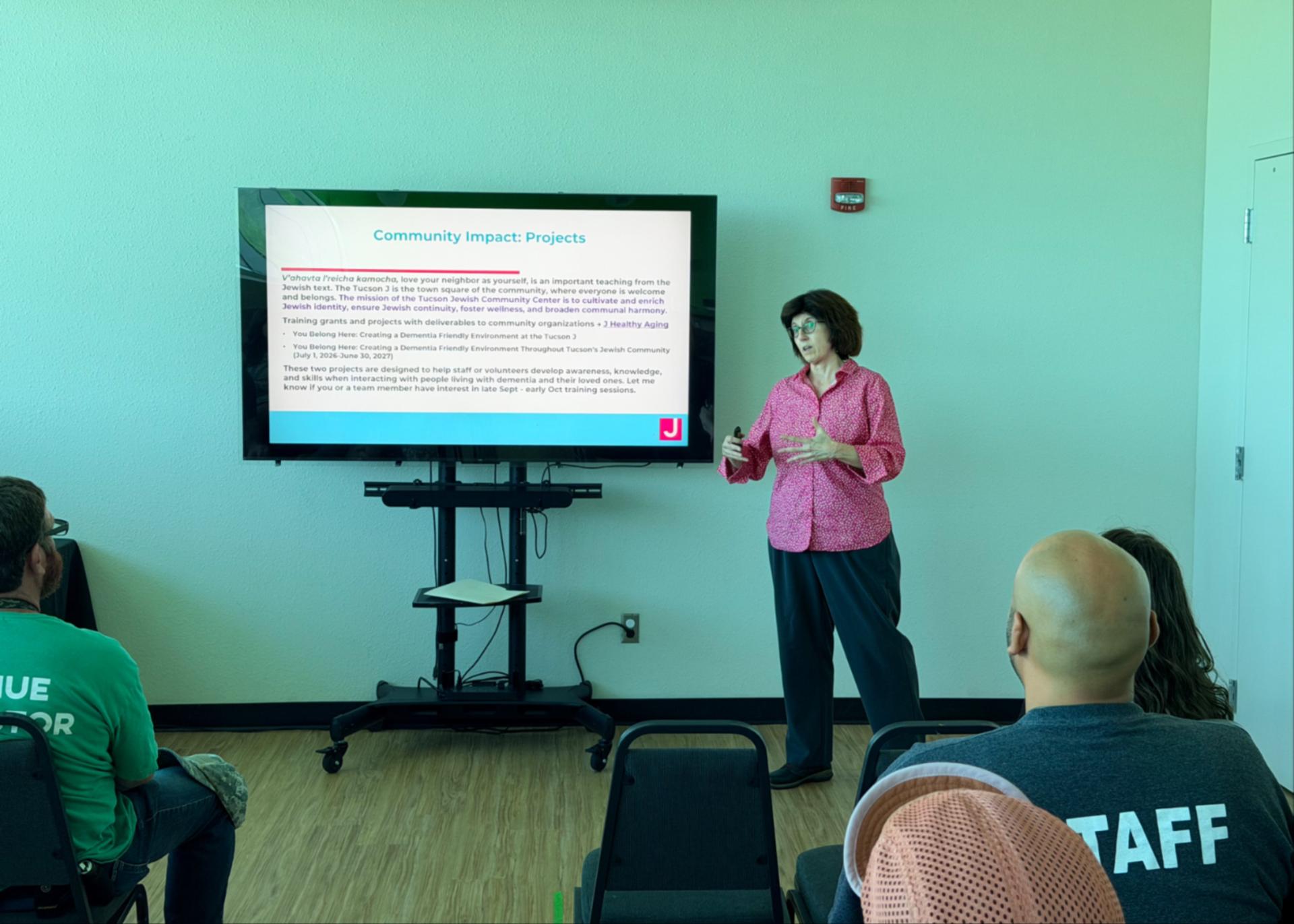
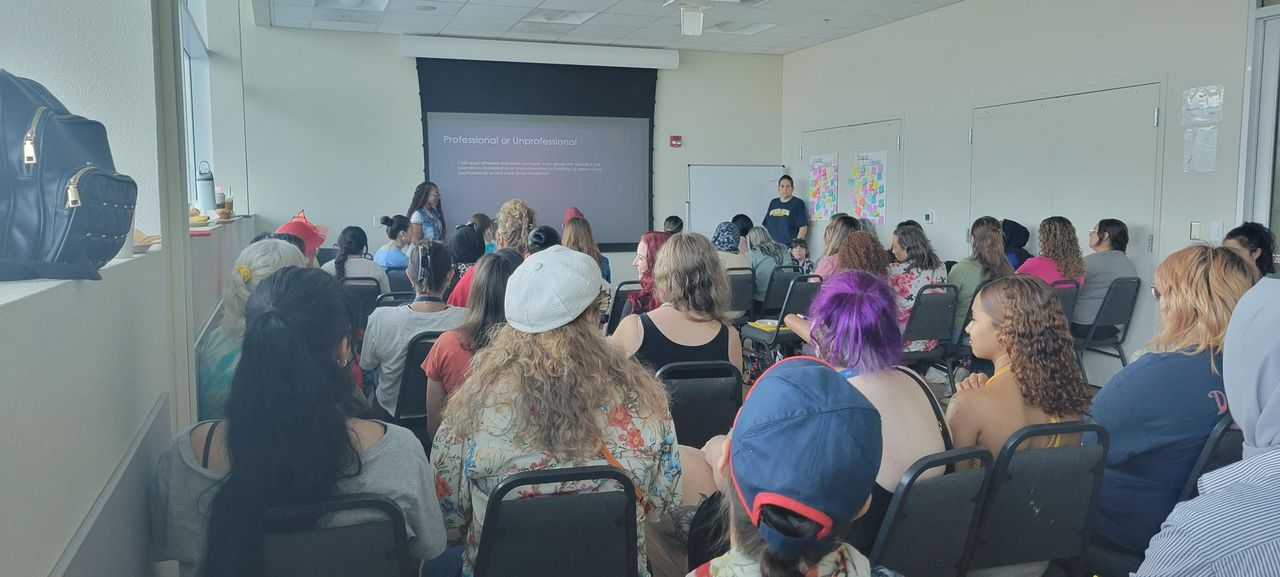
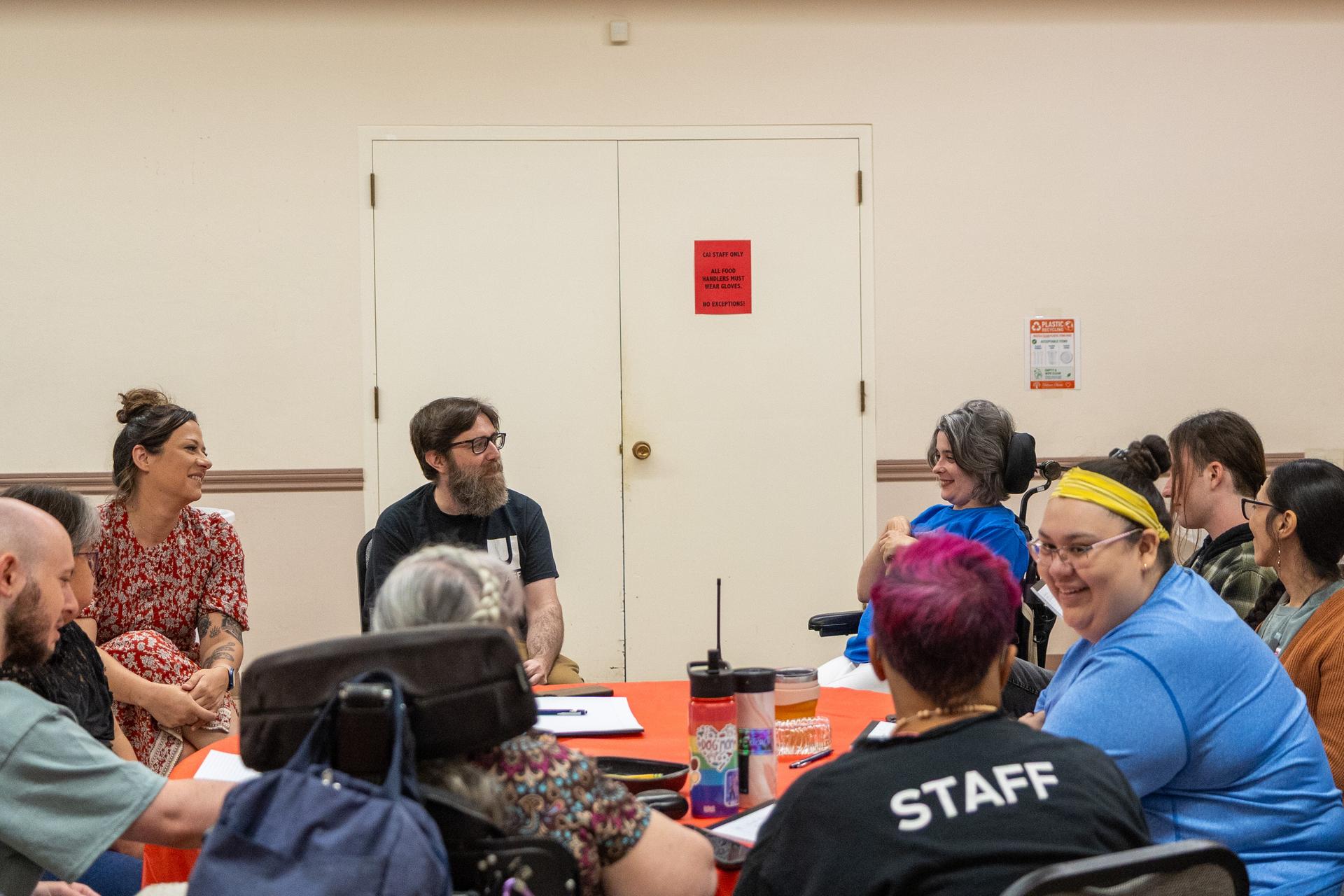
On Thursday, our entire leadership team (called Tzevet, hebrew for team) joined together for the first group meeting since we paused for summer. We took time to reflect on the upcoming High Holidays with a learning moment led by Chloe Loos, Director of Arts + Culture; engaged in a fun “Get up and move!” team building activity by Evan Holt, Director of Aquatics; and enjoyed a presentation from Linda Travis, Director of Healthy Aging, about how Healthy Aging programs serve our community. 


Thursday evening, 40 community members gathered for the first of a new series of Partners in Tucson programs. Partners is designed for Jewish people of all backgrounds and experiences to explore perspectives through meaningful conversation in pairs, using the teachings of Rabbi Lord Jonathan Sacks (z”l), with the ultimate goal of creating a better now and future for Jewish life. Join us for the next one on September 17!


As we make our way toward the High Holidays and season of renewal, may we all take stock of where we are, where we want to go, and what kind of community we want to be part of. At the J, we are committed to continuing to find our way forward by creating space for people to gather, learn, contribute, and find their place—and we are grateful to each of you for the ways you help shape the community we share. Shabbat Shalom. 

Reminders, Resources + Learning

CHALLAH ORDERS

Orders must be made by 10pm on Monday. Orders may be picked up from 5am-6pm at the Front Desk and/or Sports + Wellness Desk on Thursday or Friday each week. 

If you have a child/dependent in one of the J’s childcare programs or Taglit, we can send your Challah order home with them. 

Contact Member Services at membership@tucsonjcc.org or mark the boxes on our online order form to set up a standing order or to purchase a new 10 pass for weekly challah at a discounted rate of $55.

From the Desk of Jennifer Lorch Selco | Sr. Director of Jewish Living + Engagement

Shabbat Shalom
Shabbat Shalom

From the Desk of Jennifer Lorch Selco | Sr. Director of Jewish Living + Engagement

This week’s Torah portion, Shoftim (Hebrew for judges), reminds us of the importance of learning. In Shoftim we read about judges, leaders, and the systems that help a society function with fairness and integrity. There are also rules around a king, should Israel wish to have a ruler like the other nations around it.


When he is seated on his royal throne, he shall have a copy of this Teaching written for him on a scroll by the Levitical priests. Let it remain with him and let him read in it all his life, so that he may learn to revere the Eternal his God, to observe faithfully every word of this Teaching as well as these laws. – Deuteronomy 17:18-19
 

In his commentary, Lessons in Leadership: A Weekly Reading of the Jewish Bible, Rabbi Lord Jonathan Sacks, of blessed memory, teaches “to be a Jewish leader means spending time to study both Torah and hokma (Jewish wisdom): hokma to understand the world as it is, Torah to understand the world as it ought to be. Leaders should never stop learning. That is how they grow and teach others to grow with them (page 267).”


Shoftim reminds us that leaders should not stop learning, not only because learning helps them to lead the community, but also because others will learn from them. We are a learning people, using ancient wisdom to help us make sense of our world today and empowering us to strive to make our community and  world a better place.


As we bring in Shabbat, may we be inspired by this idea that learning truly is a lifelong journey. The questions we ask, the conversations we have, and the new perspectives we encounter, each provide an opportunity to grow. When we make learning a part of who we are, we strengthen not only ourselves, but the community we are building together.

One of the lessons of Shoftim is that leadership begins with a commitment to keep learning. The Torah’s vision of leadership asks us not only to guide others, but to remain curious, grounded in wisdom, and open to growth ourselves. That idea is deeply connected to the work of the J, where we have the opportunity—and the responsibility—to cultivate leadership at every level of our community. We believe leadership grows when people are invited to learn, take initiative, and share what they have to offer—and when we create spaces for our staff, members, and guests both young and old to do that. This week, we saw our commitment to learning and leadership come to life in many different ways! 


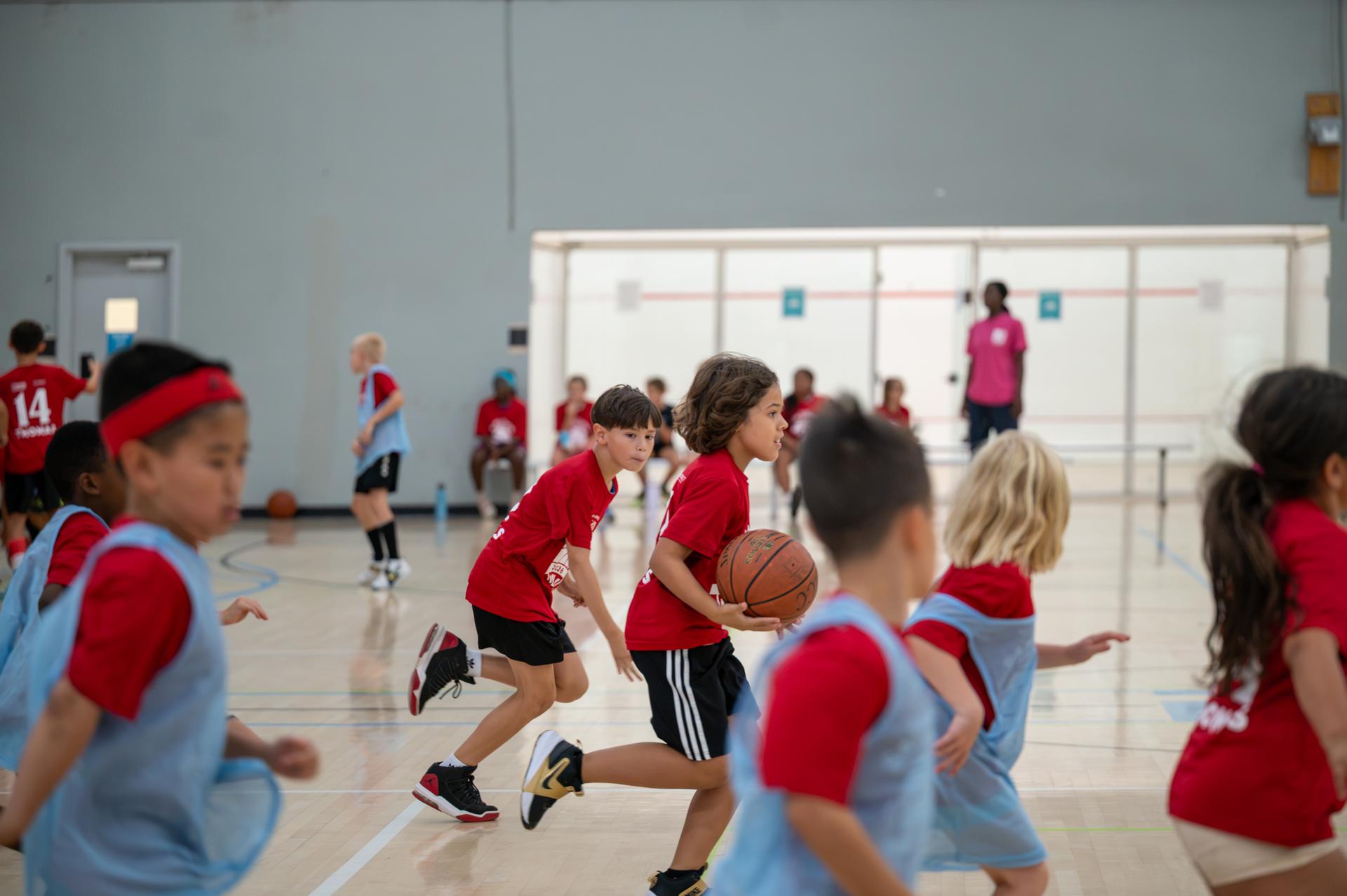
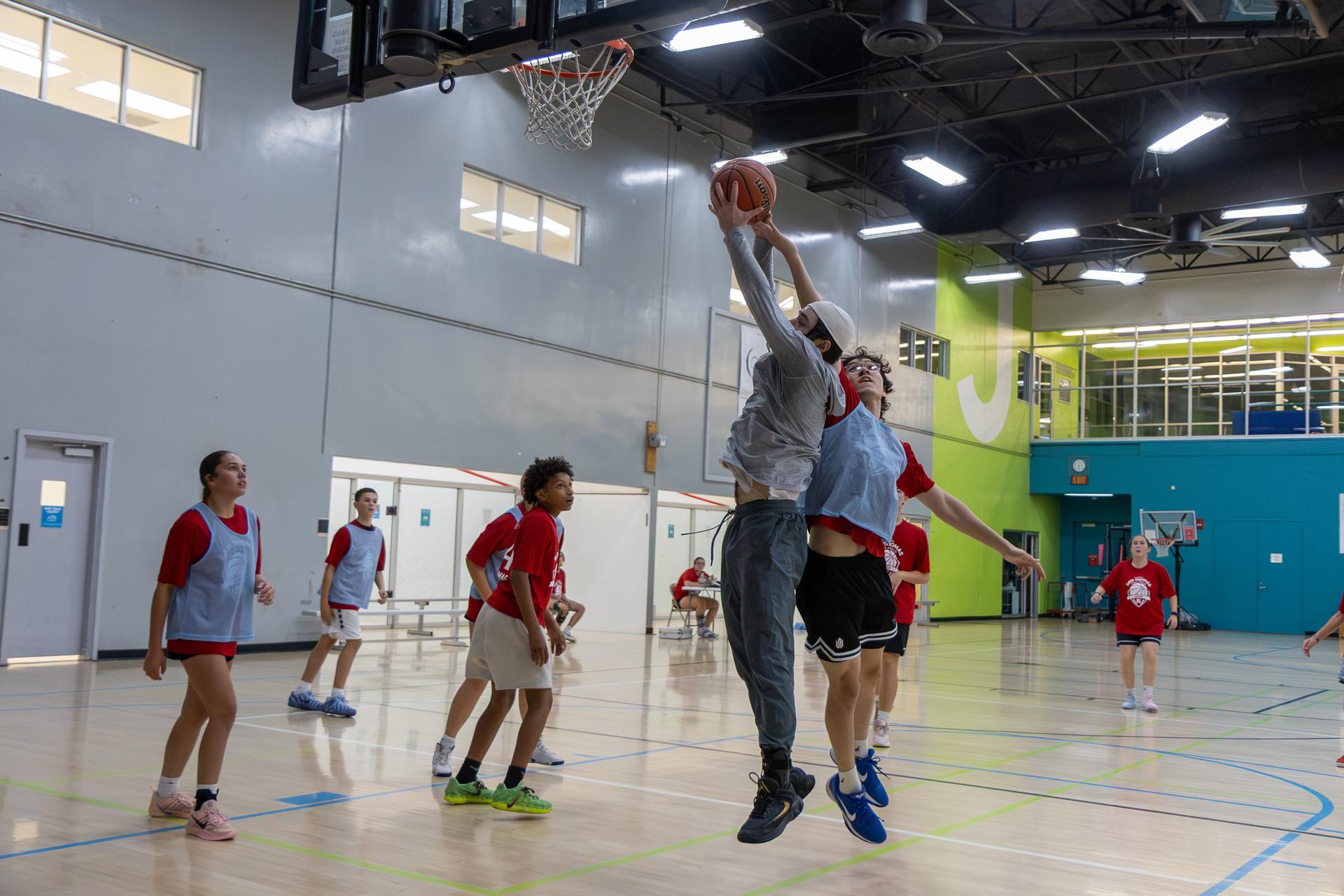
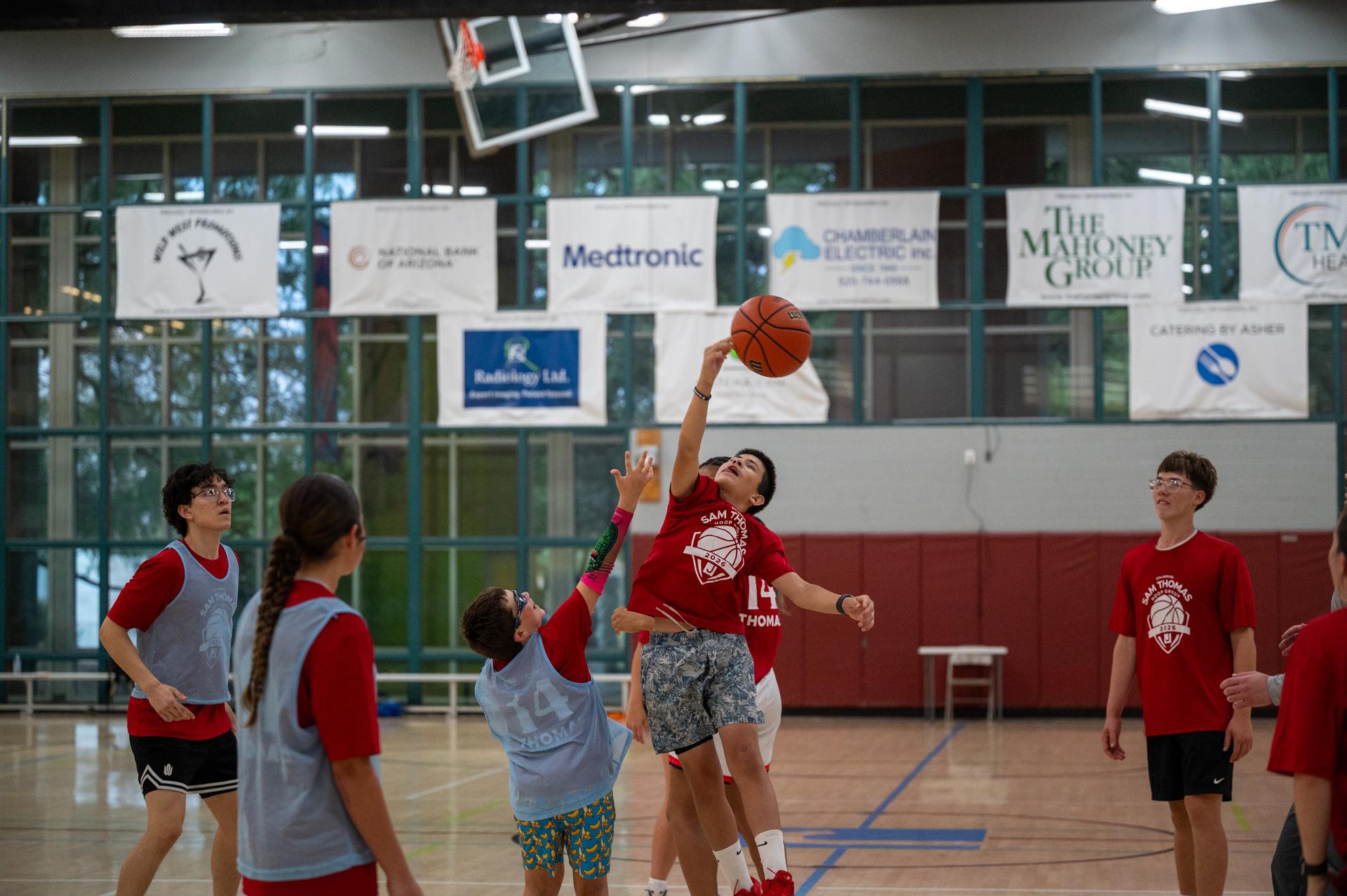
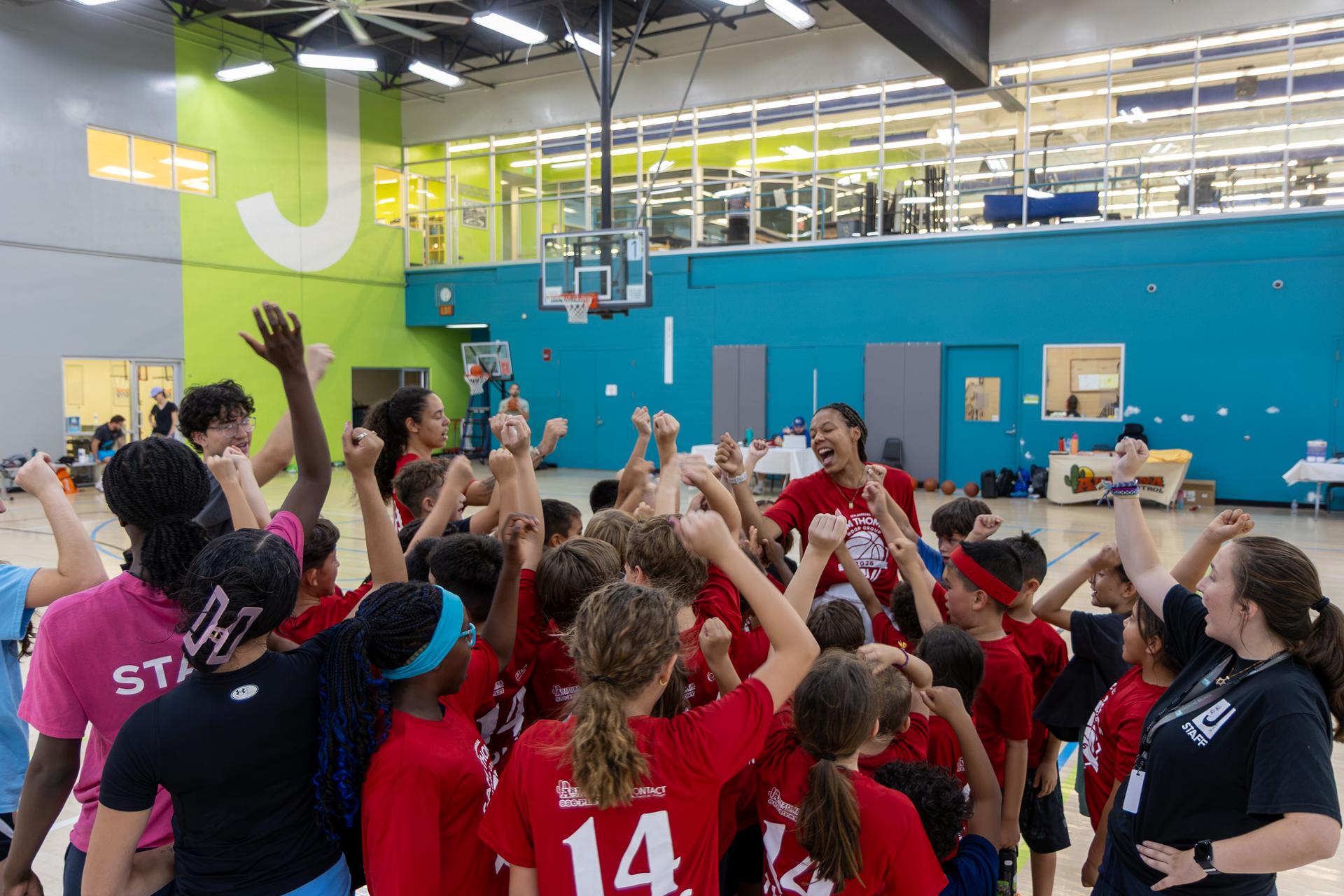
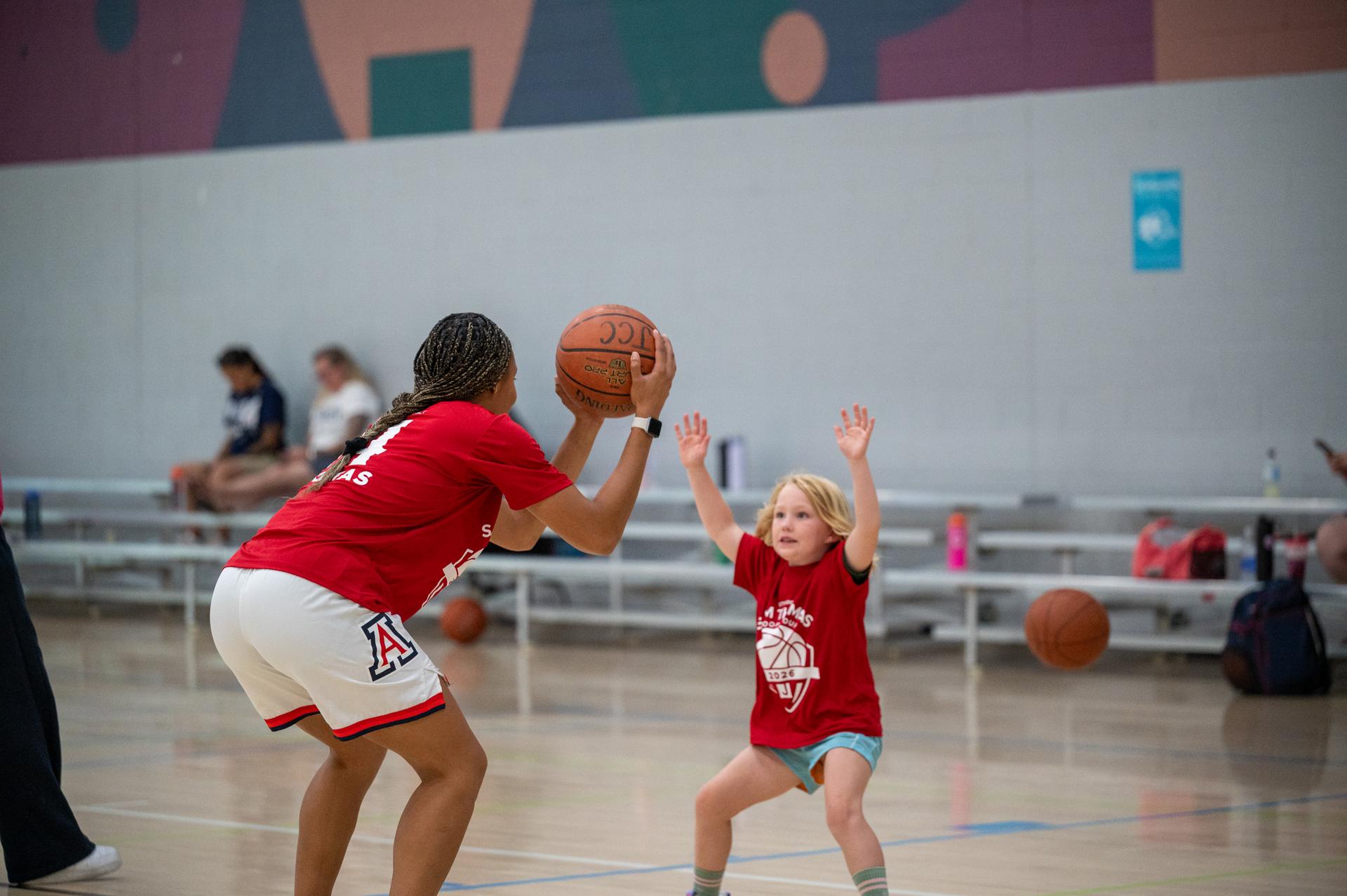
We began the week on Sunday welcoming back UA women’s basketball legends Sam Thomas and Dominique McBryde to the J for their 5th annual Hoop Group youth basketball clinic. As leaders on the court, they brought their skills and experience to a group of over 80 young athletes, many of whom have returned year after year! You can read more about the clinic here from our friends at the Arizona Daily Star and check out photos here on Facebook. 

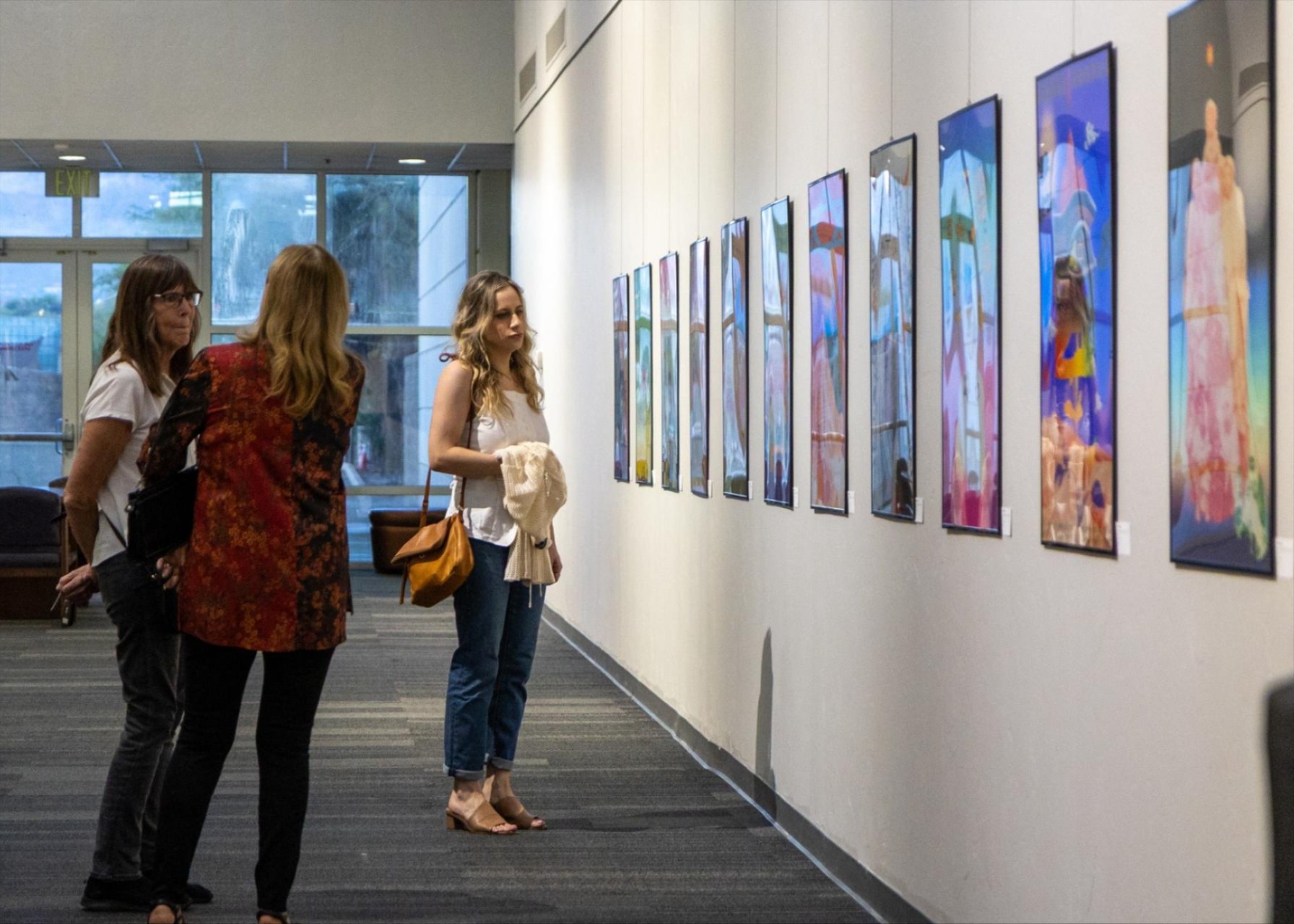
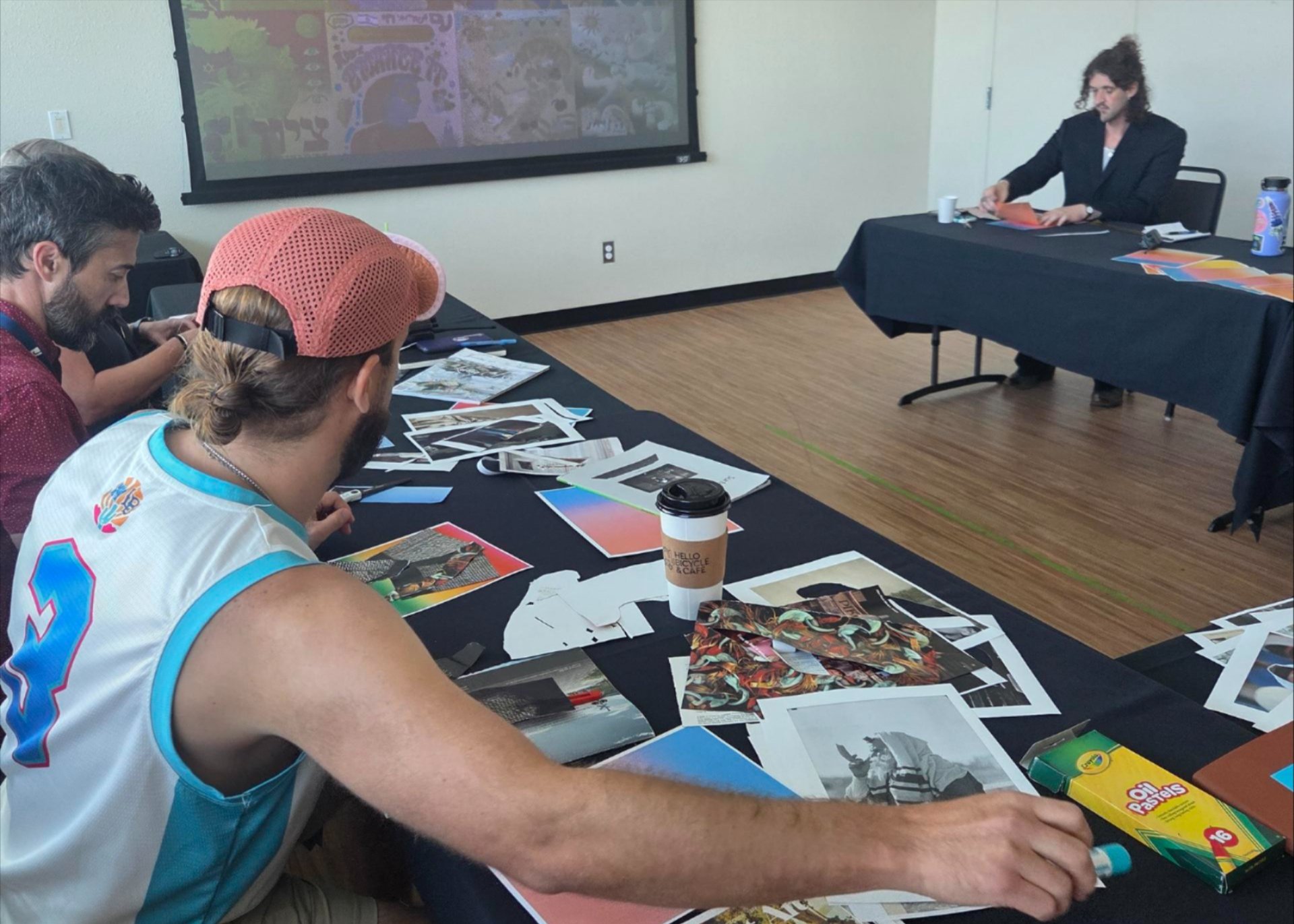
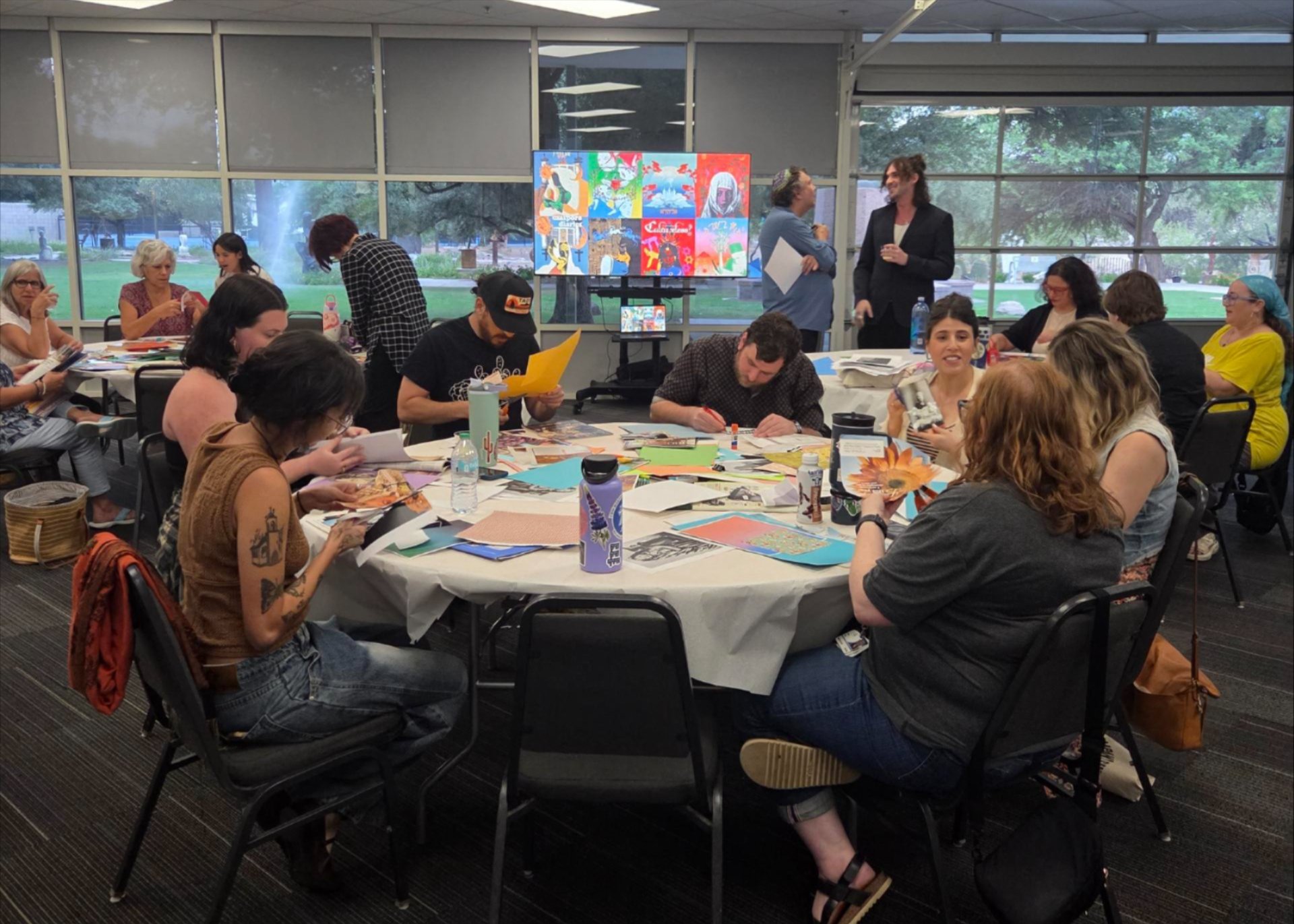
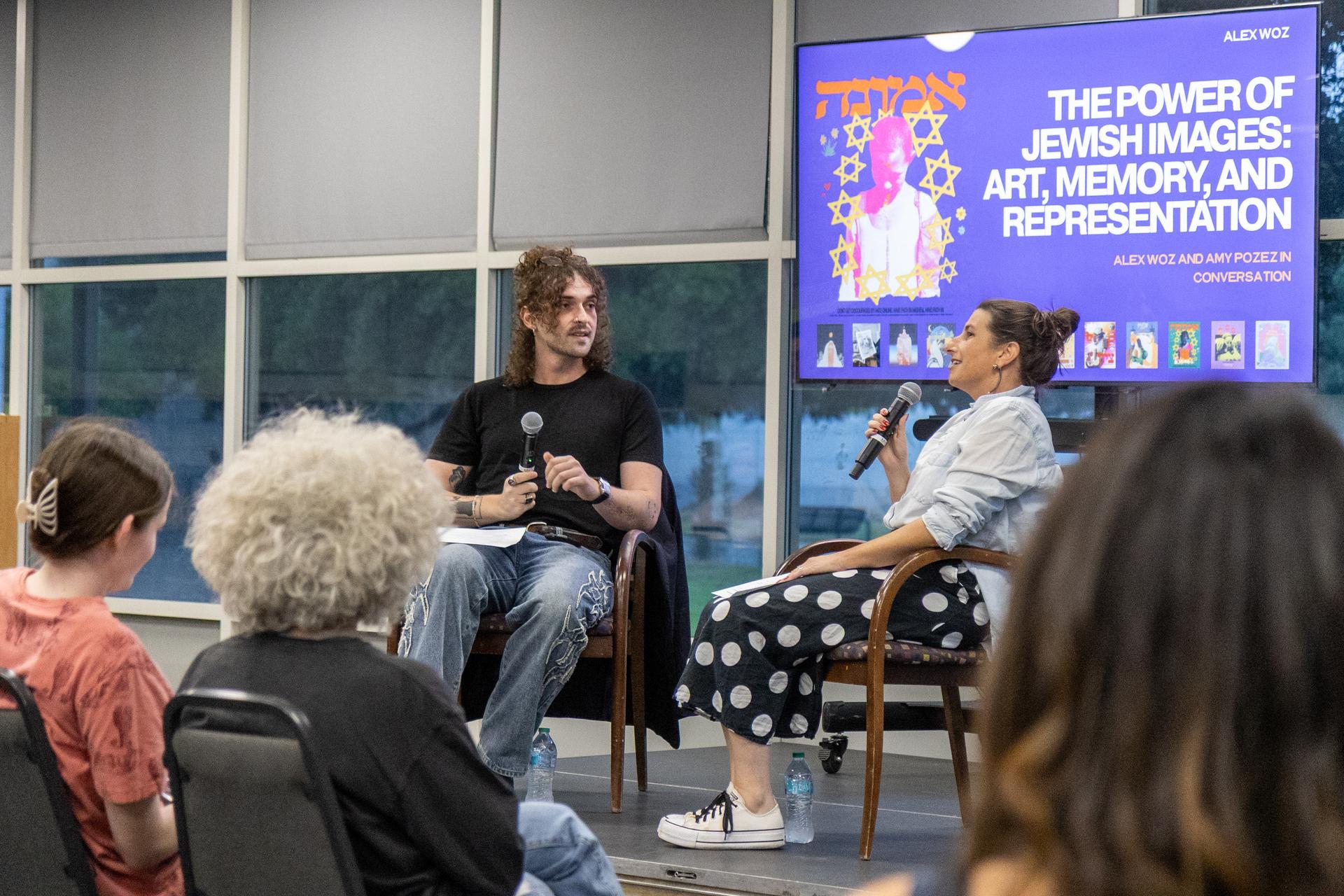
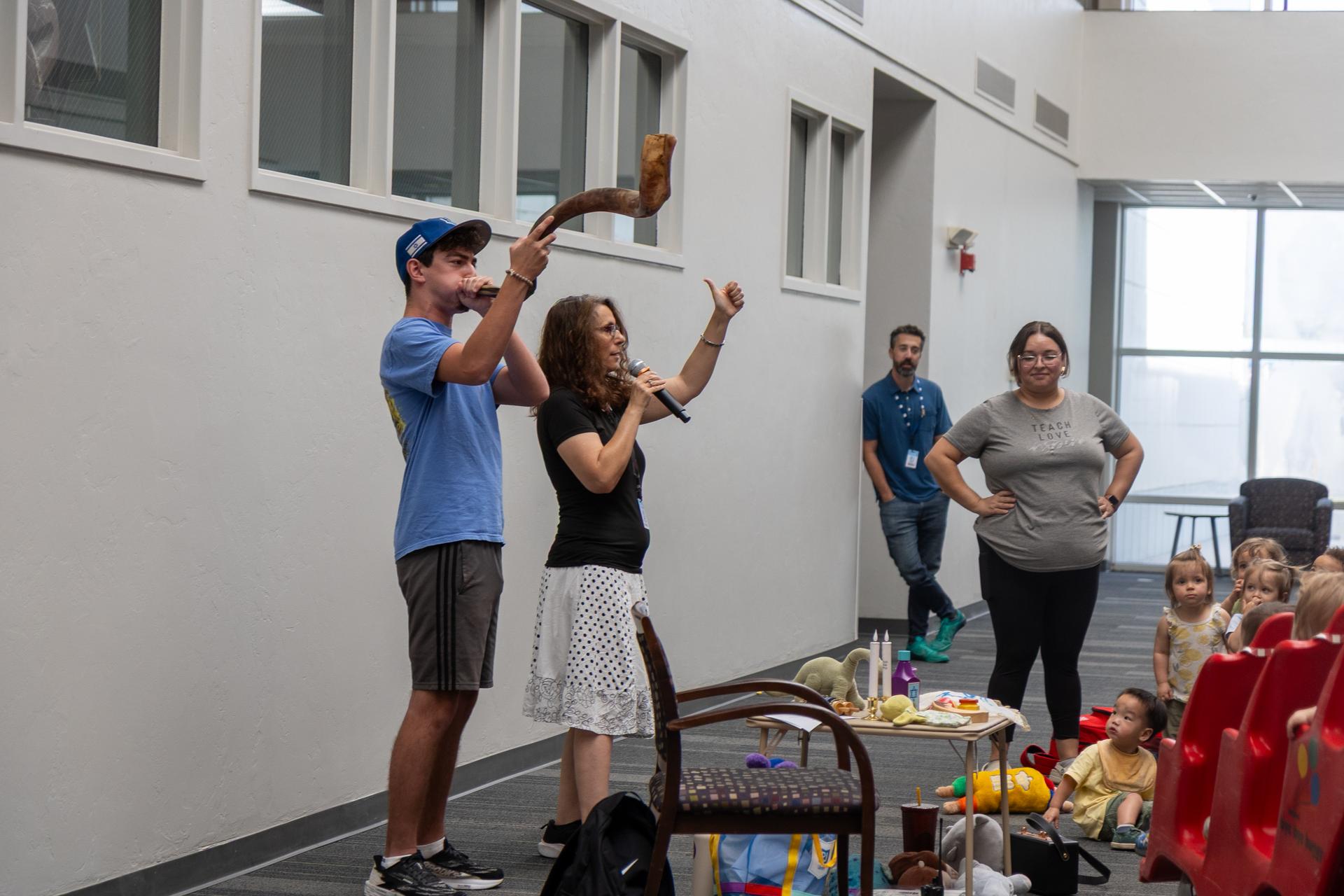
Beginning Wednesday, we had the honor of hosting LA-based Argentinian Jewish artist, Alex Woz, to campus for a short but impactful artist residency that included a pop-up exhibition, artist talk, and collage workshop, all centered around the theme of Jewish identity and combatting antisemitism using the power of art to share positive stories. Alex also delivered a presentation and workshop for our leadership team, offering a powerful moment to learn together, express our creativity, and think about the role our work and we as leaders play in shaping the narrative of our local and global Jewish communities. Just this morning, Zev Greenberg joined his mom Jennifer, our Jewish Culture + Curriculum Coordinator for Early Childhood Education, at ECE Shabbat to welcome the Hebrew month of Elul by sounding the shofar (ram’s horn). It is customary to blow the shofar every weekday morning from the second day of Elul to the the last day of the month before the holiday of Rosh Hashanah begins; the idea being that the sounds of the blast stir our souls awake and bring us closer to God as we approach the new year. As a former “J kid,” JCC Maccabi athlete, and Camp J staff, we are proud of Zev for showing leadership and sharing his Jewish spirit with the next generation! Looking for a way to celebrate Rosh Hashanah? Join us for Sweet Beginnings with PJ Library! As we move into Shabbat, each of these experiences reminds us that when we cultivate curiosity and create room for others to grow, we strengthen not only individual leaders, but the vibrant, connected community we are building together.

Reminders, Resources + Learning

From the Desk of Michael Gadarian | Chief Financial Officer

Shabbat Shalom
Shabbat Shalom

From the Desk of Michael Gadarian | Chief Financial Officer

As we begin a new school year at the Tucson J, I read and reflected on this week’s Torah portion, Re’eh, from Deuteronomy, which begins with the words, “See, I set before you today blessing and curse.” While this passage speaks of choices, it also reminds us that every new beginning offers an opportunity to recommit ourselves to the values that define who we are.


Like many in our community, I have a long history with the Tucson J. I spent countless hours here growing up, especially on the basketball court. One of my earliest memories after having to hang up my sneakers came years later, when I returned to the J while living on the East Coast in my mid-twenties.


In 2007, my father was honored in our J’s Ballroom as Man of the Year by our community partners at the Jewish Community Foundation. During his remarks, he shared a lesson that has stayed with me ever since. He questioned why he was receiving the award because, to him, he was simply trying to do the right thing in his everyday work and life. There was not much to contemplate beyond that. You simply do what is right.


As I’ve reflected on those words over the years, I’ve come to appreciate how closely they align with the message of Re’eh. The Torah reminds us that we are presented with choices every day. Our hope is that we become people whose values are so deeply rooted that choosing kindness, integrity, responsibility, and compassion becomes second nature.


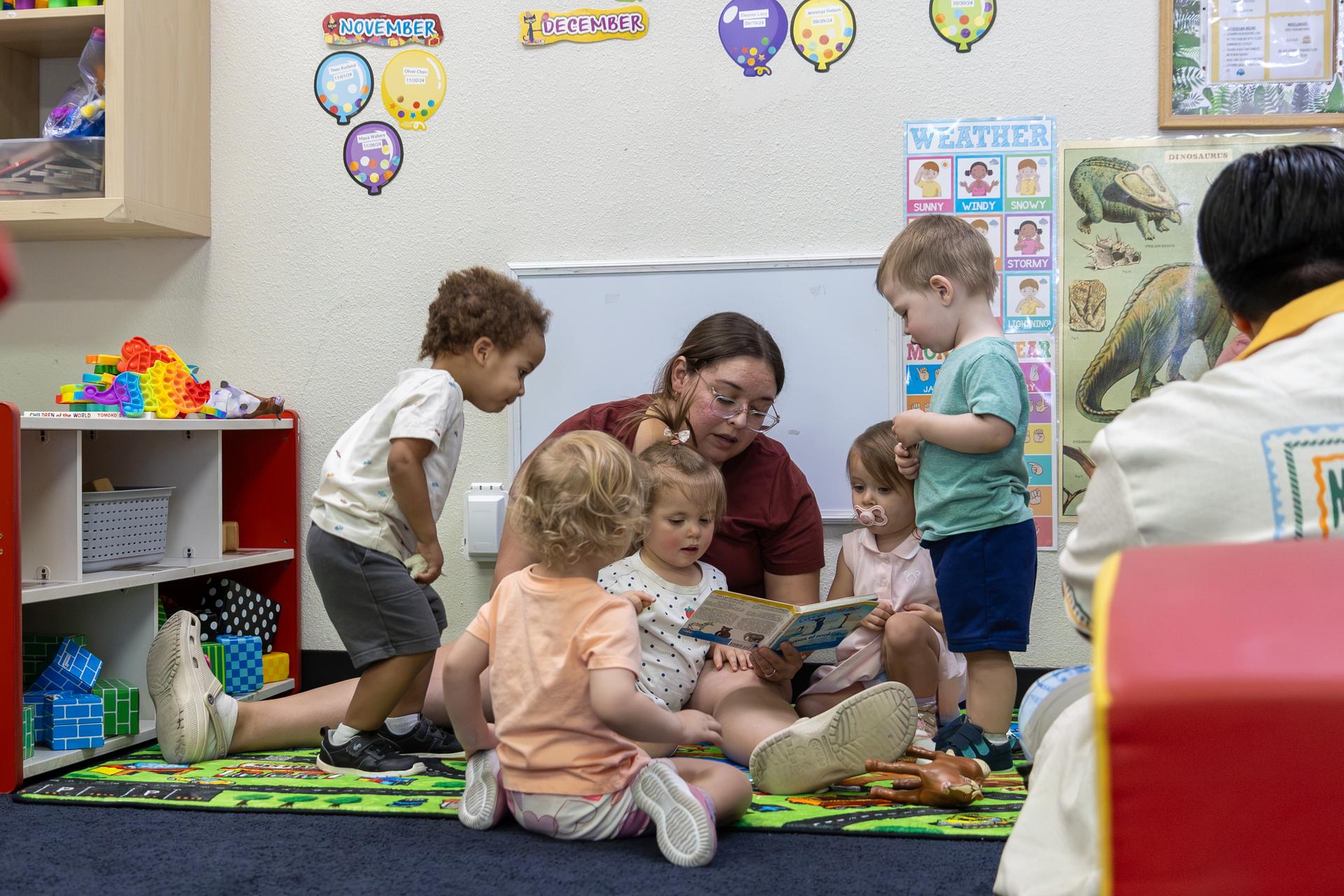
This week marks another exciting beginning for our J. Our youngest learners once again filled our Early Childhood Education classrooms, while many of our older children returned to school and came back each afternoon to our JCare after school program. There, familiar faces, caring staff, and meaningful experiences help make the Tucson J feel like home. Across our campus, a new season begins with fresh opportunities to learn, grow, and strengthen the connections that make our community so special.


As CFO, I often think about stewardship, not only of our financial resources, but of the trust that families place in us every day. The greatest investment we make is in our people and in the values we live together. Every welcoming smile, every encouraging word, and every act of kindness helps shape the culture of our J and the lives of those we serve.


May this new school year be filled with curiosity, friendship, growth, and joy. And may this Shabbat inspire all of us to continue choosing the path that strengthens our community; not because it is the easiest choice, but because it is simply the right one.

How we care for ourselves, how we care for others, and how we contribute to the world around us reflect the kind of people and community we want to be. Every day, people choose to show up at the Tucson J to nurture their physical, emotional, and spiritual wellness; learn something new; and find joy and connection. We are proud to be a place where those choices make an impact on an individual level, and where personal responsibility can grow into collective responsibility. Just as importantly, the J chooses to show up—for our members, our families, our teens and children, and for the broader Tucson community. Our work is rooted in the belief that the choices we make together can help create a stronger, more connected Jewish community. This week, we’re excited to share a few of the ways our community is choosing to show up.


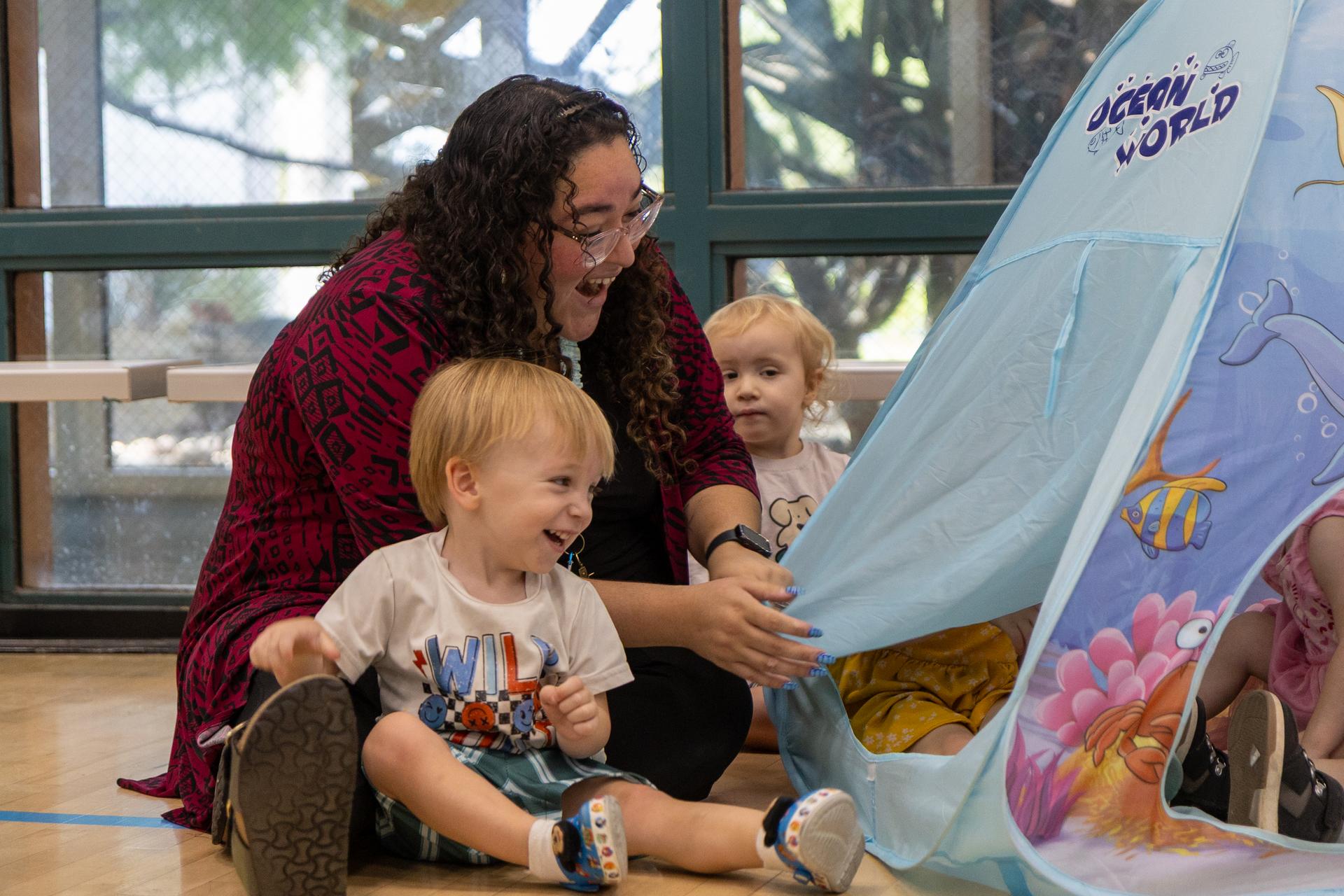
We welcomed Early Childhood Education and JCare kids back for another school year filled with fun, learning, and memories. ECE students explored their classrooms, ventured out around the J, and celebrated their first Shabbat in the ECE open space on brand new carpeting! In JCare, participants learned about the Jewish value of kehilla (community), decorated name tags and art portfolios that will be used throughout the year, baked chocolate chip cookies, and played ice breakers!


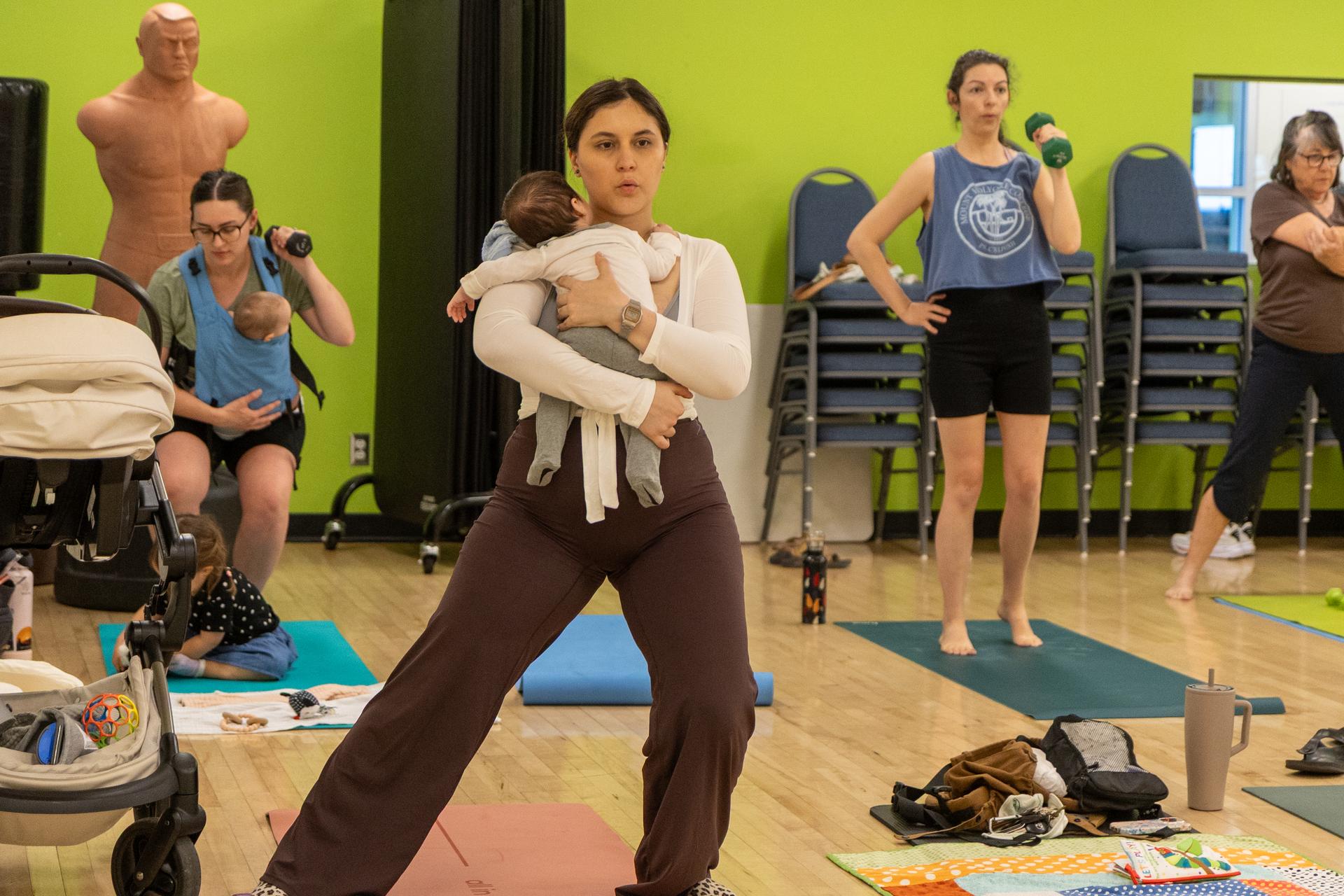
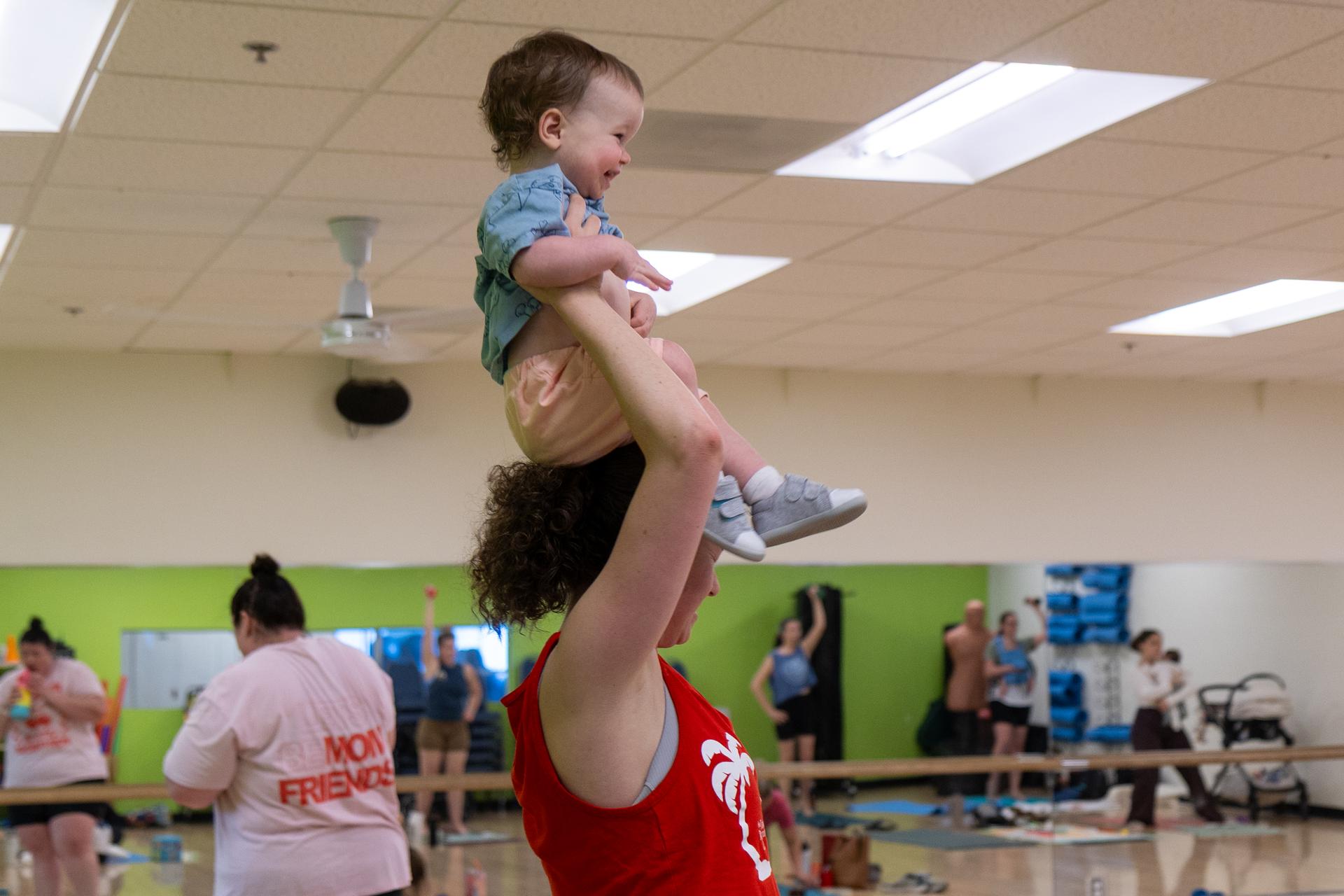
We recently began a new partnership with Intuitive Training and are thrilled to have kicked off two class series that support post-partum families during a time of life where it often feels hard to “show up” for yourself. Learn more about Stroller Strength and Like a Mother (including a free pop-up!) here. 

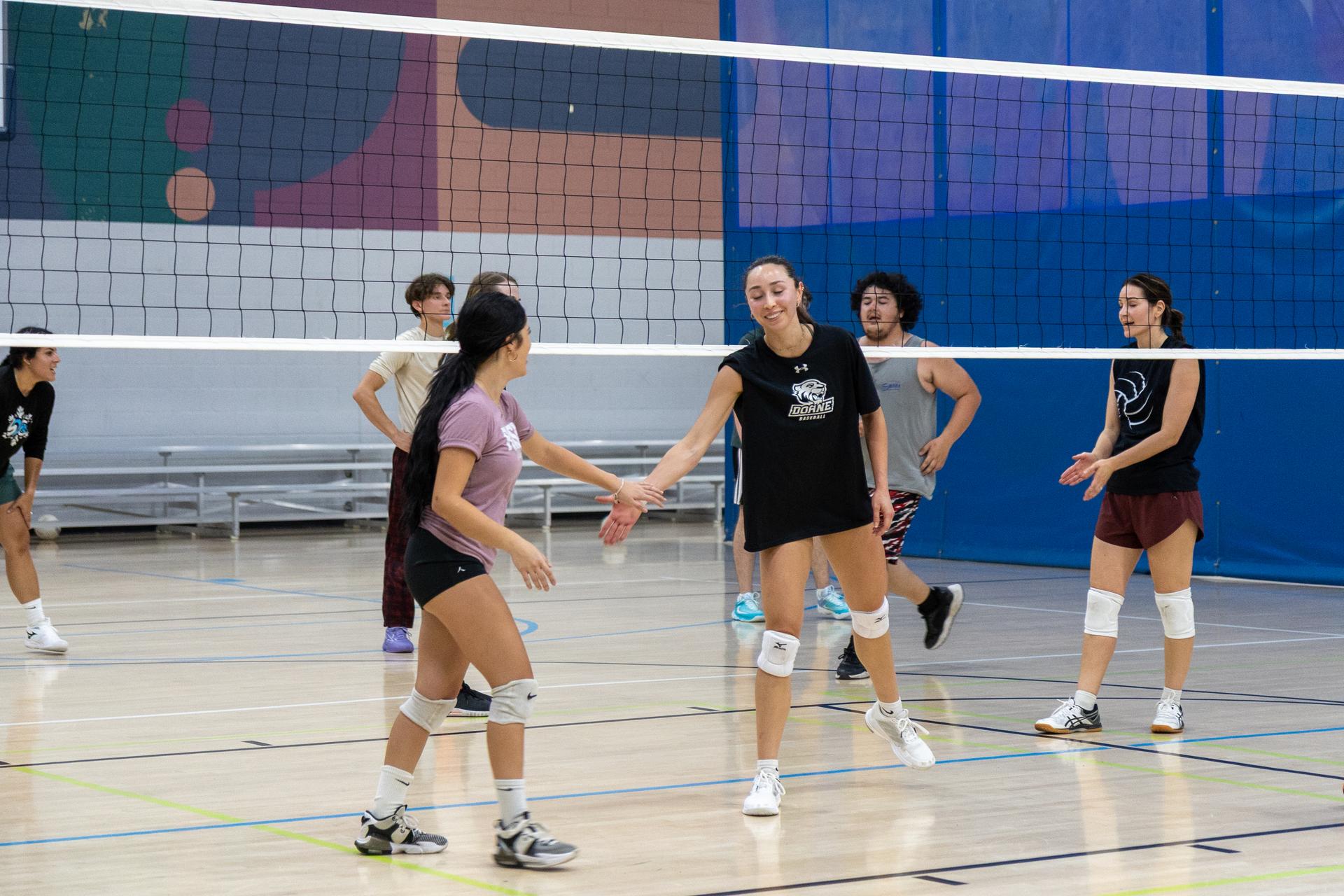
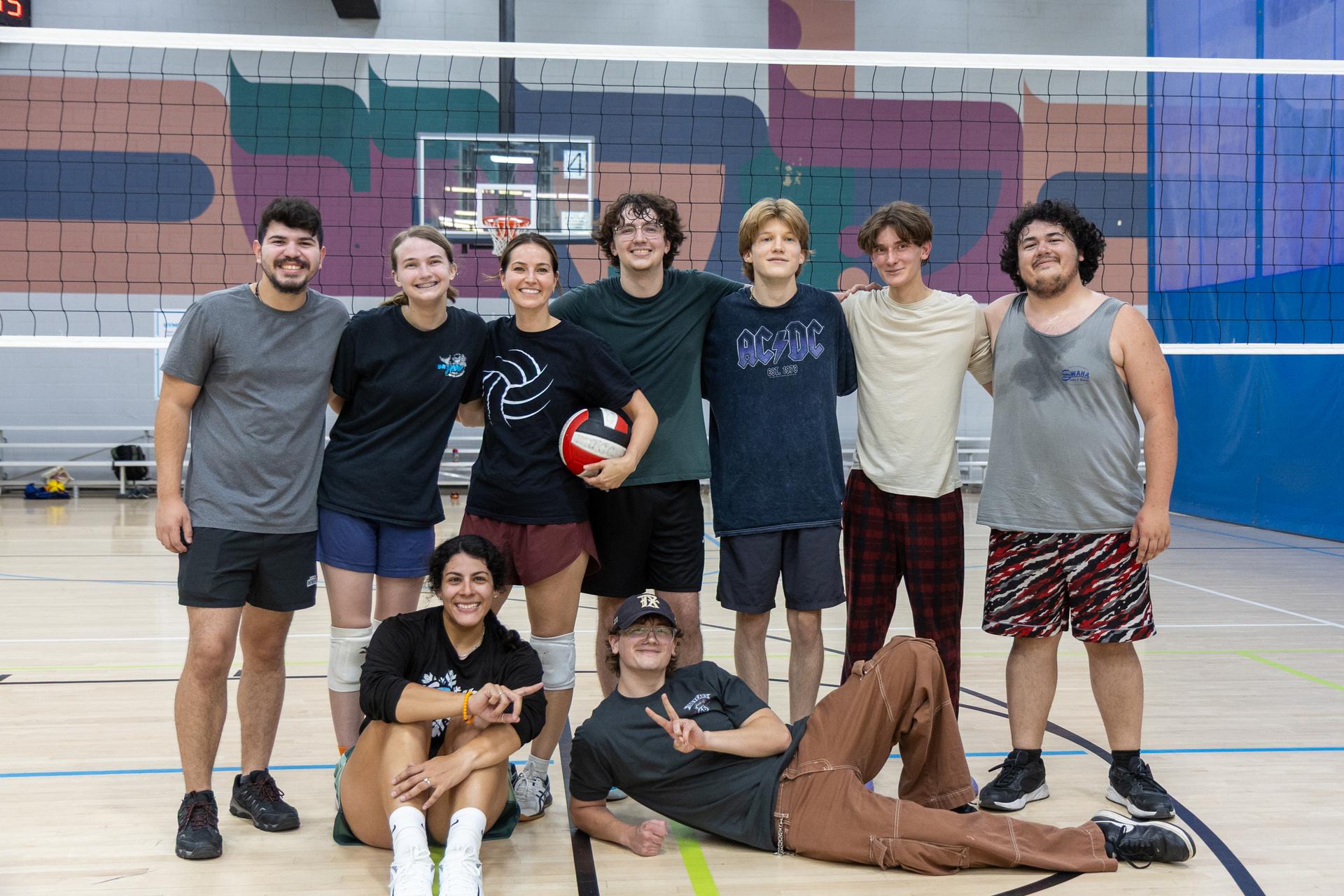
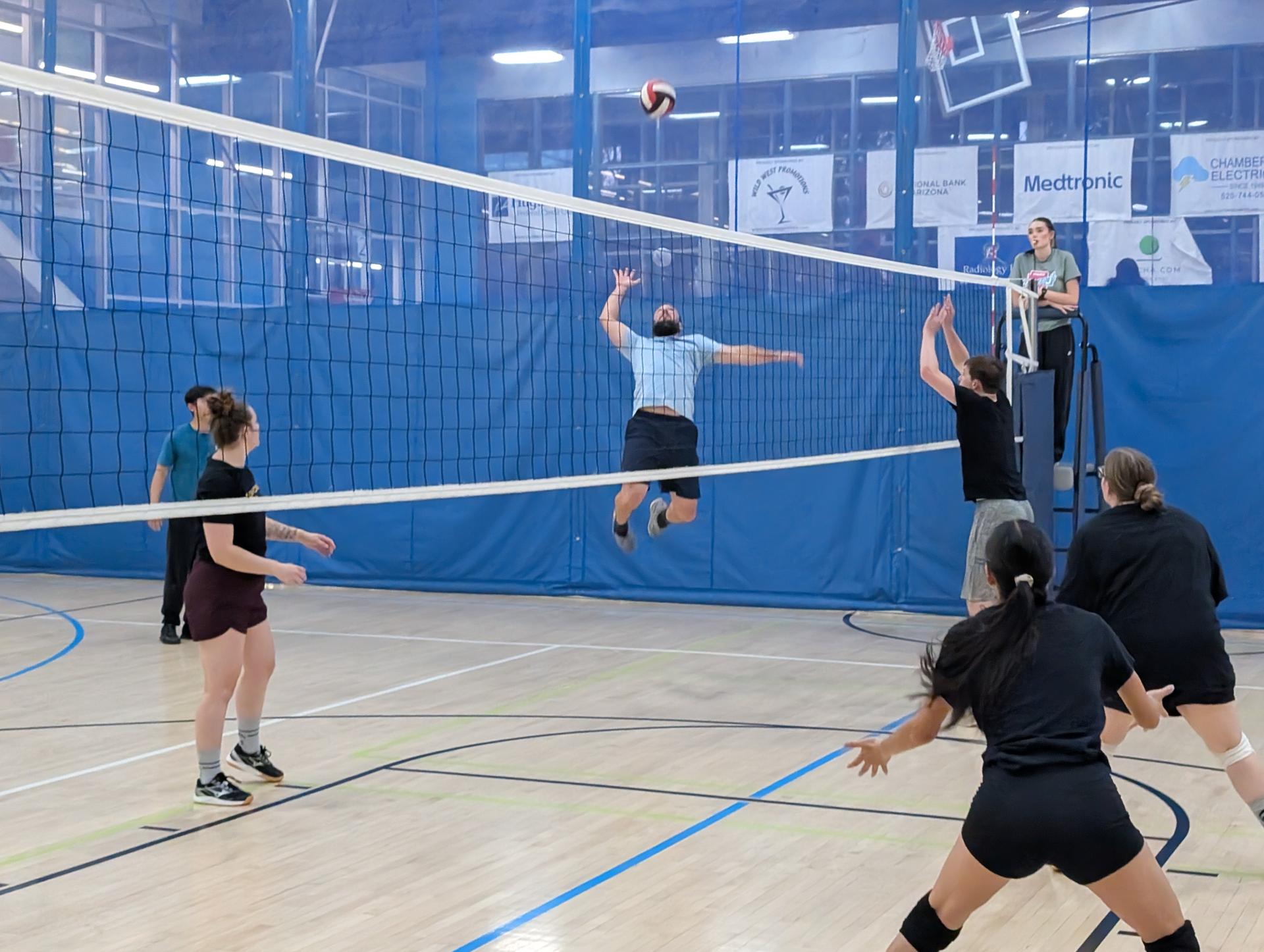
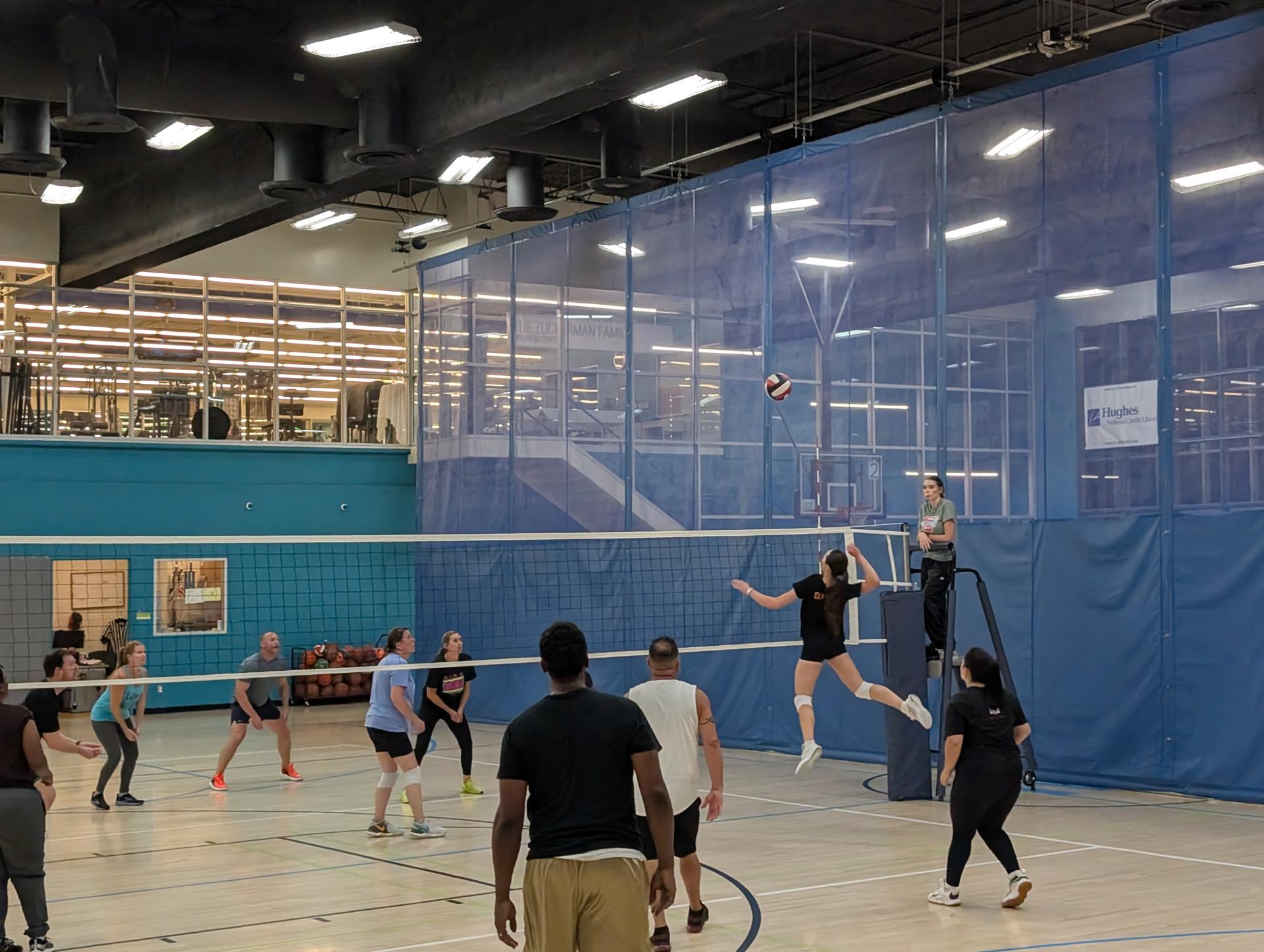
In Sports + Recreation, we celebrated the “Squad Team” and “Aces” who took first and second place in our summer Co-ed Volleyball League championship game! There are more leagues, lessons, and clinics for both youth and adults throughout the fall—what will you choose to try? 


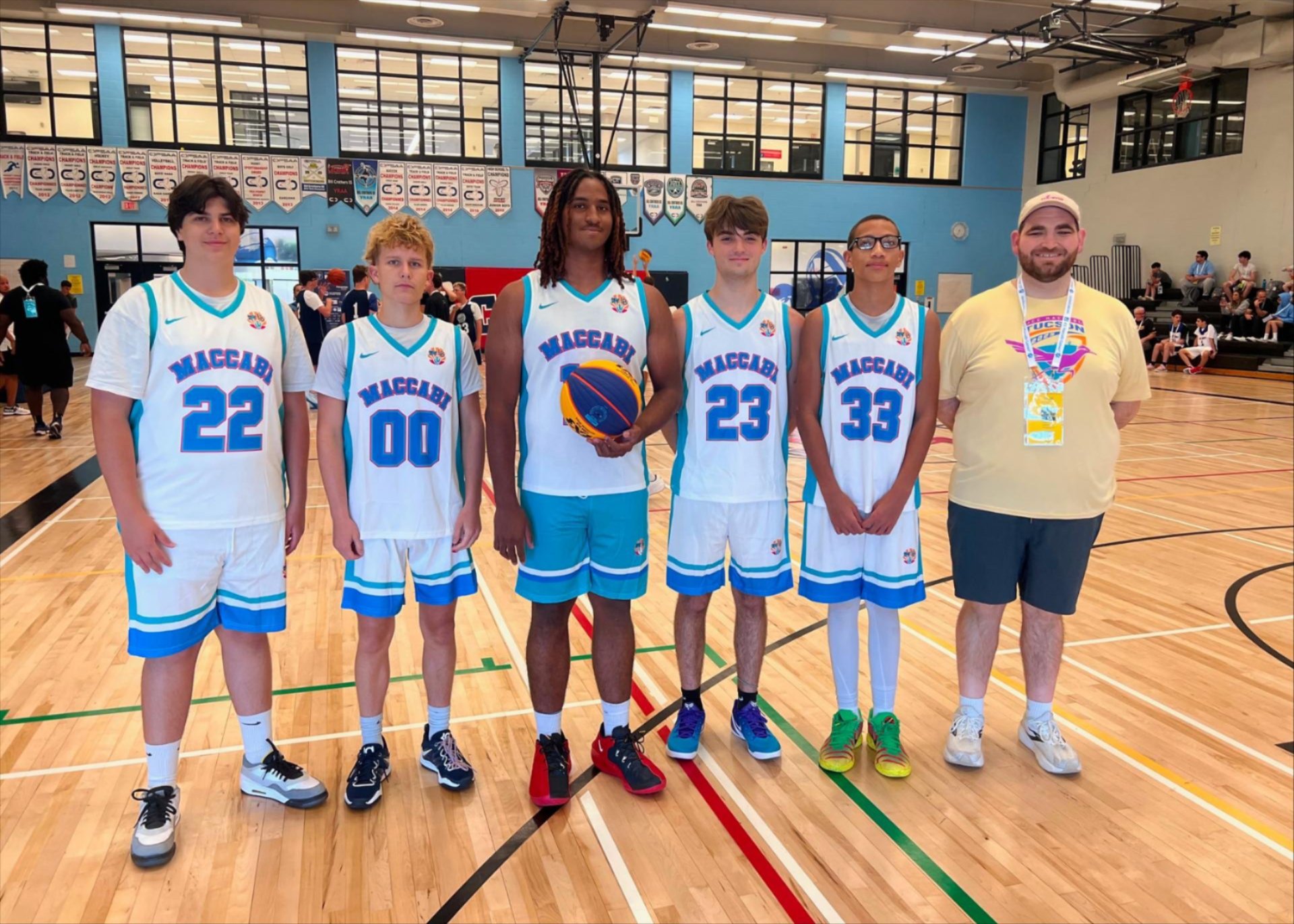
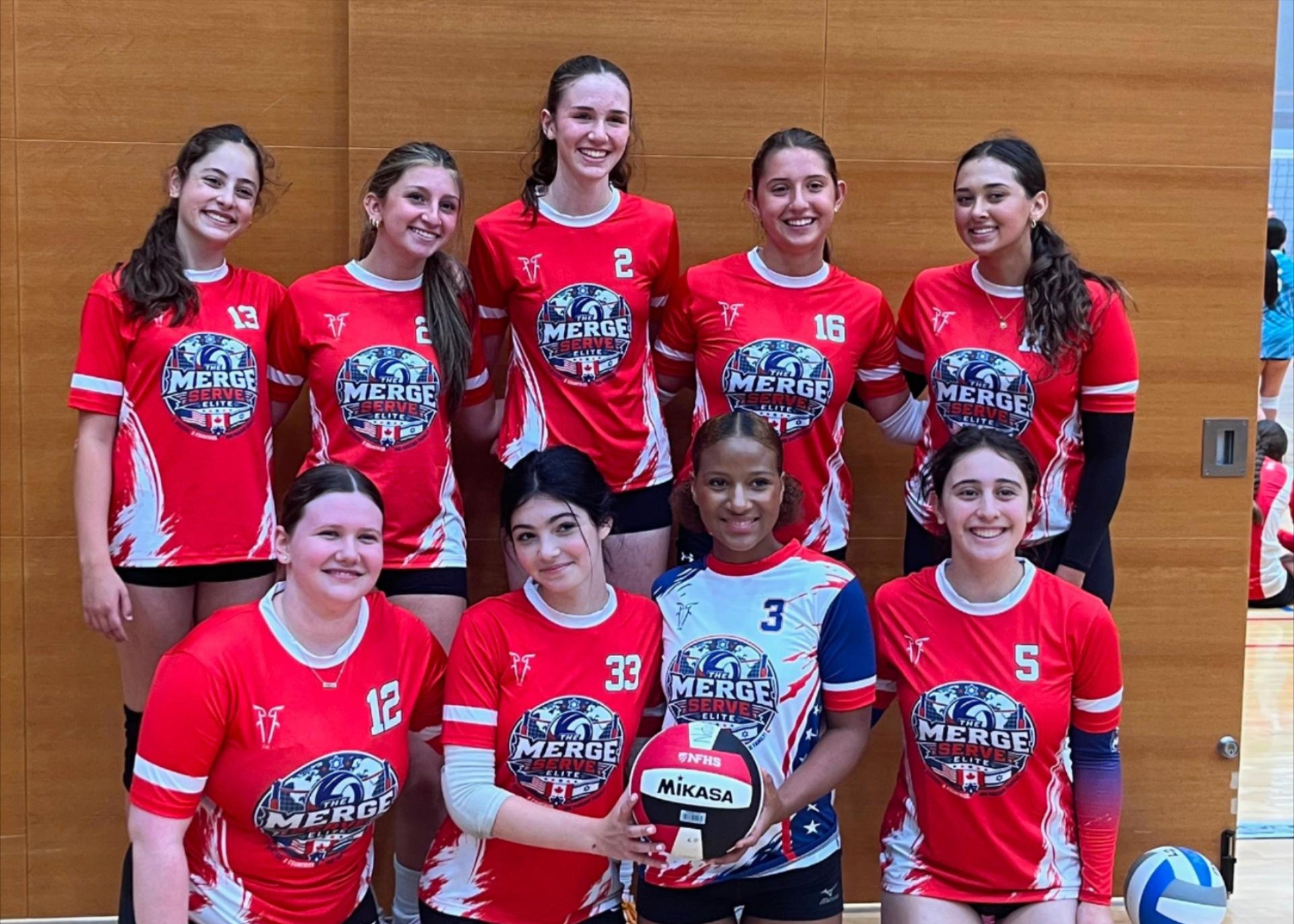
All week long, nine Tucson J teens competed in the 2026 JCC Maccabi Games + Access, joining thousands of other Jewish teens in Toronto. Just like last year’s Games hosted here in Tucson, it was an unforgettable and truly meaningful experience. Our teens showed up with their best foot forward and we couldn’t be more proud! Check out the closing video here and stay tuned for an article about our amazing Maccabi teens coming soon! 


As we move into Shabbat, may we take a moment to reflect on the choices we make, the responsibilities we share, and the kind of community we are building together. ShabbatShalom.

Reminders, Resources + Learning

From the Desk of Jennifer Selco | Sr. Director of Jewish Life + Engagement 

Shabbat Shalom
Shabbat Shalom

From the Desk of Jennifer Selco | Sr. Director of Jewish Life + Engagement

Did you know that the specific obligation to say HaMotzi, the blessing before a meal, is not explicitly mentioned in the Torah? In this week’s Torah portion, Eikev, Hebrew for “obey” or “if you obey these rules,” we learn more about the important connection to the land of Israel, we learn about the seven species, and the sacred obligation to express gratitude after a meal (Birkat HaMazon). It is written in Deuteronomy 8:10,


וְאָכַלְתָּ֖ וְשָׂבָ֑עְתָּ וּבֵֽרַכְתָּ֙ אֶת־יְהֹוָ֣ה אֱלֹהֶ֔יךָ עַל־הָאָ֥רֶץ הַטֹּבָ֖ה אֲשֶׁ֥ר נָֽתַן־לָֽךְ׃


When you have eaten your fill, give thanks to the ETERNAL your God for the good land given to you.


While the obligation to say HaMotzi and the exact structure for Birkat HaMazon (another blessing we say when we eat) was not finalized until the First Century of the Common Era, the basis for the Birkat HaMazon is rooted in Torah.


In a world where it is easy to rush from one thing to the next, Eikev reminds us to pause and express gratitude for the blessings we receive. Taking a moment after we eat to express gratitude reminds us that satisfaction is more than having enough, it is about recognizing the blessings we may take for granted. Gratitude helps transform an ordinary meal into a sacred moment. And, at the same time, these words challenge us to remember that food insecurity continues to affect families in our communities and around the world. Our gratitude should inspire action: to share our abundance, support those in need, and work toward a world where everyone can eat and be satisfied. In that way, an ordinary meal becomes not only a sacred moment of giving thanks but also a reminder of our responsibility to care for one another.

As we reflect on the lessons of gratitude in this week’s Torah portion, we also find ourselves at a meaningful moment in the life of our J. Summer camp season came to a joyful close this week, a new school year begins on Monday, and for just a moment, we have the opportunity to pause between one joyful season and the next. Before the busy rhythms of fall take hold, we are grateful for all that our community has shared this summer—for the laughter that filled our halls, the friendships that were built, the dedicated staff who made it all possible, and the many families who continue to make the Tucson J a place of connection and belonging. 


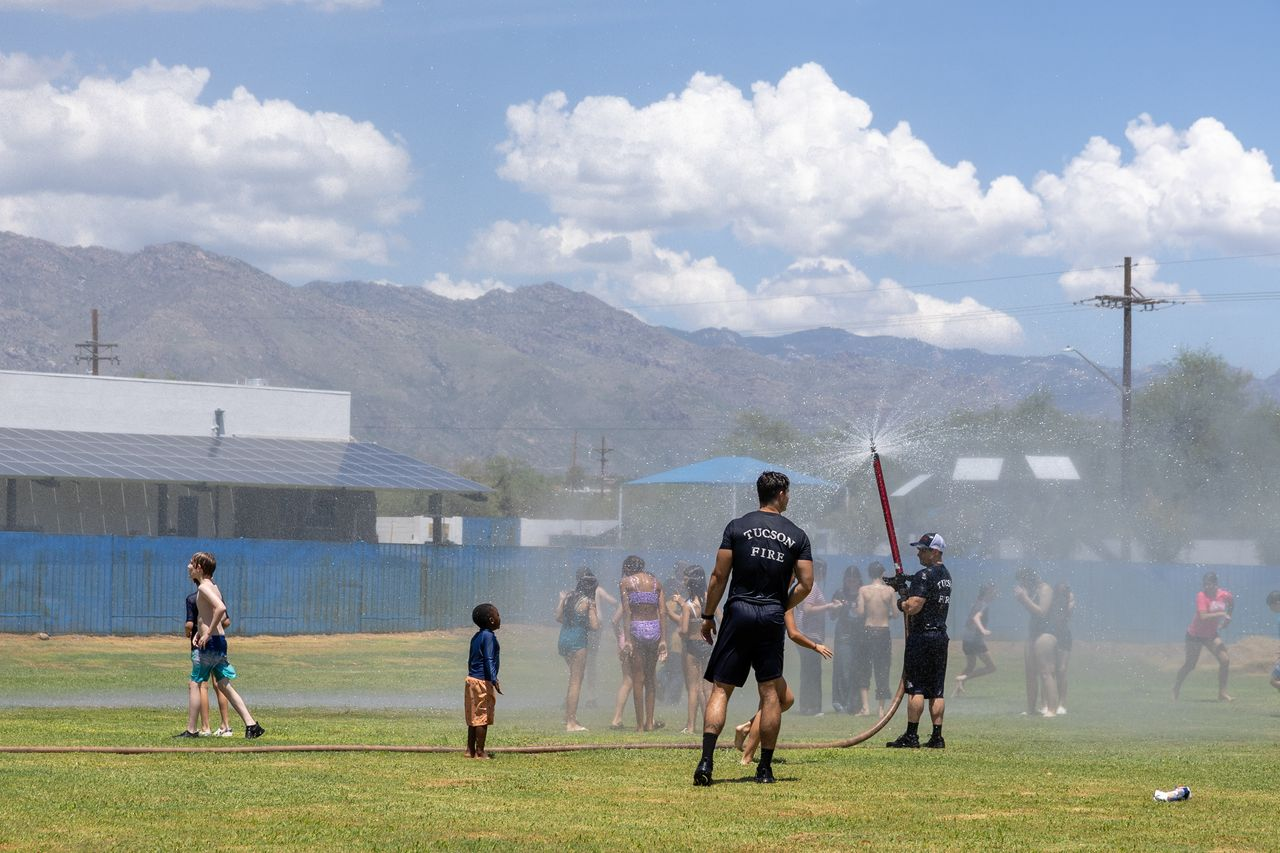
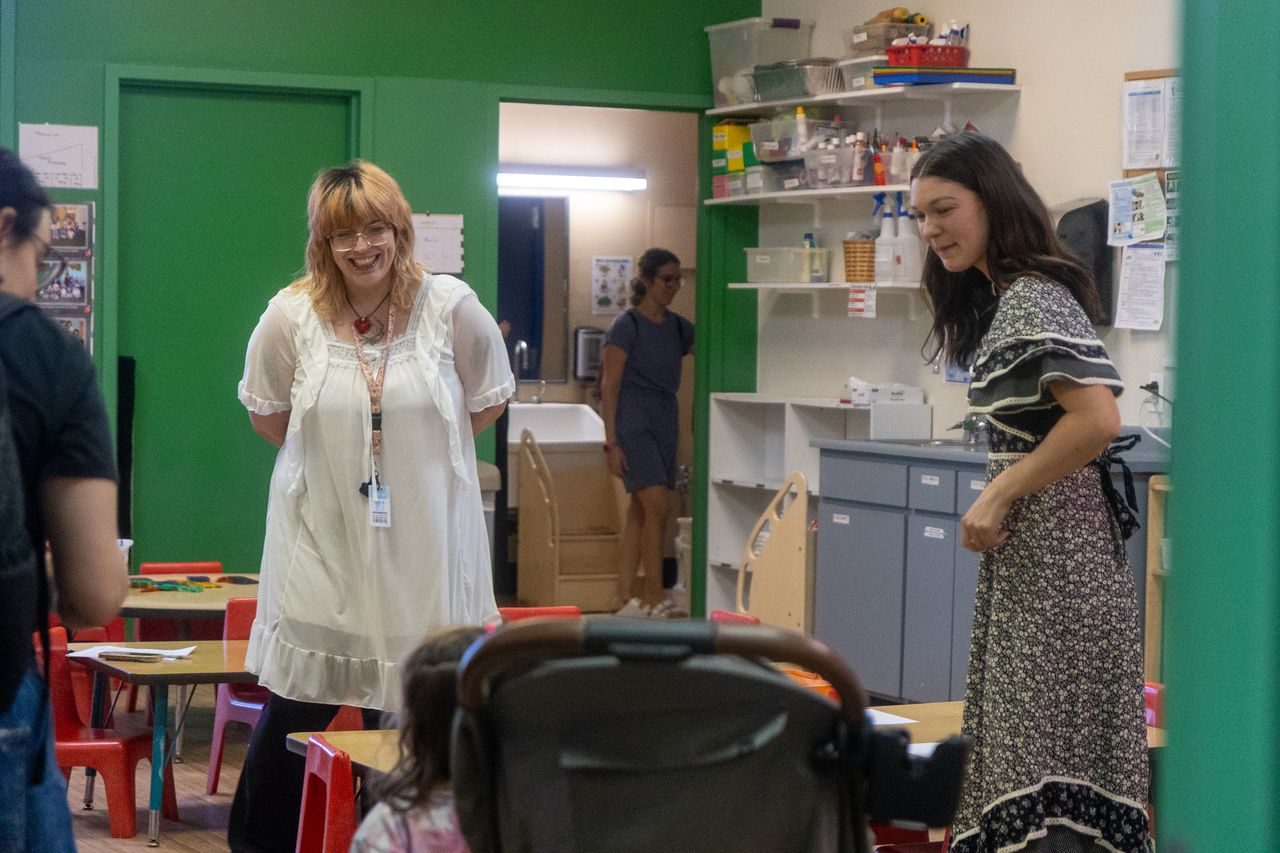
Camp J ended on Wednesday with a carnival, staff talent show, and a special visit from the Tucson Fire Department. Campers discovered that the best way to cool off under the Tucson sun is a fire hose spray-down! All week, teachers in our Early Childhood Educationdepartment have spent time together preparing for the year ahead with in-service days devoted to professional development and a field trip to the Catalyst Creative Collective where they learned to make bagels from scratch and paint like professional artists. This afternoon, new and returning ECE families joined us to “meet the teacher”—we are looking forward to another year of learning, playing, and growing at the J! 
While Camp J is one of the highlights of our summer, it is only one part of the vibrant life of our community. Throughout the season, our Healthy Aging programs have continued to bring older adults together for learning, wellness, and meaningful connection, reminding us that the J is a place where every generation can find community. Racquet Sports clinics and lessons continued at the Sarver Tennis Center on freshly cleaned courts and community members worked toward their wellness goals in group fitness classes and personal training. This week the Stingrays Swim Team tie-dyed shirts and then participated in their annual Swimathon—an opportunity to celebrate their hard work, raise funds for the season ahead, and demonstrate the perseverance and team spirit that define our program.


Every season at the J offers opportunities something to be grateful for. As we welcome Shabbat and look ahead to the start of a new school year, we do so with gratitude for the people who make the Tucson J such a special place, every day of the year. Shabbat Shalom.

Reminders, Resources + Learning

From the Desk of Charlie Paige | Sr. Director of Disability Program Services

Shabbat Shalom
Shabbat Shalom

From the Desk of Charlie Paige | Sr. Director of Disability Program Services

This week’s parasha, Va’etchanan, meaning “I entreated,” is part of Deuteronomy, the final of book of the Torah. The people of Israel are camped just east of the Jordan River. Moses describes his failed efforts for God to revoke the divine decree that Moses will not enter the Land himself: “I pray You, let me go over and see the good land that is beyond the Jordan, that goodly mountain and the Lebanon.” But God, firm in the judgement to Moses, responded: “Enough! Speak no more to Me of this matter.” (Deuteronomy 3:23)


God then instructs Moses to go up to the top of the summit to see the good land that is beyond the River and tells Moses “for you shall not cross this Jordan.” God instructs Moses to encourage and strengthen Joshua “for he shall go over before this people, and he shall cause them to inherit the land which you shall see.”


Moses now speaks to the people of Israel about an essential theme of this parasha: if they are to survive in the Land, and survive as a people, they must follow the teachings in the Torah they received at Sinai.


As I read commentaries and interpretations of this parashah, what resonated with me most was the idea that the lesson Moses teaches the Israelites is the same lesson God was trying to teach him. Moses longed to cross the Jordan and did not want to accept that he would not. God’s response reminds him that his relationship with God is not dependent on reaching a particular destination. Whether Moses remained on the east side of the Jordan or entered the land with Joshua and the Israelites, his path to God remained the same—through faith, trust, and living according to God’s commandments.
 

Working at the Tucson J has exposed me to Judaism and the Torah. In our work to serve youth and adults with developmental disabilities, we infuse Jewish values and culture into our programming. Just as the early childhood program is guided by the Sheva lenses, the Disability Program Services department is enriched by the wisdom of these lenses, as well as the JCC Association’s Eight Guiding Principles of Inclusion that are also rooted in Jewish values.
 

Reading this Torah portion reminded me that Judaism teaches us that our relationship with God is both deeply personal and profoundly communal. Through my work at the J and my meaningful exposure to Jewish values, I have come to appreciate what I see as a sincere and ongoing journey to honor, understand, and live out those values in service to others.
Va’etchanan, invites us to reflect on what it means to build a life grounded in purpose and connection. In this portion, Moses recounts the giving of the Ten Commandments, and also, for the first time, speaks the Shema, a prayer so powerful we are commanded to say it twice daily. The call to “love Adonai your God with all your heart, all your soul, and all your might” is followed immediately by the charge to teach these values to our children, speak of them in our homes, and carry them into every aspect of our lives. At the Tucson J, we strive to create the kind of community those words envision—where Jewish values are experienced across generations, not only in our Jewish programming, but in everything we do.


Daniella Ironi, Jr. Community Shlicha (emissary), is one person who, over the last 1.5 years, has worked to help the J and our broader Jewish community fulfill this goal. Daniella originally came to the J to support in the planning efforts for the 2025 JCC Maccabi Games + Access here in Tucson, specifically focused on “Hang Time” programming for the teens—but by the time the Games were over, her vibrant spirit had captured our hearts. So, we found a role for her working closely with Yuval, our Sr. Community Shlicha, at the Weintraub Israel Center (a partnership between the J and Jewish Philanthropies of Southern Arizona) to infuse programs across the community with Jewish values and foster a strong connection to Israel. On Wednesday, we said l’hitraot (see you later) to Daniella with a lunch at JPSA honoring her contributions to our entire community, and wished her well on her next adventure! Daniella will be dearly missed, and we know the relationships she built here will continue to have a lasting impact.


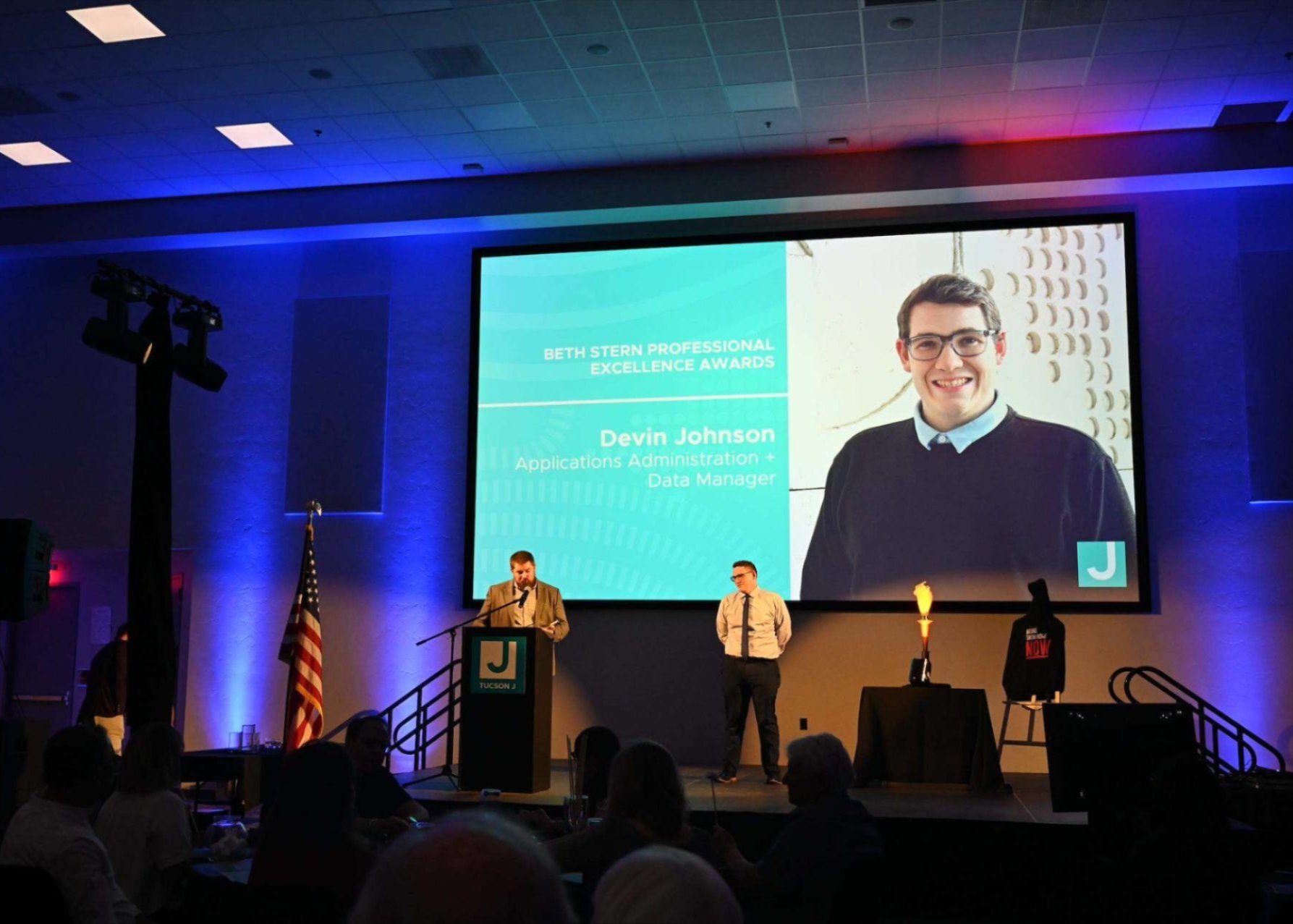
Speaking of strong leaders who make an impact, we got the news that Devin Johnson, the J’s Applications Administrator and Data Manager, was elected to the Board of Tucson Young Professionals! Devin’s work at the J is invaluable to our community (he even won a Beth Stern Staff Excellence Award (pictured here!). Often behind the scenes, he is responsible for overseeing the technology that ensures our operational success—and we know that he will be a wonderful addition to the group. Join us in wishing mazel tov (congratulations) to Devin!

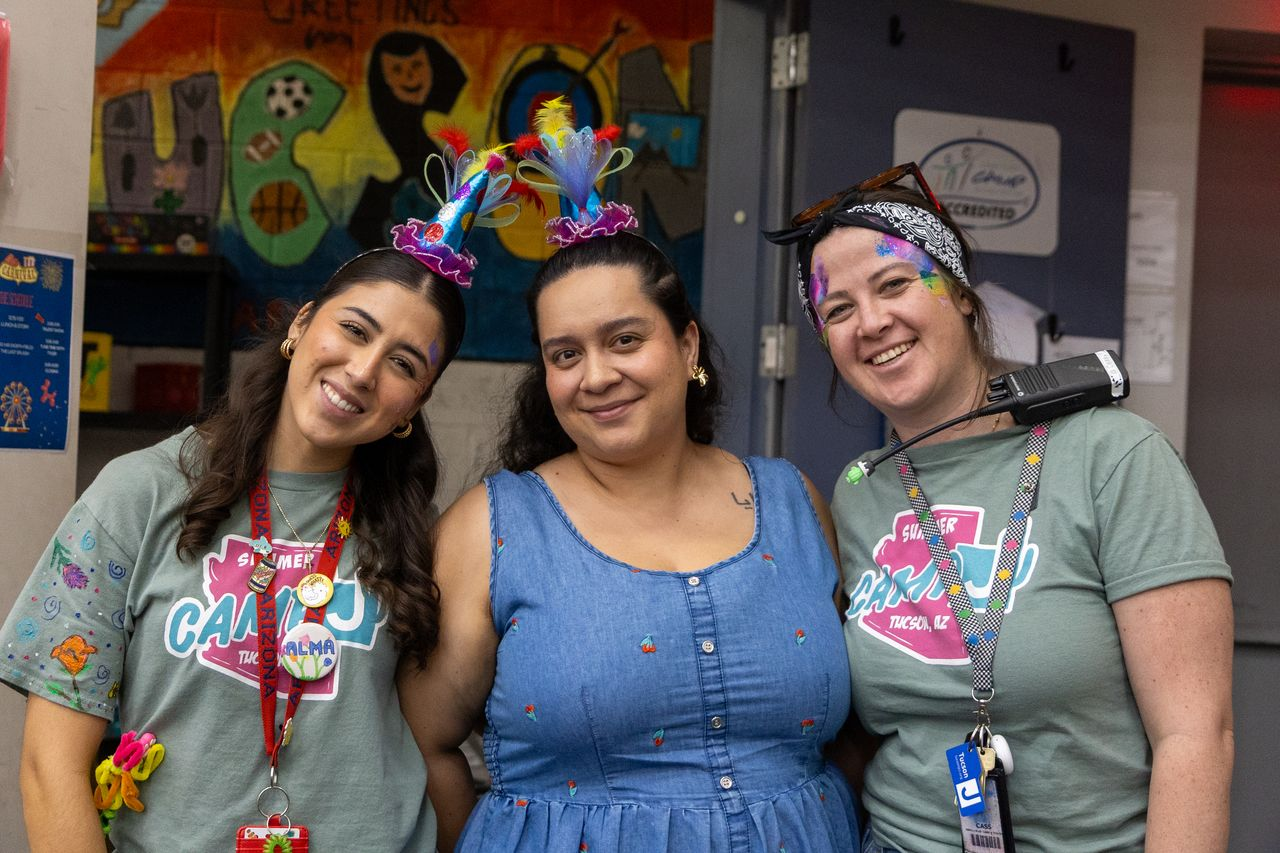
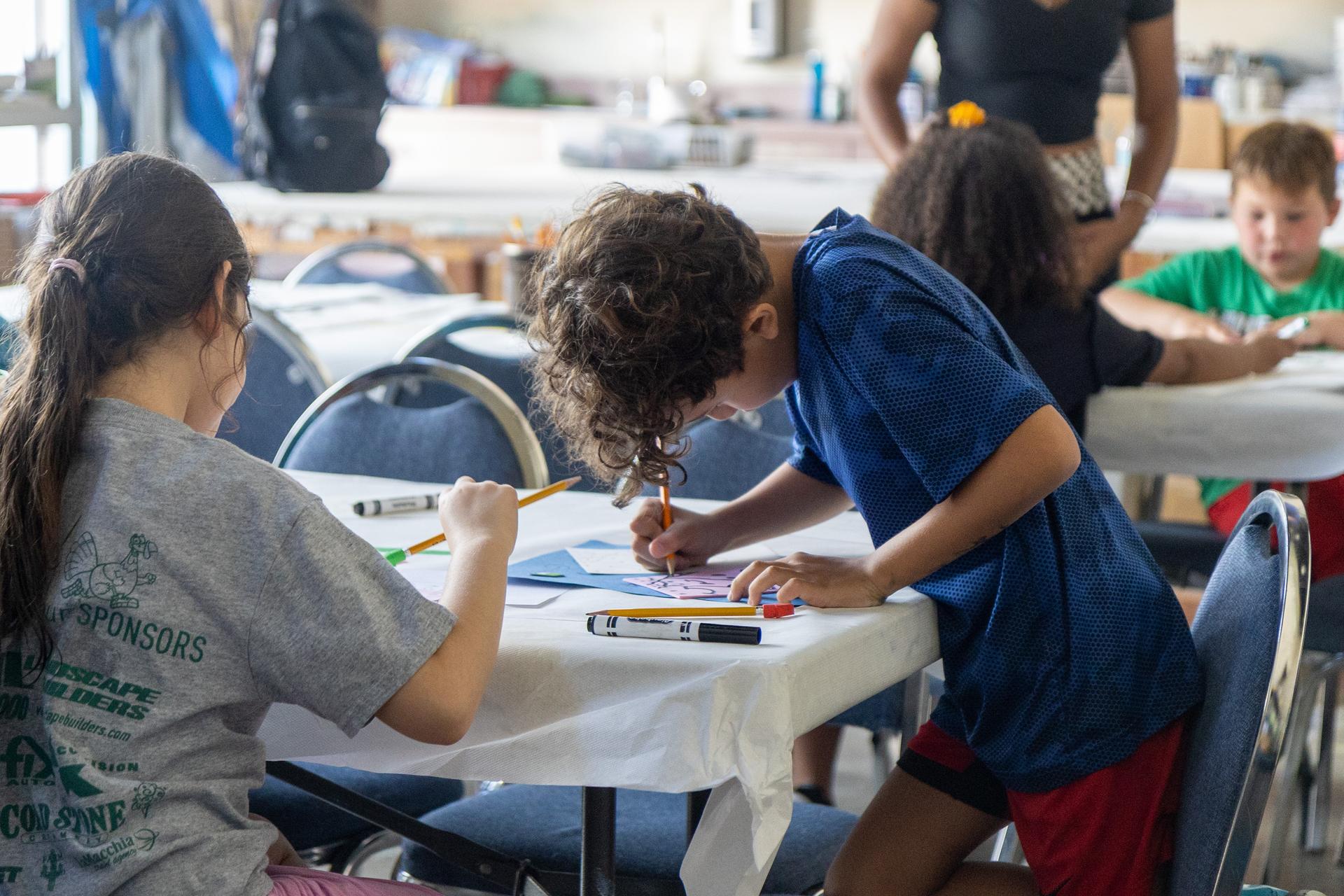
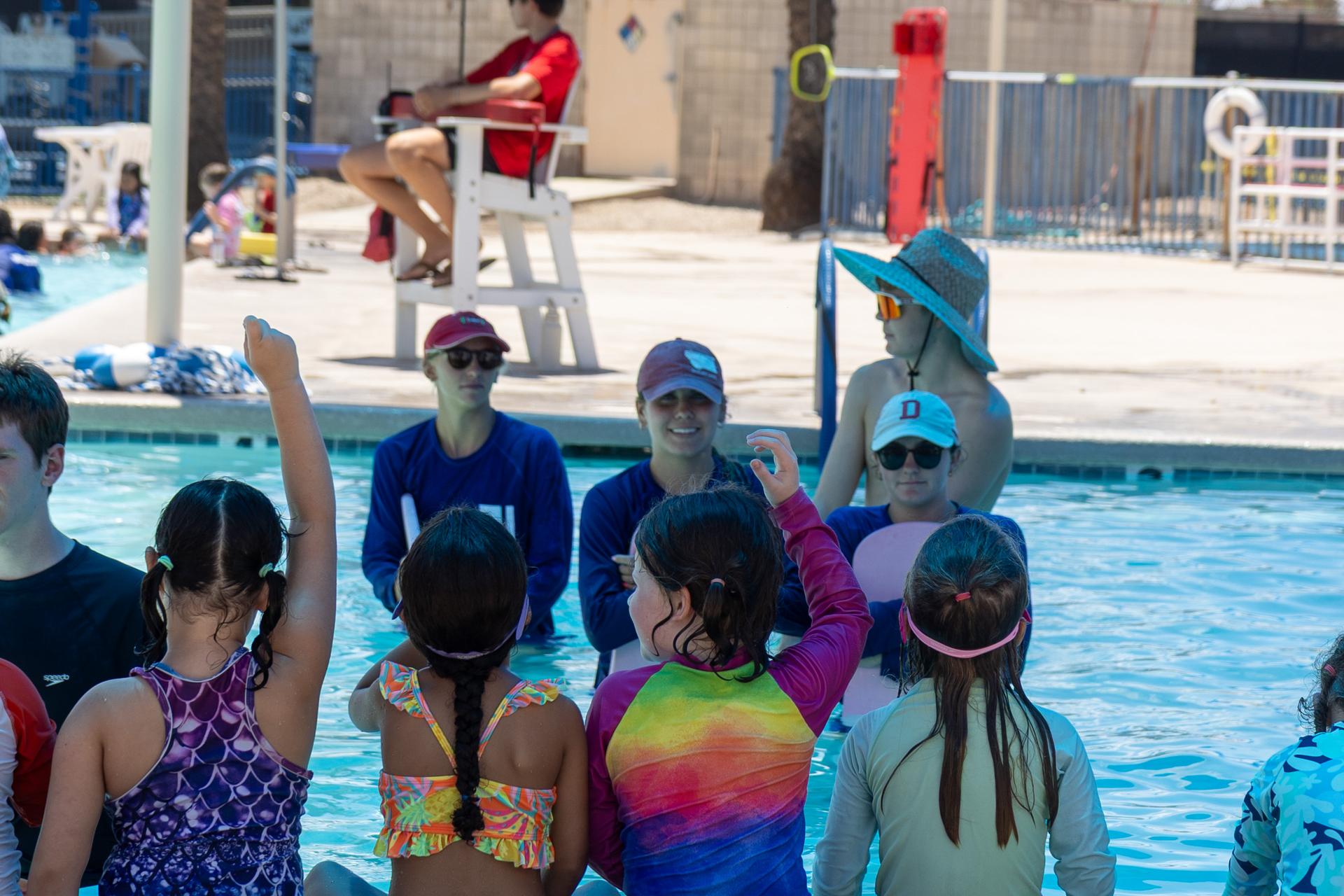
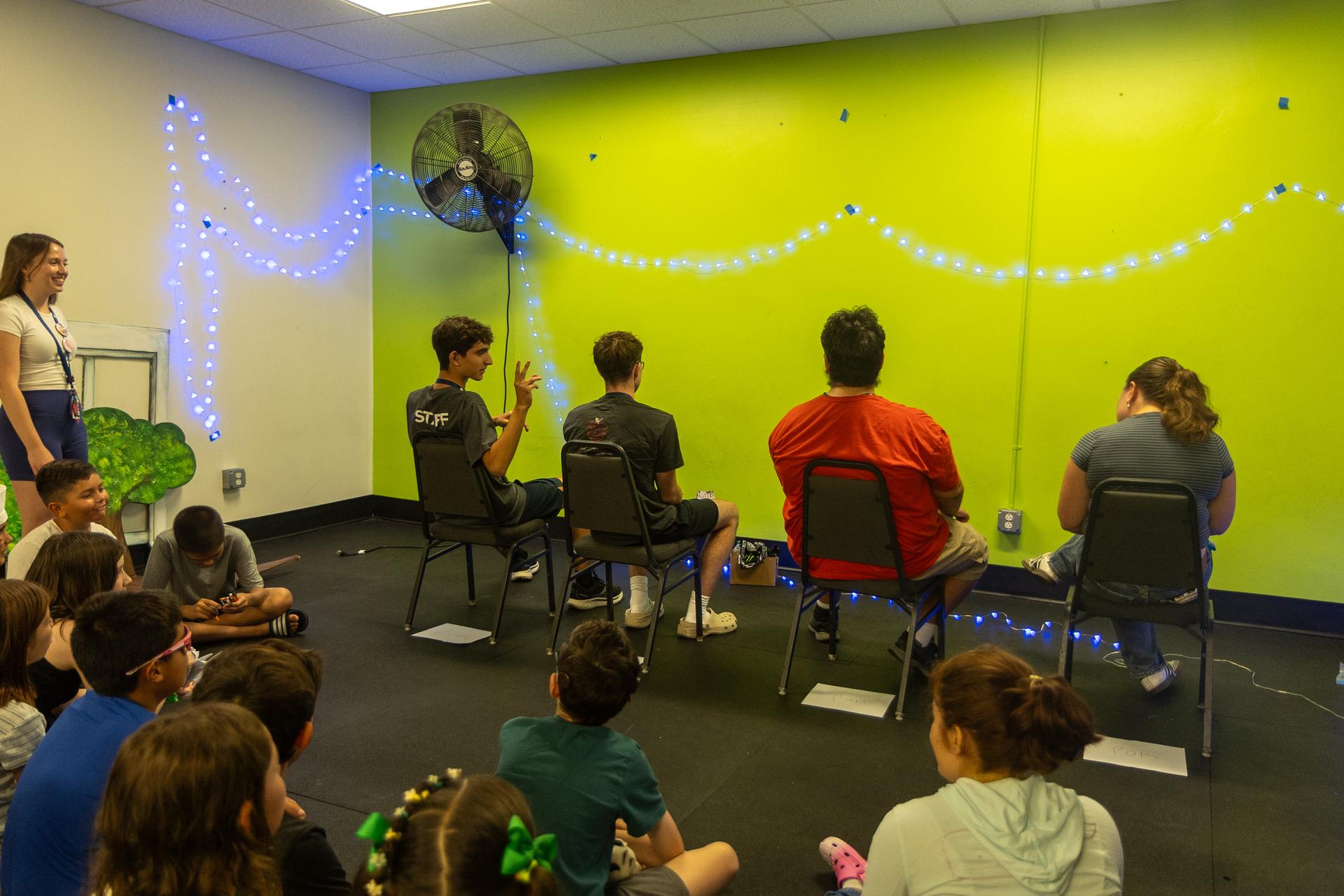
Just like that, Camp J continued for it’s last full week before a partial session next week, and with it came a whole lot of fun. Highlights included petting bunnies and guinea pigs with our friends at TRAK, making greeting cards and block prints in art, theatre games with counselors, plenty of pool time, and trips to Oro Valley Aquatics Center and the Tucson Museum of Art! 


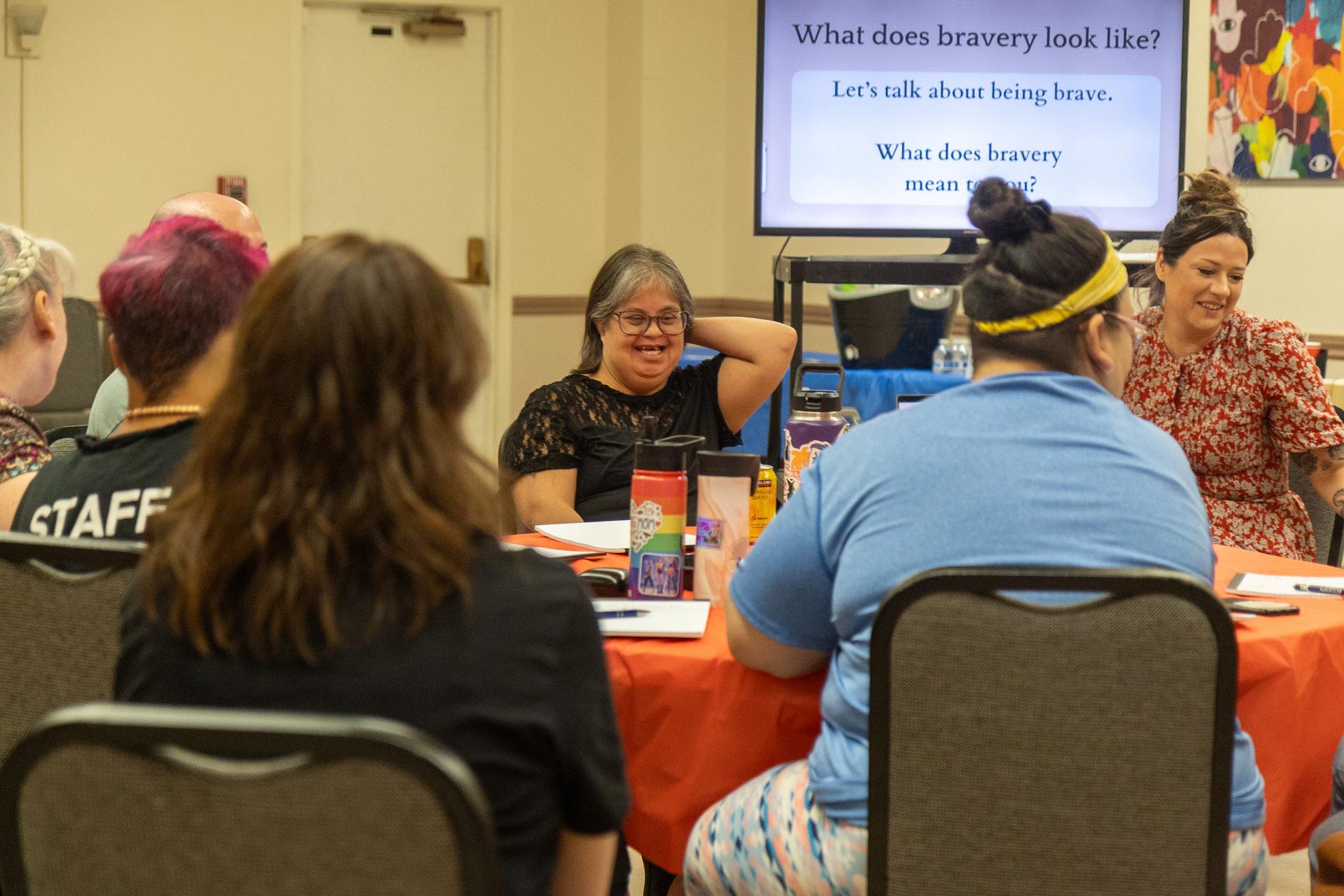
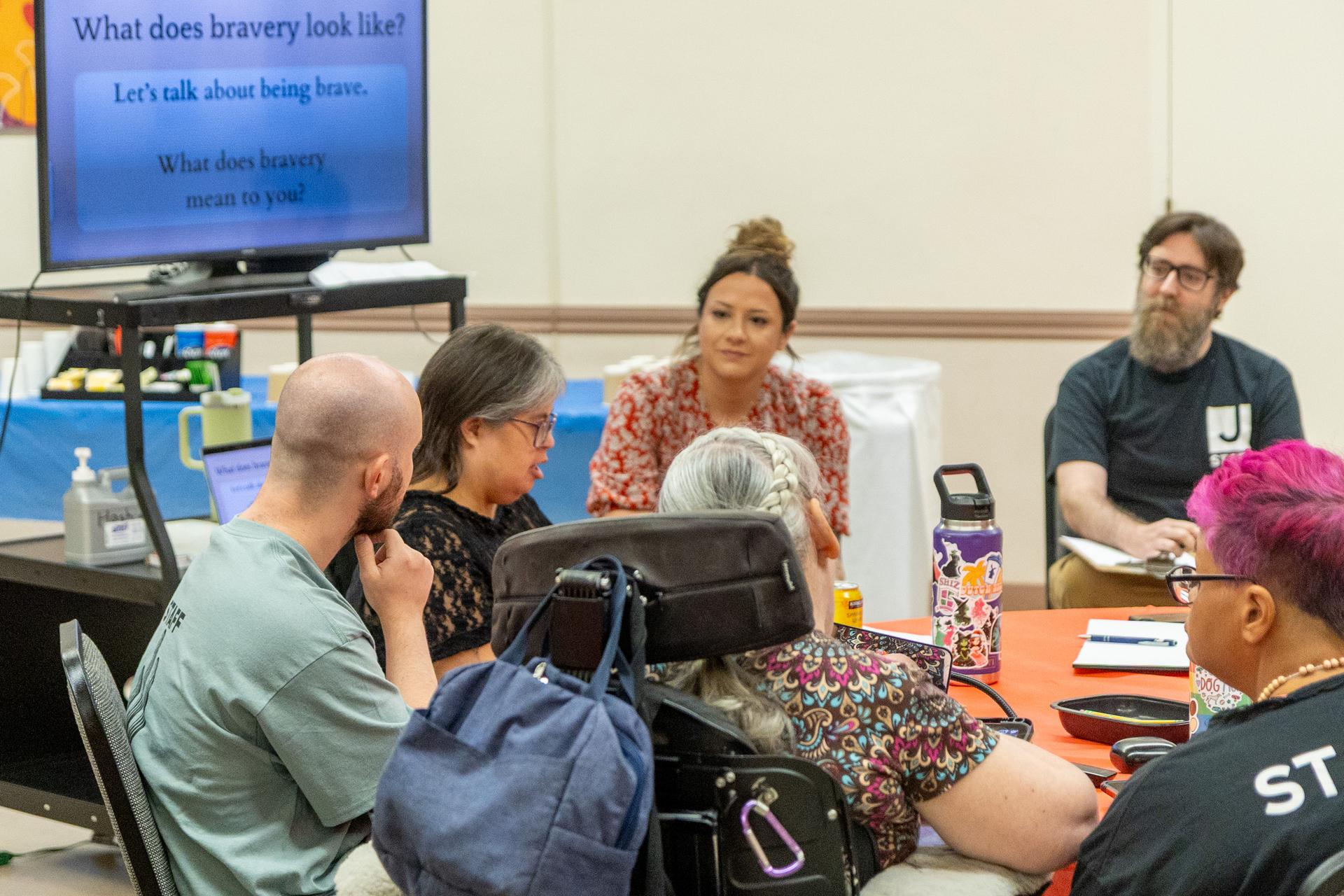
Participants in Disability Program Services met with team members from AZPM’s Tucson Spotlight for a very special workshop in partnership with Story Slaw, that will result in an upcoming public performance. As a group, they learned about the importance of storytelling, crafted personal narratives centered around the theme of bravery, and then filmed the telling of their stories. Stay tuned for more information about the performance coming soon! 


Every day people of all ages and abilities come to the J to meet their wellness goals and build community—this week, the competition was on for members of our Co-ed Volleyball League as they make their way toward the championship in two weeks! Registration is open now for fall Sports + Recprograms, join us! 


Taken together, these moments remind us that a strong Jewish community is built through the people who show up for one another every day—with leadership, kindness, creativity, and a shared commitment to something greater than themselves. As we welcome Shabbat, may Va’etchanan inspire us to continue strengthening those connections, passing our values from generation to generation, and finding meaning in the communities we build together. Shabbat Shalom.

Reminders, Resources + Learning