From the JCC Pool to the National Stage: Diego’s Special Olympics Journey

Diego Rogers, 21, has spent most of his life in the water, and this year, that lifelong love of swimming carried him all the way to the Special Olympics USA National Championships.


Born in Tucson, Diego is autistic and has an intellectual disability. He first discovered swimming as a young boy, tagging along and mimicking his younger brother, Sebastian, who was already on a local swim team.


A coach noticed and suggested to Diego’s mother, Marcela, that he give it a try. He took to the water almost instantly. Marcela recalls he was jumping into pools before he was even a year old, swimming with no fear.


Even so, Diego didn’t compete formally until his second year of high school, when a team captain encouraged him to sign up. He joined without much background in swim technique and without any expectation of racing: he simply wanted to be part of the team and the community around it. The turning point came unexpectedly, when a swimmer fell sick before a meet and Diego was called on to fill in.


He’s been racing ever since.


As long-time members, Diego found his home at the Tucson J, first swimming with the Stingrays Swim Team and Coach Evan, and, for the past year, training with the Adult Masters Swim program under Coach Jonathan.


Before he officially joined Masters, Jonathan had Diego come in on Thursday mornings at 5am to train one-on-one with him, to help ease the transition to working out as part of an all-adult team.


That patience paid off and Diego fit right in when he joined the 34-member Masters group earlier this year.


Today, Diego goes to every Masters workout on the schedule: he trains with Coach Jonathan on Monday, Wednesday, and Friday mornings; Coach Katie on Tuesday and Thursday evenings; and Coach Ryan on Saturday morning. On Sundays, he receives specialized open-water swimming training and stroke technique mentoring with Coach Laura at another facility.


In addition, he regularly trains for open-water swimming in Mazatlán, Mexico, with Coach Federico.


Diego also cross-trains with weightlifting at the J, performing a routine Sebastian designed for him, plus enjoying running, biking, and hiking on a regular basis.


“He feels free” in the water, Marcela says, and that feeling is at the heart of what drives him. Diego says that competition is not really about winning, “it’s about the feeling of doing it.”


That drive showed up dramatically this year.


After a long, multi-stage qualifying process consisting of regional championships, then state championships, then a nearly year-long effort to make contact with Special Olympics Arizona, Diego became one of only four swimmers selected to represent Arizona at the Special Olympics USA National Championships, held once every four years.


It was his first year in any Special Olympics competition and his first trip was to the National Championships in Minneapolis.


The final steps to the starting block this past June weren’t easy.


Just weeks before the competition, Diego became seriously ill after competing in a slate of open water competitions in the Pacific. He was hospitalized for roughly two weeks with severe dehydration and dangerously low magnesium levels that left him confused and disoriented. His parents genuinely didn’t know if he’d be able to compete at the National Championships.


Marcela describes traveling to be by his side before the team’s departure, unsure whether he’d even make it onto the flight. He did, and arrived in Minneapolis still not fully recovered, mentally or physically.


He competed anyway.


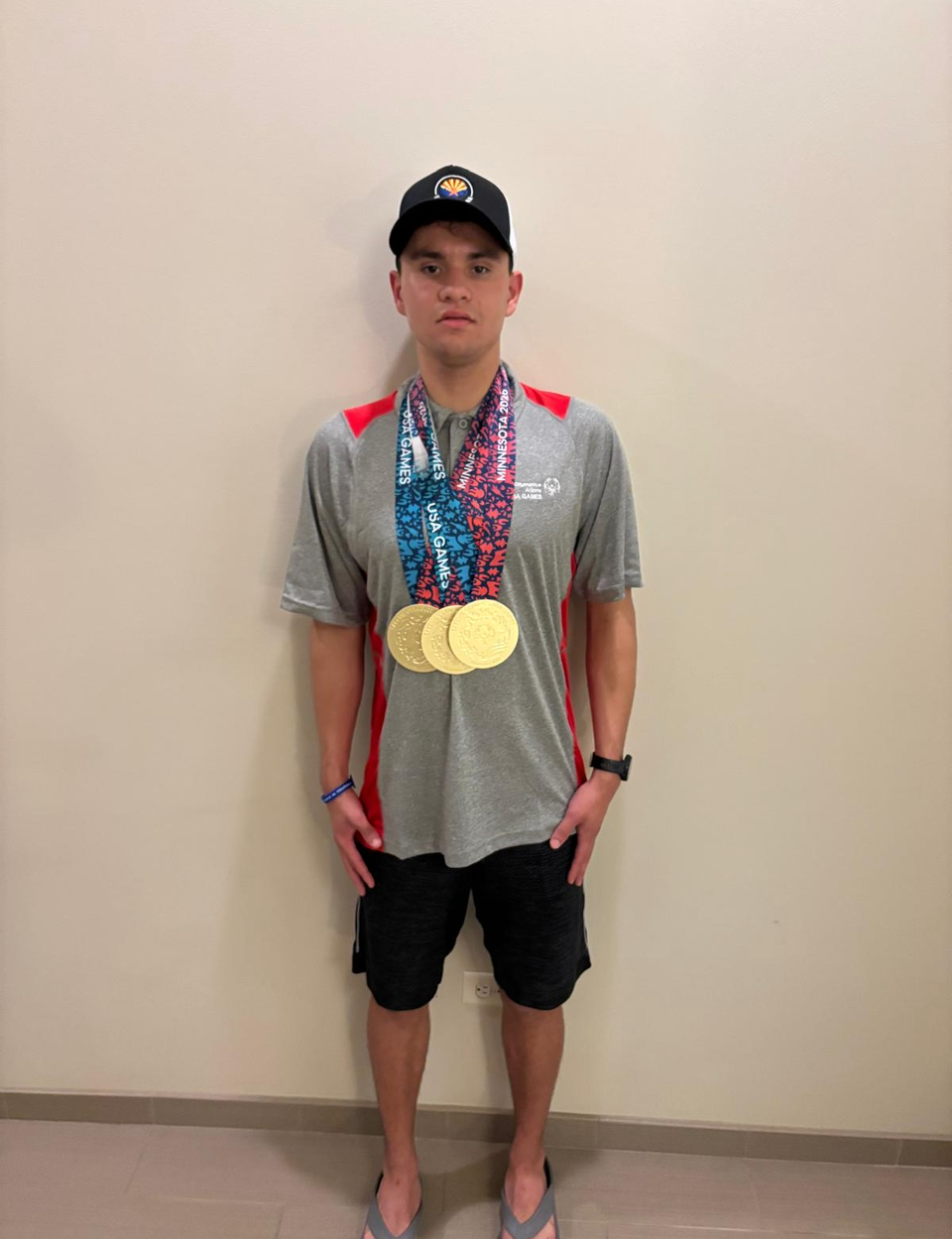
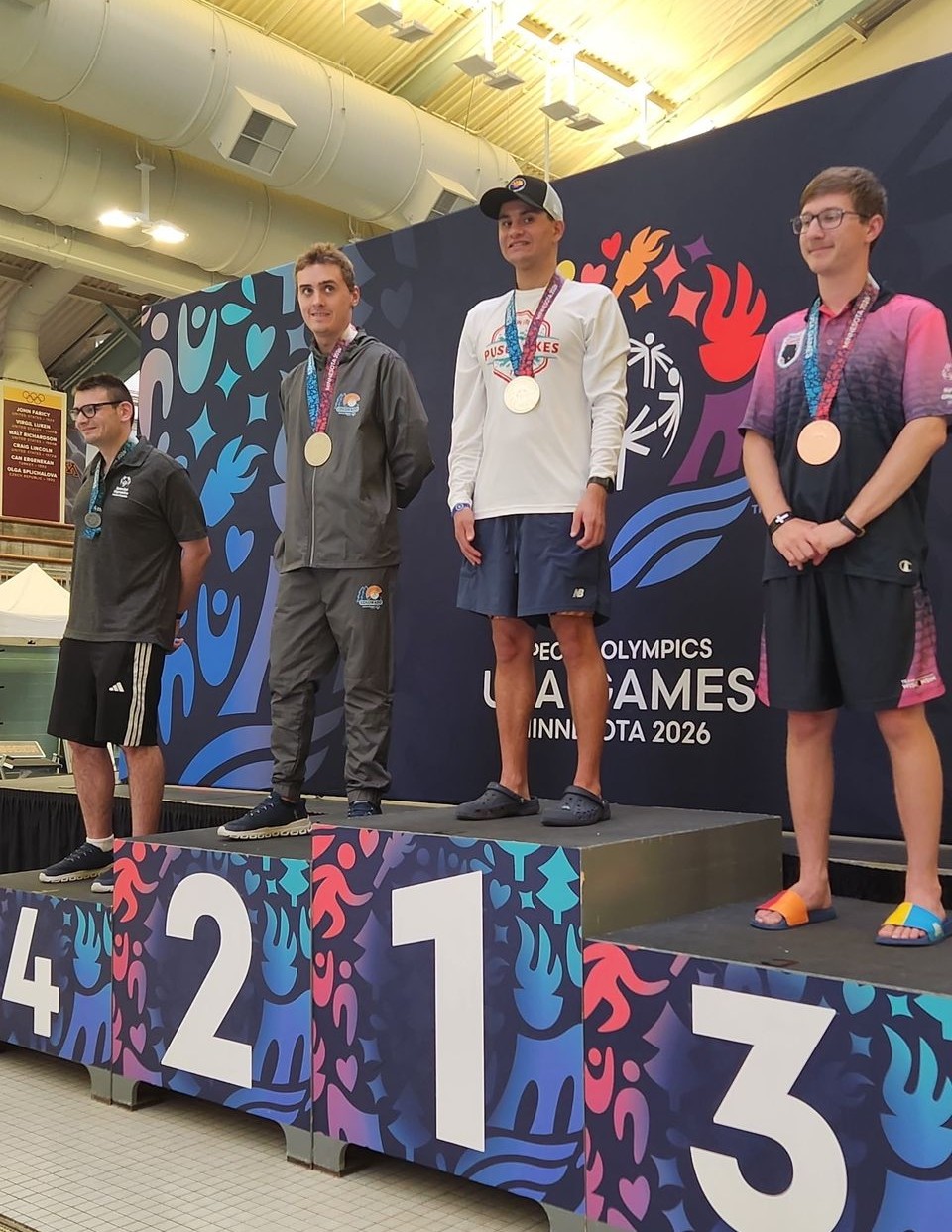
Despite not being at full strength, Diego won the gold medal and set a new American record in the 50-yard backstroke, took gold in the 100-yard backstroke, and finished off with a win and another American record as part of Arizona’s 200-yard mixed medley relay.


Watching him push through and succeed after everything leading up to it, his mother says, was the proudest moment of the whole experience. Diego’s answer, when asked what he wanted to do after it was all over?


“I wanted to go back home.”


One frustration Diego has had to work through: athletes at the National Championships are limited to two individual races and one relay. Diego wanted to compete in all eight individual freestyle and backstroke events and all four relays. His mother says learning to accept that limitation, and trust his coaches’ strategy, has been one of his bigger challenges.


His ambitions don’t stop at Nationals.


Diego has set his sights on the 2027 Special Olympics World Games in Chile, with hopes of reaching the 2028 International Paralympics as well.


It wouldn’t be his first experience testing himself outside the Tucson J pool: Diego has completed a triathlon in Mazatlán, and open water swims in the Pacific and the Mediterranean, often on family trips that double as training opportunities.


Outside of swimming, Diego works at Beyond Bread, where he truly enjoys the sandwiches, practices yoga (a habit that started during the pandemic), and stays close with his parents and Sebastian, who drive him to practice, build his training programs, and cheer him on at every turn.


For Diego, and for the coaches and community at the J who’ve supported him for years, this is just the beginning. As Marcela says, he has everything he needs to keep going, and everyone who knows Diego is eager to see just how far that will take him.


Shavuah Tov 15 Tishrei 5787

Chag Sameach, Friends,


There is something about Sukkot that I have always loved.


Perhaps it is the simplicity of it. We build a temporary structure, step outside of our homes, sit around a table with people we care about, and are reminded of what really matters. After the introspection and intensity of Rosh Hashanah and Yom Kippur, Sukkot seems to say: now come outside, sit together, welcome someone in, share a meal, look up at the stars and rejoice.


I love that.


Because so much of what Sukkot asks of us is also what I believe we try to do every day at the J: open our doors, make room for one another, celebrate being together and create a place where people know they belong.


Friday evening marked the beginning of Sukkot, known in our tradition as Zman Simchateinu   the season of our rejoicing. We leave the permanence of our homes and enter the beautiful fragility of the sukkah. We gather with family and friends, share meals, wave the lulav and etrog, look through the s’chach toward the sky, and remind ourselves that joy is not necessarily found in what surrounds us, but in who surrounds us.


One of my favorite Sukkot traditions is Ushpizin, an Aramaic word meaning “guests.” Jewish mystical tradition imagines that each evening of Sukkot we welcome honored ancestors into our sukkah  Abraham, Isaac, Jacob, Sarah, Rebecca, Rachel, Leah, Miriam, Joseph, and Moses.


But Ushpizin is about more than symbolic guests.


It reminds us of the Jewish value of Hachnasat Orchim welcoming guests. Our sukkah is meant to be open. We invite people inside. We make room at the table.


What a beautiful metaphor for the J.


Every day at the Tucson J, we practice our own form of Ushpizin. We welcome longtime members and people walking through our doors for the first time. We welcome children and older adults, families and individuals, Jews from across the spectrum of Jewish life and people from throughout the broader Tucson community.


Everyone belongs, and some people join.


Sukkot also asks us to rejoice. And as I look around our J, there is so much worthy of rejoicing.


We rejoice in the sounds of children learning, laughing and growing in our Early Childhood Education program. We rejoice in young people discovering friendship and belonging through J Care, Camp J, BBYO and Jewish experiences. We rejoice in older adults finding connection, purpose and community through Healthy Aging.


We rejoice in the energy of our fitness center, pools, sports programs and Sarver Tennis Center. We rejoice in Jewish learning, music, film, art and culture. We rejoice in the partnerships that make Jewish Tucson stronger and in the countless conversations and connections that happen every day in our hallways, classrooms, on the pool deck, on the courts and over a cup of coffee.


Most of all, we rejoice in community itself in the extraordinary staff, board members, donors, volunteers, partners and members who, shoulder to shoulder and hand in hand, make this community possible.


Another beautiful Sukkot tradition is the Arba Minim the Four Species: lulav, myrtle, willow and etrog. We bring four very different things together, hold them as one and wave them in every direction.


There are many interpretations of this ritual, but I love the simple image of different things, with different characteristics, being gathered without surrendering what makes each distinctive.


Unified without being uniform.


That, too, is community.

There is another image of Sukkot that feels especially meaningful to me this year. Each evening in the prayer Hashkeivenu, we ask:


Spread over us Your sukkah of peace.


The sukkah is an interesting symbol for peace.


It is not a fortress. Its walls are temporary. Its roof is deliberately incomplete. We can see the world beyond it and the stars above us. And yet Jewish tradition asks God to spread over us not a fortress of peace, but a sukkat shalom a sukkah of peace.


Perhaps there is profound wisdom in that.


Peace does not come because we have built walls strong enough to keep everyone else out. Peace comes when we create spaces large enough to bring one another in.


And that is the sukkah we strive to build every day at the J.


It brings to mind a song I have returned to many times, Beautiful City from Godspell. The song carries a simple but powerful idea: a better world does not simply appear. We have to build it.


That feels especially appropriate on Sukkot.


We build the sukkah one piece at a time. We build community one relationship at a time. We build belonging one welcome at a time. We build trust one conversation at a time. And we build peace by making room for one another.


Our “beautiful city” is not defined primarily by the building. It is defined by the community we create within it and the community that extends far beyond our walls.


During the intermediate days of Sukkot, you may hear the greeting Moadim L Simcha It expresses the hope that these appointed times these sacred moments on our calendar will be occasions for joy. The traditional response is


 “Chagim u’zmanim l’sasson” may the festivals and seasons be for gladness.


I love Moadim L’Simcha because it does more than describe Sukkot as joyful. It reminds us that there are moments when we need to choose to notice joy.


To notice who is sitting at our table.


To recognize the blessing of community.


To welcome someone new.


To celebrate what we have built together.


And perhaps, during this Zman Simchateinu, to ask ourselves what more we can build.


Another relationship.


Another connection.


Another place of belonging.


Another seat at the table.


Another piece of our beautiful city.


As we celebrate Sukkot, may we recognize all that is worthy of rejoicing. May we open our sukkot, our community and our hearts a little wider. May we continue to welcome our Ushpizin expected and unexpected and may we never take for granted the extraordinary gift of being together.


And may the words of Hashkeivenu become not simply a prayer we recite, but a responsibility we share:


May a sukkah of peace be spread over us, over our community, over the Jewish people, and over all who seek peace.


And together, one relationship, one act of welcome and one moment of kindness at a time, may we continue to build our beautiful city.


Moadim L’Simcha and Chag Sameach.


Cochenu b’Achduteynu | כחינו באחדותינו | Our strength is in our unity.


Am Yisrael Chai 
| עם ישראל חי

Todd Rockoff

President + CEO, Tucson J 

From the Desk of Rachael Mitchell | Sr. Director of Marketing, Communications + PR

Shabbat Shalom
Shabbat Shalom

From the Desk of Rachael Mitchell | Sr. Director of Marketing, Communications + PR

This evening begins the festival holiday of Sukkot, and there are special readings for the holiday. Meaning “booths,” the holiday is an invitation to welcome others in—and it is an invitation to call in joy. 

In fact, it is the only holiday on the Jewish calendar where we are explicitly commanded to be joyful: 

“You shall celebrate to Hashem your God for seven days … and you shall be only joyful.” Devarim 16:15 

We are told to rejoice. Not once, but again and again.  

As we approach Sukkot, I have been thinking about what it means to make joy a practice. Not because life is always joyful (it certainly isn’t), but because in between the busy moments of living, joy can sometimes feel like something we have to intentionally make room for.

The sukkah (booth) itself feels like a pretty good metaphor for that. It’s temporary. It’s imperfect. It lets in the elements. And yet, we are asked to sit inside it and celebrate anyway.

Joy isn’t necessarily the absence of difficulty. It’s the decision to notice what is good and beautiful even when life feels hard or complicated. And to do it again and again. I love that Judaism doesn’t ask us to wait for everything to be perfect before we celebrate. Sukkot says: Build the sukkah. Invite people in. Eat the meal. Look up at the stars. Find something to be grateful for, if only for a moment. 

As we gather in our sukkahs, around our Shabbat tables, or in other ways that feel meaningful, this week and in the year ahead, I invite us all to choose joy when we can, to notice it when it finds us, and to share it generously when we do.

Shabbat Shalom and Chag Sameach.

As we moved from the solemness of Yom Kippur to Sukkot this week, joy at the Tucson J was bountiful! As a place where everyone belongs, the J is a metaphorical sukkah all year long and a place we hope people come to find joy—in themselves, in the friendships and relationships made here, in the thrill of new activities or favorite pastimes, and in all that we are building together as a community. 


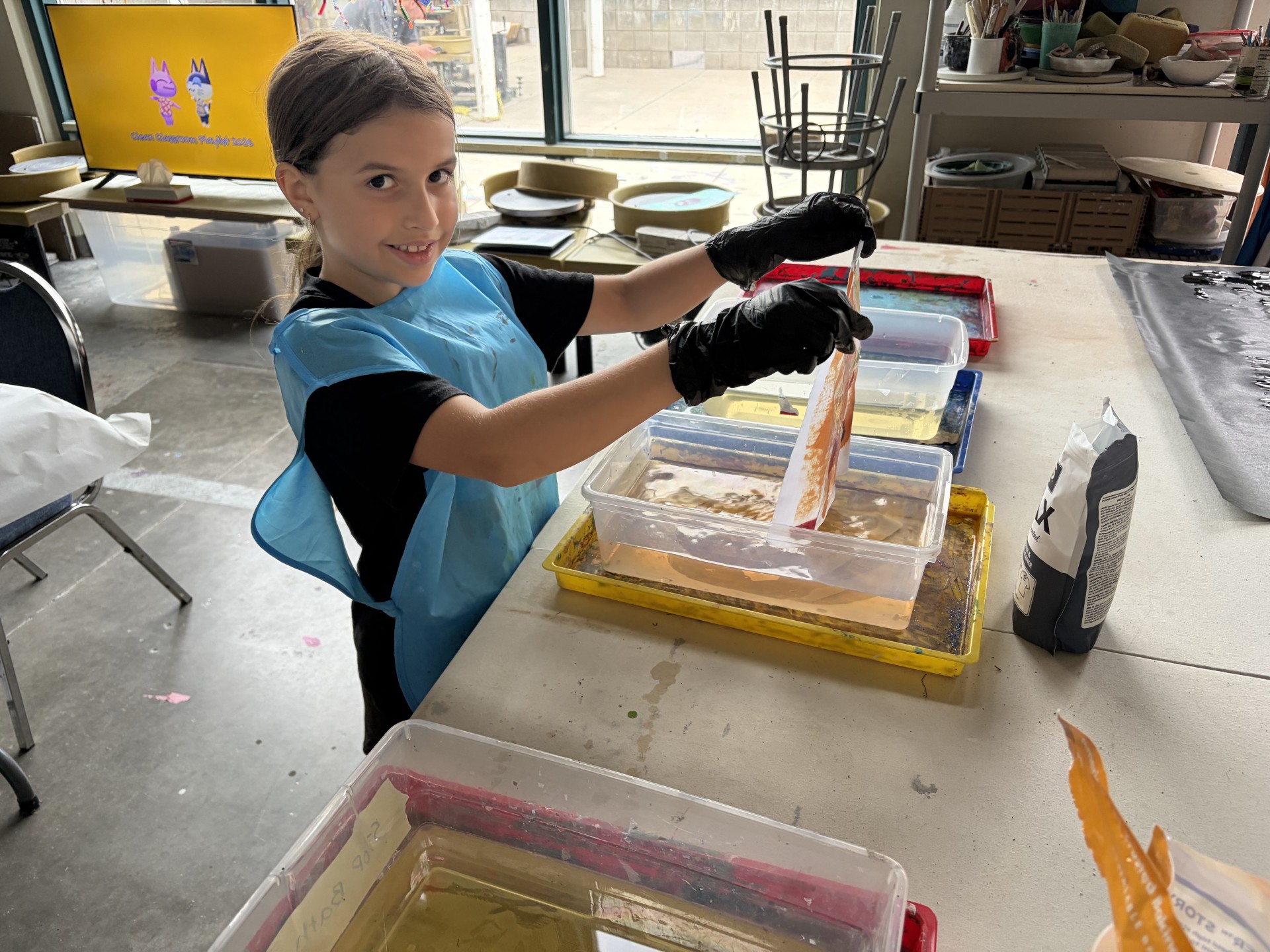
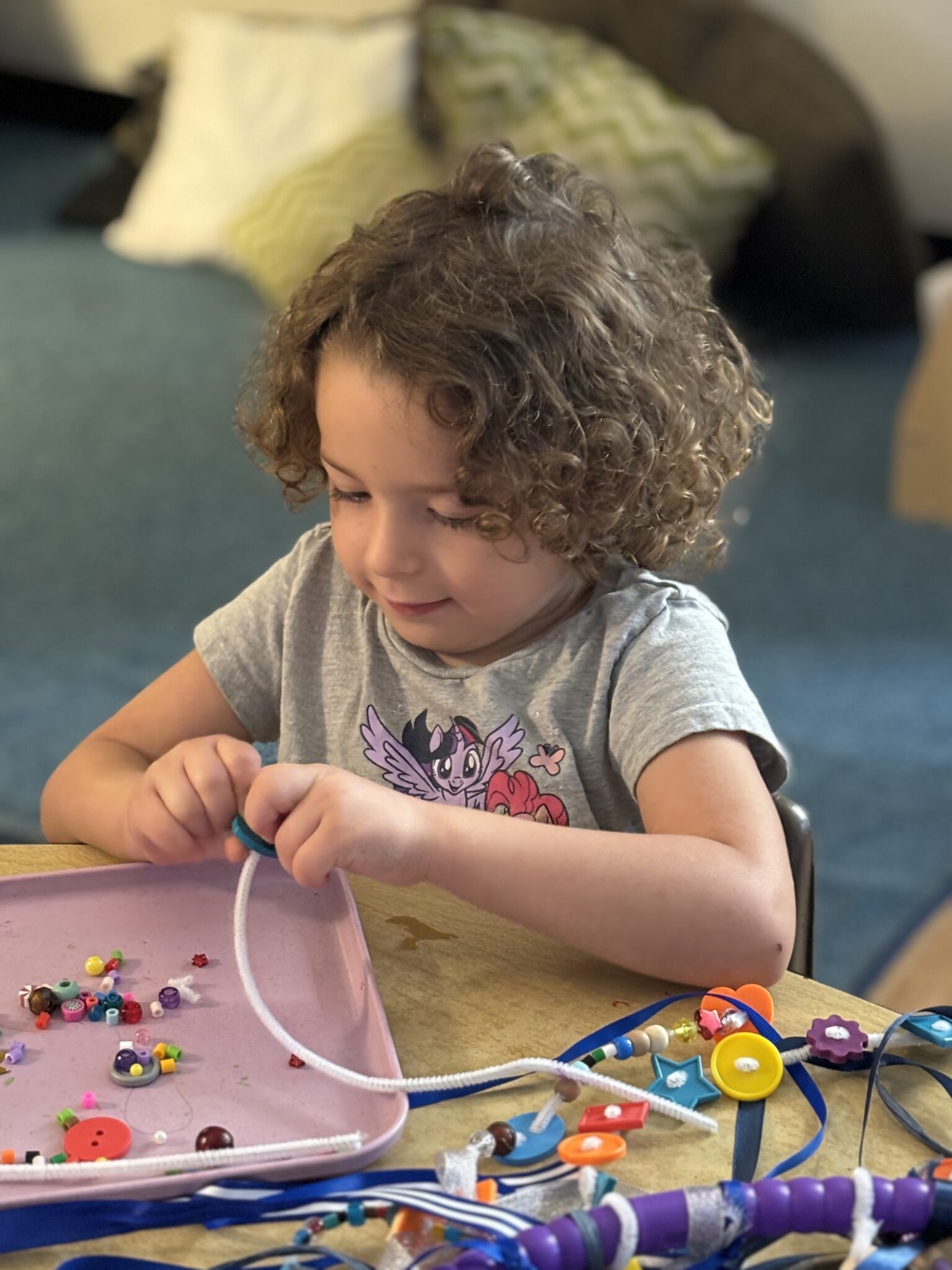
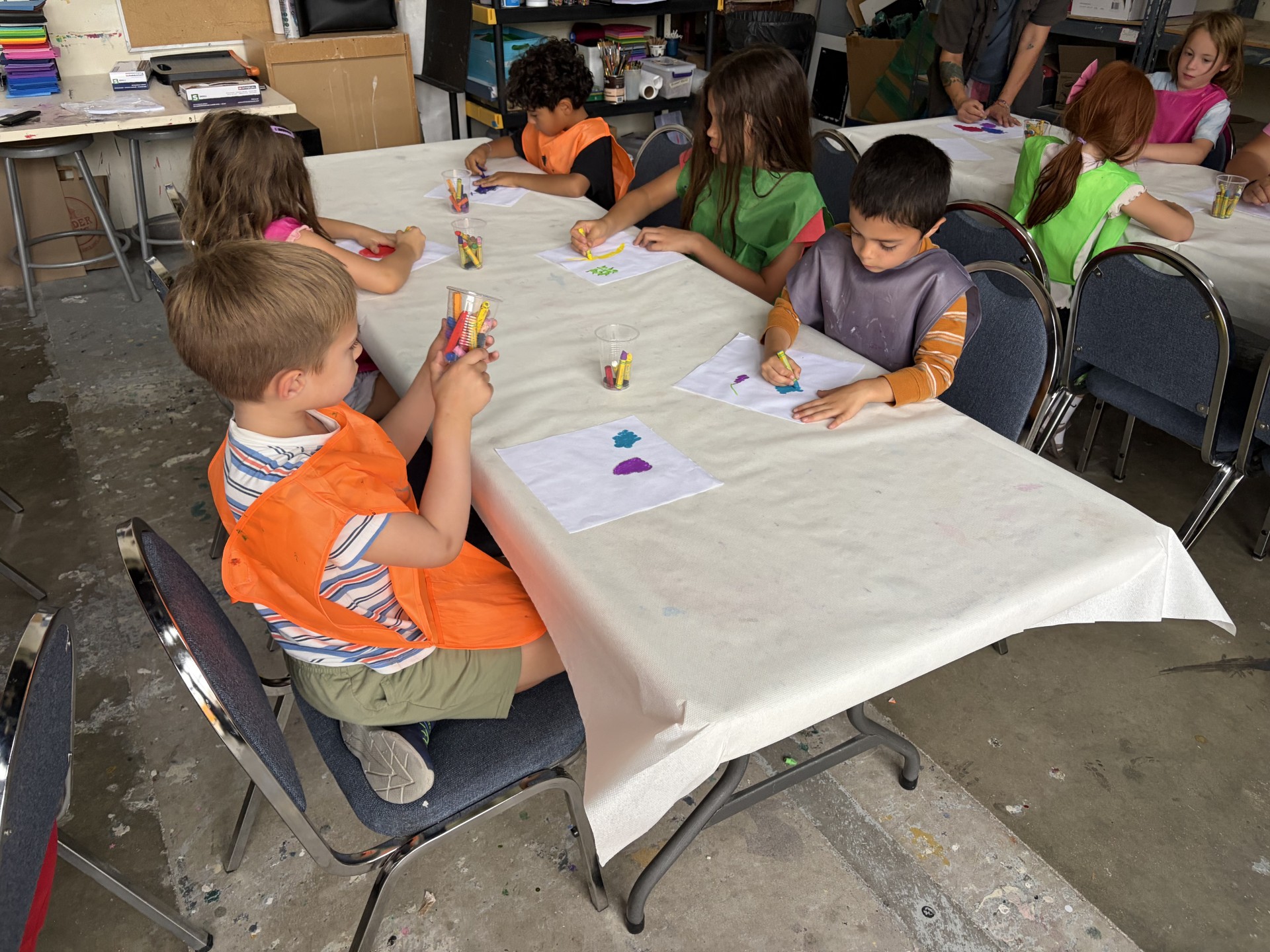
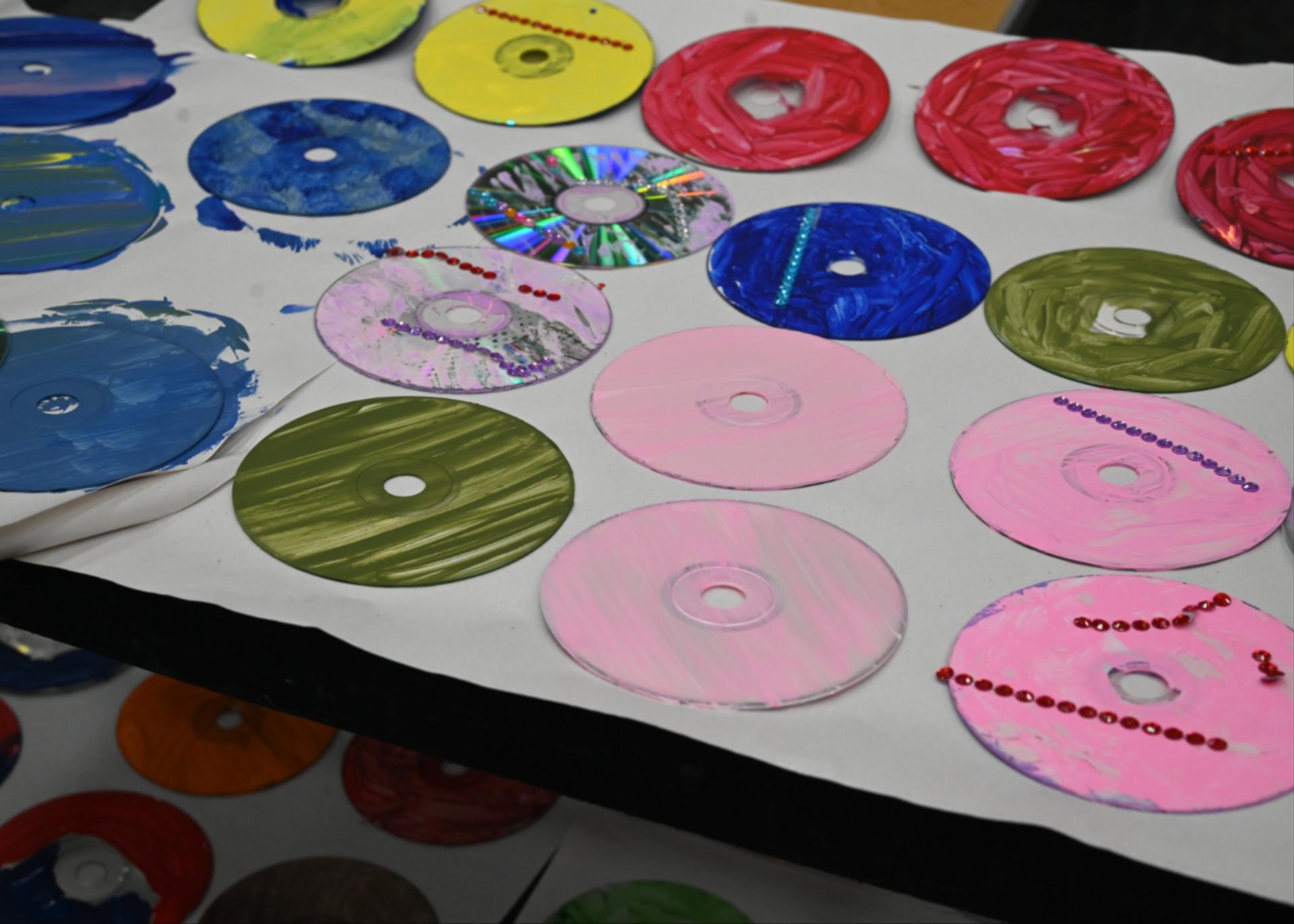
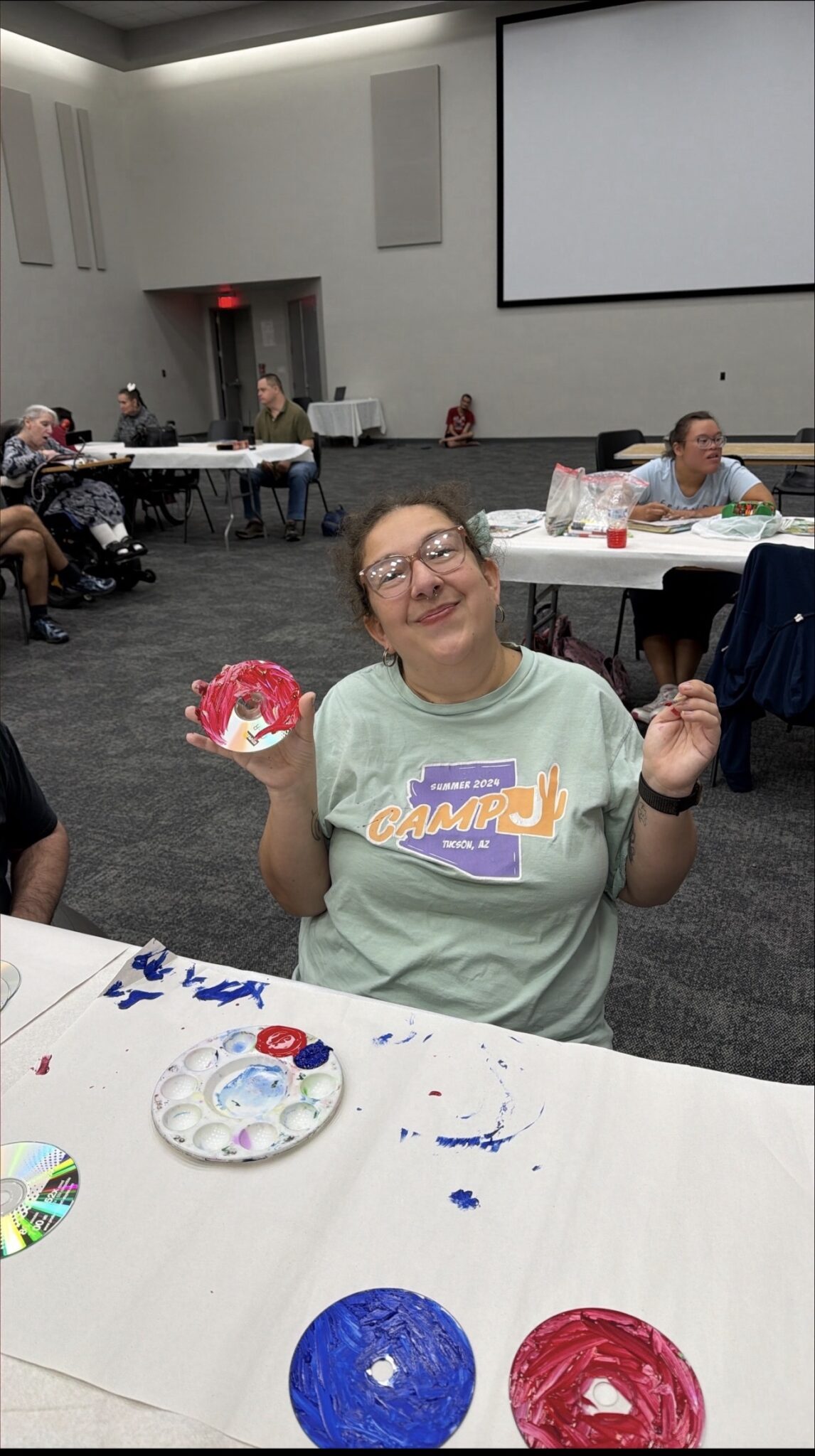
This week at the J we constructed a brand new, bigger and more beautiful sukkah and community members across programs helped create the decor to adorn it with. In Early Childhood Education, children created beaded garlands, while Disability Program Services participants painted CD’s to hang that will catch and reflect the sunlight. JCare afterschool kids embarked on a super cool science-art mashup, exploring the process of anthrotypes using natural dye made from turmeric that changes color when exposed to the sun to create images. Strung together, their artworks became banners to hang around the sukkah. Everyone participated in this joyful joint-project and we are excited to welcome the whole community into the sukkah throughout the next week. Be sure to stop by and enjoy it for yourself! 

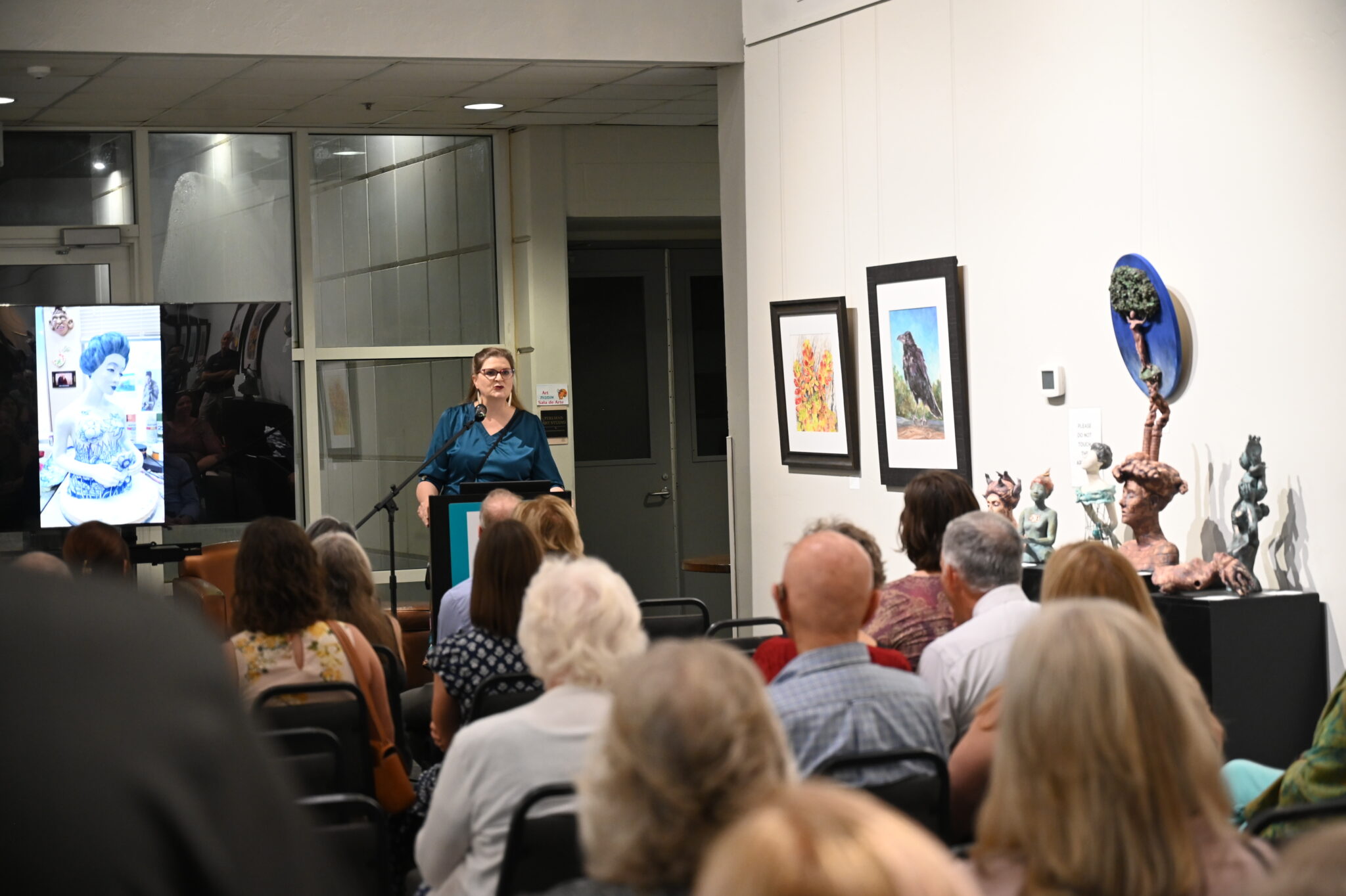
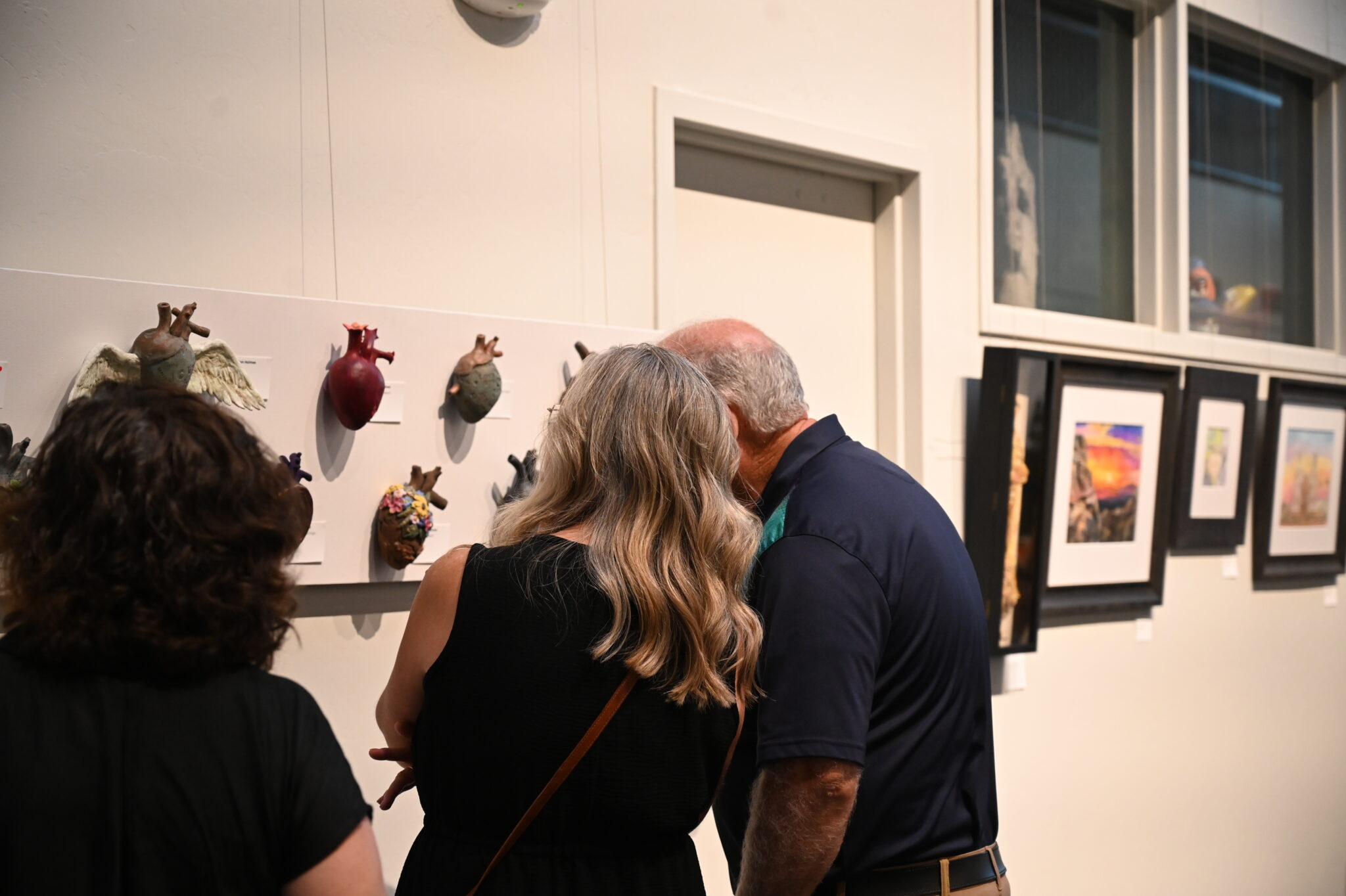
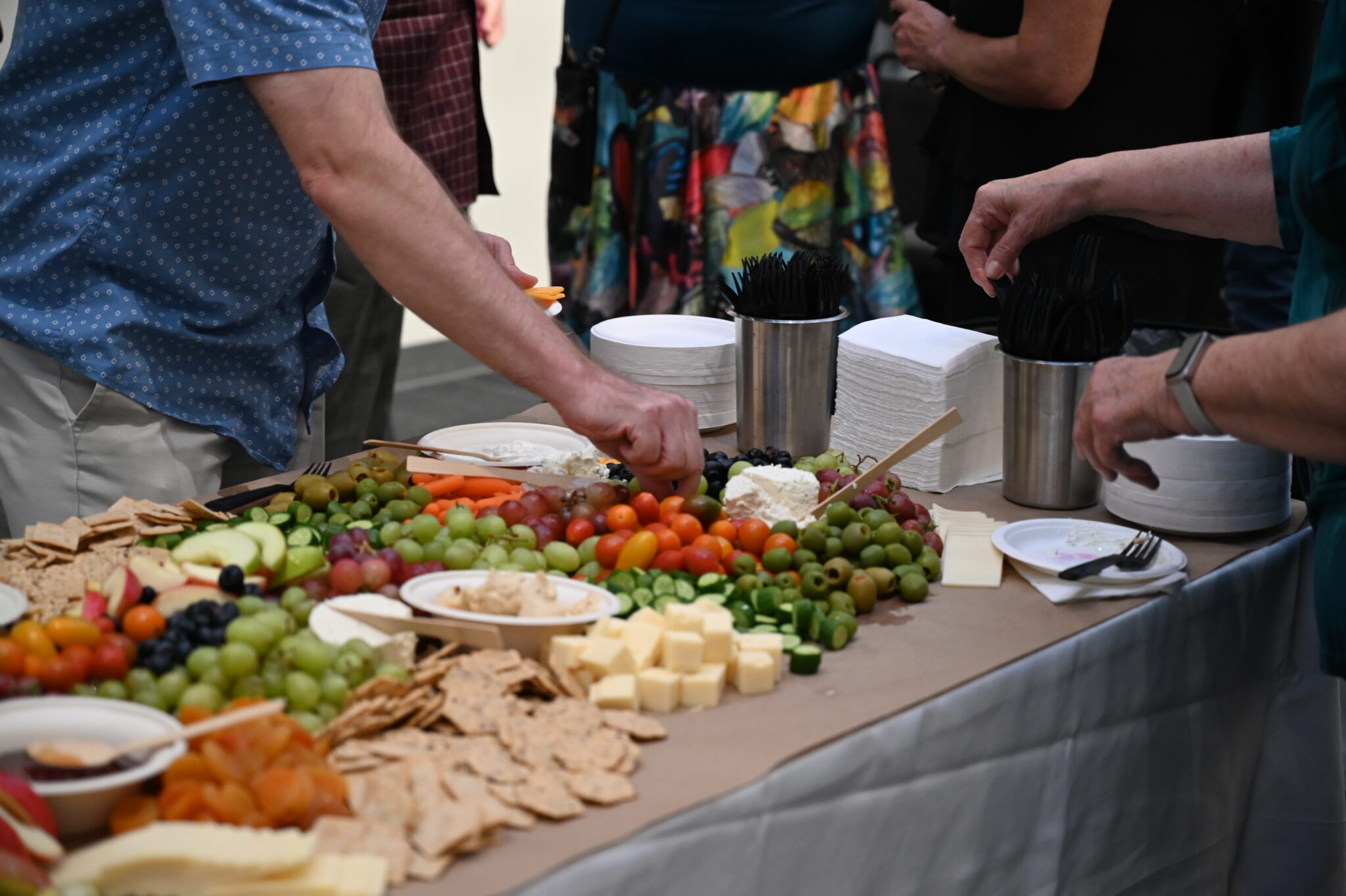
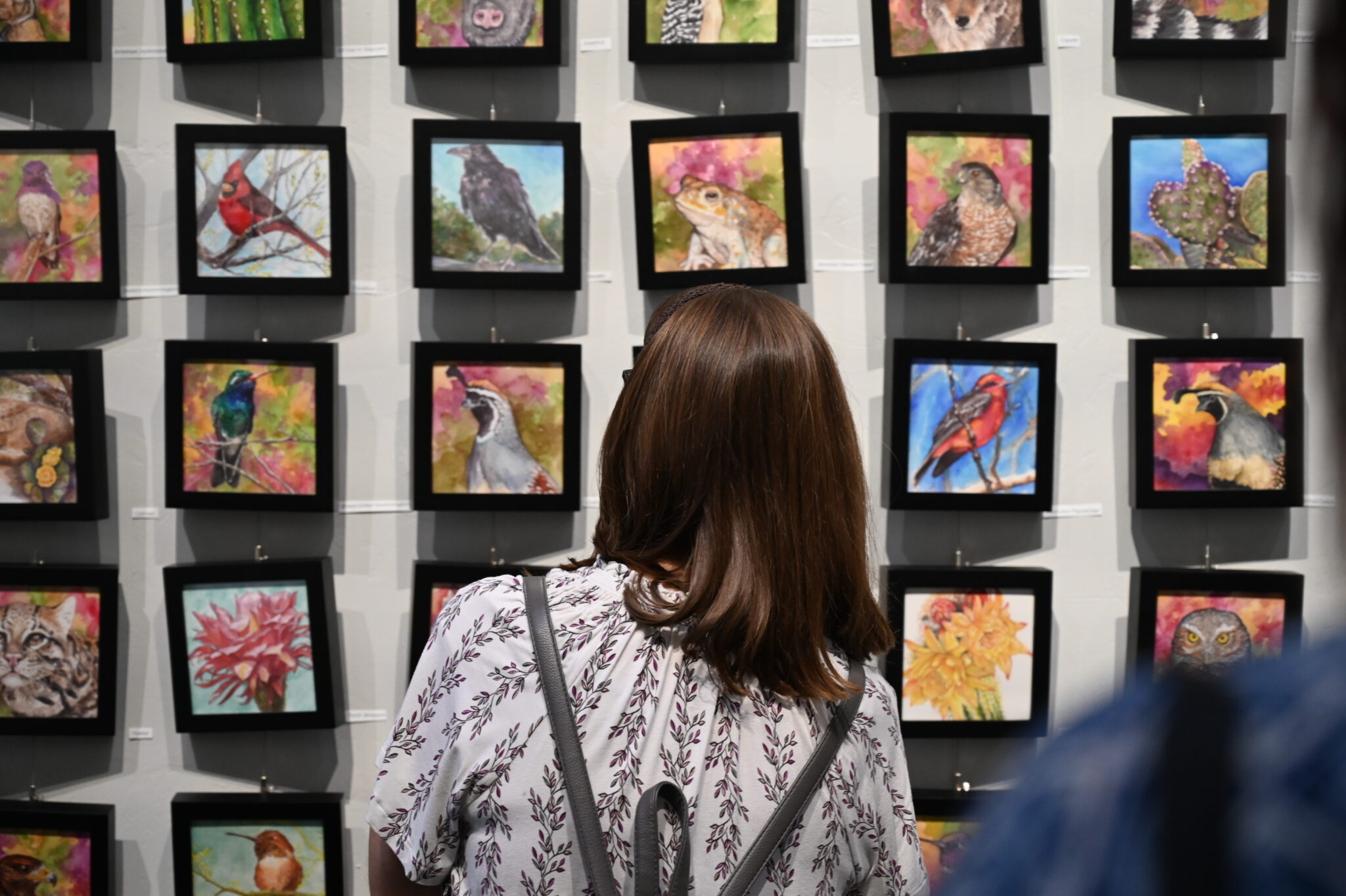
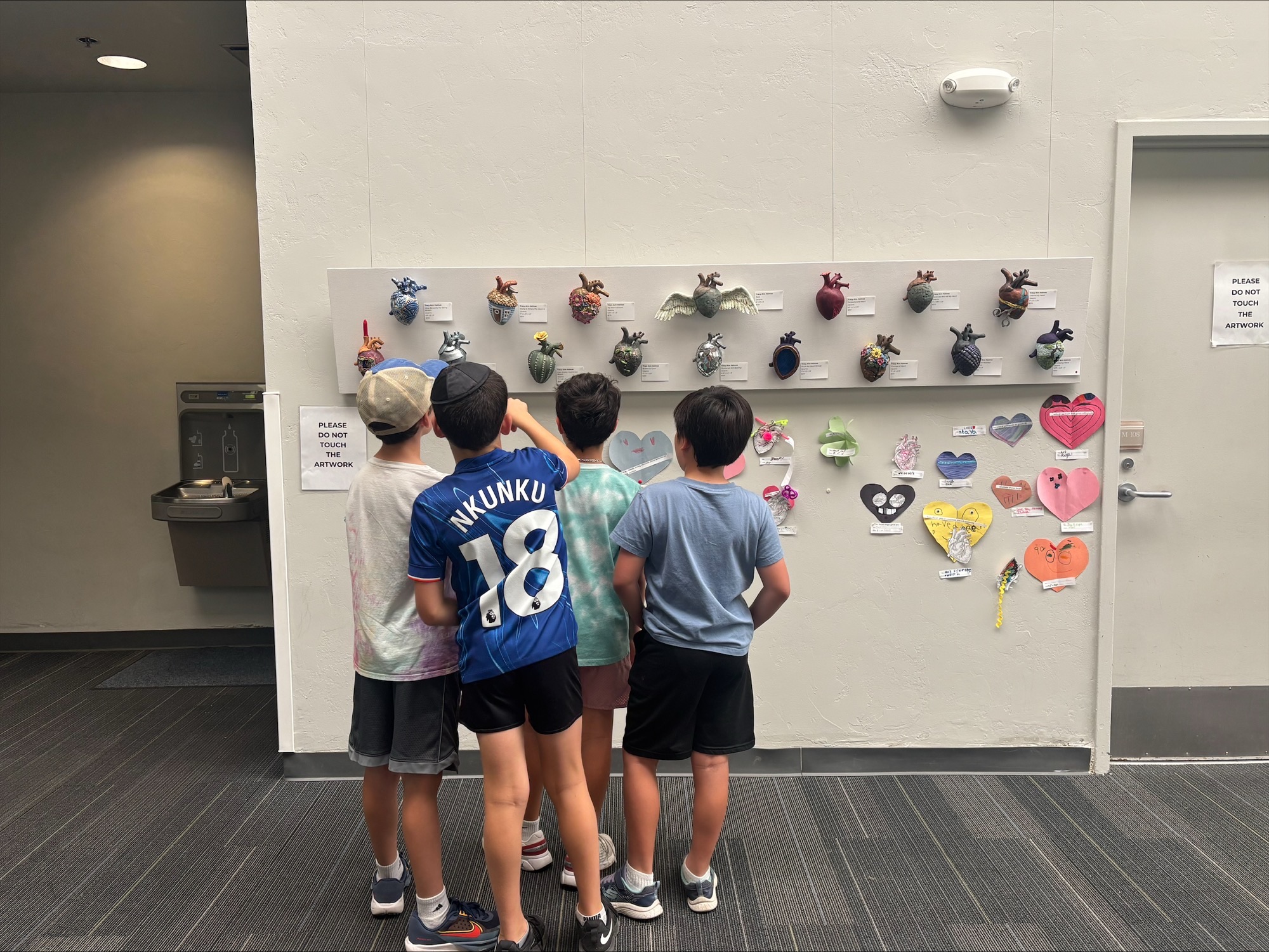
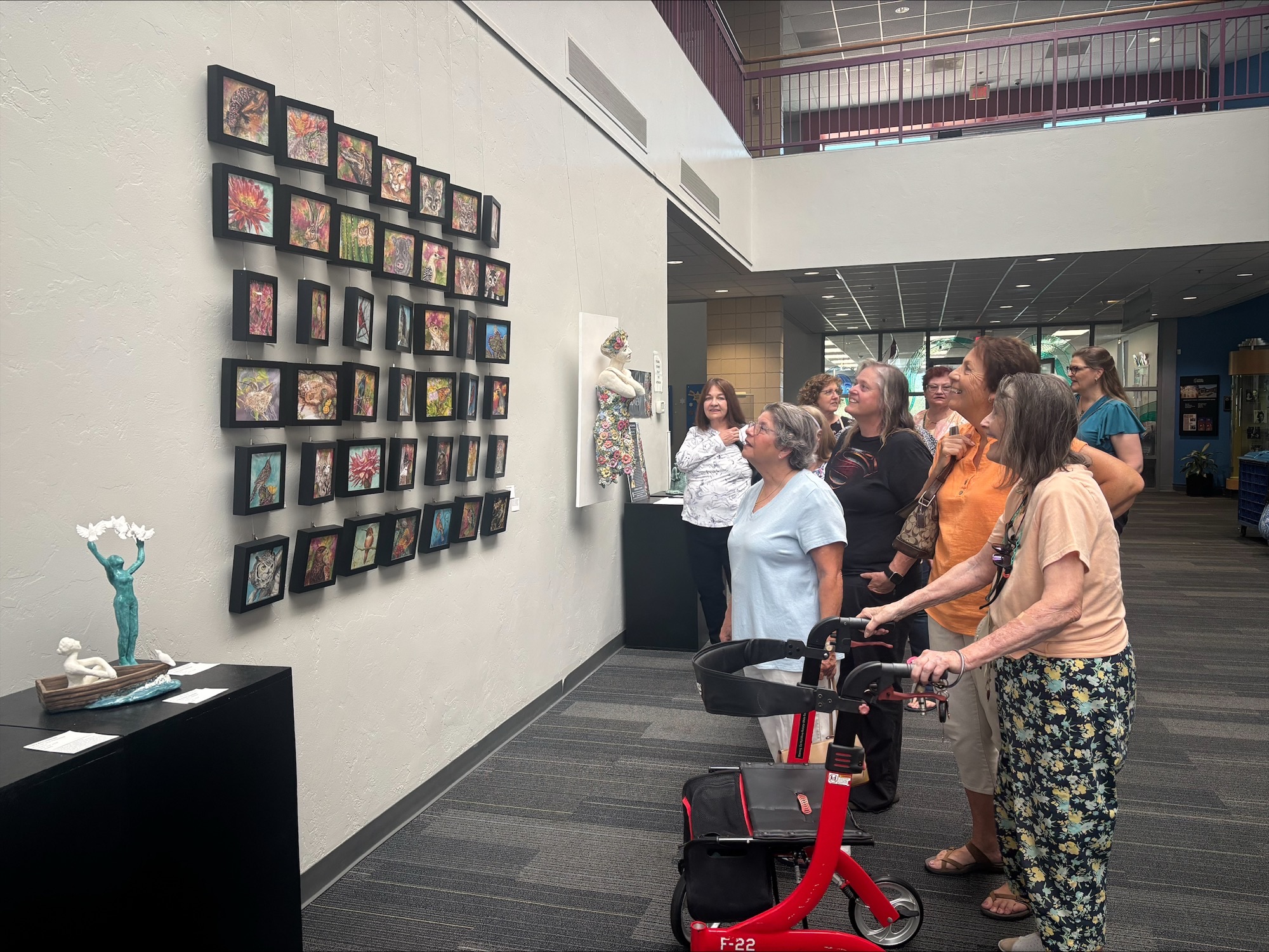
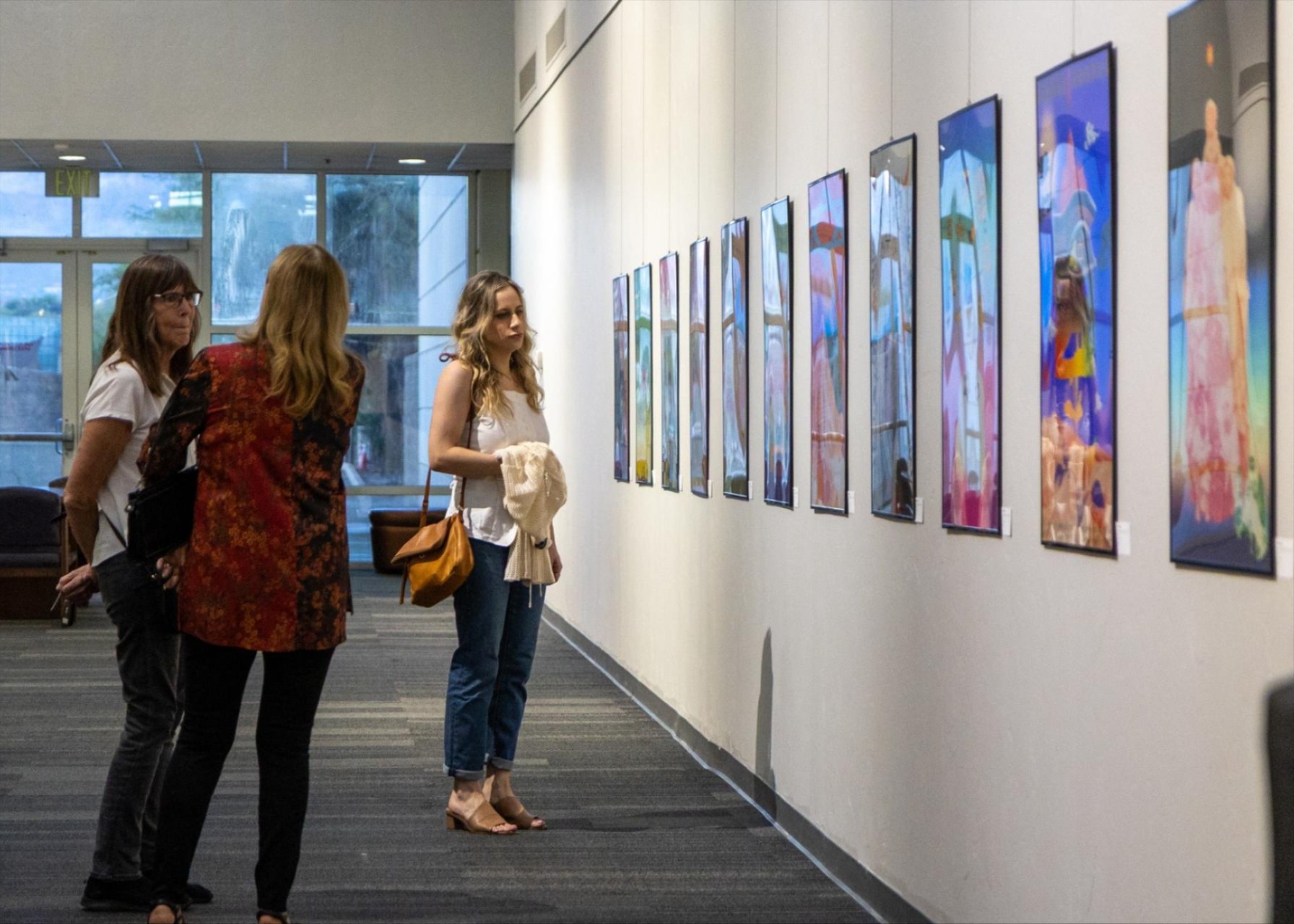
On Thursday evening, over 120 community members joined us for the closing reception of Meditation + Metaphor: Ceramic Sculpture + Watercolors by Tracy Ann Holmes. The show offered a joyful celebration of color and the Sonoran Desert we all call home. Viewers stopped by to appreciate the art, hear from the artist about her process, and nosh on a delicious (and beautiful!) snack board. You can read more about the show here from Tucson Local Media.

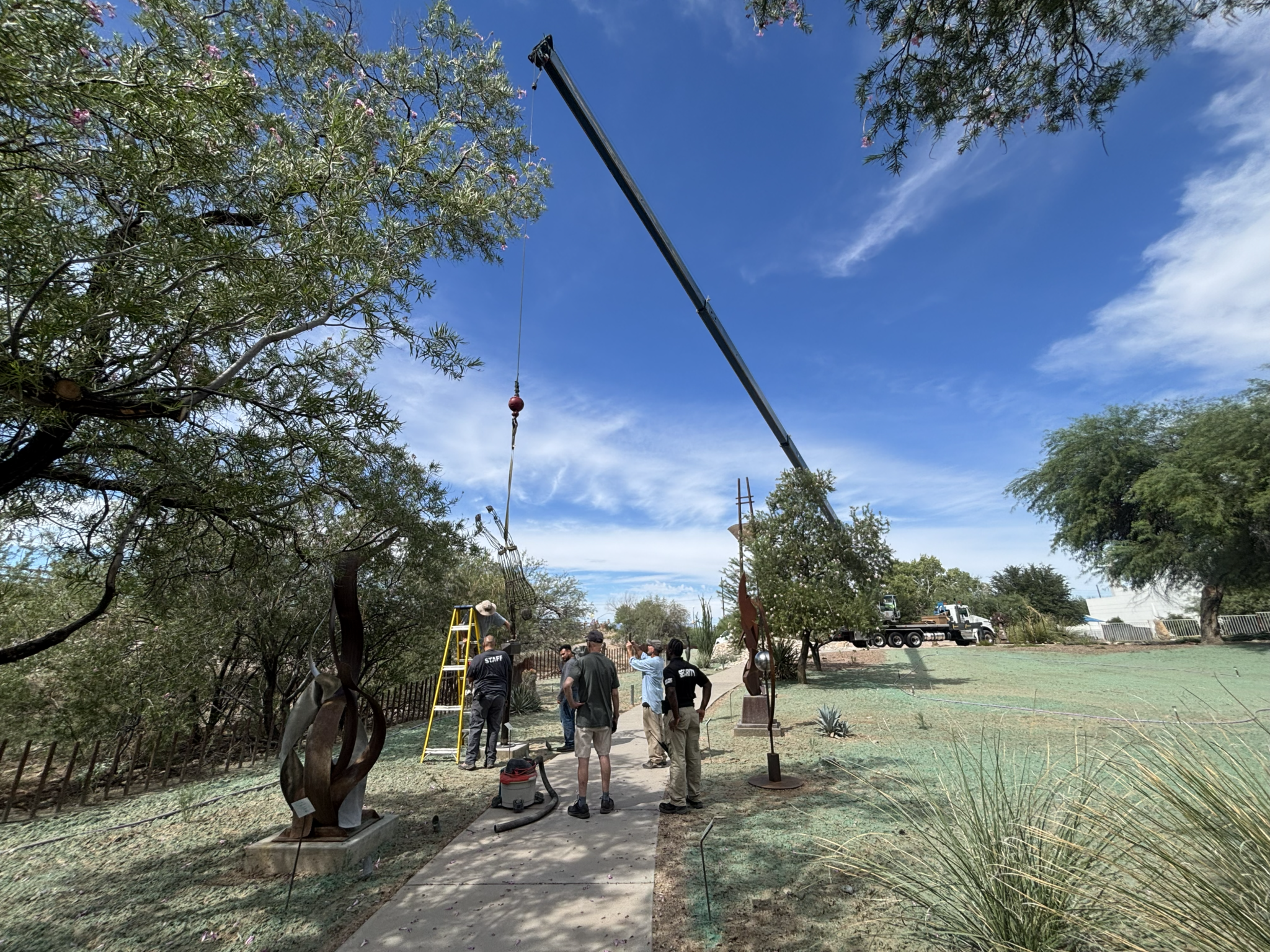
The next show in the Fine Art Gallery is in conjunction with our annual SCULPT event, this year on Sunday, October 18. In preparation, new sculptures were delivered by crane to the Jill Rosenzweig Sculpture Garden—we can’t wait for you to see them! This year’s SCULPT is themed “Making Space” inspired in part by the idea that meaningful spaces don’t just pop into existence but are built with intentionality. In Jewish tradition, the Mishkan (portable sanctuary) was built collectively, with each person contributing what they could to create a space for presence and connection. Sculpt draws on this idea: how do we create spaces in our own lives that hold beauty, reflection, and meaning? What do we choose to surround ourselves with, and why?

From arts, culture, and community, to fitness and wellness, and for people of every age and stage, the J is a place to find your joy. As we continue through the High Holidays and the year ahead, may we keep building spaces—both within ourselves and together as a community—where joy has room to grow, where everyone is welcomed in, and where we can pause to notice and celebrate the beauty we are creating together.

Reminders, Resources + Learning

From the Desk of Zach Glicksman | Chief Operating Officer

Shabbat Shalom
Shabbat Shalom

From the Desk of Zach Glicksman | Chief Operating Officer

This week’s Torah portion is Ha’Azinu (Listen). Rather than a traditional narrative, Ha’Azinu is largely a poem and what feels like Moses’ final message to the Israelites before his death. Moses reminds the people of God’s righteousness and warns them not to lose sight of their own responsibility. When things go wrong, it can be easy to look outward and blame others, our circumstances, or even God. Instead, Moses asks the Israelites to look inward and recognize the role they play in what happens next. 


This idea of ownership stood out to me as I read Ha’Azinu alongside Rabbi Lord Jonathan Sacks’ Lessons in Leadership. Leadership requires us to resist the temptation to escape responsibility. We cannot always control what happens to us, but we can control how we respond. 


Sacks draws on the work of Viktor Frankl (an Auschwitz survivor) and Aaron T. Beck (co-founder of cognitive behavioral therapy) to make a similar point. We are not defined simply by what happens to us, but by how we respond to what happens to us. That distinction feels especially meaningful to me both as a parent and as the COO of the Tucson J. 


As a parent, I want to give my daughter the freedom to make choices, including choices that may not turn out the way she hoped. My role is not to prevent every mistake or solve every problem for her. It is to help her understand what happened, learn from it, and ultimately take responsibility for her actions and celebrate her successes. I think leadership is not all that different. We can create the conditions for people to succeed, support them when things go wrong, and help them grow, but ultimately, we each have a responsibility for how we respond. 


As we find ourselves at Shabbat Shuvah, Shabbat of Return, in between Rosh Hashanah and Yom Kippur, Ha’Azinu feels like an especially appropriate reminder. The holidays ask us to reflect on the year behind us, acknowledge where we could have done better, and think about how we want to move forward. For me, that means being mindful not only of what happens around me, but also of my own role in how I respond. 


Perhaps one of the most important forms of ownership is simply asking ourselves, “What is mine to own?” And then having the courage to answer honestly. 


Shabbat Shalom. 

In Torah portion Ha’Azinu, Moses invites the people to think of the Torah, and thus their covenant with God, like rain. We find the following passage:

Let my teaching drop as rain,

Let my words fall like dew,

Like gentle rain on tender plants, 

Like showers upon the grasses. 

Here at the Tucson J, we also hope to be a life-giving force, providing nourishment that helps our community members grow and flourish—and we do this each day guided by our mission to cultivate and enrich Jewish identity, ensure Jewish continuity, foster wellness, and broaden communal harmony, and our service pledge to create community based on Jewish values by providing the highest quality programs and services in a safe and secure environment for people of all ages. 

This week, we saw the fruit of that rain in a variety of ways.

On Tuesday, a new series of Spanish classes resumed with learners of all ages and skill levels coming together to learn something new guided by esteemed instructor, Myriam. What are you looking forward to learning in the new year? 

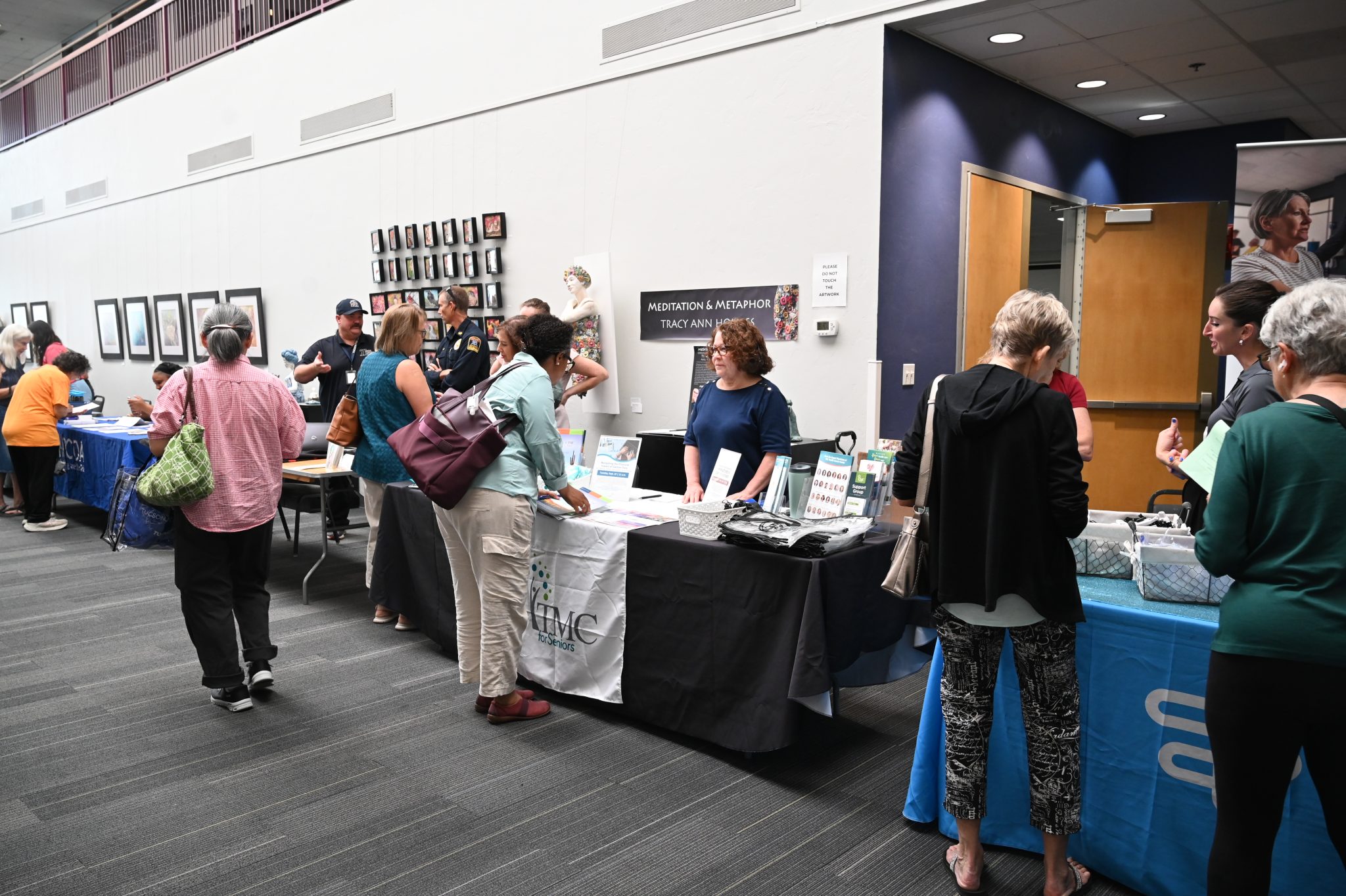
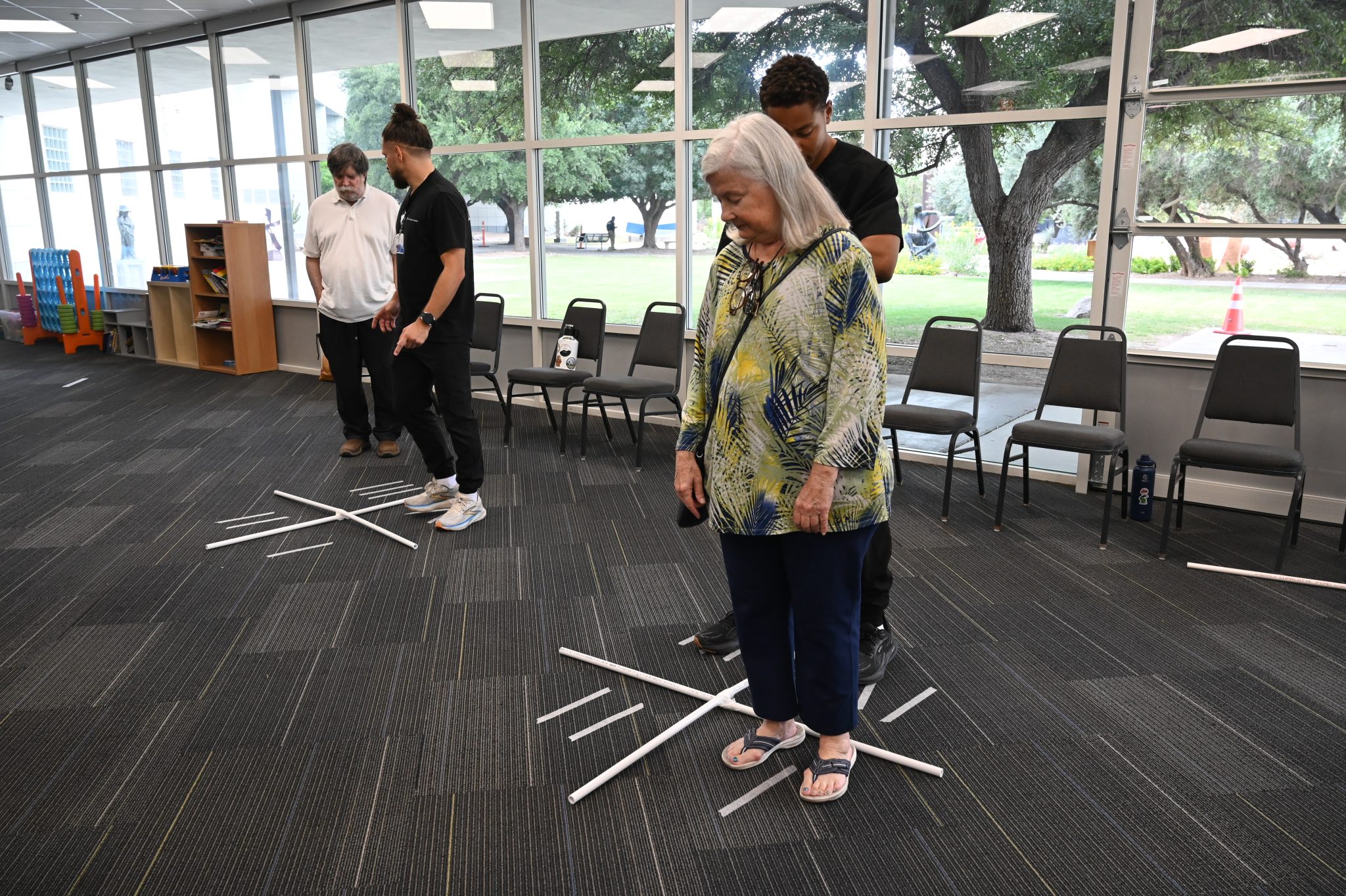
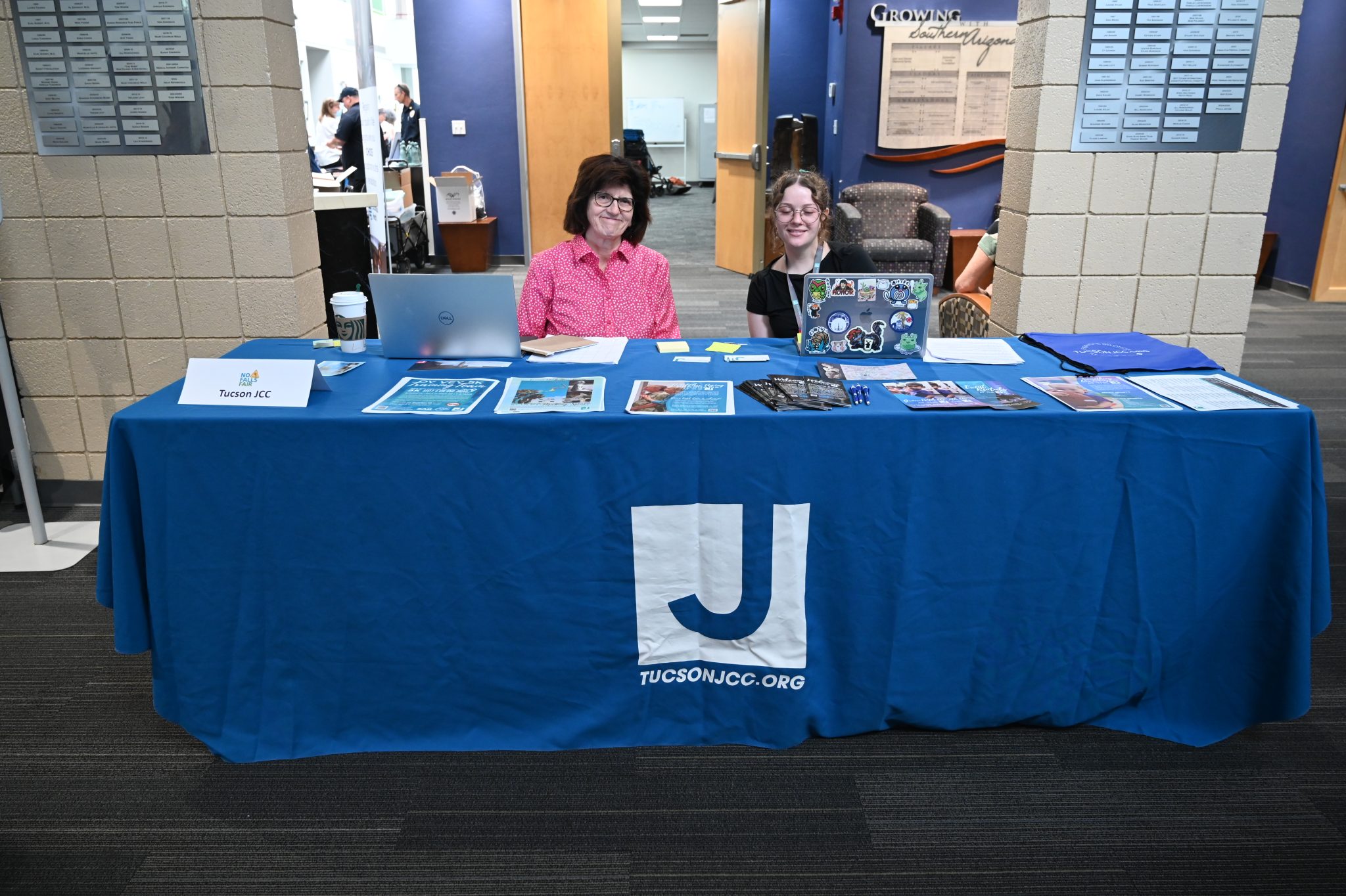
On Wednesday, over 100 community members and many organizations from across the community joined the J and TMC for Seniors for another successful “No Falls Fair,” helping to ensure that our older generation remains active, healthy, and thriving. The event included fall and balance assessments, safety presentations, and more! Learn more about our Healthy Aging programs here. 

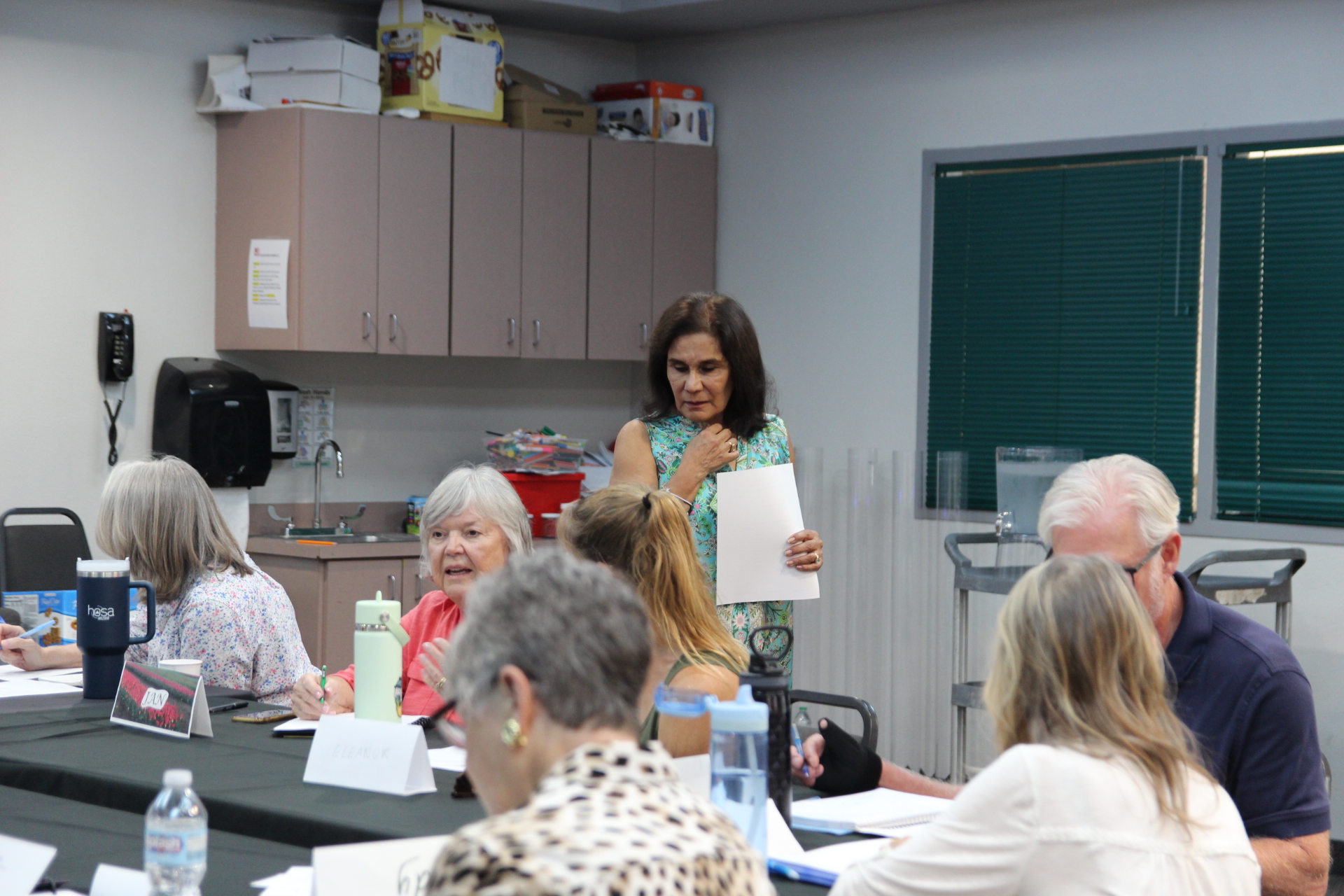
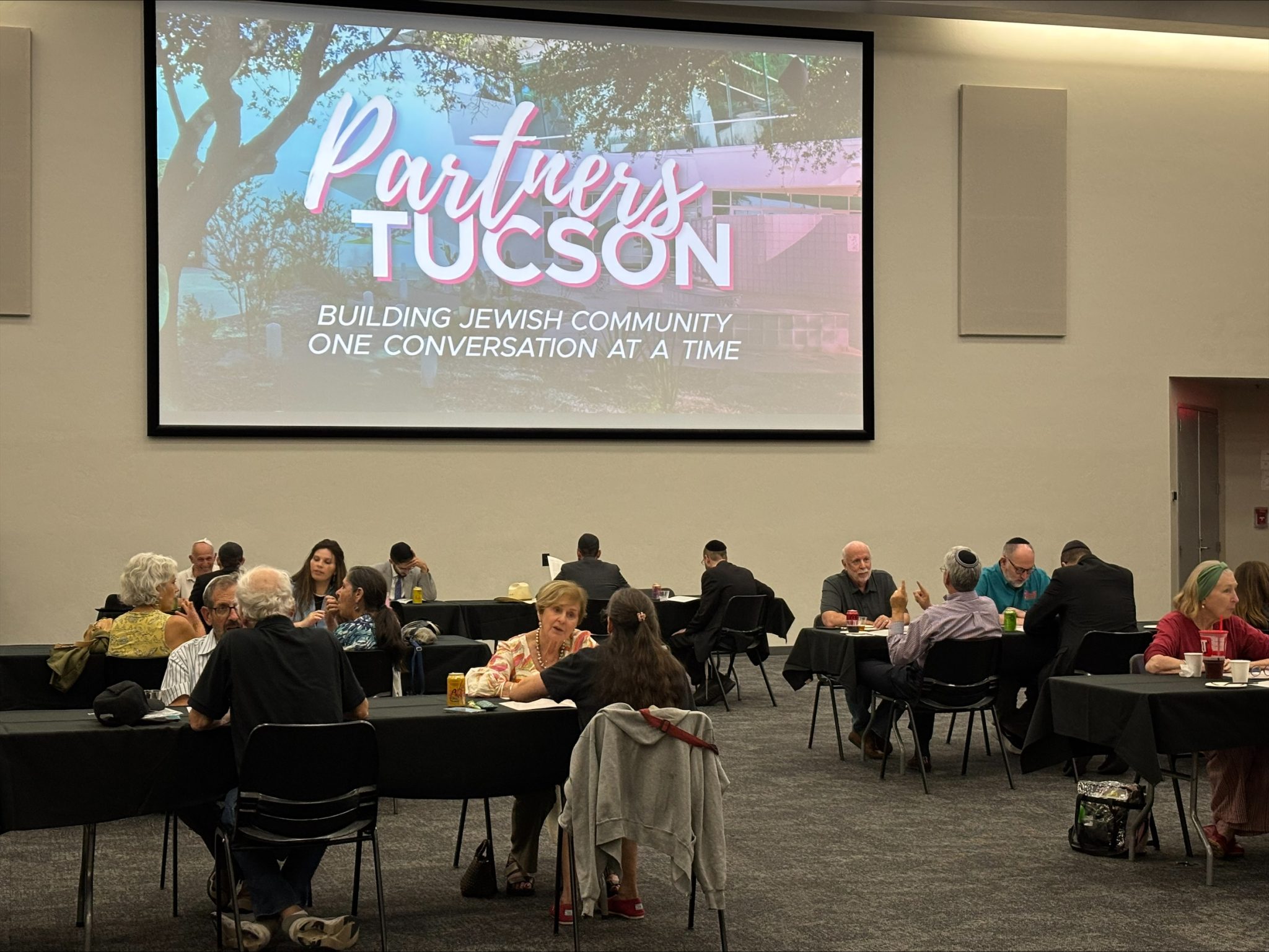
And on Thursday, we welcomed an engaged group of 40 chavrutot (partners) for the second session in a new series of Partners Tucson programs. Designed for Jewish people of all backgrounds and experiences to explore perspectives through meaningful conversation in pairs, using the teachings of Rabbi Lord Jonathan Sacks (z”l), each experience offers enriching conversation and community connection. This week’s program was themed, “The Home We Build Together.” Participants discussed what it takes to build a society that is unified even among differences. You can sign up for the next program here. 

Throughout the week, two different groups joined us at the J to get inspired by the current exhibit in the Fine Art Gallery, Meditation + Metaphor: Ceramic Sculpture + Watercolors by Tracy Ann Holmes. First, the artist’s church sisterhood, and then THA art teacher Kamala Alpert brought fifth and sixth grade classes to enjoy it. We hope to see you at the closing reception on Thursday, September 24 and for SCULPT on Sunday, October 18.

As we continue through the High Holidays taking time to reflect, return, and renew, we invite you to ask: what kind of nourishment am I seeking? Where can I grow in the year ahead? And, how can the Tucson J be part of my journey? Wishing you a Shabbat Shalom and G’mar tov (a good final sealing [in the book of life]). 

Reminders, Resources + Learning

Q+A: Autumn Ball, Owner, Southwest Endurance Training

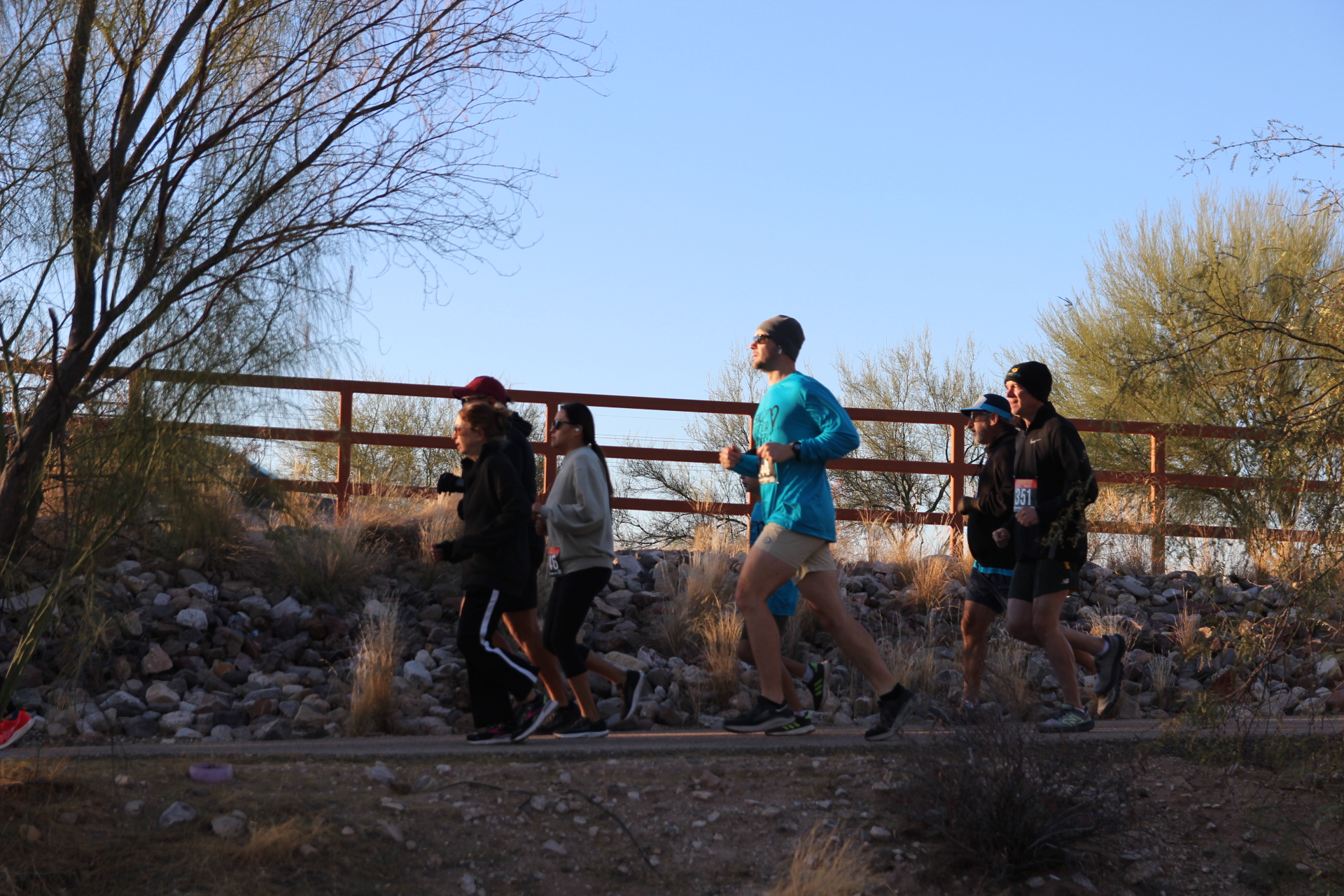
Adults running along outdoor trail

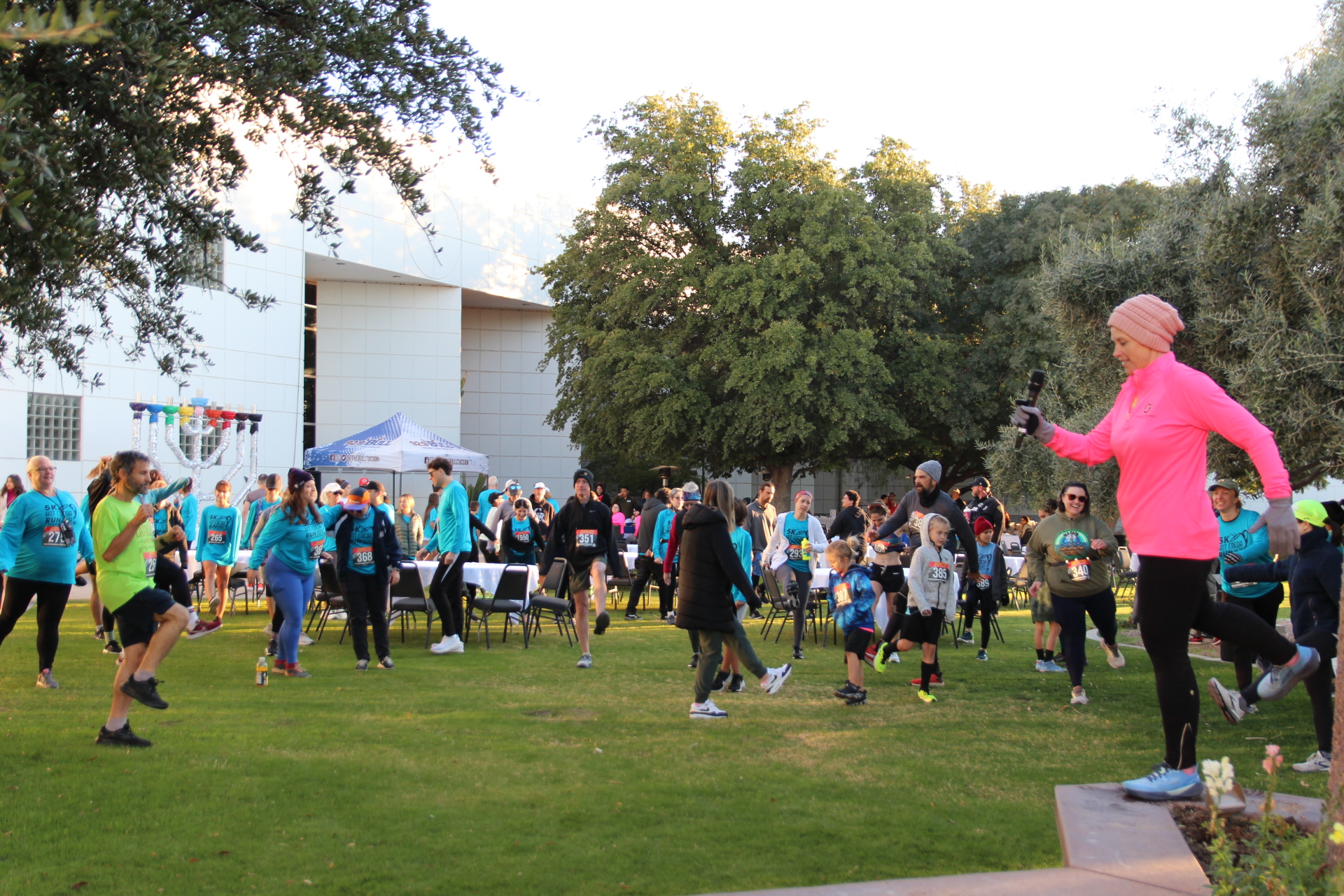
This fall, the Tucson J is proud to bring back the Oy Vey 5k Training Team in partnership with Southwest Endurance Training (SWET) to prepare runners for our 10th annual Hanukkah Hot Cocoa Run! Join SWET owner and coach Autumn Ball along with her incredible coaching team on Sunday mornings from 7-8:15am beginning October 11, for weekly motivation and accountability along with training and stretching guidance. The program is for beginner and advanced runners, with modifications available as needed. 

Coach Autumn Ball is the owner and head coach behind Southwest Endurance Training, aka SWET —a Tucson-based, coached running community designed for those who’ve ever felt “too slow,” “too big,” or “too new” or simply “not enough” to run. As an RRCA certified run coach with a passion for inclusive movement, Autumn believes that everyone deserves a place at the starting line. She took over ownership of SWET in 2018, has been running since 2010, and coaching since 2014. Through structured run/walk interval-based training and a supportive group approach, she helps runners build confidence, strength, and community—one step at a time.


Below, learn more from Autumn about the training program, including some of her favorite stretches and post-run snacks!

Why do you recommend training in a community setting over training solo?

Running can be hard! And it can be especially challenging for new runners. Finding a group of like-minded, supportive people who will help keep you accountable makes this experience more enjoyable. But it is also about finding the RIGHT community setting. We hear story after story of beginner runners who went to a run club and were left behind simply because they couldn’t keep up. SWET has a strict policy of no runner left behind. There may be times when you run alone but never left behind.


How do you tailor training for beginners vs. advanced runners?


Do you have any special memories from last year’s training group?

What’s your favorite post-run stretch and snack?

Thank you, Autumn, for bringing back this unique training experience to Tucson J members and guests! 


Ready to begin your running journey? Join the Oy Vey 5k Training Team! The group will meet on Sundays starting October 11 through November 29 from 7-8:15am.

Growth + Progress at the J: Fall 2026 Development Update

Dear Chevre (Friends),

The past several months have been a wonderful reminder of the many ways the Tucson J makes a difference in the lives of individuals and families across our community. Every day, people of all ages walk through our doors looking for connection, belonging, learning, wellness, and opportunity—and find it in ways that are as varied as our community itself.


This summer, that impact was especially visible. Campers built friendships and confidence, teens stepped into leadership roles, families found trusted care and connection, older adults discovered opportunities for wellness and community, and participants in Disability Program Services learned skills and practiced their creativity.


Across our campus, we saw strong participation and exciting growth. Camp J welcomed more than 500 children, with participation outpacing the previous year, Tucson J teens represented us at the JCC Maccabi Games + Access in Toronto and stepped into BBYO leadership, and we stepped into a new year of Early Childhood Education with 189 children enrolled. Aquatics, sports and recreation, and Healthy Aging also reached new heights over the summer with Healthy Aging programs experiencing increased referrals and enrollment and new partnerships fueling growth across department areas.


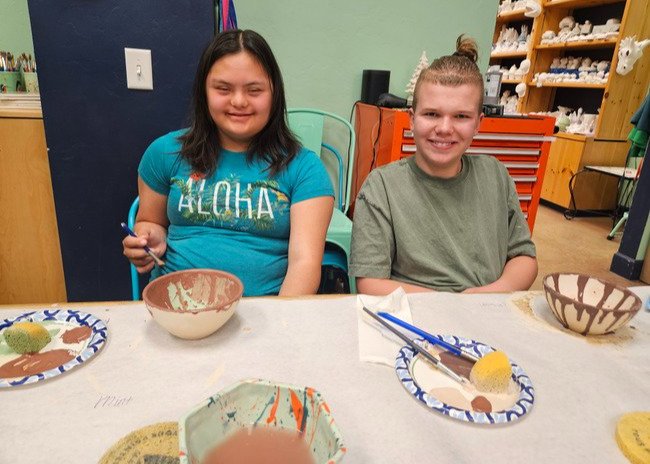
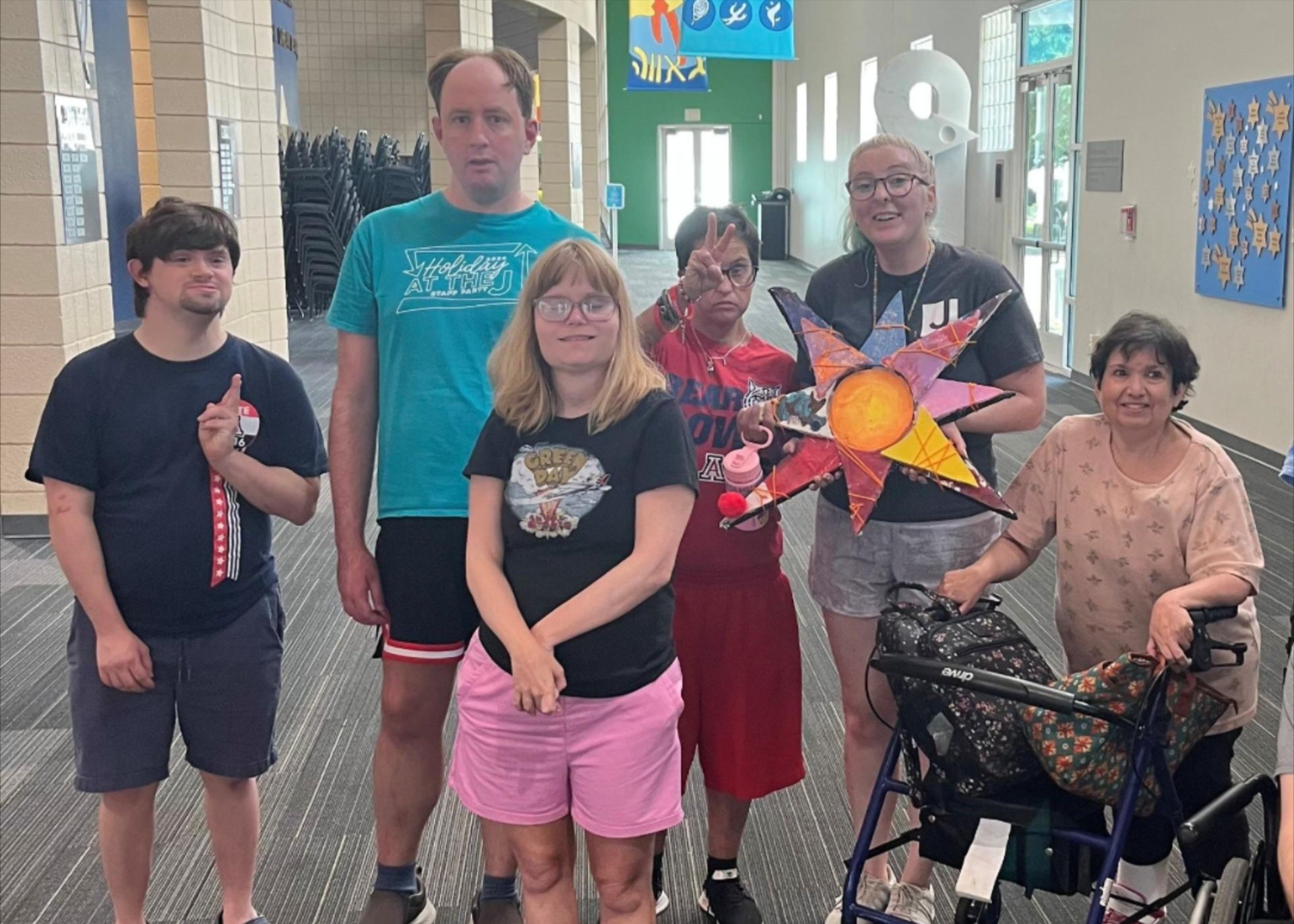
DPS participants, including youth in Gesher, our inclusive camp program for youth 12-21 years old, spent the summer swimming, cooking, exercising, exploring Tucson, and building meaningful connections. We are particularly excited about the upcoming launch of Pathways to Employment through Disability Program Services. This new vocational program gives eligible participants opportunities to build workplace skills and explore employment through internships with the J and community partners.


Jewish life and community engagement remain an important part of what makes the Tucson J unique. PJ Library met new engagement milestones, classes and clubs brought people together around shared interests, and new adult learning opportunities are taking shape for the fall. We are also looking forward to welcoming our new Community Shaliach, Shay Oren, and to Z3@Tucson this November—two opportunities that will bring new energy and perspective to Jewish life in our community.


None of this work happens without the generosity and partnership of our community. Donors make it possible for us to invest in programs, respond to emerging needs, and create opportunities that might otherwise not exist. Volunteers, partner organizations, and community leaders add their time, expertise, and energy to that effort. Together, they help make the Tucson J a place where people can find connection and opportunity throughout every stage of life.


As we move forward with Kadimah B’Yachad—Forward Together, our five-year strategic plan, we are focused on building on this momentum and preparing the J for the future. Thank you for believing in the Tucson J and for helping us create a stronger, healthier, and more connected community.


With gratitude,


Fran Katz,
Chief Development Officer

The Tucson J continues to grow as a town square where members, families, partner organizations, and the broader community can gather, connect, and engage. This season brought continued focus on strengthening the member experience, welcoming new and returning community members, and making the most of our facilities as spaces for connection and engagement. Membership efforts included new promotional opportunities and preparations for the fall, while our rental program continued to bring schools, community organizations, and celebrations through our doors. This quarter, we also focused on enhancing our facilities to best serve our community. Highlights include:

  • a successful Summer at the J promotion in May, and in June, lowering the enrollment fee substantially for the remainder of the year
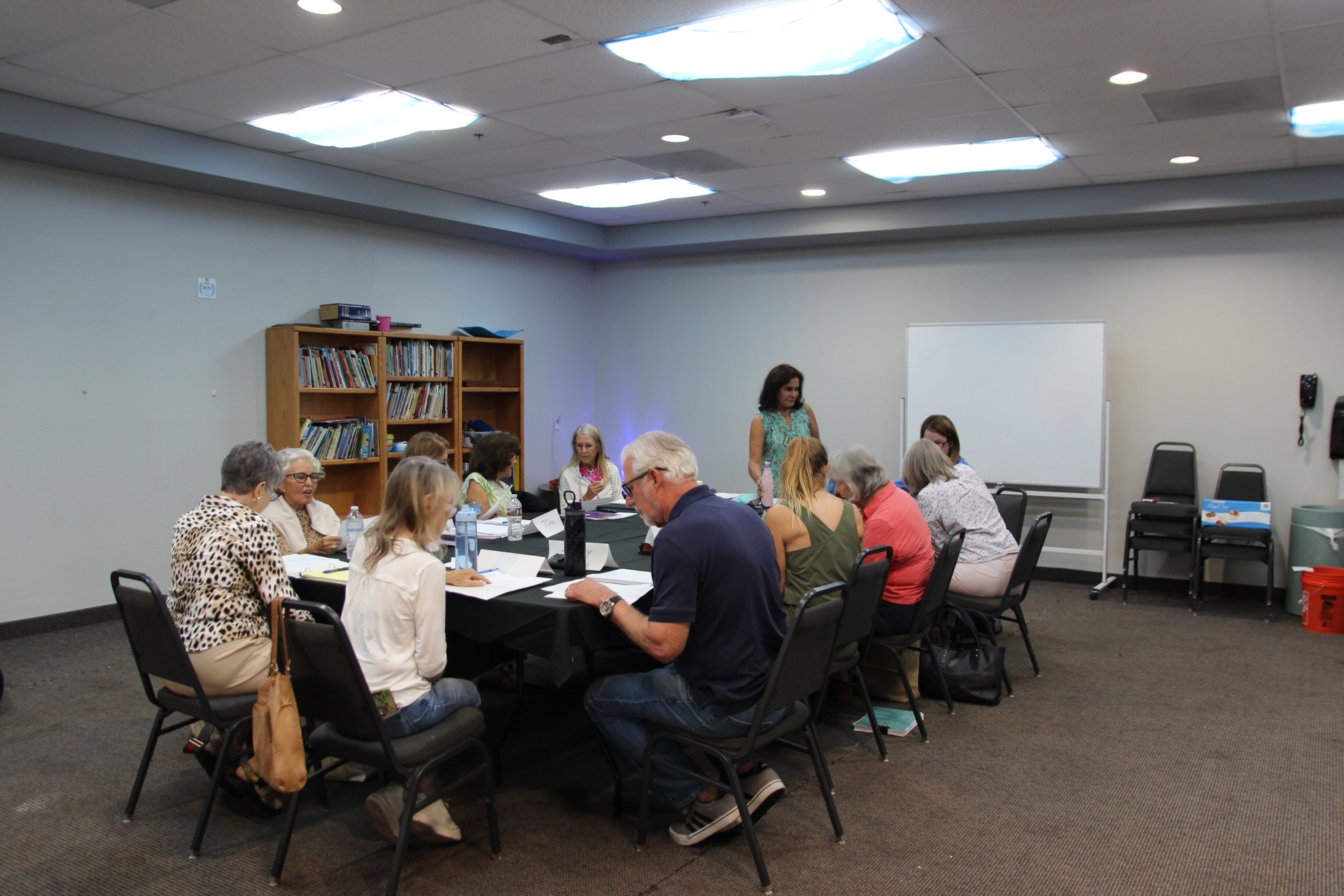
  • hosting a variety of major rentals including Aqua Days for Douglass Elementary school, pool party for St. Michael’s, Khalsa Montessori graduation and pool party, and a movie night for Tucson Association of Realtors and continuing to host Sunset Cheer, YMCA League Games, the Modern Quilters Guild, the Southern Arizona Jewish Genealogy Society, Chai Circle, and more
  • offering new rentals add-ons to provide a high-quality, streamlined user experience
  • developing new partnerships with FC Tucson and Canyon View Little League; both groups will use our sports fields for their youth programming, bringing more families to the J
  • deep cleaning the courts at Sarver Tennis Center, now on a quarterly basis, and re-painting the Pickleball courts

  • updating our Early Childhood Education center with new carpet, poster frames, and dedicated bulletin boards for each classroom to display their artwork

  • installing new locker room carpet and preparing for a refresh of the sauna in October
newsletter graphic with the words Fitness and wellness on a teal background

Wellness at the Tucson J takes many forms! This season brought growth and momentum across aquatics, adult and youth sports, and Healthy Aging, with increased interest in several core programs and new opportunities for engagement. Our Stingrays Swim Team returned to high-level competition, swim lessons continued to expand, adult leagues remained strong, and Healthy Aging programs continue to expand with grant support. Recent highlights include:

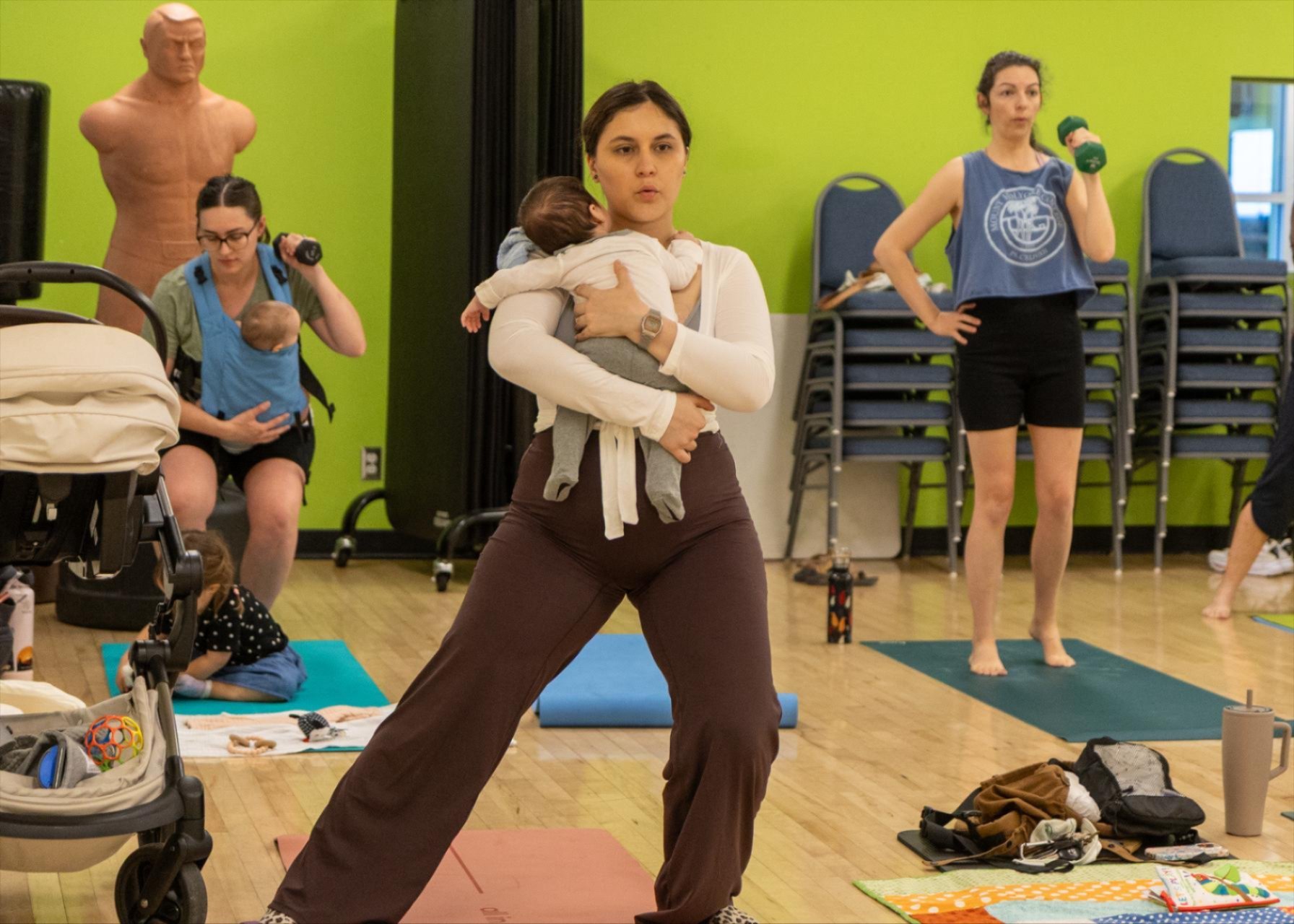
  • continuing to grow JWellness Collective offerings with Yoga for Athletes, Pelvic Floor + Core Rehab, Pre-natal Yoga, Postpartum Strength + Stretch, Self-Defense, and more
  • offering a new Fit Strong small group fitness training program
  • receiving a grant from the Sephardic Foundation on Aging (SFOA) to provide Dementia-Friendly training to organizations in the Tucson Jewish ecosystem
  • receiving a grant from American Parkinson Disease Association (APDA) and co-hosting a Music/Art event to bring together people with Parkinson’s Disease and their loved ones
  • working in partnership with Jewish Philanthropies of Southern Arizona and collaboratively with Jewish Family and Children’s Services, Handmaker to put on the sixth AgeWell Conference, this time at the the Chabad of Oro Valley to provide more outreach to Jewish older adults residing in the northern Tucson, Oro Valley, and Marana areas; and planning the next AgeWell for October
  • increasing referrals and/or enrollment across the three core Healthy Aging programs: Bone Health/Osteoporosis and Osteopenia, Parkinson Exercise Wellness, and Movement/Arts Immersion (for those with early/mild stage dementia)

  • helping over 100 registrants learn to swim in the JRays Swim School, with this season’s new Saturday lessons being a popular option
  • supporting nearly 40 adult Masters Swimmers achieve their best in the water, including Diego Rogers, who took home three gold medals for swimming at the US Special Olympic Games
  • an outstanding season for 75 Stingrays Swim Team Swimmers with many medals and personal bests across several meets, including regional and state championships, and Senior State, which the team attended for the first time since 2019
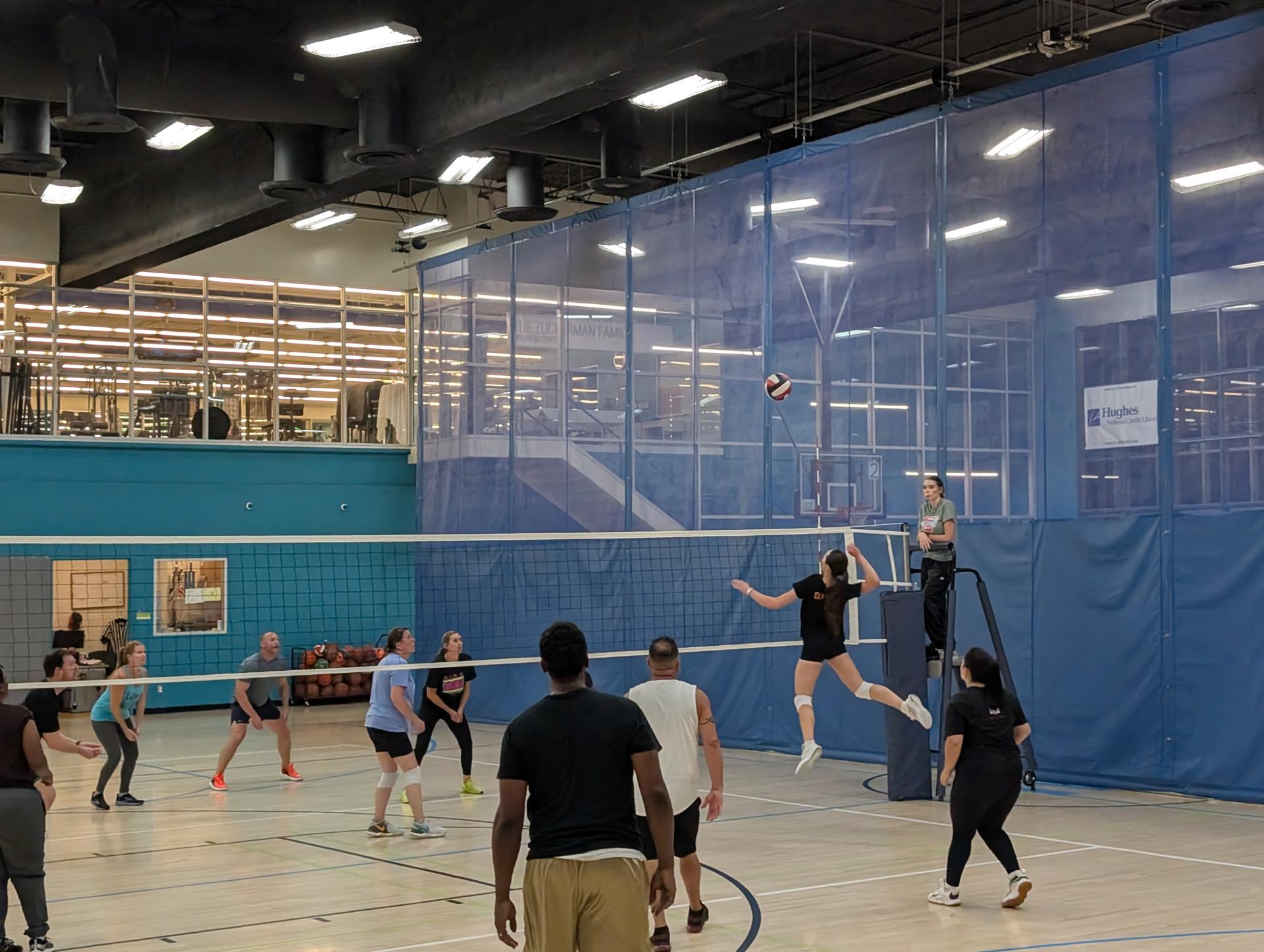
  • steady participation in adult sports, with over 70 players in both the Men’s Basketball League and the Co-ed Volleyball League

  • reaching capacity for youth Summer Sunday Basketball Clinics

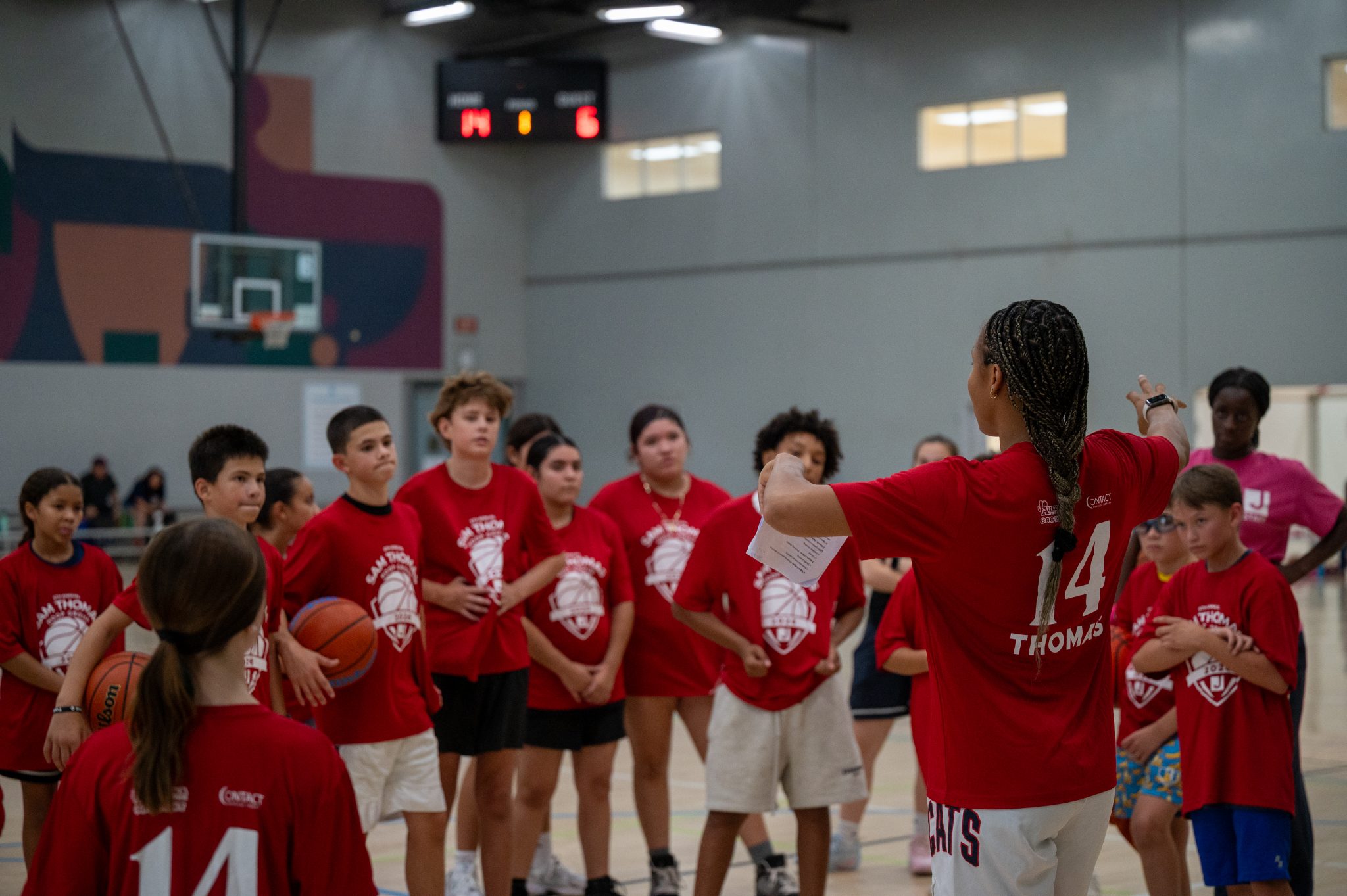
  • welcoming over 80 young athletes back to campus for the 5th Annual Sam Thomas Hoop Group basketball clinic

The Tucson J continues to create meaningful opportunities for connection, learning, creativity, and belonging through our Arts, Culture, and Community programming. Clubs like mah jongg were going strong all summer long, while important groundwork was laid for a spectacular year of inspiring arts and culture programs, expanded learning opportunities, and special events including the 36th Tucson J International Film Festival. Recent highlights include: 

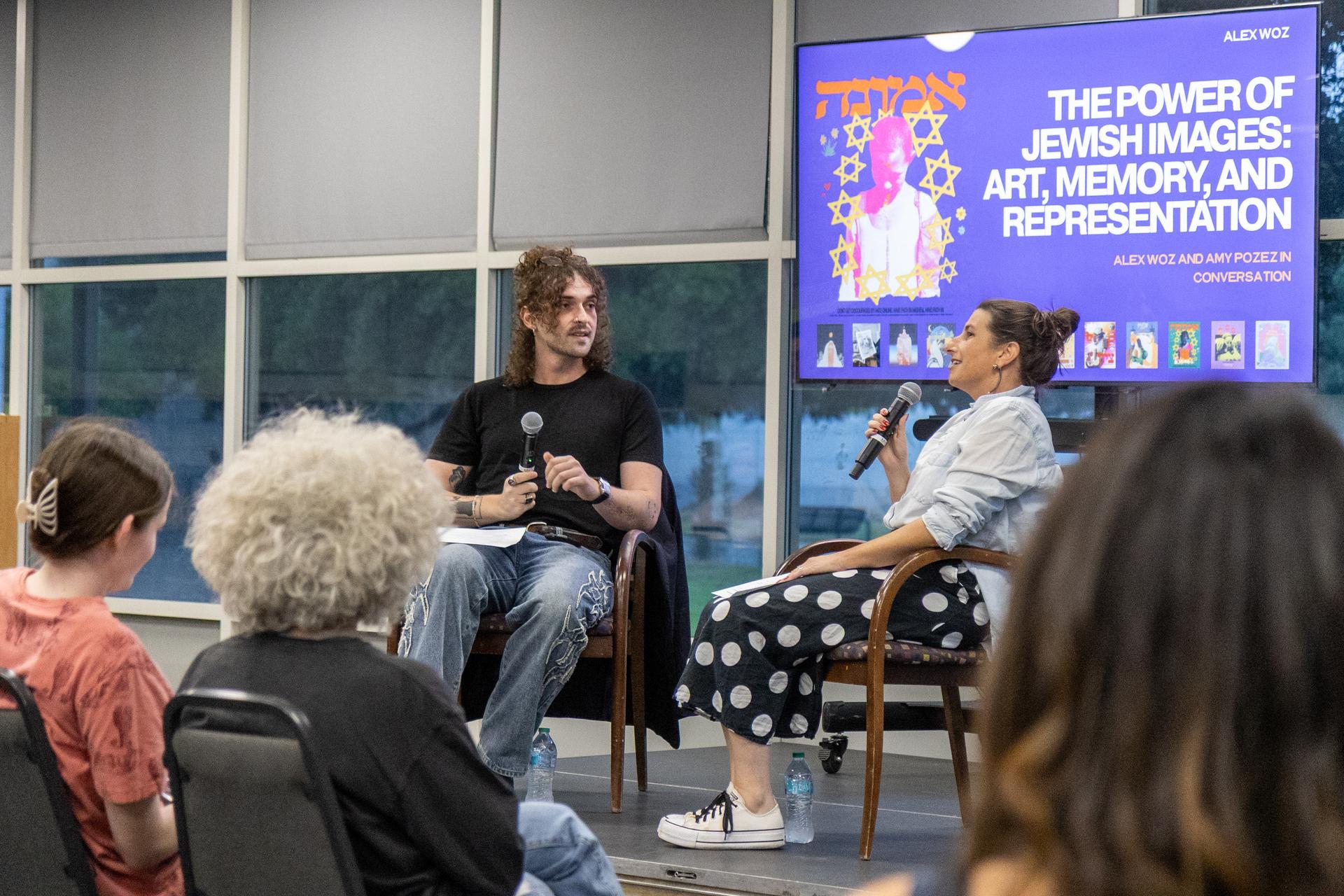
  • hosting successful Young Adult Shabbat Pool Party and Tu B’Av Happy Hour events with community partners in July and a three-part Artist Residency with Alex Woz in August

  • looking ahead to the continuation of Partners Tucson from August through next Spring, offering chavruta-style Torah study based on the teachings of Rabbi Lord Jonathan Sacks z”l; and developing new opportunities through the Melton School of Adult Jewish Learning, which will begin in the fall

  • booking exciting wrap-around programming for the 36th Tucson J International Film Festival (coming January 14!), including Tovah Feldshuh, star of the documentary “Tovah”

  • coordinating the finishing touches on the 2026-2027 Fine Art Gallery Season, with the first show, “Meditation + Metaphor” opening August 20 and a bigger-and-better-than-ever annual Jill Rosenzweig Memorial Sculpture Garden opening SCULPT event planned for October 18

  • developing the 2026-2027 Signature Series with donor support, which will include a winter performance in partnership with Southern Arizona Symphony Orchestra, and a spring concert by Nefesh Mountain

  • ending the school year with 776 PJ Library engagement touchpoints, setting new goals for the coming year, and looking to the new year with“Sweet Beginnings: A Rosh Hashanah Family Experience”

  • preparing to welcome Shay Oren as the new Community Shaliach

PJ Library is a gift from the Tucson J, and is made possible by the Einstein-Sim, Hazan, Kippur, Langer, Loebl, Margolis, Rosenzweig, and Sharpe families, with support from Jewish Philanthropies of Southern Arizona, in partnership with the Harold Grinspoon Foundation. 

The Tucson J’s Children + Youth programs give kids of all ages the confidence to be themselves, the opportunity to develop leadership skills and form lasting connections, and the foundation of a community supporting them. Campers felt the ruach all summer, experiencing everything from Gaga to cooking and art to Israeli culture with a variety of field trips and special activities in between. Early Childhood Education continued to strengthen relationships with families while preparing for the new school year, and our teen programs built momentum through BBYO leadership opportunities, the JCC Maccabi Games + Access, and the launch of the J’s inaugural Teen Council. Recent highlights include: 

  • ending the ECE school year with 100 families in attendance at our annual Shabbat picnic dinner, welcoming 40+ children to join us for ECE Summer Camp, and starting the new school year with 189 kids

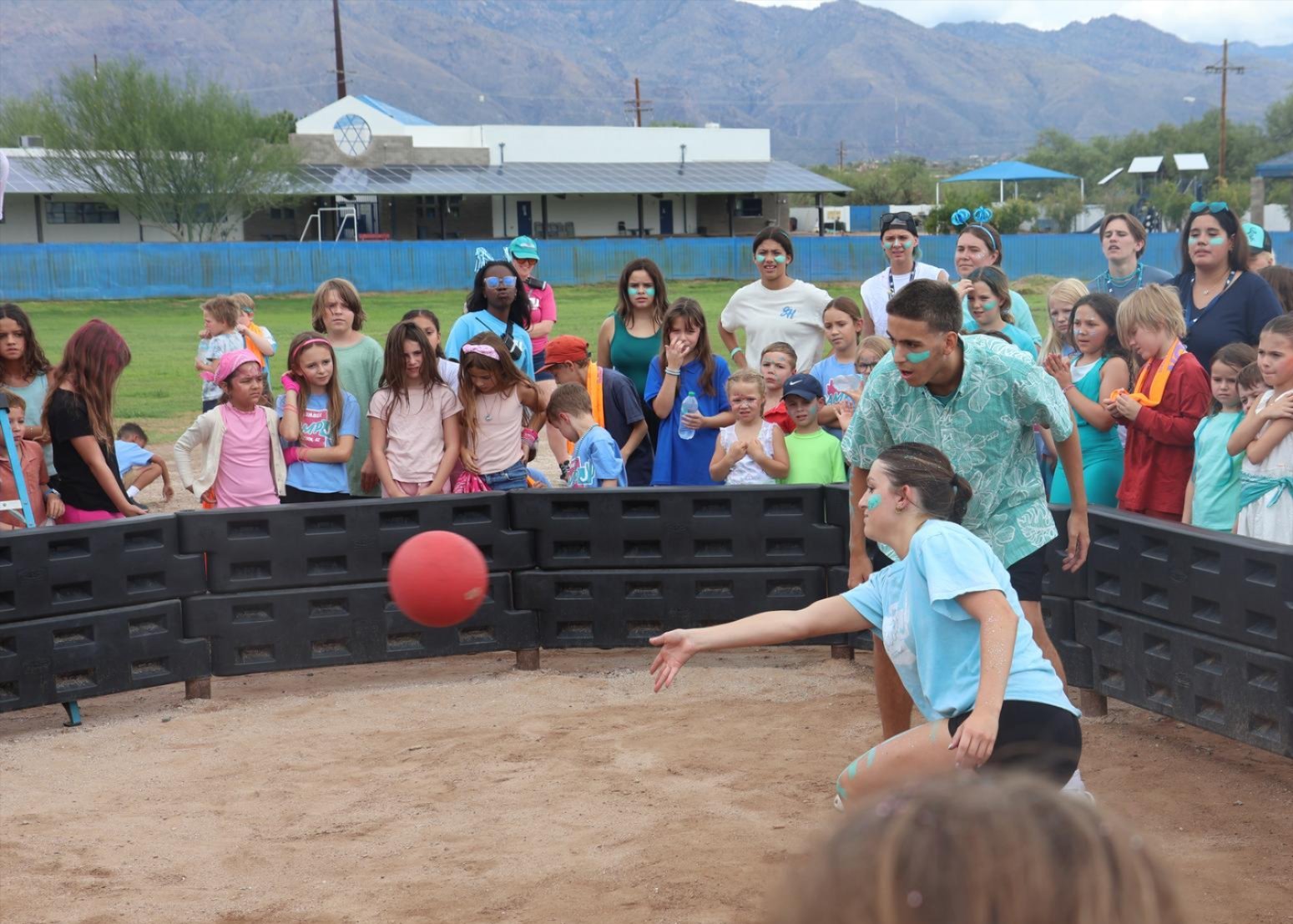
  • a record-breaking 546 unique campers in Camp J for the summer

  • making extra special camp memories with surprises like a live bluegrass band, bagpipes at the Maccabiah closing ceremony, a ventriloquist performance, and the Tzofim Scouts Friendship Caravan

  • new Chugim (elective) options like TRAK with real animals, Taekwondo, Lego Building, Flag Football, Water Polo, and Dance with the Tucson Sugar Skulls (and the return of old favorites like Why Things Fly!)

  • engaging in a variety of professional development opportunities, including a training about implicit bias and learning that explored the Sheva Lens Core Element of Families as Engaged Partners

  • hosting three well-attended ECE Director Breakfasts in the Open Space, with more to come!

  • developing new partnerships with Tanque Verde Pediatrics and Intuitive Training with the goal of reaching more expecting and early post-partum families

  • bringing back Homework Help and launching Learning Lab for participants in our JCare after school program

  • participating in the BBYO Spring Conclave in Prescott and multiple BBYO leadership camps

  • celebrating three BBYO members who ran for Regional Board positions (including a win for the Regional Presidency for Mountain Region AZA)

  • launching the application and initial promotion for the Tucson J’s inaugural Teen Council, designed for J members ages 11–15 with a focus on youth leadership, engagement, and community building

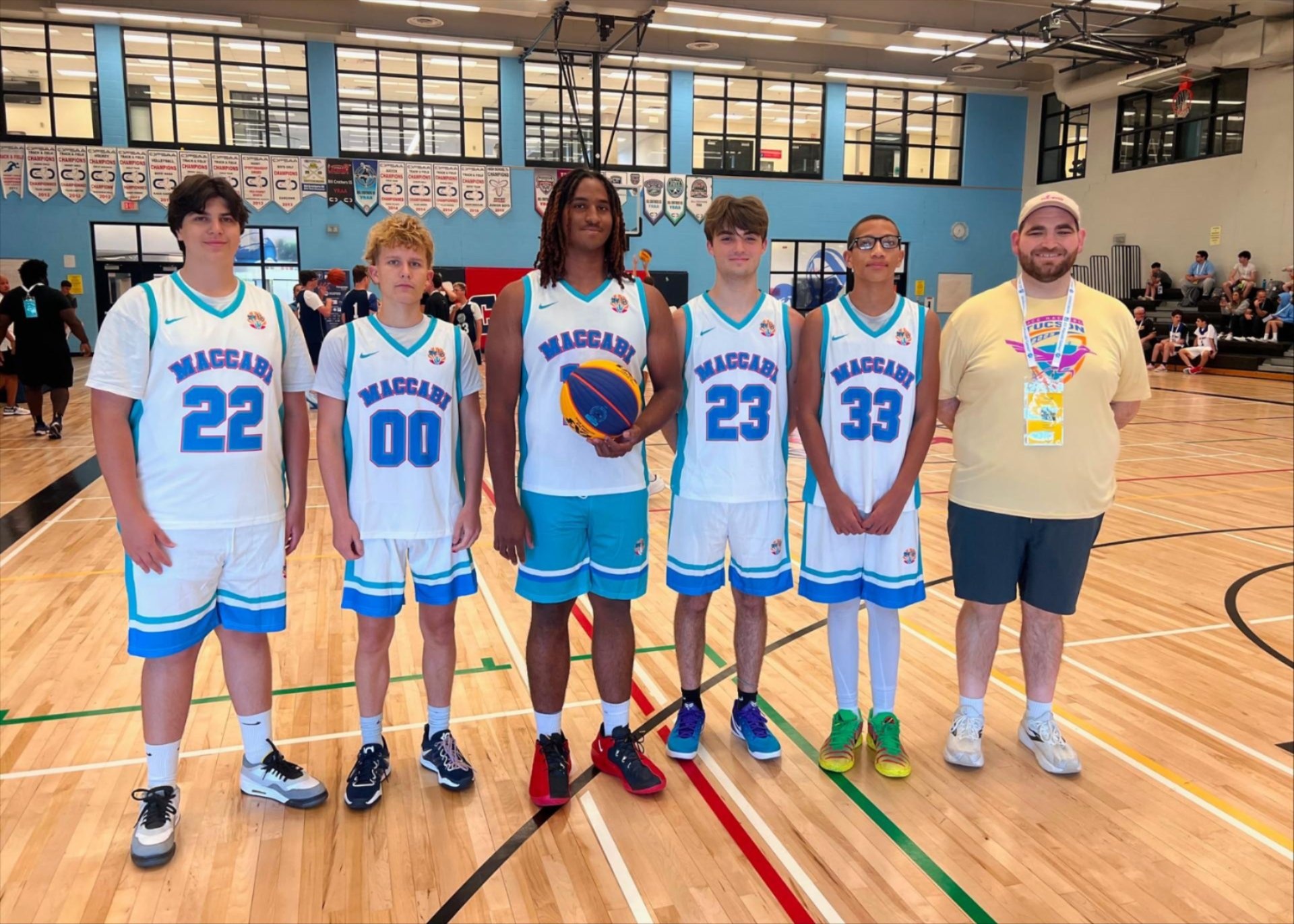
  • sending a delegation of nine athletes to compete as Team Tucson in JCC Maccabi Games + Access in Toronto

Disability Program Services continues to expand what is possible for participants and this season marked an important step forward as we received funding for Pathways to Employment, a new DPS program that will bring vocational training and job exploration opportunities to eligible participants in Southern Arizona beginning later this fall. At the same time, the Day Program and summer camp continued to grow, with new campers joining the program for a third consecutive year and participants engaging in swimming, fitness, cooking, community outings, and shared experiences with Camp J. This season also brought a new name for the Day Program, Taglit B’Yachad—“Discovery Together”—reflecting the department’s continued focus on inclusion, connection, and growth. Recent highlights include: 

  • receiving approval from the Division of Developmental Disabilities (DDD) to add the new service, Pathways to Employment (PTE). Offered to all eligible DDD members residing in Southern Arizona, students will learn and practice skills in classes for up to twelve months, including internships at the J and with community partners who provide job exploration experiences.

  • increasing enrollment in our Gesher Camp program for middle and high schoolers with disabilities, for the third consecutive summer

  • adding cooking classes, fitness classes with J trainer Jamie High, and staff-led activities across programs

  • outings at venues across Tucson including movies, the Tucson Museum of Art, coffee shops and more

  • the return of the DPS summer concert series featuring a variety of local bands

  • joining Camp J for Maccabiah Week

  • partnering with Arizona Public Media and Tucson Spotlight for a workshop designed to help DPS program participants share their stories about bravery; the stories will be showcased at a public event August 29

  • creating a new and inclusive day program name: Taglit B’Yachad, meaning “Discovery Together”

From the Desk of Jennifer Lorch Selco | Sr. Director of Jewish Life + Engagement

Shabbat Shalom
Shabbat Shalom

From the Desk of Jennifer Lorch Selco | Sr. Director of Jewish Life + Engagement

This Shabbat over Rosh Hashanah, communities around the globe will read the story of the binding of Isaac or the story of creation. Rather than reflect on the parsha, I’d like to share one of my favorite stories, The Diamond. There are many versions, this one can be found at Chabad.org.

A king once had a prized jewel, an exquisite diamond. As he held it to the light, perfection glinted from every of its luminous facets. This gem, he felt, would be the crown jewel in his magnificent diadem.

One morning the king awoke, and upon taking out his precious treasure he found, much to his dismay, that there was a single thin crack descending down its face.

The greatest jewelers were called to look at the stone in the hopes of fixing it, but nothing could be done—the crack ran so deeply down the face of the diamond that any effort to remove it would further ruin it.

Finally, one jeweler, a simple man from one of the neighboring villages, stepped forward. He would save the diamond, he claimed.

The king laughed. The greatest craftsmen in the world had seen the gem, and deemed it hopeless; how could this simple jeweler hope to do anything?

Seeing, though, that there was nothing to lose, the king informed the jeweler that he could spend a single night with the diamond. If he managed to fix it, then he would see great reward. If, however, he did not succeed, a bitter lot awaited him.
Locked in his room, the jeweler took a long look at the stone. It was truly magnificent, sparkling like the fire of the sun on the surface of the water. And the crack, however thin, could not be removed without destroying the precious crown jewel in the process. What could be done?

The next morning, the jeweler came out with the stone in hand, a look of triumph on his face.

When he produced the gemstone, the entire royal court—the queen, the ministers, even the jester—erupted in an uproar. The scratch had not been removed; it remained in its place. The jeweler had instead etched a rose, the symbol of the kingdom, on the face of the diamond, turning the crack into its stem.
The king stood up from his throne and embraced the simple jeweler.
“Now, I truly have my crown jewel!” he said. “The diamond was magnificent until now, the best I had ever seen. It was, however, no different than any other stone. Now, though, I have a truly unique treasure!”

On Rosh Hashanah, as we strive to return to our best selves, we must remember that while we cannot erase the mistakes of our past, we can and should learn and grow from them. Shanah tovah u’metukah, wishing you a good and sweet new year. 5787 holds an abundance of possibility, and we get to decide how we will shape the cracks, challenges, and opportunities of the year ahead into something beautiful.

Rosh Hashanah invites us to pause, reflect on the year behind us, and look with hope toward the year ahead. It is a time to consider who we have been, who we want to become, and how we can help shape the year ahead into one filled with meaning, connection, and joy. At the J, we believe everyone belongs and those possibilities are created together. As we welcome 5787, the High Holidays remind us that a new year is not simply a date on the calendar—it is an opportunity to begin again with intention and recommit to the values at the heart of our J community. This week, that spirit of renewal and togetherness was especially visible as our community prepared to welcome the new year.

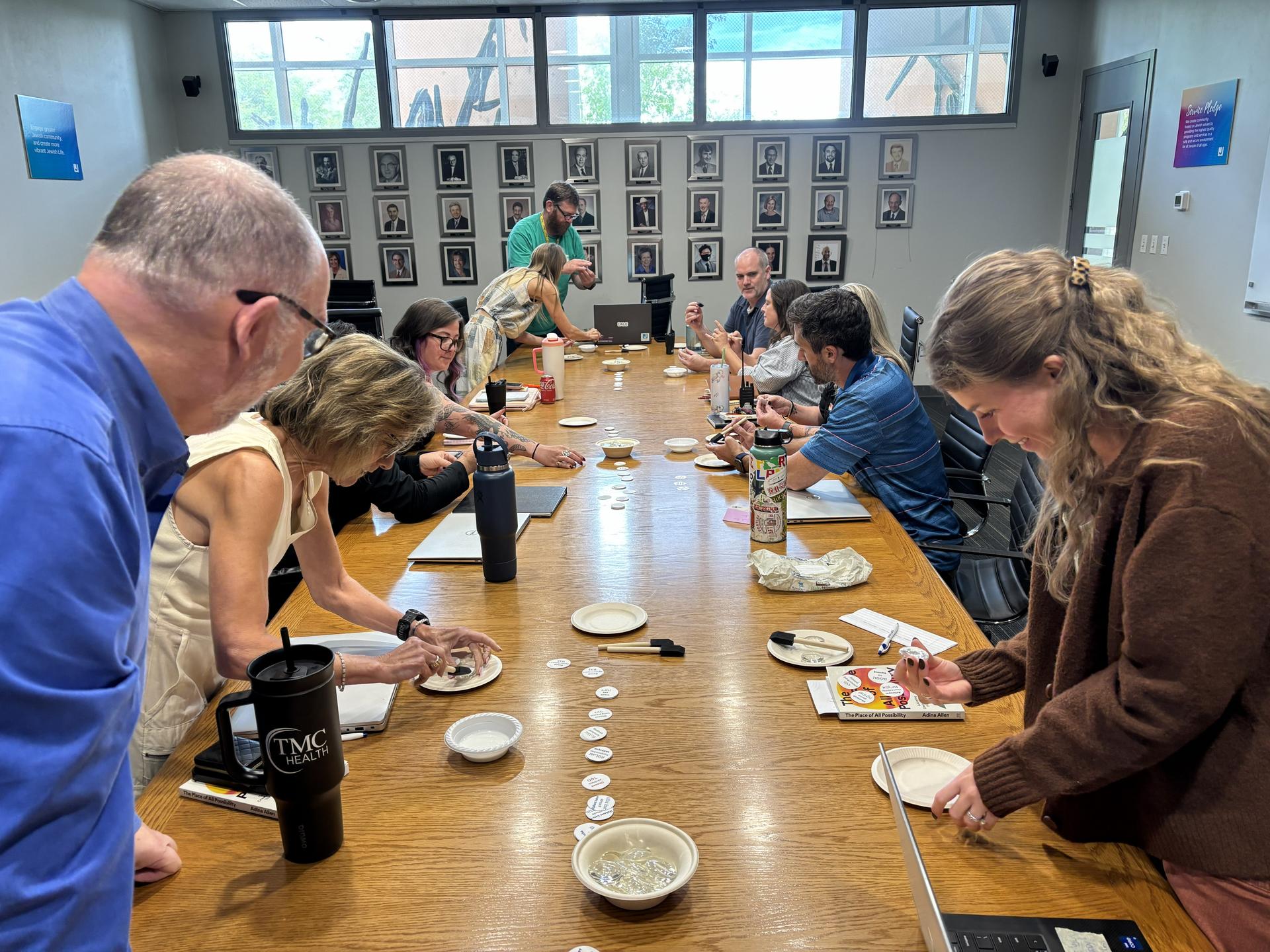
On Tuesday, the J’s senior leadership team began our monthly meeting with an art and intention-setting activity, before engaging in conversation about our aspirations for the year ahead. The moment offered meaningful time to reflect and envision what we hope to create together, the impact we have, and how we can approach our collective work with purpose, innovation, and excellence. 

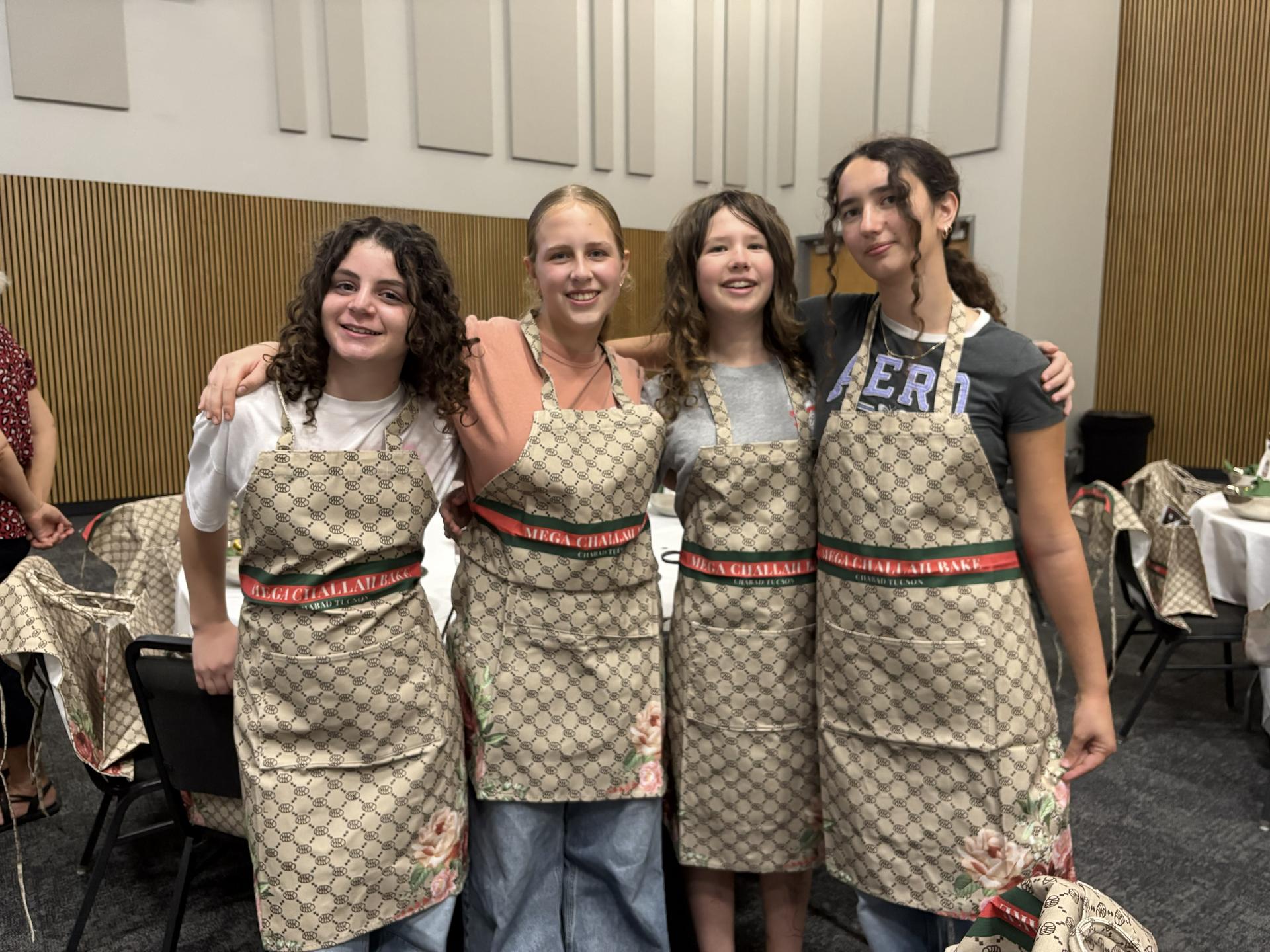
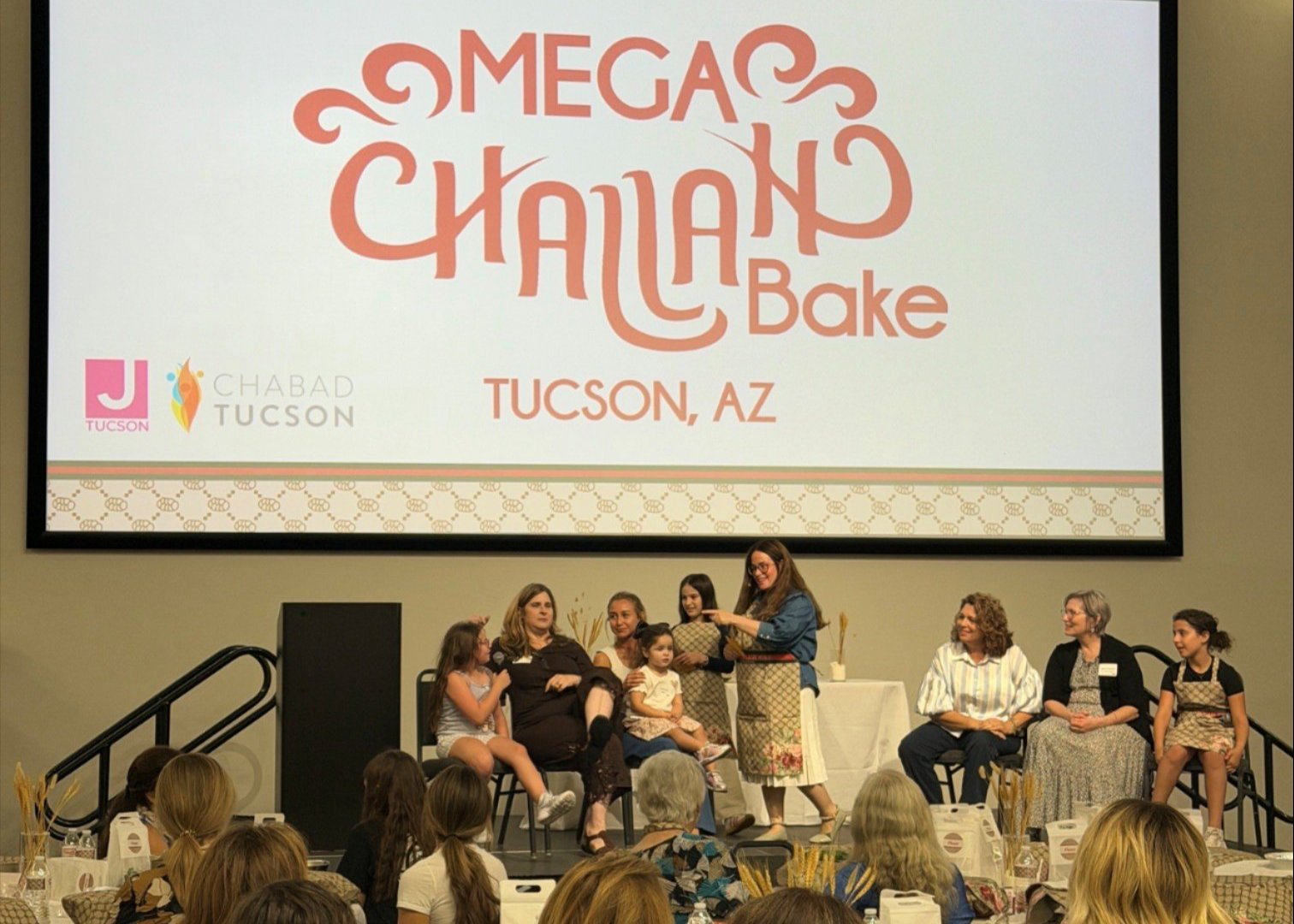
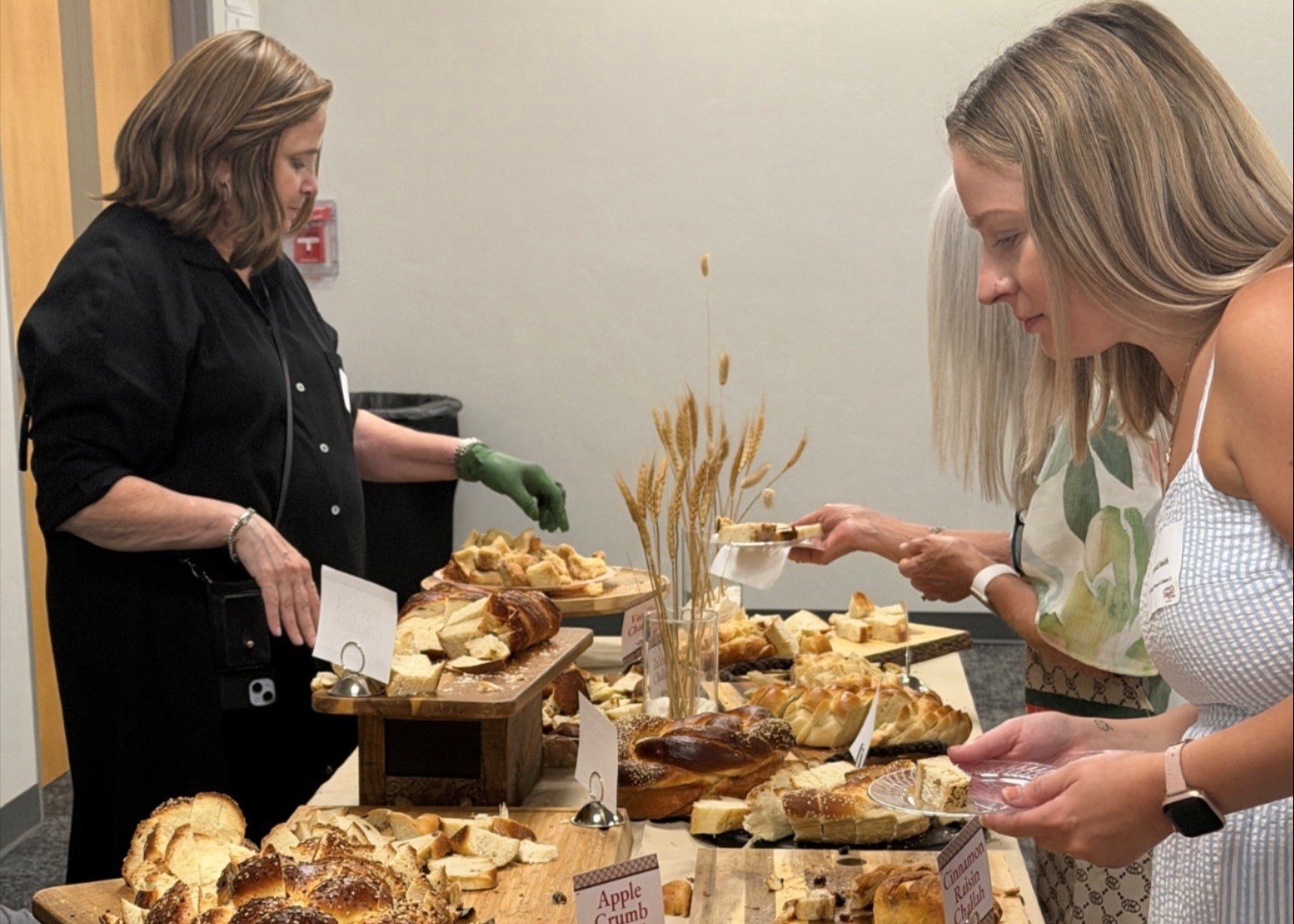
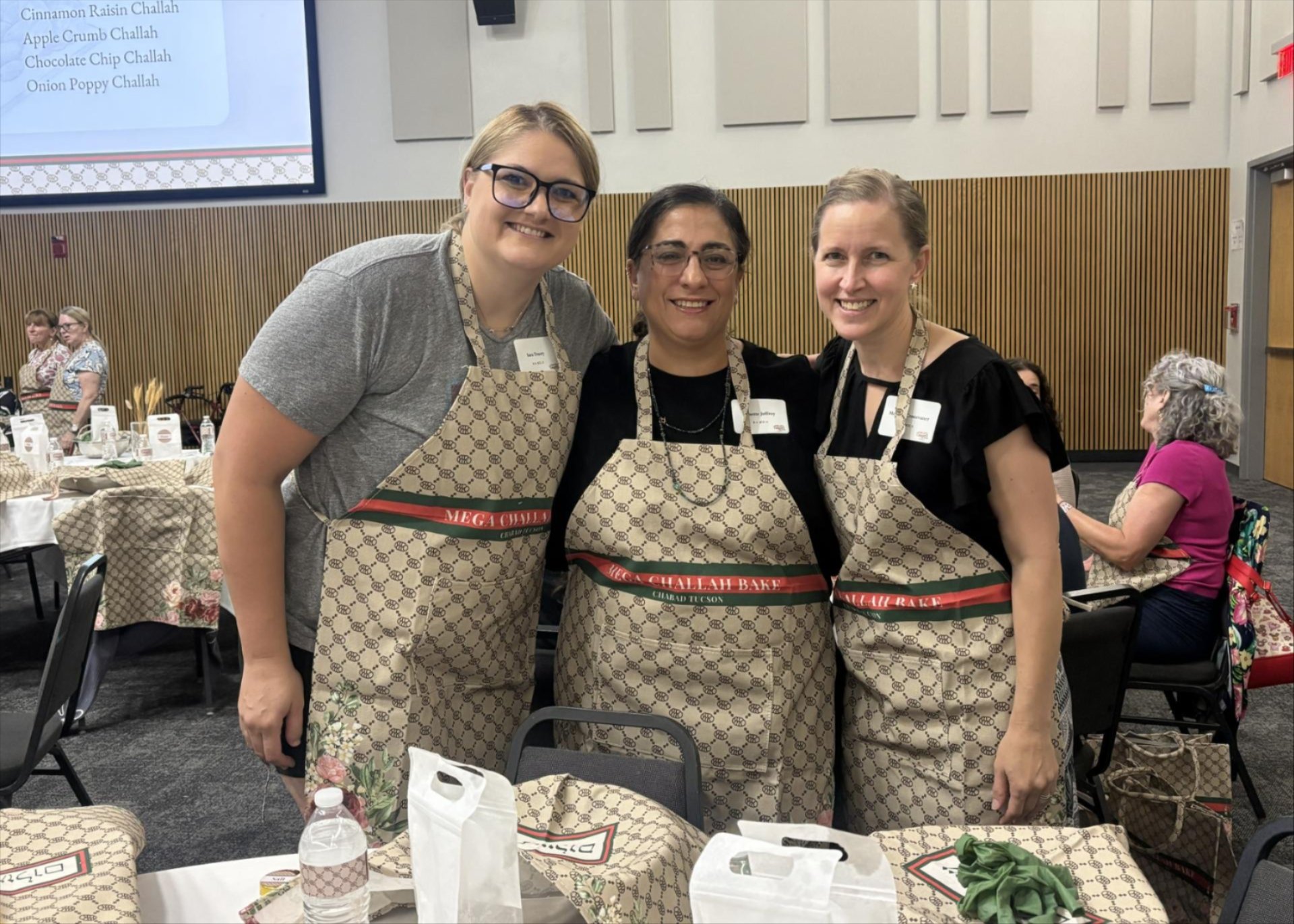
On Wednesday, the J was again proud to partner with Chabad Tucson for their annual Mega Challah Bake, featuring round challahs for the holiday along with so much joy and connection. Yasher koach to Feigi Ceitlin for planning another truly beautiful event for the women and girls in our community! 


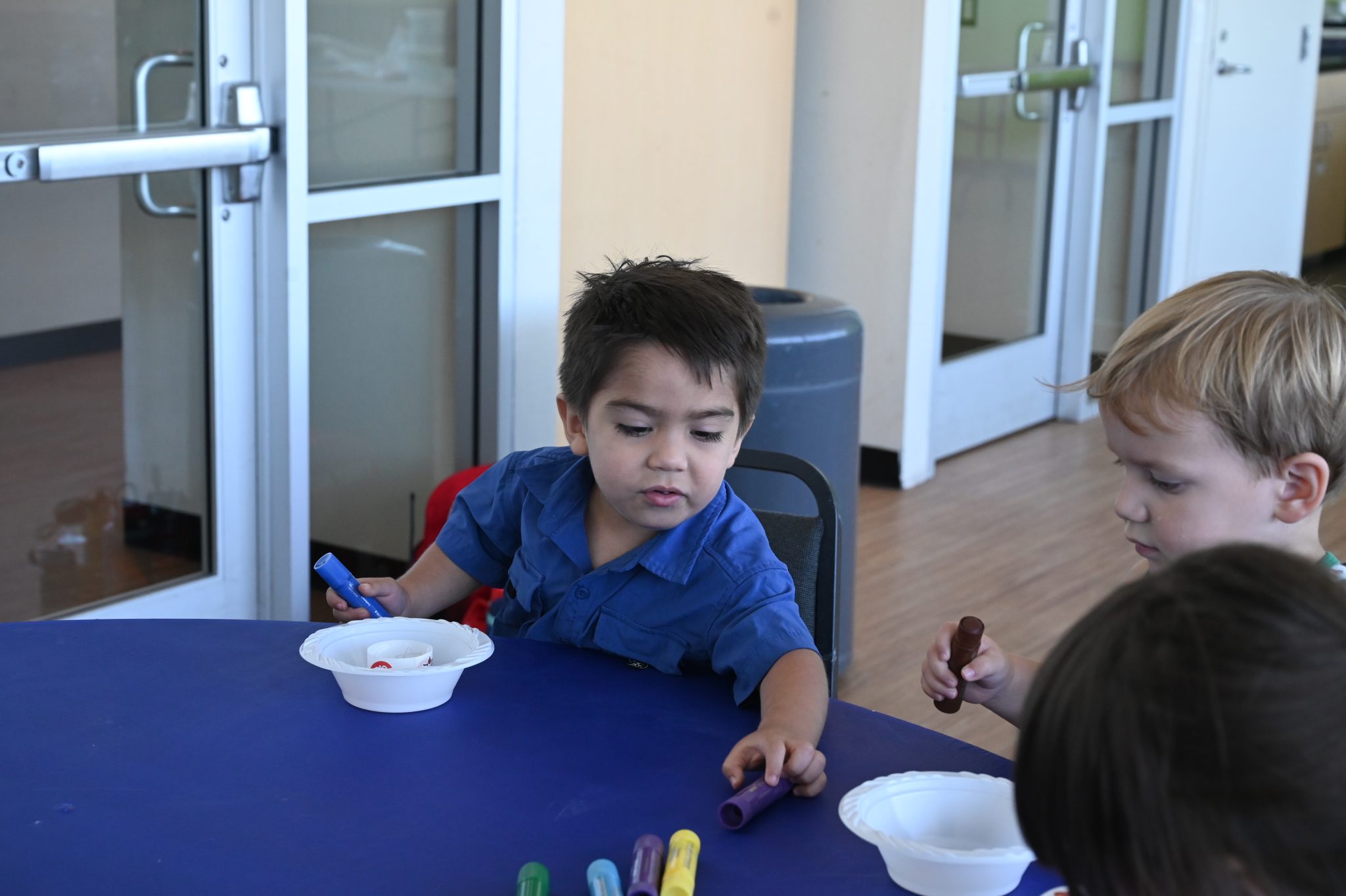
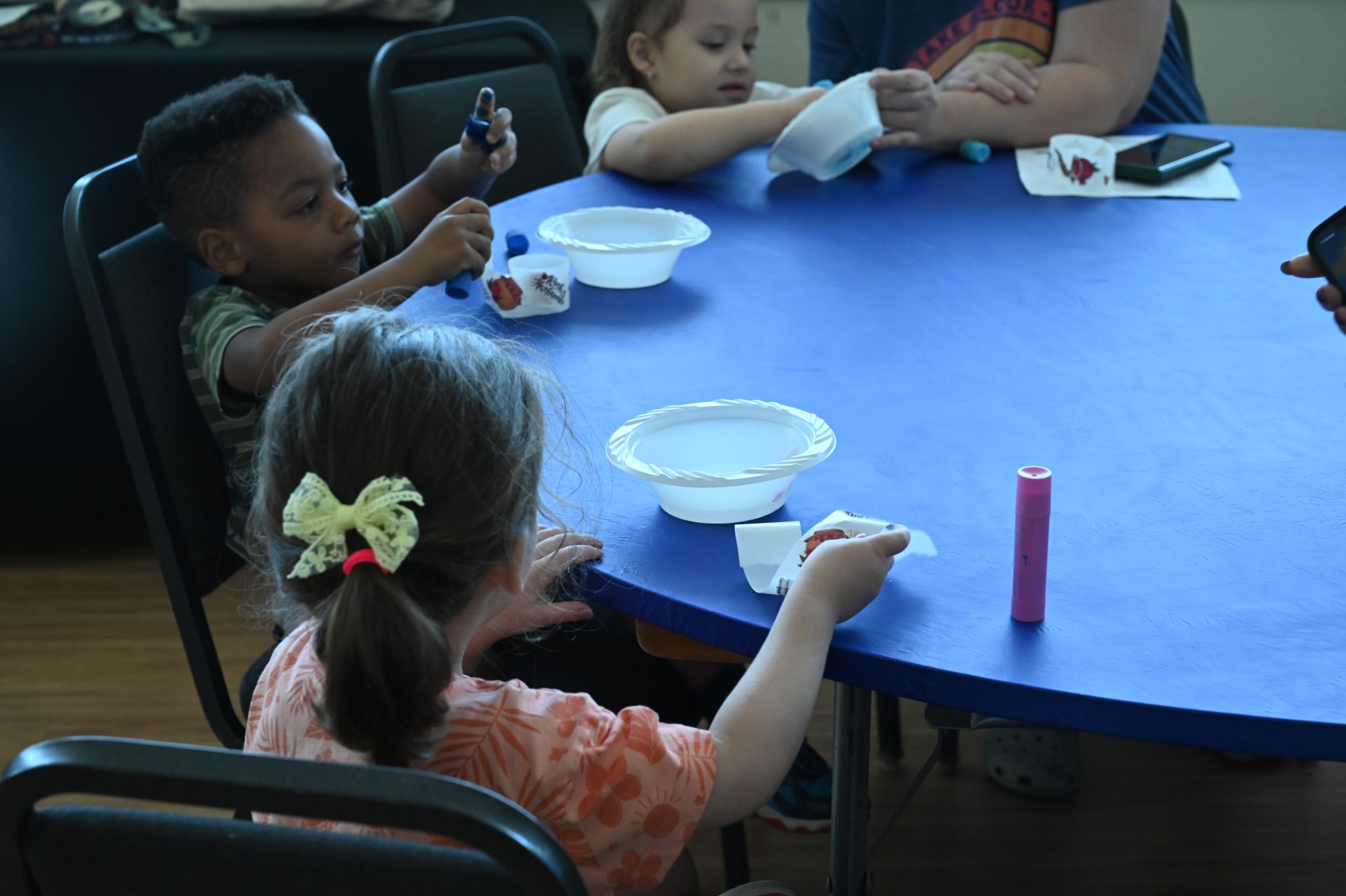
All week long, children in Early Childhood Education have been learning about the holiday, blowing their shofars, and making honey bowls for a sweet new year. In our JCare after school program, students practiced mindfulness and reflection as they followed a step-by-step process to create a sensory sculpture, explored how the holiday encourages us to reflect on our friendships and relationships with a group activity, and made delicious honey donuts! 

As we look ahead, know that the J is here for you in every season. We look forward to offering more opportunities for our community to learn, grow, and thrive together in 5787 and wish you joy and wellness all year long. Shabbat Shalom. 

Reminders, Resources + Learning

Shavuah Tov 23 Elul 5786

Next Friday evening, Jews here in Tucson, throughout Israel, and around the world will begin welcoming the year 5787. We will hear familiar melodies, gather around tables with family and friends, taste apples and honey, and listen to the ancient call of the shofar.

And during these sacred days, we will say words that have accompanied the Jewish people through countless beginnings:

Baruch Atah Adonai, Eloheinu Melech HaOlam, shehecheyanu, v’kiyemanu, v’higiyanu lazman hazeh.

Blessed are You, Adonai our God, Sovereign of the universe, who has kept us alive, sustained us, and enabled us to reach this season.

I have always been moved by the final words: v’higiyanu lazman hazeh, who has brought us to this moment.

Shehecheyanu is a blessing of gratitude, but it is also a blessing of perspective.

We are grateful not because everything in the year behind us was easy. It was not. There were moments of joy and moments of disappointment, moments when our plans succeeded and moments when we missed the mark. There were times of celebration and times of uncertainty, both within our own community and throughout the Jewish world.

Yet here we are.

We have reached this season.

And perhaps even more importantly, we have reached it together.

That is one of the great gifts of Jewish community. We do not experience time only as individuals. We mark it as a people. The shofar is heard by all of us. The sweetness of the apple and honey is shared. The prayers are spoken in communities around the world. Shehecheyanu reminds us that simply arriving at another sacred moment together is itself worthy of gratitude.

The familiar Israeli song Bashanah Haba’ah “Next Year” captures that spirit beautifully. Written by Ehud Manor, its imagery looks toward a future filled with ordinary blessings, home, family, sunlight, children, and peace. Its message is wonderfully Jewish: we acknowledge the world as it is while continuing to imagine the world as it might yet become.

That is what a new year asks of us.

Not simply, What do I hope will happen?

But also, What will I do to help make that hope possible?

At the Tucson J, that question is at the heart of our work. How will we create more vibrant Jewish life? How will we build greater community? How will we ensure that the people who walk through our doors know that they belong? How will we care for one another, learn from one another, disagree with respect, celebrate together, and continue building a community worthy of the generations who will follow us?

Israeli poet Yehuda Amichai wrote beautifully about the importance of moving beyond certainty and creating space where people can meet. His poetry reminds us that hope often begins when we make room for one another.

That feels especially important as we enter a new year.

We do not need to be uniform to be unified. We can bring different experiences, perspectives, traditions, and beliefs while still standing shoulder to shoulder in the work of building community. Our strength does not come from everyone seeing the world in precisely the same way. It comes from recognizing that our lives and our futures are bound together.

And perhaps that is why Louis Armstrong’s What a Wonderful World feels like an appropriate soundtrack for this season. The song does not describe a perfect world. Instead, it invites us to notice the blessings that are already around us, the people we love, the beauty we sometimes overlook, and the extraordinary possibilities contained within ordinary moments.

That, too, is Shehecheyanu.

To stop.

To notice.

To give thanks.

And then to look forward with hope.

As I reflect on the year ending, I am deeply grateful for this community for the wisdom and leadership of our Board, the generosity of our donors, the partnership of community leaders, and the extraordinary commitment of our staff. I am grateful for the thousands of people who make the Tucson J their town square: a place to gather, learn, exercise, celebrate, struggle, laugh, build relationships, and simply be together.

Most of all, I am grateful that we have reached this moment together.

As the sound of the shofar calls us into 5787, may it awaken within each of us gratitude for what has been, courage to learn from what did not go as we hoped, and optimism about what we can still create.

May we enter this new year committed to building a community of greater kindness, deeper connection, vibrant Jewish life, and abundant hope.

And when we say Shehecheyanu, may we truly recognize the miracle contained within those words:

We are here.

We are together.

And another year of possibility lies before us.

Shanah Tovah U’Metukah.

May 5787 be a year of sweetness, health, peace, gratitude, and hope for each of us, for our community, for Israel and the Jewish people, and for our world.

Shavuah Tov and Shanah Tovah.


Cochenu b’Achduteynu | כחינו באחדותינו | Our strength is in our unity.


Am Yisrael Chai 
| עם ישראל חי

Todd Rockoff

President + CEO, Tucson J 

From the Desk of Chloe Loos | Director of Arts + Culture 

Shabbat Shalom
Shabbat Shalom

From the Desk of Chloe Loos | Director of Arts + Culture

In this week’s portion, Nitzavim (Hebrew for You Stand), Moses speaks to all who have and who will enter the covenant. He shares that the sacred obligations (more traditionally recognized as commandments) are practical, not distant. 


Toward the close of his book, Why Do Jewish? A Manifesto for 21st Century Jewish Peoplehood, Zack Bodner proclaims, “Judaism is the Jews’ ongoing conversation. The conversation about Judaism is Judaism. The ways Jews become connected to Judaism is by joining the conversation (pg 196).” 


For centuries and even across generations, Jews have engaged in conversation with one another, either in-person, over Zoom, and even across layers of Jewish text. Perhaps the commandment to hear the Torah was about hearing the stories and laws, and just as much about showing up to be part of the experience conversation. 


As we approach the high holy days, marking a new Jewish year, how will you choose to show up and be part of community this year? Who will you invite to show up with you? And, if you’re not yet sure about the Jewish community you seek, reach out to us , we’d love to get to know you, help connect you with community, and be part of your Jewish journey. As we move into the last Shabbat of Hebrew year 5785, I want to wish you and your family a shabbat shalom and a shanah tovah u’metukah, a good and sweet new year. 

This week, as we read Parshat Nitzavim, we are reminded that a strong community is built by every person who shows up to find their place within it. Moses speaks to the entire community—every individual standing together—and reminds us that the choices we make can open the door to renewal, connection, and a life lived with purpose. 

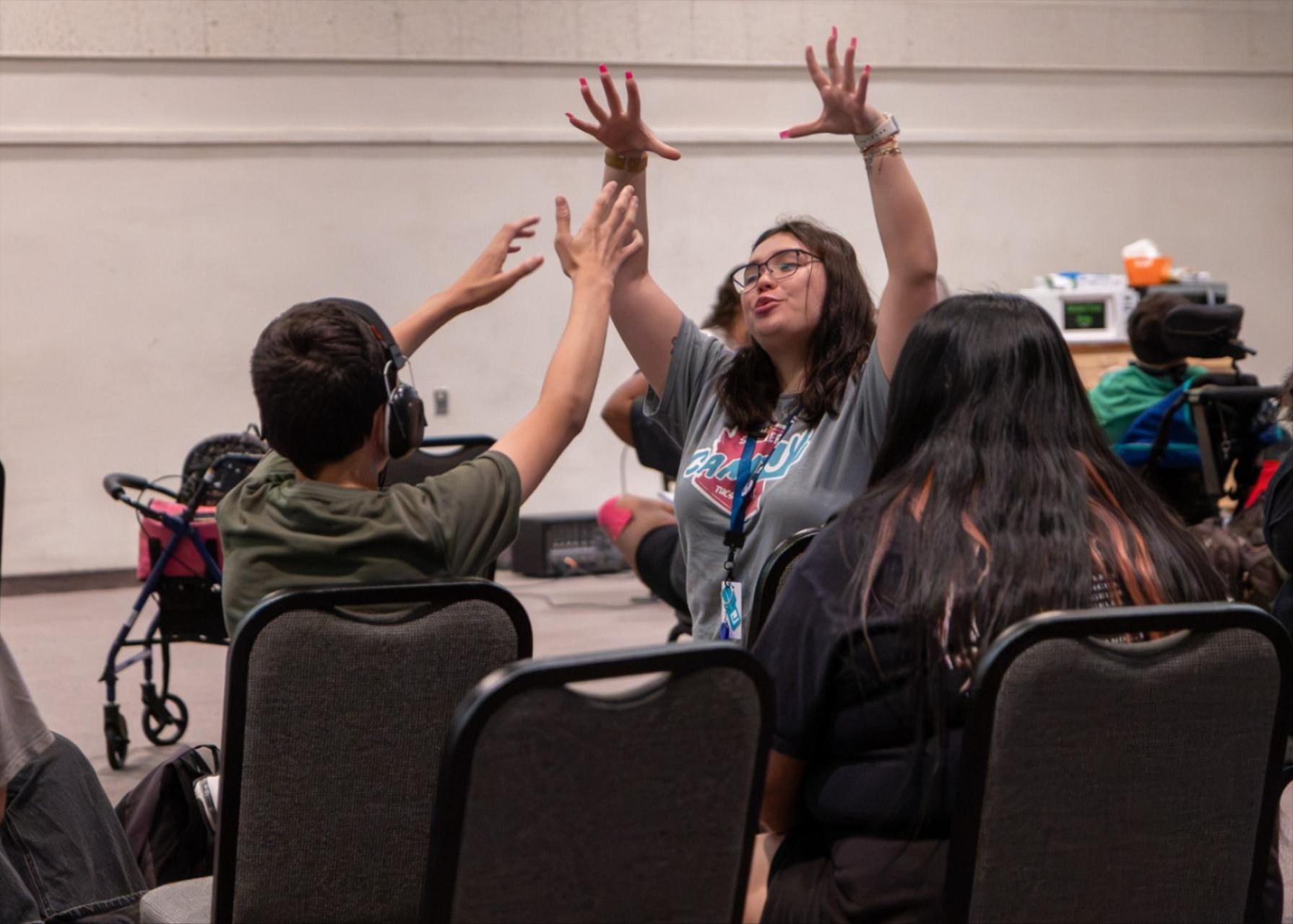
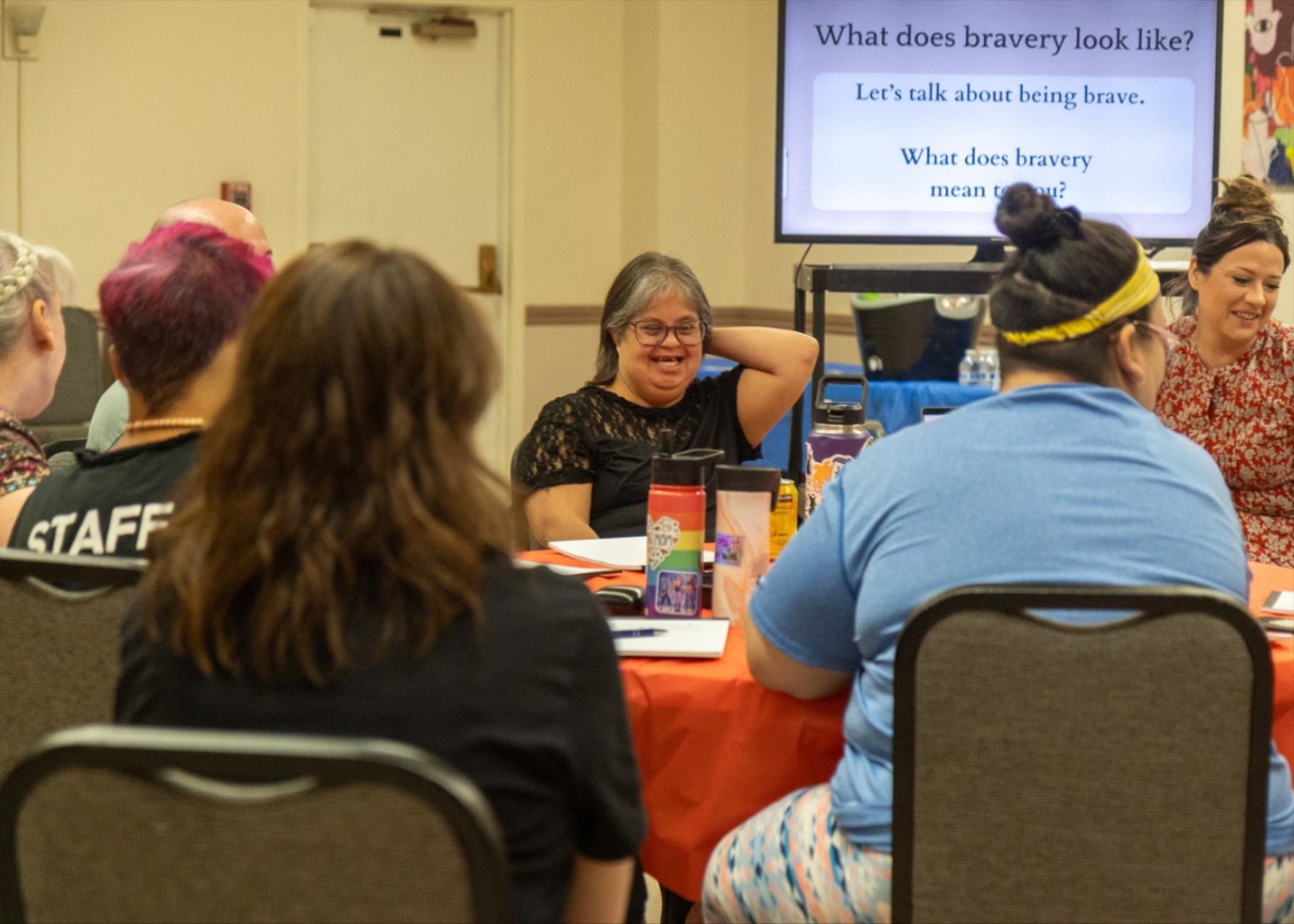
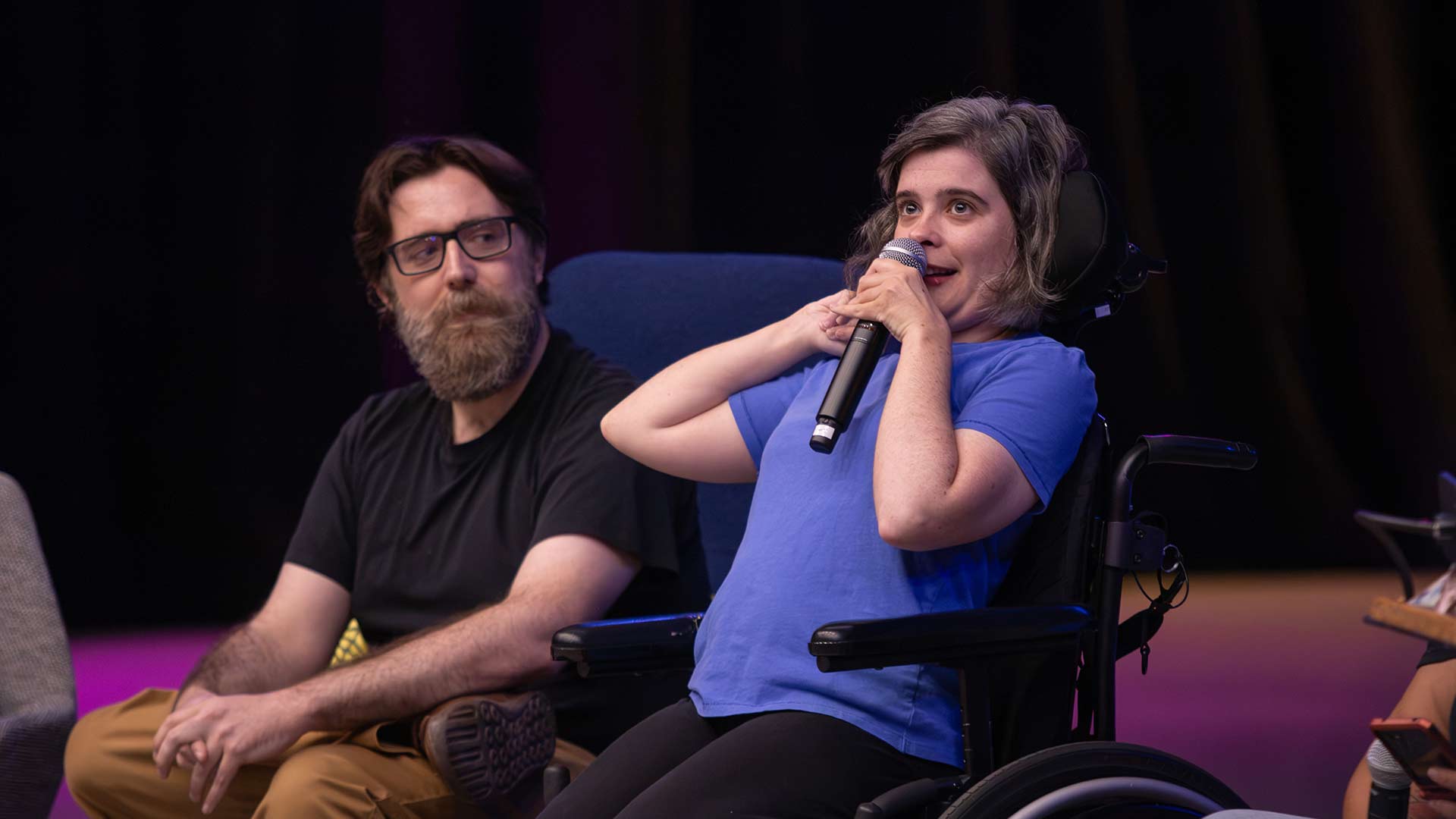
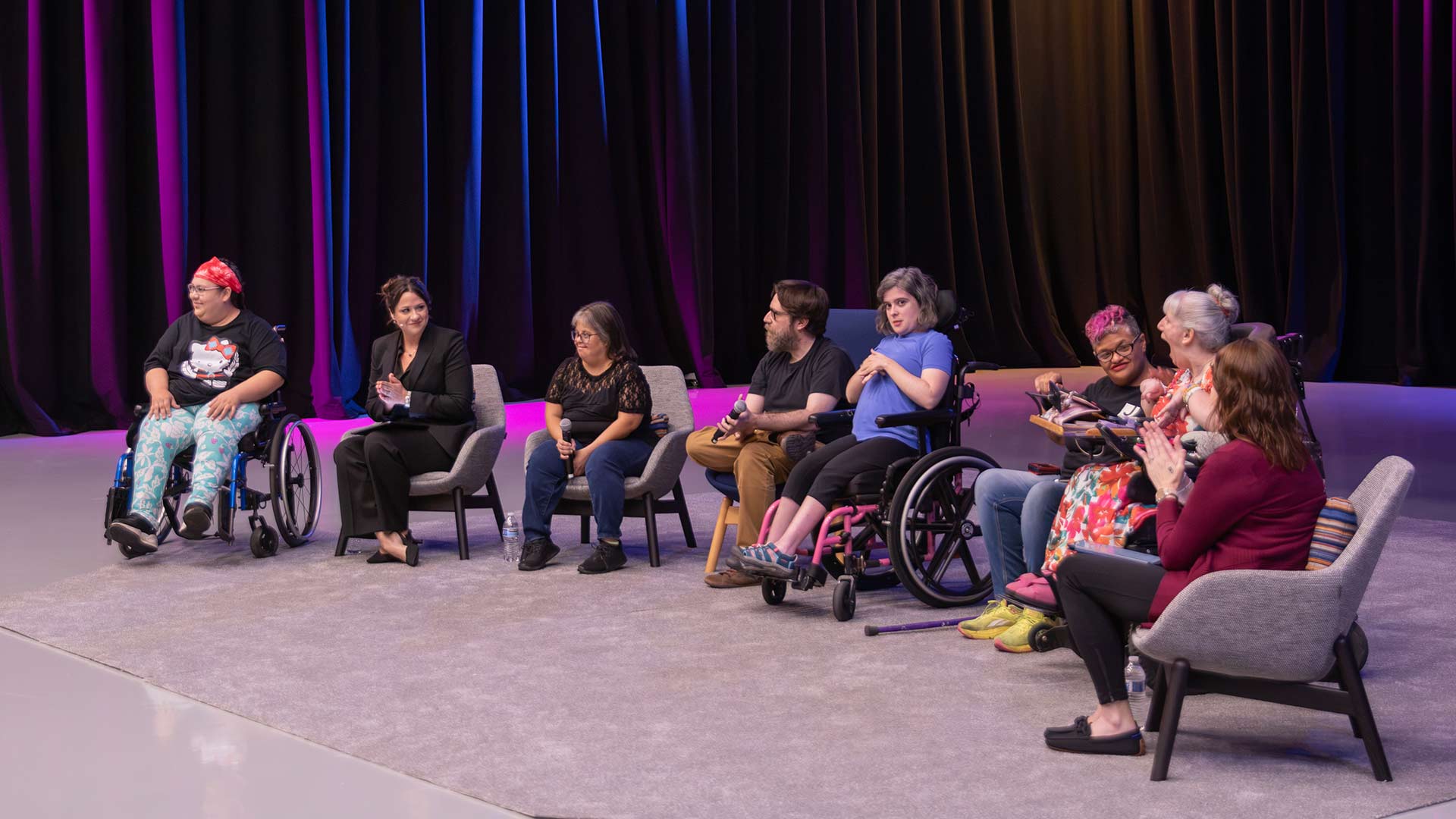
This week was full of exciting accomplishments for our Disability Program Services department. On Saturday, after a series of sessions with staff from AZPM, Tucson Spotlight, and WordSlaw to learn how to craft personal stories, four participants in our Taglit B’Yachad program were featured in a culminating showcase at the new Paul and Alice Baker Center for Public Media. During the event, a packed house enjoyed a video where each participant shared their story about a time they were brave; after the video, there was a Q+A with the participants and team who facilitated the event. This week also marked the official launch of DPS’ new Pathways to Employment program with an inaugural cohort of three! We are thrilled to offer this new opportunity for people with intellectual and developmental disabilities to learn vocational skills that will prepare them for work outside the J upon graduation from the program. Lastly, Taglit created a piece of art as a thank you to Congregation Anshei Israel for lending their space to the participants while Camp J was in session over the summer; they presented the art to Anshei leadership on Thursday. Each of these milestones represents a person taking a new step, sharing their voice, or opening a new door—with a community of support around them.

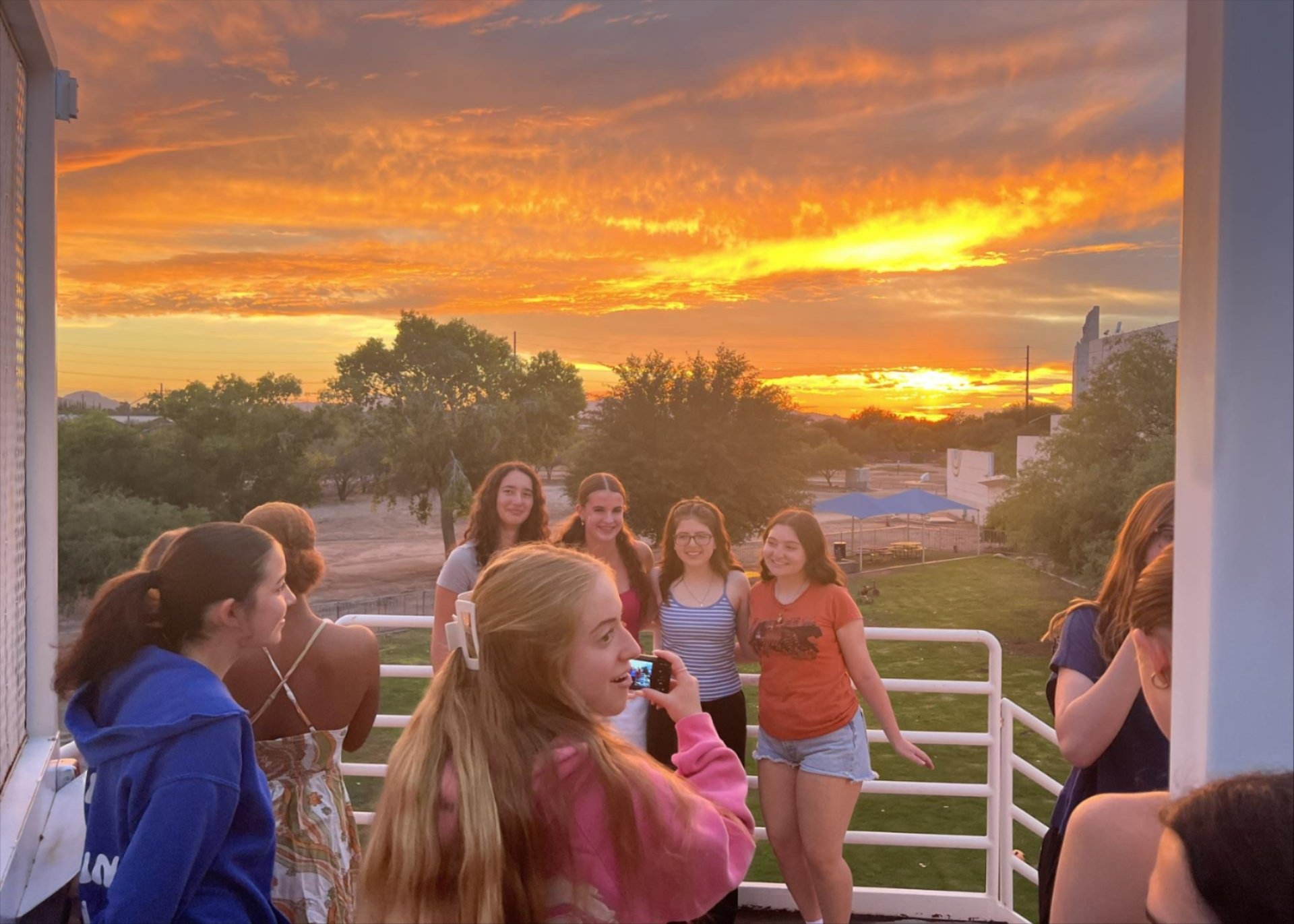
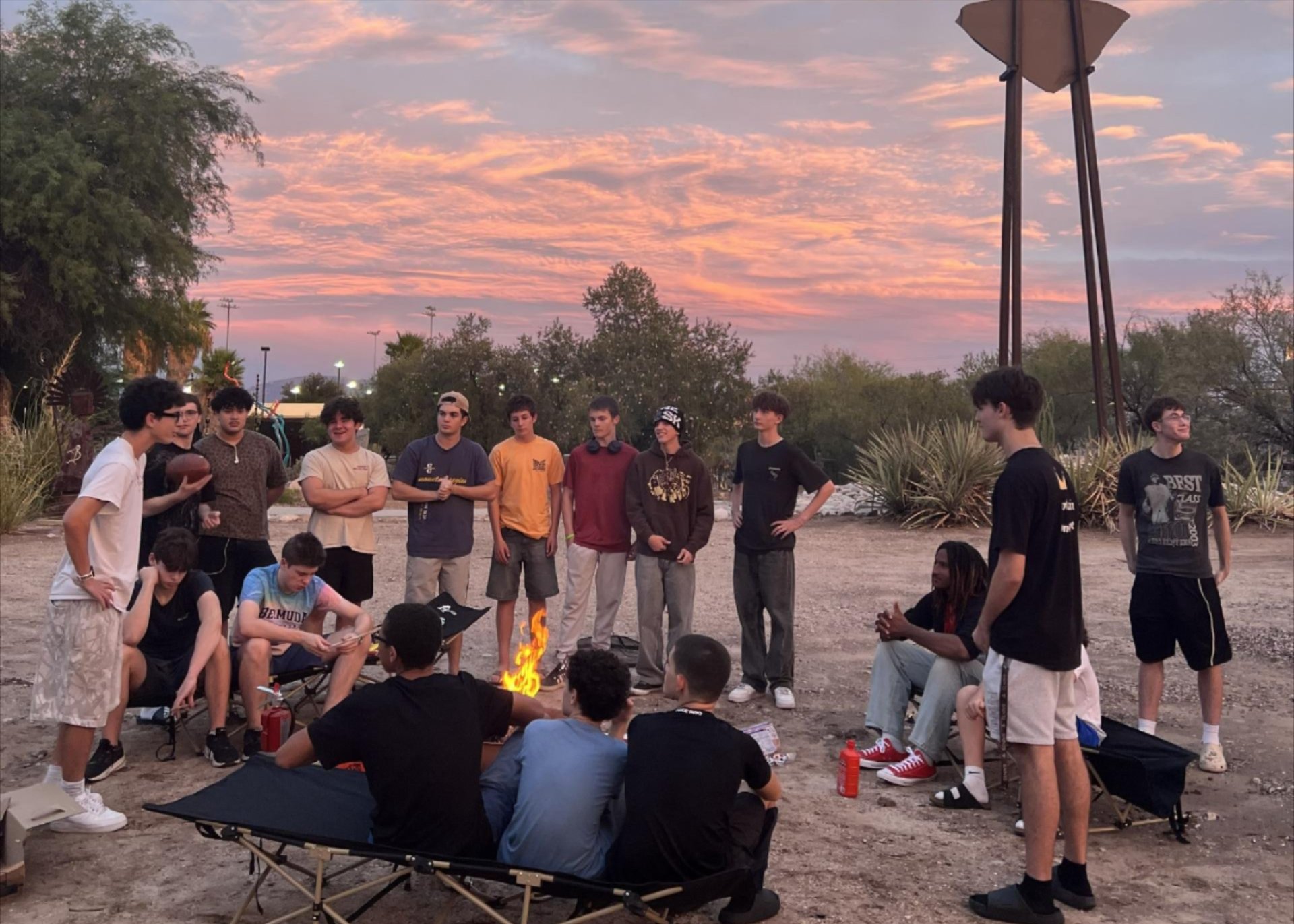
BBYO teens are back in action after a lot of fun during Rush Week. Throughout the week, Kadimah (girls) and Abba Gadol (boys) met up for activities including Pins Bowling, wing night, s’mores around a campfire (with an absolutely incredible AZ sunset!), and henna and yoga, and will conclude the week with a joint Shabbat celebration this evening. It is moments like this that remind us of the power of giving young people the space to choose how they want to connect, build friendships, and become part of something bigger than themselves. 

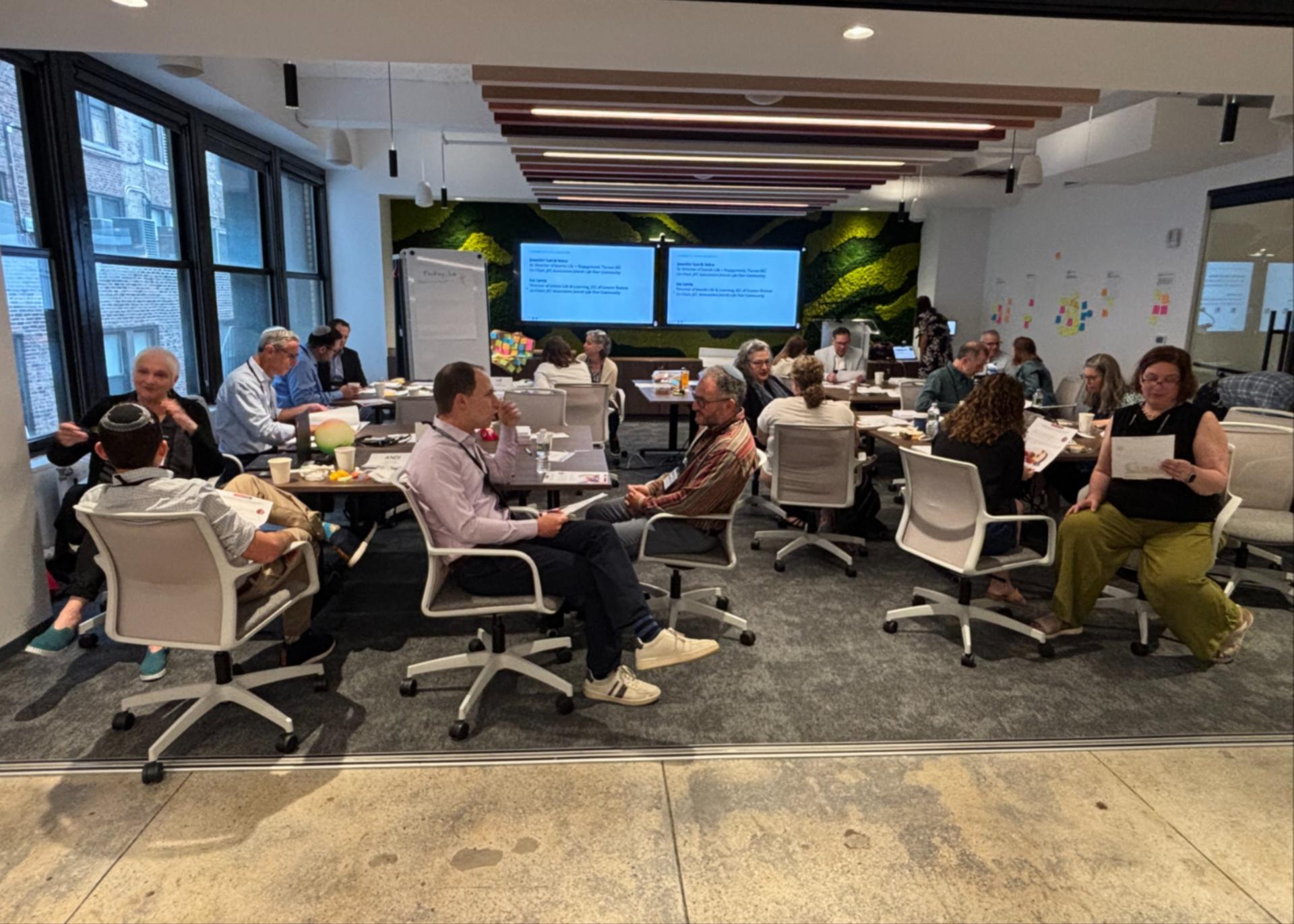
Also this week, Jennifer Lorch Selco, Senior Director for Jewish Life and Engagement, traveled to the big apple to participate in a convening at the JCC Association Mercaz (Center). The group of talented leaders from across the JCC movement explored what adult Jewish education looks like in JCCs and to imagine future opportunities. It was an honor to be invited and to be asked to facilitate a Judaic framing moment for the group. By deepening our work around Jewish learning, we help ensure that our community continues to grow, learn, and find new ways to live out its purpose.

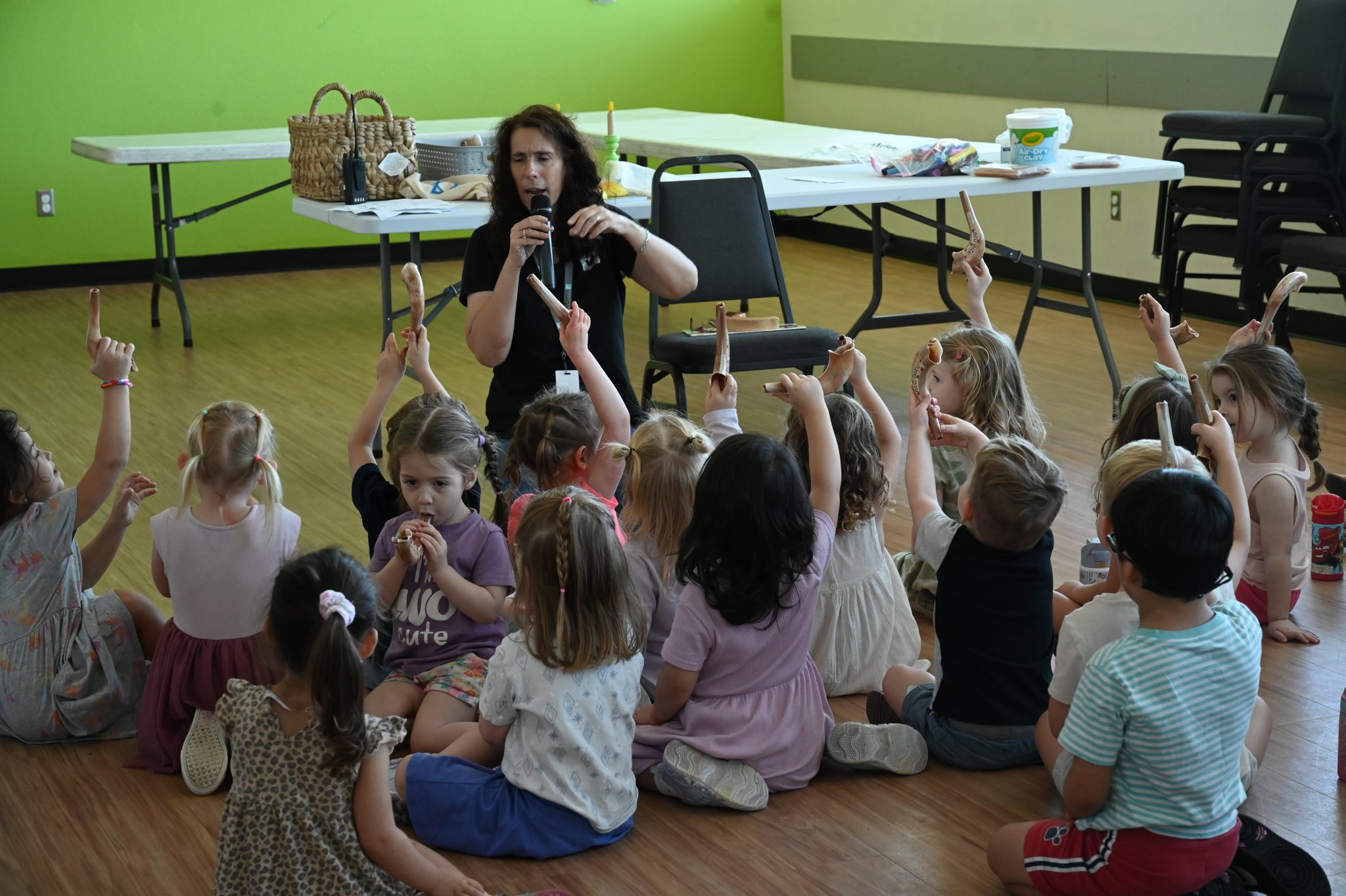
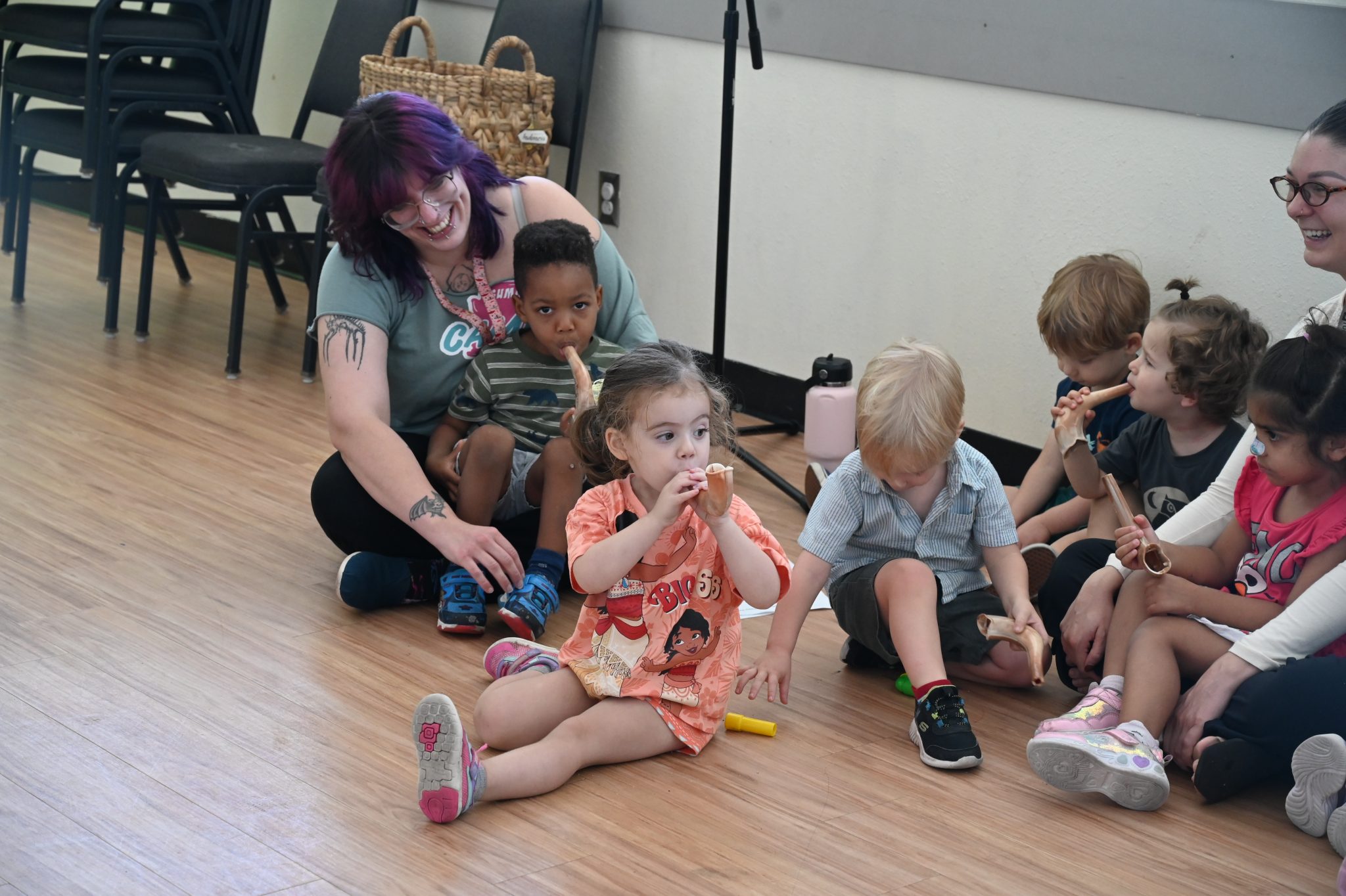
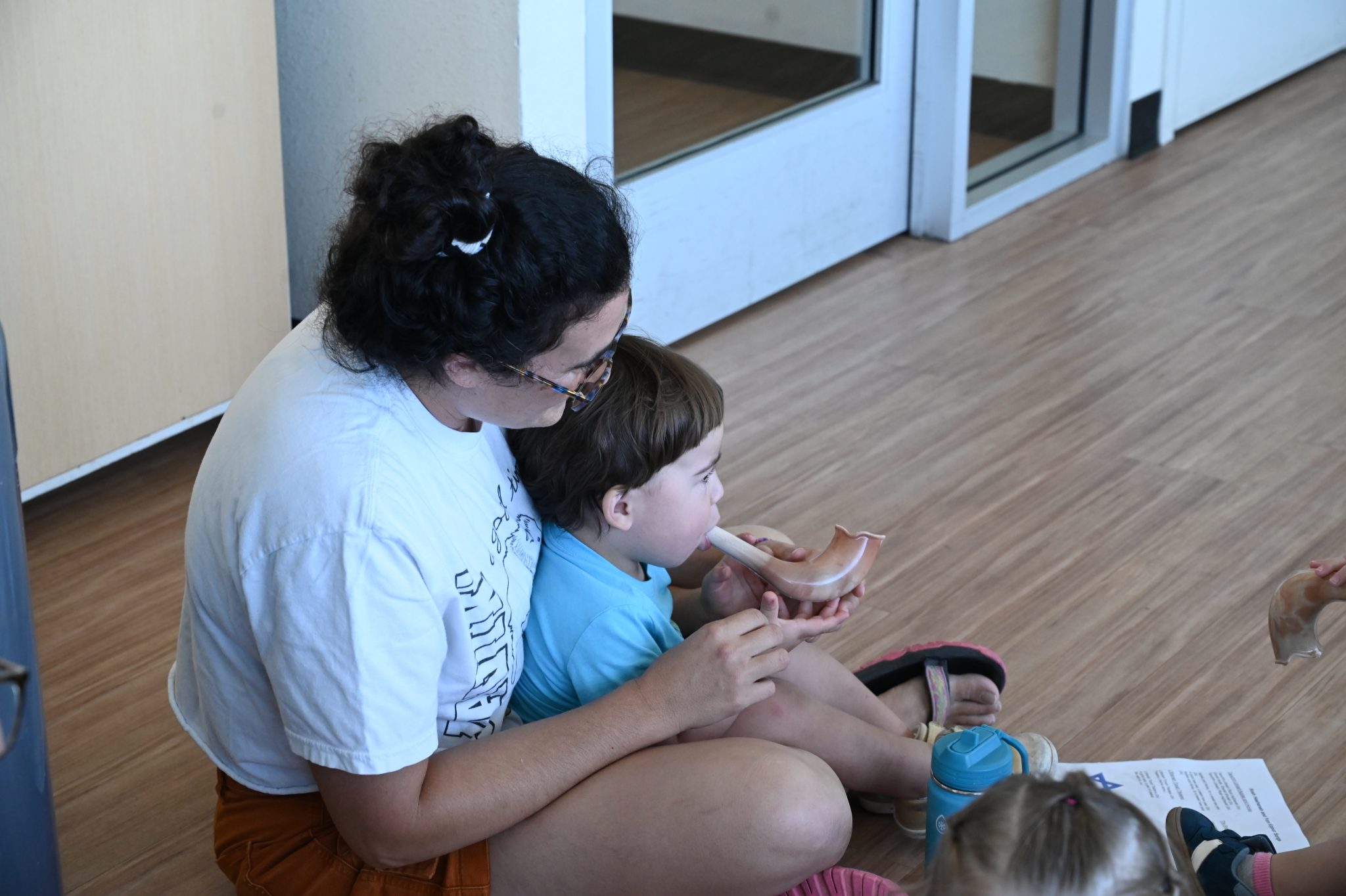
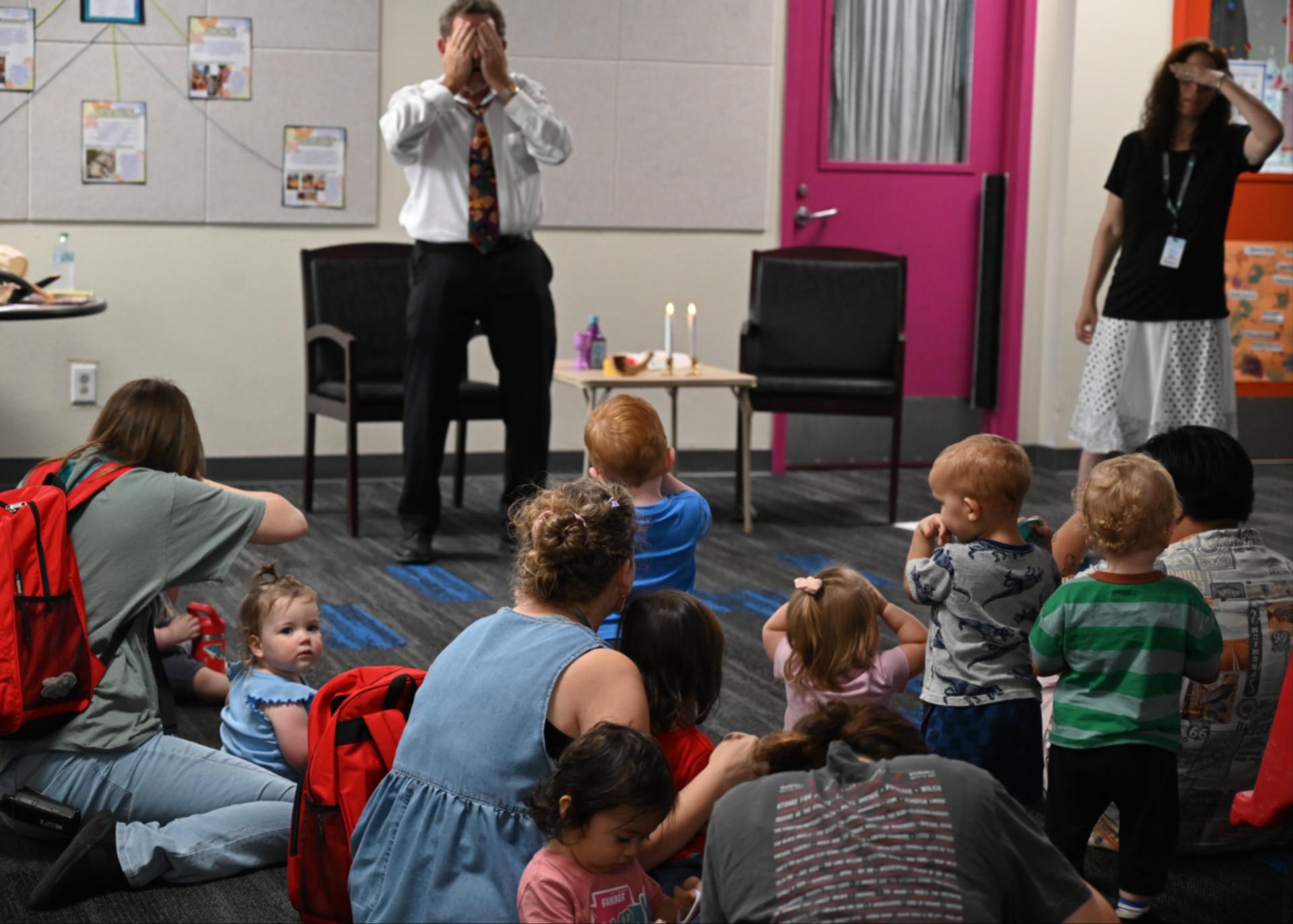
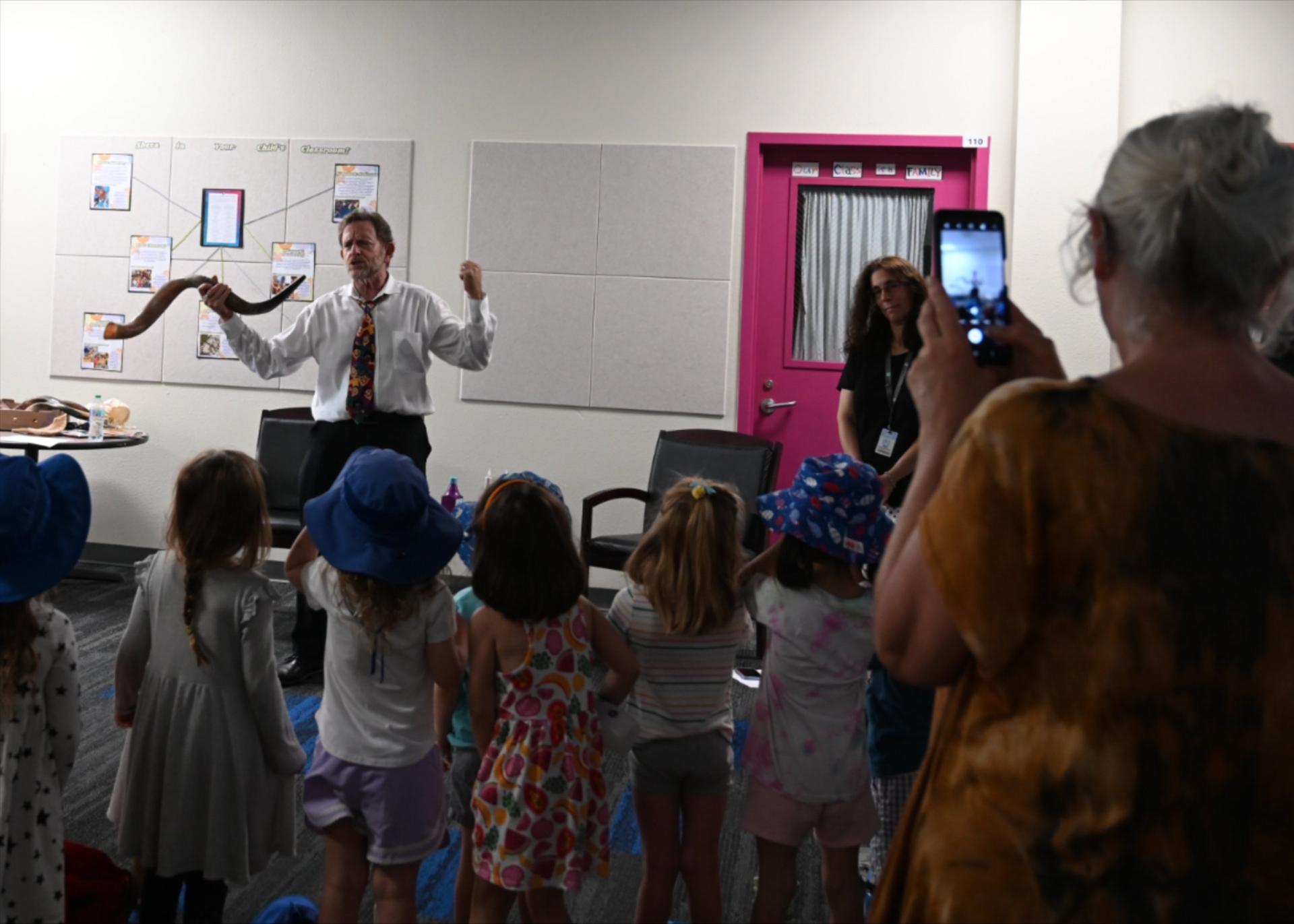
Today, children in our Early Childhood Education program welcomed Rabbi Cohon to their weekly Shabbat celebration. Since we are in the month of Elul leading up to the Jewish New Year, Rabbi Cohon brought his vast collection of shofars (ram’s horns) and shared the different sound each makes with the kids, making for a delightfully noisy morning. Even in these foundational moments of Jewish life, we see the power of gathering together, experiencing something new, and beginning again. 

As we approach the High Holidays, we are grateful for the many people who make our community what it is—and for the many ways each of us can help build the vibrant, inclusive Jewish community we want to see. Shabbat Shalom.

Reminders, Resources + Learning