From the desk of Joline Riddle, Senior Director of Early Childhood Education

In the Tucson J’s Early Childhood Education program, our curriculum centers around developing lifelong learners in every student — from preschool to kindergarten and beyond. We follow the latest research and best practices in early childcare to ensure academic and emotional readiness, and are proud to hear from alumni families each fall about how their children are thriving in kindergarten.
Every activity that our students experience during the day translates to a social, emotional, or fine motor skill essential for kindergarten readiness. Keep reading to explore ten of the many ways our preschool prepares students for school:
Develop Social Skills
Children learn to take turns, share materials, and collaborate with peers during play and group activities. These experiences help preschoolers build friendships, practice communication, and learn how to work cooperatively in a classroom setting.
Build Independence from Parents and Caregivers
Preparing for kindergarten includes helping children feel confident separating from parents or caregivers. Preschool routines encourage children to feel secure, develop trust in teachers, and become comfortable in new environments.
Encourage Curiosity and Exploration
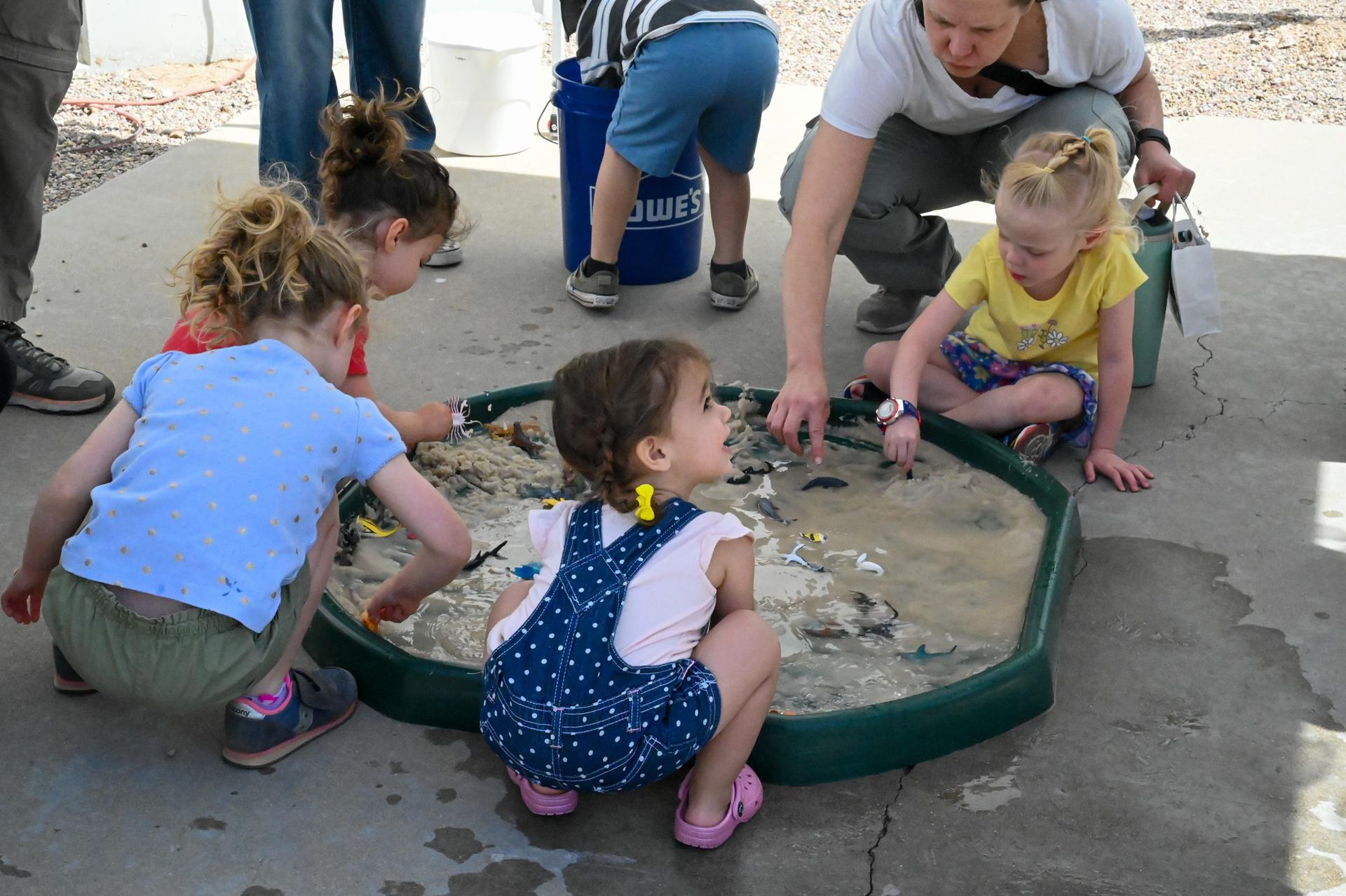
Preschoolers are encouraged to ask questions, investigate new ideas, and explore their surroundings. Curiosity supports problem-solving, creativity, and a lifelong love of learning.
Strengthen Self-Help Skills
Children practice important daily tasks such as washing hands, using the restroom independently, putting on jackets, opening lunch containers, and cleaning up after activities. These skills promote confidence and independence in kindergarten.
Teach Responsibility
Preschool students learn to care for classroom materials, follow directions, complete simple tasks, and participate in classroom jobs. Responsibility helps children understand expectations and become dependable learners.
Practice Following Routines and Directions
Consistent schedules help preschoolers learn classroom routines, transitions, and expectations. Following routines prepares children to manage time, listen to instructions, and participate successfully in structured learning environments.
Develop Early Literacy Skills Through Read-Alouds
Listening and engaging during read-aloud books helps children build vocabulary, comprehension, attention span, and a love for stories. Preschoolers learn how books work and begin developing important pre-reading skills.
Support Emotional Awareness and Expression
Children learn to recognize, acknowledge, and express their feelings in healthy ways. Preschool experiences also teach empathy, self-regulation, and strategies for solving conflicts with peers.
Encourage Early Writing and Communication Skills
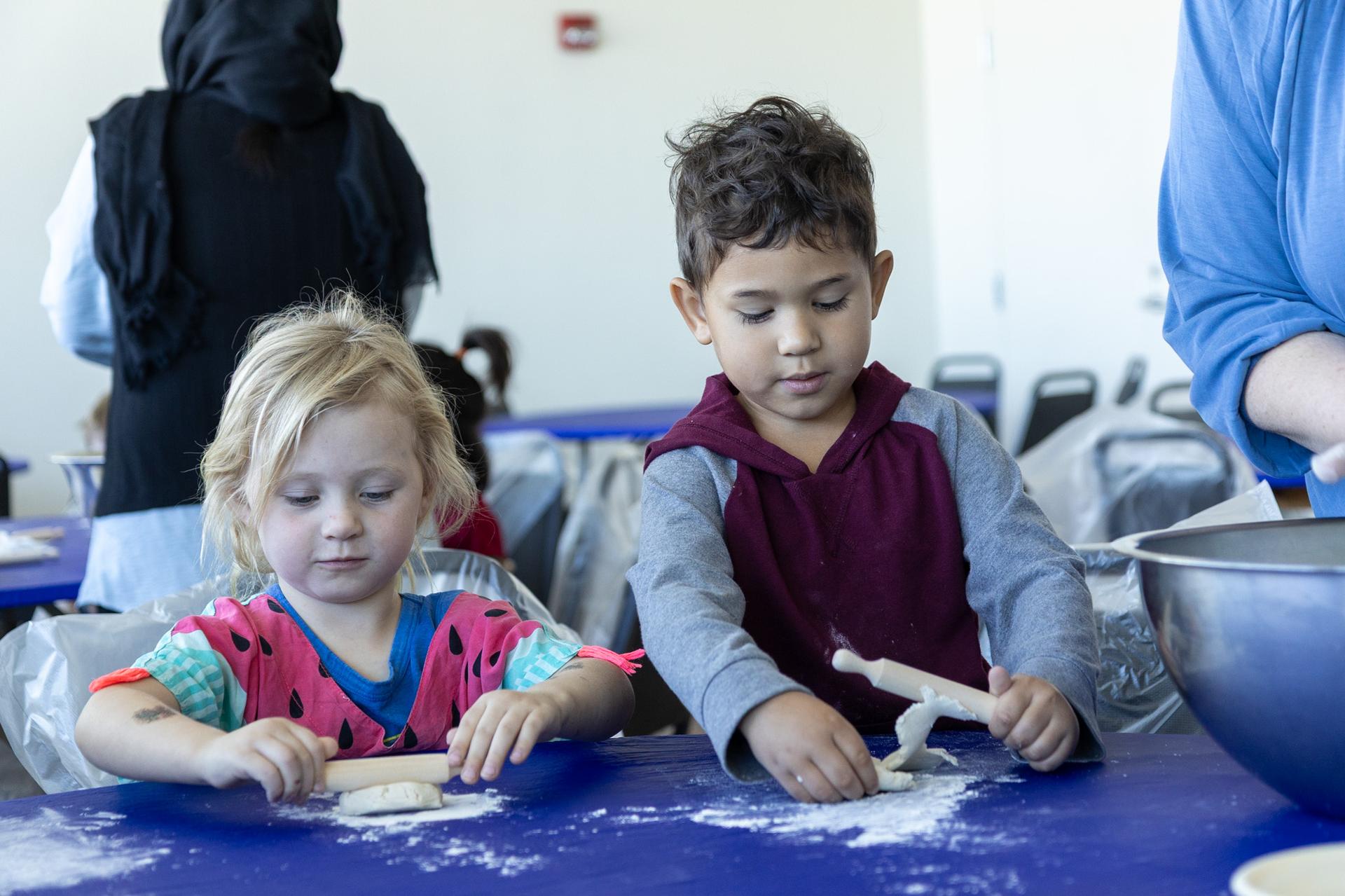
Preschoolers begin communicating ideas through scribbles, drawings, symbols, and early writing attempts. These activities strengthen fine motor skills and help children understand that writing and pictures can tell stories and share ideas.
Promote Name Recognition and Self-Advocacy
Children practice identifying their name in print and learning personal information. They are also encouraged to advocate for themselves by asking for help, expressing needs, making choices, and communicating confidently with teachers and peers.