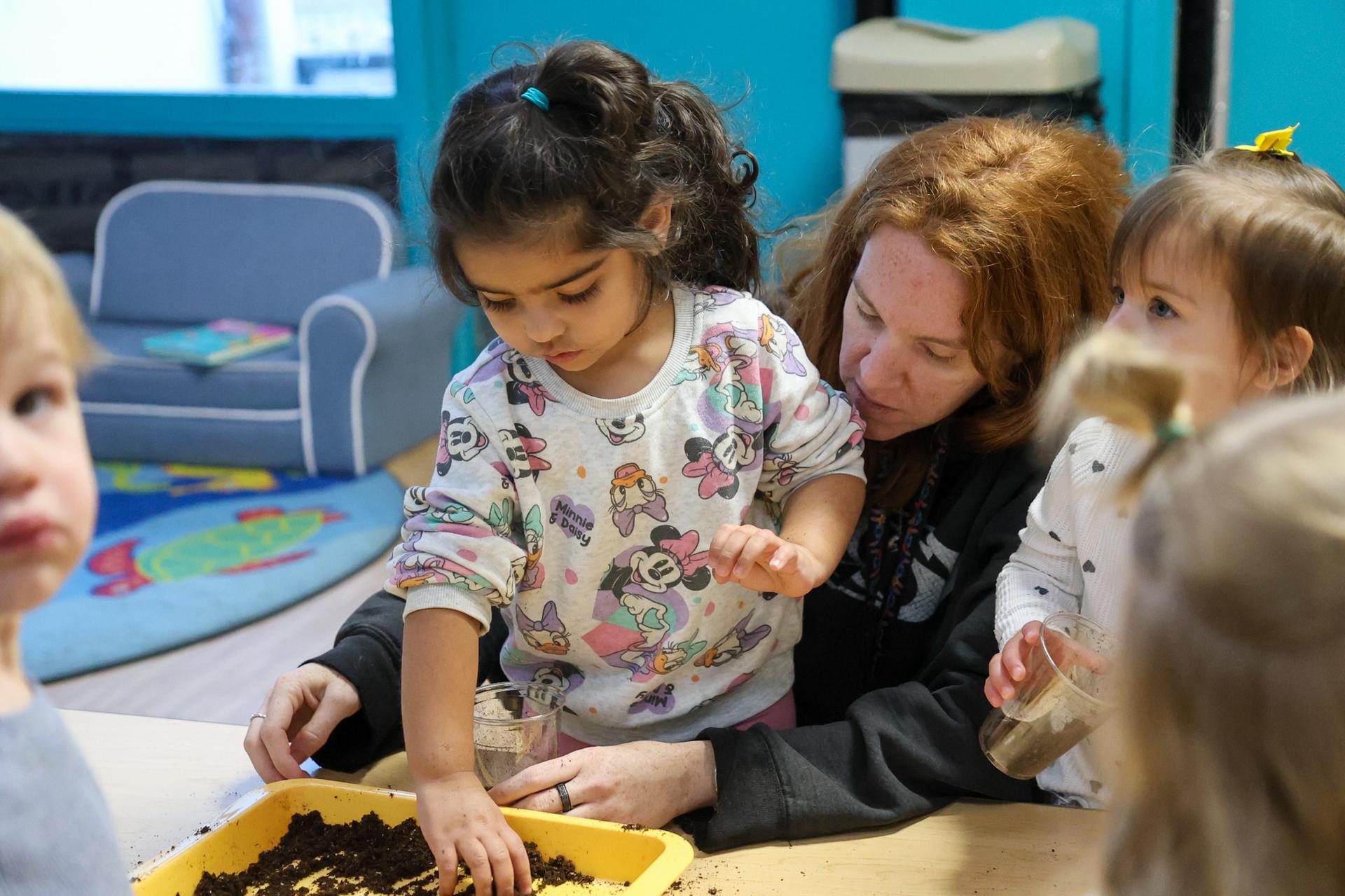
J Stories | The Arroyo Family

Play Video

Listen to the article

3:40 minutes

The Arroyo family

Four years ago, Melissa Arroyo was handed a diagnosis that would reshape how she thought about her daughter’s future. Her daughter, Valentina, had autism—and with it came a clear message from doctors: she would need the right environments to truly thrive. School, childcare, even something as quintessential as summer camp, would have to be chosen with care, intention, and trust. 


For many families, summer camp is a given. For Melissa, it was a question mark. 


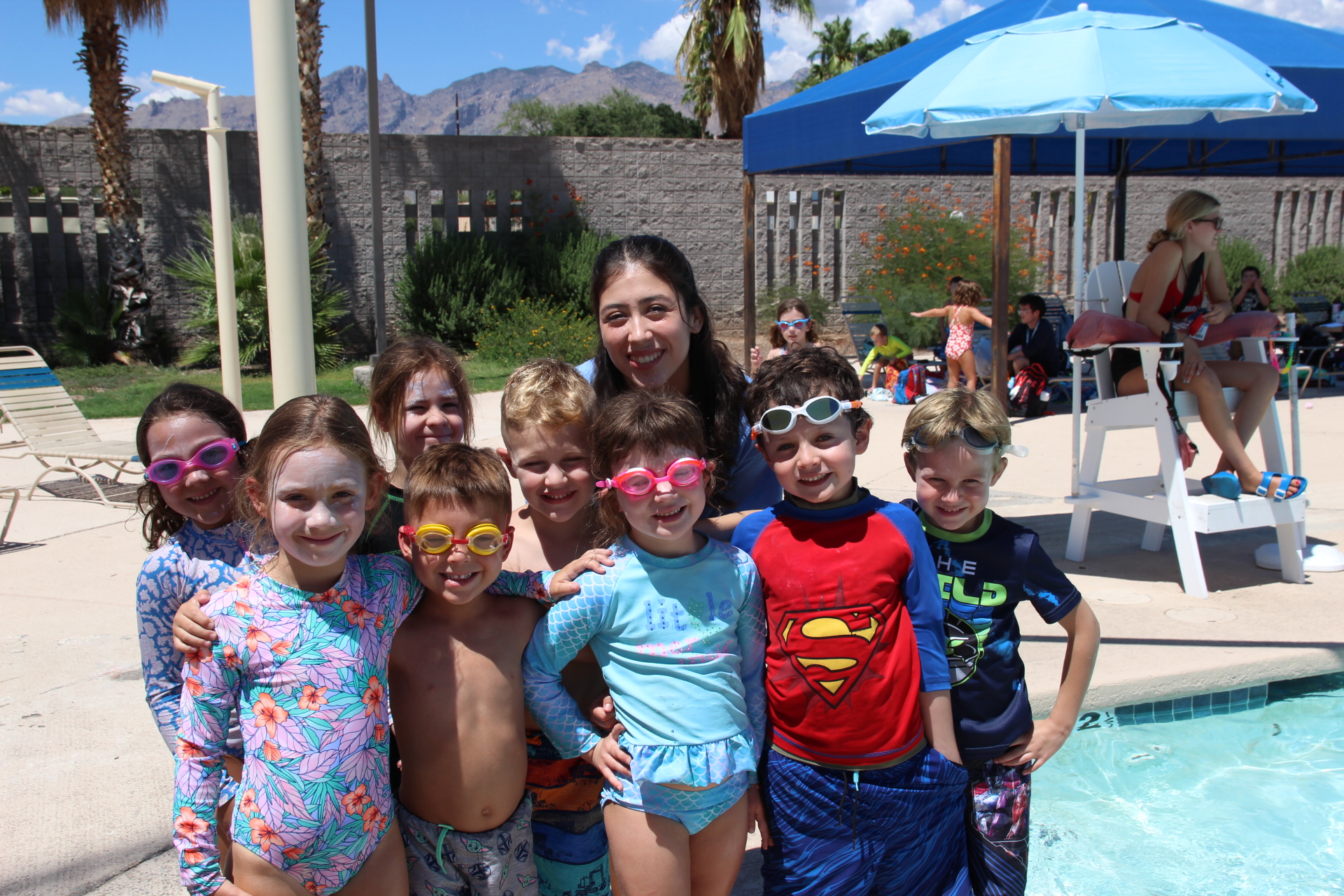
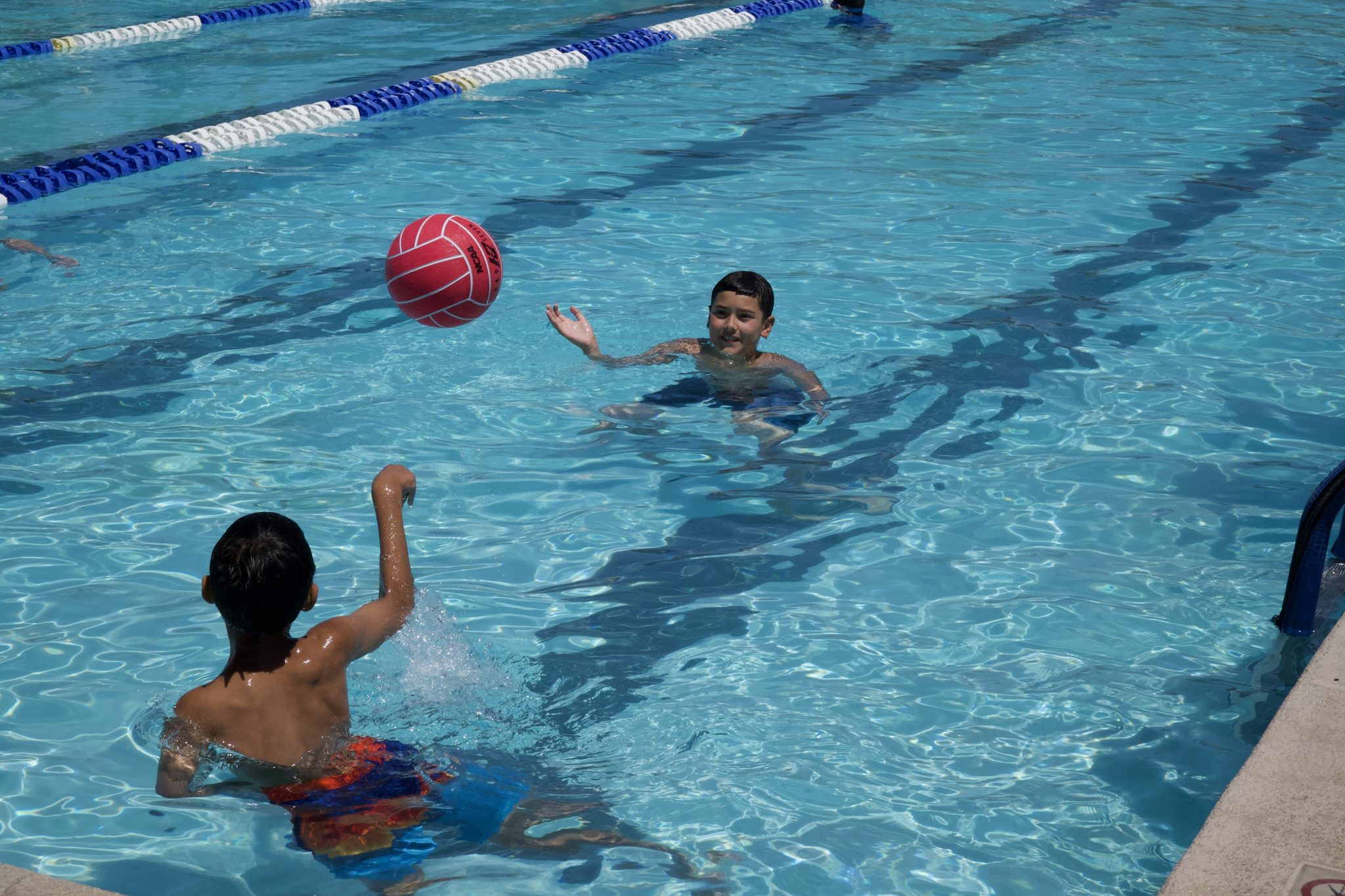
Today, that question has an answer. For the last several summers, Valentina has spent her days at Camp J, swimming, playing, and making friends just like any other camper. What once felt uncertain has become a place of belonging, growing, and thriving—at the J, Valentina is not defined by her diagnosis but reaching beyond it. 


Melissa and Valentina’s journey is not just a story about one child at camp. It is a window into what becomes possible when the right support systems are in place—and why access to them matters for every family. 


“Camp J is a place where every kid, regardless of ability, is empowered to grow and learn in a community-centered environment,” said Cass Johnson, the director of camp and youth at the Tucson J. “Our camp is focused on fostering independence and helping kids to get out of their comfort zone, so they leave with more confidence than when they first arrived.” 


Melissa first heard about Camp J from other families in the community. “I asked a lot more questions and I visited the facilities, and what we noticed was that we saw a lot of different types of families… It made us very comfortable as a family to consider bringing our daughter here.”  


Melissa reflected that Camp J provided Valentina with the appropriate level of support and attention from counselors, allowing her “to be the child that none of us knew that she could be.” 


Camp J takes incredible care in staffing and training counselors, ensuring that campers can get one-on-one support if needed. “Accessibility and inclusion are central to Camp J. We think of families as partners, because when families and camp are aligned, we can create a safer and more successful environment for kids to thrive,” said Cass. 


“Every day, my daughter would come home and would have done something different. It was very clear that the program was developed and built specifically for all these kids, giving them the ability to not just do things that they love to do or like to do, but actually try new things.” 


Camp J is filled with activities like swimming, cooking, sports, art, and wilderness, allowing campers to engage with their favorites, while having space to explore and embark on new adventures.  


As camp went on, Melissa watched Valentina blossom. The family was working on improving her storytelling skills, and at Camp J, Valentina made incredible progress. “[Valentina] would come home with stories all the time. She would know exactly what she was doing during the day… It was a first experience for us being able to see how animated she could get and actually articulate things that she did and was excited about,” Melissa said. 


Ultimately, Camp J has given Melissa and her family the one thing that every parent wants—peace of mind. “As a parent of a child who has [autism], to be able to know and feel safe when we leave her and not feel the constant anxiety of wondering how she’s doing, how people are treating her, is she enjoying herself? We always felt safe knowing that she was going to be taken care of and included… because of who she’s being cared for by at the J.” 


All children deserve an experience like Valentina’s, filled with the support and space needed to flourish all summer long and to take those skills and memories with them when the camp season ends. The J’s Annual Send a Kid to Camp campaign makes that possible. Donations provide scholarships for those in need, as well as help to make important investments in staff, enhance programming, and contribute to facility updates that make the J a truly child-friendly place.  

make an impact + donate today!

J Stories | The Contento Family

Play Video

Listen to the article

4:37 minutes

The Contento Family

From Early Childhood Education and the JCare after school program to Camp J and beyond, the Tucson J offers so much more than the average childcare center—it’s a place where kids grow, families connect, and community is built. For busy families balancing childcare, work, school, and everything in between, having a trusted, enriching environment that fosters lifelong learning can make all the difference.  


For the Contentos, and so many others like them, what began as a search for childcare turned into something much bigger. From their earliest days in the Early Childhood Education program, to summers spent at Camp J, the J has become a home away from home for their family—and a place where they found the values, diversity, and sense of belonging they were looking for.   


Victoria and Brad Contento initially joined the J for the Early Childhood Education (ECE) program for their then 11-month-old son, Lorenzo. “I had heard a lot of good things about the ECE here at the J from coworkers and friends. We came for a tour and checked it out, and decided we wanted to come here,” said Victoria.  


That first visit quickly affirmed that they had found the right place.  
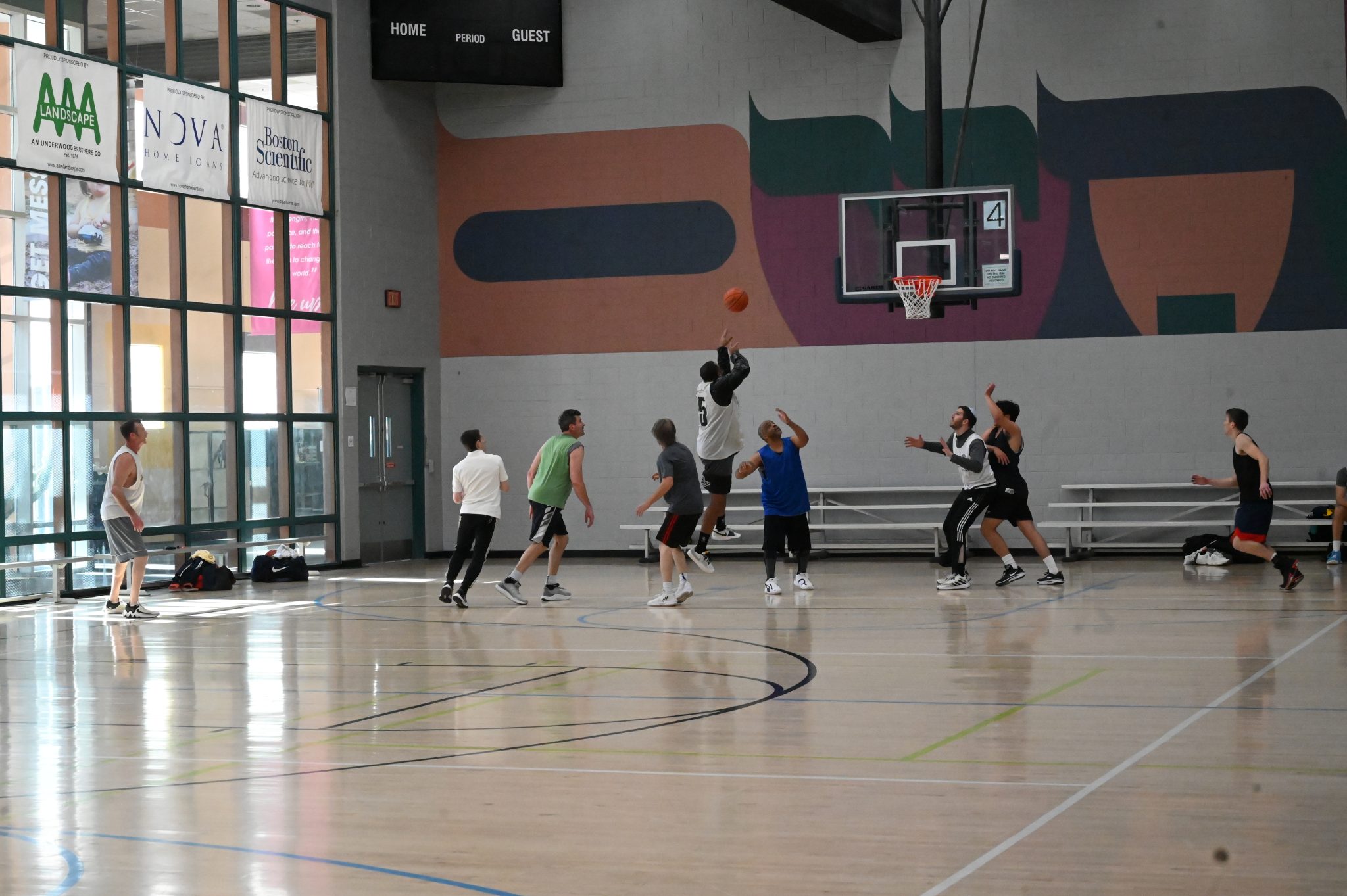
 

“From the very beginning, when we were touring the ECE, it was made very clear that our children would be exposed to multiple languages, multiple people, multiple religions, and that was something they made an emphasis to show us and to make sure we would fit in and be part of the community,” said Brad. 


“ECE has exposed our children to phenomenal instructors and a great curriculum to prepare them for kindergarten and beyond,” added Victoria. 


As their kids’ involvement at the J grew, so did its role in their daily lives.  


“The Tucson J gives us a third space to be at—a place to work out, a place to have fun with the kids, not just for daycare and preschool, but also swimming lessons and birthday parties. It’s a big part of our lives at this point,” said Brad. 


The family found friends, made memories, and today, Lorenzo is eight years old, spending his summers at Camp J, while the littlest member of the family, Arlette, is a thriving ECE student, and Victoria is back at work part-time.  


Victoria and Brad say that, like any transition, moving from ECE to Camp J had its challenges, but “it was a lot easier being familiar with the staff and the facility than it would have been otherwise.” Camp J makes the switch from preschool to summer camp seamless, with a designated group for rising kindergartners, called Noar. This age group relies on familiarity and routine, so each day, camp schedules follow a structured schedule that includes a rest period, splitting up the morning and afternoon activities, so that campers can truly ease their way into kindergarten and big-kid camp. 


“A big memory that stands out for me from Camp J was the first time that Lorenzo came home with a virtue card. A virtue card is a card that staff members give out to campers when they have displayed the virtue or the theme of the week that they’re trying to drive home at camp. That first day that he got that virtue card, he came running out, holding it in his hand, so excited.” said Victoria.  


That excitement was just the beginning for Lorenzo. By the end of the summer, it was clear how much camp meant to him and to his camp community.   


“I remember how emotional [the end of summer] was for the children and the counselors and how deeply they were all affected by it. And it just showed how much they liked being there and how important it was to them,” added Brad. 


While Camp J is filled with pool days, art projects, sports, cooking, and so much more, it is all of the moments in between the activities that set it apart: at Camp J, character is built, leadership skills are developed, and children grow into their most confident, kindest, and best selves. Every child deserves the opportunity to shine—this is why the J is committed to making Camp J accessible for all. Through scholarships provided by the Send a Kid to Camp campaign, our community comes together to ensure no child is turned away for lack of funds.  


Inspired by their own journey at the J, the Contentos are passionate about giving other families the same meaningful experience.  
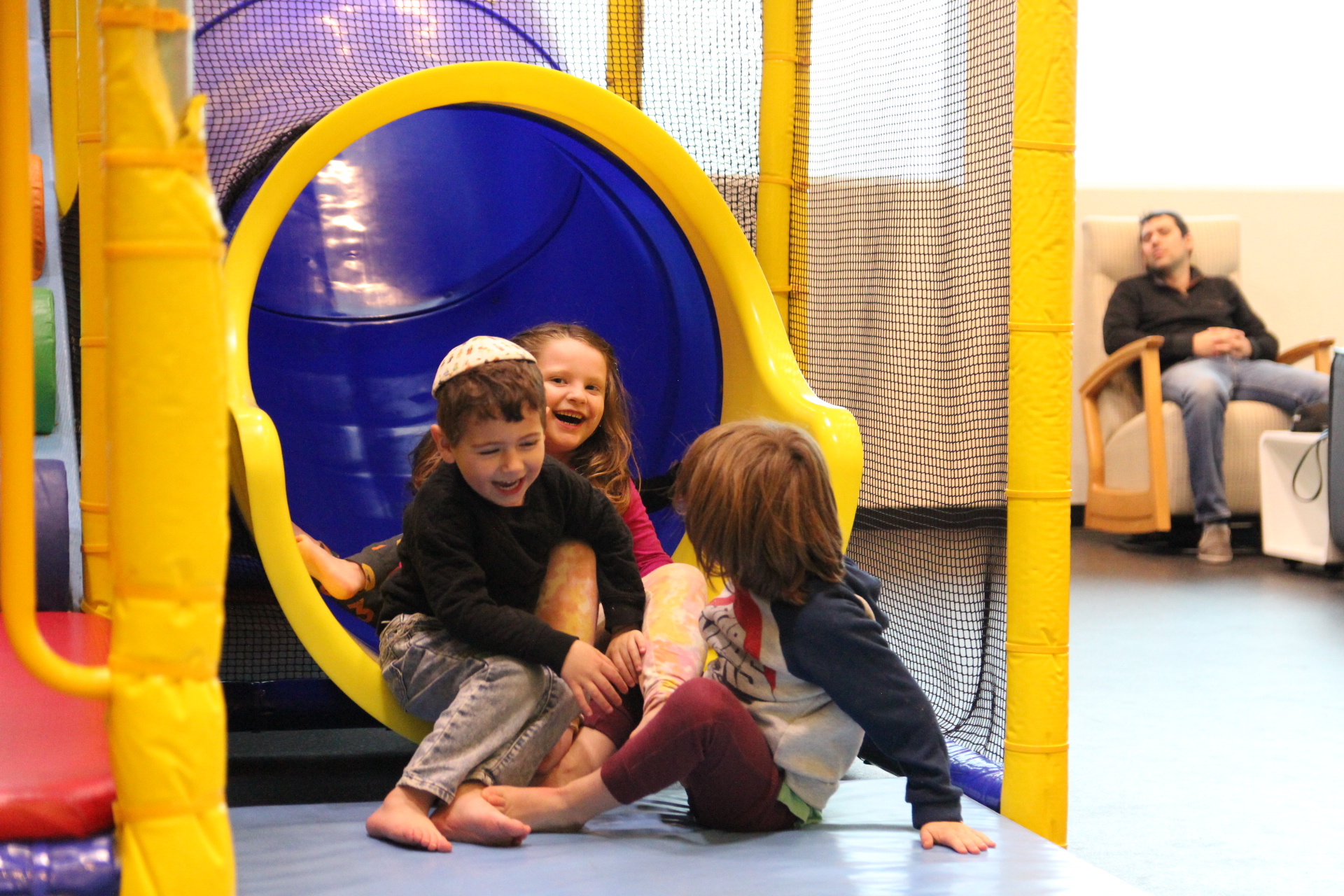
 

“We would encourage people to invest in the Tucson J. We hear about the scholarships and opportunities that it can give to other families to come to camp or to be a part of the ECE. We want everyone to have that opportunity to come here,” said Victoria, as she looked at her family with a smile. 


From preschool to after school and summer camp to swim lessons, the J is proud to be a place where the Contento family—and every family—can grow, finding support, wellness, and community through every age and stage. 

make an impact + donate today!

Q+A: Tess Ajax, Intuitive Training

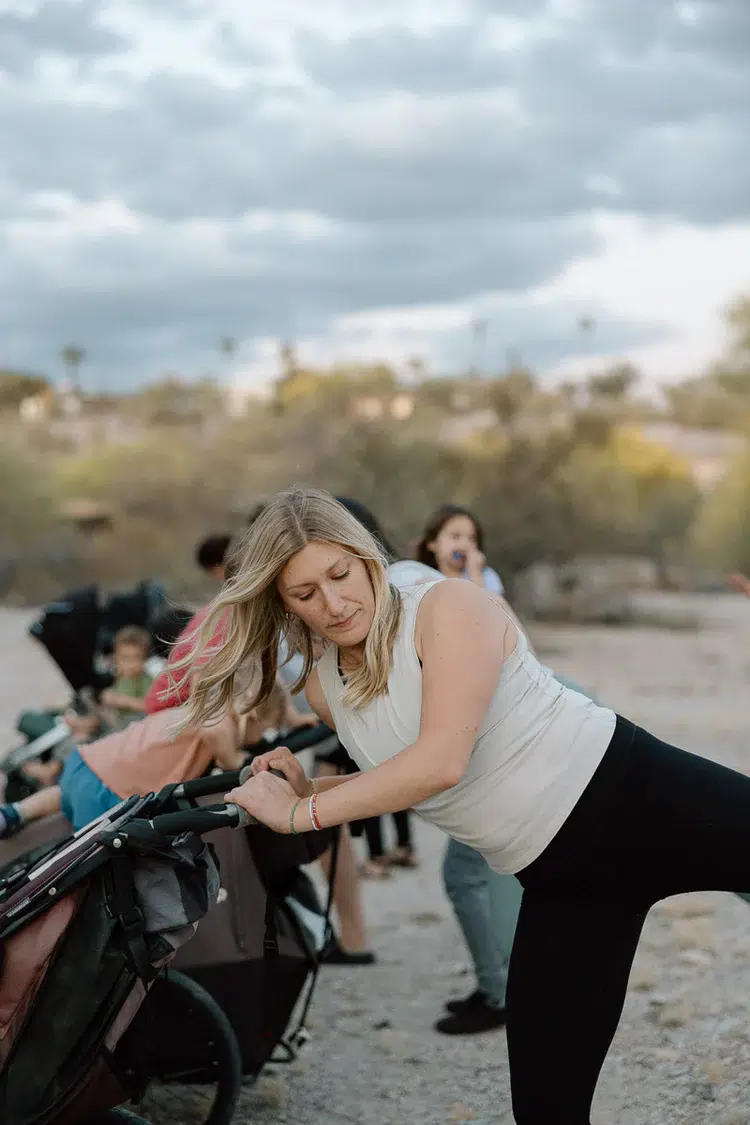
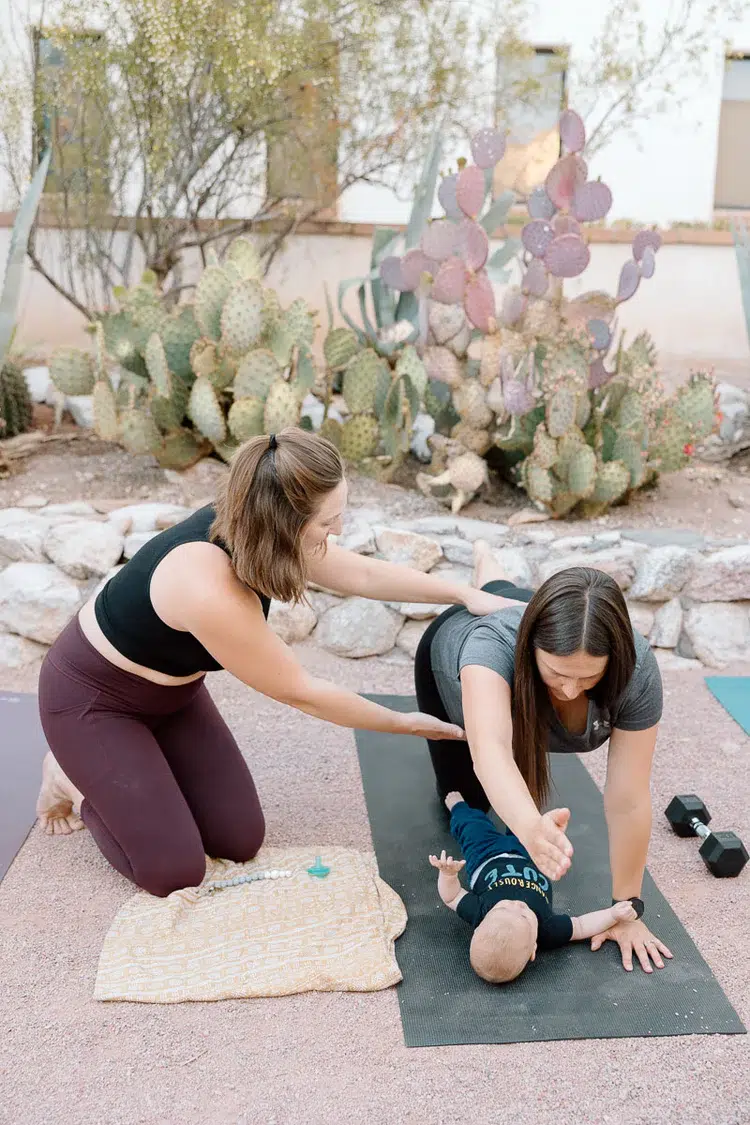
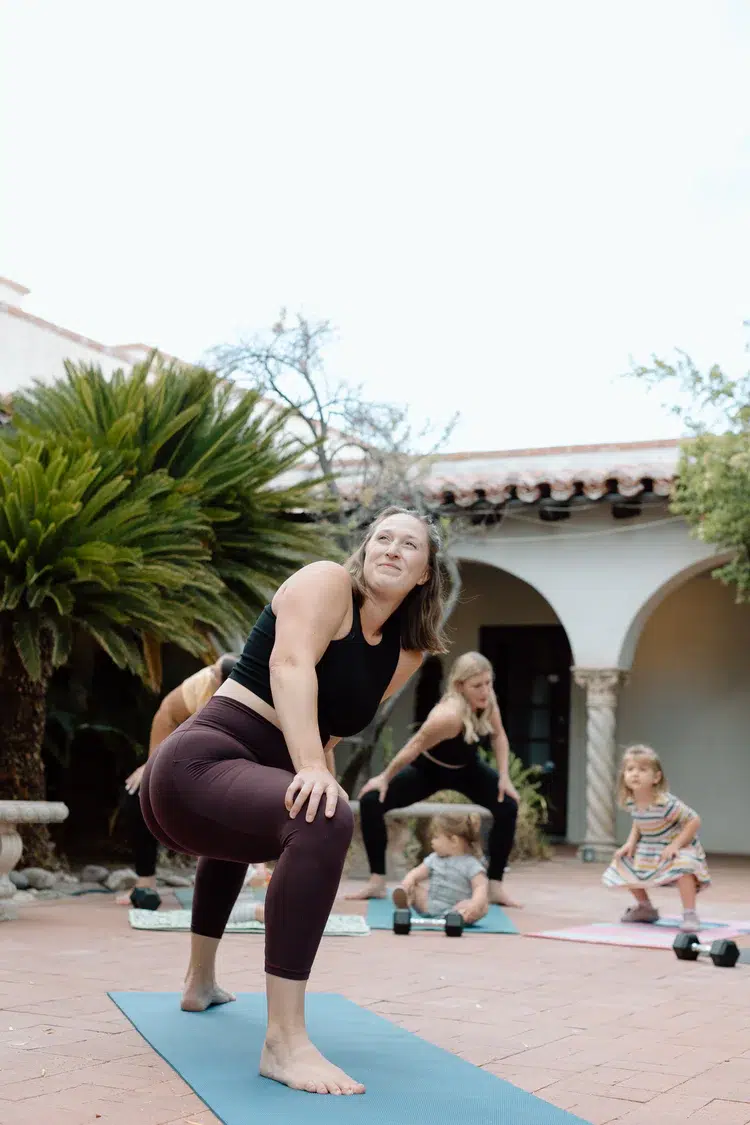
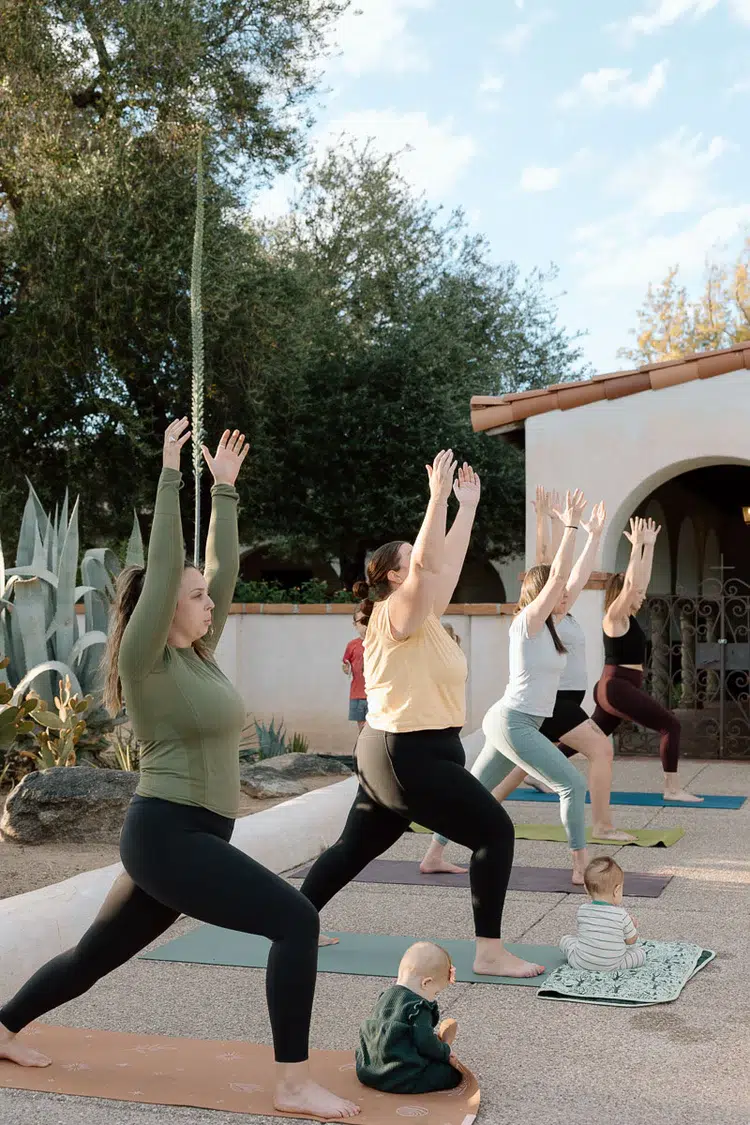
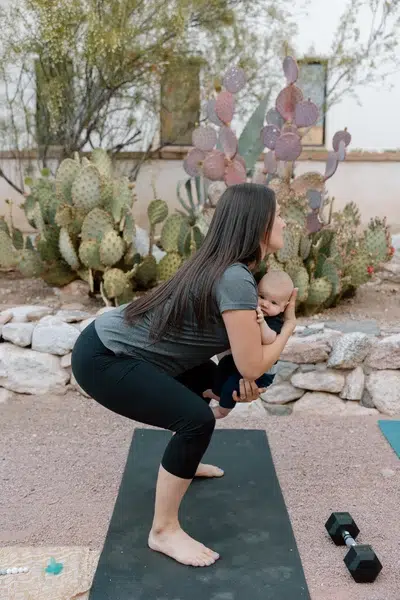
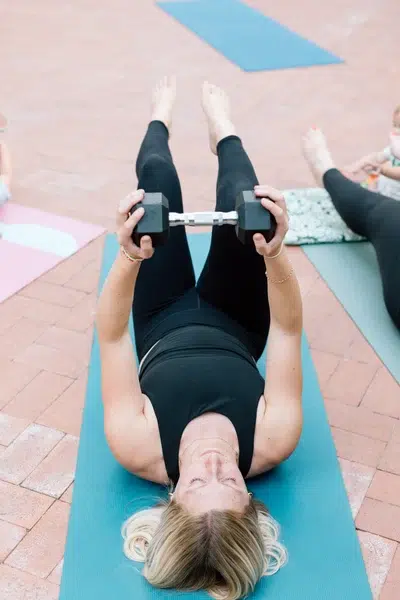
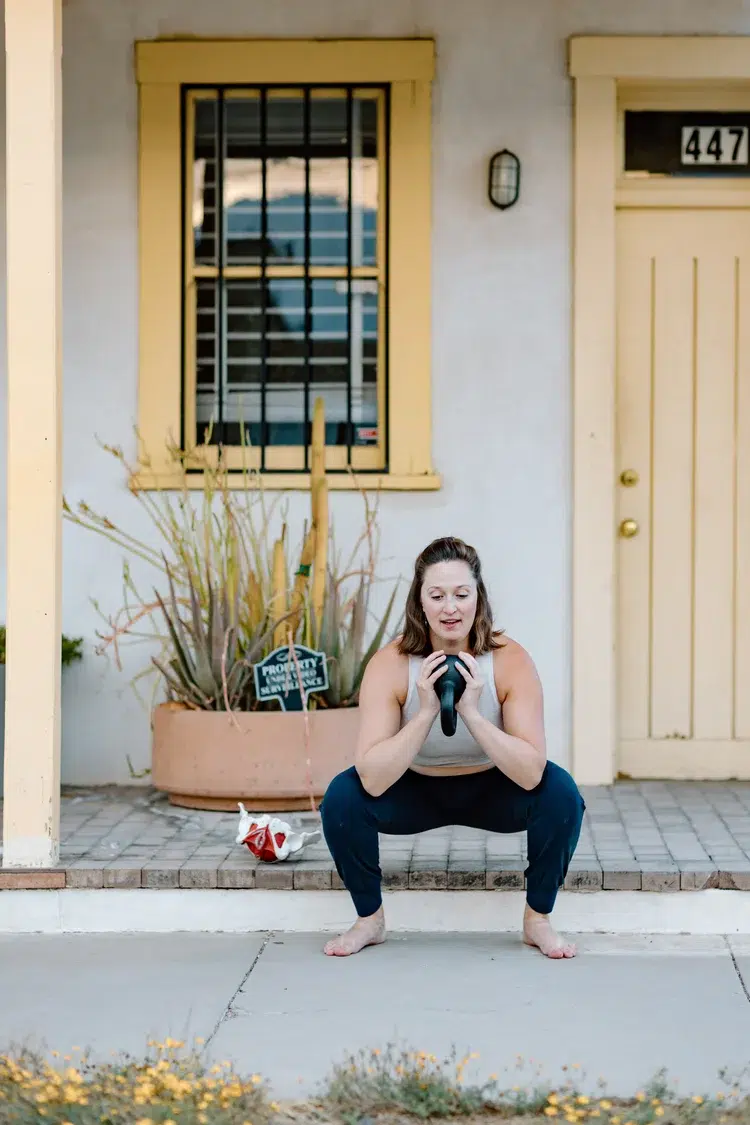
The Tucson J is always seeking new wellness opportunities to bring to our community. That’s why we are teaming up with Tess Ajax, founder of Intuitive Training, to bring her pregnancy and postpartum fitness classes to the J! 


Keep reading to learn more about Tess, her fitness classes, and wellness philosophy. 

ABOUT TESS 


Tess Ajax is the founder of Intuitive Training, a movement collective and community for mothers in Tucson, Arizona. She is an NASM Certified Personal Trainer, a multi-certified Pregnancy & Postpartum Corrective Exercise Specialist (CES & Pronatal Fitness), and Functional Movement Systems L1 coach with six years experience coaching pregnant and postpartum people. 


Known for her inclusive and accessible “all movement counts” philosophy, Tess’s approach to fitness focuses on meeting people exactly where they are and reestablishing trust and confidence in their body. By blending functional movements, strength training, pelvic floor & core exercises, and evidenced-based programming, she helps people recover from the effects of pregnancy and birth and reach their performance goals in a sustainable way. 


With firsthand experience with cesarean and vaginal births, diastasis recti, and pelvic floor dysfunction, Tess is keenly aware of the challenges and opportunities for growth associated with rebuilding and returning to fitness after giving birth. She finds immense joy in helping moms move forward (instead of “bouncing back”), build athletic maturity, and embrace how movement can evolve with us and serve us through every season of life. 


When she’s not coaching, you can find Tess hiking in Sabino Canyon, enjoying an iced coffee with a friend, fitting in a workout, cooking for a meal train, or spending time with her favorite people: her husband and two children. 

What inspired you to start Intuitive Training? 

Intuitive Training started pretty unexpectedly. I was a personal trainer before becoming a mom, and while I was pregnant, I became a certified Pregnancy & Postpartum Corrective Exercise Specialist because I wanted to better understand how to support women through this season. 


But even with all of my knowledge, experience, and love of movement, it was incredibly difficult for me to muster the motivation or energy to workout regularly after having my baby. My body felt unfamiliar, tired, weak, and depleted, and something that had always brought me so much joy felt not only daunting, it felt impossible. 


So I changed my approach – I figured that if I was struggling to find my way back to movement, maybe other moms were too. 


At nine months postpartum, I offered a small postpartum-focused exercise class where babies were welcome. We did exercises together, but we also openly discussed the complexity of motherhood, the changes our bodies & pelvic floors went through during pregnancy & birth, and what we could do to support our healing. It was really beautiful, and it really showed me that returning to exercise postpartum is about a whole lot more than just exercise – being in community with other moms allowed us to heal together, on a multitude of levels. 


Five moms showed up to that first class, and something really special sparked. What started as a small gathering has grown into a rich community. 


Why is it important for moms to have a dedicated fitness space?
 

This is such an important question, and there are so many layers to unpack here. 


First, we all know that the changes we go through when we become mothers are profound, and while our bodies are not fragile, there’s a better path forward than simply jumping back into what we were doing pre-motherhood and just hoping for the best. 


By tailoring classes specifically to moms, we can recover smarter by approaching workouts with awareness and knowledge of pelvic floor and core health, birth injuries, and the physical and physiological changes of pregnancy and postpartum at the forefront (not an afterthought!). 


Beyond perinatal-specific coaching, being in a fitness space specifically for moms means that you’re face-to-face with other women and birthing people, which is absolutely priceless in the age of social media. 


Being in-person together means that we get real insight into what postpartum recovery looks like, making us all feel a little more normal when we don’t “bounce back” the way it looks like someone online may have appeared to do. Instead, we can destigmatize pelvic floor symptoms, ask each other questions, share resources, and learn from each other. 


When you’re in an Intuitive Training class, no one bats an eye if your baby is fussy, if you need to nurse mid-workout, if your toddler spills their snack, or if your kids are having a tough time sharing. There are always enough toys to go around, and you’re literally always next to another mom who knows what the hard days are like and may even be able to lend a hand or a hug when you need it. 


What can attendees expect from your classes?
 

When someone comes to class, they’re invited to meet their body exactly where it is that day and to make the workout their own. We acknowledge that we all have different goals, injury histories, sleep(less) situations, and energy levels, which means you may be doing different exercises than the person next to you. And not only is that ok, it’s encouraged. 


Attendees can expect thoughtful coaching, with modifications and progressions offered for every exercise, babywearing-friendly movement options, and pelvic floor and core-focused coaching cues interwoven throughout the warmup and workout. 


While children and babies are not required to attend, many people bring their kiddos. This means that sometimes classes get noisy, and sometimes we have to shift plans mid-workout. We practice a lot of mental flexibility and creativity in our workouts, which makes us stronger and more resilient both in and out of class. 


If you could define your wellness philosophy in one phrase or quote, what would it be?
 

“All movement counts. All bodies are good bodies. Let movement evolve with your life.” 


Those three ideas really capture my philosophy. I want people to know that “fitness” isn’t all or nothing. It’s about showing up for yourself in ways that are sustainable, compassionate, and realistic for the chapter you’re in. And hopefully experiencing a little joy while doing it! 


Why did you decide to partner with the Tucson J?
 

The J has such a strong reputation in Tucson for welcoming everyone and being committed to supporting health throughout every stage of life, which feels completely in alignment with Intuitive Training. 


Early motherhood can be an incredibly vulnerable season. A lot of moms hesitate to even leave their homes because of anxieties surrounding their baby crying, a toddler meltdown, or feeling like they don’t belong. The J creates the opposite experience. It’s a place where families are already gathering and where people are accepted as they are. It’s exactly the type of environment I want our moms to walk into every week. 


The Tucson J is focused on building a community where everyone belongs. What does community mean to you?
 

At this point in my life, community means being together, face-to-face, with people walking a similar path or navigating similar chapters. I believe community is co-created, and every person who shows up contributes to the energy, intention, and direction of the group (consciously and unconsciously). And that’s what makes a community rich: connecting through our similarities and being strengthened by the things that make us different. 


Community has always been at the heart of what I do. It enriches our lives in such an essential way, and I couldn’t be more excited for Intuitive Training to join and contribute to the incredible multigenerational community the J has built. 

Thank you, Tess!  
 

Tess is offering a FREE pop-up class at the J on Sunday, September 20 from 8:45-9:45am along with a variety of class sessions throughout the fall. Enroll today! 

How the Sheva Framework Shapes Early Childhood at the Tucson J

From the desk of Rachael Mitchell | Sr. Director of Marketing, Communications + PR


Throughout each day, babies, toddlers, and preschoolers in the Tucson Jewish Community Center’s Early Childhood Education program discover the world around them through play, curiosity, and connection — studying a painting in the fine art gallery, dressing up for a Purim parade, or finding the mitzvah in a beloved storybook. On Friday mornings, the J comes alive with the sound of children singing Shabbat songs. At snack time they enjoy fresh challah and on Mondays, those same voices gather again for Havdalah, the ceremony to mark the end of Shabbat (traditionally held on Saturday evenings), welcoming a new week with music, ritual, and community.  


These experiences may appear effortless, but they are intentionally designed. The Tucson J’s Early Childhood Education program is guided by the Sheva Early Learning Framework, developed by JCC Association of North America, which outlines a dynamic vision of excellence in Jewish early childhood education grounded in research and multiple philosophies of early education.


“Sheva” means “seven” in Hebrew. The framework is rooted in seven Sheva lenses that reflect core Jewish values and animated by core elements that guide how those values come to life each day. Together, they provide a common language for lesson planning, classroom environments, professional development, and family engagement. While grounded in Jewish wisdom, these values resonate with families of every background and help all children cultivate curiosity, compassion, confidence, and a lifelong love of learning. 


Hit’o’rerut – Awakening  

Our lives are enriched by a sense of amazement. 

Children are natural constructivist learners, and wonder is often where learning begins. The Tucson J’s classrooms, art studio, playgrounds and indoor play space are designed to inspire inquiry, and children can also explore the fine art gallery, sculpture garden, and gymnasium. A group of toddlers may become fascinated by shadows stretching across the playground, while preschoolers build the Western Wall from blocks before carefully sticking on a note. As children move through the building they are often singing as they go — sometimes in Spanish, other times “The Itsy Bitsy Spider” with akavish, the Hebrew word for spider, woven into the lyrics. 


Brit – Covenant  

Commitment to self, family, friends, and the world is the foundation for responsibility and compassion toward others. 

The Sheva framework recognizes families as engaged partners in their children’s learning. At the Tucson J, relationships are just as important as routines. The J’s Open Space was created as a place where families can pause and play with one another before or after the school day. Families connect and make memories together at Shabbat family picnics, pool play dates, and classroom experiences such as making matzah for Passover. Through daily conversations, volunteer opportunities, the Brightwheel communication app, the monthly Buggy Bulletin, and classroom documentation, the J invites families into the learning process, recognizing that children thrive when home and school are connected. 


T’zelem Elohim – Divine Image  

At each person’s core is an undeniable spark of dignity that requires nourishment and encouragement. 

Every child deserves to be seen as capable, competent, and full of potential. That belief shapes how the J’s educators approach each day. Rather than focusing only on outcomes, teachers encourage children to ask questions, solve problems together, make choices, and build confidence through play. Educators are also recognized as professionals whose growth matters. Through monthly Sheva-centered professional development and collaborative reflection, teachers continue refining the ways they support every child and family. 


Kedusha – Holiness 

We strive to bring our full presence to everything we do in order to recognize the unique, miraculous nature of every moment. 

Some of the most meaningful learning happens during everyday rituals and routines. Observing wildlife in the windows of the J’s main hallway, singing the motzi before snack time, lighting Shabbat candles, or listening to a story all invite children to slow down and be present. These moments help create a rhythm to the week and remind children that even ordinary experiences can become opportunities for gratitude, connection, and joy. 


D’rash – Interpretation  

A spirit of inquiry is the impetus for growth and reflection. 

Inquiry isn’t just for children — it guides the J’s educators as well. Every week, teachers intentionally incorporate one of the Sheva lenses into their lesson planning, ensuring that Jewish values are woven naturally into classroom experiences. Monthly professional development invites teachers to examine classroom scenarios through different Sheva lenses, read current research, learn from one another, and set personal goals for strengthening their relationships with children and families. Just as they encourage children to remain curious, they ask the same of themselves. 


Masa – Journey 

Telling and retelling stories from our past helps us renew our strength and refine our vision for the future. 

Stories connect children to something larger than themselves. Through weekly Shabbat and Havdalah gatherings, Jewish holidays, and bi-monthly classroom visits from the J’s Jewish Culture and Curriculum Coordinator, children experience Jewish traditions as living, joyful experiences. Families are invited to celebrate holidays at the ECE Purim and Passover parades, volunteer to make latkes and matzah, and view their children’s art in the sukkah. Local rabbis and cantors regularly join the J’s classrooms, and books, music, and celebrations help children see themselves as part of an ongoing story and develop a strong sense of Jewish peoplehood. 


Tikkun Olam – Repair of the World 

We must live for the benefit of others, both in this generation and for the generations to come. 

One recent installation in the ECE Open Space invited children to think about caring for beaches and oceans. They built with sand, explored books about Tel Aviv’s coastline, discussed the animals that live in the water, and talked about simple ways people can help protect our environment. In the classroom, favorite picture books become opportunities to discover kindness, generosity, and responsibility. Through movement, healthy habits, and caring for one another, children also learn Sh’mirat HaGuf — taking care of our bodies — as an important part of caring for the world around us. These experiences help even the youngest learners understand that repairing the world begins with everyday actions. 


The beauty of the Sheva Early Learning Framework is that it isn’t something children experience only during a lesson or a holiday celebration. It is woven into the rhythm of each day — creating an environment where children are valued and nourished, educators are continually learning, families are partners, and Jewish values are lived rather than simply taught.  

Rosh Hashanah Resources, Recipes, and Crafts from PJ Library of Southern Arizona

Three elderly adults and one child paint ceramic flowers

Shanah Tovah (good year) from PJ Library of Southern Arizona! Rosh Hashanah, the Jewish New Year, invites us all to reflect on the past year and look ahead to the new year. Plus, it’s an especially meaningful and fun holiday to celebrate with kids.  


To celebrate PJ Library’s upcoming event, Sweet Beginnings: A Rosh Hashanah Family Experience on Sunday, August 23, we are sharing some at-home crafts, recipes, and easy resources to keep the holiday fun going. With minimal supplies, bring the holiday to life with the whole family! 

How are you celebrating Rosh Hashanah with your family? Drop us a message at @pjlibrarysaz on Instagram and Facebook!  

JCare afterschool program offers safe and fun afternoons for Tucson students 

At the Tucson J, we are dedicated to ensuring that families have everything they need for a meaningful one-stop shop experience, blending childcare and wellness experiences so that everyone can thrive. 


One way we are making family schedules easier to manage? Our JCare afterschool program.  


JCare offers a safe, welcoming environment where children in grades k-5 spend after-school hours learning, playing, moving, and exploring. Students are split up into small groups based on age and engage with activities such as cooking, Learning Lab, art, time outside on the playground, and other enriching experiences designed to support their growth beyond the school day. 


IMPORTANCE OF AFTER-SCHOOL CARE
 

For many families, after-school care is a necessity. Work schedules and school schedules seldom align, so safe, reliable, and engaging childcare is critical. Parents can remain focused at work knowing their children are in a safe, supervised setting where they are engaged in meaningful activities rather than simply passing time until pickup. 


Additionally, research consistently shows that participation in structured afterschool programs can support academic achievement, strengthen social-emotional skills, and promote healthy behaviors. Studies have found that children who participate in quality afterschool programs demonstrate improved school attendance, stronger classroom engagement, and gains in important life skills such as teamwork, communication, problem-solving, and self-confidence. 


Afterschool programs are often free-play experiences, gathering students for a place to relax under supervision until parents arrive. But JCare is different— it’s intentionally designed to combine enrichment activities, physical movement, and caring adult mentorship to help children feel more connected, confident, and successful both in and out of the classroom. Also ever-important in today’s world: afterschool programs provide engaging alternatives to spending several unsupervised hours on devices, cutting back on screen time in favor of building lasting friendships and making memories.  


OUR PROGRAM
 

JCare runs from 2-6pm when school is in session, offering transportation from a variety of elementary and middle schools, including: 

  • Basis Primary 
  • CFHS 
  • Fruchthendler 
  • Khalsa Montessori (River + Camden Campuses) 
  • Manzanita 
  • Orange Grove Middle 
  • Sam Hughes 
  • Sunrise Dr. 
  • Tucson Hebrew Academy 
  • Ventana Vista 
  • Esperero Canyon Middle School 


Once at the J, students spend the afternoon in small groups based on grades, guided by caring and well-trained staff. Students get to utilize the state-of-the-art facilities of the Tucson J, including the art studio, demo kitchen, and playground. Grown-ups can also enroll their children in Learning Lab to get additional help on homework.  


When school is on a break, the Tucson J offers School Days Out, structured similarly to JCare, but with added field trips and programming. Plus, keep an eye out for our monthly Parents’ Night Out, offering crafts, games, dinner, and a movie on select Saturday evenings throughout the school year. 


Curious to learn more? Click here to register for the 2026-2027 school year, running August 3, 2026, through May 25, 2027, or reach out to Caitlin Jacob, Director of After School Programming, at cjacob@tucsonjcc.org to learn more.  

Q+A: Sam Thomas + Dominique McBryde

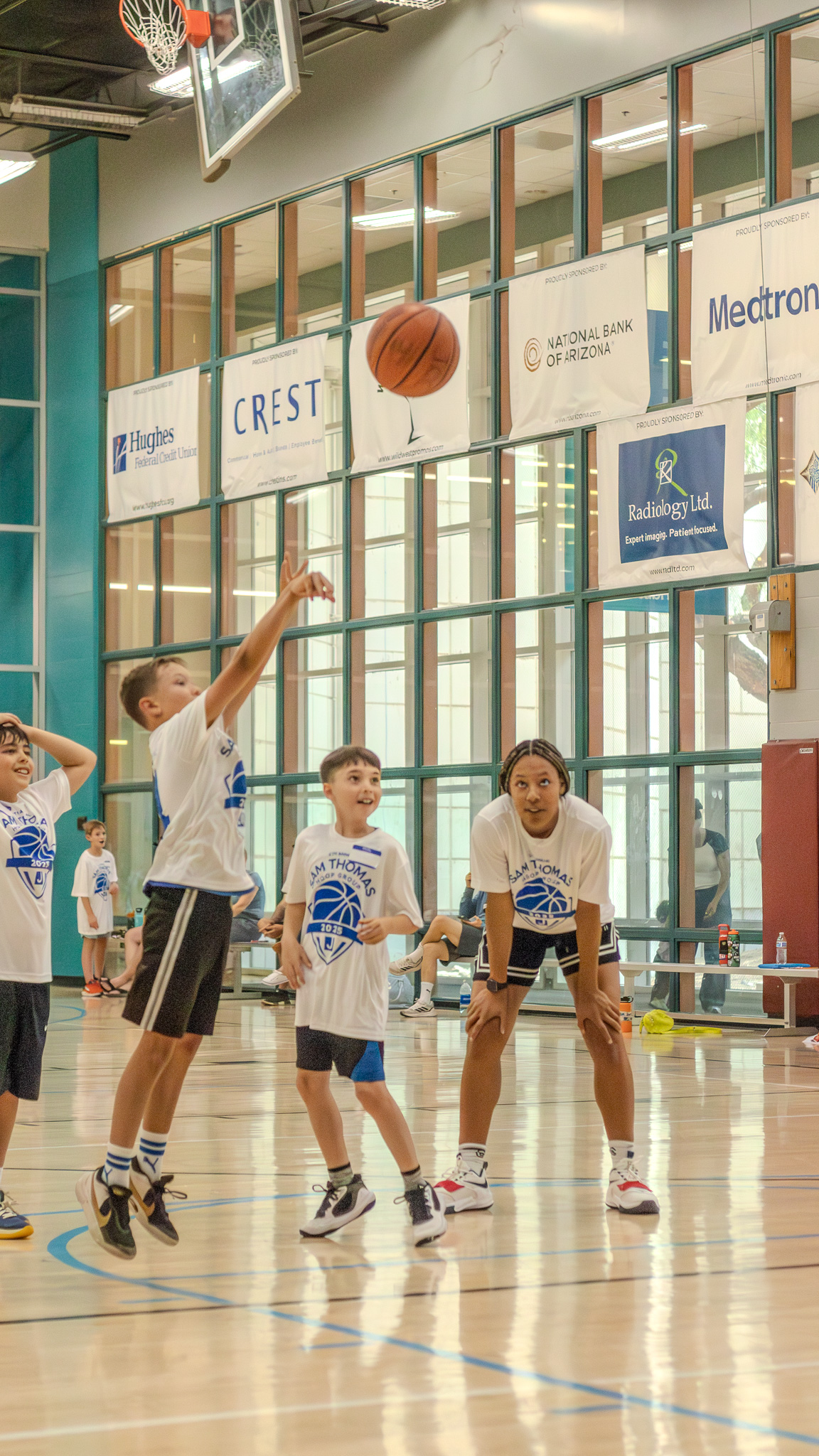
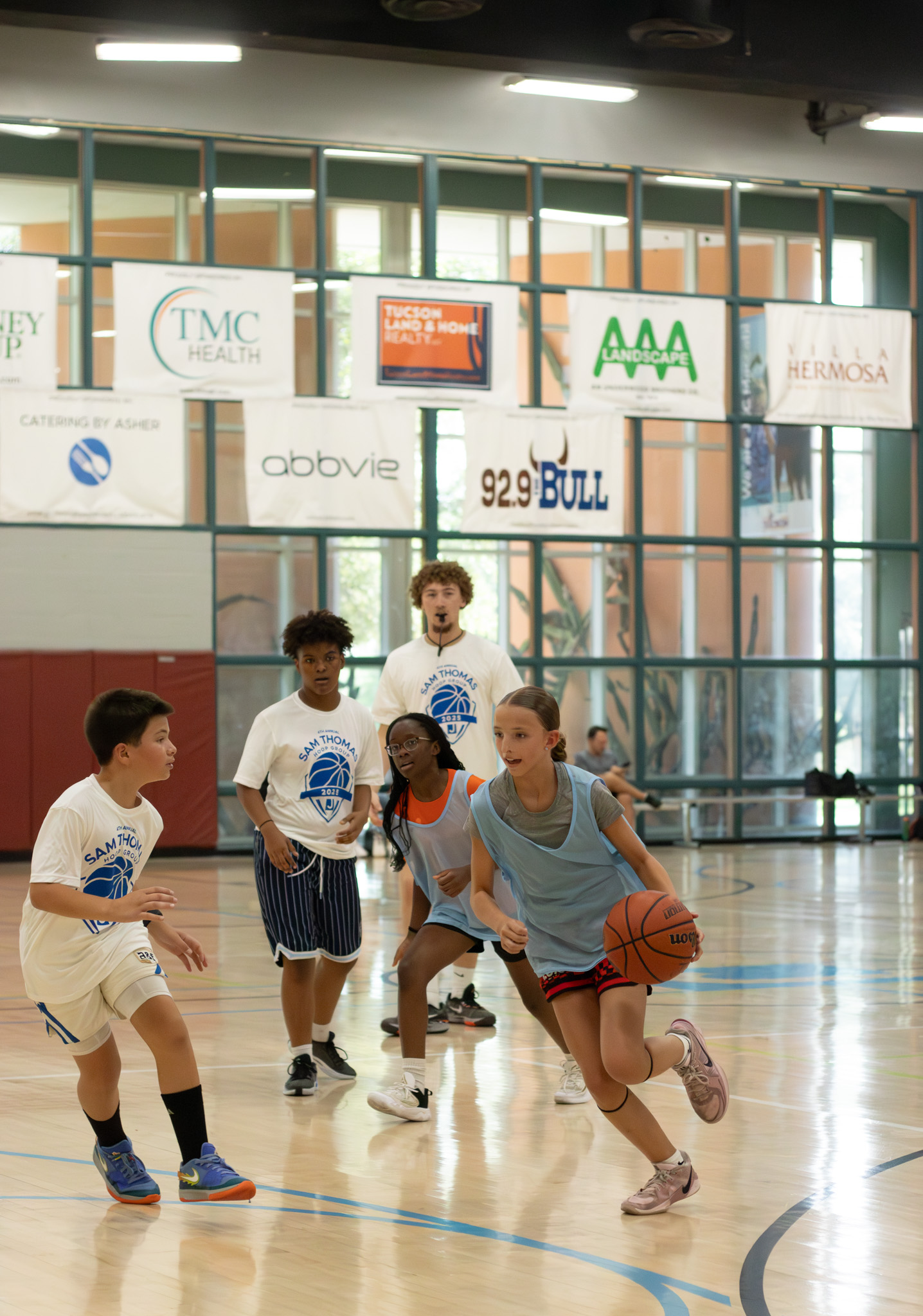
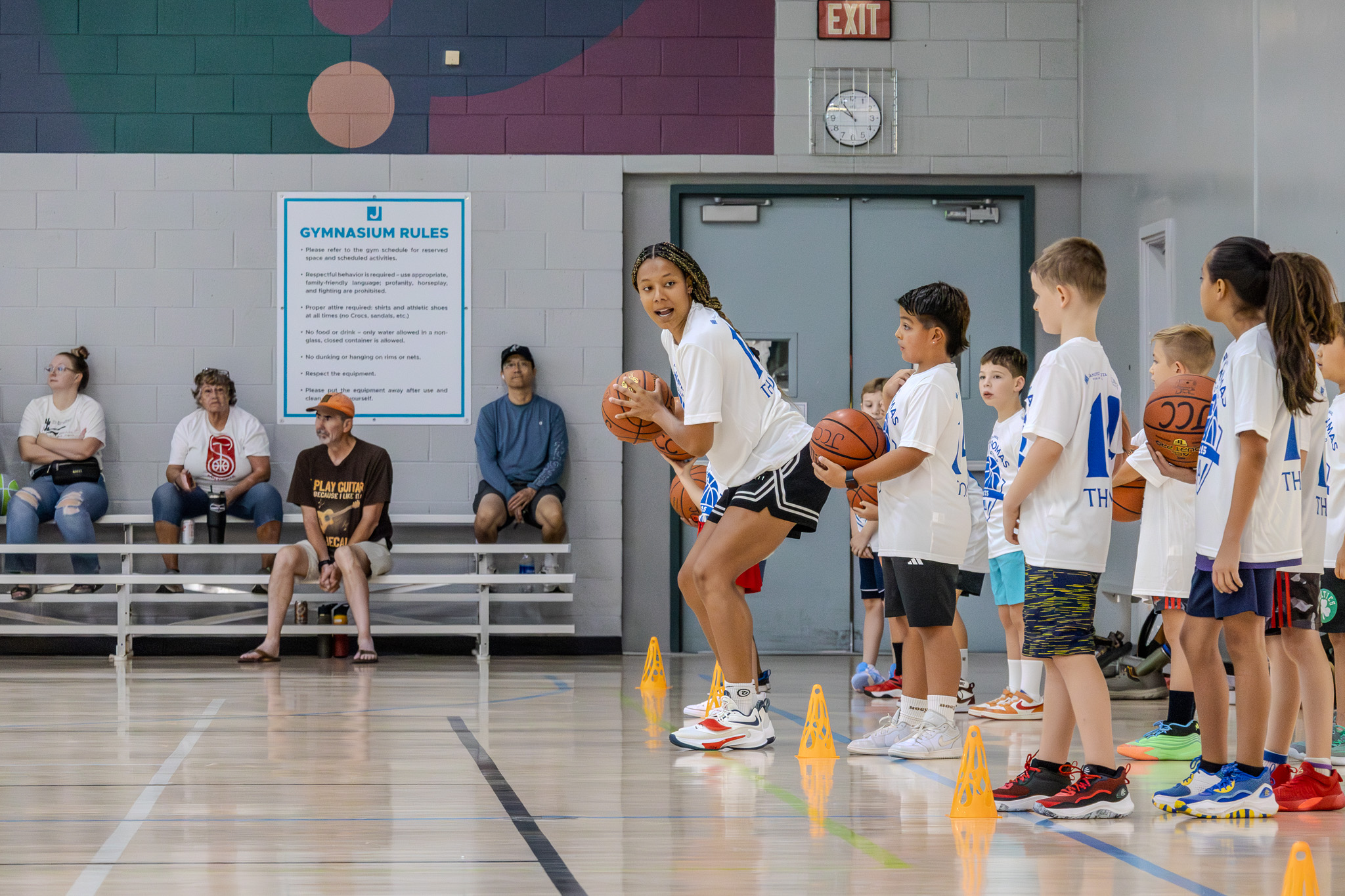
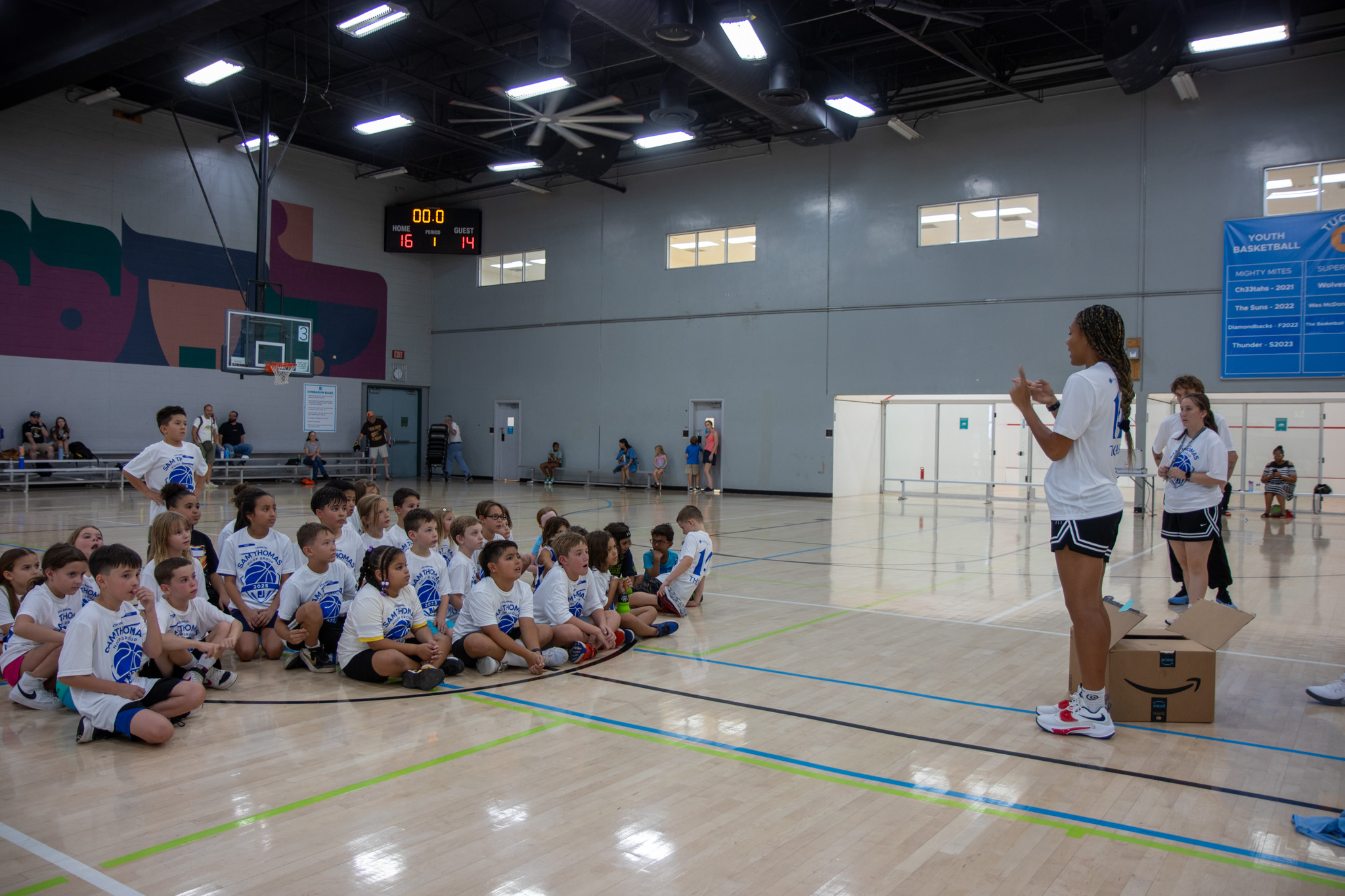
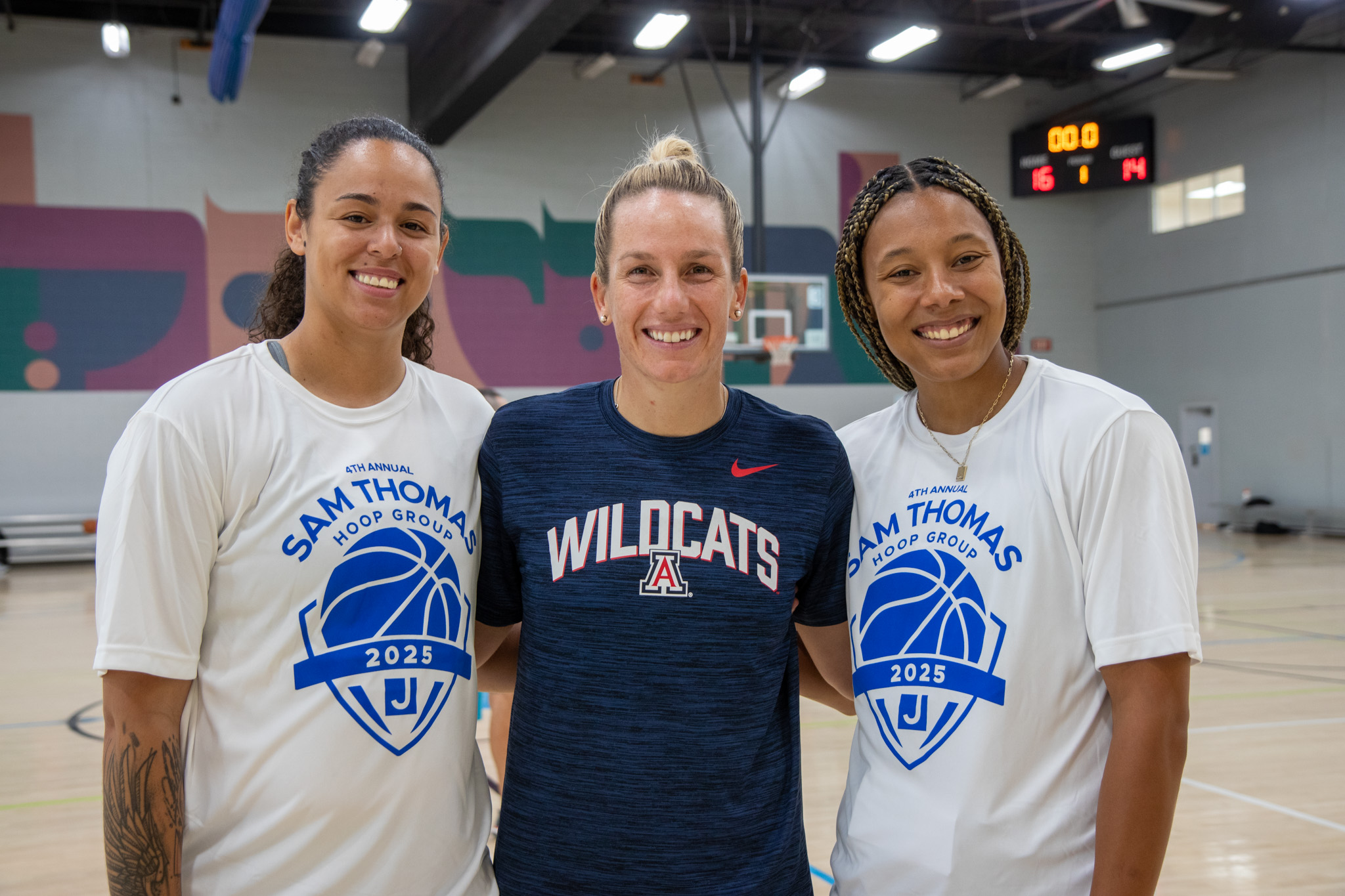
This summer, the Tucson J is proud to host the 5th annual Sam Thomas Hoop Group Basketball Clinic for youth athletes from all around Southern Arizona. Sam Thomas is a former University of Arizona and Phoenix Mercury player who has dedicated time every August to sharing her wisdom and passion for basketball with the next generation of players. 


Joining her again on Sunday, August 9, is Dominique McBryde, Sam’s former teammate at the University of Arizona, for a one-day, three-session clinic for athletes ages 6-18. Each session is designed to foster skills and challenge athletes at an appropriate skill level: 


Ages 6-10, 10:30am-1:30pm 

Ages 11-14, 1:45-4:45pm 

Ages 15-18, 5-7pm 

Ahead of the clinic, Sam and Dominque reflected on the impact of sports, favorite snacks, and what the clinic’s longevity means to them. Keep reading to learn more! 

Favorite pre- and post-game/practice snacks? 

Sam: My favorite pregame snack is Goldfish. I would eat at least two bags before each game, only the regular kind, although all flavors are great! My favorite post-game meal is some spicy rigatoni pasta. If it wasn’t too late after a game, I loved going to North Italia for their pasta. 

Dominique: My favorite pregame snack has always been sour gummy worms. It became part of my routine before games and helped me loosen up and have fun before competing. My favorite postgame meal is definitely a burger and fries, but when I was playing overseas, I loved getting gyros or döner kebabs after games. 


What is your biggest piece of advice for young athletes?  

Sam: My biggest piece of advice for young athletes is to try everything and not limit themselves. If you grow up unsure of what sport you want to get into, try them all! Especially at a younger age, you can learn so much coordination through all sports. There is no right or wrong path to take when wanting to accomplish your dreams. 

Dominique: My biggest piece of advice for young athletes is to find out who you are and what you enjoy outside of basketball. The game can become such a huge part of your identity, but it should never be the only thing that defines you. The more confident and grounded you are off the court, the more freedom and confidence you will play with on the court. Basketball can teach you discipline, resilience, and teamwork, but who you are as a person will always matter most when it is all said and done. 


How has basketball influenced your life off the court? 

Sam: Basketball has been and continues to be a huge influence in my life. The camp itself is a great example of allowing me to come back to Tucson, a place I love so much, and sharing the game of basketball with younger athletes and hopefully help them get one step closer to their dreams. It is more than basketball, it is about being a good teammate and meeting new people. Basketball has brought me some of my lifelong friends, including the one and only Dominique, going on almost ten years of friendship! 

Dominique: Basketball has influenced almost every part of my life off the court. It has taught me leadership, discipline, adaptability, and how to connect with people from all different backgrounds. The game has taken me all over the world and introduced me to lifelong friendships, including Sam. Basketball has also helped shape my perspective on life by teaching me how to handle adversity, embrace new experiences, and grow through challenges both on and off the court. 


What is your favorite drill or workout for improving gameplay? 

Sam: My favorite drill to help me prepare for gameplay is probably a drill we did called “Stop, Score, Stop”. It was a game of 5on5 but your goal was to get a defensive stop, score, and then get another stop. This helped simulate a real game because basketball is a game of runs. One team typically will go on a scoring streak, and that can be tough mentally to try and keep a positive mindset. You cannot think ahead or get upset; you have to focus on the next play to work on getting a defensive stop and turn the momentum with a score. 

Dominique: One of my favorite drills for improving gameplay is anything competitive and game-like, especially small-sided games that force quick decision-making and communication. I also love drills focused on pace and reacting in real time because those situations translate directly into games. Basketball is such a mental game, so I think the best workouts are the ones that challenge both your skill and your confidence at the same time. 


As the clinic celebrates its fifth year, what motivates you to return year after year? 

Sam: I cannot believe we are already at year 5! One of the things that keeps me coming back is the kids. I keep all the photos that I am sent from my time playing, and each year I usually see at least one camper that I met at a young age and they come to me years later, 4 feet taller and in their own personal sports journey. It is such a cool experience getting to be somewhat in their lives through that transition and knowing that they actually remembered what I would tell them at the camps or games. They are the reason I keep coming back and wanting to make it bigger and better each year! 

Dominique: It is really special seeing the clinic celebrate its 5th year. What motivates me to keep coming back is the opportunity to give back to the next generation and create a positive experience around the game. When I was younger, I always looked up to older players and loved learning from them, so being able to now provide that same encouragement and support means a lot to me. Seeing campers grow each year in both their confidence and love for basketball is something really rewarding, and it makes me excited to continue being part of it. 

What incredible advice and reflections! Thank you, Sam and Dominique. See you in August!  

10 Ways the Tucson J Ensures Kindergarten Readiness

two children sit behind a bowl and pour ingrediants in

From the desk of Joline Riddle, Senior Director of Early Childhood Education

Joline Riddle

In the Tucson J’s Early Childhood Education program, our curriculum centers around developing lifelong learners in every student — from preschool to kindergarten and beyond. We follow the latest research and best practices in early childcare to ensure academic and emotional readiness, and are proud to hear from alumni families each fall about how their children are thriving in kindergarten.


Every activity that our students experience during the day translates to a social, emotional, or fine motor skill essential for kindergarten readiness. Keep reading to explore ten of the many ways our preschool prepares students for school:

Develop Social Skills

Children learn to take turns, share materials, and collaborate with peers during play and group activities. These experiences help preschoolers build friendships, practice communication, and learn how to work cooperatively in a classroom setting.

Build Independence from Parents and Caregivers

Preparing for kindergarten includes helping children feel confident separating from parents or caregivers. Preschool routines encourage children to feel secure, develop trust in teachers, and become comfortable in new environments.

Encourage Curiosity and Exploration

Preschoolers are encouraged to ask questions, investigate new ideas, and explore their surroundings. Curiosity supports problem-solving, creativity, and a lifelong love of learning.

Strengthen Self-Help Skills

Children practice important daily tasks such as washing hands, using the restroom independently, putting on jackets, opening lunch containers, and cleaning up after activities. These skills promote confidence and independence in kindergarten.

Teach Responsibility

Preschool students learn to care for classroom materials, follow directions, complete simple tasks, and participate in classroom jobs. Responsibility helps children understand expectations and become dependable learners.

Practice Following Routines and Directions

Consistent schedules help preschoolers learn classroom routines, transitions, and expectations. Following routines prepares children to manage time, listen to instructions, and participate successfully in structured learning environments.

Develop Early Literacy Skills Through Read-Alouds

Listening and engaging during read-aloud books helps children build vocabulary, comprehension, attention span, and a love for stories. Preschoolers learn how books work and begin developing important pre-reading skills.

Support Emotional Awareness and Expression

Children learn to recognize, acknowledge, and express their feelings in healthy ways. Preschool experiences also teach empathy, self-regulation, and strategies for solving conflicts with peers.

Encourage Early Writing and Communication Skills

Preschoolers begin communicating ideas through scribbles, drawings, symbols, and early writing attempts. These activities strengthen fine motor skills and help children understand that writing and pictures can tell stories and share ideas.

Promote Name Recognition and Self-Advocacy

Children practice identifying their name in print and learning personal information. They are also encouraged to advocate for themselves by asking for help, expressing needs, making choices, and communicating confidently with teachers and peers.

Navigate Camp J with Confidence: Preparing Your Child for Summer Camp! 

Kids play on a playground

In just a few weeks, a new summer at Camp J will begin! The Tucson J and Camp J staff are looking forward to welcoming new and returning campers for an enriching summer of wonder, friendship, adventure, and fun. Campers can expect adventures all around the J, from the pool to the art studio, and even some exciting special guests and musical performances throughout the summer. 


Camp J While Camp J is busy camp-ifying the J, we encourage families to begin preparing campers so that they can navigate the summer with confidence.  


Keep reading to learn more about preparing your camper for the summer!  

Finalize your paperwork and submit it on Brightwheel 

Our staff uses camper paperwork for understanding allergies, medications, and buddy requests, and it also allows our staff to get to know your camper before camp begins! 


Please make sure all of your paperwork is ready to go in Brightwheel as soon as possible and reach out if you have any questions. 

Attend New Camper Orientation 

On Tuesday, May 19 at 5pm, Camp J welcomes all campers and families to our Meet the Camper Night! Join us in the ballroom at the J to meet staff, campers, and get a sneak peek at the summer ahead.  


Both returning and new campers are encouraged to attend, and a new family orientation presentation will begin at 6pm.

Emotional Preparation 

Summer camp welcomes a new routine, new faces, and new activities. These new experiences can be overwhelming for some campers, so it’s important to normalize emotions and talk about camp ahead of the first day. 

  • Talk about what to expect, including new friends, your summer routine, and some of the activities coming up at camp. 
  • Normalize feeling a little bit nervous. We all get nervous before starting something new! 
  • Encourage independence and trying new things. Chat about the importance of taking risks, making new friends, and navigating challenges. 

Packing for Camp J 

You likely have most of the items your camper will need for the summer, but it is important that you LABEL all items with your child’s name — from water bottles to towels. Hundreds of campers will be at the J each day, so it’s important to make sure campers and counselors can keep track of items… before they end up in the lost and found!  


What to Pack 

  • Wear comfortable clothes that can get messy (and if you think a change of clothes is a good idea, go ahead and include it!) 
  • Closed-toe shoes (sneakers recommended, and crocs must be in sport mode!) 
  • Hat for sun protection  
  • Swimsuit and towel 
  • Reusable water bottle 
  • Backpack to carry belongings  
  • Sunscreen (Camp J has sunscreen for reapplying, but all campers should bring their own) 
  • Lunch and snacks in a labeled lunch bag (all food must follow the J’s kosher policy which is featured in the Family Guide that will be sent to camp families ahead of time) 
  • Don’t forget — each Wednesday, campers are encouraged to dress up according to our special theme! 
  • Each Friday, wear your special Camp J t-shirt for some matching fun! 


What NOT to pack 

  • Electronics (phones, tablets, gaming devices) 
  • Valuables or sentimental items 
  • Toys from home (unless specifically allowed) 

If you or your camper has any questions leading up to camp, please send them to camp@tucsonjcc.org, and we would be happy to respond. Also, check out more Frequently Asked Questions here.  


We look forward to an amazing summer! See you soon! 

2026 Summer at the Tucson J

What does summer at the J feel like? You decide! Build a wellness routine that excites you, try out a sport to keep moving, experience the adventure of Camp J, get inspired in an arts and culture program, or beat the heat with our state-of-the-art amenities. 


With endless options for every family, summer at the J feels like pool splashes, court camaraderie, sunny smiles, and lasting friendships. But really, it’s up to you! 


To get you inspired for the summer ahead, keep reading to explore some of our ideas to get you moving, socializing, learning, and exploring.

Summer at the J Feels...

Cool and Joyful

Summer is HOT here in Tucson. If you’re looking to cool down, the J is the place to be.  

  • Bring the family or friends for a relaxing day at the pool and SplashPad. 
  • Check out our indoor PlaySpace for kids on the weekends. 
  • Grab a bite and hunker down with your laptop in our air-conditioned Cafe. 

Connected and engaging

At the J, community is infused in everything we do!  

  • Kids of all ages can spend the summer exploring, learning, and connecting at ECE Camp or Camp J! 
  • Check out our Summer Nights series and boogie down to live music on the pool deck or enjoy a family movie with a splash at our Dive + Dines!  

Active and Fun

While it heats up outside, build your wellness routine inside with group fitness offerings or in the mornings and evenings on the Sarver Tennis Center courts. 

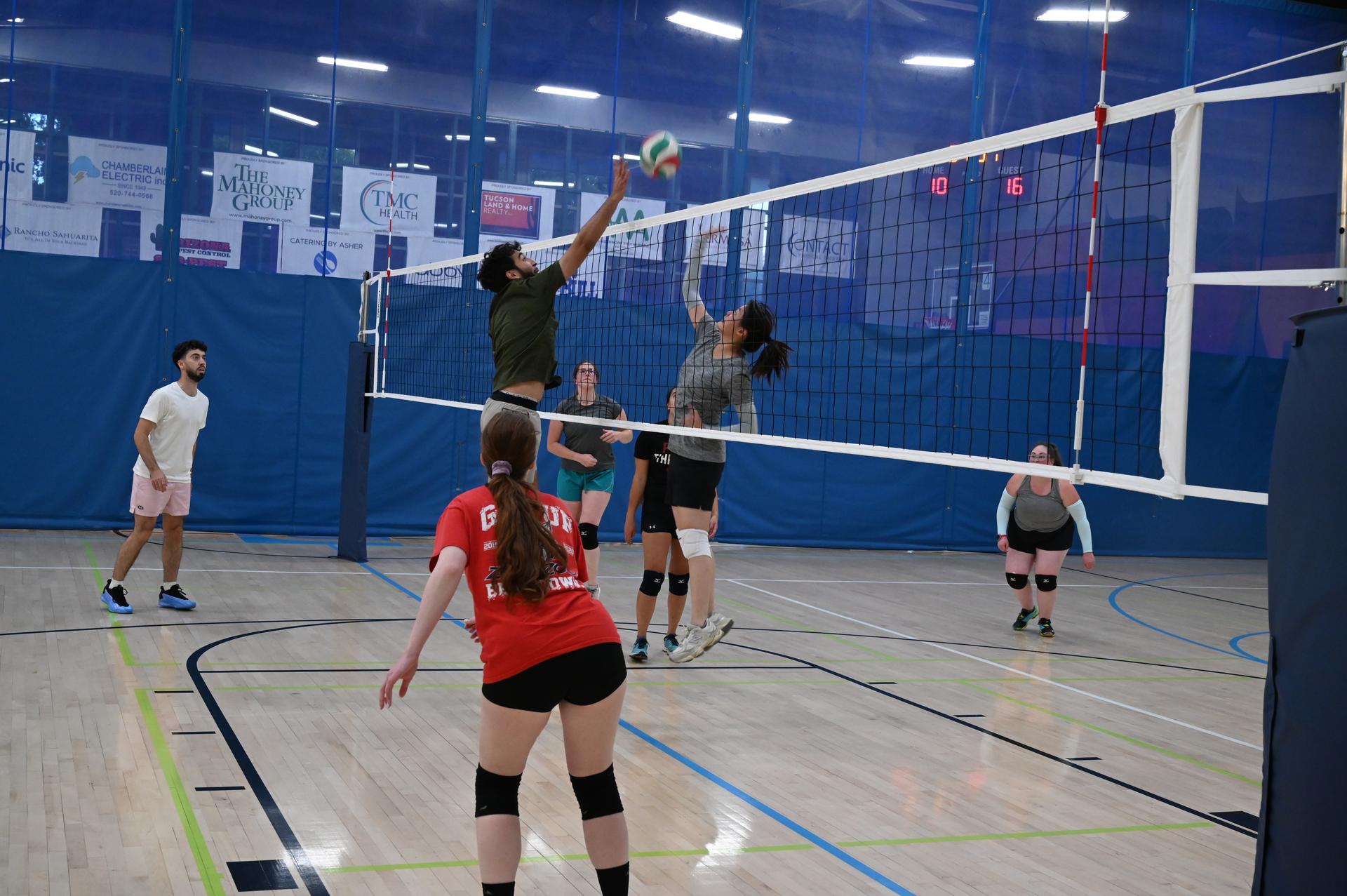
  • All summer long we have sports and rec opportunities for adults and kids! Have some competitive fun when you join a basketball, volleyball, or pickleball league or hone your skills in a private, buddy, or elite lesson. 
  • Calling all middle and high-school athletes: build your agility and strength at Speed School with Coach Clive Roberts.  
  • Interested in lifting weights? Book a session with one of our seasoned personal trainers to get started. 
  • Even the youngest members of the family can get moving this summer! Our PeeWee Sports offer age-appropriate introductions to popular sports for toddlers ages 3-5. Offerings include gymnastics, tee ball, soccer, golf, basketball, tennis, and pickleball.  
  • Improve your tennis skills while socializing in a league or clinic.  

We can’t wait to see the summer adventures you enjoy at the J! Not sure where to get started? Email info@tucsonjcc.org or stop by the Welcome or Wellness Desks during open hours to get some ideas. See you soon!  


Plus… join NOW through May 31 and get half off the join fee + half off first month’s dues*! 


*Sale applies to 6 and 12 month memberships. Half-off applies to first full month.