Shavua Tov 21 Sivan 5786

Shavua Tov

As Broadway celebrates its biggest night tomorrow with the annual Tony Awards, I find myself reflecting on how often musical theater finds its way into these weekly messages. The Broadway songbook has long been one of my favorite escapes, and it is impossible to separate the history of Broadway from the contributions of Jewish composers, lyricists, performers, and themes that have shaped the American musical theater tradition.


A few years ago, the acclaimed revival of Parade won the Tony Award for Best Revival of a Musical. Jason Robert Brown’s powerful score tells the story of Leo Frank and the realities of antisemitism in America. One of its most stirring songs, This Is Not Over Yet reminds us that hope and perseverance can endure even in the darkest moments.


The Tony Award-winning musical Come From Away tells the remarkable story of a small Newfoundland town that welcomed thousands of stranded travelers after September 11. In the hauntingly beautiful song Prayer, voices from different faith traditions are woven together, including the Jewish prayer Oseh Shalom “May the One who makes peace in the heavens make peace for us and for all Israel.”


Stephen Sondheim, one of Broadway’s greatest Jewish composers, received renewed attention when the revival of Into the Woods earned multiple Tony nominations. The song Children will Listen speaks to the sacred responsibility we bear for the next generation. Its message echoes a core Jewish value: that our actions, words, and choices shape the world our children inherit.


Tomorrow night, audiences will hear Caissie Levy, nominated for her portrayal of Mother in Ragtime. Her rendition of Back to Before captures the courage required to embrace change and venture into an uncertain future. The story of Ragtime, with its themes of immigration, identity, and belonging, resonates deeply with the American Jewish experience.


And no reflection on contemporary Broadway would be complete without Wicked, with music and lyrics by Stephen Schwartz. The anthem Defying Gravity has become a modern declaration of courage, individuality, and moral conviction. This week I am sharing a special version performed in Hebrew by Israeli singer Shiri Maimon, demonstrating how a Broadway song can transcend language and connect audiences around the world.


Rabbi Lord Jonathan Sacks taught that creativity is one of the most profound expressions of the human spirit. He wrote:


“To be a Jew is to be a creative artist. We are called on to become God’s partners in the work of creation.”


Broadway at its best invites us to imagine, create, empathize, and dream. It reminds us that stories matter, that music can elevate the soul, and that through creativity we participate in something larger than ourselves.


As we celebrate another Tony Awards season, may we continue to find inspiration in the songs, stories, and artists who challenge us to see the world not only as it is, but as it could be.

Cochenu b’Achduteynu | כחינו באחדותינו | Our strength is in our unity.


Am Yisrael Chai 
| עם ישראל חי

Todd Rockoff

President + CEO, Tucson J 

From the Desk of Rabbi Yeshaya Levin | Tucson Torah Center Rosh Kollel

Shabbat Shalom
Shabbat Shalom

From the Desk of Rabbi Yeshaya Levin | Tucson Torah Center Rosh Kollel

Habits are inevitable, good habits are invaluable, but even great habits can be dangerous.


In the Torah portion this week, Bha’alotcha, Moshe (Moses) is charged with instructing the Kohanim (priest) how to light the Temple Menorah; a daily service. After Aharon (the High Priest) receives the instructions, the Torah praises him that “[he did] just as G-d commanded Moshe.”


In a Torah where every letter is meant to teach us something, this verse seems unnecessary. Not only was Aharon cosmically pious, he was ALSO an excellent ‘employee’ of G-d! Why would the Torah need to praise the fact that he simply listened to instructions? 


Our Sages explain that the Torah is highlighting something very special.


As humans, we have a tendency to live our lives on auto pilot. Oftentimes, we fail to make the most of the opportunities that our habits and systems afford us simply because we grow used to them. The Torah is telling us that Aharon performed the daily service – day in and day out- with the same level of connection and intention as he did when he received the initial instructions. A rare expression of focus, self-mastery, and devotion that was so powerful it was worth a whole sentence.


We all have many beautiful habits. Some of them are verbal like “Have a good day,” “I love you,” “Please,” and “Thank you.” Some of them are actions like caring for family, visiting family, visiting the sick, prayer, lighting candle, and other mitzvot. 


It’s something worth thinking about:


What could we accomplish if we took one or two habits and focused on them? While we may lack the spiritual ‘firepower’ of Aharon, we are all very capable of achieving greatness! With the right energy we could slowly but surely develop ourselves into deeper, more grateful, and more connected people.


Shabbat Shalom!

As we move through our days, and the busy season of summer, it can be easy to overlook the extraordinary impact of the habits and routines that shape our lives. Yet when we approach familiar experiences with renewed purpose and presence, they become opportunities for growth, connection, and joy. Meaningful experiences are often built not from grand gestures, but from the moments we choose to return to again and again. From new discoveries made at Camp J, to new goals achieved in our fitness and wellness programs, and the many ways our community comes together to connect throughout the week, we see this in action each week at the Tucson J. 


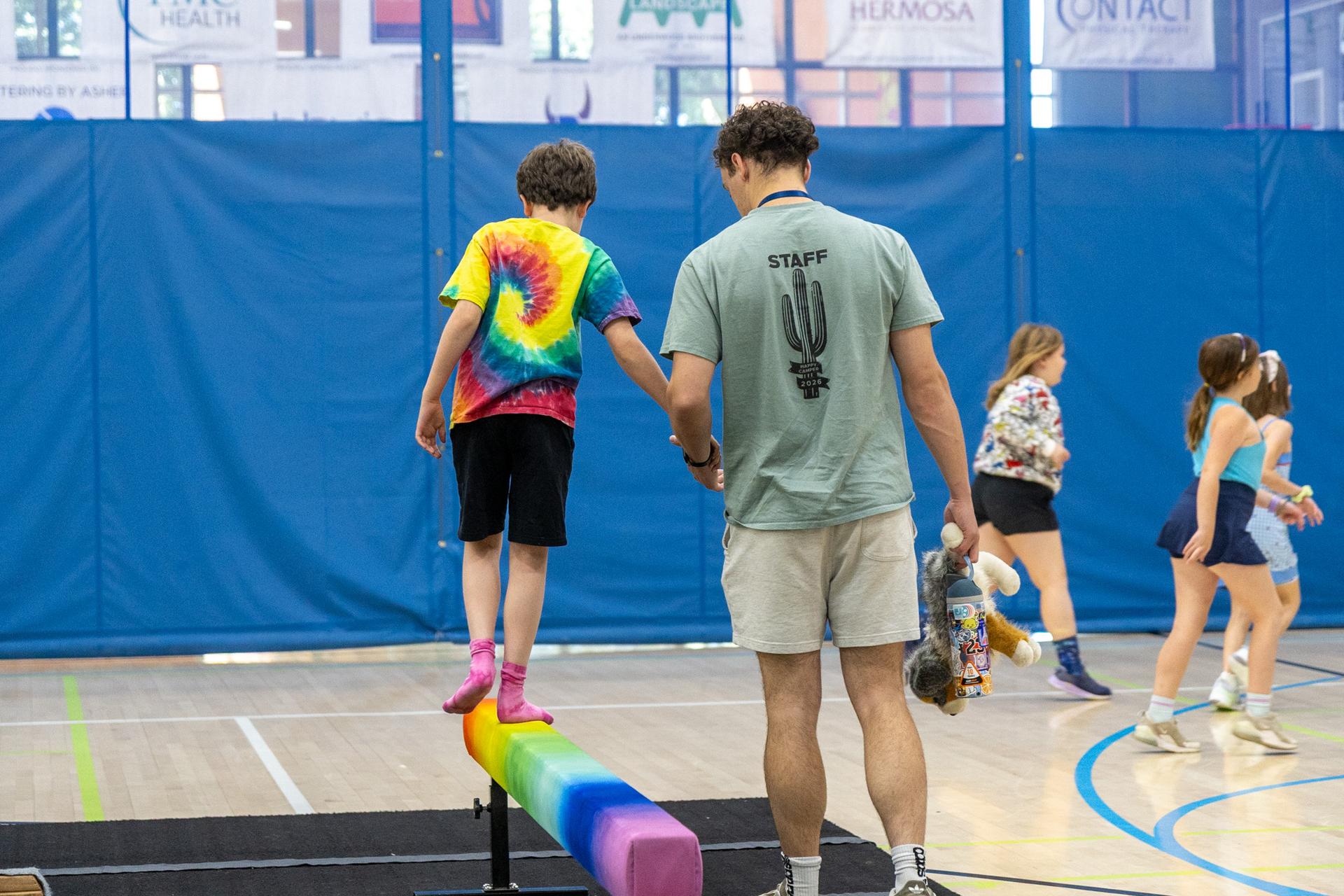
Week 2 of Camp J was filled with both familiar and new experiences as campers explored this week’s virtue of hatmada (persistence/grit) ! Just a few highlights include: 

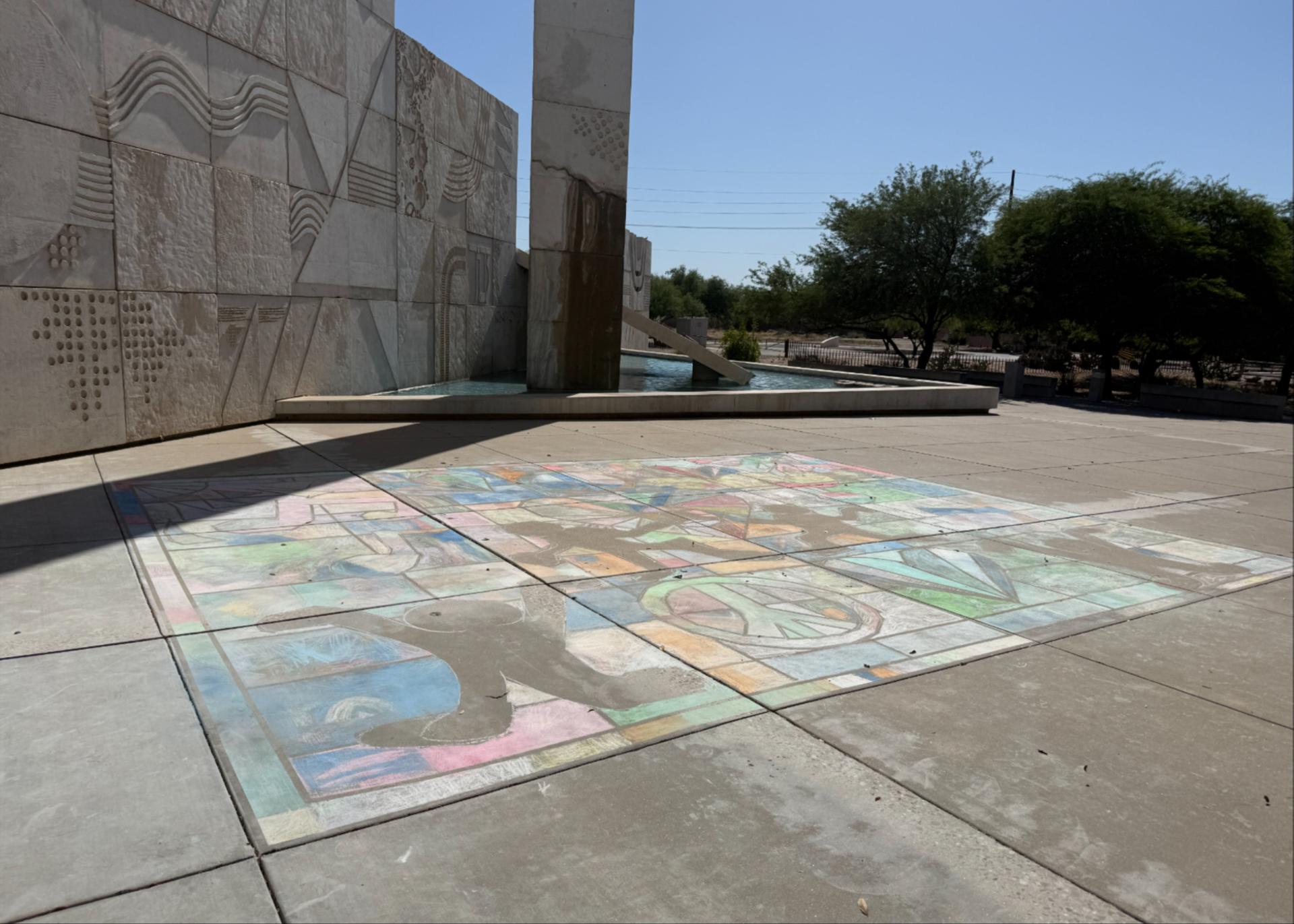
  • a community mural at the front entrance that each group participated in! Be sure to check it out if you haven’t.
  • building paper airplanes using different materials and then determining which was most conducive to flight 
  • making and enjoying “stone soup” (based on the popular children’s book about how everyone has something to contribute!) with veggies, broth, and pasta
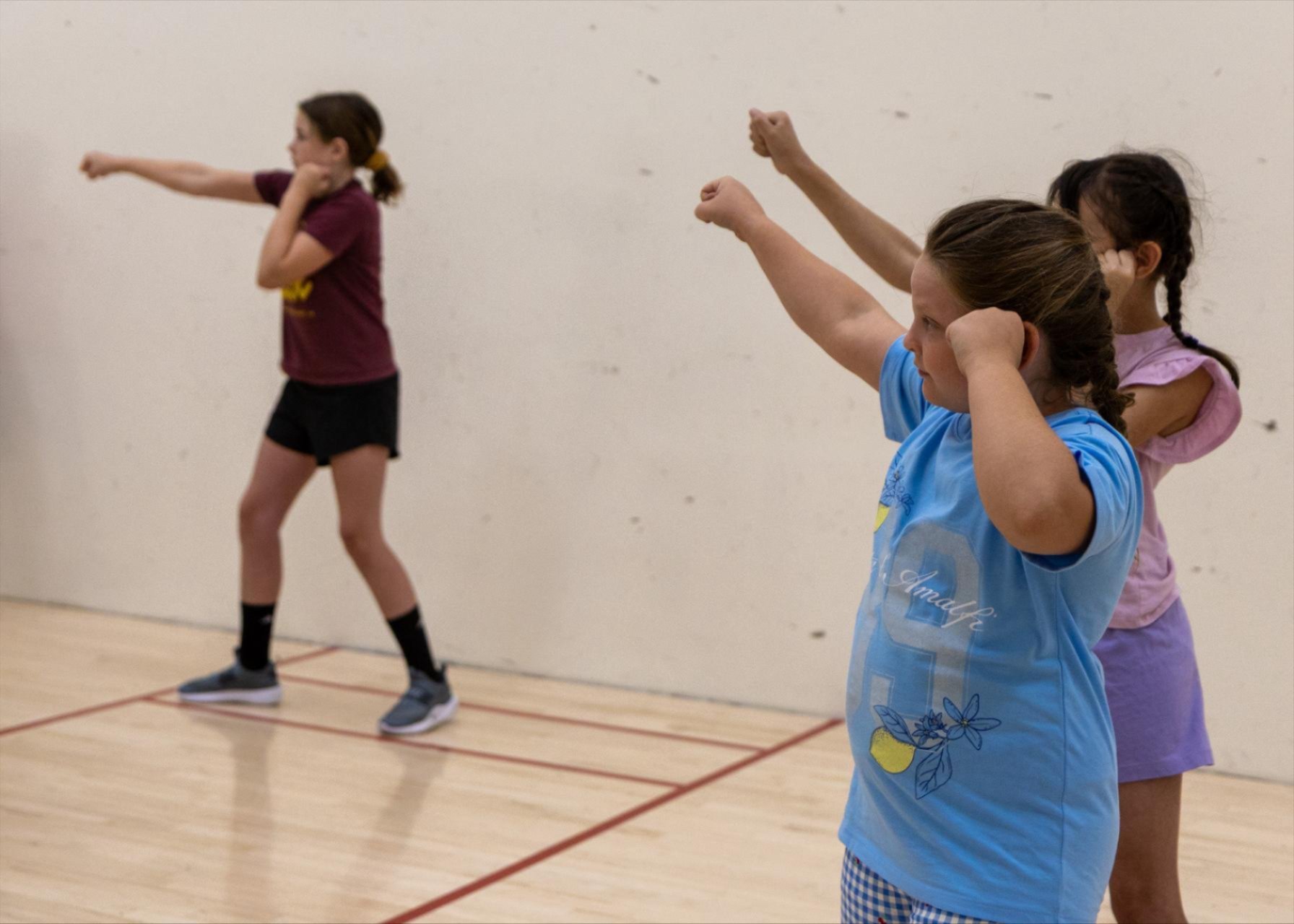
  • getting moving in volleyball, tae kwon do, and gymnastics
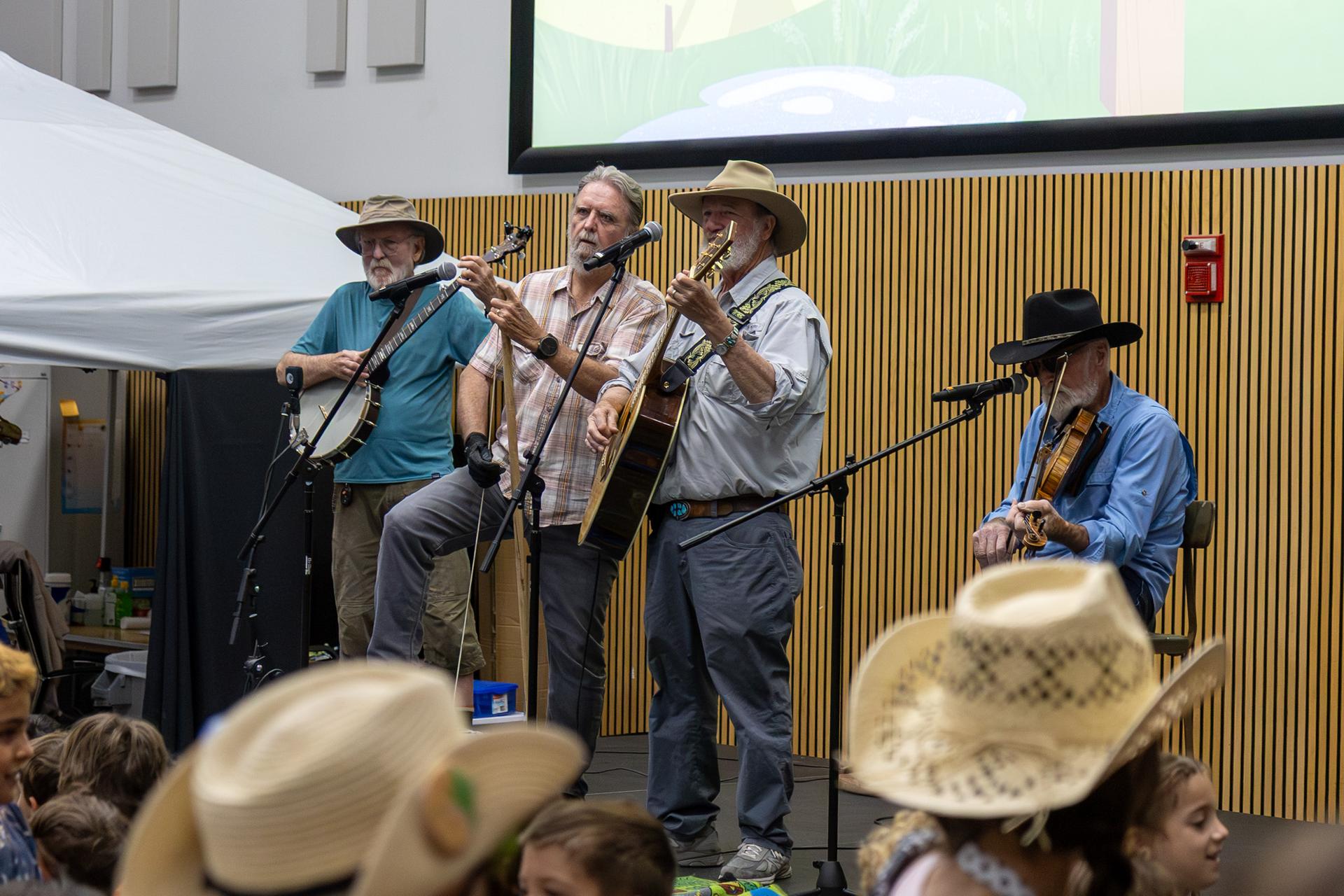
  • moving and shaking to a blue grass concert for Wild West Day 
  • exploring how to express emotions in theatre
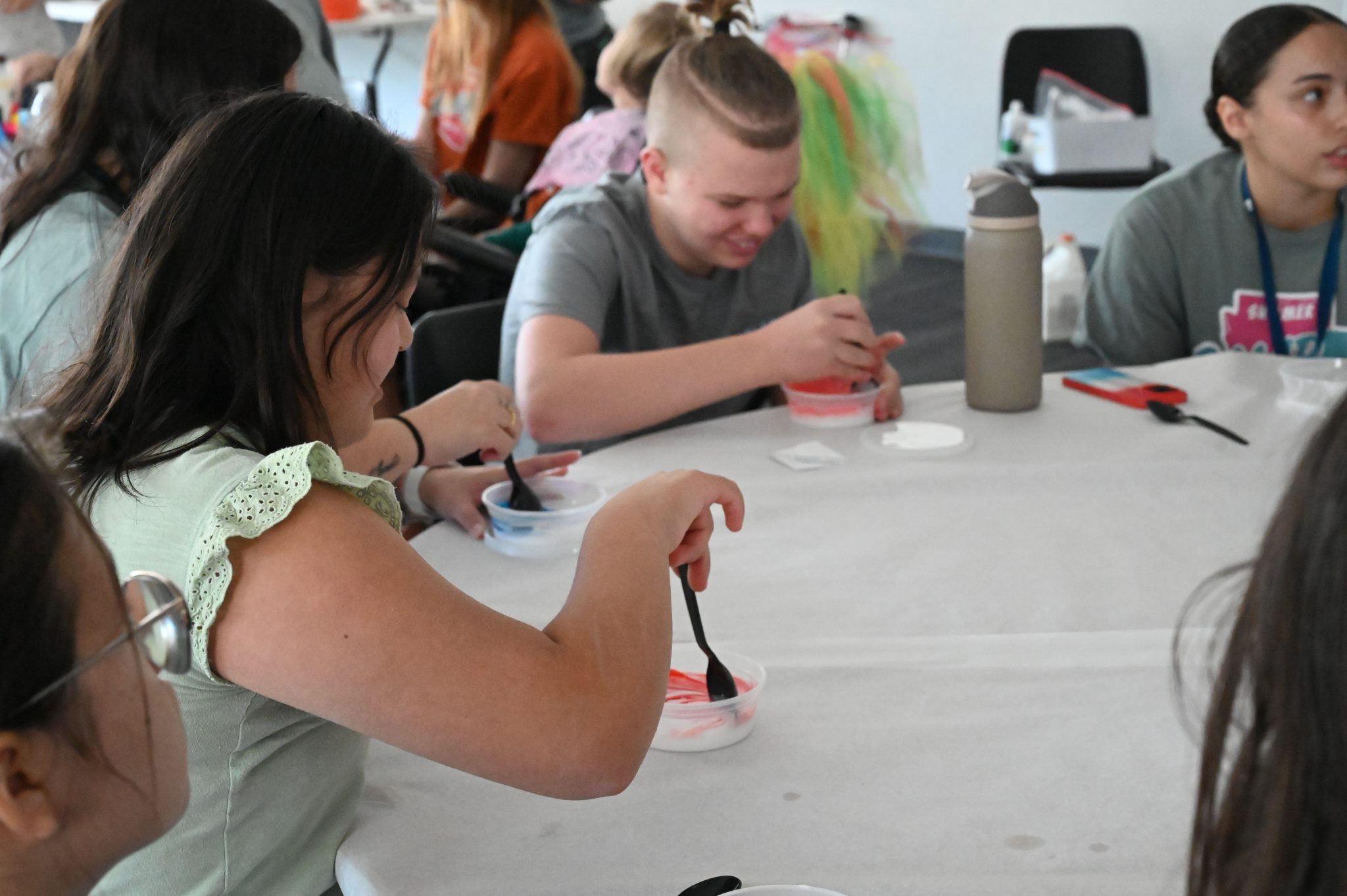
  • making everyone’s favorite sensory experience, slime
  • taking a field trip to the Pima County Air + Space Museum
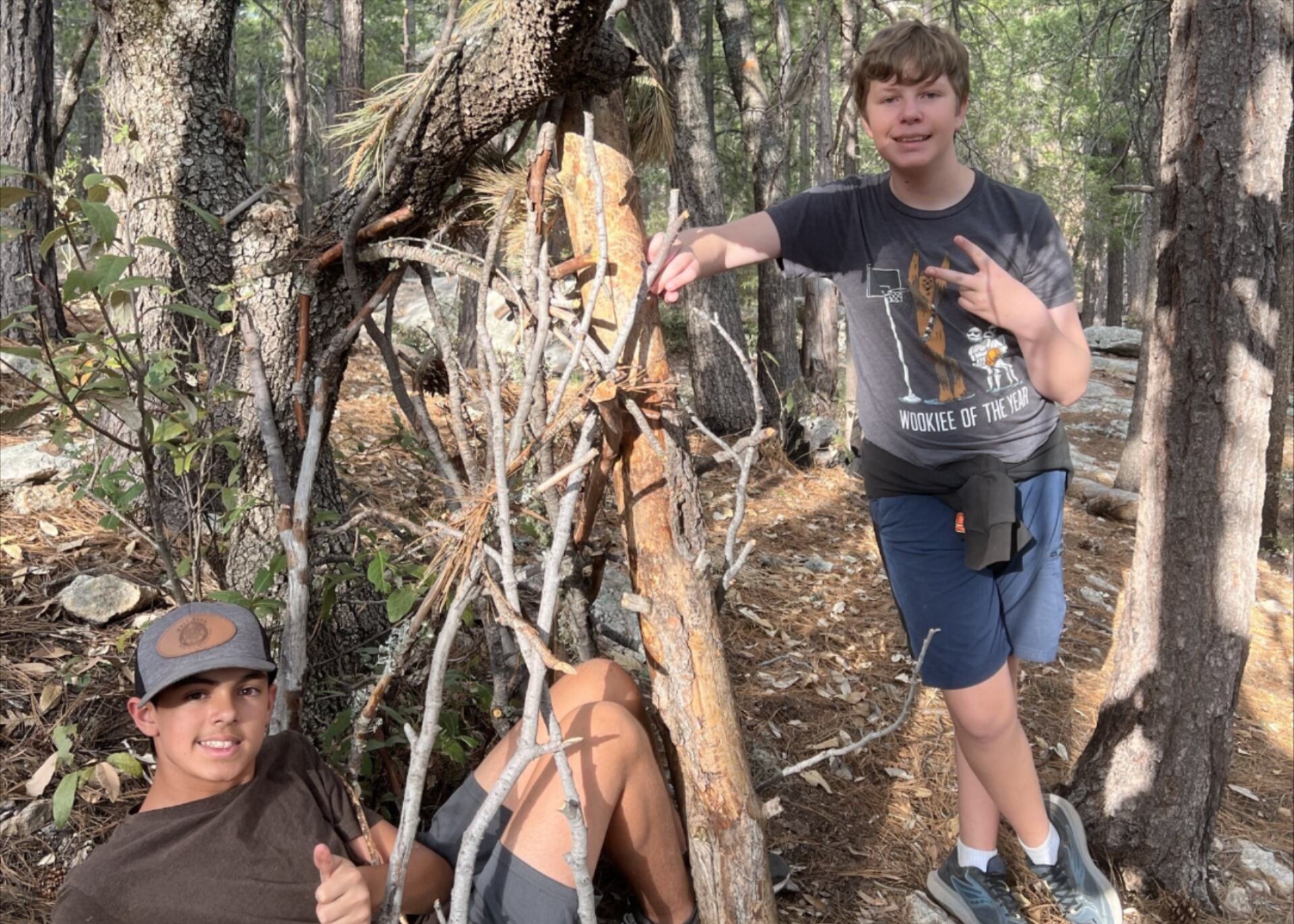
  • traveling off campus for an overnight for our oldest group complete with Shaksuka  over the camp fire and building bush craft shelters

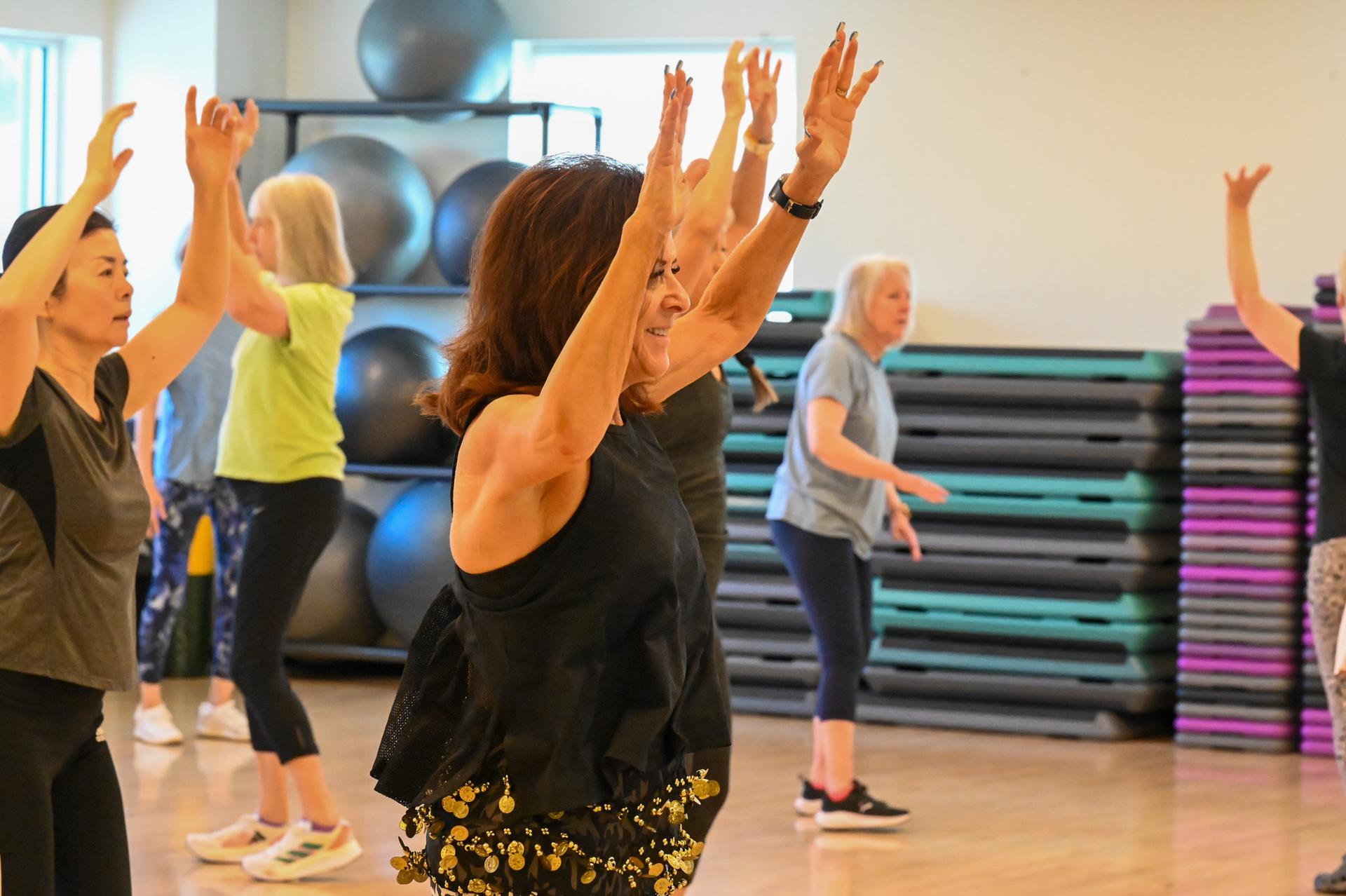
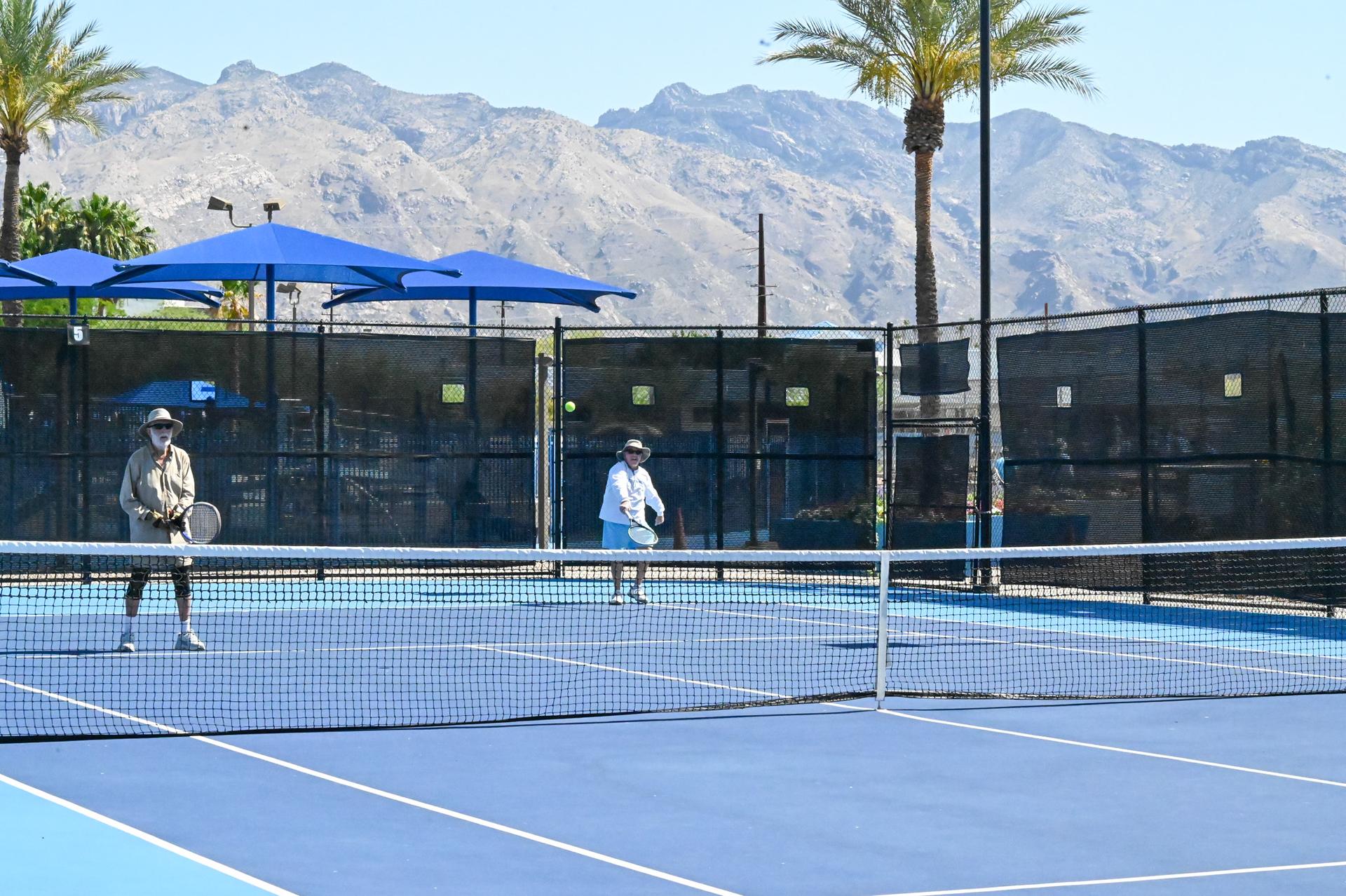
Camp kids weren’t the only community members practicing the virtue of persistence this week! It was the first week of our summer Volleyball and 3v3 Men’s Basketball Leagues, we danced our hearts out in Zumba, and got competitive at the Sarver Tennis Center. However you embraced your routine at the J this week, we hope you found moments of growth and connection.


In Early Childhood Education, kiddos learned about Tikkun Olam (heal the world) by planting zucchini seeds they will care for in the classroom and then transfer to the Shay Shay Community Garden. Over the next few weeks, part of their daily routine will be watering and observing the plants as they grow!   


As we head into Shabbat—another meaningful routine—we invite you to take a moment to reflect on the habits you return to. Are they enriching your life or holding you back? Where is there room to expand or eliminate in service of living in greater alignment with your goals and dreams? Shabbat Shalom. 

Reminders, Resources + Learning

Water Safety Tips from the Tucson J

Summertime in Arizona means 24/7 sunscreen, cooling down with an Eegee, and lots of pool time. With more swimming and time spent outside, now is the time to brush up on your water safety education. Let‘s make sure everyone stays safe this summer!  

The Basics 


Drowning is one of the leading causes of accidental death for children under 5, and even more concerning, Arizona ranks among the states with the highest rates of child drowning incidents. We all have the responsibility and ability to change that.  


Take note— many youth drownings actually occur during non-swim times. Think family gatherings near the pool or any brief lapse of supervision.  

Now What?  


Swim lessons and water safety education are the most important ways to prevent accidental drownings. When it comes to water safety, the earlier, the better! Kids of all ages, especially toddlers, should take annual swim lessons to maintain skills and knowledge.  


Parents and guardians! It is never too late to learn how to swim or re-learn the basics. Along with group and private swim lessons for kids, the Tucson J also offers private lessons year-round for people of all ages.  


Adults should also consider training in CPR so that if an emergency does occur, they are prepared for anything.  

Layers of swim protection

  • Swim lessons 
  • Never leave children unattended by any body of water of any depth (drownings can happen in the bathtub!) 
  • Wear life jackets when appropriate 
  • Residential pools should be enclosed with self-closing and self-latching gates 
  • Do not rely on floaties or inflatable toys as safety devices 
  • Teach children to wait for permission to get in the water 


Enforce these pool rules at all times

  • No running 
  • No rough play 
  • No breath holding games 
  • No diving in shallow water (6-7 feet minimum dive depth recommended) 


This summer, join the Tucson J aquatics staff for our annual TMC Community Water Safety Day! In honor of Drowning Impact Awareness Month, on August 2 from 12-4pm, everyone is welcome to join for a free afternoon of water safety demonstrations, raffles, bounce houses, snacks, and more!