June Staff Spotlight Roundup

Whether through a swimming lesson, an art class, or simply a smile, each day the Tucson J staff brightens the lives of our members and guests. We are proud of the variety of skills and stories that our staff bring to their work, and celebrate this each week through our Facebook and Instagram “Staff Spotlight” series.  


Continue reading on for a preview of our latest spotlights, and check out the full posts at all @tucsonjcc accounts!

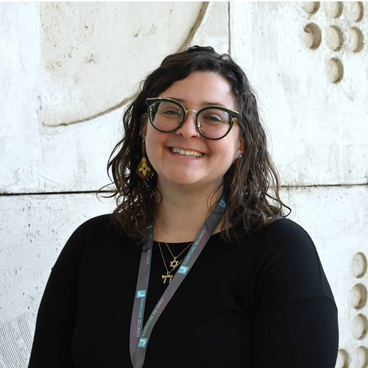
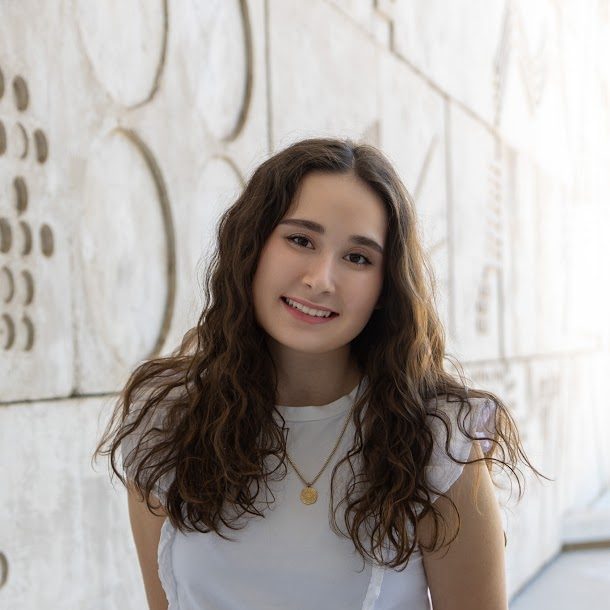
Natasha Rosenstein | Floor associate and dance and gymnastics coach

Q: Tell us about your role here at the Tucson J!

A: I work two different jobs here at the J! I help manage the fitness center as well as coach students ages 3-13 in dance and gymnastics! My dance background is rooted in ballet, and I have been dancing since I was 3, and professionally since I was 10. I enjoy supporting all members with their exercise and lifestyle goals!

Q: If you could instantly learn any skill, what would it be and why? 

A: I would want to learn all the languages (Russian, Romanian, Yiddish) my ancestors spoke to keep their cultures and memories alive.

Q: What does community mean to you?

A: Community means having mini-families I can always return to. I have moved around a lot, and they make me feel appreciated, seen, and welcome when I go back to visit!

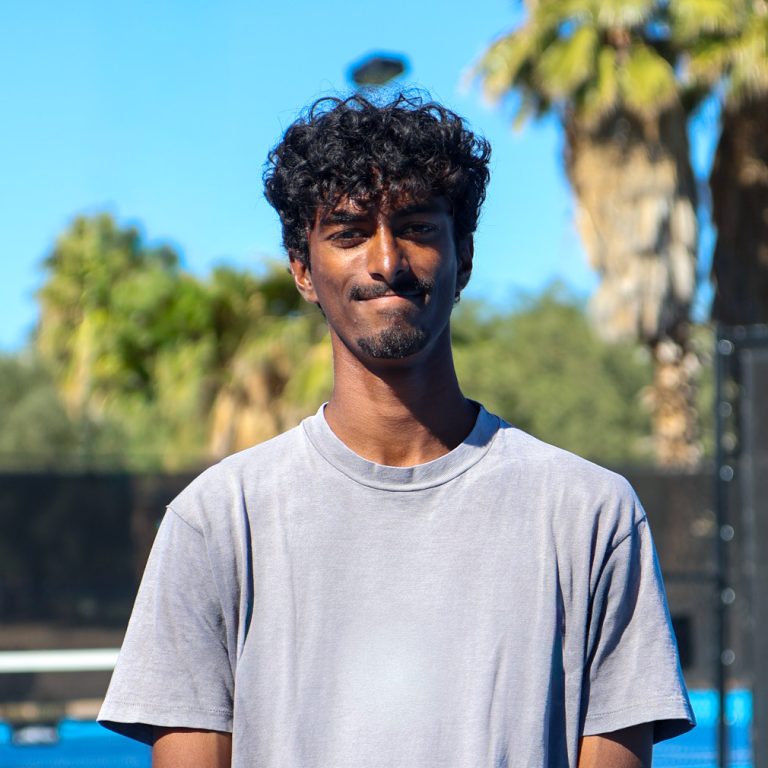
Jeevaj Bondalapati | Youth Tennis Specialist

Watch Jeevaj’s video Q+A here!

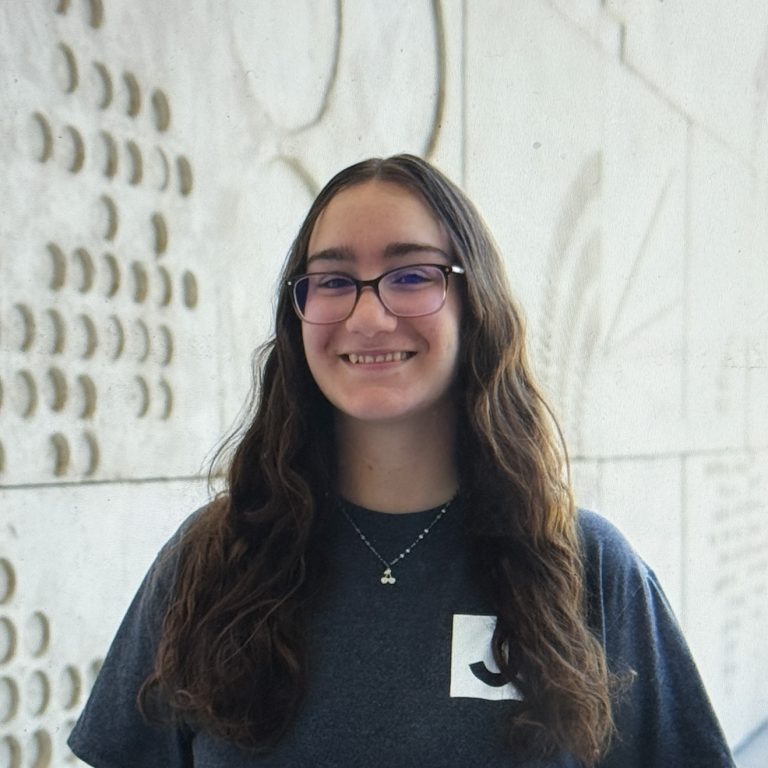
Isabella Holwick | Membership Services Associate

Q: Tell us about your role here at the Tucson J!

A: I’m a member services associate, so I’m usually one of the first people you see when you walk in. I help check members in, answer questions, and keep things running smoothly. A big part of my role is making sure everyone feels welcomed and taken care of from the moment they arrive. I primarily work at the Wellness and Tennis desks. 

Q: Tucson must-see or do?

A: Watching a desert sunset is a must. I recommend going out to Gates Pass or the Saguaro National Park to take in the scenery that makes Tucson so special. 

Q: What does community mean to you?
A: To me, community is about creating a space where people feel comfortable, recognized, and connected. Working at the desk, I get to see how small interactions, like greeting someone by name, can really make a difference in someone’s day.

Laura Hatfield | Camp J Nisayon Unit Head

Tucson JCC

Watch Laura’s video Q+A here!

Devin Johnson | Applications Administrator + Data Manager

Watch Devin’s video Q+A here! 

Shavua Tov 12 Tamuz 5786

Shavua Tov

One of the greatest gifts of Jewish tradition is that it rarely asks us to settle for a single perspective. Instead, Judaism teaches us to ask another question, to listen more deeply, and to recognize that wisdom often emerges when we are willing to see the world through more than one lens.


This spirit comes alive every day at the Tucson J.


In our remarkable Early Childhood Education program, our educators are guided by the JCC Association’s Sheva Framework, a philosophy that encourages children and all of us to explore the world through seven different lenses. These lenses are much more than an educational model. They are a Jewish way of understanding ourselves, one another, and our responsibility to the world. Increasingly, I find myself reflecting on how these lenses can guide all of us not only in our classrooms, but throughout every part of our agency and our community.


The seven Sheva lenses invite us to see the world in these ways:


Hit’orerut – Amazement & Gratitude: To approach life with wonder and appreciation, recognizing that awe is the beginning of learning and gratitude.


D’rash – Inquiry, Dialogue & Interpretation: To ask meaningful questions, engage in thoughtful conversation, and understand that wisdom grows through curiosity and dialogue.


Tikkun Olam – Repair of the World: To understand that each of us shares responsibility for repairing what is broken in ourselves, in our relationships, and in our community.


Tzelem Elohim – Divine Image: To recognize that every human being possesses inherent dignity and infinite potential because each person is created in the image of G-d.


Masa – Journey: To embrace life as a continual process of reflection, growth, return, and renewal rather than simply reaching a destination.


K’dushah – Holiness: To live intentionally, recognizing that ordinary moments become sacred when we bring our full presence to them.


B’rit – Covenant: To understand that our deepest sense of purpose comes through our commitments—to ourselves, our families, our community, and one another.


As I read these lenses together, I am reminded that they are not seven separate ideas. They are seven ways of looking at the very same world. One situation can be viewed through curiosity. Another through compassion. Another through responsibility. Often the wisest response comes not from choosing one lens, but from allowing ourselves to see through several.


Our tradition speaks directly to this. In Pirkei Avot (4:1), Ben Zoma teaches:


“Who is wise? One who learns from every person.”


Notice that the Mishnah does not say “one who teaches every person.” Wisdom begins with humility. It begins with listening.


Rabbi Lord Jonathan Sacks expanded on this beautiful idea when he wrote:


“The dignity of difference is that each of us has something unique to contribute to the collective conversation of humankind.”


What a powerful lesson for our time. Whether we are serving members, teaching children, making strategic decisions, volunteering, leading, or participating in programs, we become stronger when we seek first to understand before seeking to be understood. Different perspectives are not obstacles to community they are one of community’s greatest strengths.


As I walk throughout the Tucson J, I see these lenses in action every day. I see teachers nurturing children’s curiosity. I see campers discovering confidence through new experiences. I see older adults sharing decades of wisdom. I see members encouraging one another in the fitness center, swimmers cheering each other on, tennis players building lifelong friendships, volunteers giving generously of themselves, and staff collaborating across departments. Each interaction offers another opportunity to learn from someone whose experiences are different from our own.


At the Tucson J, we often describe ourselves as the town square of Jewish Tucson a place where everyone belongs and some people join. A thriving town square is built upon conversation, respect, curiosity, and the willingness to see one another through lenses of dignity, possibility, and hope.


As we continue building an even stronger and more vibrant Jewish community together, may we never stop asking thoughtful questions, remaining open to new perspectives, and discovering the wisdom that exists in every person we meet.


Because perhaps the greatest lesson of the Sheva Framework is this: when we learn to see through different lenses, we begin to see each other and ourselves with greater clarity, greater compassion, and greater possibility.

This week’s musical selections beautifully echo this message of learning, community, and responsibility.


Children Will Listen from Stephen Sondheim’s Into the Woods reminds us that learning is never confined to the classroom. Children, and adults, are constantly shaped by the words we speak, the examples we set, and the perspectives we model. It is a gentle reminder that every interaction is an opportunity to teach, inspire, and nurture the next generation.


Peter Yarrow’s Light One Candle reminds us that even a single act of kindness, understanding, or hope can illuminate the lives of many others. Like the Sheva lenses themselves, each candle may seem small on its own, but together they create a light capable of transforming a community.


May we each continue to light candles of curiosity, compassion, and understanding and in doing so, help build a Tucson J and a Jewish community where every person is seen, every voice is valued, and every perspective enriches us all.

Cochenu b’Achduteynu | כחינו באחדותינו | Our strength is in our unity.


Am Yisrael Chai 
| עם ישראל חי

Todd Rockoff

President + CEO, Tucson J 

JCare afterschool program offers safe and fun afternoons for Tucson students 

At the Tucson J, we are dedicated to ensuring that families have everything they need for a meaningful one-stop shop experience, blending childcare and wellness experiences so that everyone can thrive. 


One way we are making family schedules easier to manage? Our JCare afterschool program.  


JCare offers a safe, welcoming environment where children in grades k-5 spend after-school hours learning, playing, moving, and exploring. Students are split up into small groups based on age and engage with activities such as cooking, Learning Lab, art, time outside on the playground, and other enriching experiences designed to support their growth beyond the school day. 


IMPORTANCE OF AFTER-SCHOOL CARE
 

For many families, after-school care is a necessity. Work schedules and school schedules seldom align, so safe, reliable, and engaging childcare is critical. Parents can remain focused at work knowing their children are in a safe, supervised setting where they are engaged in meaningful activities rather than simply passing time until pickup. 


Additionally, research consistently shows that participation in structured afterschool programs can support academic achievement, strengthen social-emotional skills, and promote healthy behaviors. Studies have found that children who participate in quality afterschool programs demonstrate improved school attendance, stronger classroom engagement, and gains in important life skills such as teamwork, communication, problem-solving, and self-confidence. 


Afterschool programs are often free-play experiences, gathering students for a place to relax under supervision until parents arrive. But JCare is different— it’s intentionally designed to combine enrichment activities, physical movement, and caring adult mentorship to help children feel more connected, confident, and successful both in and out of the classroom. Also ever-important in today’s world: afterschool programs provide engaging alternatives to spending several unsupervised hours on devices, cutting back on screen time in favor of building lasting friendships and making memories.  


OUR PROGRAM
 

JCare runs from 2-6pm when school is in session, offering transportation from a variety of elementary and middle schools, including: 

  • Basis Primary 
  • CFHS 
  • Fruchthendler 
  • Khalsa Montessori (River + Camden Campuses) 
  • Manzanita 
  • Orange Grove Middle 
  • Sam Hughes 
  • Sunrise Dr. 
  • Tucson Hebrew Academy 
  • Ventana Vista 
  • Esperero Canyon Middle School 


Once at the J, students spend the afternoon in small groups based on grades, guided by caring and well-trained staff. Students get to utilize the state-of-the-art facilities of the Tucson J, including the art studio, demo kitchen, and playground. Grown-ups can also enroll their children in Learning Lab to get additional help on homework.  


When school is on a break, the Tucson J offers School Days Out, structured similarly to JCare, but with added field trips and programming. Plus, keep an eye out for our monthly Parents’ Night Out, offering crafts, games, dinner, and a movie on select Saturday evenings throughout the school year. 


Curious to learn more? Click here to register for the 2026-2027 school year, running August 3, 2026, through May 25, 2027, or reach out to Caitlin Jacob, Director of After School Programming, at cjacob@tucsonjcc.org to learn more.  

From the Desk of Jennifer Lorch Selco | Sr. Director of Jewish Living + Engagement

Shabbat Shalom
Shabbat Shalom

From the Desk of Jennifer Lorch Selco | Sr. Director of Jewish Living + Engagement

It’s hard to listen to others when we are so intent on being right. 


This week’s double Torah portion is Chukat-Balak. In Parshat Balak, we meet a king who wants to curse the Israelites, a wizard of sorts, and a talking donkey. Balak, the King of Moab hires Bilam, the wizard of sorts, to curse the Israelites, who were moving closer into Moabite territory. Bilam rides on his donkey toward a place where he can look down at the Israelites to curse them. Along the journey, God sends an angel that Bilam cannot see, and he is quite angry and confused when the donkey suddenly stops for no apparent reason. A very angry and confused Bilam yells at and beats the donkey. This happens two more times, until God puts words into the donkey’s mouth who says to Bilam, “Why do you beat me?” God opens up Bilam’s eyes to the sight of the angel who had been blocking Bilam’s journey. Ultimately, Bilam ends up blessing the Israelites. The blessing features a phrase that is part of Jewish liturgy today, “Mah tovu, o’halecha Ya’akov, mishkenotecha Yisrael; How goodly are your tents, Jacob, your dwelling places, Israel!” The saga of Bilam and Balak ends when they part ways.


Bilam’s donkey saw something that Bilam could not see, but Bilam was not open to the idea of following his donkey’s lead. Bilam reminds us, that even as adults, sometimes it’s hard to listen. In Jewish life, there is a practice called Hitlamdut, Hebrew for internalizing what we learn or experience. Practicing hitlamdut means taking a moment for non-judgmental curiosity – asking ourselves what is being said, how are we hearing what is being said, and how might our own biases impact what we are hearing. When we take a pause to practice hitlamdut, we have the opportunity to truly listen to what is being said and to what is happening around us. Practicing hitlamdut is just like any other skill – it takes practice and consistency. We might stumble sometimes, and we should always strive to seek to understand multiple perspectives and to be open to a variety of possibilities.


This Shabbat, I invite us all to reflect on the idea of listening and hitlamdut. May we all be pleasantly surprised by what we hear.

In the story of Balak and Balam, it is not the powerful king or the famous prophet who sees most clearly, but a donkey who notices what everyone else misses. The story reminds us that our perspective is often enriched by unexpected voices and that holiness has a way of revealing itself where we least expect it. We experience those same truths in our community here at the Tucson J. The moments that shape us most are often the ones that seem ordinary: a conversation over breakfast, a child discovering something new at camp, or a game shared across generations. 


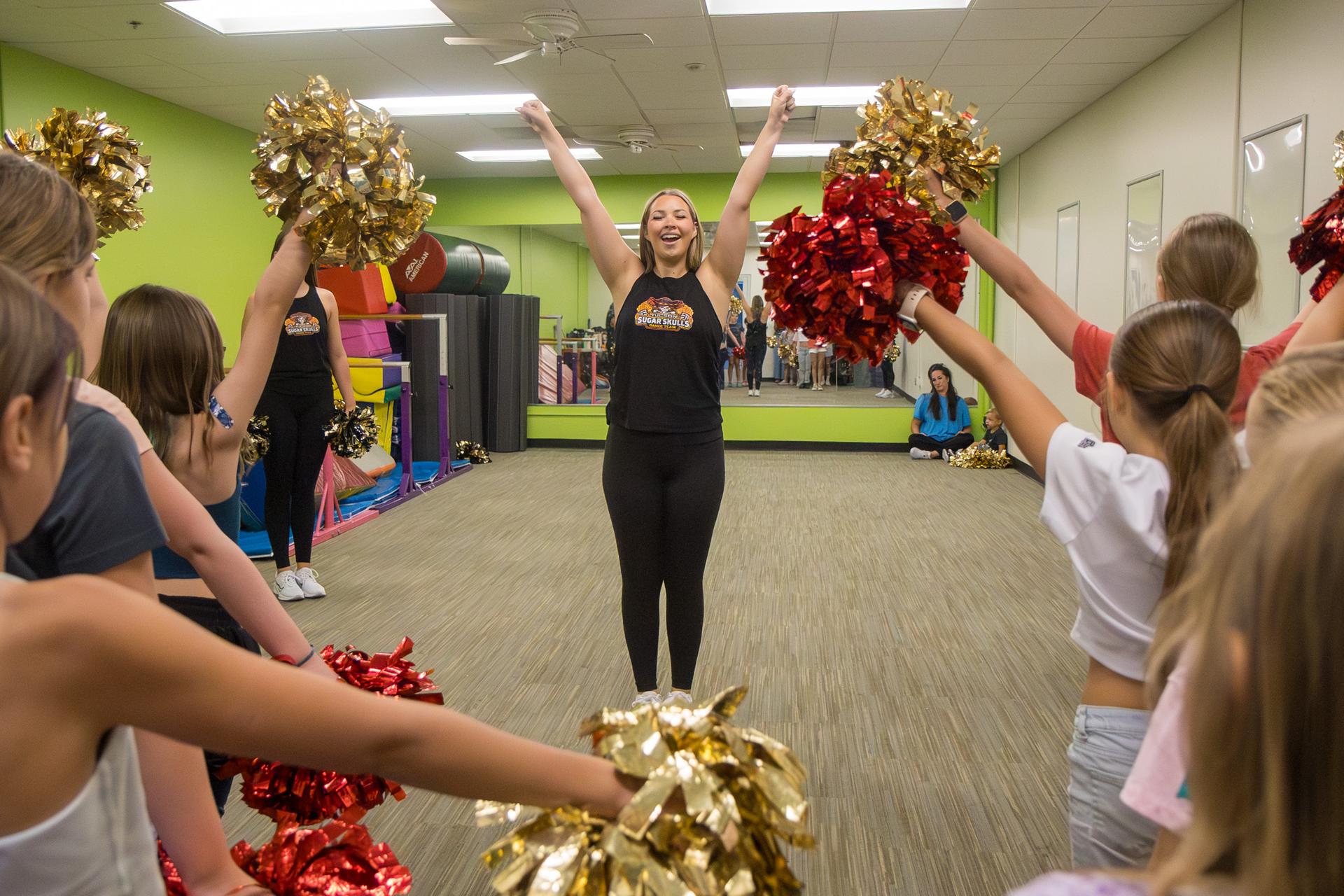
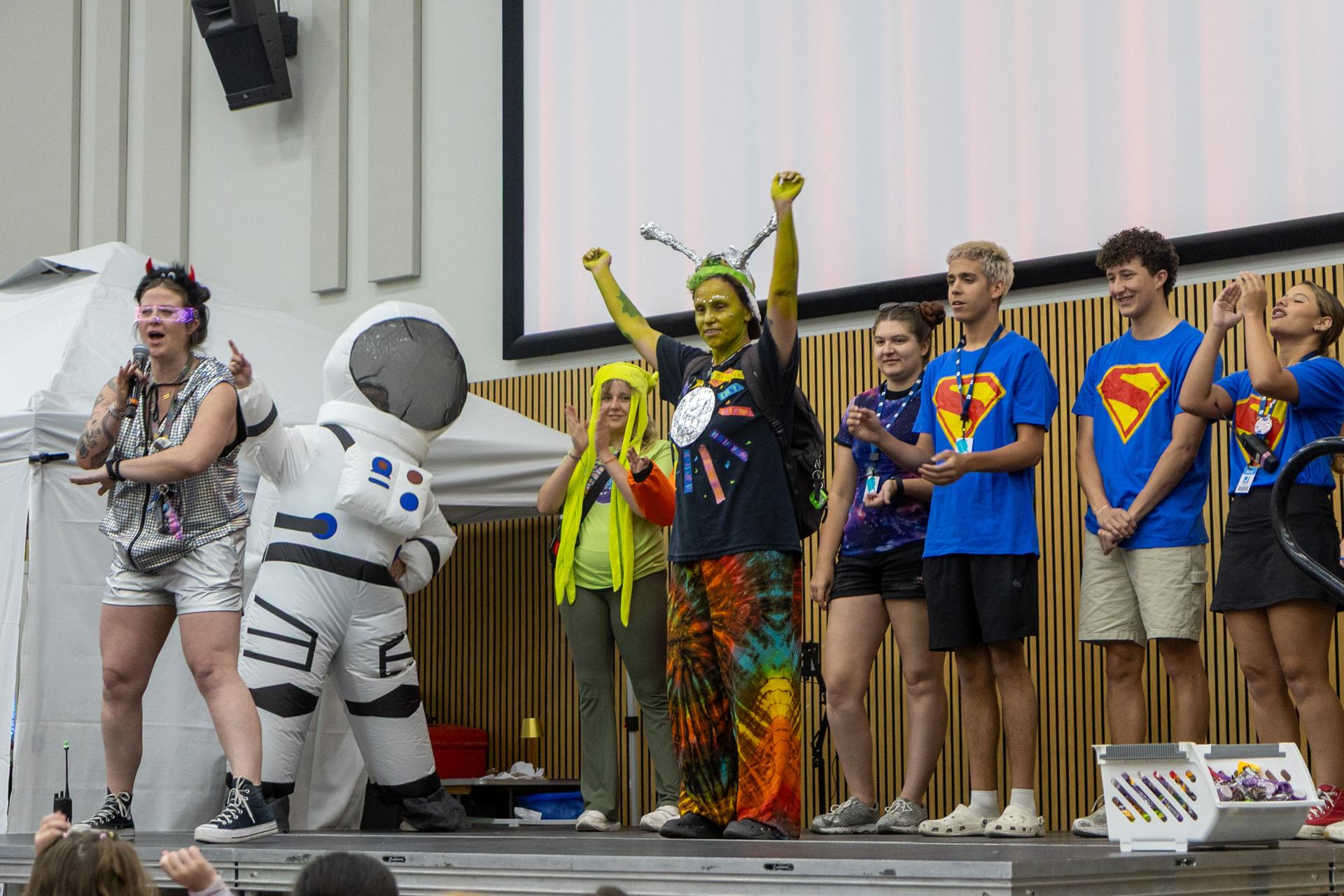
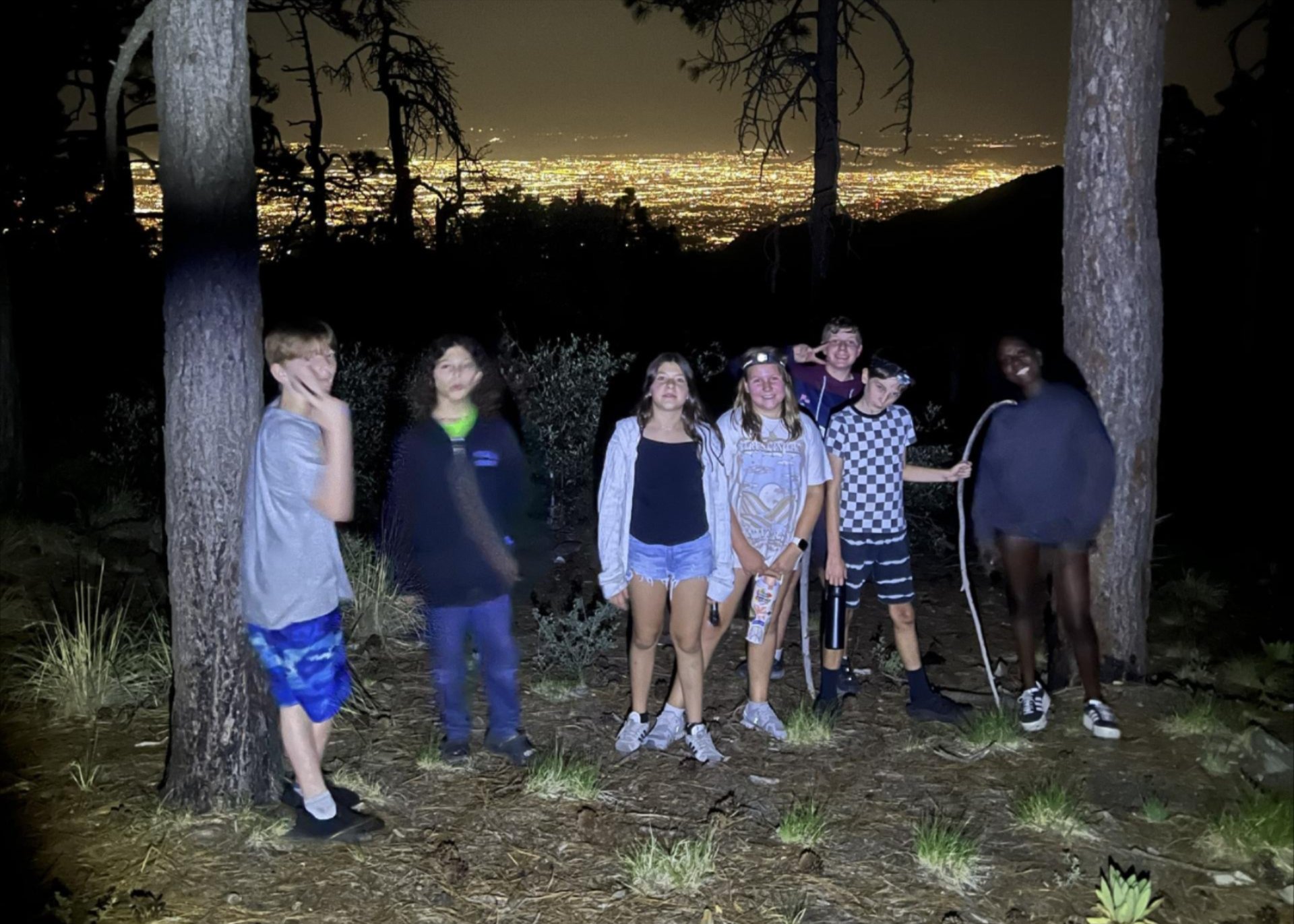
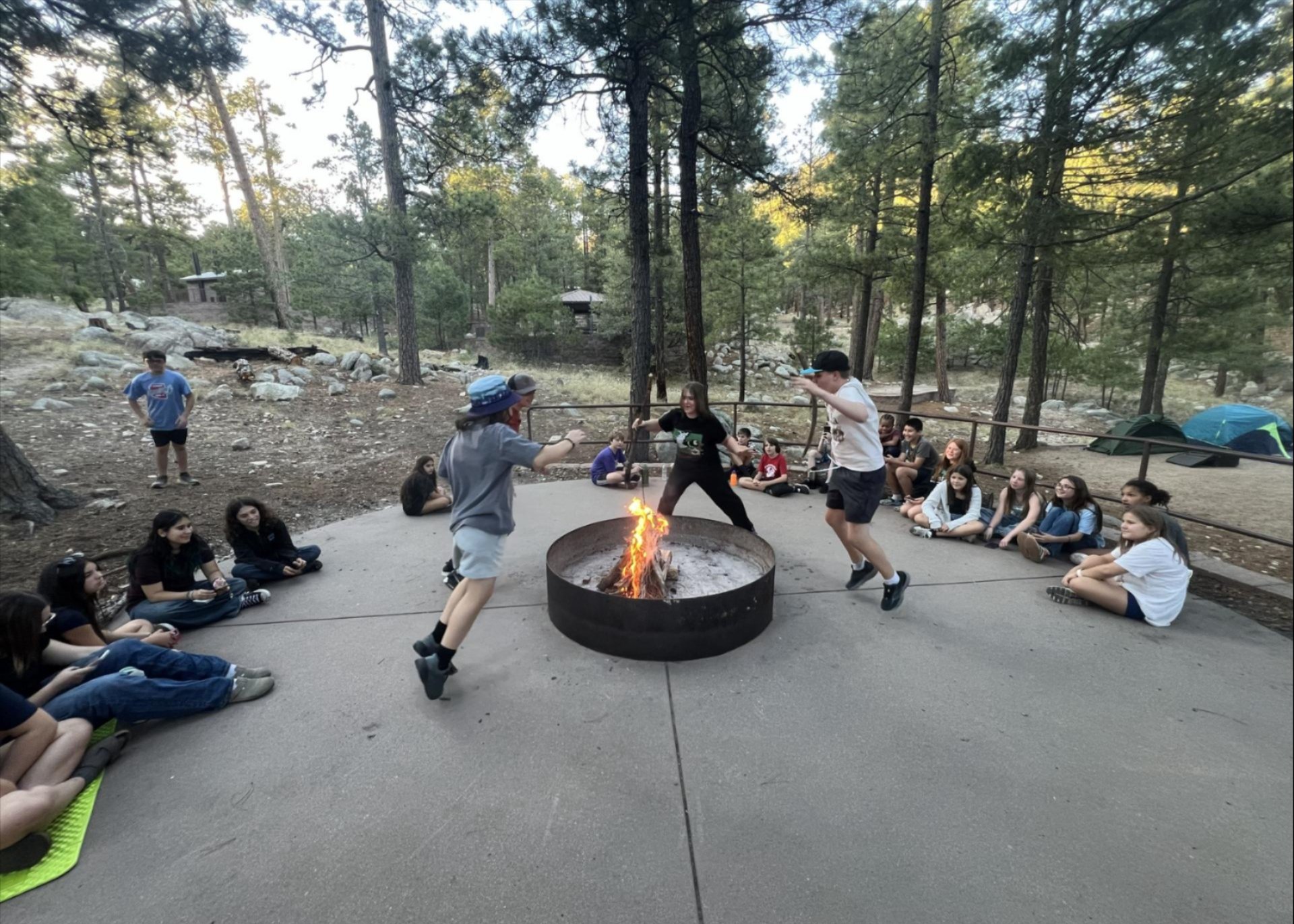
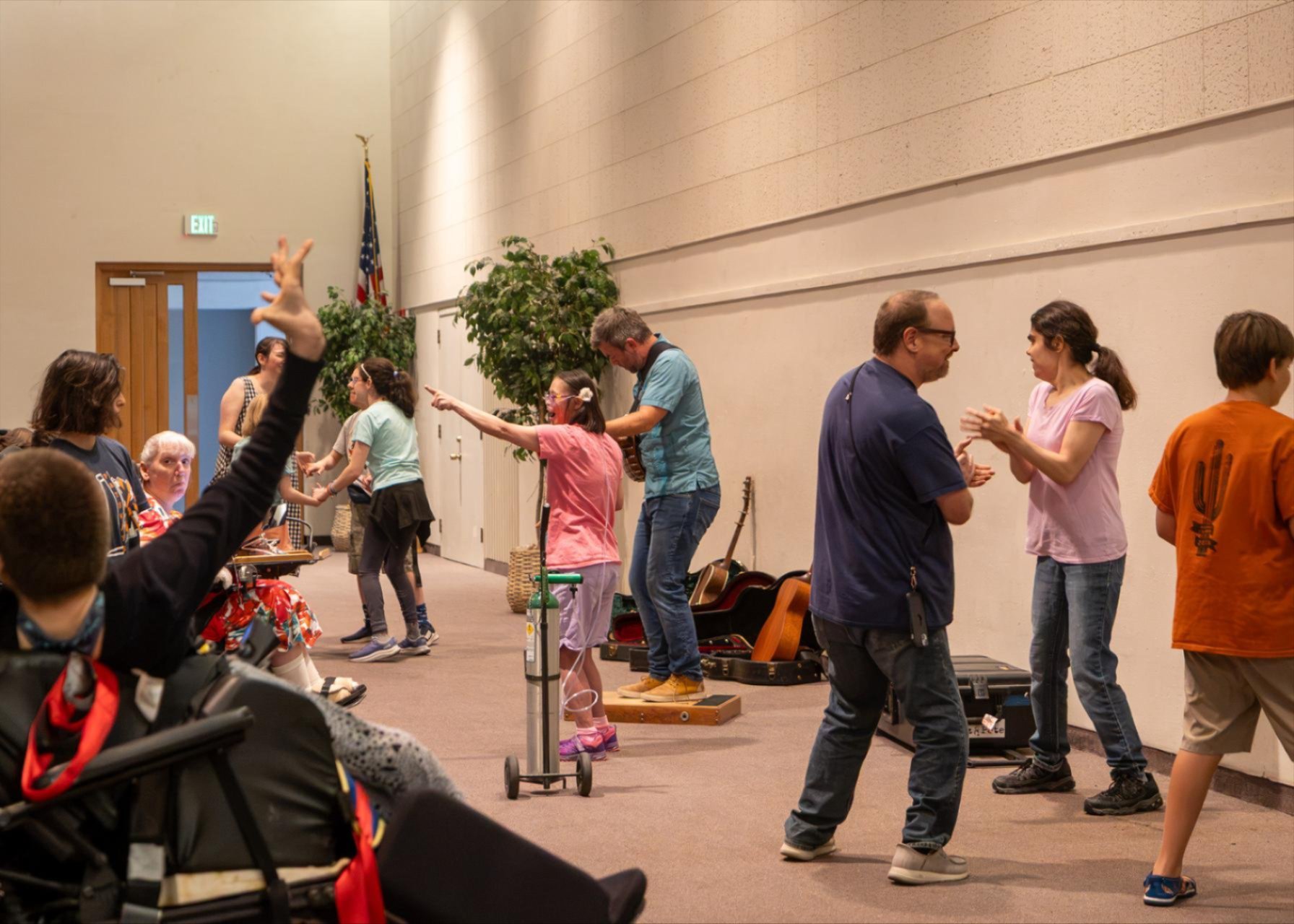
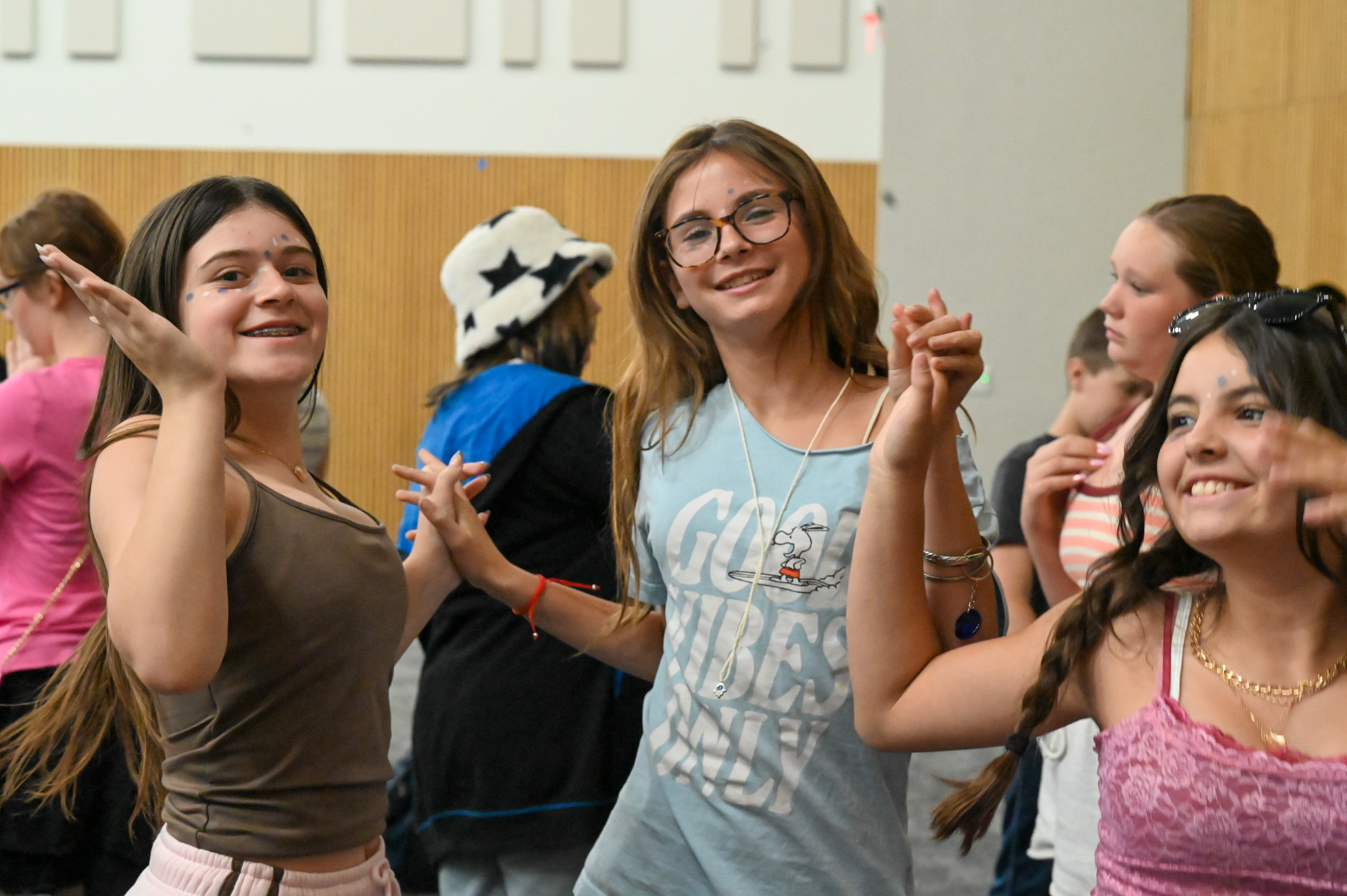
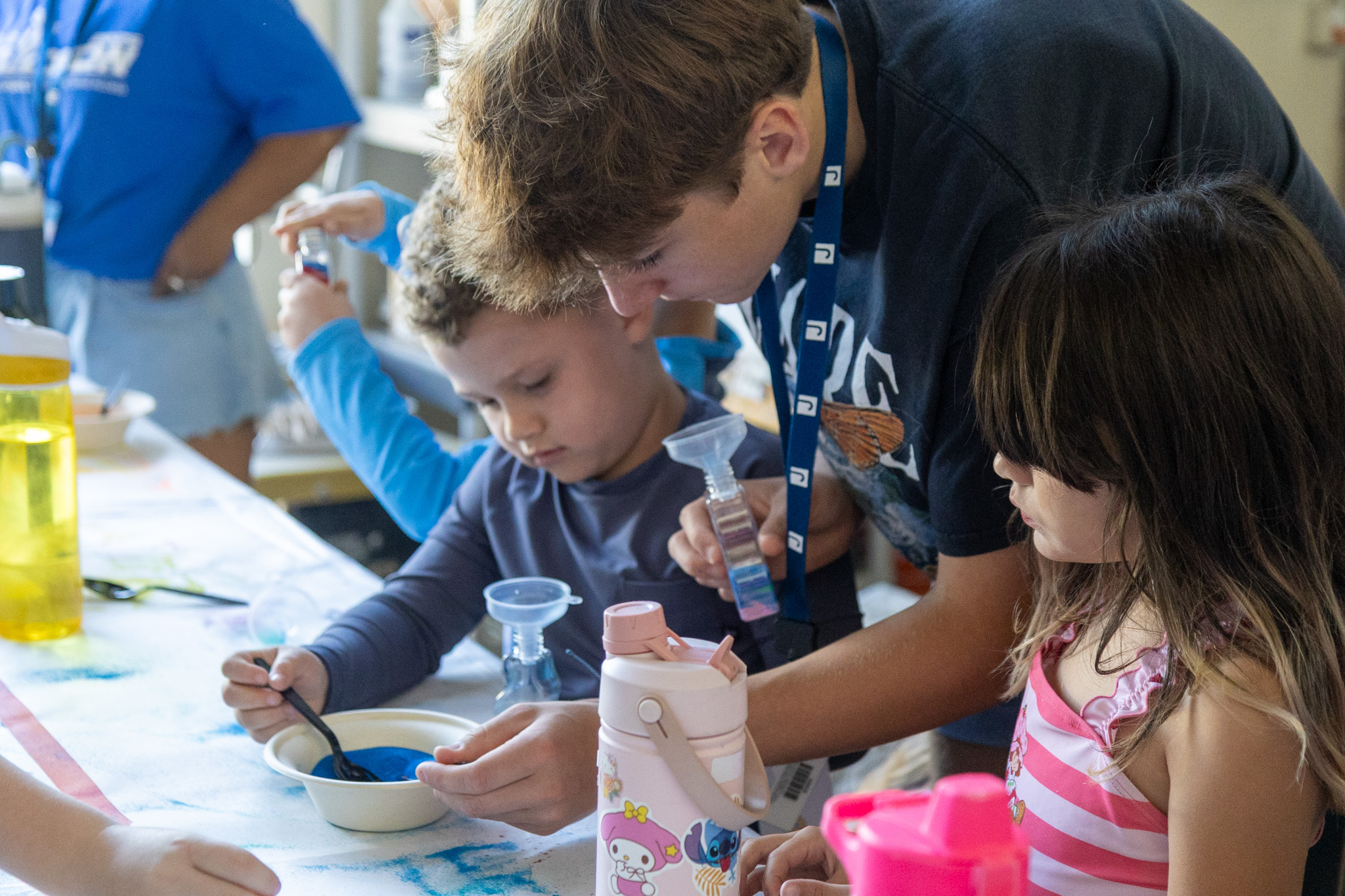
This week marked the half-way point of camp season—time truly flies when you’re having fun! Some highlights from the week include a very special chugim (choice/elective activity) with the Tucson Sugar Skulls Dance Team, Out of this World dress-up day, making pinch pots in art, mock interviews for our teens in Nisayon, a camping trip on Mt. Lemmon for Tiyul, and a field trip to Skate Country for Giborim. In Disability Program Services, participants enjoyed another Summer Concert, this time rocking out to tunes on the banjo. 

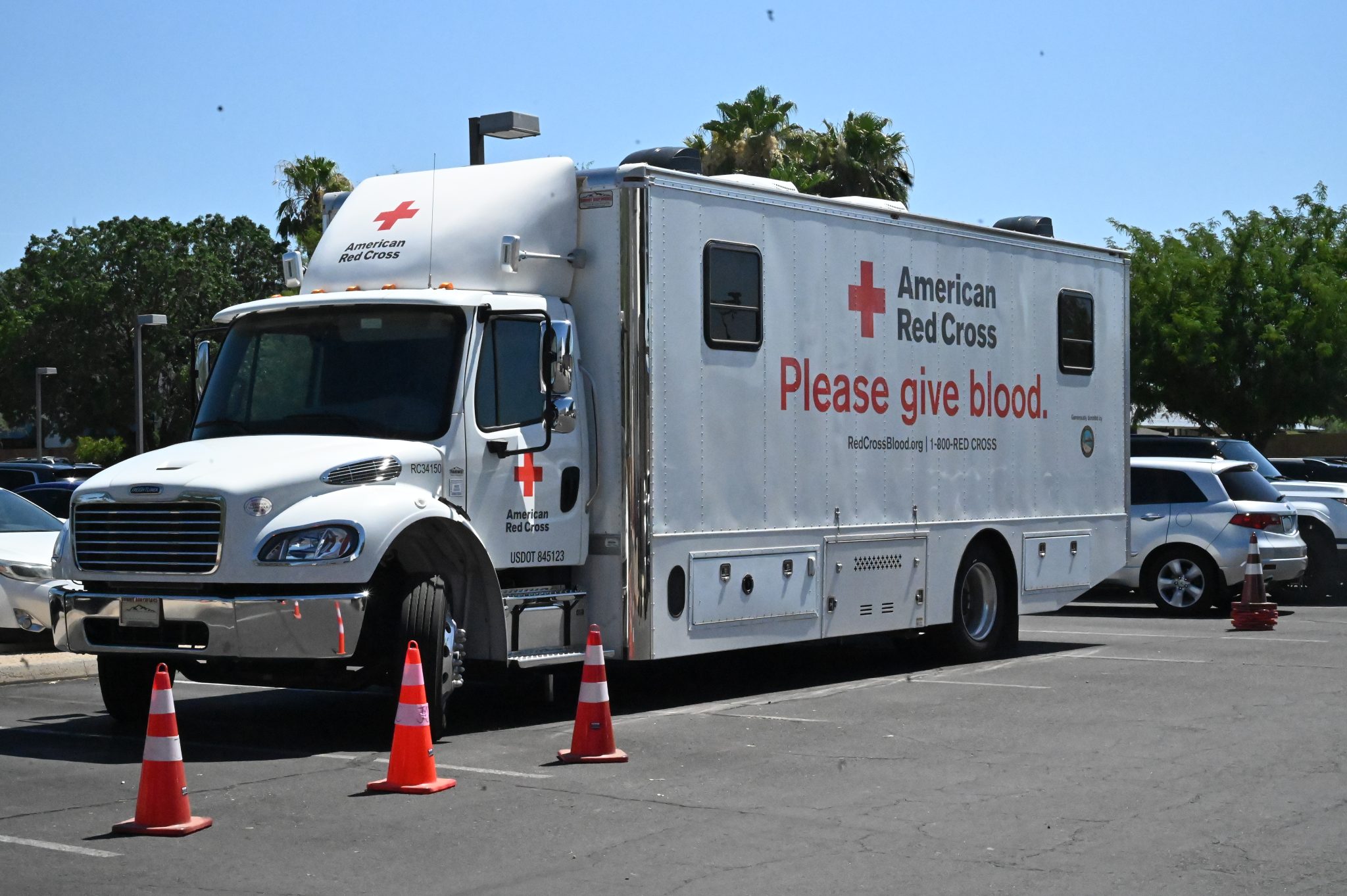
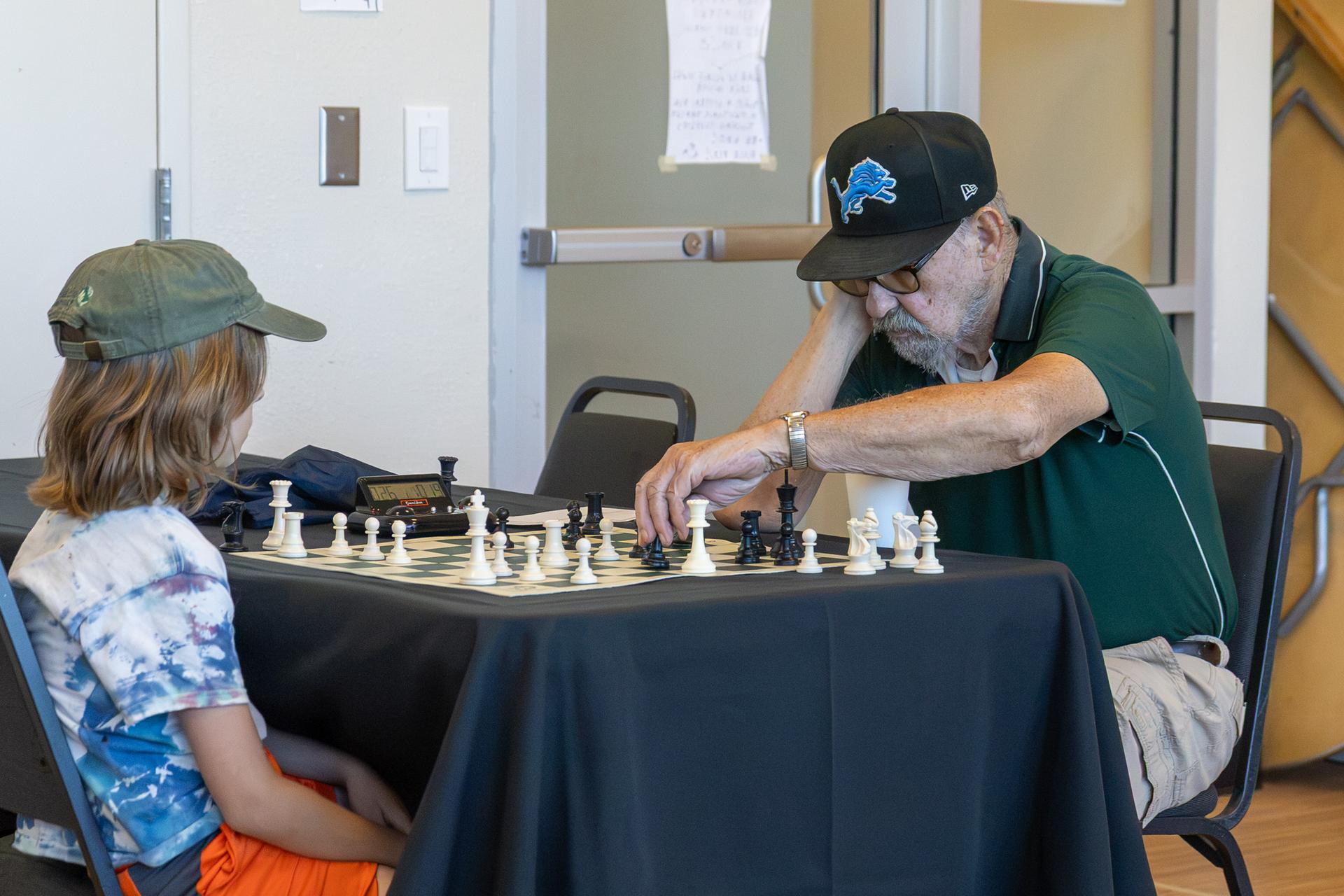
On Tuesday, we proudly hosted another Blood Drive for American Red Cross, practicing the value of Tikkun Olam (heal the world) by giving back to our community. The next Blood Driveis August 26; join us! Wednesday, our weekly chess club met in the multi-purpose room to connect through friendly competition and shared interests. And this morning, parents met with our Early Childhood administrators for pastries and coffee and chatted about the many exciting things coming up for families—including a new Newborn Basics class led by Tanque Verde Pediatrics and a pop-up Move Like a Mother workout with Tess from Intuitive Training. 


This shabbat, we are grateful to be able to take a moment to notice the blessings and the holiness that is present among us each and every day. Wishing you a restful and restorative weekend. Shabbat Shalom. 

Reminders, Resources + Learning

Shavua Tov 5 Tamuz 5786

Shavua Tov


As I walk around the J this summer, I am continually reminded that one of life’s greatest blessings, friendship.


I see it everywhere.


I see it among the campers at Camp J, building friendships that may last a lifetime. I see it among our counselors, many of whom once ran across these same fields and sat around these same camp circles as Camp J campers themselves. I see it among our friends participating in Taglit, discovering connections with one another. I see it at the Sarver Tennis Center, around our swimming pools, in our fitness center, and throughout every corner of our campus.


The sounds of the J are anything but the sounds of silence.


They are the wonderful sounds of community.


They are the laughter of children, the encouragement of coaches, the conversations between old friends, the introductions that become new friendships, and the joyful noise of people gathering. These are the sounds of belonging. They are the sounds of a community that cares for one another.


In Jewish tradition, friendship is not merely a pleasant addition to life it is essential to it. The Book of Ecclesiastes teaches:


“Two are better than one, because they have a good reward for their labor. For if they fall, one will lift up the other.” (Ecclesiastes 4:9-10)


This value is beautifully captured in the song One Voice


And in Pirkei Avot (Ethics of the Fathers), we are taught:


“Acquire for yourself a friend.” (Pirkei Avot 1:6)


The rabbis understood that friendship is one of the foundations upon which meaningful lives and strong communities are built. We are not meant to journey through life alone. We are strengthened by one another, inspired by one another, and sustained by one another.


These values have been part of the Tucson J’s story for generations.


The sounds we hear today are echoes of the friendships and community connections that began decades ago at our beloved home on Broadway and Plumer. Those sounds were carried forward by families, volunteers, leaders, and staff who believed in the importance of Jewish community. They traveled with us to our remarkable campus at River and Dodge, where for the past 37 years they have continued to grow stronger with each passing generation.


Rabbi Lord Jonathan Sacks often reminded us that Judaism is not built solely on individual faith but on relationships. He wrote that “community is where we learn to speak the language of ‘we.'” In a world that often emphasizes the individual, Rabbi Sacks taught that our greatest strength comes from our ability to build communities of shared responsibility, shared purpose, and shared hope.


Every day at the J, we witness that vision come alive.


When I think about the soundtrack of our community, I am reminded of beloved songs that celebrate friendship and togetherness. In Israel, Naomi Shemer’s timeless classic Lu Yehi became a song of hope, resilience, and connection during difficult times. Here in America, the Broadway songbook has given us enduring reminders of friendship, including Friendship from Anything Goes, a joyful celebration of the bonds that enrich our lives.


These songs, like our Jewish tradition, remind us that life is better when we walk together.

To our donors, board members, volunteers, community leaders, staff, members, and friends: thank you for helping create the sounds of community that fill our campus every day. Thank you for investing in relationships, in Jewish life, and in a place where friendships are formed across generations.


Together, we ensure that the sounds of the Tucson J the laughter, learning, celebration, caring, and connection continue to be heard for generations to come.


And finally, as we celebrate Father’s Day, I extend my warmest wishes to all the fathers, grandfathers, stepfathers, and father figures in our Tucson J family. Thank you for the love, guidance, and example you provide every day. As we honor you, I am reminded of the timeless message found in Cat Stevens’ beloved song Father and Son a reflection on the enduring bond between generations, the wisdom we share, and the love that connects us throughout life’s journey. Happy Father’s Day.


Cochenu b’Achduteynu
 | כחינו באחדותינו | Our strength is in our unity.


Am Yisrael Chai 
| עם ישראל חי


Todd Rockoff

President + CEO, Tucson J 

From the Desk of Daniella Ironi | Weintraub Israel Center, Junior Community Shlicha

Shabbat Shalom
Shabbat Shalom

From the Desk of Daniella Ironi | Weintraub Israel Center, Junior Community Shlicha

Last week, we mistakenly sent out the incorrect Shabbat message. Here is the message for Korach that was sent out last week. Below is the message that was meant for last week. 


This week’s parsha Sh’lach tells the story of the twelve spies sent to explore the Land of Israel. When they return, they all see the same land, the same people, and the same challenges. Yet they come back with very different messages. Ten of the spies focus on fear and obstacles, while Yehoshua (Joshua) and Kalev (Caleb) focus on hope, possibility, and the value of the land itself.


One of the powerful lessons of this story is that sometimes what matters most is not what we see, but how we choose to see it.


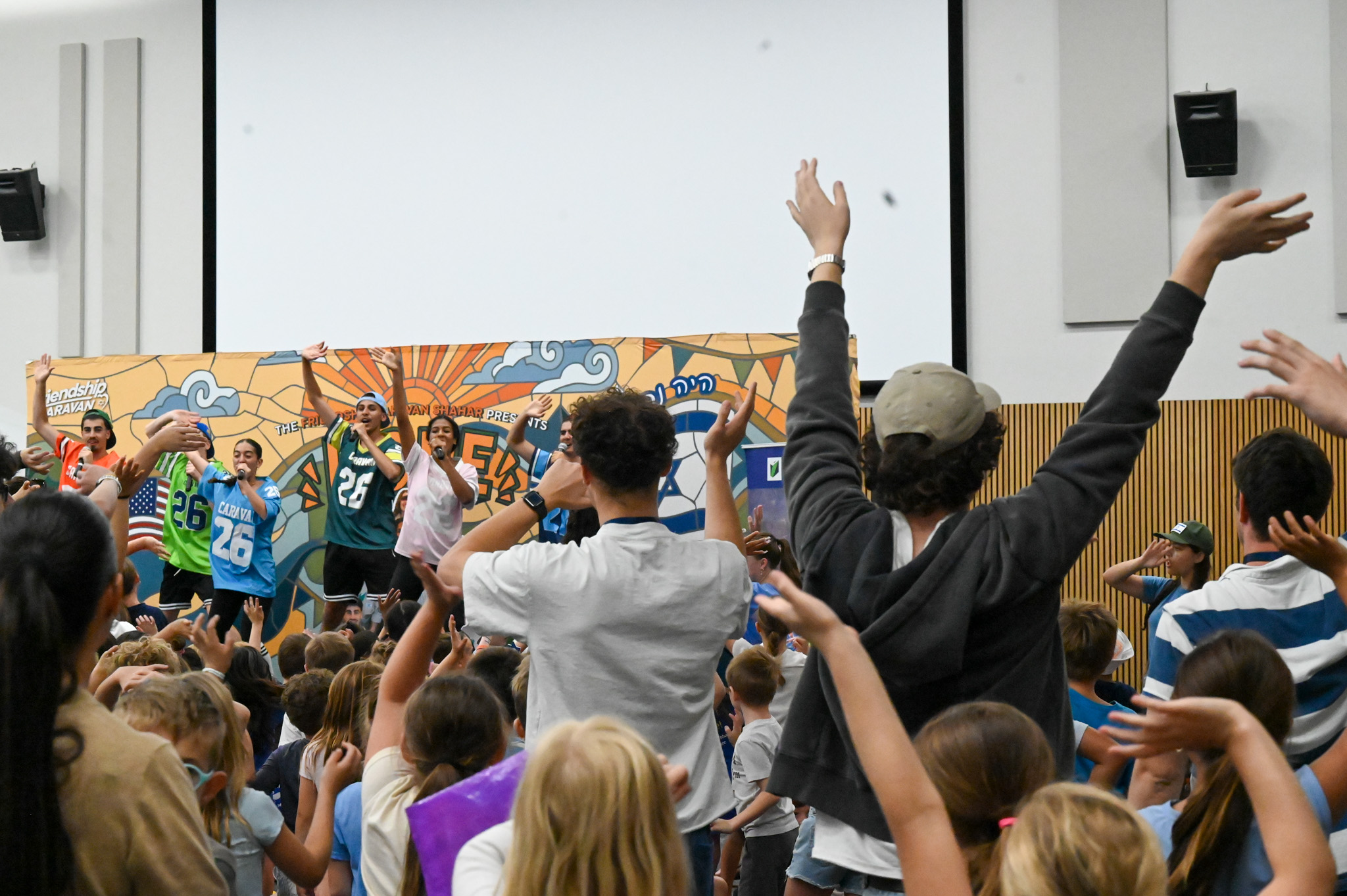
This week at the J’s Summer Camp, we celebrated Israel Day and had the privilege of hosting the Tzofim Friendship Caravan. The teens who traveled here from Israel brought music, stories, and a piece of Israel with them. For many of our campers, meeting Israelis in person creates a connection that goes beyond pictures. It reminds us that Israel is a living, breathing community filled with people, culture, dreams, and challenges.


Like the spies, we all tell stories about what we experience. The question is: what perspective do we choose to share? Do we focus on fear and distance, or on hope and connection?


There’s a saying that whatever we shine our light on will grow. This week, may we choose to shine our light on connection, possibility, and community, helping to create a better tomorrow.


One of the pieces that always comes to mind when I read this parsha is an Israeli song called “Canaan” (כנען). Listen here. Its message resonates with me deeply and I hope that you’ll enjoy it as much as I do.

Another lesson we learn from parsha Sh’lach is that the  future is shaped not by those who see only obstacles, but by those who have the courage to see possibility. While most of the spies returned from the Land of Israel overwhelmed by fear and the opinions of the majority, two chose a different path—one grounded in faith, resilience, and hope. As Rabbi Lord Jonathan Sacks taught, “Optimism is the belief that things will get better; hope is the belief that together we can make things better.” At the Tucson J, this vision of hope guides our work every day as we provide opportunities to move, learn, connect, and shape the future of the J together. We believe that growth comes through effort and the willingness to embrace challenges, even when the path feels uncertain. 


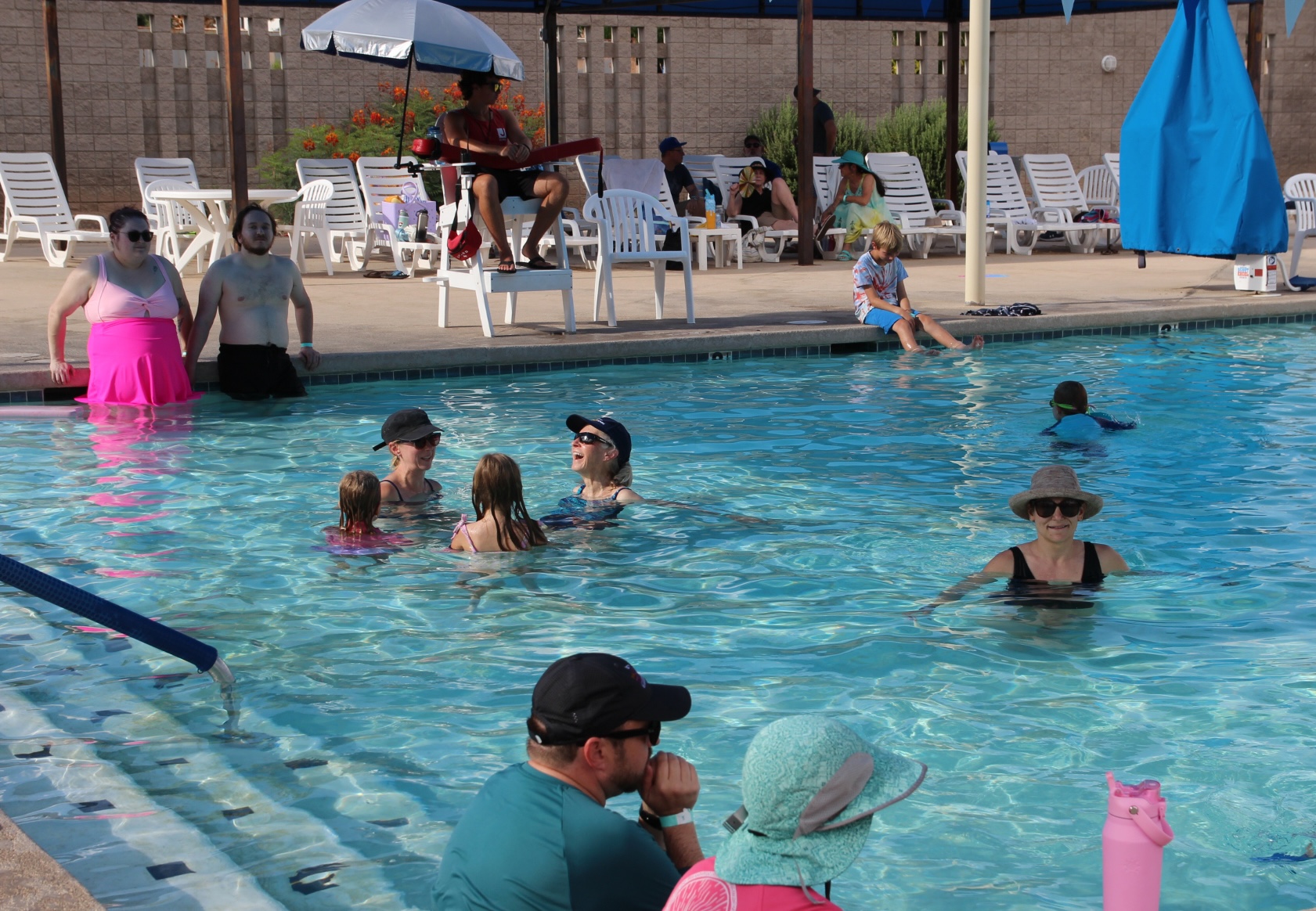
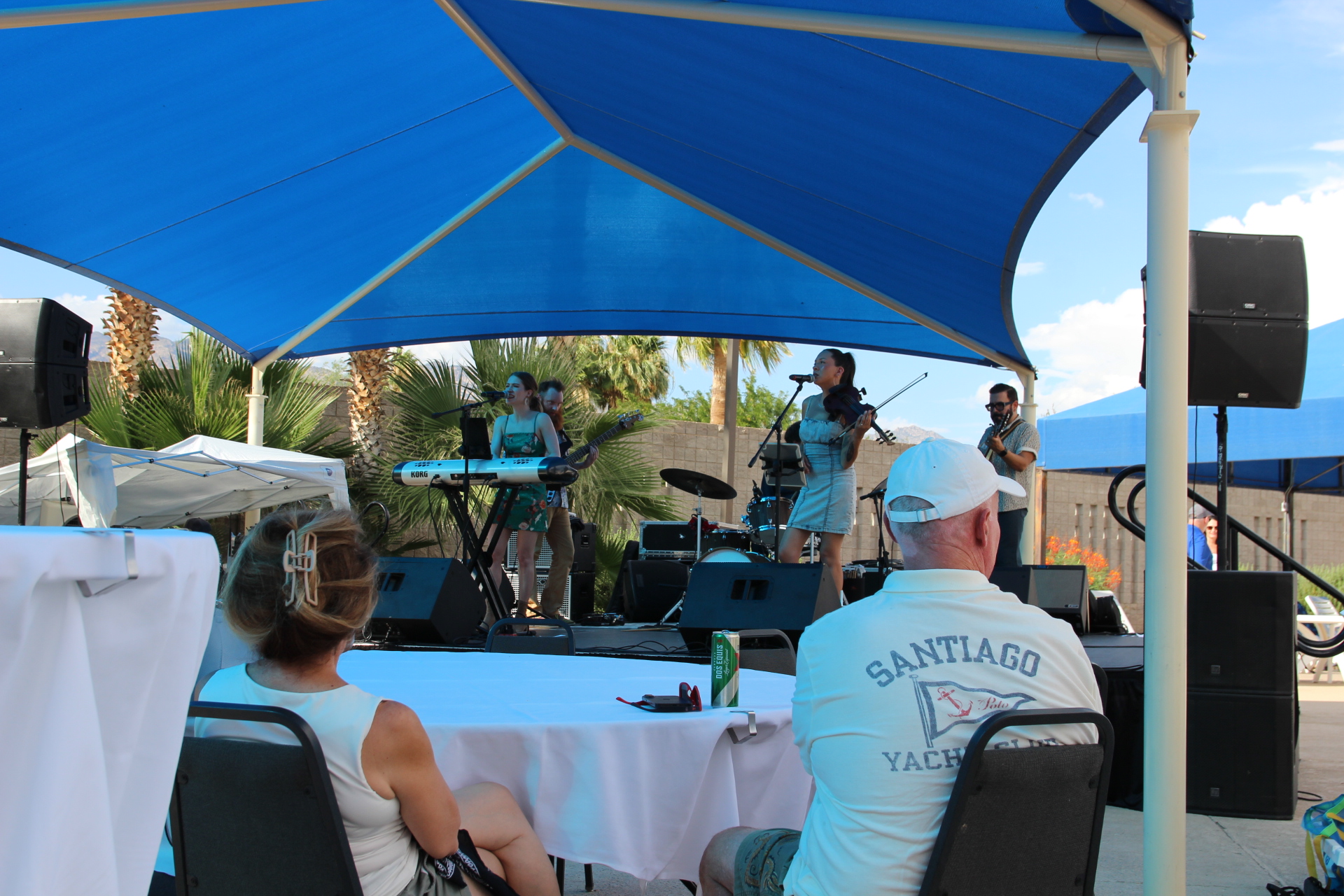
This week at the J began on Sunday with our first of three Summer Nights at the J. Old friends connected, new friends were made, and between live music from Stef and the Articles, delicious BBQ catered by Asher, and fun in the pool, we were reminded of the joy found in being together. The vibrant, welcoming community we enjoy today did not appear overnight—it has been built through years of shared effort, participation, and commitment. We are grateful to the many people who make the J more than just a gym (though our facilities are truly amazing!) and embrace the opportunities to connect that make our campus such a special place. We hope you’ll join us for the next one, with live music from The Wayback Machine, July 26. 

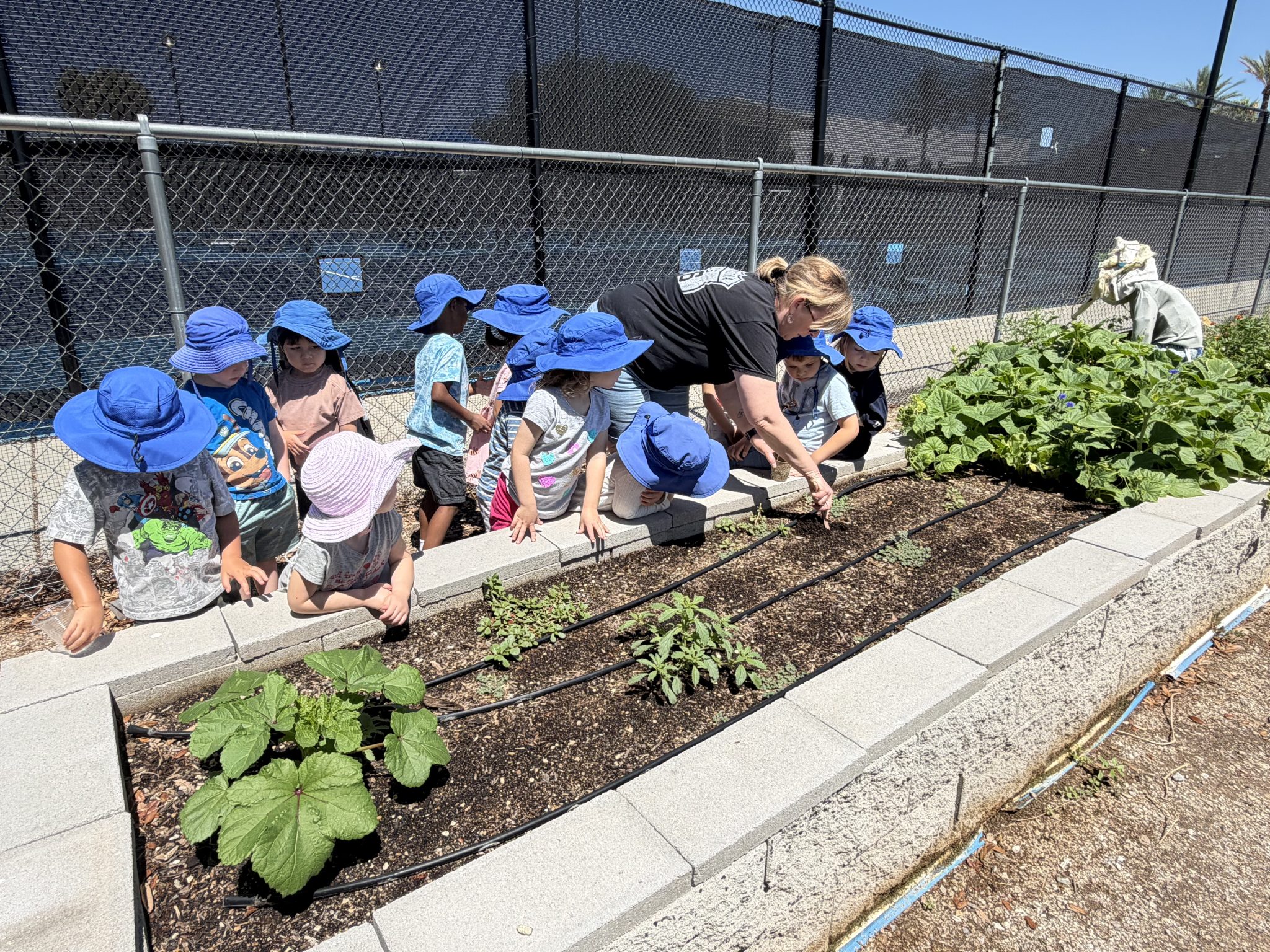
In Camp J and Early Childhood Education we are teaching Jewish values and cultivating a growth mindset every day. Our ECE learners spent time in the Shay Shay Community Gardenplanting zucchini, an experience that became a living lesson in care, responsibility, and patience. As they tended the soil and considered what it means to help something grow, they engaged with the Sheva Lenses that guide our program—seeing how acts of tikkun olam(repairing the world) and kedusha (holiness) can show up even in something as simple as planting a seed.


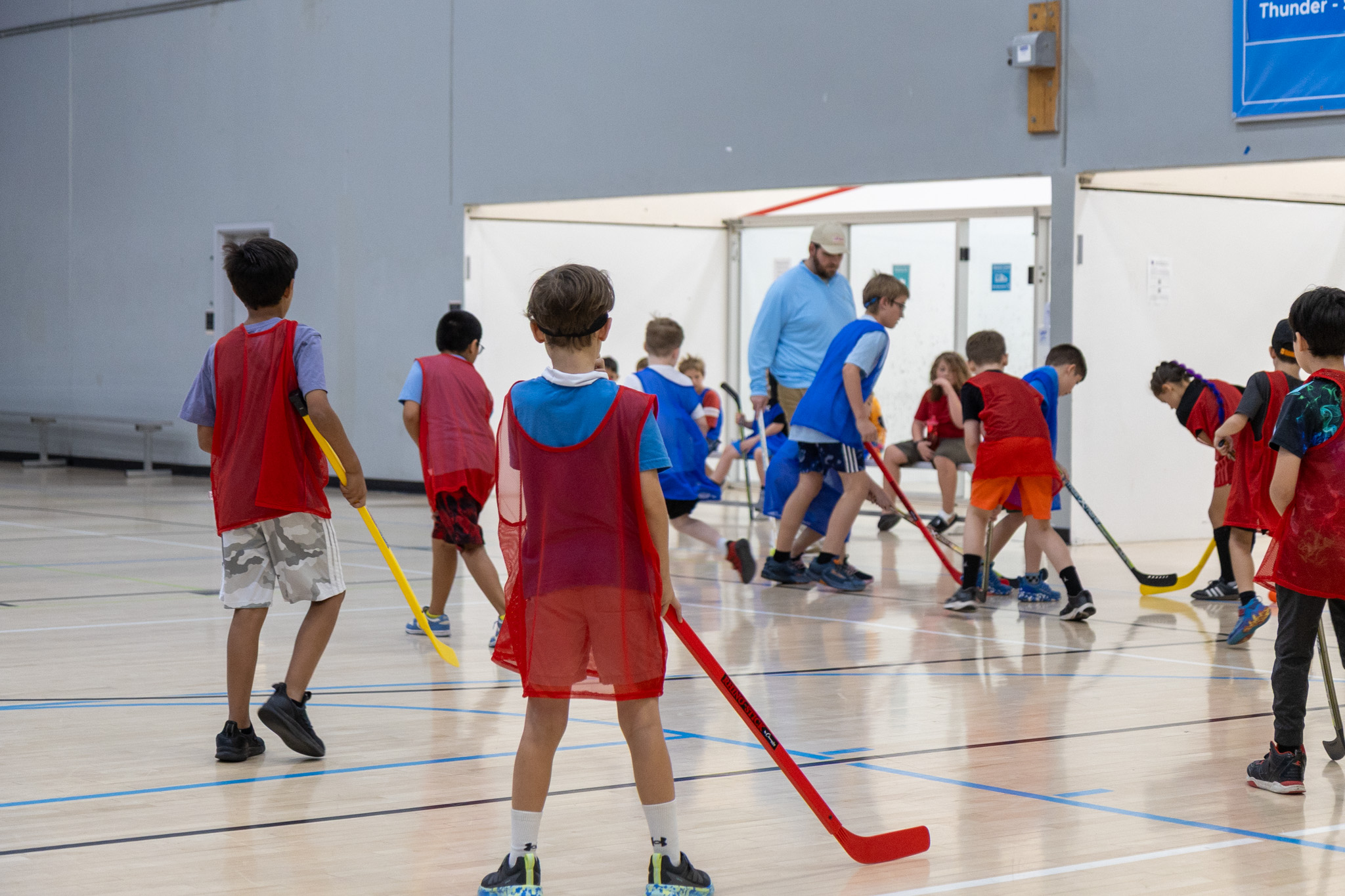
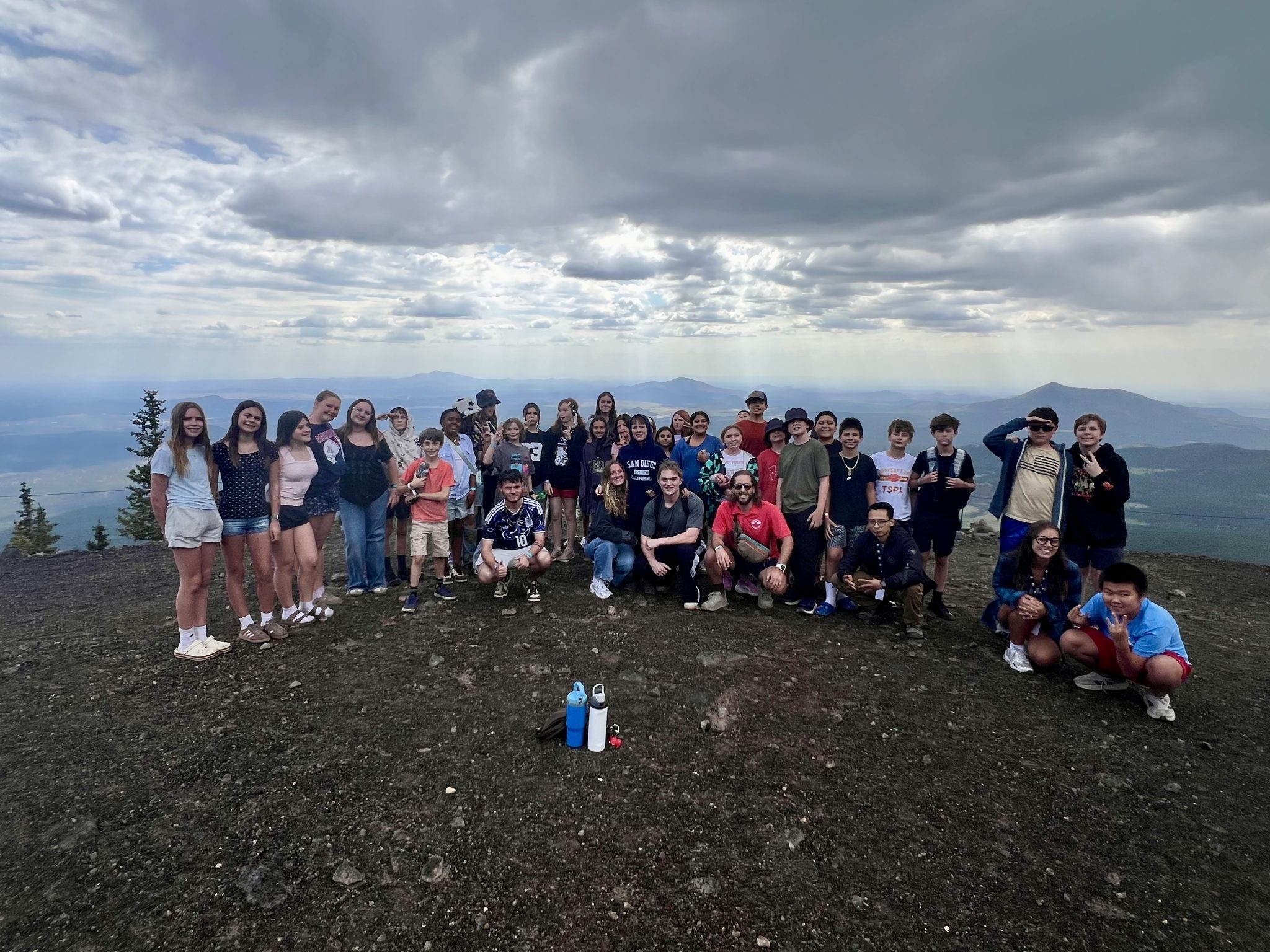
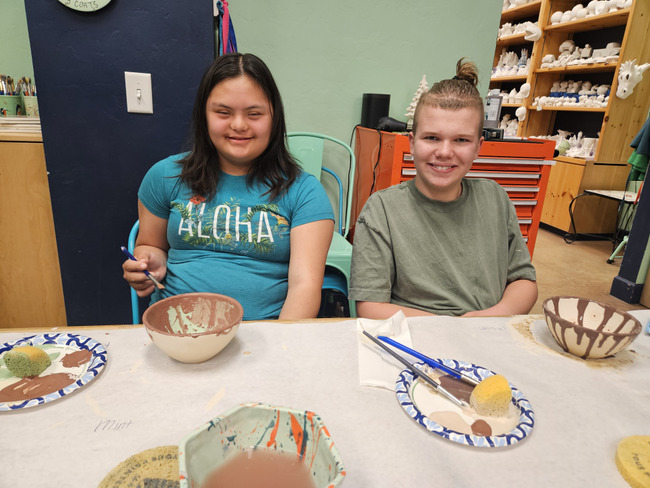
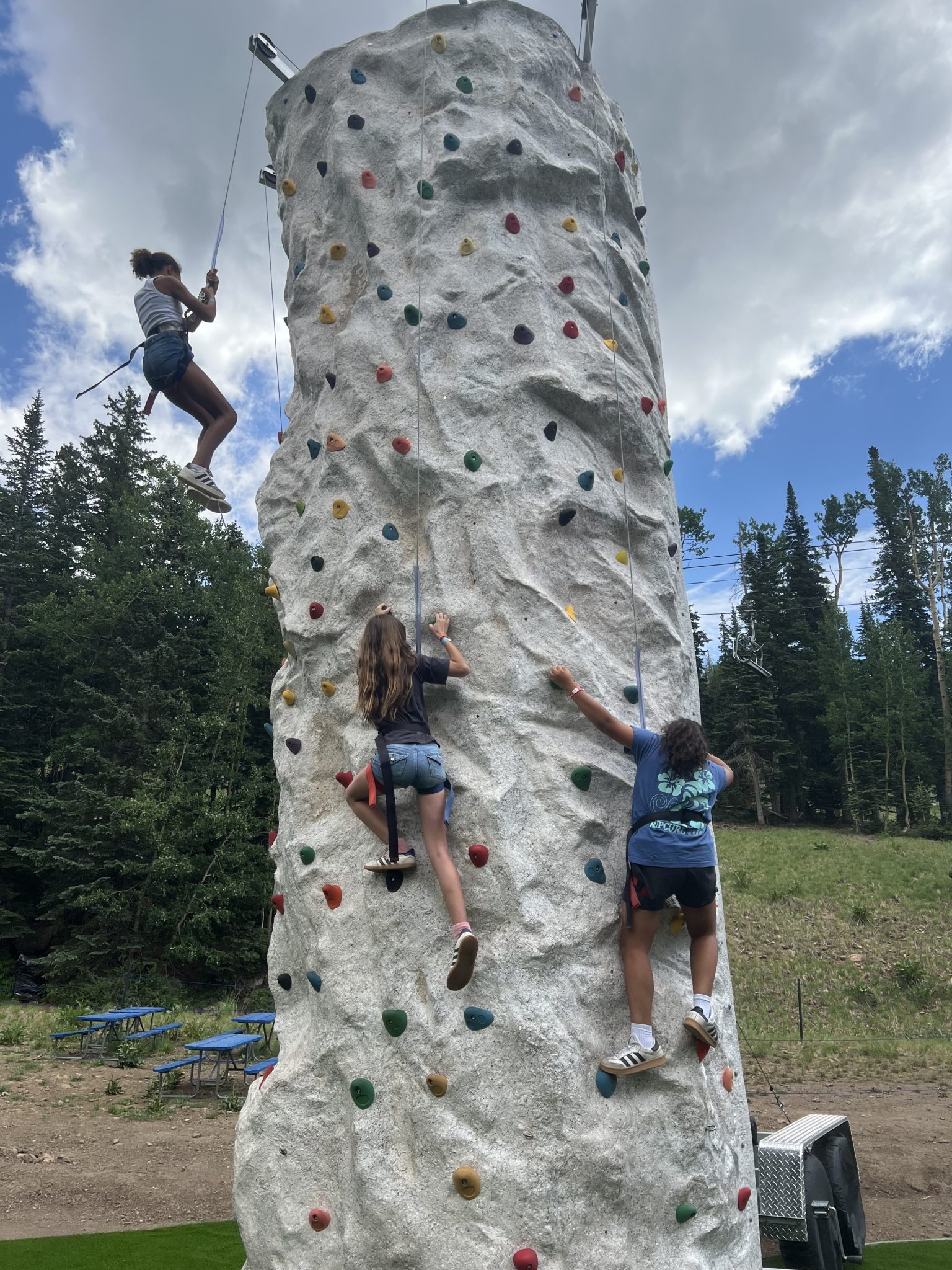
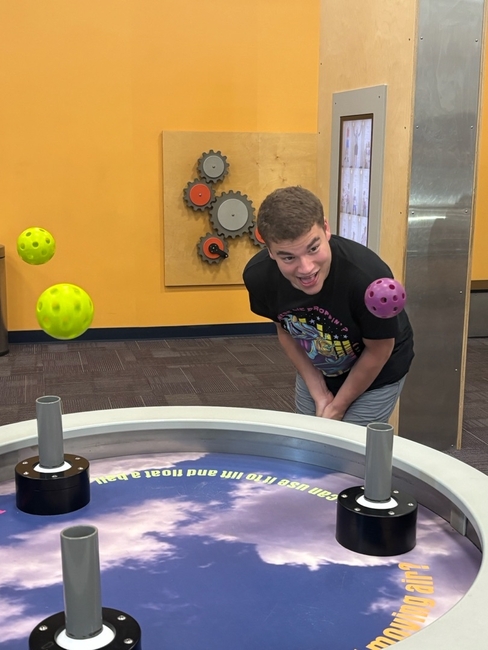
Meanwhile, our camper’s weekly virtue was Yetzirah (creativity) and they learned that sometimes the way to persevere is by thinking outside the box! Camp is all about trying new things, stretching skills, and building confidence. Some highlights from the week include: new Hockey and Water Polo chugim (choice activities), a surprise visit from a ventriloquist, and field trips to to Lucky Strike Bowling and Ben’s Bells. Among other activities, our Tiyul group of 6th-8th graders took an overnight trip to Flagstaff where they spent the night at the Molly Blank Jewish Community Center and headed up to Snowbowl for tubing, rock climbing, and a gondola ride to the mountaintop overlook. And in Gesher for middle- and high-school aged youth with disabilities, campers went to Color Me Mine for pottery painting, had a blast at the Children’s Museum of Tucson, and created self portraits! 


May we continue to build a community where hope courage are not just ideas we hold, but practices we live—through learning, connection, and the ongoing work of growing together. Shabbat Shalom.

Reminders, Resources + Learning

Collage and Culture: Bringing Jewish Artist Alex Woz to Tucson 

From the desk of Chloe Loos, Director of Arts + Culture

Chloe Loos

This August, we’re thrilled to welcome Alex Woz to Tucson for a special residency built around three opportunities to engage with his work and ideas. 


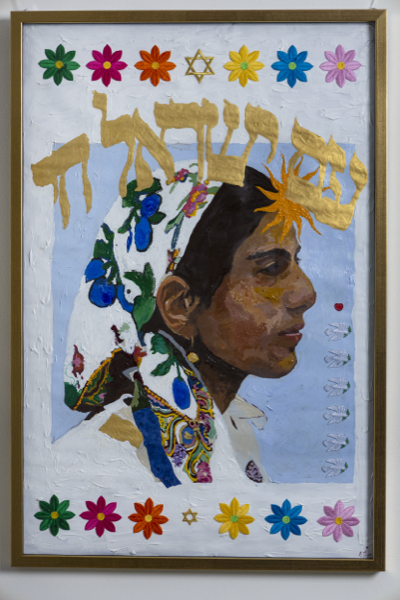
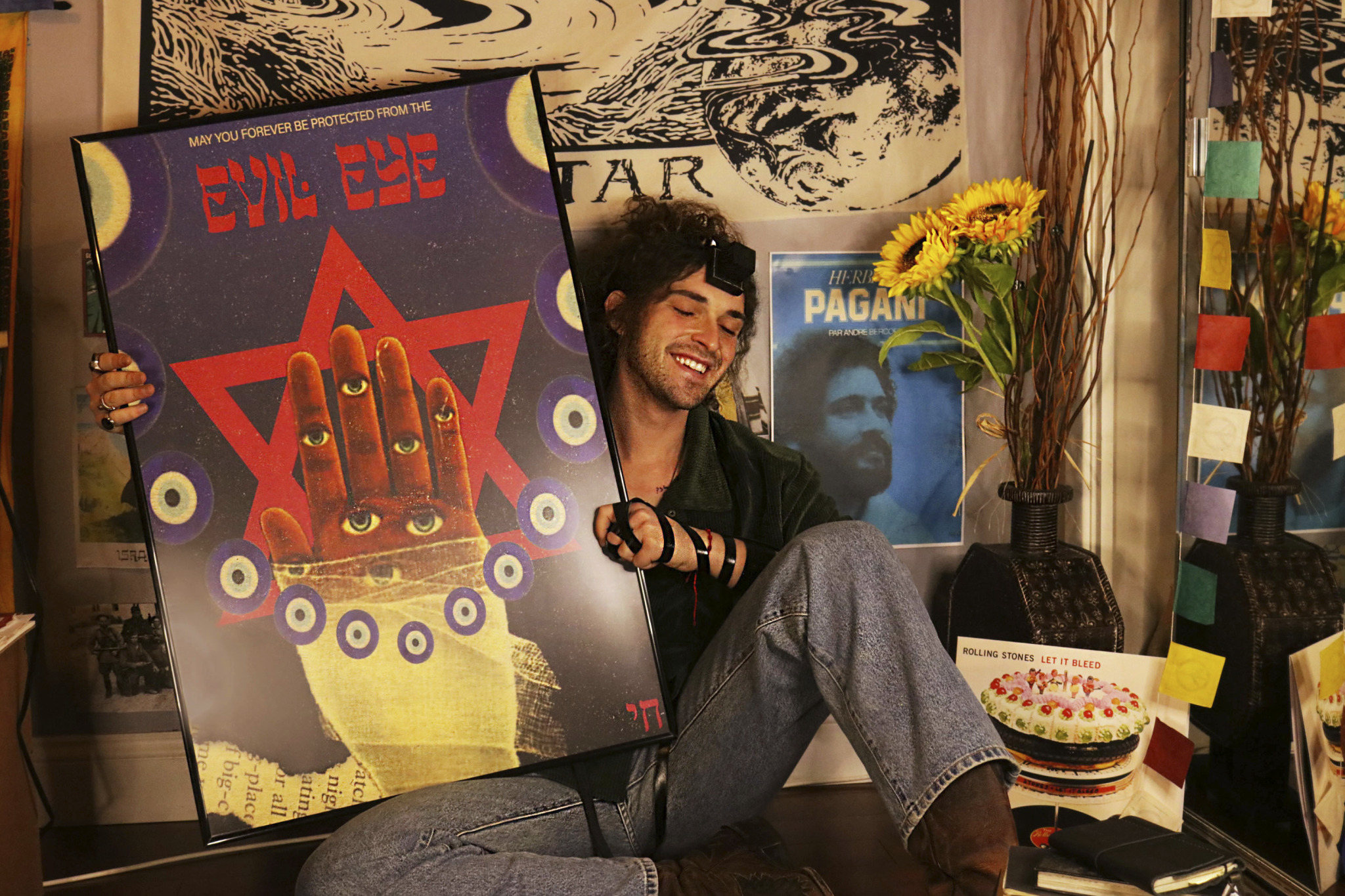
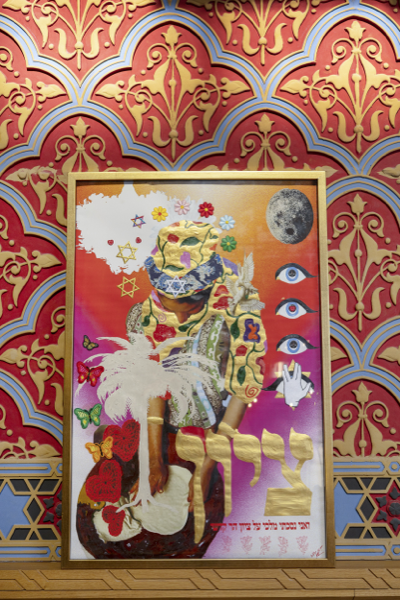
An Argentinian Jewish artist based in Los Angeles, Woz has quickly emerged as one of the most exciting young voices in contemporary Jewish art. Blending collage, photography, painting, archival imagery, and graphic design, his work draws inspiration from Jewish communities around the world, vintage Israeli design, and the visual language of 1970s album covers to create something entirely his own. The result is art that feels both rooted in Jewish history and vibrantly focused on the future. 


What excites me most about Alex’s work is that it asks big questions. His art explores identity, memory, belonging, resilience, and Jewish pride through images that invite curiosity and conversation. At a time when many Jewish communities are grappling with questions of visibility, representation, and connection, Alex’s work feels especially relevant. 


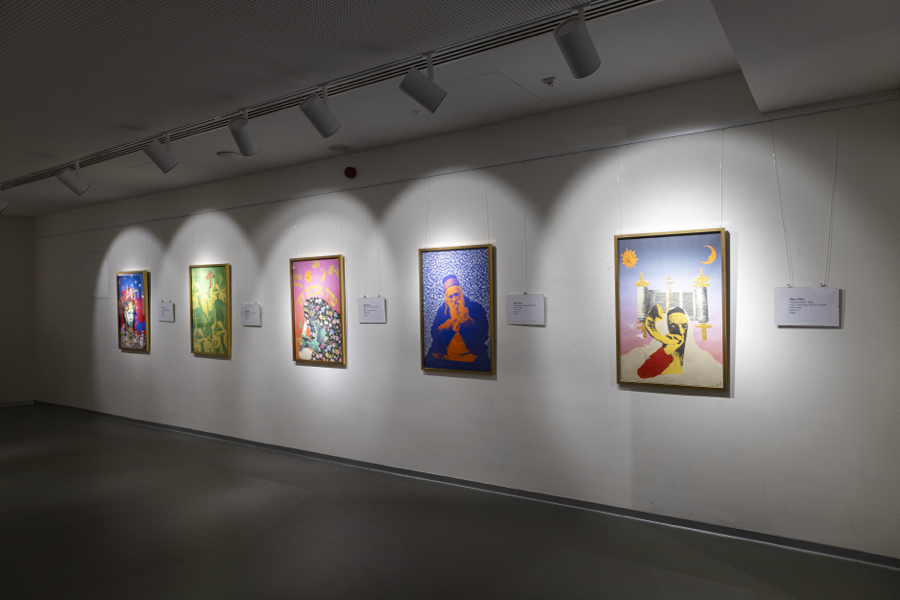
The residency begins with Planting Seeds, a pop-up exhibition in the Tucson J Fine Art Gallery featuring a selection of Alex’s prints. Drawing from archival materials, contemporary imagery, and Jewish visual culture from around the world, the exhibition offers visitors a chance to experience his distinctive artistic language up close. The exhibition will run from Monday, August 10 through Thursday, August 13, and will be open to the public during the J’s normal hours of operation. 


The centerpiece of the residency is a free community conversation on Wednesday, August 12th, facilitated by local Jewish artist, Amy Pozez. Together, Amy and Alex will discuss contemporary Jewish identity, artistic practice, and the role of art in shaping memory and cultural narrative. We’ll explore what it means to create art today, if that art is Jewish or just by Jewish artists, and why visual storytelling is such a powerful tool for building pride and connection. The conversation will be followed by a casual reception in the J’s fine art gallery, giving attendees an opportunity to continue the discussion while viewing the exhibition and meeting the artist. 


The residency culminates in a hands-on collage workshop on Thursday, August 13th, inspired by Alex’s own creative practice. Participants will be invited to create original artwork rooted in personal and family stories, using photographs, archival materials, and mixed-media techniques. Whether you come with a shoebox full of family photographs or simply a curiosity about your own story, the workshop offers a chance to reflect on memory, identity, and belonging while creating something uniquely your own. 


At its heart, this residency is not just about art, but about storytelling and identity. It’s about seeing ourselves reflected in Jewish culture in new ways, and about creating space for conversations that connect past, present, and future. 


I can’t wait to introduce Tucson to Alex and his work, and I hope you’ll join us for one, or all three, of these special events. 

Shavua Tov 28 Sivan 5786

Shavua Tov

As we move through the rhythms of our lives balancing work and family, leadership and service, ambition and humility we are reminded of a timeless Jewish value: anavah (ענווה).


Often translated as humility, anavah does not mean diminishing ourselves or shrinking from our gifts. Rather, it means seeing ourselves clearly and honestly. It is the ability to recognize both our strengths and our limitations, understanding that each of us has an important role to play while appreciating that we are part of something larger than ourselves.


Jewish tradition teaches that balance is essential to a life well lived. Maimonides described the ideal path as the derekh ha’emtza’it, the middle way a life lived between extremes. Courage lies between recklessness and fear. Generosity lies between selfishness and excess. Humility lies between arrogance and self-negation. Through anavah, we find harmony within ourselves and in our relationships with others.


Rabbi Lord Jonathan Sacks beautifully captured this idea when he wrote:

“Humility is not thinking less of yourself; it is thinking of yourself less.”

When we find this balance or harmony, we become more present to our families, our friends, our colleagues, and our communities. We can lead without ego, serve without resentment, and celebrate our accomplishments without losing sight of the contributions of others.


At the Tucson J, we believe community is one of the most powerful forces for helping us cultivate this balance. Through fitness and wellness programs, Jewish learning, arts and culture, camps, volunteer opportunities, social gatherings, and meaningful relationships, we find opportunities to strengthen both ourselves and our connections to one another.


In a world that often pulls us toward isolation, distraction, or relentless striving, the J offers something different: a place where we can belong, grow, contribute, and renew ourselves. Here, we are reminded that our individual well-being and the well-being of our community are deeply intertwined.


This idea is beautifully reflected in the words of Psalm 133, which we sing in Hinei Ma Tov:


“Hinei ma tov u’ma na’im, shevet achim gam yachad.”


“How good and how pleasant it is when people dwell together in unity.”

Community is not simply where we gather; it is where we find perspective, purpose, and balance. It is where we discover that our lives are enriched when we share them with others.


The spirit of community and human flourishing is also reflected in Bob Dylan’s Forever Young, a song that offers blessings for a life of purpose, wisdom, integrity, and hope. Like the Jewish value of anavah, it reminds us that true success is not measured by status or achievement alone, but by the character we cultivate, the relationships we build, and the impact we have on others.


As we continue our shared work of building a vibrant Jewish future, may we strive for the wisdom of anavah the balance that enables us to live with purpose, compassion, confidence, and gratitude. May we recognize our unique gifts while remaining deeply connected to one another and to the community we are privileged to serve.


Our tradition reminds us:


“Who is honored? One who honors others.” (Pirkei Avot 4:1)


May we continue to honor one another by showing up, participating, caring, learning, and building community together.


Thank you for helping create a community where balance, belonging, and human flourishing can thrive every day.

Cochenu b’Achduteynu | כחינו באחדותינו | Our strength is in our unity.


Am Yisrael Chai 
| עם ישראל חי

Todd Rockoff

President + CEO, Tucson J 

From the Desk of Johanna Shlomovich | Head of School, Tucson Hebrew Academy

Shabbat Shalom
Shabbat Shalom

From the Desk of Johanna Shlomovich | Head of School, Tucson Hebrew Academy

Parshat Korach — Building a Jewish Future Rooted in Purpose, Identity, and Justice


Parshat Korach is one of the Torah’s most complex and challenging narratives. At its center is a rebellion: Korach challenges Moshe’s leadership, asking, “Why do you raise yourself above the congregation of God? For the entire community is holy, all of them, and God is among them” (Bamidbar 16:3). On the surface, Korach’s words seem to express a powerful and even inspiring idea — that every person has inherent holiness and that every member of the community matters. Yet our tradition teaches us that something deeper was at play. Korach’s mistake was not believing that everyone had value; his mistake was confusing equality with entitlement and community with self-interest.


This distinction carries a powerful lesson for Jewish education today. Our responsibility as educators, parents, and community members is not simply to teach children to be successful individuals. Our responsibility is to help raise young people who understand that they are part of something larger than themselves — a people, a tradition, and a collective responsibility that stretches across generations.


Jewish identity does not develop by accident. It is cultivated through relationships, experiences, and meaningful engagement. Children become connected to Judaism when they experience the beauty of Shabbat, the joy of holidays, the depth of Torah, the power of Hebrew, and the responsibility of caring for others. They need to know not only what Jews do, but why we do it — and how our tradition calls us to make the world more whole.


Korach’s rebellion also challenges us to think about the difference between having a voice and using that voice responsibly. Judaism has always valued questioning, debate, and the pursuit of justice. The Talmud is filled with disagreement, most famously between Hillel and Shammai. But Jewish disagreement is meant to be “for the sake of Heaven” — rooted in humility, relationship, and a shared search for truth. The goal is not simply to be heard; the goal is to contribute and grow.


This is an essential lesson for the next generation. We want our children to grow into leaders who recognize their own worth, while also recognizing the dignity and humanity of others. We want them to be proud Jews who are deeply connected to their heritage and who understand that Jewish values call us to stand for kindness, compassion, and justice.


The Torah repeatedly reminds us that holiness is not only found in ritual; it is found in how we treat one another. The prophets of our tradition taught that caring for the vulnerable, pursuing justice, and creating a more equitable world are central expressions of our covenant with God. A strong Jewish identity is not built on isolation — it is built on connection, responsibility, and action.


At Tucson Hebrew Academy, this is at the heart of our mission. We strive to create a learning environment where students develop a strong sense of who they are as Jews while also understanding their responsibility to the broader world. We want our students to carry Torah not only in their minds but in their hearts and in their actions. We want them to ask important questions, engage thoughtfully with complexity, and become compassionate leaders who help repair the world.


Parshat Korach reminds us that every member of the community has holiness within them. The question before us is what we do with that holiness. Do we use it to elevate ourselves, or do we use it to uplift others?


As we nurture the next generation of Jewish leaders, may we help our children discover that their Jewish identity is not only a connection to the past — it is a responsibility for the future. May they understand that being part of a sacred community means showing up with humility, courage, and compassion, and may they become the builders of a more just and more beautiful world.


Shabbat Shalom.

Taking the lessons of this week’s Torah portion, Korach, we are reminded of our inherent connection to one another; of the importance of honoring the unique role each of us plays within the communities we belong to; that true leadership is grounded in service to each other; and that not only what we say, but how we say it, shapes the communities we build together. Here at the J, we believe a thriving community is not one in which everyone does the same thing, but one in which each person contributes their gifts toward a shared purpose. And we know that when we are connected and committed to something larger than ourselves, our differences become strengths and our community becomes stronger.


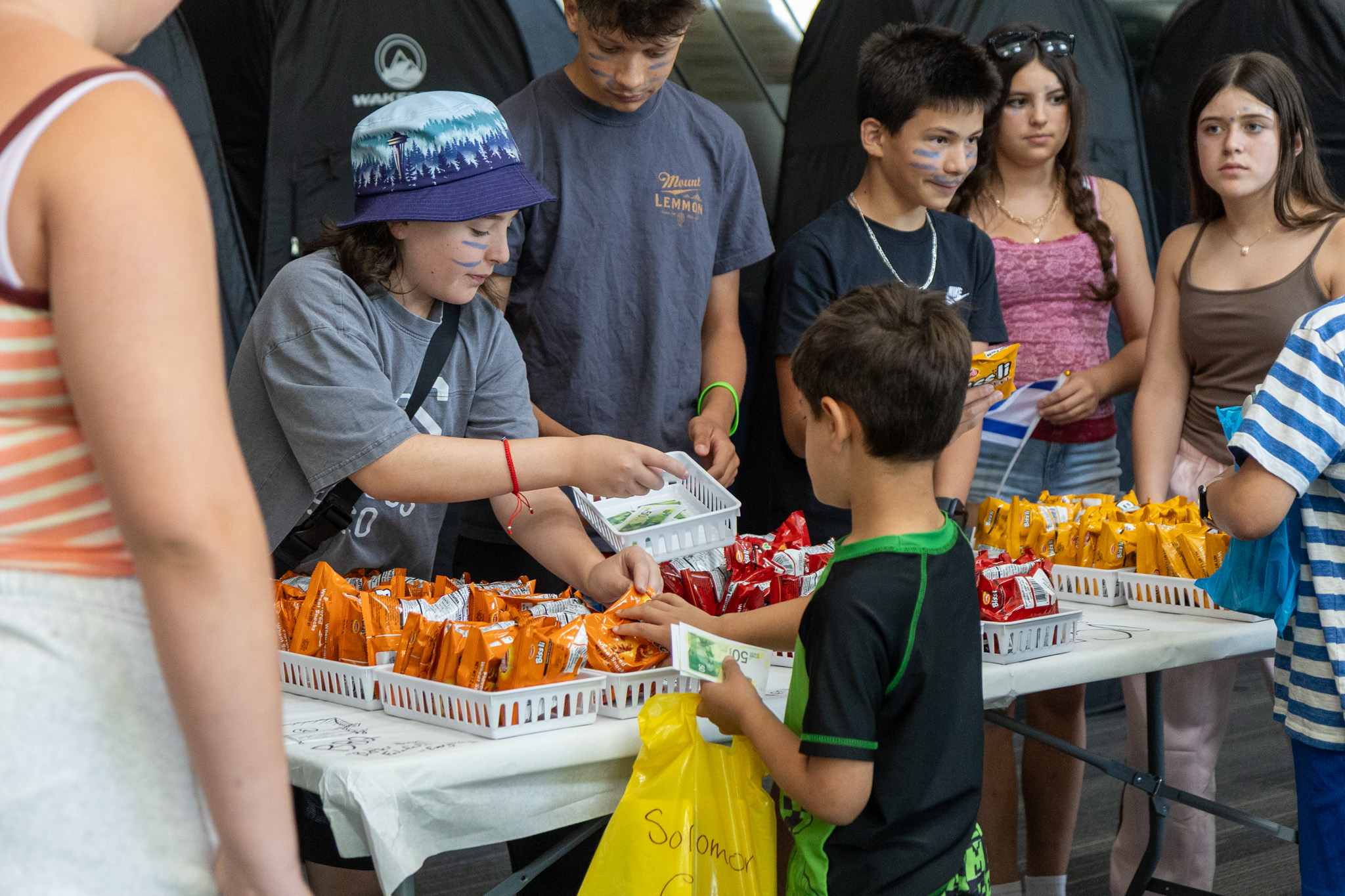
We saw these lessons come to life at Camp J this week, where hundreds of young people built friendships and confidence by sharing experiences and learning new things together; and as they felt pride in their link to global Jewish peoplehood with a special performance by the Tzofim Israeli Scouts Friendship Caravan and Israel Day activities that included exploring the shuk (market). 

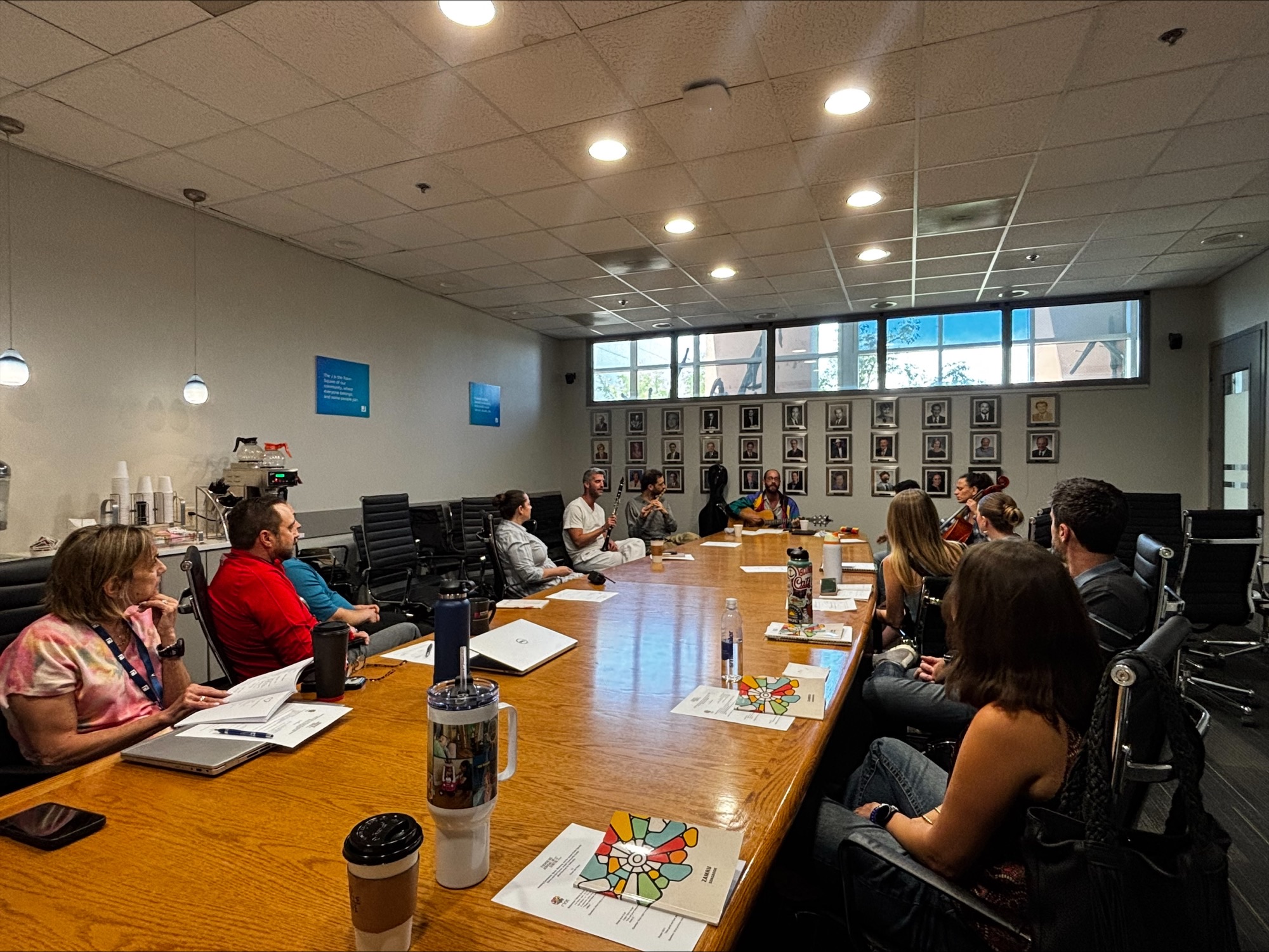
Apropos to the teachings of Korach, our senior leadership team reflected on the community we are shaping here at the J through a professional development session presented by the Fuchsberg Jerusalem Center titled “Holding Complexity: Music, Meaning, and the Jewish Public Square.” The team gathered together for a text study and conversation with the members of Zamru, a musical group which focuses on the experiential, creative, and inquisitive exploration of prayer. The experience, and the beautiful music it opened and closed with, offered a powerful moment of inquiry, pause, and inspiration. 


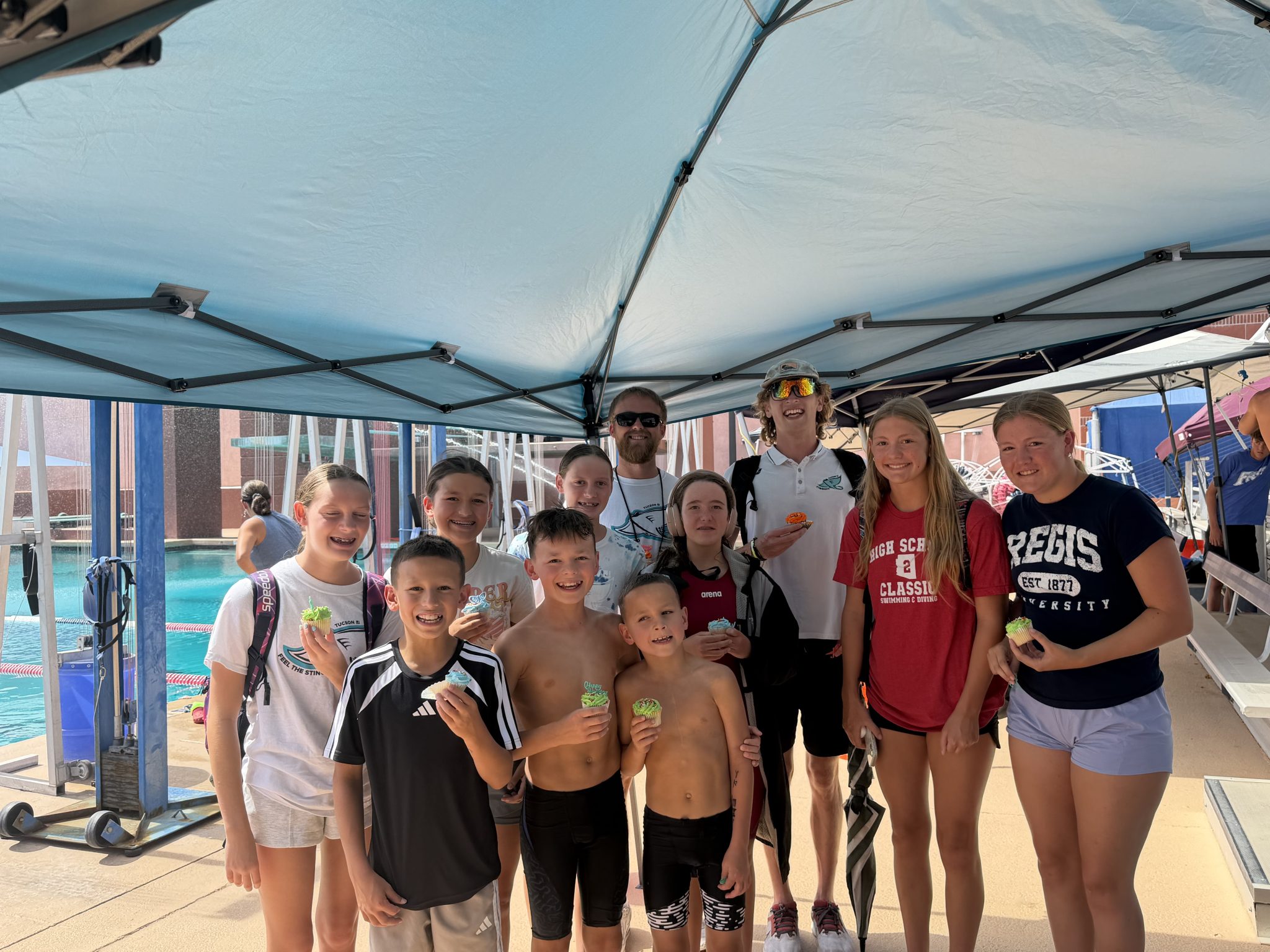
The Stingrays swim team exemplifies these lessons as well. Their outstanding performance at last weekend’s Tucson Ford Southwest Classic swim meet demonstrates that while each swimmer brings their own strength and determination, excellence is not achieved alone, but through the encouragement of teammates, guidance of coaches, and support from families. Despite the tough competition, the team qualified for finals in 7 out of 12 swims, and out of 62 individual swims, 51 of them resulted in new personal best times, 40 resulted in new or improved Regional championship qualifying times, and 4 resulted in new or improved State championship qualifying times! 


In a world that often encourages us to focus on what separates us, we are grateful and honored to foster a community that continues to choose connection, service, and belonging. Shabbat Shalom. 

Reminders, Resources + Learning

Q+A: Sam Thomas + Dominique McBryde

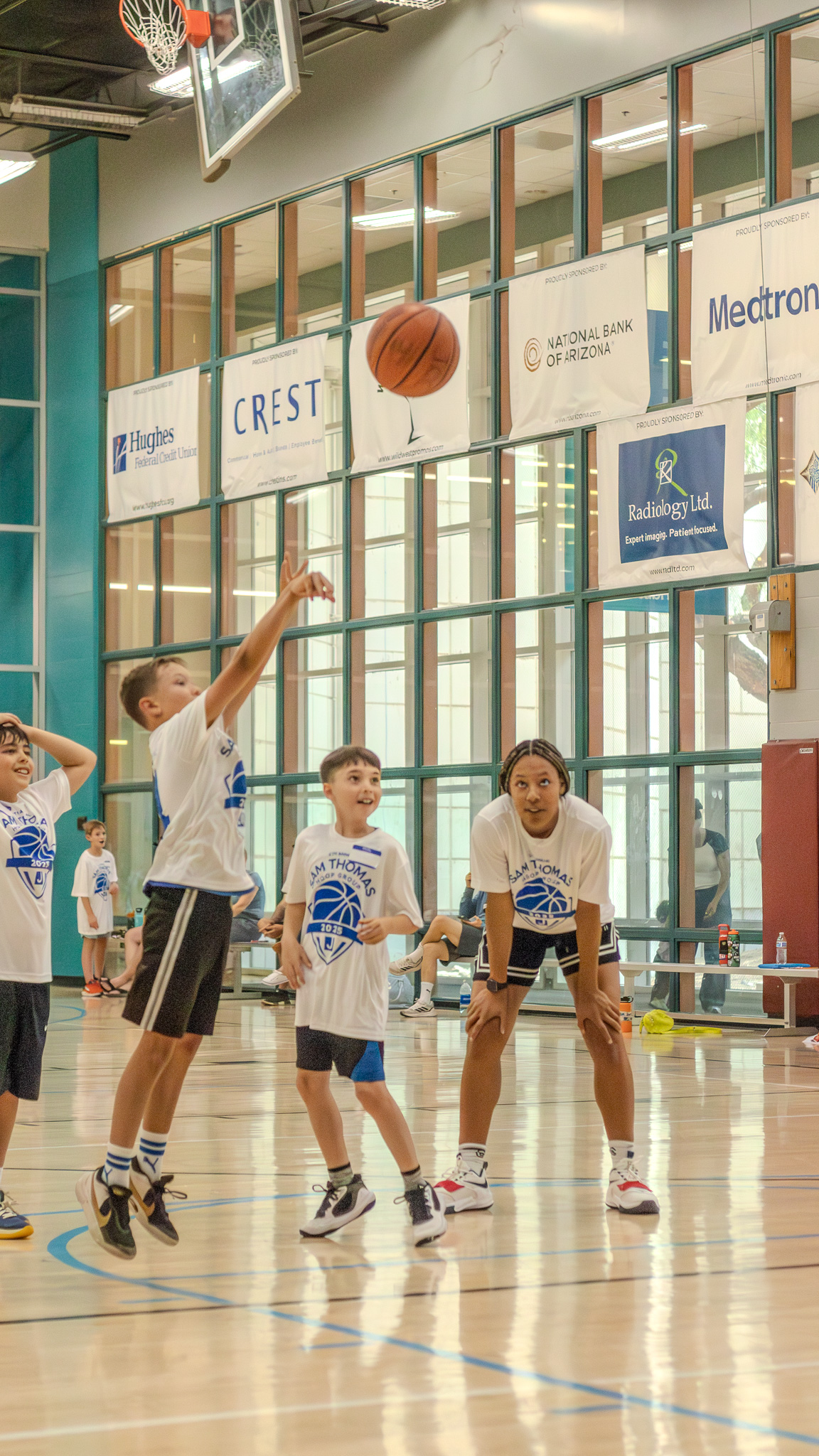
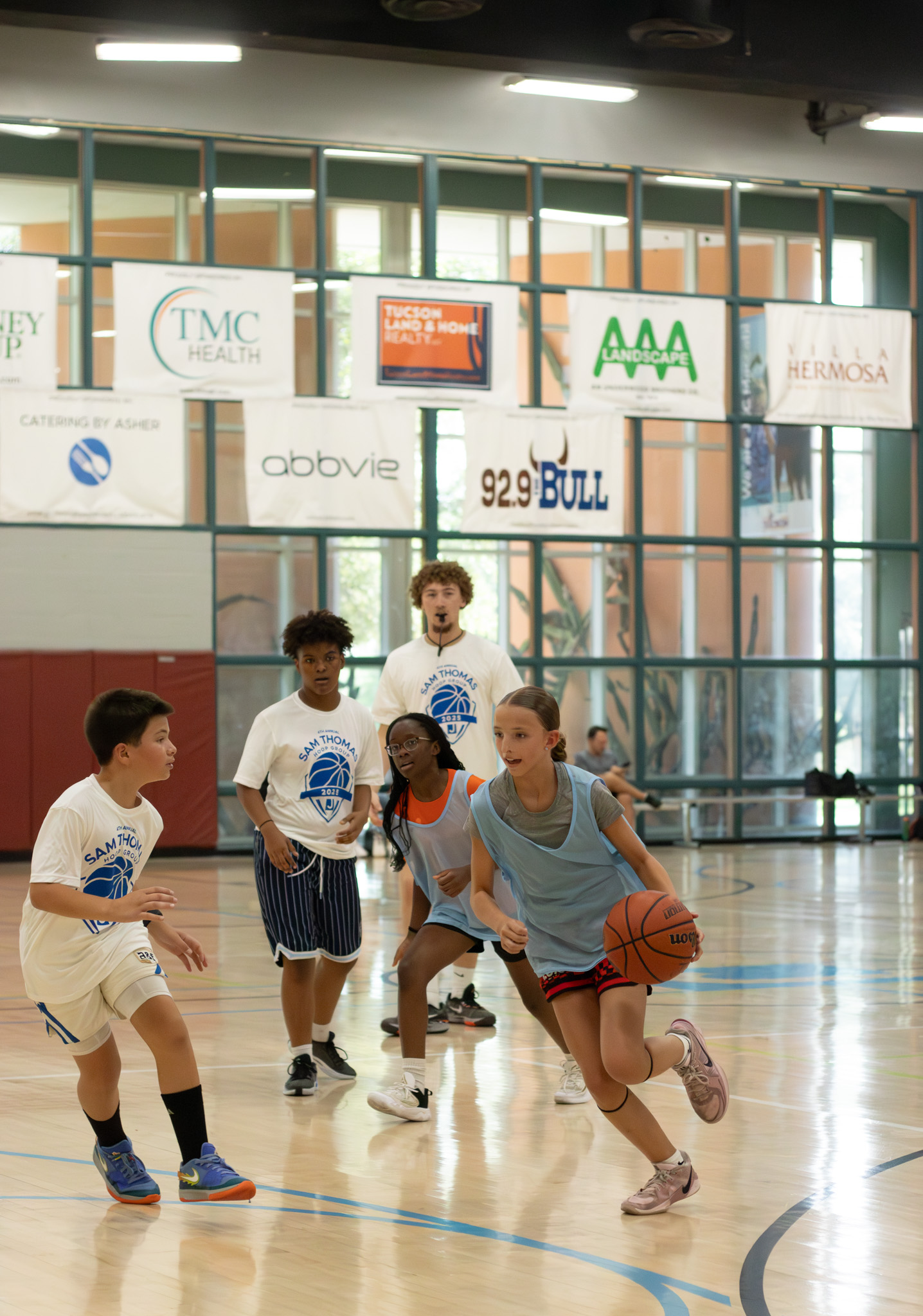
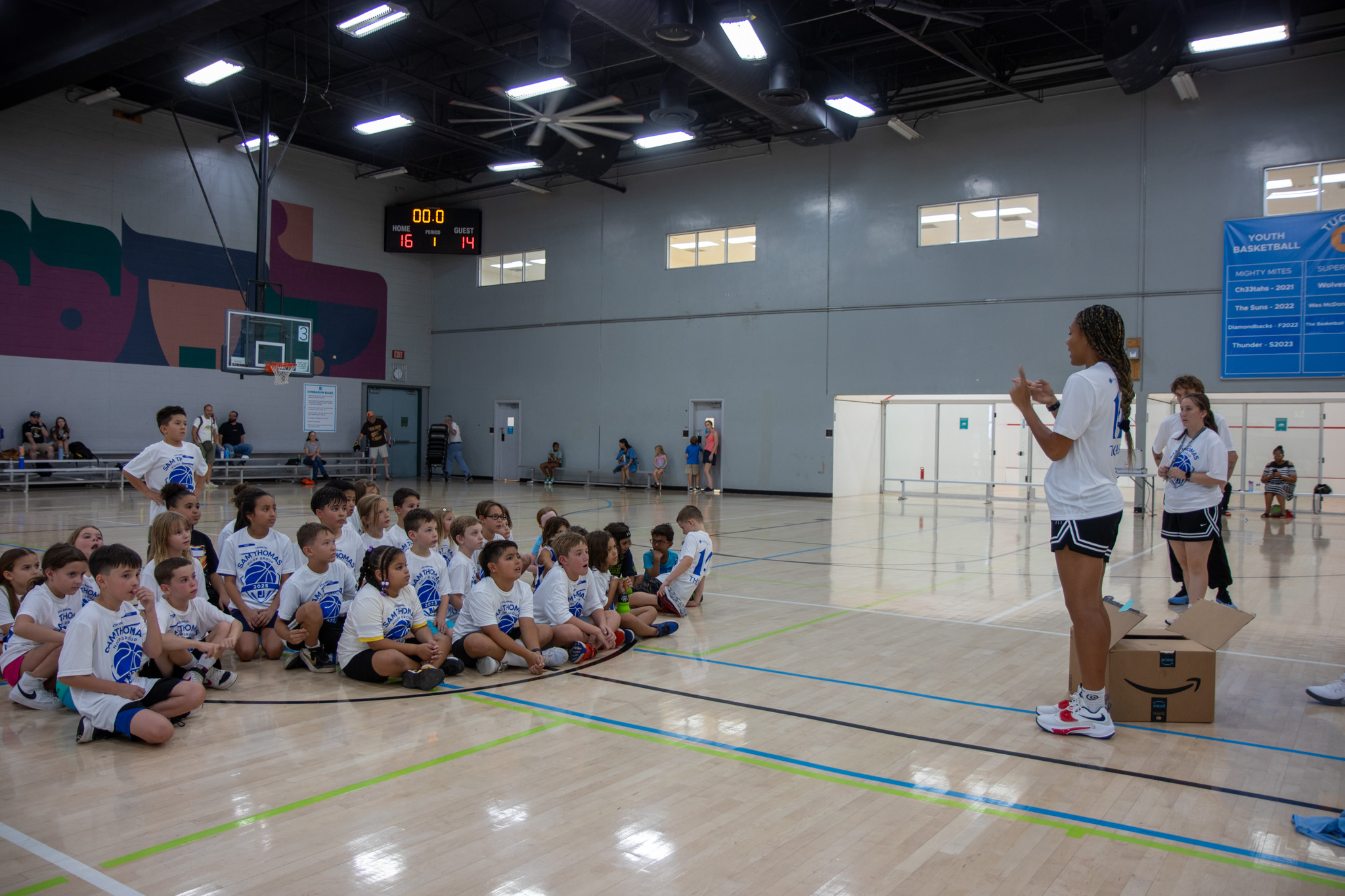
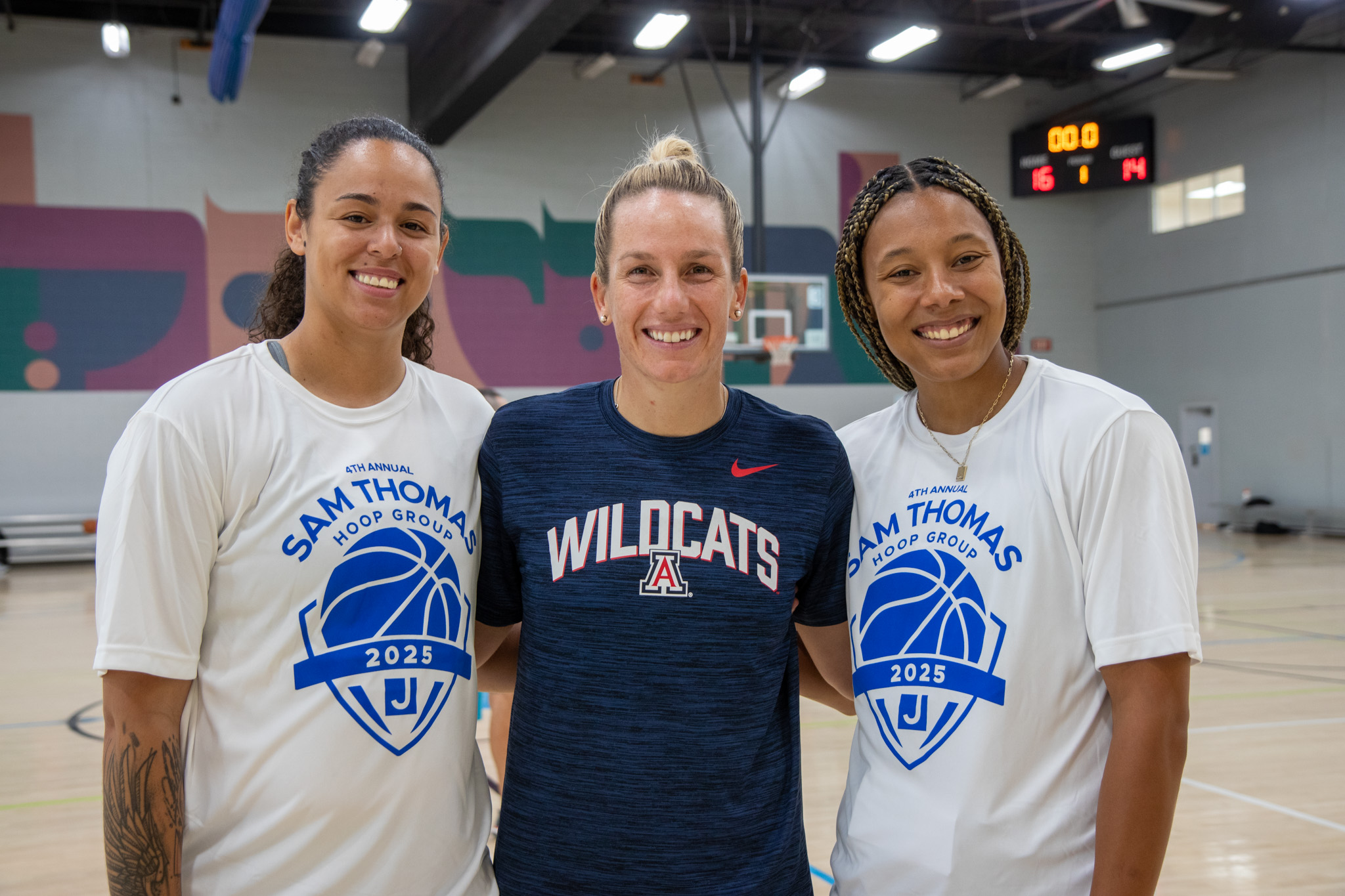
This summer, the Tucson J is proud to host the 5th annual Sam Thomas Hoop Group Basketball Clinic for youth athletes from all around Southern Arizona. Sam Thomas is a former University of Arizona and Phoenix Mercury player who has dedicated time every August to sharing her wisdom and passion for basketball with the next generation of players. 
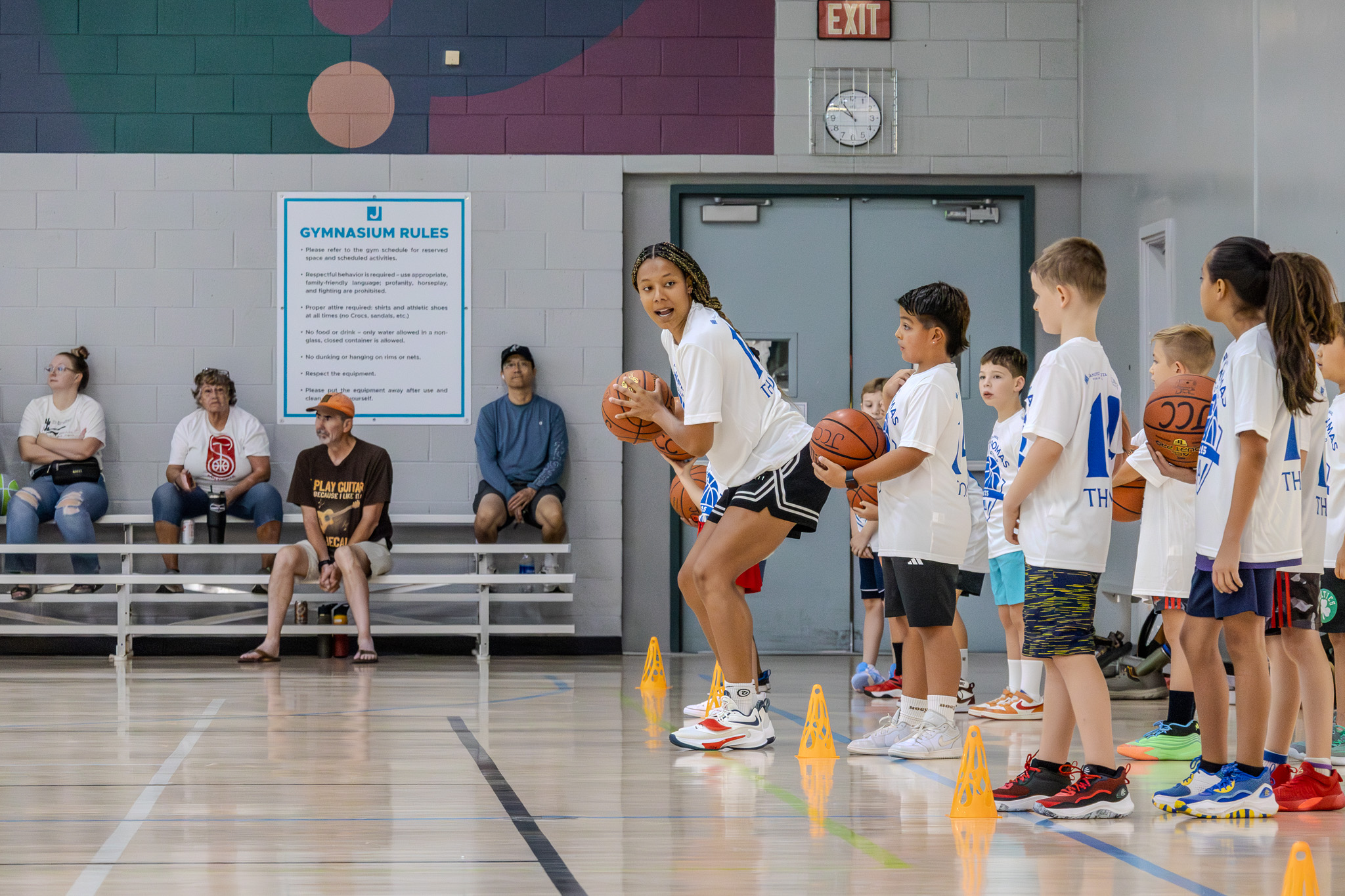
 

Joining her again on Sunday, August 9, is Dominique McBryde, Sam’s former teammate at the University of Arizona, for a one-day, three-session clinic for athletes ages 6-18. Each session is designed to foster skills and challenge athletes at an appropriate skill level: 


Ages 6-10, 10:30am-1:30pm 

Ages 11-14, 1:45-4:45pm 

Ages 15-18, 5-7pm 

Ahead of the clinic, Sam and Dominque reflected on the impact of sports, favorite snacks, and what the clinic’s longevity means to them. Keep reading to learn more! 

Favorite pre- and post-game/practice snacks? 

Sam: My favorite pregame snack is Goldfish. I would eat at least two bags before each game, only the regular kind, although all flavors are great! My favorite post-game meal is some spicy rigatoni pasta. If it wasn’t too late after a game, I loved going to North Italia for their pasta. 

Dominique: My favorite pregame snack has always been sour gummy worms. It became part of my routine before games and helped me loosen up and have fun before competing. My favorite postgame meal is definitely a burger and fries, but when I was playing overseas, I loved getting gyros or döner kebabs after games. 


What is your biggest piece of advice for young athletes?  

Sam: My biggest piece of advice for young athletes is to try everything and not limit themselves. If you grow up unsure of what sport you want to get into, try them all! Especially at a younger age, you can learn so much coordination through all sports. There is no right or wrong path to take when wanting to accomplish your dreams. 

Dominique: My biggest piece of advice for young athletes is to find out who you are and what you enjoy outside of basketball. The game can become such a huge part of your identity, but it should never be the only thing that defines you. The more confident and grounded you are off the court, the more freedom and confidence you will play with on the court. Basketball can teach you discipline, resilience, and teamwork, but who you are as a person will always matter most when it is all said and done. 


How has basketball influenced your life off the court? 

Sam: Basketball has been and continues to be a huge influence in my life. The camp itself is a great example of allowing me to come back to Tucson, a place I love so much, and sharing the game of basketball with younger athletes and hopefully help them get one step closer to their dreams. It is more than basketball, it is about being a good teammate and meeting new people. Basketball has brought me some of my lifelong friends, including the one and only Dominique, going on almost ten years of friendship! 

Dominique: Basketball has influenced almost every part of my life off the court. It has taught me leadership, discipline, adaptability, and how to connect with people from all different backgrounds. The game has taken me all over the world and introduced me to lifelong friendships, including Sam. Basketball has also helped shape my perspective on life by teaching me how to handle adversity, embrace new experiences, and grow through challenges both on and off the court. 


What is your favorite drill or workout for improving gameplay? 

Sam: My favorite drill to help me prepare for gameplay is probably a drill we did called “Stop, Score, Stop”. It was a game of 5on5 but your goal was to get a defensive stop, score, and then get another stop. This helped simulate a real game because basketball is a game of runs. One team typically will go on a scoring streak, and that can be tough mentally to try and keep a positive mindset. You cannot think ahead or get upset; you have to focus on the next play to work on getting a defensive stop and turn the momentum with a score. 

Dominique: One of my favorite drills for improving gameplay is anything competitive and game-like, especially small-sided games that force quick decision-making and communication. I also love drills focused on pace and reacting in real time because those situations translate directly into games. Basketball is such a mental game, so I think the best workouts are the ones that challenge both your skill and your confidence at the same time. 


As the clinic celebrates its fifth year, what motivates you to return year after year? 

Sam: I cannot believe we are already at year 5! One of the things that keeps me coming back is the kids. I keep all the photos that I am sent from my time playing, and each year I usually see at least one camper that I met at a young age and they come to me years later, 4 feet taller and in their own personal sports journey. It is such a cool experience getting to be somewhat in their lives through that transition and knowing that they actually remembered what I would tell them at the camps or games. They are the reason I keep coming back and wanting to make it bigger and better each year! 

Dominique: It is really special seeing the clinic celebrate its 5th year. What motivates me to keep coming back is the opportunity to give back to the next generation and create a positive experience around the game. When I was younger, I always looked up to older players and loved learning from them, so being able to now provide that same encouragement and support means a lot to me. Seeing campers grow each year in both their confidence and love for basketball is something really rewarding, and it makes me excited to continue being part of it. 

What incredible advice and reflections! Thank you, Sam and Dominique. See you in August!