Tennis Strategy and Skills with Steve Annacone   

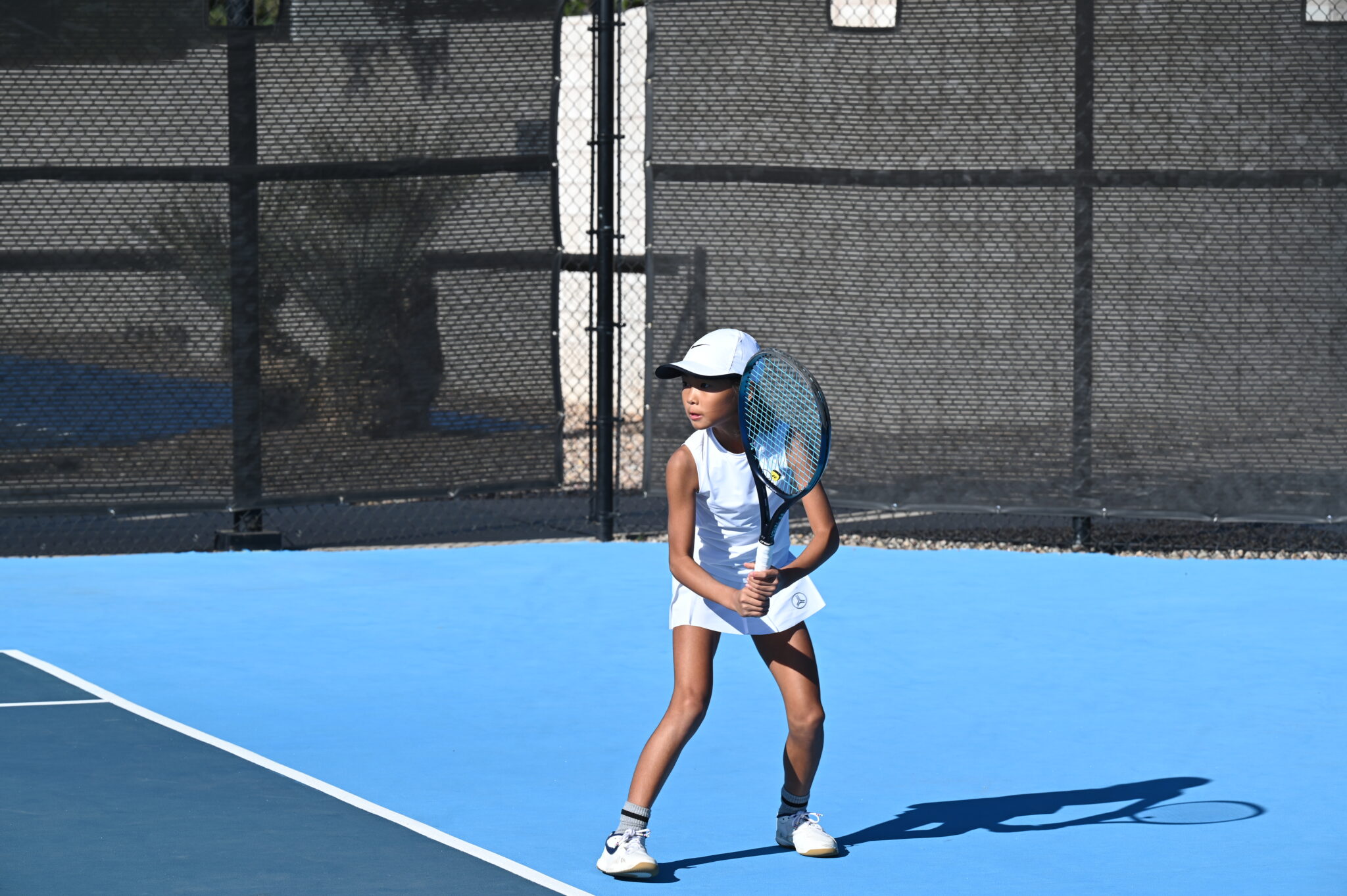
JCC Maccabi teen hitting a tennis ball outside on tennis courts

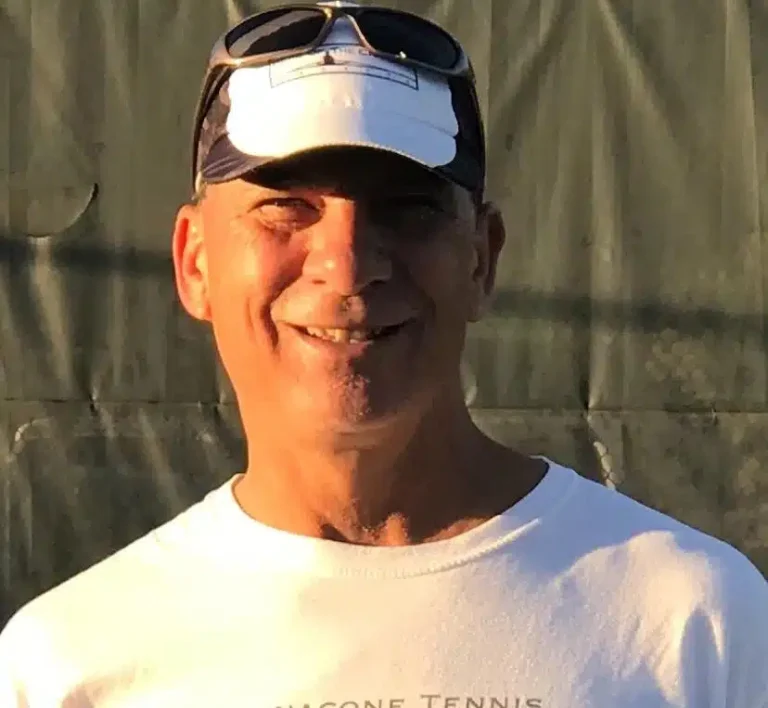
With over 40 years of tennis coaching experience, Steve Annacone, a long-time seasonal tennis pro at the Tucson J and founder of the Smoky Mountain Tennis Academy (SMTA) in Knoxville, TN, has incredible knowledge and wisdom of the sport. In this series, we are sharing some of Steve’s top tips for improving all aspects of your game!  
As every athlete knows, sports are as much about mental strategy as they are about physical ability — especially tennis. Keep reading to explore some of Steve’s best tips for framing your mindset the next time you are on the court.  

Hang in and Fight Through the Difficult Matches

All of the best tennis players realize that they will play at their optimum level only a couple (maybe) times a year. This means that a player must be able to come up with things that are working well on that given day to have a chance to win matches when everything is not going as planned. 


Players can actually win matches when they are playing poorly if they don’t give up and let the frustration take over rather than playing every point the best they can. Focus on the very basics: watch the ball, get ready after each shot and try to put two or three shots together on each point. 


These simple things can keep you in the match and allow you some success even on your most difficult days. 

Be Specific

Although it is extremely difficult these days to get the tennis ball to go exactly where you want, it is important that you aim for a specific target for your shot. 


If you tell yourself to just try to get the ball to land in, your focus and concentration is not likely to be as good as when you tell yourself to get the ball to land halfway between the baseline and the service line and on the deuce side of the court. Since the serve and return of serve are the first shots you hit, before the point starts, look at the target; exactly where you want the ball to land, and make sure you have in your mind that your swing will be traveling in that direction. 


Even though there will be many times that the ball does not go where you want it to, this will improve the quality of your shot because you are being decisive. If you choose an area with a good margin for error (not right on the baseline, sideline or any line!) your shot is likely to go in the general direction and be pretty successful. 


Make your target specific and you will help your focus and concentration as well as keeping your swing more free and relaxed. 

You Can Always Get Better 

Tennis is an incredible sport. As you are learning the game, you can work on so many different areas to improve on. 


Most of us initially focus on the actual hitting of the ball-strokes, footwork, placement, etc. As you improve, it becomes pretty obvious that winning a tennis match is not always directly related to how well you hit the ball. Sometimes it is selecting the right shot at the right time. 


Other times it is the effect that your strategy has on your opponent over the course of the match. Even as you get older and cannot run as fast or hit the ball as hard, you can improve by being a student of your own game and using what has worked well for you in the past. Arthur Ashe came up with one of my favorite quotes for approaching both tennis and life: 


“Start where you are, use what you have, do what you can.” 


Take a few minutes and try to grasp exactly what this means. It will give you a great chance of continuing to get better at tennis, as well as providing you an awesome model to deal with all of the things that our thrown at us in our day to day lives. 

Use an Image and a Thought to Play the Ideal Point

Keep a mental note of the point you would like to play in your head. 


Picture what that point is like-good serve, good crosscourt first shot and a ball hit early from inside the baseline to get the opponent in trouble or win the point. 


Remind yourself before the point starts what you want the point to be like, how many hits you would like it to be, and how you would like to finish the point. A good way to do this is to recall a point that you have already played. 


Remember where you hit the serve or return, what type of shot came back, and what response you had on the next ball. Things will often repeat themselves but remember that each point is slightly different. 


Try to give yourself more of a chance of repeating a good point by reminding yourself just prior to the start of the point, what you have done well! 

About Steve Annacone

Steve has been a tennis professional and coach for the last 40 years. His experience includes seven years of ATP Tour experience as coach for Paul Annacone (highest world rankings, #12 in singles, #2 in doubles).  


In 1996, Steve founded Smoky Mountain Tennis Academy (SMTA) in Knoxville, TN. For 19 years, he was Facility Director, Head Coach, and Camp Director at SMTA. More than 75 SMTA students went on to compete in college, including one All American and many at the Division 1 level. A large number of these players started playing at SMTA and trained there throughout their college careers. Steve was named USTA/Tennessee Pro of the Year in 1998 and has served as Tennis Director or Head Tennis Professional at numerous facilities and clubs in New York, Florida, and Tennessee. An Elite USTA Tennis Professional, Coach Steve is available for private lessons. 

From the Desk of Jennifer Lorch Selco | Sr. Director of Jewish Living + Engagement

Shabbat Shalom
Shabbat Shalom

From the Desk of Jennifer Lorch Selco | Sr. Director of Jewish Living + Engagement

Our parsha this week is Vayechi, Hebrew for “And [Jacob] Lived.”  Joseph promises Jacob that he will bury him in Canaan. On his deathbed, Jacob blesses his grandchildren, Ephraim and Menashe, and then blesses his sons with the legacies he hopes they each carry on for future generations. Jacob recites the Shema prayer, dies, and is embalmed. Joseph affirms to his brothers that he has forgiven them for their misdeeds. Ending the first book of the Torah, Beresheet, Joseph dies with the request that his bones will be brought to Canaan in the future, thus setting the stage for our story next week to begin in Egypt.

As we reflect on this week’s portion, we are reminded of the Jewish value of continuity, l’dor v’dor—from generation to generation—and more poignantly, our connection to one another, across time and space.

Rabbi Mijal Bitton shares a beautiful reflection about this week’s Torah portion, especially as it relates to “the surge,” rise in Jewish engagement post 10/7, particularly those who did not feel engaged or connected prior to Hamas’ attack in Israel. She shares, “Jacob lies on his deathbed. A midrash imagines the scene: as Jacob lay dying, his sons proclaimed their faith with the words Shema Yisrael. The sons say: Shema Yisrael—Hear oh Israel, hear our father; Hashem Elokeinu, Hashem Echad—the Lord is our God, the Lord is One. These words are so familiar and beloved by us that we forget how radical and how consequential they are.”

“The Shema binds three things: loyalty to a parent, faith in God, and loyalty to one another (expressed through “our God”). It binds faith to belonging. You can struggle with your siblings. You can struggle with God. You can doubt, question, and feel uncertain. But you can never opt out of your parents. You cannot stop being Jacob’s child.”

“The Surge is not Jews encountering Judaism for the first time. It’s Jews remembering something they didn’t know they’d forgotten. It’s a form of tacit, inherited knowledge that resurfaces when the conditions that enabled forgetting are stripped away. October 7 shattered the illusion that our deepest commitments are endlessly optional. And that recognition, once it happens, resists silence—once you hear your father calling your name.”

And so we ask ourselves: How am I connected already? In what ways do I want to be connected? How will I strengthen my connection community this year?

At the end of reading a book of Torah, it is customary to say, “hazaak, hazak, v’nithazek—be strong, be strong, and will be strengthened.” May we continue to grow from strength to strength as individuals and as a community.

At the Tucson J, this value of l’dor v’dor—from generation to generation—comes to life every day. We see it as grandparents pick up their children from our Early Childhood Education program, in PJ Library events that celebrate Jewish culture and tradition across generations of families, through the Better Together program that connects BBYO teens and their elders at Handmaker Home for the Aging, in Fitness + Wellness and Sports + Rec programs designed for every age and stage, and in the Arts + Culture events that create dialogue that builds bridges across our community and beyond. 


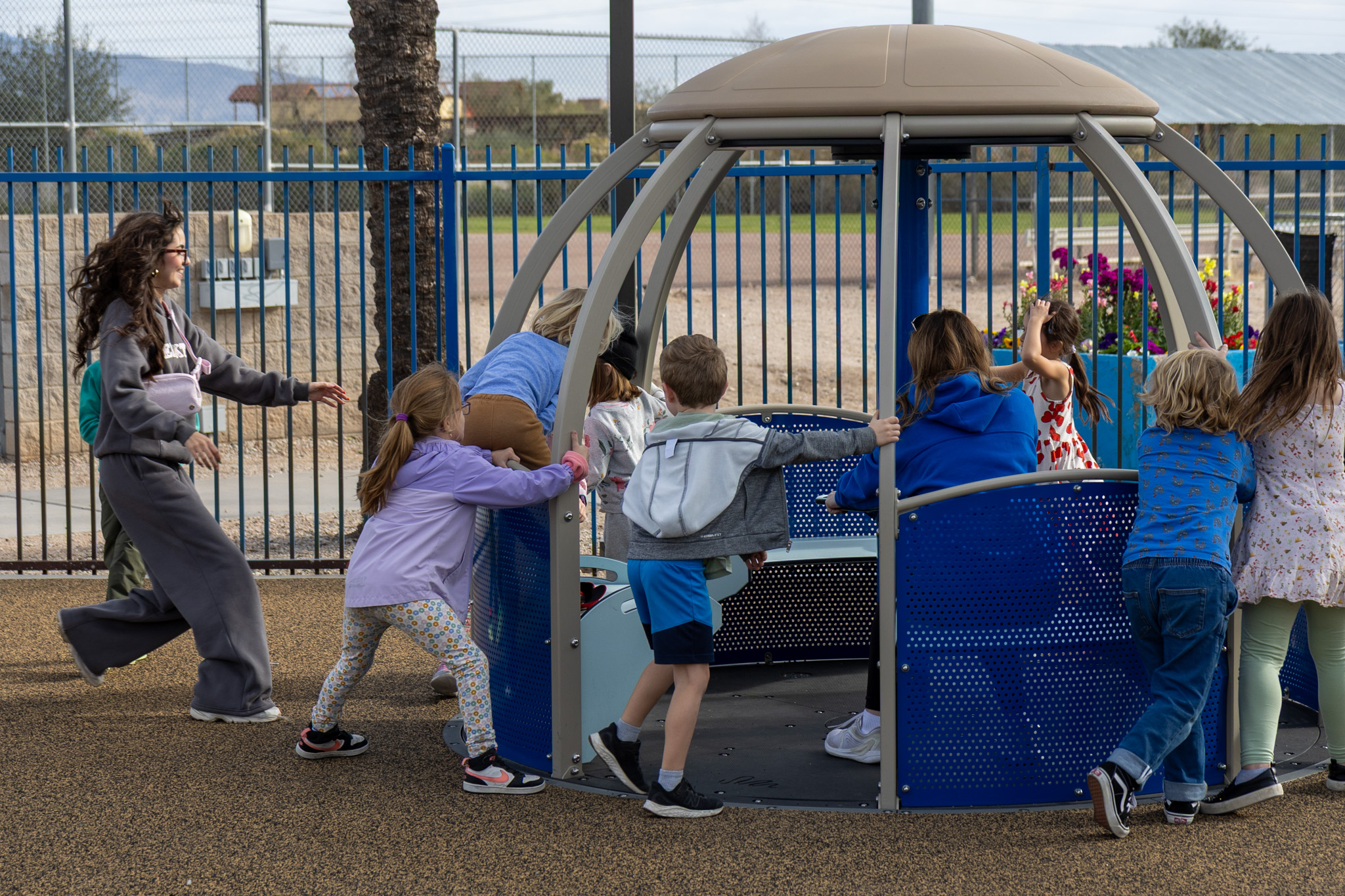
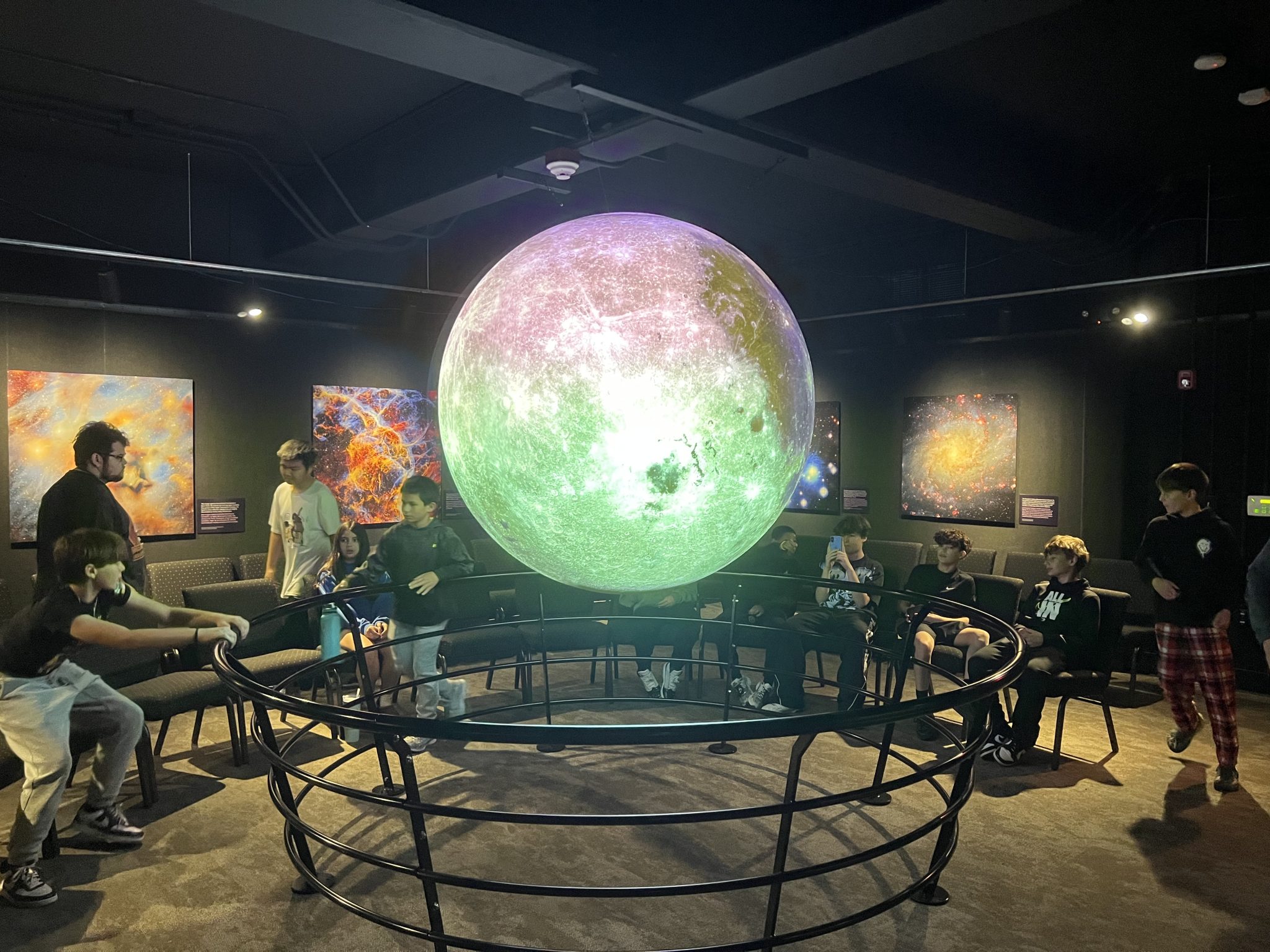
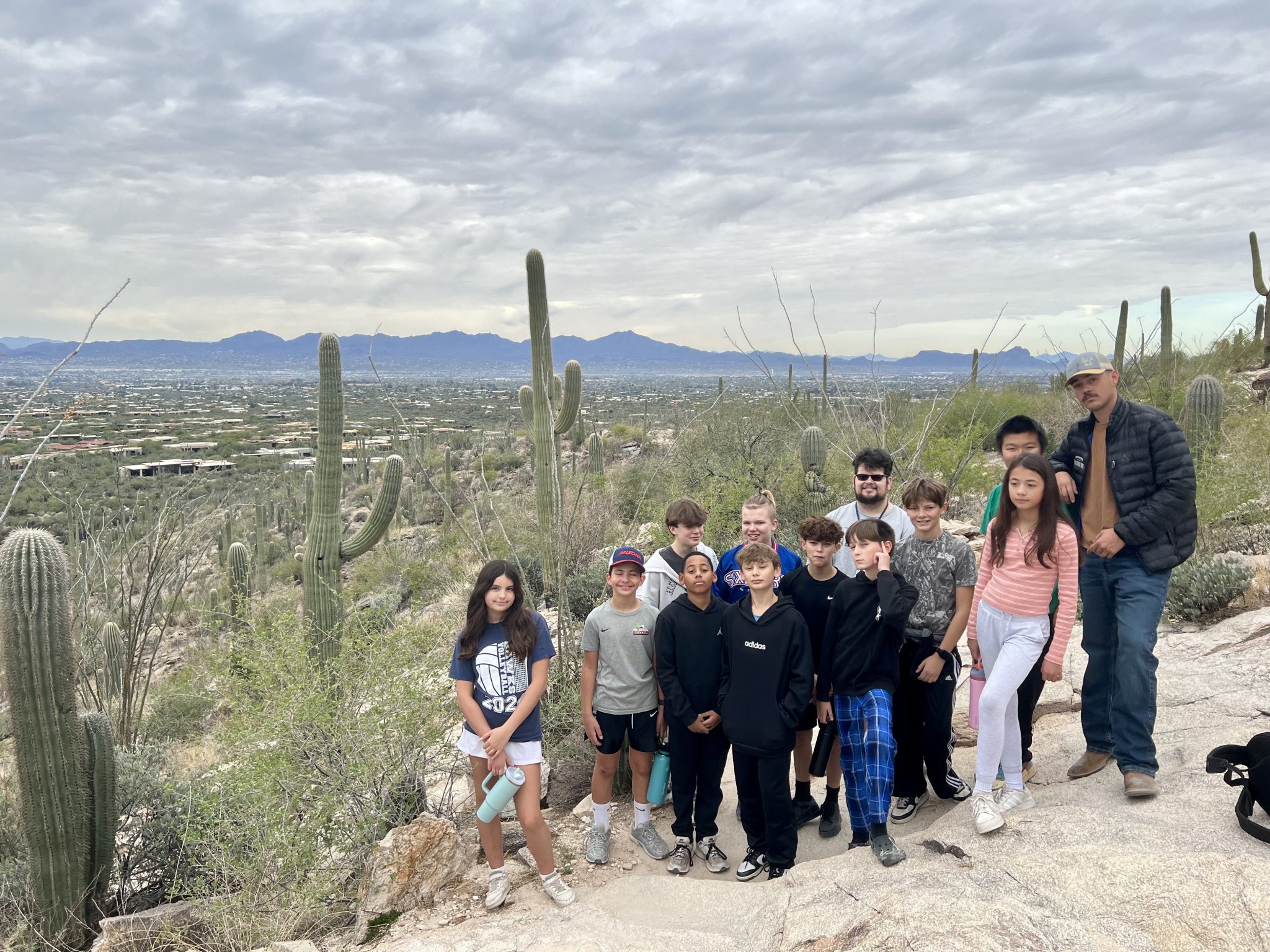
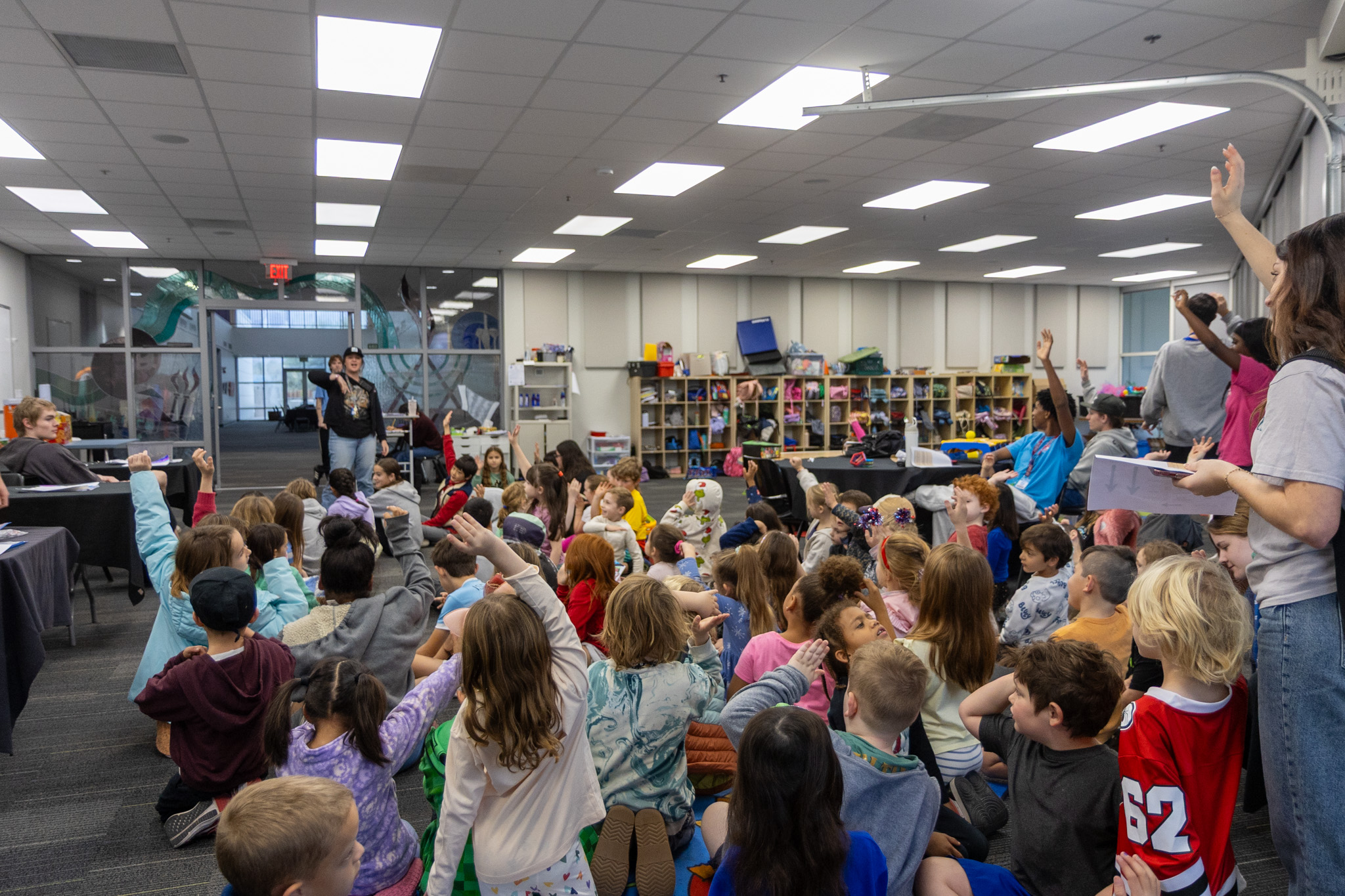
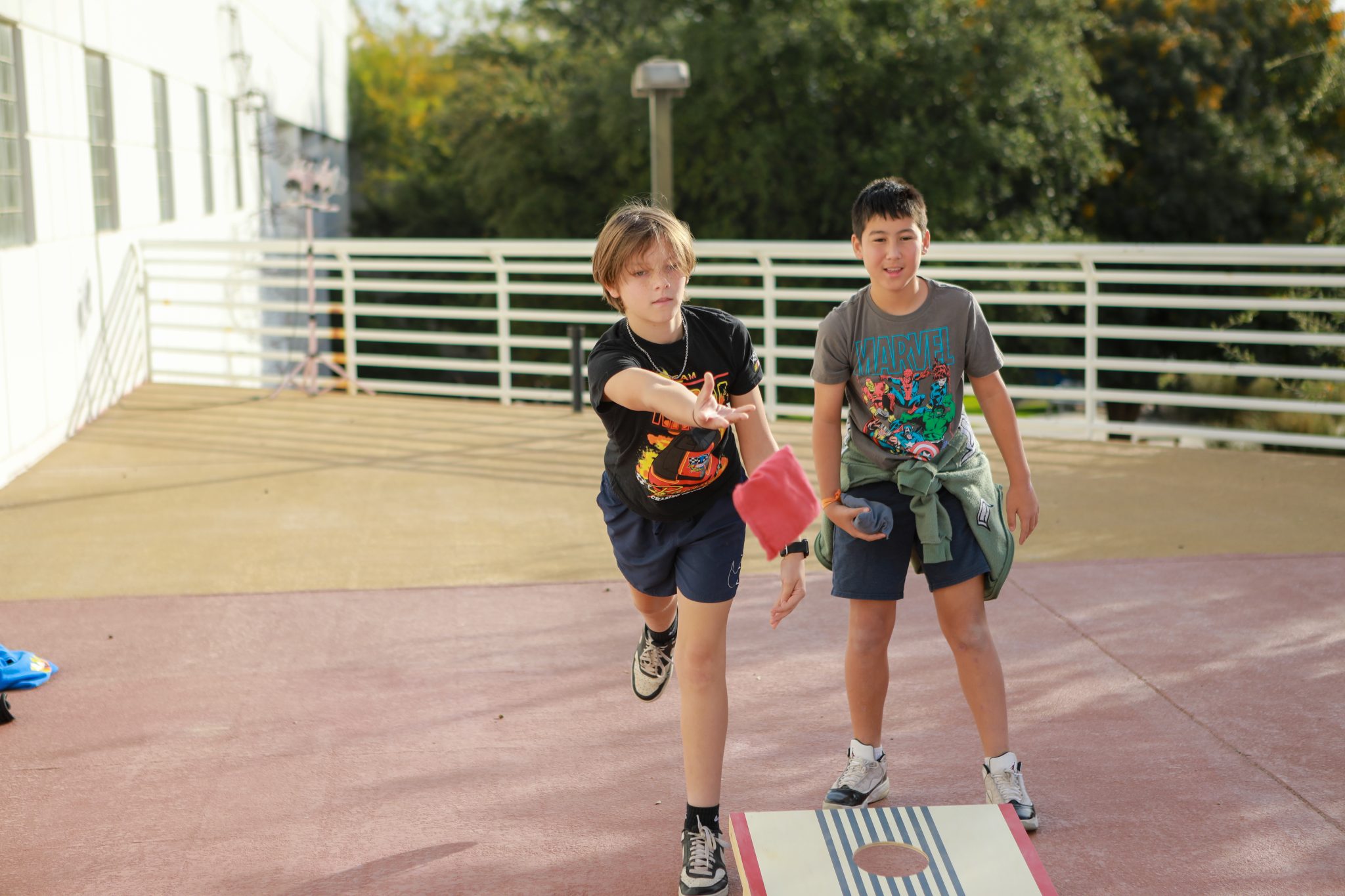
This week at the J we experienced the magic of l’dor v’dor as we made our way through the final week of Winter Camp, with fun and adventure as Camp J kids and tweens made memories on and off campus guided by their older counselors (some of whom, like Tyler who made the news this week, began as campers themselves!). With field trips including Sabino Canyon, Elevate Trampoline Park, Kitt Peak, Funtastiks, the Botanical Gardens and more, plus STEM learning, Gaga, art, tikkun olam, cooking, and plenty of time on the playground and in the gym, campers fostered independence, made new friends, and honed in on special skills, building a strong foundation for lifelong learning and leadership! Don’t miss out on registration for Summer Camp J, opening this Sunday January 4 for members, and Sunday, January 11 for guests and learn more here about our program.

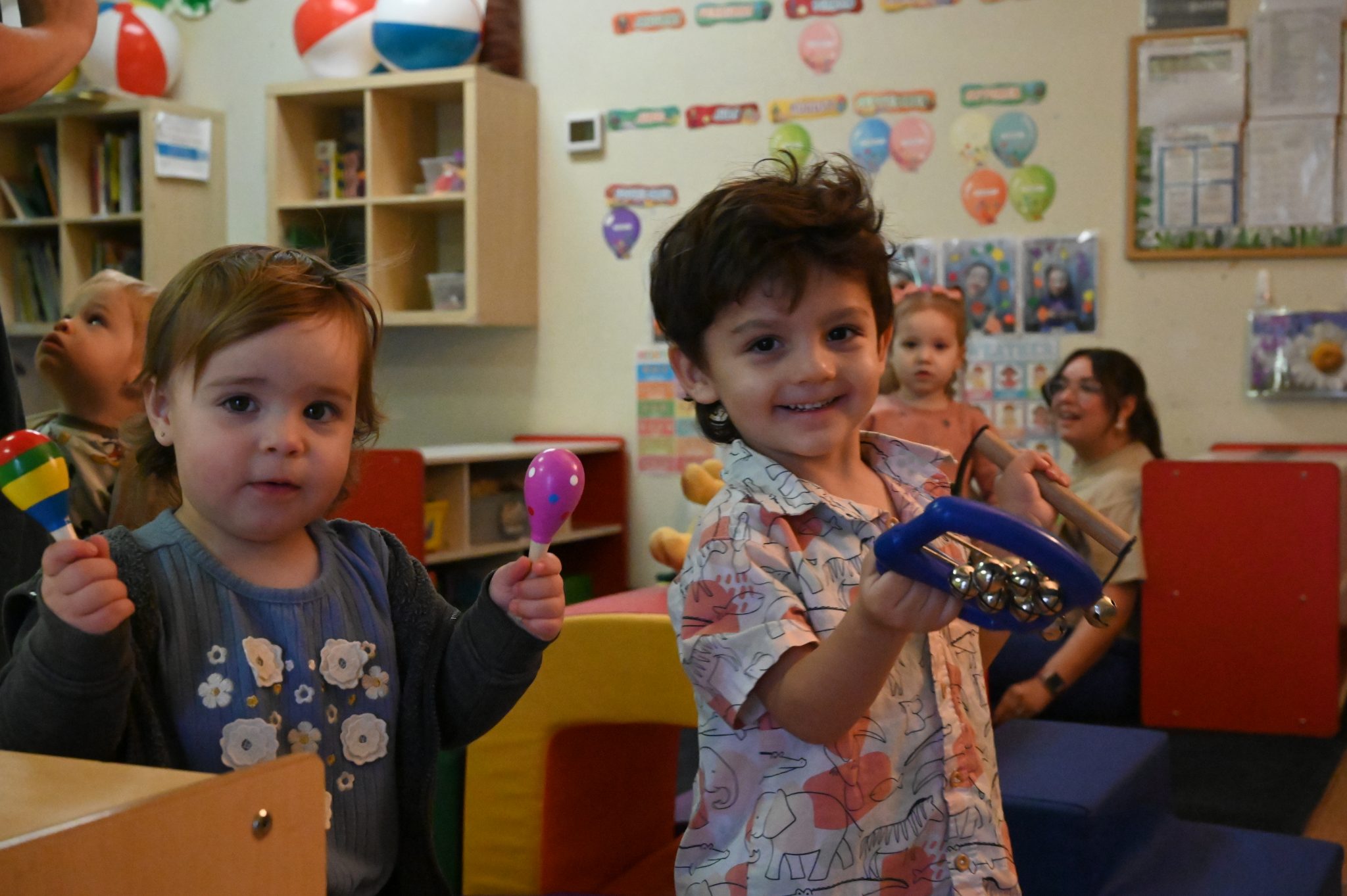
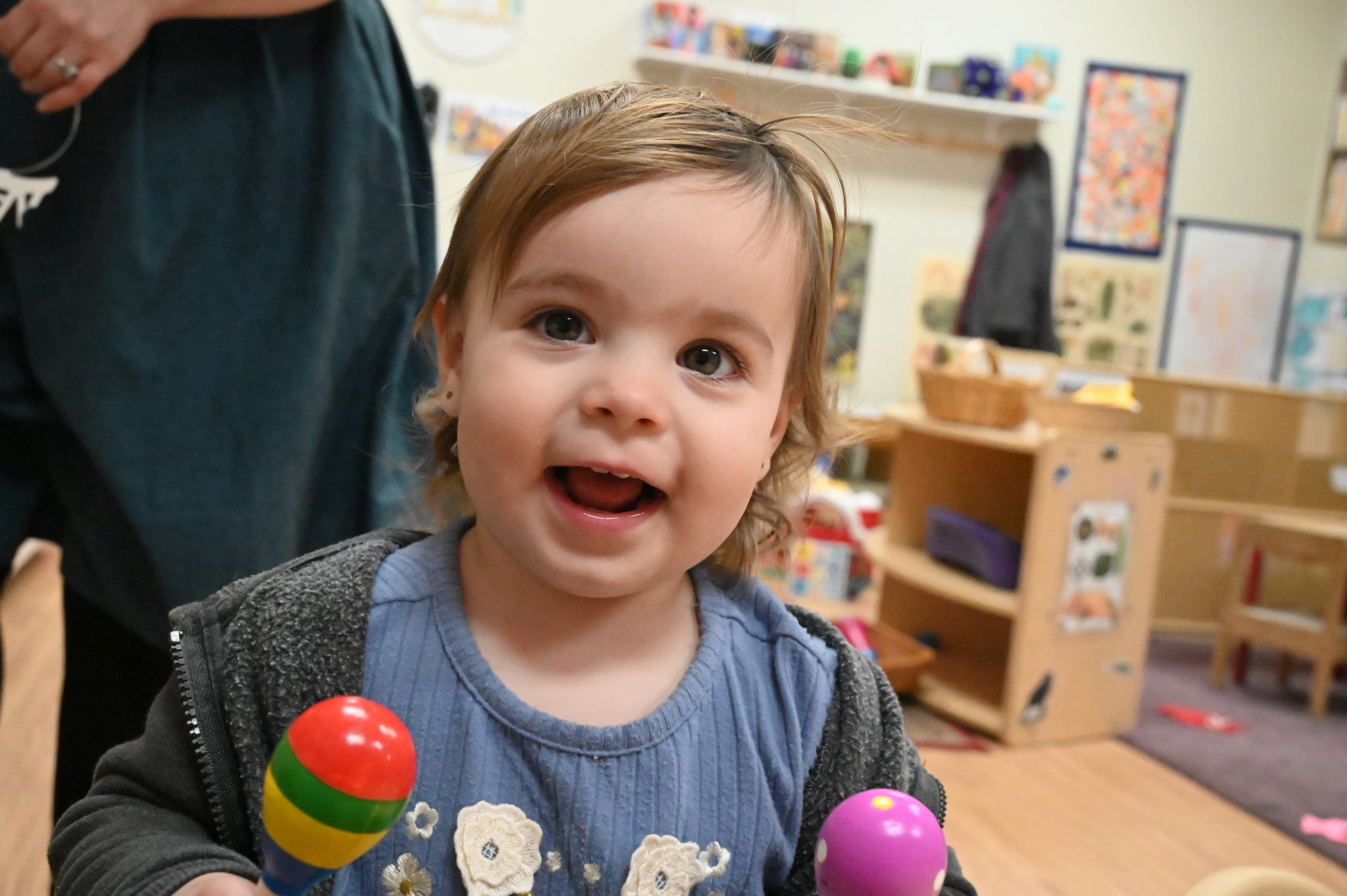
Little ones in Early Childhood Education rang in the New Year literally, with a noisy parade of shakers and musical instruments! Enrollment renewal for existing ECE families opens this Sunday, and new student enrollment opens in February—save your child’s spot for our award-winning program!


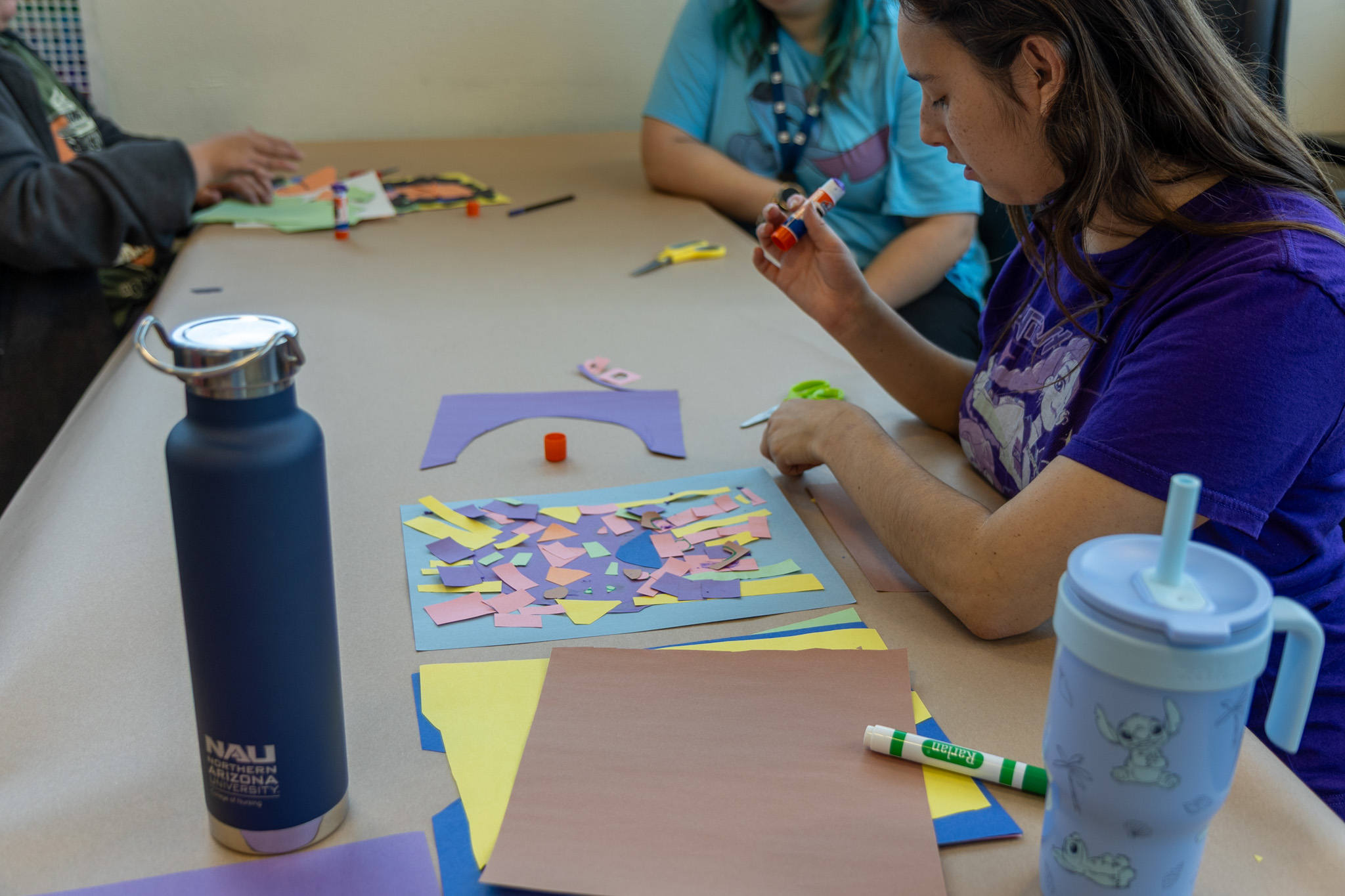
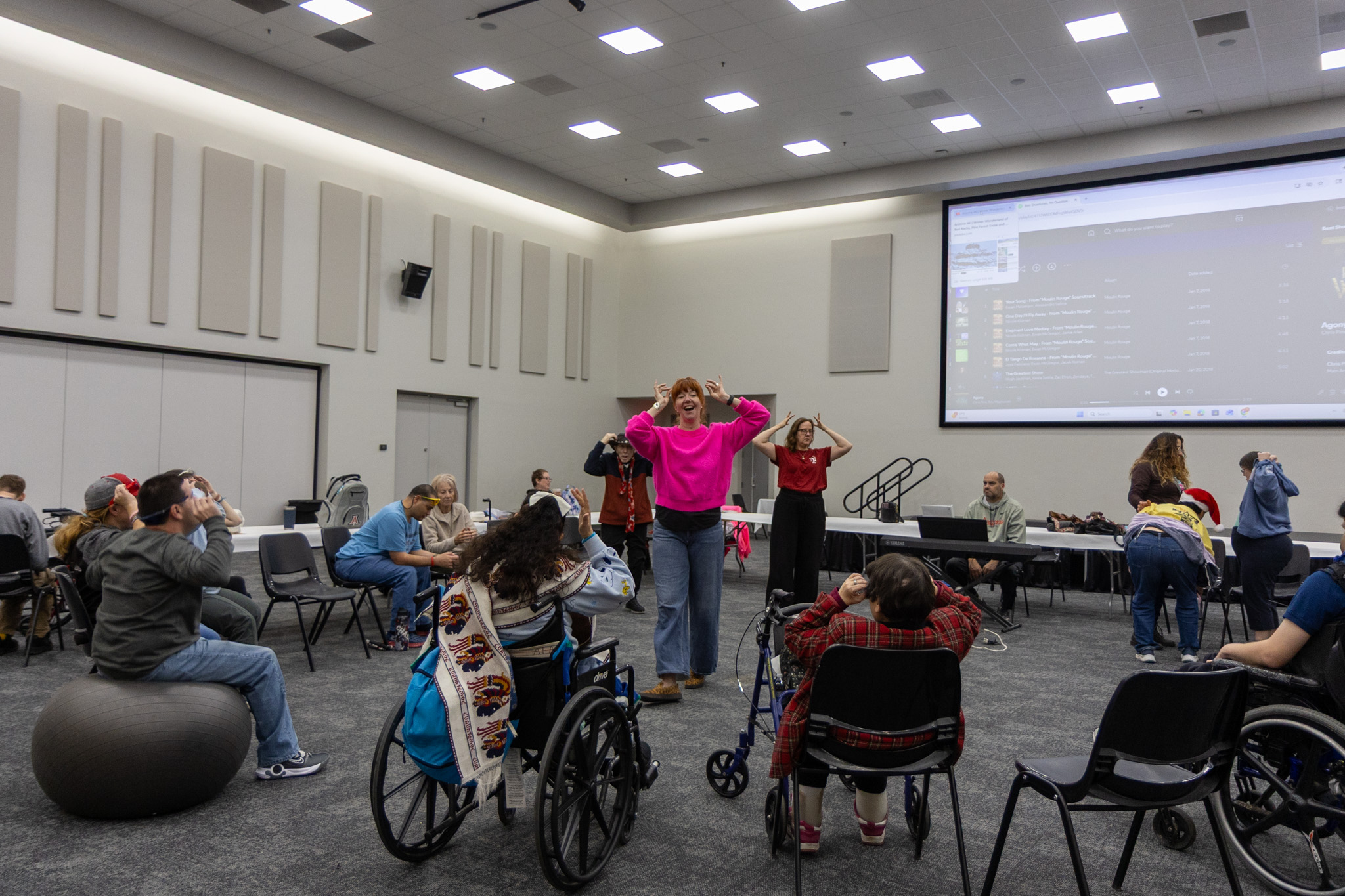
In Disability Program Services, we began the year flexing creative skills with a Picasso art project and in theatre class. Make sure to grab your 2026 DPS calendar at the JShop! Proceeds go to support the program and when you shop at the JShop, you help participant interns learn valuable vocational skills! 


As we move forward together, may we continue to learn from one another, celebrate each stage of life, and pass our values on with intention and joy. We look forward to all that’s ahead in 2026 at the Tucson J. Shabbat shalom and Happy New Year.

Reminders, Resources + Learning