Shavuah Tov 29 Tishrei 5787

Shavuah Tov

There is something extraordinary about the act of creation.

It begins with a spark. An idea, an observation, a conversation, something we hear, something we see, or perhaps something we feel deep within ourselves. Sometimes that spark arrives when we least expect it. The question is, what do we do when it comes? Do we allow it to pass, or do we seize the moment, nurture it, and see what might become possible?

I have been thinking a great deal about creation as creativity, and the deeply Jewish idea that each of us has both the capacity and the responsibility to be a creator.

The Torah begins with the words “Bereshit bara Elohim” – “In the beginning, God created” (Genesis 1:1). Before there were commandments, before there was a people, before there was a covenant, there was an act of creation.

And later, in Genesis 1:27, we learn that humankind was created b’tzelem Elohim, in the image of G-d. I have always found this teaching especially meaningful. If the first thing we learn about G-d is that G-d creates, and we are created in God’s image, perhaps one of the most profound ways we express that divine image is through our own capacity to create.


To imagine something that does not yet exist. To see possibilities where others see limitations. To take an idea and give it life.

Creativity is not simply something we do. It is part of who we are.

Here at the Tucson J, we are fortunate to see creativity expressed in so many beautiful and unexpected ways.

Walk through our Fine Art Gallery and experience the imagination, perspective, and talent of artists who invite us to see the world through a different lens. Wander through the Jill Rosenzweig Memorial Sculpture Garden, where art, nature, and human expression come together to create a space for reflection and inspiration.

Walk down the hallways of our Early Childhood Education program and see the artwork of our youngest creators proudly displayed. Step outside and discover colorful sidewalk chalk drawings, temporary masterpieces that remind us that creativity does not need to be permanent to be meaningful.

And creativity extends well beyond what we traditionally call art.

We see it in the programs our team imagines and brings to life, in the experiences we create for children, families, and older adults, in the ways we bring people together, and in the solutions, we develop to meet the evolving needs of our community.

Every program, every gathering, every new partnership begins with someone imagining what might be possible.

One of my favorite songs about creativity is Harry Chapin’s Flowers are Red It tells the story of a young boy whose imagination is constrained by a teacher who insists that flowers must be red and leaves must be green. The boy sees a world filled with flowers of every color but eventually learns to conform to someone else’s narrow understanding of what is possible.

It is a beautiful and heartbreaking reminder of what happens when we fail to nurture imagination.

I think about that song often, especially in a place like the J, where we have the privilege of helping children and adults discover their own voices, talents, and possibilities.

Our responsibility is not to tell people what color their flowers must be. It is to help them discover all the colors they might imagine.

There is also a beautiful Israeli song, Yesh Bi Ahava, written by Arkadi Duchin and made famous by Arik Einstein. Its title means “There Is Love Within Me.” The song reminds us of the love, hope, and capacity for goodness that reside within each of us.

To me, that is where creativity begins. With the belief that something good, something beautiful, something meaningful can emerge from what we already carry within ourselves.

Jewish tradition offers another powerful expression of this idea in Pirkei Avot 2:16:

“Lo alecha hamlacha ligmor, v’lo ata ben chorin l’hibatel mimena.”

“It is not your responsibility to finish the work, but neither are you free to desist from it.”

We are not expected to create a perfect world on our own. But we are expected to participate in its creation.

That teaching speaks directly to our work at the Tucson J.


We are all creators of the future we hope to see. Our board members, staff, donors, volunteers, community partners, and members each bring unique gifts, perspectives, and ideas to this sacred work.

As we continue moving forward together through Kadima B’Yachad, our strategic plan, we are doing more than developing programs or improving facilities. We are imagining and creating the future of our J and our community.

A future with greater Jewish community, a more vibrant Jewish life, deeper connections, and a place where everyone feels that they belong.

And that future will not emerge from one person’s imagination. It will be created together.

I hope we will all remain open to those sparks of inspiration. When an idea comes, capture it. When you hear something that makes you think differently, explore it. When you see an opportunity to make something better, pursue it. And when someone else shares an idea that seems unusual or unexpected, resist the temptation to tell them that flowers must be red.

Instead, ask, “What might be possible?”

An Invitation to Celebrate Creativity

Next Sunday, October 18, from 4:00–6:00 PM, I hope you will join us for SCULPT: Making Space, a wonderful opportunity to celebrate creativity, artistic expression, and the extraordinary gift of our Jill Rosenzweig Memorial Sculpture Garden.

What better way to celebrate the creative spirit than by gathering as a community in a place where imagination has been brought to life?

As we enter this new week, I hope each of us will find a moment to appreciate the beauty others have created, recognize the creativity within ourselves, and imagine what we might yet create together.

After all, creation did not end with Bereshit. In so many ways, it is just beginning.


Cochenu b’Achduteynu | כחינו באחדותינו | Our strength is in our unity.


Am Yisrael Chai 
| עם ישראל חי

Todd Rockoff

President + CEO, Tucson J 

From the Desk of Jennifer Lorch Selco | Sr. Director of Jewish Life + Engagement 

Shabbat Shalom
Shabbat Shalom

From the Desk of Jennifer Lorch Selco | Sr. Director of Jewish Life + Engagement 

In the opening story of creation, which we read in Parshat Beresheet (Hebrew for “In the Beginning”), there is a pattern for how the days are written about. On days one, two, three and four, the text for each day concludes, “God saw that it was good. And there was evening and there was morning, a first/ second/ third/ fourth day.” There is an acknowledgement of goodness with the parts of our world that are the scenery or the backdrop for everything else.

And, on the fifth day, with the creation of birds and sea creatures, additional language is added. The text reads, “God saw that it was good. God blessed them, saying, ‘Be fertile and increase…’”. We find this same pattern on the sixth day with the creation of animals and human beings. God blesses the living creatures.

Dr. Ron Wolfson, in his book Be Like God: God’s To Do List for Kids (there is a version for adults titled God’s To-Do List: 103 Ways to be an Angel and Do God’s Work on Earth), highlights that we can be like God. After God creates (which is the first way we can be like God), God blesses. We, too, can bless.

On the seventh day, our text reads “On the seventh day God finished all the work God had been doing, and God ceased on the seventh day from all the work that God had done. And God blessed the seventh day and declared it holy, because on it, God ceased from all the work of creation that God had done. (Genesis 2:1-3). These are the words of Vayechulu HaShamayim, that we sing on Friday nights as we bring in Shabbat. The seventh day is blessed not because of what is created, but because time is carved out to pause, acknowledge and reflect on what has been created.

Shabbat reminds us that blessing is not only about what we create or accomplish. It is also about making space to appreciate what already exists, to recognize the goodness in our lives, and to be present with the people and world around us.

Shabbat Shalom. 

As we begin a new Torah cycle, the creation story invites us to consider how we can bring more goodness into the world—not only through what we do, but through the communities we build and the stories we share together. At the Tucson J, we see this as an ongoing part of our work: creating a place where people come together across generations, backgrounds, and experiences to find connection, purpose, and belonging.

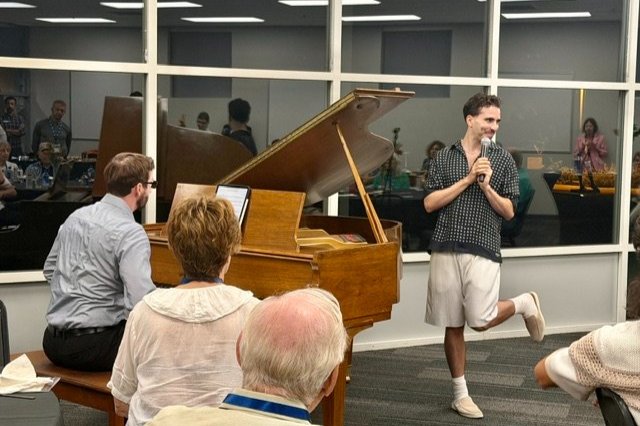
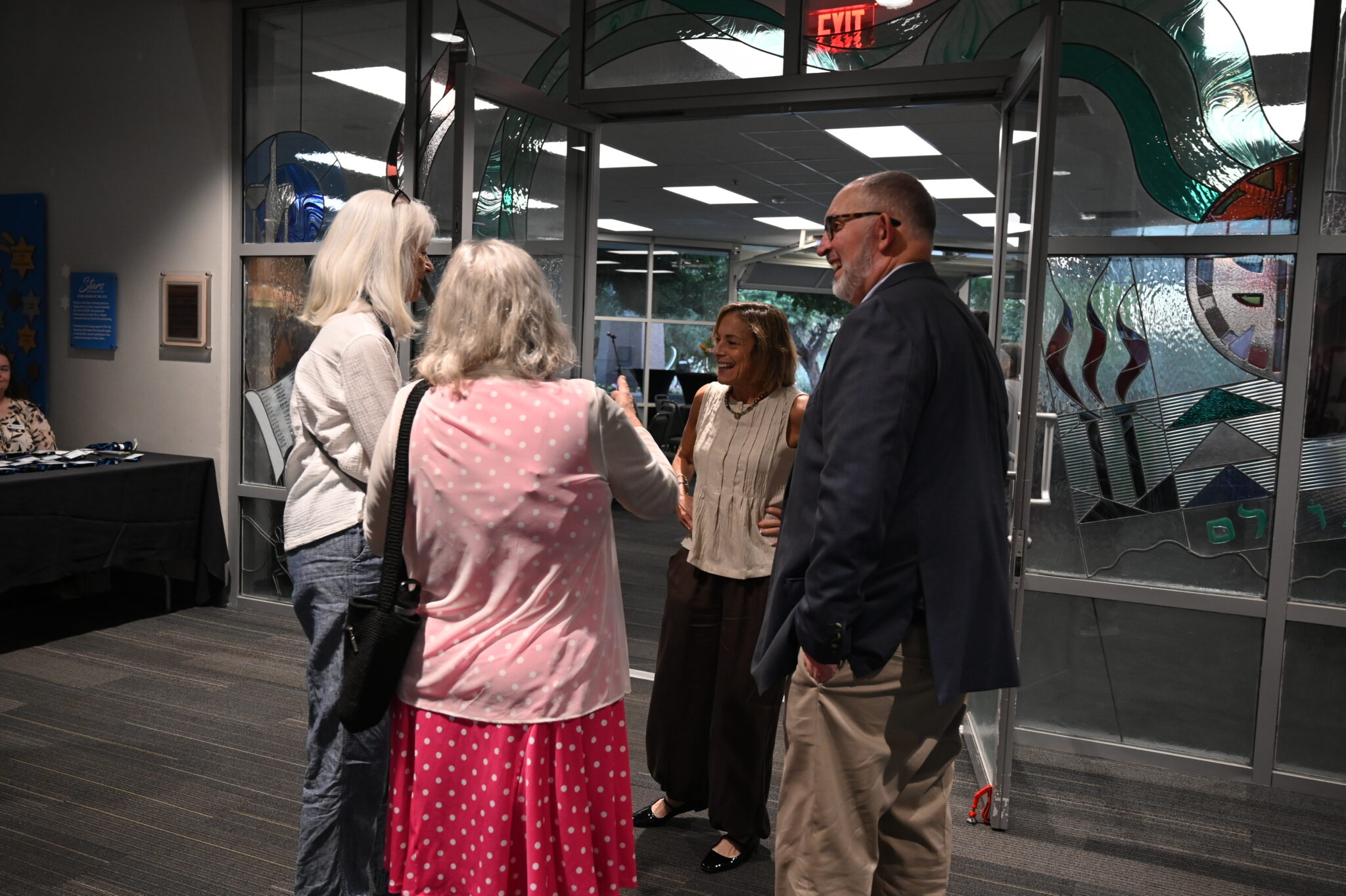
We began our week here at the J with a beautiful gathering in celebration of the generous contributions our Stars of Giving and Patrons of the Arts societies make to our community. Stars and Patrons joined us in the Jewish Heritage Center for delicious food and a special performance by Israeli classical singer and sopranist Mayaan Licht accompanied by pianist Russell Ronnenbaum. 

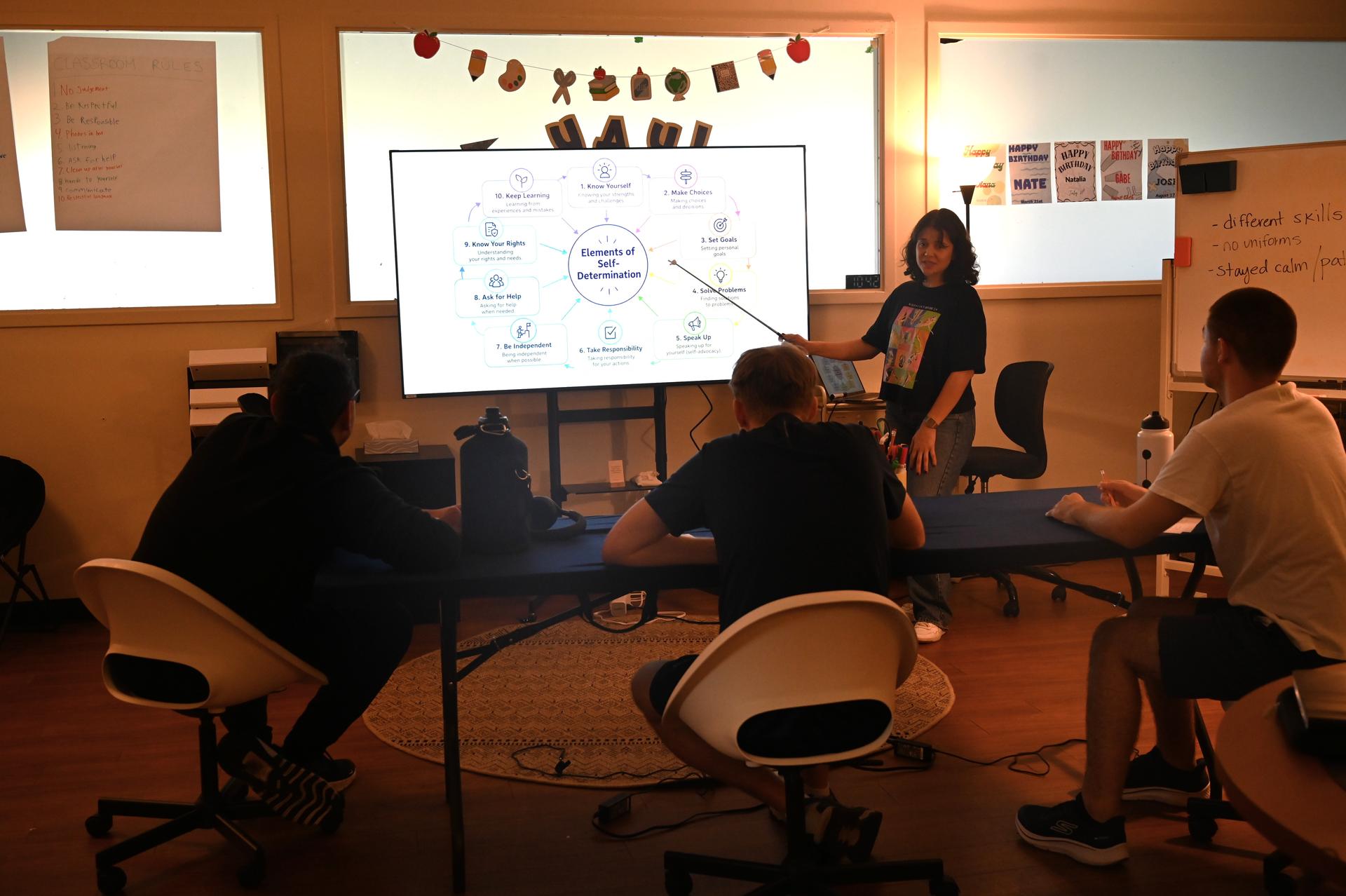
Continuing with their job exploration and skills training, students in the first cohort of our recently launched Pathways to Employment program learned about the “Elements of Self-Determination” with instructors Diana and Natalia. We are proud of the growth in our Disability Program Services department and grateful for the opportunity to serve our community in unique and important ways. 

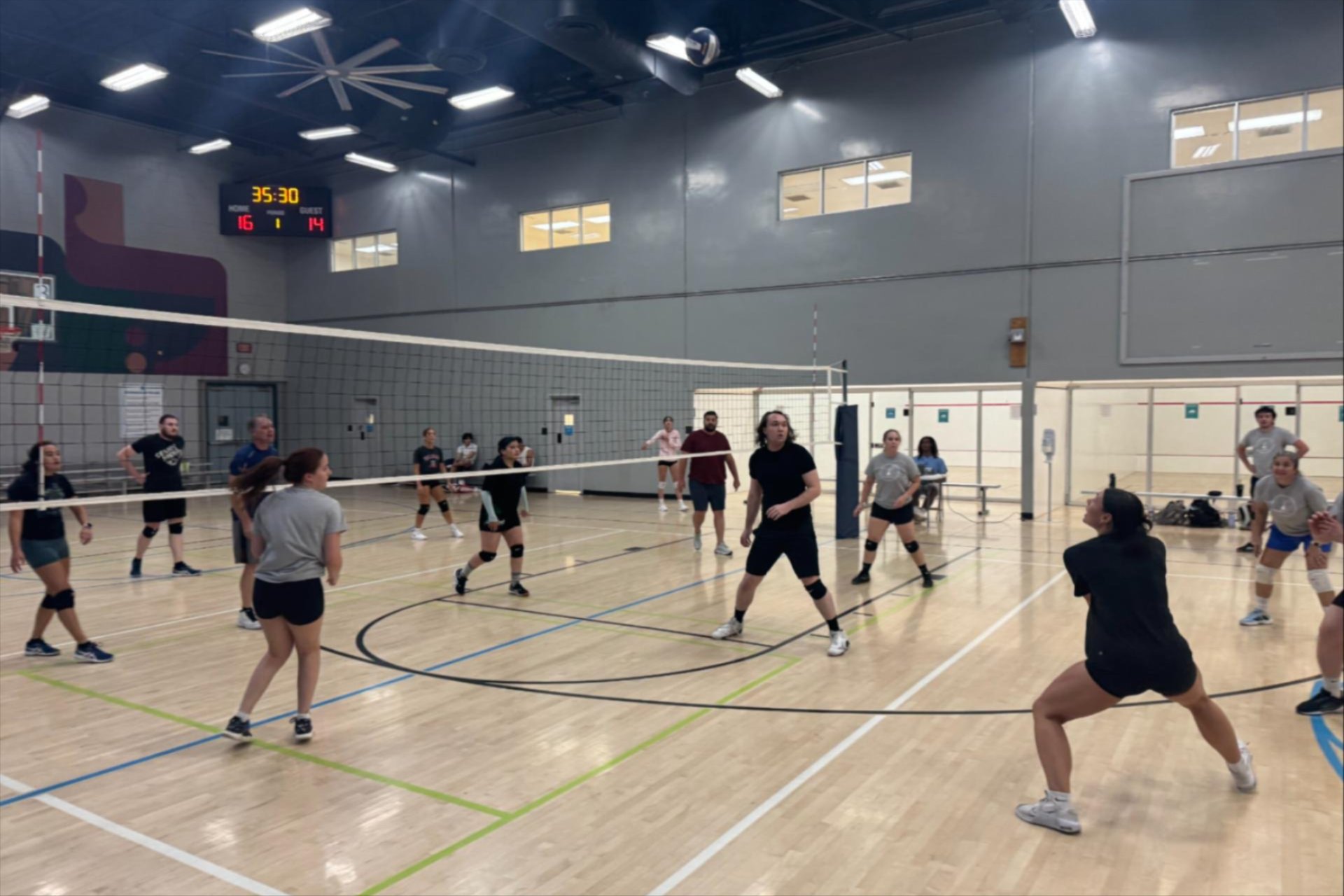
Fall sports are in full swing and community members have been enjoying cooler temperatures on the tennis and pickleball courts, Men’s Basketball and Co-ed Volleyball leagues, a variety of PeeWee sports offerings, youth Basketball and Volleyball clinics, Stingrays Swim Team and Masters Swim, and so much more! 

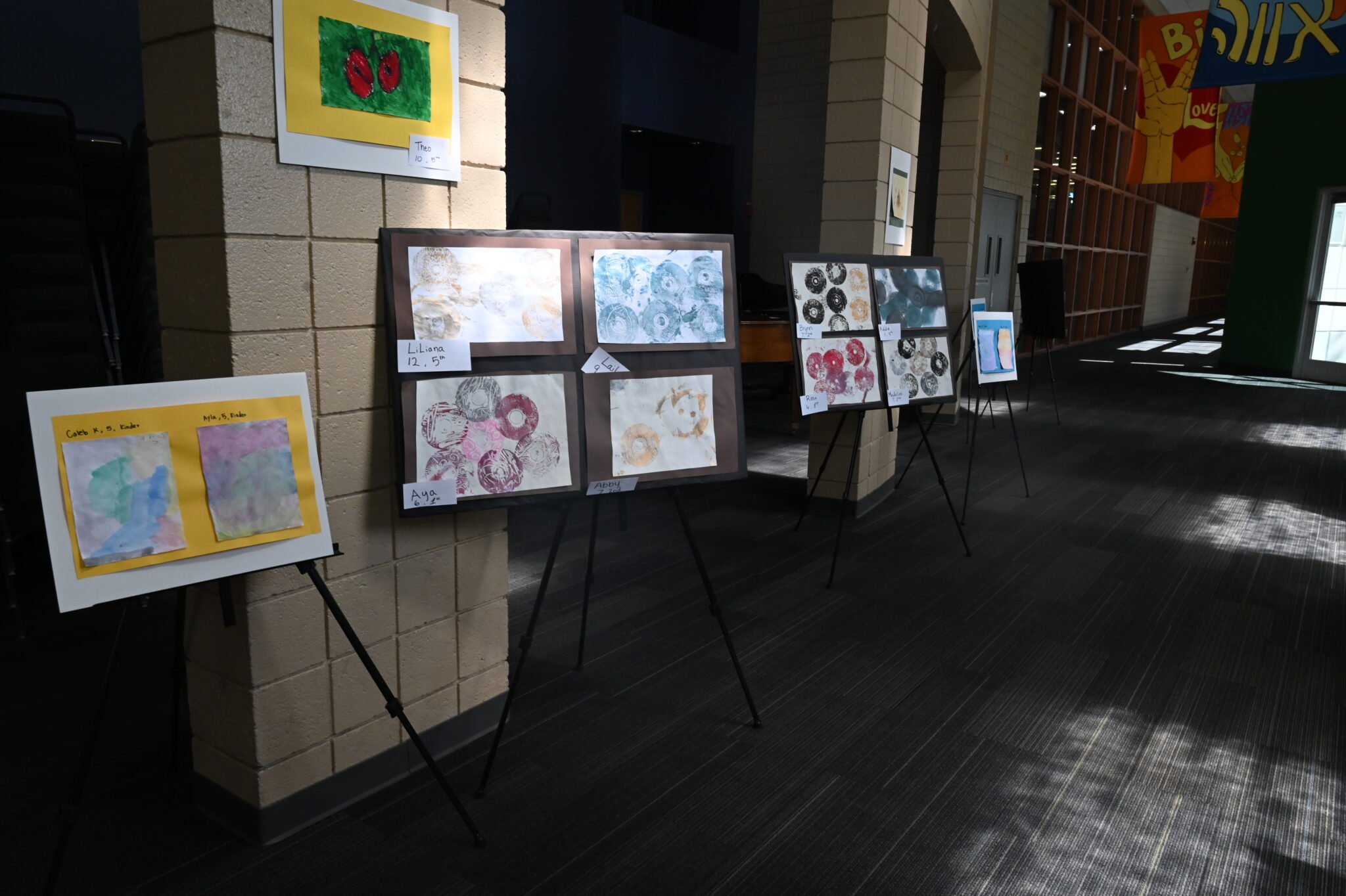
All week long we have enjoyed an incredible display of artwork made by the kids in our JCare afterschool program. Art instructor Lee, curated the show with a variety of works created during the first quarter of the school year—be on the lookout for more shows throughout the year! 

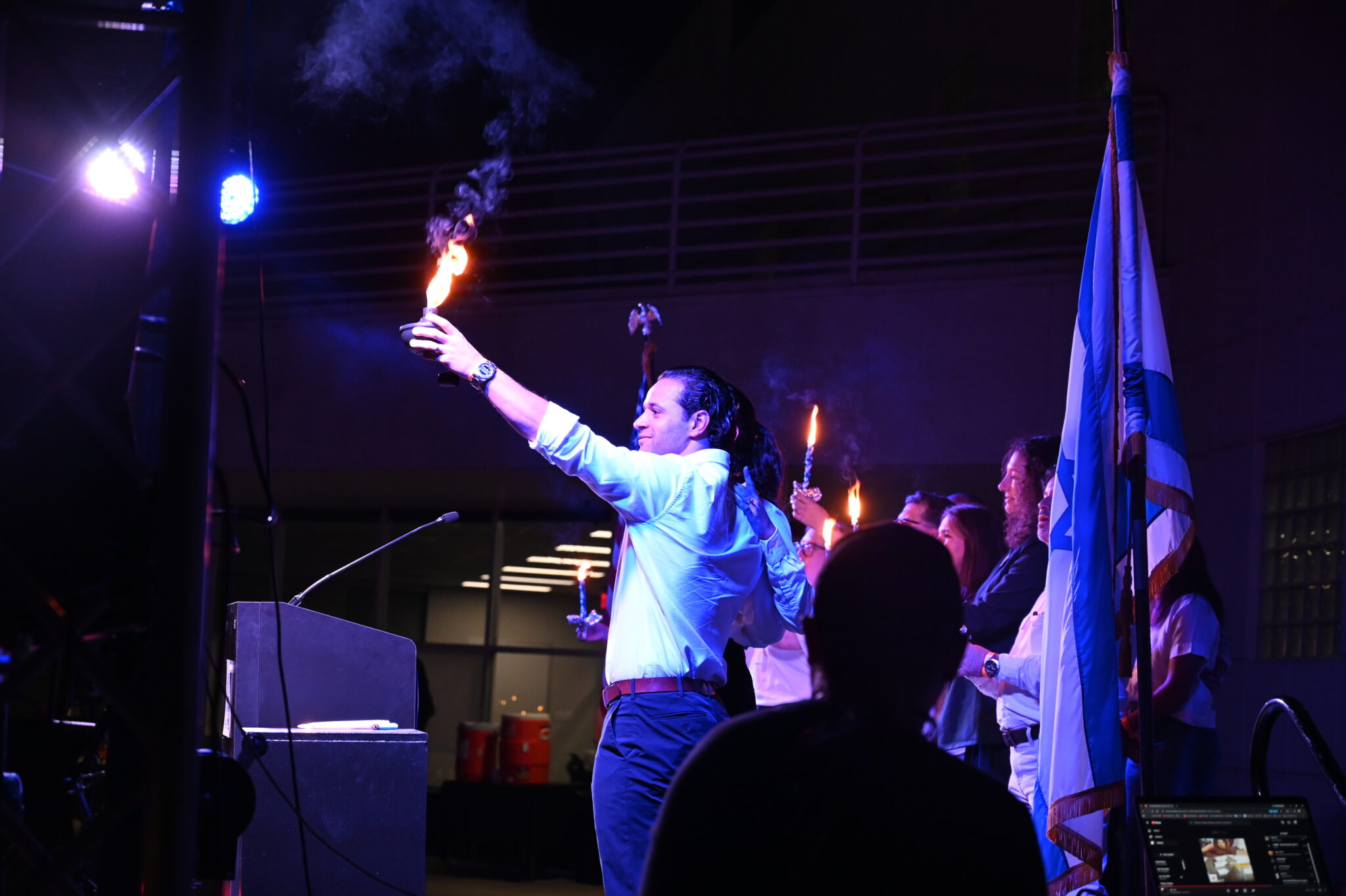
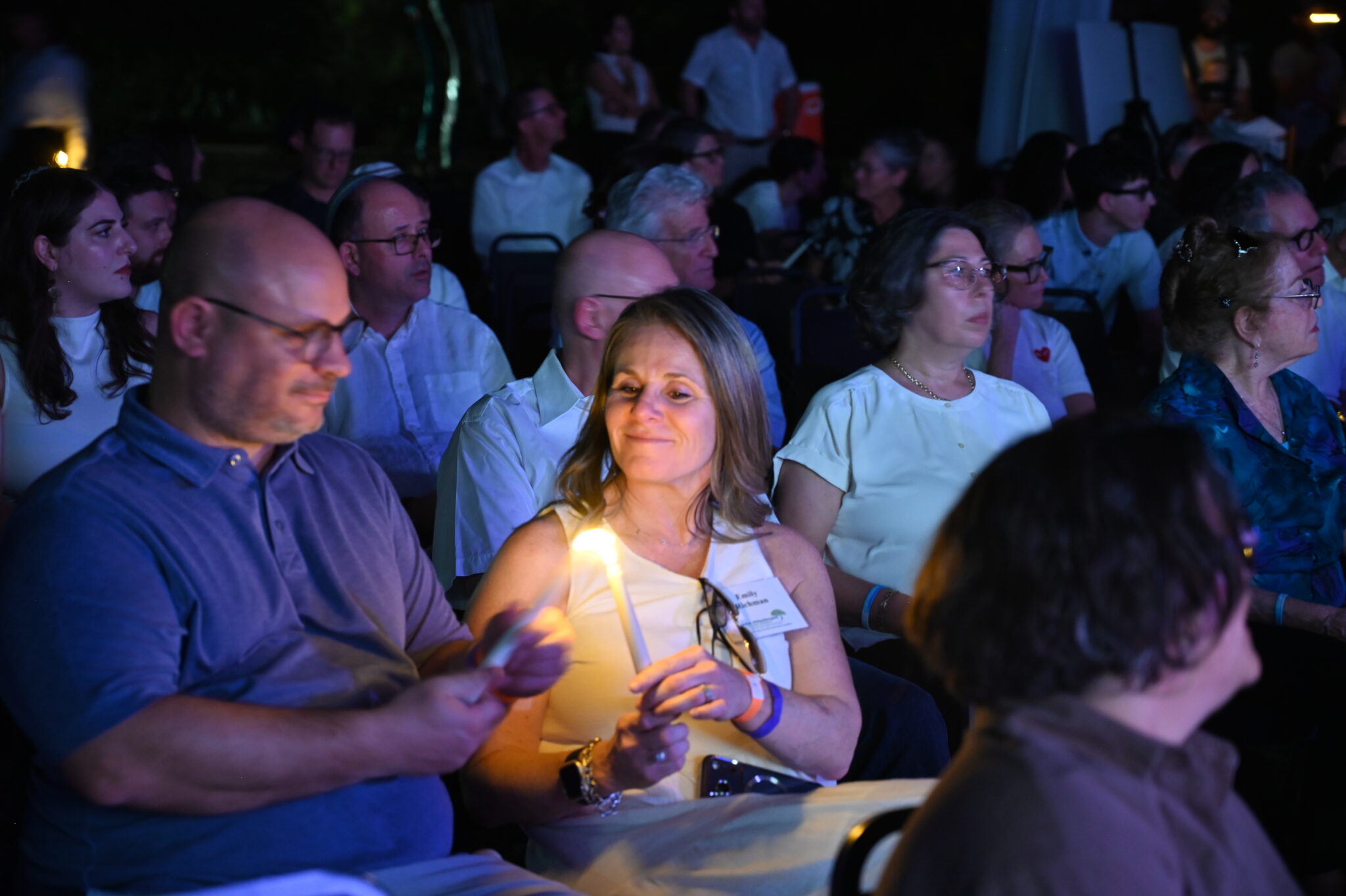
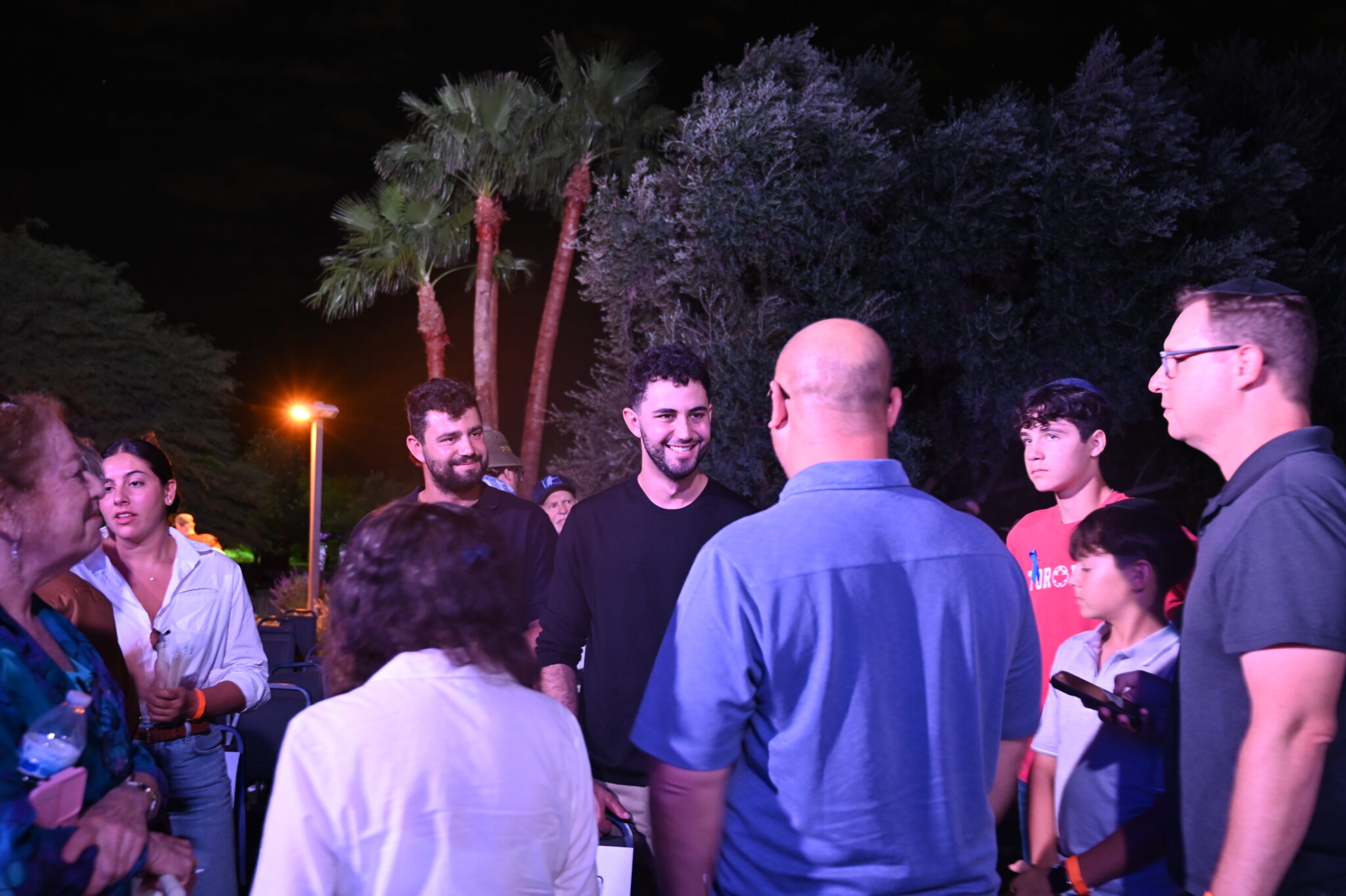
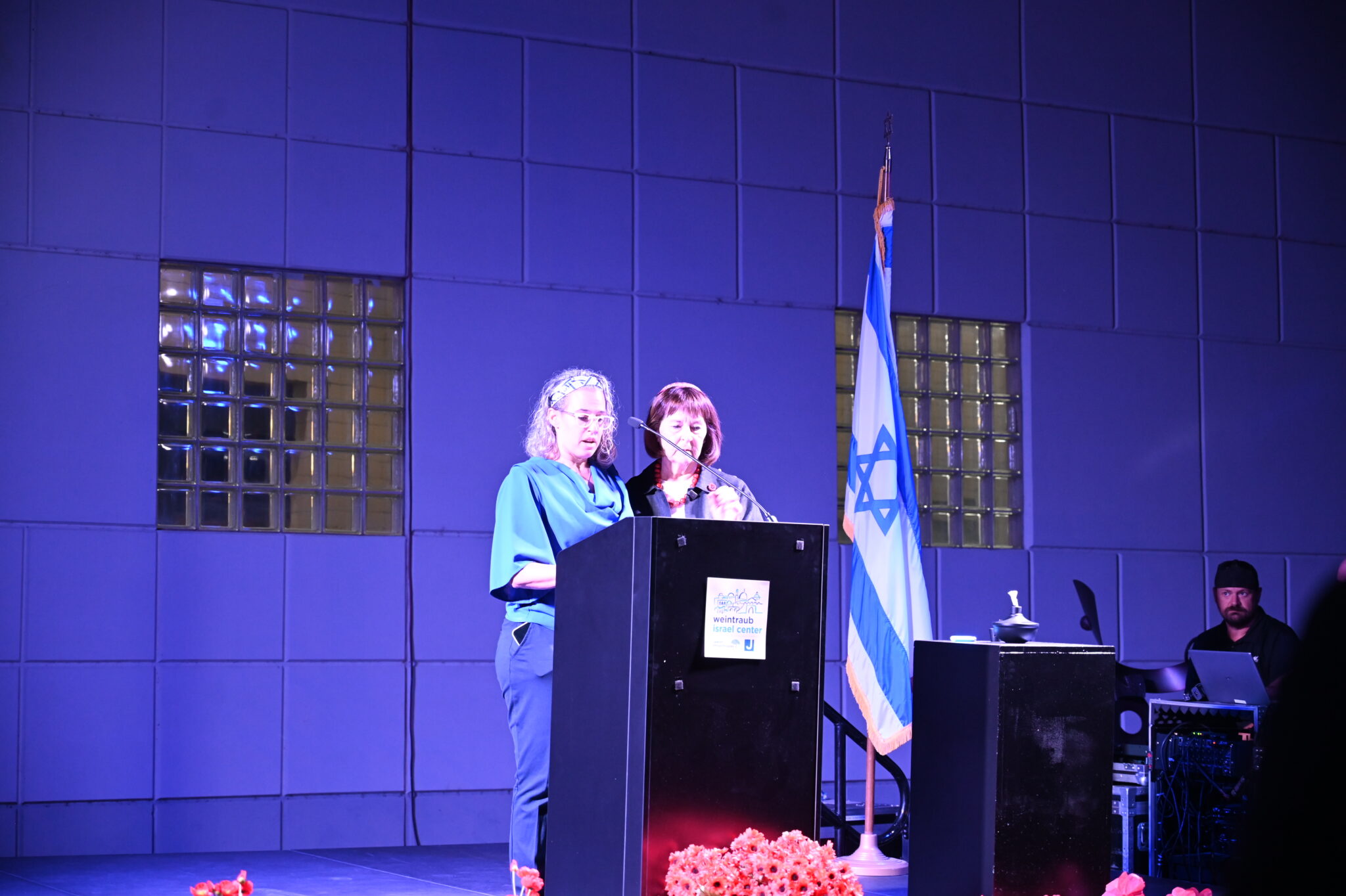
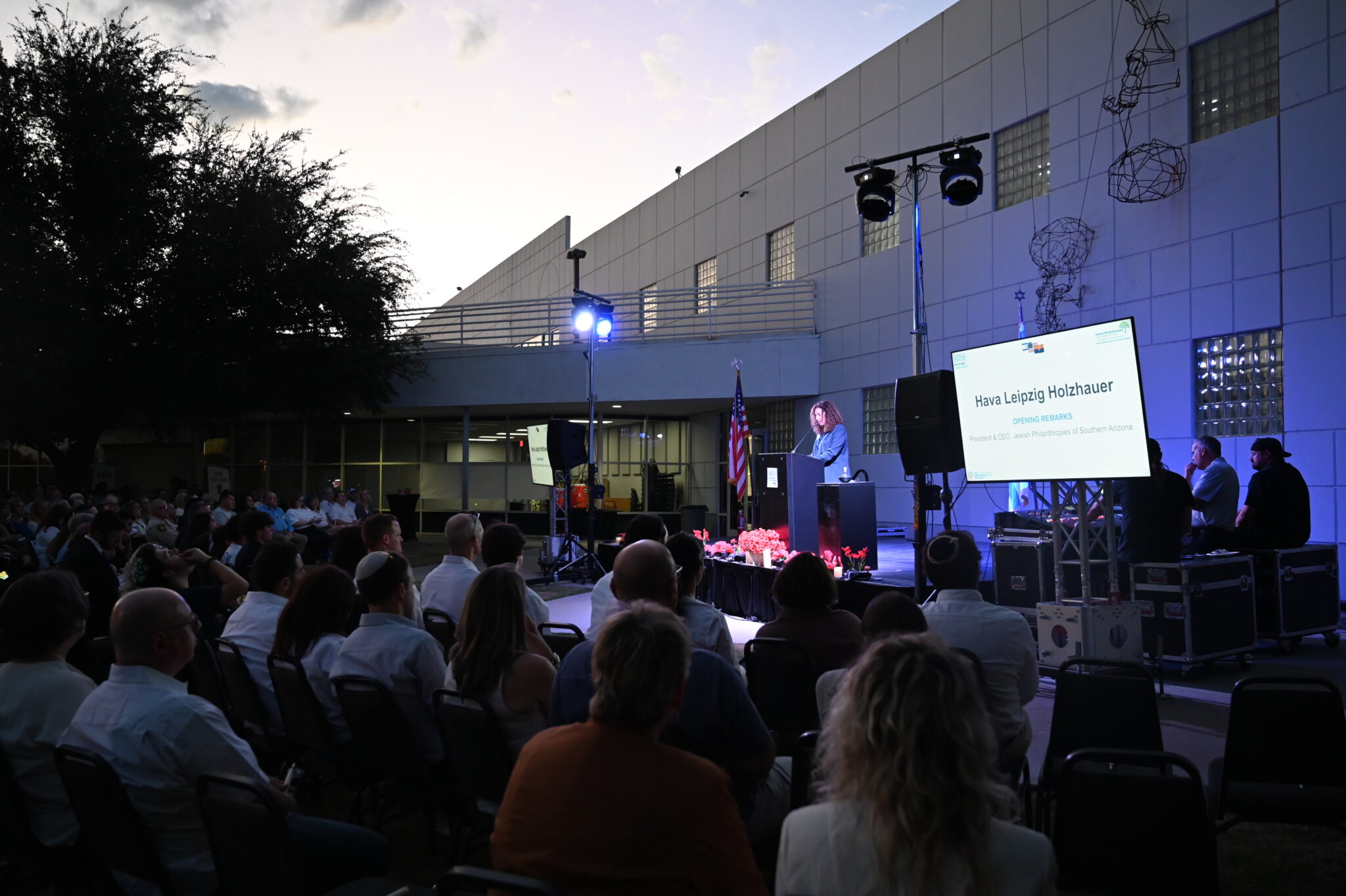
And last but certainly not least, on Wednesday, over 350 community members, including a number of local dignitaries and clergy, gathered to commemorate the third anniversary of October 7, a day that feels like both yesterday and a lifetime ago—but has forever changed history. Titled, “Kindling Hope,” the feelings of love, solidarity, hope, and community were palpable at this year’s ceremony. Highlights included hearing from Senior Community Shaliach, Shay Oren (who was also integral to the planning of the event) about his October 7th experience; prayers and songs by Rabbi Palgon, Rabbi Cohon, Rabbi Aaron, Rabbi Metz, and Rabbi Alpert; an incredibly moving story that included art and photographs presented by Uri Sharon, grandson of former Israeli Prime Minister Ariel Sharon; a torch bearing moment with several community members; and remarks by Hava Leipzig Holzhauer (President + CEO of JPSA), Ben Pozez, Dr. Molly Dunn, and Jeff Artzi (Board Chair of JPSA).  

As we enter Shabbat, may we take a moment to appreciate the goodness we create together and the many ways, both big and small, that we make our community a place where everyone can feel valued, safe, and connected. Shabbat Shalom. 

Reminders, Resources + Learning

Shavuah Tov 22 Tishrei 5787

Chag Sameach


There is something about Simchat Torah that I have always found both joyful and deeply meaningful.


After weeks of reflection, celebration, gathering, and renewal from Rosh Hashanah and Yom Kippur through Sukkot we arrive at Simchat Torah, the final celebration of this season of Chaggim. We dance with the Torah. We celebrate its words. We read its final verses.


And then, almost without taking a breath, we begin again.


We move from the final words of Deuteronomy immediately back to the opening words of Genesis: Bereishit bara Elohim “In the beginning…”


We finish, and we begin.


To me, that is one of Judaism’s most beautiful expressions of resilience.

There is no moment when we say, “We have finished Torah. We understand it now.” Instead, we roll the scroll back and begin again, trusting that there is more for us to discover.


Pirkei Avot teaches:


“Turn it and turn it again, for everything is in it.”
—Pirkei Avot 5:22


The words of Torah have not changed since we read them last year.


But we have.


We have experienced another year of joy and disappointment, accomplishment and challenge, celebration and loss. We have built relationships, made mistakes, learned lessons, changed our minds, and hopefully grown.


And because we are different, the same words can speak to us differently.


Perhaps that is one of the great invitations of Simchat Torah: not simply to begin the Torah again, but to begin ourselves again.


It invites us to ask some big questions:


How have we grown?


What have we learned?


What should we do more of?


What should we do less of?


What should we carry with us into the next cycle and what might we be ready to leave behind?


Here at the Tucson J, we are asking ourselves these same questions.

We do so not simply as an organizational exercise, but because learning, reflection, and renewal are essential to fulfilling our responsibility to you, your families, and our community.


Our Service Pledge remains our North Star:


“We create community based on Jewish Values by providing the highest quality programs and services in a safe and secure environment for all people of all ages.”


Those words remain the same. But just like Torah, we must continually ask what they require of us now.


How can we serve you better? Where do we need to grow? What have we learned from the past year? What should we strengthen? What should we change? What should we stop doing so that we have the capacity to do the things that matter most exceptionally well?


There is another Jewish teaching that feels especially appropriate. The Book of Lamentations tells us:


“Chadashim lab’karim, rabbah emunatecha” “They are renewed every morning; great is Your faithfulness.”
—Lamentations 3:23


Renewal is not reserved for one moment. We are given the opportunity to begin again and again.


That is resilience.


Naomi Shemer captured a similar spirit in Od Lo Ahavti Dai “I Have Not Yet Loved Enough.” The song looks toward all that remains ahead—all there is still to experience, create, love, and accomplish. It is not a rejection of what has come before. It is a declaration that we are not finished yet.


And then there is Joni Mitchell’s beautiful The Circle Game


The seasons go round and round. The years move forward. We cannot stop their turning. Yet each time around the circle, we see the world from a slightly different place.


That feels particularly right for Simchat Torah.


We return to Bereishit, but we are not standing where we stood a year ago.


The Torah is the same.


The circle continues.


We have changed.


My hope for our J in the year ahead is that we have the courage to keep turning it and turning it again to listen, learn, question, grow, and sometimes change course. To hold tightly to our values while remaining open to discovering new ways to bring them to life.


Simchat Torah reminds us that reaching the end is not really an ending.

It is an invitation to take everything we have learned, roll the scroll back, and begin again with greater wisdom, deeper purpose, renewed energy, and hope for what is still possible.


Chag Sameach. May we dance, may we learn, may we grow and may we have the resilience to keep beginning again.


Cochenu b’Achduteynu | כחינו באחדותינו | Our strength is in our unity.


Am Yisrael Chai 
| עם ישראל חי

Todd Rockoff

President + CEO, Tucson J 

From the Desk of Jennifer Lorch Selco | Sr. Director of Jewish Life + Engagement

Shabbat Shalom
Shabbat Shalom

From the Desk of Jennifer Lorch Selco | Sr. Director of Jewish Life + Engagement 

I

After the week-long celebration of Sukkot, we celebrate Shemini Atzeret and Simchat Torah. On Simchat Torah, we read the closing portion of the Torah, V’Zot HaBracha (Hebrew for “And This Is the Blessing”), and then immediately begin the opening portion, Beresheet (Hebrew for “In the Beginning”).

The Torah ends with the word Yisrael (Israel), whose final letter is lamed (“l”). The first word of the Torah is Beresheet (“b”). The last verse is read in the same breath as the first, reminding us that the cycle of Torah and learning is continuous. Together, the final and first sounds form the word lev, Hebrew for “heart.” The Torah is often described as the heart of the Jewish people. Its stories, wisdom, questions, and teachings travel with us across time and place. We return to them again and again, finding something new in familiar words and discovering that the learning is never truly finished.

In Pirkei Avot, Ethics of the Ancestors, Ben Bag-Bag teaches:

“Turn it over, and turn it over again, for everything is in it. Look into it; grow old and gray in it; and do not move away from it, for you have no better portion than it.” – Pirkei Avot 5:22

The beauty of Simchat Torah is that it is an annual invitation to begin again, not because we have finished learning, but because there is always more to discover. We turn the Torah over and over, carrying its stories and questions with us as we move through our lives. And while the text remains the same, we change. We return to the same words with new experiences, new questions, and new perspectives, and in doing so, the Torah meets us anew.

Chazak, chazak v’nitchazek — Be strong, be strong, and may we be strengthened by one another.

We return to the Torah week after week, year after year, carrying with us the experiences, questions, and perspectives that have shaped us along the way. The words may be the same, but we are always changing and there is always something new to discover. The same is true of our community here at the Tucson J. We come together again and again—to learn, move, celebrate, connect, and create. Each time we return, we bring something new with us, and each interaction has the potential to deepen our connection to ourselves and to one another.

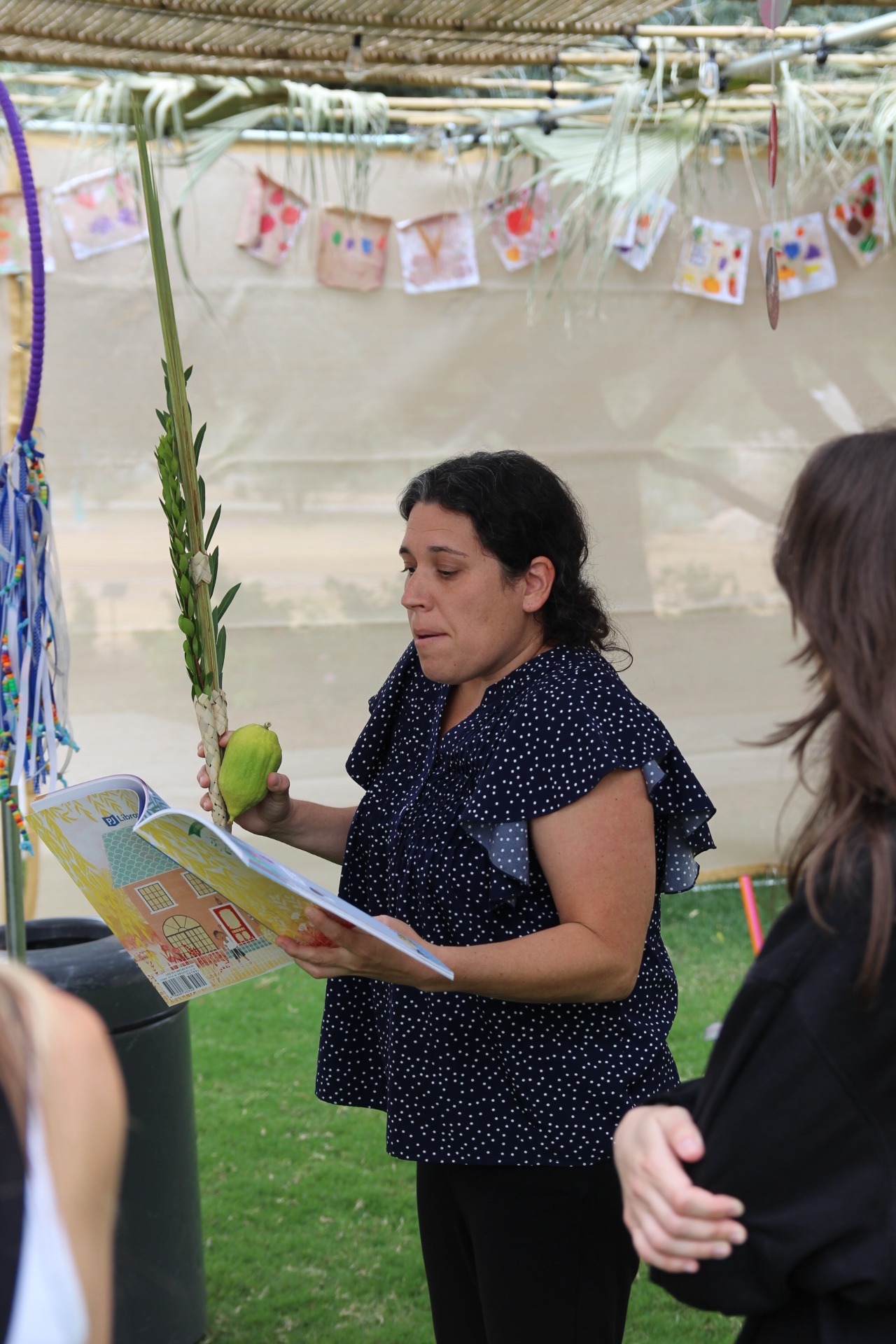
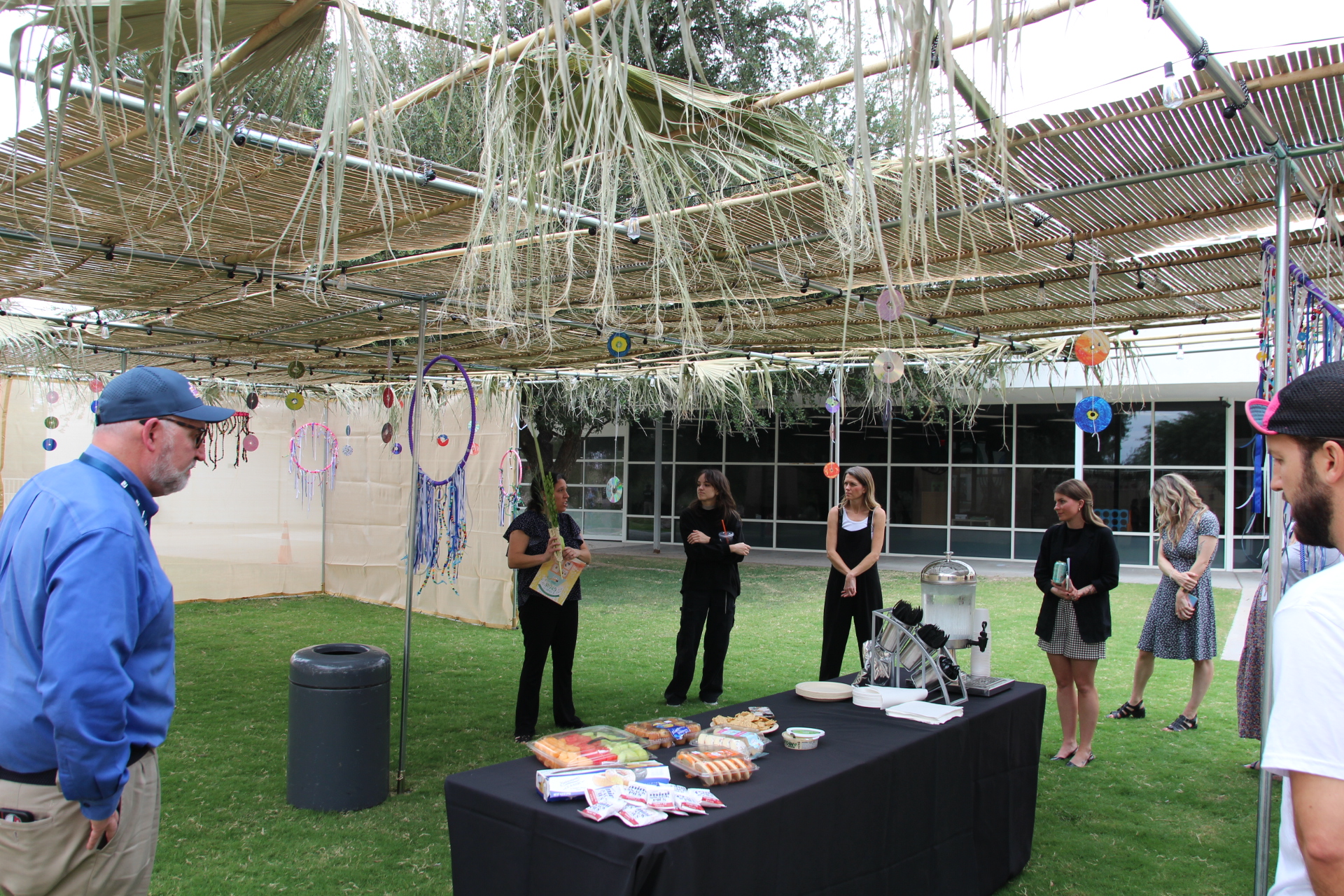
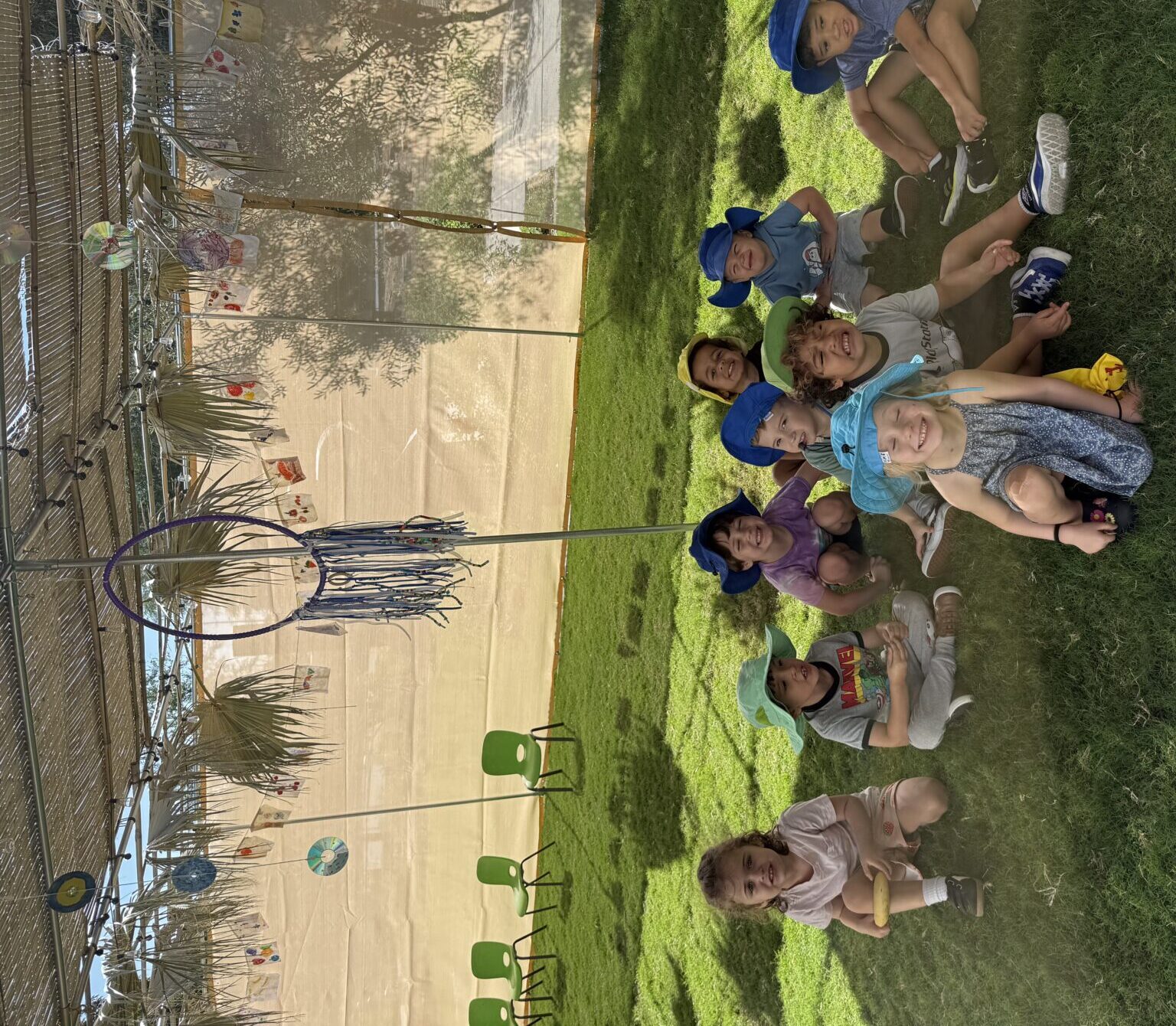
This week at the J we embraced the joy of Sukkot, spending time in the sukkah and with one another. On Monday, the leadership team gathered together for a moment of Jewish learning, enjoyed a nosh, and took turns shaking the lulav and smelling the etrog. 

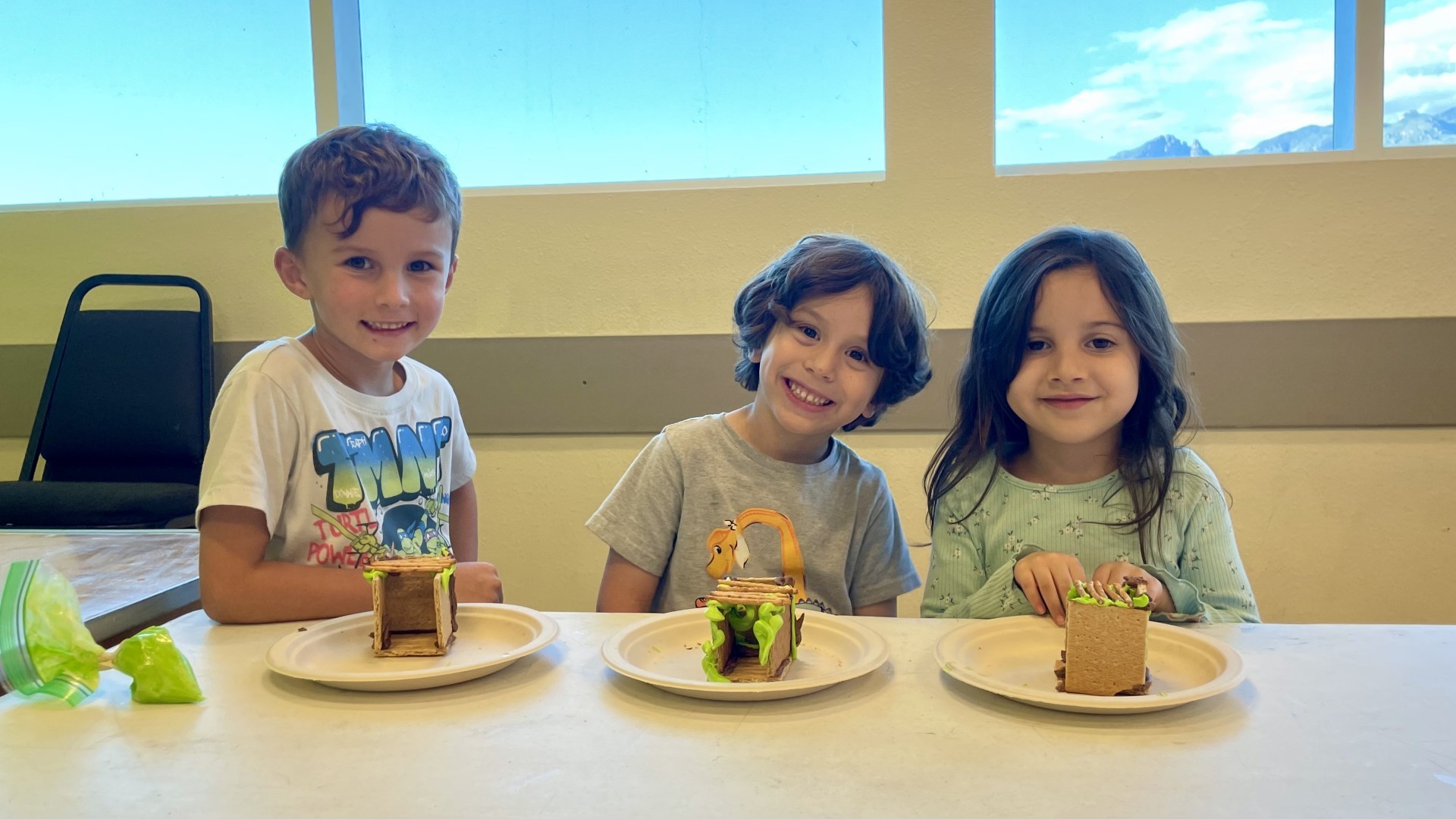
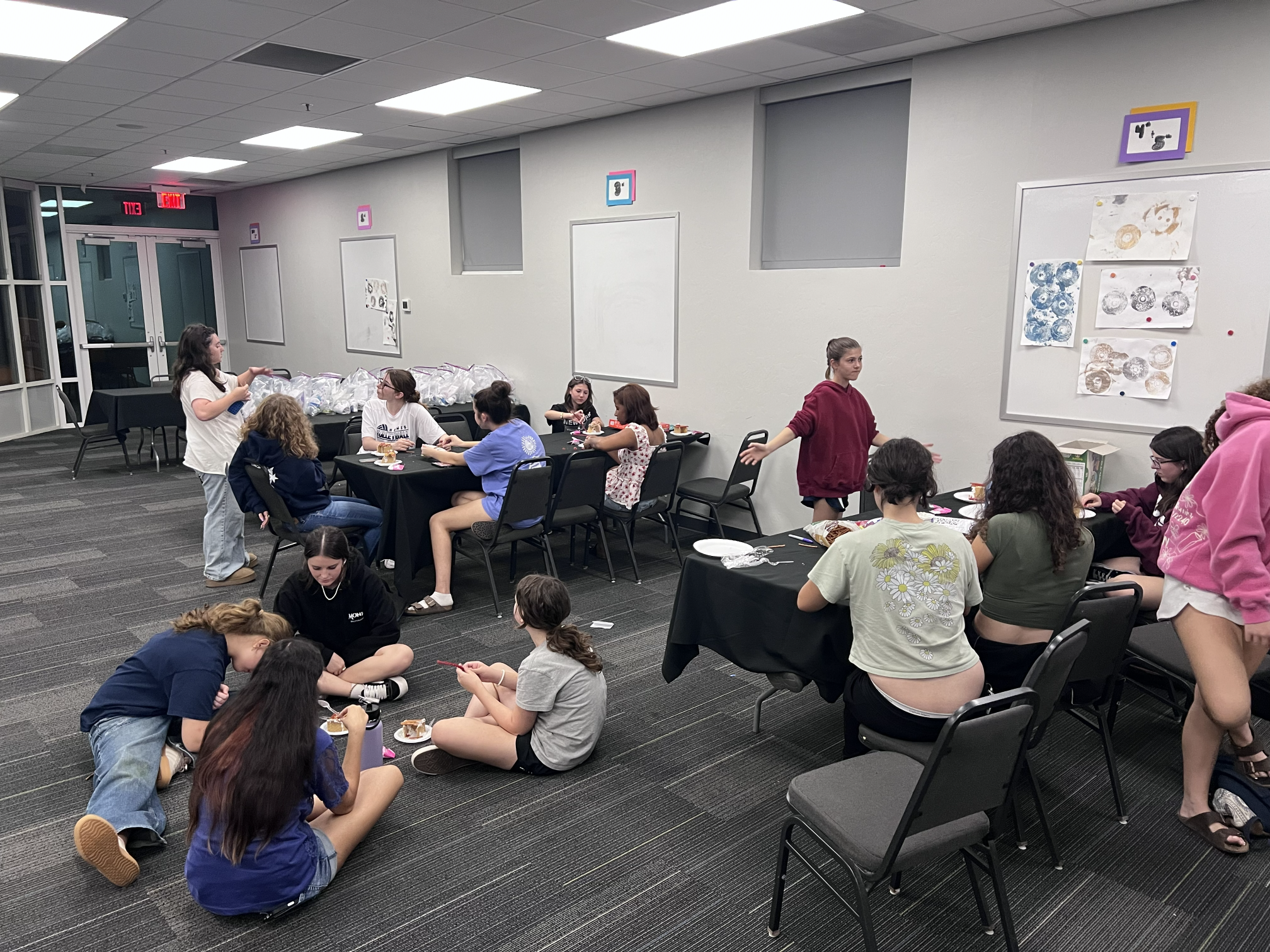
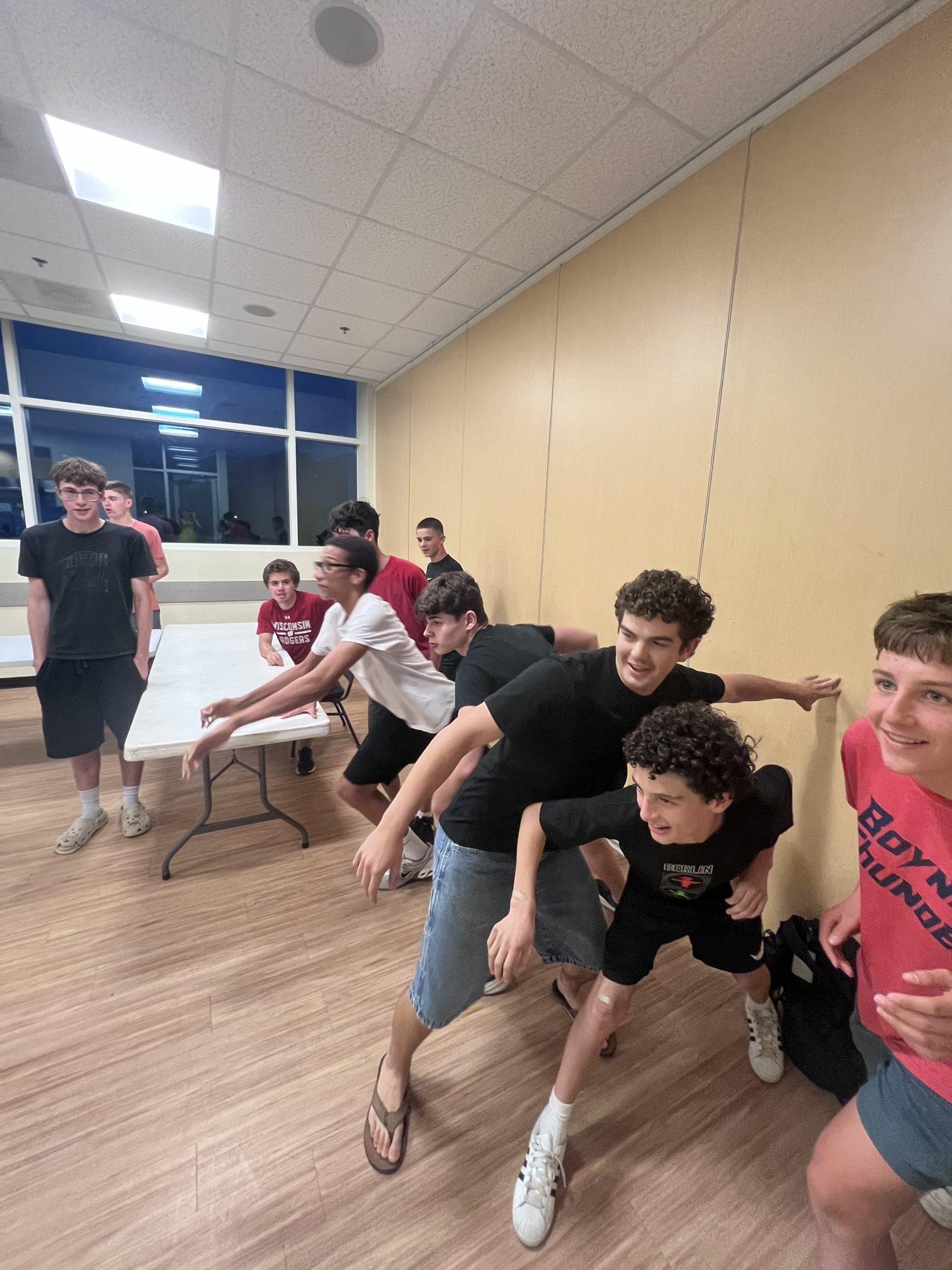
On Tuesday, teens in BBYO celebrated the holiday with a cooking competition and candy sukkah-making! Wednesday, kids in our JCare afterschool program joined in the foodie fun, making graham cracker sukkahs. And, all week long, children in Early Childhood Education gathered in the sukkah for stories and snacks. This evening, a group of young adults will celebrate Shabbat in the sukkah with a potluck. 


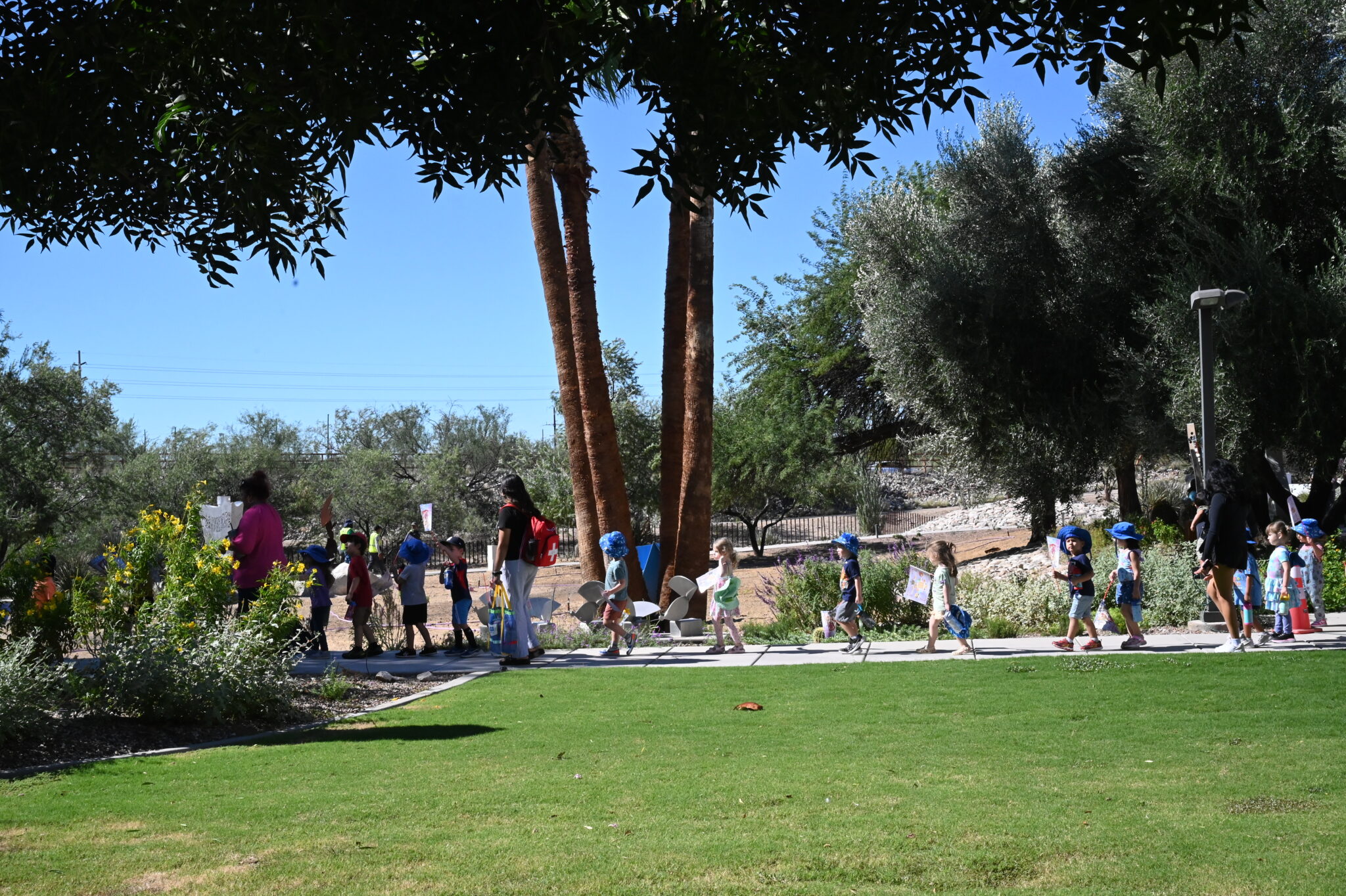
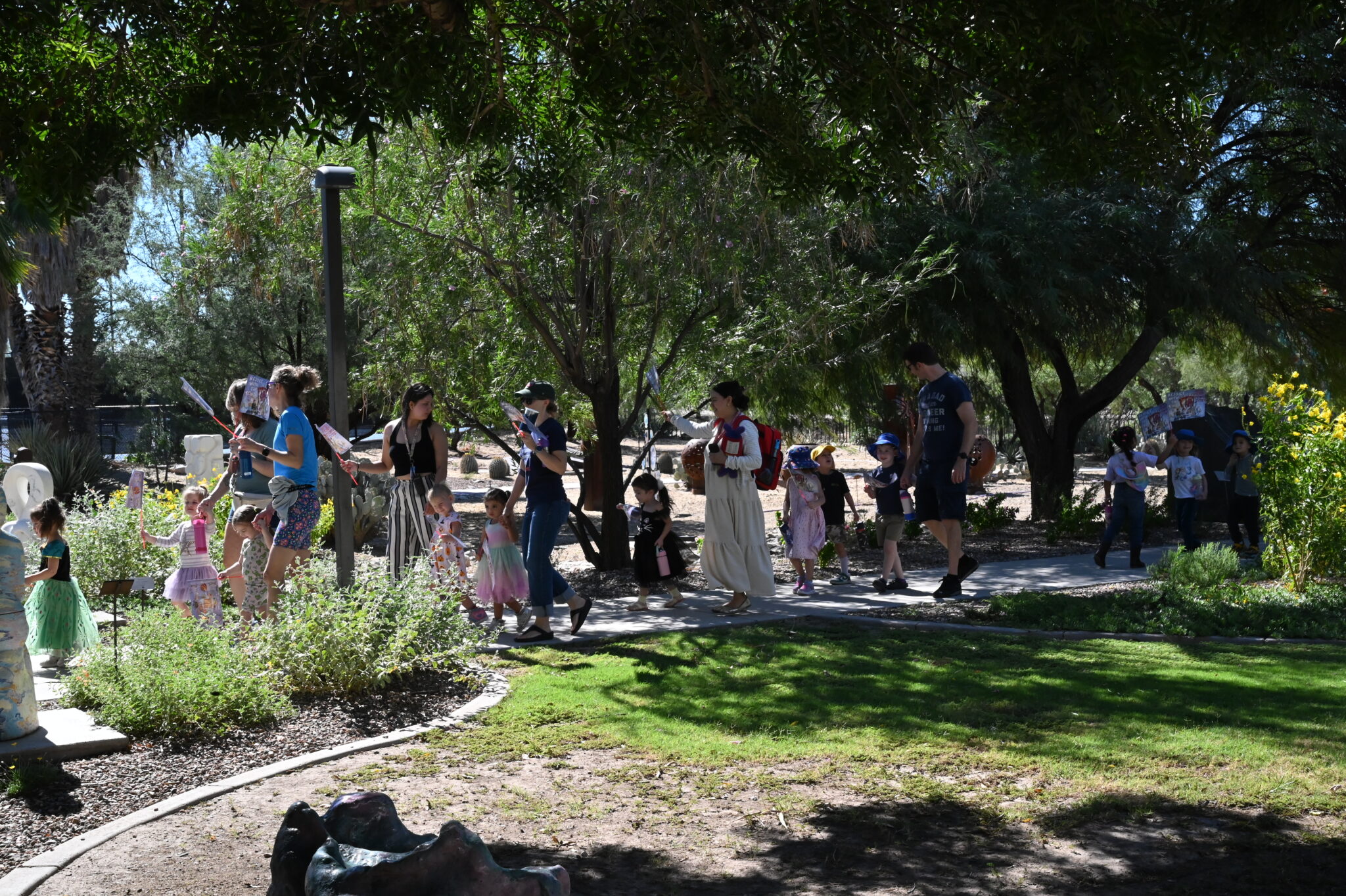
Just this morning, as we say goodbye to Sukkot and hello to Shemini Atzeret and Simchat Torah, ECE, joined by their families and J staff, made their way around the Jill Rosenzweig Memorial Sculpture garden in a parade. 


As we move into Shabbat after a busy, reflective, and joyful holiday season, we invite you to find a moment of stillness, savor it, and carry it into the week ahead. Shabbat Shalom. 

Reminders, Resources + Learning