


From the Desk of Yeshaya Levin | Tucson Torah Center
I’m often struck by the sheer volume of meaningful and relevant ‘everyday’ lessons that can be gleaned through studying the weekly Torah portion. Many of these pearls inspire, some leave you lost in thought, and others… are frankly humbling.
In this week’s portion Tazria/Metzorah we are introduced to a skin disease, Tzara’at. This is no ordinary dermatological condition. Tzara’at was a spreading rash that one would miraculously contract if they transgressed certain sins and misbehaviors; most notably, speaking Lashon Hara (gossip). I’m sure the condition was physically painful, but the most defining attribute of the experience was that a Metzorah (someone inflicted with Tzara’at) would be forced to live outside the camp, alone, until they repented and healed. A process that could easily take weeks.
I was always left with a question:
I can understand the necessity, and even kindness, of a divine punishment – G-d cares about us, He wants us to stop self-damaging behaviors, He wants us to repent and come closer to Him. But why does the punishment necessitate such complete isolation? What happened to Bikur Cholim? Why isn’t the physical illness bad enough?
Let me share with you a beautiful answer that I recently found:
In order to help people appreciate what they did wrong and do T’shuva (repent) G-d gives hardships that mirror the wrongdoing – a concept called Midah k’neged Midah. When somebody speaks Lashon Hara – even if their intention is not malicious, even if the information is true, even if it’s a joke! – they cause strife and distrust amongst those who are listening. Just as they’ve isolated others, even if only subtly, they themselves must be isolated to appreciate the impact that their words can have.
What a poignant lesson in the effect of our simple words. But let us not forget, we can harness this same power of speech in a positive way: to speak with kindness, to repair relationships, and ultimately, to bring unity.
We must remember how powerful our words are. Long after we remember what we said, others will carry around the impressions we transmitted. Often, for the rest of their lives.
Good Shabbos and Shabbat Shalom!
Torah portion Tazria/Metzorah also speaks to how a community responds when one of its members is unwell—physically, emotionally, or spiritually. Even in moments of separation or isolation, the focus remains on healing and moving forward, reminding us that our greatest strength lies in how we care for and uplift one another. This week at the J, this lesson came to life in moments of learning and creativity and remembrance and connection.
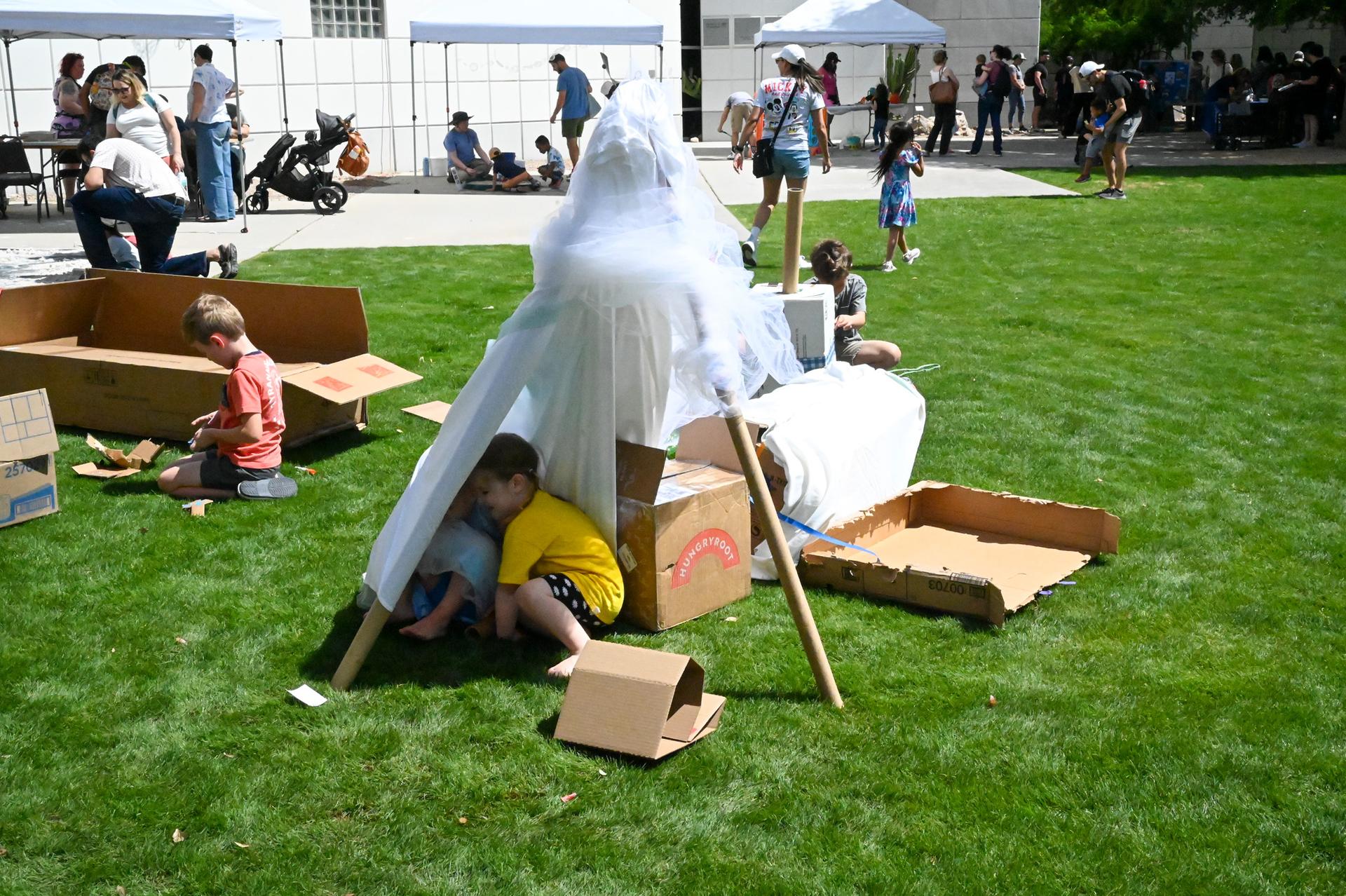
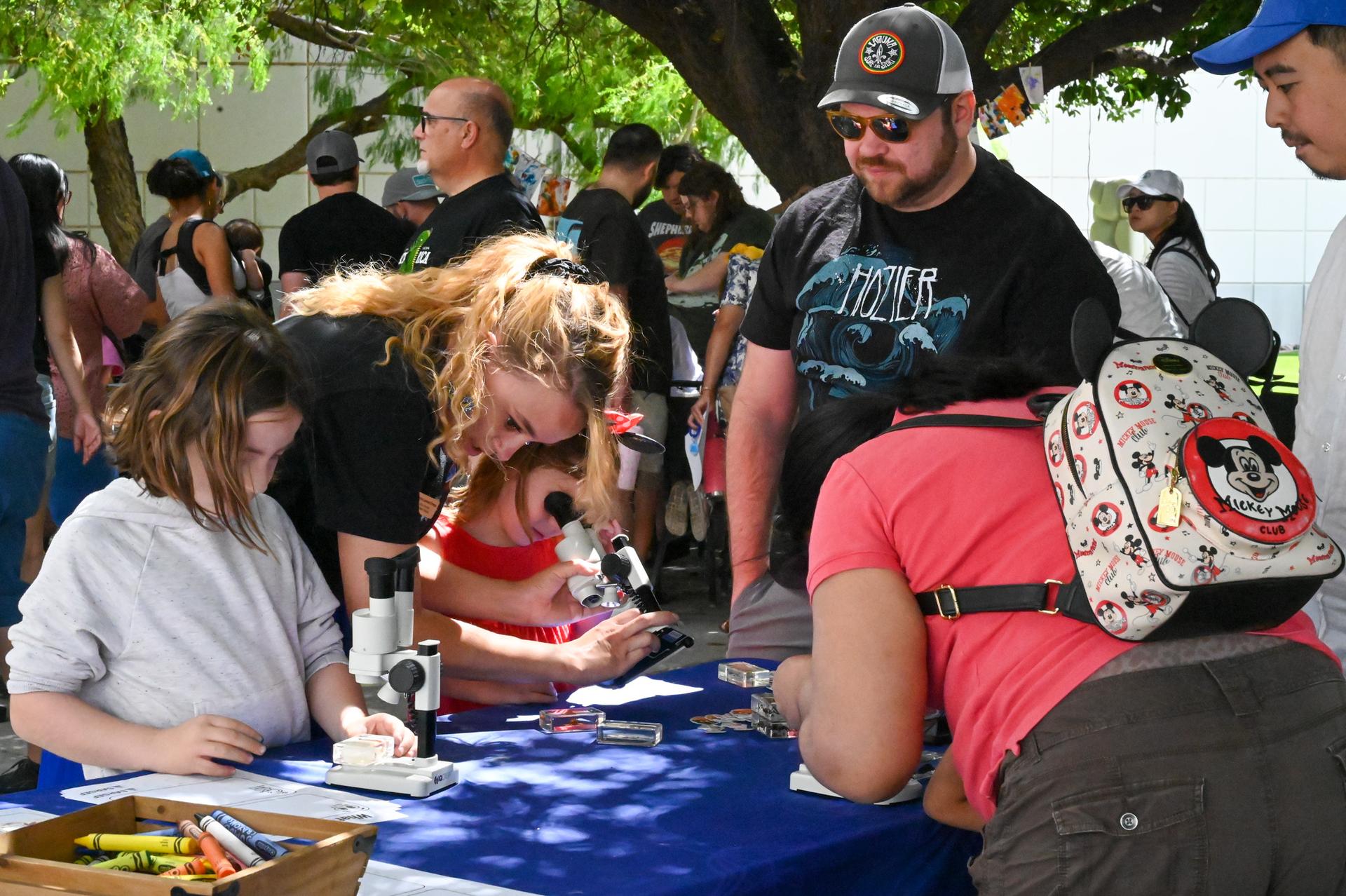
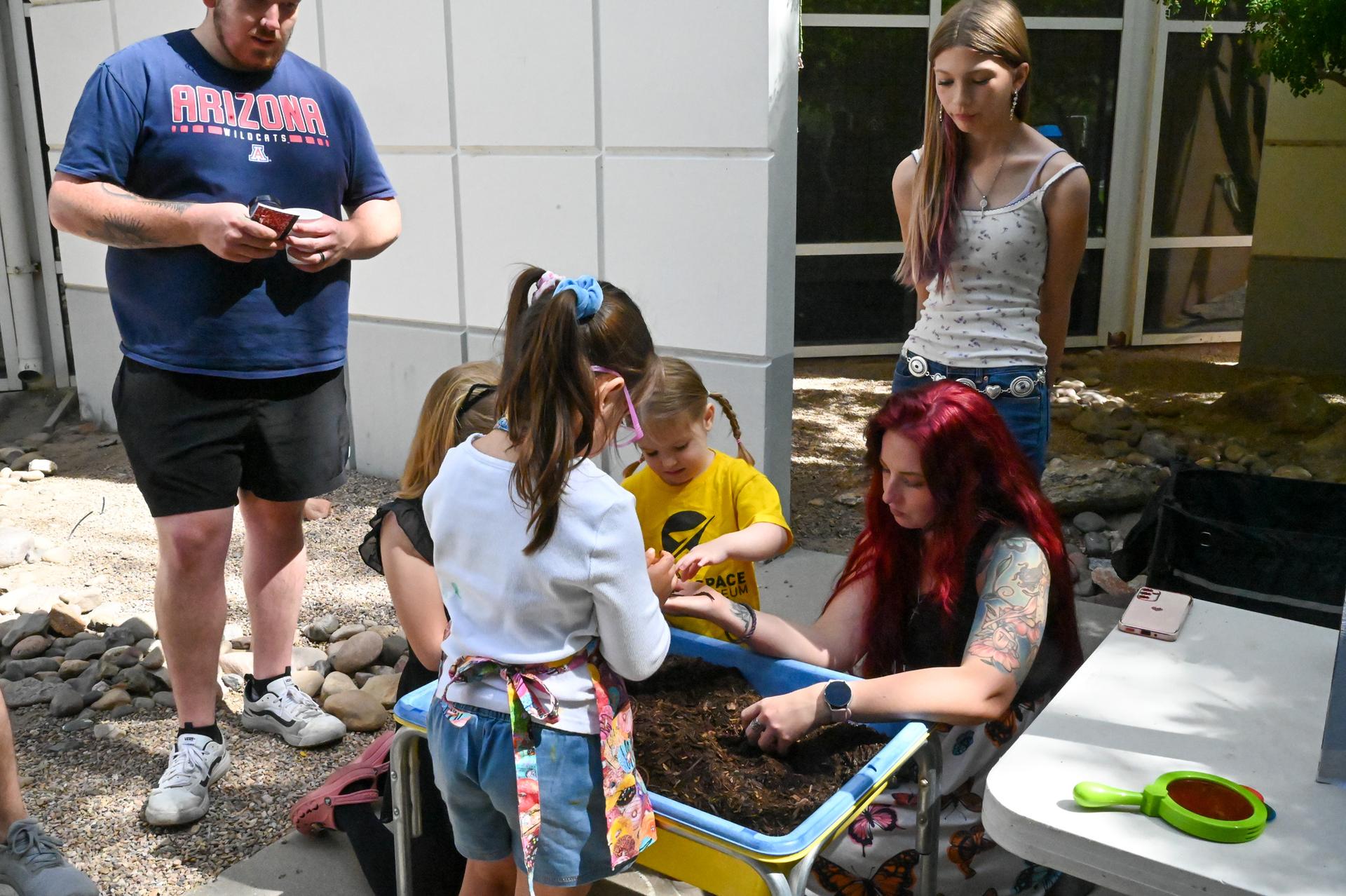
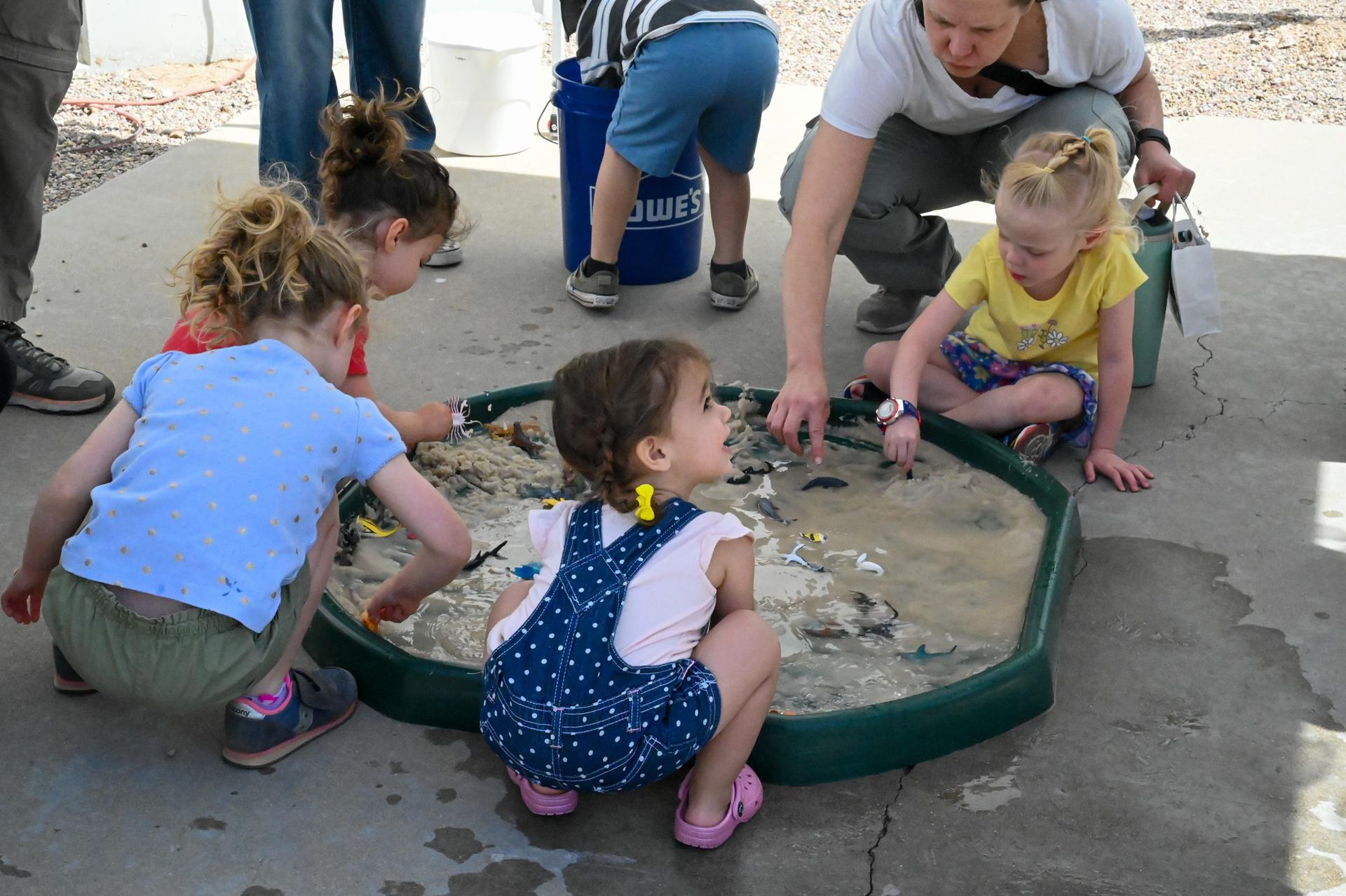
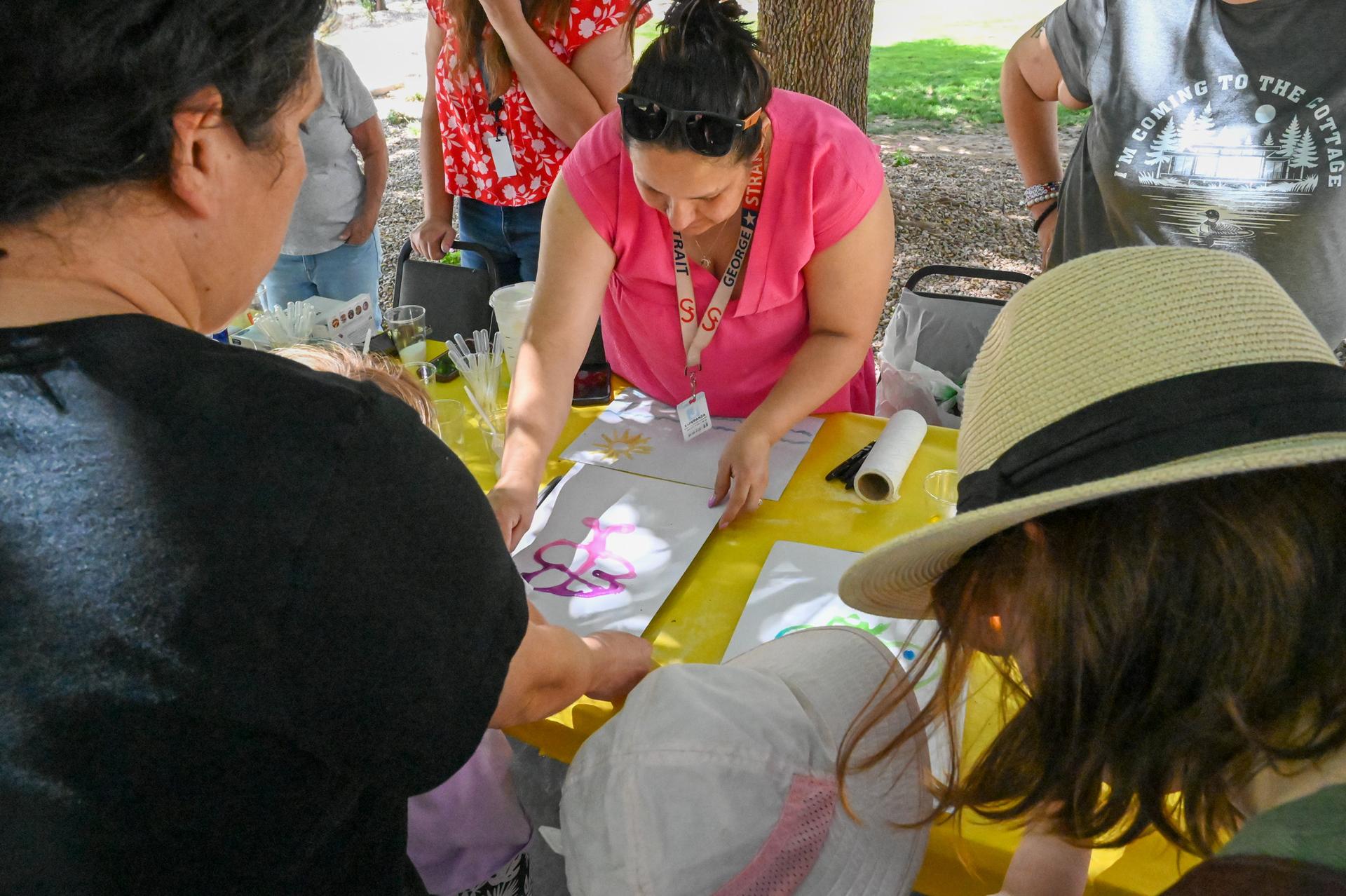
On Sunday morning, hundreds of families from across Tucson gathered in the Jill Rosenzweig Memorial Sculpture Garden for our annual STEAM Sunday event, organized by our Early Childhood Education team. With perfect spring weather and tons of engaging activities from building with cardboard boxes, to playing with real worms, to a multitude of art projects, curious kids experimented and explored to their hearts content. You can read more about our approach to STEAM learning here!
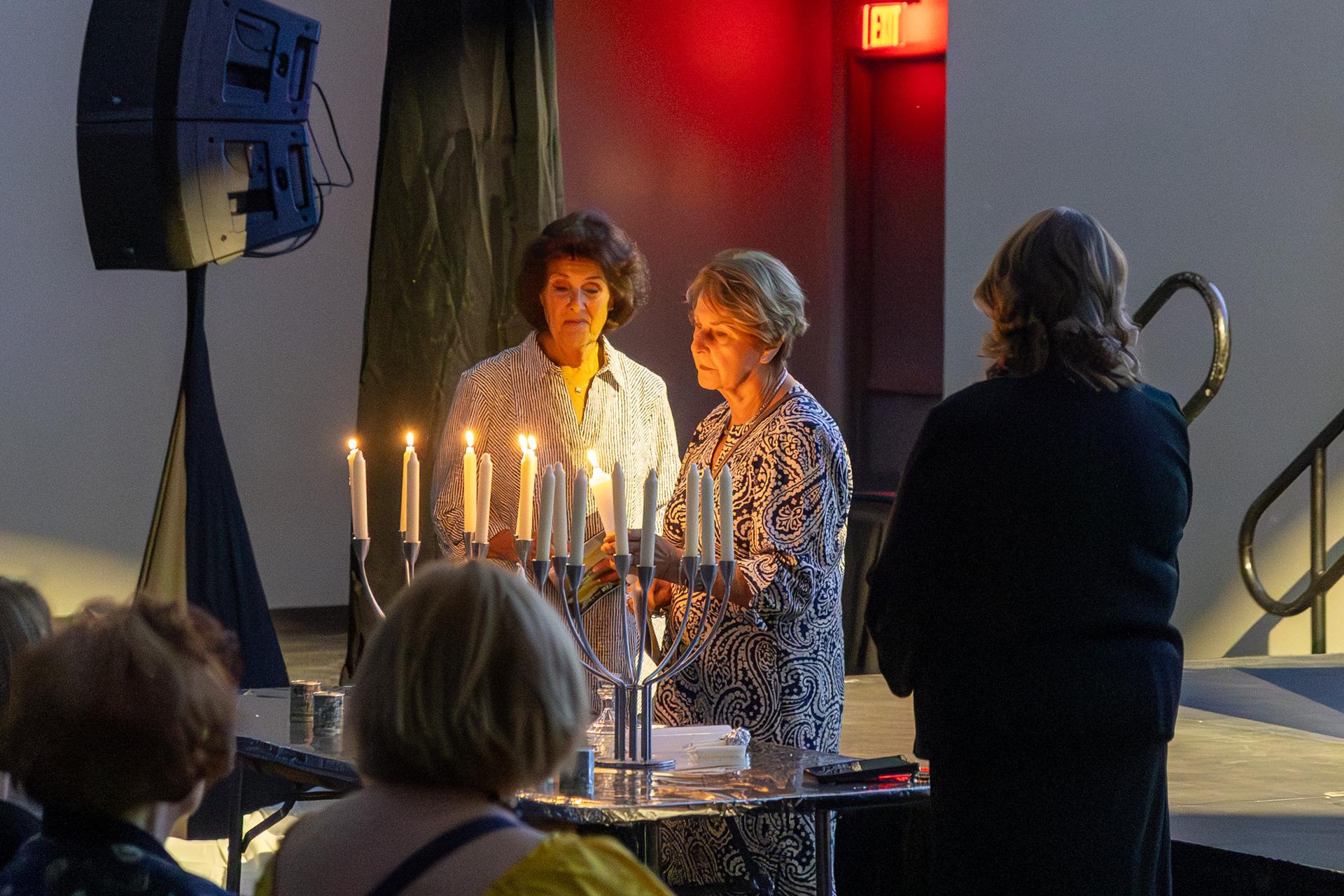
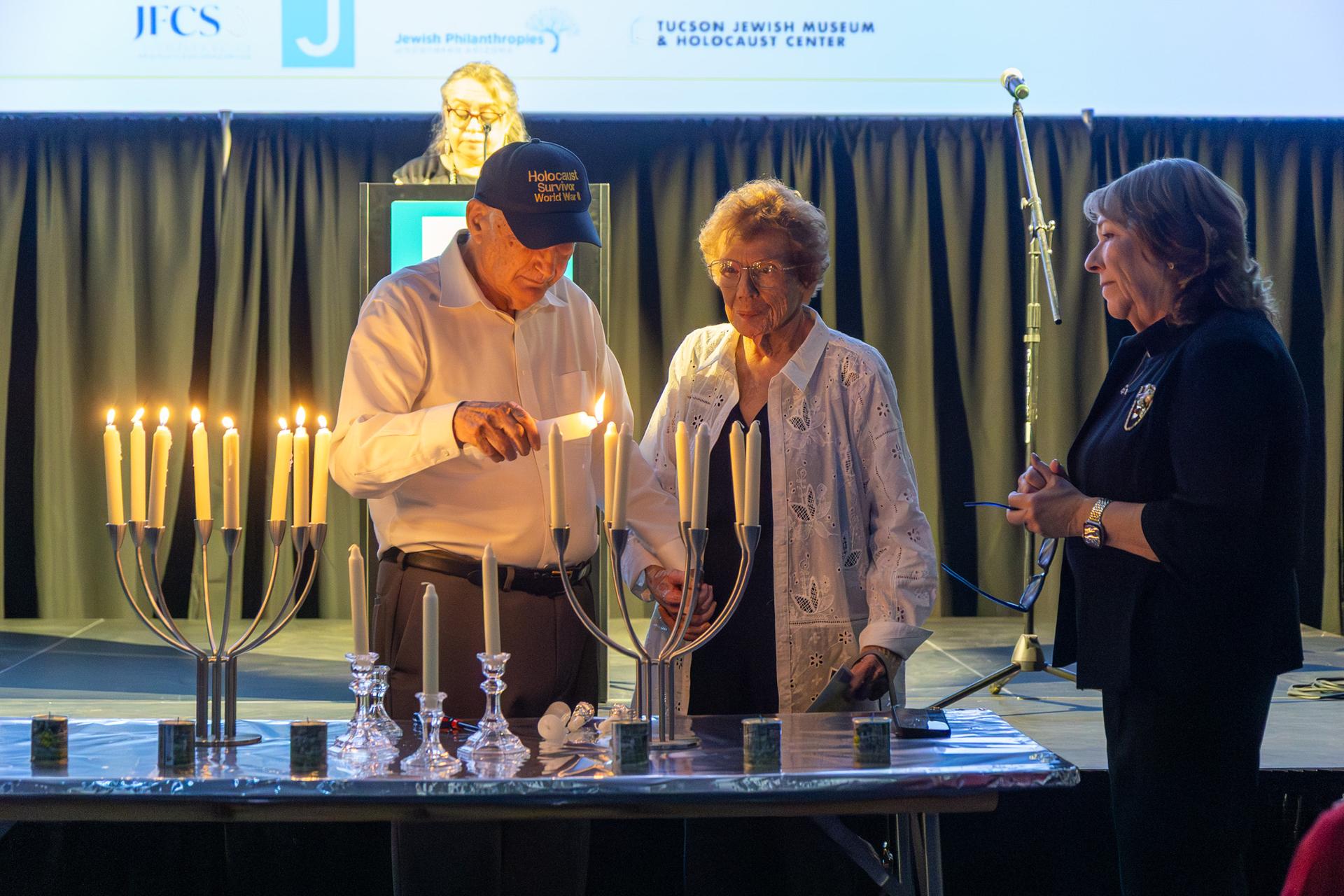
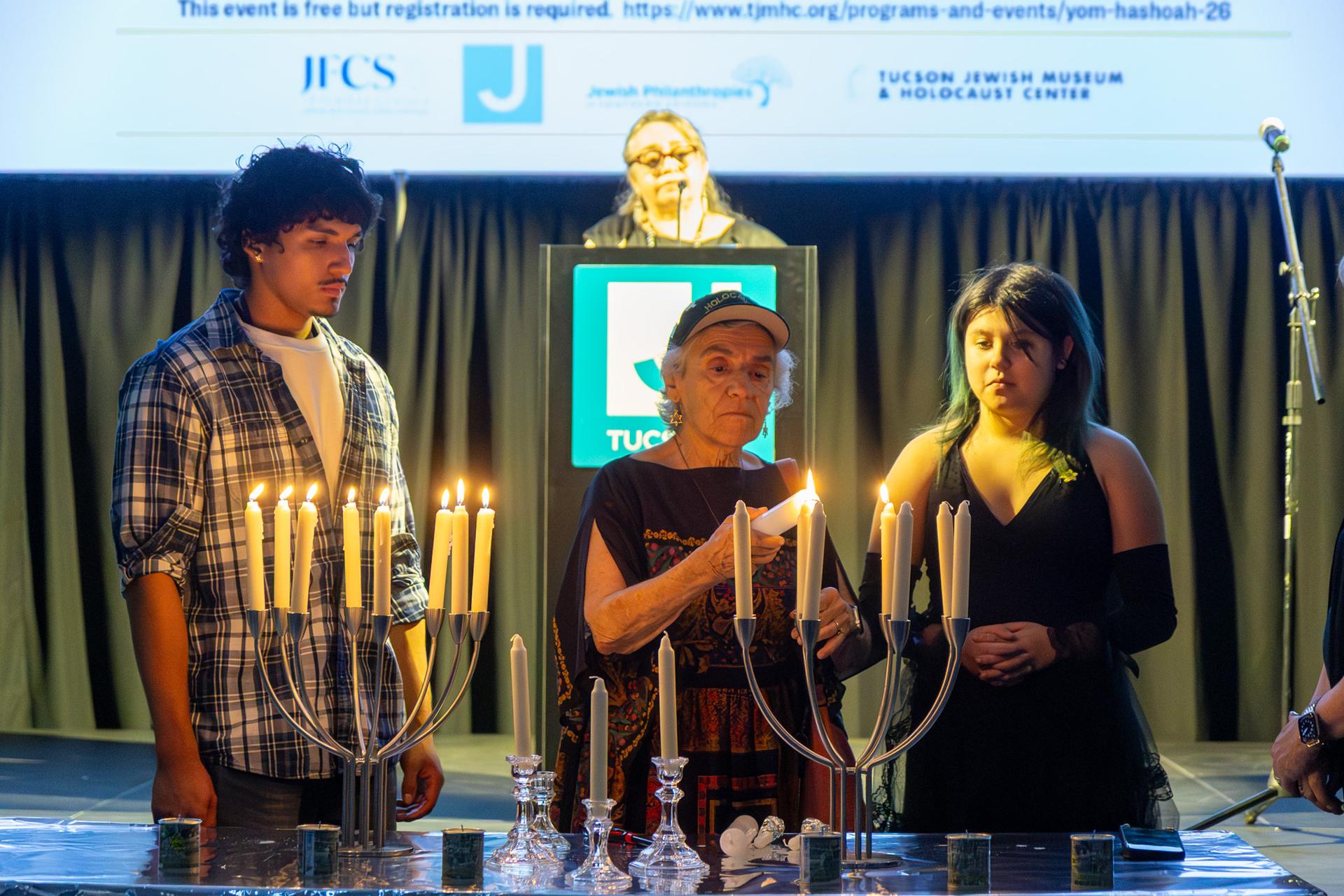
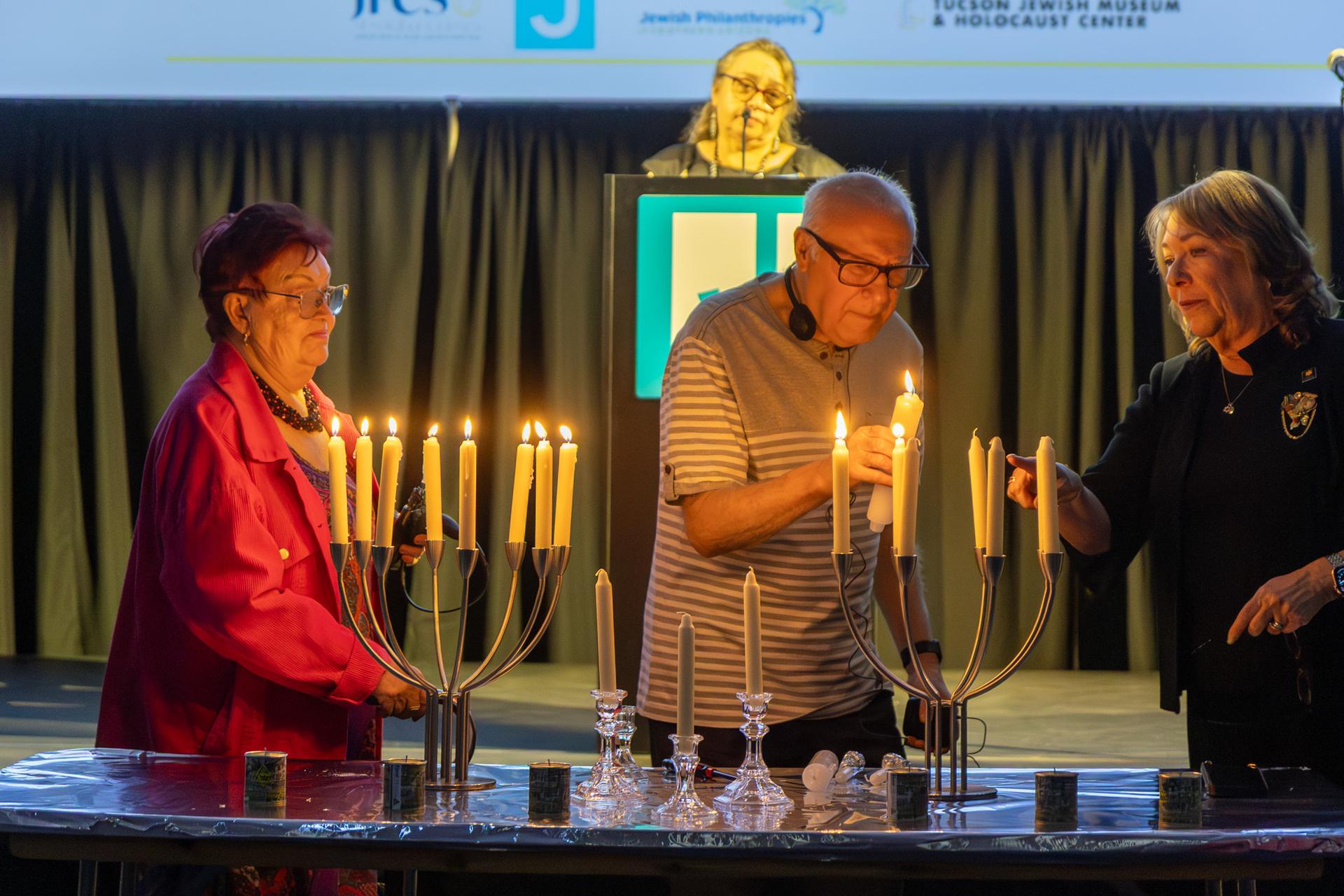
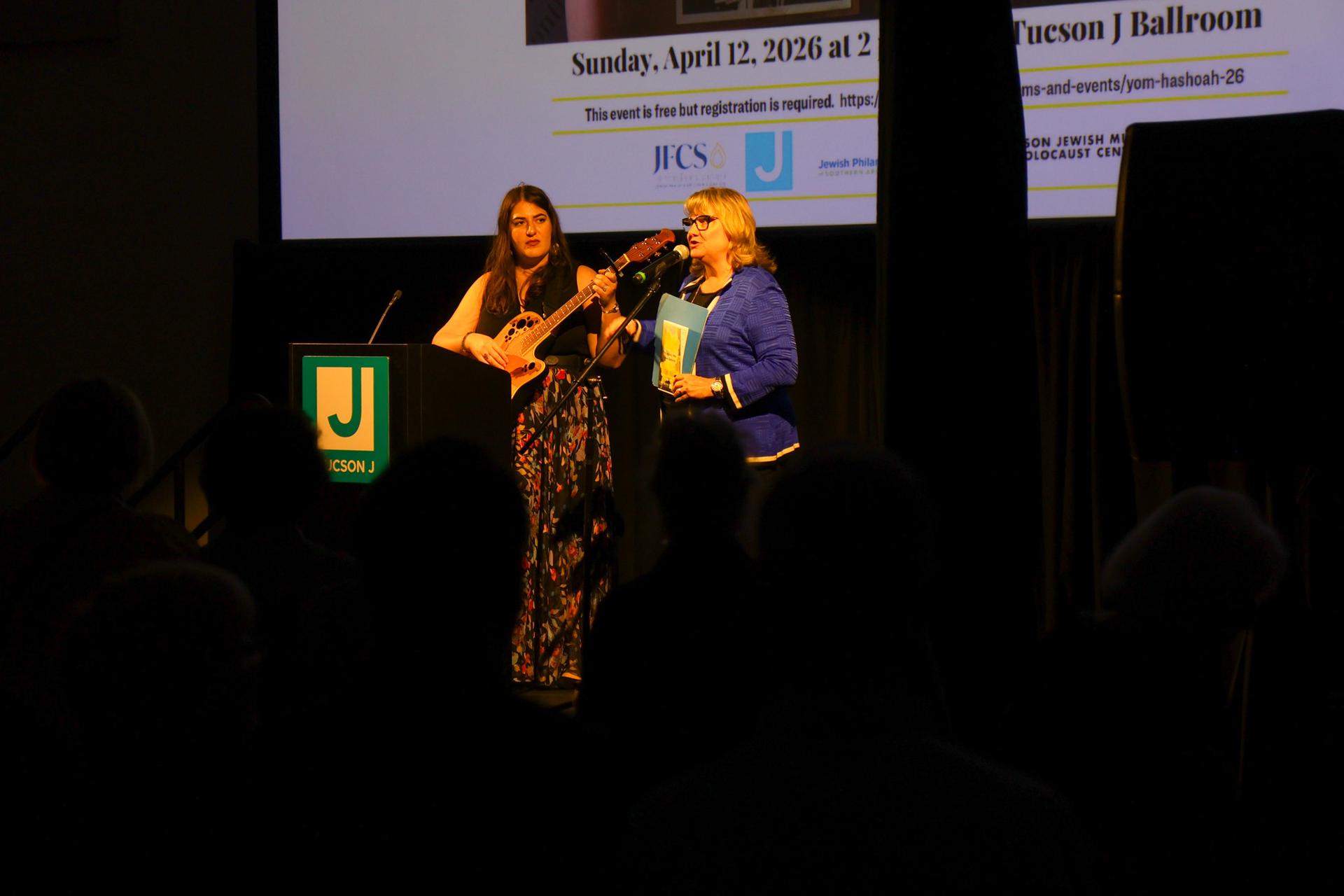
Following STEAM Sunday, community members came together to commemorate Yom HaShoa, Holocaust Remembrance Day. Presented by the Tucson Jewish Museum + Holocaust Center, Jewish Philanthropies of Southern Arizona, Jewish Family + Children’s Services, and the Tucson J, the ceremony honored the incredible capacity of the human spirit to find joy and make meaning, paid tribute to the strength and resilience of local survivors, and commemorated the lives of those who perished. Every day, but especially on this day, we are committed to remembering and continuing the enduring legacy of our global Jewish community.
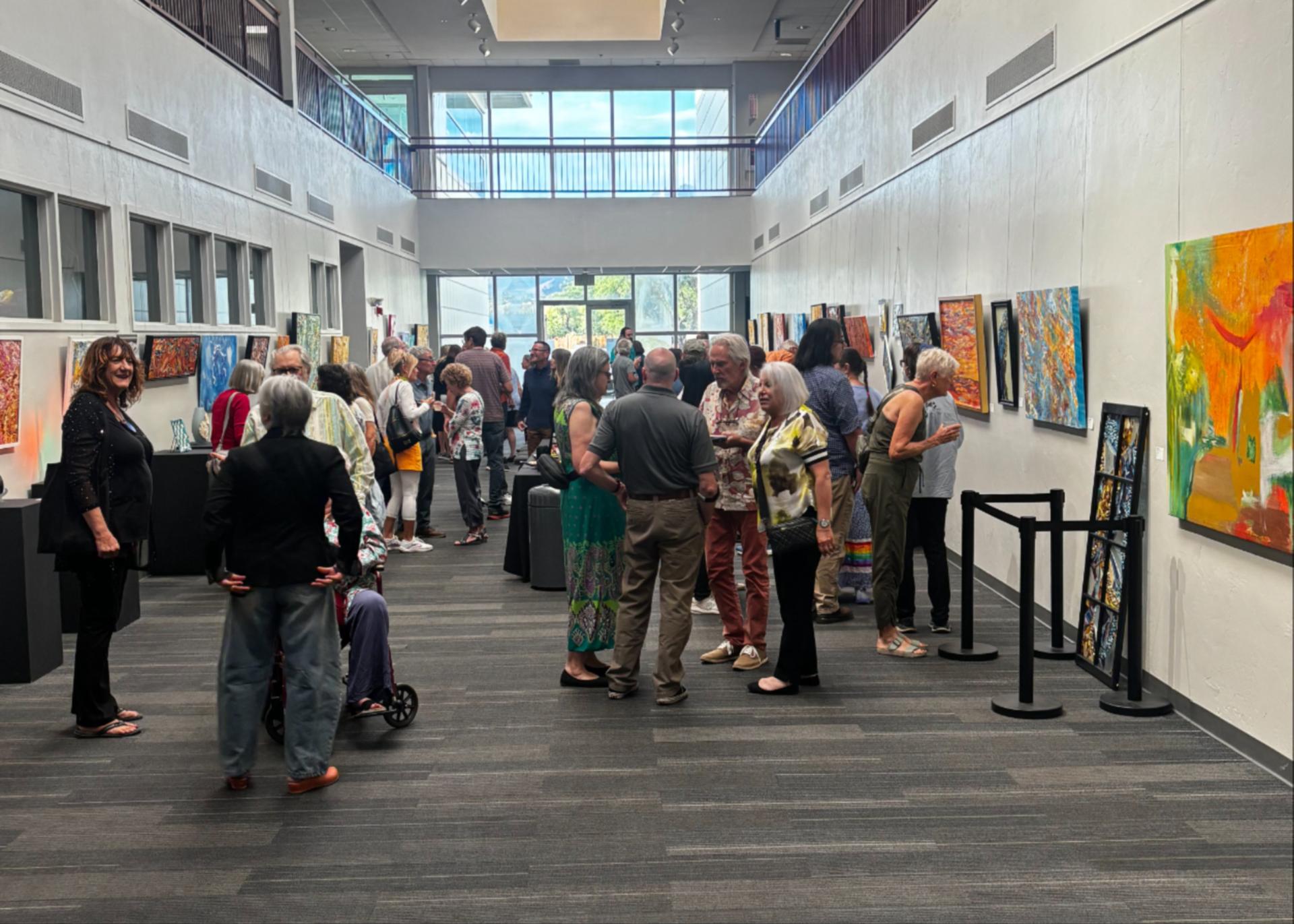
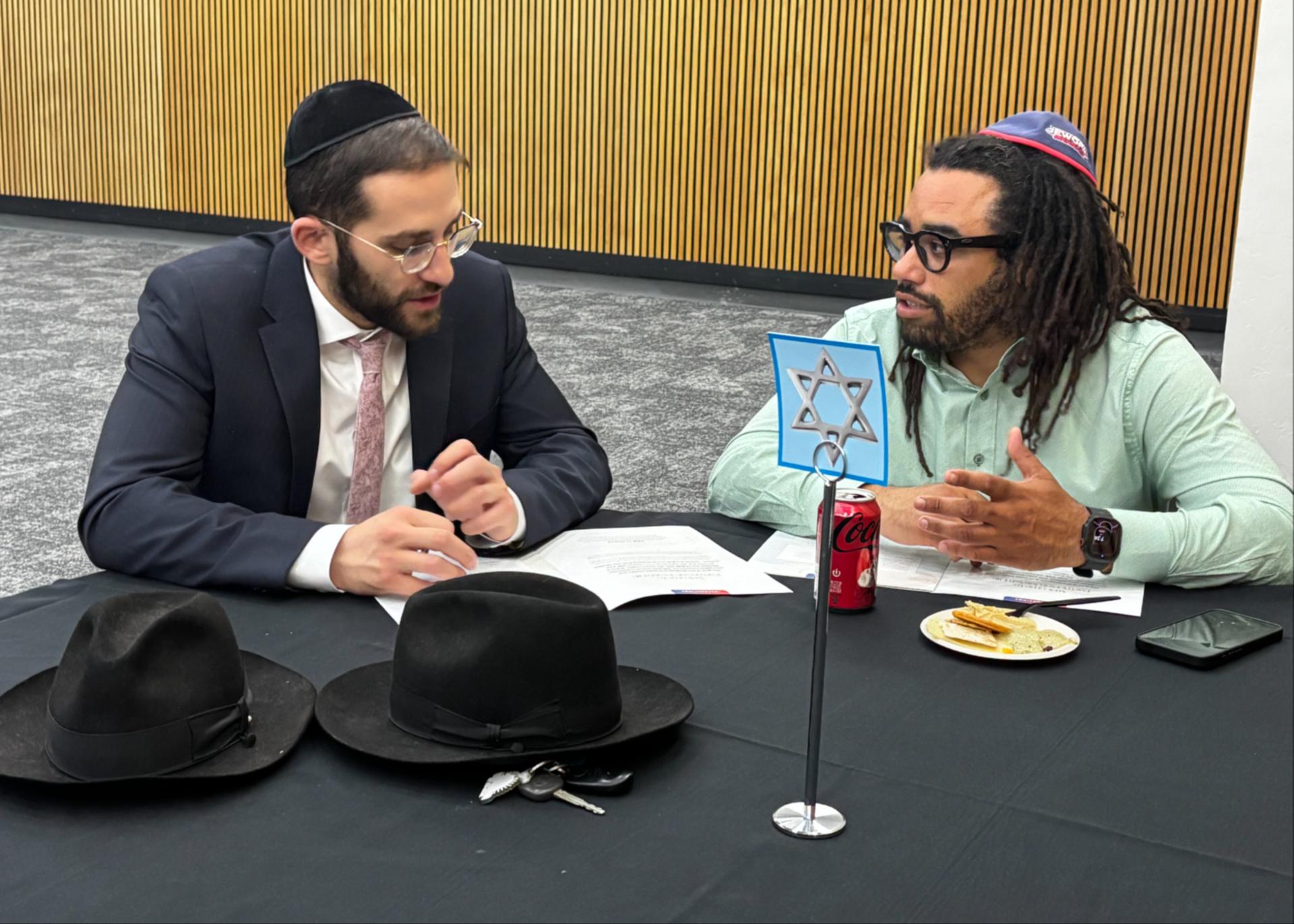
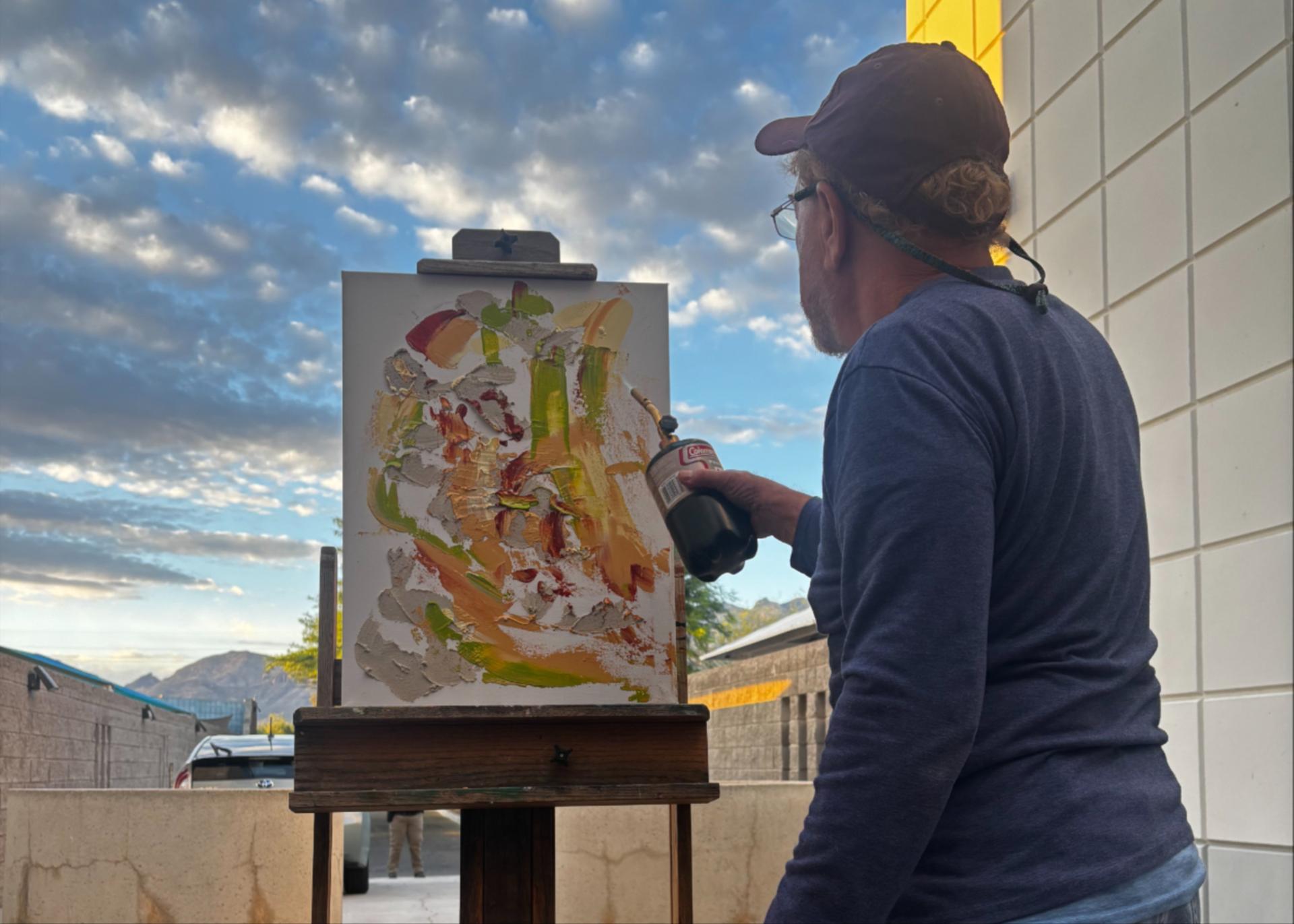
The week presented two more opportunities to connect with one another, learn together, and find inspiration. On Thursday, “Shards and Sparks,” the final show of the season in the J’s Fine Art Gallery opened with an incredible demonstration by painter Robert Feldman. And, over 30 people participated in the May session of “Partners Tucson,” an opportunity to share in conversation around the topic of difference in the context of community, through the lens of Rabbi Lord Jonathan Sacks’ (z”l) work.
How did you find connection and community at the J this week? May this Shabbat inspire us to speak with intention and to nurture a community where kindness and connection flourish. Shabbat Shalom.
Reminders, Resources + Learning
Each week we share resources for more learning:
This week’s resources:
- Modern Untouchables: Our Sins Of Exclusion by Rabbi Justin David (My Jewish Learning)
- The Plague of Evil Speech by Rabi Jonathan Sacks
Last week’s resources:
- Fire: Holy and Unholy by Rabbi Jonathan Sacks
- Why Keep Kosher? by Rabbi Dr. Bradley Shavit Artson (My Jewish Learning
Is there a topic you’d like to learn more about? Email Jenn Selco with requests.