From the Desk of Zach Glicksman | Chief Operating Officer
This week’s Torah portion is Ha’Azinu (Listen). Rather than a traditional narrative, Ha’Azinu is largely a poem and what feels like Moses’ final message to the Israelites before his death. Moses reminds the people of God’s righteousness and warns them not to lose sight of their own responsibility. When things go wrong, it can be easy to look outward and blame others, our circumstances, or even God. Instead, Moses asks the Israelites to look inward and recognize the role they play in what happens next.
This idea of ownership stood out to me as I read Ha’Azinu alongside Rabbi Lord Jonathan Sacks’ Lessons in Leadership. Leadership requires us to resist the temptation to escape responsibility. We cannot always control what happens to us, but we can control how we respond.
Sacks draws on the work of Viktor Frankl (an Auschwitz survivor) and Aaron T. Beck (co-founder of cognitive behavioral therapy) to make a similar point. We are not defined simply by what happens to us, but by how we respond to what happens to us. That distinction feels especially meaningful to me both as a parent and as the COO of the Tucson J.
As a parent, I want to give my daughter the freedom to make choices, including choices that may not turn out the way she hoped. My role is not to prevent every mistake or solve every problem for her. It is to help her understand what happened, learn from it, and ultimately take responsibility for her actions and celebrate her successes. I think leadership is not all that different. We can create the conditions for people to succeed, support them when things go wrong, and help them grow, but ultimately, we each have a responsibility for how we respond.
As we find ourselves at Shabbat Shuvah, Shabbat of Return, in between Rosh Hashanah and Yom Kippur, Ha’Azinu feels like an especially appropriate reminder. The holidays ask us to reflect on the year behind us, acknowledge where we could have done better, and think about how we want to move forward. For me, that means being mindful not only of what happens around me, but also of my own role in how I respond.
Perhaps one of the most important forms of ownership is simply asking ourselves, “What is mine to own?” And then having the courage to answer honestly.
Shabbat Shalom.
In Torah portion Ha’Azinu, Moses invites the people to think of the Torah, and thus their covenant with God, like rain. We find the following passage:
Let my teaching drop as rain,
Let my words fall like dew,
Like gentle rain on tender plants,
Like showers upon the grasses.
Here at the Tucson J, we also hope to be a life-giving force, providing nourishment that helps our community members grow and flourish—and we do this each day guided by our mission to cultivate and enrich Jewish identity, ensure Jewish continuity, foster wellness, and broaden communal harmony, and our service pledge to create community based on Jewish values by providing the highest quality programs and services in a safe and secure environment for people of all ages.
This week, we saw the fruit of that rain in a variety of ways.
On Tuesday, a new series of Spanish classes resumed with learners of all ages and skill levels coming together to learn something new guided by esteemed instructor, Myriam. What are you looking forward to learning in the new year?
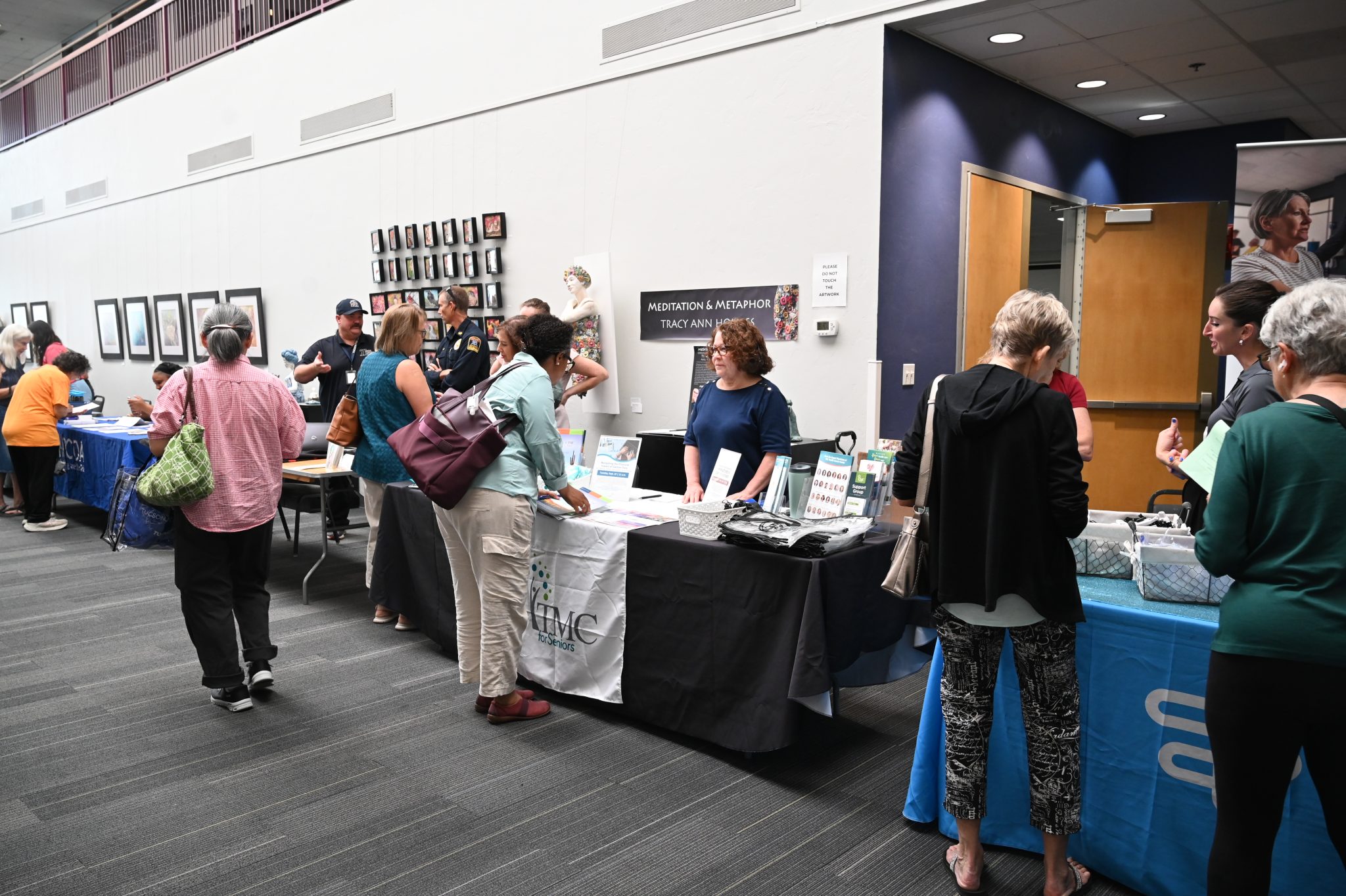
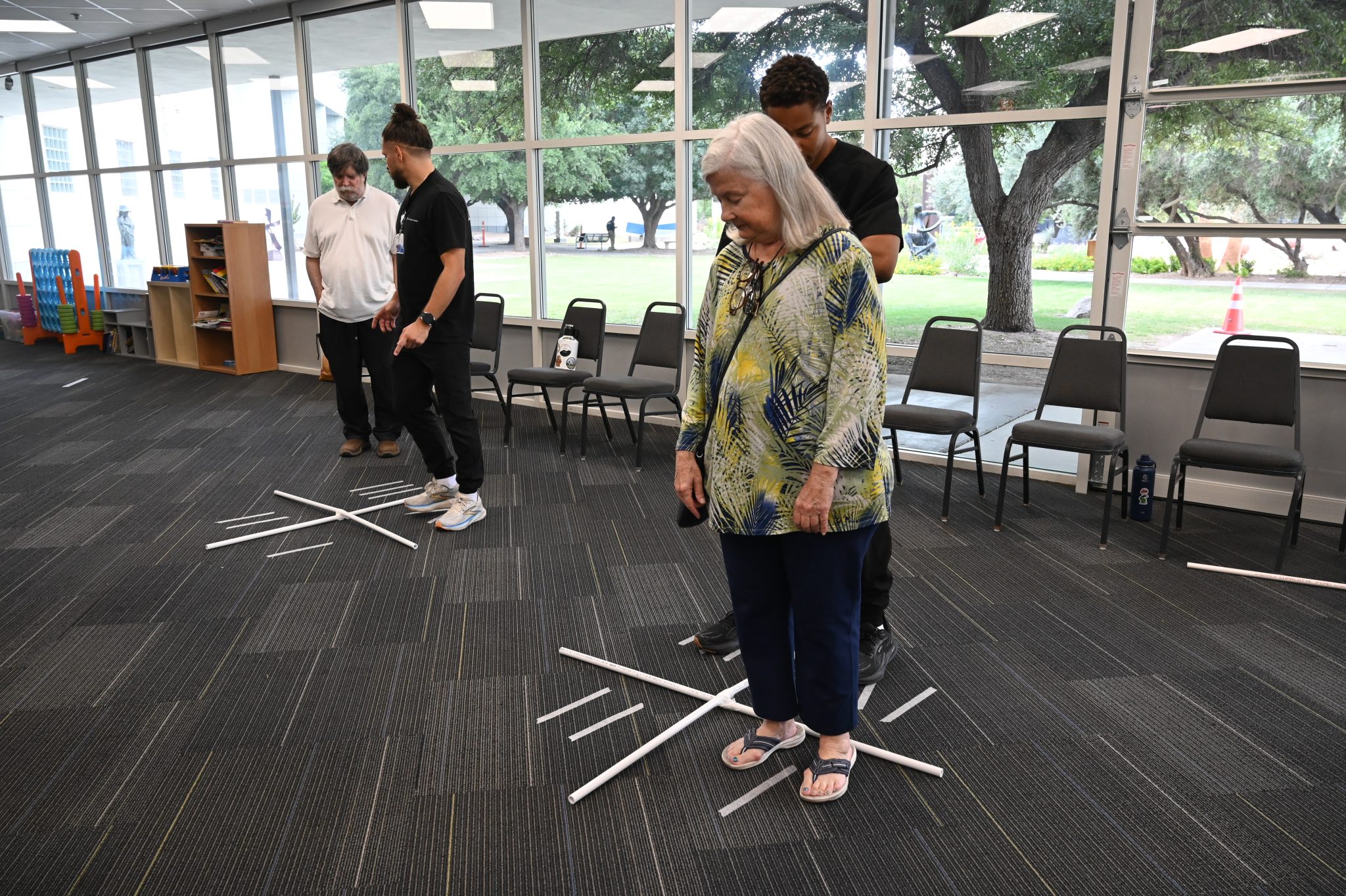
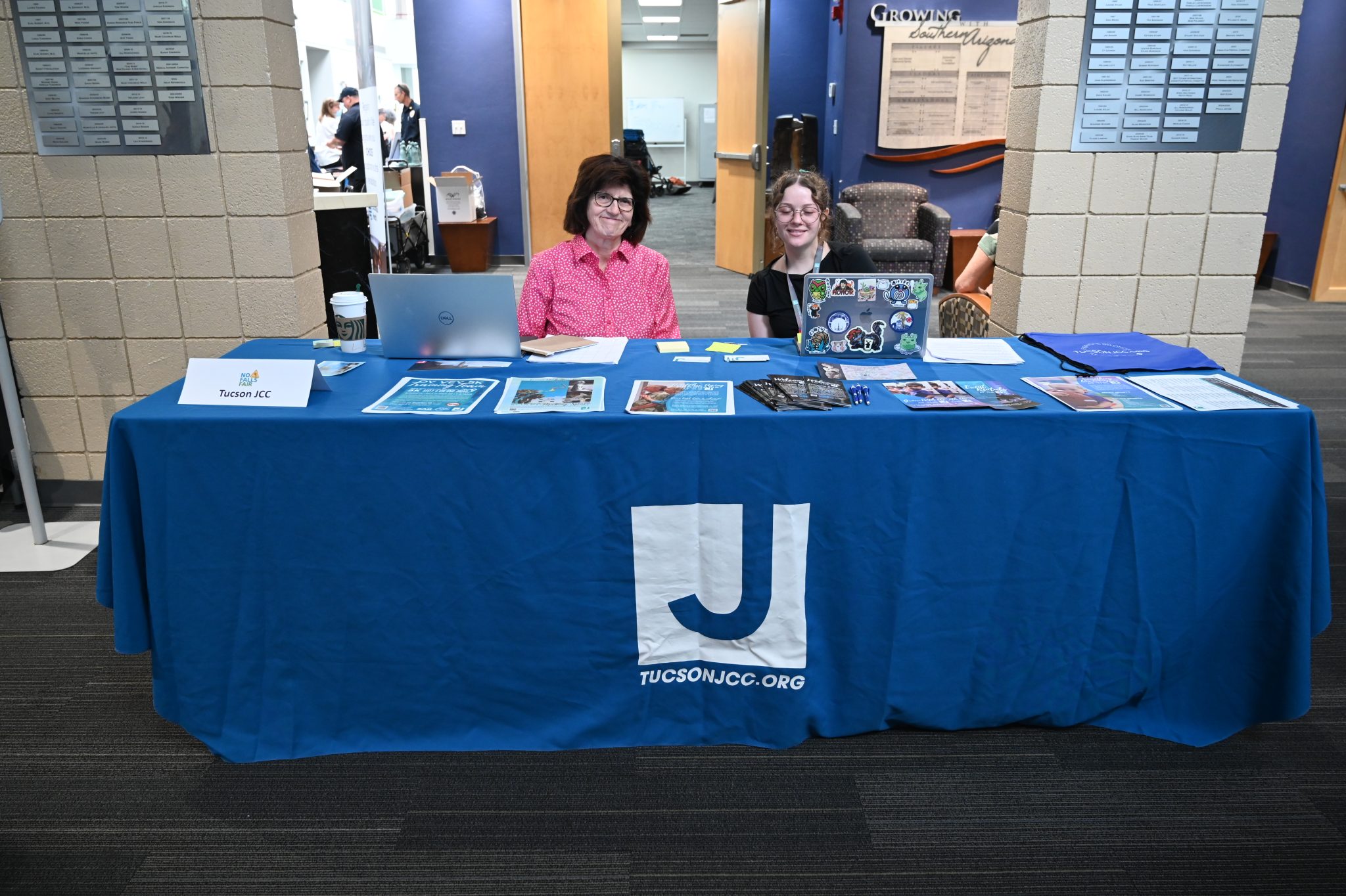
On Wednesday, over 100 community members and many organizations from across the community joined the J and TMC for Seniors for another successful “No Falls Fair,” helping to ensure that our older generation remains active, healthy, and thriving. The event included fall and balance assessments, safety presentations, and more! Learn more about our Healthy Aging programs here.
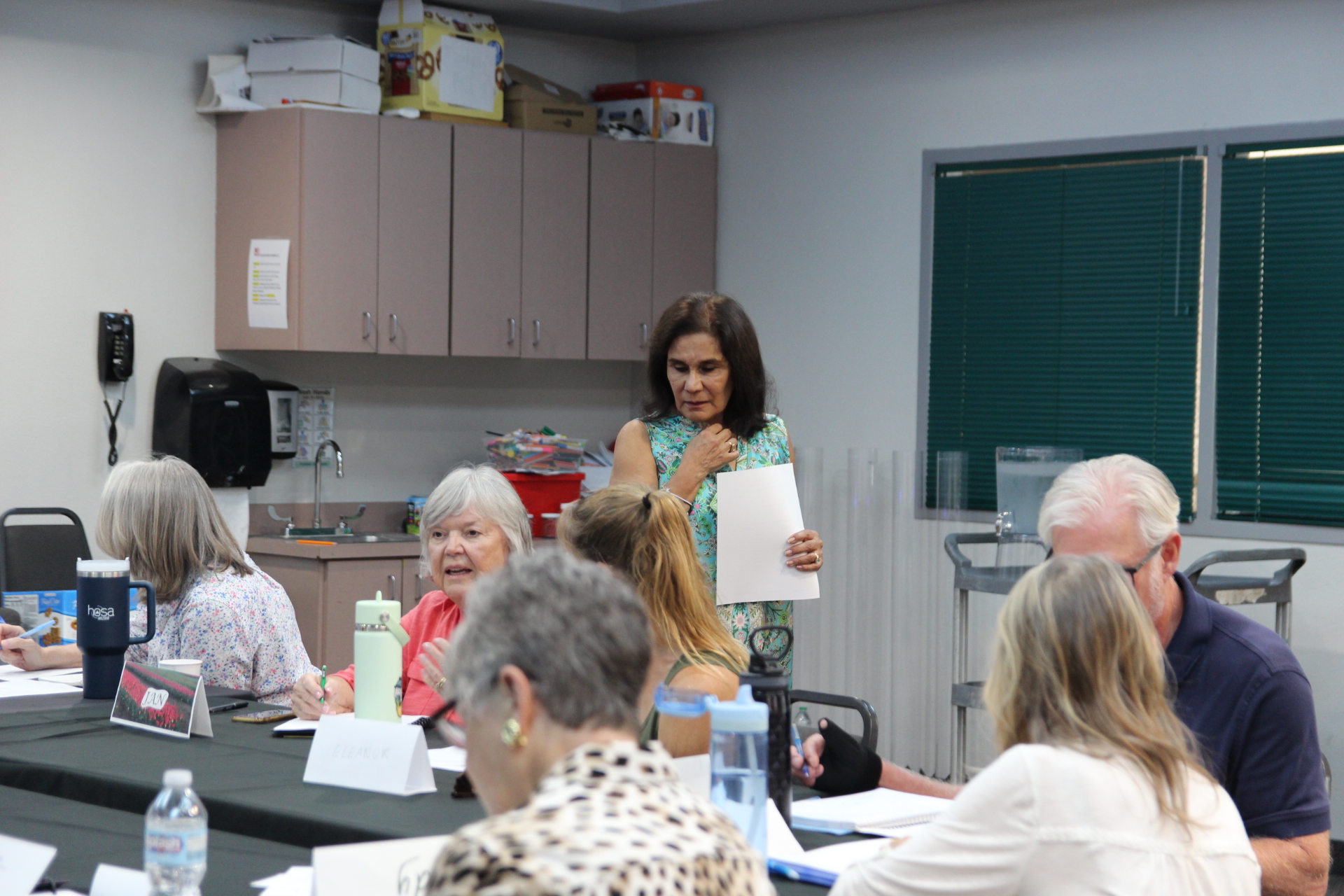
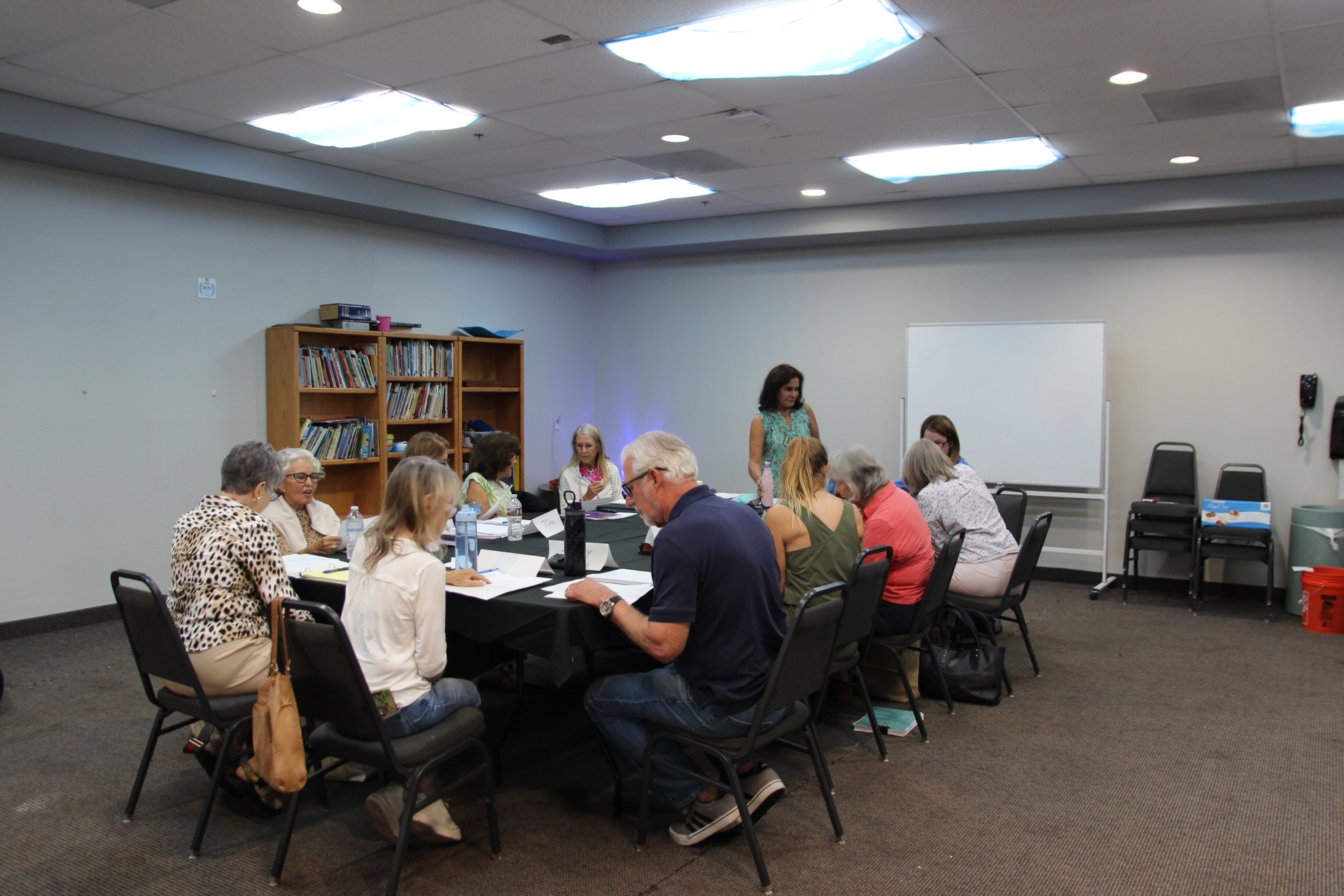
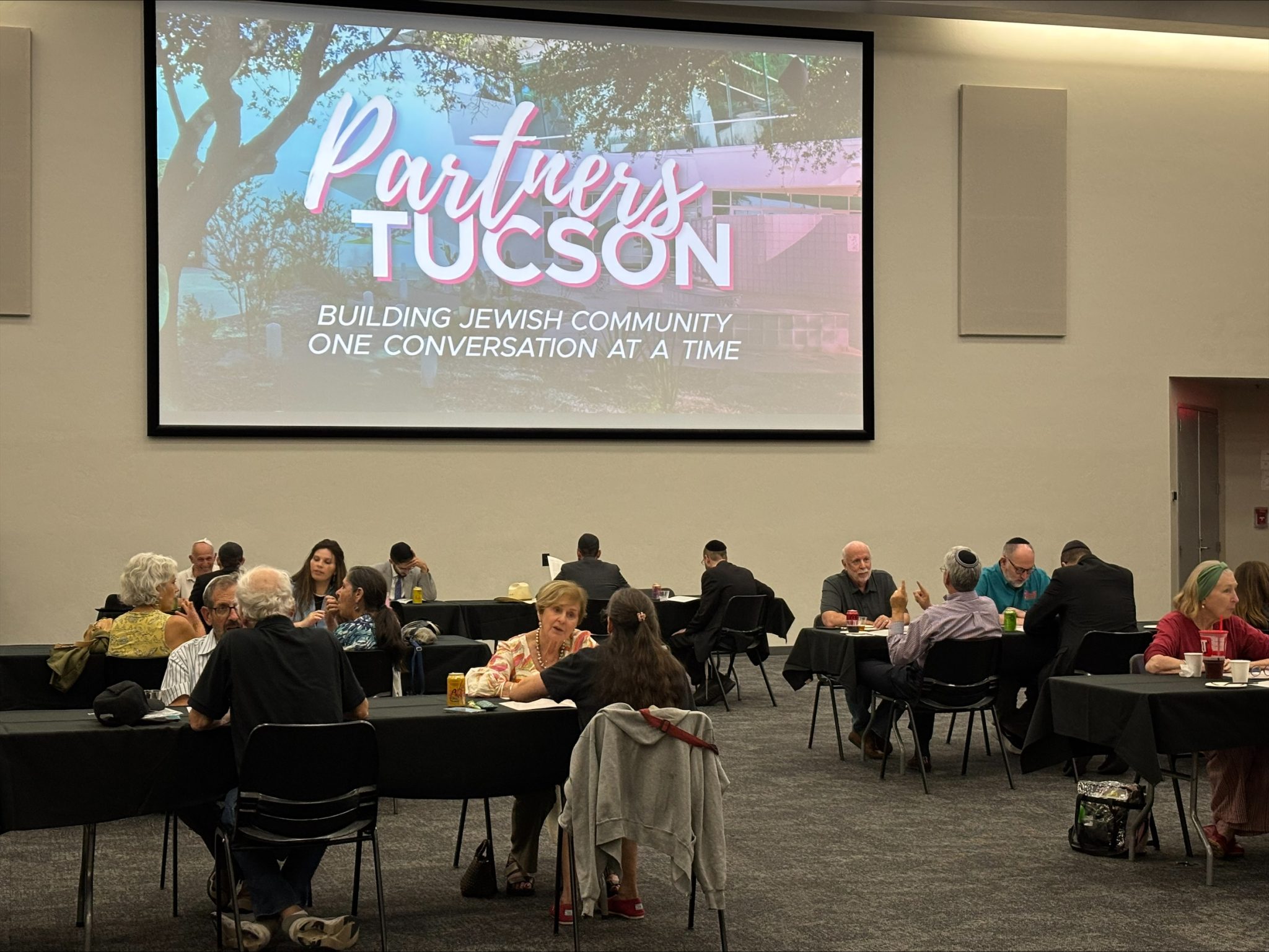
And on Thursday, we welcomed an engaged group of 40 chavrutot (partners) for the second session in a new series of Partners Tucson programs. Designed for Jewish people of all backgrounds and experiences to explore perspectives through meaningful conversation in pairs, using the teachings of Rabbi Lord Jonathan Sacks (z”l), each experience offers enriching conversation and community connection. This week’s program was themed, “The Home We Build Together.” Participants discussed what it takes to build a society that is unified even among differences. You can sign up for the next program here.
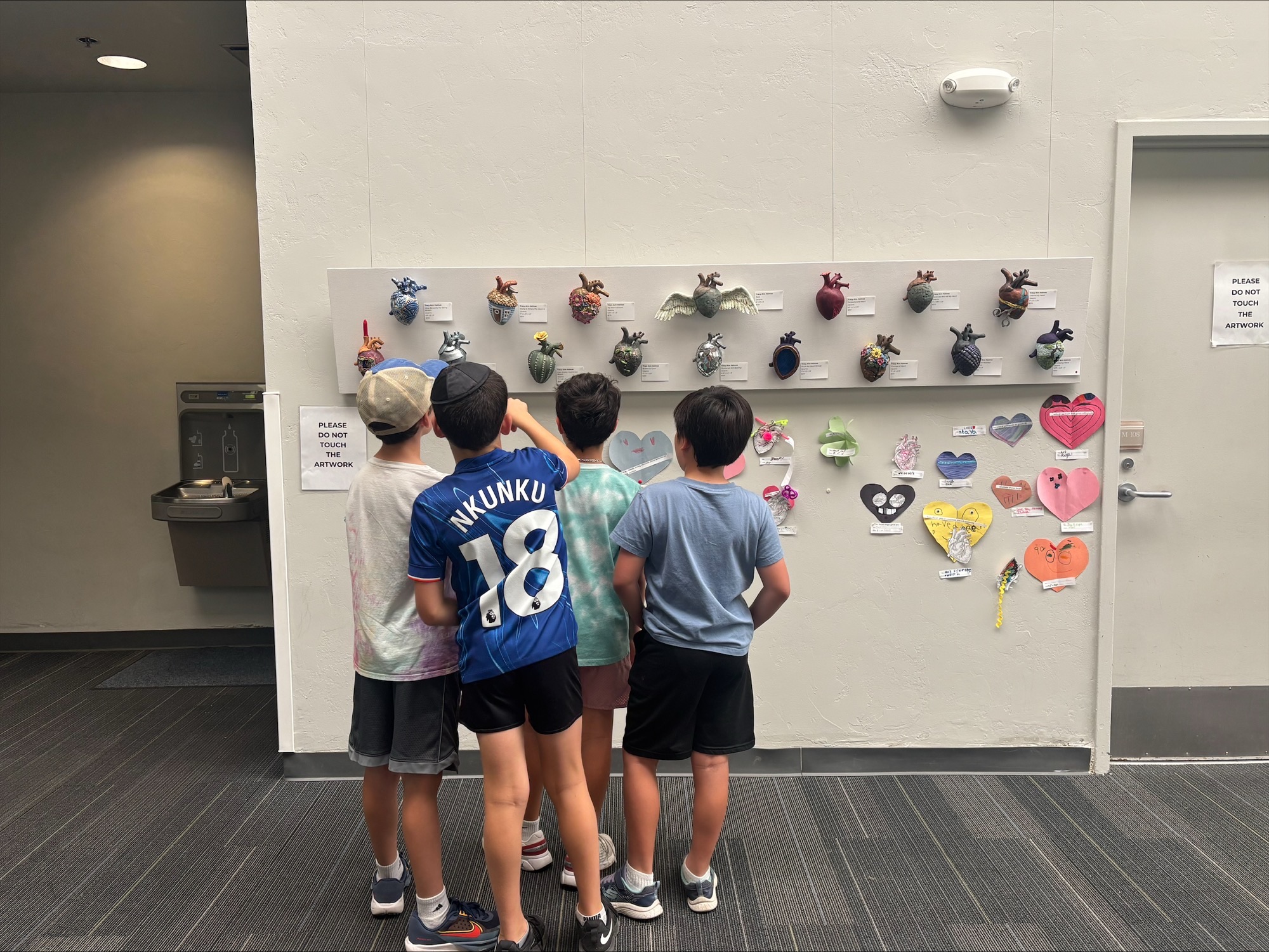
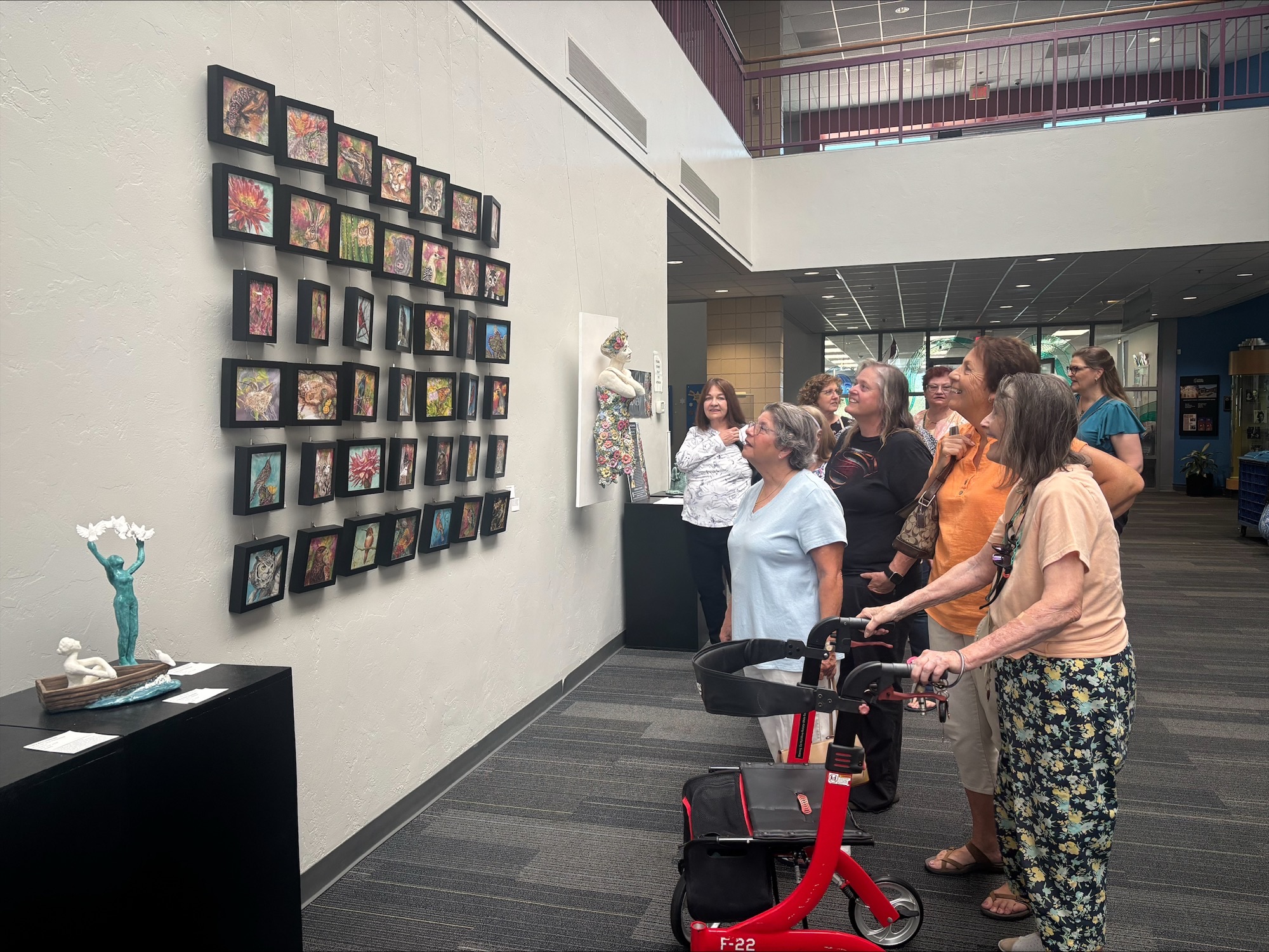
Throughout the week, two different groups joined us at the J to get inspired by the current exhibit in the Fine Art Gallery, Meditation + Metaphor: Ceramic Sculpture + Watercolors by Tracy Ann Holmes. First, the artist’s church sisterhood, and then THA art teacher Kamala Alpert brought fifth and sixth grade classes to enjoy it. We hope to see you at the closing reception on Thursday, September 24 and for SCULPT on Sunday, October 18.
As we continue through the High Holidays taking time to reflect, return, and renew, we invite you to ask: what kind of nourishment am I seeking? Where can I grow in the year ahead? And, how can the Tucson J be part of my journey? Wishing you a Shabbat Shalom and G’mar tov (a good final sealing [in the book of life]).
Reminders, Resources + Learning
Each week we share resources for more learning:
This week’s resources:
- Why Sing Sad Songs? by Rabbi Menachem Feldman (Chabad)
- The Inheritance that Belongs to Everyone by Rabbi Jonathan Sacks
- Moses Last Song, Funkified (BimBam)
Last week’s resources:
Is there a topic you’d like to learn more about? Email Jenn Selco with requests.