From the Desk of Rabbi Samuel M. Cohon | Congregation Beit Simcha, host of the Too Jewish Radio Show + Podcast
The Missing Center
When we carry the Torah around the sanctuary during a hakafah we often sing Al Shloshah Devarim, the passage from Pirkei Avot in the Mishnah. Its text is, “The world stands on three things: On Torah, on work, and on acts of kindness.” Torah is listed first, making it the most important aspect of Jewish tradition. You may be familiar with the great Labor Zionist Achad Ha’Am’s related concept that Judaism is made up of three great elements: God, Torah and Israel.
Torah is at the very center of it all.
So, what are we to make of a central Jewish text that completely omits Torah?
This week we read the portion of Ki Tavo in Deuteronomy, which begins with an unusual declaration: when we come into the land that God will give us as an inheritance we are to take the first fruits of our produce and bring them to the priest and recite this formula: “Arami oveid avi, my father was a wandering Aramean, he came to Egypt few in number and became a great nation there; the Egyptians dealt harshly with us, and enslaved us; but God brought us out with a great hand and an oustretched arm… and brought us to this place, flowing with milk and honey.” In addition to its central role in an important Biblical ritual, this passage is quoted often in rabbinic literature, most famously in the Passover Haggadah.
But this formula for what we are supposed to say when we bring our offering to the Tabernacle is surprising. In its mini-history of our ancient people it includes two of the enormous elements in our people’s history, Yetziat Mitzrayim, the Exodus from Egypt, and the settlement of Eretz Yisrael, the eternal homeland of Israel. But it curiously omits all mention of a third equally crucial event: the giving of Torah at Sinai.
It’s a fascinating, even a shocking, omission. If the three most important elements of Jewish identity are God, Torah and Israel, then omitting Torah means having a quite incomplete form of Judaism. Ironically, here in the Torah itself what is missing is, well, Torah.
The explanation for this omission teaches us much about how religion evolves, and what an organic and remarkable creation Judaism is.
In Biblical times our people constituted an agricultural nation, living on and with the land. The most important religious experiences were farming-related: planting crops, harvesting, dividing the produce, offering some of it to God and eating the rest of it. The connection to the land itself, and the labor needed to produce food, was absolutely central to our identity. Erets Yisrael was truly the holy land of Israel, and our intimate and permanent relationship to that land was forged over centuries of daily labor and life. When Zionism reconnected Jews to our land in the 19th century in a real, tangible, practical way, it revived the whole experience of loving and serving God by creating food from the very earth, hamotzi lechem min ha’arets. The land of Israel was at the heart of our people then, and it is also at the heart of Ki Tavo, as we hope it is at the heart of every Jew in the world today.
Like Erets Yisrael, God, too, was central to Jewish life in the times of the Bible, as it is today. In Ki Tavo we are commanded to bring this offering to God in the Tabernacle (and later, the Temple) and to thank God for all that we have. And we are to remember the great gift of freedom God conferred upon us by miraculously redeeming us from Egyptian slavery. Everything comes from God, a good lesson today as in the days of Deuteronomy.
So we have God and Israel here—but not Torah. Clearly, the third leg of this stool of Jewish identity, Torah, was far less crucial to our Deuteronomic ancestors than the other two. Again, why?
As farmers in our own land the need to study Torah, in whatever form it existed, must have seemed less urgent. We had an immediate relationship with the land, and we needed God for the basics that make agriculture possible: rain, sun, soil. The importance of Torah was diminished when we lived on the land itself.
But when we were sent into Exile, and forcibly torn from our own land, we needed Torah. In fact, without the study of Torah, Judaism would have disappeared, and the people of Israel faded into the dust of history. Only Torah preserved us—gave us the moral foundation, and the religious identity, to not only survive but thrive.
When we read in Ki Tavo—in the Torah, of course—that we are to give a tenth of all that we’ve earned to charity, to the poor and the homeless and the widow and the orphan, we acknowledge that we have been blessed. We are following an ancient agricultural practice, more than 3000 years old, designed for an antique people in a land of long ago.
But we are also using this remarkable text, Torah, to teach us how to live today. And therein lies the true genius of Judaism.
For wherever we are in the world it is the Torah that binds us together, and makes possible our unity as a people. It is the Torah that reminds us to worship God, and of our connection to the holy land of Israel. It is the Torah that teaches us that tzedakah must be part and parcel of our very being.
Paradoxically, even when the Torah seems absent, as it appears to be in Ki Tavo, it is not only implicitly present, but actually central, in our religion and in our lives. May it always be so for each of us.
As Ki Tavo teaches, our tradition evolves to meet the moment—but its core remains. Just like our work grows and changes to meet the emerging needs of our community, it is always guided by our core mission to cultivate and enrich Jewish identity, ensure Jewish continuity, foster wellness, and broaden communal harmony.
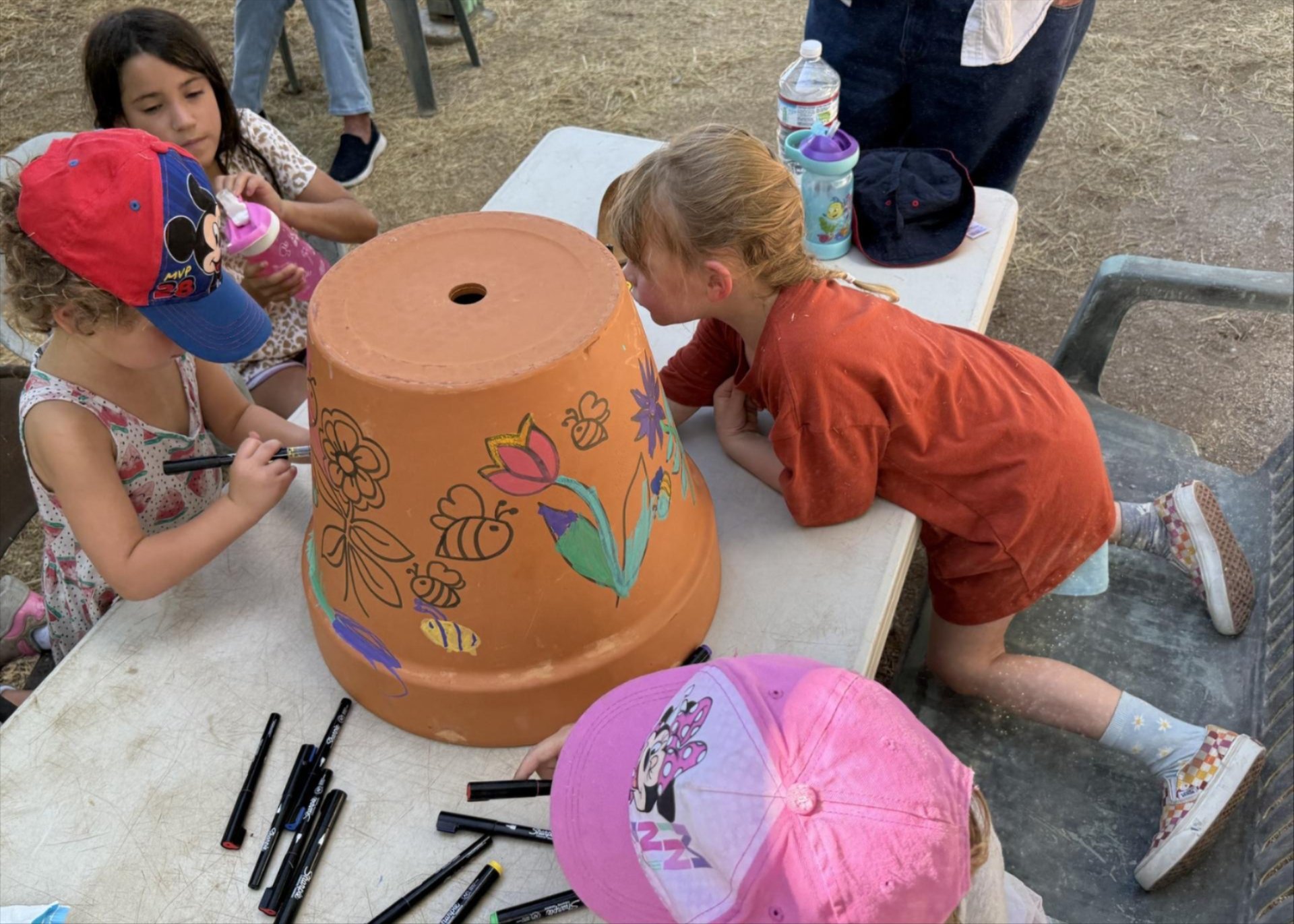
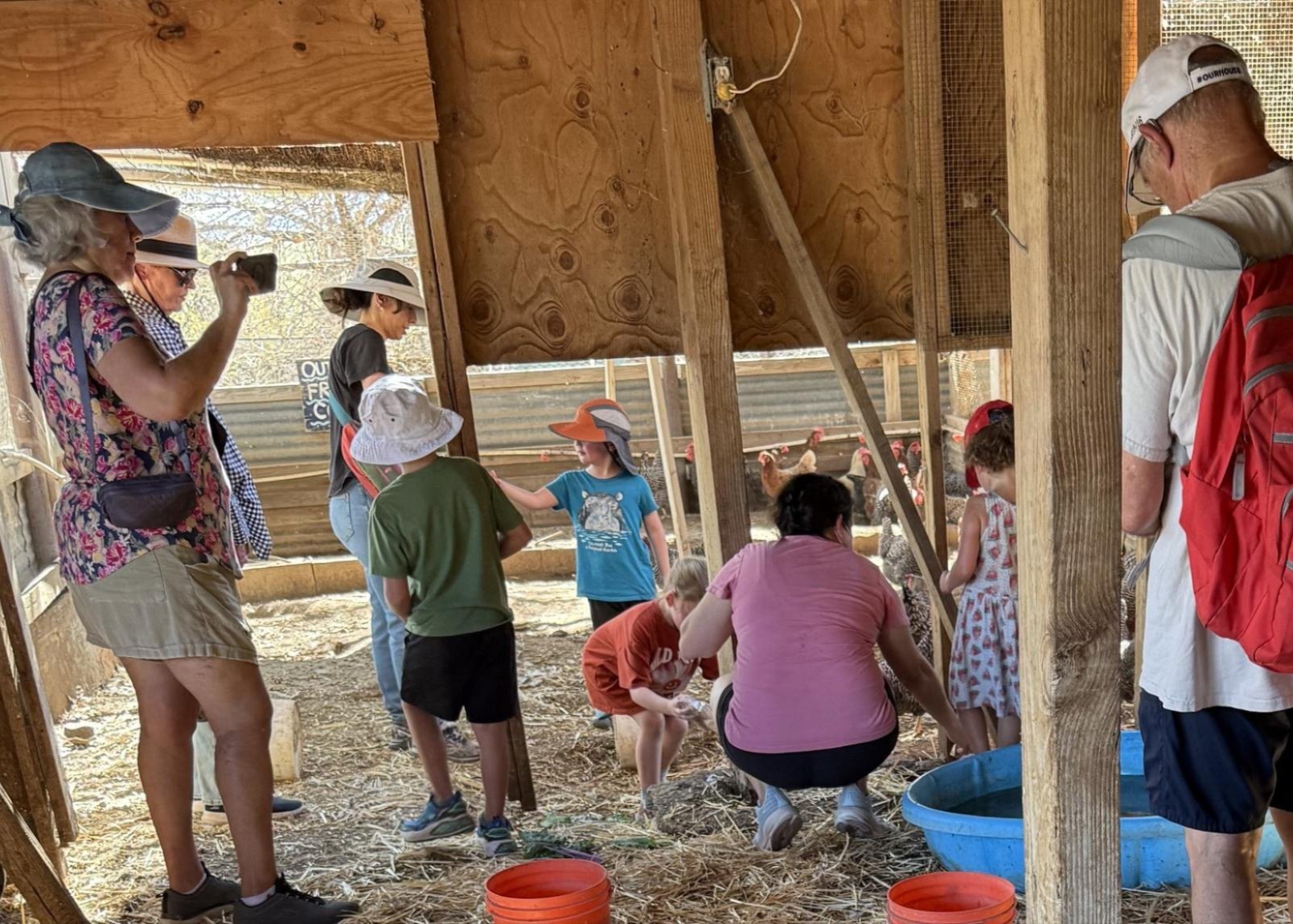
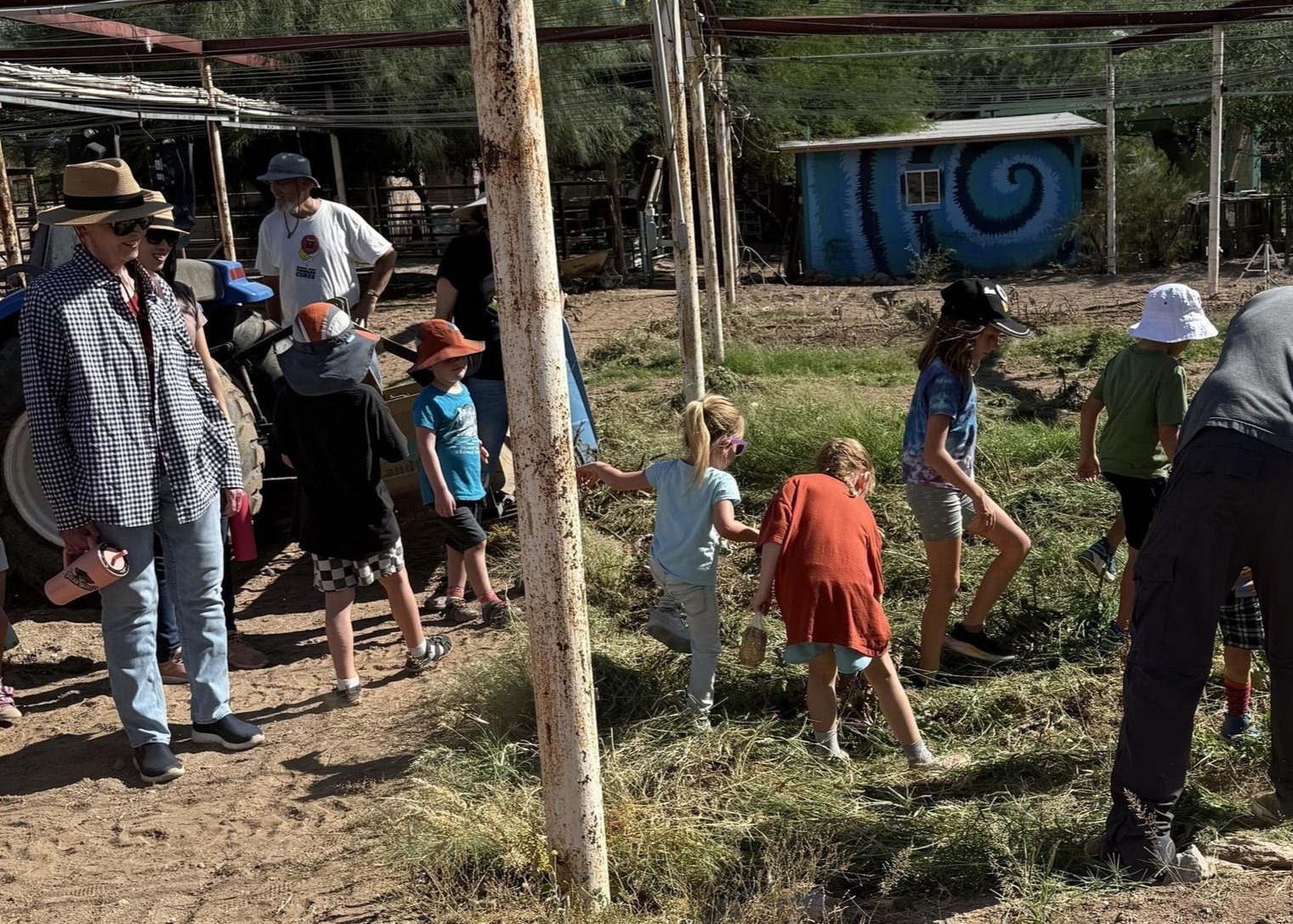
This week’s parsha also teaches us that Jewish values are passed down l’dor v’dor—from generation to generation. Sunday’s PJ Library gathering, “Growing with the Grands” at Felicia’s Farm was a fun opportunity for intergenerational learning and connection! Grands got their hands dirty with their grandkids with many animals to pet, weeds to pull, and pots to paint!
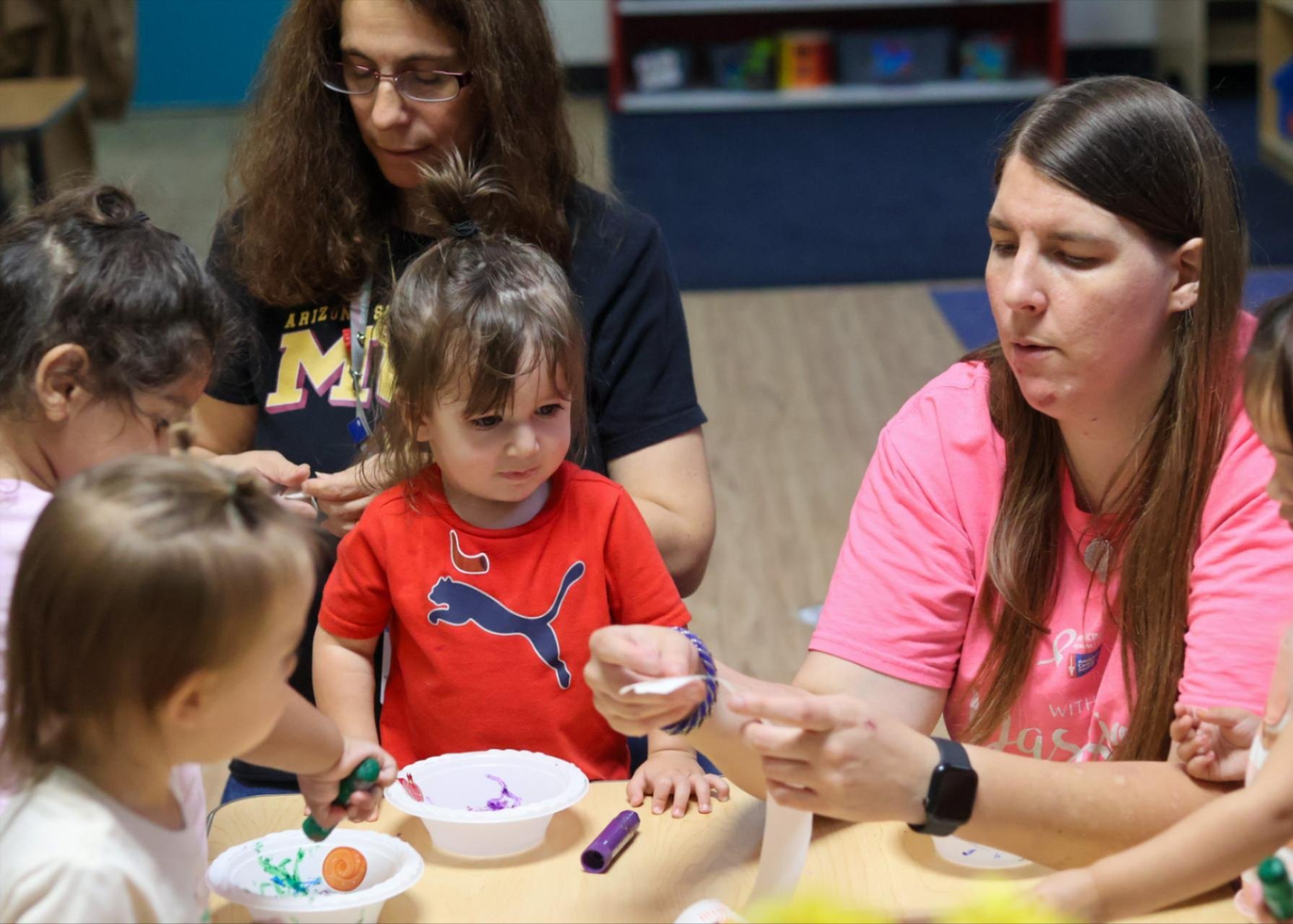
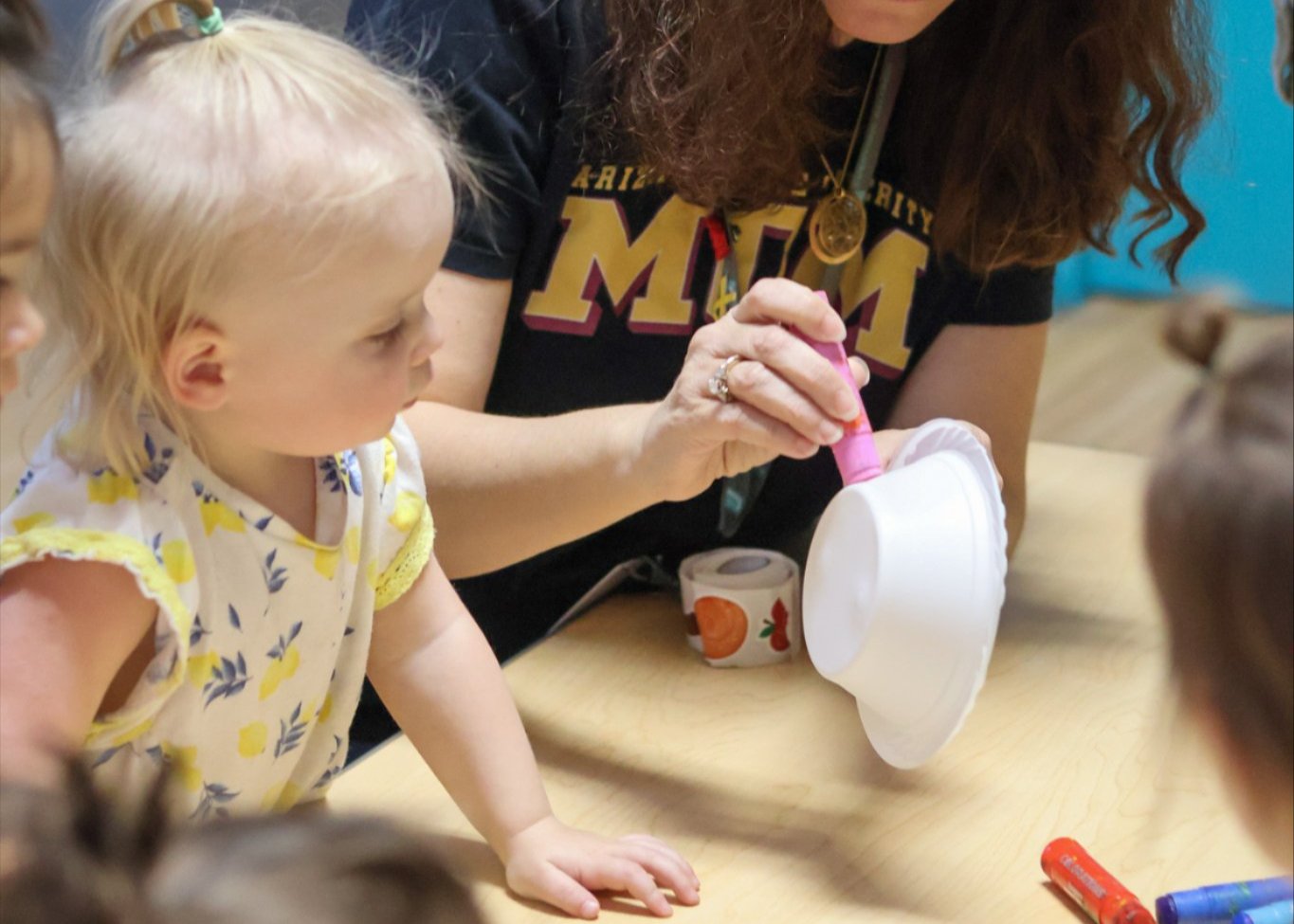
Kids in ECE begun a new tradition; in addition to their Shabbat celebrations on Fridays, this week they partook in their first Monday Havdalah ceremony to welcome in a new week (in their PJ’s)! They also began gearing up for Rosh Hashanah, decorating bowls to put their holiday honey in for an extra sweet new year. J-Care kids learned all about the Torah and even made Tortilla Torahs, choosing from a variety of different toppings, rolling them, and then tying with cucumber shreds to create their—very tasty—torahs! Looking for holiday reading for your kids? Get the best recs from PJ Library of Southern AZ here.
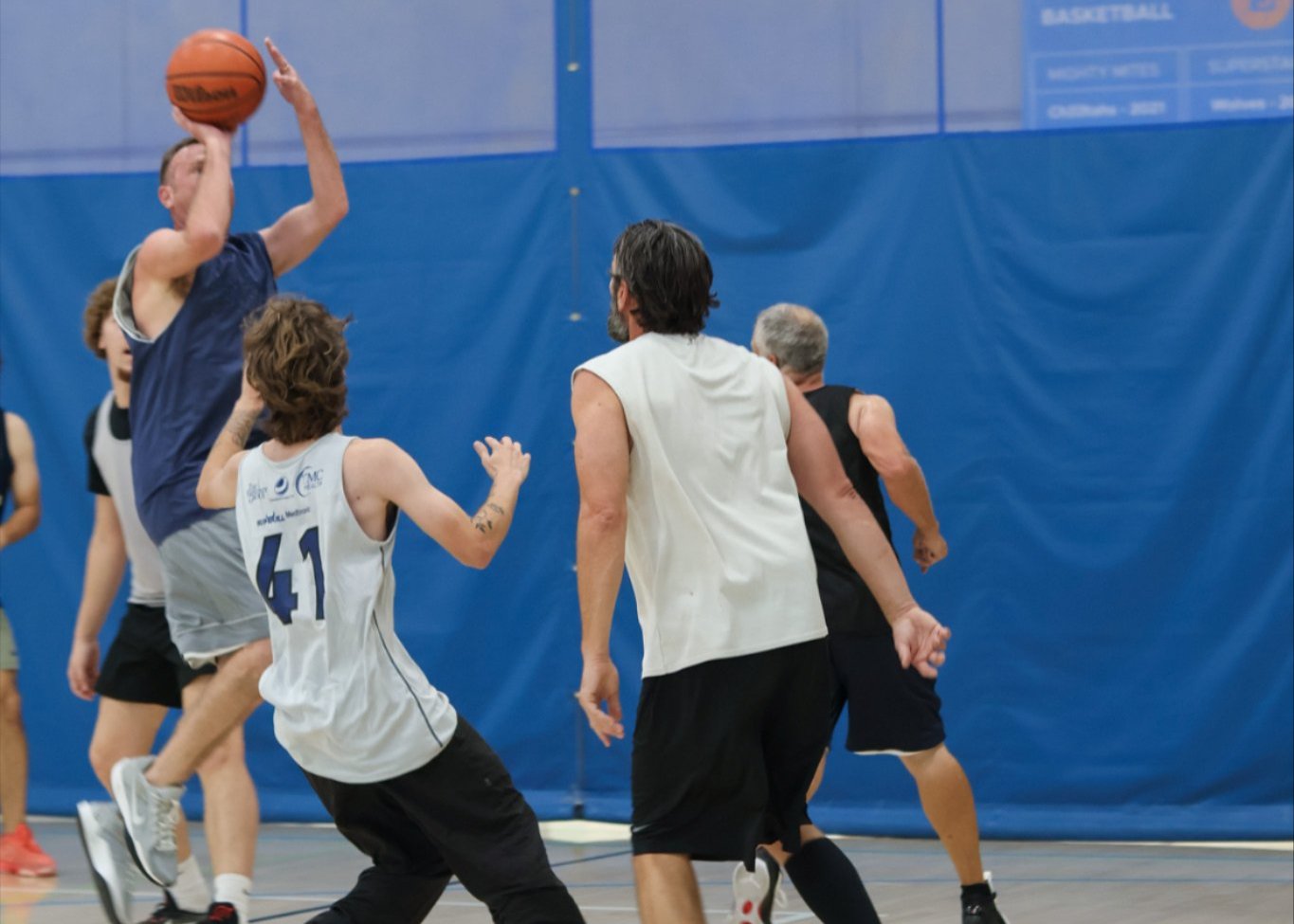
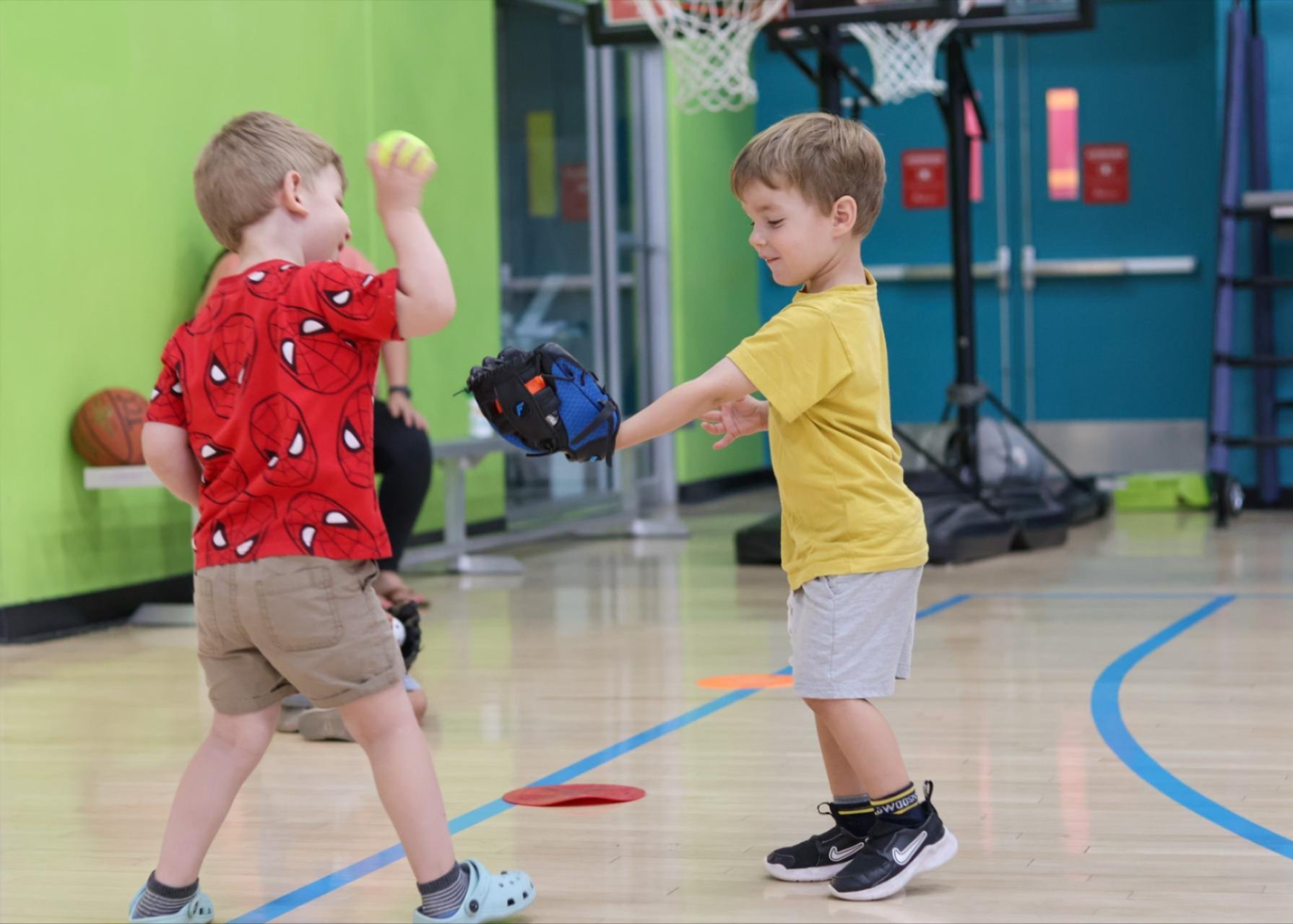
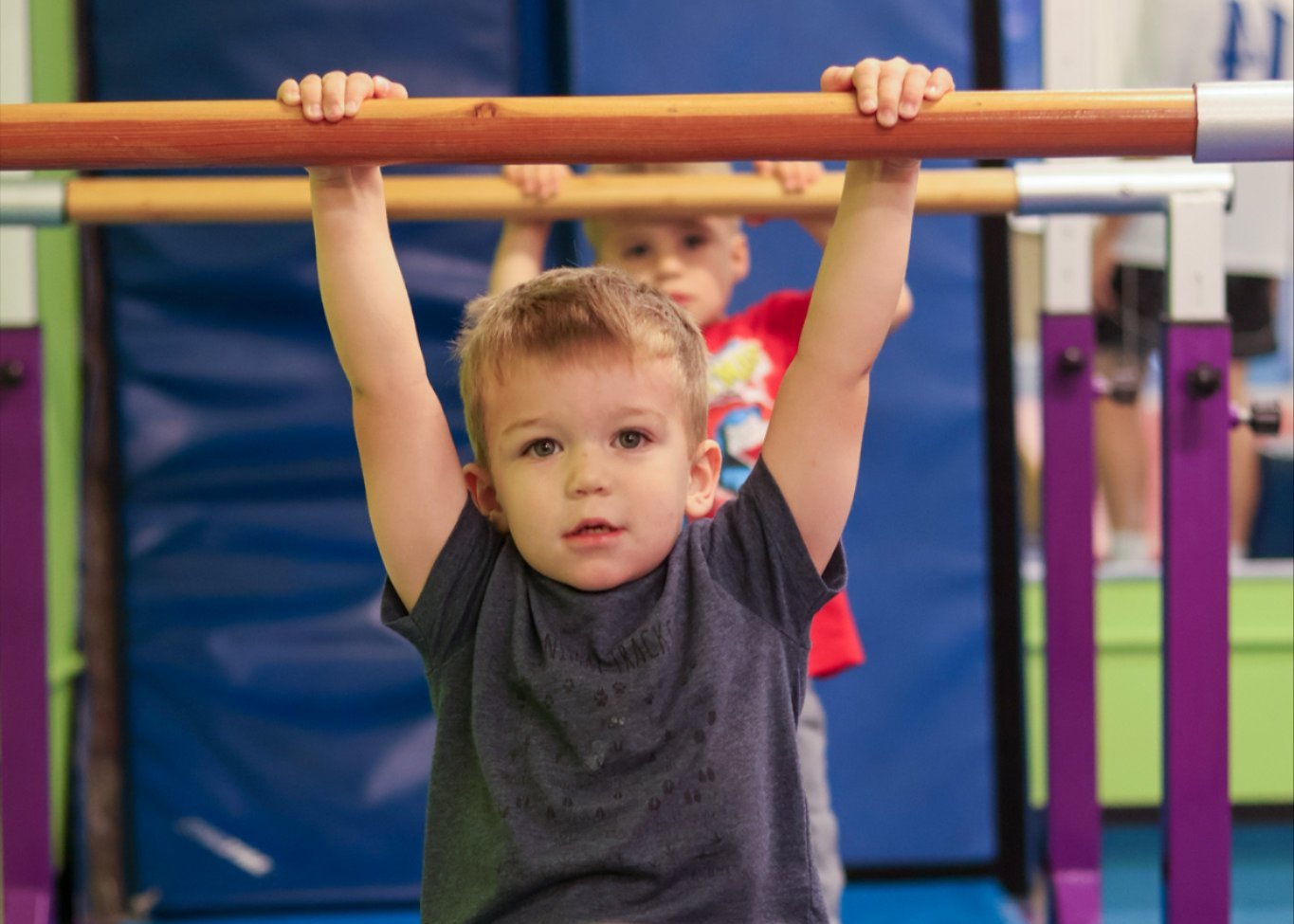
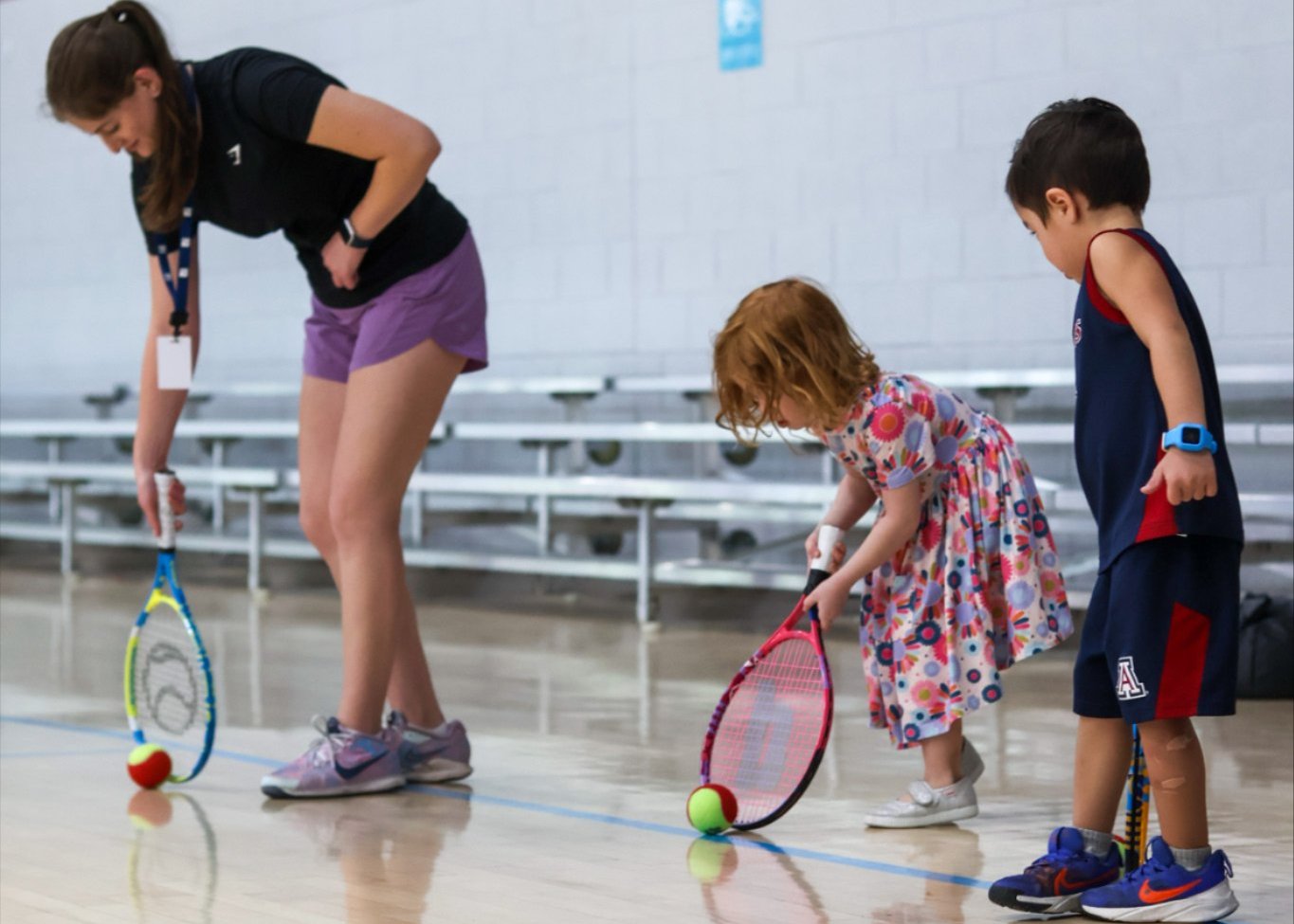
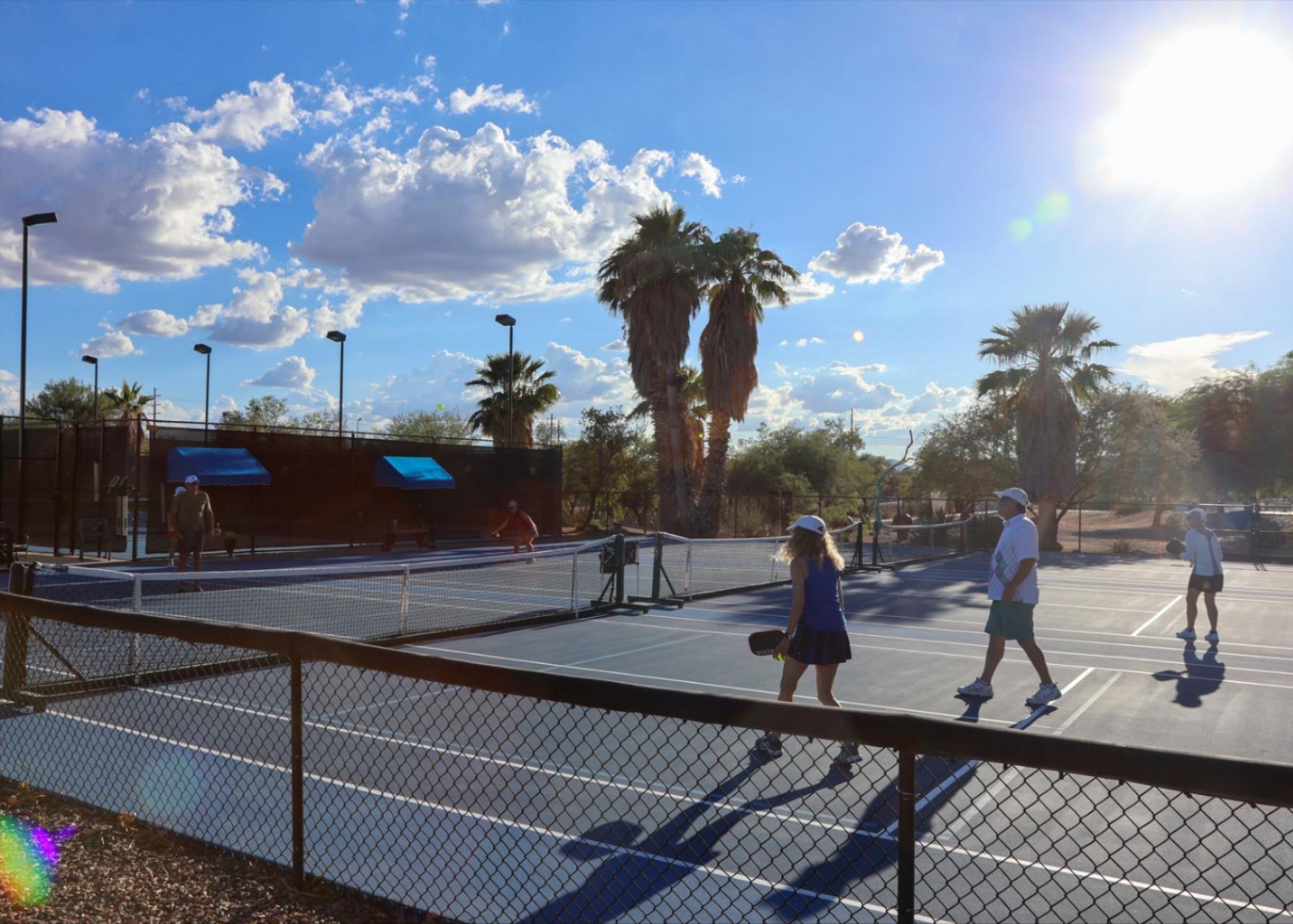
In the Fitness + Wellness department, fall sports are in full swing! From Noon Hoops (and Men’s League which starts this Sunday—it’s not too late to join!) to PeeWee Sports and Pickleball, we’ve got something for everyone. Check out five benefits of sports for kids on our News + Media page here.
As we welcome Shabbat, we invite you to think about what guides you. What in your own life shapes your path and keeps you grounded? Torah, community, movement? Whatever it is, we hope you find it at the J! Shabbat Shalom.
Reminders, Resources + Learning
Each week we share resources for more learning:
This week’s resources:
- The Pursuit of Joy (Rabbi Lord Jonathan Sacks, of blessed memory)
- Parshat Ki Tavo: Blessings, Curses and a Holy Marriage (BimBam)
Last week’s resources:
- Ki Teitzei: We Are What We Remember by Rabbi Shira Milgrom (Reform Judaism)
- Parshat Ki Teitzei: Sustainable Living and Animal Rights in the Torah (BimBam)
Is there a topic you’d like to learn more about? Email Jenn Selco with requests.