|
This week’s Torah portion, Tazria-M’tzorah, brings us into the world of illness and our response to those who are afflicted. The text describes various forms of skin disease and other infections of people, clothing and even houses. In those ancient days, people with skin affliction were exiled outside the camp and only reintegrated into the community if the High Priest declared the person “clean” again.
We can deeply sympathize with the afflicted person who is cast out. “…his clothes shall be rent, his head shall be left bare…and he shall call out ‘Unclean! Unclean!’…Being unclean, he shall dwell apart, his dwelling shall be outside the camp.” (Lev. 13:46)
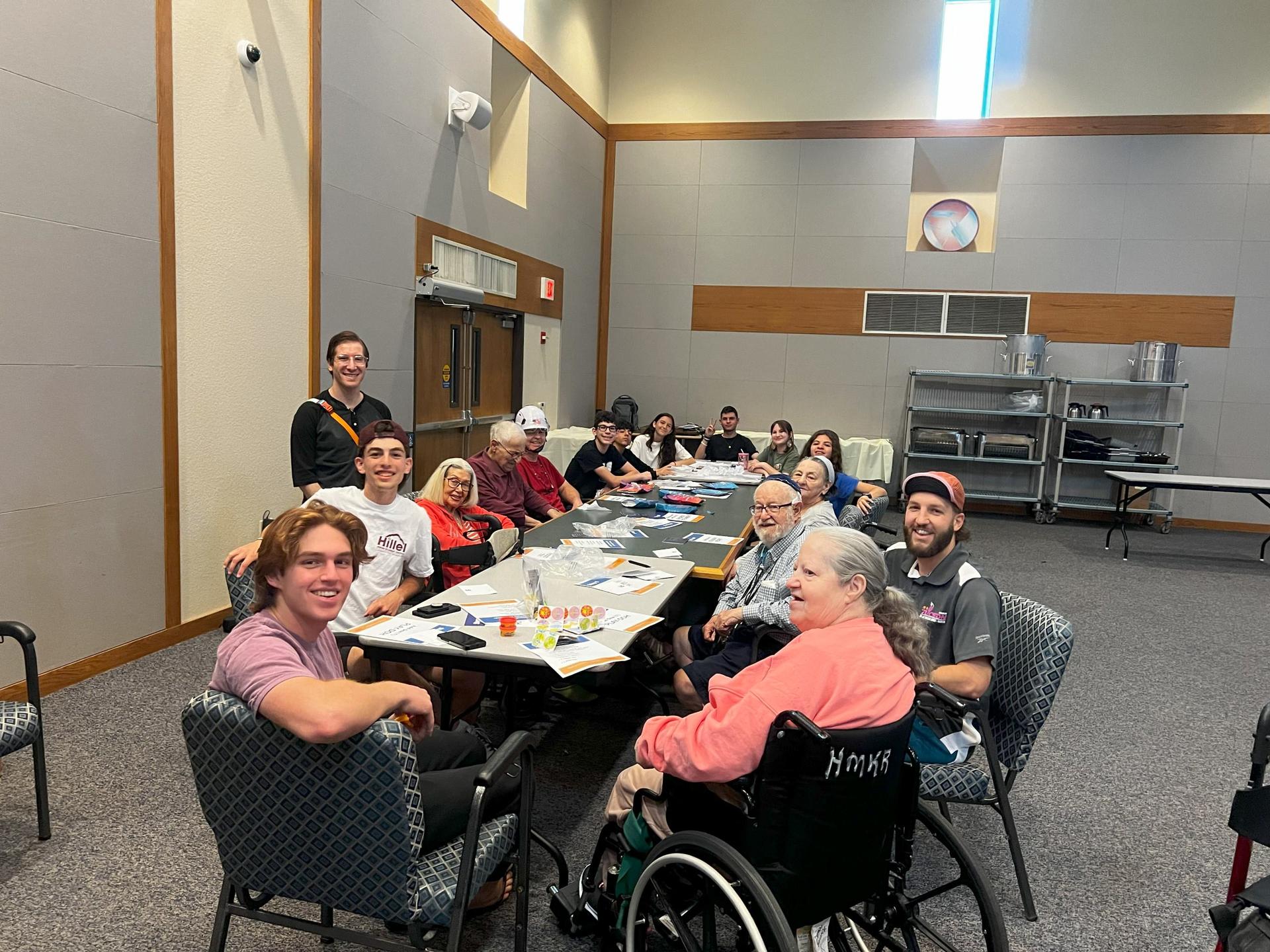
We are fortunate that the rabbis of old viewed illness in quite the opposite way. They urge the community to rally around the person, offering love and support. In fact, the morning prayers in our siddur include Bikkur Holim, the important mitzvah of visiting the sick. This is considered an important aspect of gemilut hasadim, acts of loving-kindness toward members of our community and beyond.
It is understandable that we might be unsure as to how we can best support and connect with someone who is ill. We should be guided by our own common sense, information from the ill person’s closest family, and any requests for privacy. Rather than a visit, we can fulfill this mitzvah by bringing meals or offers to be of help in other ways such as grocery shopping or yard work. The point is to assure the person who is ill (and their family) that a loving community cares for them and does not want them to feel isolated or shunned.
This week’s Torah portion teaches us of customs related to the Temple and the Priesthood which fulfilled the needs of an ancient community. We are grateful to the rabbis who changed the fear of illness to the very human response of comforting and holding near those who are ill.
|