From the Desk of Johanna Shlomovich | Head of School, Tucson Hebrew Academy
Parshat Korach — Building a Jewish Future Rooted in Purpose, Identity, and Justice
Parshat Korach is one of the Torah’s most complex and challenging narratives. At its center is a rebellion: Korach challenges Moshe’s leadership, asking, “Why do you raise yourself above the congregation of God? For the entire community is holy, all of them, and God is among them” (Bamidbar 16:3). On the surface, Korach’s words seem to express a powerful and even inspiring idea — that every person has inherent holiness and that every member of the community matters. Yet our tradition teaches us that something deeper was at play. Korach’s mistake was not believing that everyone had value; his mistake was confusing equality with entitlement and community with self-interest.
This distinction carries a powerful lesson for Jewish education today. Our responsibility as educators, parents, and community members is not simply to teach children to be successful individuals. Our responsibility is to help raise young people who understand that they are part of something larger than themselves — a people, a tradition, and a collective responsibility that stretches across generations.
Jewish identity does not develop by accident. It is cultivated through relationships, experiences, and meaningful engagement. Children become connected to Judaism when they experience the beauty of Shabbat, the joy of holidays, the depth of Torah, the power of Hebrew, and the responsibility of caring for others. They need to know not only what Jews do, but why we do it — and how our tradition calls us to make the world more whole.
Korach’s rebellion also challenges us to think about the difference between having a voice and using that voice responsibly. Judaism has always valued questioning, debate, and the pursuit of justice. The Talmud is filled with disagreement, most famously between Hillel and Shammai. But Jewish disagreement is meant to be “for the sake of Heaven” — rooted in humility, relationship, and a shared search for truth. The goal is not simply to be heard; the goal is to contribute and grow.
This is an essential lesson for the next generation. We want our children to grow into leaders who recognize their own worth, while also recognizing the dignity and humanity of others. We want them to be proud Jews who are deeply connected to their heritage and who understand that Jewish values call us to stand for kindness, compassion, and justice.
The Torah repeatedly reminds us that holiness is not only found in ritual; it is found in how we treat one another. The prophets of our tradition taught that caring for the vulnerable, pursuing justice, and creating a more equitable world are central expressions of our covenant with God. A strong Jewish identity is not built on isolation — it is built on connection, responsibility, and action.
At Tucson Hebrew Academy, this is at the heart of our mission. We strive to create a learning environment where students develop a strong sense of who they are as Jews while also understanding their responsibility to the broader world. We want our students to carry Torah not only in their minds but in their hearts and in their actions. We want them to ask important questions, engage thoughtfully with complexity, and become compassionate leaders who help repair the world.
Parshat Korach reminds us that every member of the community has holiness within them. The question before us is what we do with that holiness. Do we use it to elevate ourselves, or do we use it to uplift others?
As we nurture the next generation of Jewish leaders, may we help our children discover that their Jewish identity is not only a connection to the past — it is a responsibility for the future. May they understand that being part of a sacred community means showing up with humility, courage, and compassion, and may they become the builders of a more just and more beautiful world.
Shabbat Shalom.
Taking the lessons of this week’s Torah portion, Korach, we are reminded of our inherent connection to one another; of the importance of honoring the unique role each of us plays within the communities we belong to; that true leadership is grounded in service to each other; and that not only what we say, but how we say it, shapes the communities we build together. Here at the J, we believe a thriving community is not one in which everyone does the same thing, but one in which each person contributes their gifts toward a shared purpose. And we know that when we are connected and committed to something larger than ourselves, our differences become strengths and our community becomes stronger.
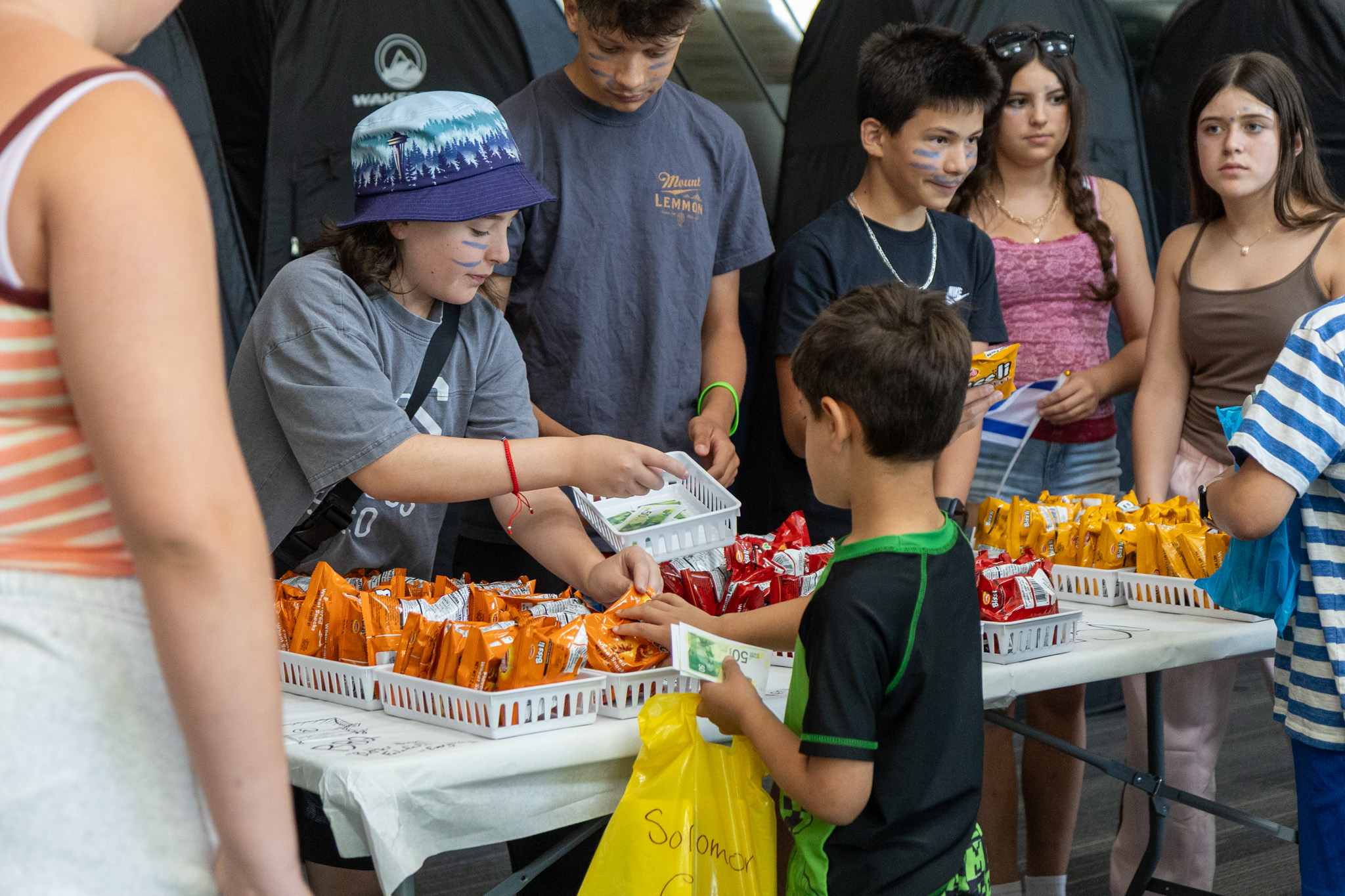
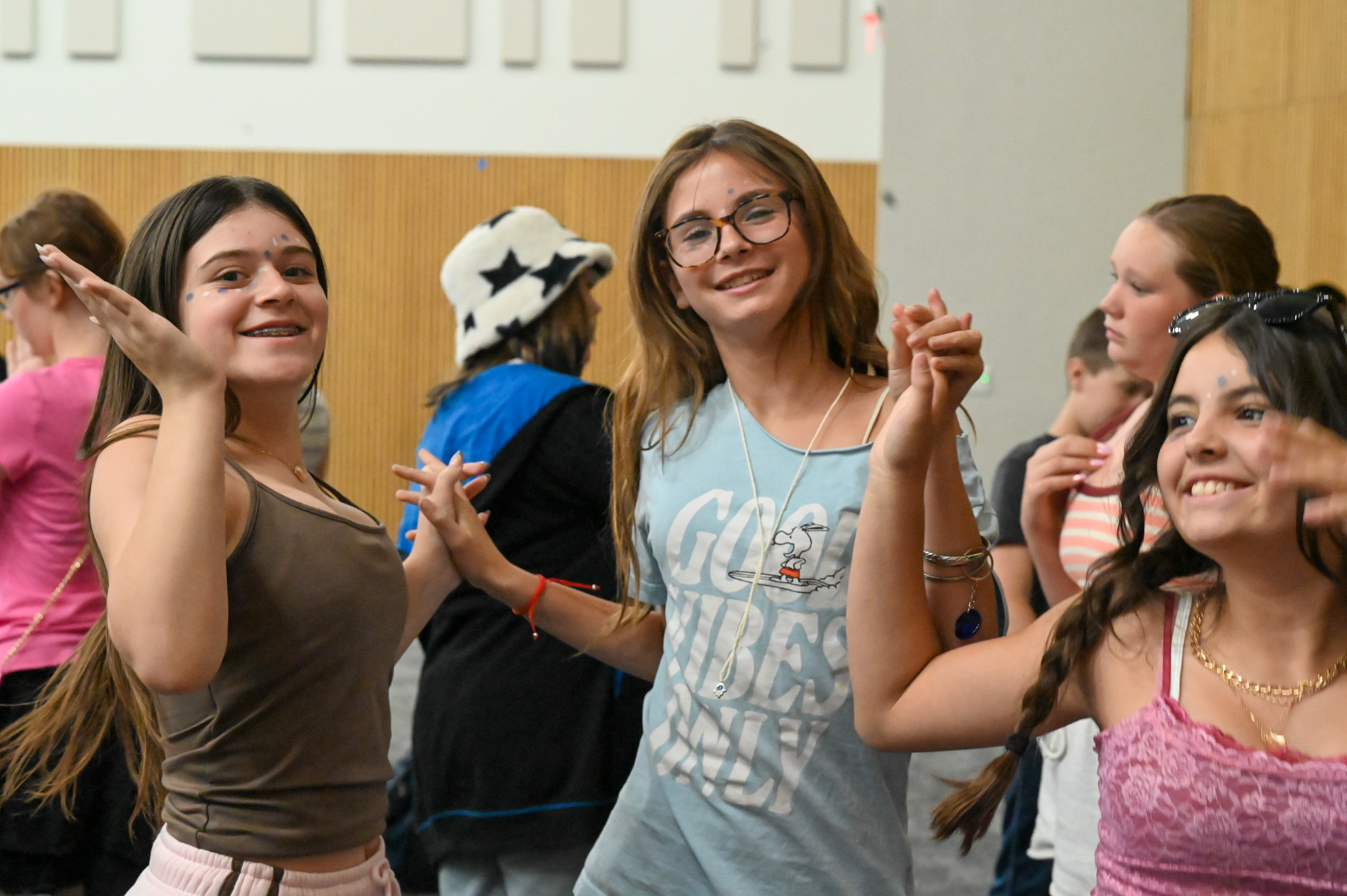
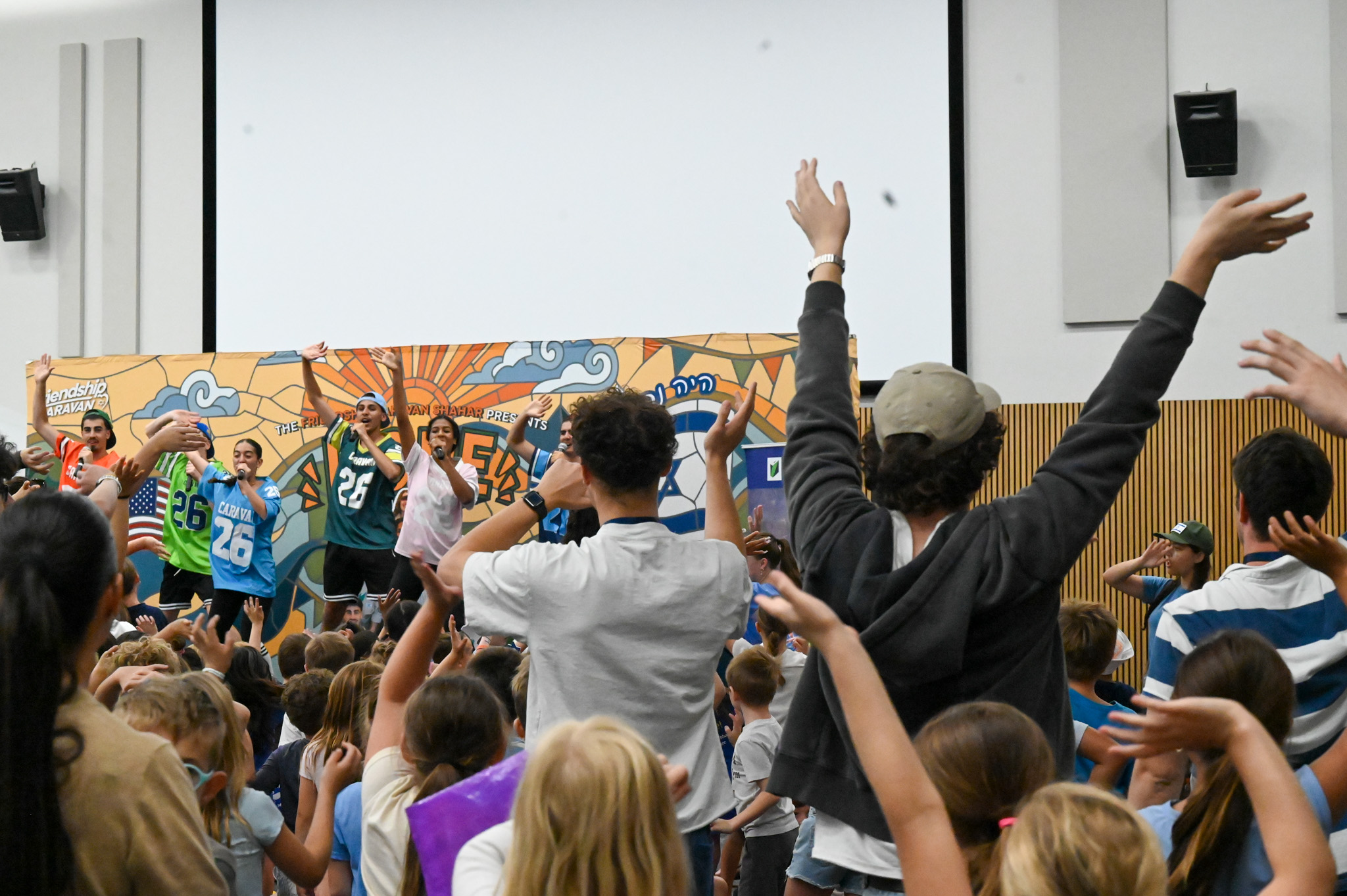
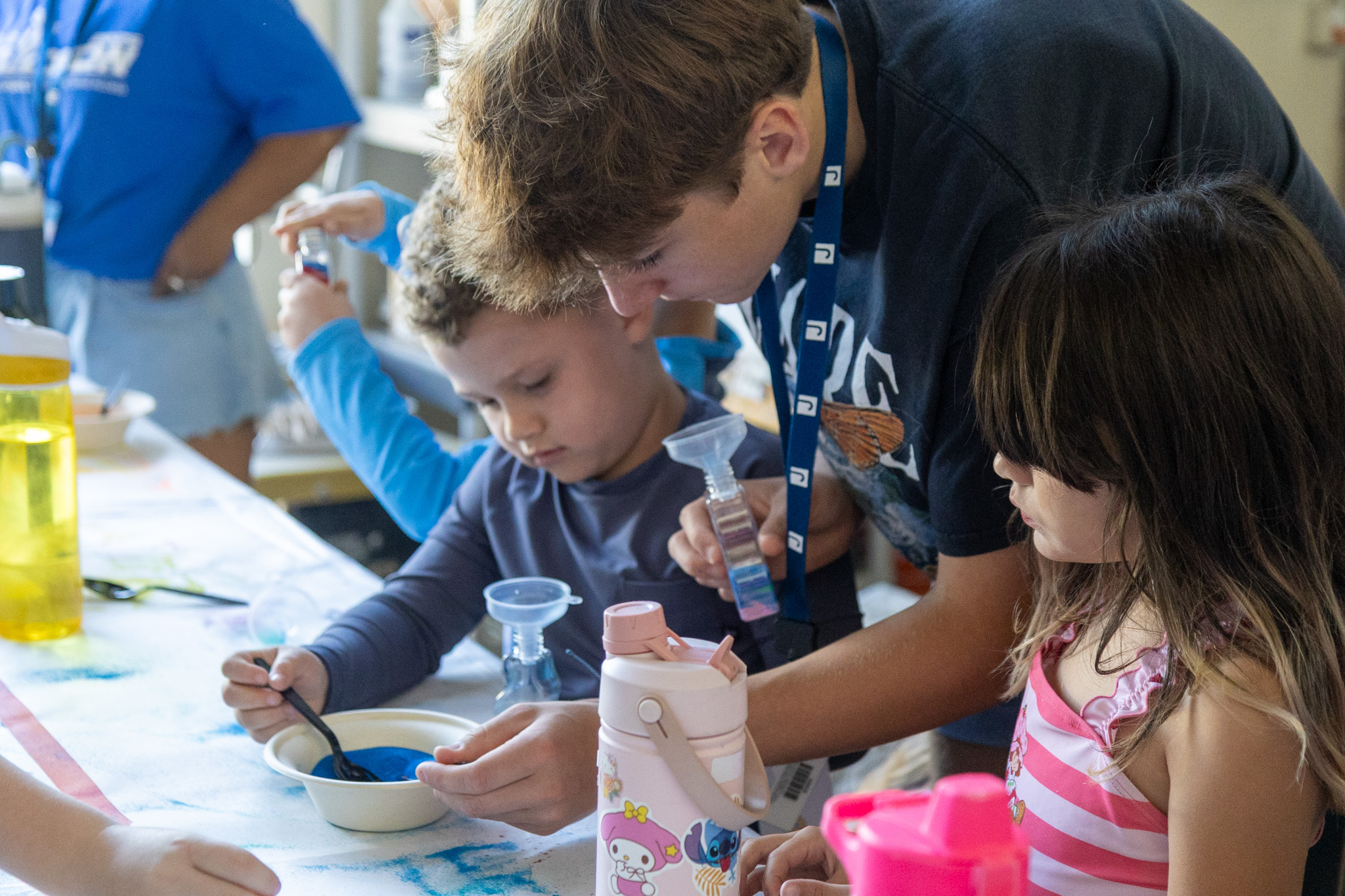
We saw these lessons come to life at Camp J this week, where hundreds of young people built friendships and confidence by sharing experiences and learning new things together; and as they felt pride in their link to global Jewish peoplehood with a special performance by the Tzofim Israeli Scouts Friendship Caravan and Israel Day activities that included exploring the shuk (market).
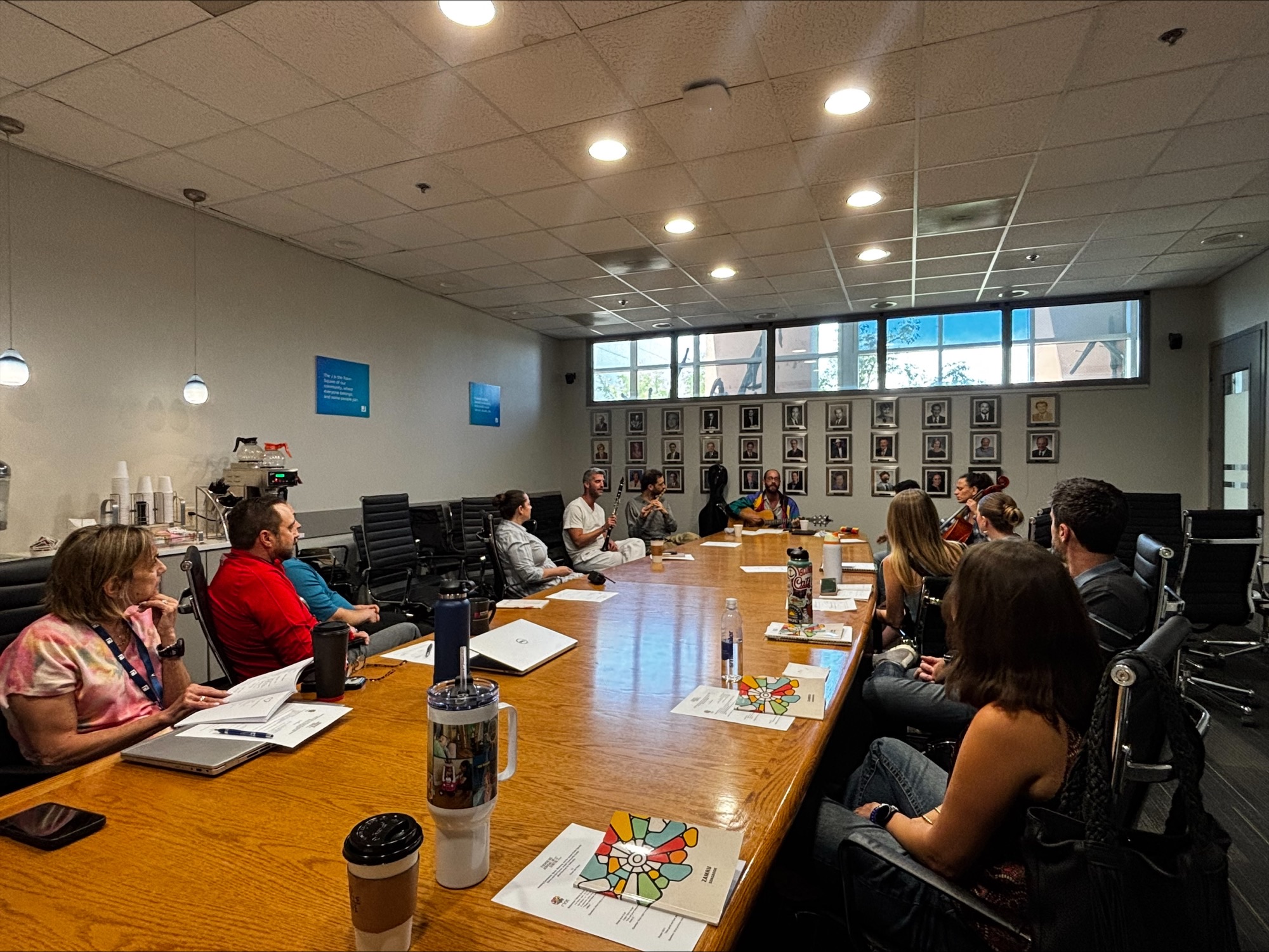
Apropos to the teachings of Korach, our senior leadership team reflected on the community we are shaping here at the J through a professional development session presented by the Fuchsberg Jerusalem Center titled “Holding Complexity: Music, Meaning, and the Jewish Public Square.” The team gathered together for a text study and conversation with the members of Zamru, a musical group which focuses on the experiential, creative, and inquisitive exploration of prayer. The experience, and the beautiful music it opened and closed with, offered a powerful moment of inquiry, pause, and inspiration.
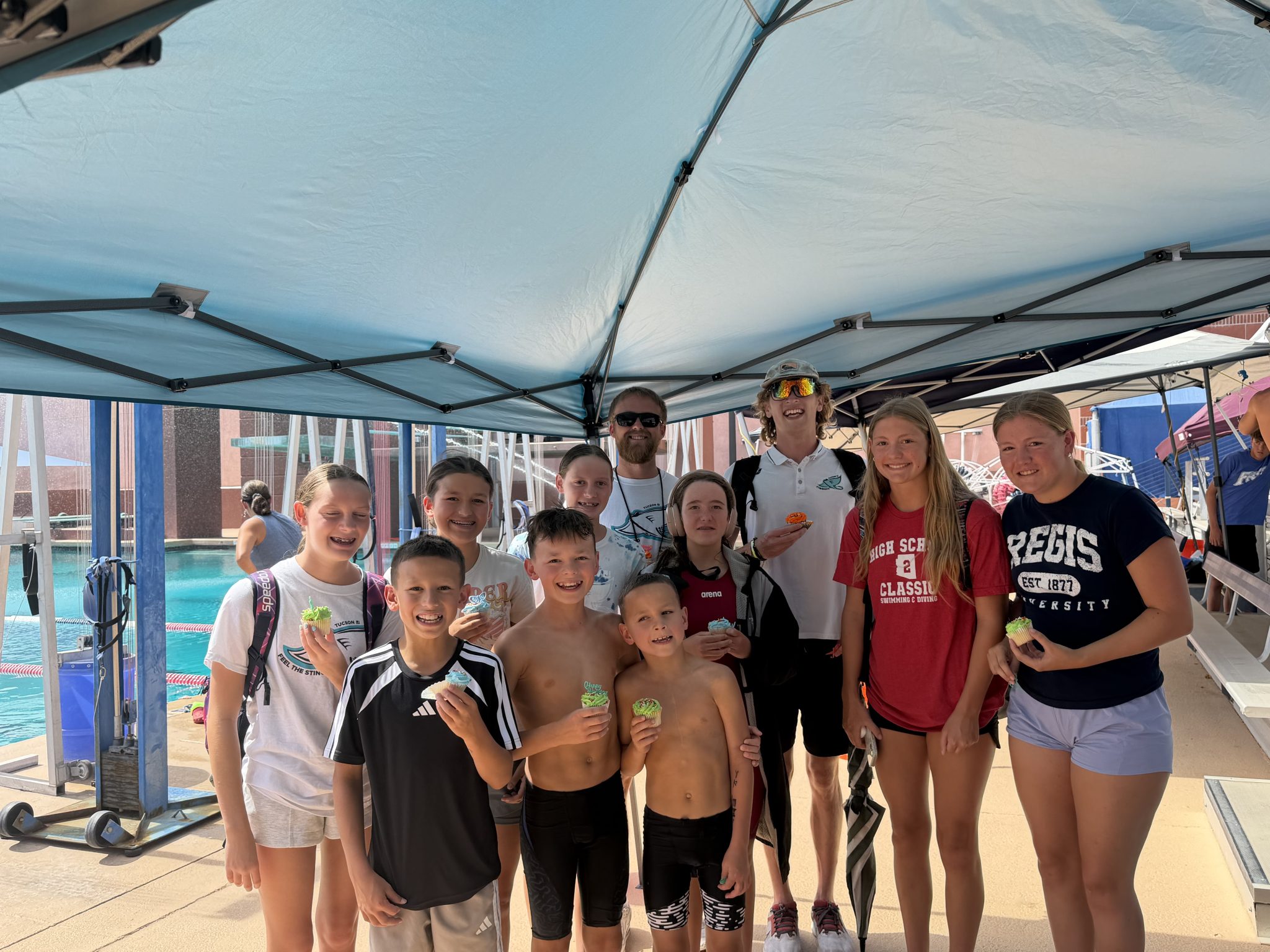
The Stingrays swim team exemplifies these lessons as well. Their outstanding performance at last weekend’s Tucson Ford Southwest Classic swim meet demonstrates that while each swimmer brings their own strength and determination, excellence is not achieved alone, but through the encouragement of teammates, guidance of coaches, and support from families. Despite the tough competition, the team qualified for finals in 7 out of 12 swims, and out of 62 individual swims, 51 of them resulted in new personal best times, 40 resulted in new or improved Regional championship qualifying times, and 4 resulted in new or improved State championship qualifying times!
In a world that often encourages us to focus on what separates us, we are grateful and honored to foster a community that continues to choose connection, service, and belonging. Shabbat Shalom.
Reminders, Resources + Learning
Each week we share resources for more learning:
This week’s resources:
- Crises of Leadership by Rabbi Kerry M. Olitzky (My Jewish Learning)
- Korah Had Options and So Do We by Rabbi Stephanie Ruskay (Jewish Theological Seminary)
Last week’s resources:
The Duality of Camp and Congregation by Rabbi Jonathan Sacks
Parshat Beha’alotecha: The Instruction to Light the Menora by Rabbi Bernie Fox
Is there a topic you’d like to learn more about? Email Jenn Selco with requests.