From the Desk of Jennifer Lorch Selco | Sr. Director of Jewish Life + Engagement
This Shabbat over Rosh Hashanah, communities around the globe will read the story of the binding of Isaac or the story of creation. Rather than reflect on the parsha, I’d like to share one of my favorite stories, The Diamond. There are many versions, this one can be found at Chabad.org.
A king once had a prized jewel, an exquisite diamond. As he held it to the light, perfection glinted from every of its luminous facets. This gem, he felt, would be the crown jewel in his magnificent diadem.
One morning the king awoke, and upon taking out his precious treasure he found, much to his dismay, that there was a single thin crack descending down its face.
The greatest jewelers were called to look at the stone in the hopes of fixing it, but nothing could be done—the crack ran so deeply down the face of the diamond that any effort to remove it would further ruin it.
Finally, one jeweler, a simple man from one of the neighboring villages, stepped forward. He would save the diamond, he claimed.
The king laughed. The greatest craftsmen in the world had seen the gem, and deemed it hopeless; how could this simple jeweler hope to do anything?
Seeing, though, that there was nothing to lose, the king informed the jeweler that he could spend a single night with the diamond. If he managed to fix it, then he would see great reward. If, however, he did not succeed, a bitter lot awaited him.
Locked in his room, the jeweler took a long look at the stone. It was truly magnificent, sparkling like the fire of the sun on the surface of the water. And the crack, however thin, could not be removed without destroying the precious crown jewel in the process. What could be done?
The next morning, the jeweler came out with the stone in hand, a look of triumph on his face.
When he produced the gemstone, the entire royal court—the queen, the ministers, even the jester—erupted in an uproar. The scratch had not been removed; it remained in its place. The jeweler had instead etched a rose, the symbol of the kingdom, on the face of the diamond, turning the crack into its stem.
The king stood up from his throne and embraced the simple jeweler.
“Now, I truly have my crown jewel!” he said. “The diamond was magnificent until now, the best I had ever seen. It was, however, no different than any other stone. Now, though, I have a truly unique treasure!”
On Rosh Hashanah, as we strive to return to our best selves, we must remember that while we cannot erase the mistakes of our past, we can and should learn and grow from them. Shanah tovah u’metukah, wishing you a good and sweet new year. 5787 holds an abundance of possibility, and we get to decide how we will shape the cracks, challenges, and opportunities of the year ahead into something beautiful.
Rosh Hashanah invites us to pause, reflect on the year behind us, and look with hope toward the year ahead. It is a time to consider who we have been, who we want to become, and how we can help shape the year ahead into one filled with meaning, connection, and joy. At the J, we believe everyone belongs and those possibilities are created together. As we welcome 5787, the High Holidays remind us that a new year is not simply a date on the calendar—it is an opportunity to begin again with intention and recommit to the values at the heart of our J community. This week, that spirit of renewal and togetherness was especially visible as our community prepared to welcome the new year.
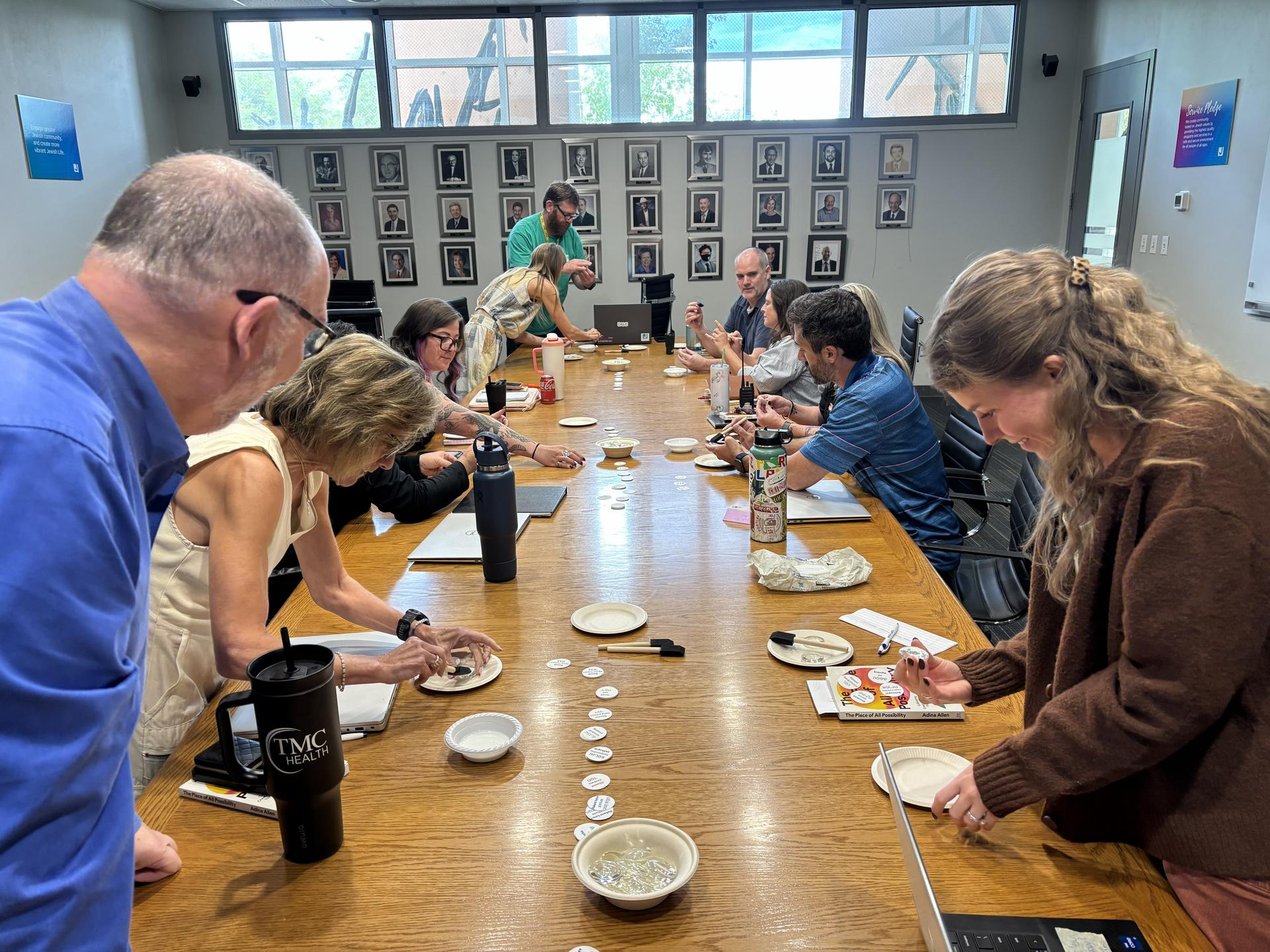
On Tuesday, the J’s senior leadership team began our monthly meeting with an art and intention-setting activity, before engaging in conversation about our aspirations for the year ahead. The moment offered meaningful time to reflect and envision what we hope to create together, the impact we have, and how we can approach our collective work with purpose, innovation, and excellence.
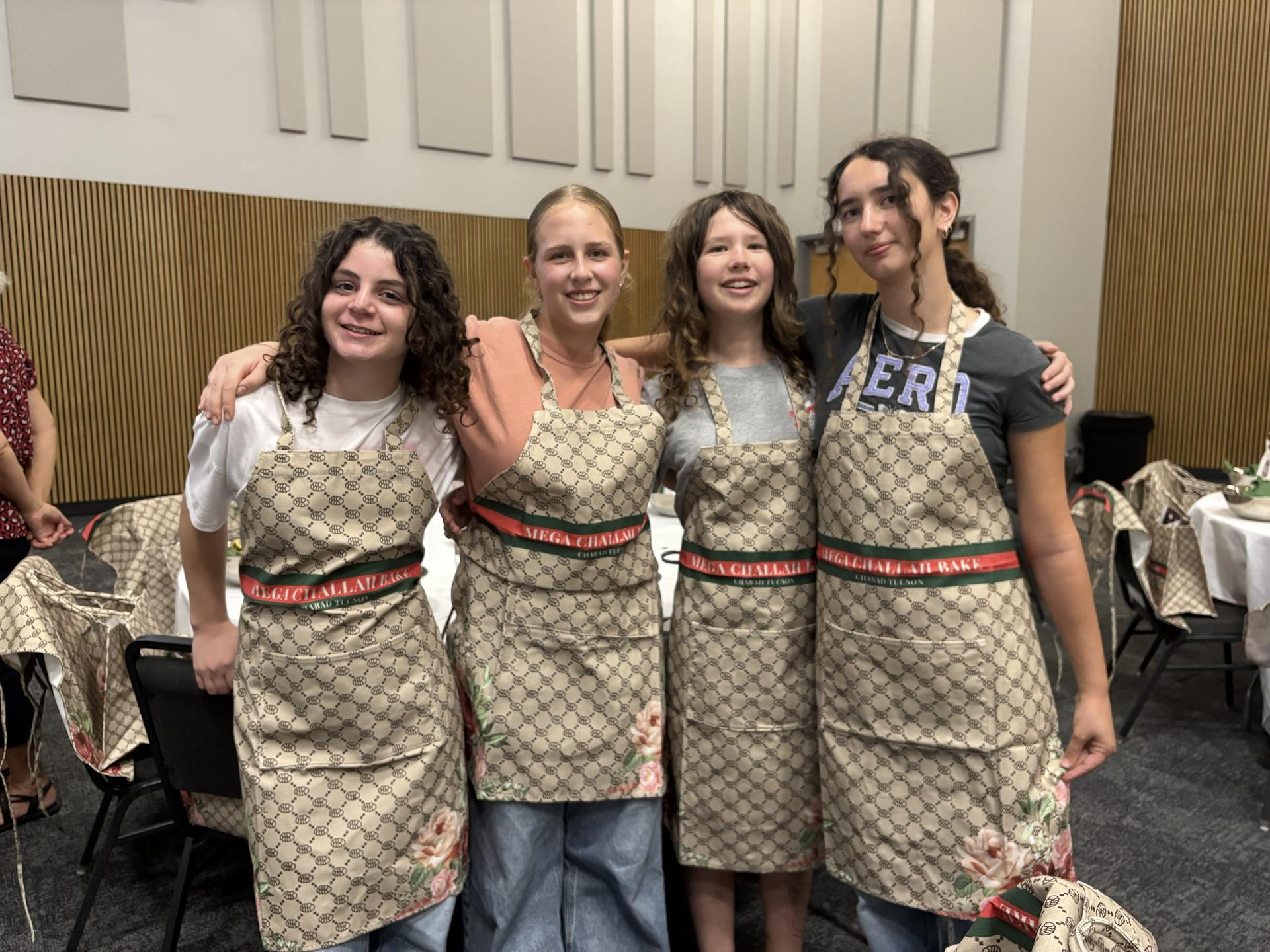
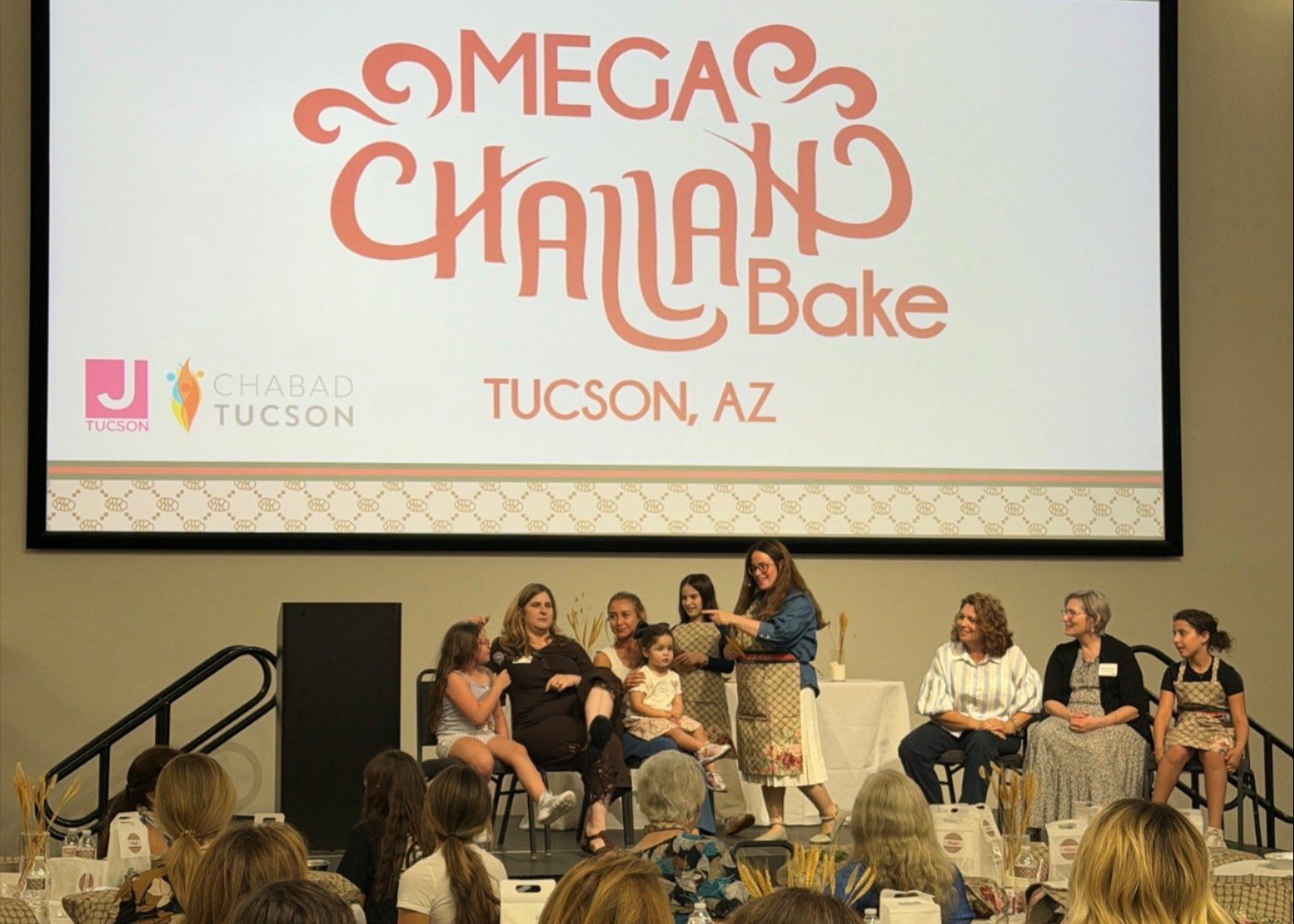
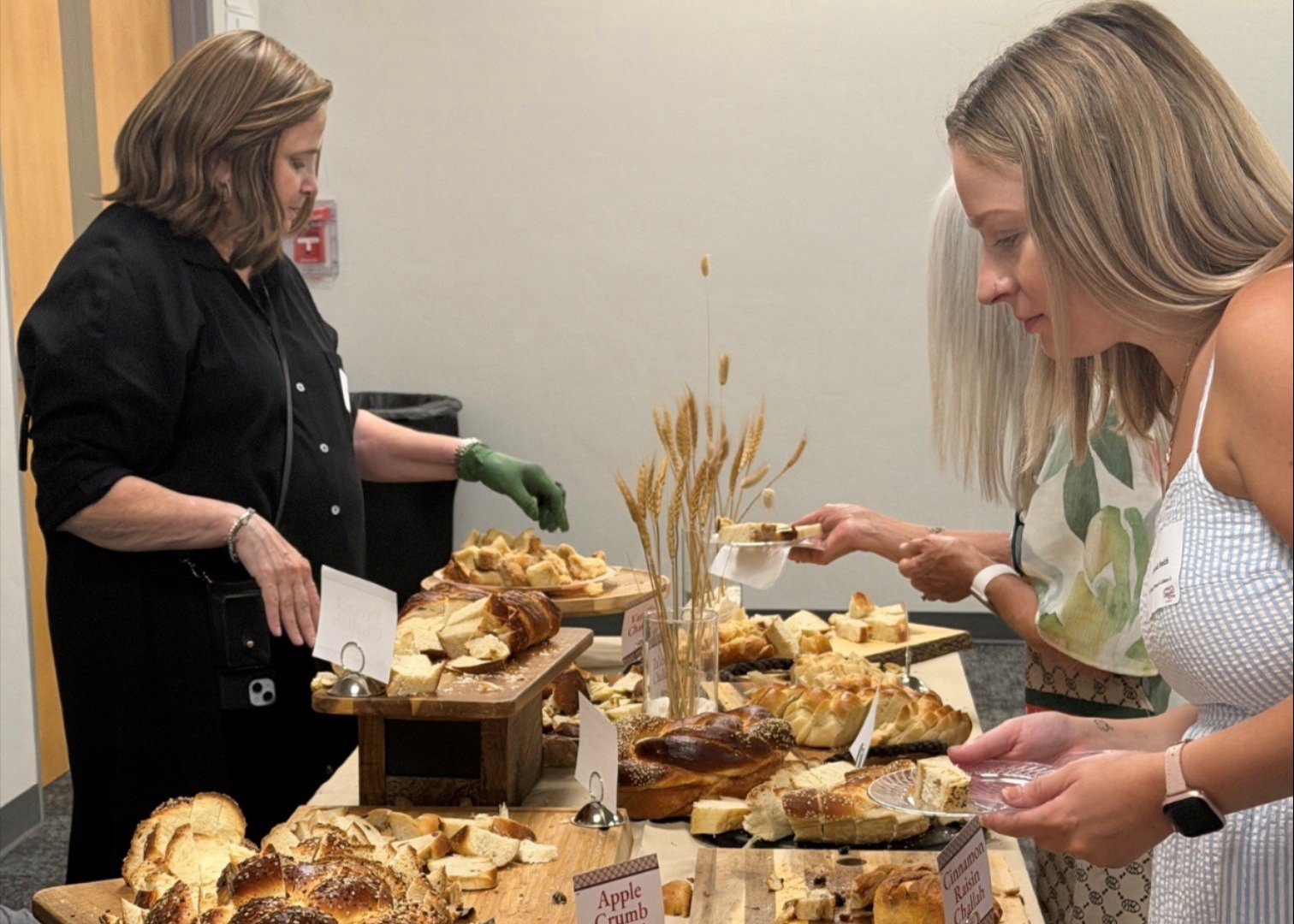
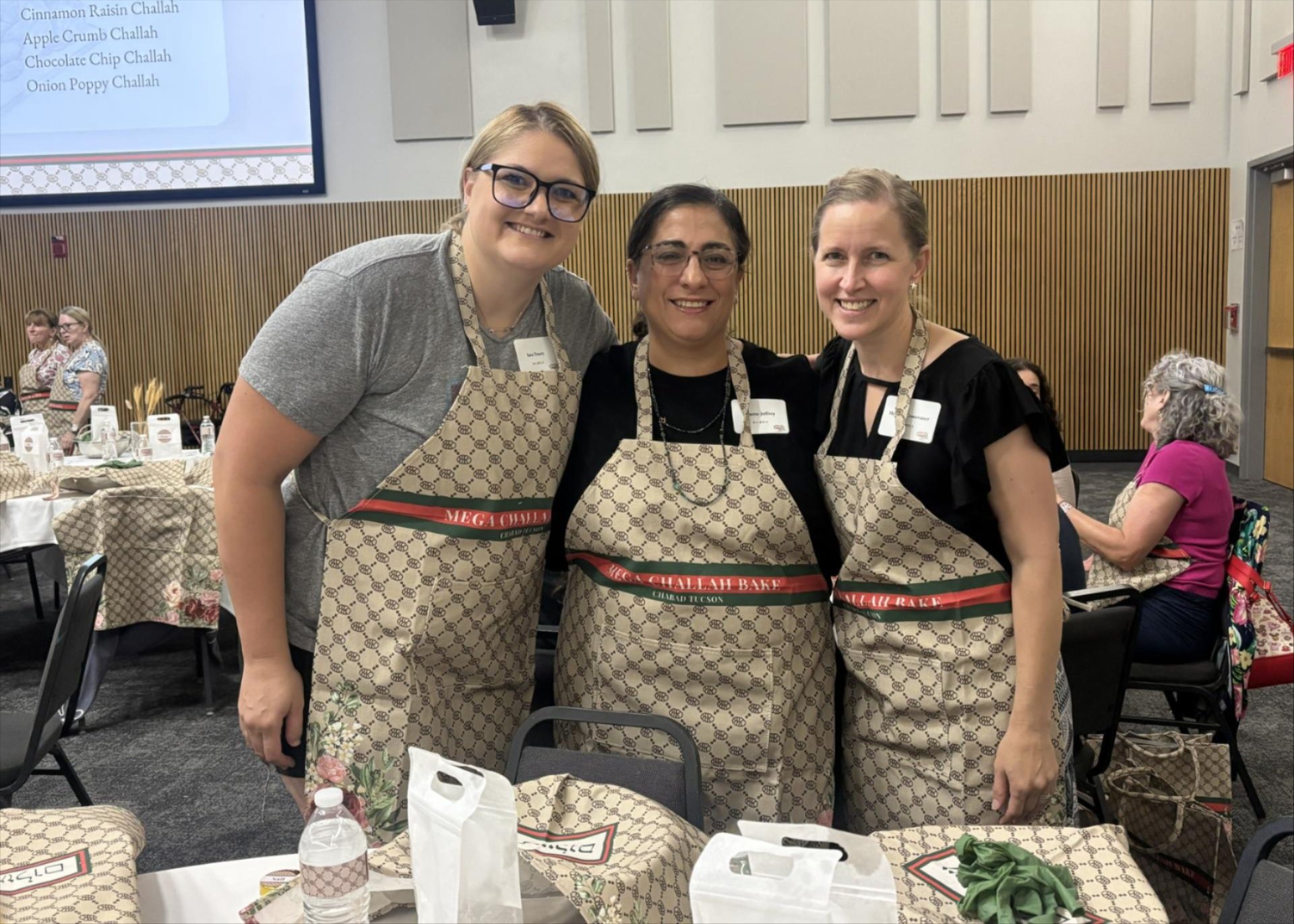
On Wednesday, the J was again proud to partner with Chabad Tucson for their annual Mega Challah Bake, featuring round challahs for the holiday along with so much joy and connection. Yasher koach to Feigi Ceitlin for planning another truly beautiful event for the women and girls in our community!
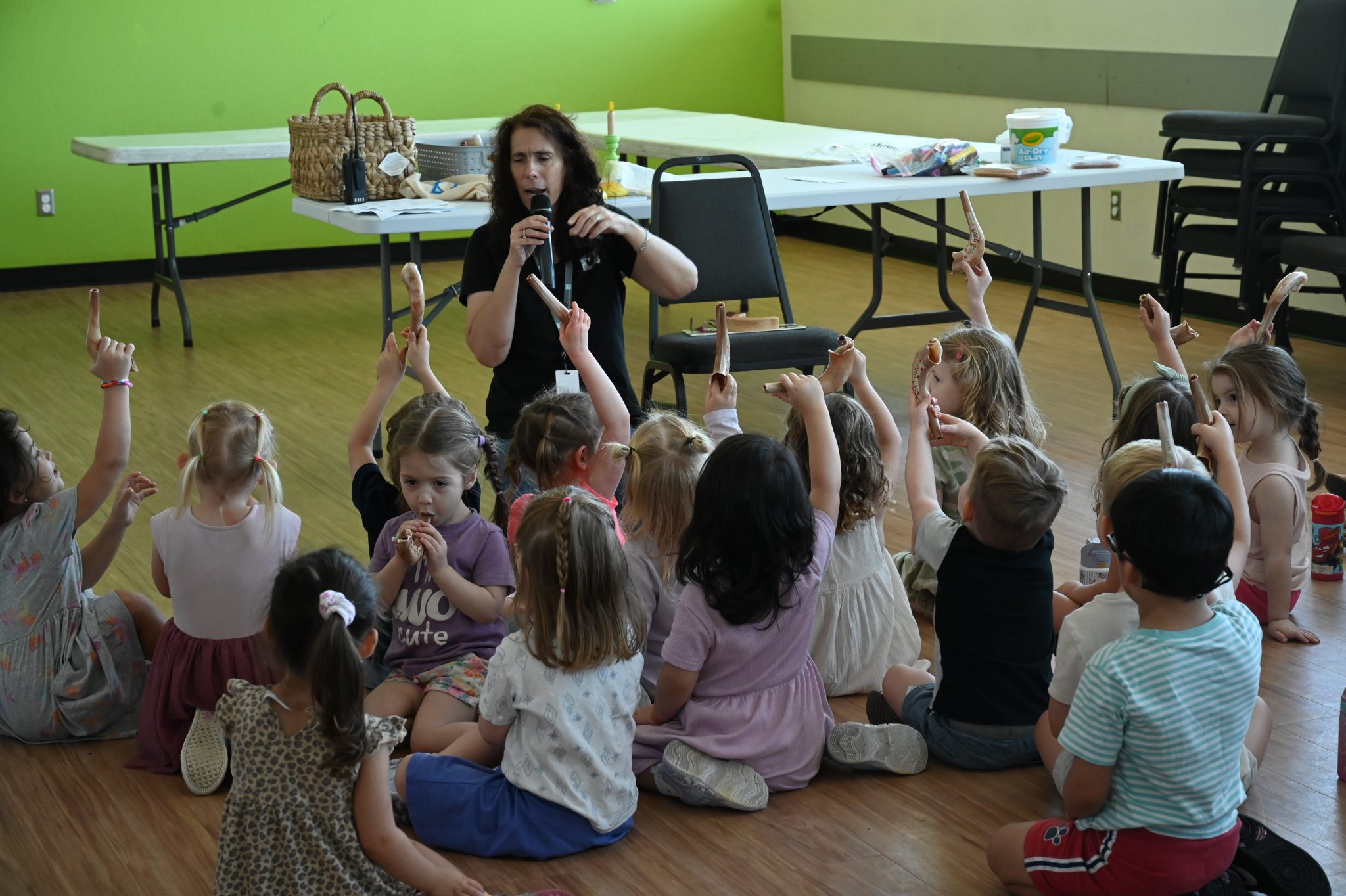
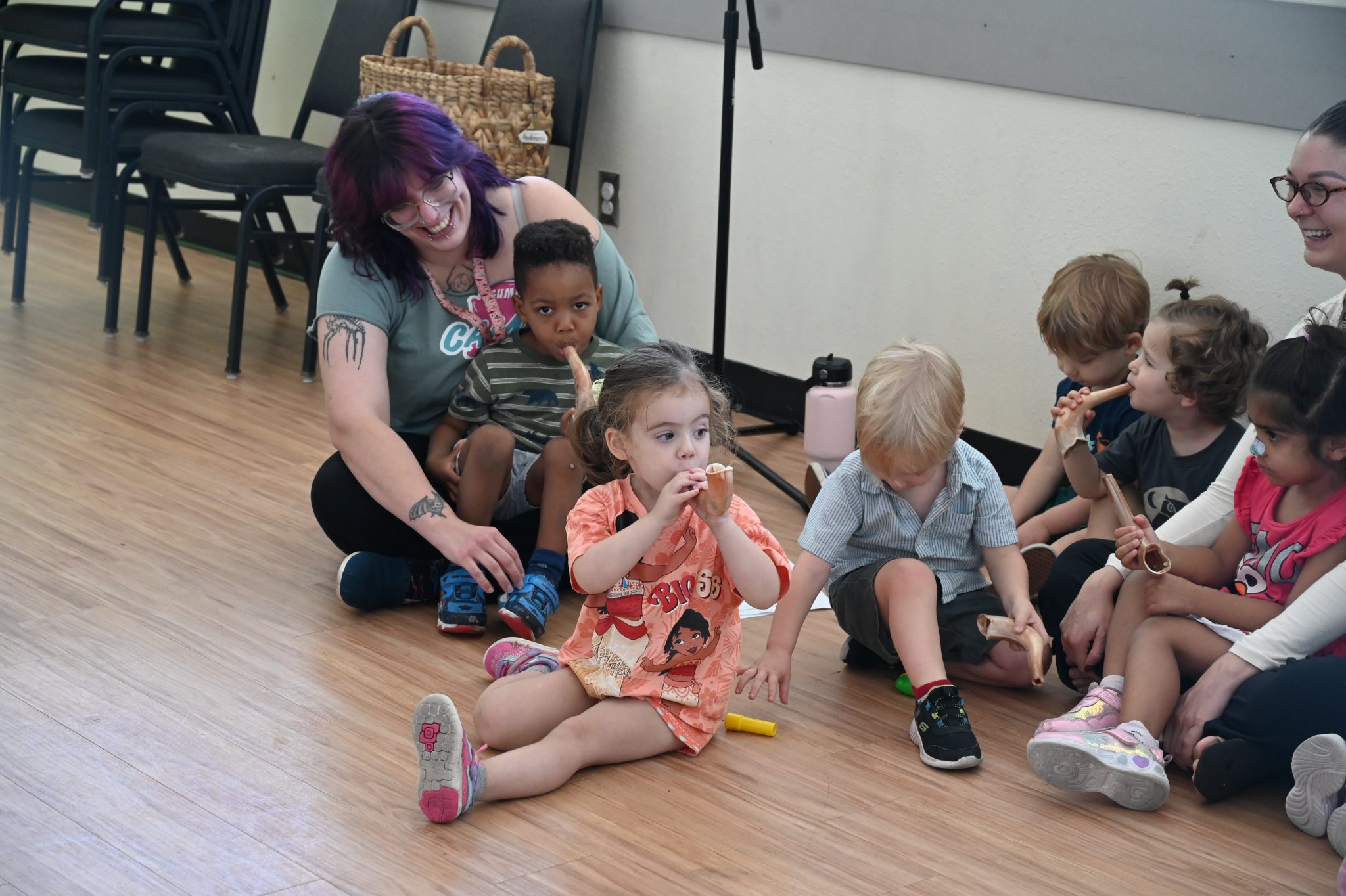
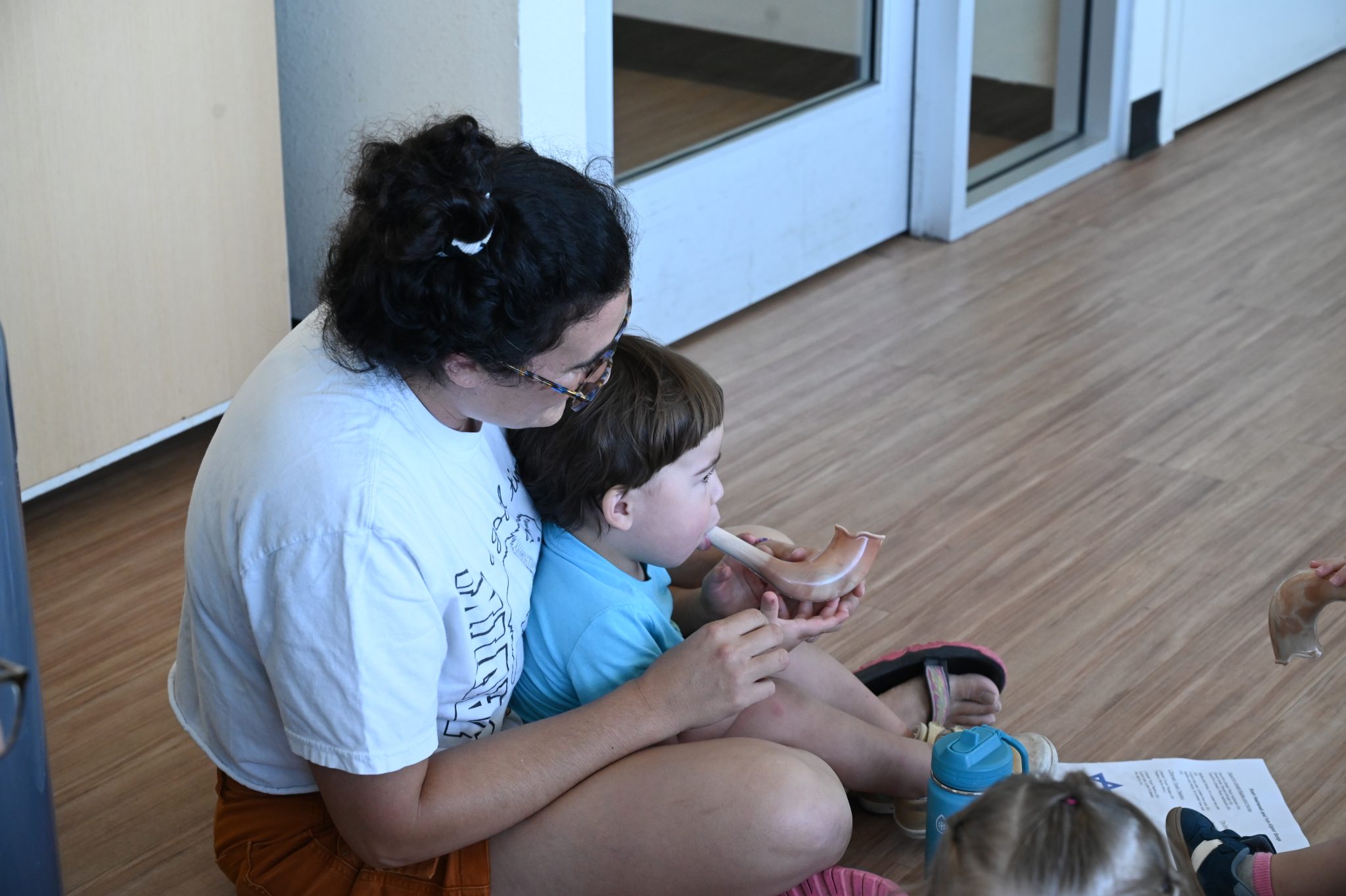
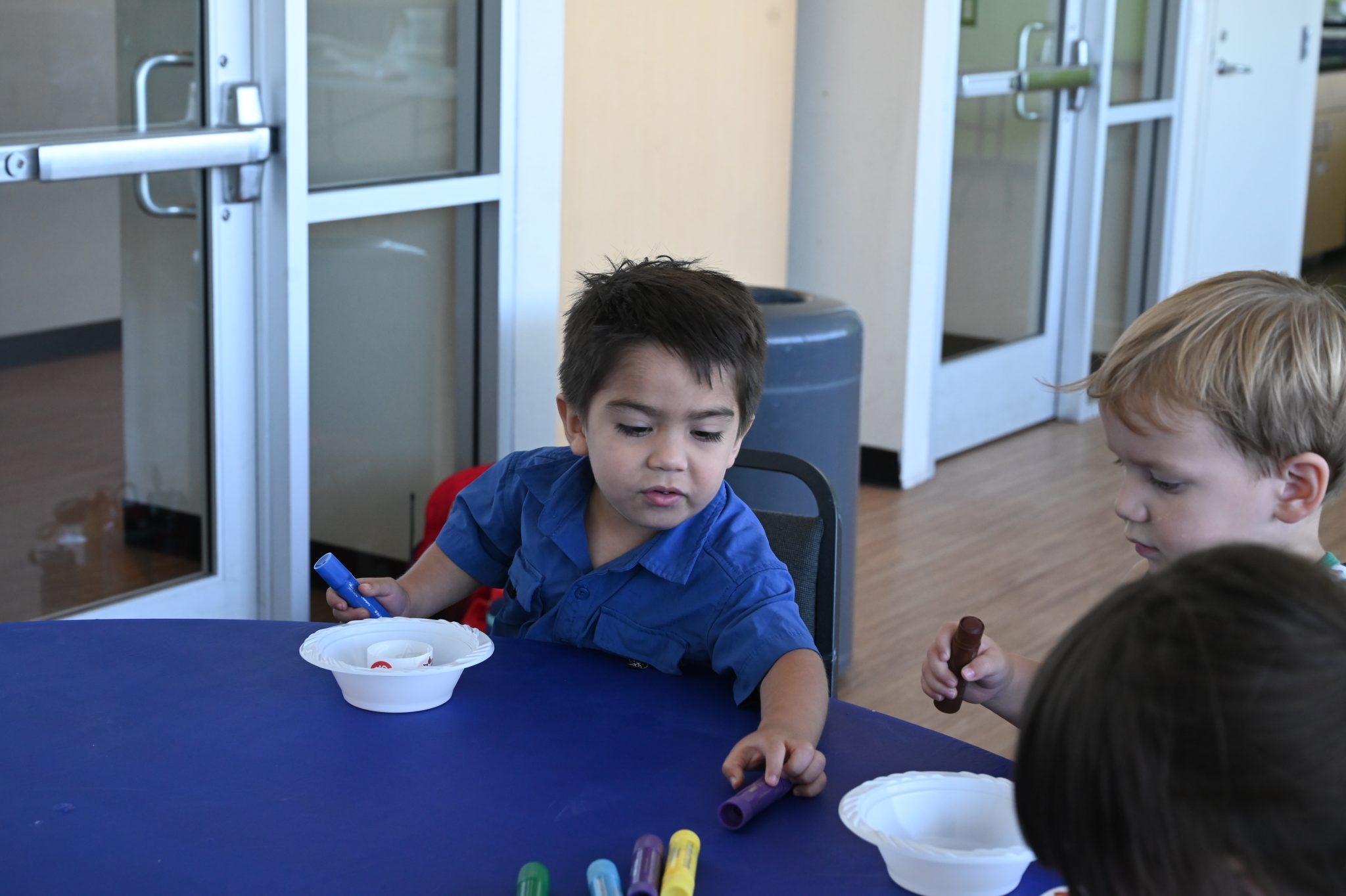
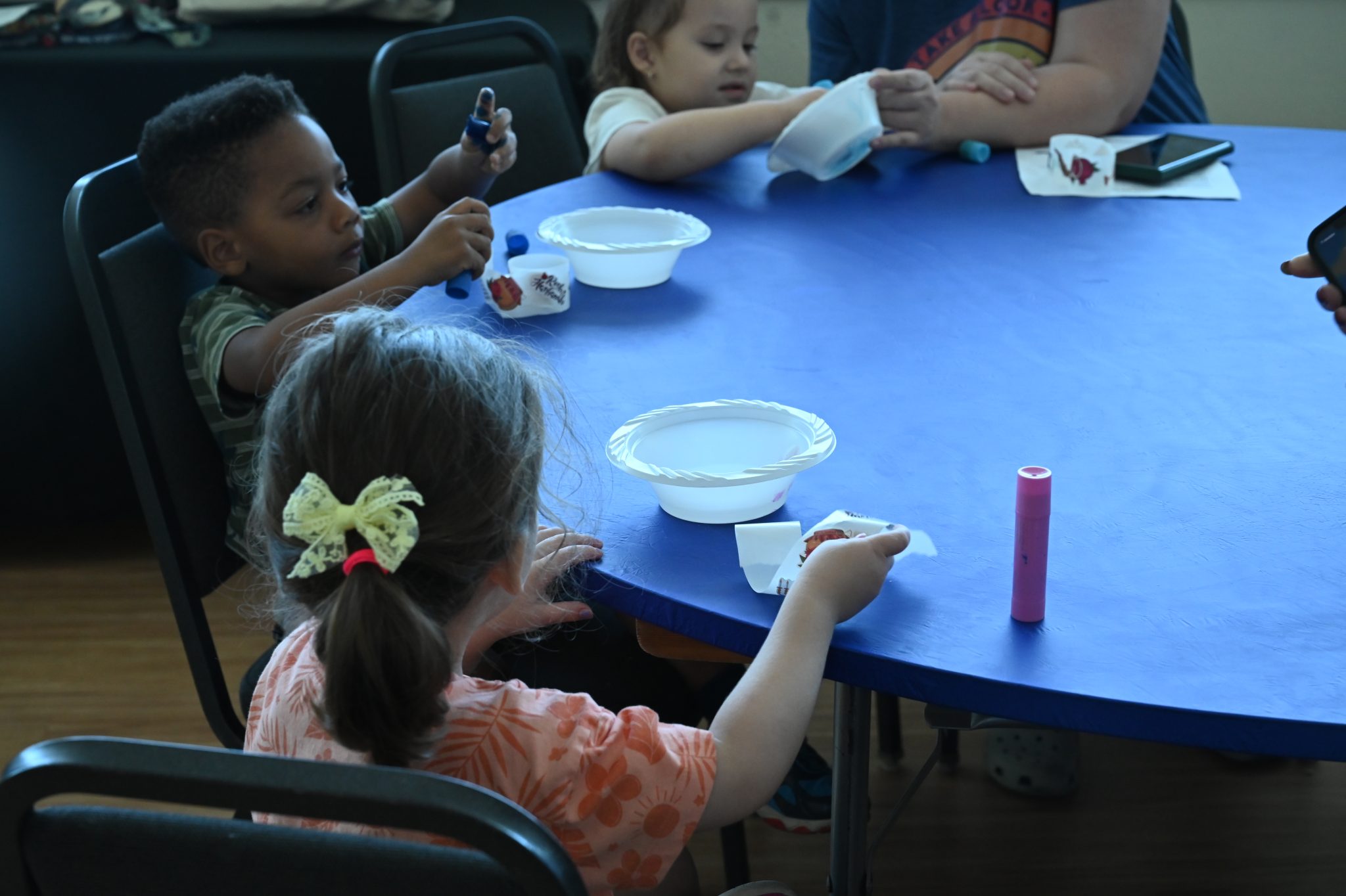
All week long, children in Early Childhood Education have been learning about the holiday, blowing their shofars, and making honey bowls for a sweet new year. In our JCare after school program, students practiced mindfulness and reflection as they followed a step-by-step process to create a sensory sculpture, explored how the holiday encourages us to reflect on our friendships and relationships with a group activity, and made delicious honey donuts!
As we look ahead, know that the J is here for you in every season. We look forward to offering more opportunities for our community to learn, grow, and thrive together in 5787 and wish you joy and wellness all year long. Shabbat Shalom.
Reminders, Resources + Learning
Each week we share resources for more learning:
This week’s resources:
- A Way Forward After Trauma by Rabbi Elliot Cosgrove (Jewish Theological Seminary)
- The Binding of Isaac by Rabbi Jonathan Sacks
Last week’s resources:
- When Teshuvah Feels Impossible by Rabbi Noam Blauer (Jewish Theological Seminary)
- The Singers and the Song by Rabbi Jonathan Sacks
- On This Day God Calls To You by Rabbi Dr. Bradley Shavit Artson (My Jewish Learning)
Is there a topic you’d like to learn more about? Email Jenn Selco with requests.