From the Desk of Rabbi Malcolm Cohen | Kol Ami Synagogue
I’m a Reform Rabbi but, once in a while, I find myself at an Orthodox synagogue for some simcha or other. As the reading of the Torah approaches, my anticipation grows. I wonder if they will need me, I think. Traditionally, the first aliya to the Torah is recited by a Cohen, someone from the priestly line. The gabbai asks a version of, “Is there a Cohen in the house?” I raise my hand with alacrity and take up the offer with gusto. The hierarchy for Torah blessings (Cohen, Levi, Israel) doesn’t exist in Reform synagogues because of the de-emphasizing of the Temple sacrificial cult. I’m totally fine with that but there’s no harm in being called up to the Torah, once in a while, if I’m in someone else’s shul!
It is, of course, possible that I’m not a true Cohen. Maybe my ancestors, on entering England at the end of the nineteenth century, possessing a complicated Russian sounding name, had their name changed. A bored customs official might have bestowed the name Cohen on them because their real name was too complicated and Cohen, like Smith is in secular society, is a common Jewish name.
Either way, this week’s portion, Emor, confronts us with how the trace of the priestly concept still exists in Judaism, indeed, how strong it should be. The laws surrounding the maintenance of the priest’s pure and holy state are laudable on some level but the challenge is there for all of the Jewish People given that the Jerusalem Temple no longer exists. Surely, the essence of the function of the original priestly cult was to maintain the relationship between God and the Jewish People. They maintained the holy sanctuary and the sacrifices surrounding it with pinpoint dedication.
If we are to carry on this tradition, without a Temple, we have to find other ways to maintain that relationship with the Divine. Compelling worship, deep Torah learning, engagement with the wonders of creation, supportive holy communities and opportunities to make our corner of the world better. I might rarely get the chance to take on my priestly role nowadays but I can still achieve the beautiful closeness to the energy that runs the universe by other means. Shabbat Shalom
In this week’s Torah portion, Emor, we read about the kohanim—the ancient priests charged with creating and maintaining sacred space for the community. While we live in very different times, the idea of serving with joy and intention still resonates. Emor also speaks deeply to the rhythm of time, teaching us to pause, gather, and celebrate with purpose. We strive to create spaces—whether through wellness, learning, or cultural connection—where each moment becomes an opportunity to live meaningfully and in community. This week at the J, we’ve seen these lessons come to life in so many ways!
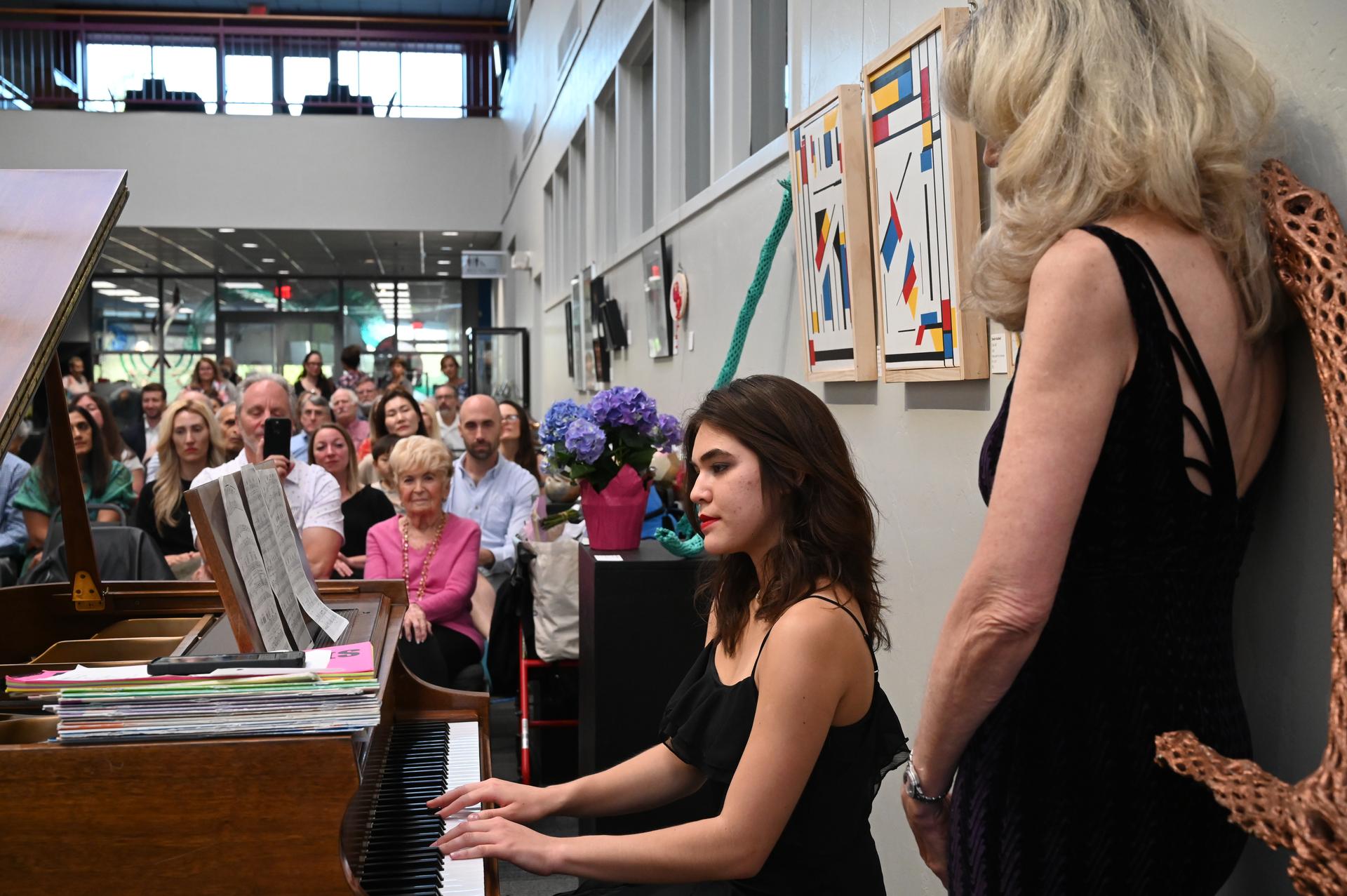
We began the week Sunday and Monday with two powerful performances of Peter Boyer’s Ellis Island: The Dream of America with the Southern Arizona Symphony Orchestra (SASO) bringing the show to life for a combined audience of nearly 600 people. The show was especially poignant in this moment in time where immigration is part of the broader cultural conversation in the US, and the combination of beautiful music, imagery, and monologue was truly moving. We are grateful for our friends at SASO for their partnership to bring this meaningful and thought-provoking program to our community.
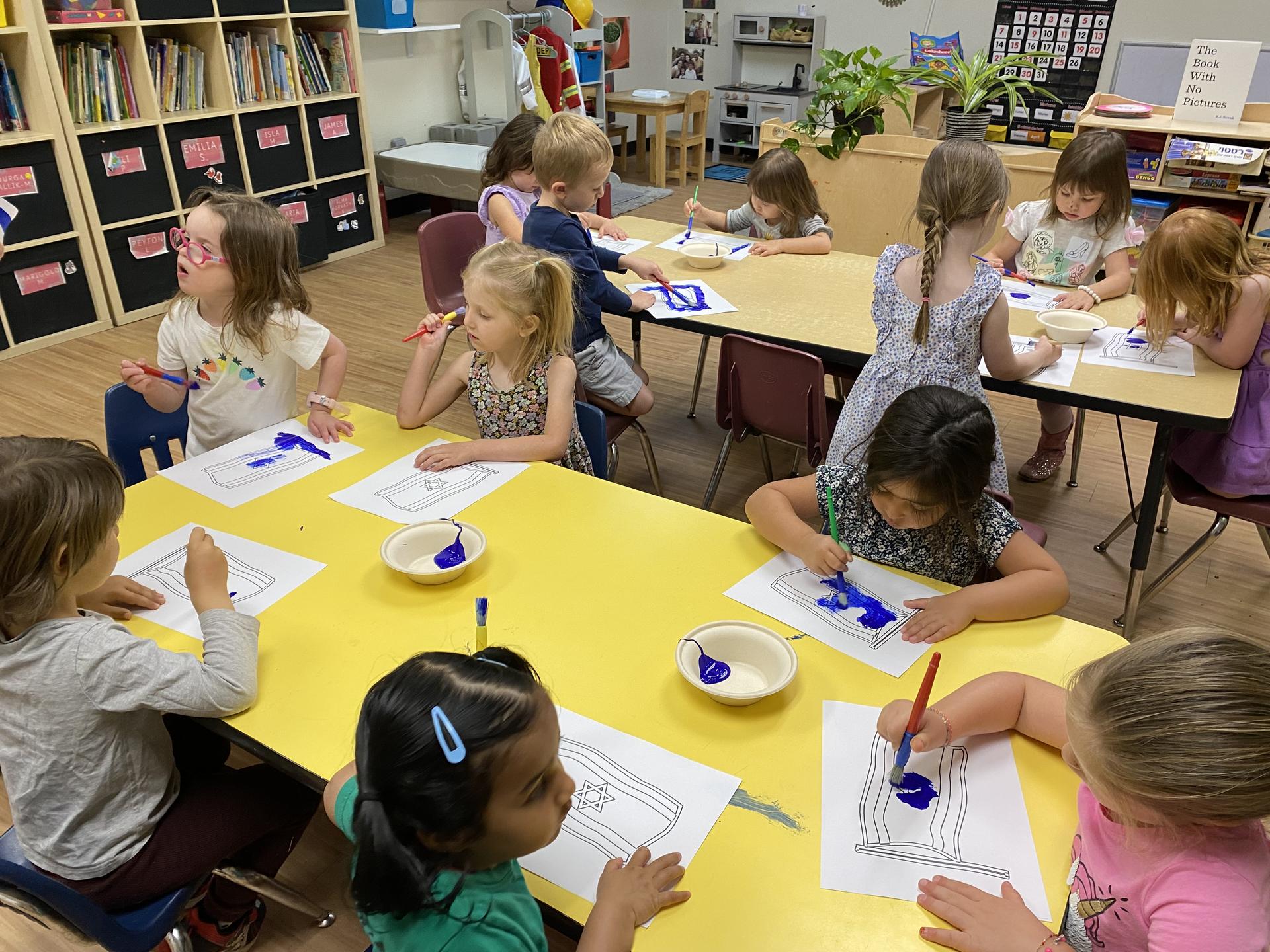
On Thursday, parents and families came to the J to celebrate their Preschool and Pre-K graduates who spent all year learning, playing, and growing together. If you’ve ever stepped foot in the building, you know that the joy and energy of our ECE kids uplifts everyone they encounter. We are honored to provide an enriching and nurturing foundation so kids thrive both here and everywhere they go after! Join us in a collective “Mazel Tov” (congratulations) — we’re so proud of you!
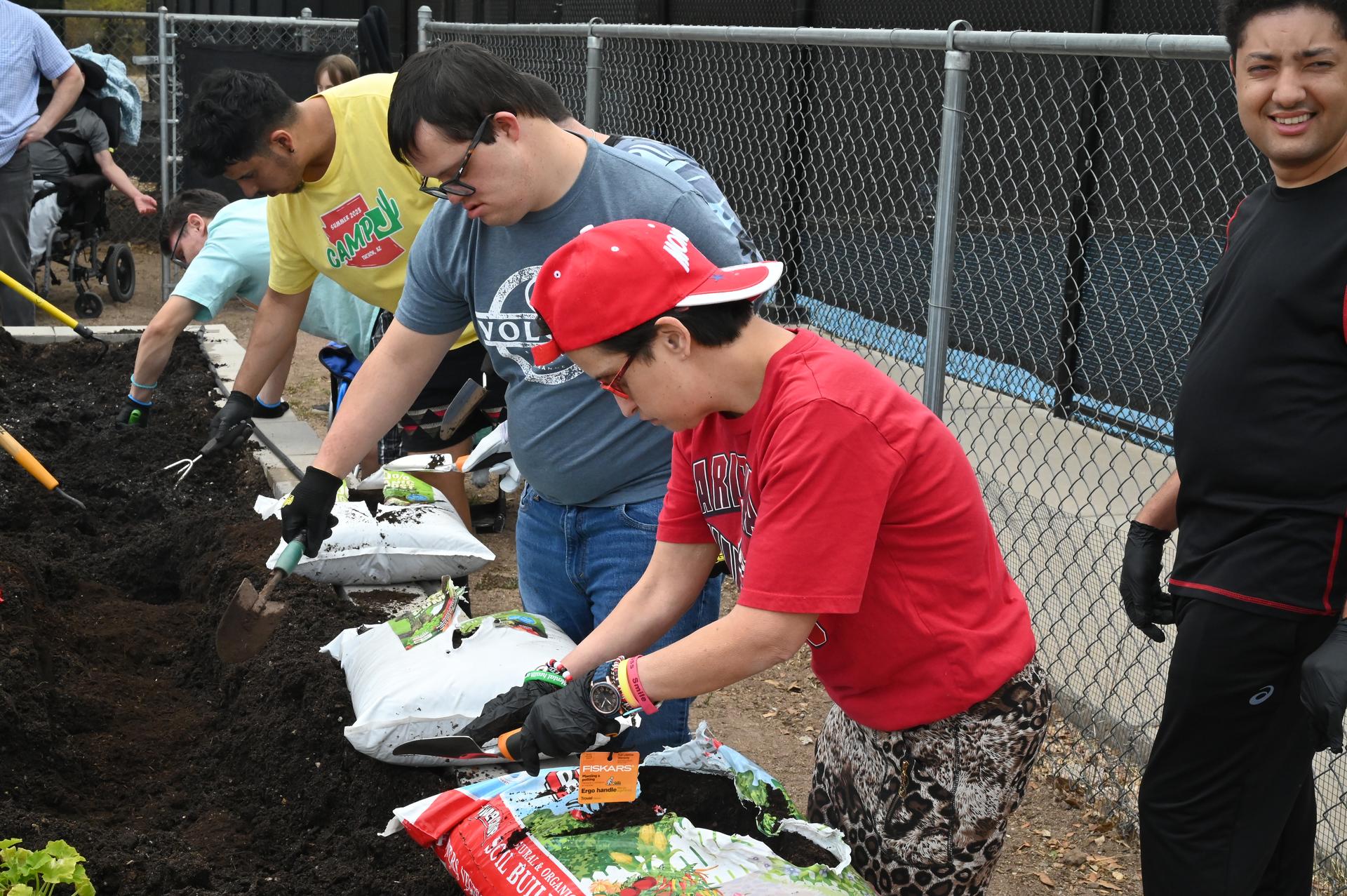
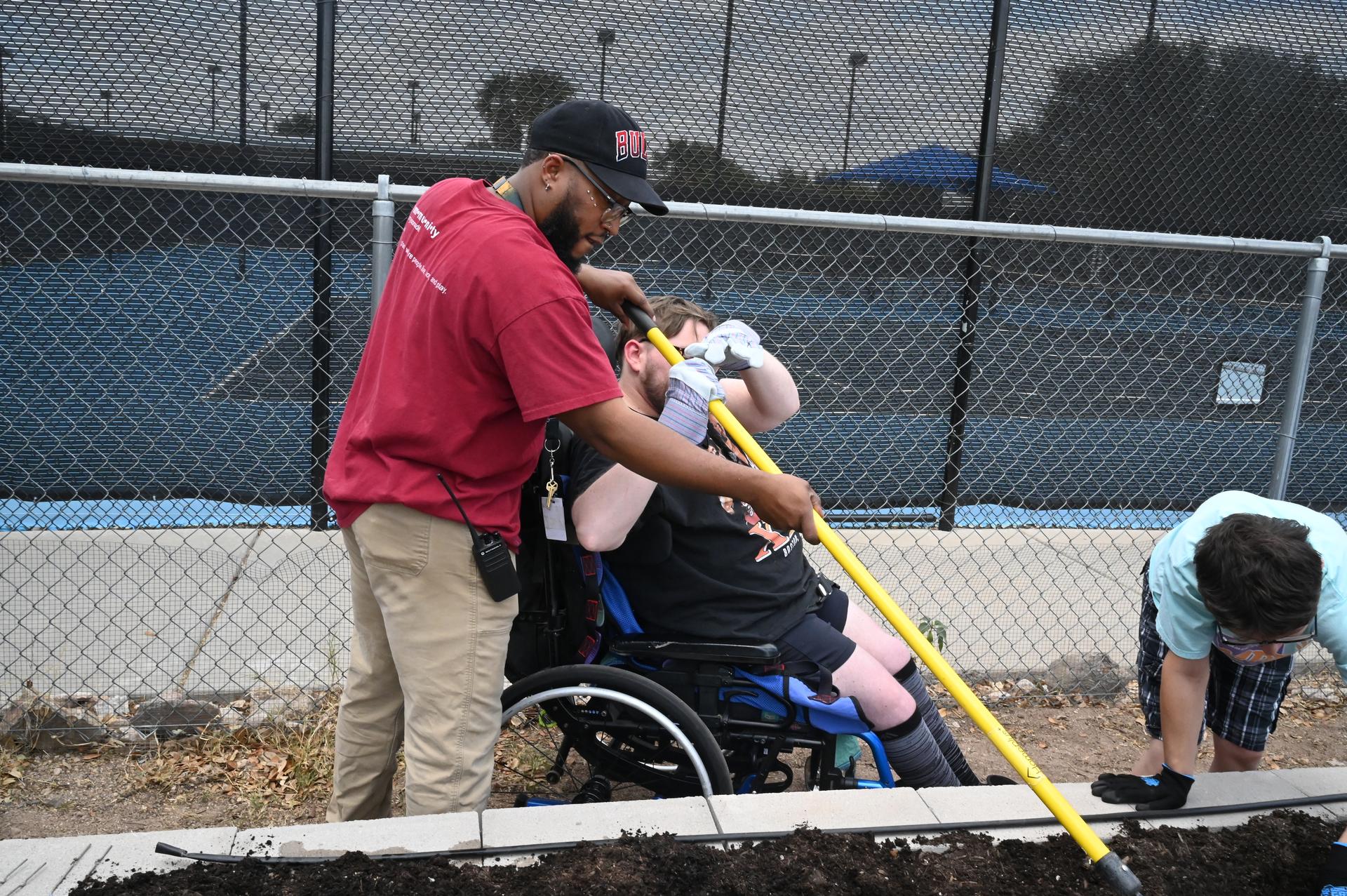
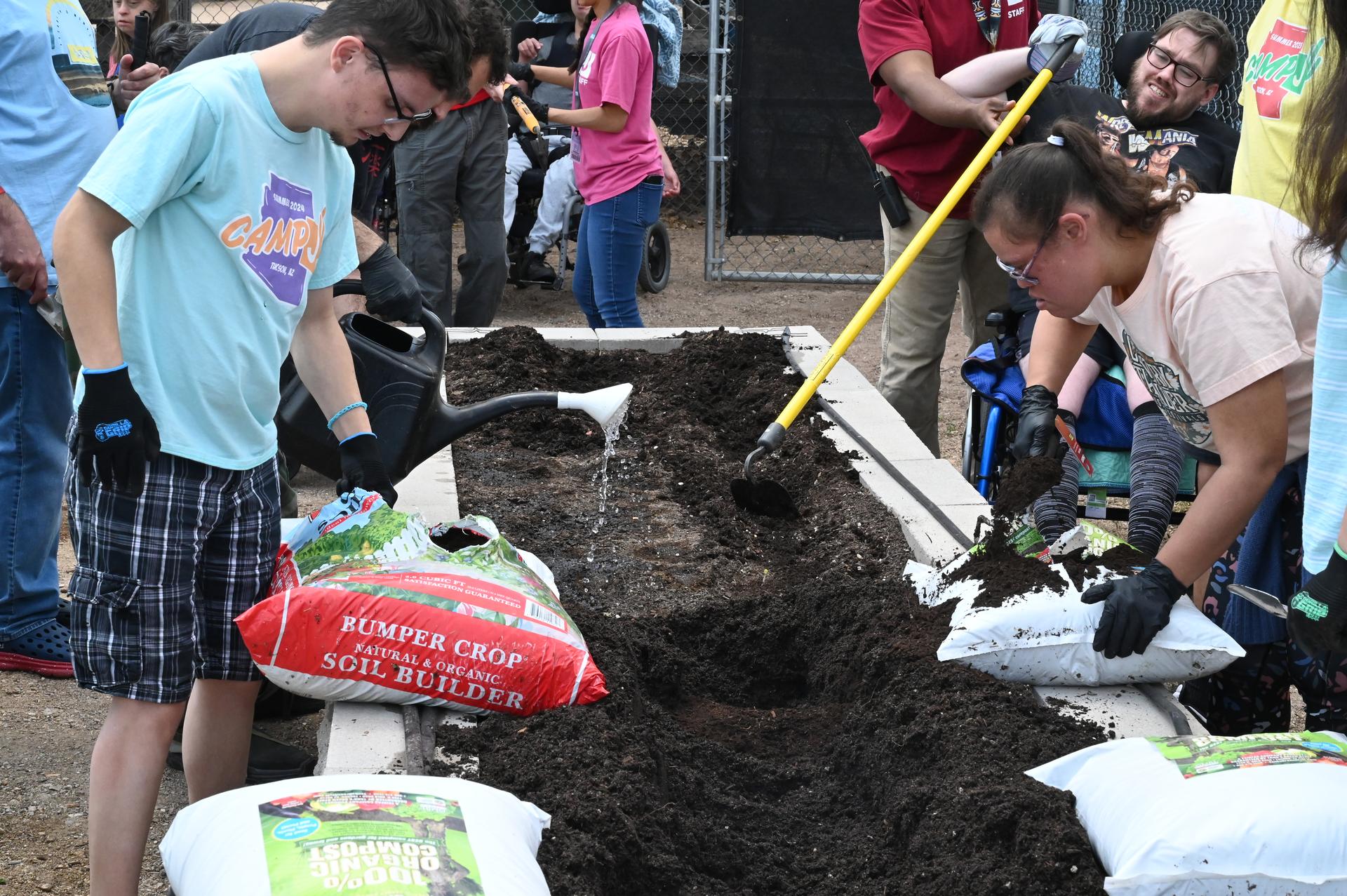
Also Thursday, participants in our Taglit Day Program shined and inspired in a culminating performance of their year-long work with the Invisible Theatre. The show was titled “The Me Inside Me” and featured a variety of songs and spoken parts (including quotes by Shakespeare and Martin Luther King, Jr.!) all about the beauty of our differences and what makes each of us unique and special.
Just last evening, over 100 community members joined us for the Annual Meeting where we reflected on the accomplishments we made in 2024, confirmed the election of new Board members and honored Tucson J staff and leaders for their service and dedication to the Tucson J. Award winners included: Amy Dowe and Devin Johnson (Beth Stern Professional Excellence Award); Arezo Faqiri and Emylee Mann (Early Childhood Excellence Award); Matt Katz and Devonte Berthea (Disability Program Services Excellence Award); Paula Jacobi (Volunteer of the Year) and Todd Wiener (Leader of the Year). At the meeting, we unveiled our brand new website and the 2024 Annual Report — be sure to check them out and learn more about the impact of our work and all the wonderful things coming up at the J! You can now find J News + Media here.
Each moment from this week offered the reminder that building community is sacred work—and we’re so proud to do it with all of you. Wishing you a meaningful and restful Shabbat.
Reminders, Resources + Learning
Each week we share resources for more learning:
This week’s resources:
- Parshat Emor: Your Exclusive Social Event Calendar of the Year (BimBam)
- Emor: Insiders and Outsiders by Rabbi Julie Hilton Danan (T’ruah)
- On Not Being Afraid of Greatness by Rabbi Johnathan Sacks
Last week’s resources:
- When Leaders Have Moral Failings by Rabbi Charles P. Sherman (My Jewish Learning)
- Parshat Acharei Mot/Kedoshim: It’s All Commentary by Rabbi Dr. Tzvi Hersh Weinreb (Orthodox Union)
Is there a topic you’d like to learn more about? Email Jenn Selco with requests.