From the Desk of Rachael Mitchell | Sr. Director of Marketing, Communications + PR

Shabbat Shalom
Shabbat Shalom

From the Desk of Rachael Mitchell | Sr. Director of Marketing, Communications + PR

In this week’s parsha is Terumah (offering, gift, or contribution), God tells Moses at the summit of Mt. Sinai, “v’asu li mikdash v’shochanti b’tocham (Hebrew for, “let them make Me a sanctuary, that I may dwell among them”). God then gives the people of Israel detailed instructions on how to build and adorn a tabernacle, or mishkan, that would foreshadow the building of the first temple—portable, of course, so that it may be moved as they journeyed through the desert. 


When I first read and reflected on this Torah portion as I was preparing to make my aliyah at my twin sister and I’s Bat Mitzvah, I noticed both the specificity and grandeur with which the mishkan was to be decorated and the offerings the Israelites were to give: acacia wood; gemstones; onyx; gold; blue-, purple-, and red-dyed wool; painted cherubs gracing the ark. The preciousness of it all made sense and the message resonated with me, a burgeoning teenager preoccupied with having all the coolest “stuff.” But what was lost on me then that feels so profound now is that maybe it isn’t the stuff, but the intention and attention—the ritual behind the stuff —that invites God in, turning the ordinary into something extraordinary, making meaning from the mundane.   


16th-century Kabbalist and Rabbi Moshe Cordovero taught that “Until Moses built the Tabernacle, the spiritual power of God was not openly transmitted to a place on earth. By building a place for worship and praise of the Holy Presence on earth, Moses caused divine abundance to flow into the world.” 


Whether you are religious or spiritual or not, I invite you to think about how you intentionally welcome goodness and awe into your life through presence and ritual. How are you making of yourself a tabernacle? How might Shabbat offer the space to do that and where else in your life can you let more of that magic in?
In this week’s parsha, we read about the building of the mishkan—a sacred space shaped by many hands and many offerings. Here at the Tucson J, we see parallels to that story every day. Our community members shows up in a variety of ways to contribute their time, talents, resources, and hearts to something larger than themselves. 


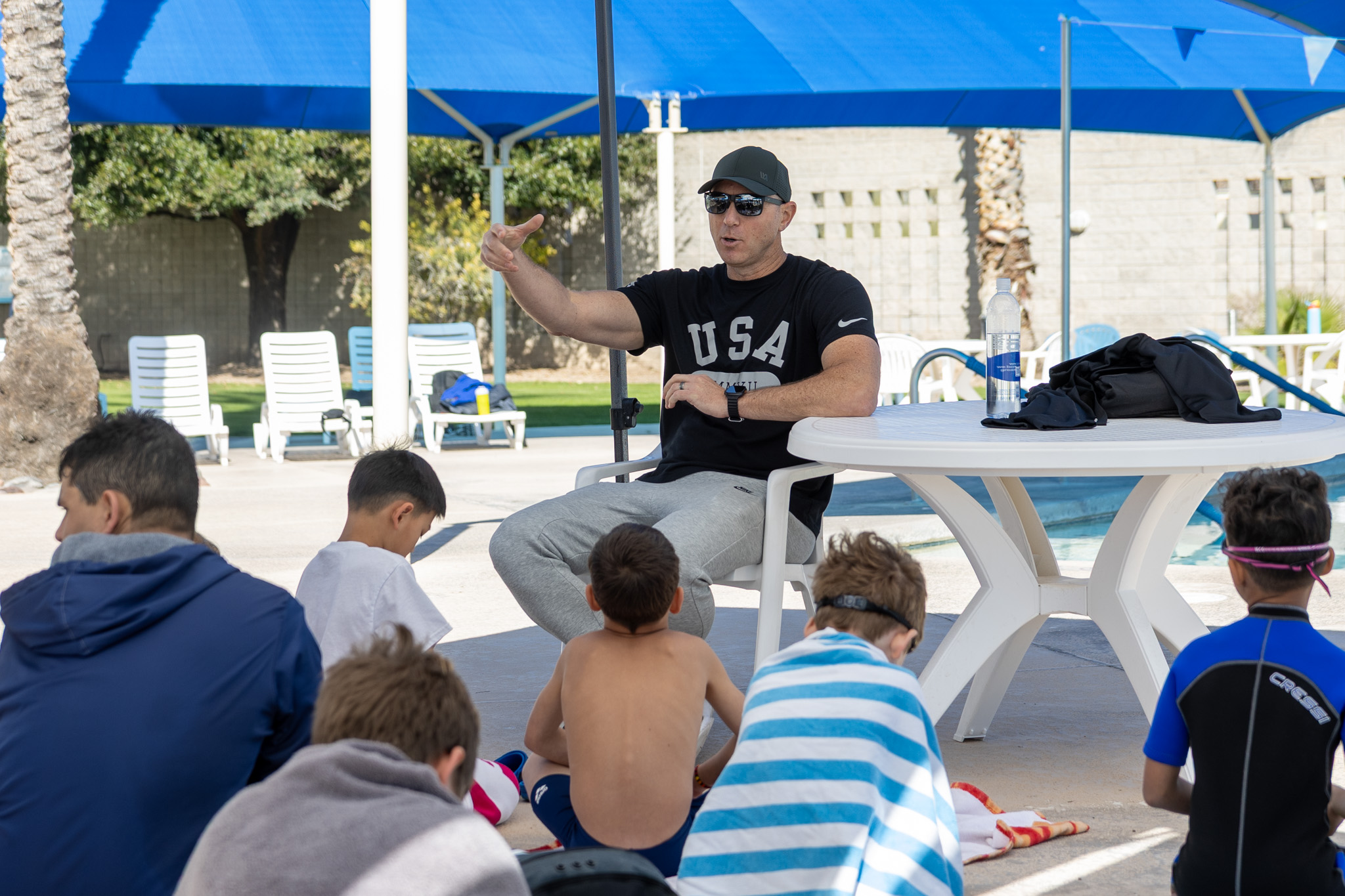
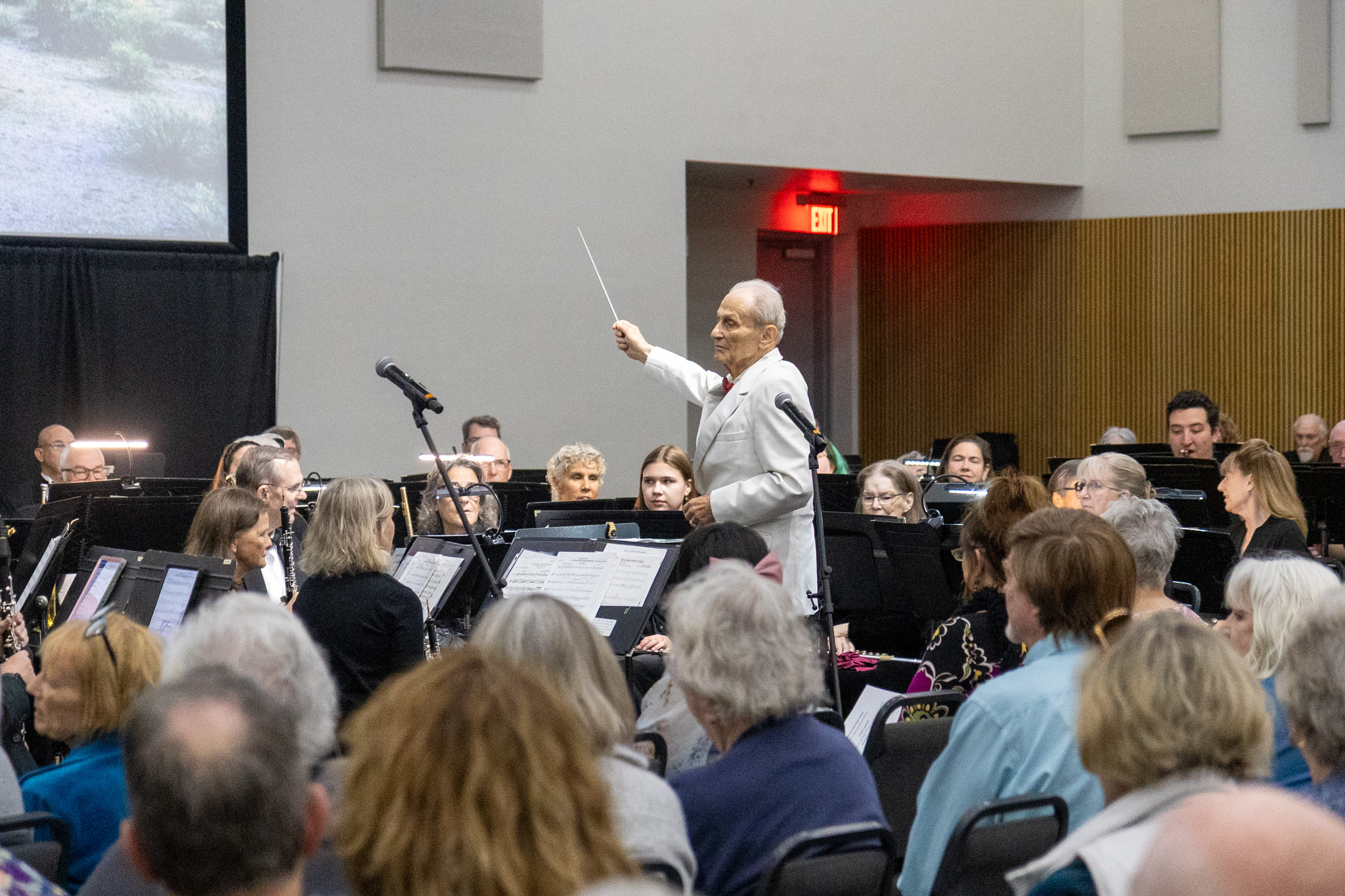
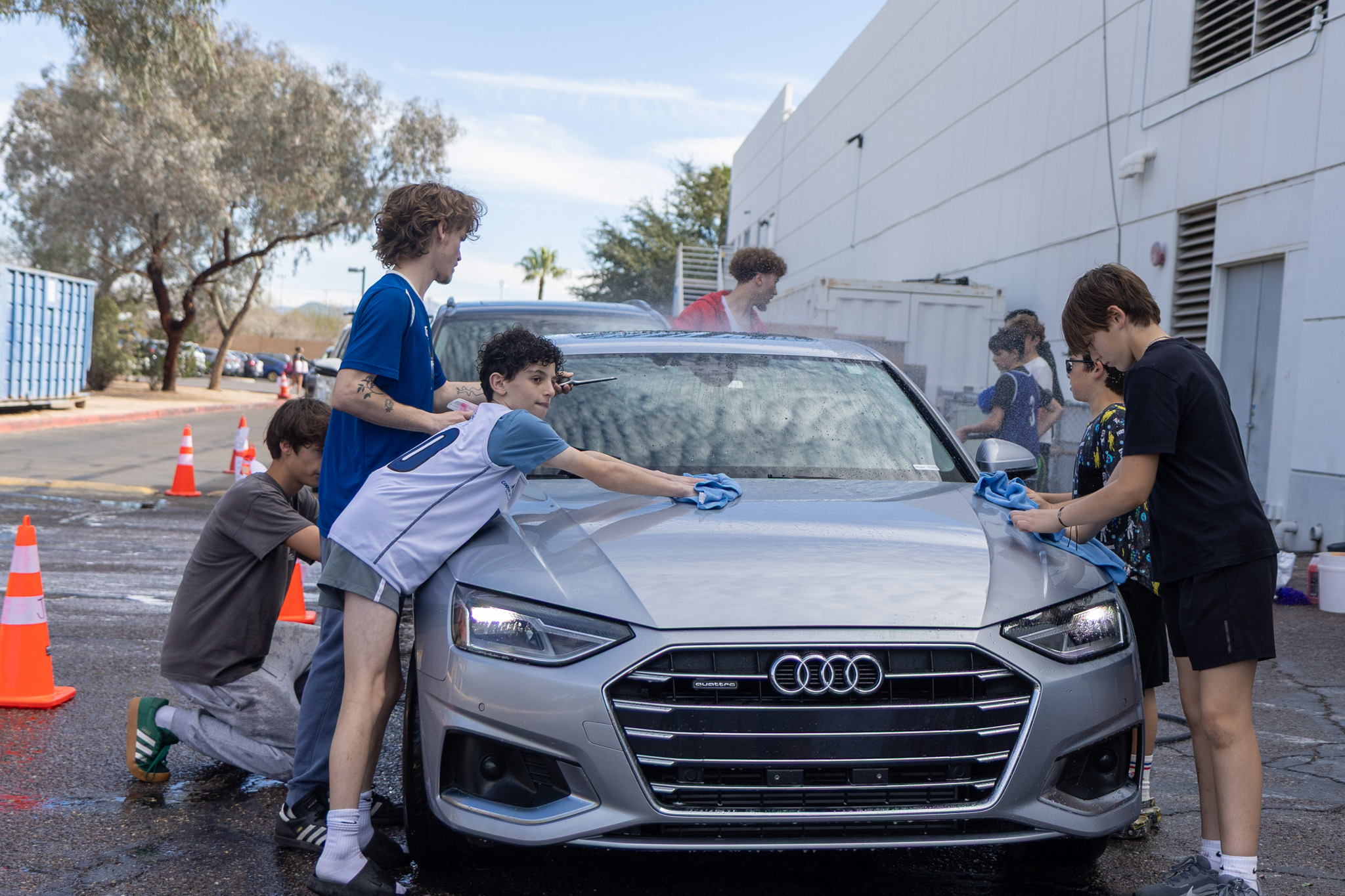
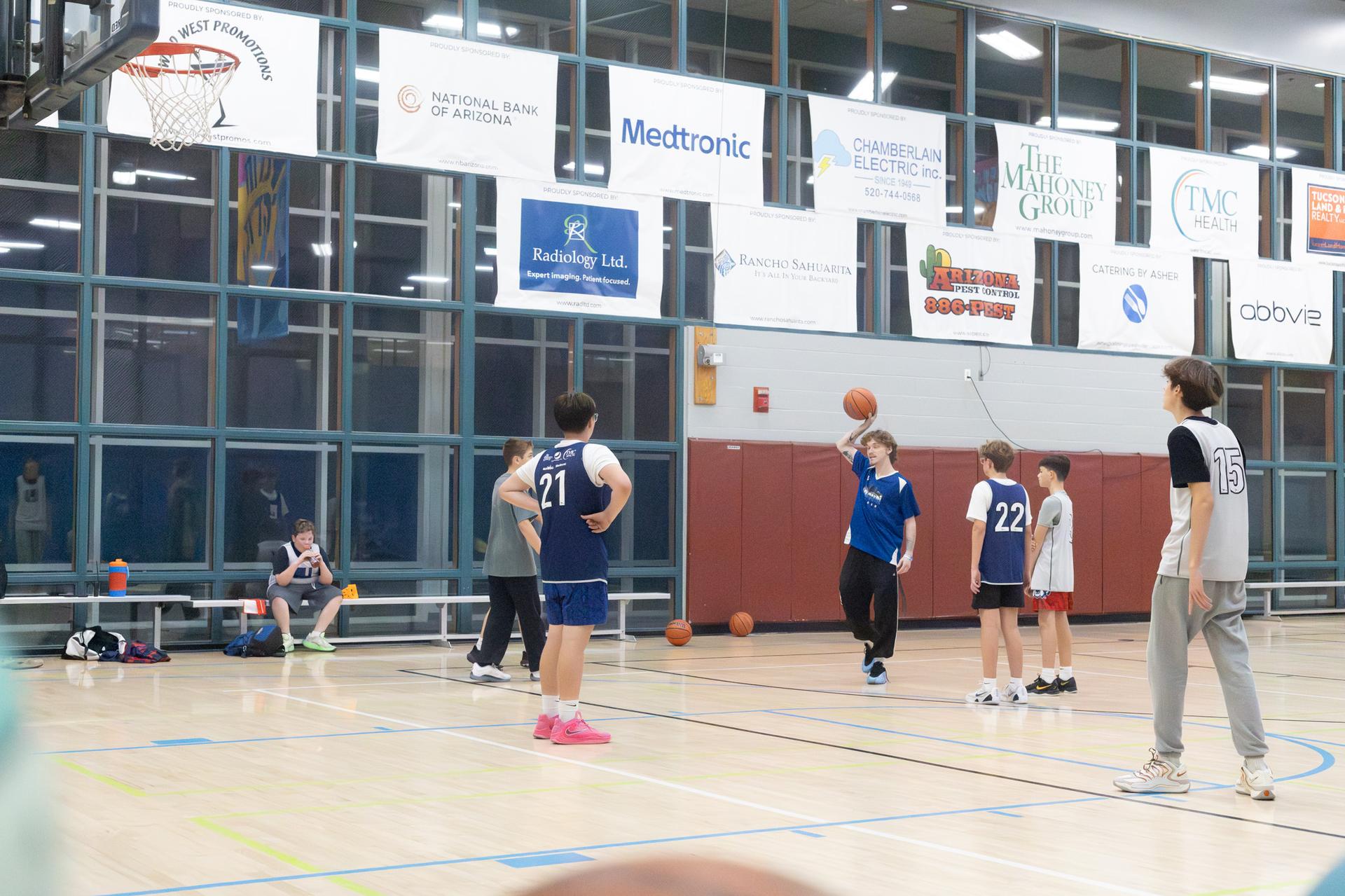
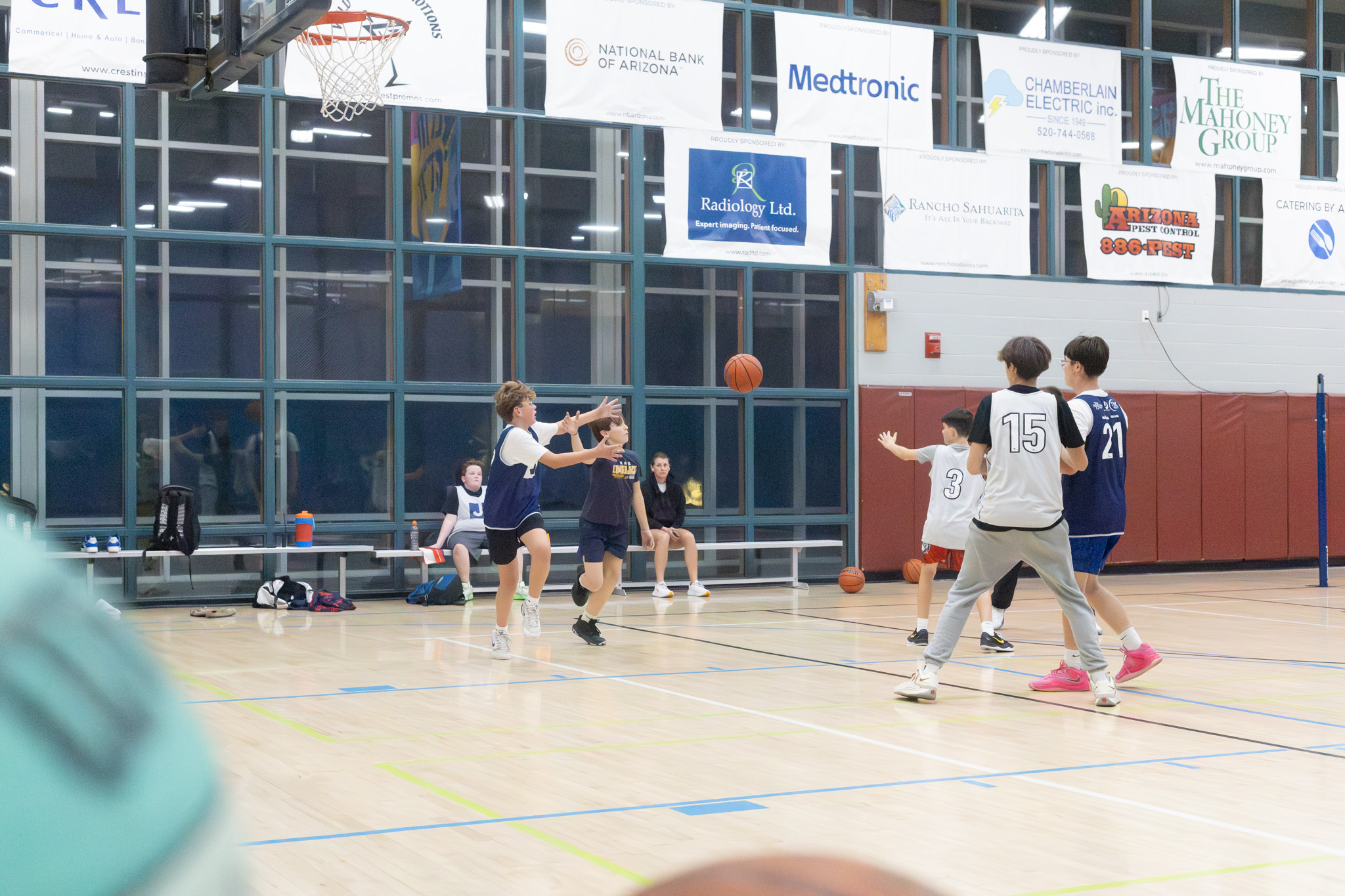
This week began on Sunday with three incredible events, thanks to the effort and participation of many! The morning began with an inspiring Swim Clinic taught by 8-time Olympic medalist and Maccabiah athlete, Jason Lezak. Jason mentored swimmers of all ages, including our Aquatics staff, through backstroke and freestyle drills, shared tips and techniques, and imparted words of wisdom and his personal success story. Later in the afternoon, over 200 people joined us for “From Italy to Vienna, Chicago and the Highlands” with Arizona Symphonic Winds featuring conductor László Veres and special guest, soprano Dori Cărdenas-Smith. Throughout the day, the Tucson Jays Middle School Club Basketball Team washed cars in the north parking lot for player Noah’s Bar Mitzvah service project. The car was was a fundraiser to support scholarships for the Jays; the team raised over $1,300—thank you to everyone who contributed to make it a success! 


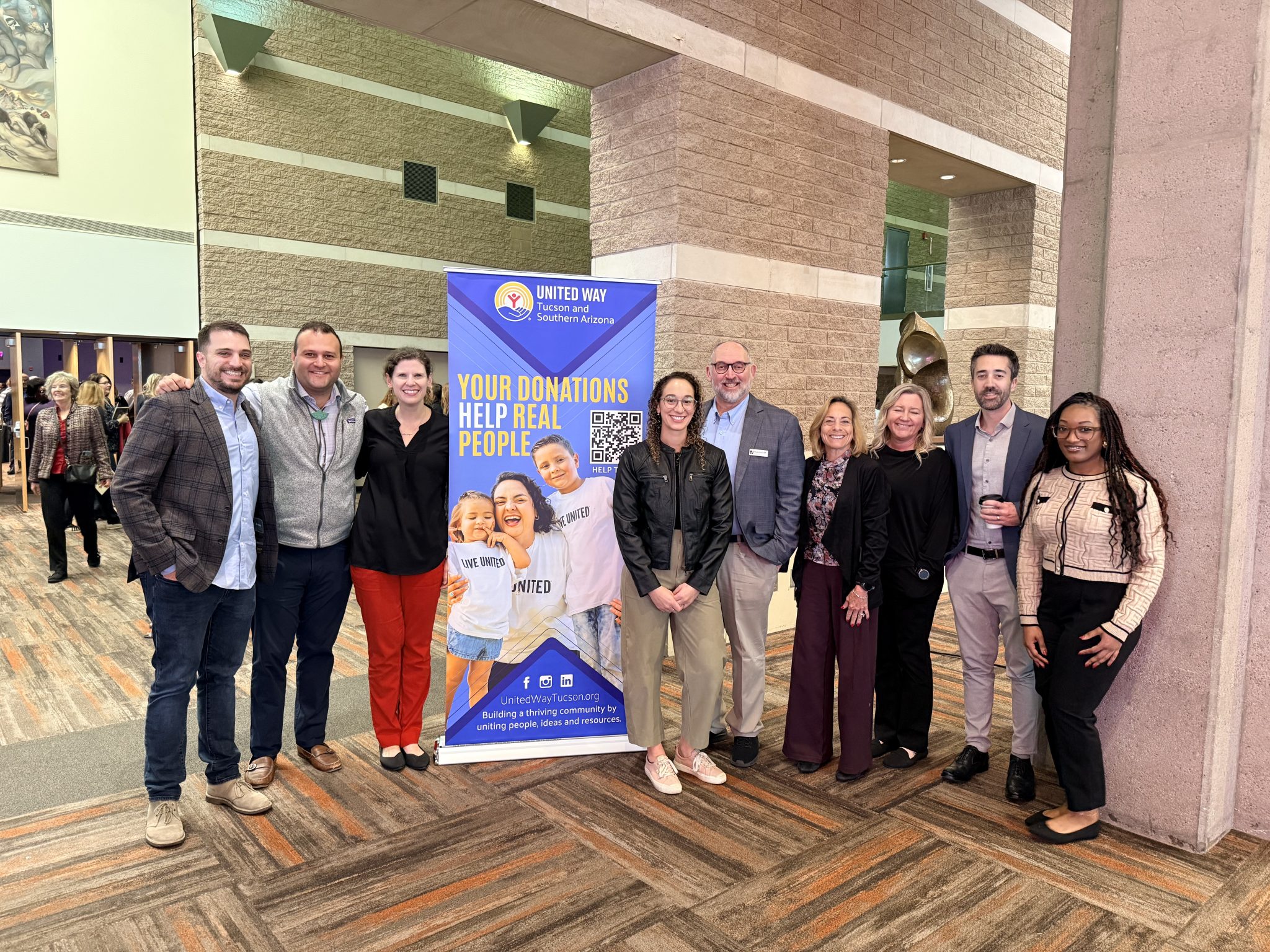
While our work would not be possible—or meaningful—without the more than 10,000 members and guests who make up our J community, it is our dedicated team and lay leaders who bring it all to life. On Thursday, leaders and Board members of the J represented our organization at the United Way of Tucson and Southern Arizona Business Leaders for Early Education Breakfast hosted by Women United. The breakfast promoted the importance of early childhood education in the trajectory of a child’s life and celebrated educators in our community who are championing early literacy. We were proud to represent our award-winning ECE program and connect with other local leaders in this area.


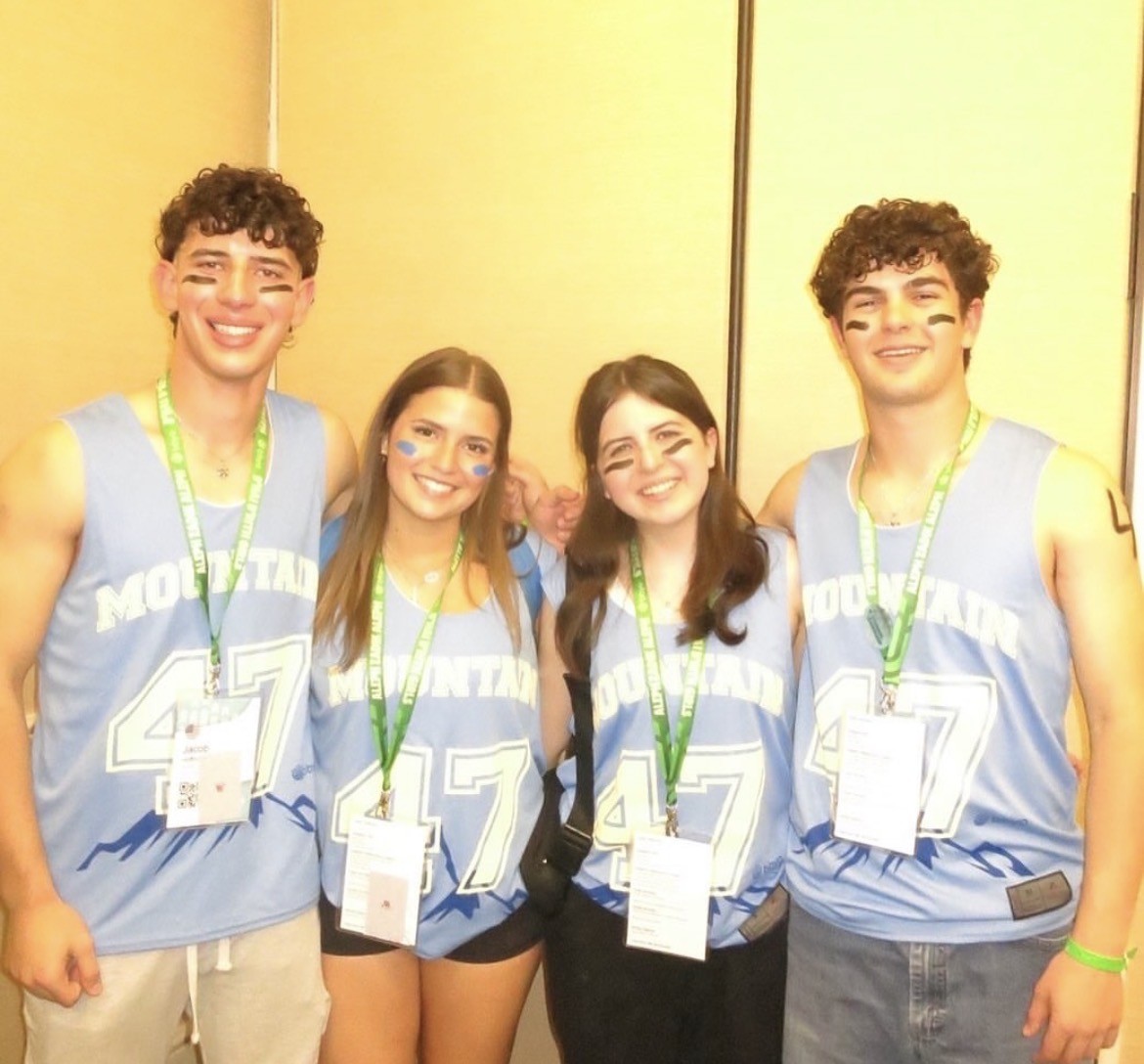
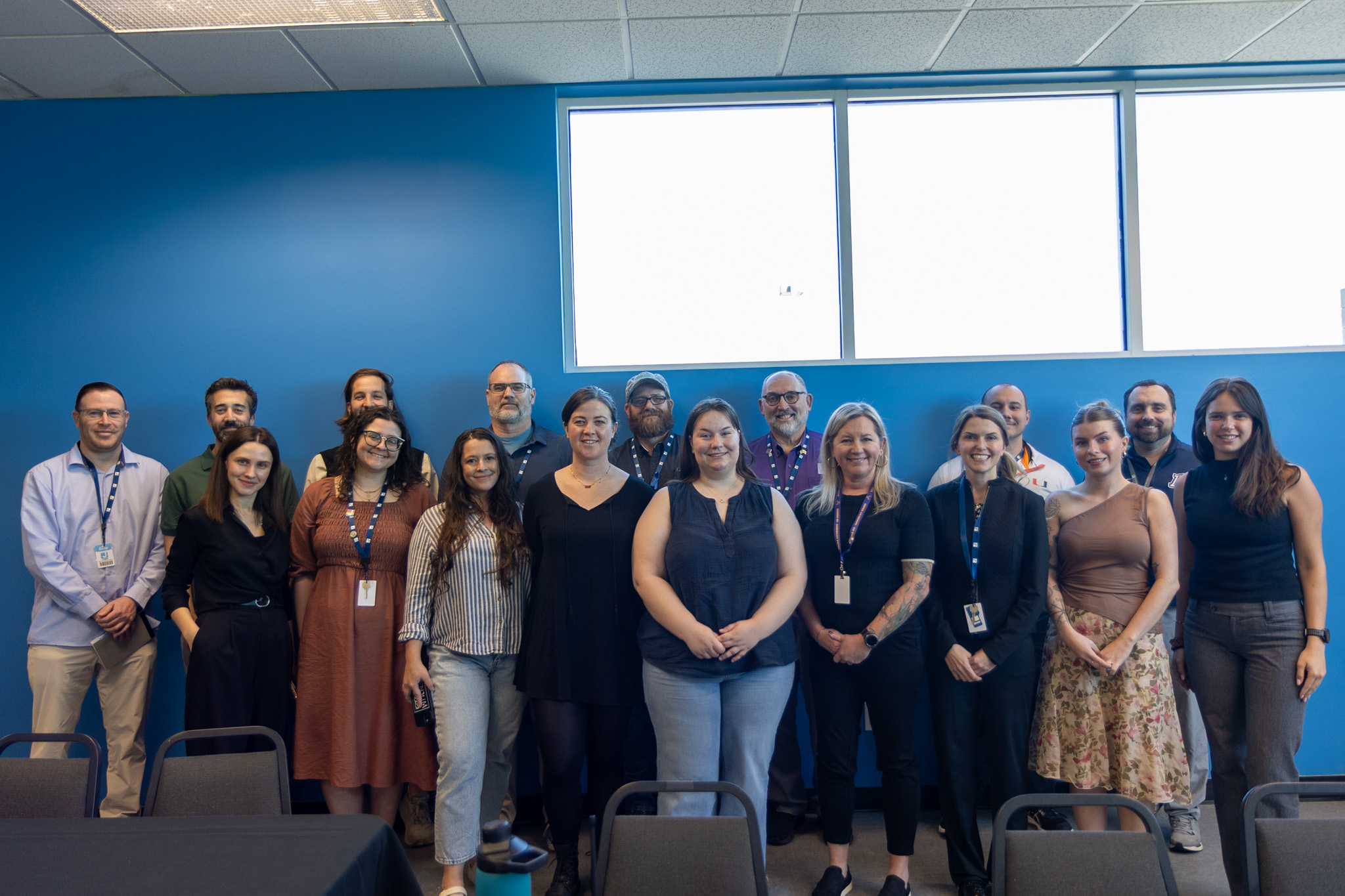
Four BBYO teens returned from a few days spent at the BBYO International Convention in Philadelphia, this year themed “We The Future”  Our Director of Teen Engagement, Davis Hubbell, and one of the teens in attendance were part of the organizing committee for AZAA/BBGG Day a sports-focused outing that spread 1,200 of the 3,500 teens in attendance across 15 sports at six venues. Before the International Convention, Davis spent time in Israel as part of the Merrin Teen Professional Fellowship. The trip was an opportunity to build leadership skills, strengthen professional networks, grow Jewish knowledge, explore the meaning of Peoplehood, and learn more about engaging with and supporting teens. Davis shared about the experience with our leadership team in a meeting this week—you can read about his experience here.  


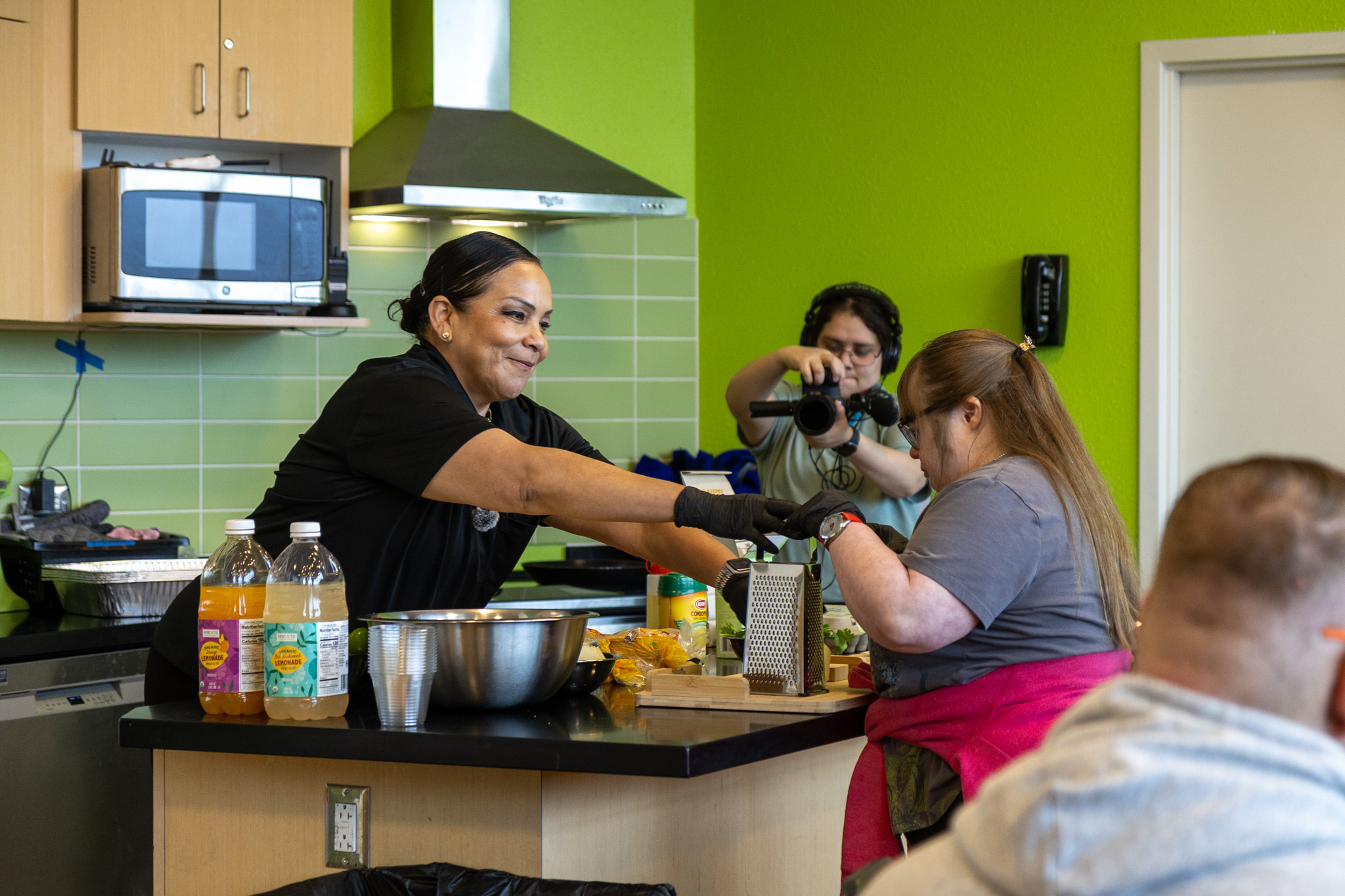
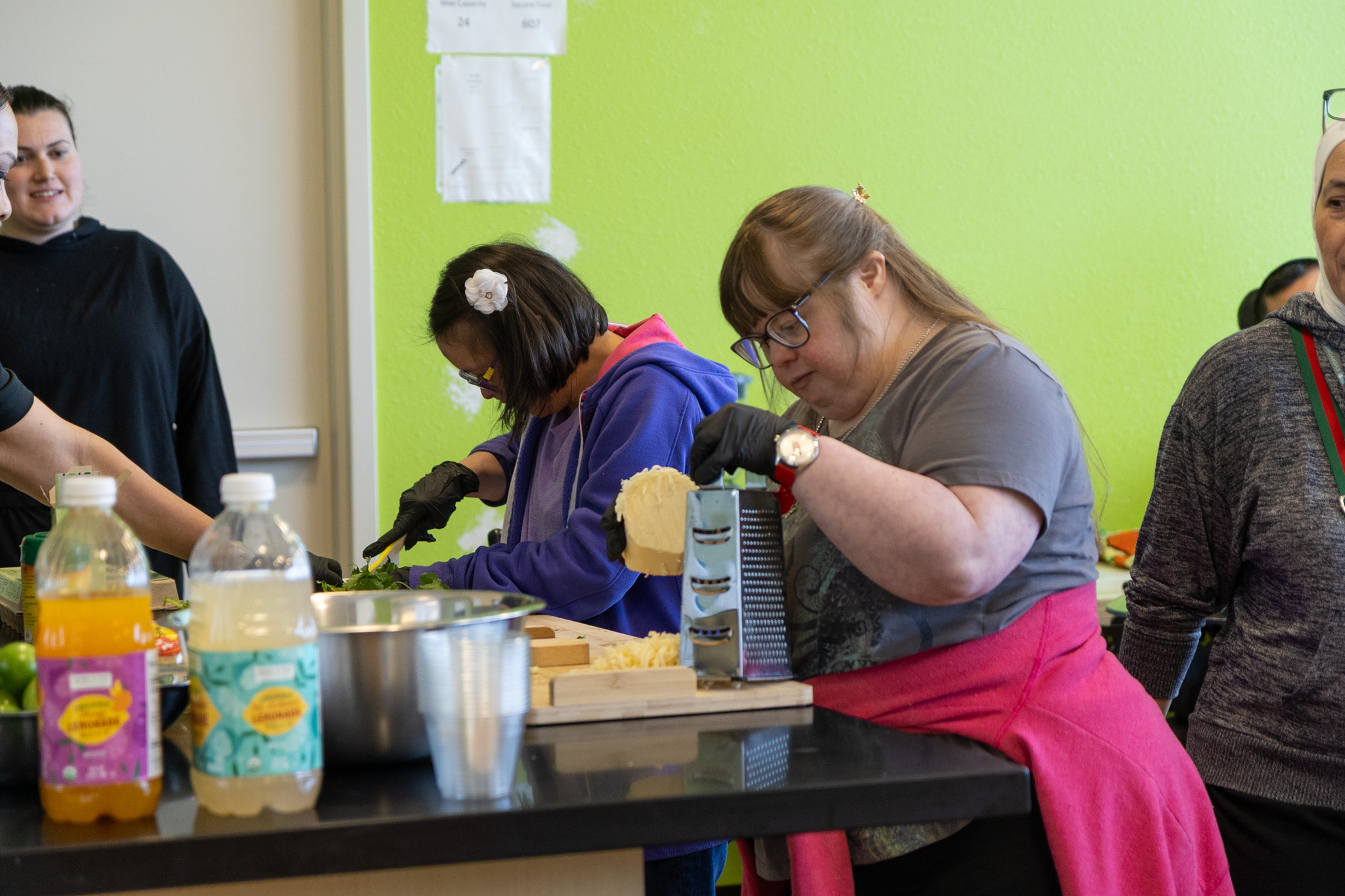
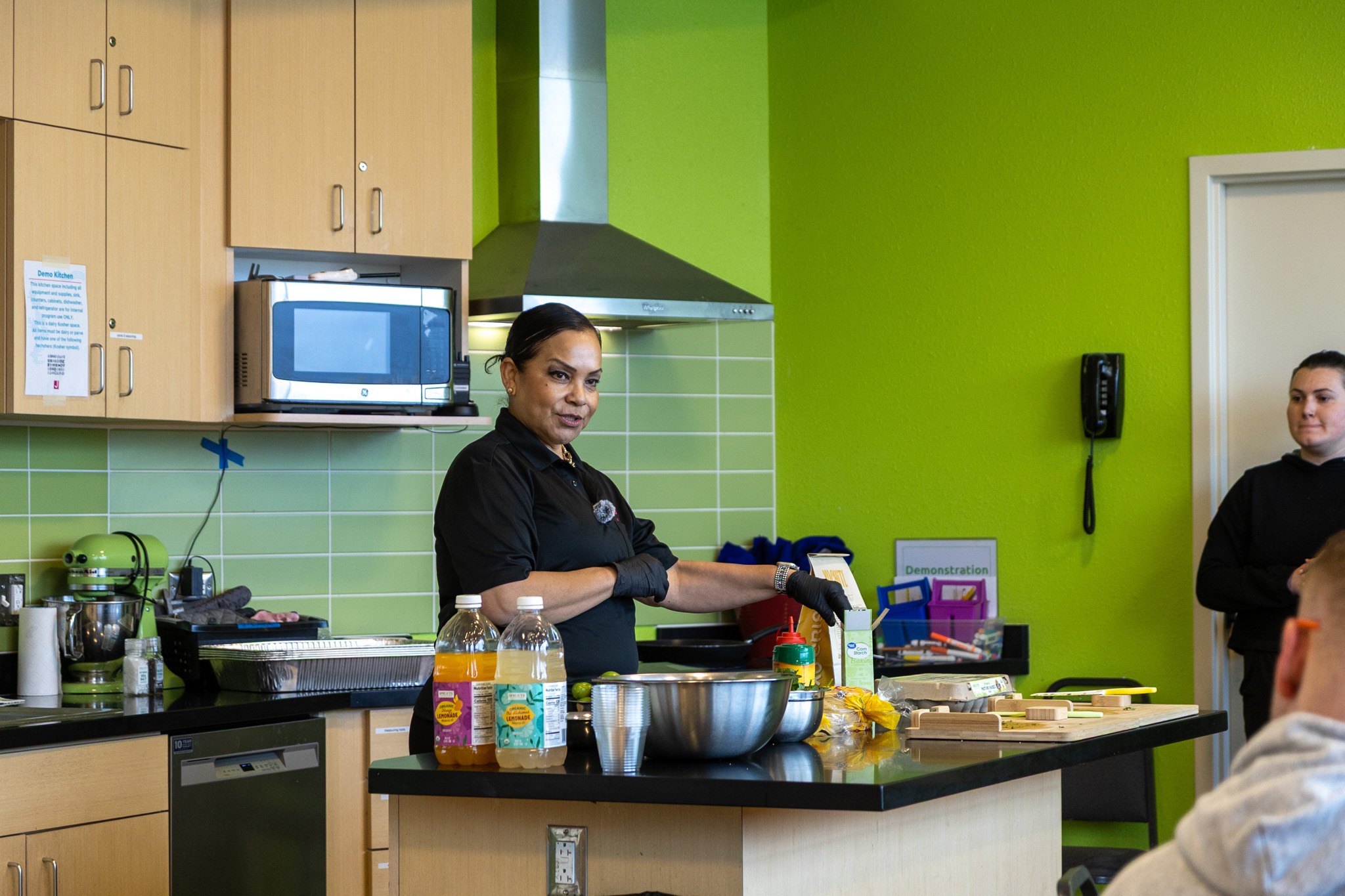
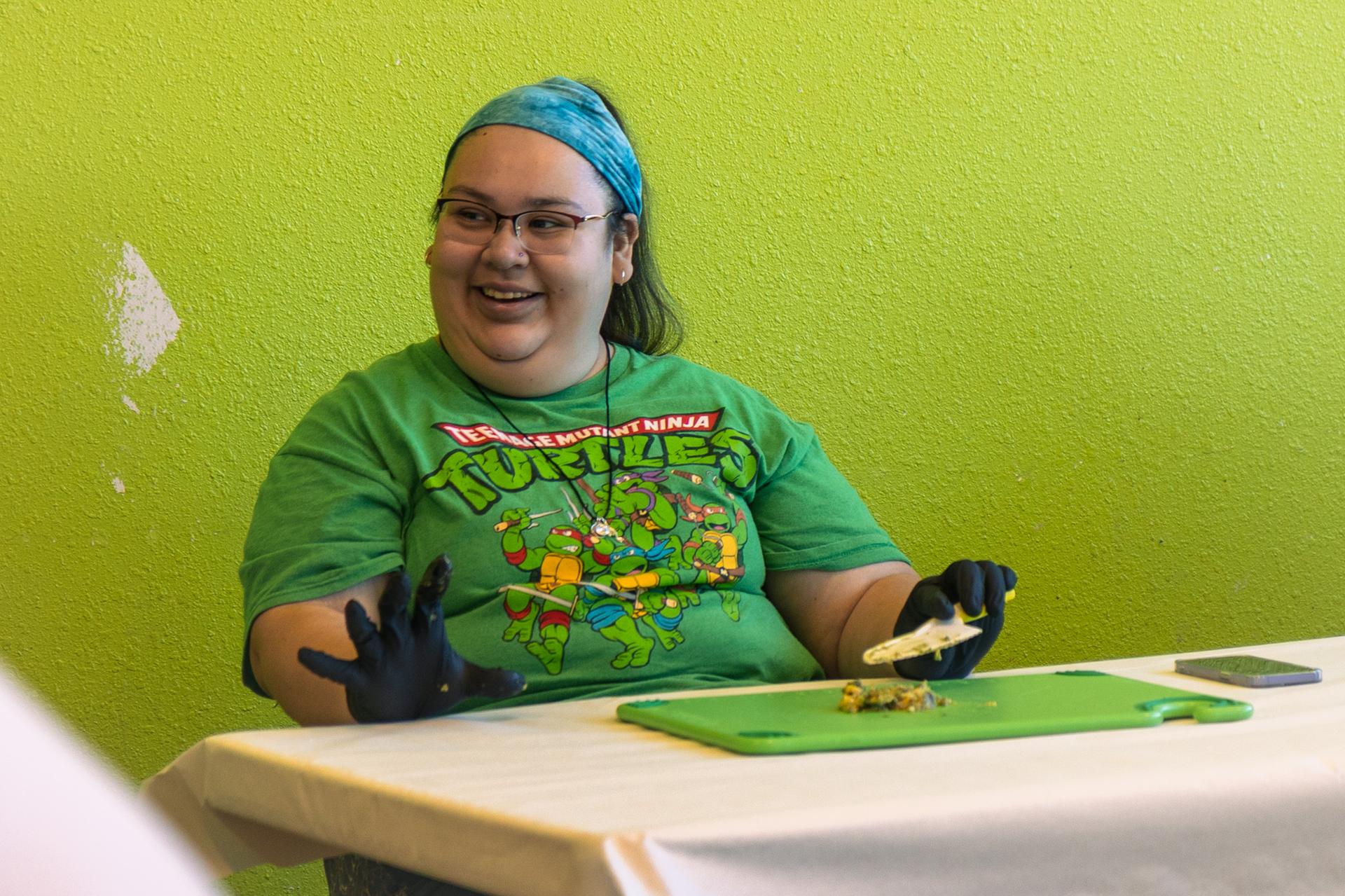
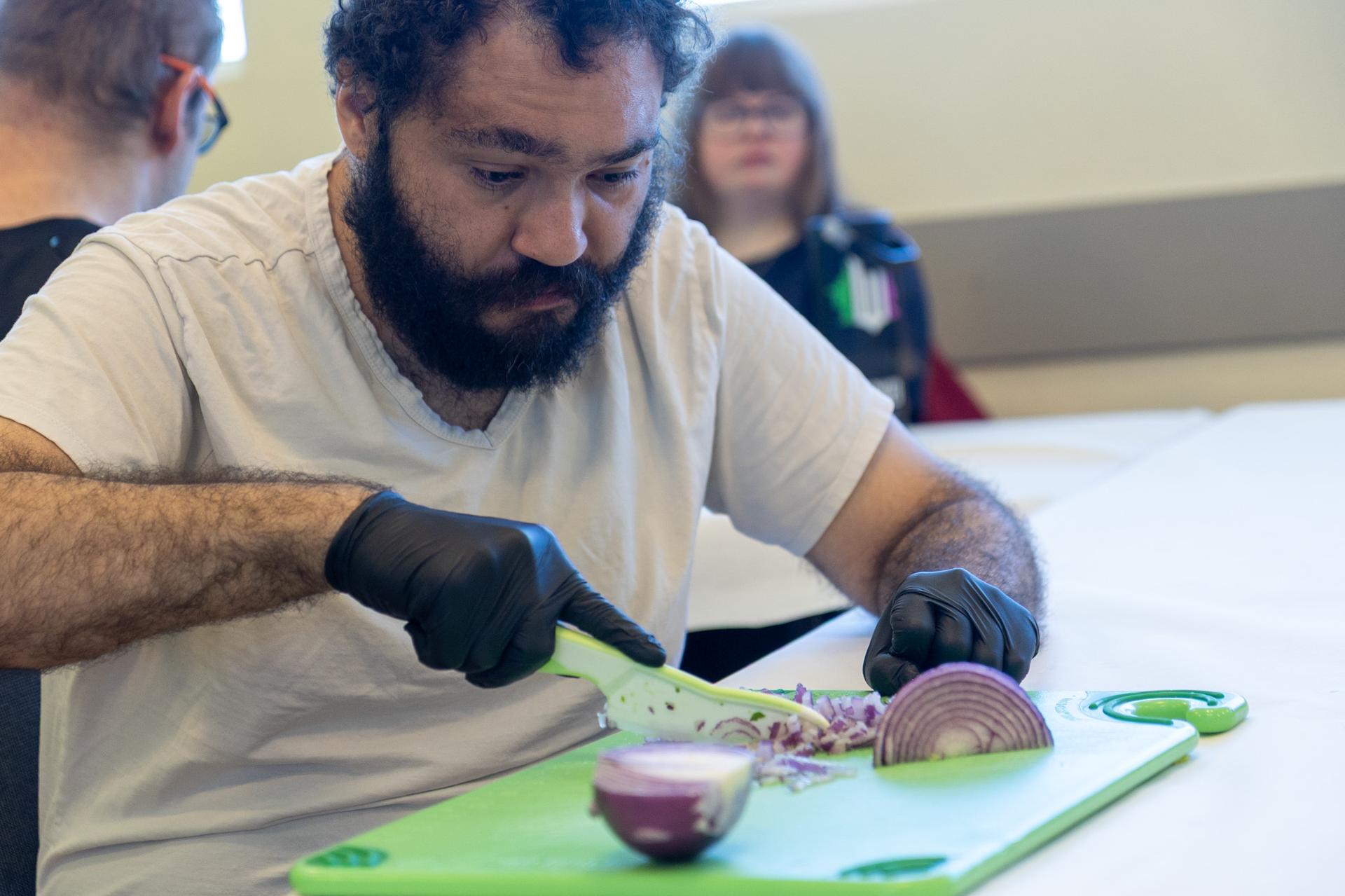
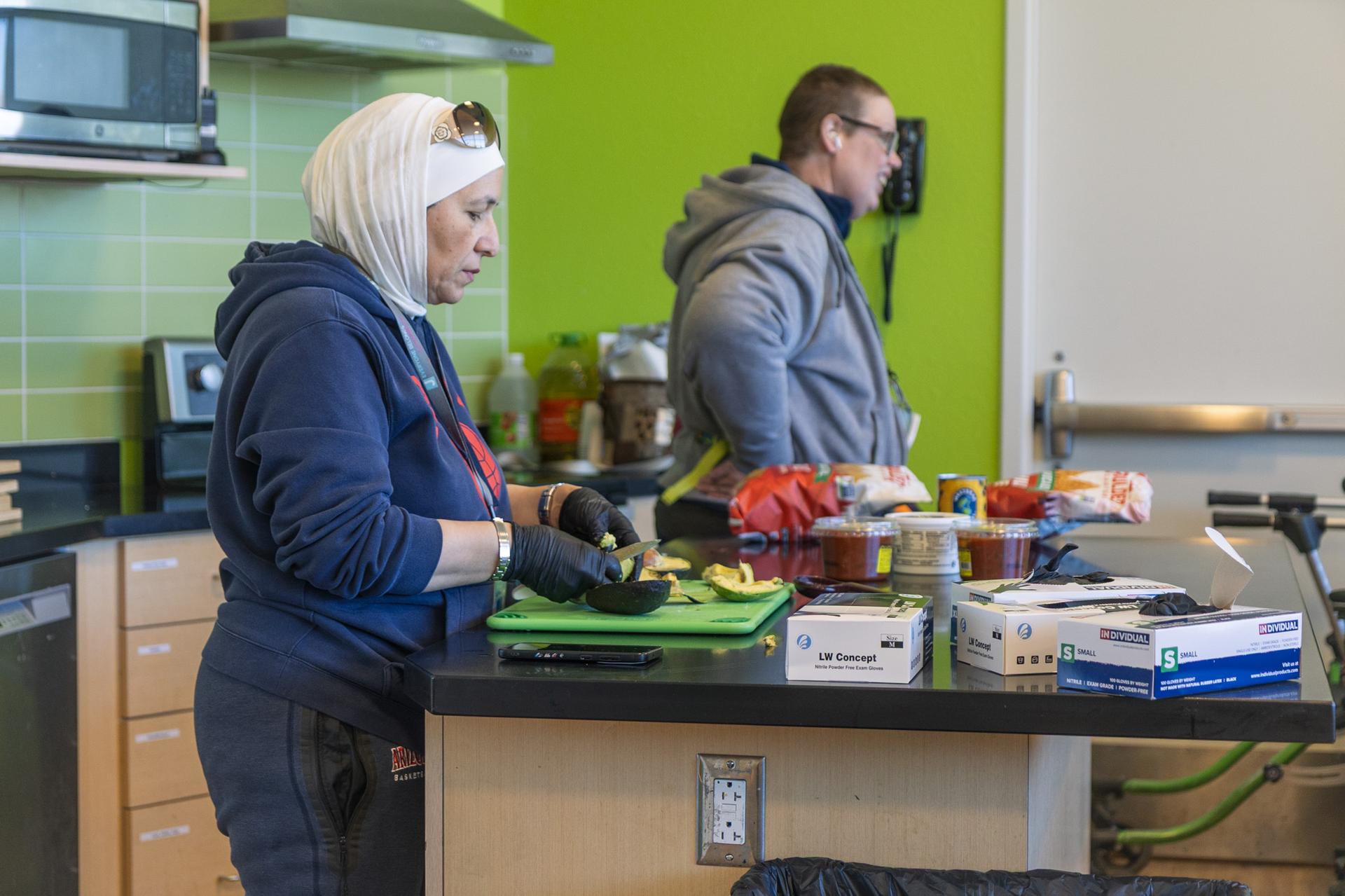
Community partners are also an integral part of our network of helping hands. This morning, the chefs of Chela’s Latin Cuisine joined our Disability Program Services participants for their weekly cooking club! Together, they made delicious Chilaquiles and Enchiladas which everyone enjoyed. Next week, DPS will enter the next phase of their vocational programming with the soft launch of a new coffee cart. Stop by the main entrance atrium in the mornings to check it out! 


As we move into Shabbat, we’re grateful for the role each individual in our community plays in shaping our shared sanctuary. Shabbat Shalom. 
Reminders, Resources + Learning

Each week we share resources for more learning:

This week’s resources:

Last week’s resources:

Is there a topic you’d like to learn more about? Email Jenn Selco with requests. 
From the Desk of Jennifer Lorch Selco | Sr. Director of Jewish Living + Engagement 

Shabbat Shalom
Shabbat Shalom

From the Desk of Jennifer Lorch Selco | Sr. Director of Jewish Living + Engagement

In this week’s Torah portion, Mishpatim (Hebrew for “rules”), the Israelites are at Sinai in the middle of Revelation as they receive rules and laws around how to live Jewishly. We find ourselves reading a variety of “shalls” and “shall nots” and read the Torah’s first mention of our responsibility to protect the stranger. “You shall not oppress a stranger, for you know the heart of a stranger: you were strangers in the land of Egypt” (Exodus 23:9). We also learn the details about the holidays of Passover, Shavuot and Sukkot. Finally, Moses ascends Mt Sinai for a one-on-one meeting with God, leaving Aaron in charge.


In Beresheet (Genesis) and the first part of Shemot (Exodus) the text reads as a dramatic narrative, sharing important stories that help shape who we are as a people. Now, we find ourselves reading tangible ways to live within an ethical framework.


Rabbi Jonathan Sacks, of blessed memory, notes, “Hence the remarkable project of the Torah: to translate historical experience into detailed legislation, so that the Israelites would live what they had learned on a daily basis, weaving it into the very texture of their social life. In Parshat Mishpatim, vision becomes detail, and narrative becomes law (Lessons in Leadership, page 90).”


The structure and framework for Jewish life is one that encourages ethical and joyful behaviors. We are encouraged to think about how our actions impact others. Our historical experiences are meant to shape the people we are.


Parshat Mishpatim teaches us that Jewish life is not meant to be passive—we are not mere witnesses to our story. Instead, we are called to live it. The memories of Egypt, the experience of receiving Torah, and the rhythms of our sacred holidays are meant to shape how we treat one another, especially the stranger. Jewish living is active, transforming memory into responsibility and faith into daily action.


Shabbat Shalom!

As we reflect on Parshat Mishpatim and its call to build a just and caring society, we are reminded that community does not happen by accident—it is created through intention, sacred listening, and the shared responsibility of uplifting one another. At the Tucson J, that commitment comes to life in the ways we gather, support each other, and create spaces where every individual is welcomed and valued.


We ended last week with over 400 people gathering to celebrate Shabbat together with a collaborative Tot Shabbat experience, services led by various congregations and a delicious communal dinner. We are also excited to share that since August 2025, over 50 PJ Library and PJ Our Way families have hosted their own Get Togethers through the Harold Grinspoon Foundation where they have celebrated Shabbat and other Jewish holidays with Jewish friends and family. 


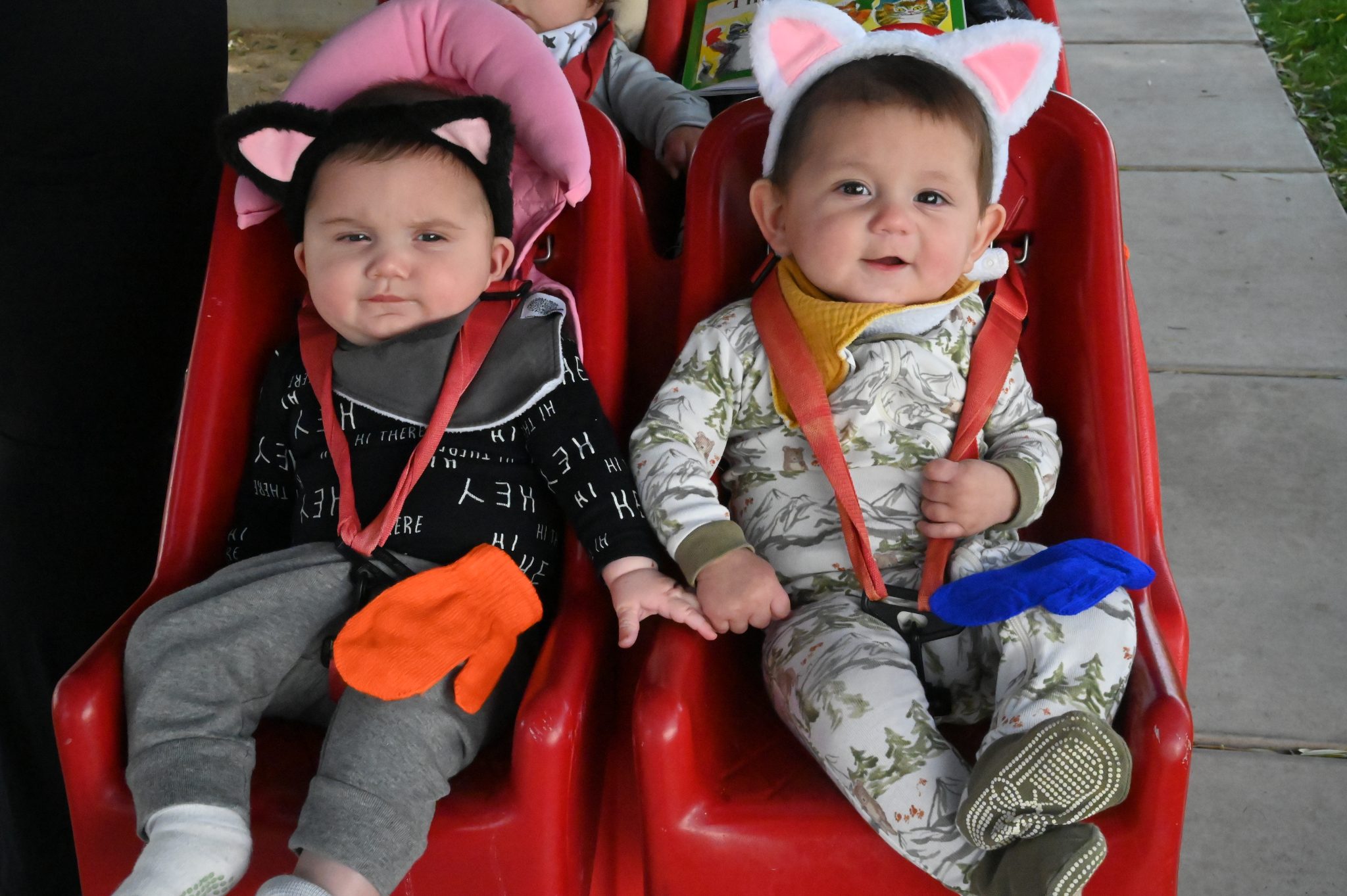
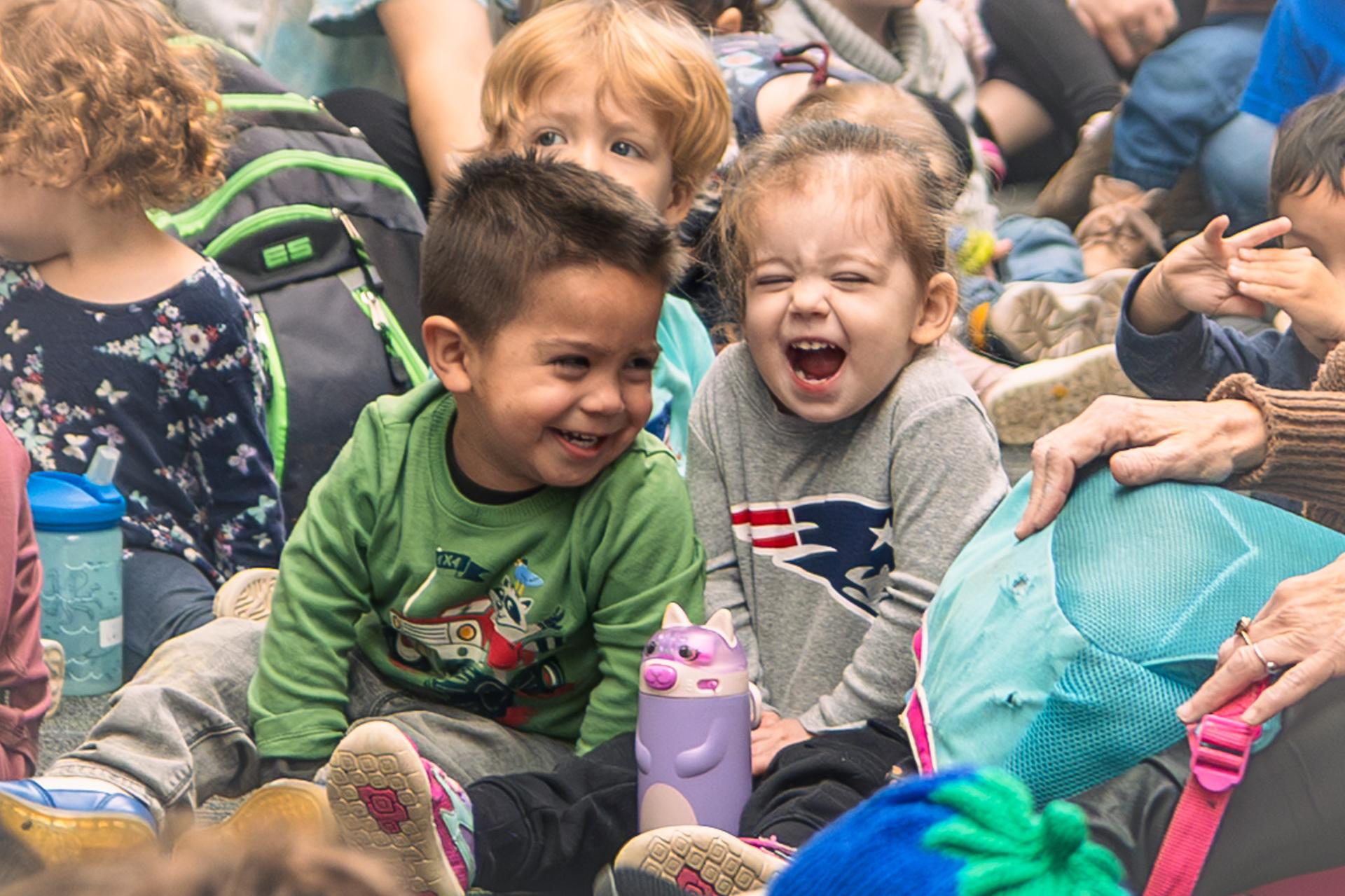
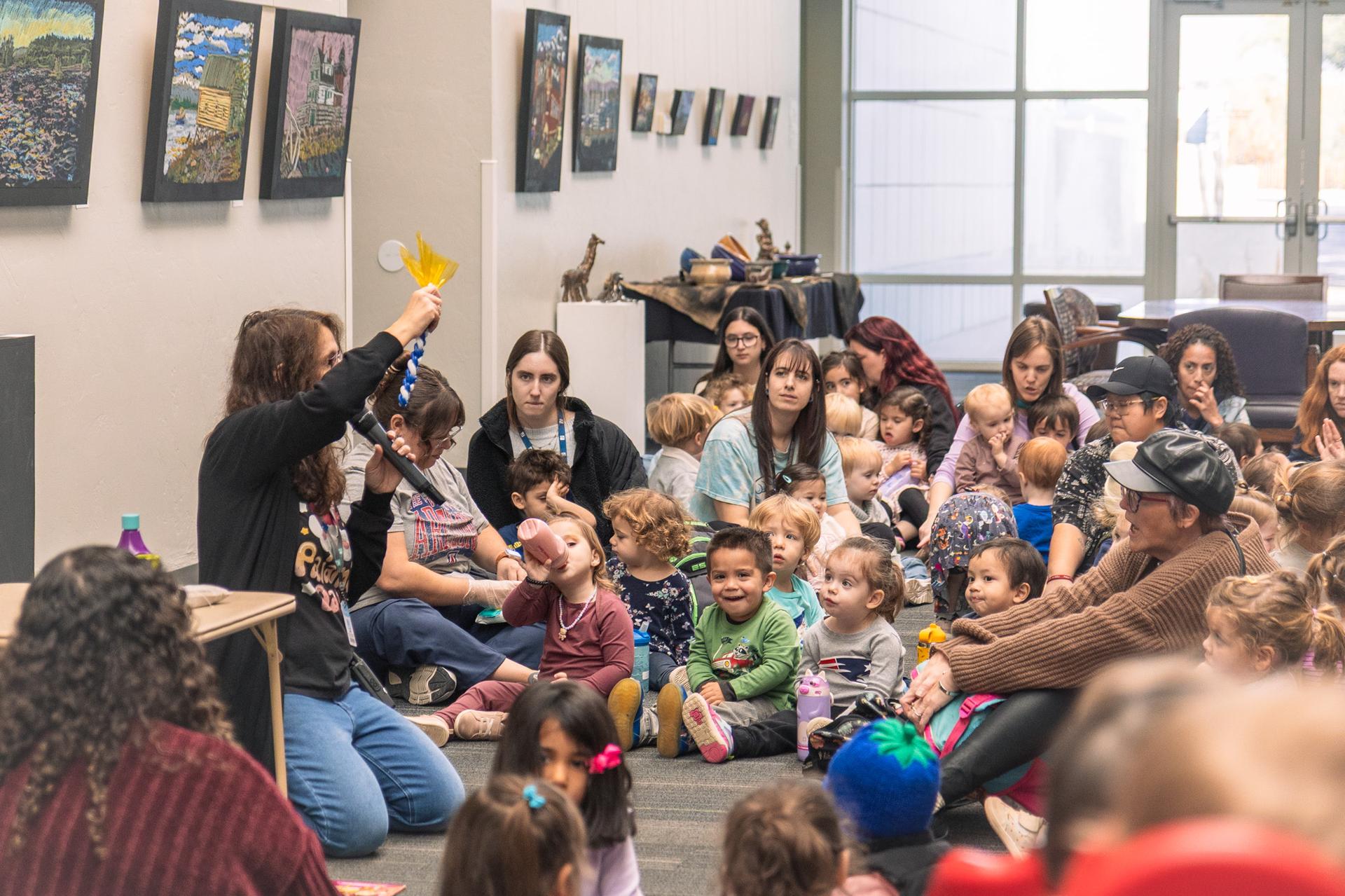
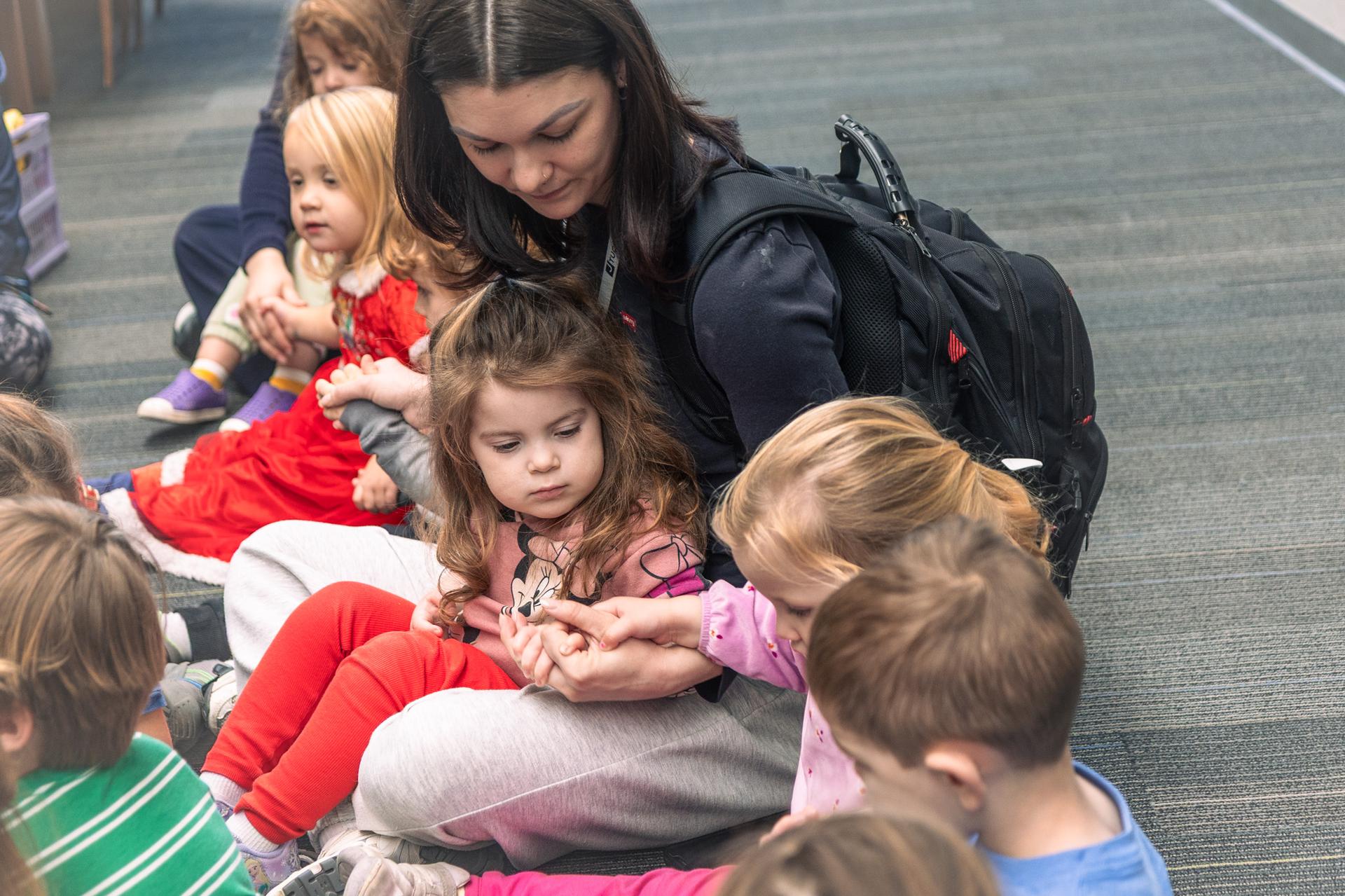
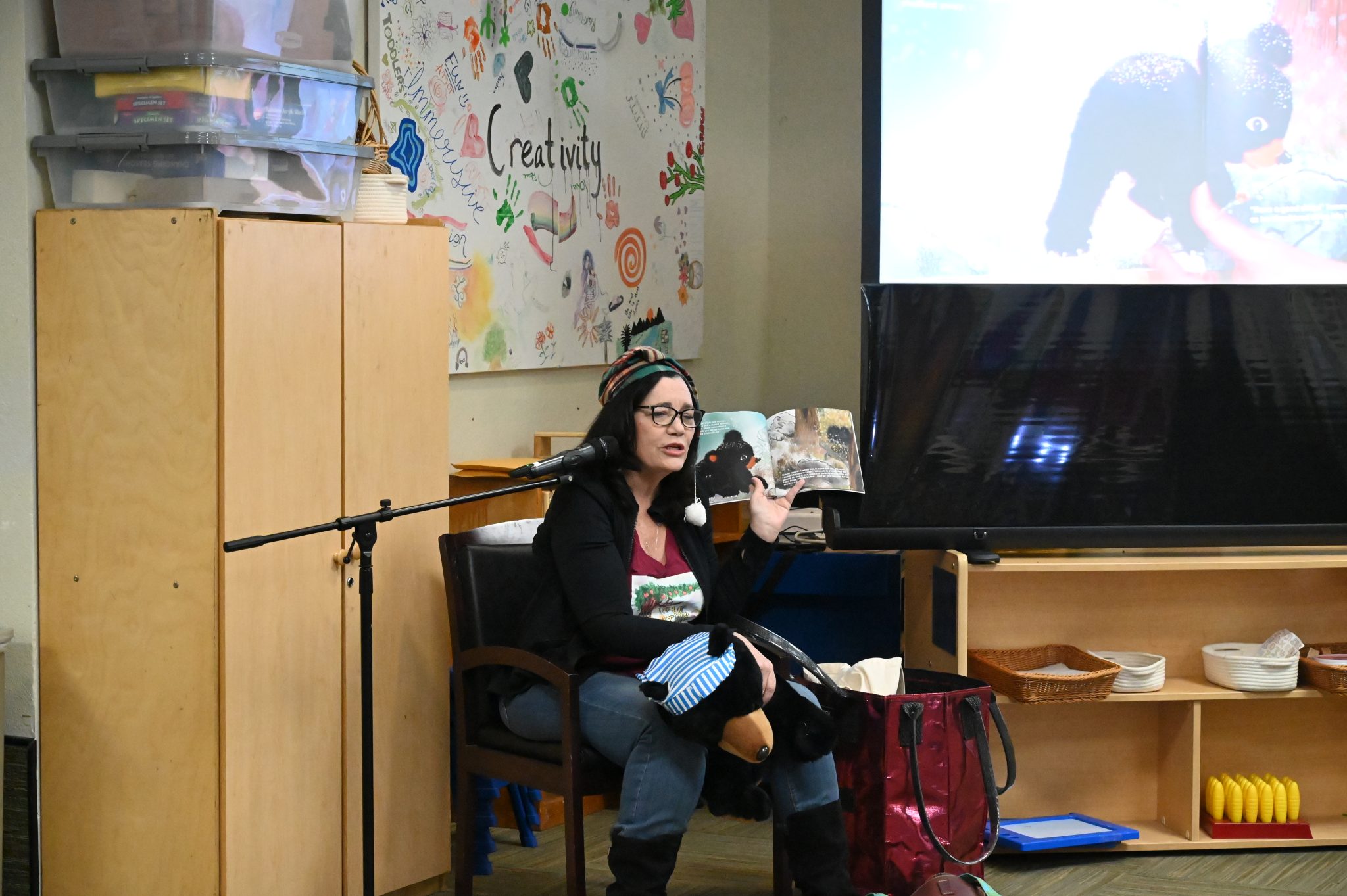
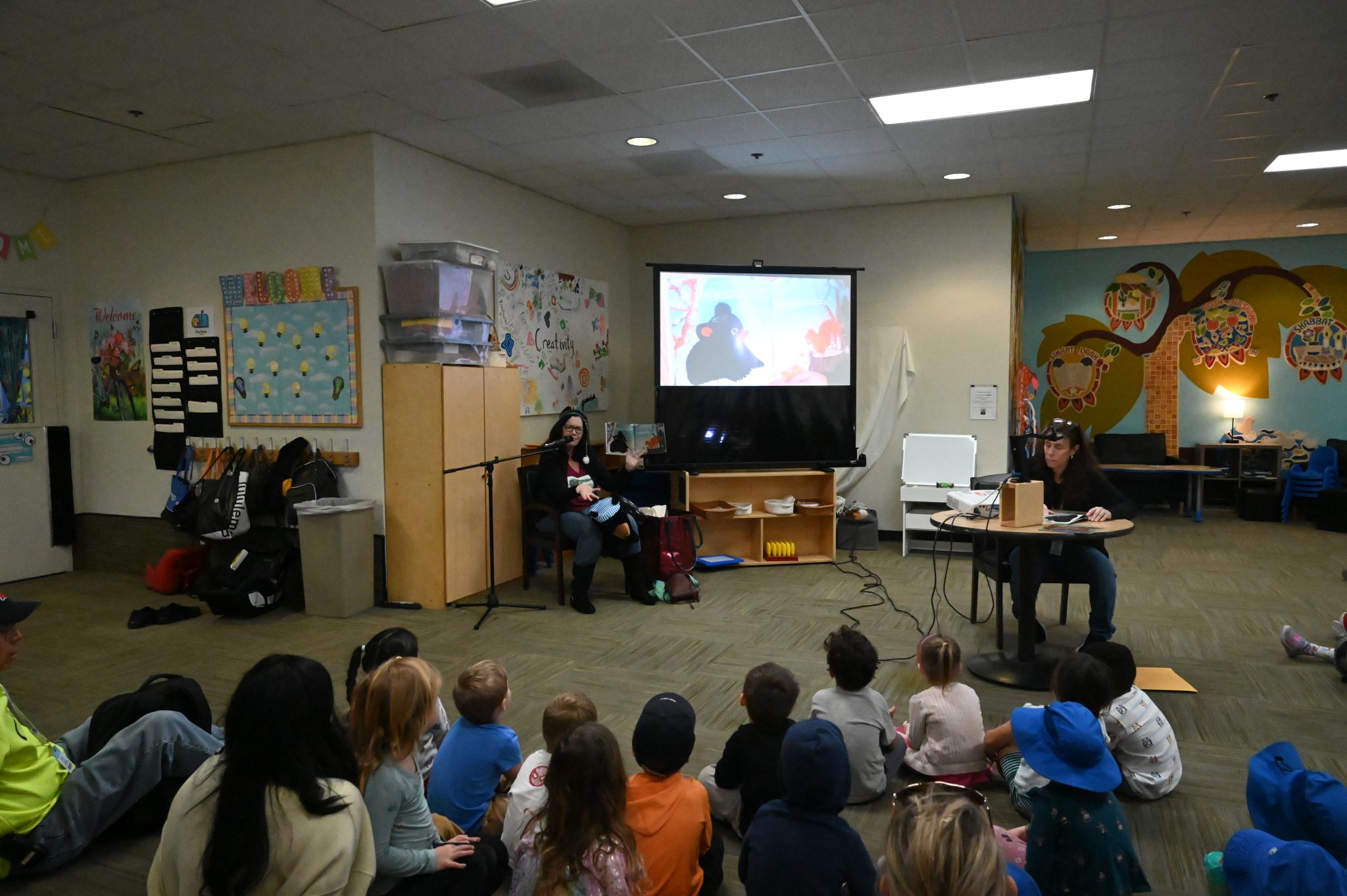
Love of Reading Month continued this week with a special visit to Early Childhood Education students from local children’s book author Cindy Sadowsky. Kids and parents enjoyed hearing  Brody’s Hibernation Tale and The Me Tree in the ECE open space and learning about the author.

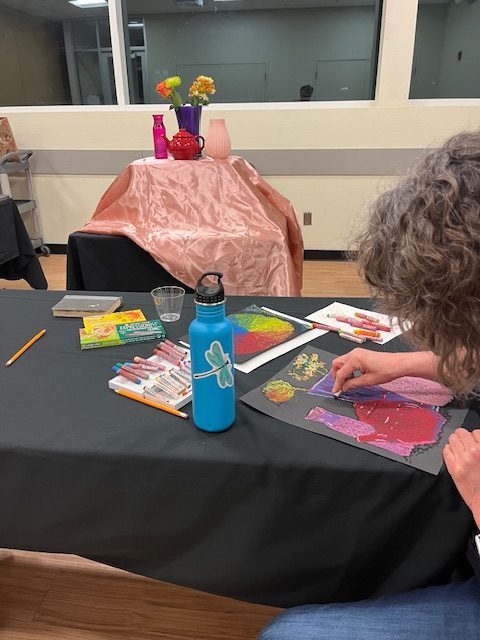
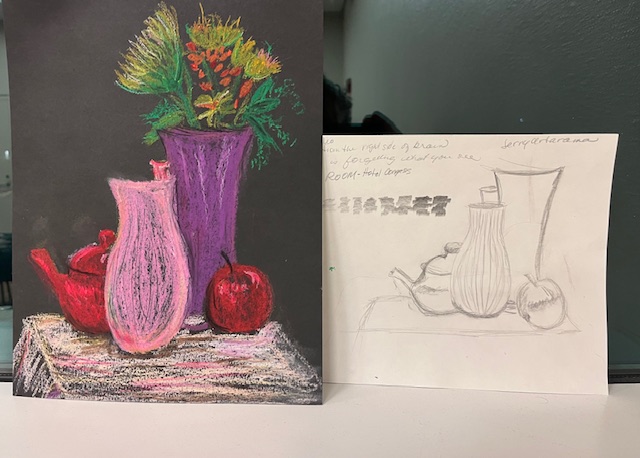
On Thursday, artist Russell Kahn hosted an Oil Pastel workshop where participants experimented with color, light, and composition. Catch Russell’s work on display in the Fine Art Gallery through February 22 and don’t miss the opening of the next show, Rhapsody in Hue with Colored Pencil Society of America’s Phoenix Chapter. 


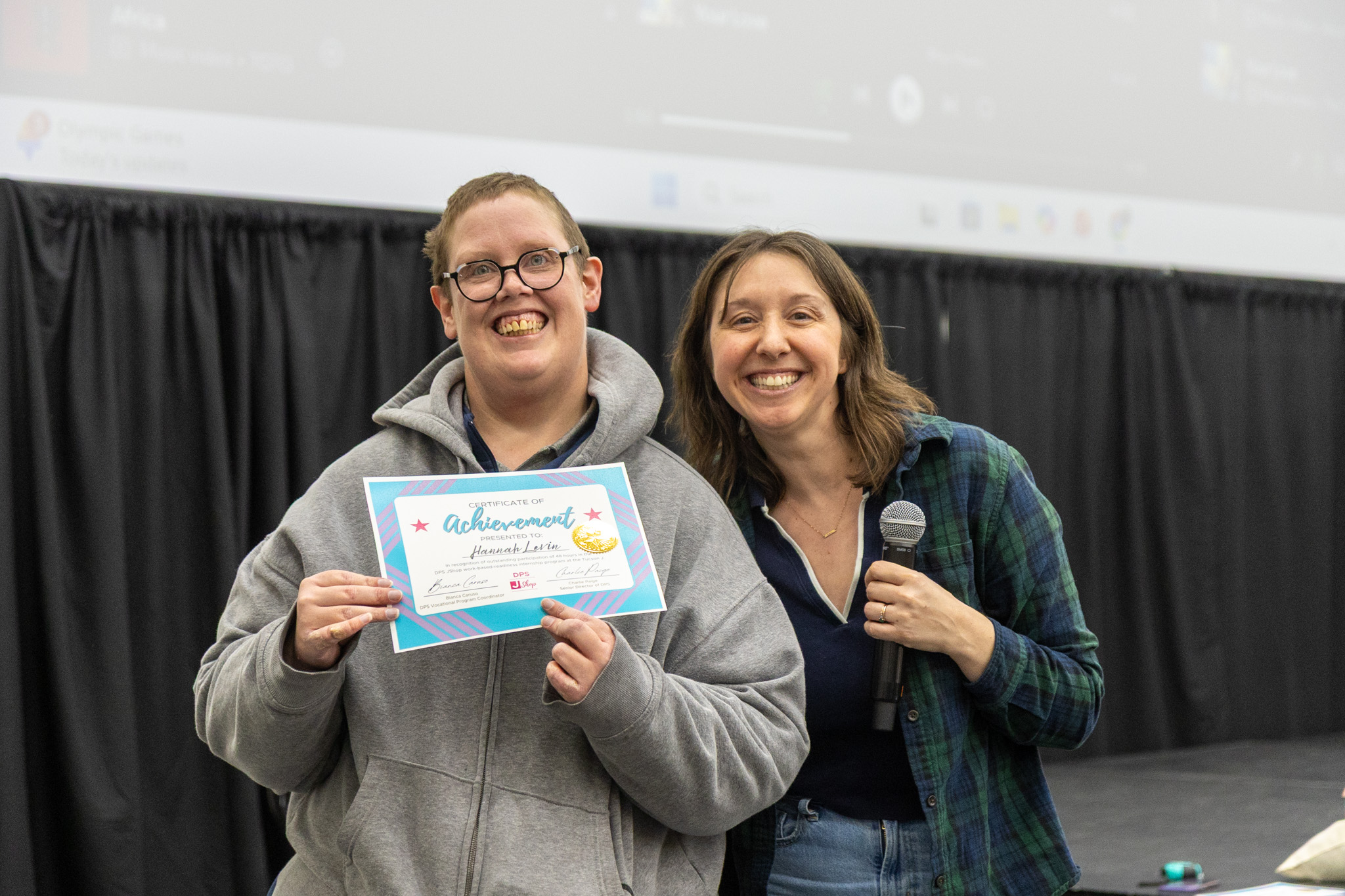
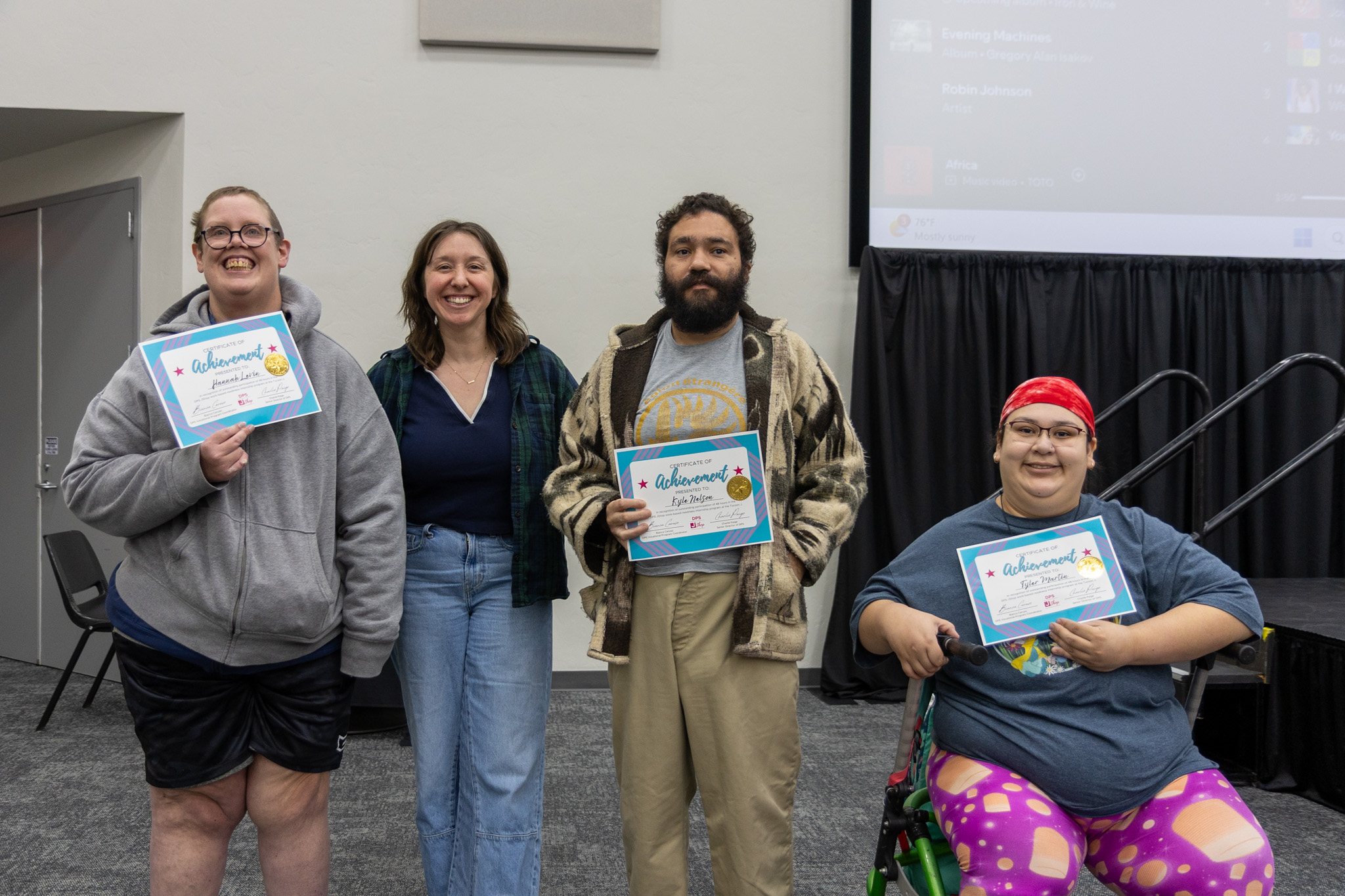
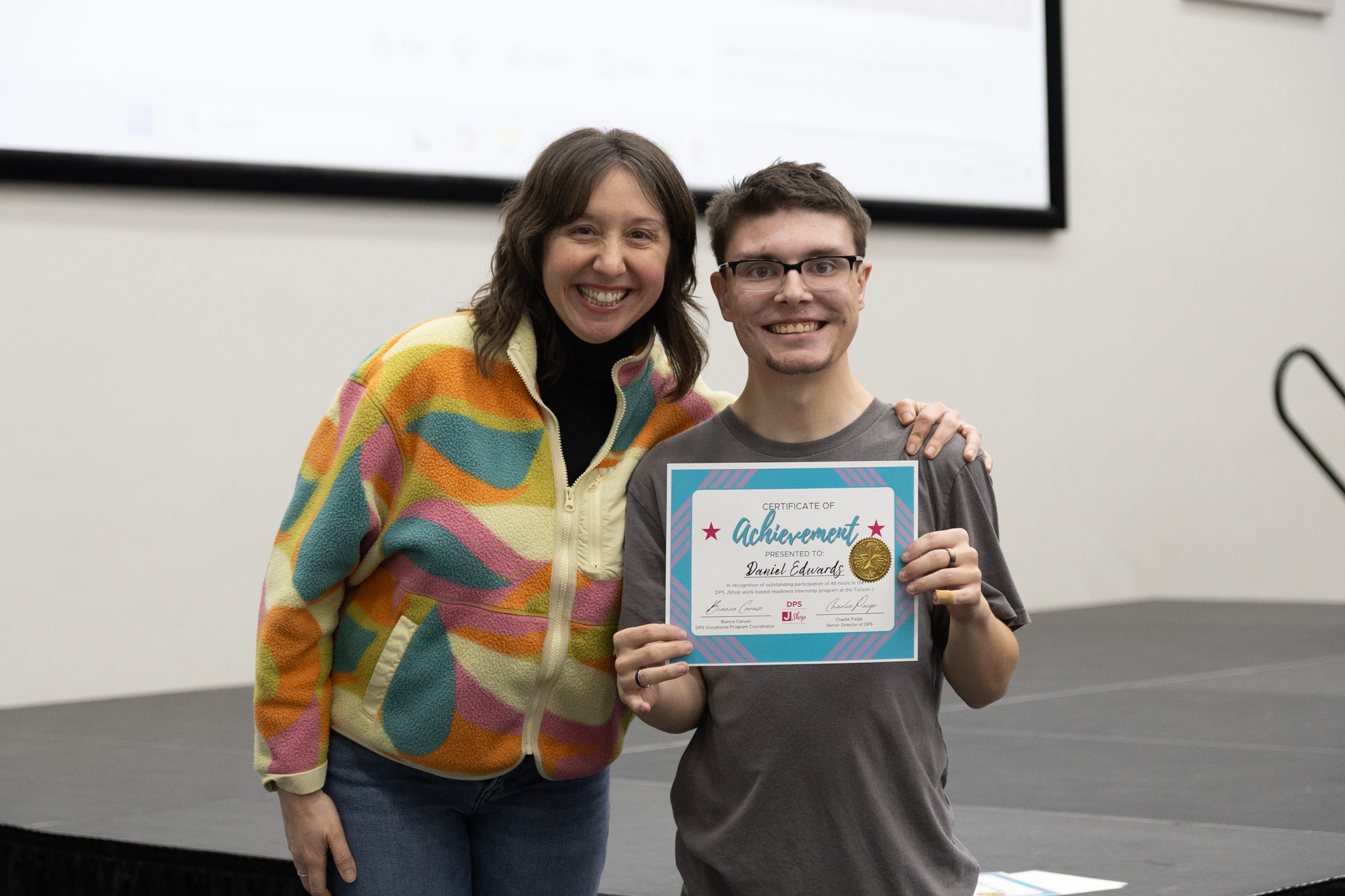
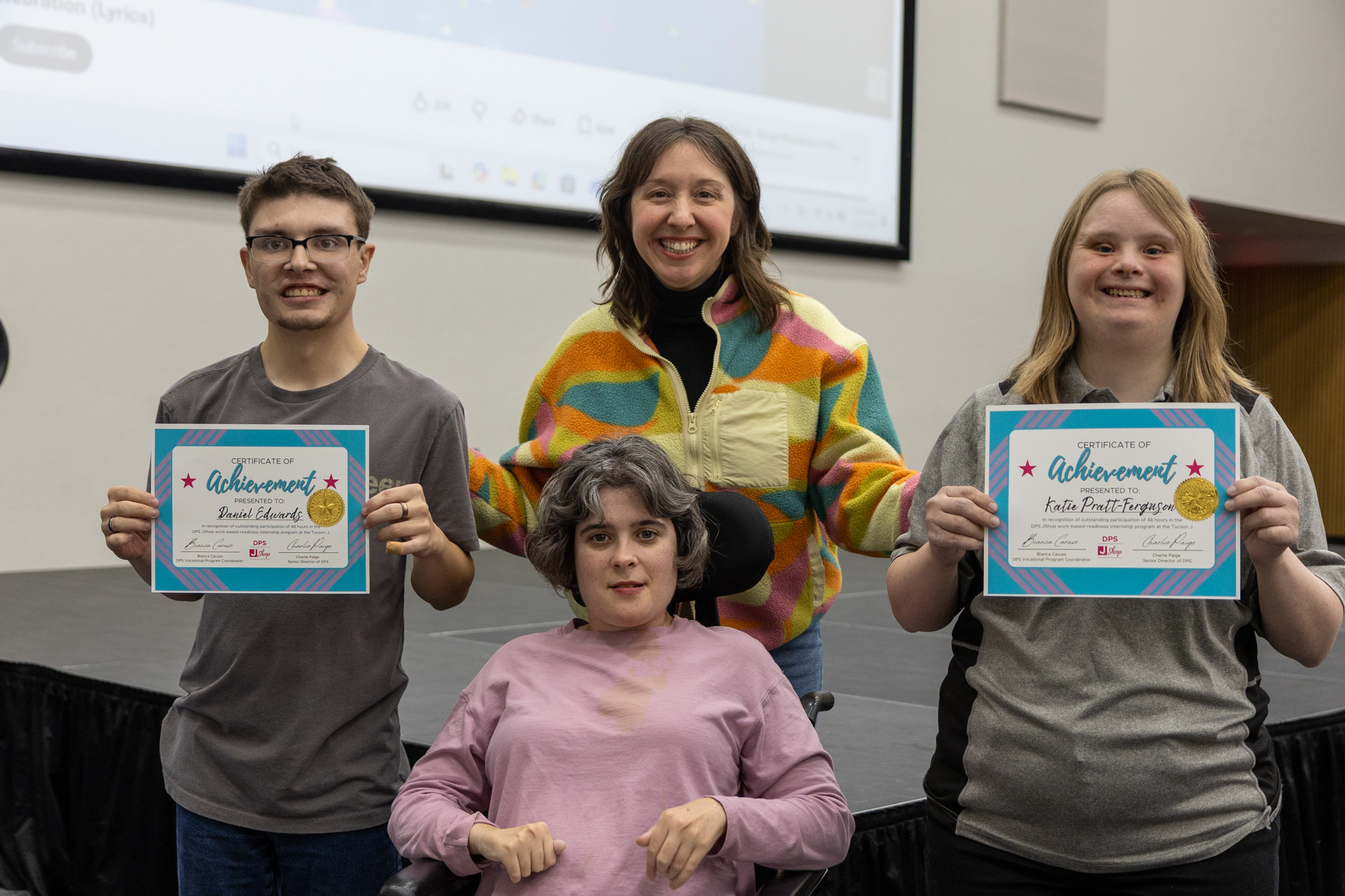
Also on Thursday, we celebrated another graduation of Disability Program Services JJobs JShop interns! Kyle, Tyler, and Hannah completed 48 hours of training in the JShop that included learning about customer service, sales, and inventory management. Join us in wishing them a Mazel Tov Gadol (big congratulations) and stay tuned for information about the next phase of JJobs—a coffee cart! 


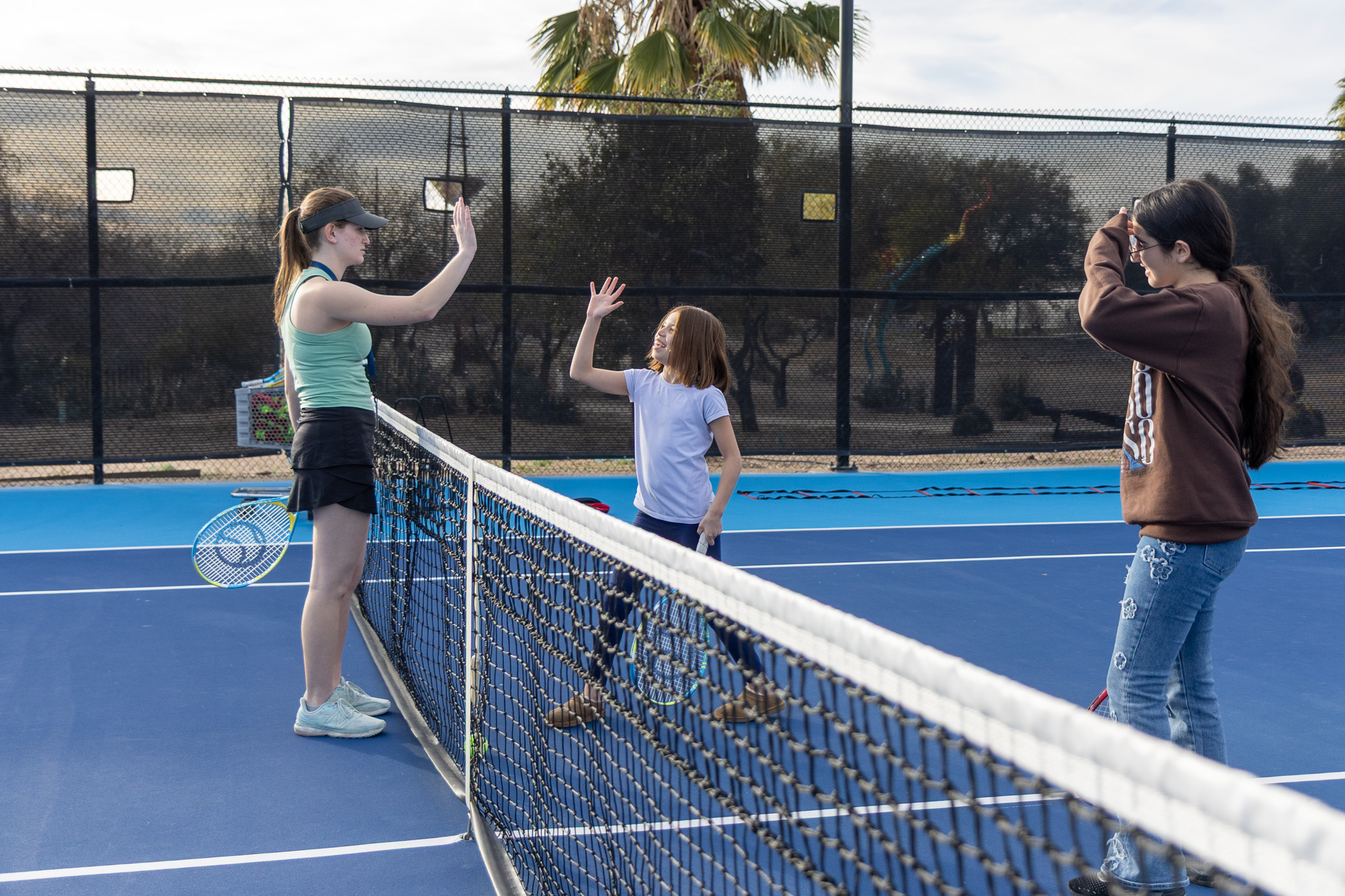
All week, every week, our community stays active, weaving wellness, care, and community into their daily lives through programs like Healthy Aging, Racquet Sports, Spanish class, and so much more. We’re proud to transform Jewish values into vibrant, everyday life and grateful to do it alongside you—our partners in this meaningful work. Shabbat Shalom. 

Reminders, Resources + Learning

From the Desk of Avey Hanshaw | Tucson J Board Member 

Shabbat Shalom
Shabbat Shalom

From the Desk of Avey Hanshaw | Tucson J Board Member

This week’s Torah portion is parsha Yitro, telling the story in which Moses’ father-in-law (Yitro) visits Moses from Midian and notices that he is the only person who settles other’s disputes in the community. Yitro notices the flaws in this and helps set up a court of magistrates and judges, and later in the portion everyone gathers at Mount Sinai to receive the Ten Commandments through Moses.


Usually the second half of this portion is focused on because of its grandeur and high religious importance, but I believe the first part is actually more relevant to our world today. On the surface, Yitro’s questioning of Moses’ system can be interpreted as worry for his wellbeing and burnout from constant work. While that is quite important, I bring up a different interpretation: how disastrous a closed mind can be. Before the court was installed, Moses was the only one to decide right from wrong for all people. In a way, we all somewhat think of ourselves as Moses. It’s easy for us to set the highest standard on our own opinions, values and overall selves while disregarding other philosophies. However, ideas like politics and morality are such spectrums that it’s impossible to find one solution for all people, which is why to this day Torah is consistently debated and discussed with different conclusions each time. If we are all Moses, there is no room for community or learning. This shabbat, I implore you to sit with yourself and think about your identity. Talk to your neighbors. Ask your family questions. Compromise. Perhaps we each carry a sliver of Moses within ourselves, but we can only reach our highest potential by coming together.

This week at the J offered many opportunities to come together and explore new ideas and perspectives, uncover new passions or parts of ourselves, and deepen existing interests. Our mission comes to life only in community—when we lean in to conversation, collaboration, and our collective stories, we grow as individuals each contributing to the strength and vibrancy of our shared present and future. 


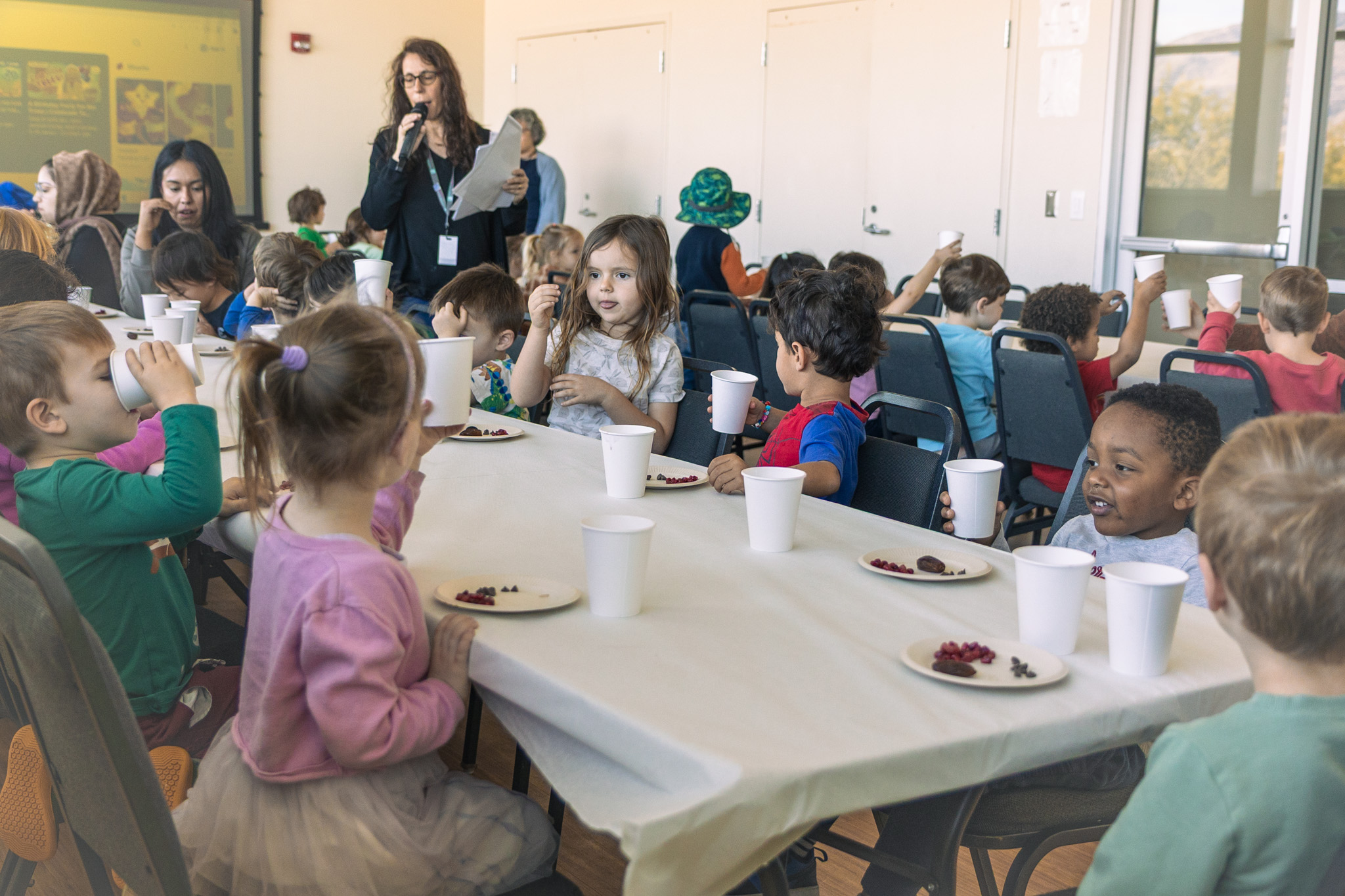
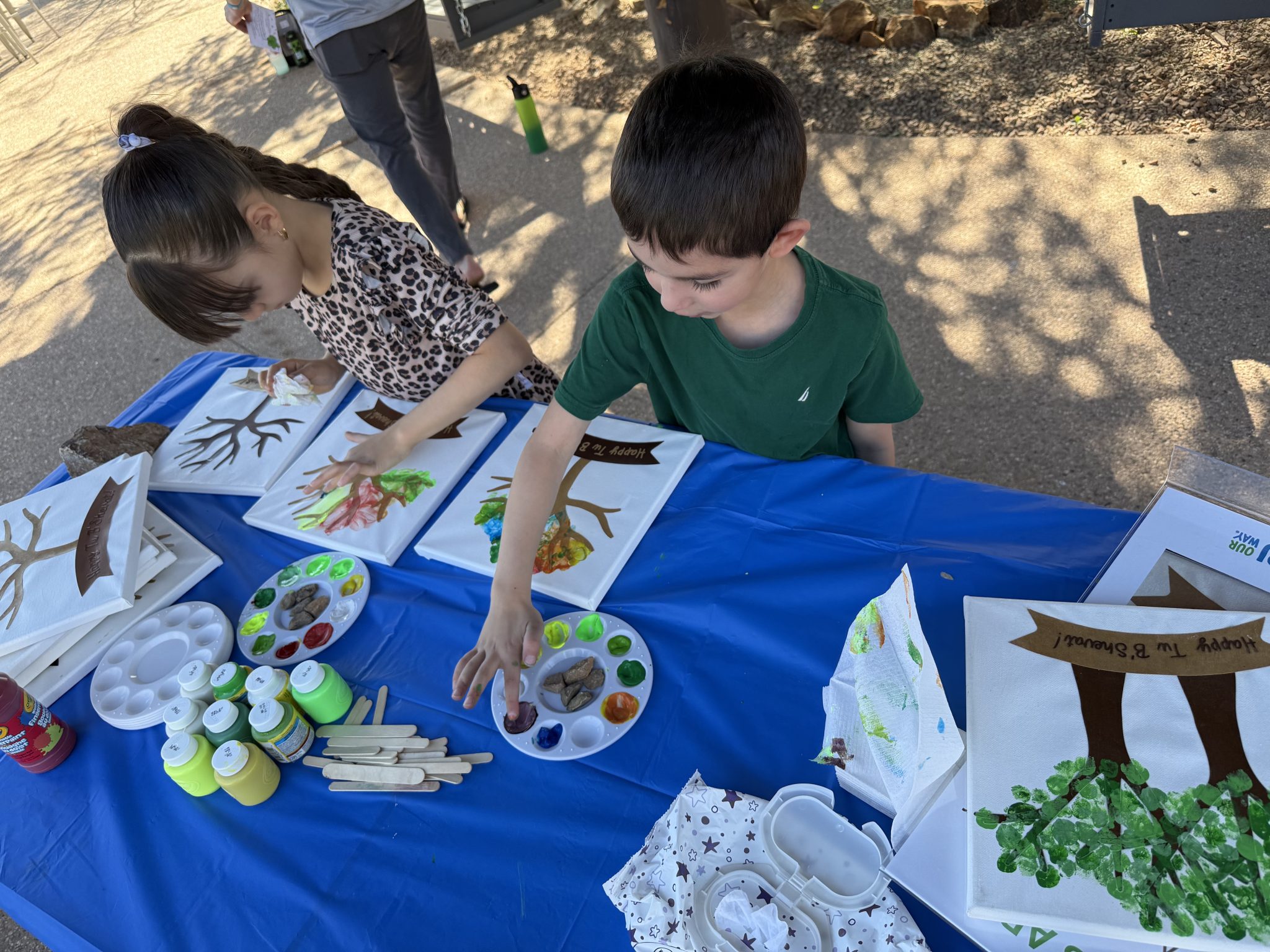
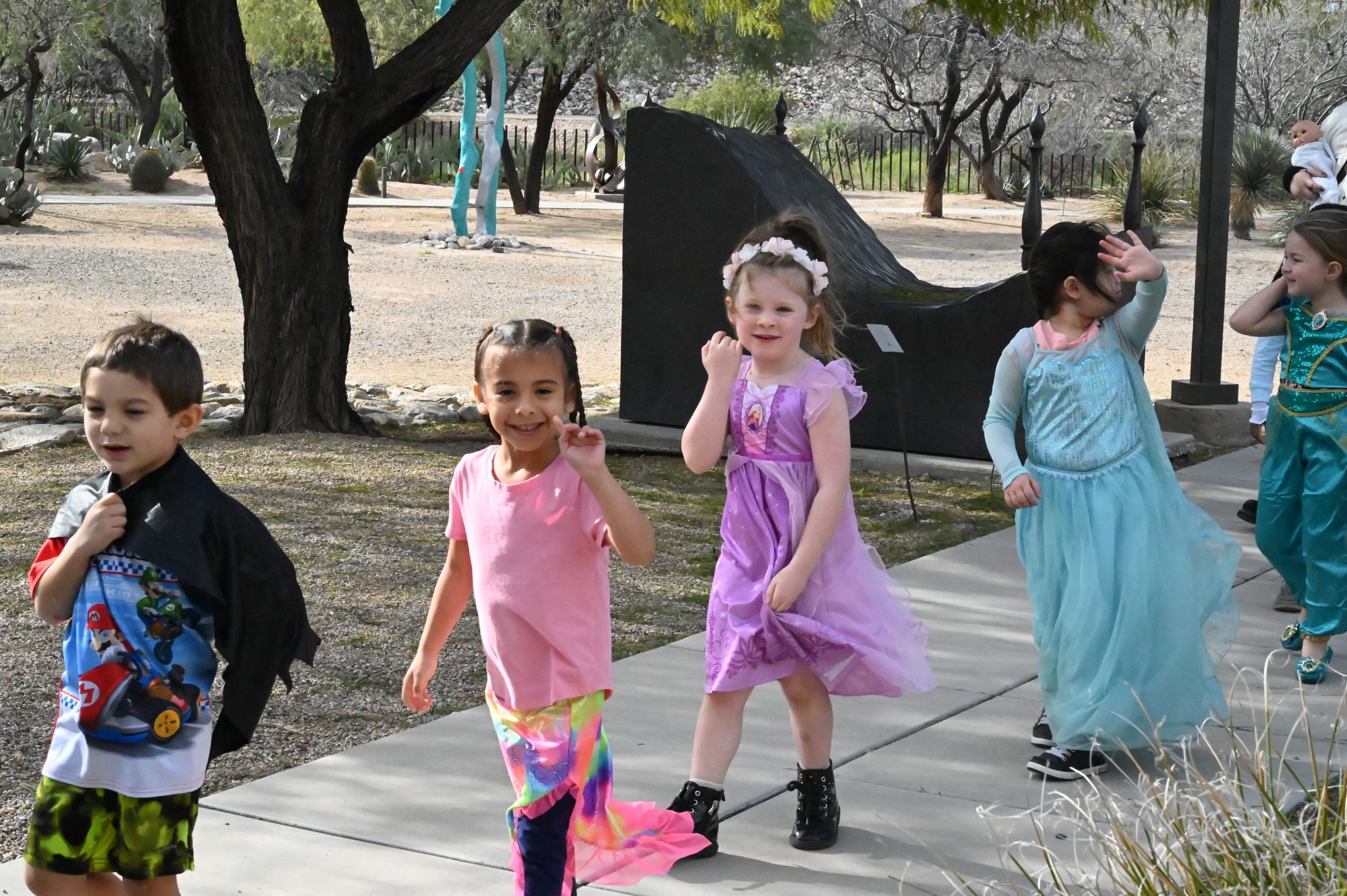
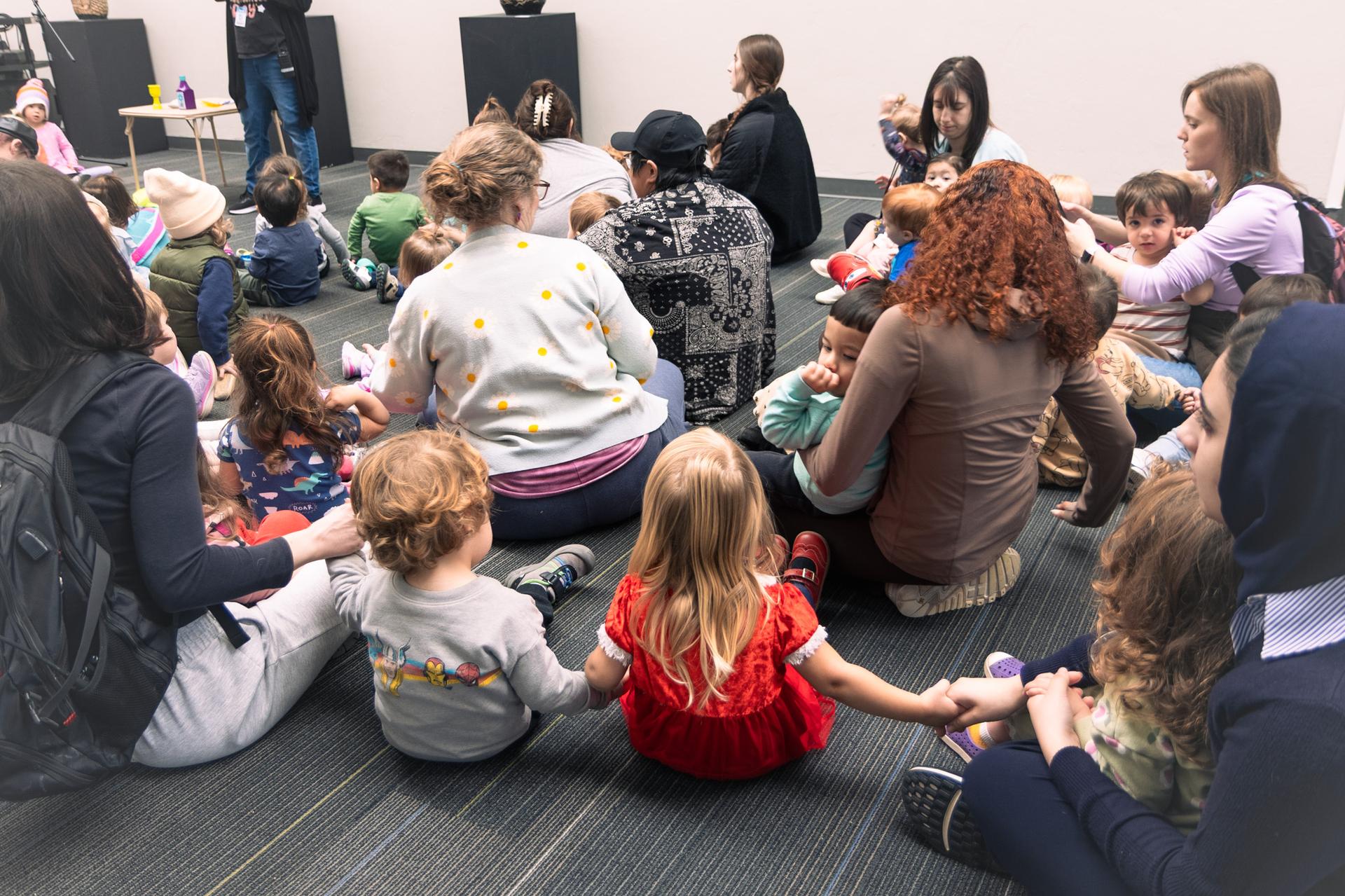
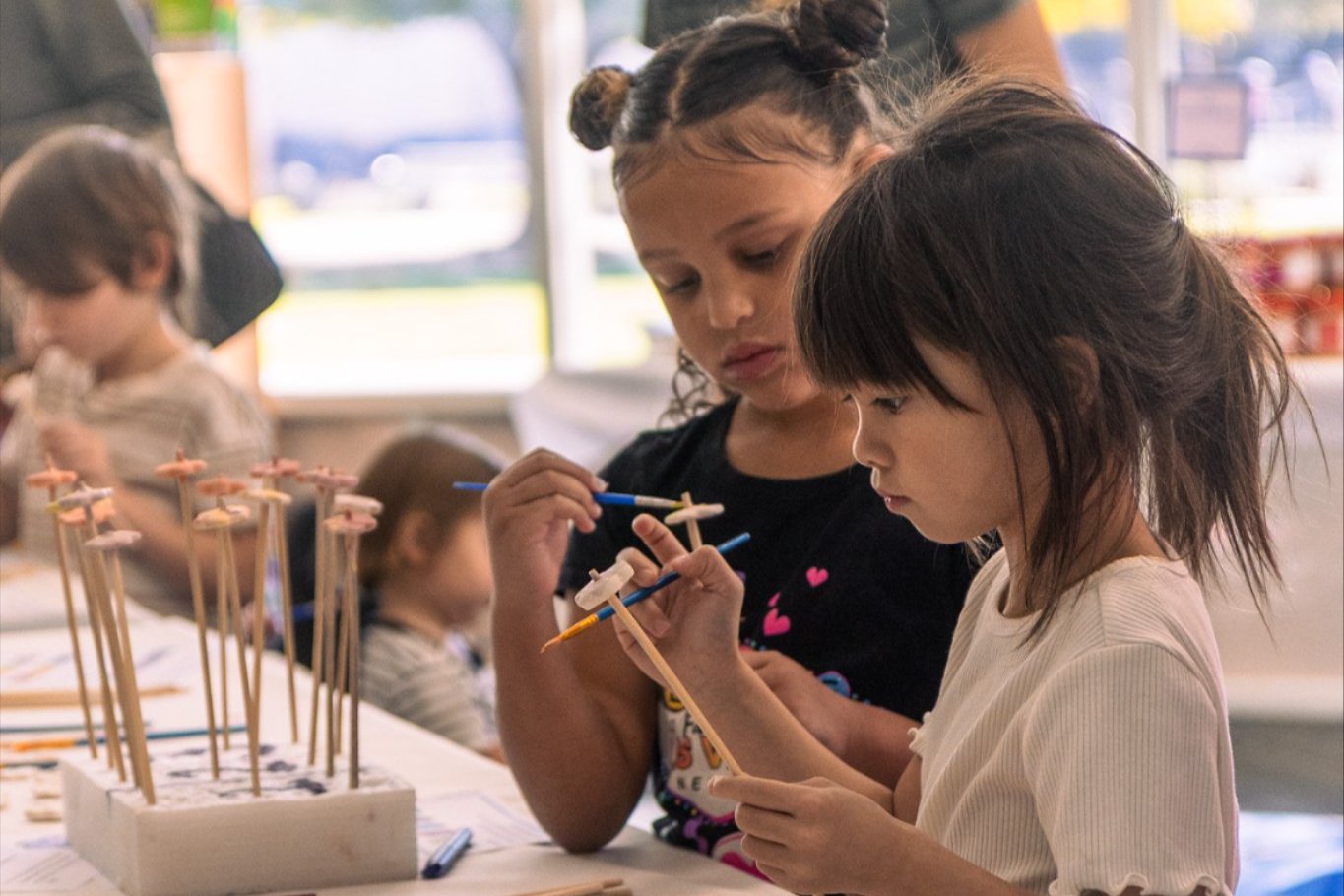
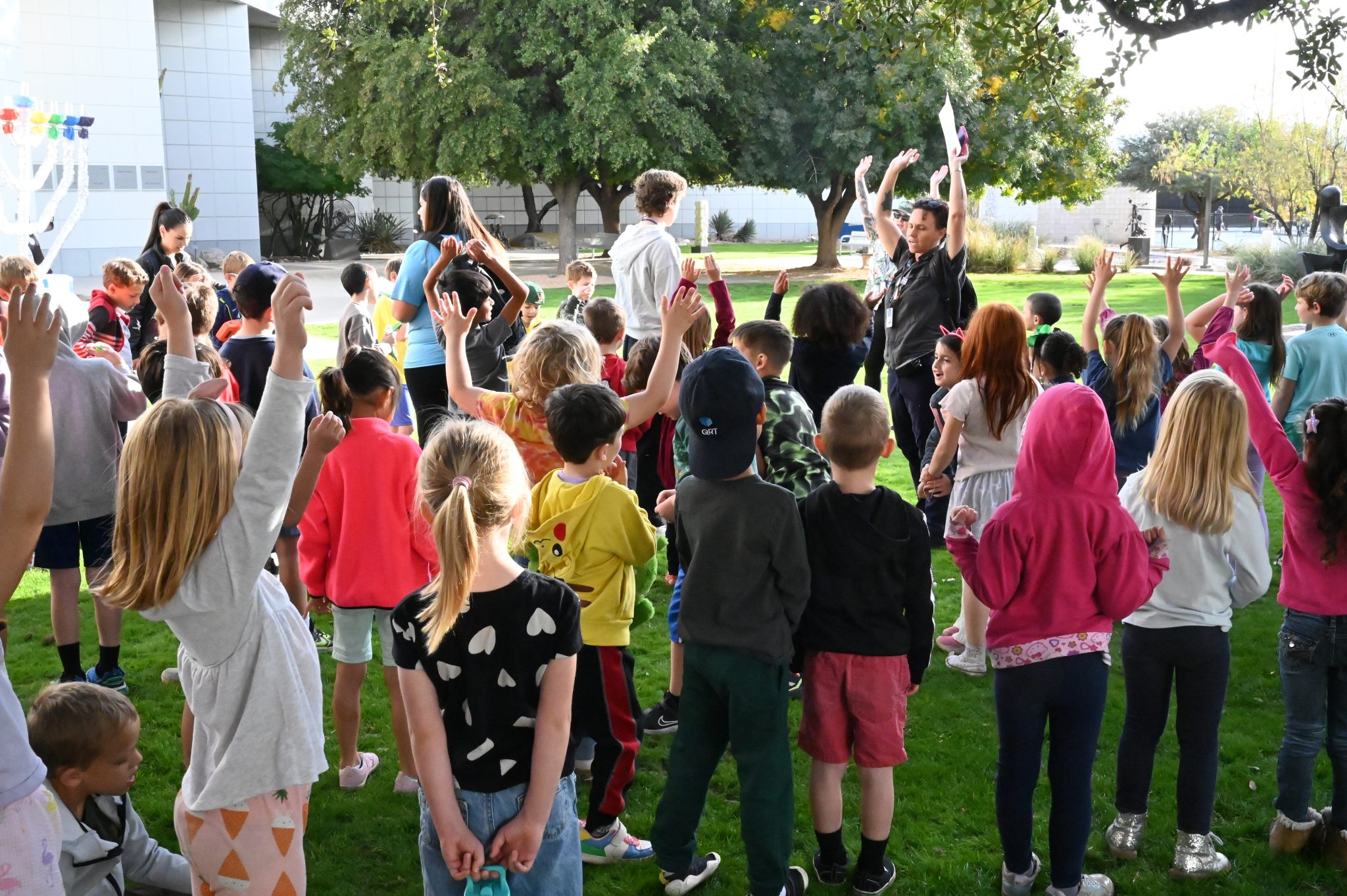
We began the week in celebration of Tu Bishvat with a PJ Library event Sunday at the beautiful gardens of Tohono Chul, surrounded by trees and nature. Families joined in a meaningful blessing for the trees—shared in English, Hebrew, and Spanish led by PJ parent, David—and spent the afternoon making grass heads, planting parsley, painting, creating with clay, and exploring more hands-on activities. The celebration continued in Early Childhood Education on Monday with a tasty Tu Bishvat Seder and story time. Later in the week, ECE took to the Sculpture Garden with our annual Love of Reading Month book character parade! 

Making the most of the beautiful spring weather, the Stingrays Swim Team had a blast at the Sweetheart Meet! In a smaller, more fun-focused environment, the Stingrays were able to put together some great swims and fun relays! Swimmers had a few best times and a couple of Regional championship qualifying swims, but the highlight of the meet came from the mixed relays, a relatively new offering for swim meets, and the ‘Rays first time competing in them. As a result, the team walked away with three new team records!


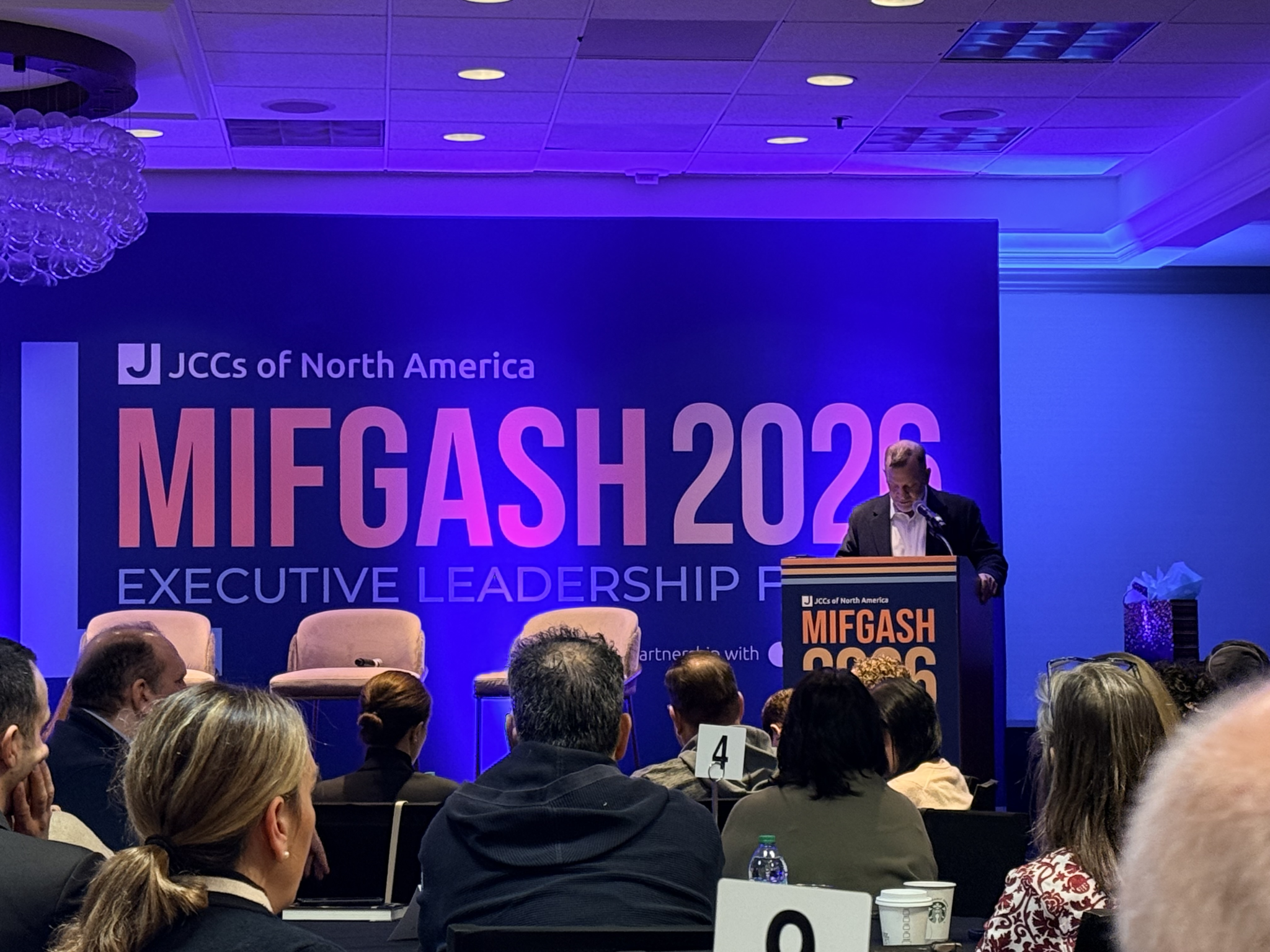
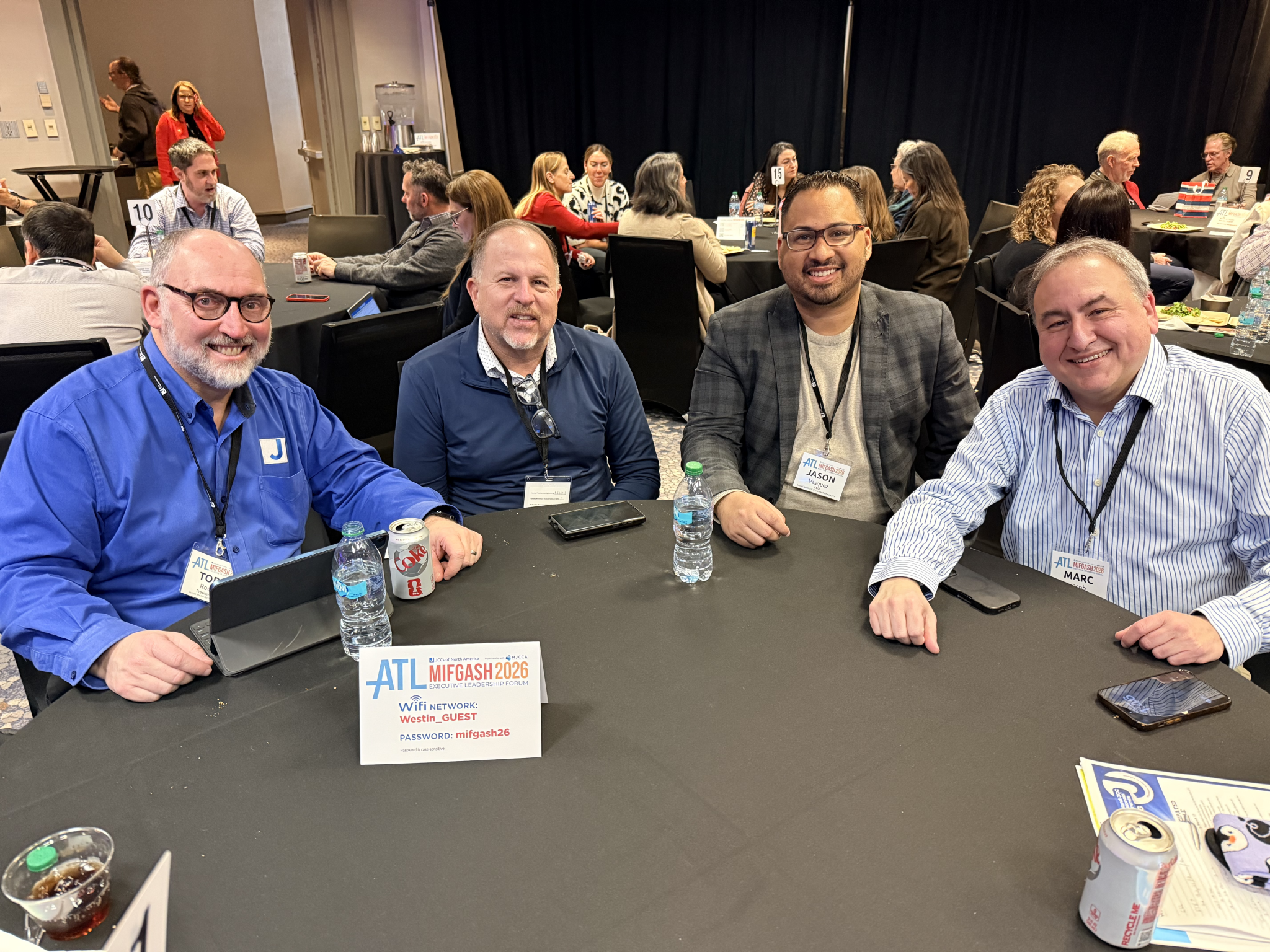
The Tucson J team is also an important part of our J community. This week, CEO + President, Todd Rockoff, returned from the JCC Association Mifgash Executive Leader forum in Atlanta with colleagues from across North America, Israel, Budapest, Moldova and Estonia! The group learned about  the JCC Association’s three centers of excellence: Talent, Jewish Peoplehood, and Innovation and Impact. They explored the power of storytelling, dove into real challenges and opportunities leaders are navigating, and talked about the need for both practical tools and deep connection within the movement. Here on campus, Tucson J leaders had the honor of meeting with Daria Pavlovschi, CEO of the Kedem Jacobs JCC in Kishnev, Maldova. The Tucson J has been in partnership with Kedem Jacobs, most recently bringing a delegation of teens to compete in last summer’s JCC Maccabi Games as part of Team Tucson. Daria explained the history of Jews in Moldova and the current landscape the work of her J exists in, before opening it up to the team for questions, conversation, and idea-sharing. 


As we head into Shabbat, we’re grateful for the many ways this week reminded us of the power of gathering, learning, and growing together. May the stories and connections we shared carry us into a restful Shabbat and inspire the week ahead. Shabbat Shalom. 

Reminders, Resources + Learning

From the Desk of Rabbi Samuel M. Cohon | Rabbi of Congregation Beit Simcha and host of The Too Jewish Radio Show + Podcast

Shabbat Shalom
Shabbat Shalom

From the Desk of Rabbi Samuel M. Cohon | Rabbi of Congregation Beit Simcha and host of The Too Jewish Radio Show + Podcast

This week we read the wonderful Torah portion B’Shalach, the great conclusion of the tale of the Exodus from Egypt. The story is familiar from Hebrew School, Torah classes, sermons, Passover Seders, movies, even cartoons. The Israelites, under the leadership of Moses—with help from his brother Aaron and sister Miriam—have been liberated from the dark night of Egyptian slavery. God has sent 10 plagues to destroy the will of the oppressors, and now our people escapes Egypt after 400 years of slavery with bundles of clothing, unleavened matzah baked in haste, and trinkets of gold and silver given them by their former slavers.


The Israelites approach the Sea—some say the Sea of Reeds, some the Red Sea—when the evil Pharaoh has a change of heart. He decides, cruelly, to follow the Israelites with his chariot army and re-enslave them. Stuck on the shore of the Sea between the oncoming enemy and deep waters, God miraculously saves the Israelites by dividing the sea and allowing them—us—to cross on dry land, the waters closing up behind to destroy their Egyptian pursuers. 


As they look back on the now unparted waters the Israelites celebrate, and sing a great song, “Who is like You, God, among the gods? Who is like You, adorned in holiness, awesome in praise, who does wonders?”


That song is part of every evening and morning service in Jewish tradition, the Mi Chamocha, and it is usually sung to a melody that is upbeat, joyous, energizing. For in that very moment our people fully comprehended the miraculous saving power of God, the amazing ability to be redeemed from death and destruction.


While it doesn’t always turn out that way, it does remind us that, in Jewish belief God can do anything, and has done so for our people at rare and remarkable times. It’s not something to count on in daily life—although David Ben-Gurion, the founding Prime Minister of Israel and the true father of the country, memorably said, “In Israel in order to be a realist you must believe in miracles.” That capacity is actualized in this portion to demonstrate freedom can come even to the most downtrodden and enslaved people in the world. 


Ben-Gurion also said, “Anyone who doesn’t believe you can’t change history has never written his memoirs.” One of the great aspects of B’shalach is that as soon as the story of the Exodus and the crossing of the sea is told in prose form, there is an immediate reinterpretation into poetry. And we have been reinterpreting this fantastic tale ever since. We’ll do it again not only this Shabbat, but again on Passover.


Freeing the oppressed thus lies very close to the heart of Judaism and Jewish life. It is also a wonderful lesson that has been taken to heart by nearly every liberation movement since the Exodus, over 3000 years ago. No matter how dark the prospects for freedom may seem, sometimes—often—God makes it possible for slaves to become free, for autocrats, dictators and cruel leaders to be overthrown. 


In the same way, God can make it possible for any of us to free ourselves from the bonds imposed upon us in our own personal lives, allowing us to achieve spiritual liberty and to reach a time of true celebration.


On this Sabbath celebrating liberation, it is customary for synagogues to hold a joyous Shabbat of Song, a Shabbat Shirah. Attend Friday night services this and you can enjoy a musical reminder of the power of divine liberation from autocracy.

It is because of the Jewish values that guide our work that we at the J have built a space where everyone belongs. This is not just something we say, but a concept that is foundational to everything we do. From the scholarships we offer for membership and childcare, to the essential programs in our Disability Services and Healthy Aging departments, and the Arts and Culture events that start conversations that build bridges, we truly live our mission to foster wellness and broaden communal harmony by welcoming people of all ages and identities to participate in a community that not only welcomes them with open arms, but supports them through all stages of life. “Tzedek, tzedek, tirdof” — “justice, justice, you shall pursue” — is a biblical command we find in Deuteronomy that is resonate in our work and the world today, particularly as we celebrate Black History Month and Jewish Disability Awareness, Inclusion, and Acceptance Month (JDAAIM) in February. 


This week at the J, participants in Disability Program Services sharpened their culinary skills in weekly Cooking Club — this week with a delicious recipe for Guacamole! DPS has been busy preparing for the next phase of JJobs, a vocational training program that provides interns from the department the opportunity to build confidence, independence, and job skills. Phase 2 is the launch of a coffee cart that will serve patrons of the J with delicious local coffee, matcha, and more. Stay tuned for more information in the coming weeks! 

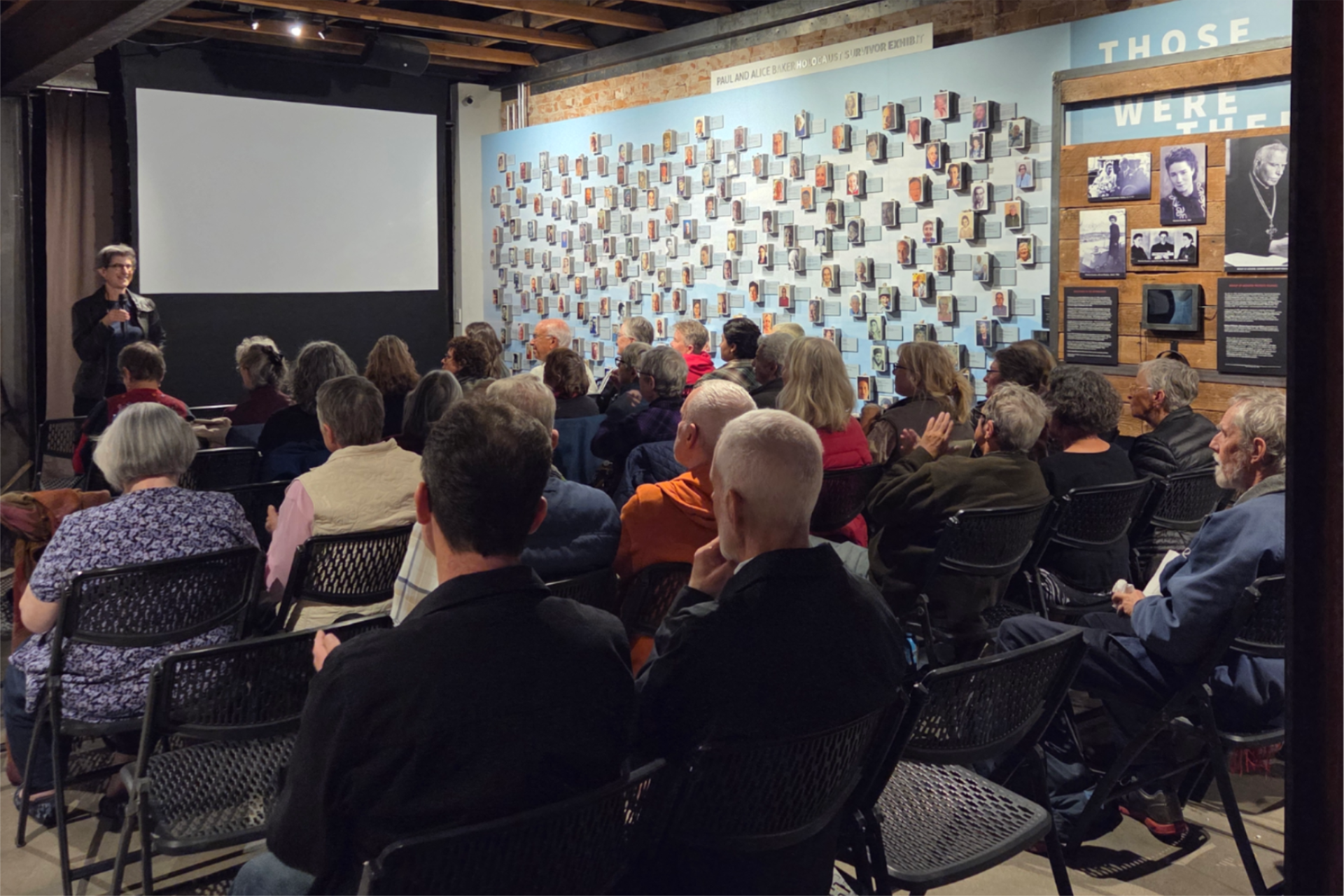
On Thursday, we joined our friends at the Tucson Jewish Museum + Holocaust Center for a screening of Nelly + Nadine, an unlikely and harrowing love story between Belgian classical singer, Nelly Mousset-Vos and Nadine Hwang, the daughter of a Chinese ambassador to Spain. Nelly and Nadine meet in the darkest of times on Christmas Eve, 1944. Through their newly recovered personal diaries and Super-8 home movies, the film takes audiences on a personal journey through the nearly forgotten history of one of the greatest love stories never told.


Every day, we nurture these values from the very beginning in our Early Childhood Education program. Through daily moments of curiosity, creativity, and connection, children build the foundations for lifelong learning, kindness, respect, and community. In caring for our youngest members, we affirm our belief that inclusion, justice, and belonging are not abstract ideals, but lessons lived and learned from the very start. Registration for new families seeking to join our award-winning program opens on Sunday — we’d love for your kids to join us! 


As we move into Shabbat and reflect on these lessons of justice and belonging, we invite you to consider what small and big things you can do in your own life to help build a more just and compassionate world for all. To learn more about JDAAIM and explore some resources that work to that end, check out this blog post on the J’s News + Media page. Shabbat Shalom. 

Reminders, Resources + Learning

From the Desk of Rabbi Malcolm Cohen | Kol Ami Synagogue

Shabbat Shalom
Shabbat Shalom

From the Desk of Rabbi Malcolm Cohen | Kol Ami Synagogue

The first time I thought I might become a rabbi was in the shul where I grew up in London. I found myself weeping with joy, at the age of fifteen, during a baby blessing at services. Through a veil of tears, I explained to my mother, between sobs, “It’s just so beautiful, this baby being welcomed into the community by all different ages of people!” Since my mother is probably the one who bestowed on me the characteristic of weeping easily, she took it in her stride. 


There is something magical, though, about seeing young, old, and those in between congregating together. The whole lifecycle is represented, people with wildly differing experiences in one place, different generations bringing various experiences to the central pot, making the communal space richer. Some of my favorite memories are working with folks who are different ages within the same family, sometimes seeing different parts of a family over the years, getting them to appreciate the occasions when they are all together. 


That is why, in this week’s portion, Moses says (Ex.10:9) at the prospect of leaving Egypt, “We will go, as young and old, with our sons and daughters, our flocks and herds; for we must observe The Eternal’s festival.” What life advice can older give to younger? What insight can parents offer other generations? What new way of seeing the world can the young give their so-called sages? This last one is important. We feel comfortable with older giving wisdom to younger but it can and should work both ways. 


As we negotiate the wilderness, let us truly do it together, learning from each other as we go. 


Shabbat Shalom.

At the Tucson J, intergenerational community isn’t abstract—it’s something we see and celebrate every day. It’s in the grandparents picking up children from Early Childhood Education, finding community in a Healthy Aging program, or joining in for a PJ Library event. It’s the teens who learn leadership skills in BBYO and then share their skills as they guide kids in through camp experiences all summer long, and those same kids becoming J staff in the future. It’s the mother and daughter who came together to appreciate new art in the latest Fine Art Gallery opening. And it’s the quiet moments when people at very different life stages find themselves sharing the same spaces here within our walls. The J is a place where generations don’t just coexist, but actively shape one another—building community life that is richer, more resilient, and better together. 


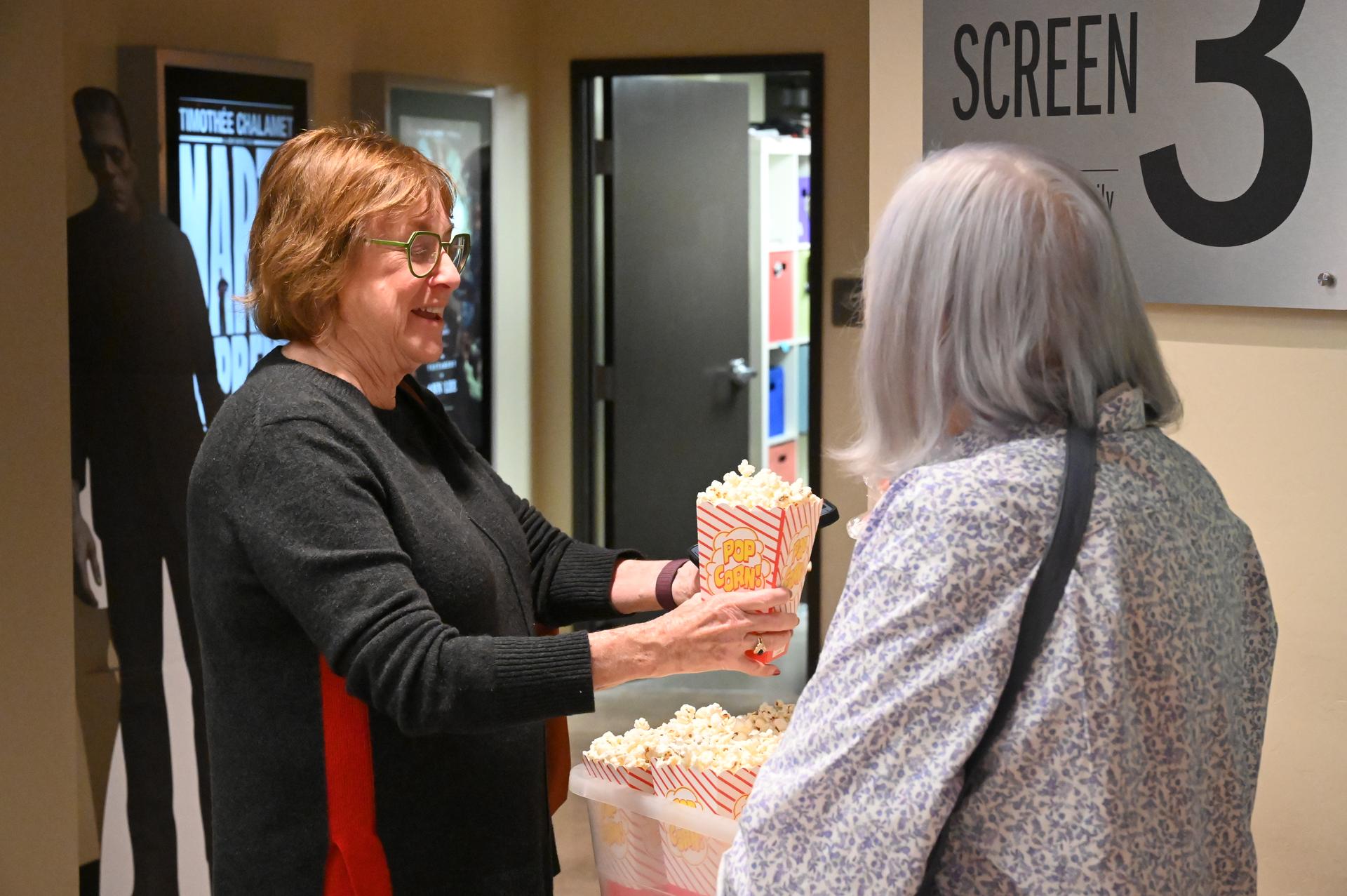
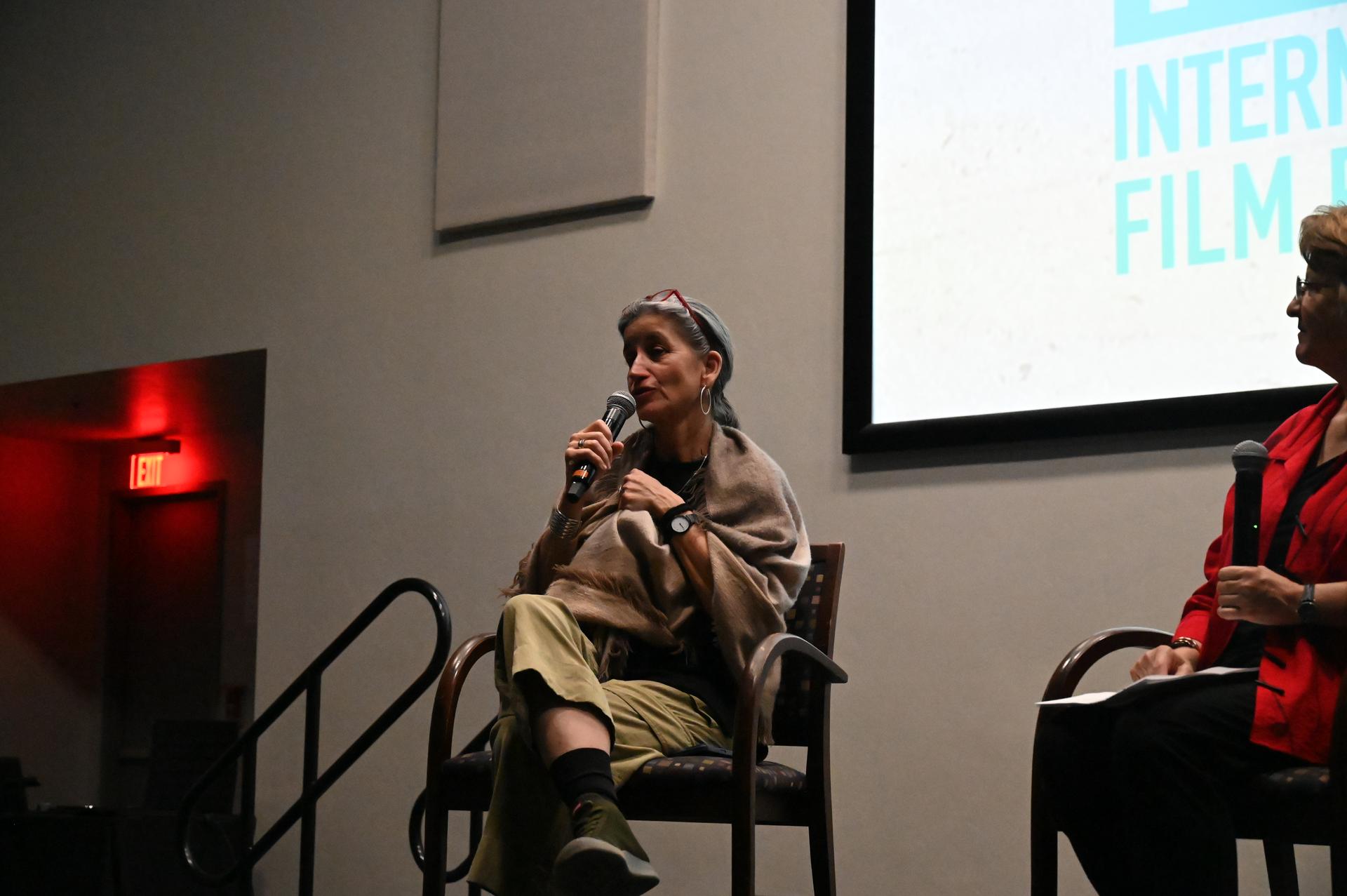
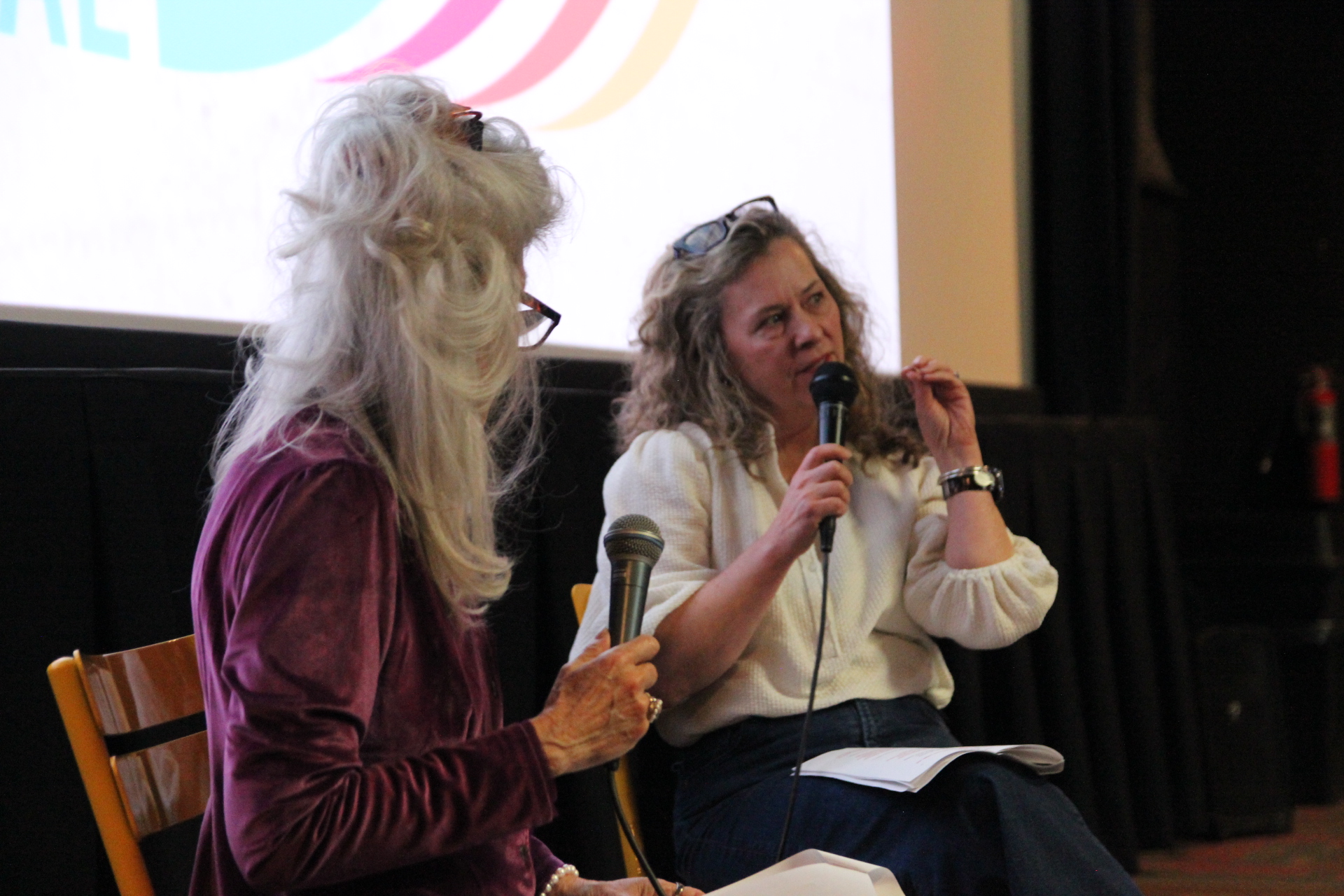
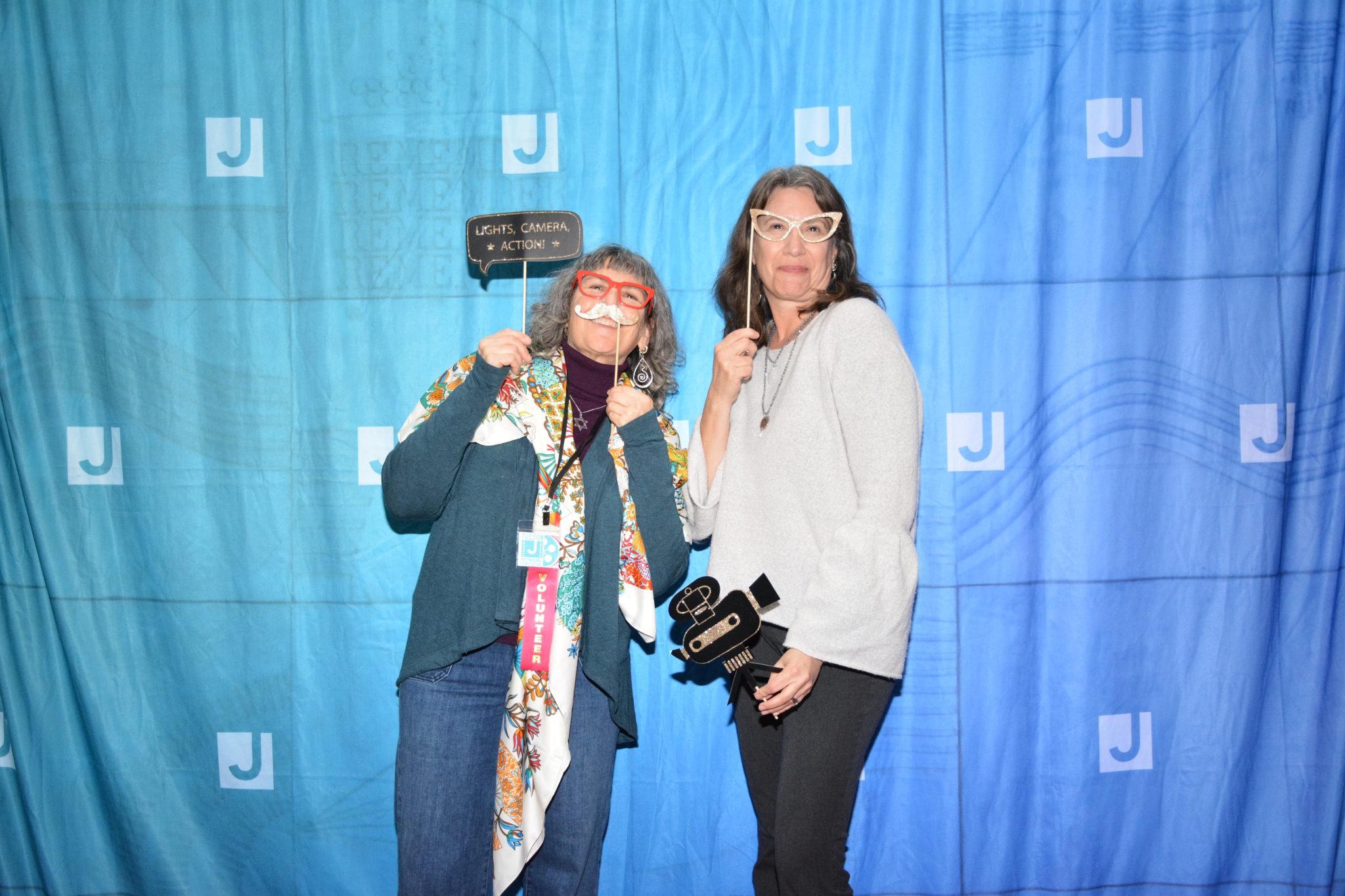
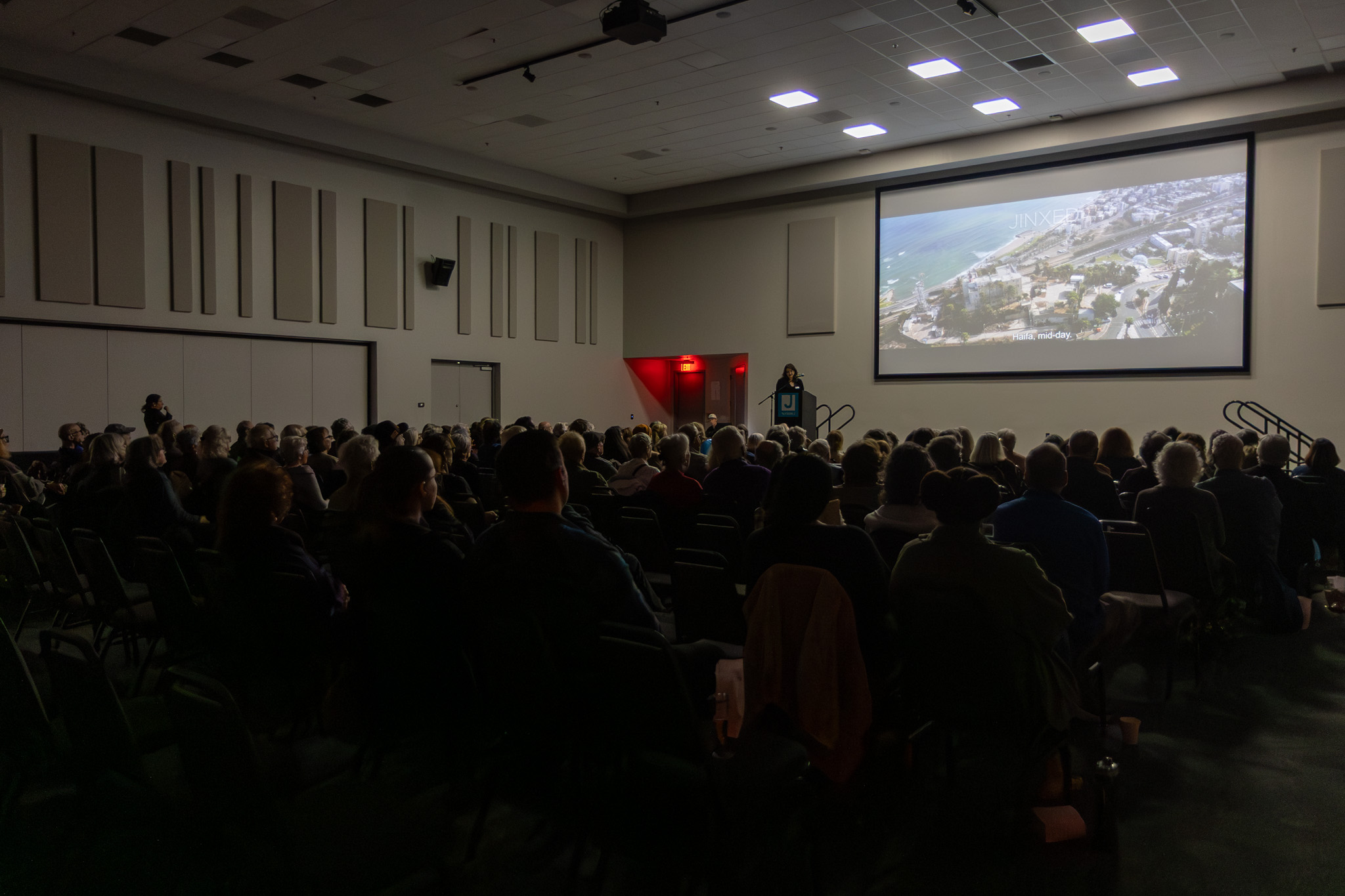
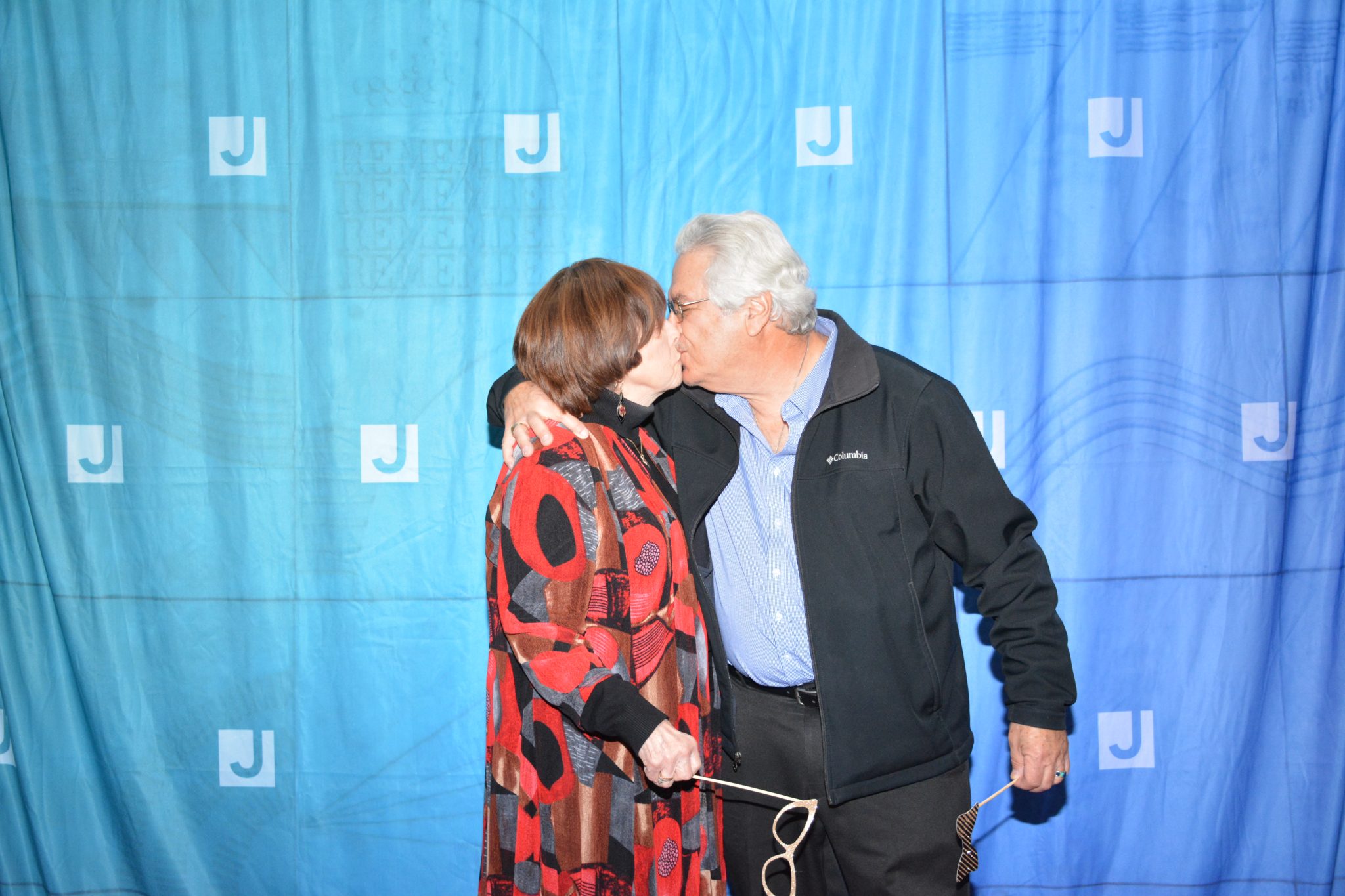
On Sunday, we gathered together for the finale of in-person Tucson J International Film Festivalscreenings (the virtual viewing window is open through Monday!). Over the course of this year’s Festival, films were viewed nearly 3,000 times—bringing an extraordinary amount of eyes and hearts to experience Jewish culture and stories. 


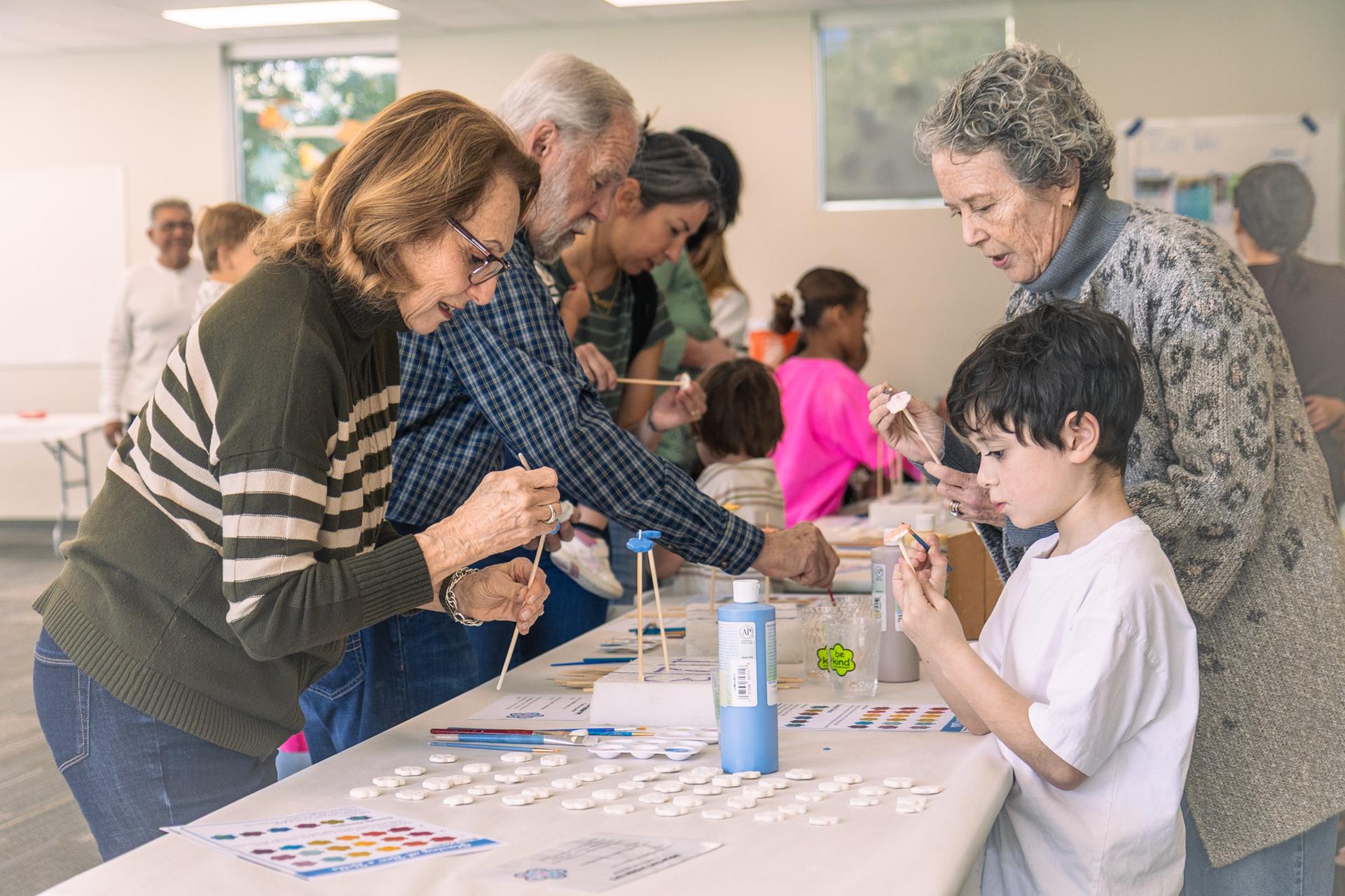
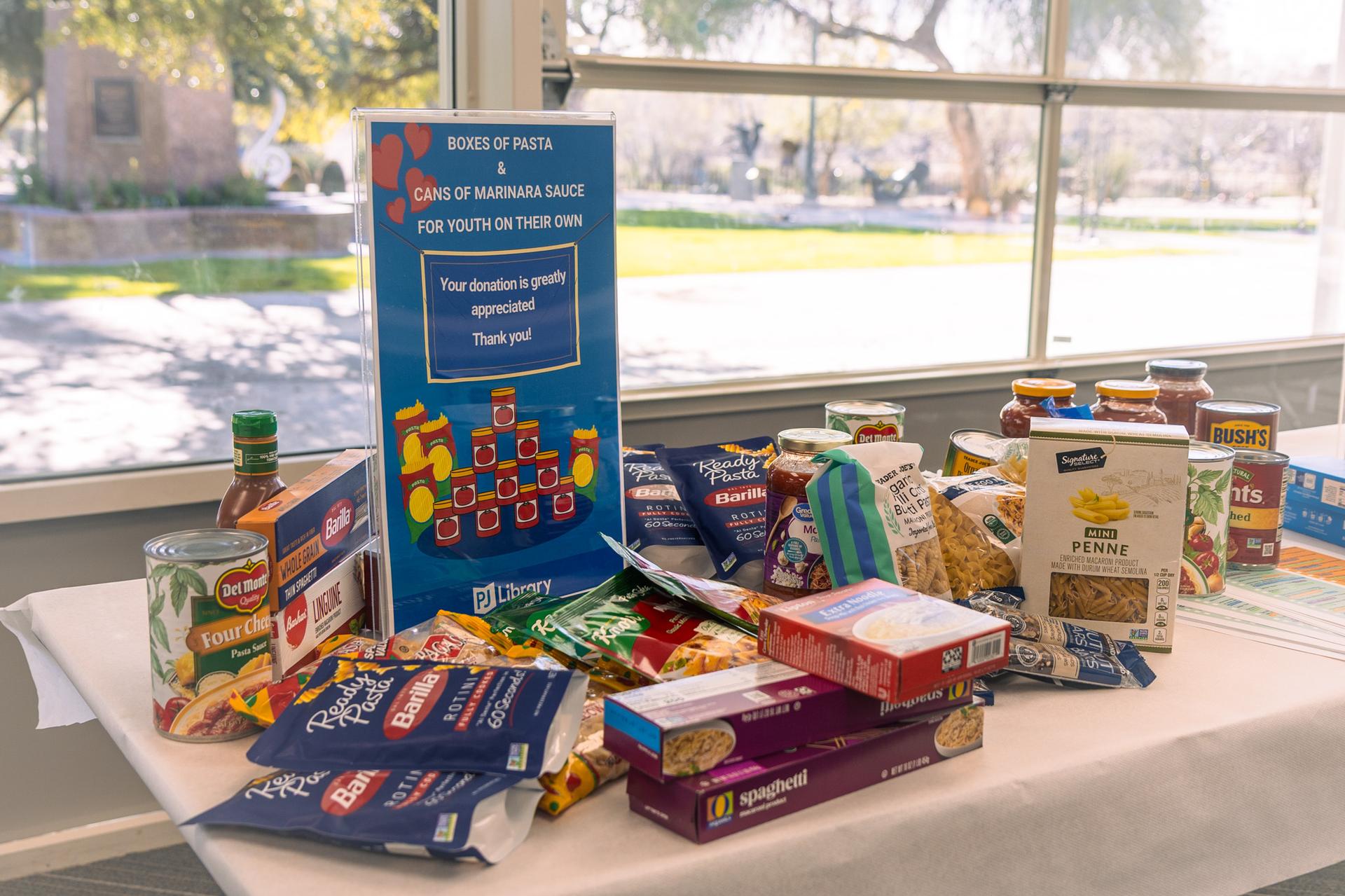
On Monday, PJ Library participated in a day of service in partnership with Jewish Philanthropies of Arizona through the program “Hearts, Hands, and Generations in Service.” Over 50 grandparents, parents, kids, and volunteers worked together to box food and pack lunches for those in need, paint Ben’s Bells Kindness Coins, and write inspirational messages to share.  

Throughout the week, people of all ages, stages, and abilities move their bodies and nourish their spirits in our Fitness + Wellness and Sports + Rec programs, including our Stingrays Swim Team and Tucson Jays Middle School Club Basketball Team that foster not only skills in the pool and on the court, but sportsmanship and leadership that will benefit participants for years to come. 


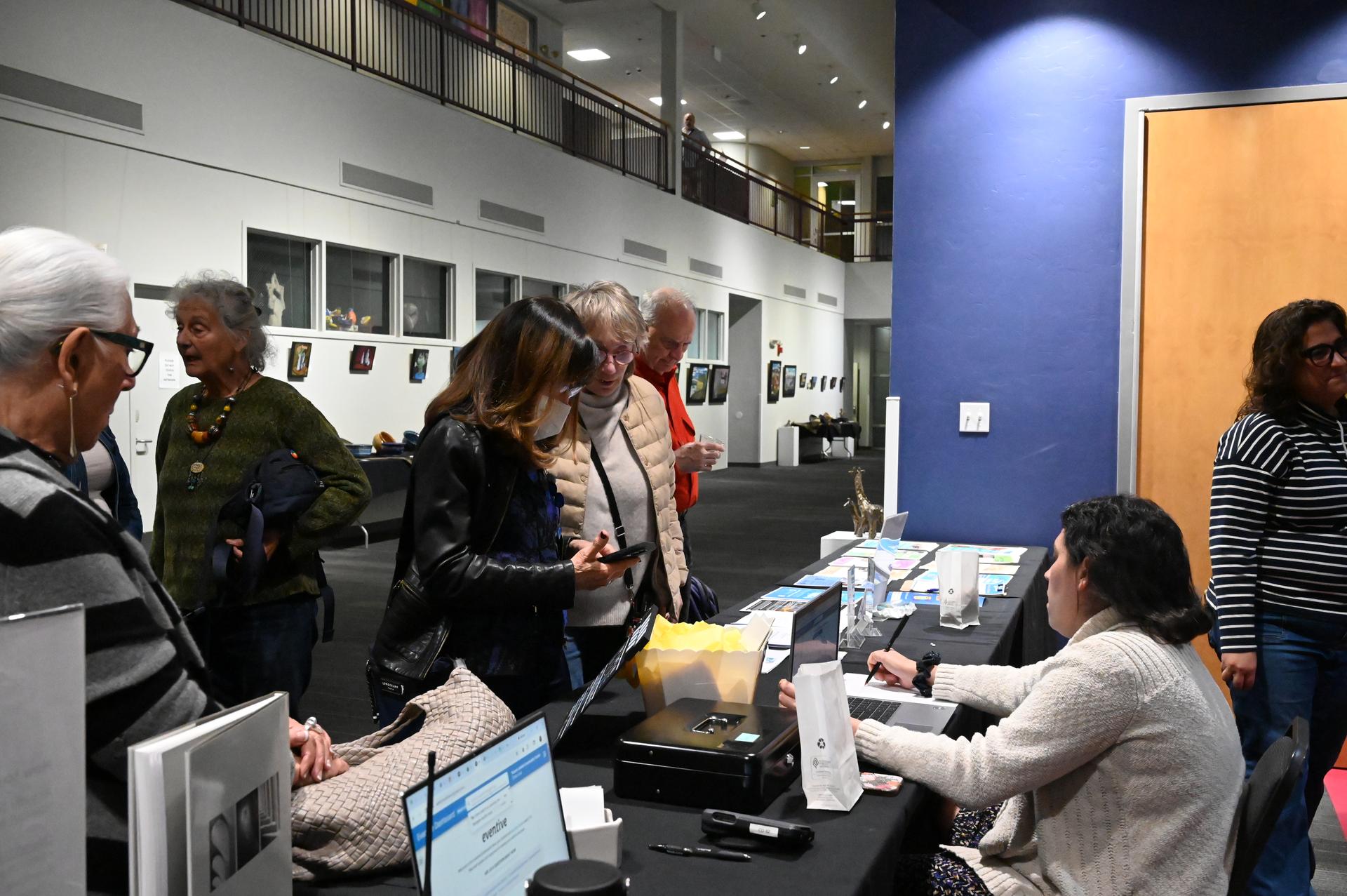
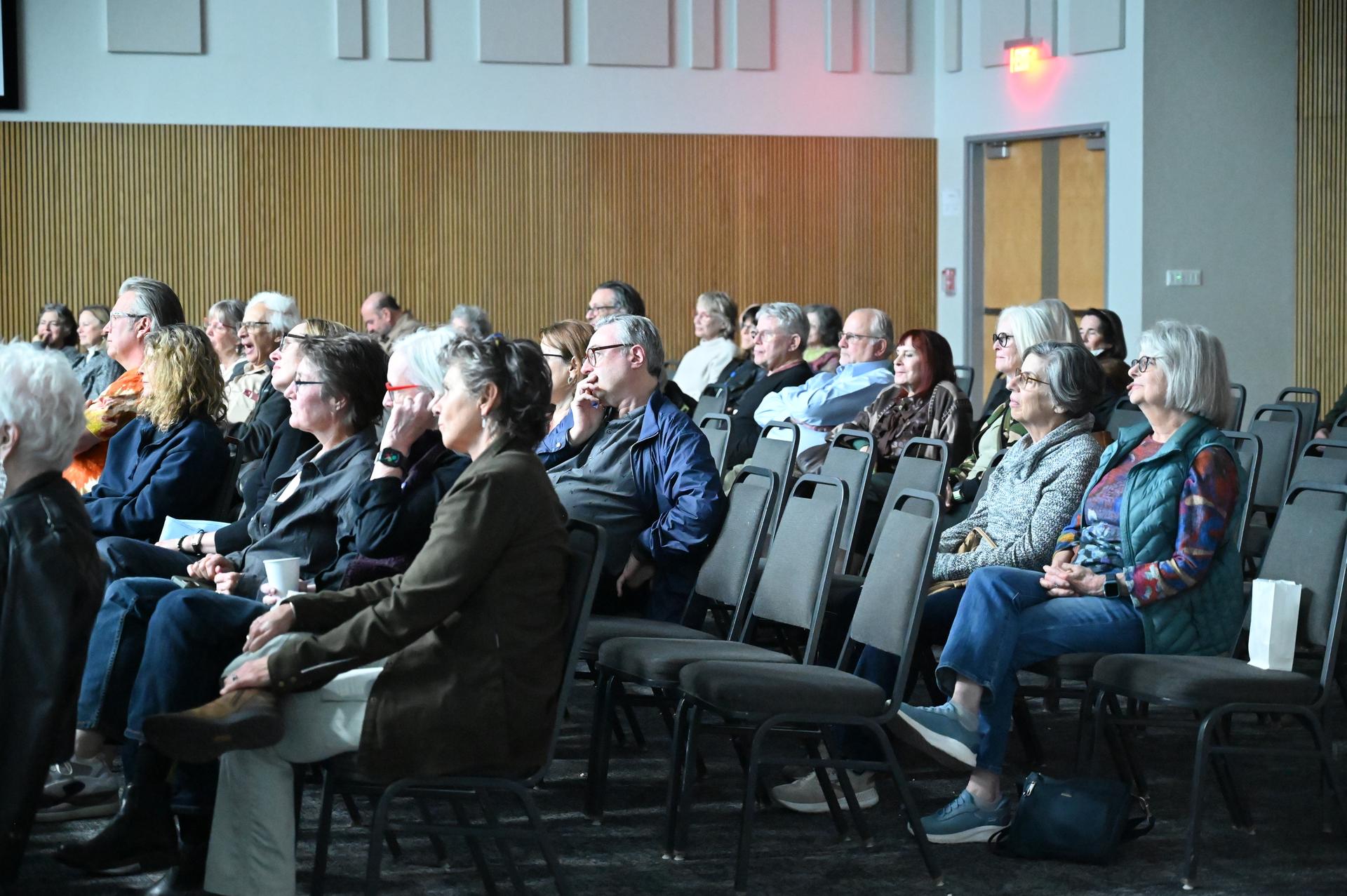
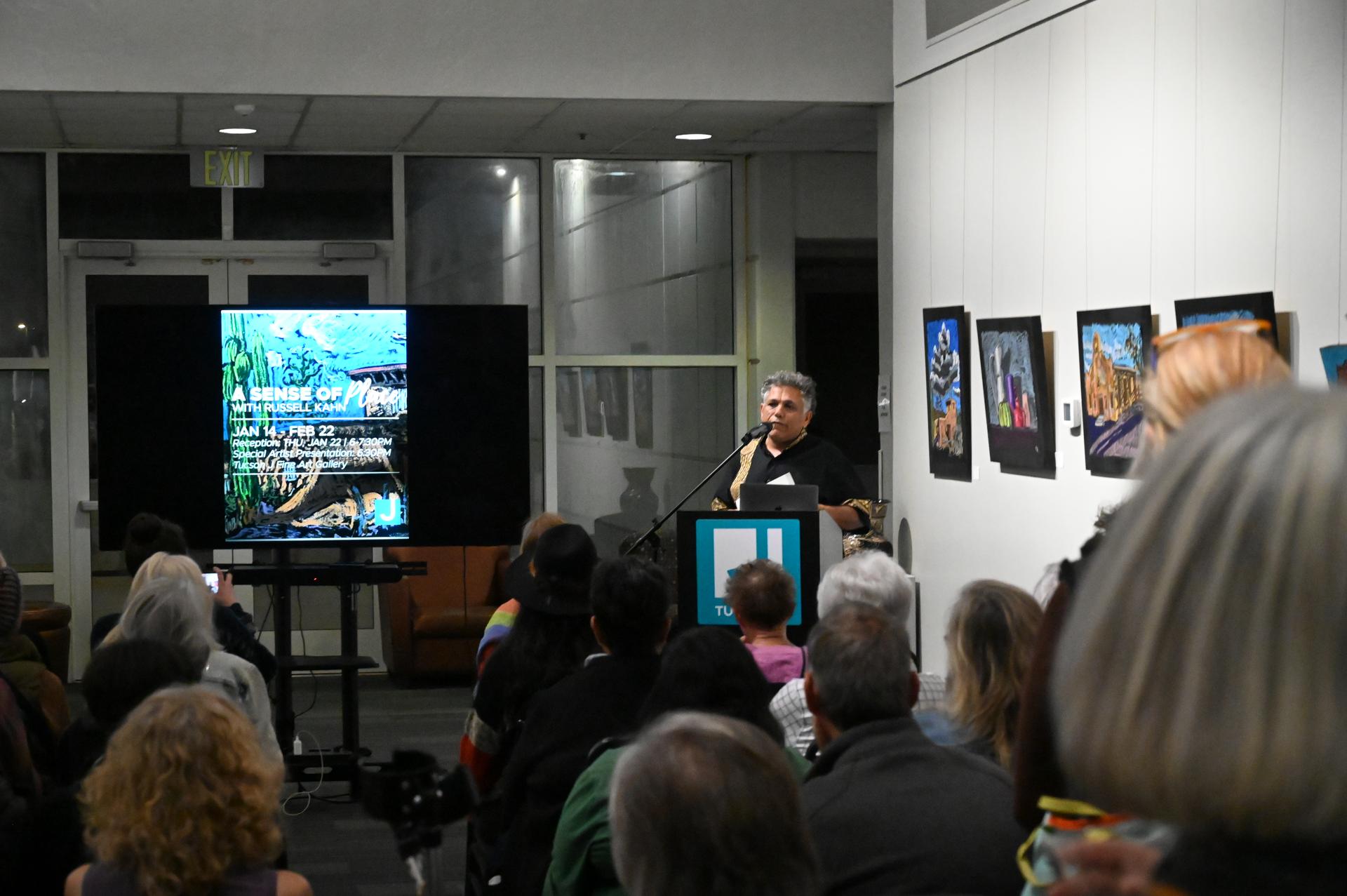
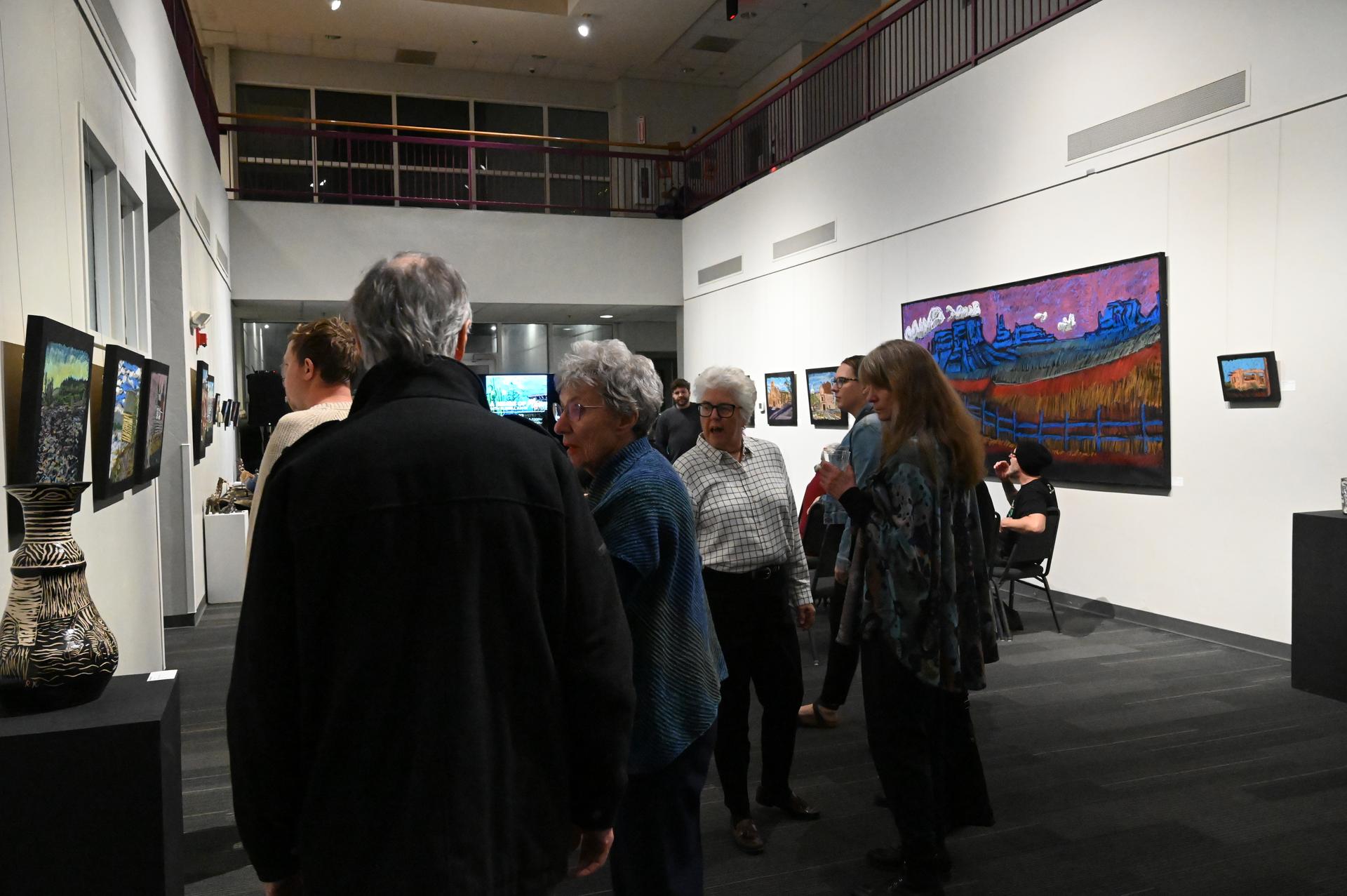
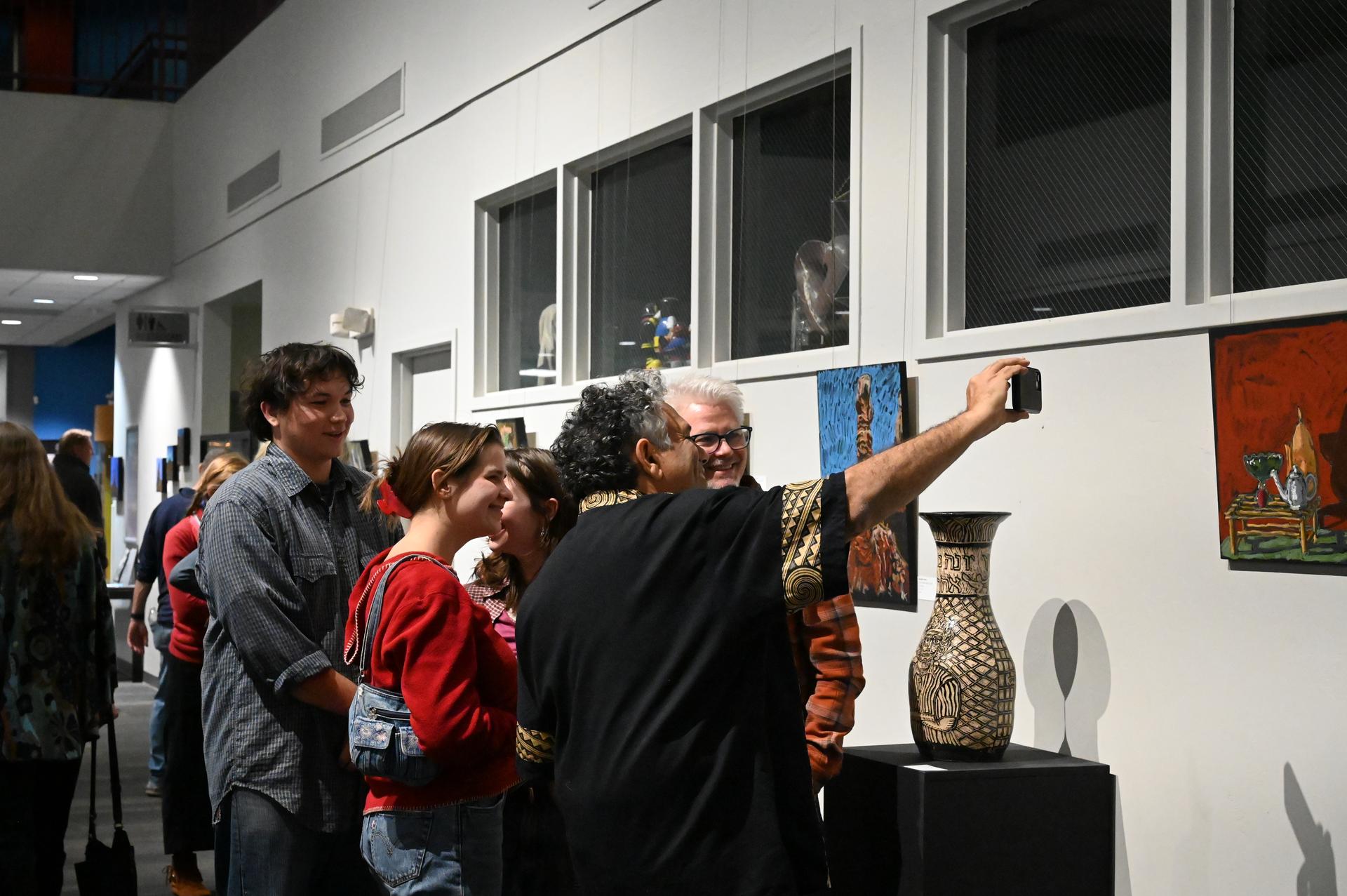
Just last night, over 70 community members joined us in the Fine Art Gallery for the opening of “A Sense of Place” by local artist, Russell Kahn. Check out Russell’s work in the gallery through February 22, and if you feel inspired—sign up for his Working With Oil Pastels class series, beginning February 12! 


Taken together, these moments remind us that ma nishma—what’s happening here—is something truly special. Whether through learning, service, art, movement, or simply being together, we are continually shaping a community that is vibrant, caring, and deeply rooted in belonging. Wishing you a restful, meaningful, and joyful Shabbat. 

Reminders, Resources + Learning

From the Desk of Jennifer Lorch Selco | Sr. Director of Jewish Living + Engagement

Shabbat Shalom
Shabbat Shalom

From the Desk of Jennifer Lorch Selco | Sr. Director of Jewish Living + Engagement

This week’s Torah portion, Va’era (Hebrew for “and God appeared”) recounts Moses and Aaron’s visit to the Pharoah where Moses (by way of God) turns the staff into a snake. We hear Moses tell Pharoah to “let my people go” and God sends the first seven of ten plaques after Pharoah’s heart is hardened (a result of both his own stubbornness and of God’s doing). Moses, wary of his speech impediment, with the encouragement from God and support of Aaron, continues to return to Pharaoh, pleading for the Israelites’ freedom.

Rabbi Jonathan Sacks, of blessed memory, teaches in Lessons in Leadership: A Weekly Reading of Jewish Bible that “Defeats, delays and disappointments hurt. They hurt even for Moses. So if there are times when we too feel discouraged and demoralized, it is important to remember that even the greatest people failed. What made them great is that they kept going. The road to success passes through many valleys of failure. There is no other way.”

While failure is an important lesson in leadership, it’s also a valuable lesson in our everyday lives. Failure is challenging to accept because we don’t want to be wrong, we don’t want to miss the mark. As Albert Einstein, of blessed memory, said “Anyone who has never made a mistake has never tried anything new” and “You never fail until you stop trying.” As we move into Shabbat and then into a new week, I invite you lean into your mistakes, to learn and to grow from them. May we all experience healthy failure, new growth and ultimately success.

Parsha Va’era also illuminates the importance of persistence; we see that change is not instant—it unfolds through determination, courage, and partnership. God hears the cries of the people and calls upon leaders and community alike to take action, reminding us that transformation happens when we show up, again and again, with purpose and hope. This message resonates deeply with our work at the J, where building a vibrant, inclusive Jewish community requires the collective effort of many hands and hearts, step by step, day after day fueled by our shared commitment and belief in what we are building together.


The Tucson J International Film Festival continued this week, with films and special programs highlighting Jewish stories of diversity, perseverance, and peoplehood. Join us for in-person screenings continuing through Sunday or catch any films you missed virtually—the online screening window is open through January 26! 

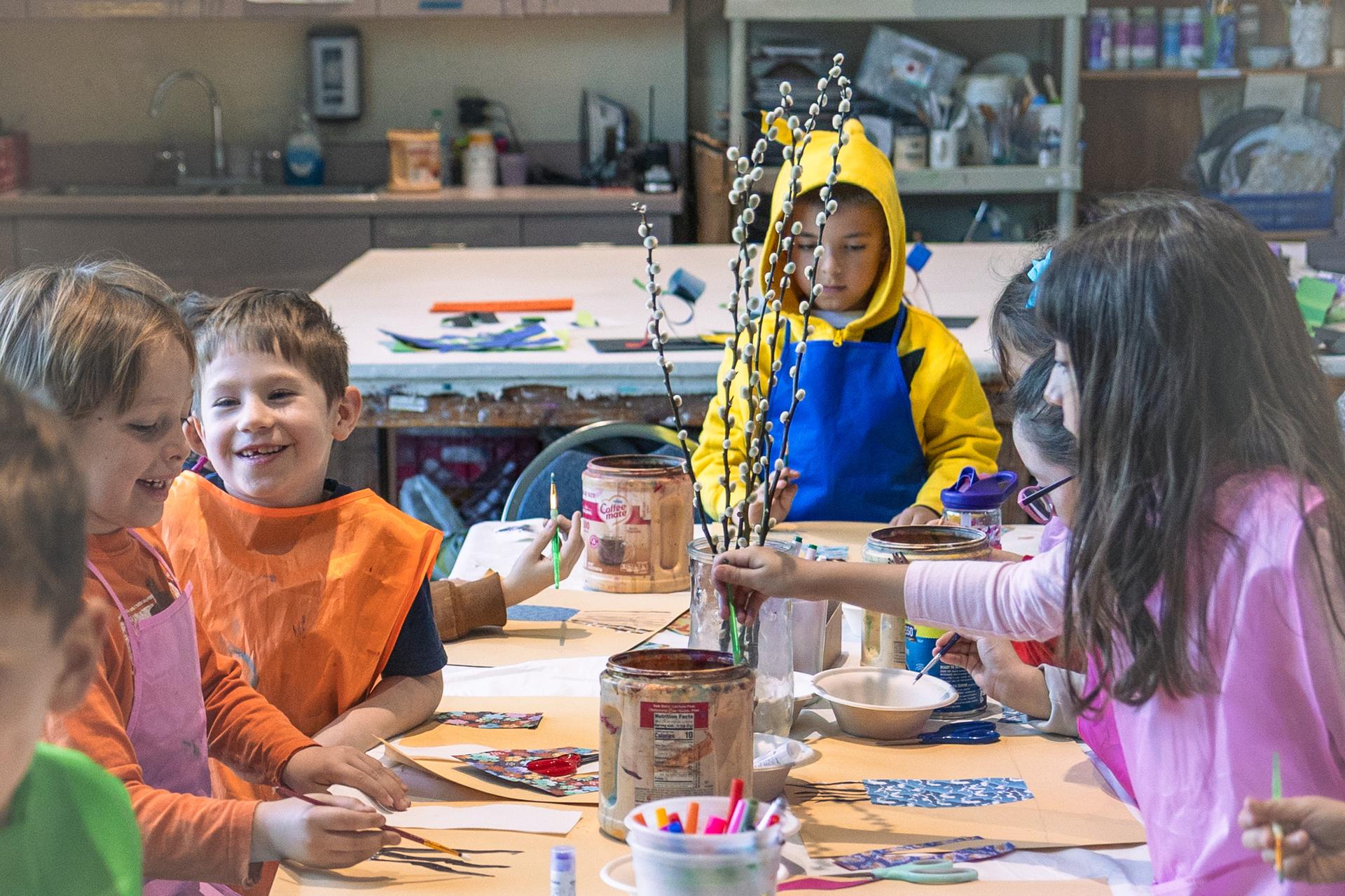
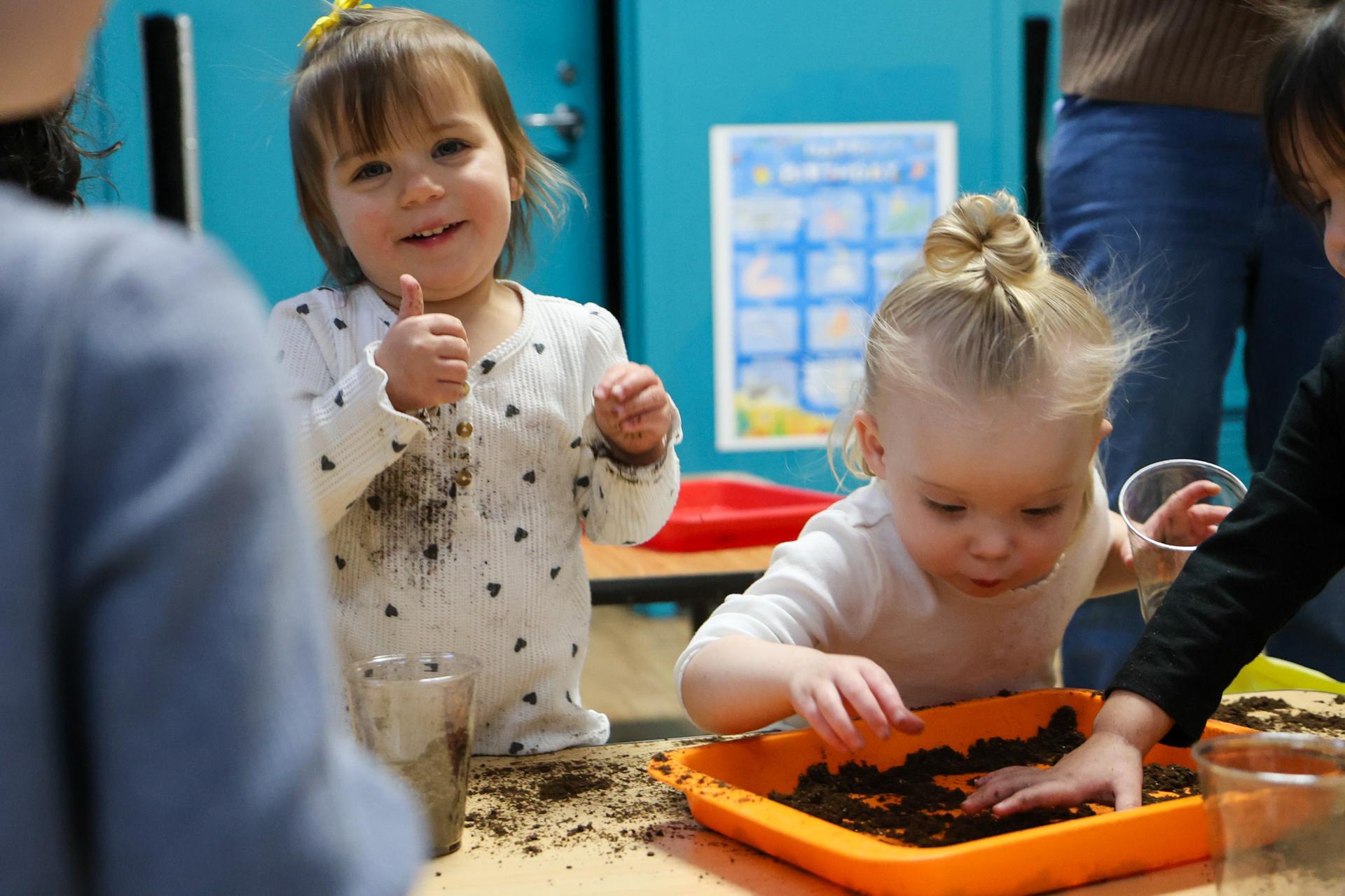
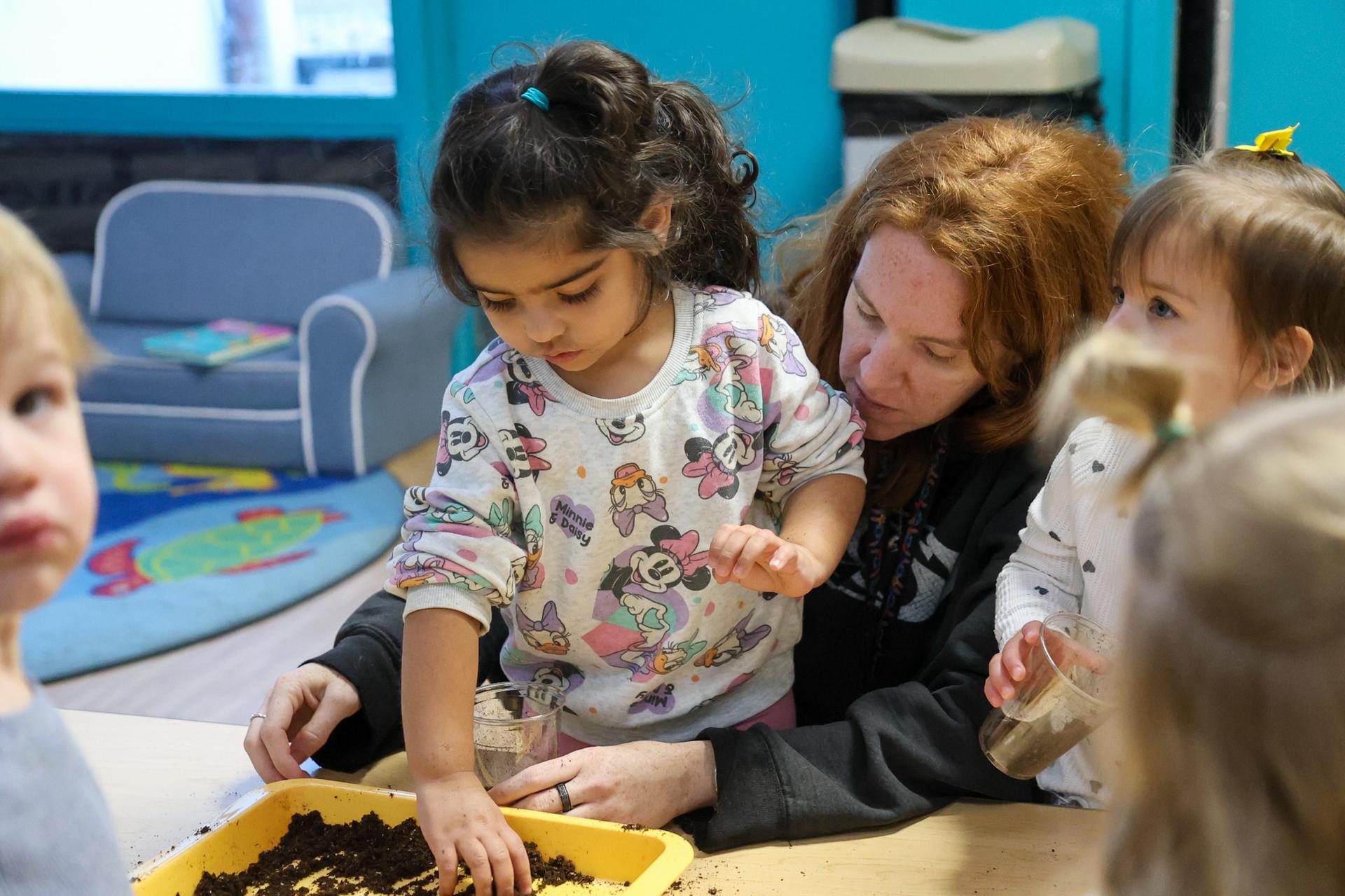
In Early Childhood Education, kids planted parsley seeds and will learn about patience and what it takes to make something grow. Kids in JCare exercised their creative skills with a multi-media art project. And participants in our Disability Program Services department took a field trip to Adventure Coffee to get a behind-the-scenes look at how our special JShop Coffee Blend is roasted. 


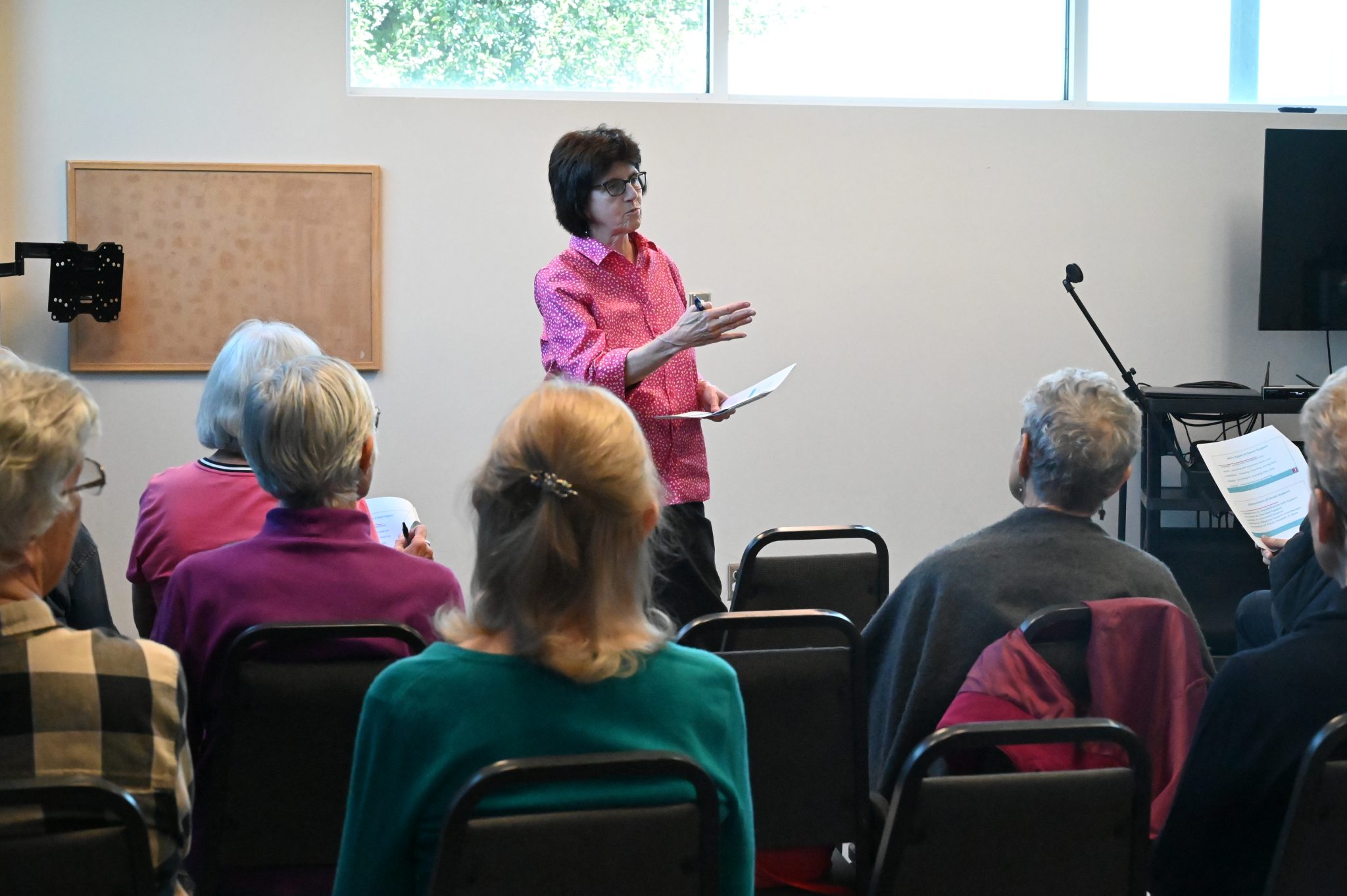
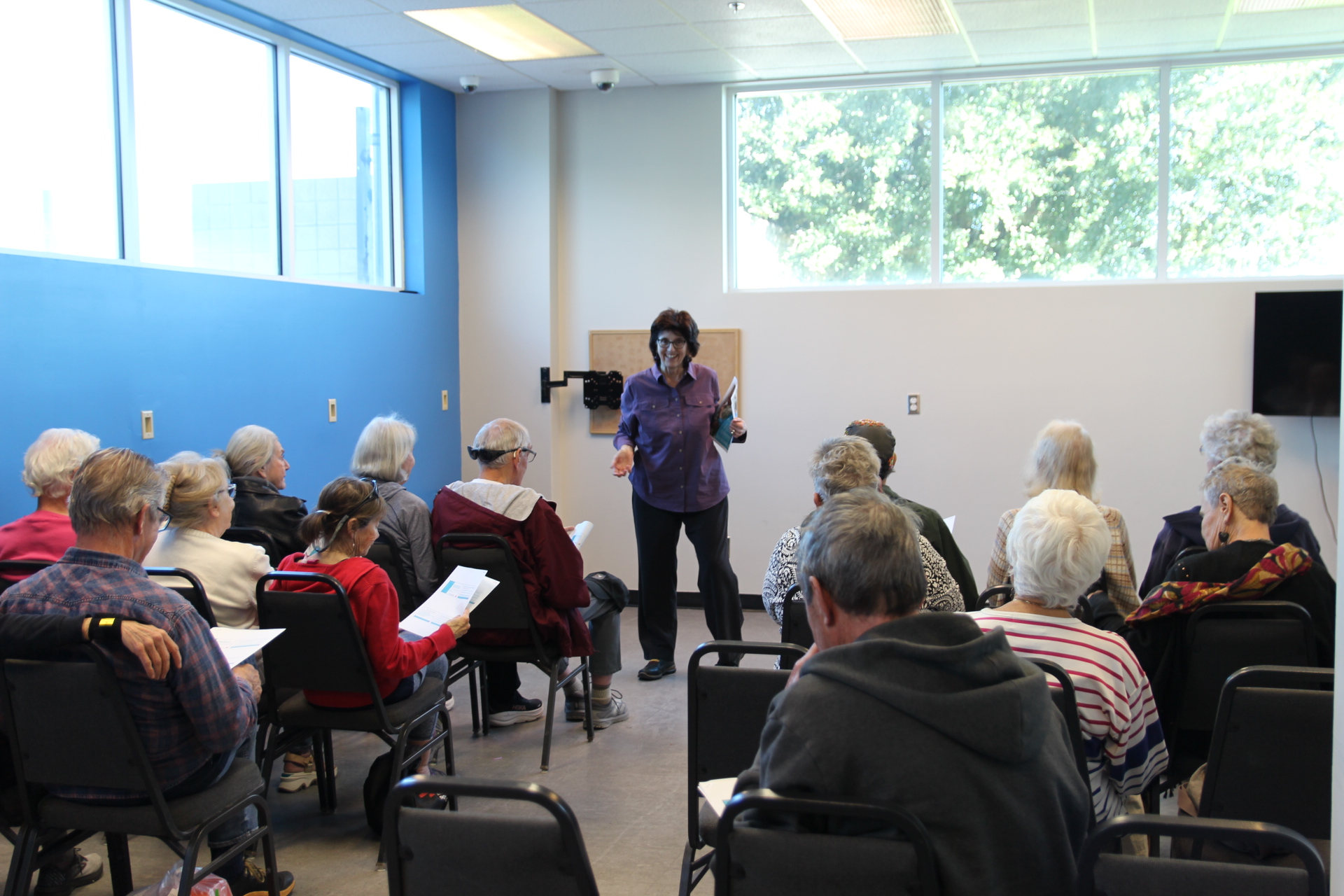
The Healthy Aging department hosted its first Aging + Social Connections class of the year, all about the importance of new and lasting friendships! Join us for the next session, Tuesday, February 3rd. These classes are free and open to anyone interested in healthy aging, whether that’s you or someone you love! 


We are grateful to each person who shows up, participates, and helps bring our mission to life in ways both big and small. May this Shabbat offer a moment of rest and renewal, and may we enter the coming week inspired to move forward through our challenges, joys, and even our failures. Shabbat Shalom. 

Reminders, Resources + Learning

From the Desk of Jennifer Lorch Selco | Sr. Director of Jewish Living + Engagement

Shabbat Shalom
Shabbat Shalom

From the Desk of Jennifer Lorch Selco | Sr. Director of Jewish Living + Engagement

This week’s Torah parsha (portion) is Shemot, Hebrew for “Names.” It is the first parsha in the second book of the Torah. We begin with a list of the names of Joseph’s eleven brothers who came to Egypt with Jacob (Joseph was already there). Joseph dies and there is a description of a prolific growth of the Israelites. In a dramatic turn of events, we learn, “A new king arose over Egypt who did not know Joseph. And he said to his people, ‘Look, the Israelite people are much too numerous for us. Let us deal shrewdly with them, so that they may not increase…’ (Shemot 1:8-10).”

In his book The Heart of Torah: Volume 1 – Essays on the Weekly Torah Portion: Genesis and Exodus, Rabbi Shai Held shares:


Commenting on Pharaoh’s purported ignorance of Joseph, a midrash asks, “But how can this be, for to this very day, the Egyptians know the kindness Joseph did for them?!” Rather, the midrash answers, “Pharaoh knew Joseph but did not pay him adequate attention and was ungrateful to him. And in the end, he was ungrateful to God as well, as it says, ‘I do not know the Lord.’ From this we learn”, the midrash adds, “that ingratitude is closely related to rejection of God” (Midrash Ha-Gadol to Exodus 1:8). When the Torah tells us Pharaoh did not “know” Joseph, in other words, it means to suggest not that Pharaoh was unacquainted with Joseph, but rather that he did not acknowledge Joseph and the great debt that Egypt as a whole, and Pharaoh in particular, owed him.


Rabbi Held continues, “Gratitude and ingratitude are ways of being in the world – the former has the potential to pervade and enrich every corner of our lives, and the latter has the power to metastasize and poison every aspect of our being. Pharaoh’s ingratitude permeates his entire world, and it drives his life in endlessly destructive ways.”


In contrast to Pharaoh is Moses, grateful and humble. In the interest of time and minimizing your scrolling, I won’t dig deeper in to how these figures are so different from one another.


We have the choice to decide how we make our way through our days. Are we grateful for the people we encounter, the relationships we form, and the lessons we learn along the way (even when things don’t fully go as planned), or are we stubborn, solely focused on ourselves, not recognizing or acknowledging the larger ecosystems we are part of?


As we move into Shabbat, I encourage you to make time to acknowledge and express gratitude to the Eternal, to the people you encounter, and for the experiences that shape your days.


Shabbat Shalom!

Parsha Shemot begins by counting and naming each Israelite. Even as the story moves into struggle, this act of recognition affirms the power of community and the importance of acknowledging every individual’s role. Here at the J, our community is made up of nearly 10,000 individual members and thousands more guests who participate in programs each year, each one of them with their own presence and unique contributions to our community.  We are grateful for each and every person who chooses to make the J part of their journey, whether they’re here every day learning and growing in Early Childhood Education, making wellness gains in a weekly group fitness class, or joining us once a year for their favorite signature event! 


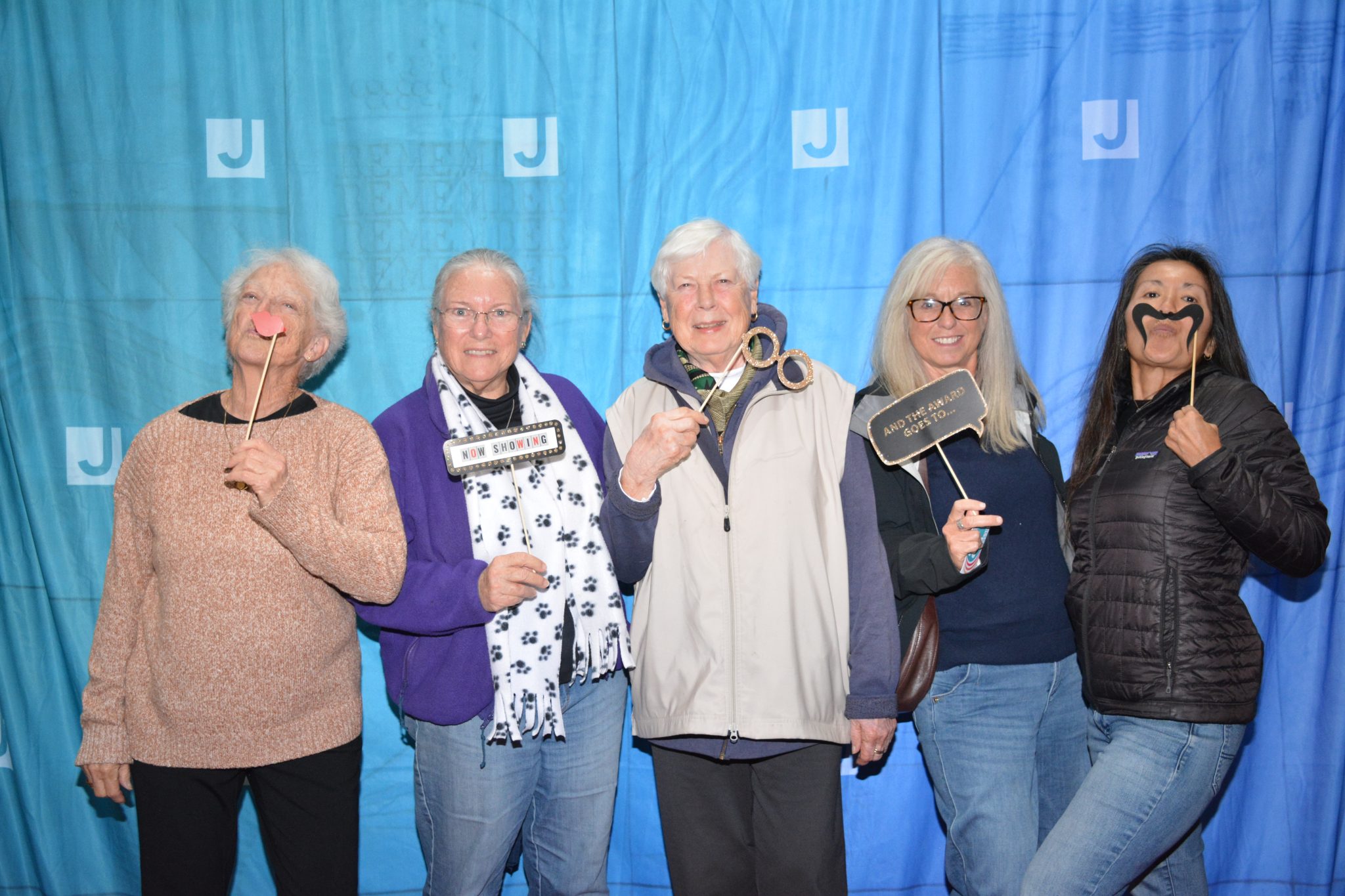
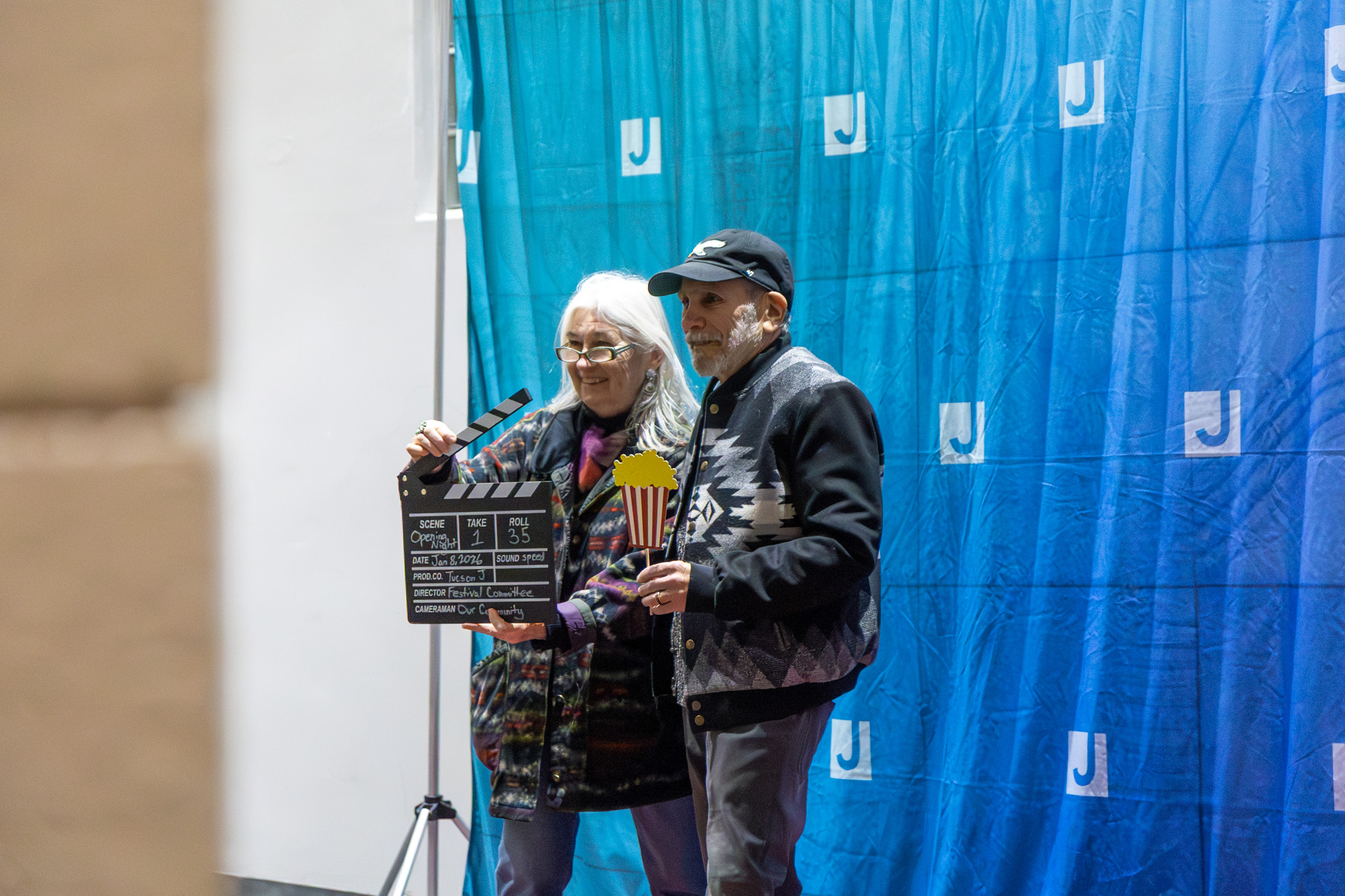
This week, after nearly a year of planning and preparation, we kicked off the 35th annual Tucson J International Film Festival with 175 guests joining us for a special Film Shorts preview on Sunday, followed by Opening Night on Thursday with 135 enthusiastic film-goers, despite the rainy weather! The Festival continues in-person through January 18 (and virtual screening available January 16-26!) with a wide variety of films and special events. It’s not too late to get tickets! 

On Wednesday, Disability Program Services celebrated the graduation of the first cohort of JShopInterns. Four interns were awarded Certificates of Completion after 48 hours of vocational training in the shop, learning customer service, sales, and technology skills. Stop by the JShop Mondays and Wednesdays from 9:30am-12pm and 1:30-2:30pm or Tuesdays and Thursdays from 9:30-11:30am to welcome new interns! 


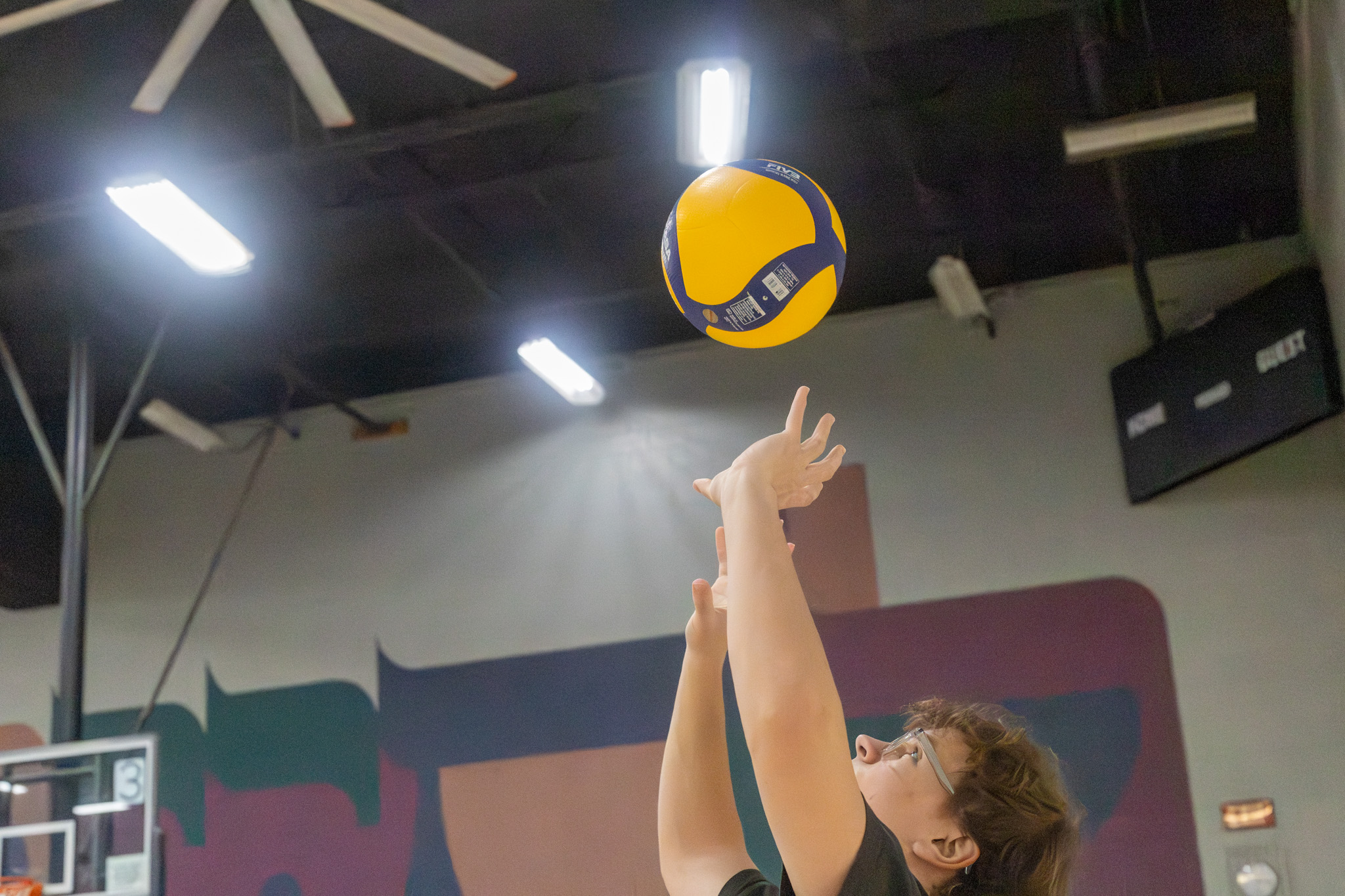
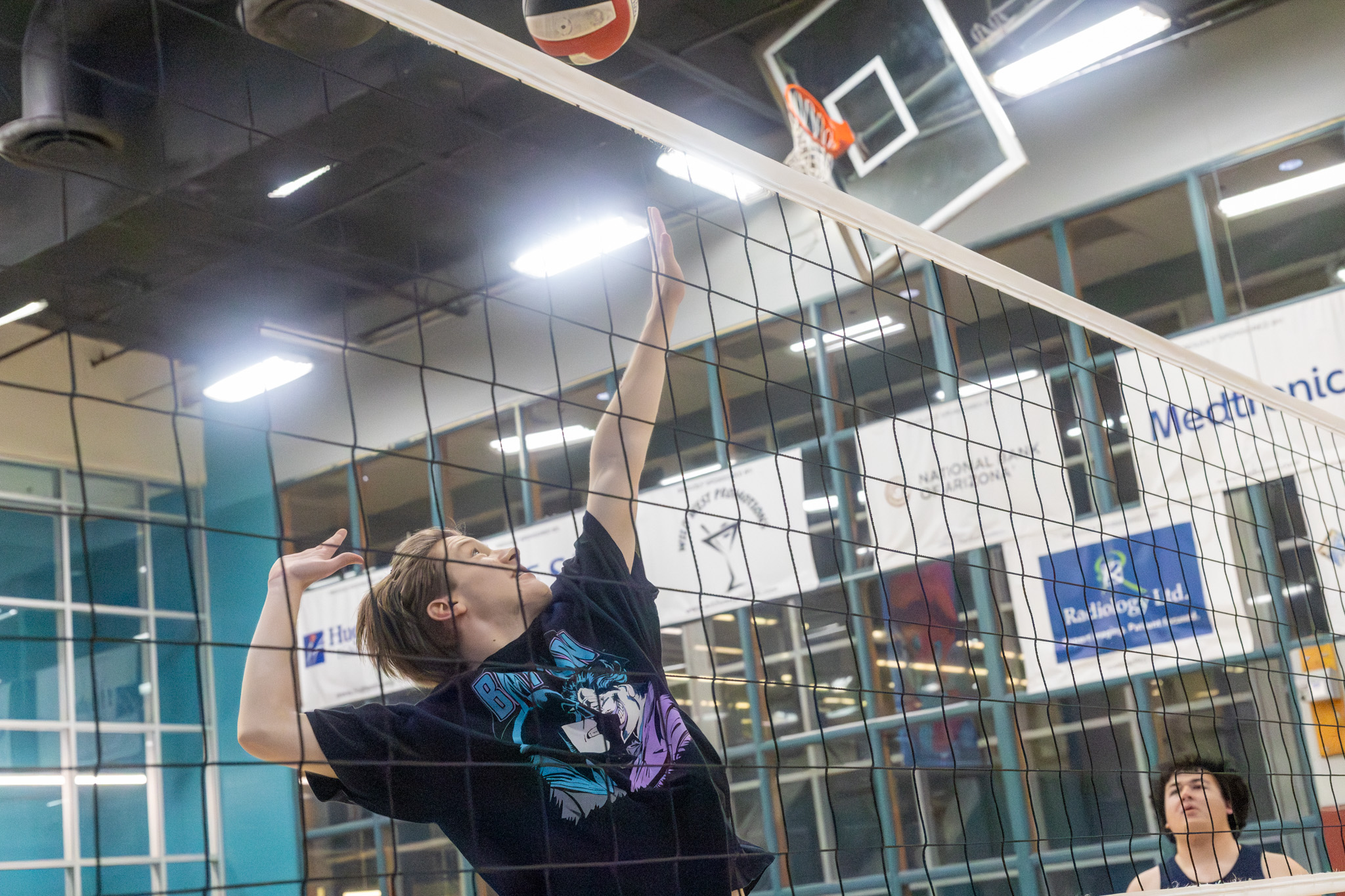
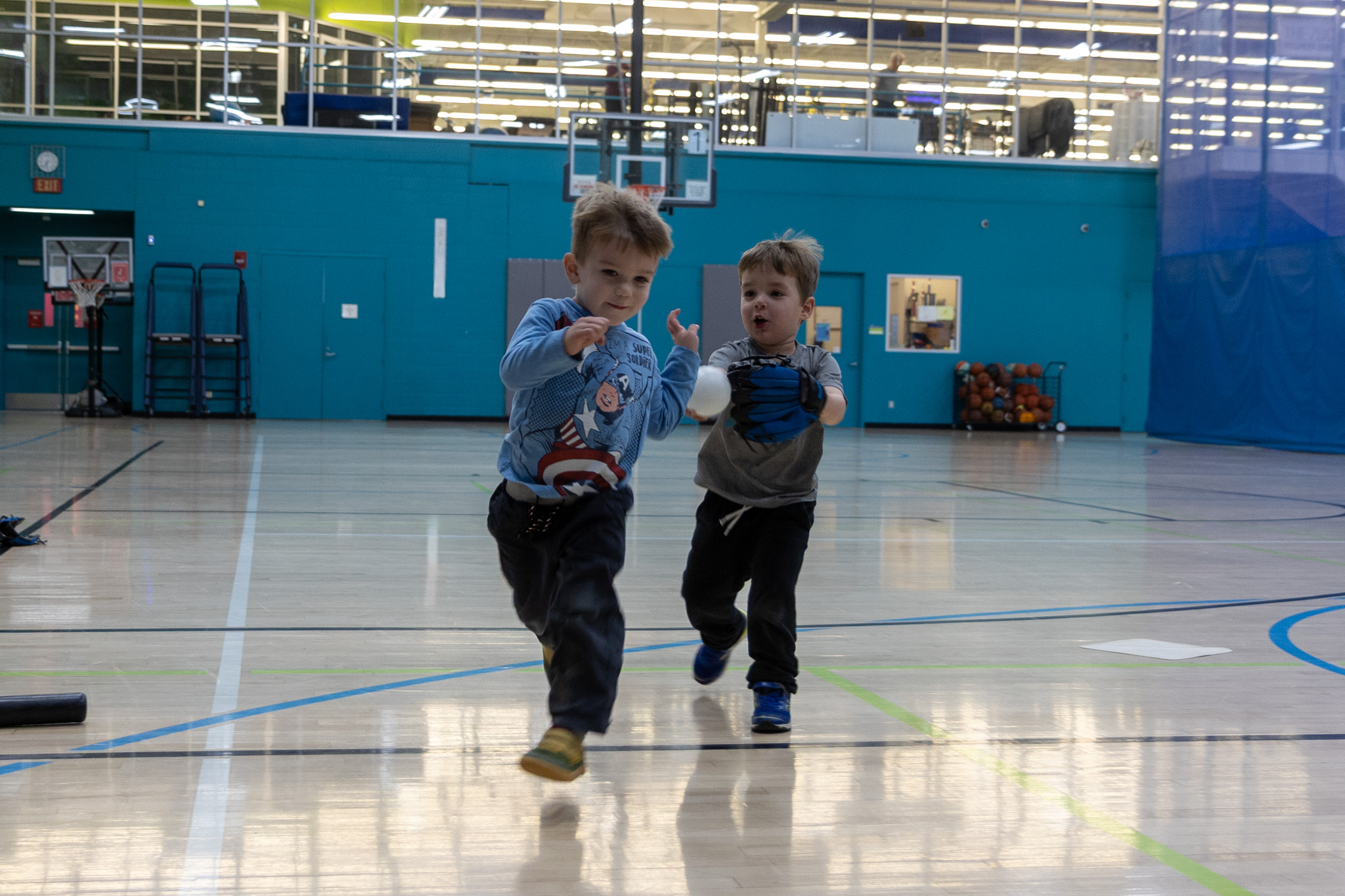
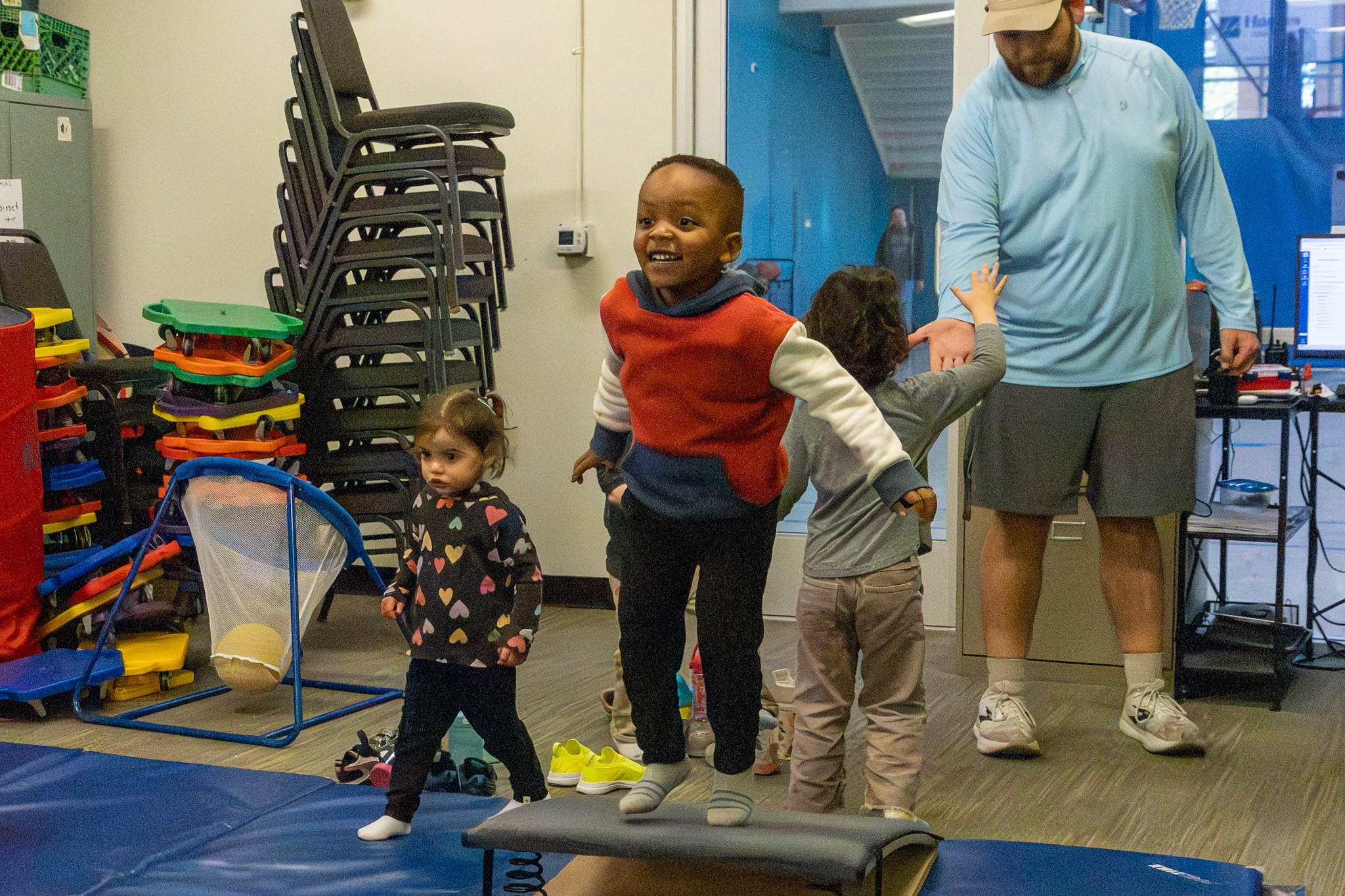
From new sessions of PeeWee Sports to the return of Volleyball League (beginning this week with drop-in play), Tucson Jays Middle School Club Basketball, and so much more, people of all ages started the year off with movement, community, and fun! 


As we gather for Shabbat, we pause to express gratitude for the people who make our community thrive and recommit ourselves to the work of building a warm, inclusive J where every individual is seen, valued, and supported. Shabbat Shalom. 

Reminders, Resources + Learning

From the Desk of Jennifer Lorch Selco | Sr. Director of Jewish Living + Engagement

Shabbat Shalom
Shabbat Shalom

From the Desk of Jennifer Lorch Selco | Sr. Director of Jewish Living + Engagement

Our parsha this week is Vayechi, Hebrew for “And [Jacob] Lived.”  Joseph promises Jacob that he will bury him in Canaan. On his deathbed, Jacob blesses his grandchildren, Ephraim and Menashe, and then blesses his sons with the legacies he hopes they each carry on for future generations. Jacob recites the Shema prayer, dies, and is embalmed. Joseph affirms to his brothers that he has forgiven them for their misdeeds. Ending the first book of the Torah, Beresheet, Joseph dies with the request that his bones will be brought to Canaan in the future, thus setting the stage for our story next week to begin in Egypt.

As we reflect on this week’s portion, we are reminded of the Jewish value of continuity, l’dor v’dor—from generation to generation—and more poignantly, our connection to one another, across time and space.

Rabbi Mijal Bitton shares a beautiful reflection about this week’s Torah portion, especially as it relates to “the surge,” rise in Jewish engagement post 10/7, particularly those who did not feel engaged or connected prior to Hamas’ attack in Israel. She shares, “Jacob lies on his deathbed. A midrash imagines the scene: as Jacob lay dying, his sons proclaimed their faith with the words Shema Yisrael. The sons say: Shema Yisrael—Hear oh Israel, hear our father; Hashem Elokeinu, Hashem Echad—the Lord is our God, the Lord is One. These words are so familiar and beloved by us that we forget how radical and how consequential they are.”

“The Shema binds three things: loyalty to a parent, faith in God, and loyalty to one another (expressed through “our God”). It binds faith to belonging. You can struggle with your siblings. You can struggle with God. You can doubt, question, and feel uncertain. But you can never opt out of your parents. You cannot stop being Jacob’s child.”

“The Surge is not Jews encountering Judaism for the first time. It’s Jews remembering something they didn’t know they’d forgotten. It’s a form of tacit, inherited knowledge that resurfaces when the conditions that enabled forgetting are stripped away. October 7 shattered the illusion that our deepest commitments are endlessly optional. And that recognition, once it happens, resists silence—once you hear your father calling your name.”

And so we ask ourselves: How am I connected already? In what ways do I want to be connected? How will I strengthen my connection community this year?

At the end of reading a book of Torah, it is customary to say, “hazaak, hazak, v’nithazek—be strong, be strong, and will be strengthened.” May we continue to grow from strength to strength as individuals and as a community.

At the Tucson J, this value of l’dor v’dor—from generation to generation—comes to life every day. We see it as grandparents pick up their children from our Early Childhood Education program, in PJ Library events that celebrate Jewish culture and tradition across generations of families, through the Better Together program that connects BBYO teens and their elders at Handmaker Home for the Aging, in Fitness + Wellness and Sports + Rec programs designed for every age and stage, and in the Arts + Culture events that create dialogue that builds bridges across our community and beyond. 


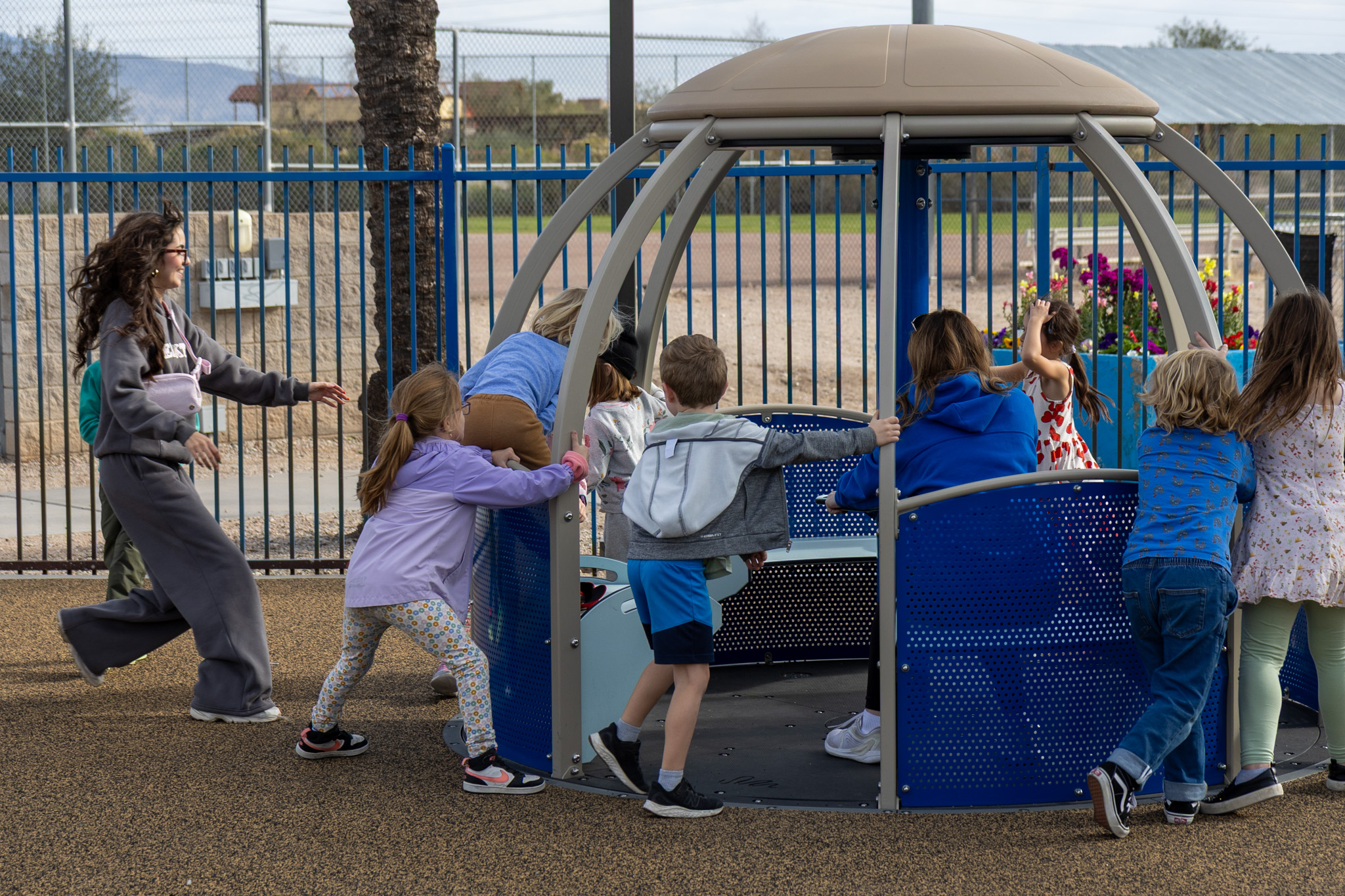
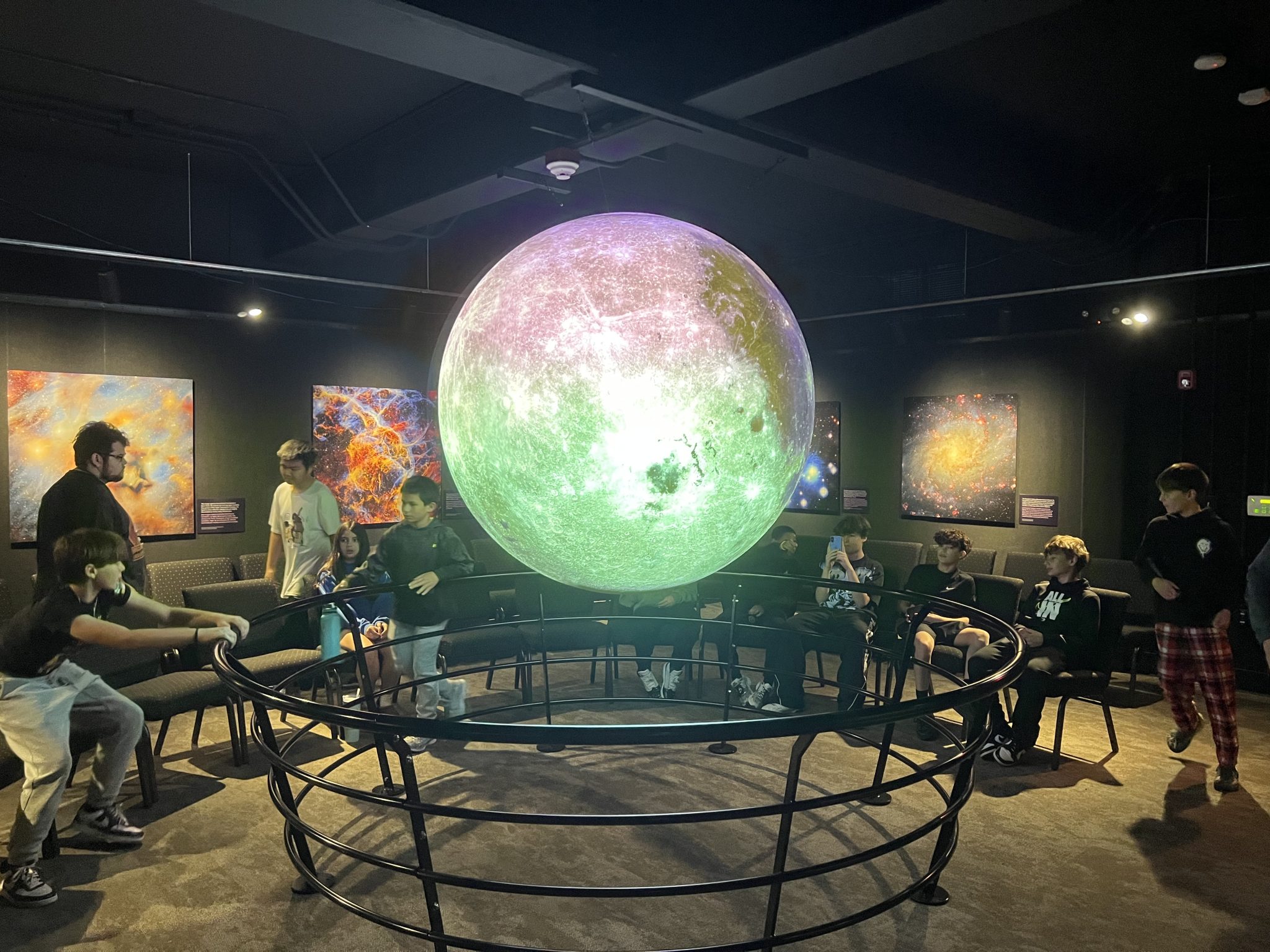
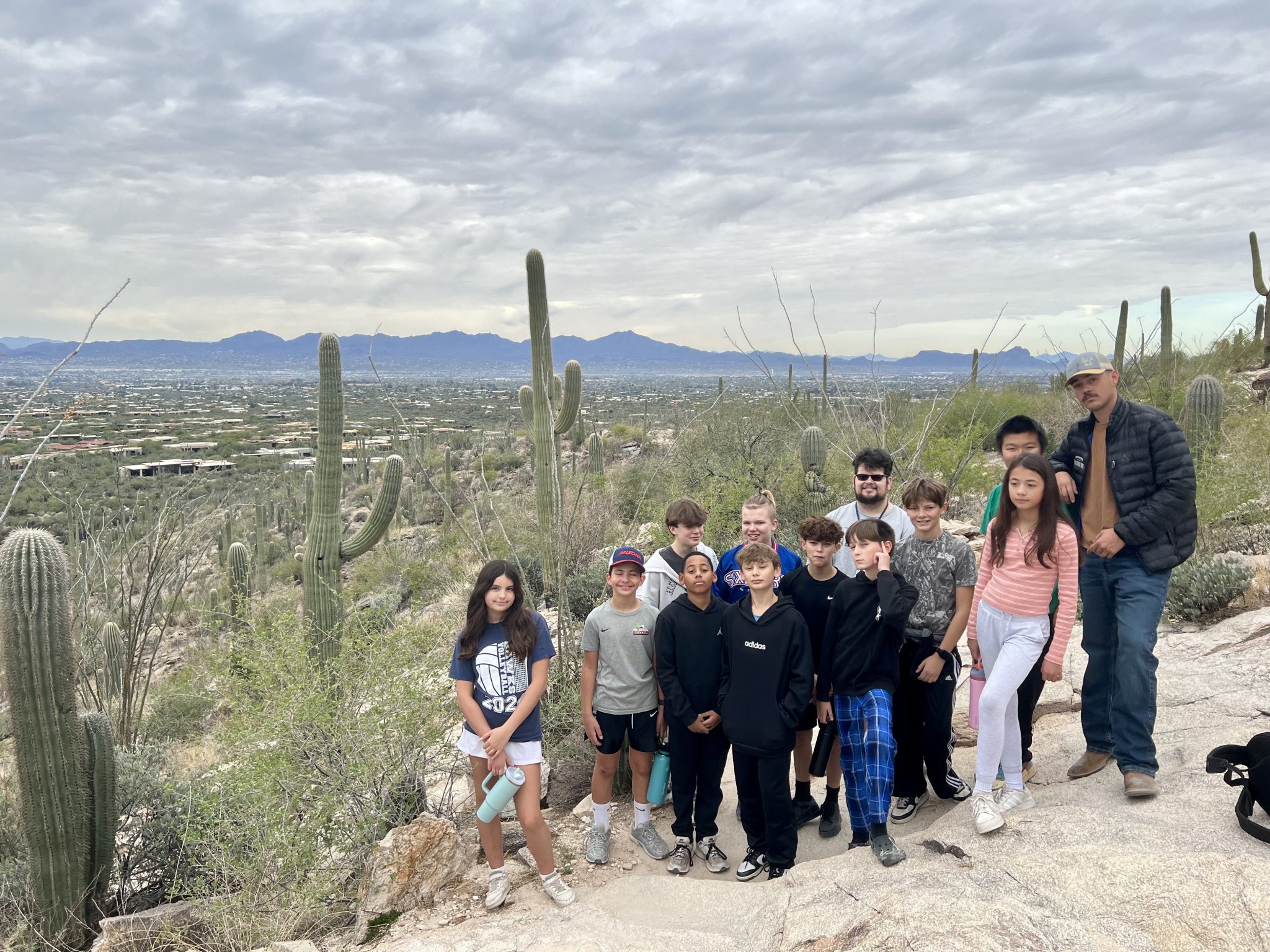
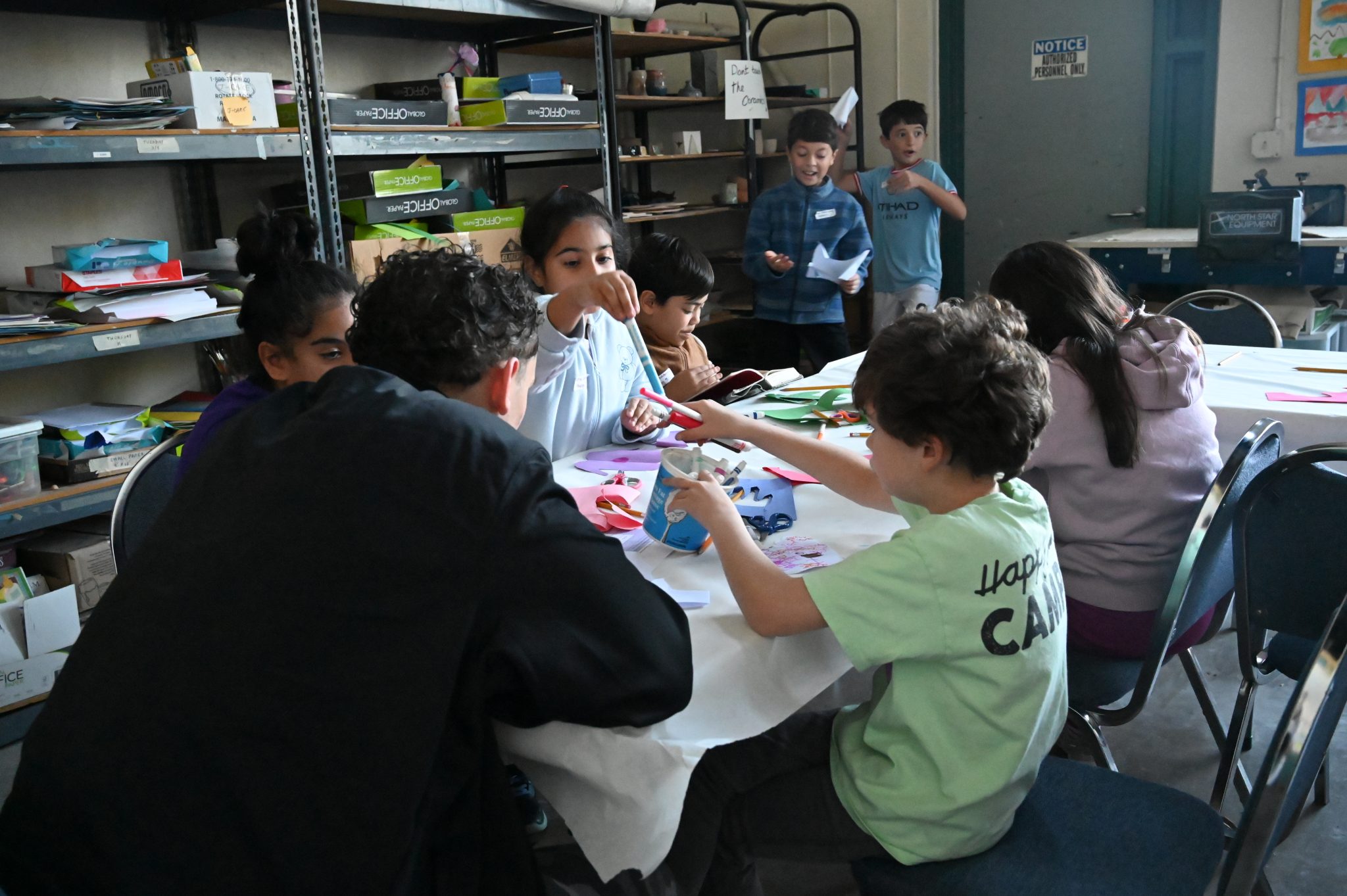
This week at the J we experienced the magic of l’dor v’dor as we made our way through the final week of Winter Camp, with fun and adventure as Camp J kids and tweens made memories on and off campus guided by their older counselors (some of whom, like Tyler who made the news this week, began as campers themselves!). With field trips including Sabino Canyon, Elevate Trampoline Park, Kitt Peak, Funtastiks, the Botanical Gardens and more, plus STEM learning, Gaga, art, tikkun olam, cooking, and plenty of time on the playground and in the gym, campers fostered independence, made new friends, and honed in on special skills, building a strong foundation for lifelong learning and leadership! Don’t miss out on registration for Summer Camp J, opening this Sunday January 4 for members, and Sunday, January 11 for guests and learn more here about our program.

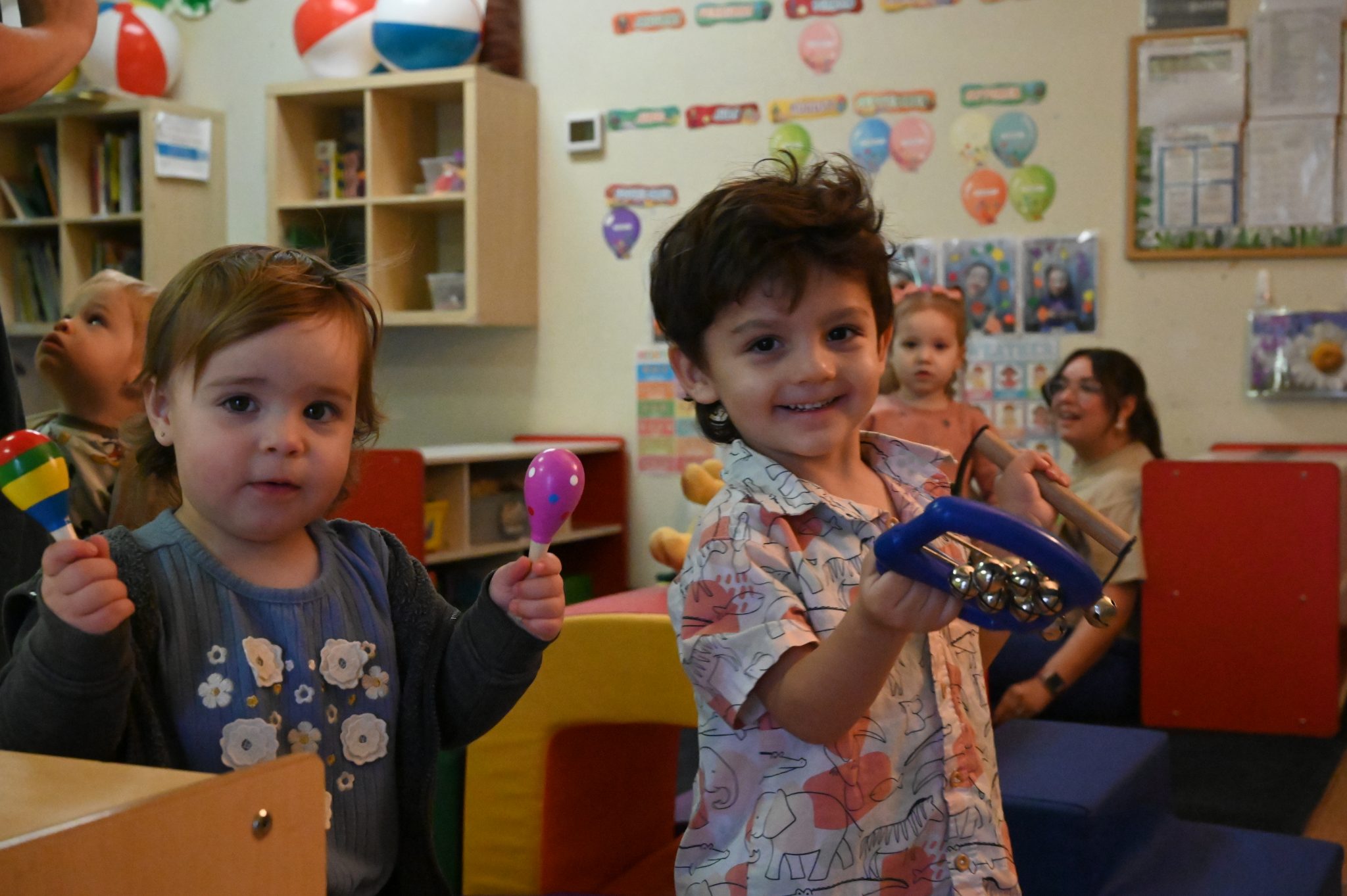
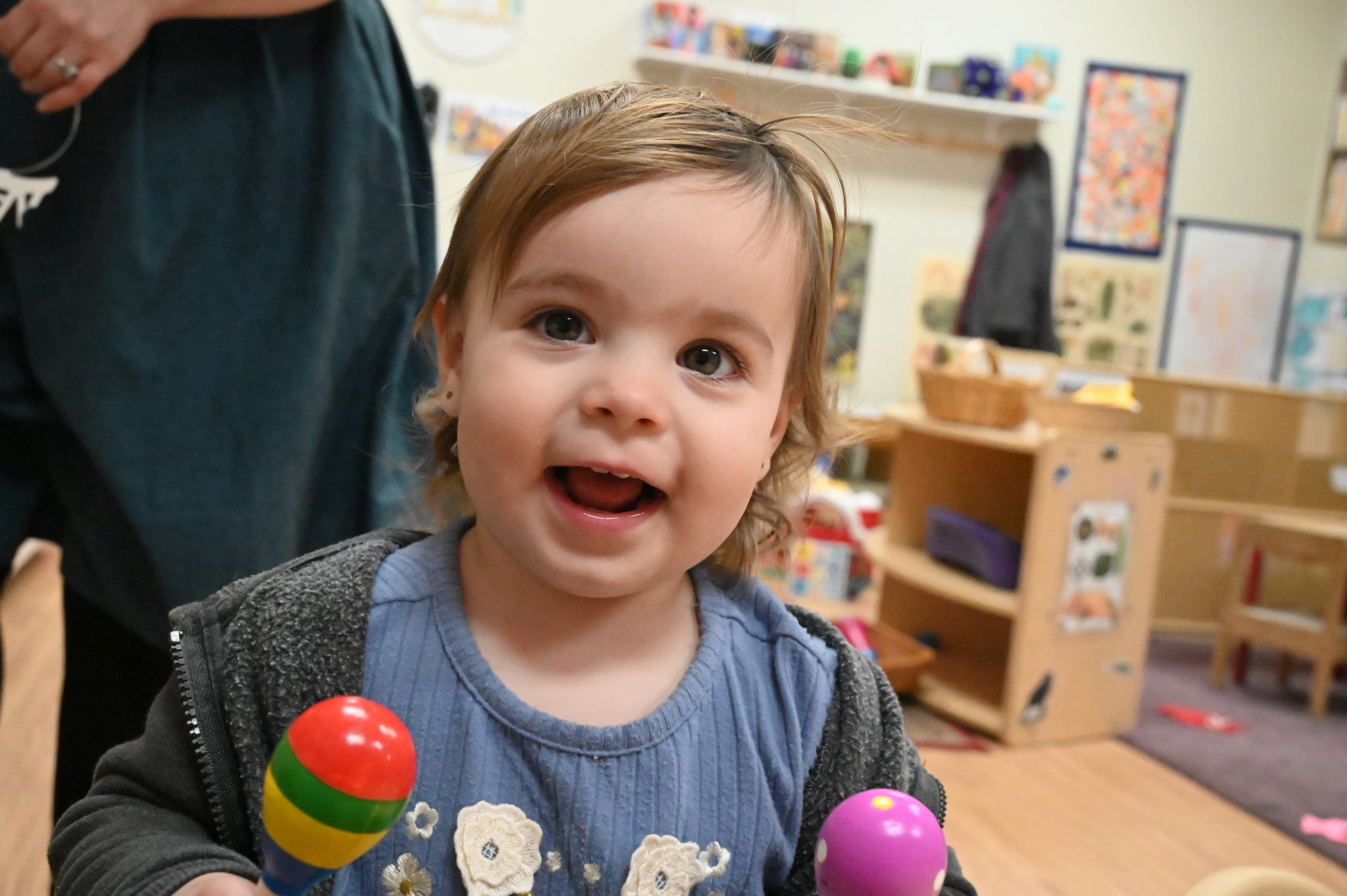
Little ones in Early Childhood Education rang in the New Year literally, with a noisy parade of shakers and musical instruments! Enrollment renewal for existing ECE families opens this Sunday, and new student enrollment opens in February—save your child’s spot for our award-winning program!


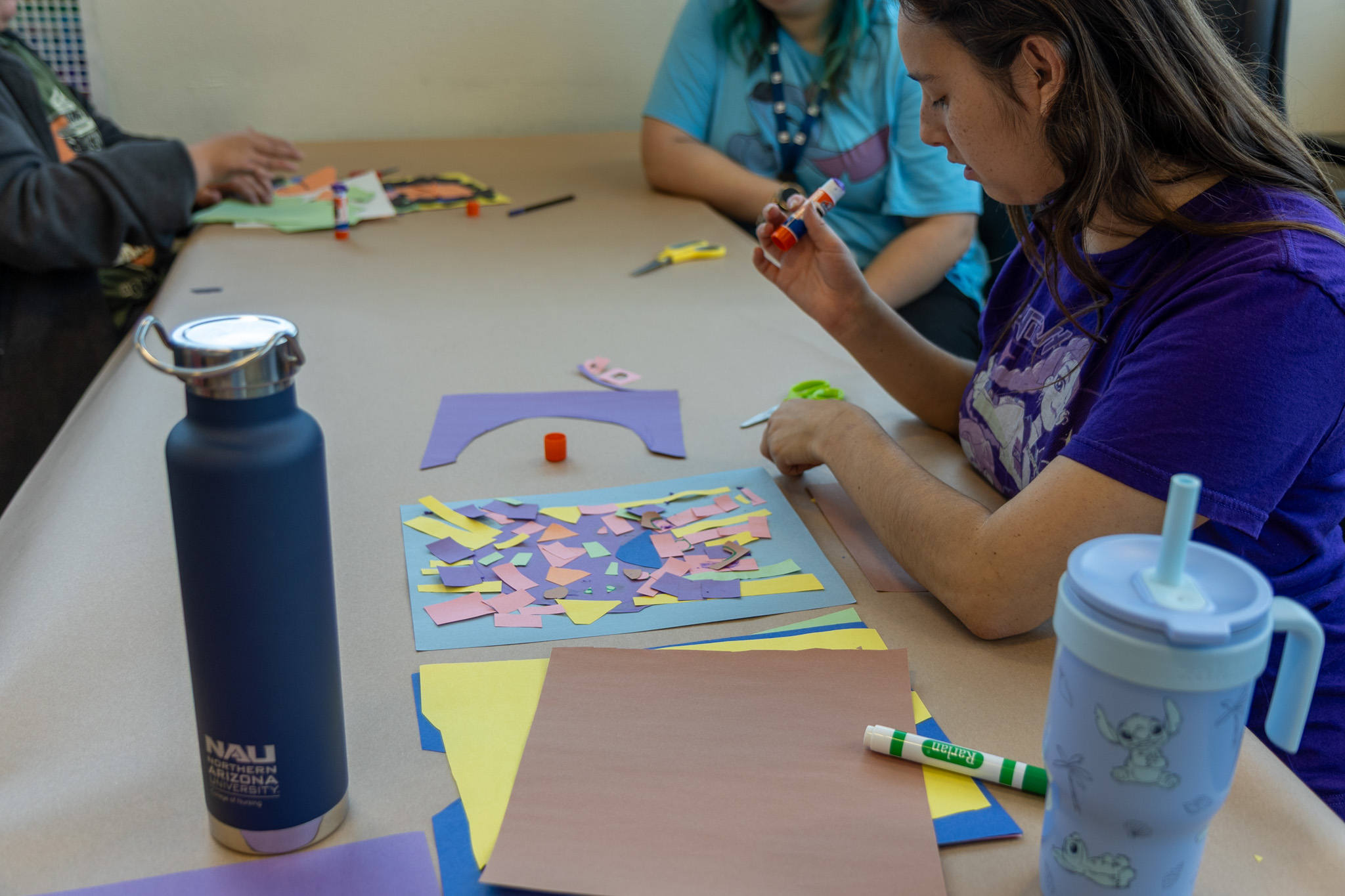
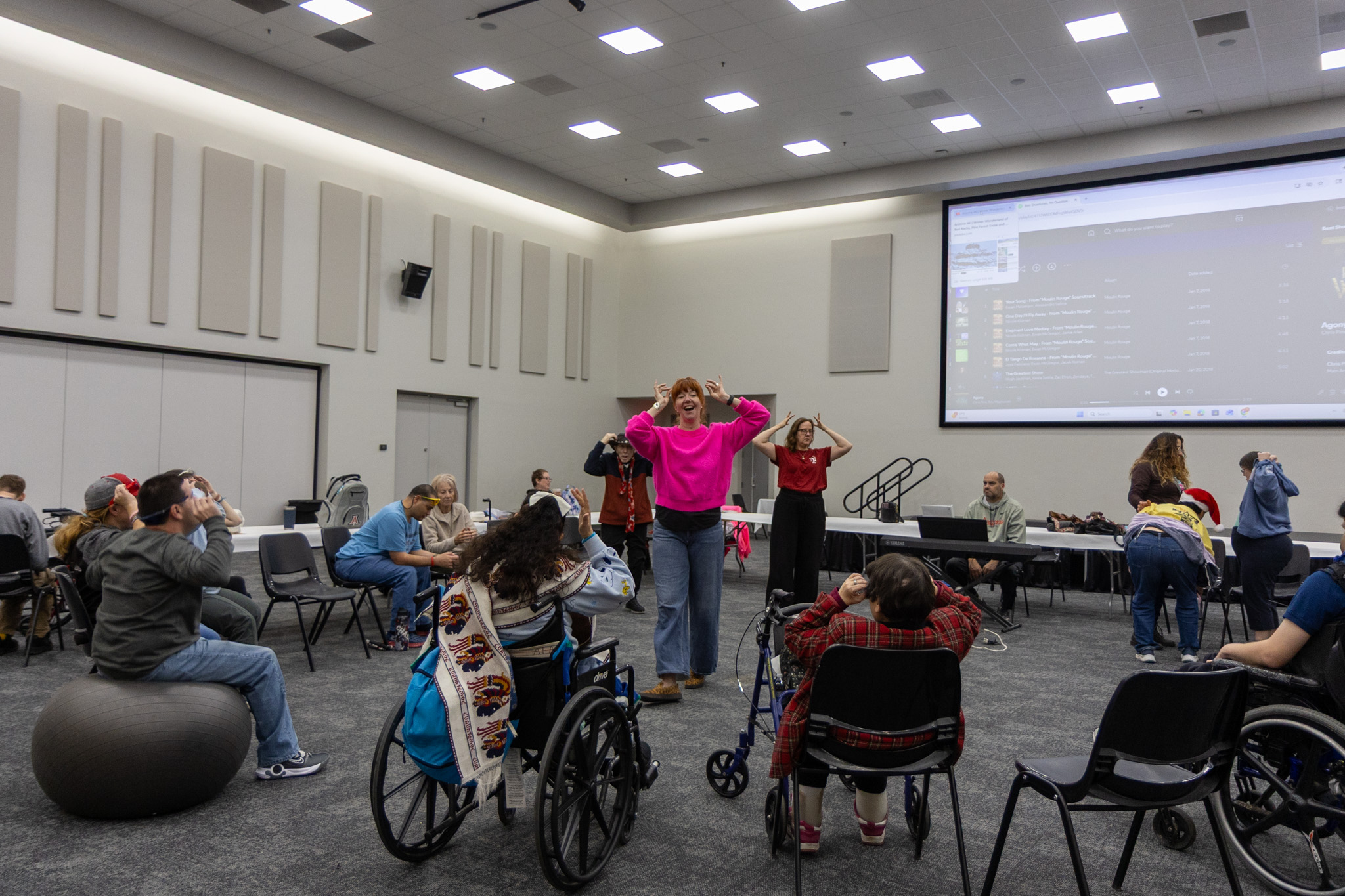
In Disability Program Services, we began the year flexing creative skills with a Picasso art project and in theatre class. Make sure to grab your 2026 DPS calendar at the JShop! Proceeds go to support the program and when you shop at the JShop, you help participant interns learn valuable vocational skills! 


As we move forward together, may we continue to learn from one another, celebrate each stage of life, and pass our values on with intention and joy. We look forward to all that’s ahead in 2026 at the Tucson J. Shabbat shalom and Happy New Year.

Reminders, Resources + Learning

From the Desk of Jennifer Lorch Selco | Sr. Director of Jewish Living + Engagement

Shabbat Shalom
Shabbat Shalom

From the Desk of Jennifer Lorch Selco | Sr. Director of Jewish Living + Engagement

In this week’s sedra (Torah portion), Vayigash, we reach the climax of the Joseph story. Judah, the same brother who proposed selling Joseph to merchants, now pleads for Benjamin’s life. The brothers cannot return to Canaan without Benjamin, Jacob’s youngest and favorite son (in the absence of Joseph). It is at this point that Joseph reveals himself to his brothers.

Then Joseph said to his brothers, “Come forward to me.” And when they came forward, he said, “I am your brother Joseph, he whom you sold into Egypt.” Now, do not be distressed or reproach yourselves because you sold me hither; it was to save your life that God sent me ahead of you.” – Beresheet 45:4-5

Pharaoh then welcomes Joseph’s family and Jacob moves his entire family to Egypt where they settle in Goshen. While the book of Beresheet ends with next week’s Torah portion, the scene is being set for the Jews to be in Egypt. Rabbi Shai Held in his book, The Heart of Torah, Volume 1: Essays on the Weekly Torah Portion: Beresheet and Shemot (Volume 1) teaches that while Joseph does save the Jewish people and the Egyptians through a period of famine, it is also because of him that the Jews end up in Egypt.

The book of Beresheet, which begins with the global story of creation and then hones into the Jewish story, details both the lineage and narrative from Abraham and Sarah through the Joseph story. While we begin to learn core values through a Jewish lens, we are also reminded that the characters in our story are complex. No story exists in a vacuum. The story of Joseph is no exception. We too are complex, and just as Joseph and his brothers come to a moment of teshuvah, return, we too, can navigate difficult moments and find opportunities for teshuvah in our lives.

Wishing you a Shabbat Shalom and an early Happy New Year!

As we reflect on the idea of personal transformation found in parsha Vayigash, with Judah stepping forward, taking responsibility for his past and choosing a different future, we are reminded of our work here at the Tucson J. Judah’s act of teshuva—of returning, repairing, and becoming—is not loud or dramatic, but deeply human, rooted in courage, empathy, and accountability. Every day, our community is shaped by small but meaningful choices to show up for one another, to grow beyond who we were yesterday, and to create spaces where belonging, wellness, learning, and connection can flourish. Like Judah, we believe transformation happens when we lean in, care deeply, and commit to the ongoing work of becoming our best selves. 


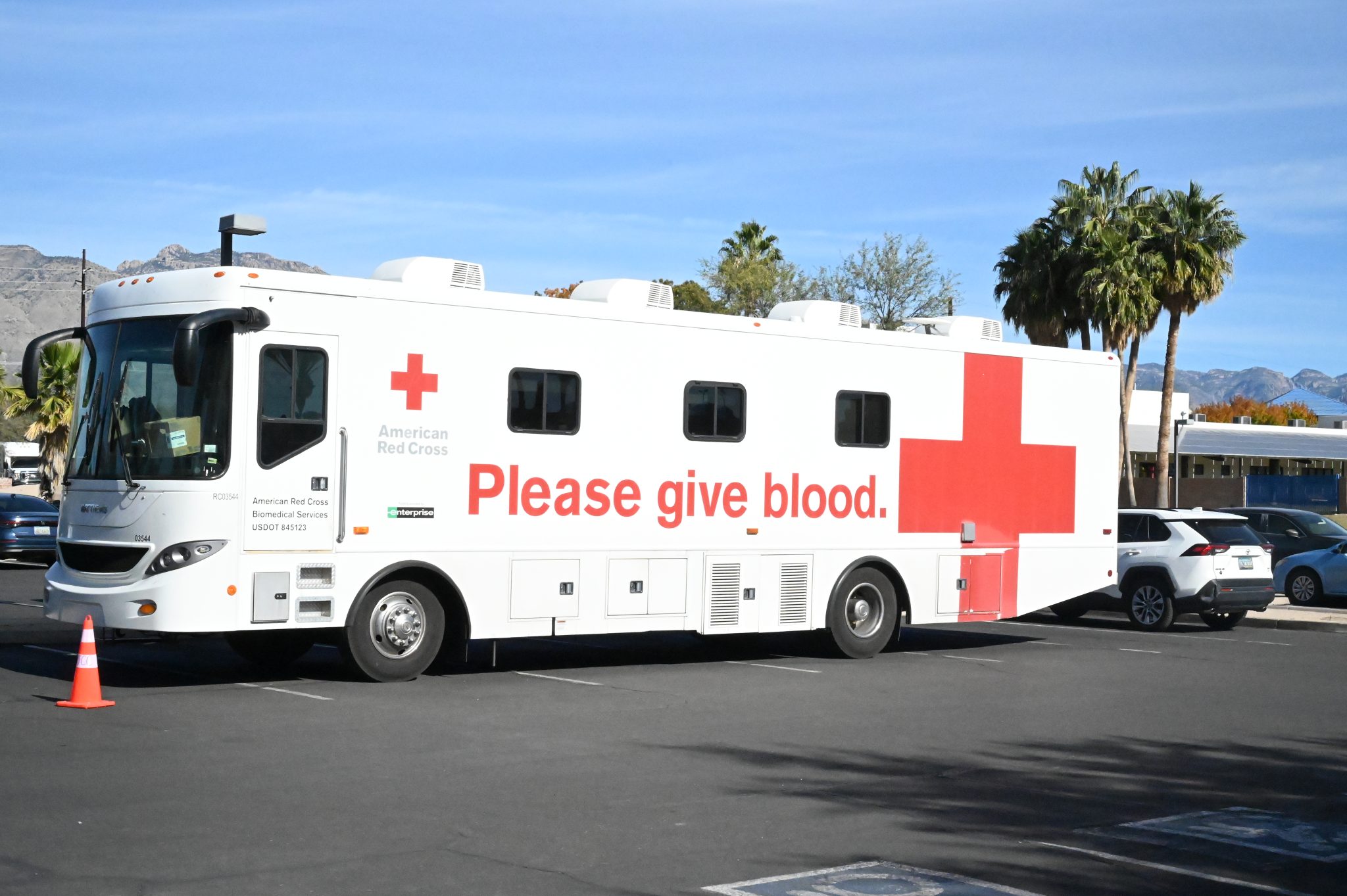
This week at the J, even in the midst of the busy holiday season, members and guests leaned into wellness and community in a variety of ways. On Monday, we welcomed the American Red Cross to campus for a Blood Drive to provide support for the ongoing critical blood supply shortage. With help from our community, as well as staff at the Tucson Fire Department who stopped in to support the cause and donate, we exceeded our blood donation goal of 19 pints, our highest contribution ever! Want to help out by giving blood? Stay tuned for more information about future Blood Drives.

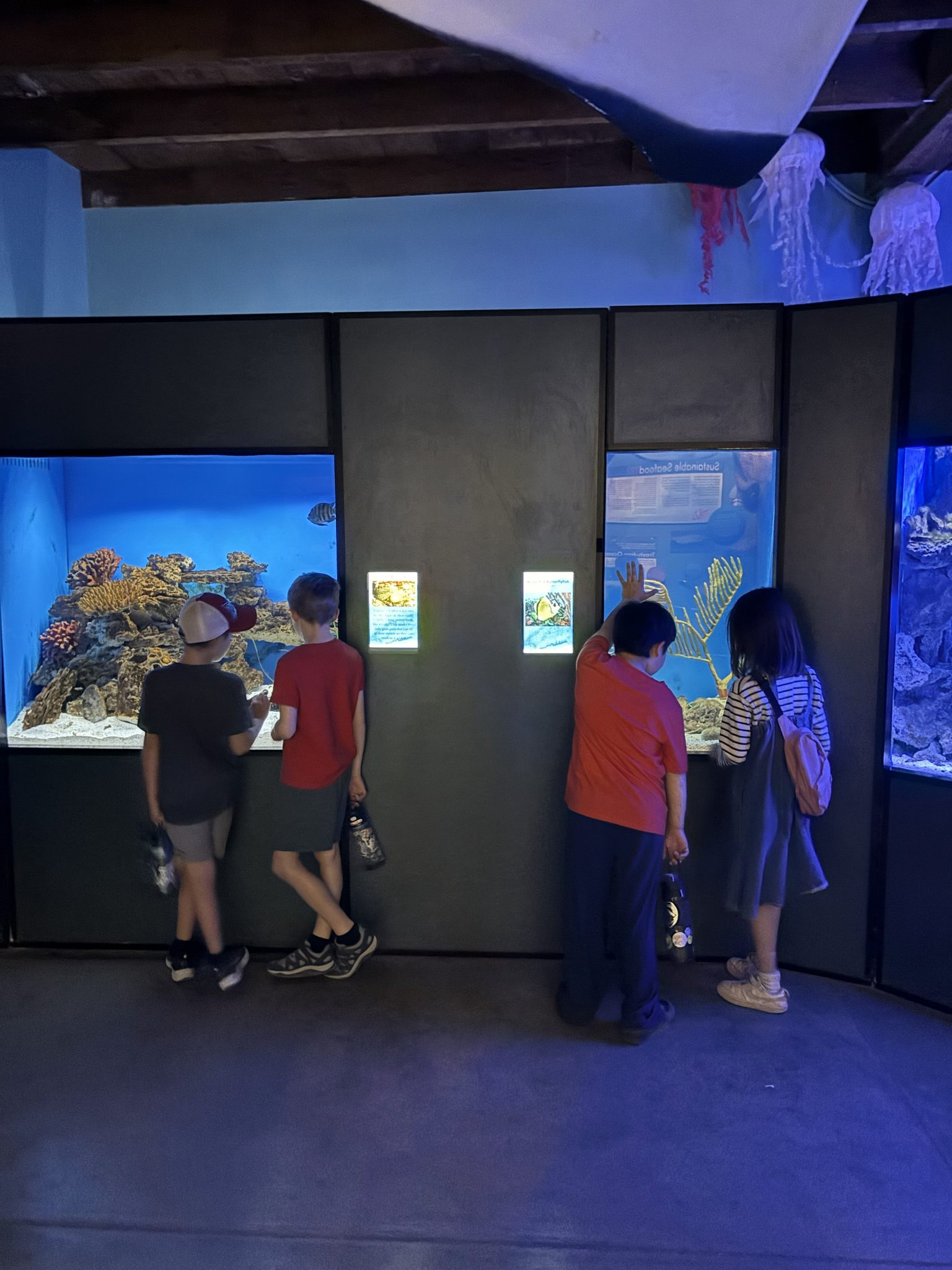
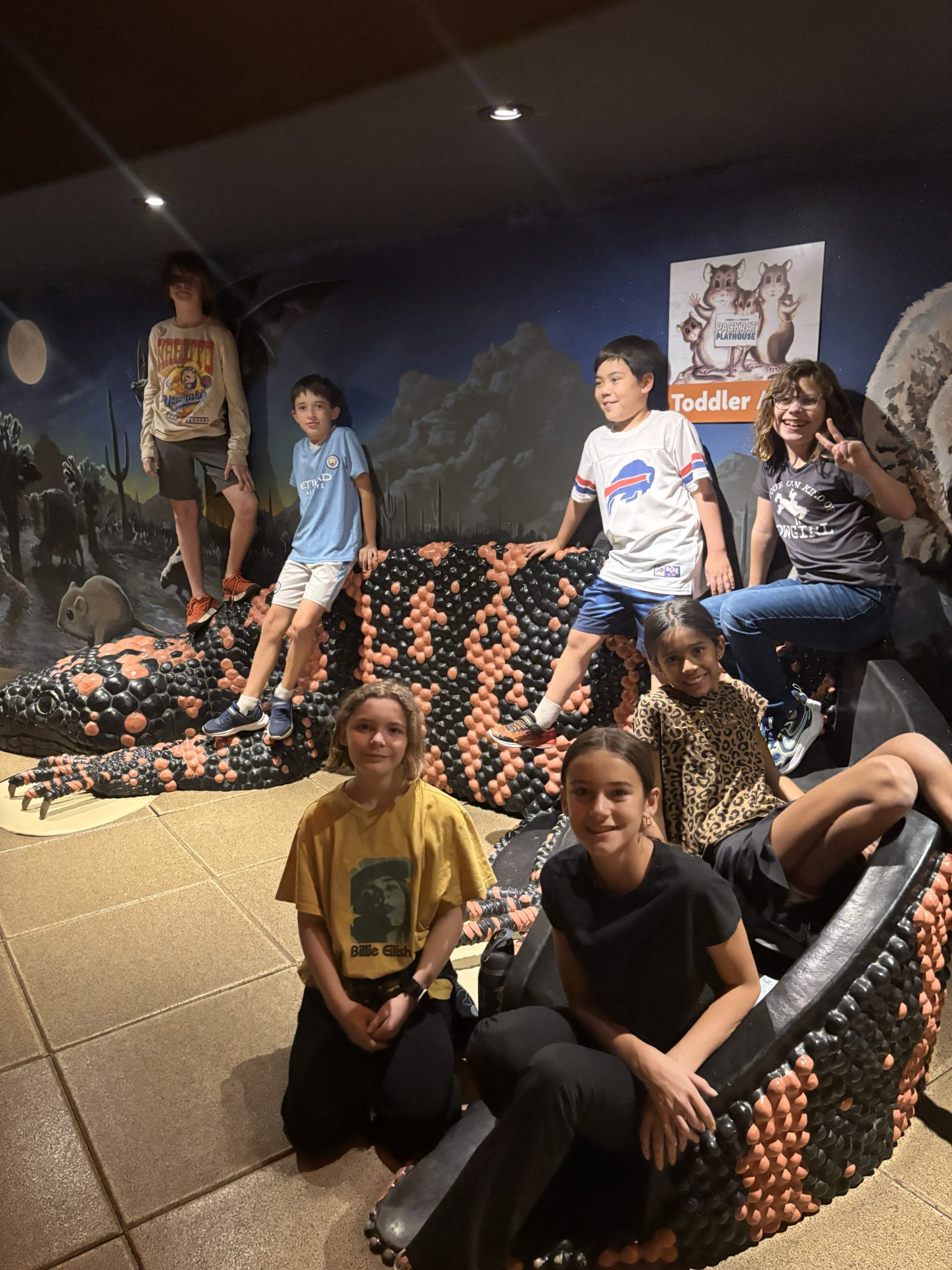
Week one of Winter Camp J was a blast with time spent in the art studio, planting seeds, playing in the gym and PlaySpace, and a field trip to the Arizona Sonora Desert Museum! We’re looking forward to next week and already anticipating the summer ahead—registration for Summer Camp J opens January 4 for Tucson J members, and January 11 for guests. Learn more about registration here and meet our new Director of Camp + Youth, Cass Johnson, here! And did you know re-enrollment for existing Early Childhood Education students also opens in January (and February for new students)? Read about all the ways our ECE program goes above and beyond your typical preschool or daycare here. 


In the Fitness + Wellness Center, our community continued on their wellness journeys or got an early start on new year goals—including enjoying time in the pool with beautiful weather this week! We are lucky to have pool season all year; Masters Swim and the Stingrays Swim Team are year-round and the JRays Swim School starts up again in March, plus we’ve got an exciting clinic for both youth and adults coming up with four-time Olympian and former Maccabiah Games Swimmer, Jason Lezak in February! 


As we move into Shabbat and begin thinking about who we want to be in 2026, we invite you to explore 66 ways to J and hope you feel inspired to find more ways to learn, grow, and connect in the year ahead. Shabbat Shalom. 

Reminders, Resources + Learning

Each week we share resources for more learning:

This week’s resources: 

Last week’s resources:

Is there a topic you’d like to learn more about? Email Jenn Selco with requests. 
From the Desk of Chloe Loos | Director of Arts + Culture

Shabbat Shalom
Shabbat Shalom

From the Desk of Chloe Loos | Director of Arts + Culture

Miketz: When the Waiting Ends


Parashat Miketz, Hebrew for “at the end,” opens with the phrase “Vayehi miketz shenatayim yamim” (and it came to pass at the end of two years). For Joseph, it represents the end of two years of being forgotten, imprisoned, and waiting.


This feels different this year. It has been two years since October 7, 2023. Two years of unforgettable names, grief too heavy to shake, and relentless waiting. As of this writing, we are still waiting for one more hostage, Ran Gvili, to come home. Just when we see the light at the end of the long, dark tunnel and begin to push through, we are pulled back down; this time, by the horrific attack at Bondi Beach. We have been living in a time of profound tension, where the boundaries of hurt and hope blur together so tightly we can barely pull them apart. It is not hard to imagine how Joseph felt.


Miketz reminds us that endings are never just endings, but thresholds over which we step toward a new beginning. Joseph’s rise was sudden, but it was not accidental. He steps into his power grounded in all that came before, his faith, and himself. His redemption does not erase the pain that came before it, but illuminates meaning that could only emerge after that long wait in darkness.
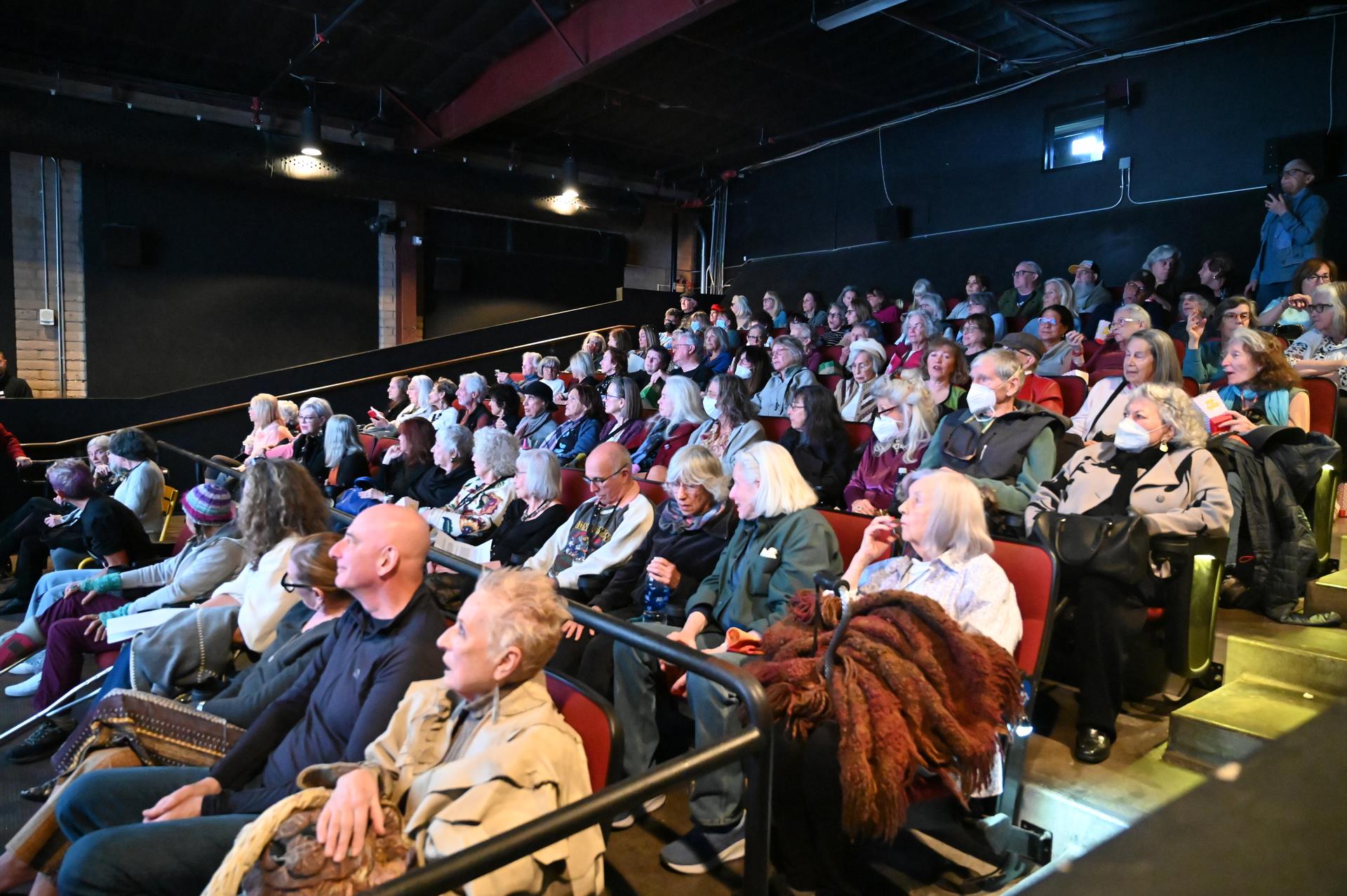
 

We read this parasha around Hanukkah, the season of hidden light and miracles. Survival, endurance, and hope often happen quietly. This could look like patience and calm, providing for others while carrying our own struggles (like Joseph feeding the nations while still carrying the scars of imprisonment), or just faith that the darkness will not last forever. 
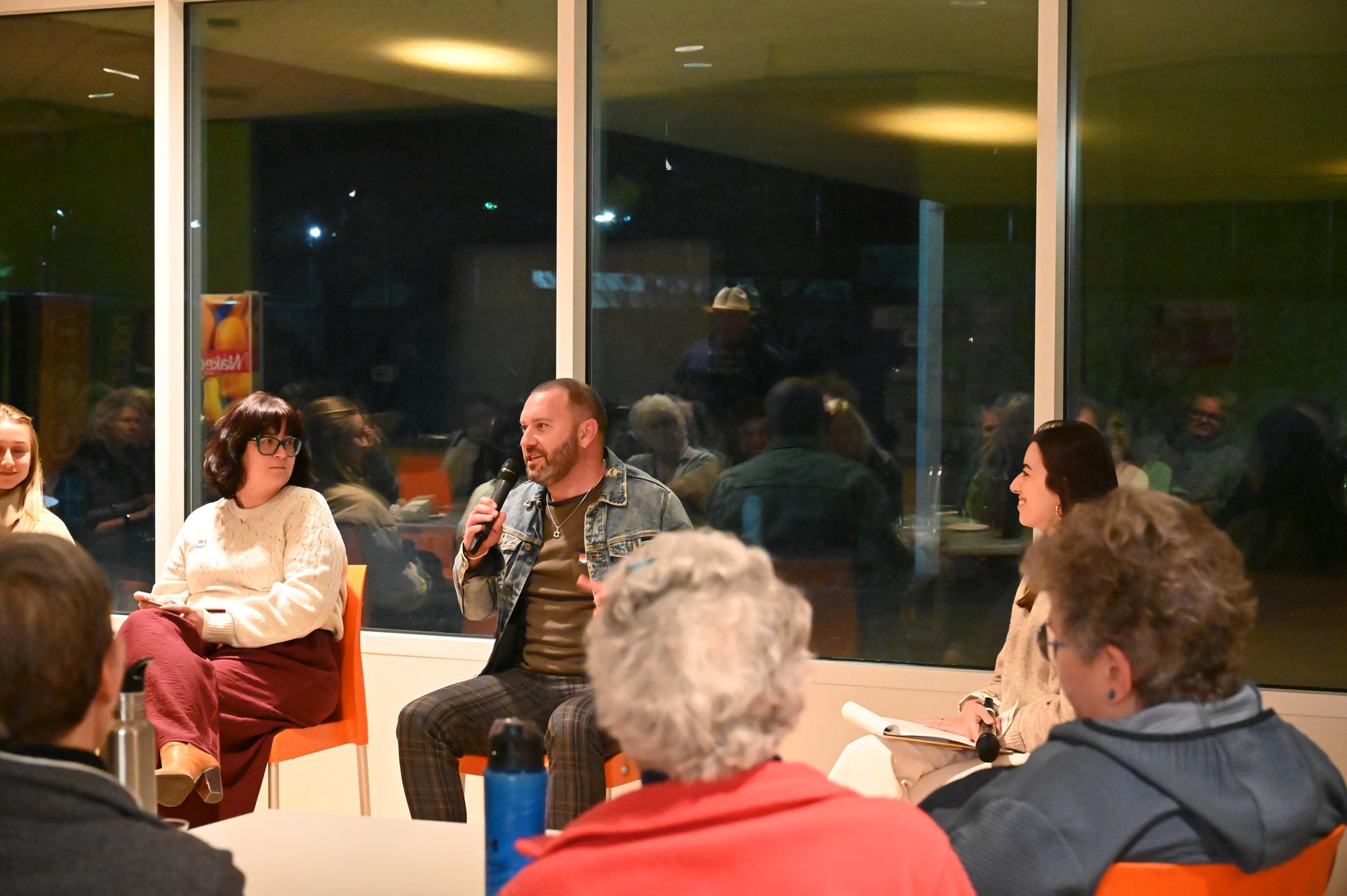
 

Now, we stand at our own miketz and wonder: what’s next? What truths, responsibilities, or courage will this turning demand of us, spiritually, communally, and humanly? Miketz does not offer closure, but movement. Waiting is never wasted. Hidden work is happening, both within us and through currents of the world around us (whether you see that as the guiding hand of Hashem or the natural process of life). Even now, the story is still unfolding.


May this turning illuminate the unseen and bring life, hope, and renewal. May the memories of those lost at Bondi, and all those lost over these past two years, be a blessing. May they light our path and help push back the darkness as we step forward, together, across the threshold.

In parsha Miketz, Joseph rises to leadership not through power alone, but through his ability to interpret dreams and respond with foresight, compassion, and responsibility for the collective good. He teaches us that strong communities are built when we prepare wisely in times of plenty, remain attentive in moments of uncertainty, and care for one another with intention. As the lights of Hanukkahcontinue to glow, we are reminded that hope is sustained not by grand gestures, but by small, steady acts of courage and connection. Here at the J, our mission lives at this intersection—bringing people together, strengthening bonds across generations, and creating spaces where learning, wellness, culture, and community can thrive, even in complex times. This week at the J offered many opportunities to see this parallel in action! 


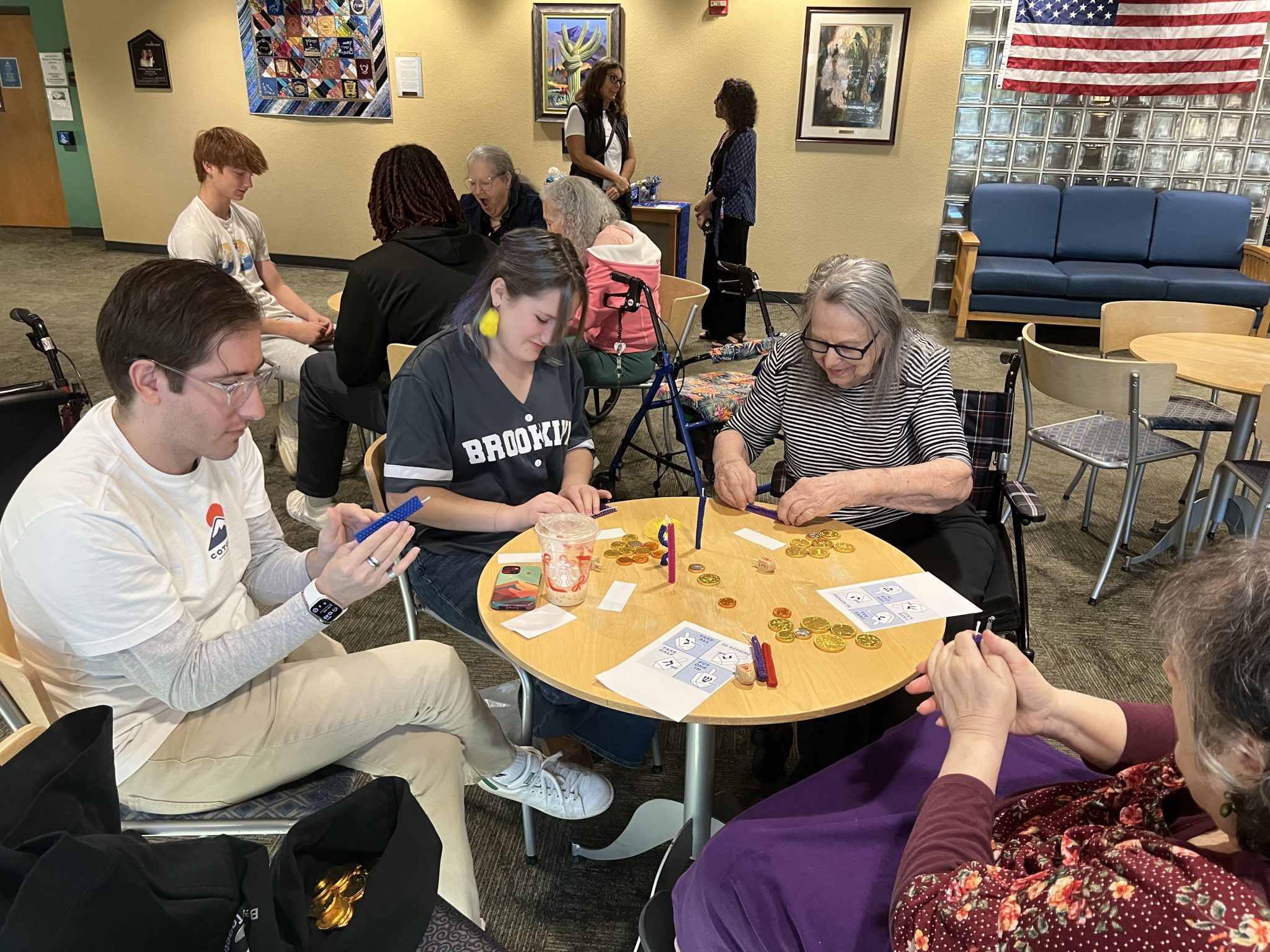
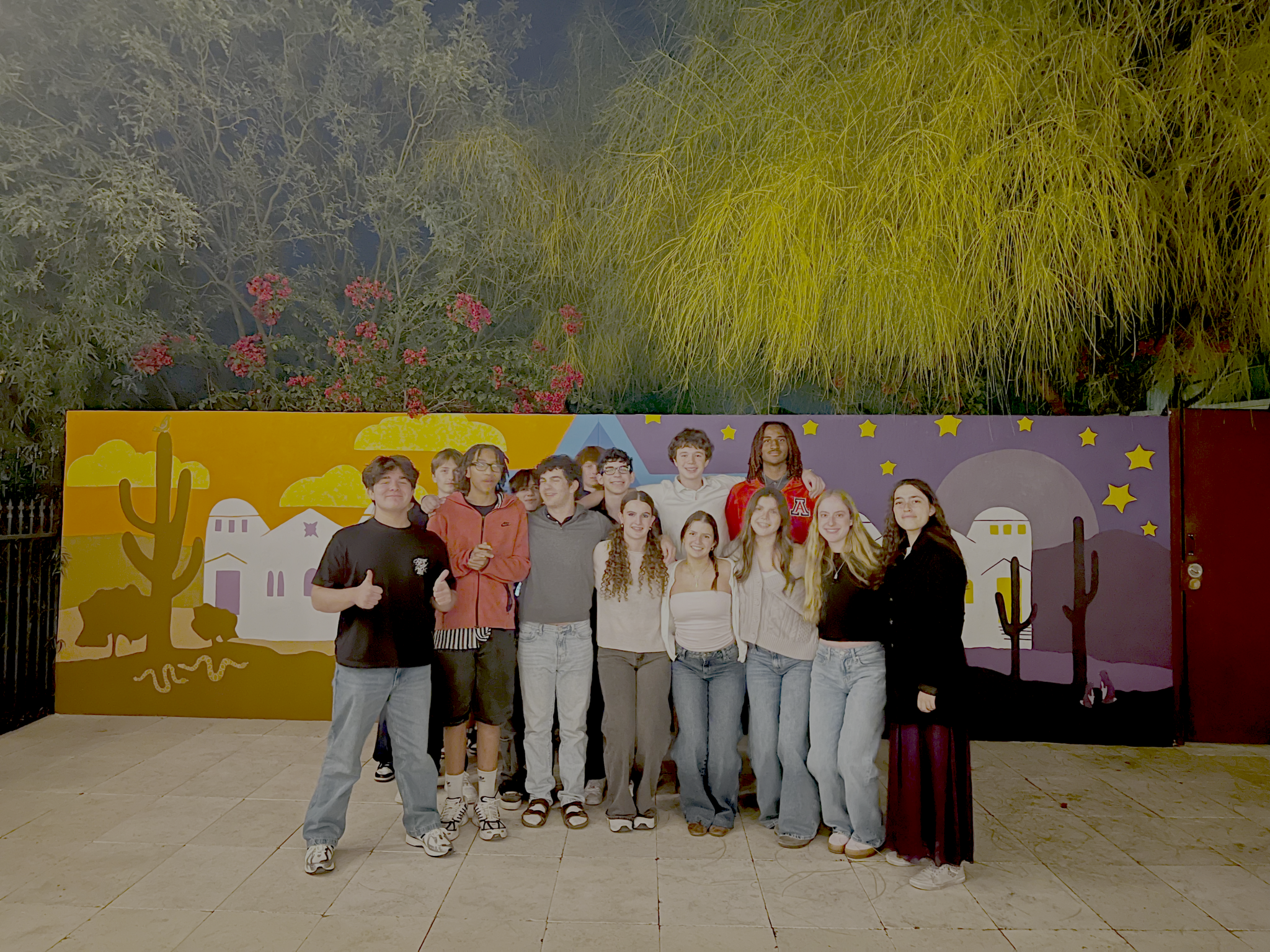
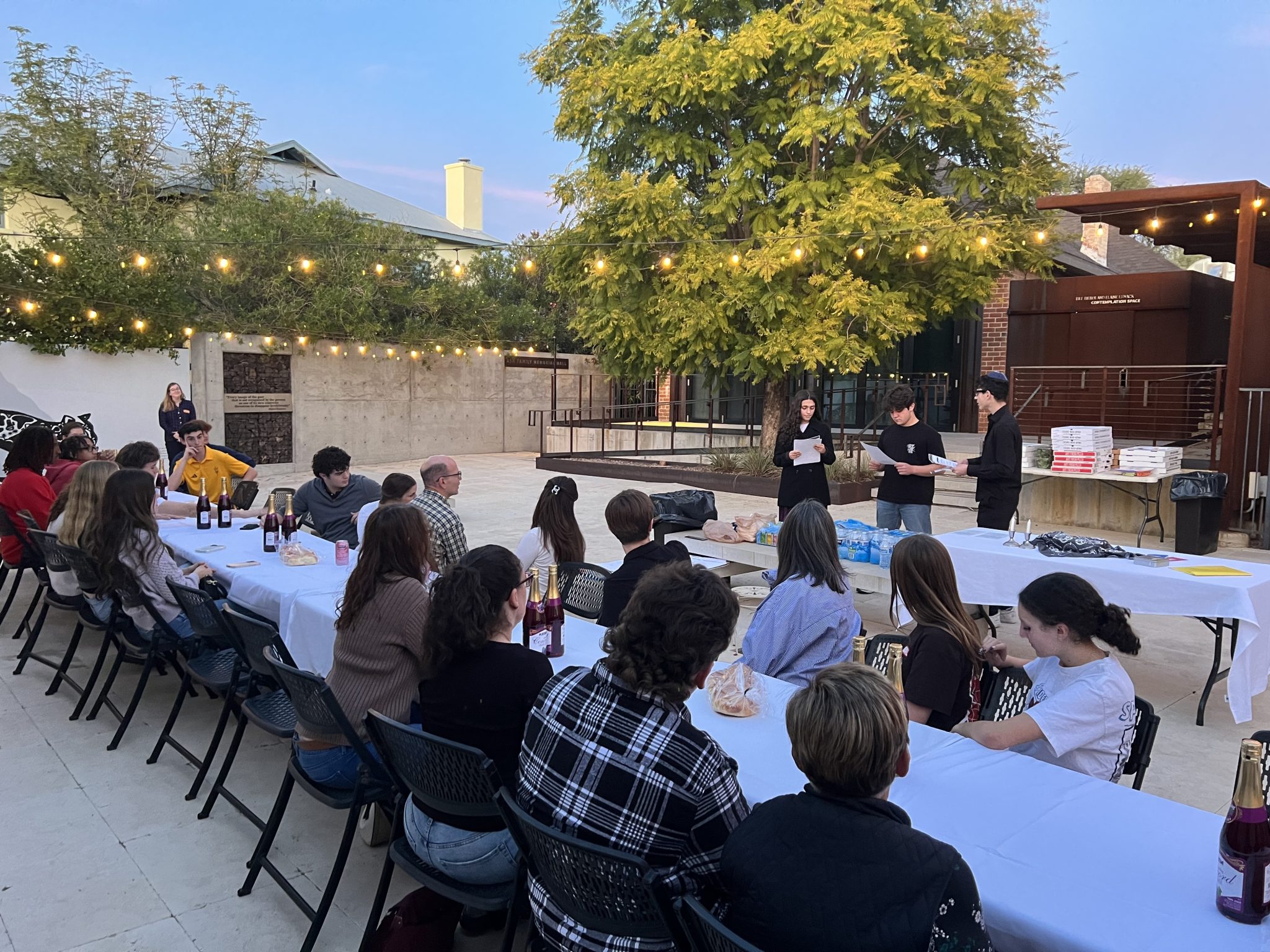
Last Friday, BBYO hosted its 3rd annual Global Shabbat at the Tucson Jewish History Museum and Holocaust Center. With 40+ people in attendance, the event continues to grow, bringing together BBYO teens, parents, rabbi, and alumni for a fun and meaningful Shabbat celebration. On Sunday, BBYO celebrated the first day of Hanukkah for a Better Together program at Handmaker Home for the Aging. The intergenerational group played dreidel, learned about the holiday through trivia, made candles, and sang songs.

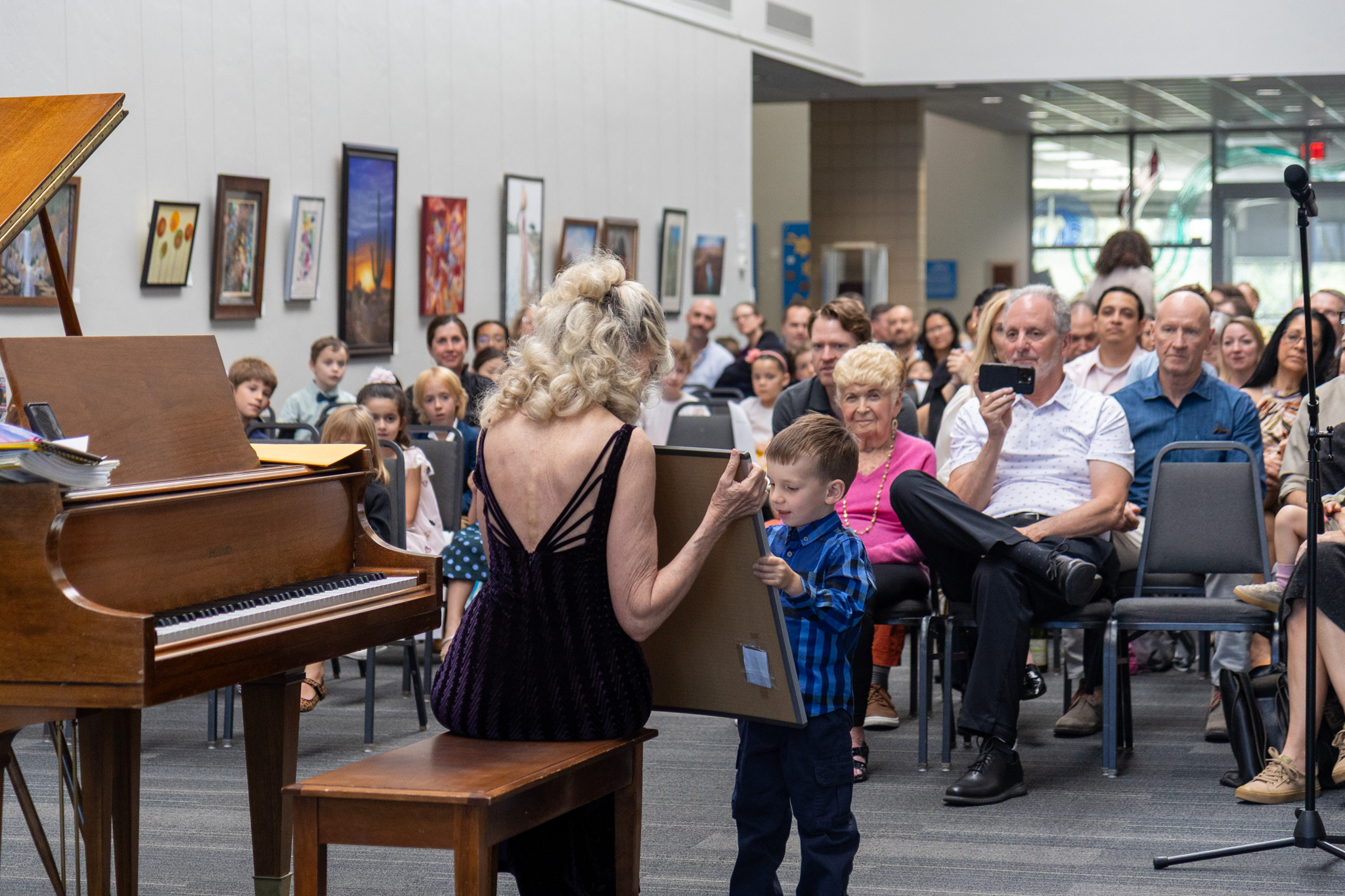
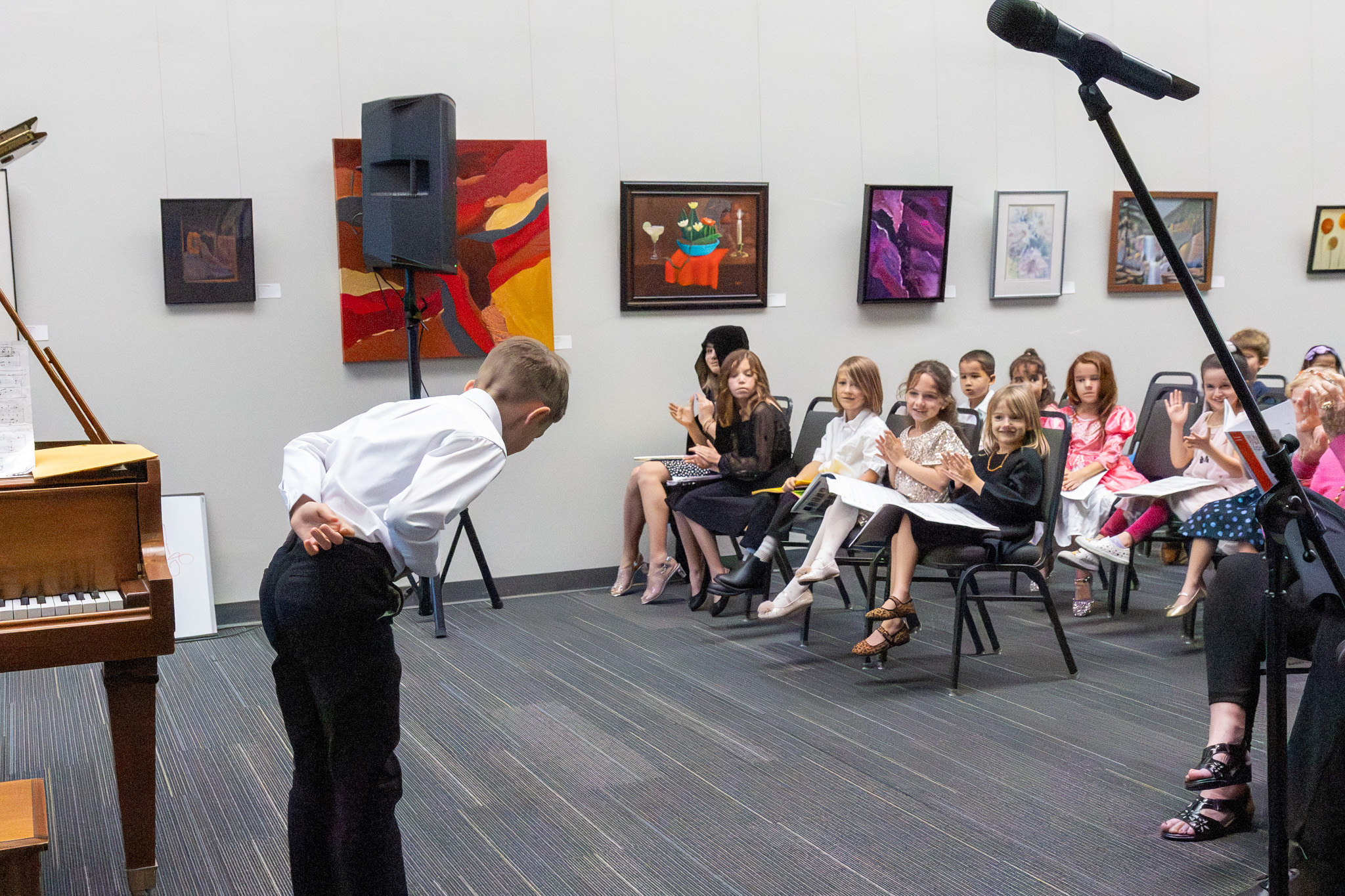
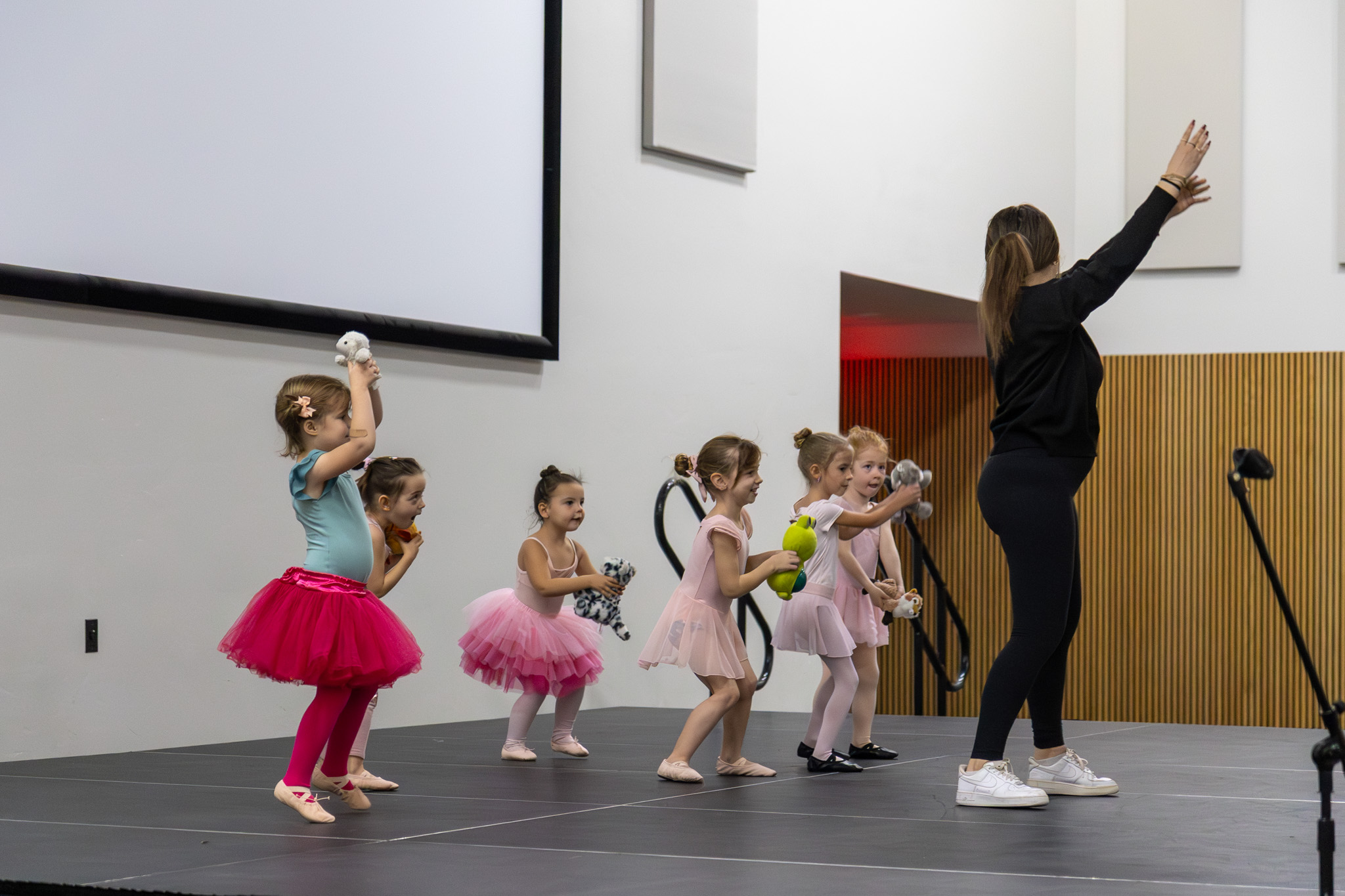
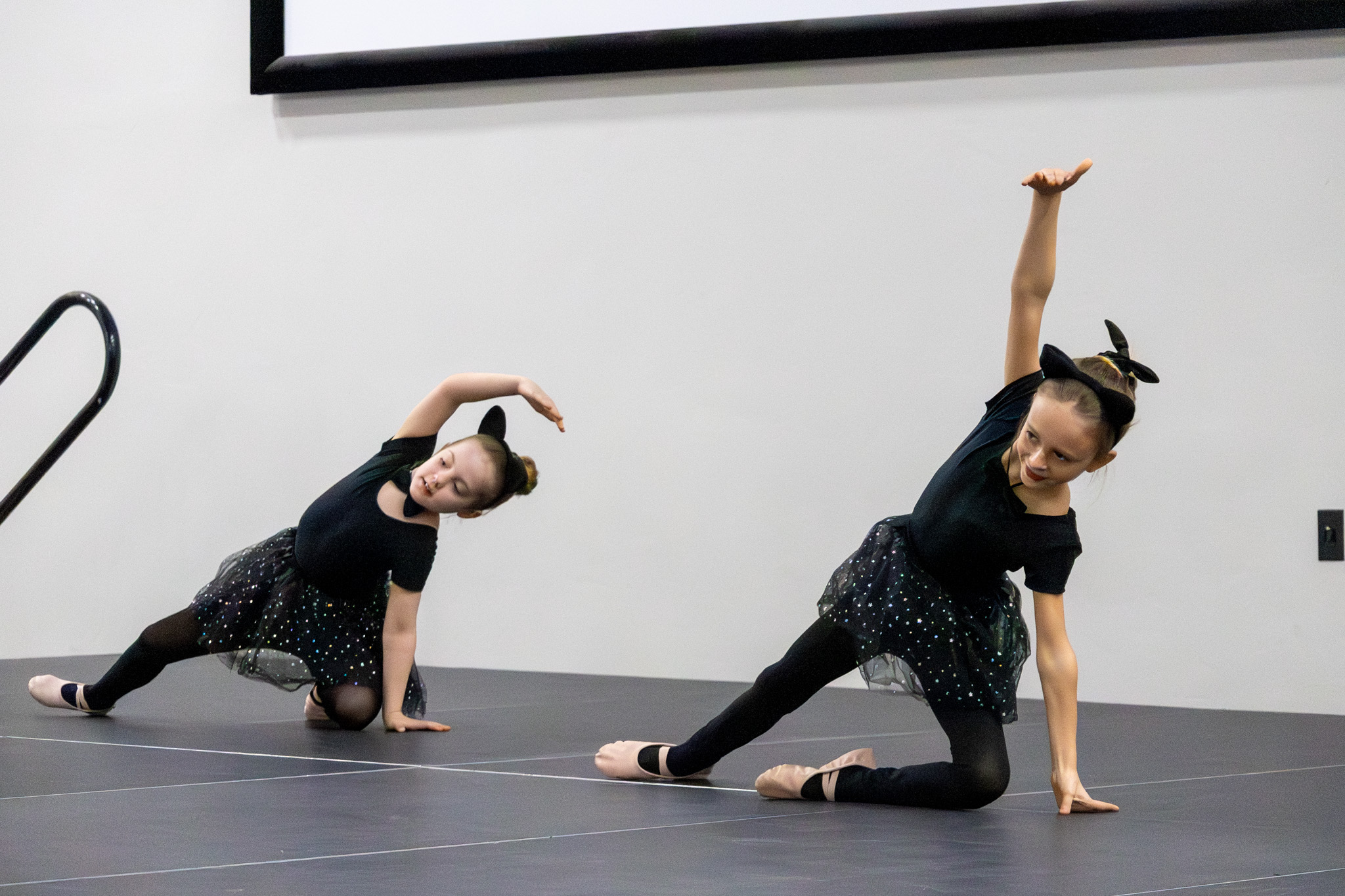
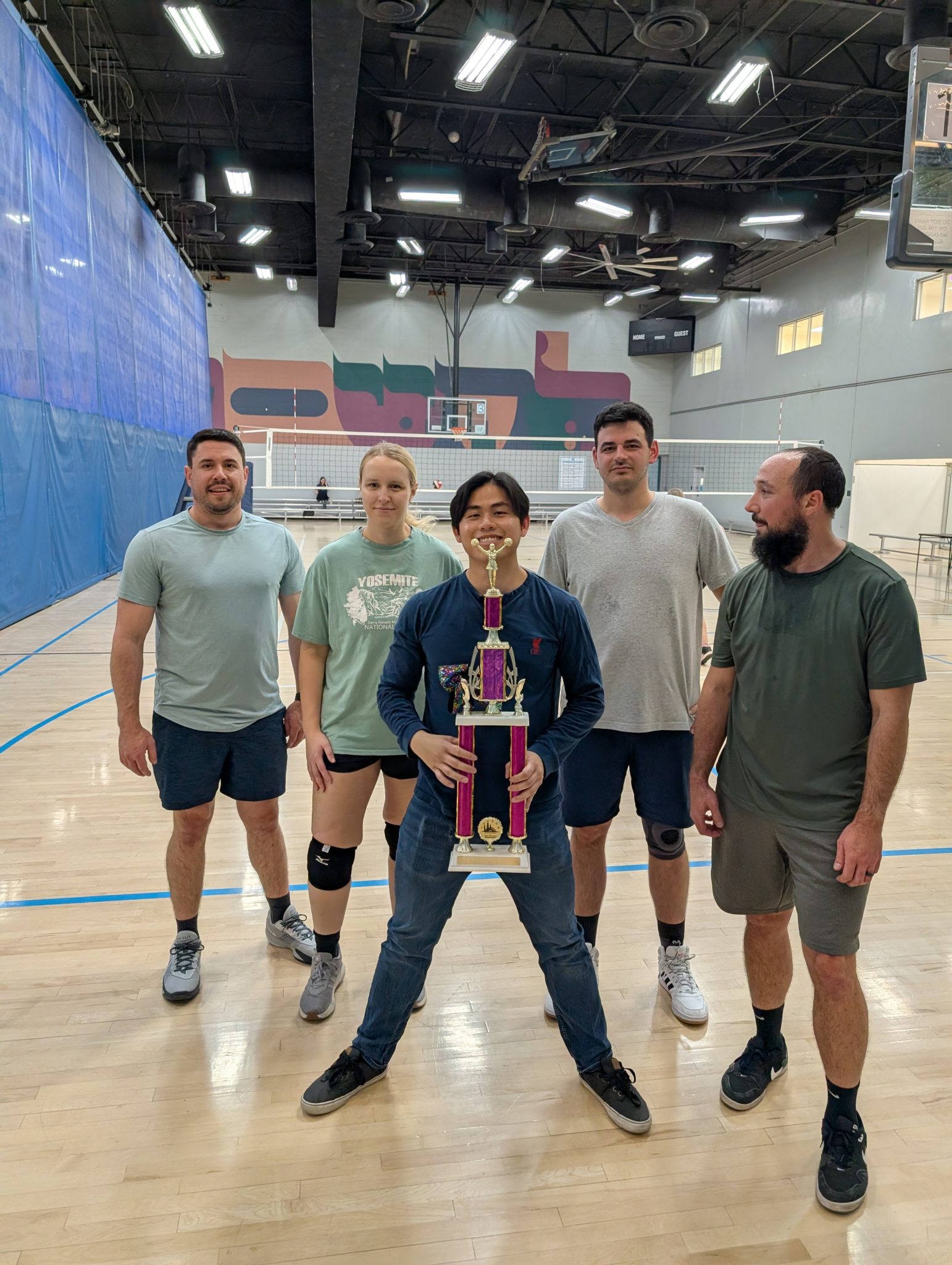
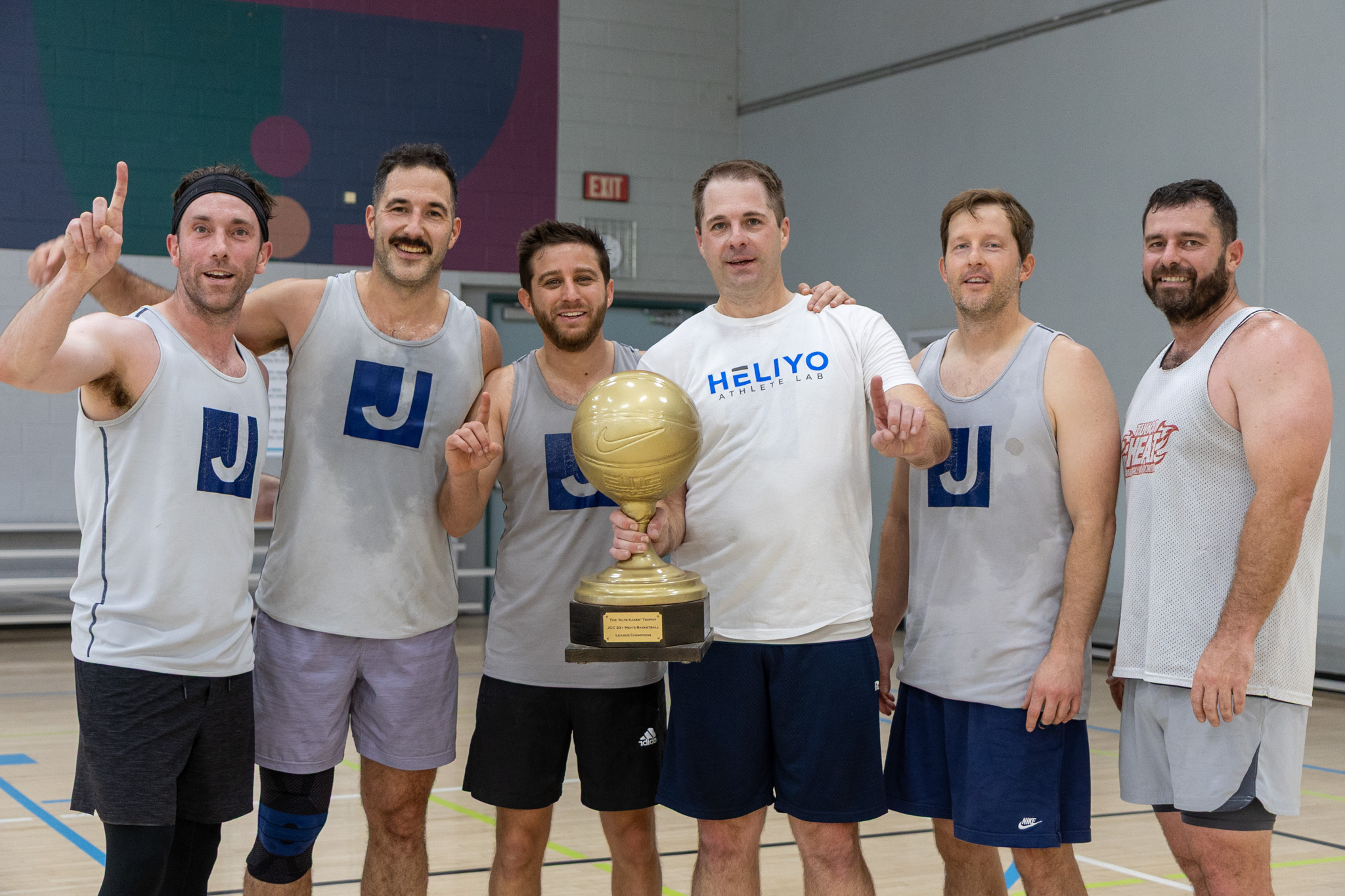
Back at the J, Sunday was filled with music, and movement with end-of-semester Dance and Pianorecitals. Students shined brightly with pride for the new skills they learned, and parents, family, and friends were thrilled to cheer them on! Sunday also brought the conclusion of the Fall Men’s Basketball League and Co-ed Volleyball League with two exciting Championship Games. Mazel Tov to all of the youth and adults who participated in these programs this season—we’re grateful you choose to work hard, build community, and have fun here at the J!


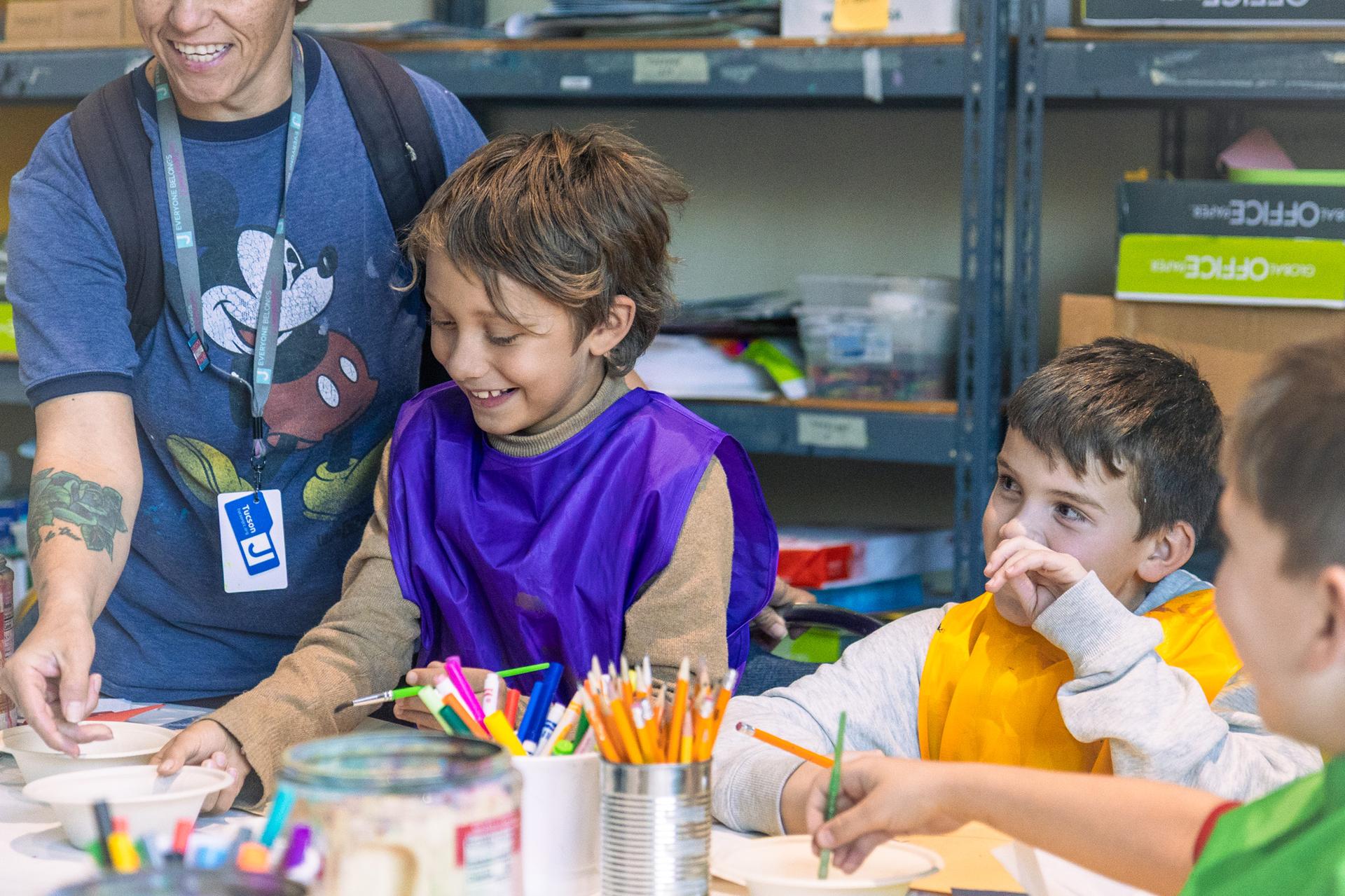
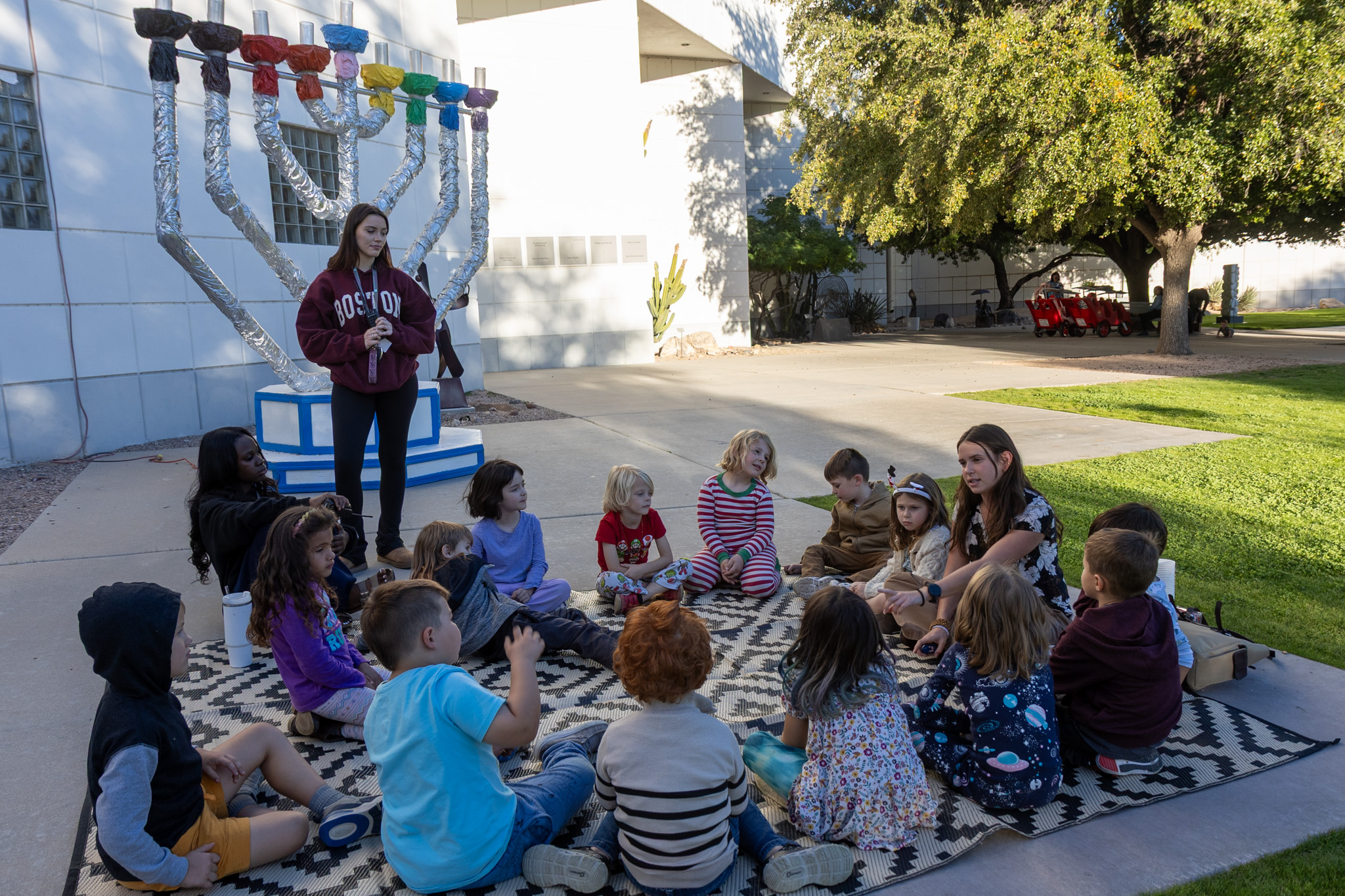
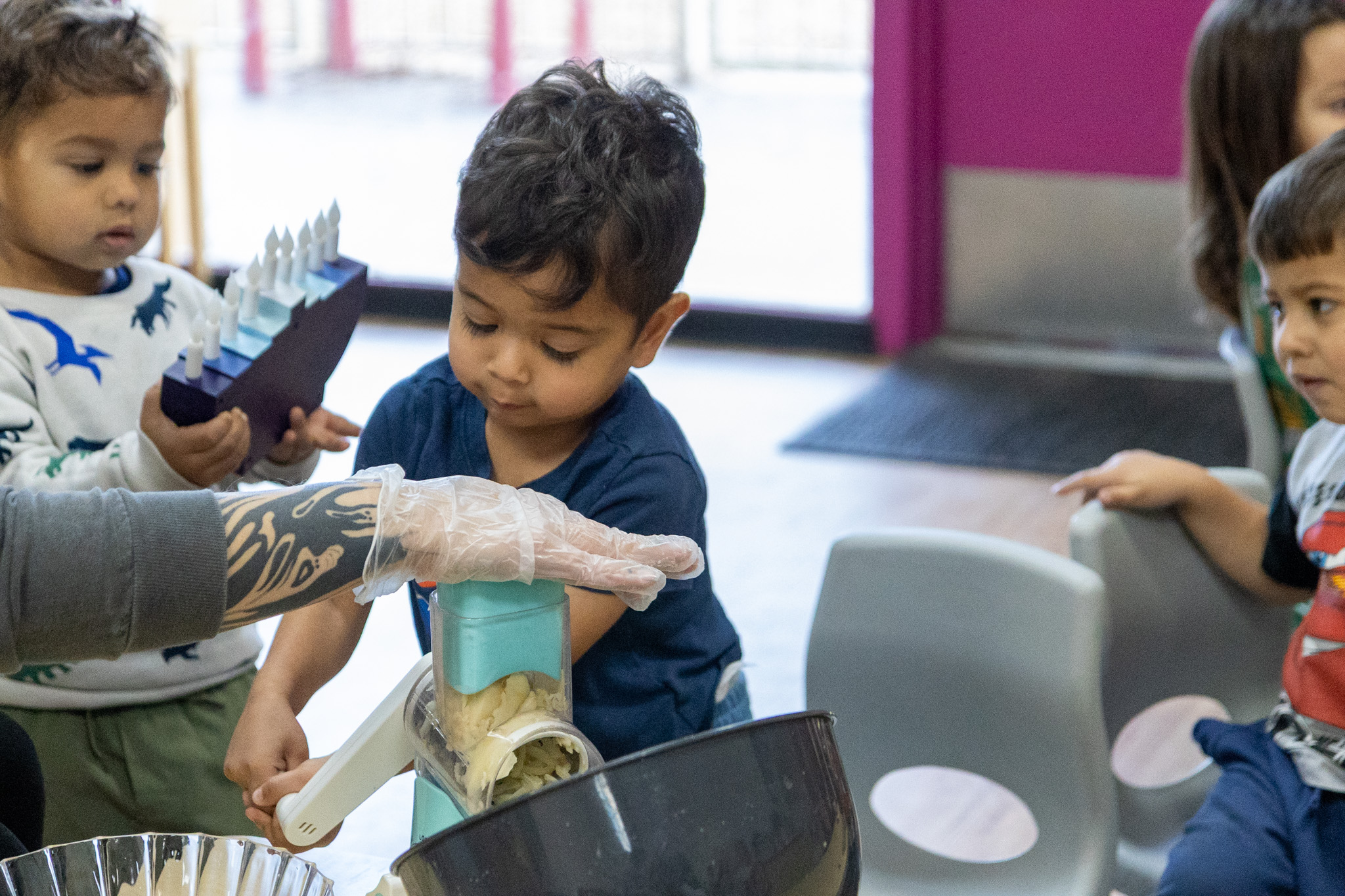
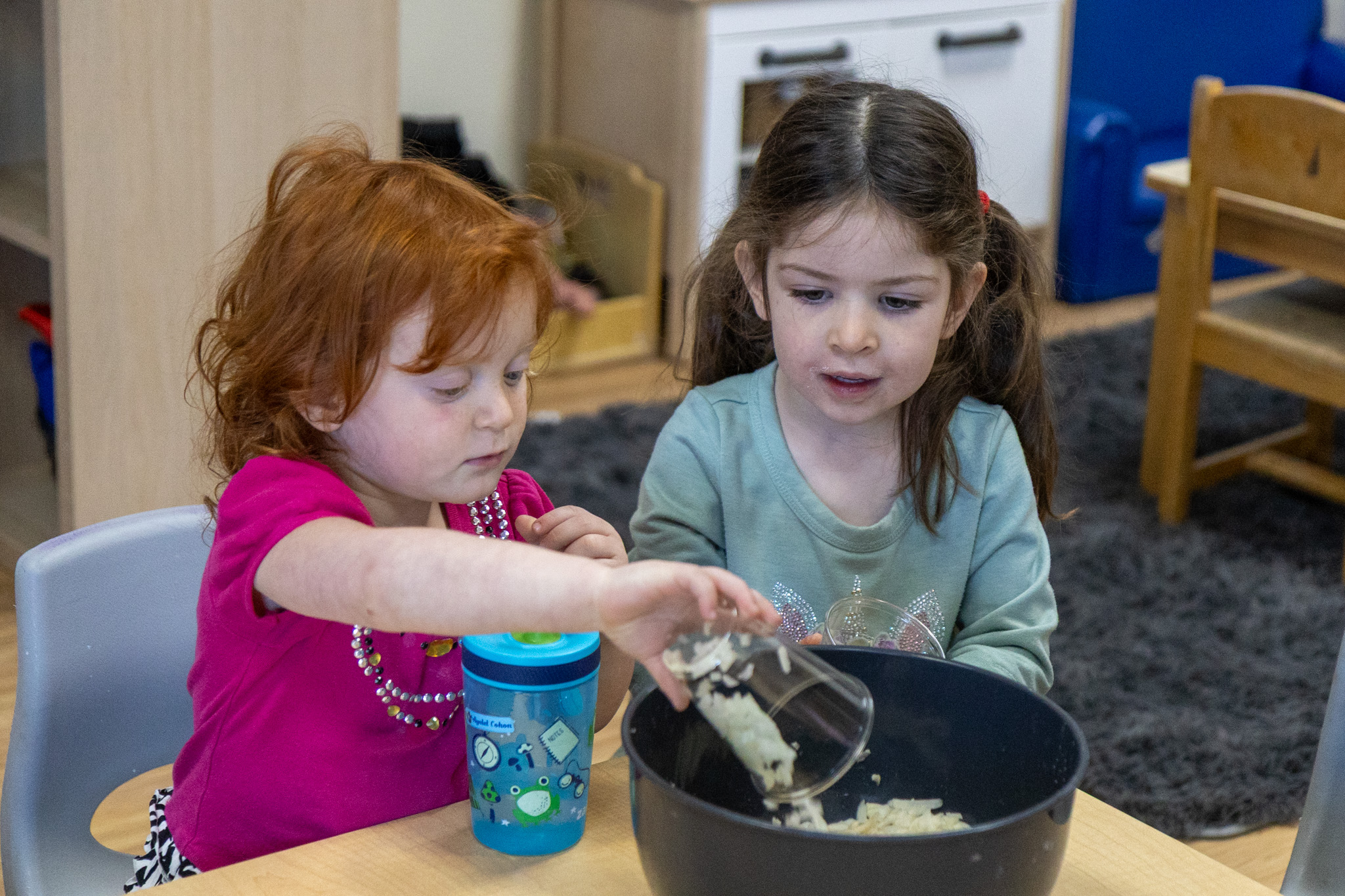
It was a meaningful week as we continued with joyful, delicious, fun, and caring Hanukkah traditions. Members stopped by the welcome and wellness desks to enjoy latkes and sufganiyot for Membership Appreciation week—but the deliciousness didn’t stop there! Kids in Early Childhood Education and JCaretook to the kitchen to make latkes and learn about the miracle of the oil. JCare also participated in a lively dreidel tournament that lasted all week long. Tucson J staff got in on the more modern Hanukkah tradition of caring for the elderly by taking time out of their monthly leadership meeting to make holiday cards for those living at Handmaker, spreading light and joy beyond campus and into the hearts of community members who matter most. 


As we slow down for Shabbat, celebrate the last nights of Hanukkah, and make our way to 2026, we invite you to consider how you will move forward, carrying light, care, courage, and connection with you in the year ahead. Shabbat Shalom.  

Reminders, Resources + Learning