From the Desk of Jennifer Lorch Selco | Sr. Director of Jewish Living + Engagement

Shabbat Shalom
Shabbat Shalom

From the Desk of Jennifer Lorch Selco | Sr. Director of Jewish Living + Engagement

This week’s Torah portion is BaMidbar, Hebrew for “in the desert” and the first portion in the book of BaMidbar, or Numbers. In this week’s reading, God commands Moses to take a census of the people according to their tribes, organize their encampments and assign special tasks that Levites will take on in the Tabernacle. 


The Torah portion reminds us that each of us matters. Last night, I had the opportunity to hear Israeli women’s marathon champion, Beatie Deutsch. The program was organized by the Tucson Torah Center women’s division. During the program, Beatie shared a beautiful teaching taught to her by her Rabbi. He told her (and I am quoting loosely from memory), “there is only one person with your skills, talents, personality and ability that has or ever will walk this earth.” The message is clear and resonates this week in particular, each of us is unique, and each of us matters. 


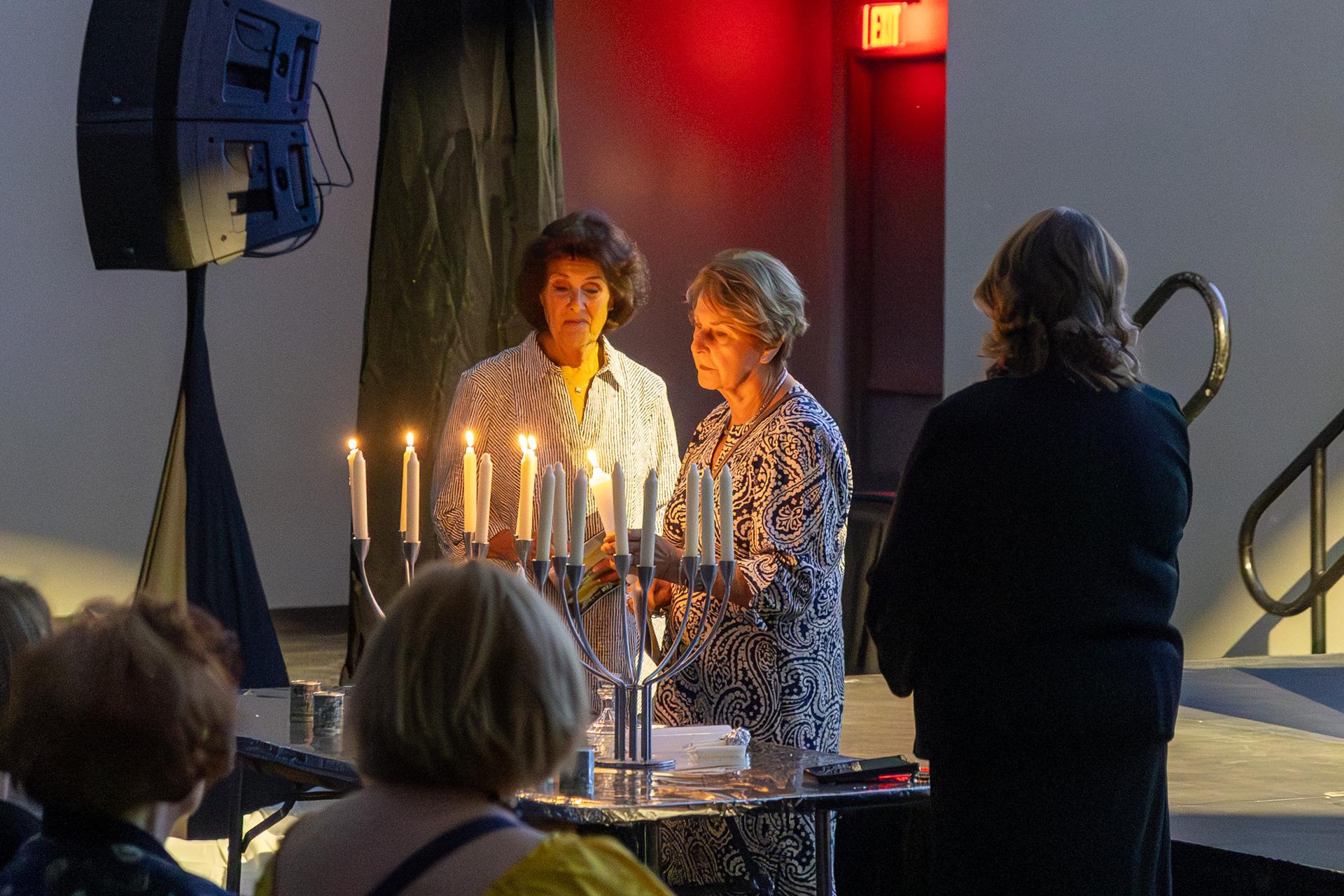
Upcoming this week, we will celebrate Shavuot – many will gather together for this year’s Tikkun Leil Shavuot (a collaborative program across many synagogues and organizations), themed All You Need is Love, and all of us will stand symbolically at Sinai, commemorating the receiving of the Torah.  


This Shabbat, we are reminded, each of us counts, each of us has something to contribute to our community and world, and each of us matters. 


Shabbat shalom! 
The powerful act of counting the Israelites in the wilderness in torah portion BaMidbar was never only about numbers—it was about recognition, belonging, and purpose. Each person was seen as an essential part of the community, with unique identities, gifts, and responsibilities to bring to the collective whole. That message feels especially resonant here at the Tucson J, where our work is grounded in creating spaces where every individual feels valued, included, and empowered to grow. 


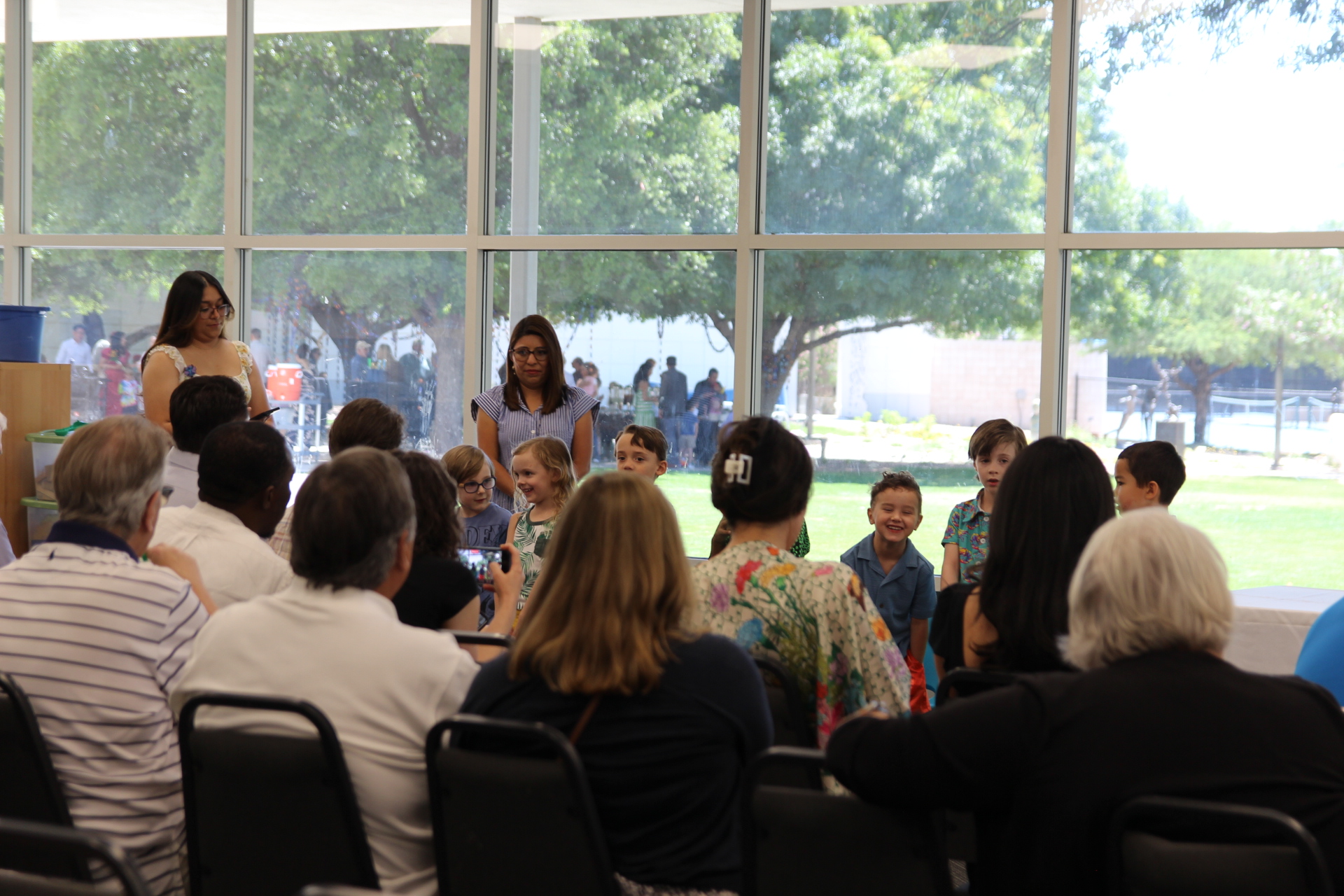
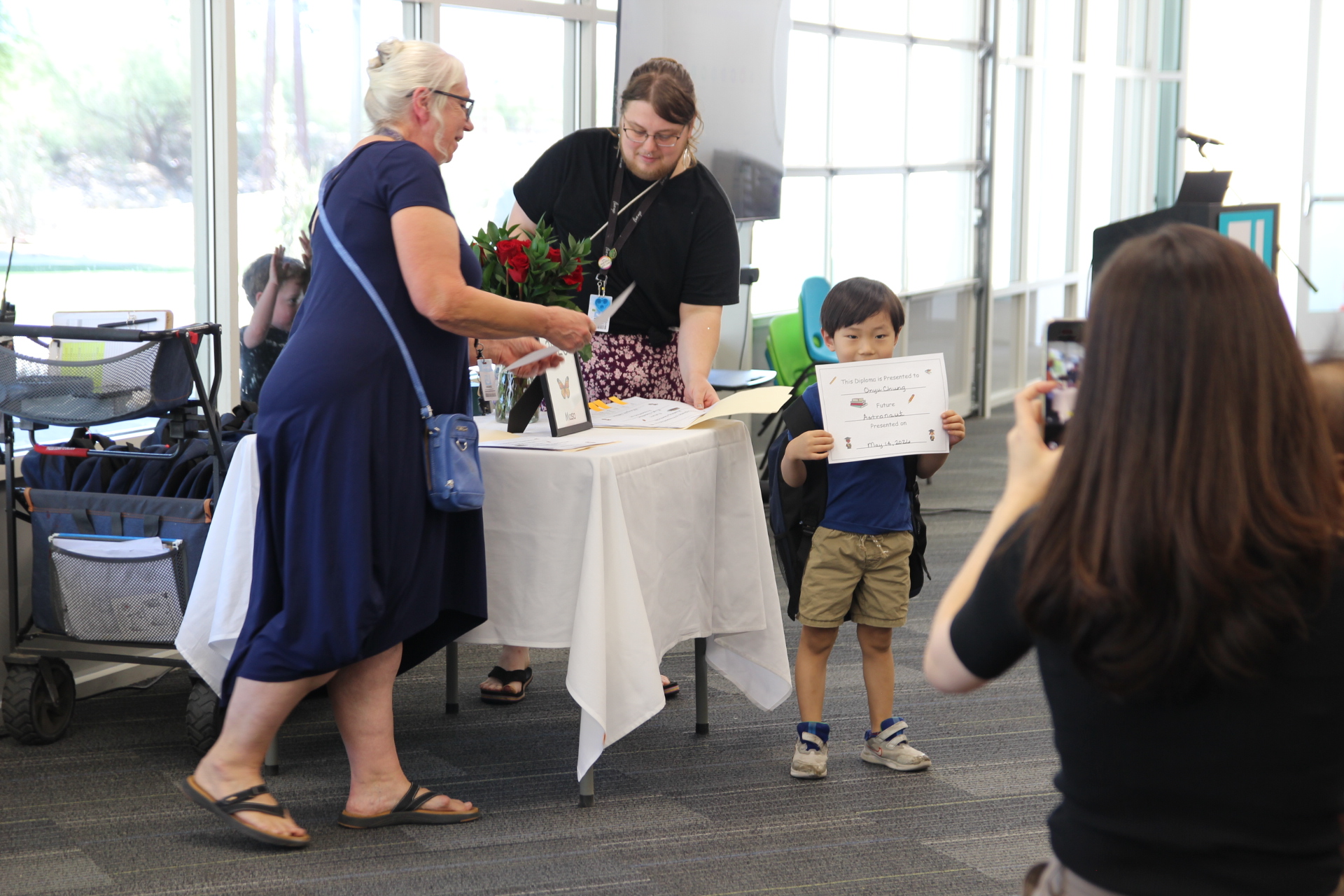
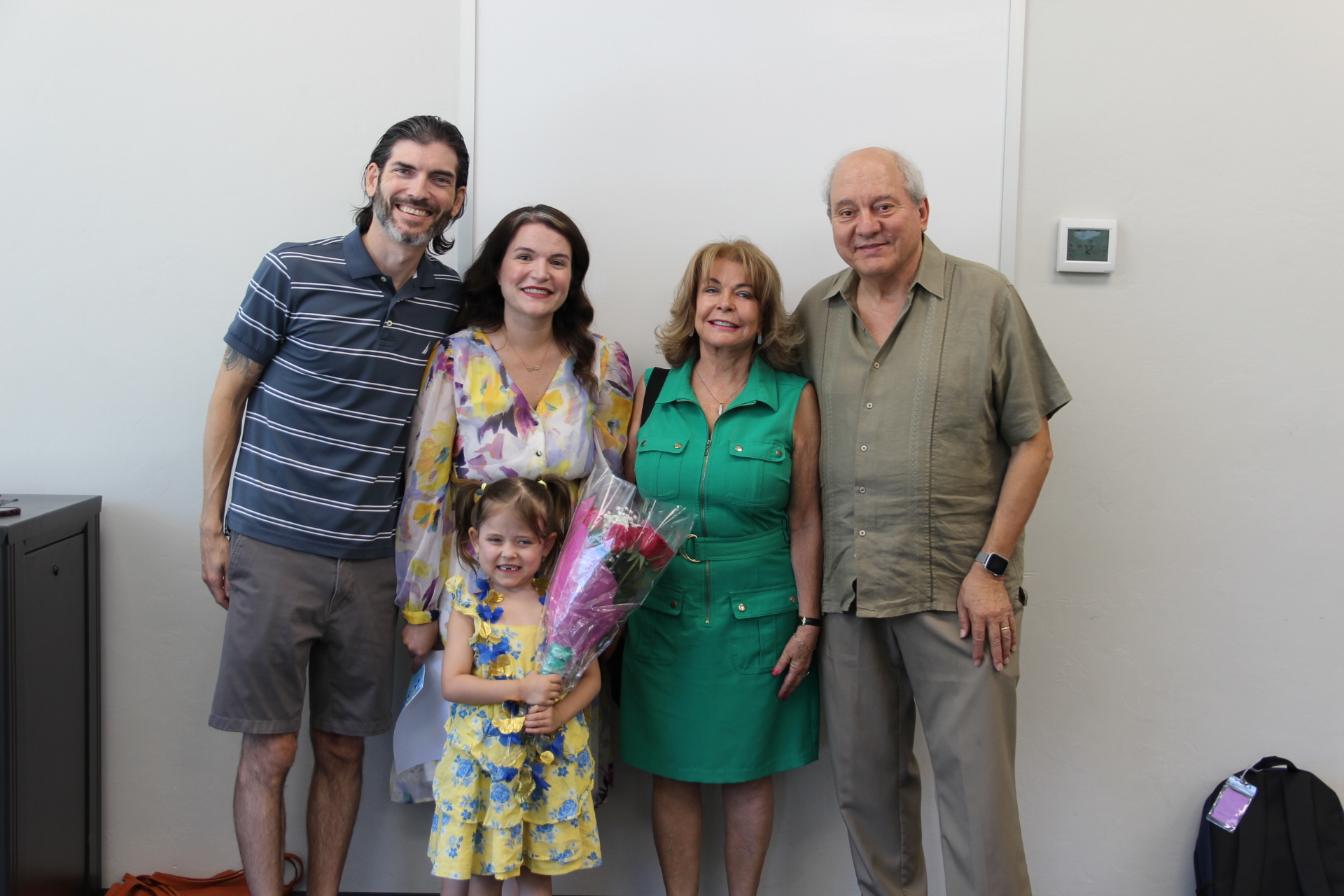
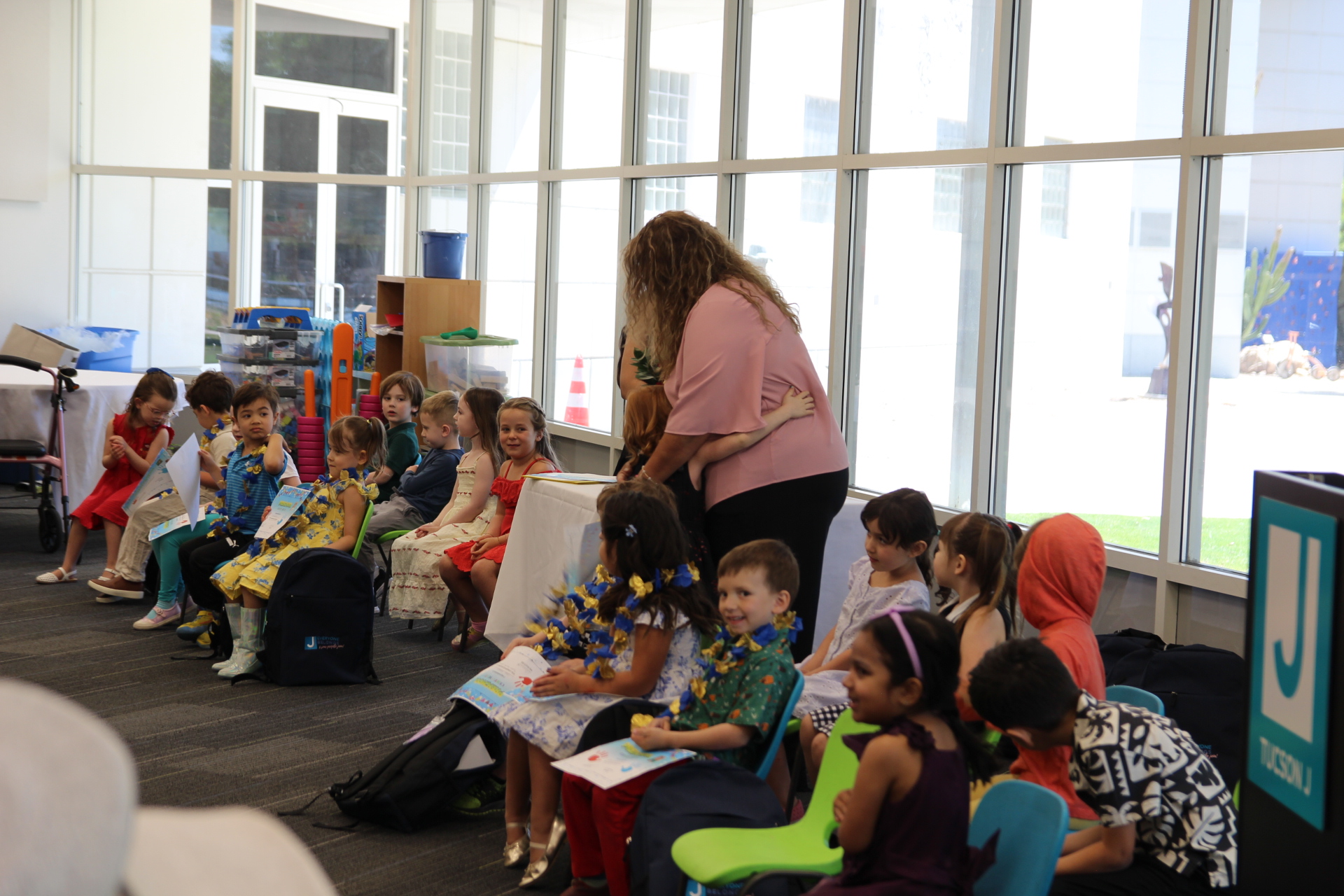
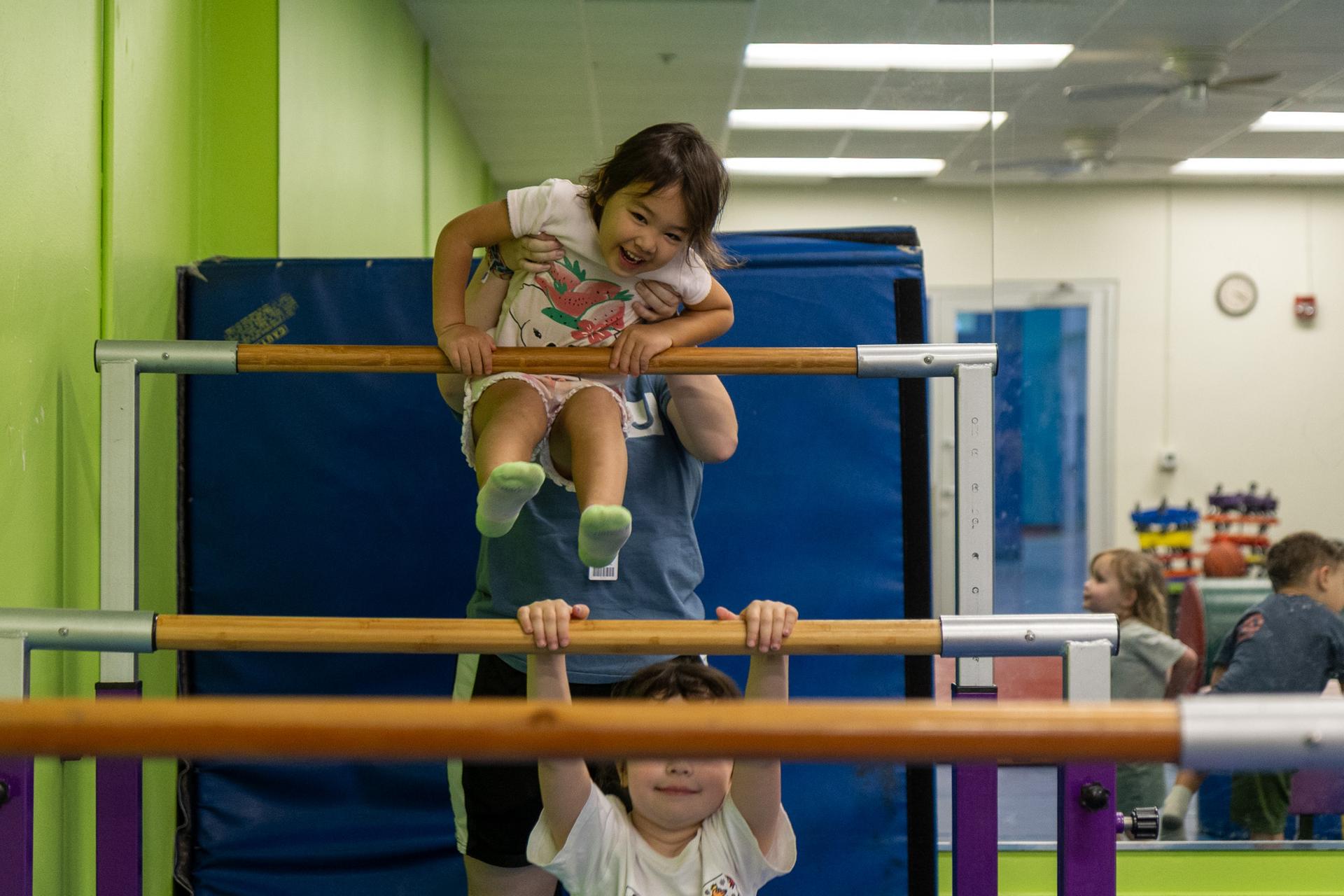
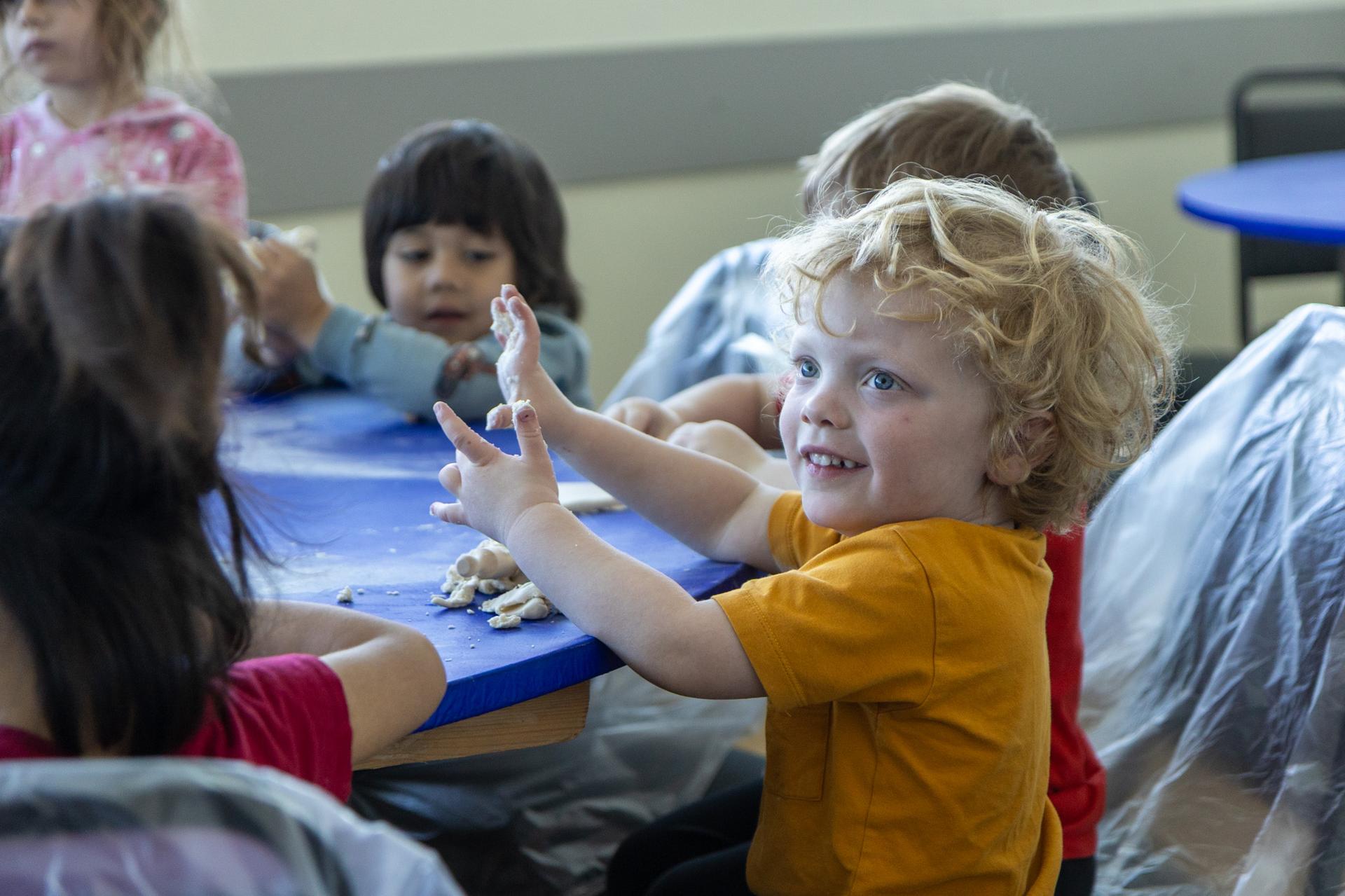
We strive to foster that feeling of belonging and “counting” from the very beginning in Early Childhood Education through The Sheva Framework, which anchors our program in the belief that each child is special and important. There’s been so much happening in ECE as the regular school year comes to a close and we head into summer! We ended last week with our annual Shabbat Family Picnic; prepared for Shavuot with stories and art projects; on Thursday, we celebrated Pre-K graduates; and this morning, we held our first Coffee with the Directors, which offered parents a chance to socialize with one another and connect with staff. 
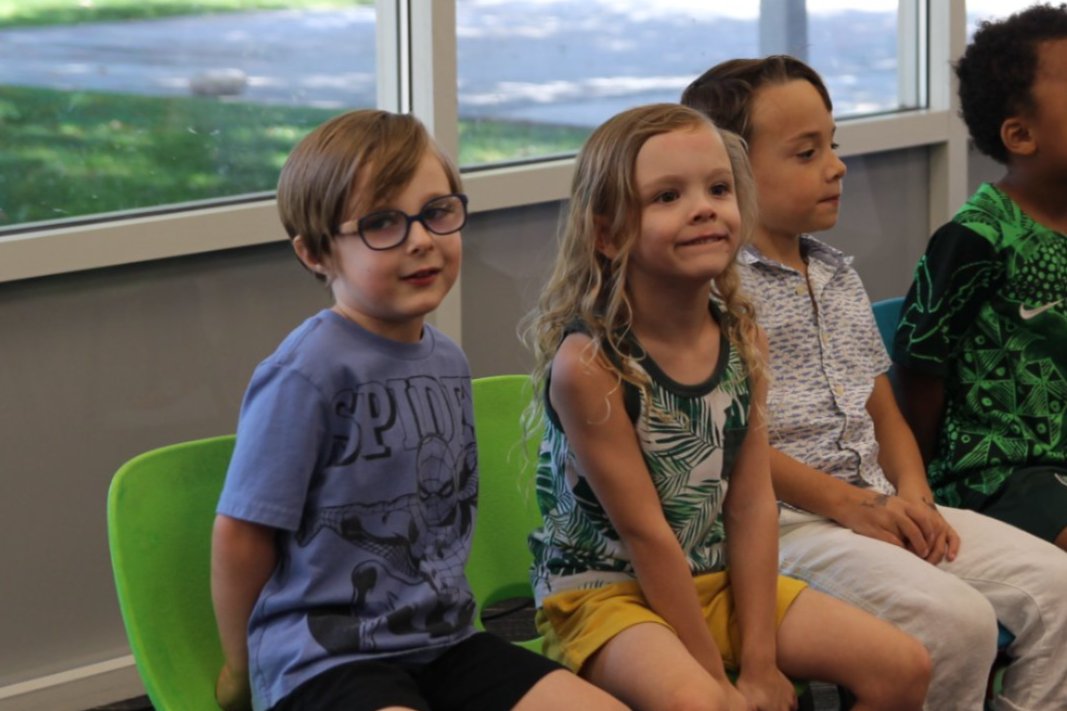
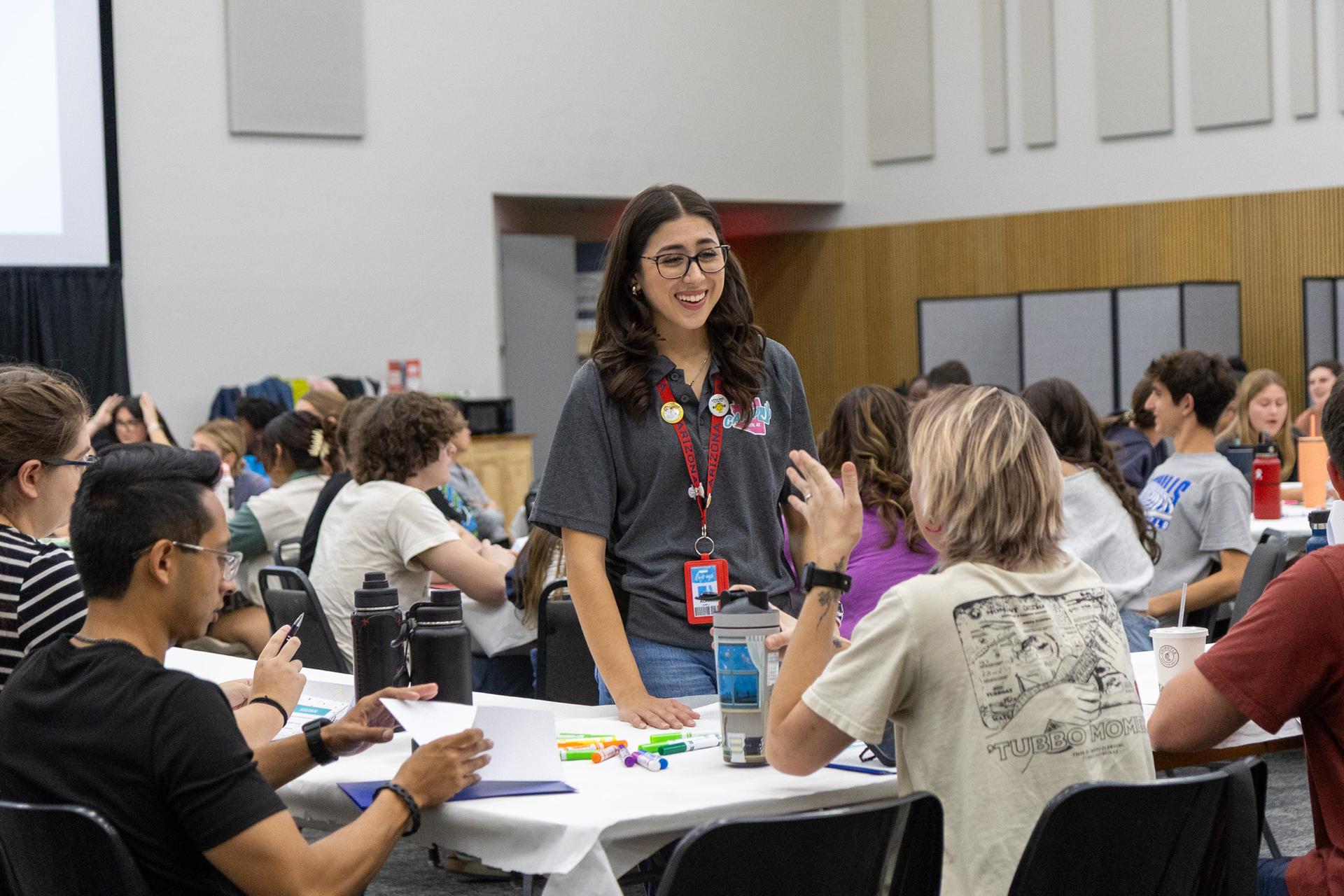
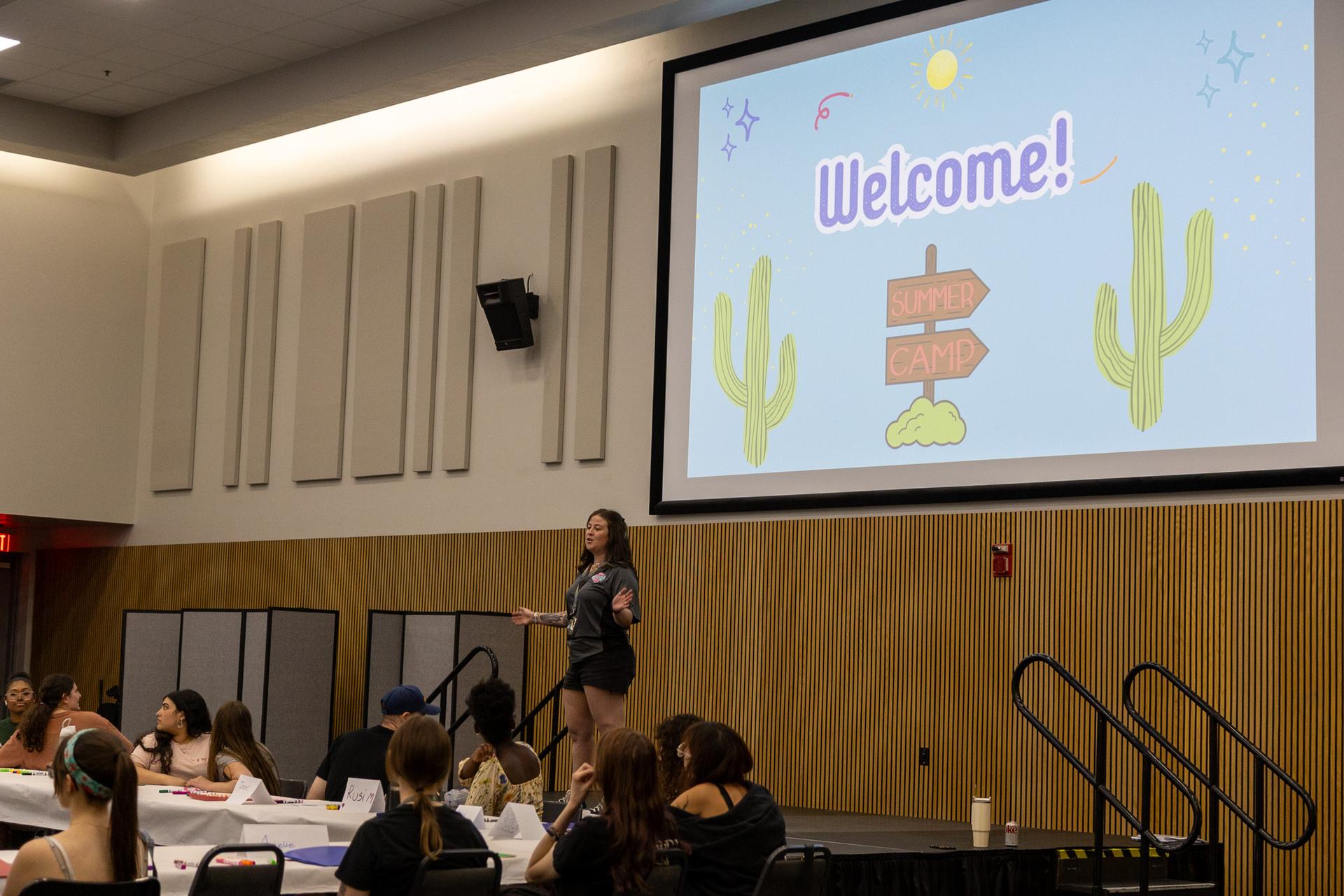
Also this week, Camp J staff embarked on their first of two week’s of training before we welcome hundreds of kids to campus for what will be a truly memorable summer ahead! Tucson J leadership popped in to share their knowledge and expertise, staff bonded through games and getting-to-know-you activities, and the excitement was palpable! Our camp staff are each bringing their own talents, energy, care, and leadership to help create an environment where every camper can thrive! 


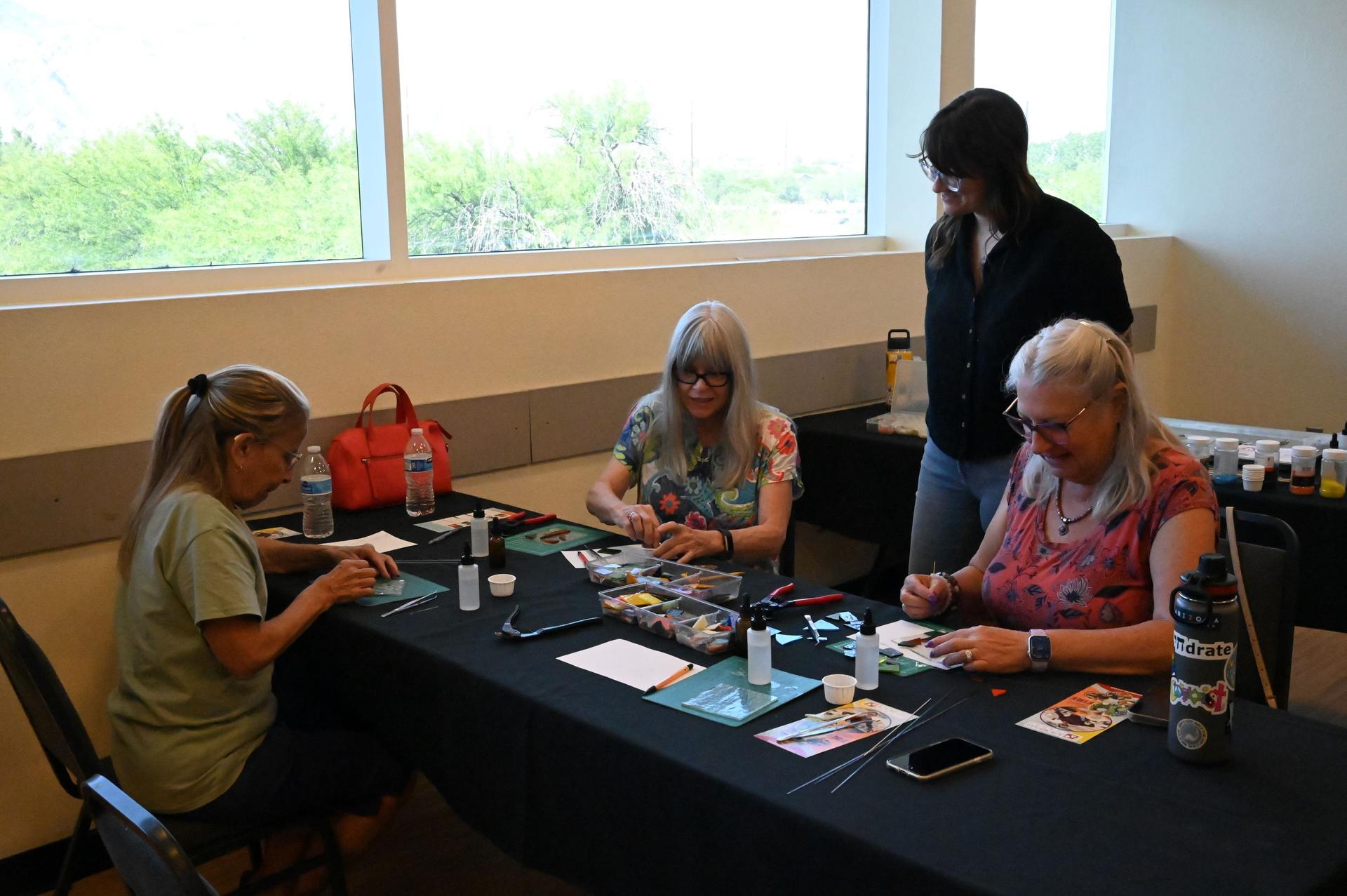
Every day at the J, people of all ages and stages bring their skills to the pickleball and tenniscourts, work toward goals in the gym, exercise their creativity and get inspired in arts and culture programs—living their best lives while giving back in meaningful ways. Our vibrant community is built and strengthened when every person knows they matter and that who they are makes a difference. This Shabbat, we invite you to consider the unique and wonderful things you offer to the people around you and the communities you are part of; we’re so glad you’re here. Shabbat Shalom. 
Reminders, Resources + Learning

From the Desk of Davis Hubbell | Director of Teen Engagement

Shabbat Shalom
Shabbat Shalom

From the Desk of Davis Hubbell | Director of Teen Engagement

Acharei Mot/Kedoshim is a double parsha where it feels like everything is on the table – life, death, rules, holiness, relationships, justice. It doesn’t shy away from the messiness of being human, it leans right into it and says: that is exactly where holiness lives.


The opening of Parashat Acharei Mot/Kedoshim comes right after loss after the deaths of Nadav and Avihu. G-d cautions against entering the sacred space without proper authorization and lays out boundaries and guidelines for how to move forward with intention. There’s something real about that. Life doesn’t pause for us to figure everything out first. We are asked to keep going, but to do so with awareness and care.


Then we get to a core idea that sticks with me: “You shall be holy, for I the Lord your G-d am holy.” We are made B’tzelem Elohim, in the divine image of G-d. This line isn’t about perfection, it’s about how we show up: we are not peons existing to worship G-d but an extension of him and his holiness. Holiness here isn’t abstract or out of reach, it’s how we treat people, how we conduct business, how we speak, how we respond when things are hard.


This week’s double parsha makes me think of Mesillat Yesharim by Moshe Chaim Luzzatto. In it, Ramchal lays out this very structured path toward growth and holiness not as a one-time moment, but as a lifestyle. Step by step, trait by trait, choice by choice. It’s not giving us one big idea, it’s giving us a way of living.


There’s something grounding about that for me. When life feels chaotic or pulled in a hundred directions, it is helpful to have a framework to return to. Not rigid for the sake of being rigid, but accountable. Intentional. Knowing that how I act, even in small moments, fits into a bigger picture of the person I’m trying to be.


In my own life, I think about the spaces I’m in every day working with teens, building community, navigating personalities, expectations, and responsibilities. There are moments where it would be easier to let things slide, to not say something, to not step in, to not hold a standard. But this parsha reminds me that holiness isn’t passive. It asks us to be active participants in shaping the kind of environment we want to be part of.


What I appreciate in this week’s parsha is that structure. Not because it makes things easier, but because it makes things clearer. Holiness isn’t a destination, it is built in everyday choices, in being accountable to the way we orient our lives with intention.


Shabbat Shalom.

At the Tucson J, B’tzelem Elohim isn’t just something we talk about—it’s something we do. From this foundational belief flows a vision of holiness as something we strengthen and build together through how we treat one another and ourselves—with dignity, empathy, and care. Everyone belongs here and we celebrate the unique spirit of each individual in our community by fostering wellness and connection through programs, events, and services intentionally designed with YOU in mind. 


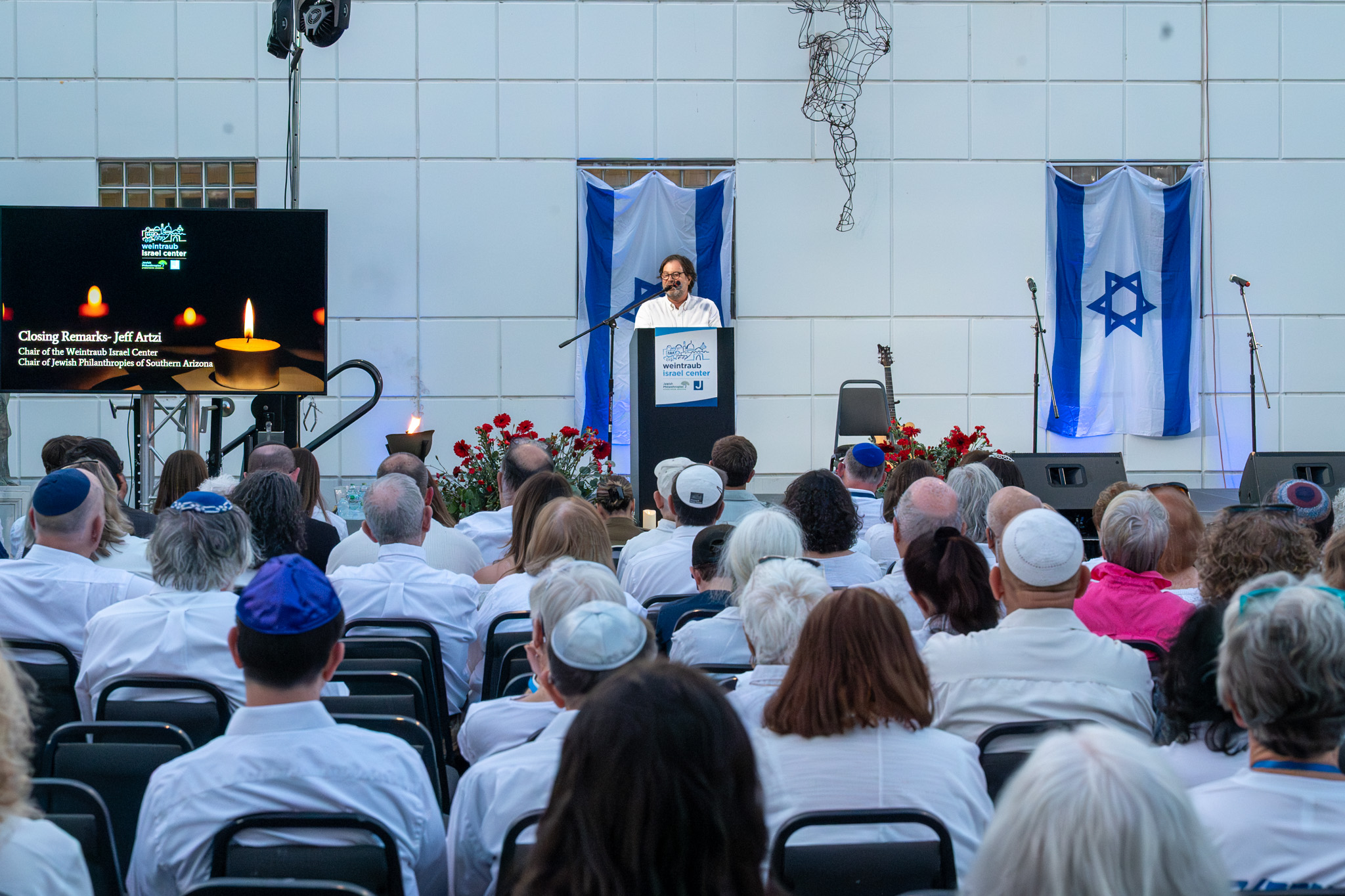
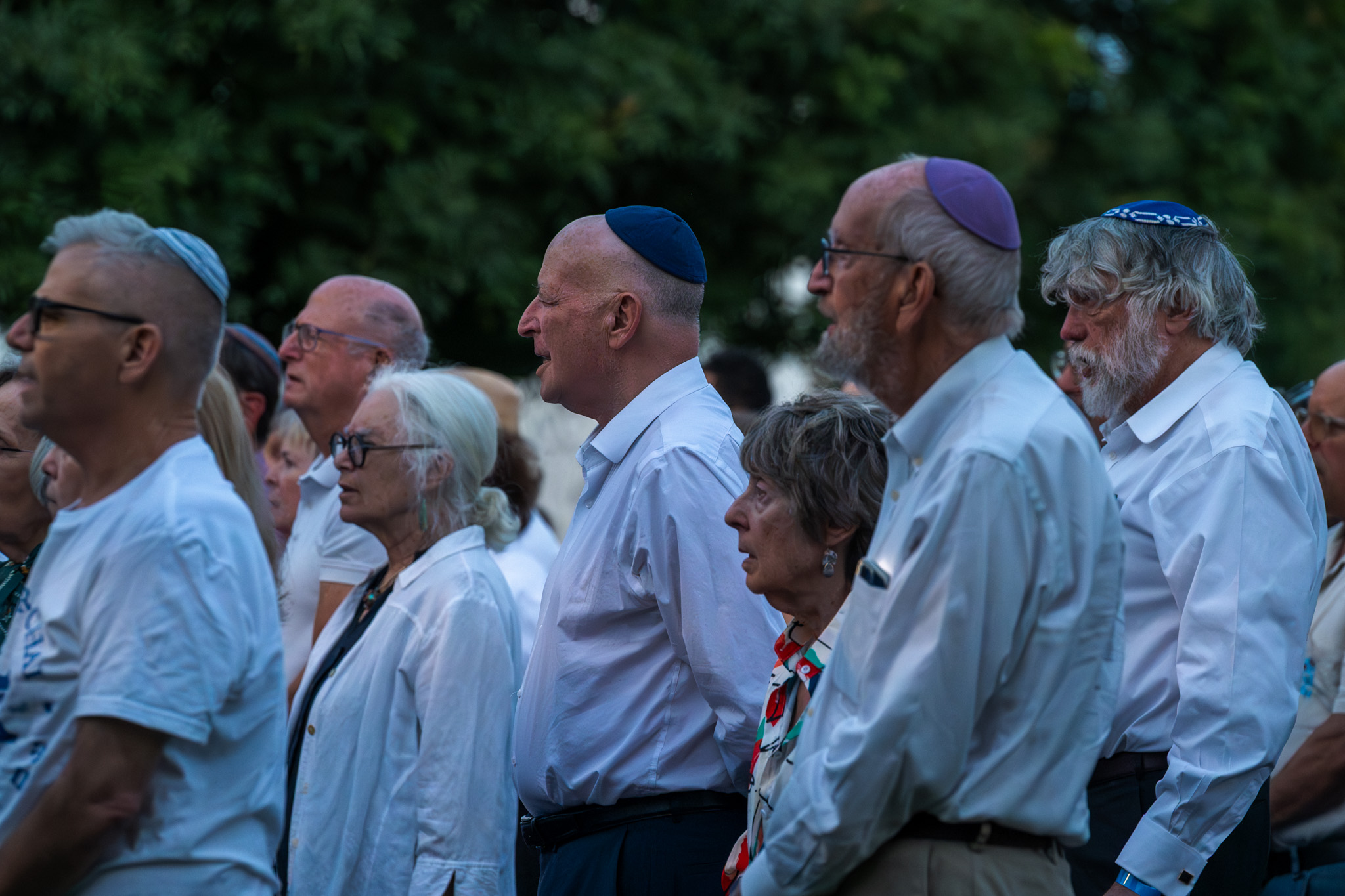
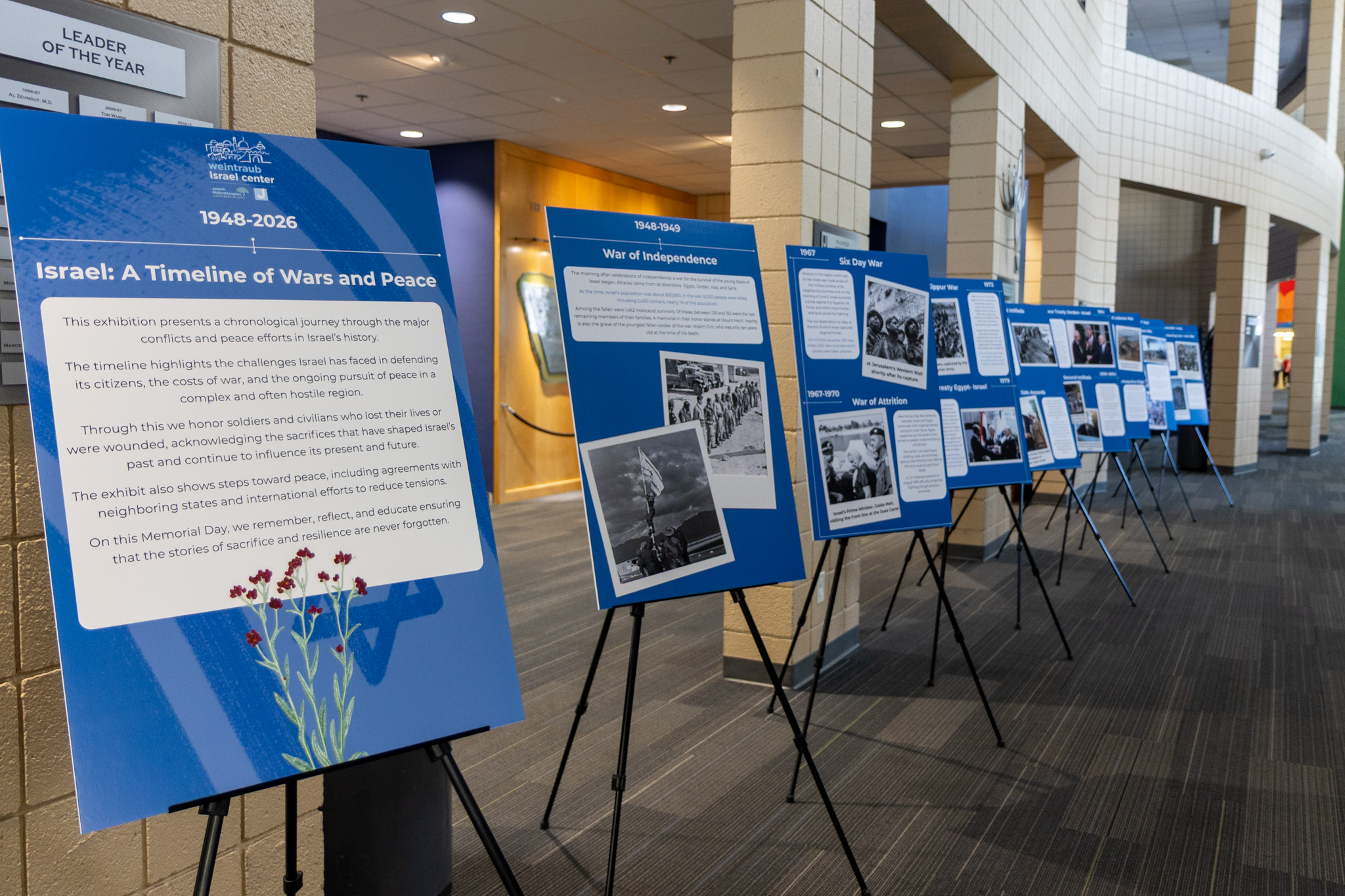
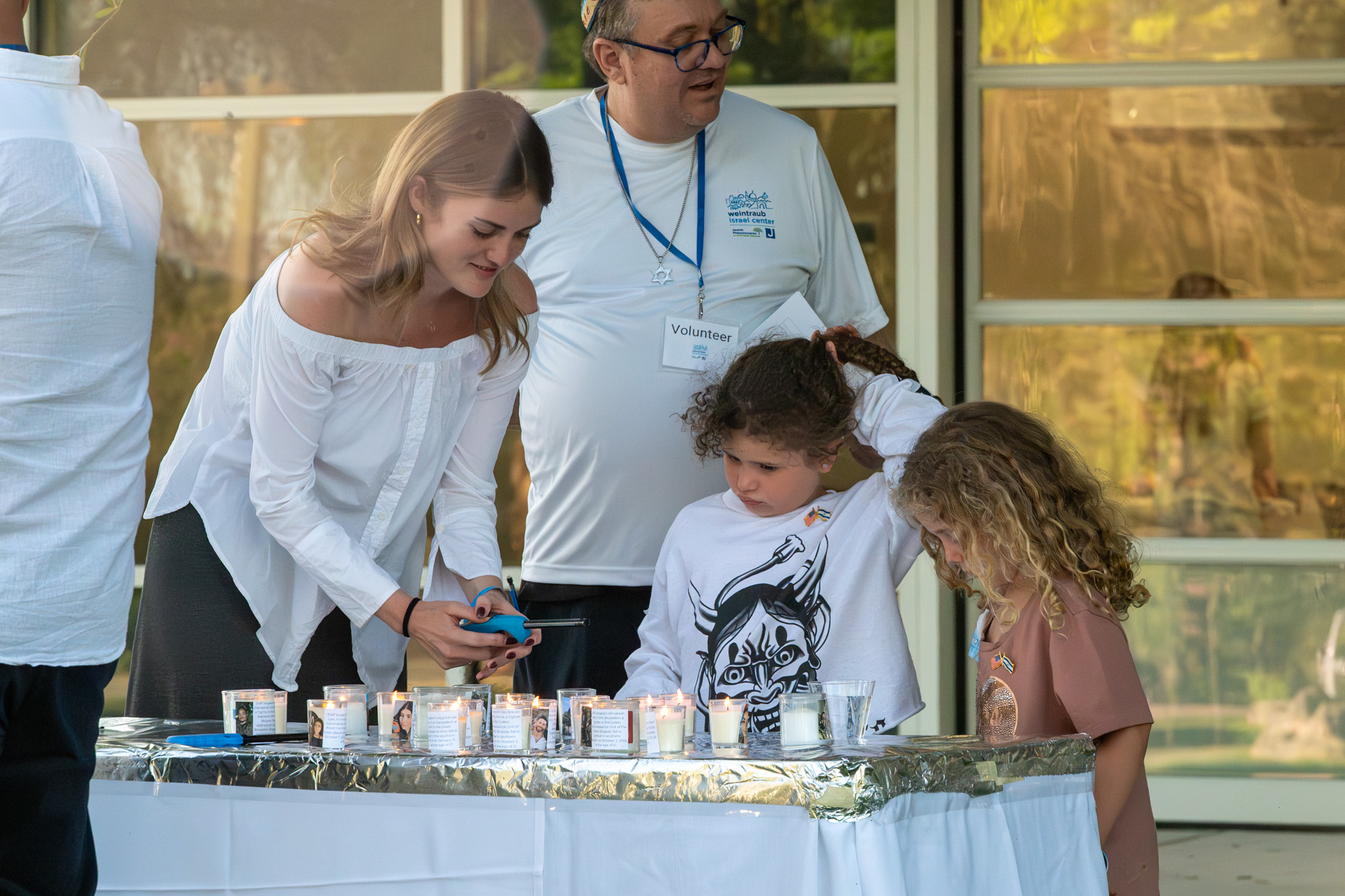
We began this week at the J with a community Yom HaZikaron Commemoration presented by the Weintraub Israel Center with support from many community partners and a committee of dedicated volunteers. Over 200 people gathered to honor the nearly 30,000 lives lost in defense of the state of Israel and victims of terror, hear from community leaders, and share stories and prayers. Guests were greeted by a beautiful display of Kalanit (anenome – the national flower of Israel) at the J’s entrance,  created by community members two years ago in honor of the victims of October 7; the flowers symbolize memory, resilience, and sacrifice. 

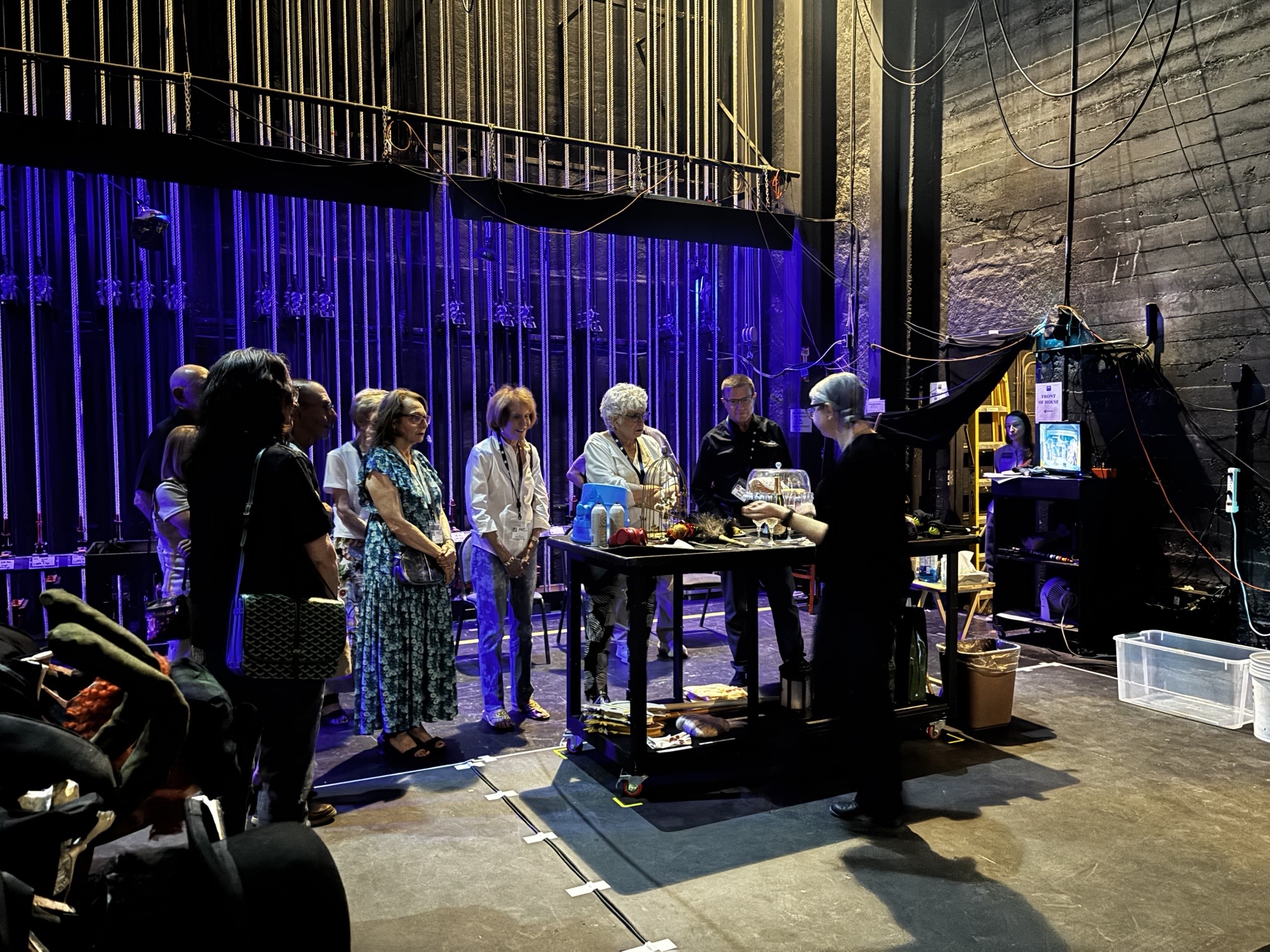
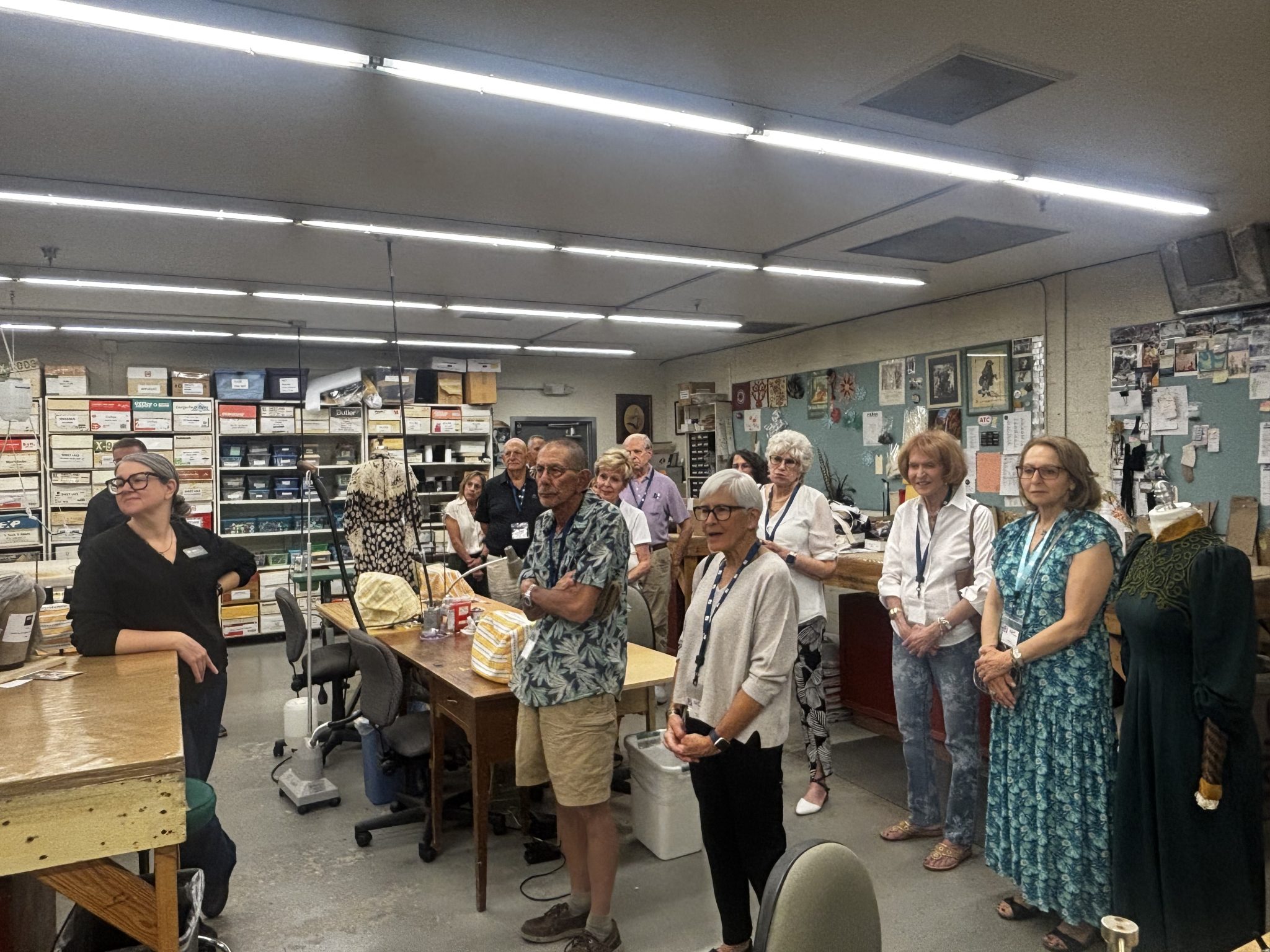
On Wednesday, we thanked our generous community of Patrons of the Arts with a special spring gathering at the Arizona Theatre Company! The group got an exclusive, behind-the-scenes tour of the Dracula production guided by Matt August, Kasser Family Artistic Director. Our Patrons provide crucial support for Arts programming here at the J, helping to ensure that not only are our offerings the highest-quality, but that they remain accessibly priced so everyone in our community can participate. 


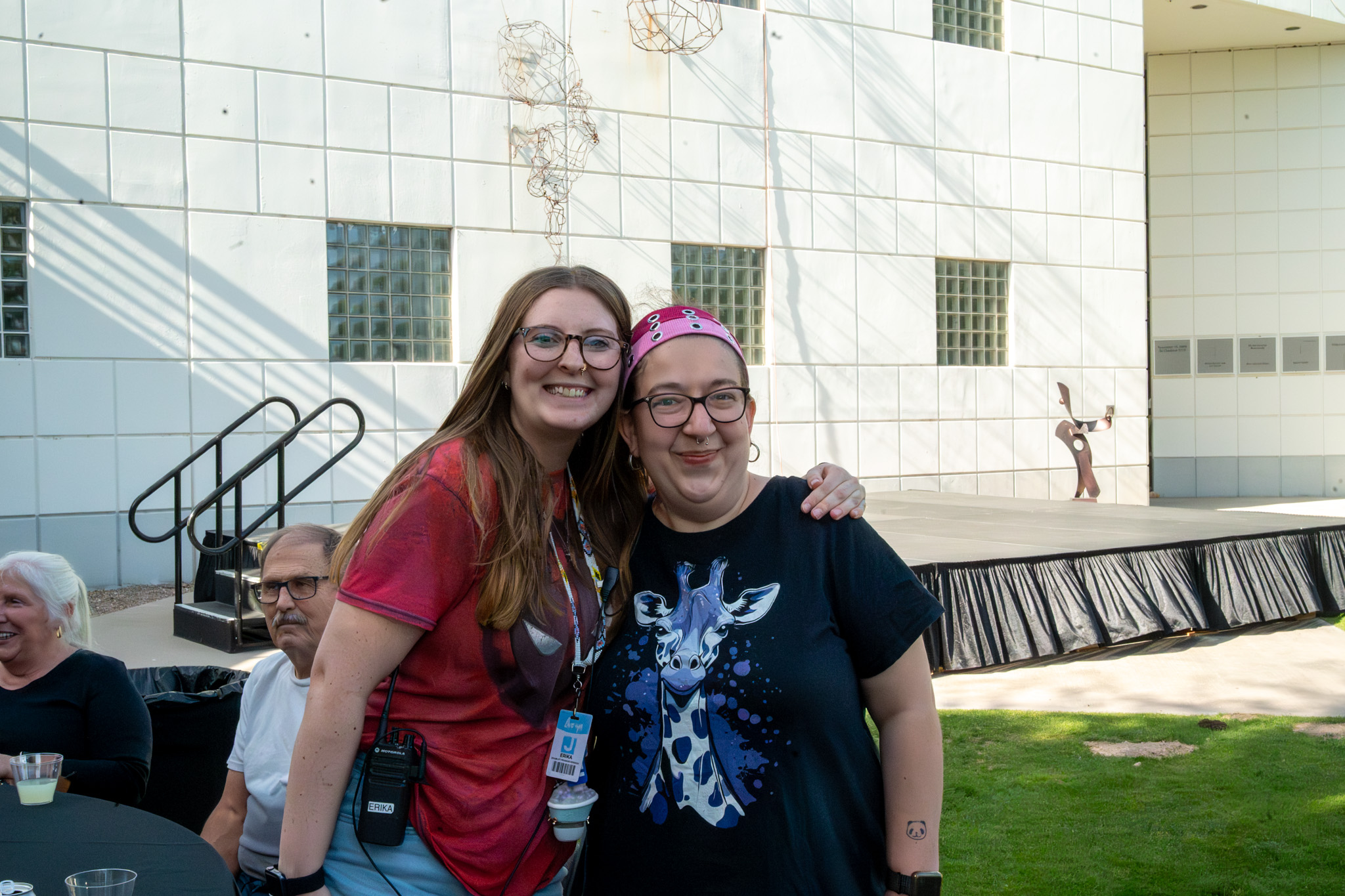
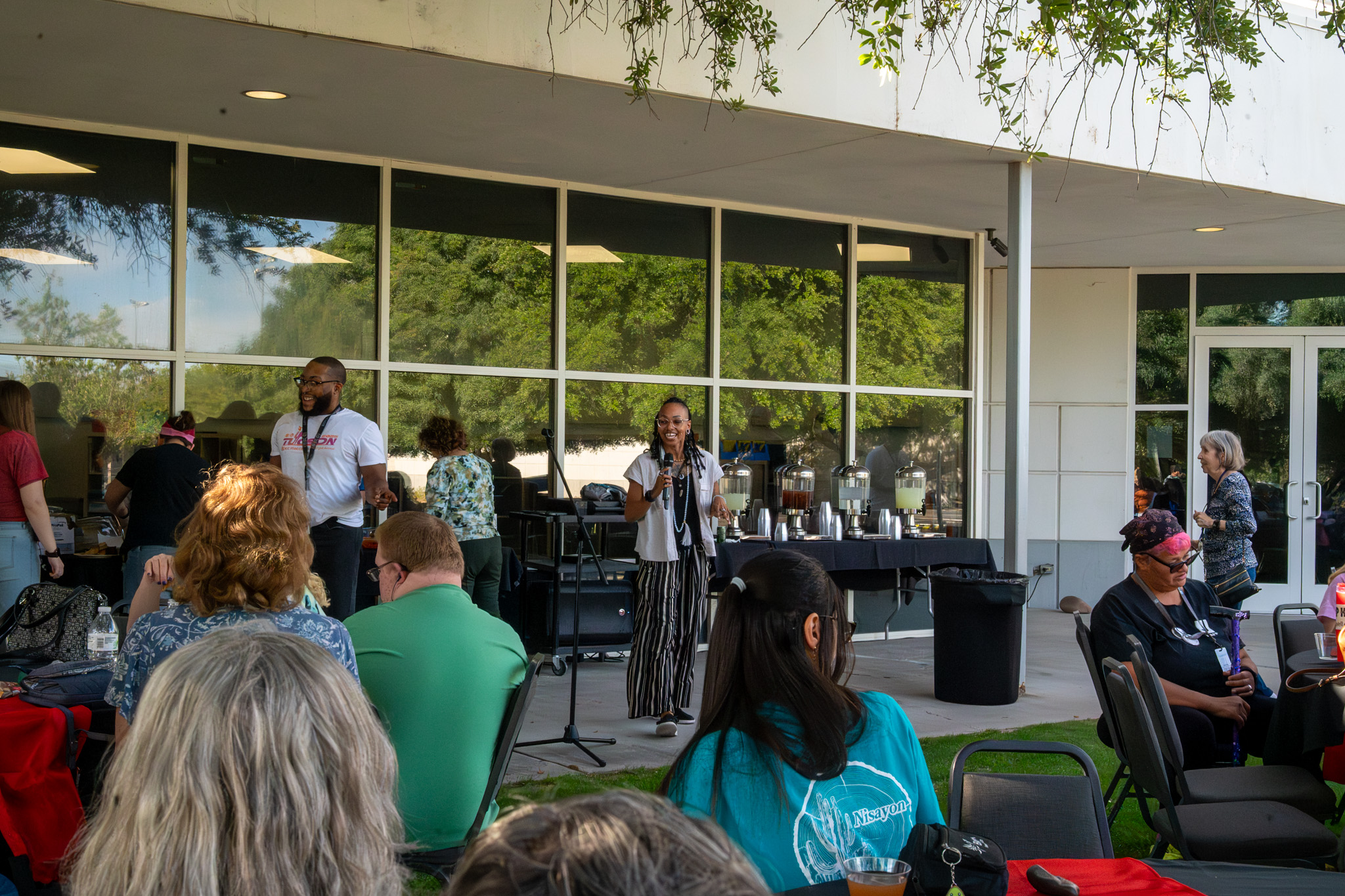
Also on Wednesday, our Disability Program Services participants, their families, and our outstanding staff enjoyed the perfect weather and an array of delicious snacks in the Jill Rosenzweig Memorial Sculpture Garden. The meeting was an opportunity to socialize, learn more about the J, and hear about the exciting things that await the program as we head into summer. 


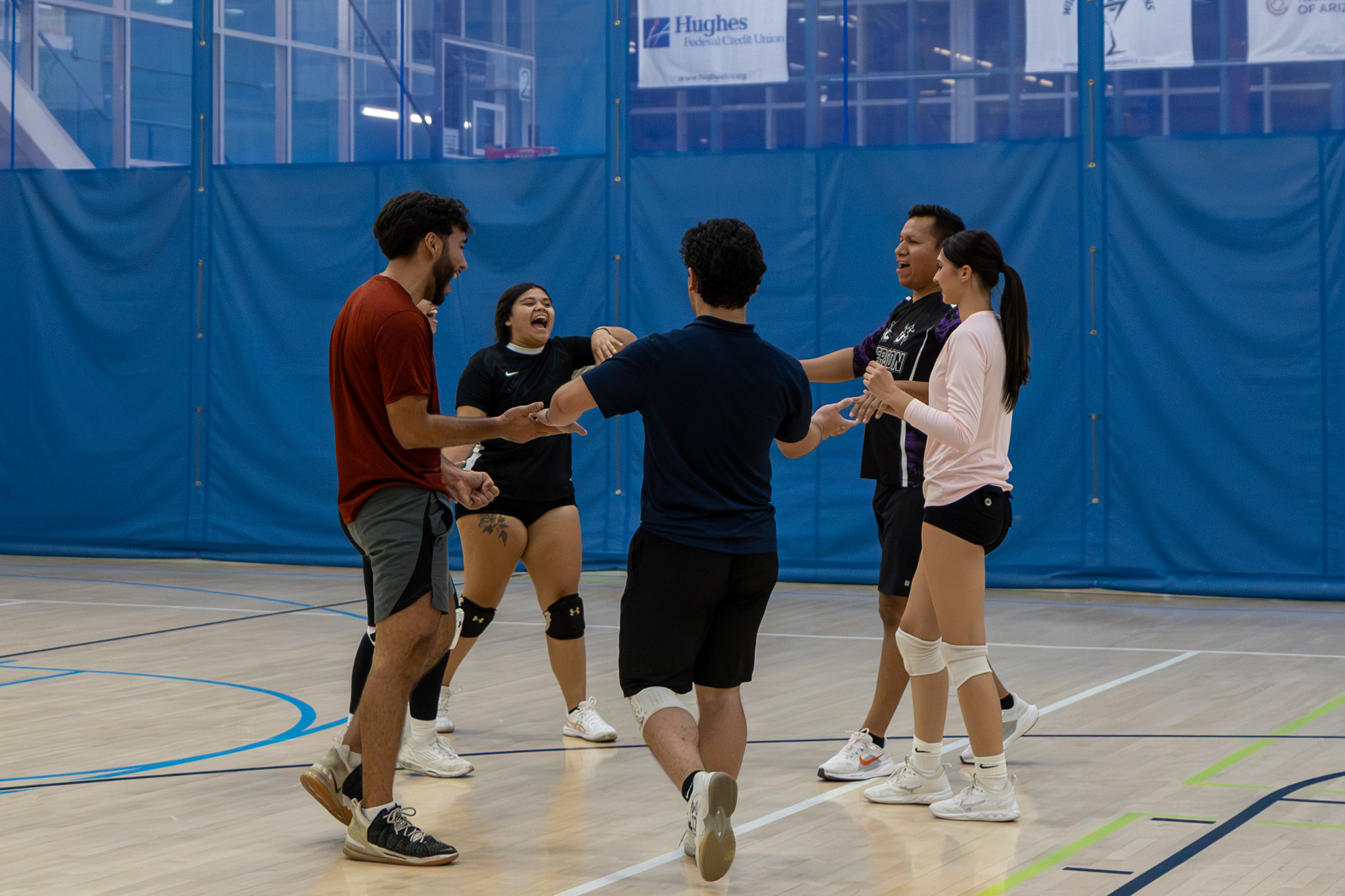
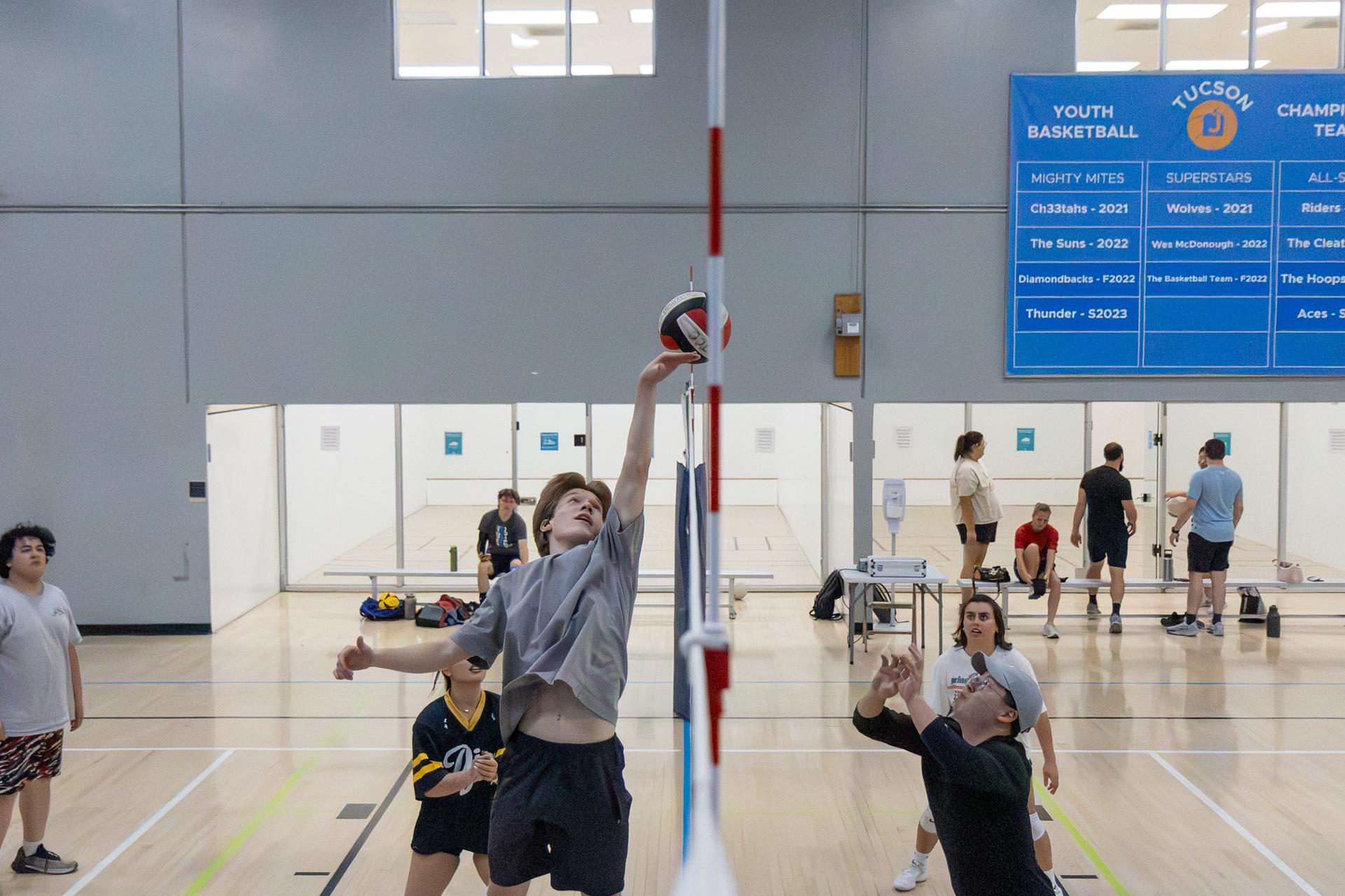
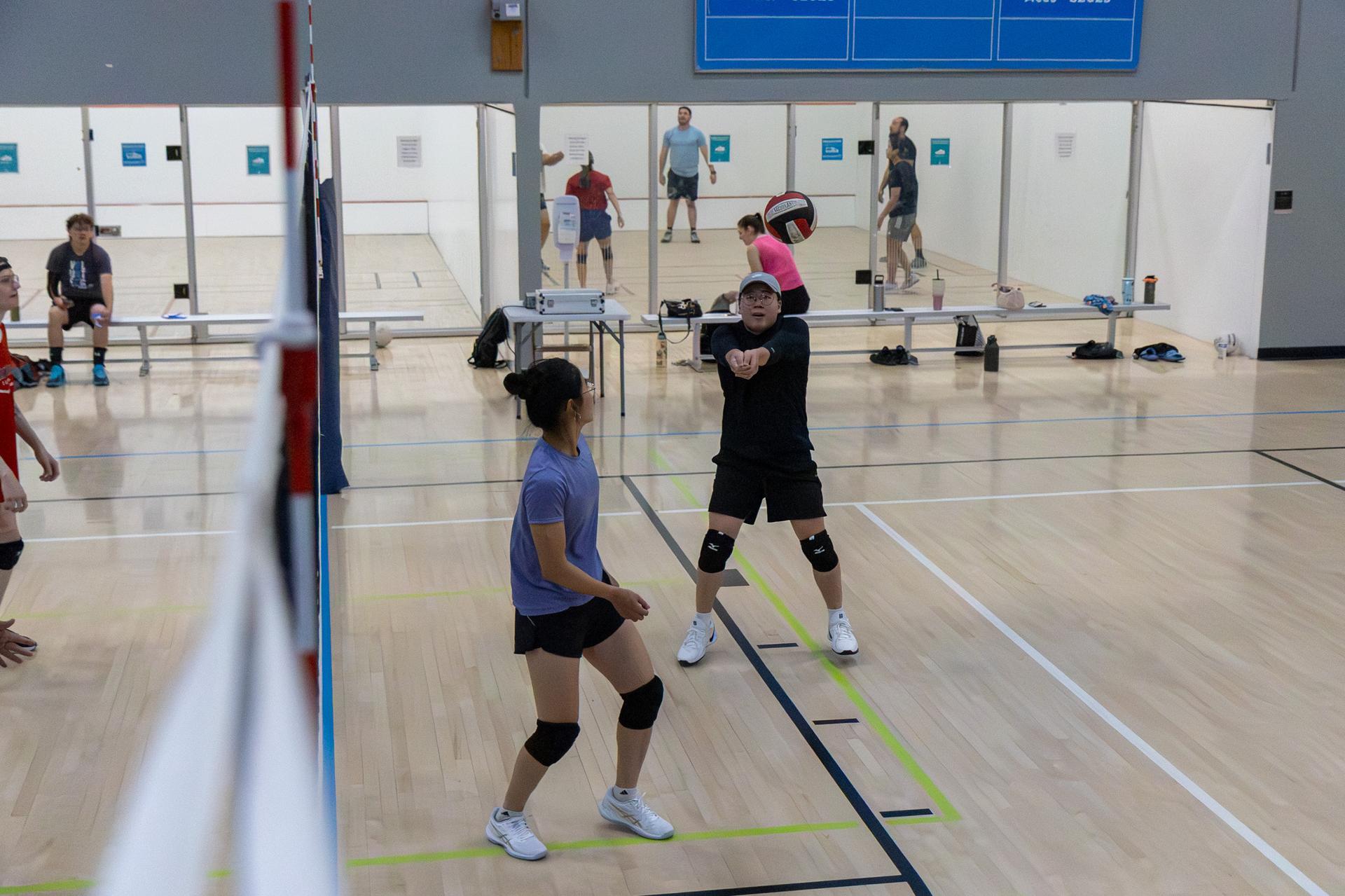
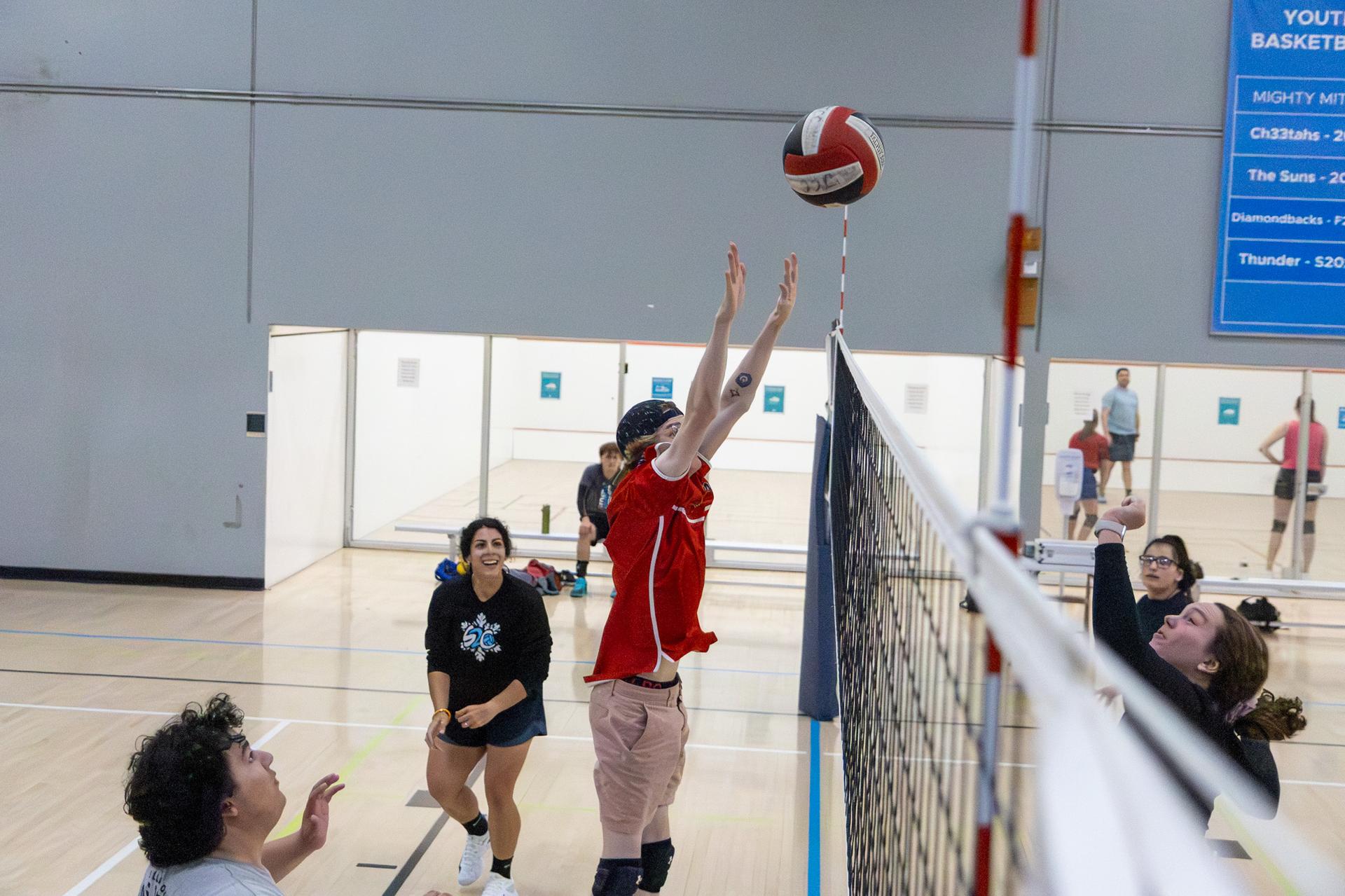
 Just last night, this season’s Adult Volleyball League came to a close with a riveting championship game! Team CVB laid it all on the court but in the end took the L to reigning champs, Team Sonora. While the competition is often hot, it’s also friendly—Youth and Adult Sports at the J are open to all skill levels and are a great way to work on wellness goals while having fun and building community around shared interests! Check out what’s coming up here. 


These moments reflect a community that remembers together, celebrates together, supports one another, and makes room for each person to show up as they are. Shabbat Shalom. Thank you for helping to make the Tucson J a place where connection, meaning, and belonging continue to grow.

Reminders, Resources + Learning

From the Desk of Yeshaya Levin | Tucson Torah Center

Shabbat Shalom
Shabbat Shalom

From the Desk of Yeshaya Levin | Tucson Torah Center

I’m often struck by the sheer volume of meaningful and relevant ‘everyday’ lessons that can be gleaned through studying the weekly Torah portion. Many of these pearls inspire, some leave you lost in thought, and others… are frankly humbling.

In this week’s portion Tazria/Metzorah we are introduced to a skin disease, Tzara’at. This is no ordinary dermatological condition. Tzara’at was a spreading rash that one would miraculously contract if they transgressed certain sins and misbehaviors; most notably, speaking Lashon Hara (gossip). I’m sure the condition was physically painful, but the most defining attribute of the experience was that a Metzorah (someone inflicted with Tzara’at) would be forced to live outside the camp, alone, until they repented and healed. A process that could easily take weeks.

I was always left with a question:

I can understand the necessity, and even kindness, of a divine punishment – G-d cares about us, He wants us to stop self-damaging behaviors, He wants us to repent and come closer to Him. But why does the punishment necessitate such complete isolation? What happened to Bikur Cholim? Why isn’t the physical illness bad enough?

Let me share with you a beautiful answer that I recently found:

In order to help people appreciate what they did wrong and do T’shuva (repent) G-d gives hardships that mirror the wrongdoing – a concept called Midah k’neged Midah. When somebody speaks Lashon Hara – even if their intention is not malicious, even if the information is true, even if it’s a joke! – they cause strife and distrust amongst those who are listening. Just as they’ve isolated others, even if only subtly, they themselves must be isolated to appreciate the impact that their words can have.


What a poignant lesson in the effect of our simple words. But let us not forget, we can harness this same power of speech in a positive way: to speak with kindness, to repair relationships, and ultimately, to bring unity.

We must remember how powerful our words are. Long after we remember what we said, others will carry around the impressions we transmitted. Often, for the rest of their lives.


Good Shabbos and Shabbat Shalom!

Torah portion Tazria/Metzorah also speaks to how a community responds when one of its members is unwell—physically, emotionally, or spiritually. Even in moments of separation or isolation, the focus remains on healing and moving forward, reminding us that our greatest strength lies in how we care for and uplift one another. This week at the J, this lesson came to life in moments of learning and creativity and remembrance and connection. 


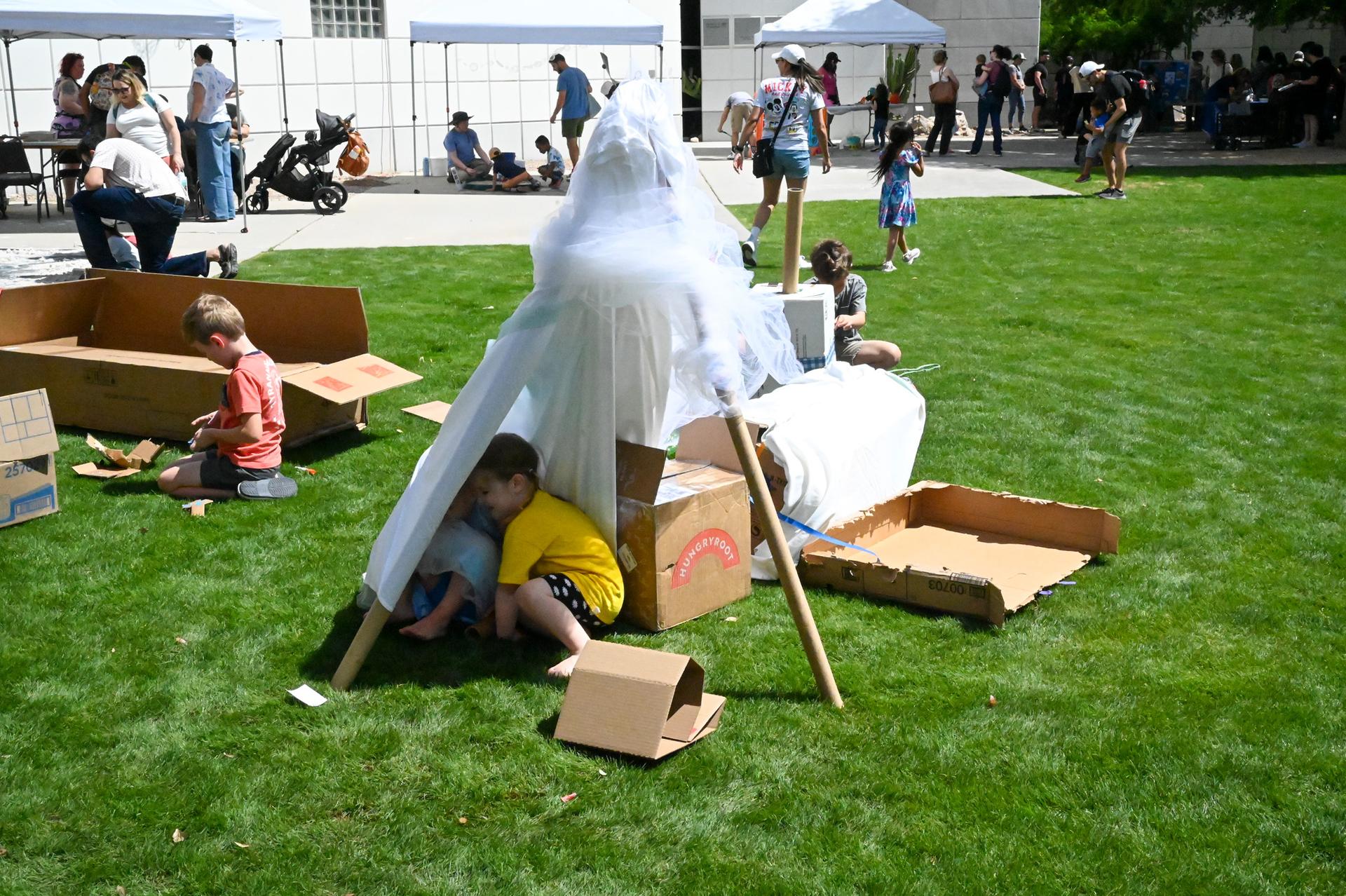
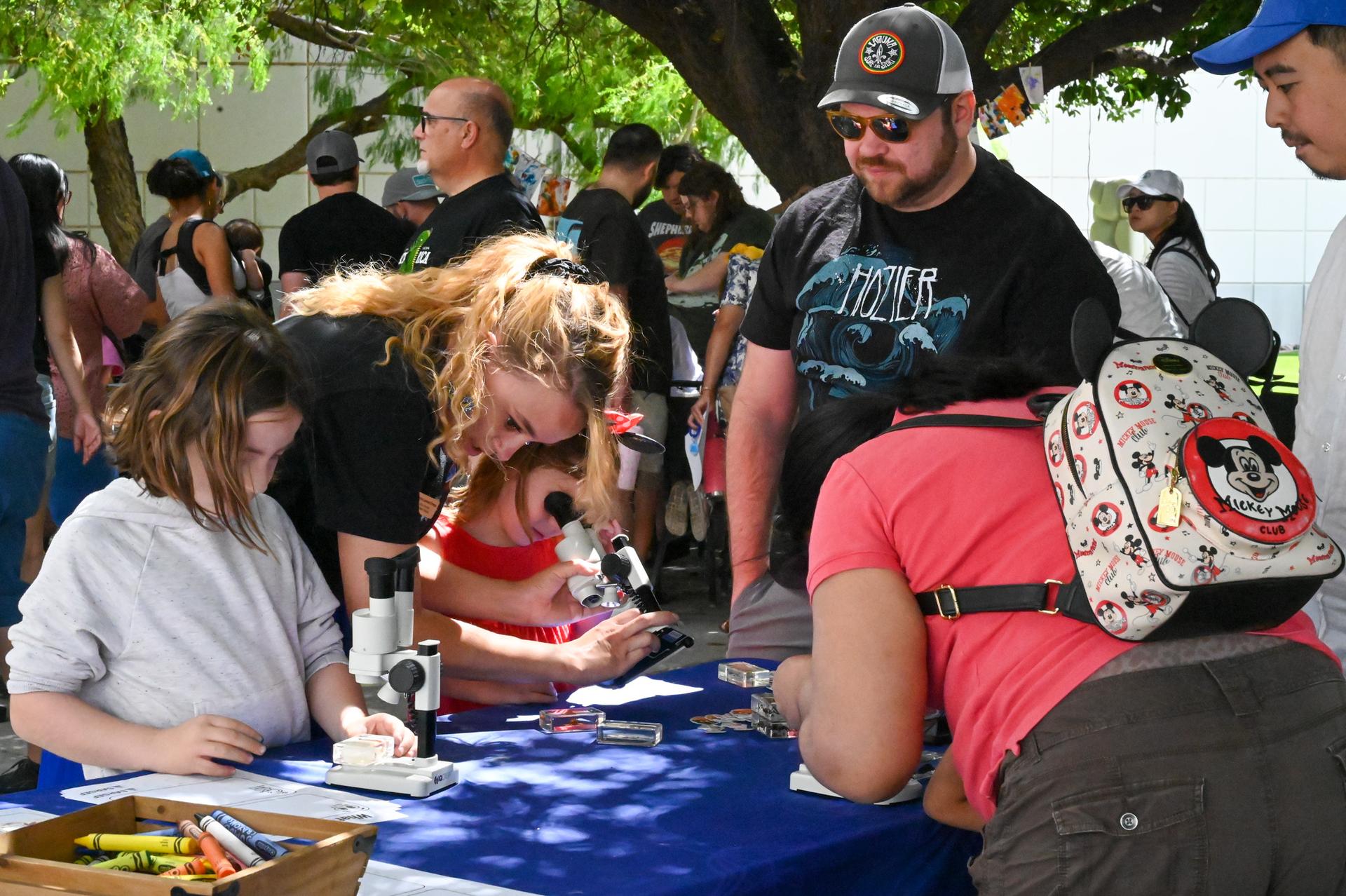
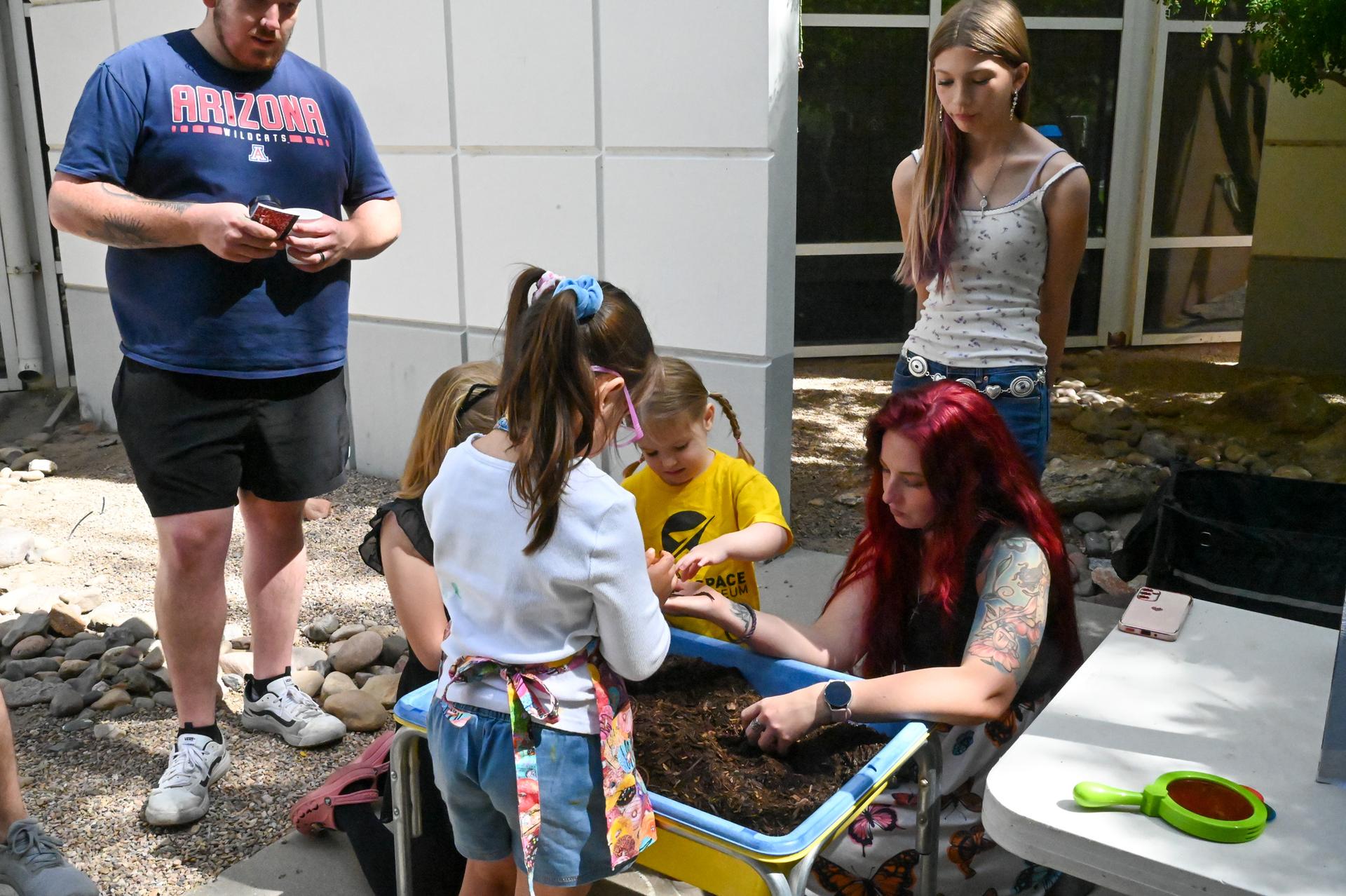
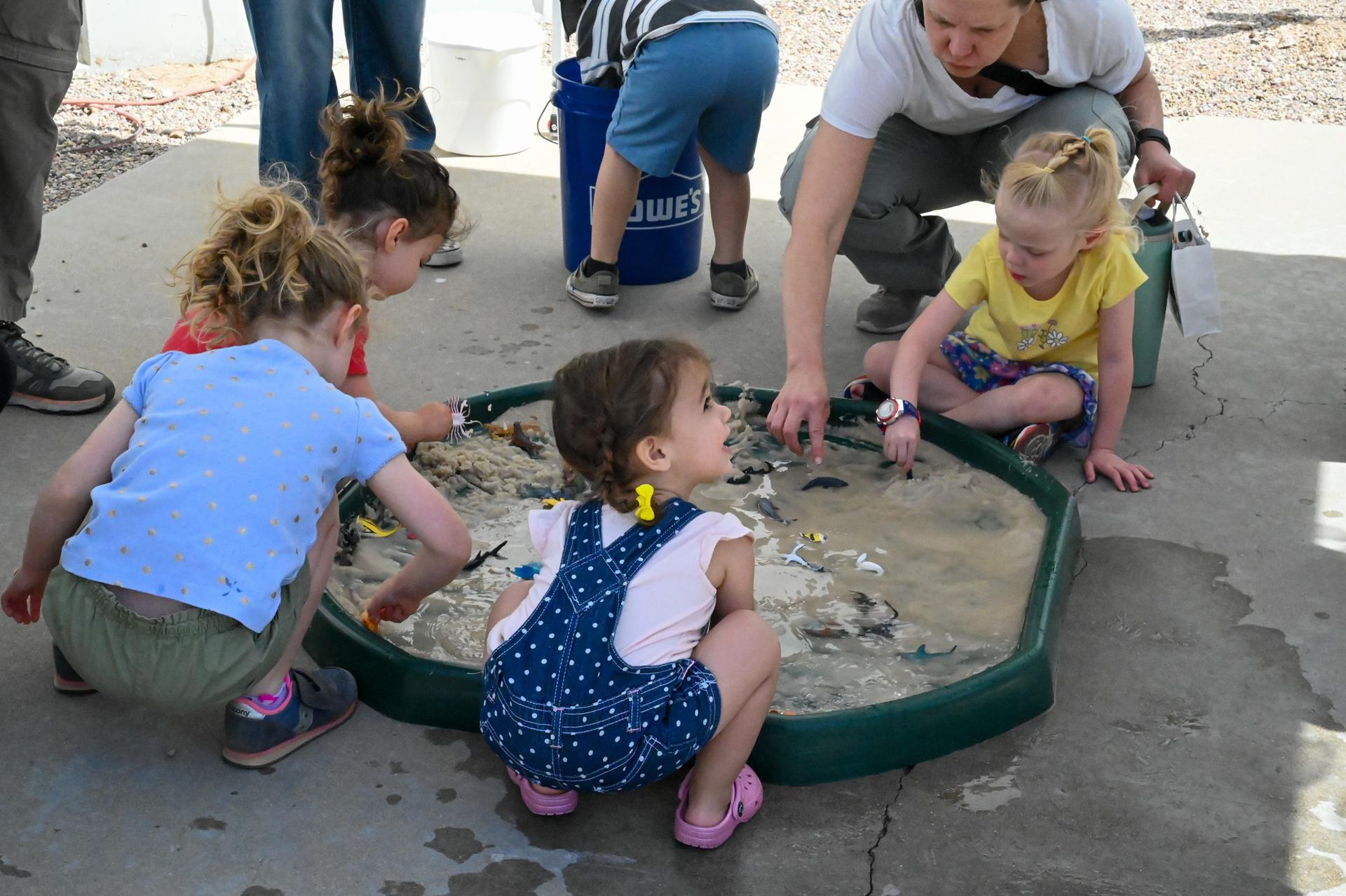
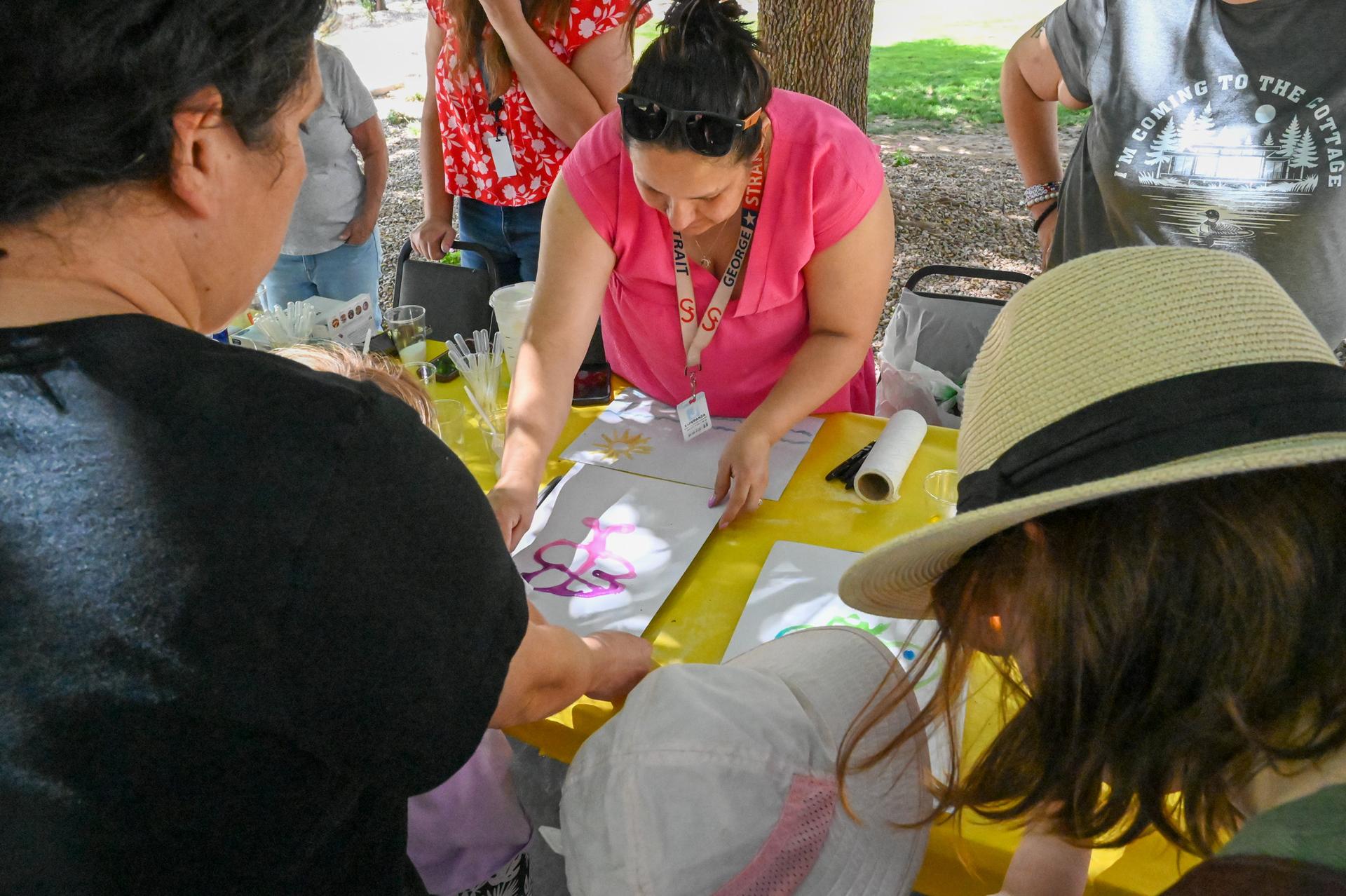
On Sunday morning, hundreds of families from across Tucson gathered in the Jill Rosenzweig Memorial Sculpture Garden for our annual STEAM Sunday event, organized by our Early Childhood Education team. With perfect spring weather and tons of engaging activities from building with cardboard boxes, to playing with real worms, to a multitude of art projects, curious kids experimented and explored to their hearts content. You can read more about our approach to STEAM learning here! 

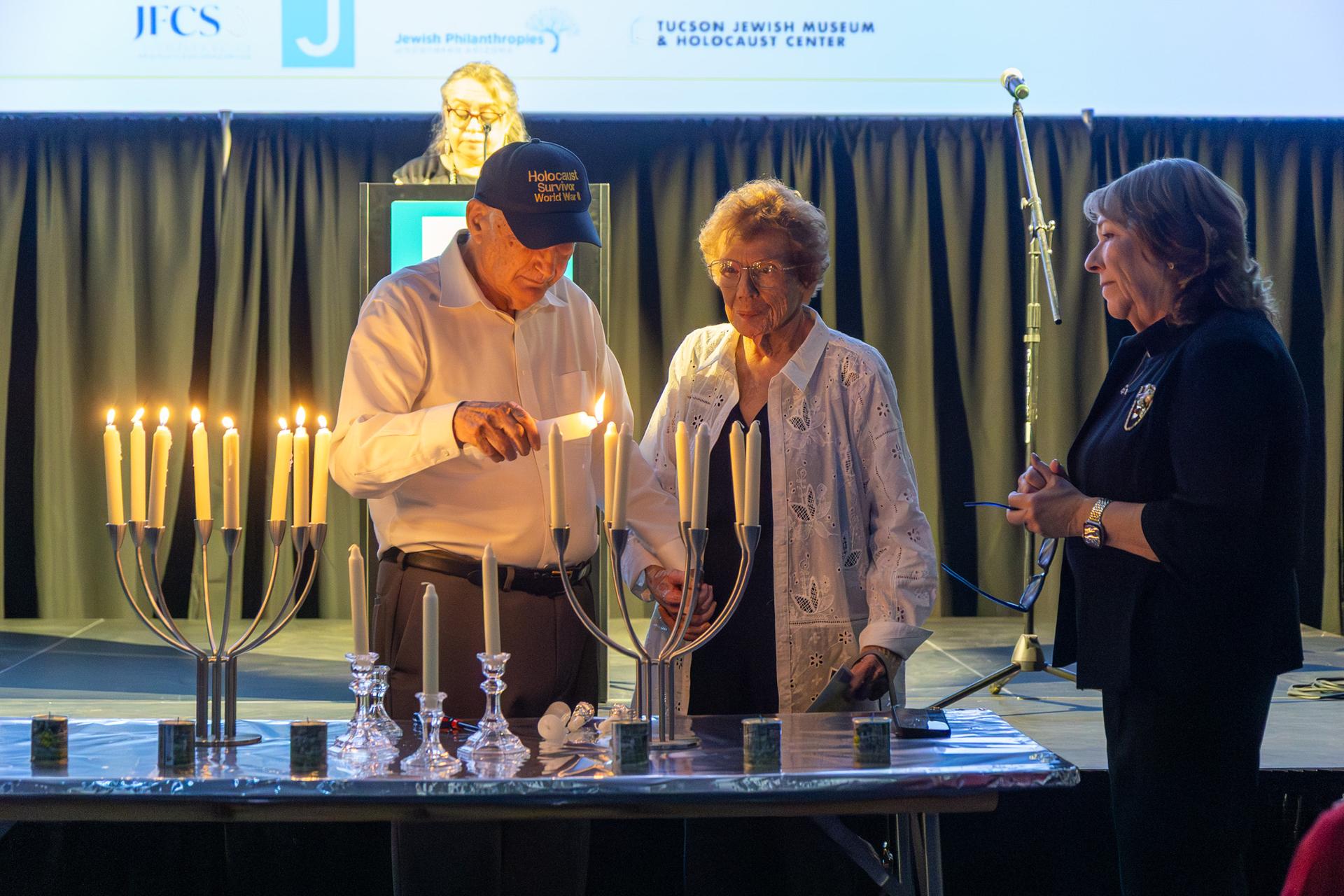
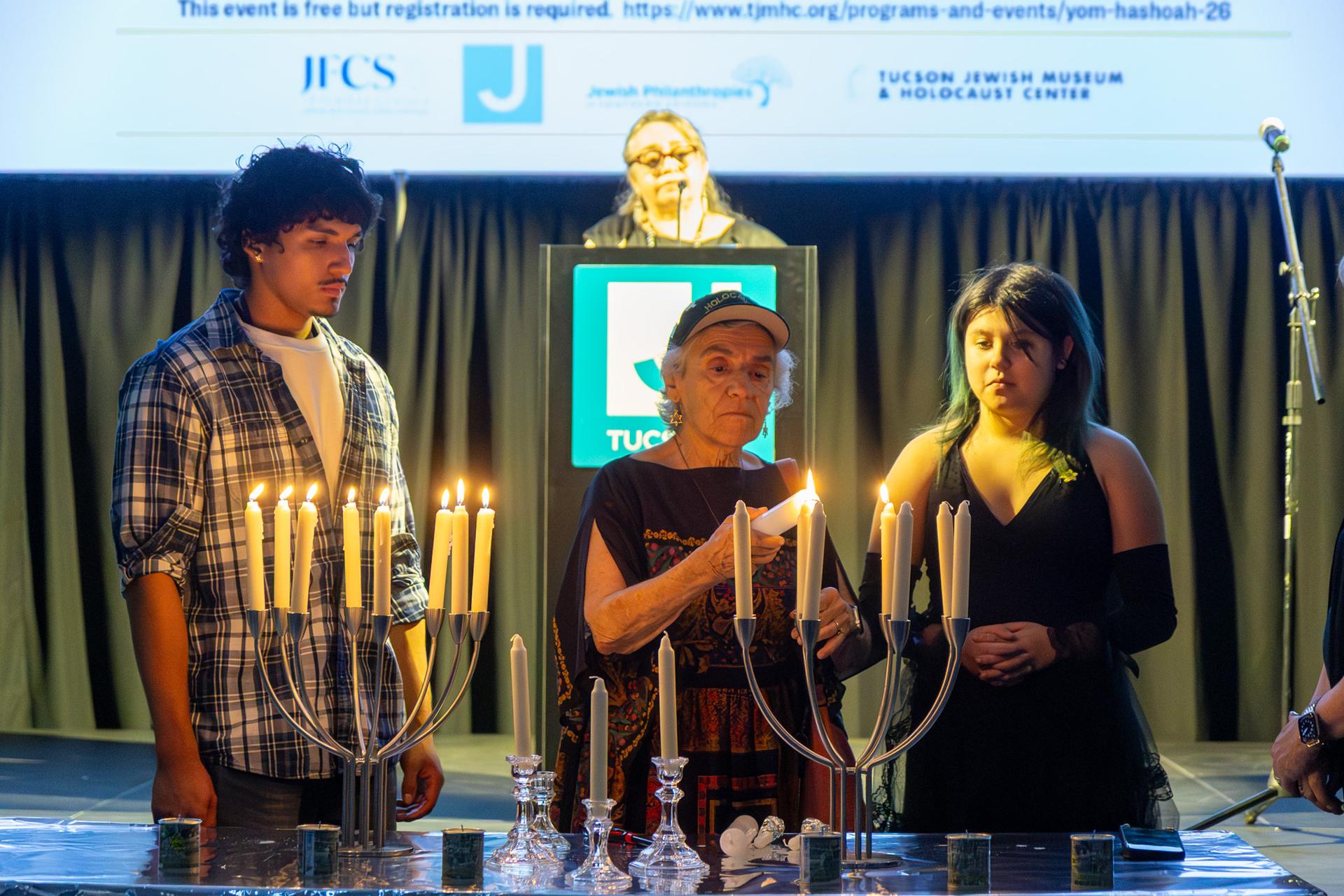
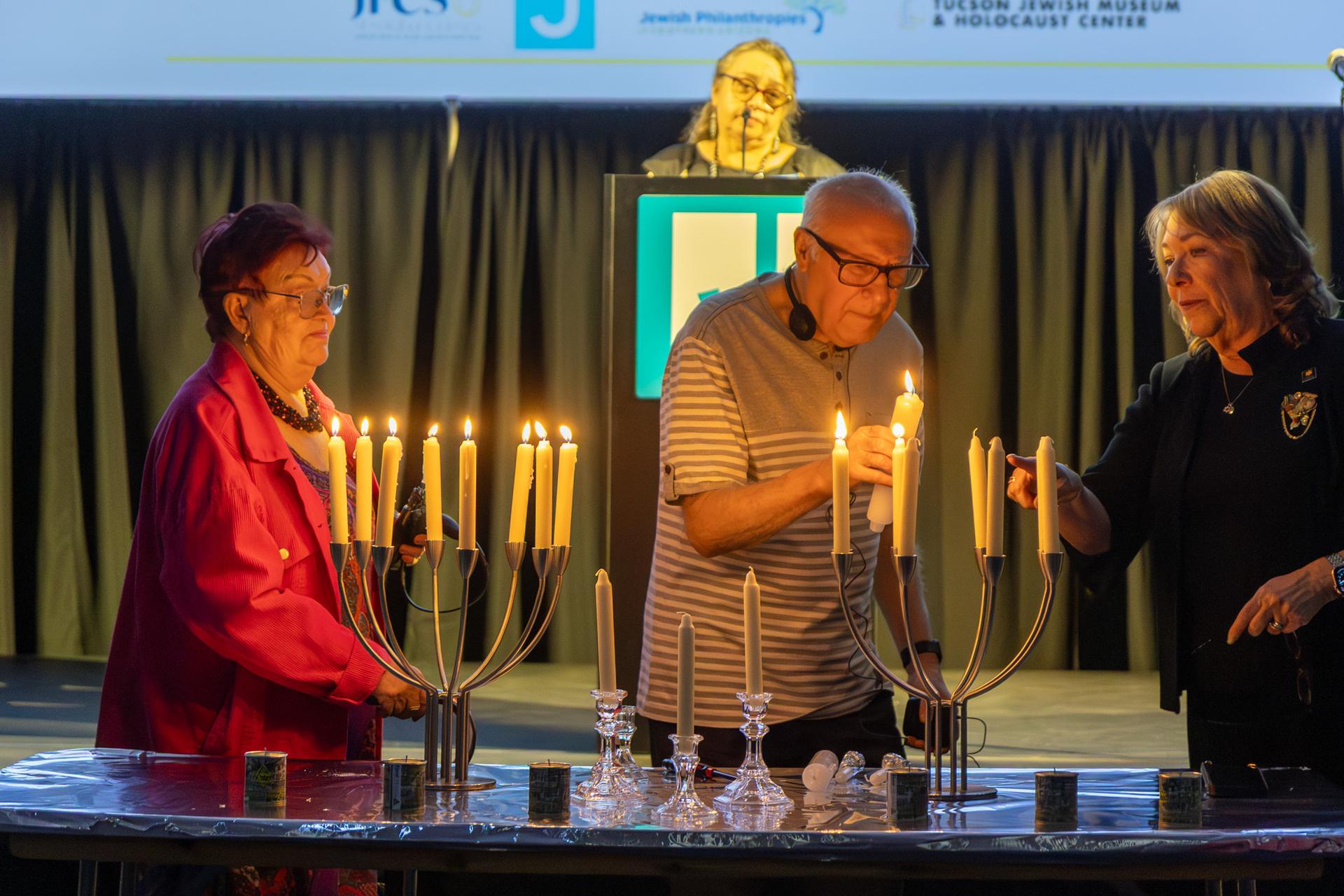
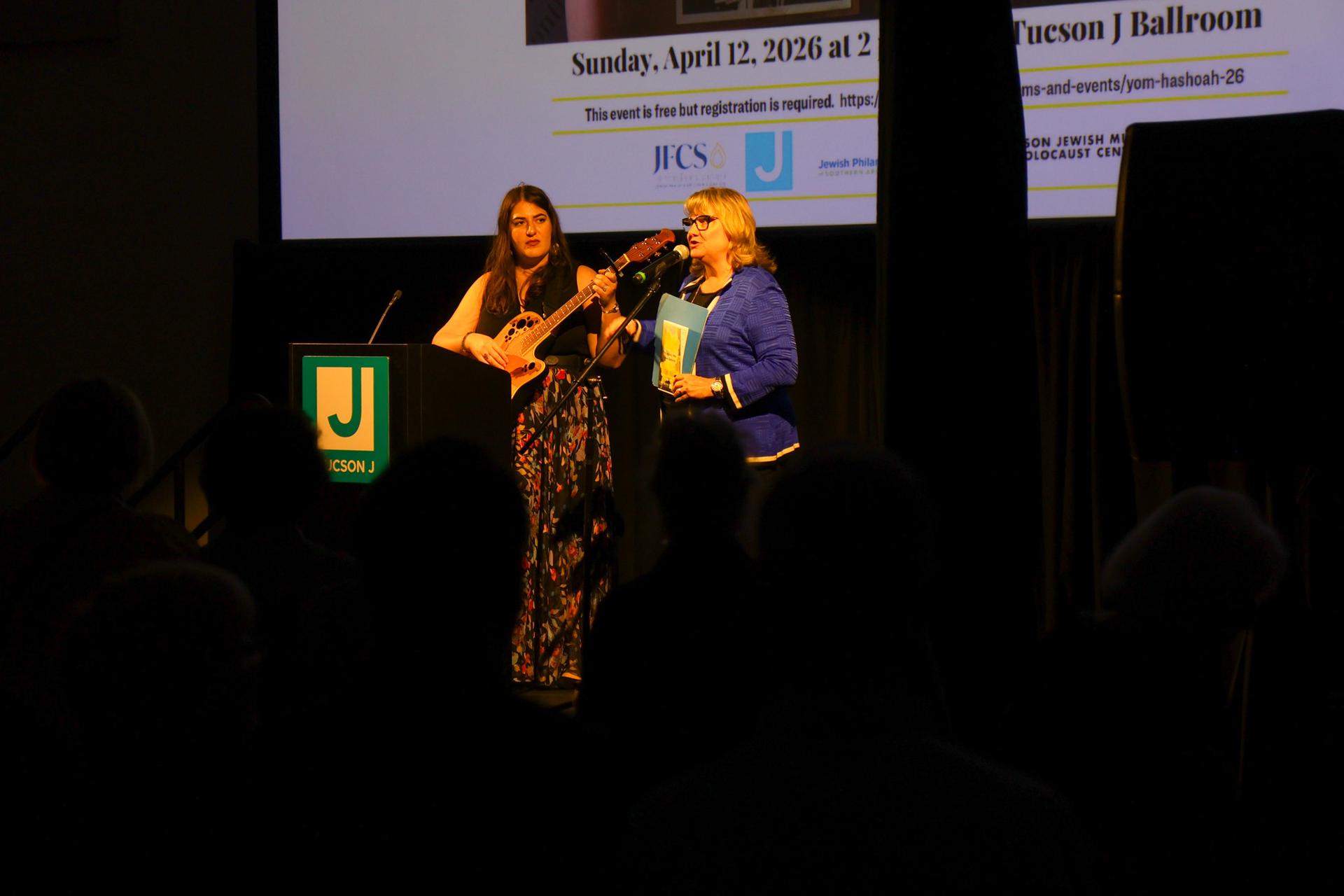
Following STEAM Sunday, community members came together to commemorate Yom HaShoa, Holocaust Remembrance Day. Presented by the Tucson Jewish Museum + Holocaust Center, Jewish Philanthropies of Southern Arizona, Jewish Family + Children’s Services, and the Tucson J, the ceremony honored the incredible capacity of the human spirit to find joy and make meaning, paid tribute to the strength and resilience of local survivors, and commemorated the lives of those who perished. Every day, but especially on this day, we are committed to remembering and continuing the enduring legacy of our global Jewish community.


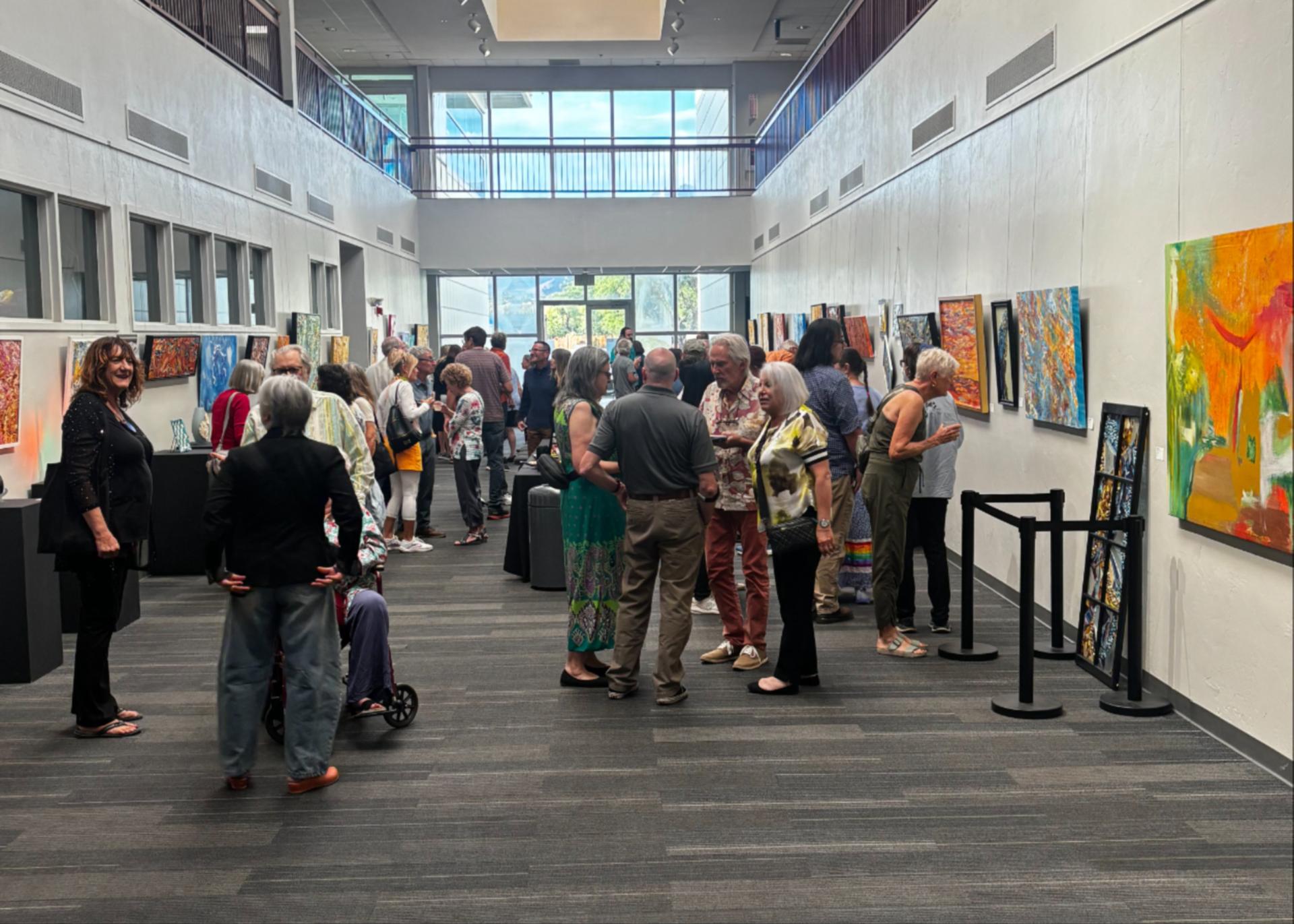
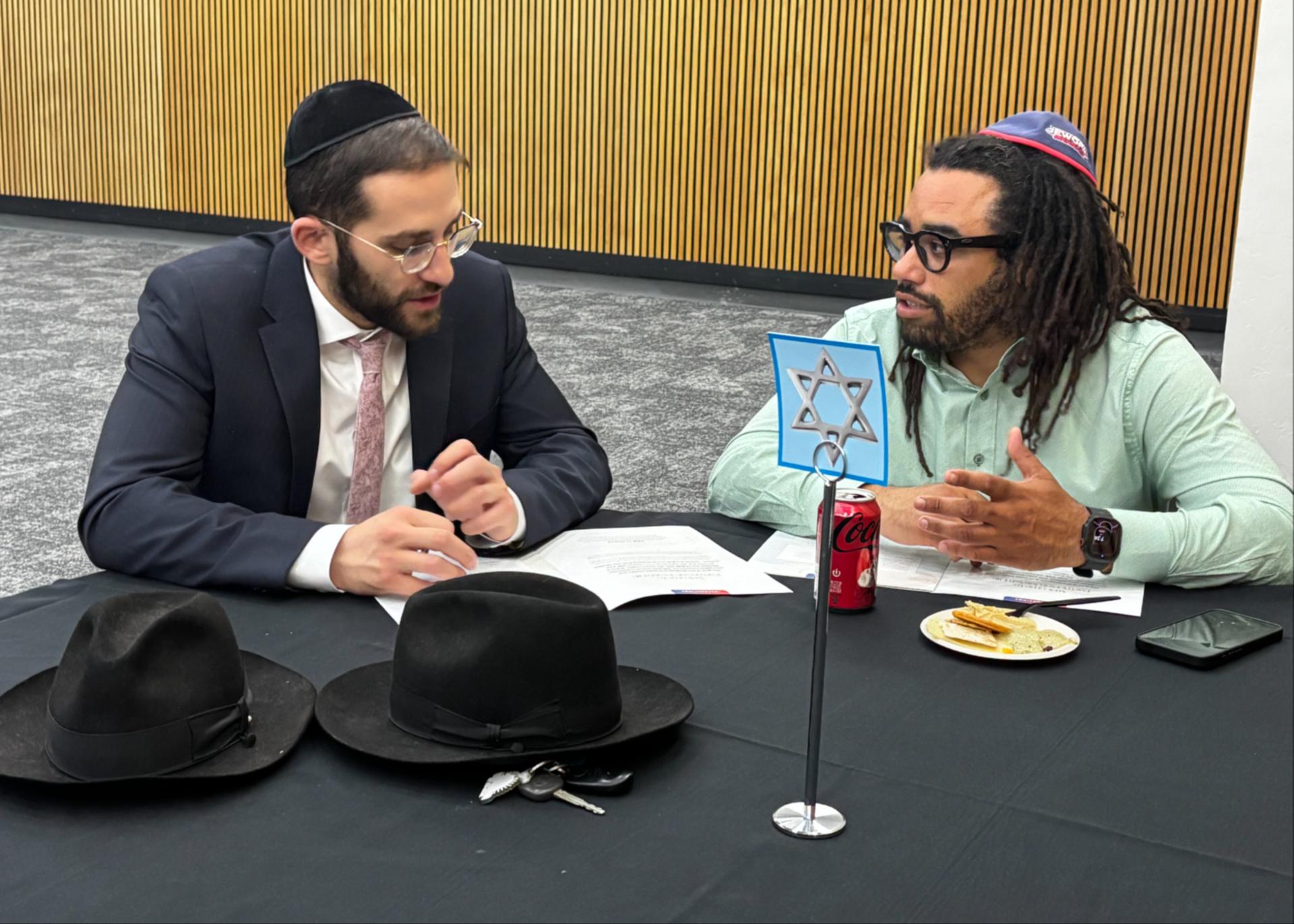
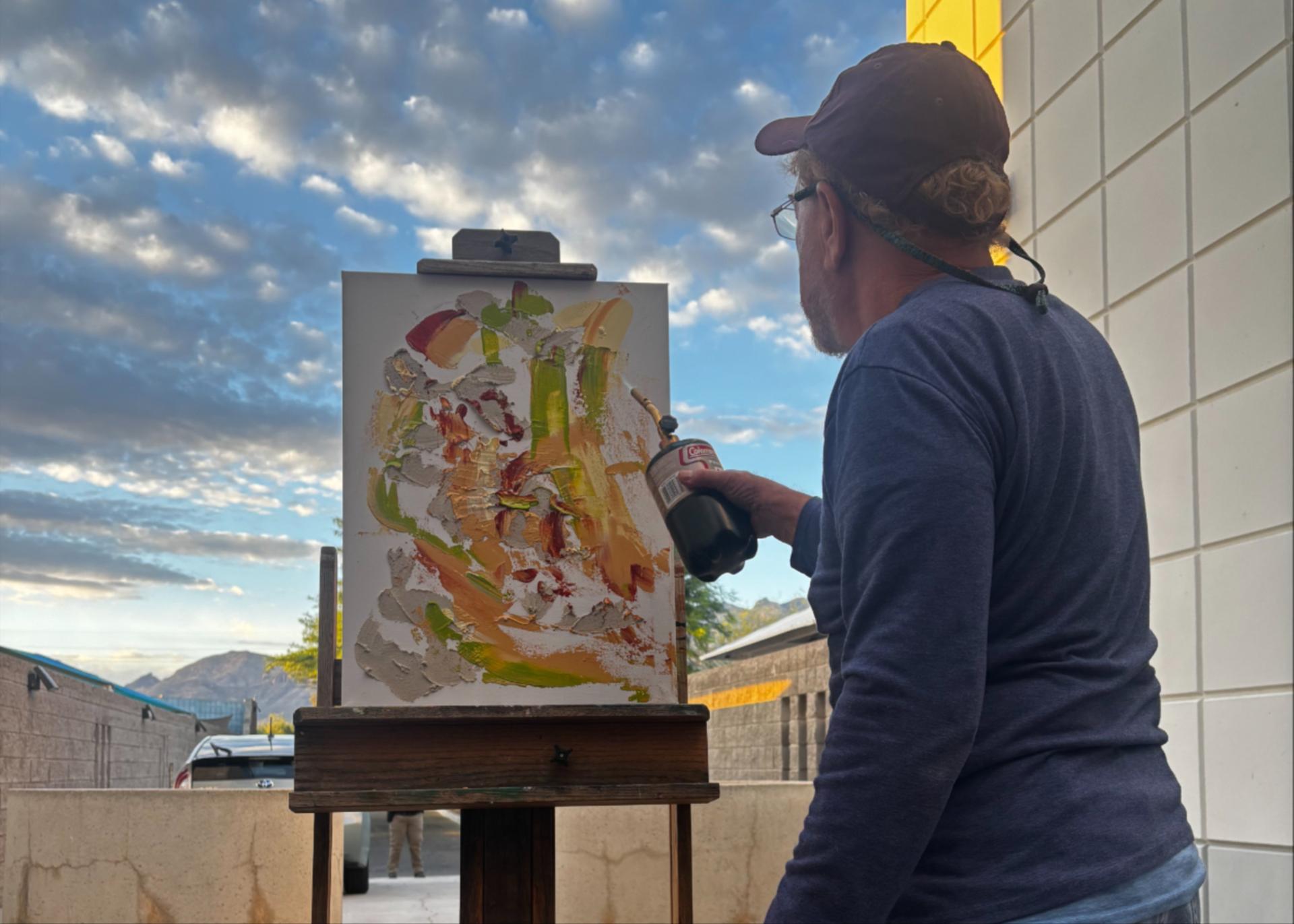
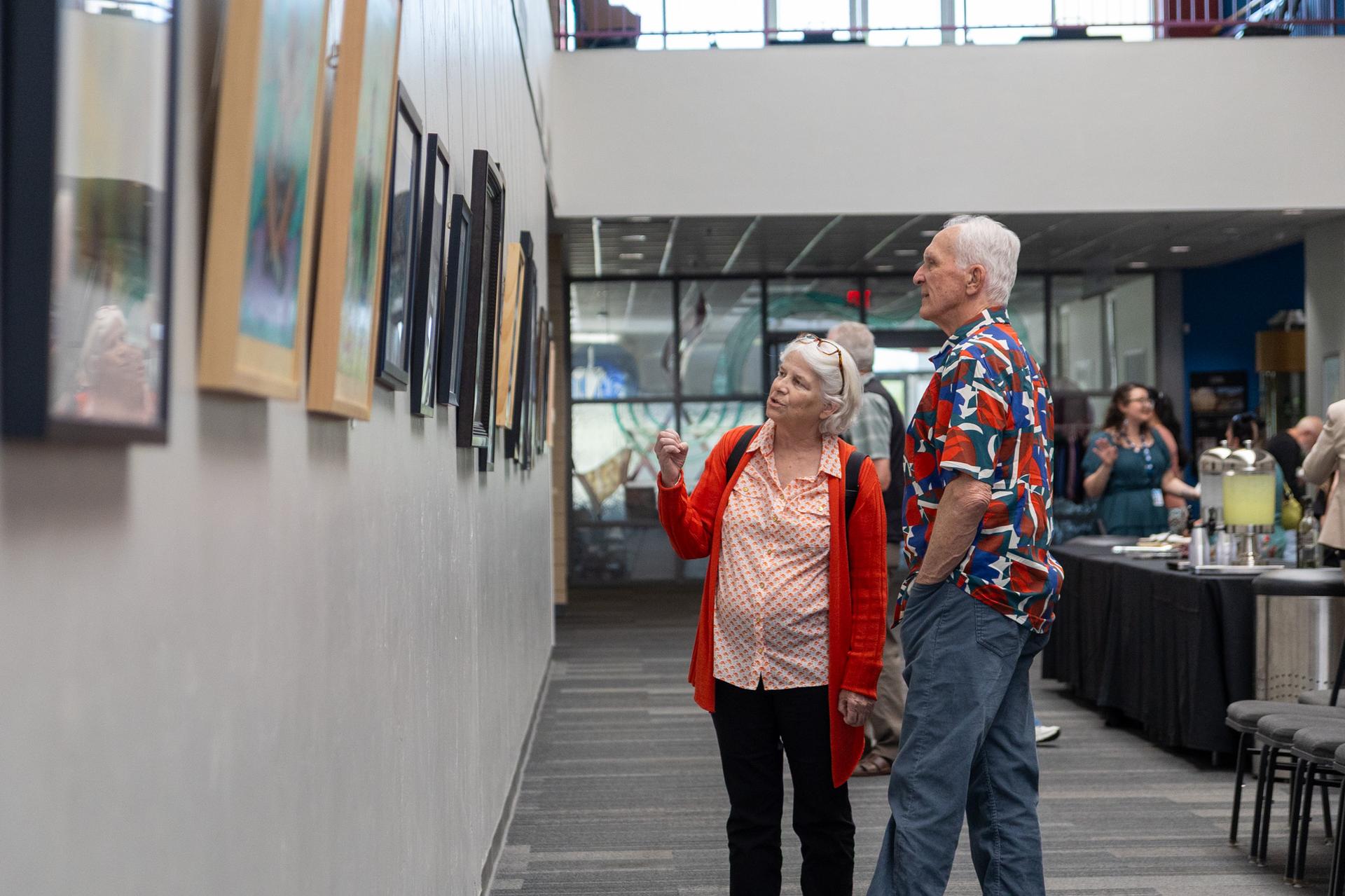
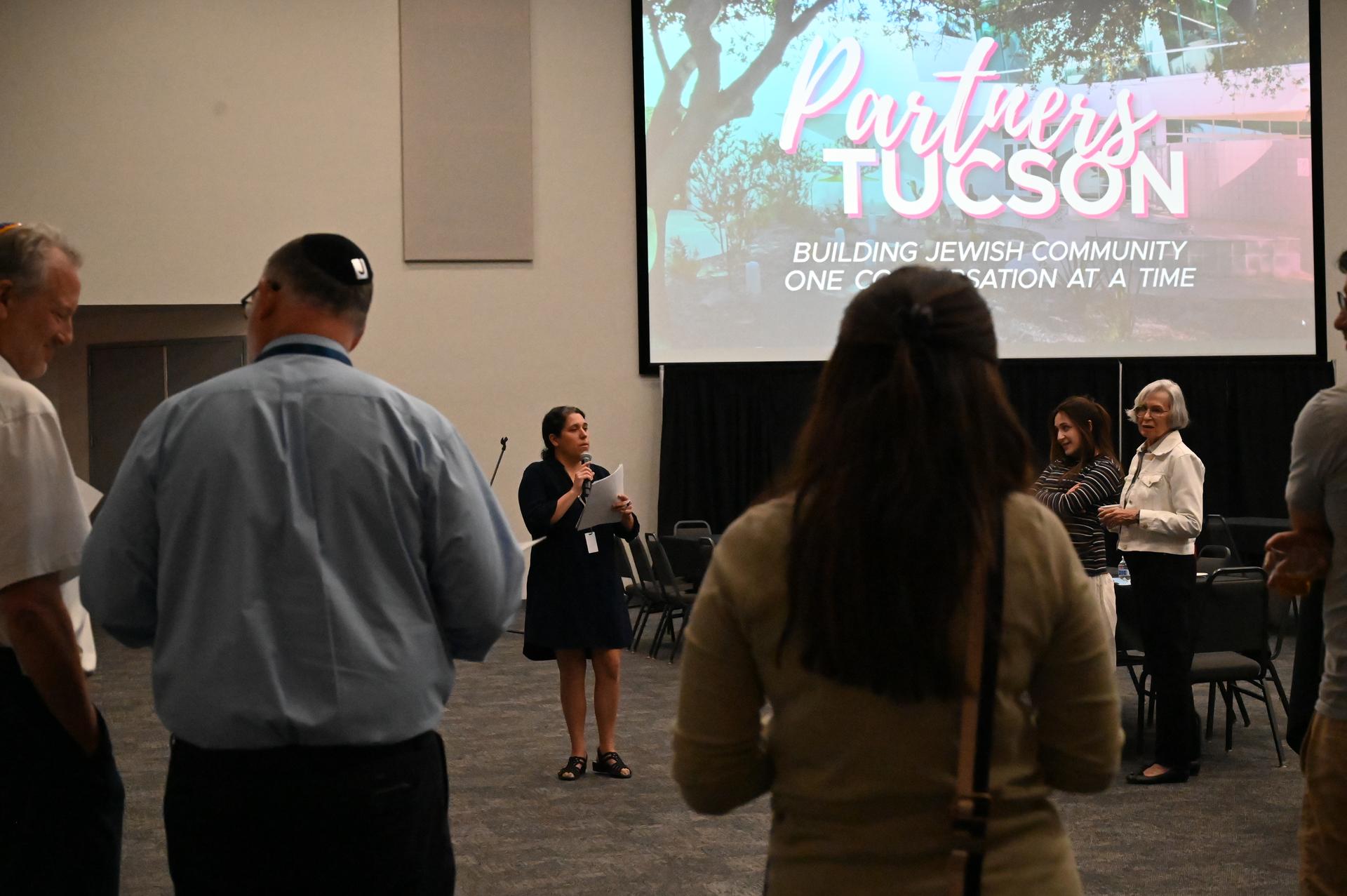
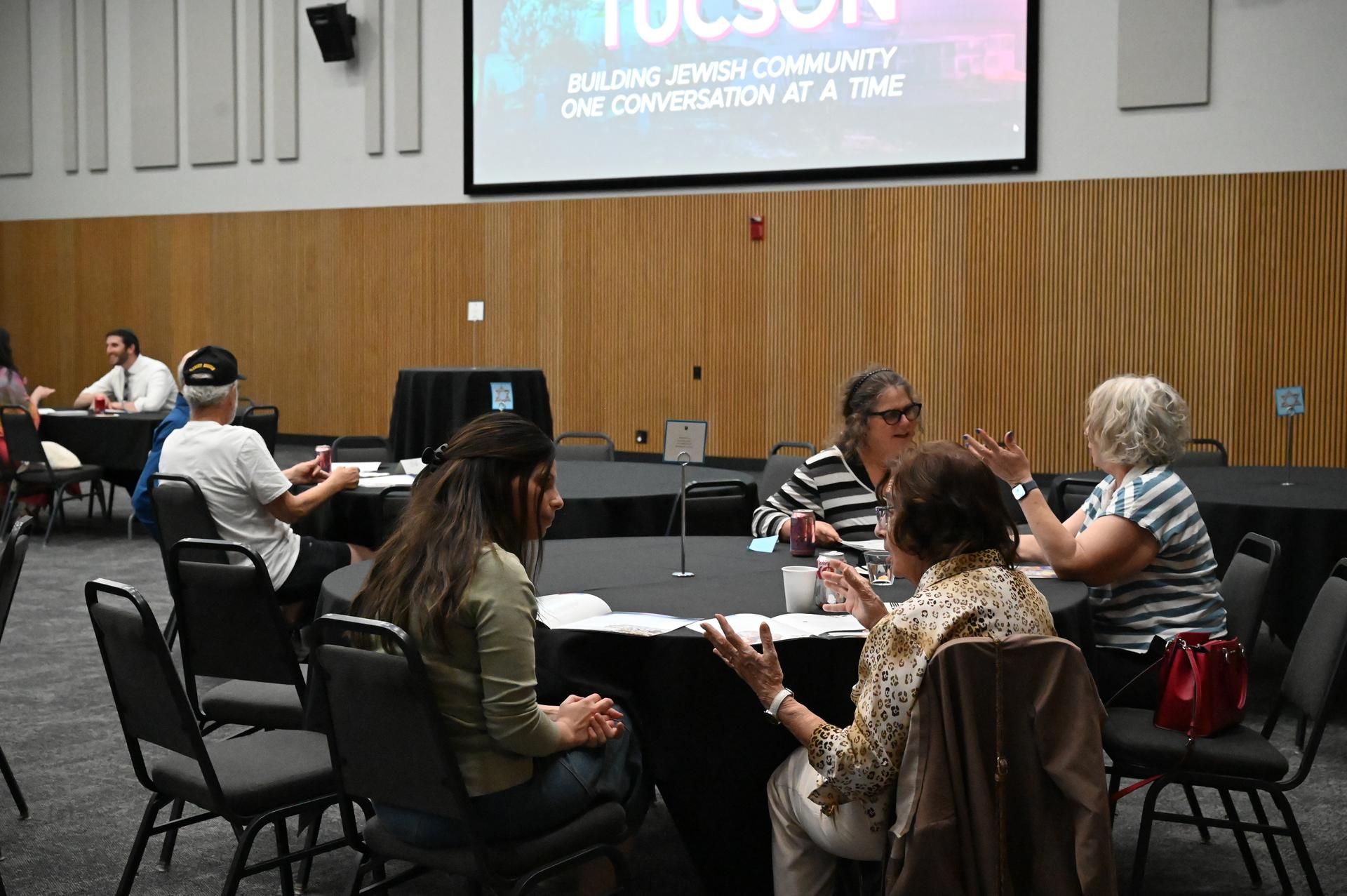
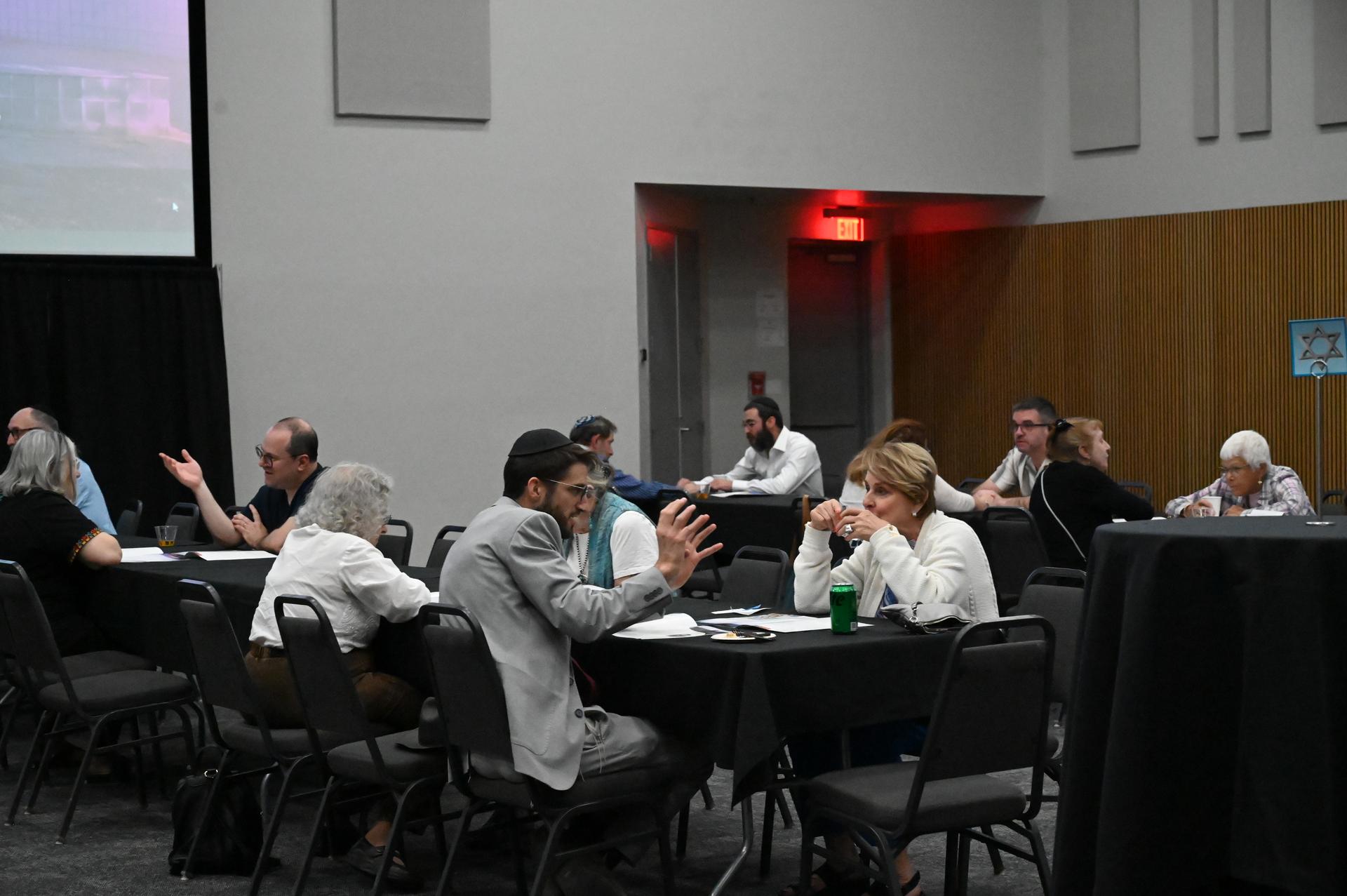
The week presented two more opportunities to connect with one another, learn together, and find inspiration. On Thursday, “Shards and Sparks,” the final show of the season in the J’s Fine Art Gallery opened with an incredible demonstration by painter Robert Feldman. And, over 30 people participated in the May session of “Partners Tucson,” an opportunity to share in conversation around the topic of difference in the context of community, through the lens of Rabbi Lord Jonathan Sacks’ (z”l) work. 


How did you find connection and community at the J this week? May this Shabbat inspire us to speak with intention and to nurture a community where kindness and connection flourish. Shabbat Shalom. 

Reminders, Resources + Learning

Each week we share resources for more learning:

This week’s resources:

Last week’s resources: 

Is there a topic you’d like to learn more about? Email Jenn Selco with requests. 
From the Desk of Rabbi Norm Roman | Beth Shalom Temple Center of Green Valley

Shabbat Shalom
Shabbat Shalom

From the Desk of Rabbi Norm Roman | Beth Shalom Temple Center of Green Valley

This week’s Torah portion contains a most tragic and perplexing scene: Aaron’s two eldest sons, Nadav and Abihu, brought an unwelcome sacrifice (‘avodah zarah, often translated as “alien or strange fire”). They should have known better, no?  After all, this occurred on the 8th full day of all the priests being consecrated and ordained! But the manner in which they approached the Altar was incorrect – fire came forth from God and consumed them. Aaron was warned not to mourn, as Moses explained “This is what the Divine words meant: ‘By those near Me I will be sanctified, and before all the people I will be honored.’”


I have been studying and agonizing over this story for decades. What exactly did the boys do wrong? Why is their punishment so extreme? What lessons can we learn from Aaron’s (total silence) and Moses’ reactions?


A classic explanation in our Rabbinic literature is that they were drunk (hence the Torah, immediately after this incident, forbids the priests to drink when they enter the Tabernacle).  Another infers that they were childless, refusing to marry because no woman was “good enough for them,” and their conceit did them in. A third presumes that they felt it was time for the “older generation” to move aside, so that they could take over and institute new patterns of sacrifice. My personal favorite interpretation sees Nadav and Abihu as having convinced themselves that they were now well-enough-trained to perform the proper acts of worship – though they obviously were not – and they then made mistakes that brought them too close to that which was holy, and dangerous . . .


Rabbi Ralph Mecklenburger has added this insight: “Perhaps the lesson for our generation is that those who rise to high position have to be extra good, exemplary. For an ordinary priest, a mistake in following the sacrificial procedures might not have been so serious; from the heirs-apparent to the High Priest, more was expected – and the punishment was correspondingly more severe for falling short and thus abusing the public trust.”


Is the Torah teaching us here that more thoughtful, meaningful and proper behavior is demanded of those in high places?


Shabbat Shalom.

In the shadow of Shemini’s difficult lesson, we are reminded that leadership is not simply about stepping forward—it is about how we show up once we are there. Nadav and Abihu’s story challenges us to consider the weight of responsibility that comes with influence, trust, and participation in communal life. At the Tucson J, this awareness shapes our daily work: from staff to volunteers to lay leaders, we are called not only to serve, but to do so with intention and care. Whether nurturing curiosity in our youngest learners, uplifting creativity and expression, or fostering wellness and connection, each moment offers an opportunity to shape a community grounded in belonging and shared purpose.


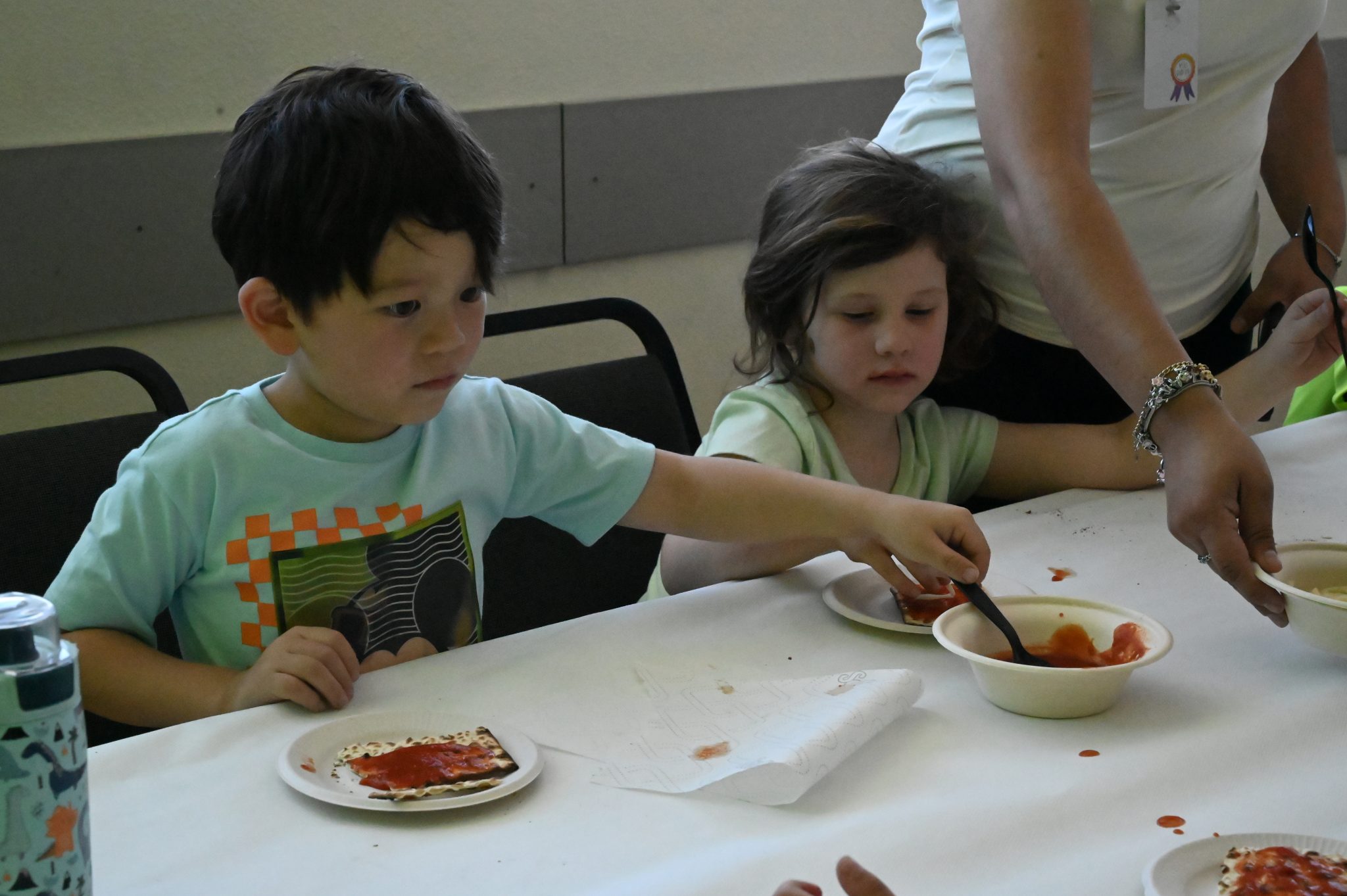
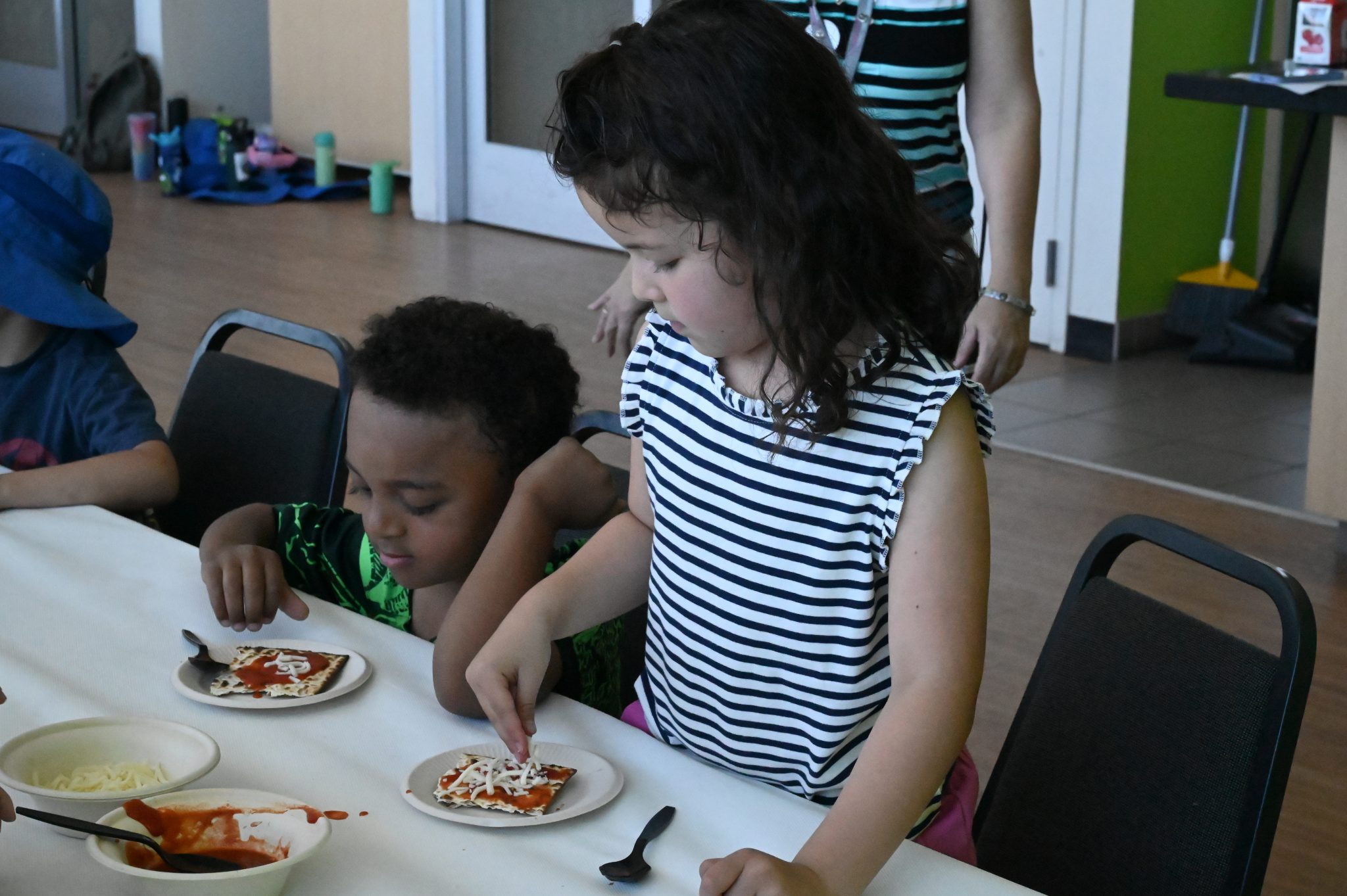
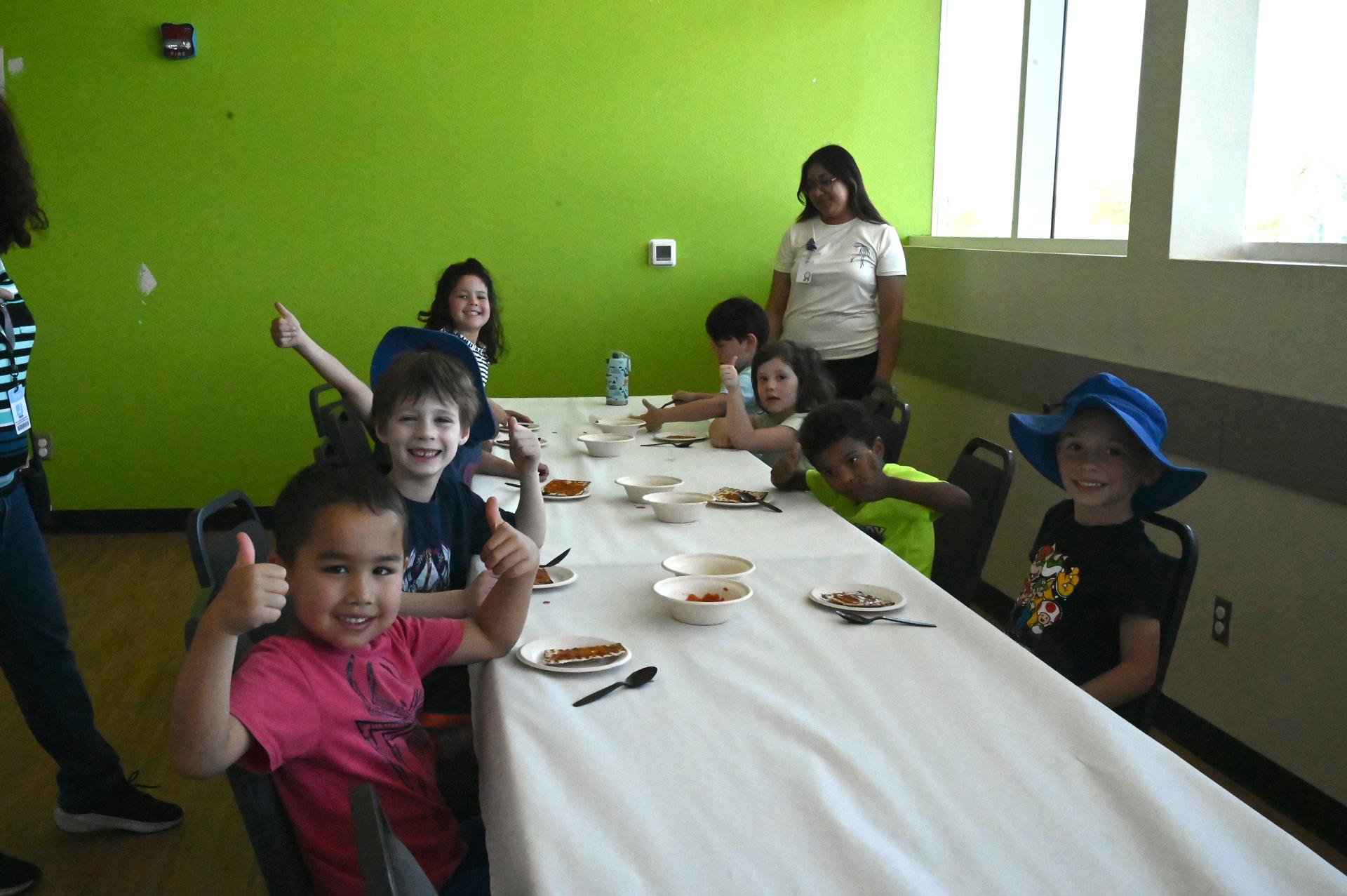
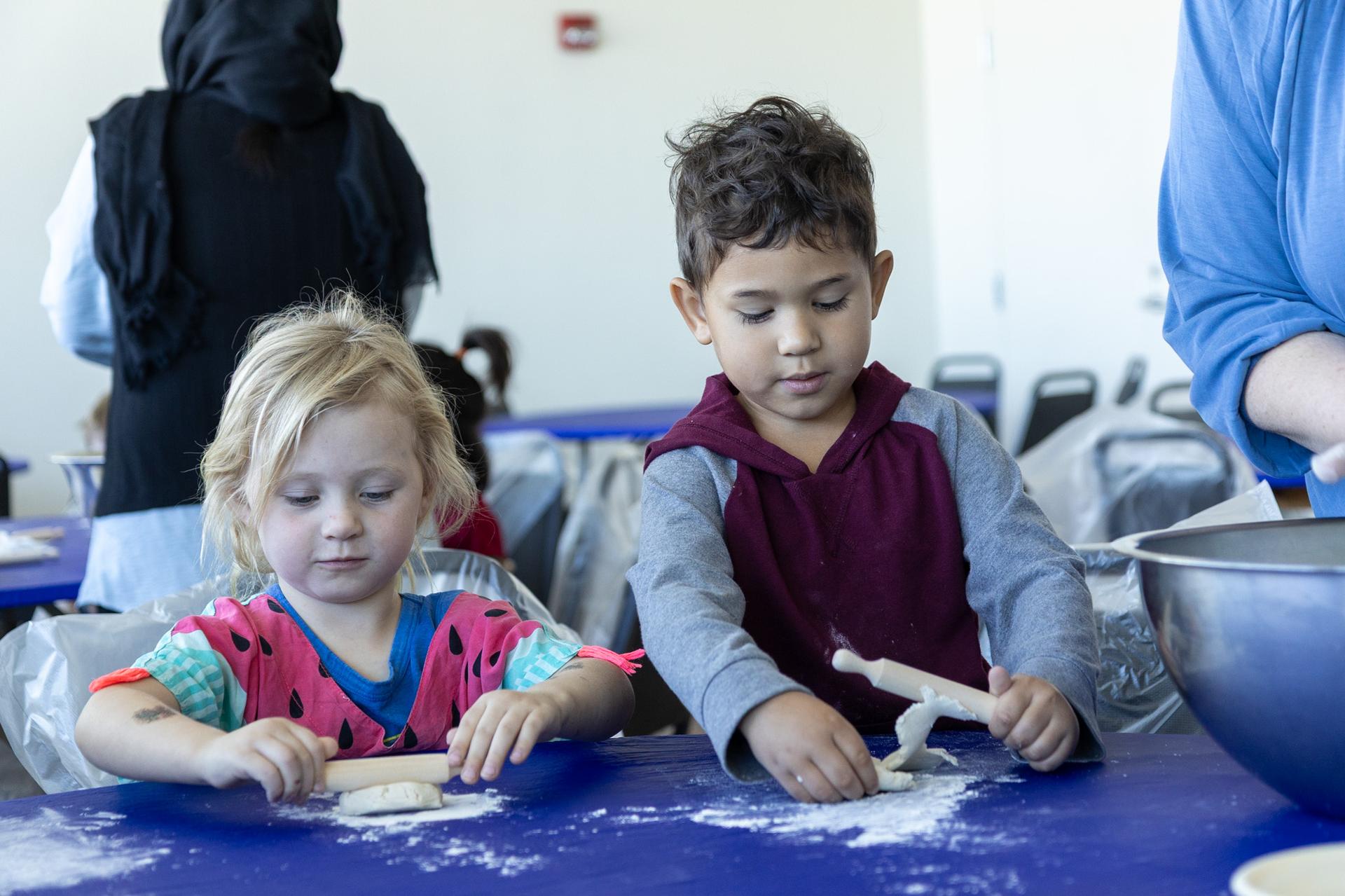
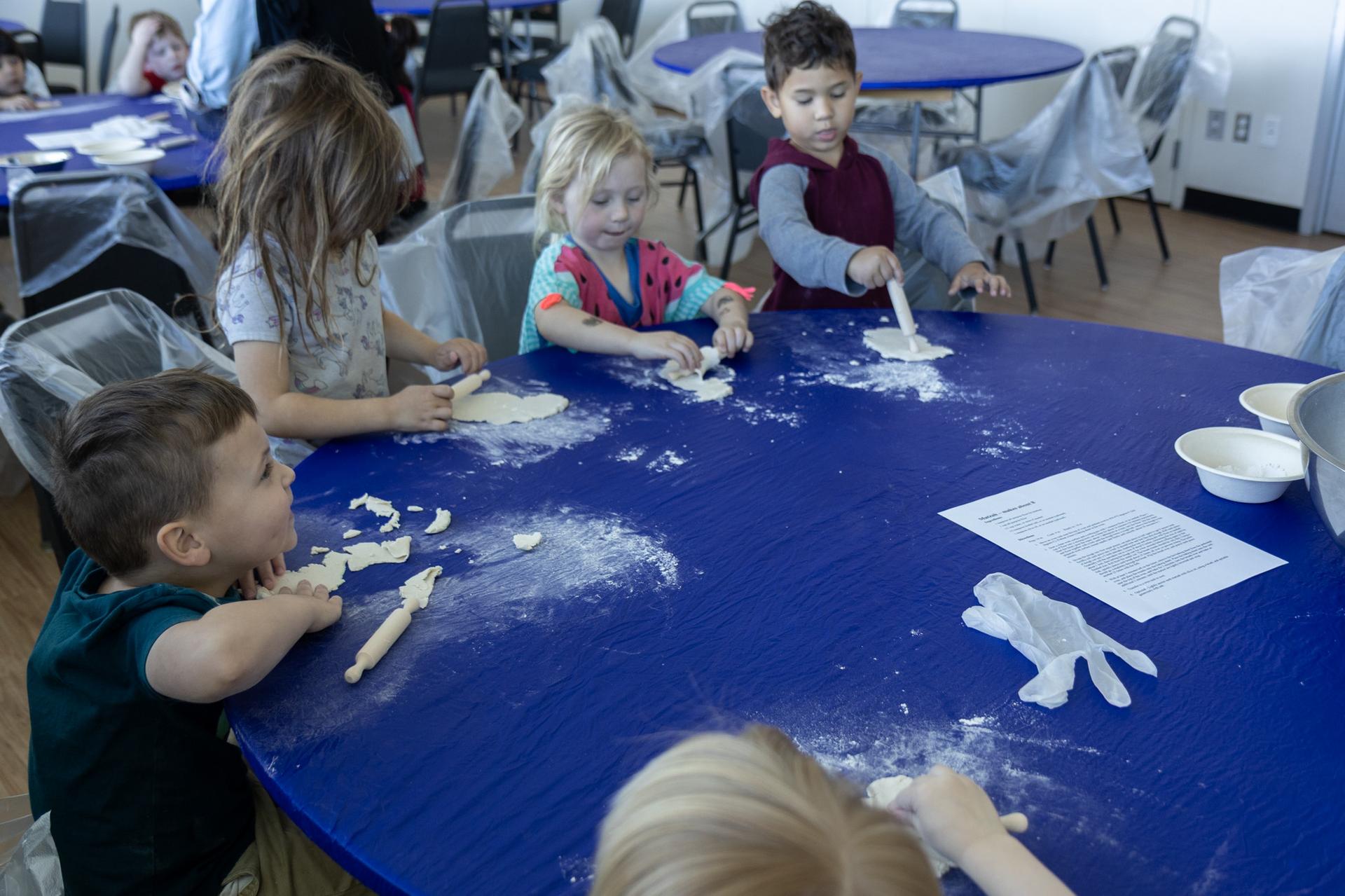
As we moved through Passover, kids in our Early Childhood Education program continued learning and celebrating with a holiday classic: Matzah Pizza! They had a great time spreading the sauce, sprinkling the cheese, and enjoying their tasty creations. Save the recipefor next year, or finish up any leftover Matzah you still have at home! 

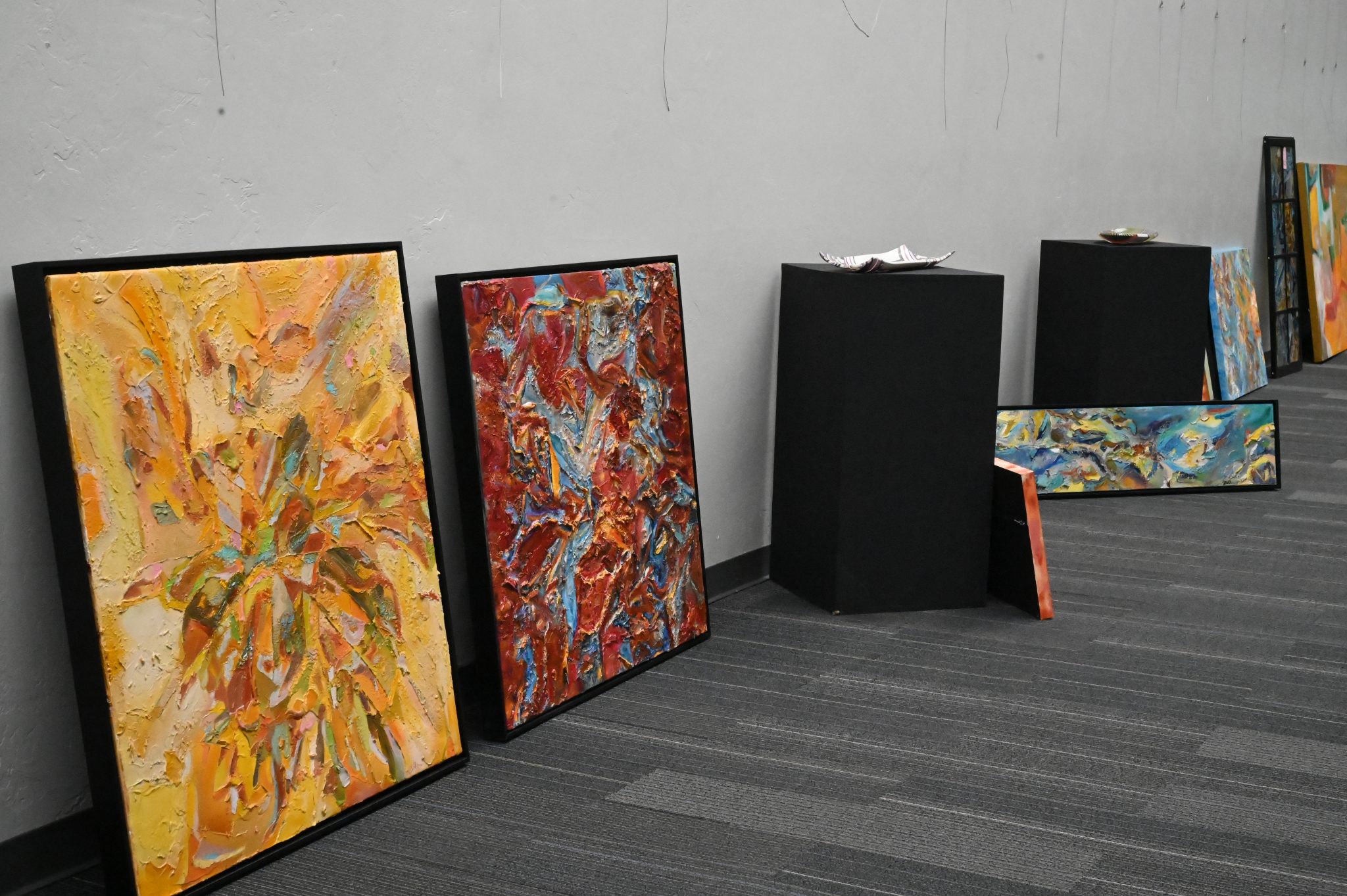
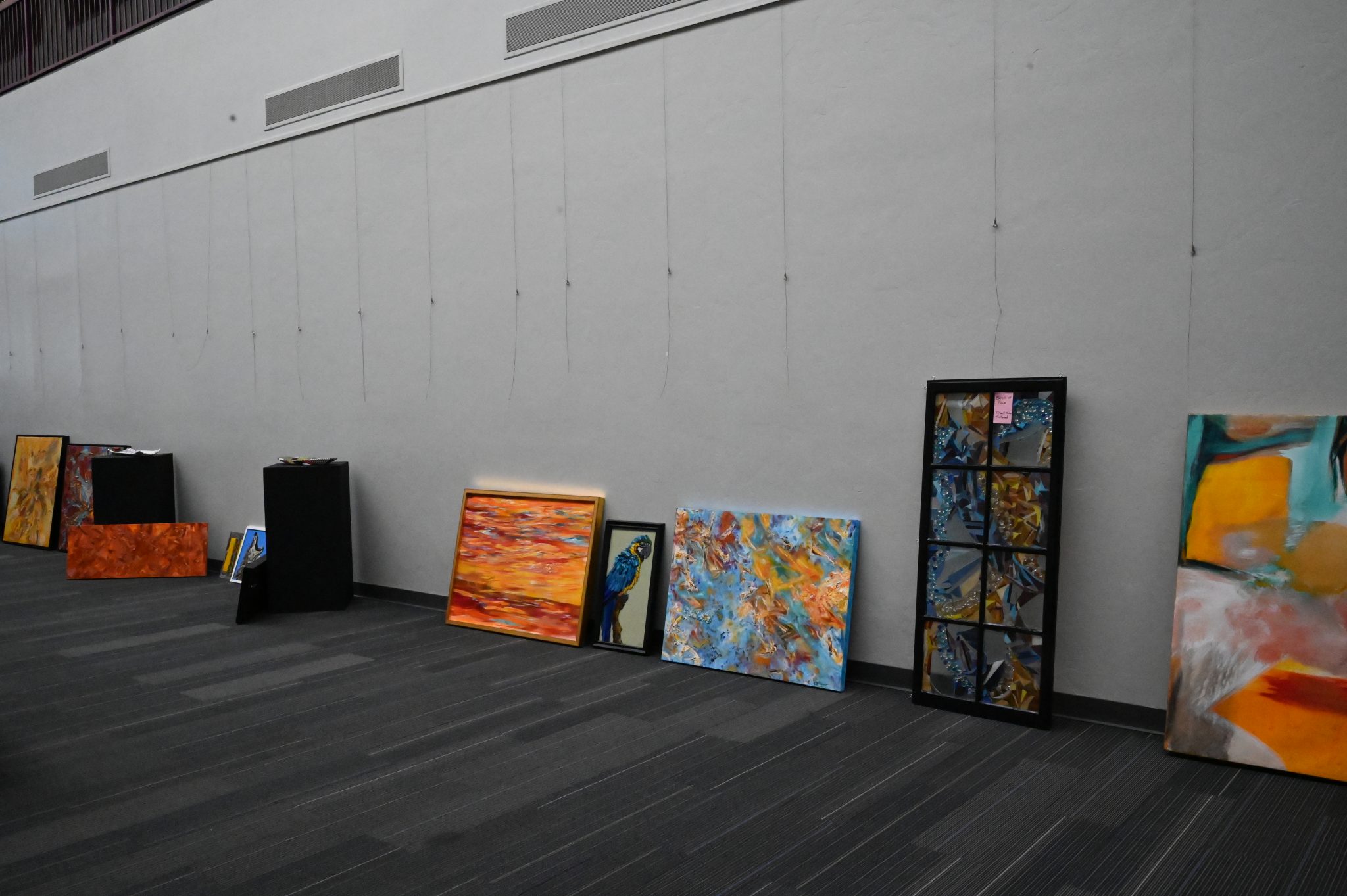
We prepared for the last Fine Art Gallery show of the season before Camp J begins and the space makes way for kids! Don’t miss the opening reception of “Shards and Sparks: Fires of Creation” on April 16. The show is an exploration of transformation, fragmentation, and renewal through the elemental force of fire. Inspired by Lurianic Kabbalah’s mystical vision of shattered vessels and the cosmic sparks within, as well as the creation story of Parshat Bereshit, this exhibit brings together the fire paintings of local artist, Robert Feldman, alongside a juried selection of glassworks, capturing the tension between destruction and creation—where what is broken can be remade, and where light emerges from the fractures.


Spring sports leagues are wrapping before beginning again in May and the competition in week one of our Adult Volleyball playoffs was friendly but fierce! Sports + Rec programs at the J are a great way for people of all ages to way to work toward wellness goals, make friends, pursue an old passion, or try something new. Check out our offerings here! All skill levels are welcome.


Our community is made of up leaders, each of us contributing to our collective whole. As we reflect on the week, we invite you to consider how you showed up this week through small acts of care, thoughtful choices, and the intention to make a difference. Wishing you a restful and inspiring Shabbat. 

Reminders, Resources + Learning

From the Desk of Jennifer Lorch Selco | Sr. Director of Jewish Life + Engagement

Shabbat Shalom
Shabbat Shalom

From the Desk of Jennifer Lorch Selco | Sr. Director of Jewish Life + Engagement

Jewish tradition teaches that as the Israelites were preparing to leave Egypt, there was no time for the dough to rise and become bread. Therefore, we eat matzah (made of just flour and water) throughout the holiday in place of leavened bread. Part of the text we read this Shabbat mentions, “You shall observe the Feast of Unleavened Bread—eating unleavened bread for seven days, as I have commanded you—at the set time of the month of Aviv, for in the month of Aviv you went forth from Egypt (Exodus 33:18).”


Matzah is both the bread of slavery and also the bread of freedom. Matzah was eaten as the Israelites journeyed toward freedom and was symbolic of the small amount of food given to them by their task masters in Egypt. Rabbi Irving Greenberg, in The Jewish Way: Living the Holidays teaches, “The halakha [Jewish law] underscores the identity of hametz and matzah with the legal requirement that matzah can be made only out of grains that can become hametz–that is, those grains that ferment if mixed with water and allowed to stand. How the human prepares the dough is what decides whether it becomes hametz or matzah. How you view the matzah is what decides whether it is the bread of liberty or of servitude.”


As we make our way through the second half of the Passover holiday, I invite you to consider how matzah for you is both the bread of slavery and freedom? What might you be enslaved to and wish to be free from? What freedoms you are celebrating? How is the matzah a reminder to both appreciate freedom and to work towards a more just and freer world? And, as we journey, both as individuals and a collective people, from celebrating Passover to Shavuot when we will celebrate receiving the Torah, what are you hoping to take away from this journey?


Shabbat Shalom and Chag v’Kasher Sameach (Happy Passover)!

As we celebrate Passover, a time rooted in the journey from the narrow place to a space of possibility, we are reminded that freedom is not simply given—it is something we work for and help create for one another. The story of liberation calls us to build spaces where every person can show up fully, with dignity, belonging, and joy. That spirit lives at the Tucson Jeach day, inherent in our mission and service pledge to create community based on Jewish values by providing the highest quality programs and services in a safe and secure environment for all people of all ages. This season invites us to reflect on and recommit to ensuring freedom from oppression for all, but the freedom to learn, to grow, and to be ourselves in a community where everyone truly belongs. 


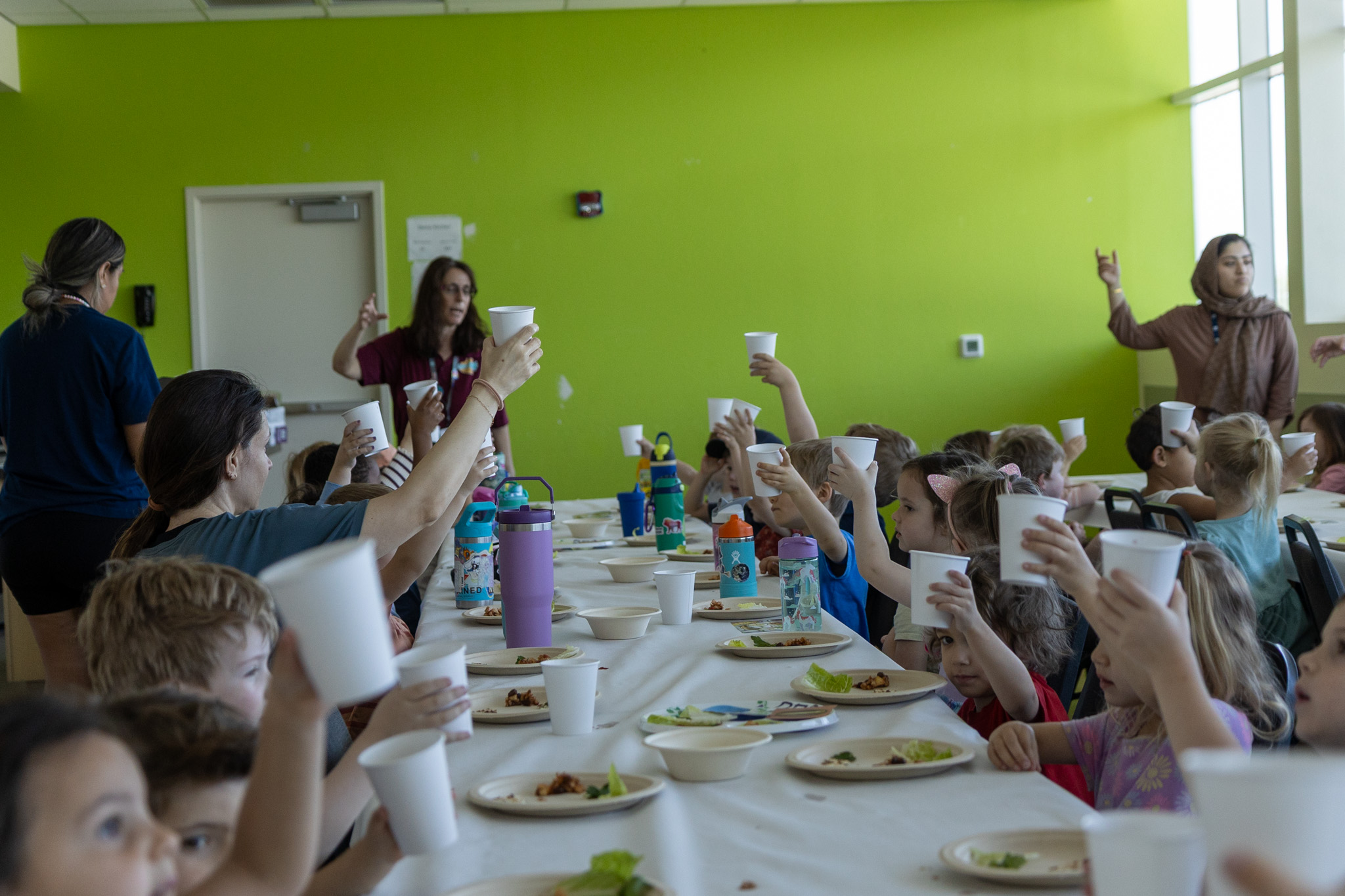
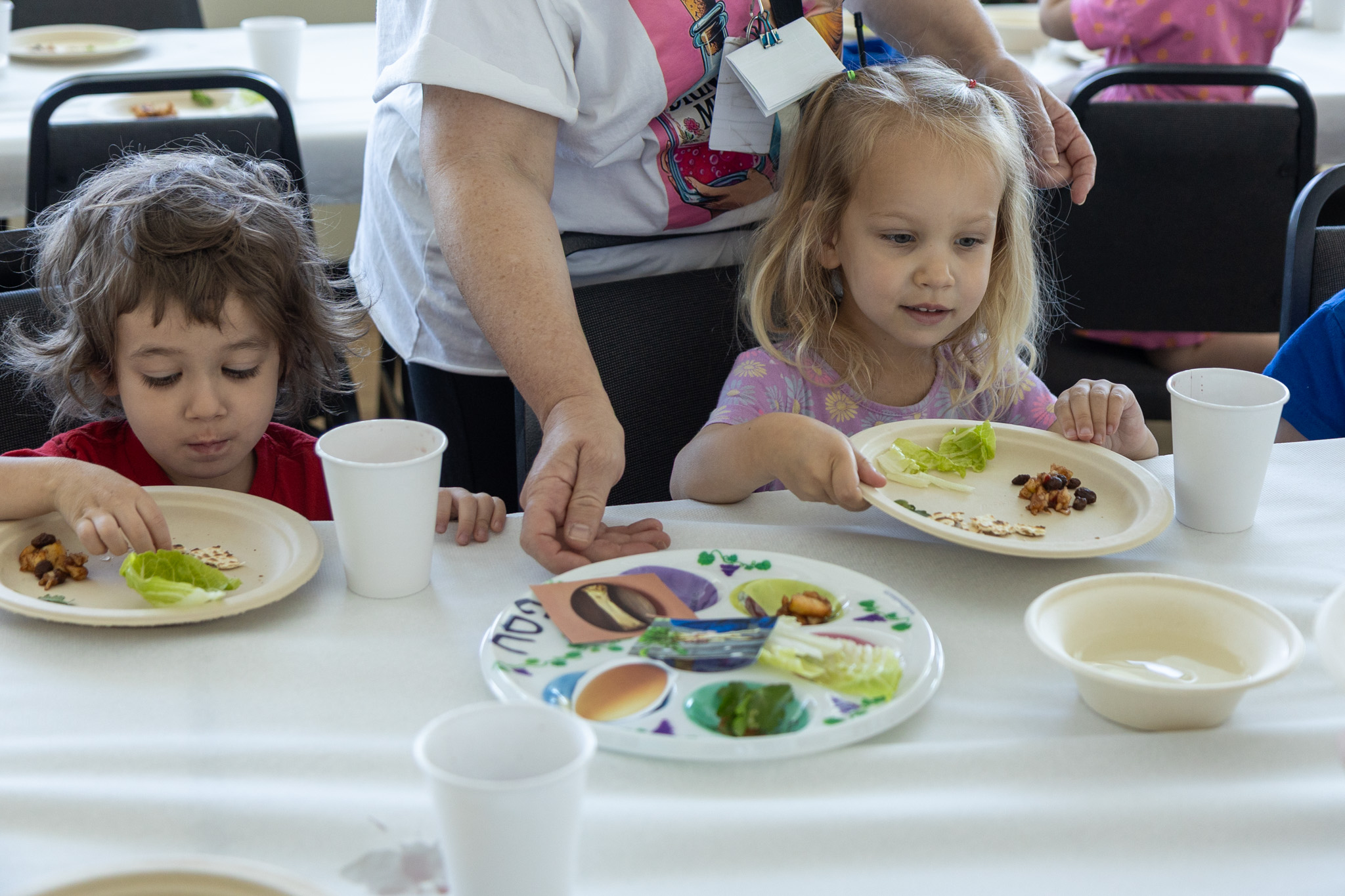
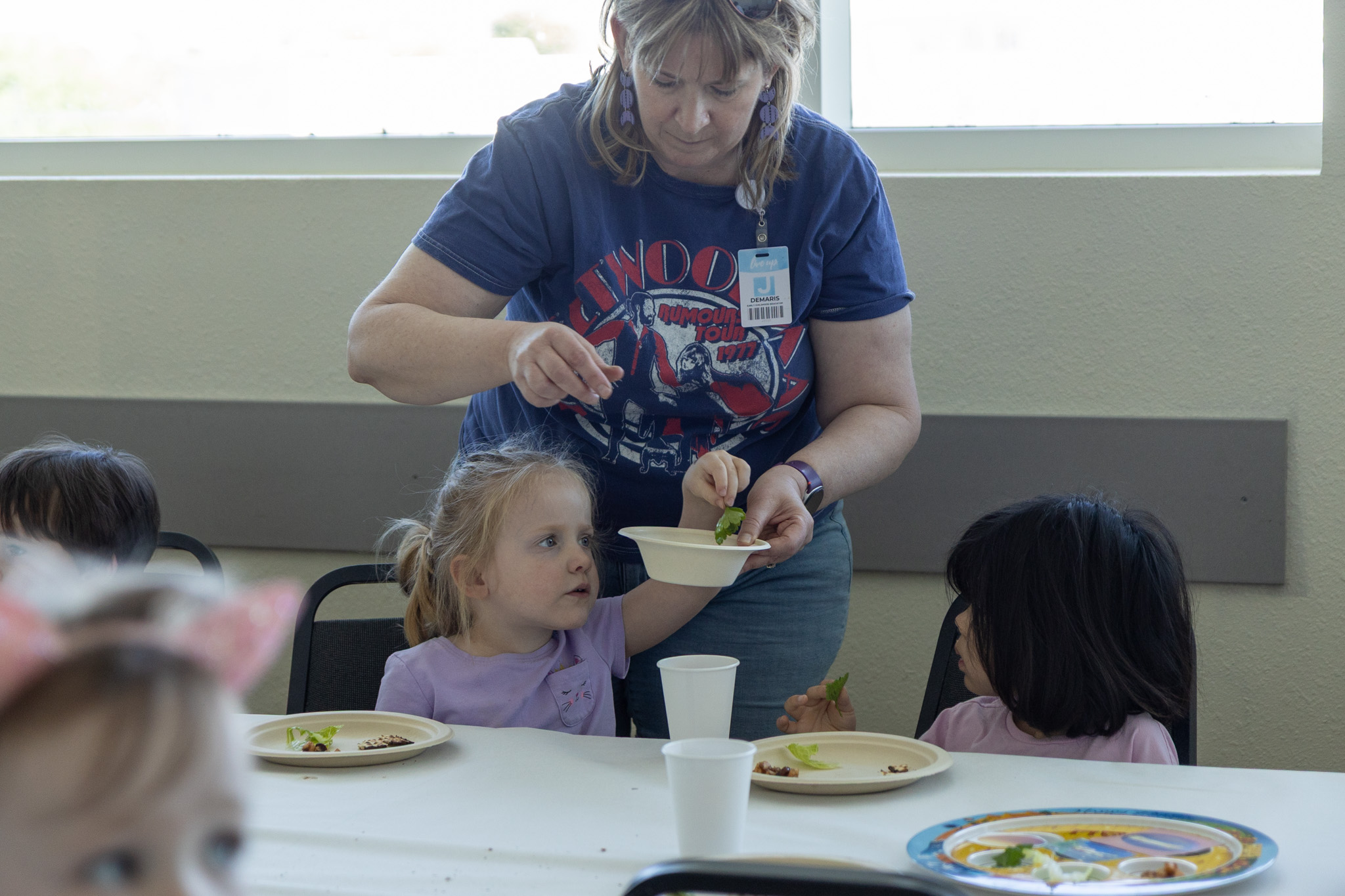
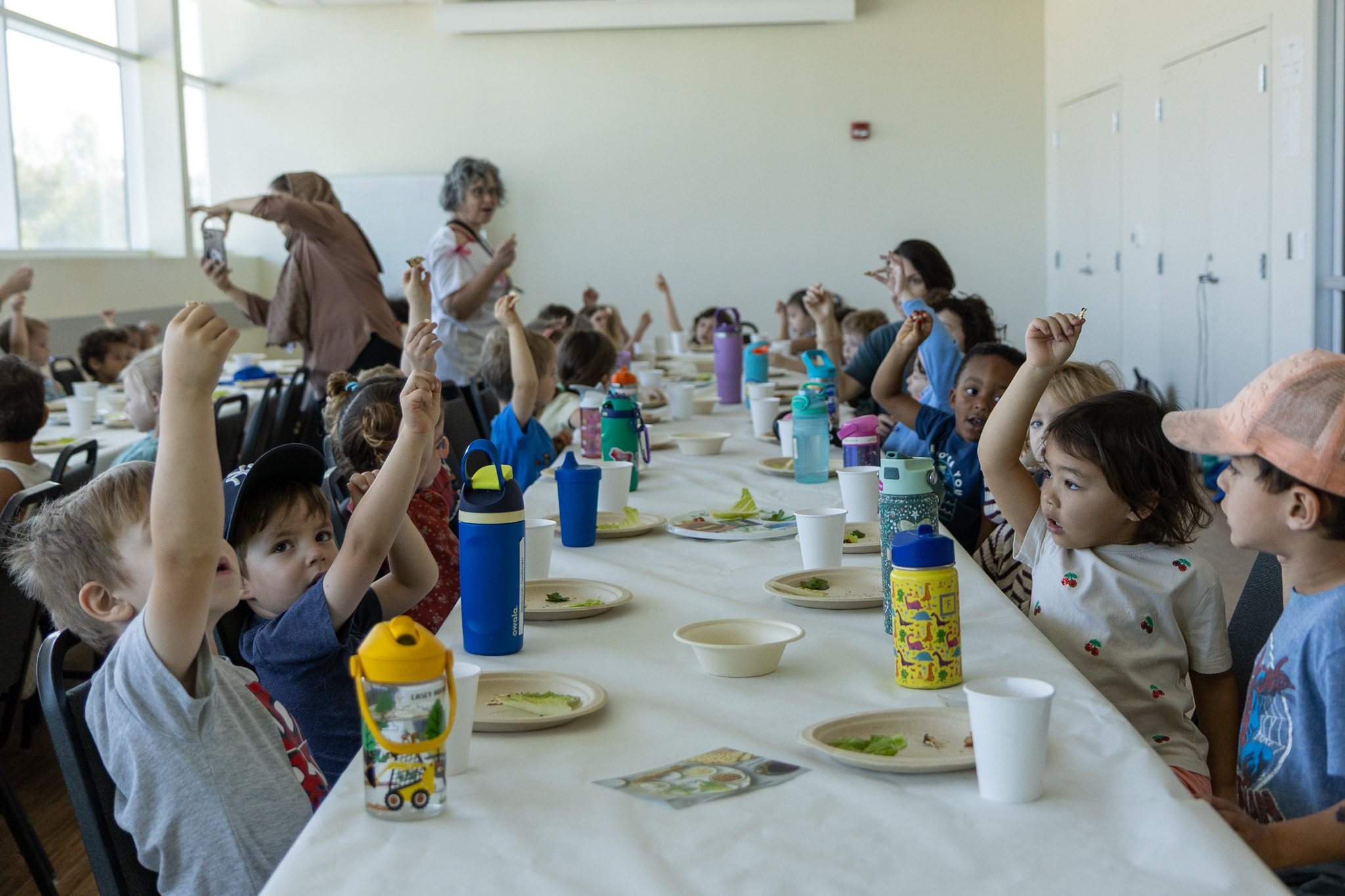
This week, our youngest learners in Early Childhood Education engaged with curiosity and wonder as they explored the meaning of Passover with their own Seder. They dipped parsley, tasted bitter lettuce, delighted in the sweetness of sticky charoset, and raised their glasses full of grape juice led by ECE’s Jewish Culture + Curriculum Coordinator, Jenn Greenberg. Check out our favorite PJ Library books for Passover to keep the learning going at home here and find more holiday resources here. 

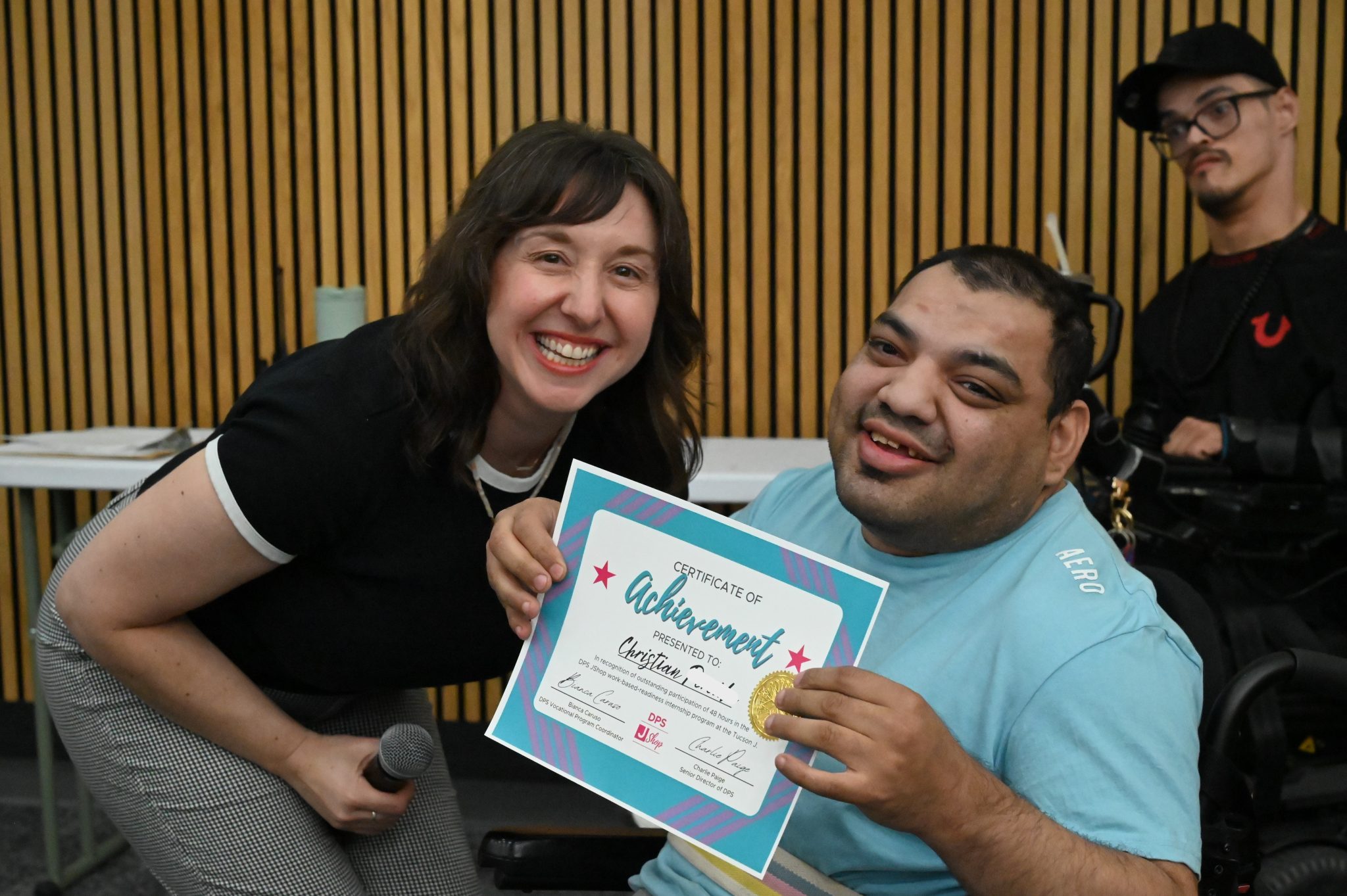
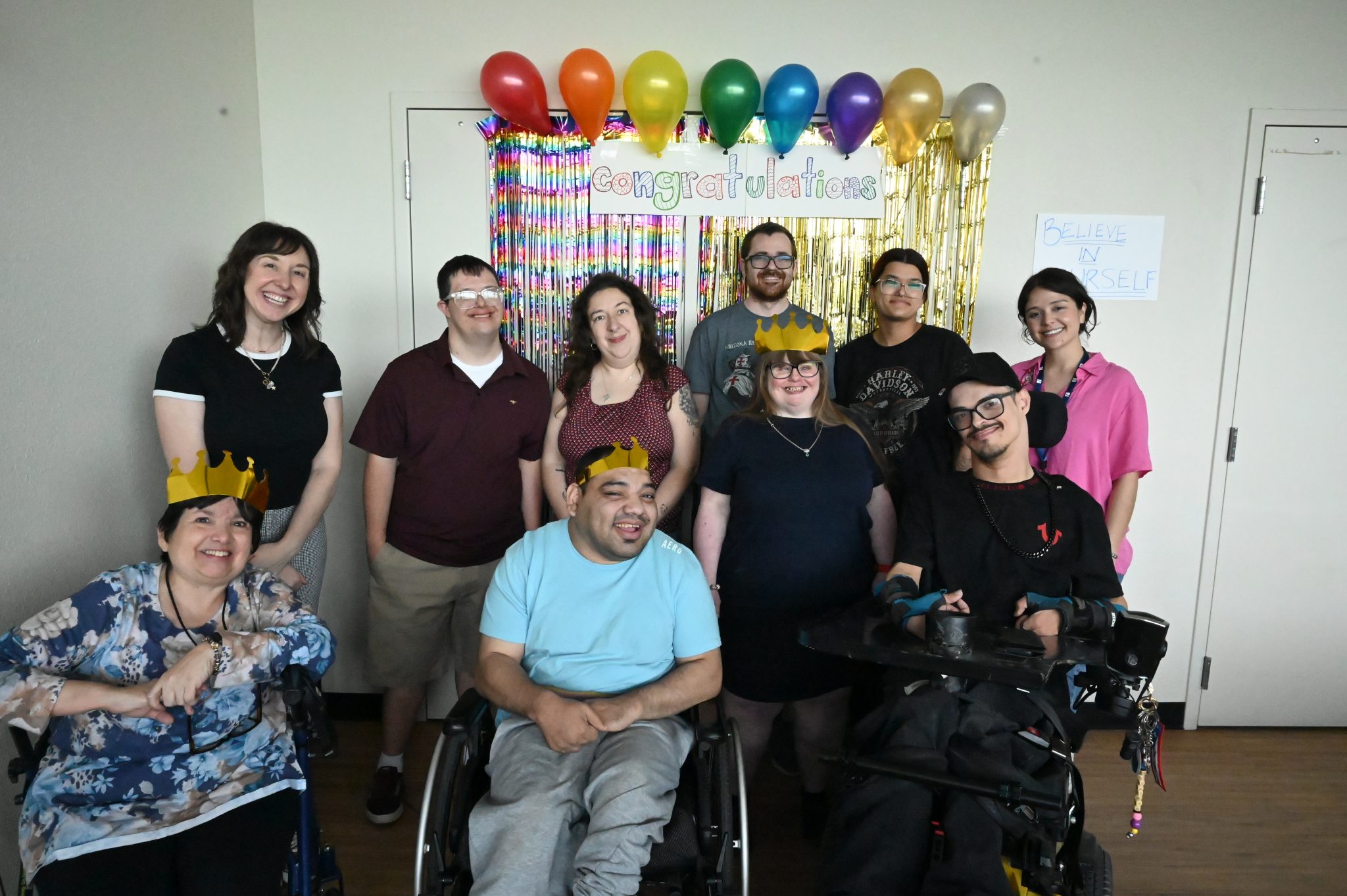
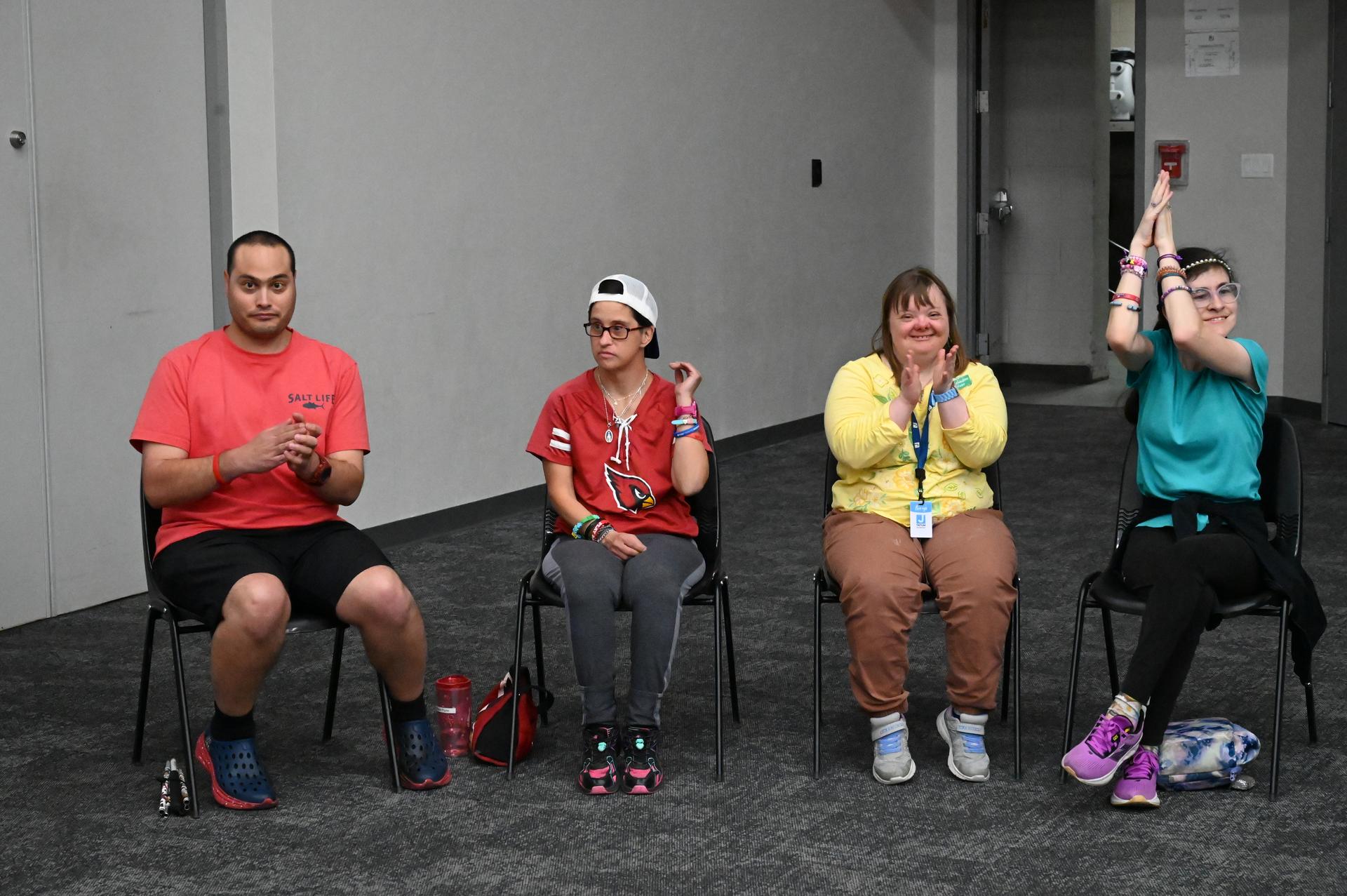
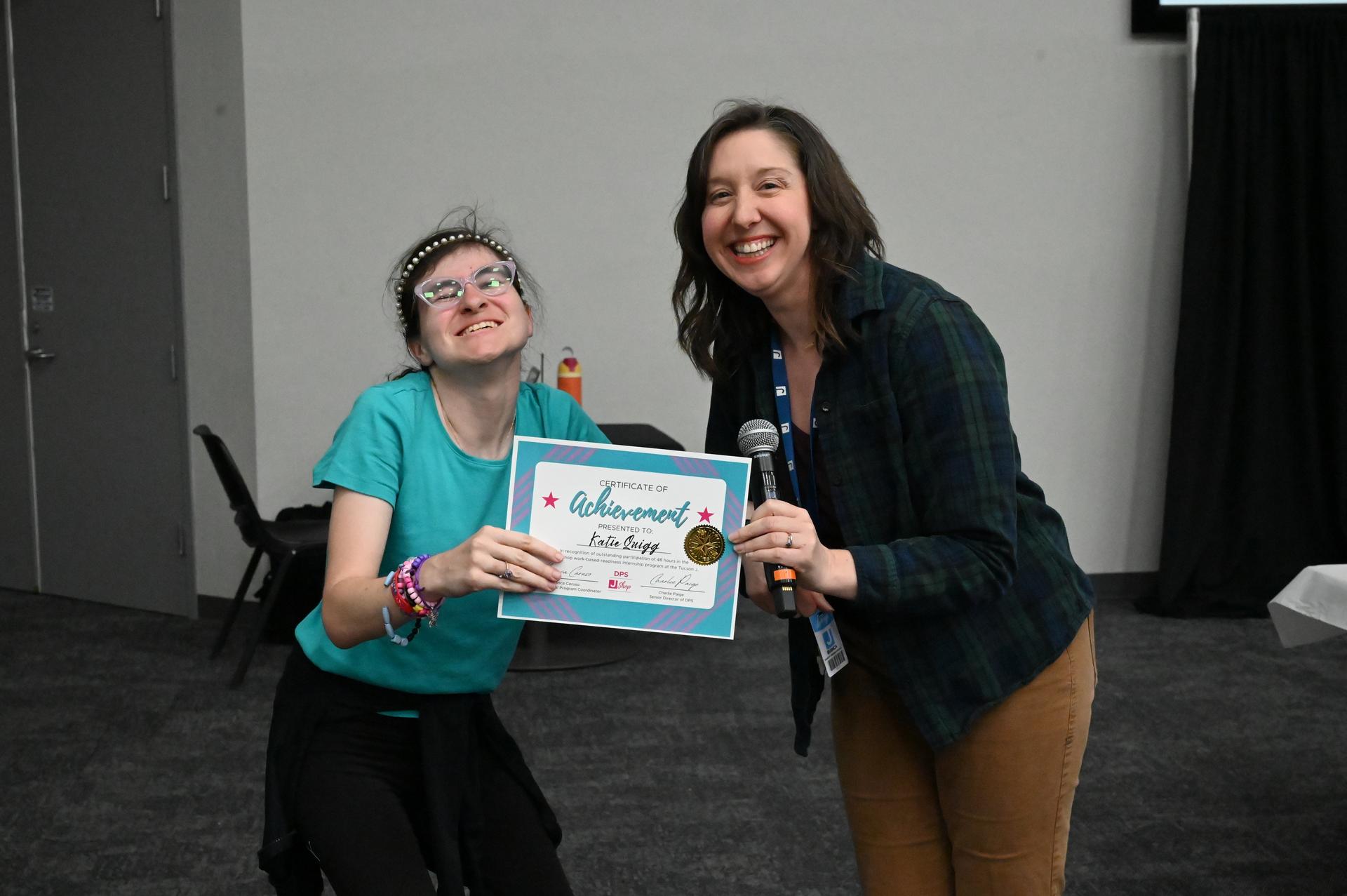
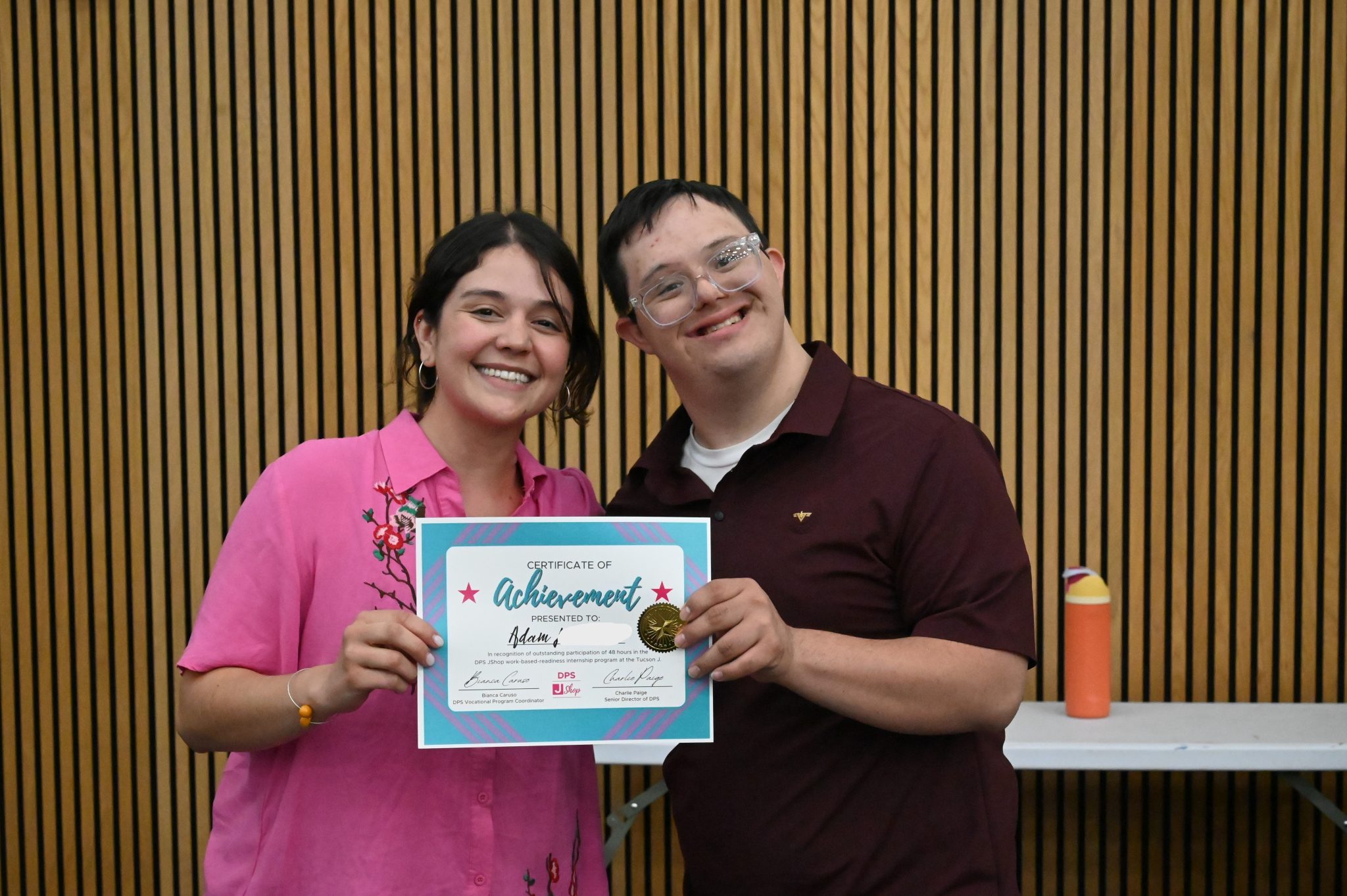
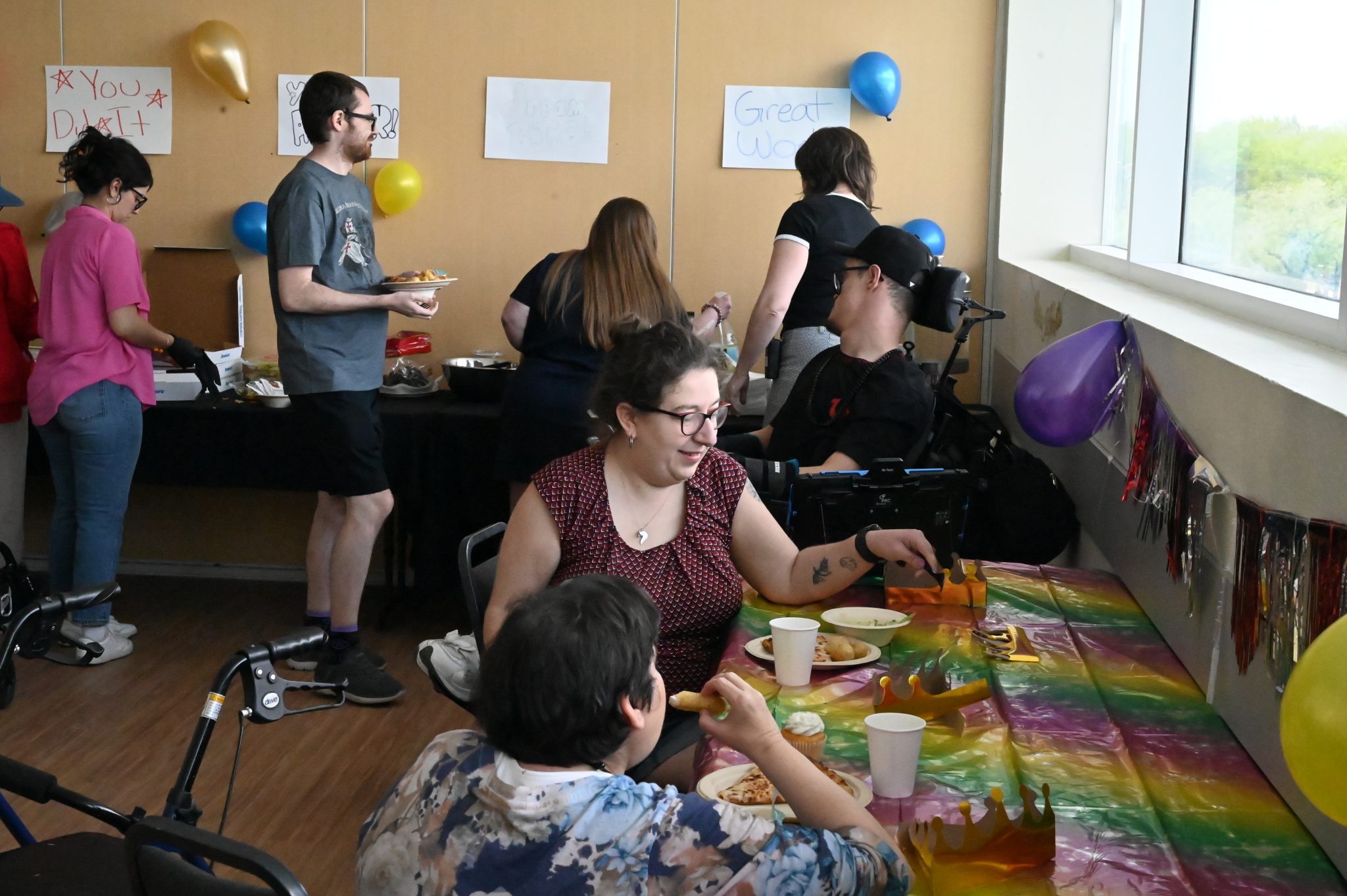
Disability Program Services participants bring their whole selves to the Tucson J every day and enrich our community by being here. Under the leadership of Bianca Caruso, DPS Vocational Program Coordinator, the department has evolved this year to offer more vocational programming. We proudly celebrated another graduating cohort of Vocational Program interns who completed 48 hours of working at the JShop and Coffee Cart. This group was the largest yet, with eight incredible interns who learned customer service, point of sale, inventory management—and how to make the best cup of matcha around. Mazel tov to Antonio, Heidi, Michael, Nichole, Christian, Rachel, Brooke, and Adam, and the entire DPScommunity who exemplify the value of belonging by empowering and supporting one another daily.  


With temperatures rising, Camp J just around the corner, and the SplashPad officially open, it’s beginning to feel a lot like summer here at the J—there’s so much to explore at the J this season. What does summer at the J feel like? You decide! Build a wellness routine that excites you, try out a sport to keep moving, get inspired in an arts and culture program, or beat the heat with our state-of-the-art amenities.  If you’re not already a member, check out our Summer Sale happening NOW! 


May this Shabbat and Passover season renew our sense of purpose and our commitment to the sacred work of creating a more just, compassionate, and inclusive community and world. As we remember our journey to freedom, may we be inspired to be our full selves and to help widen the path forward for all. Shabbat Shalom and Chag Sameach! 

Reminders, Resources + Learning

From the Desk of Johanna Shlomovich | Head of School, Tucson Hebrew Academy

Shabbat Shalom
Shabbat Shalom

From the Desk of Johanna Shlomovich | Head of School, Tucson Hebrew Academy 

In Parshat Tzav, we encounter a powerful and enduring image:


“Esh tamid tukad al hamizbe’ach, lo tichbeh” — A perpetual fire shall be kept burning on the altar; it shall not be extinguished (Vayikra 6:6).

The rabbis teach that this was not merely a physical instruction about maintaining a flame. It was a spiritual charge—one that speaks across generations. The fire on the altar required constant tending. Even though it was initially kindled by Divine fire, it was the responsibility of the kohanim to sustain it day after day, without interruption.

This partnership between Divine spark and human responsibility is at the heart of Jewish continuity.

Each generation inherits a sacred flame—a legacy of Torah, tradition, identity, and purpose. But that flame does not sustain itself. It must be nurtured, protected, and actively passed forward. Without intentional effort, even the brightest fire can flicker.

Today, one of the most powerful ways we tend that flame is through Jewish education.

A strong Jewish education does more than impart knowledge. It builds identity. It cultivates pride. It deepens connection—to our people, our history, our values, and our future. It equips our children not only to understand what it means to be Jewish, but to live it with confidence, meaning, and joy.

At Tucson Hebrew Academy, we see this sacred work every day. We see it in the questions our students ask, in the traditions they embrace, and in the leadership they begin to embody. We are not simply educating students—we are helping to ensure that the esh tamid, the eternal flame of the Jewish people, continues to burn brightly here in Tucson and beyond.

But like the fire on the altar, this work is a shared responsibility. It belongs not only to schools, but to families, to synagogues, to community members—to all of us. Each investment we make in Jewish education is an investment in continuity. Each moment we choose to strengthen Jewish identity is an act of sustaining the flame.

In a world that often pulls our children in many directions, we must be intentional about what we pass on. The Torah reminds us that continuity is not accidental—it is cultivated.

May we all merit to be guardians of this eternal flame. May we tend it with care, with commitment, and with love. And may we ensure that it burns even brighter in the generations to come.

Shabbat Shalom.

As we reflect on the call to keep the the eternal flame burning, we are reminded that Jewish continuity does not rest in any one place or person, but in the sacred chain that links us l’dor v’dor, from generation to generation. At the Tucson J, this responsibility is reflected in the community we build together across every age and stage of life, from Early Childhood Education to Healthy Aging programs. We are each both inheritors and stewards of this flame—called not only to receive its warmth, but to tend it, strengthen it, and pass it forward.

This week, kids in our School Days Out Spring Break program explored the concept of l’dor v’dor through the cultural tradition of making challah and learning about Oral Tradition. They talked about how, for thousands of years before the invention of the printing press and the widespread availability of written teachings, the words of the Torah and their subsequent commentaries were passed from parent to child, and from teacher to student through vocal repetition using “Trop”—recitation in a melodic and rhythmic manner to create a strong mnemonic device, allowing for easier memorization and retention of the teachings. Despite having many ways to pass down or stories and traditions, we still use Trop today! 

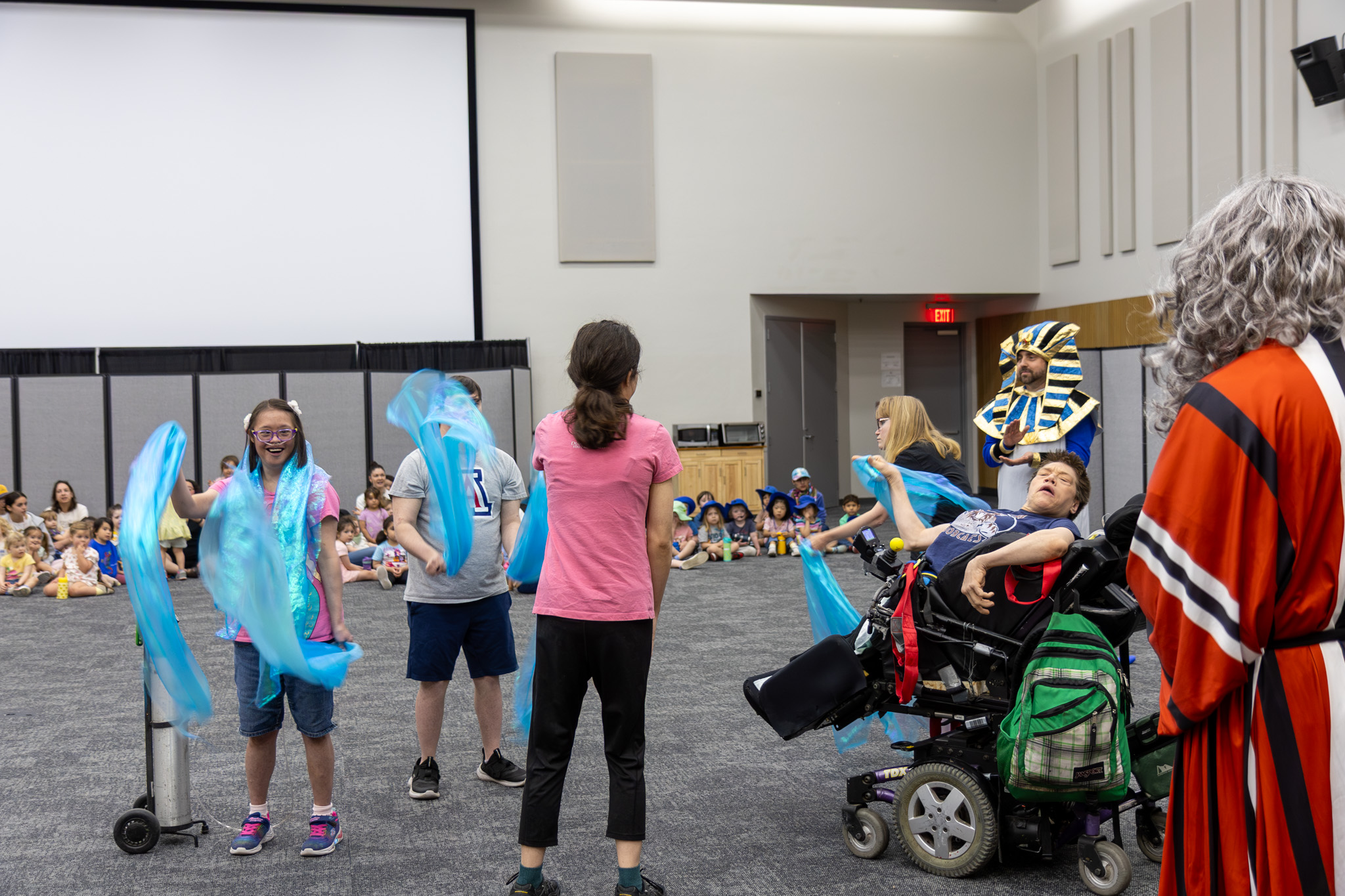
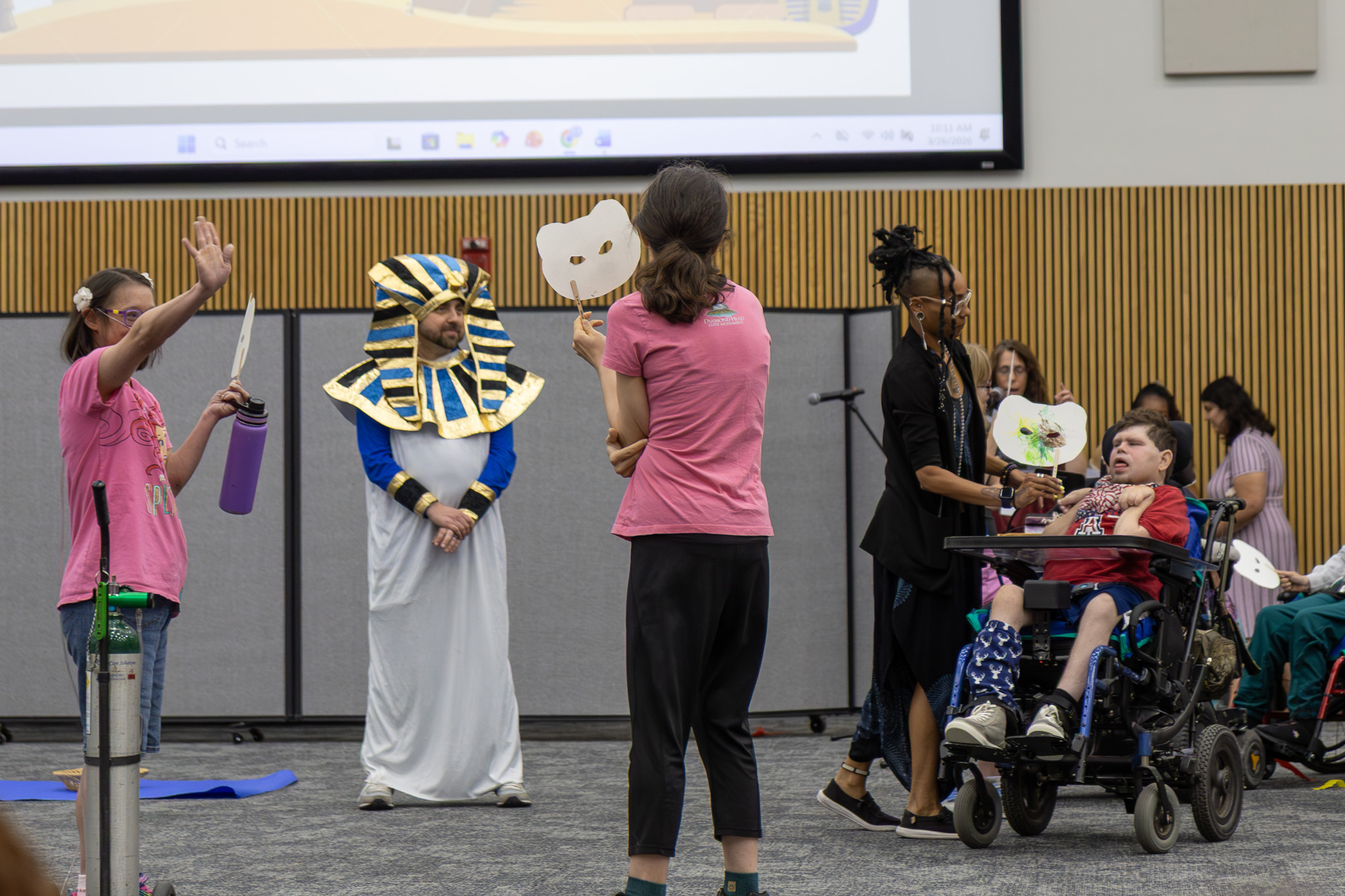
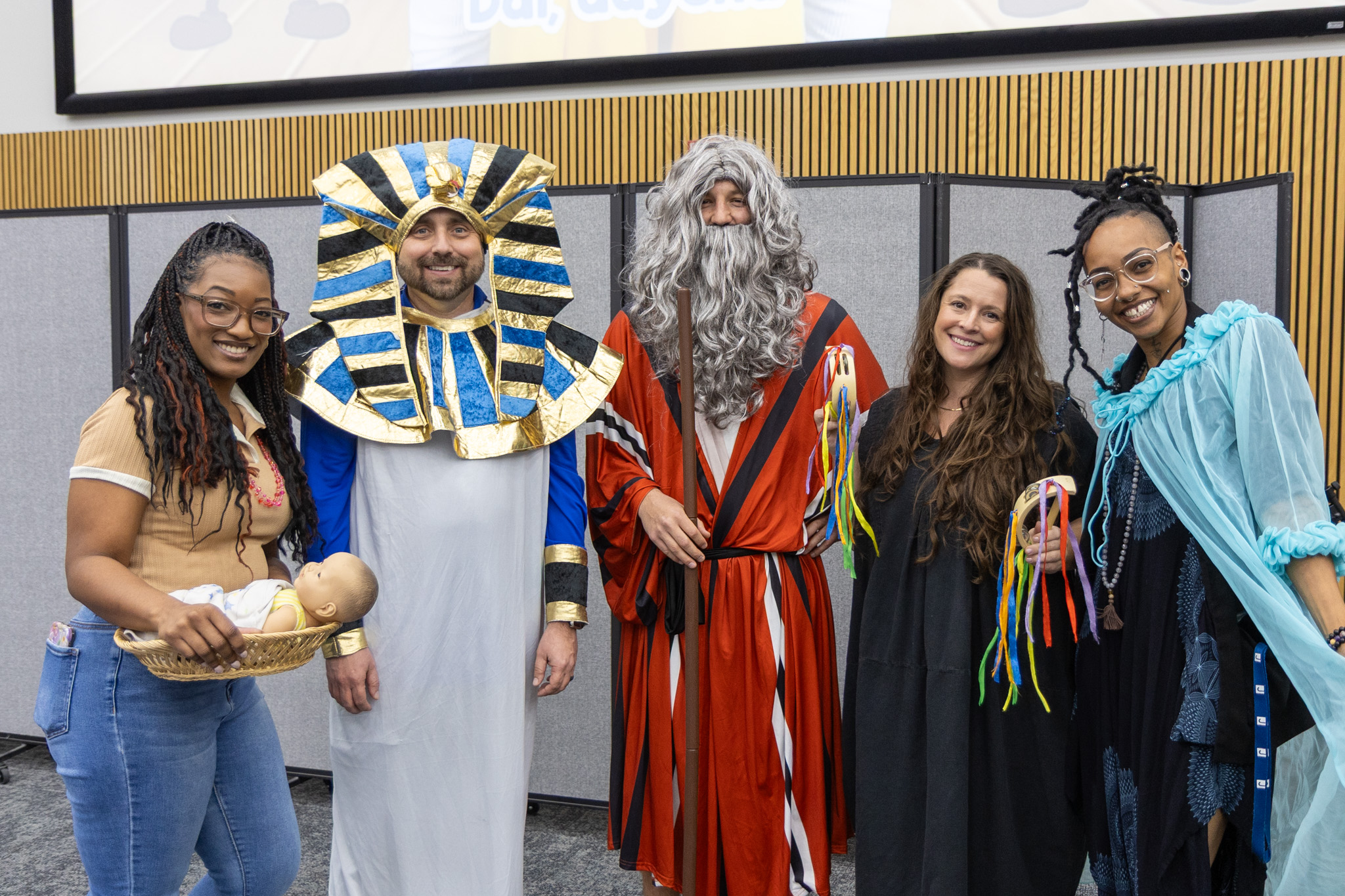
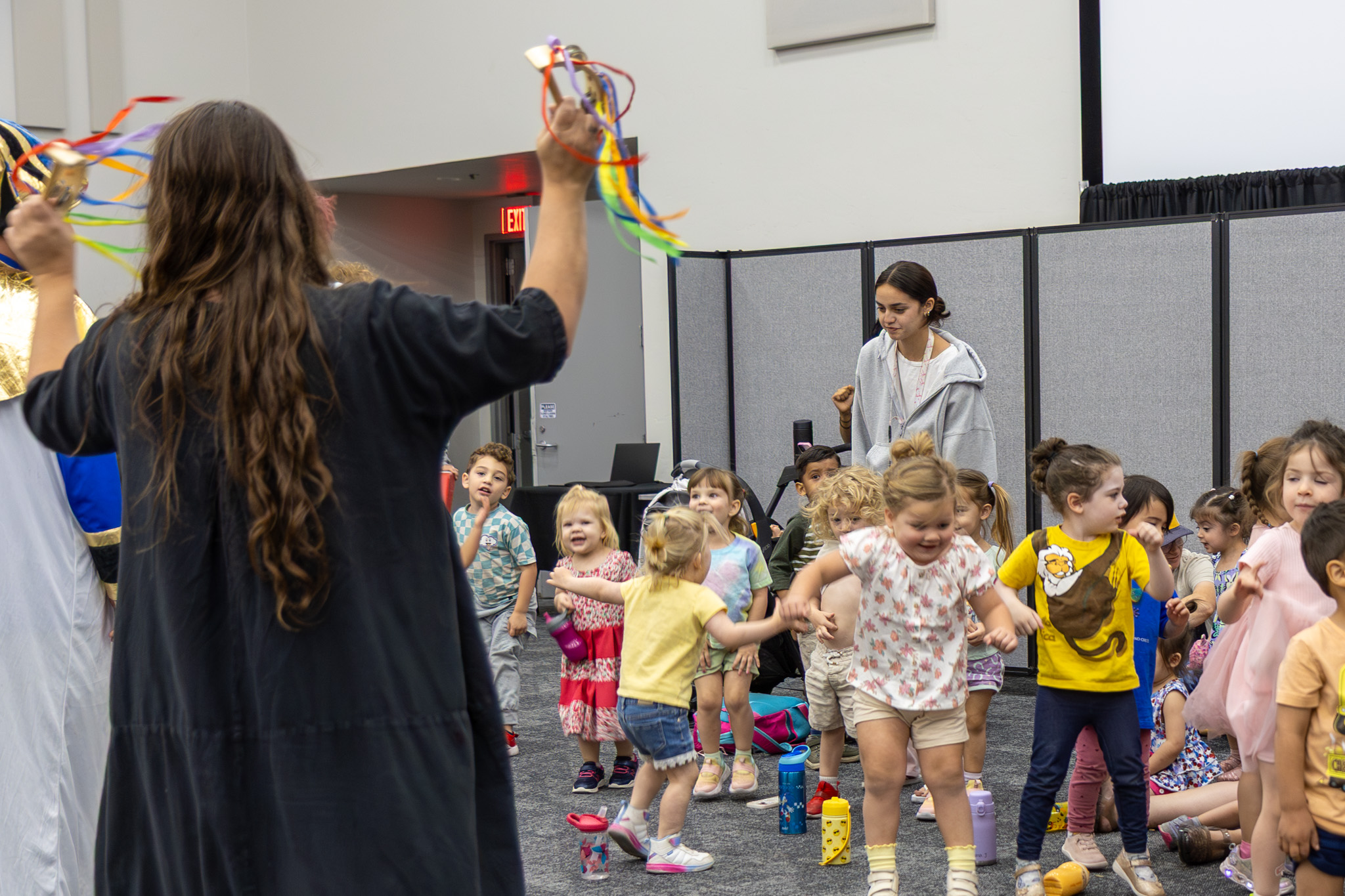
On Thursday, we saw l’dor v’dor in action as Tucson J leaders and participants in our Disability Program Services department brought the story of Passover to life for kids in Early Childhood Education with our annual Story Walk. Through narration, song, and creative costumes and props, we celebrated our shared history and reflected on the meaning of freedom. 

Every day, l’dor v’dor comes alive through movement and play as we build a culture of  wellness for people of all ages. Across our fitness and sports programs community members spanning generations build strength—not only in body, but in connection to one another. We kindle that sacred flame when we pass down the values of perseverance, wellbeing, and belonging. Our Stingrays Swim Team is a great example of this; three of our swimmers just competed at the 8 and under championship meet in Phoenix. Mazel tov to Evie, Lilly, and Raegan who collectively brought home 7 top 16 finishes, 81% of them being new personal bests! 

As we enter Shabbat HaGadol (the Shabbat before Passover), may we take pride in the many ways this sacred flame continues to shine brightly within our Tucson J community. Each story shared, each tradition practiced, and each connection nurtured affirms our commitment to strengthening our community today while ensuring a vibrant, meaningful tomorrow for generations to come. Shabbat Shalom.

Reminders, Resources + Learning

Each week we share resources for more learning:

This week’s resources:

Last week’s resources:

Is there a topic you’d like to learn more about? Email Jenn Selco with requests. 
From the Desk of Daniella Ironi, Junior Community Shlicha (Emissary) | Weintraub Israel Center 

Shabbat Shalom
Shabbat Shalom

From the Desk of Daniella Ironi, Junior Community Shlicha (Emissary) | Weintraub Israel Center

This week we begin a new book of the Torah: Vayikra. At first glance, it can feel a little strange- It talks a lot about korbanot (sacrifices) and detailed rituals that we don’t practice today. How does that relate to the J?


The book opens with the words, “Vayikra el Moshe” (And He called to Moses). Rashi points out that this “call” is an expression of love. Before giving instructions, God reaches out. The relationship comes from both.


The korbanot themselves were not just about giving something up. The word “korban” comes from the root “karov,” meaning to come close. The purpose was to create closeness between people and God, and maybe also within ourselves.


When I first moved to Tucson a year ago and started the journey of creating a new life far from home, I realized that I needed to make some sacrifices of comfort for closeness, to reach out, communicate, and give up anonymity for community.


Today, we don’t bring sacrifices. But we still search for ways to feel connected to our traditions, to each other, and to something bigger than ourselves, especially in a place like the J, where connection is one of the highest goals.


Vayikra reminds us that connection doesn’t happen automatically. Just like the korban required intention and effort, so does building community and meaning in our lives.


Maybe our “modern korban” is giving our time, our attention, or our kindness.


As we start this new book, we can ask ourselves: what helps me feel closer? And how can I help others feel that same connection?


Shabbat Shalom.

Vayikra begins not with instruction, but with a call—an expression of love and closeness. It’s a reminder that community is strengthened not only through shared experiences, but through noticing, affirming, and lifting each other up. At the Tucson J, that can look like celebrating someone’s milestone, offering a kind word, or recognizing the unique spark each person brings to our community. In doing so, we help create a space where people feel seen—and where real connection can grow.


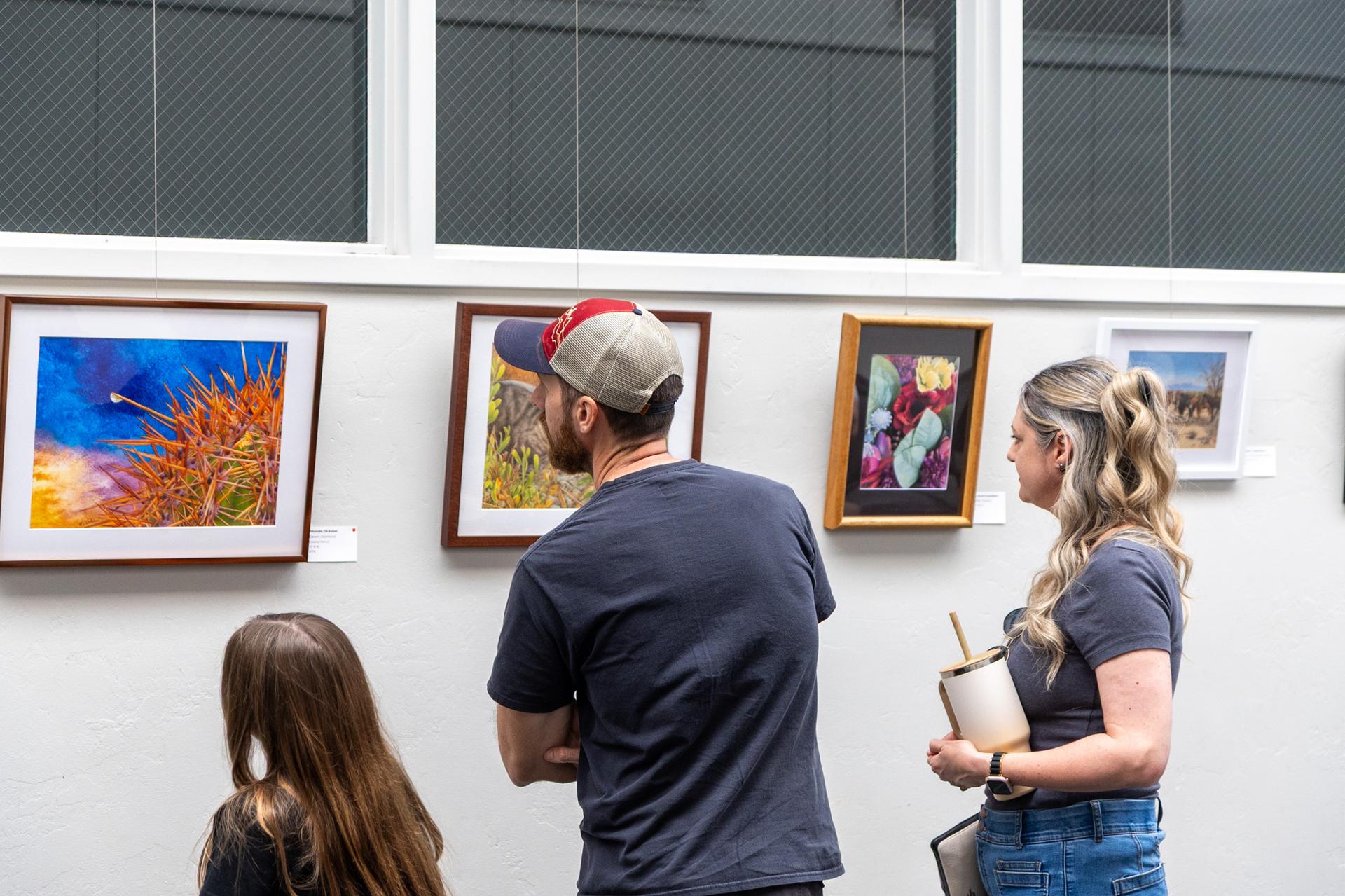
This week at the J began on Sunday with the opening reception of “Rhapsody in Hue” in the Fine Art Gallery. The show beautifully showcases the diverse artistic expression and varying styles of a variety of artists who are part of the Colored Pencil Society of America Phoenix and Tucson chapter. The group strives to elevate the medium, educate others about it, and encourage innovation with the use of colored pencils. Each work on display is a true labor of love and creativity—stop by through April 5 to enjoy them and read more about the show here. Our last show of the 2025-2026 Fine Art Gallery season ends with “Shards and Sparks: Fires of Creation” opening on Thursday, April 16; it’s free and open to the whole community. Join us! 


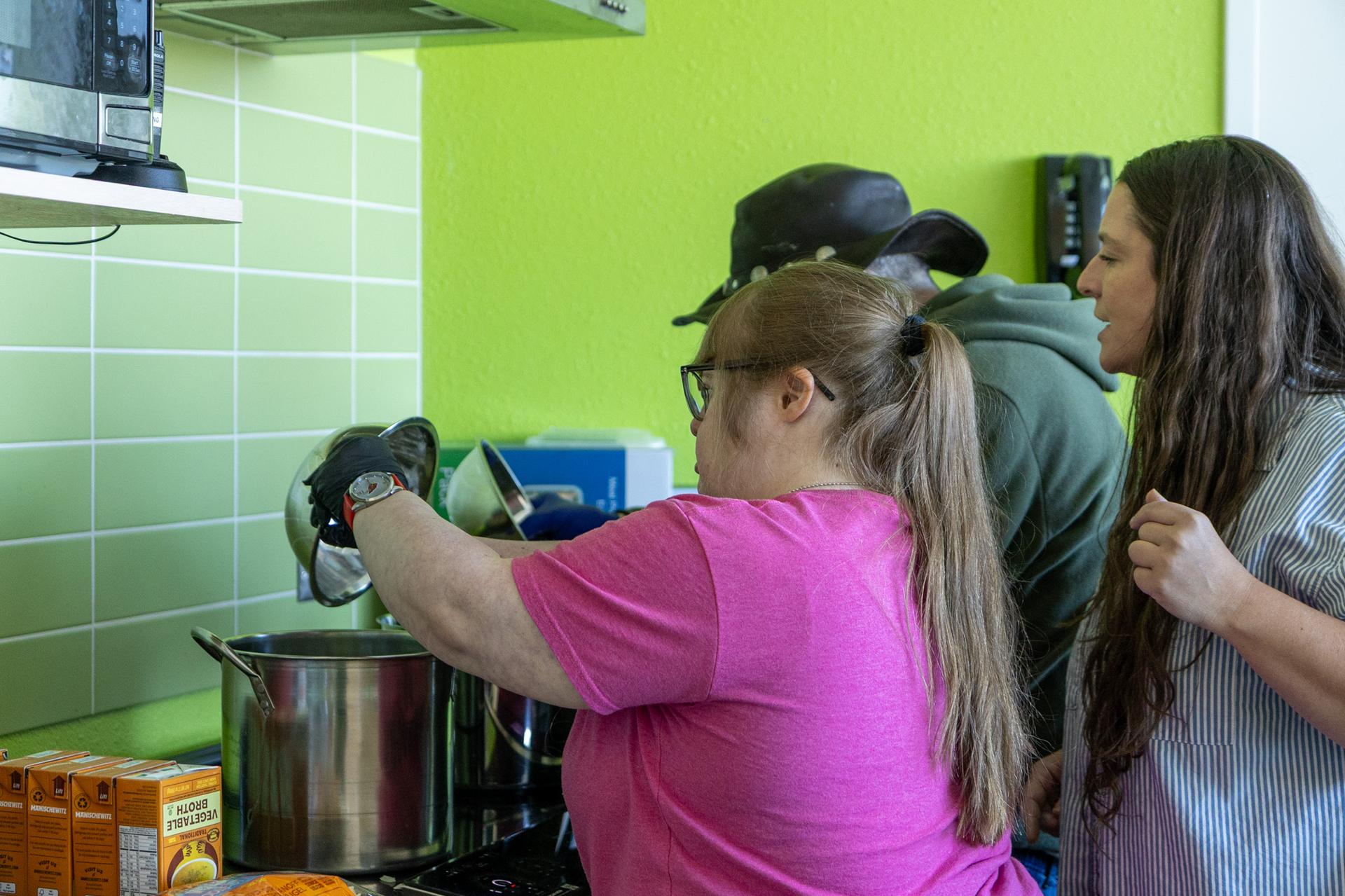
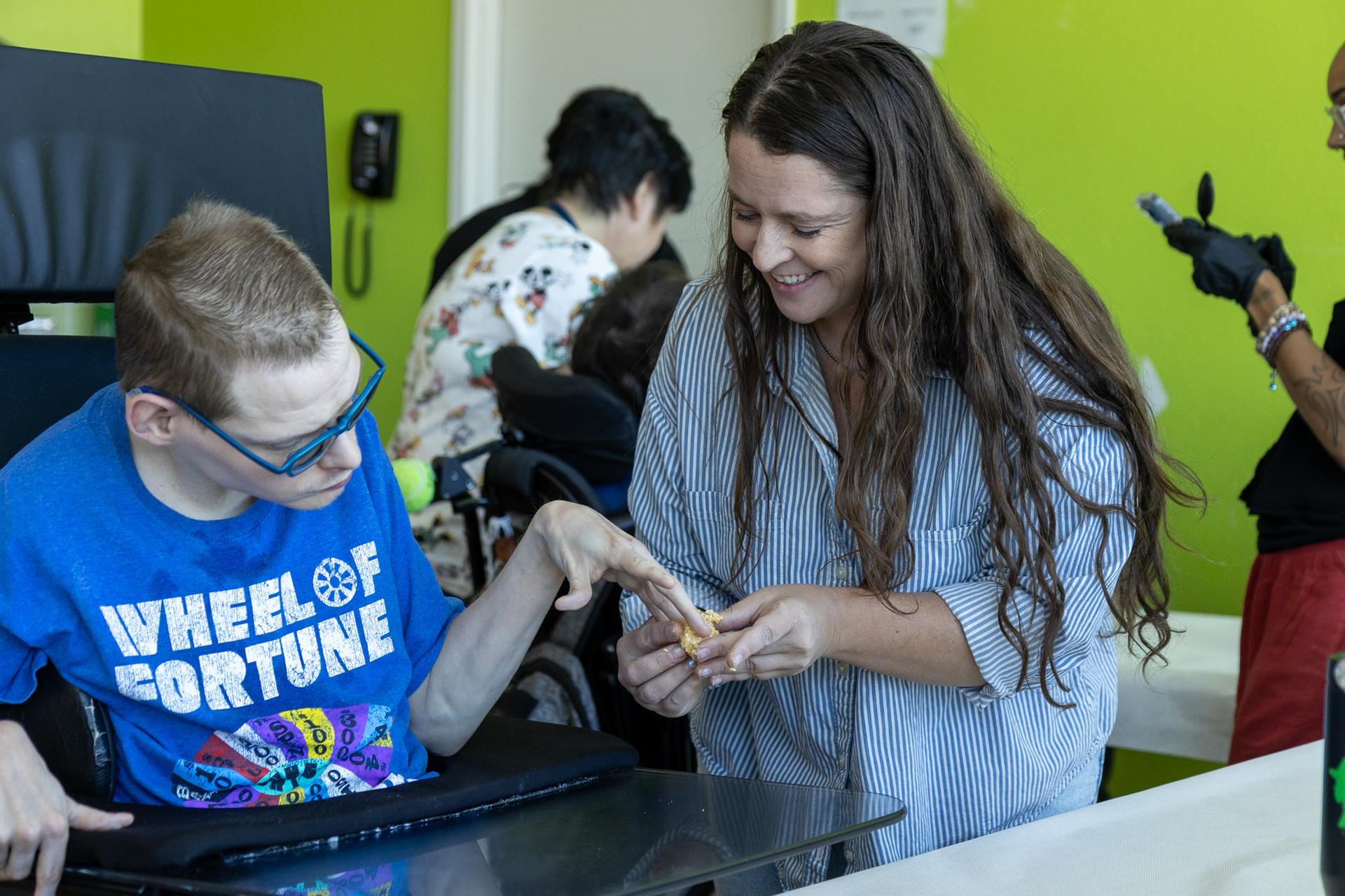
In anticipation of Passover coming soon, kids in our Early Childhood Education program got in the holiday spirit by making homemade Matzah in the demo kitchen. Participants in Disability Program Services Cooking Club got in on the holiday preparation, too, as they learned how to make Matzah Ball Soup with Rachael, the J’s Sr. Director of Marketing, Communications, + PR. Collaborating across departments is one way we strengthen community at the J and utilize our unique gifts and talents. DPS also celebrated the graduation of another Vocational Program intern cohort. Mazel tov to Katie, Tatum, Robin, and Chase for completing 48 hours of job training at our DPS JShop and Coffee Cart! 

Last night, 30 community members gathered together for the first “Partners Tucson: Building Community, One Conversation at a Time” program. The experience was an opportunity to connect with someone new and engage in Jewish learning through conversation. Over a nosh and with provided reading material, chavruta (partners) softened, leaned in, and expressed the thoughts and ideas on their hearts to one another. It is hard to describe the sweetness and joy of the energy in the room, but safe to say we are excited to offer this program on a regular basis. You can register here for the April Partners program focused on the topic of Community + the Dignity of Difference. 


As we move through this season and toward Passover, may we continue to answer the call of Vayikra. Each moment of connection, whether in conversation, creativity, or collaboration, helps shape a community rooted in belonging and care. Wishing you a meaningful Shabbat and a week ahead filled with connection. Shabbat Shalom.

Reminders, Resources + Learning

From the Desk of Rabbi Sara Metz | Congregation Anshei Israel

Shabbat Shalom
Shabbat Shalom

From the Desk of Rabbi Sara Metz | Congregation Anshei Israel

In uncertain times, one of the most powerful things a community can do is build something sacred together.


Today our hearts are with the Temple Israel community in West Bloomfield, Michigan, following the attack at their community. We are grateful for the quick and decisive actions of the security personnel who helped protect the community and save countless lives. When a Jewish community is targeted anywhere, Jews everywhere feel it. We hold the Temple Israel community in our prayers and stand in solidarity with them.


Moments like this remind us how important it is that our communities remain connected, vigilant, and supportive of one another. Here in Tucson, we are deeply grateful for the guidance and leadership of our Jewish community’s Security Director, Chelsea Gutierrez, and the work of JPSA, whose efforts help keep our institutions prepared, protected, and connected.


Jewish tradition has long understood that strong communities do not happen by accident. They are built intentionally, through the care, commitment, and participation of many people.

This week’s Torah portion, Vayakhel–Pekudei, describes exactly that kind of communal effort. It tells the story of the building of the Mishkan, the portable sanctuary the Israelites carried through the wilderness. The Torah emphasizes that the entire community participated. Kol asher nesa’o libo (כׇּל אֲשֶׁר נְשָׂאוֹ לִבּוֹ), every person whose heart was moved brought something.


Some brought gold.

Some spun wool.
Some offered their skill and creativity.

Together they created a place where holiness could dwell.


Commentators note that the building of the Mishkan follows the difficult story of the Golden Calf. The Mishkan offered the people a way to redirect their energy and rebuild their community with purpose and care.


This parsha is also read alongside the special reading for Shabbat HaChodesh, the Shabbat just before the beginning of the month of Nissan, when we begin turning our attention toward Passover. We read the words, “This month shall be for you the beginning of months.” The mitzvah of marking the new moon reminds us that renewal is woven into the rhythm of Jewish time. Even when the moon disappears into darkness, it returns.


That promise of renewal is something the Jewish people have carried with us in every generation, in our communities here and in Israel.


We continue to watch events unfolding in Israel and across the region with deep concern. Our hearts remain firmly with the people of Israel, who show remarkable resilience and courage as they defend their country and their future. We also hold hope that people across the region, including those in Iran and throughout the Arab world who long for peace and stability, will one day live in a Middle East defined by dignity, security, and peace.


May this season bring renewal and strength to our community as we continue building spaces of connection, compassion, and hope together.


Shabbat Shalom.

In this week’s parsha, Vayakhel–Pekudei, we read how an entire community came together to build the Mishkan, each person contributing what they could—their resources, their skills, and their hearts. That spirit of shared responsibility and collective care is animated at the Tucson J every day. Just as our tradition teaches that sacred spaces are built through the participation of many, the J thrives because of the people who show up each week to learn, play, grow, and connect, in both times of celebration and times of sadness. 


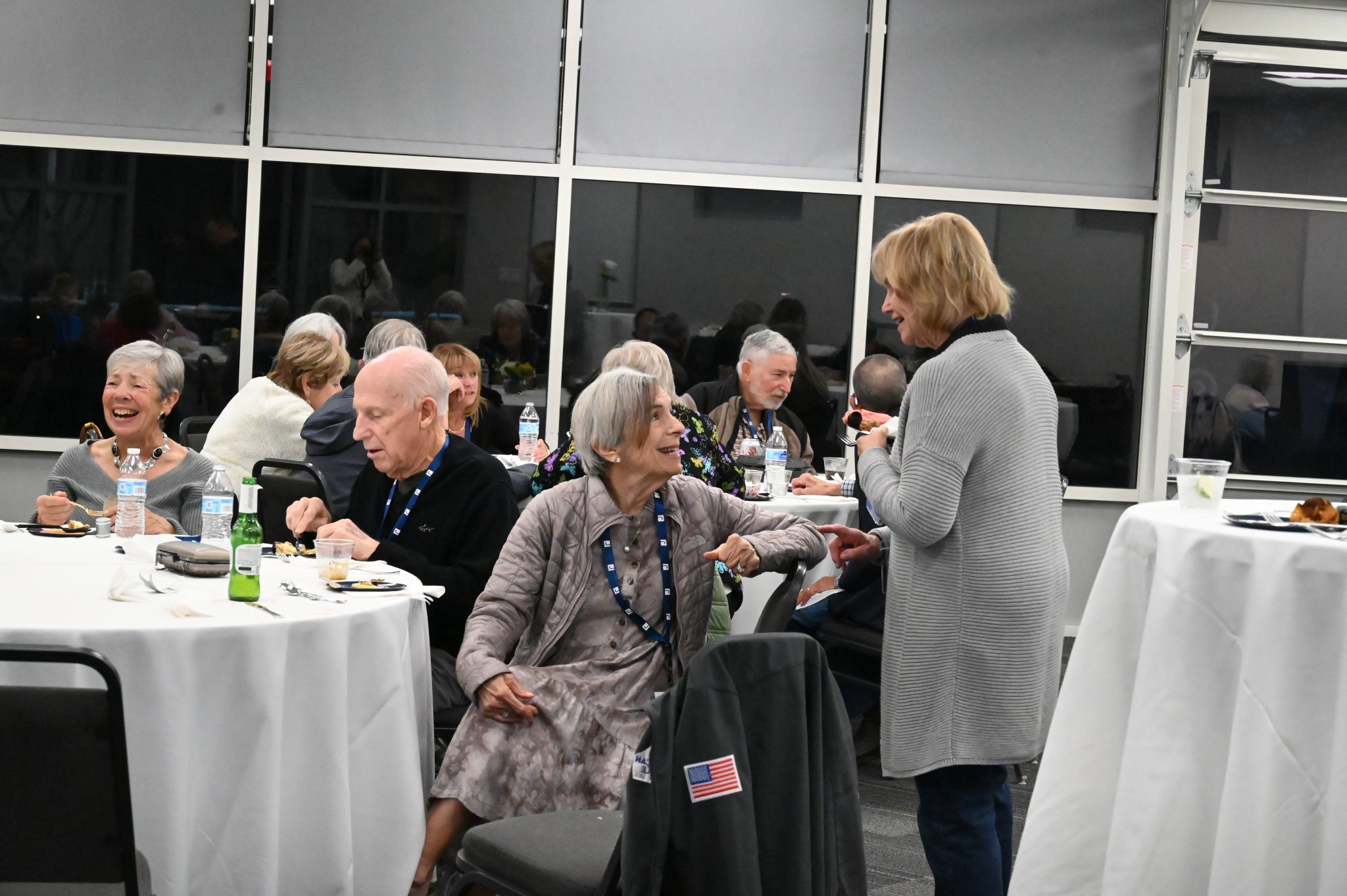
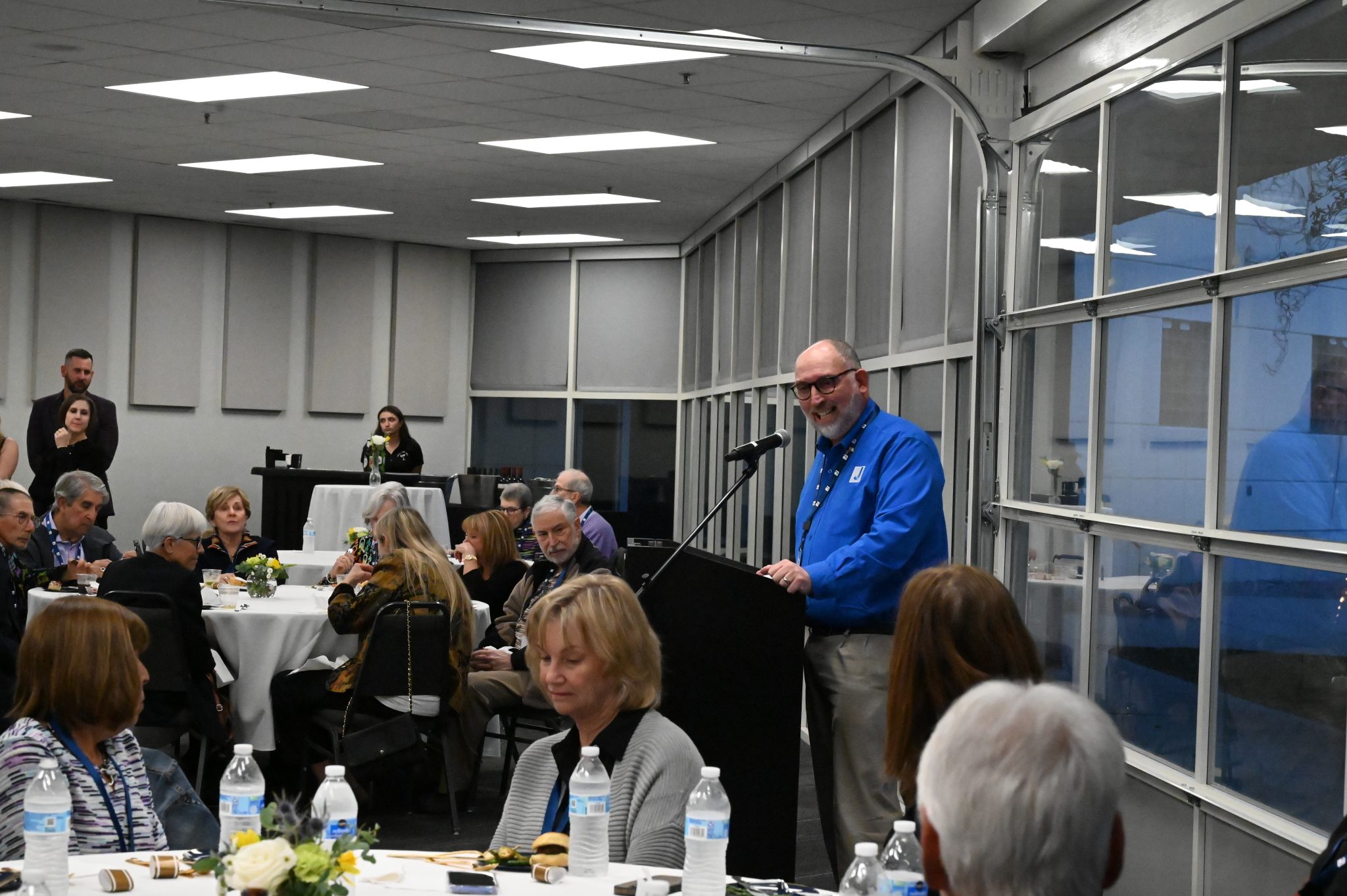
This week at the J, our Stars of Giving—the incredible community of donors whose support makes our sacred work possible—gathered together to celebrate their impact. Board Chair, Caron Mitchell, and President + CEO, Todd Rockoff offered gratitude and inspiration as they reflected on the year behind us and shared about the J’s new five year strategic plan, Kadimah B’Yachad—Forward Together. The six pillars of the plan include: enhancing the J’s role as the heart of Jewish Tucson; investing in new marketing capabilities; growing programming for school-age youth; revitalizing fitness, wellness, and sports and recreation offerings; developing a stronger and more agile technology infrastructure; and exploring campus enhancements. As we work together to realize these pillars in the years ahead, it is with recognition that JCC’s are part of an ecosystem working to strengthen Jewish life collectively through shared goals and collaboration. You can read more about this from Todd in the Times of Israel here. 

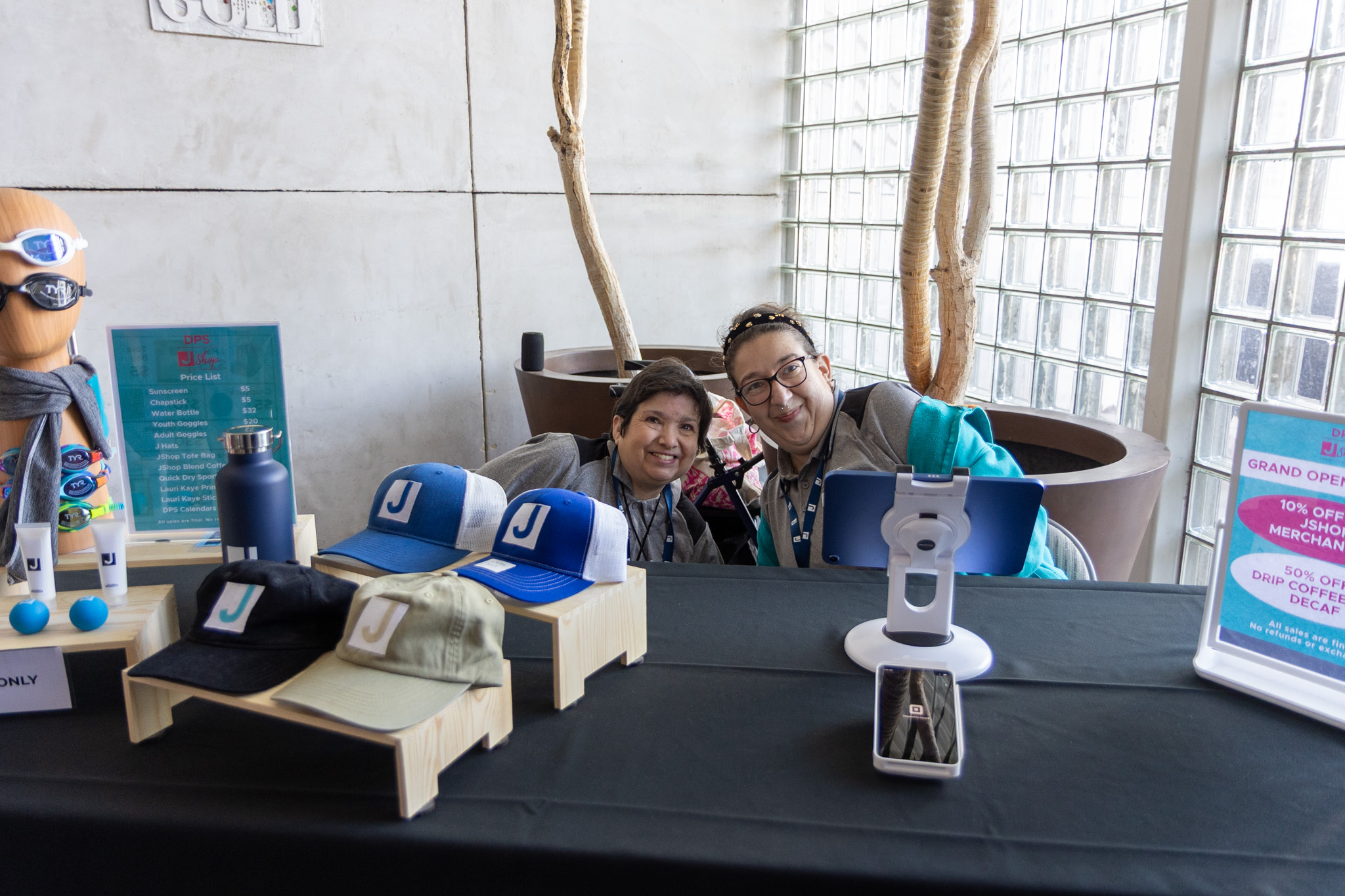
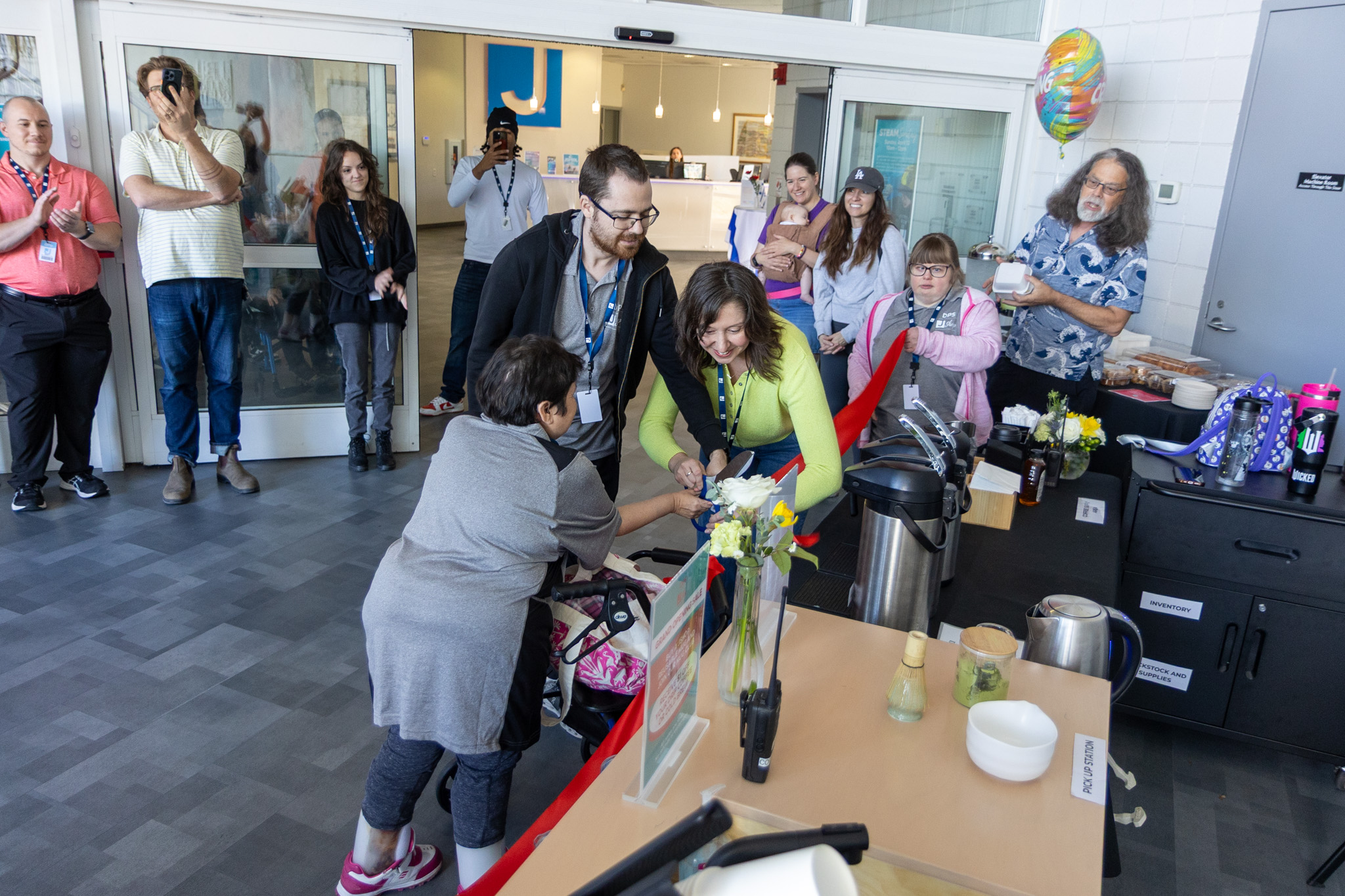
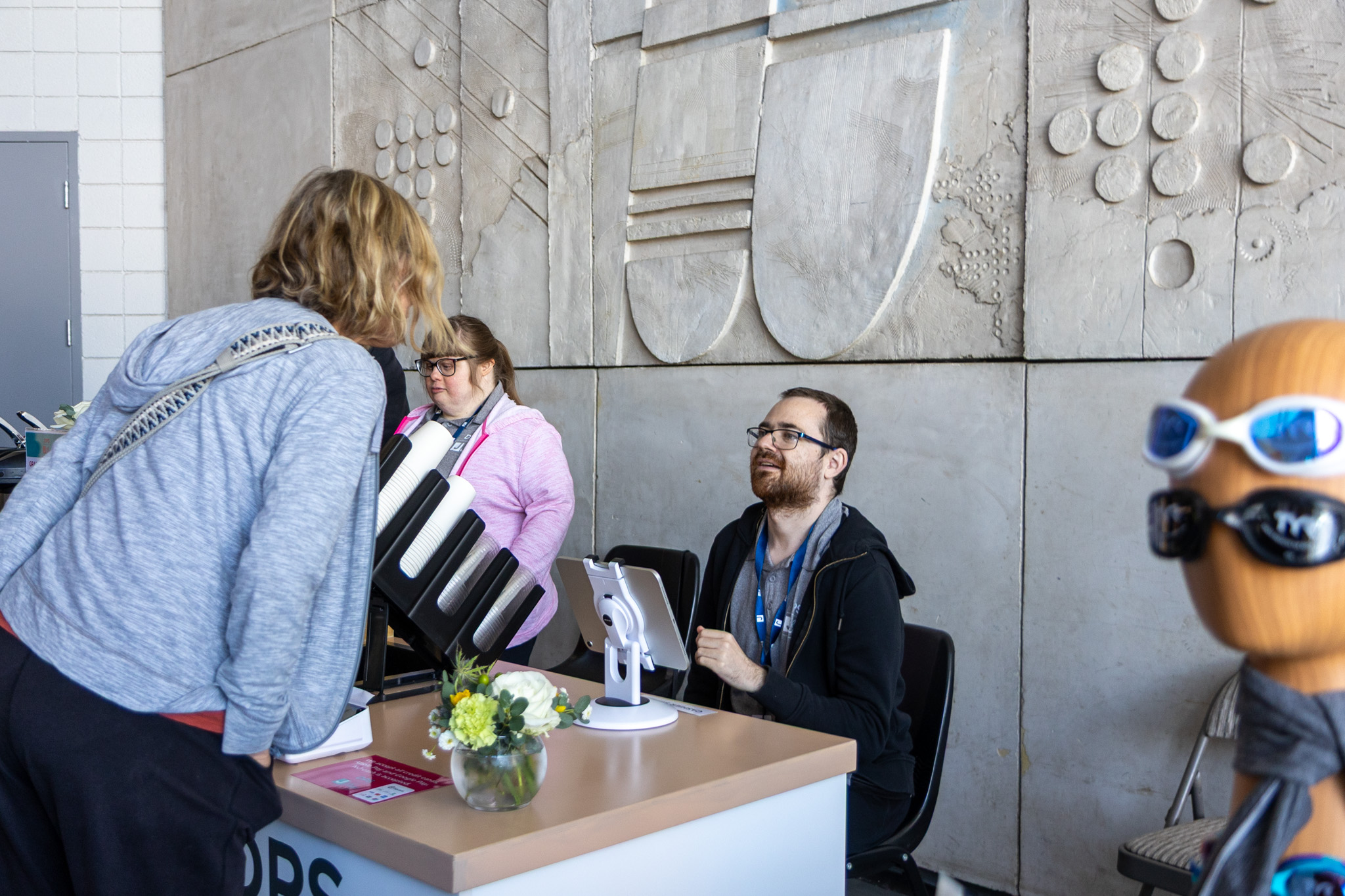
On Thursday, our Disability Program Services department was joined by staff from across the J and many community members for the official Grand Opening of the new JShop Coffee Cart! Everyone enjoyed fresh hot and iced coffee, matcha, and pastries. The Coffee Cart is the second phase in the DPS Vocational Program, coming after the opening of the JShop at the Wellness Desk. The program is a structured, hands-on work readiness opportunity designed to support individuals with disabilities in developing practical employment skills, confidence, and independence. The Coffee Cart and JShop act as internship sites where participants gain real-world experience, supported by an intentional curriculum that enhances their learning. Stop by the Coffee Cart Monday-Thursday from 8:30-10:30am at the main entrance, and the JShop Monday-Thursday from 9:30-11:30am at the Wellness Desk. 


All week, kids from across Tucson spent their Spring Break with us in our School Days Out program practicing the art of watercolor in the art studio, baking cookies in the demo kitchen, splashing around at the pool, moving in the gym and ever-popular bounce houses, watching their favorite movies, and venturing off campus for a field trip to Ben’s Bells. It may only be March but the joy and laughter ringing throughout the building this week got us looking forward to Camp J season—if your kids aren’t yet signed up, don’t wait, spaces are filling up quickly! 


Day by day, week by week, and for long into the future, we show up together to build something meaningful. As we welcome Shabbat, we invite you to reflect on what you bring to our Mishkan—to our community—and know that it matters. 

Reminders, Resources + Learning

From the Desk of Rabbi Avi Alpert | Spiritual Leader, Congregation Bet Shalom

Shabbat Shalom
Shabbat Shalom

From the Desk of Rabbi Avi Alpert | Spiritual Leader, Congregation Bet Shalom

The Red Cow in the Room: Preparing for the Impossible 

We are now less than a month from Passover. For many of us, the cleaning and preparations associated with the “Holiday of Freedom” have already begun. Our weekly Torah cycle is currently tethering us to the reality that this major pilgrimage is on the cusp, and we must begin to plan our Seders, ensuring we invite friends and those in need to join our tables.


This Shabbat is known as Shabbat Parah, distinguished by a special Maftir reading from Numbers 19. This esoteric section of the Torah is admittedly foreign to modern sensibilities. It details the requirement of an entirely red heifer—blemish-free and never having worked—which is slaughtered and burned with cedar, hyssop, and crimson wool. Its ashes, handled with the utmost care and mixed with spring water, were used to ritually purify the people so they could qualify for Temple procedures, specifically the offering of the Korban Pesah.


In his Mishneh Torah, Maimonides classifies this as the ultimate Hok—a divine decree that transcends human logic. It may be perplexing, yet the Torah utilizes this obscure ritual to ready us psychologically for Passover and beyond. While we have not utilized the Parah Adumah for centuries, Jews in synagogues across the globe will still listen intently to the words detailing its preparation.


How do we make sense of this? How can the knowledge of the Red Heifer transform our lives today?


As I write this, we may be witnessing the story of Purim replaying in real-time. Haman’s spiritual successors are being vanquished by the resolve of Israeli and American forces. For generations, we read the Book of Esther as a memory of the distant past. While it has applied to various historical struggles, we have never seen its themes of defense and victory unpacked quite like we are seeing now.


The Purim details are not the only part of our tradition standing to be reworked. Can you imagine our entire people celebrating the Seder in Jerusalem, savoring the actual flavors we were intended to eat, and truly reliving the birth of our nation? To experience the Torah’s richness in its fullest sense, we may need to “embrace the Red Cow in the room.”


The purification that emanates from these ashes need not remain foreign or impossible. Few would have predicted our people returning to our indigenous land, let alone becoming a leading global force in so many areas. If the return to Zion was possible, then the “far-fetched” restoration of our highest spiritual procedures may not be so impossible after all.


Shabbat Shalom.

In this week’s Torah portion, Ki Tisa, we read the dramatic story of the Golden Calf. Faced with uncertainty while Moses is away on Mount Sinai, the Israelites search for something tangible to bring them together. The Torah reminds us how deeply people long for connection, meaning, and shared purpose. At the Tucson J that same human desire—to gather and to belong—lies at the heart of our work. The J is a place where our community comes together to learn, to celebrate, to support one another, and to bring Jewish values to life in meaningful ways. Like the Israelites encamped together in the wilderness, we continue to build a vibrant and welcoming community where everyone belongs. 


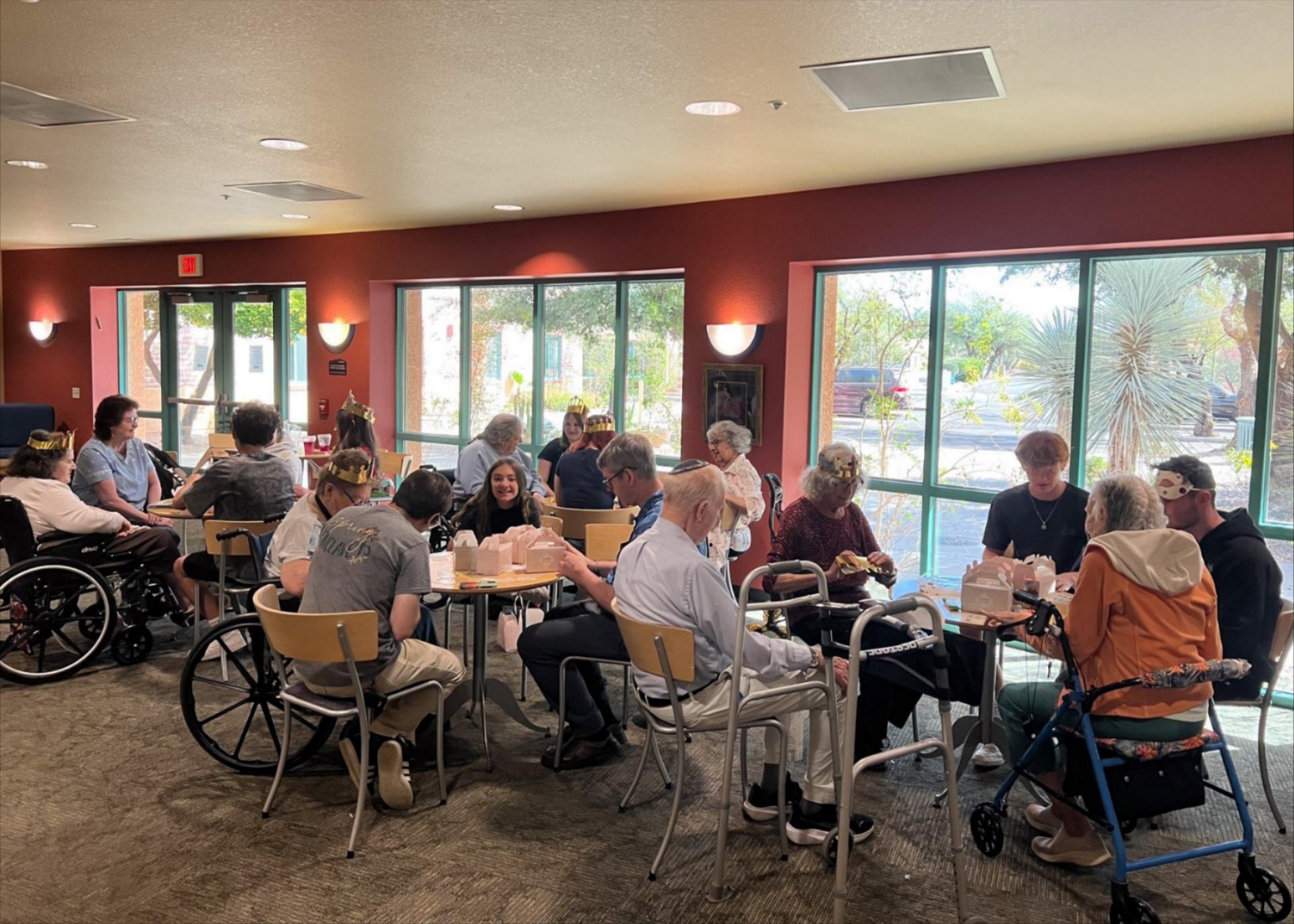
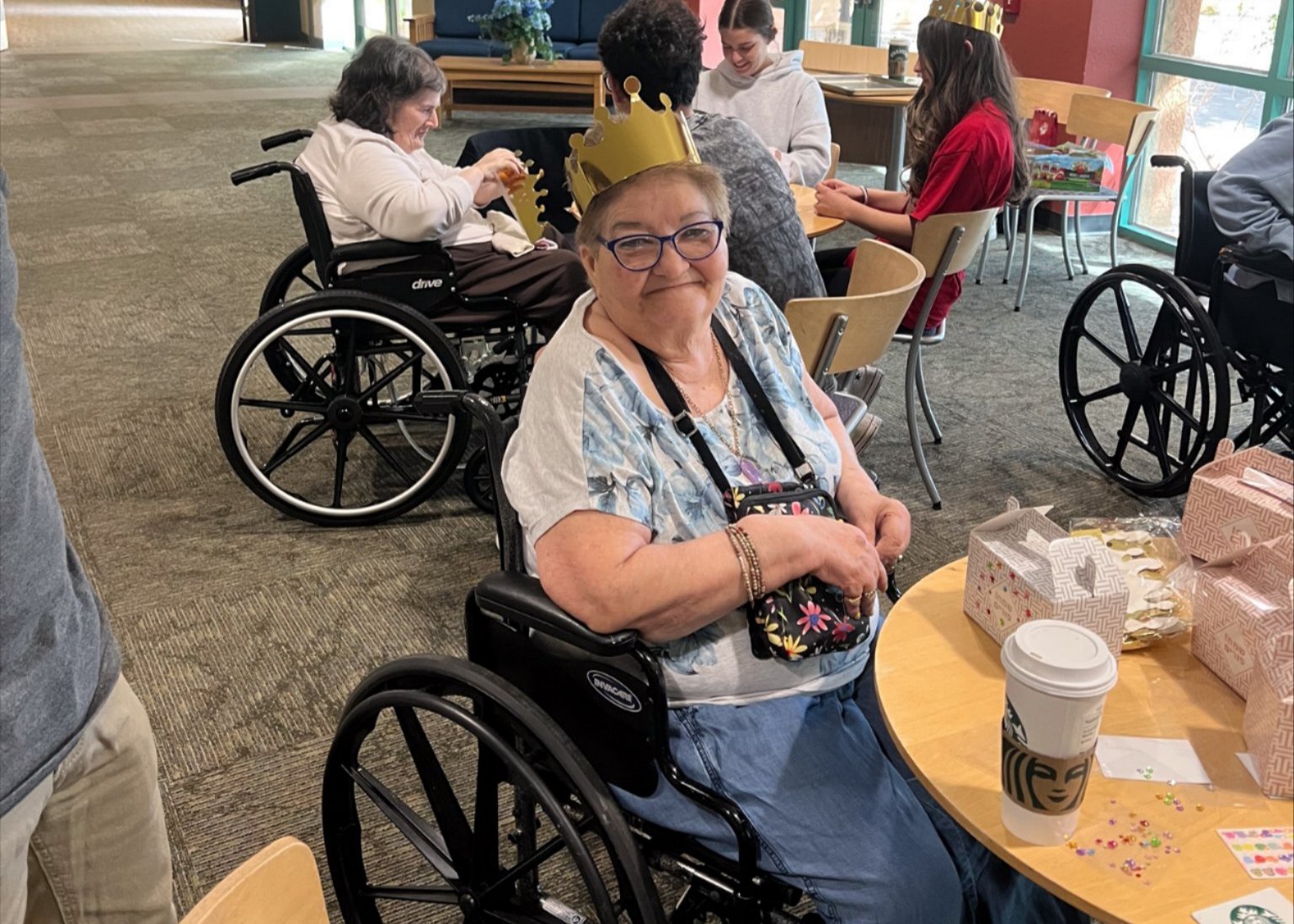
This week at the J, we celebrated the joyful holiday of Purim! On Sunday, BBYO teens gathered with their friends at Handmaker Jewish Services for the Aging for their last Better Together program to exchange mishloach manot (gifts of food)—one of the four mitzvahs of the holiday—and decorated masks and crowns. After four meaningful years, the Better Together program is coming to a close, but our partnership with Handmaker will continue in new ways. 


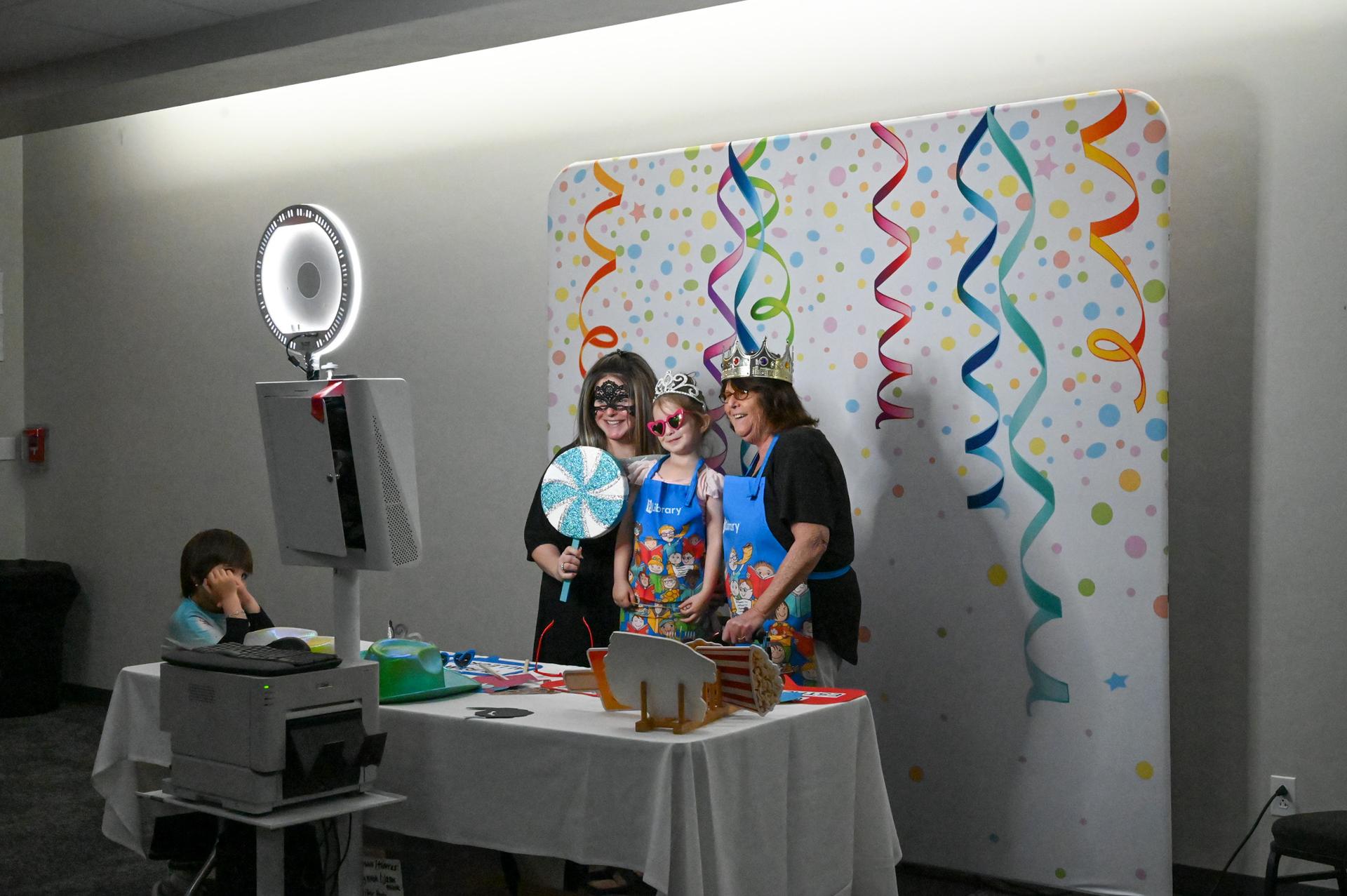
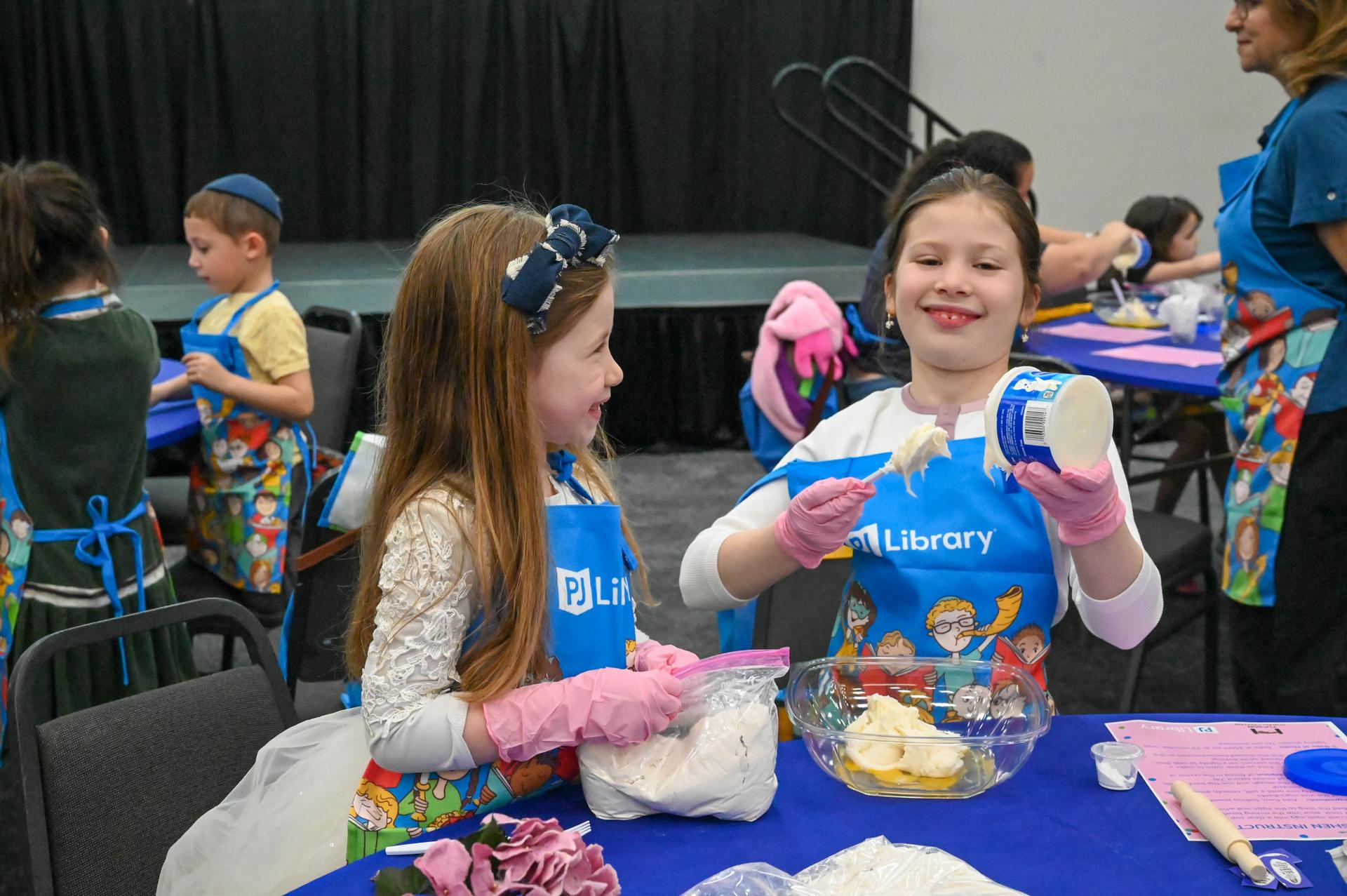
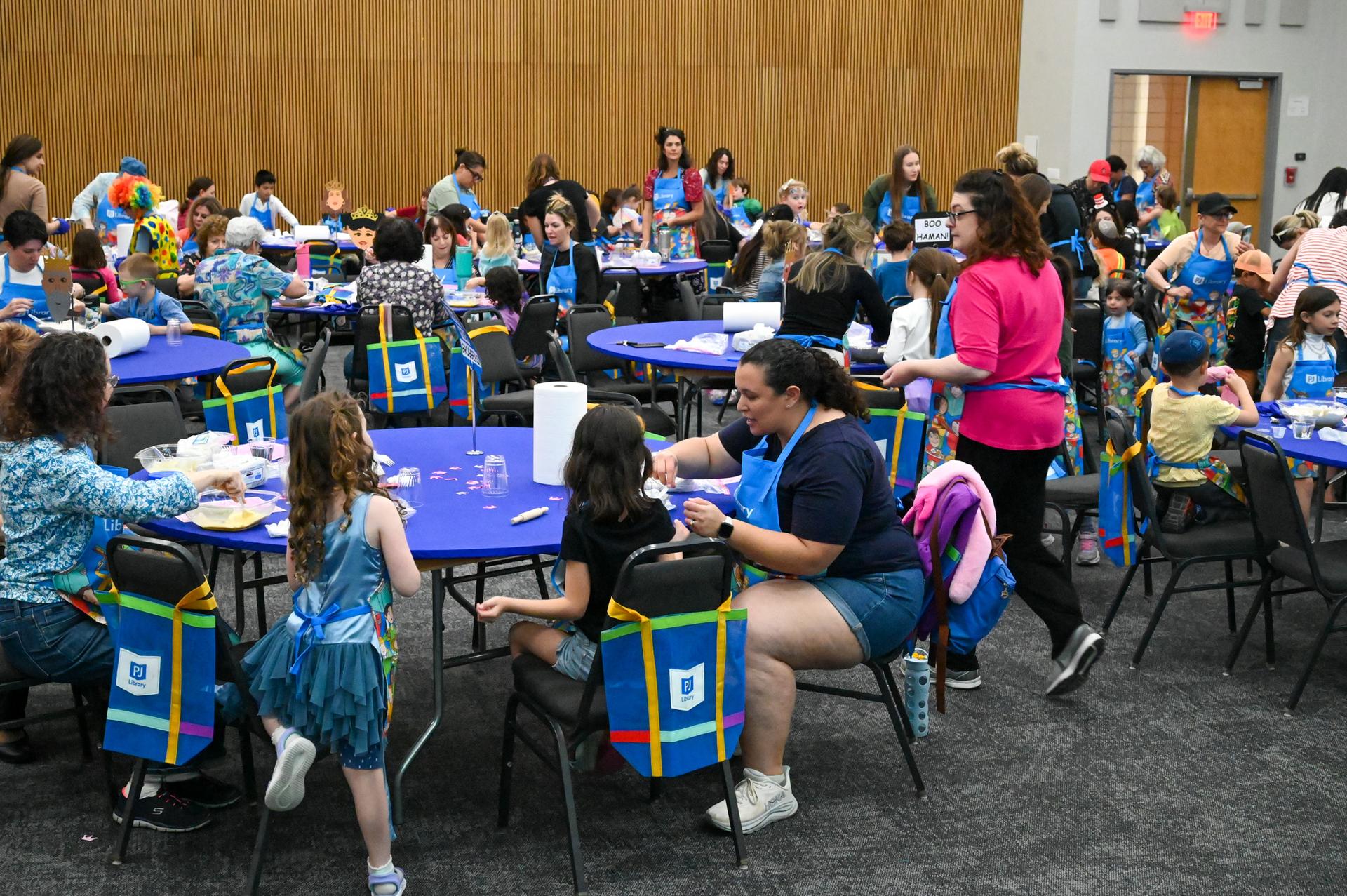
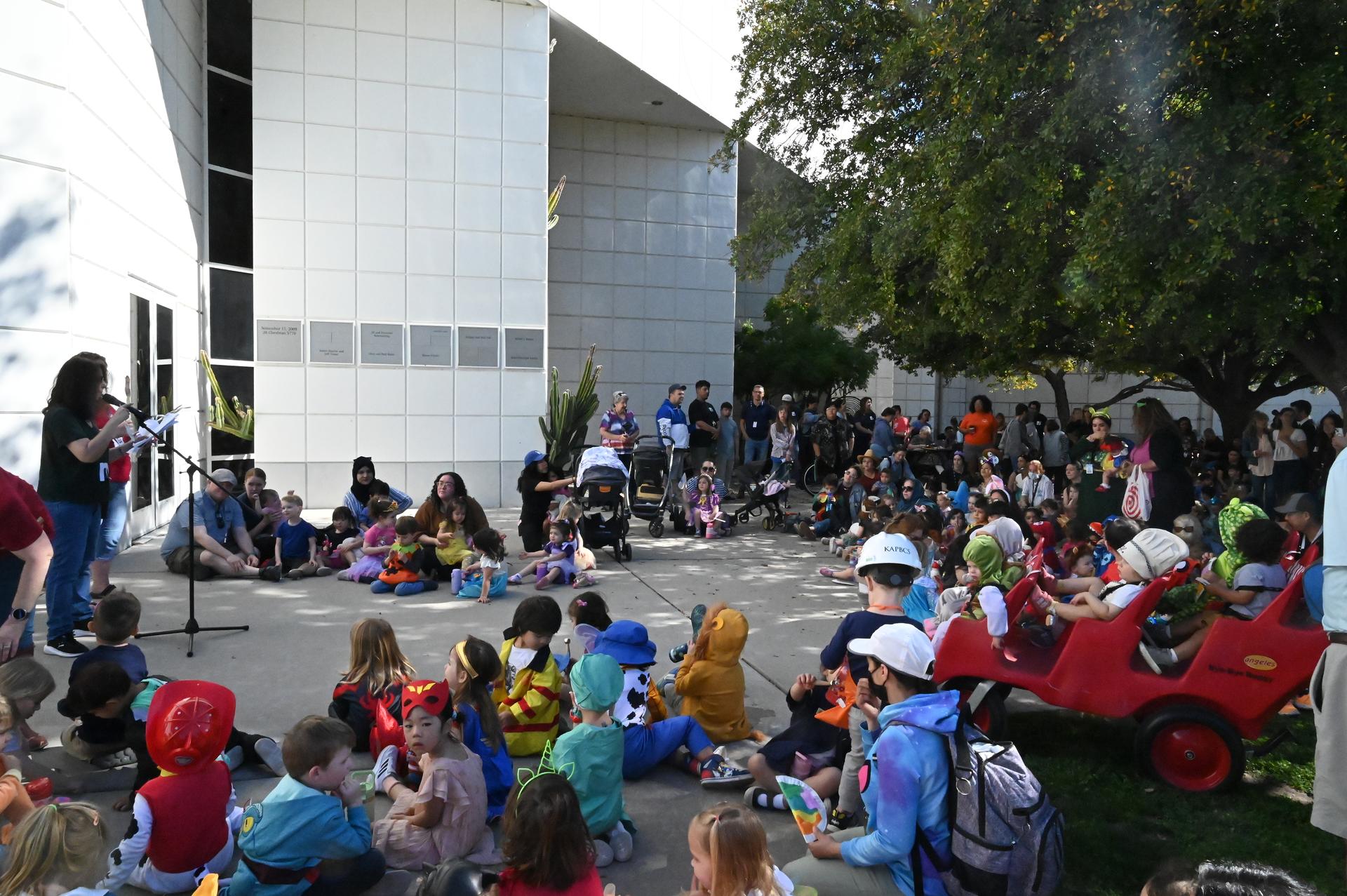
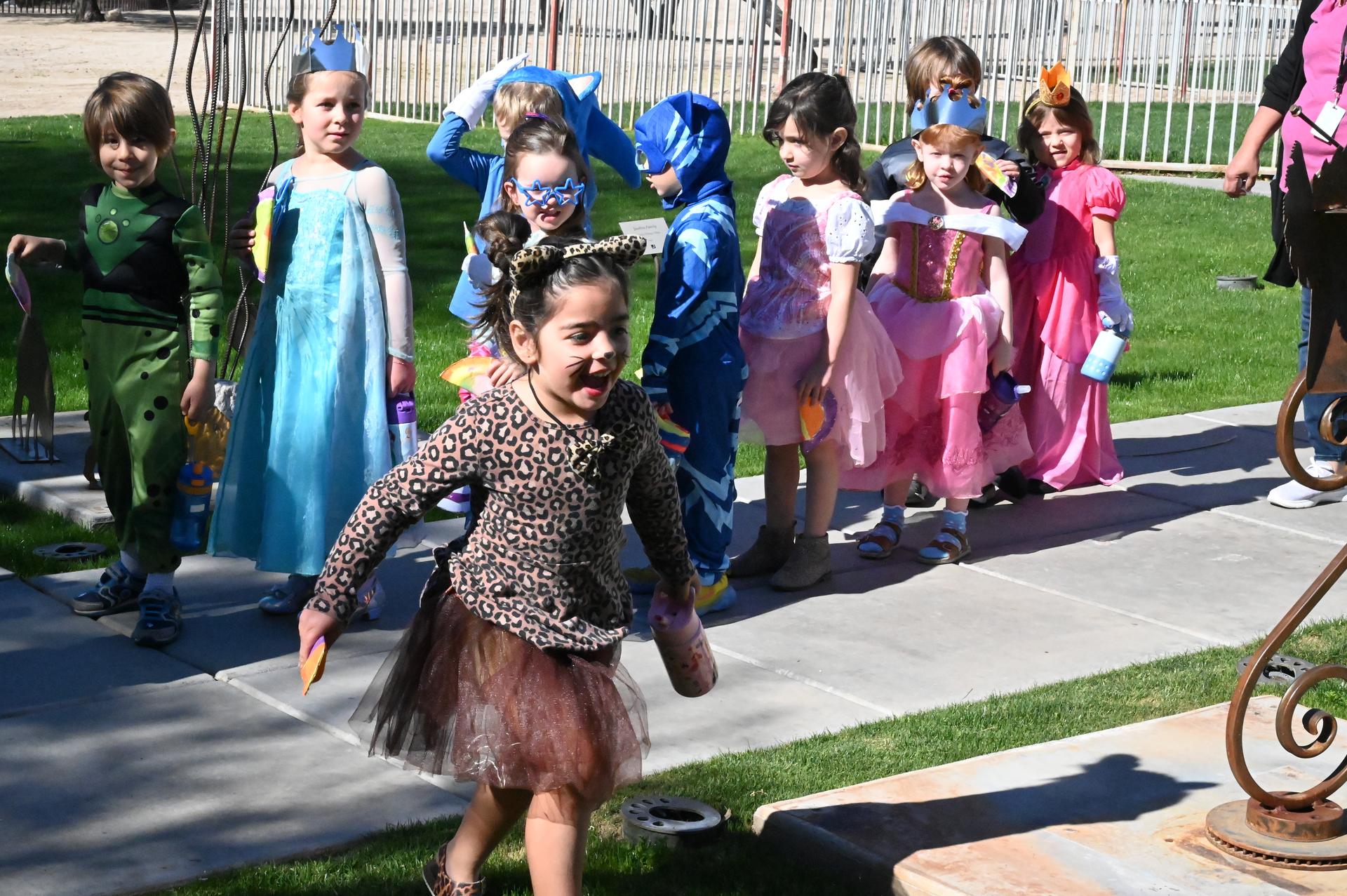
Also on Sunday, we were proud to host the Tucson Torah Center and PJ Library Hamantasch Bake, with over 50 families in attendance and hundreds of delicious cookies baked at home after mixing, kneading, filling, and shaping together in costume and community. Purim festivities continued on Monday with the Early Childhood Education Purim Parade and Carnival! 

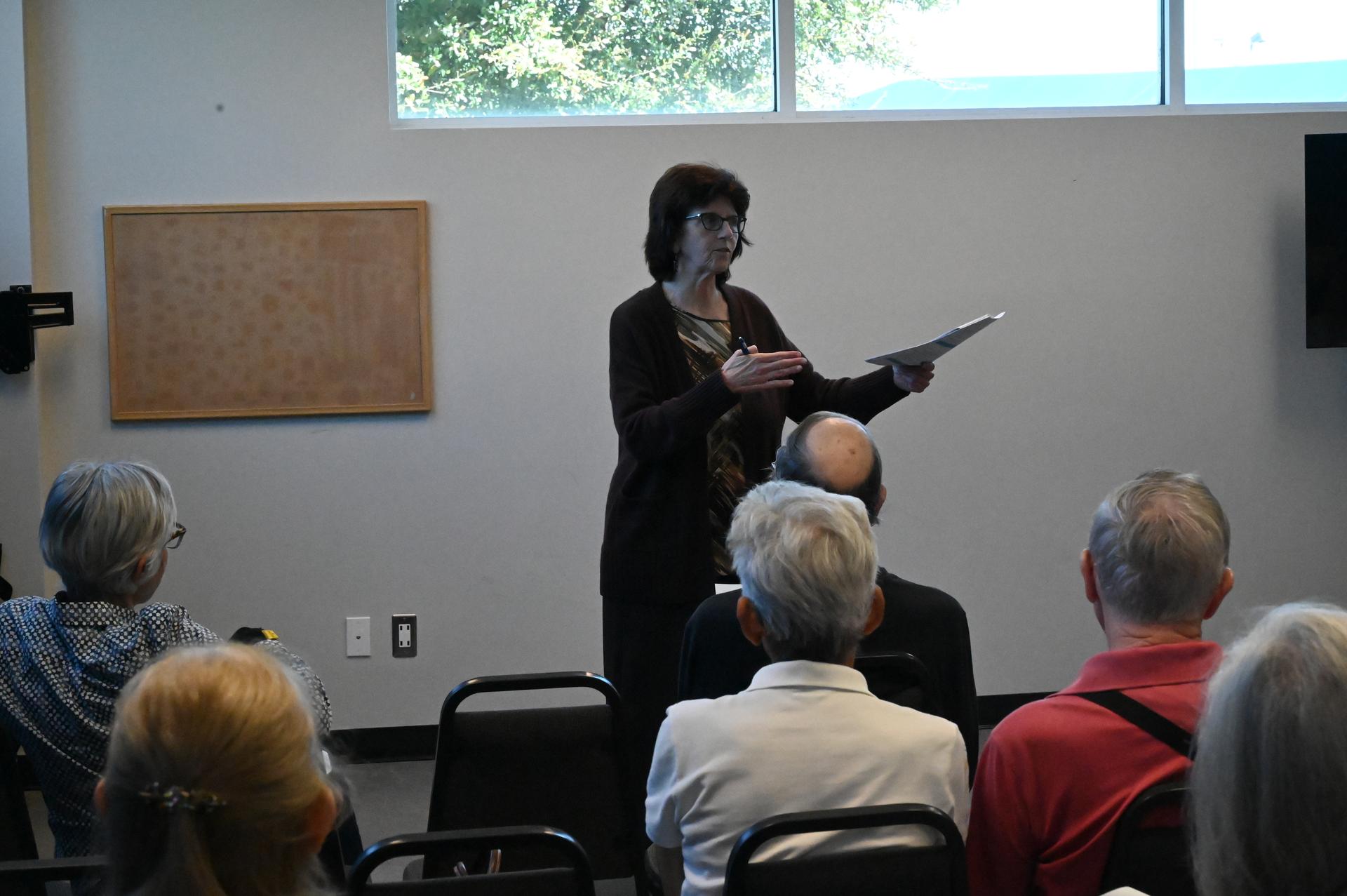
On Tuesday, Linda Travis, Psy.D, Director of Healthy Aging, led the final of four sessions of our “Aging + Social Connections: Let’s Get Together + Talk” series. The sessions were free and designed to foster connection and provide support to older adults and caregivers navigating the complexities of aging. Beginning mid-January, the sessions focused on the importance of social relationships and friendship in the later stages of life. 


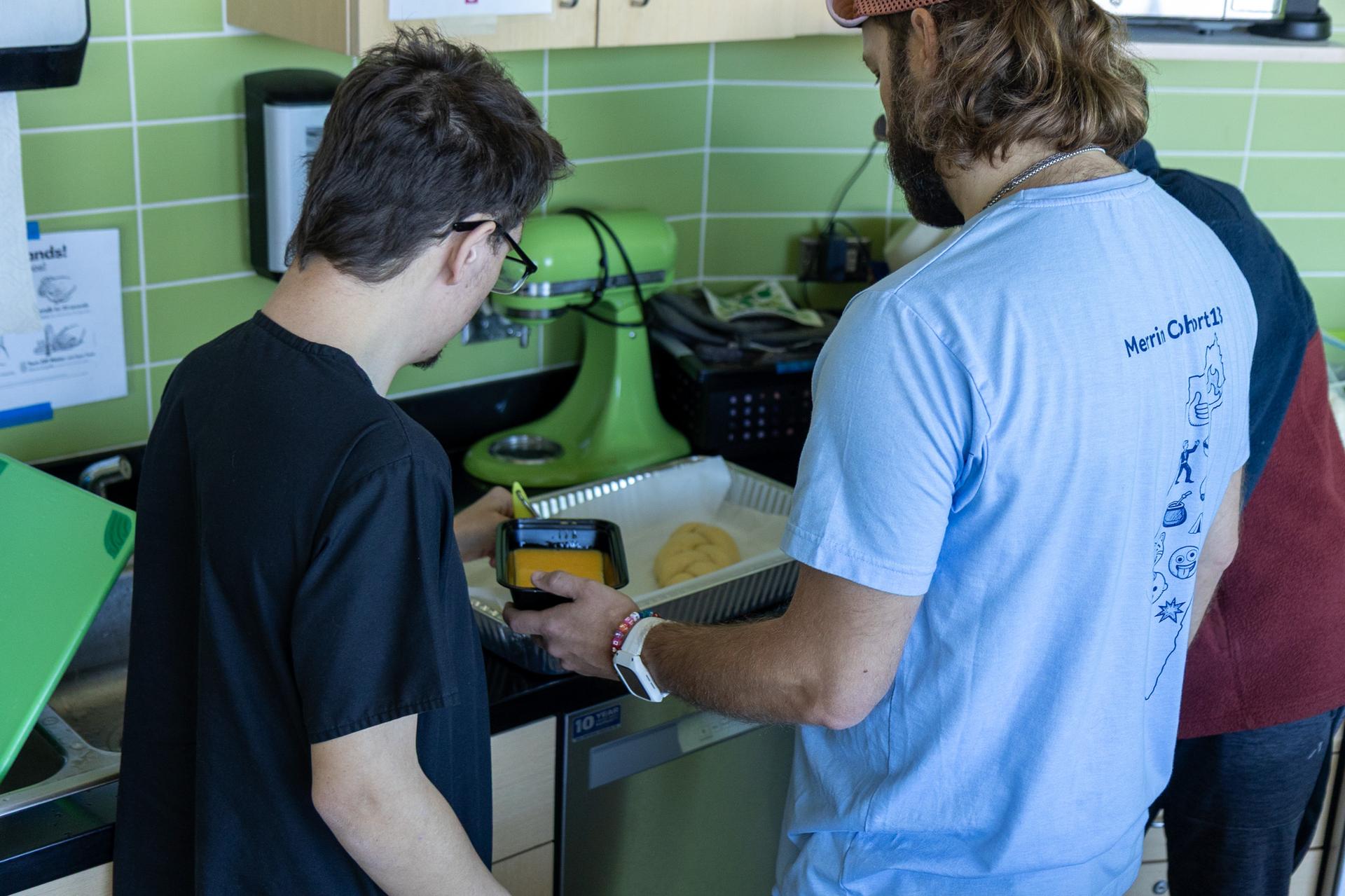
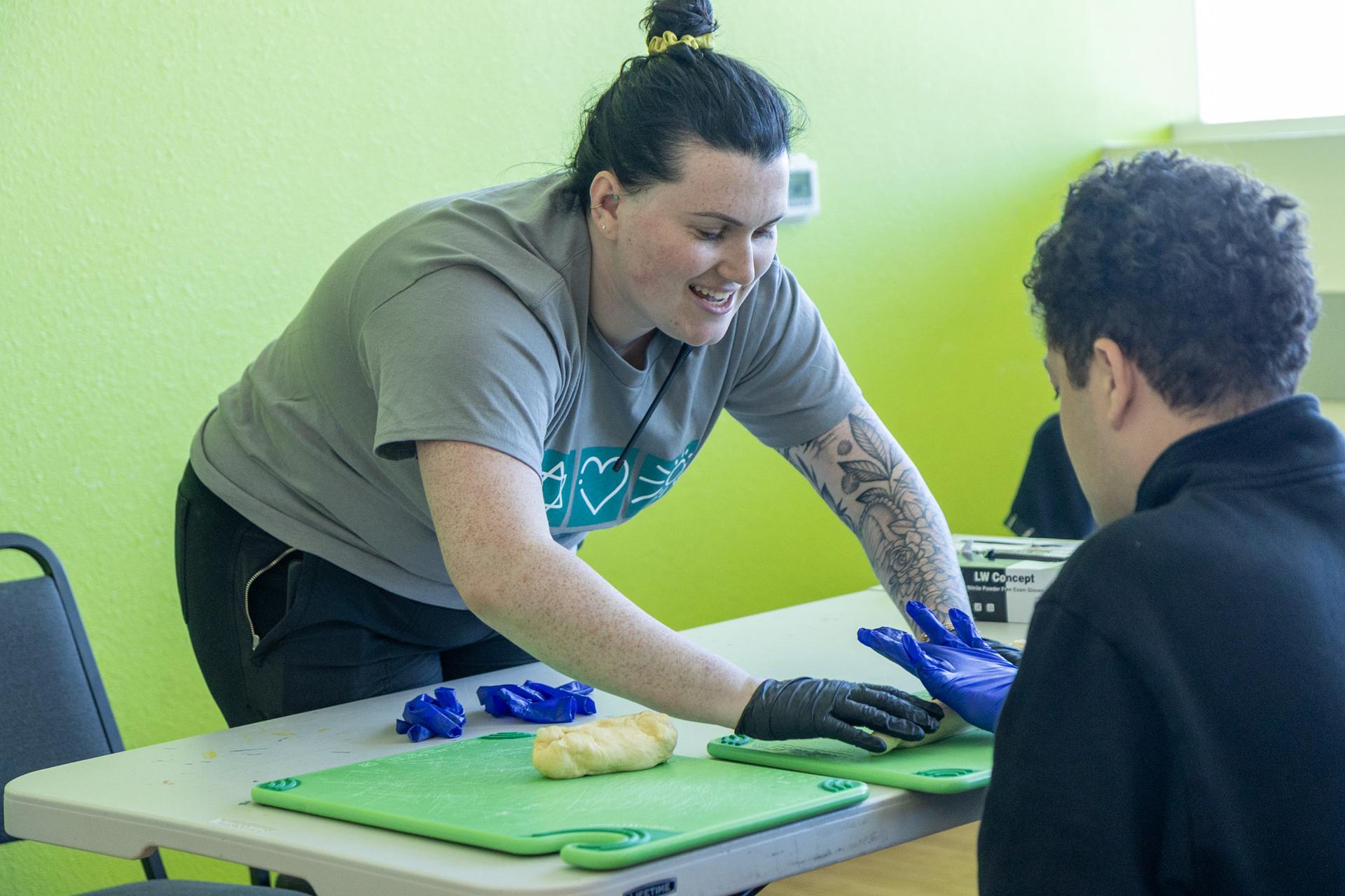
Just today, Disability Program Services participants honed their life skills in Cooking Club with special guest, Davis Hubbell, our Director of Teen Engagement who had a past career as a baker! Together, the group learned how to make Challah and Pita Bread—and shared the results with staff across the building! 


As we reflect on the moments of belonging and connection that shaped our week here at the J, we recognize the many people who make that possible, including you! Shabbat Shalom. Thank you for being part of our community. 

Reminders, Resources + Learning

From the Desk of Jennifer Lorch Selco | Sr. Director of Jewish Life + Engagement

Shabbat Shalom
Shabbat Shalom

From the Desk of Jennifer Lorch Selco | Sr. Director of Jewish Life + Engagement

In this week’s Torah portion, Tetzaveh (Further Instruct), we learn that we should bring pure olive oil to light the Ner Tamid (Eternal Flame) above the ark. Aaron and his sons are selected to be priests. God tells Moses to make special clothes for the priests and Aaron and his sons are ordained and instructed in daily rituals.  
 

In reference to the Ner Tamid, Rabbi Ana Bonheim teaches that “we Jews are custodians of a personal ner tamid. [This idea] is also reflected in a teaching from Itturei Torah: ‘Every Jew must light the ner tamid in his own heart.’ The ner tamid can thus be a link for us — from the biblical Tabernacle to the modern-day synagogue to our own internal worlds. It reminds us that each of us has our own ner tamid, an ever-present flame for us to access when we need it most, waiting for us to bring mitzvot into the world, limitless in its capacity for kindling and sharing.”
 

How beautiful an interpretation that each of us carries an internal light within us. The Eternal flame is always there, whether in times or normalcy or times of darkness (when perhaps we might feel it the most). May the eternal flame we each hold in our own hearts inspire us to bring goodness, joy and compassion into our world.

The Ner Tamid we learn of in parsha Tetzaveh symbolizes the divine presence of God, which, as this week’s reflection shares, also lives in each of us. Here at the Tucson J, our work is to tend that flame. Just as Aaron and the priests were called to sacred service, we too are called to show up for one another with care and intention. Through the programs we create, the connections we foster, and the moments of learning, wellness, celebration, and support that fill our campus, the J strives to be a place where every person’s inner light is nurtured and strengthened.


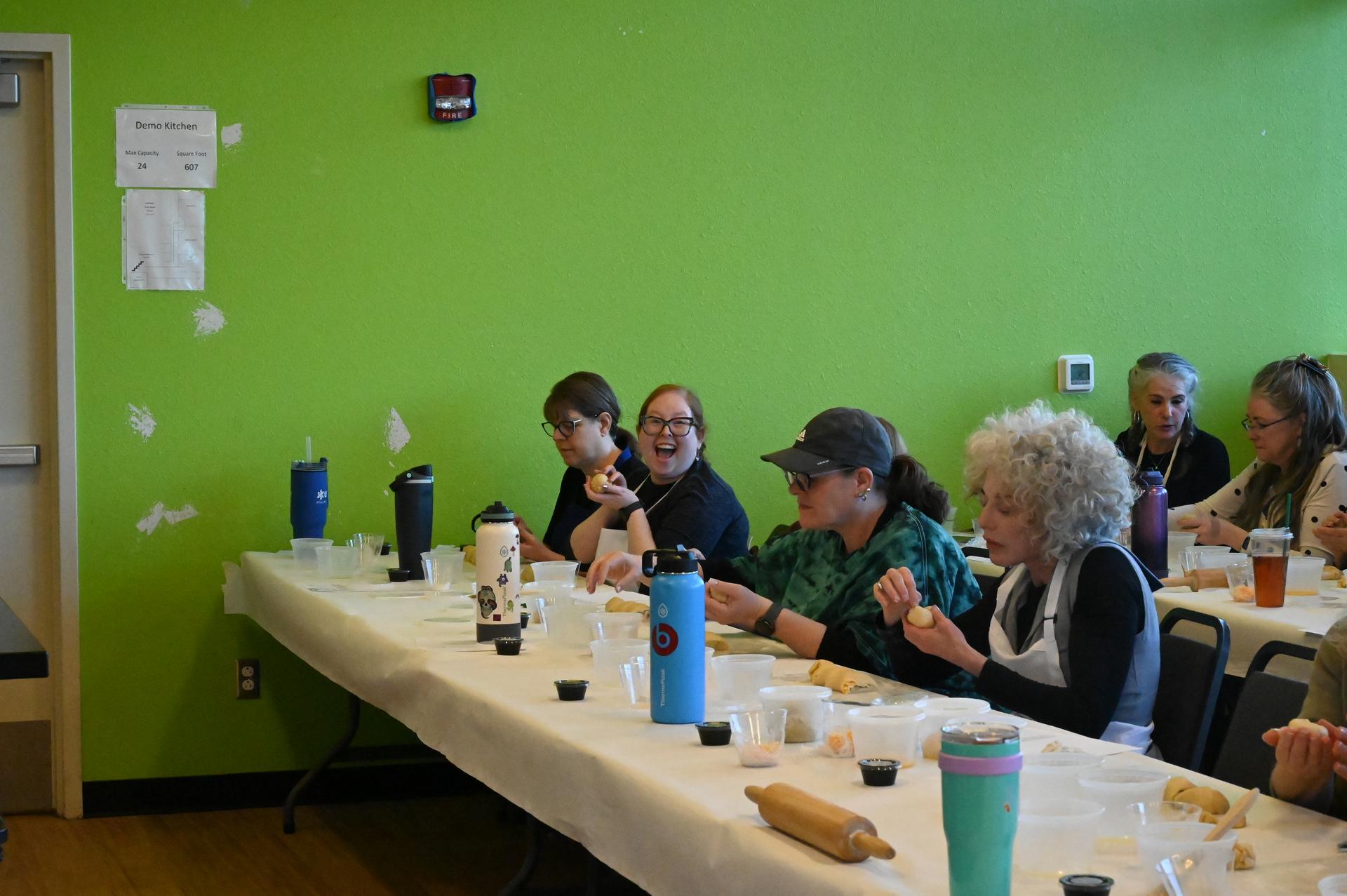
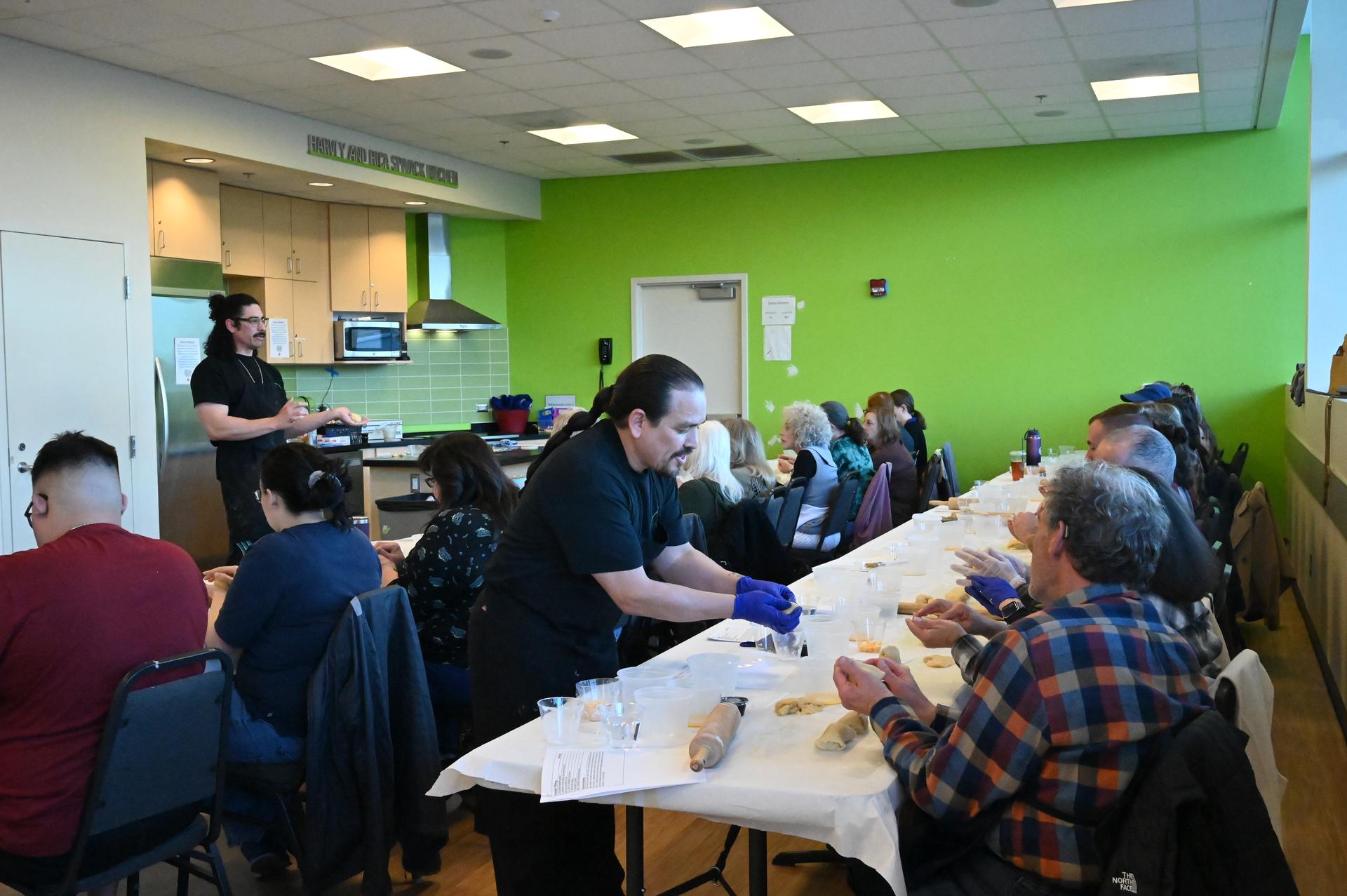
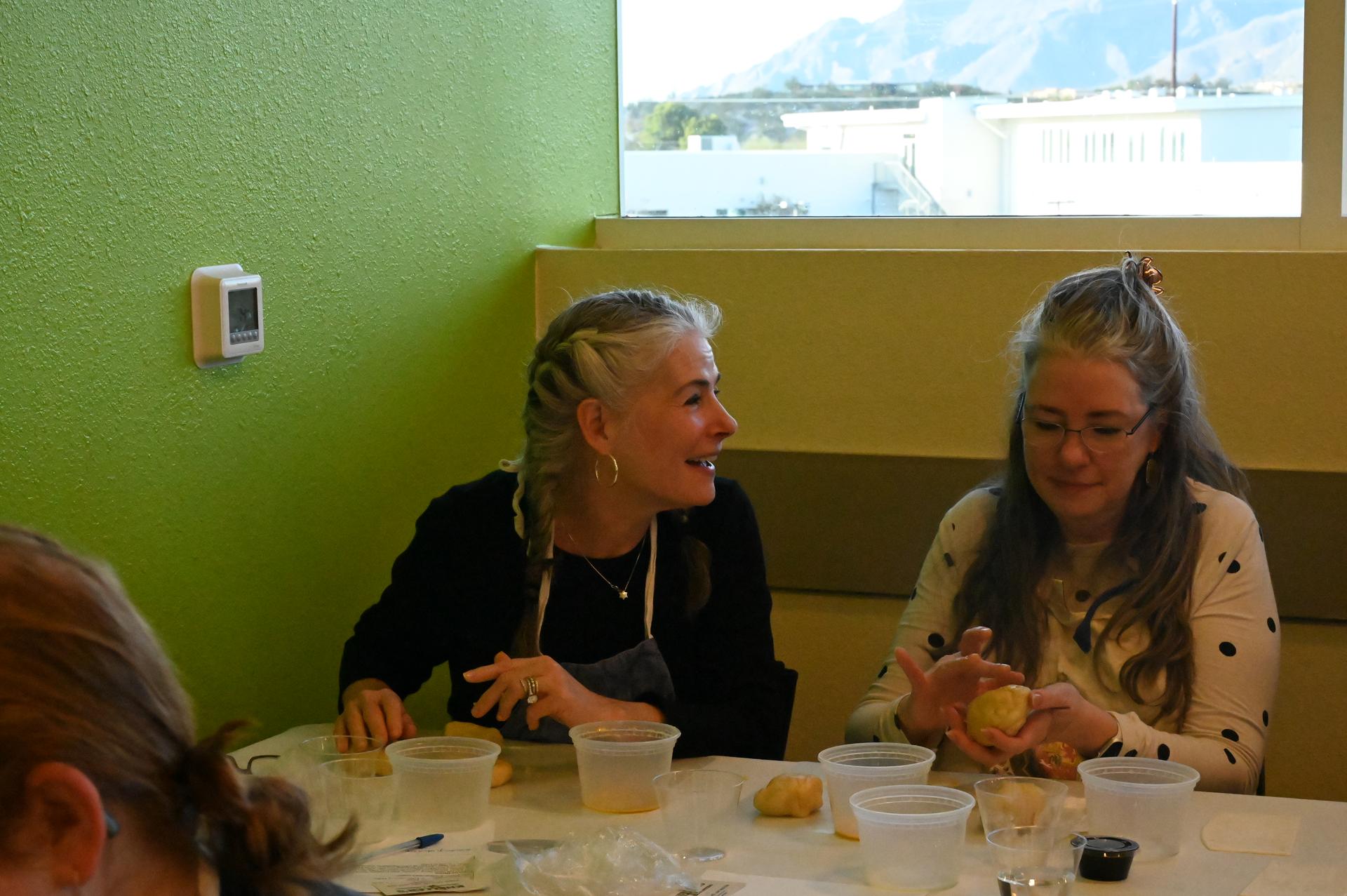
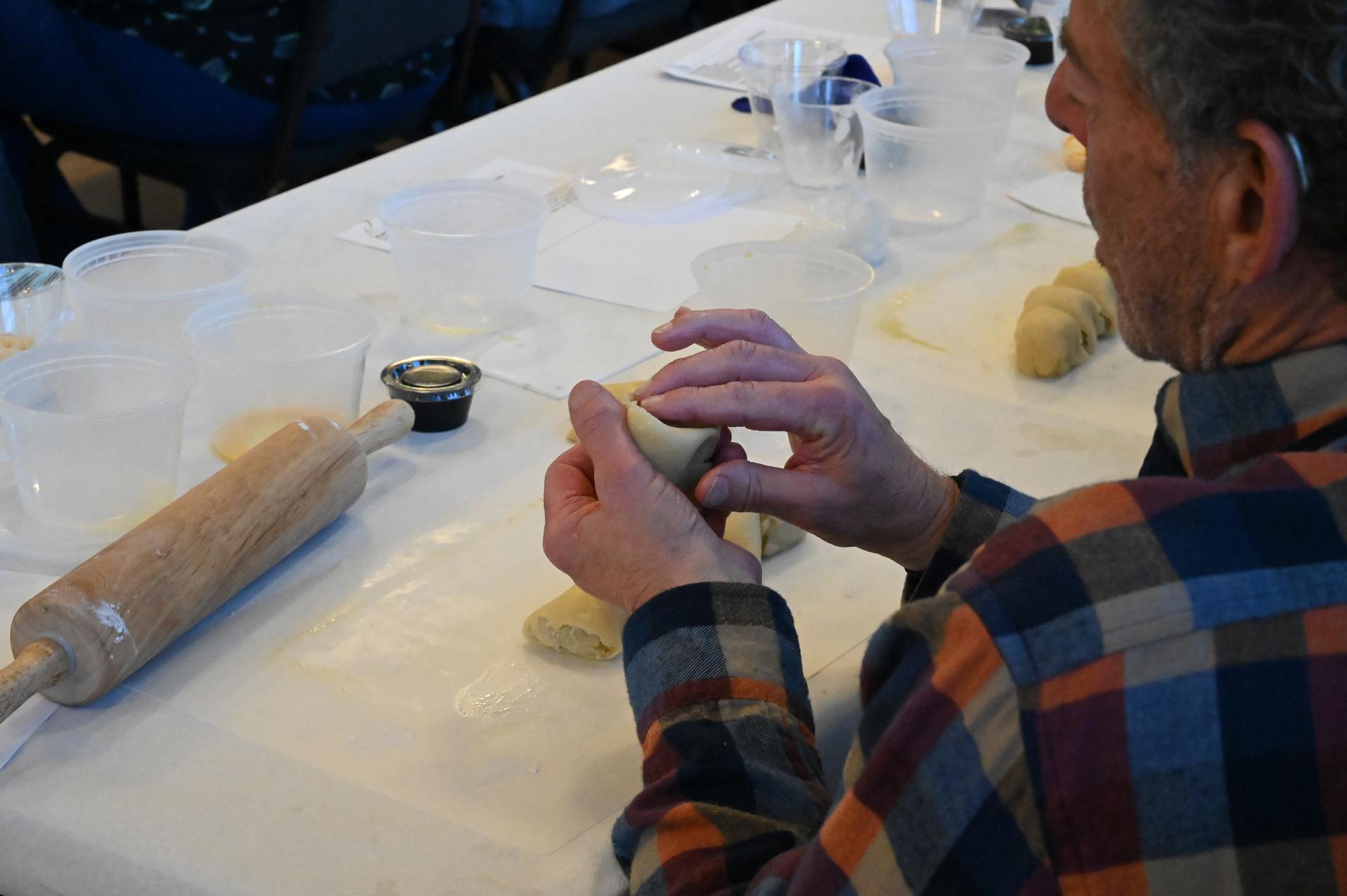
We ended the week last Friday with a sold-out Knish-Making Workshop with Jeremy Kneller-Hernandez, the chef and owner of Kneller’s Delicatessen. Forty community members gathered in our demo kitchen to shape, stuff, and taste delicious potato knishes, exploring their culinary skills and experiencing one of the best parts of Jewish culture: the food! 


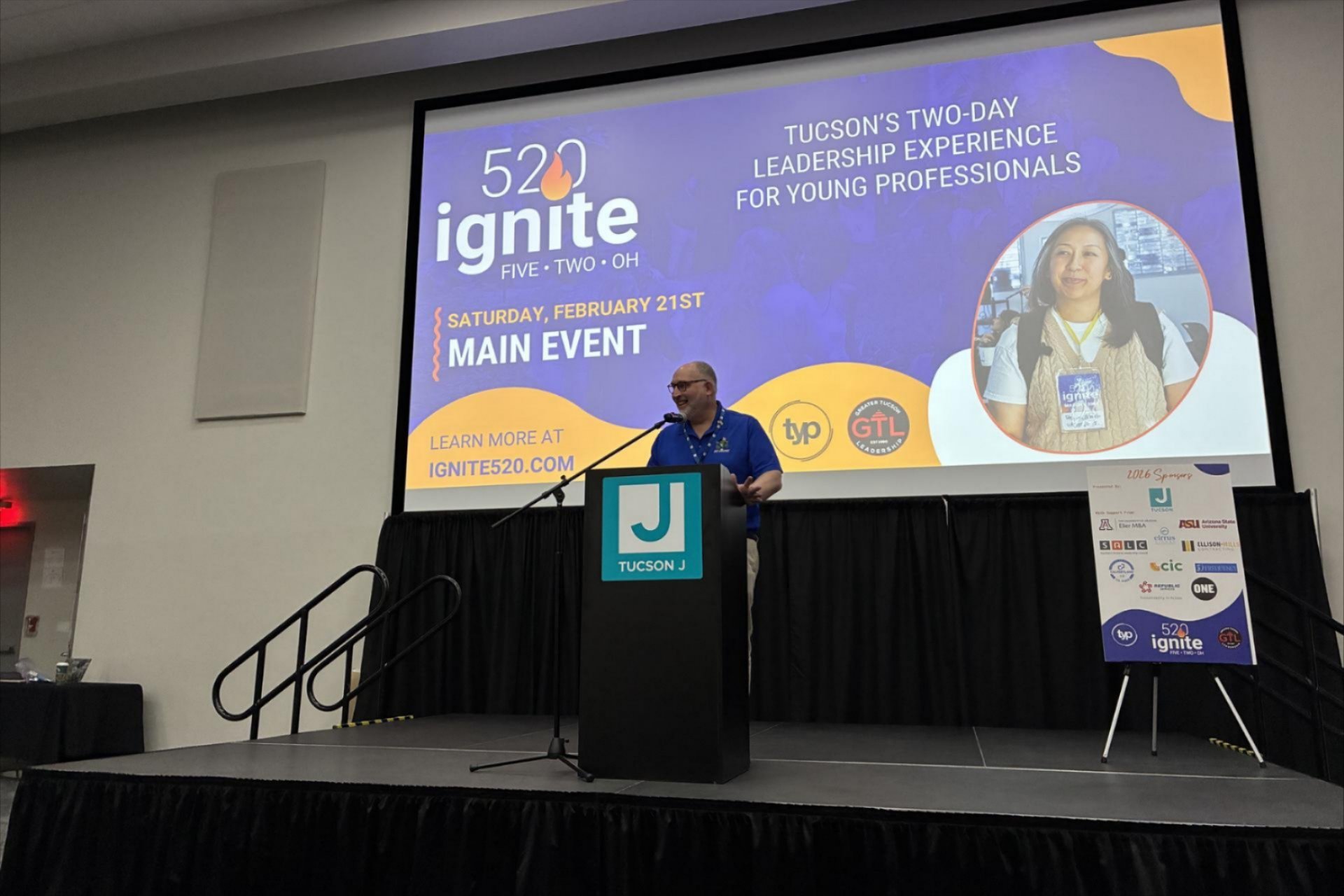
Over the weekend, as Title Sponsor, the J proudly hosted 520 Ignite: Tucson’s Leadership Experience for Young Professionals, in partnership with Tucson Young Professionals. Tucson J President + CEO, Todd Rockoff, who is a TYP mentor, welcomed the group—which included several of our own young leaders. Keynote Speaker, Andi Fetzner, PsyD, LPC, delivered the keynote session “Learning to Ride the Waves: Community, Care, and Resilience,” noting that her own professional journey began right here at the J as a Camp J counselor! 

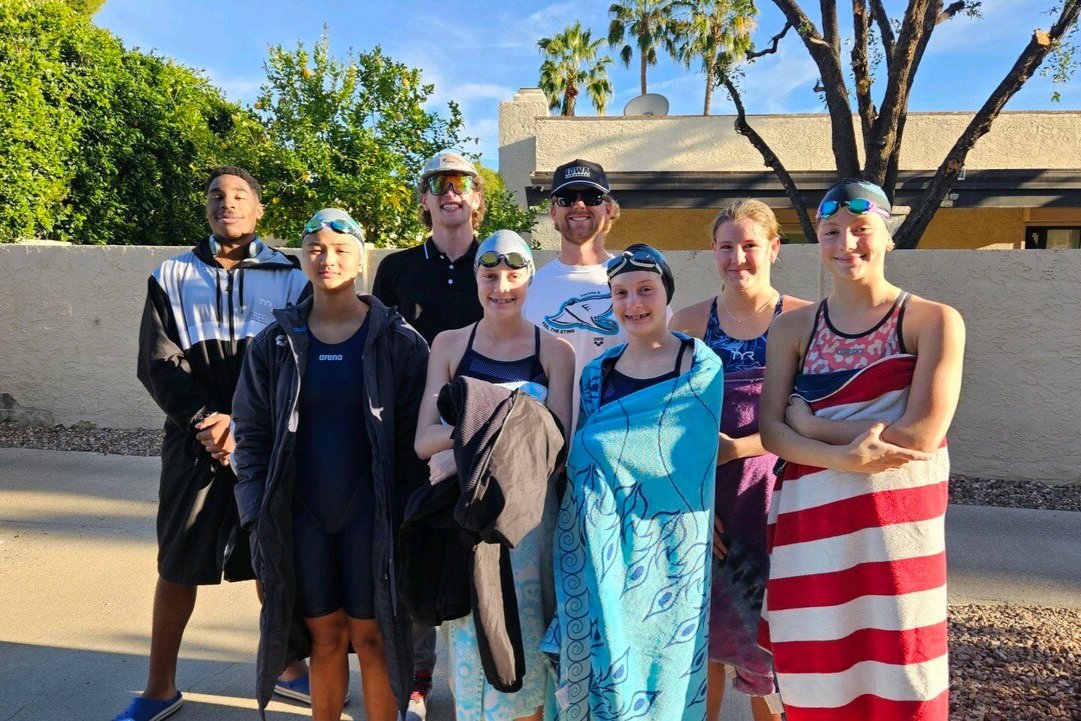
Off campus, 18 of our Stingrays Swim Team swimmers crushed it at the Regional Championship in Phoenix, finishing tenth overall with 65% of swims resulting in personal or season best times—talk about inner light! A highlight of the meet was Isadora, a first-time qualifier, dropping 30 seconds on her mile, resulting in a first-place finish and new Age Group State Championship cut! Mazel tov (congratulations) to the whole team for their effort and spirit throughout the entire season. Join us in cheering them on as they make their way to the State Championships this weekend! 


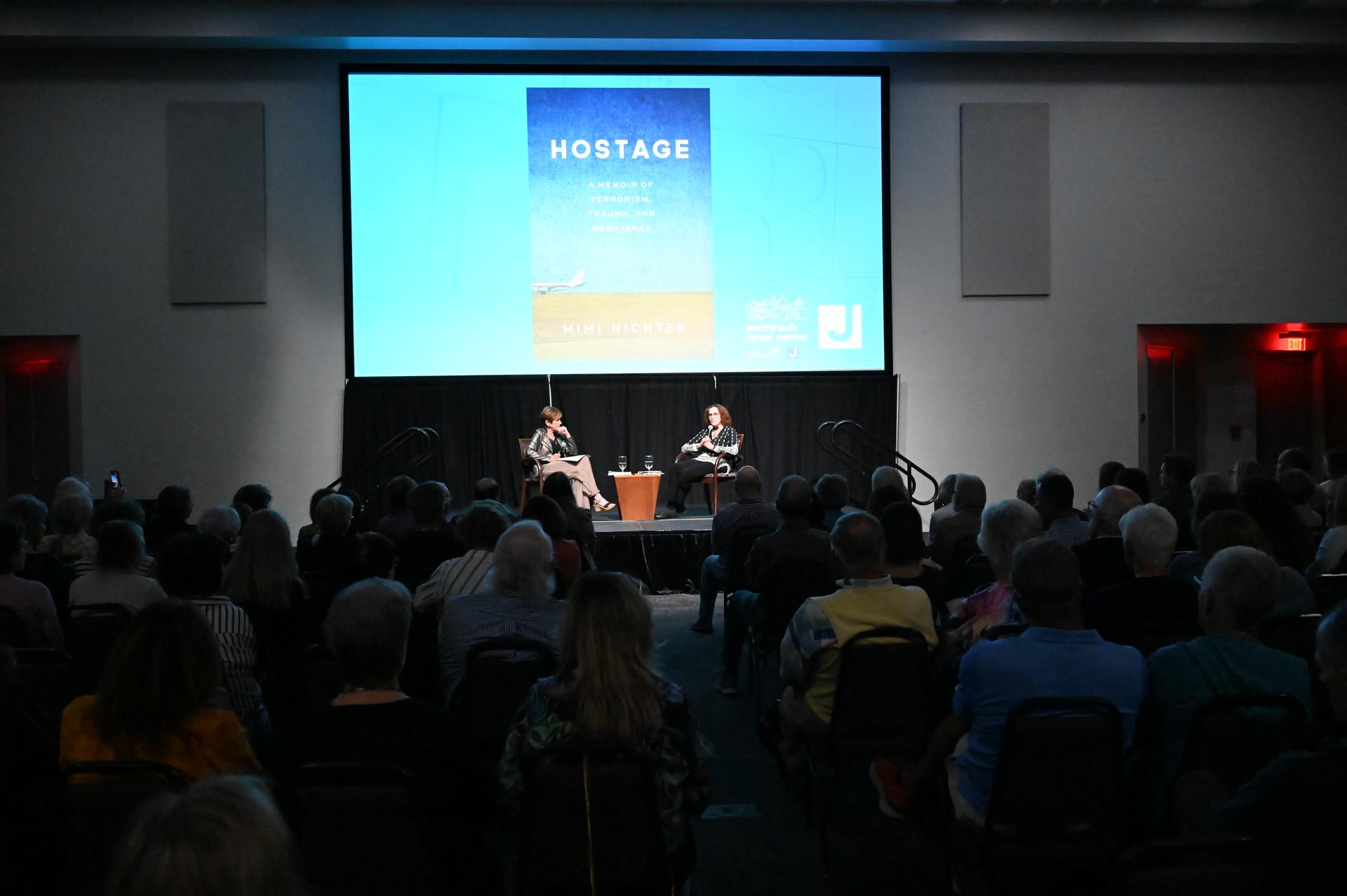
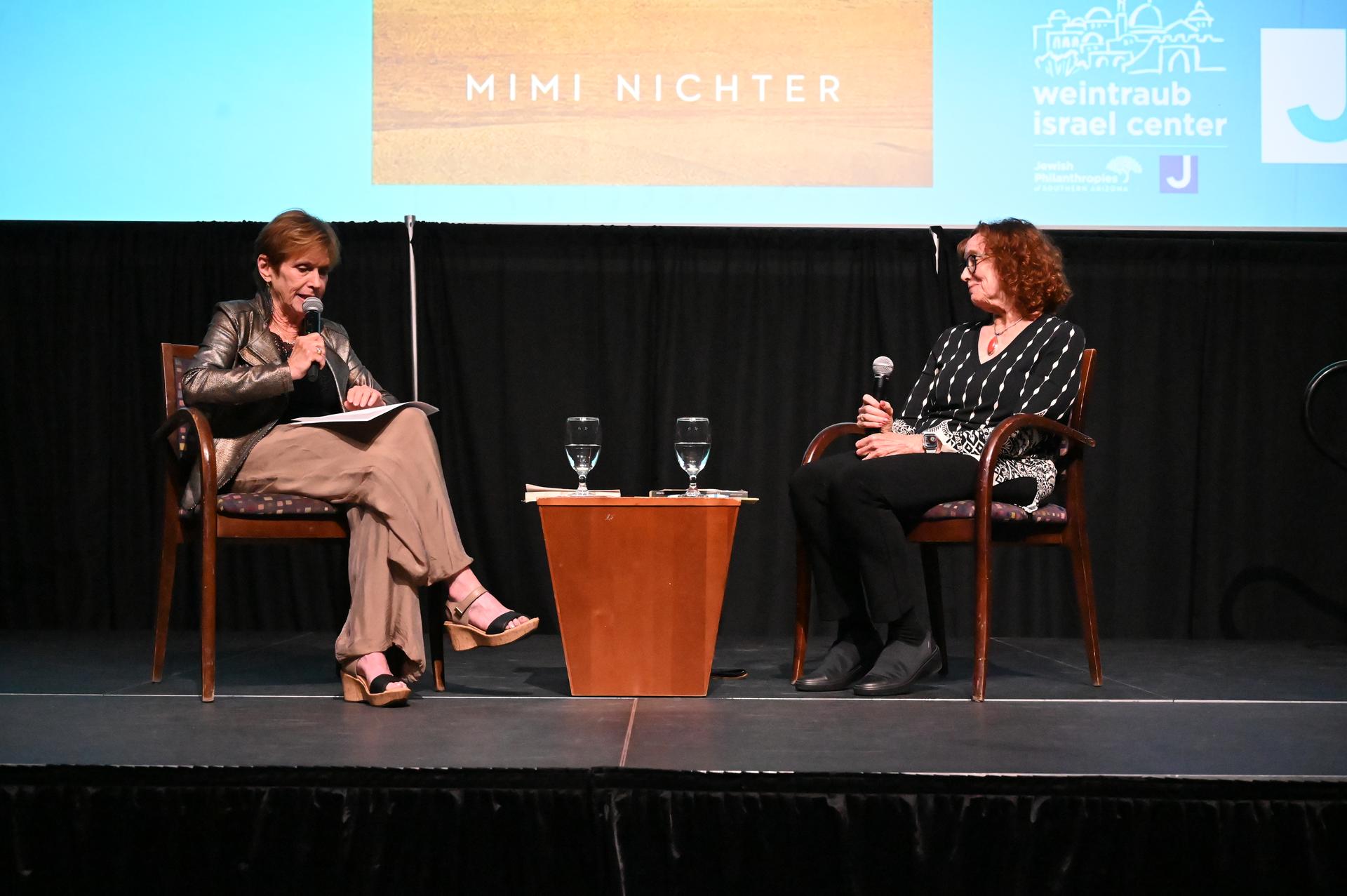
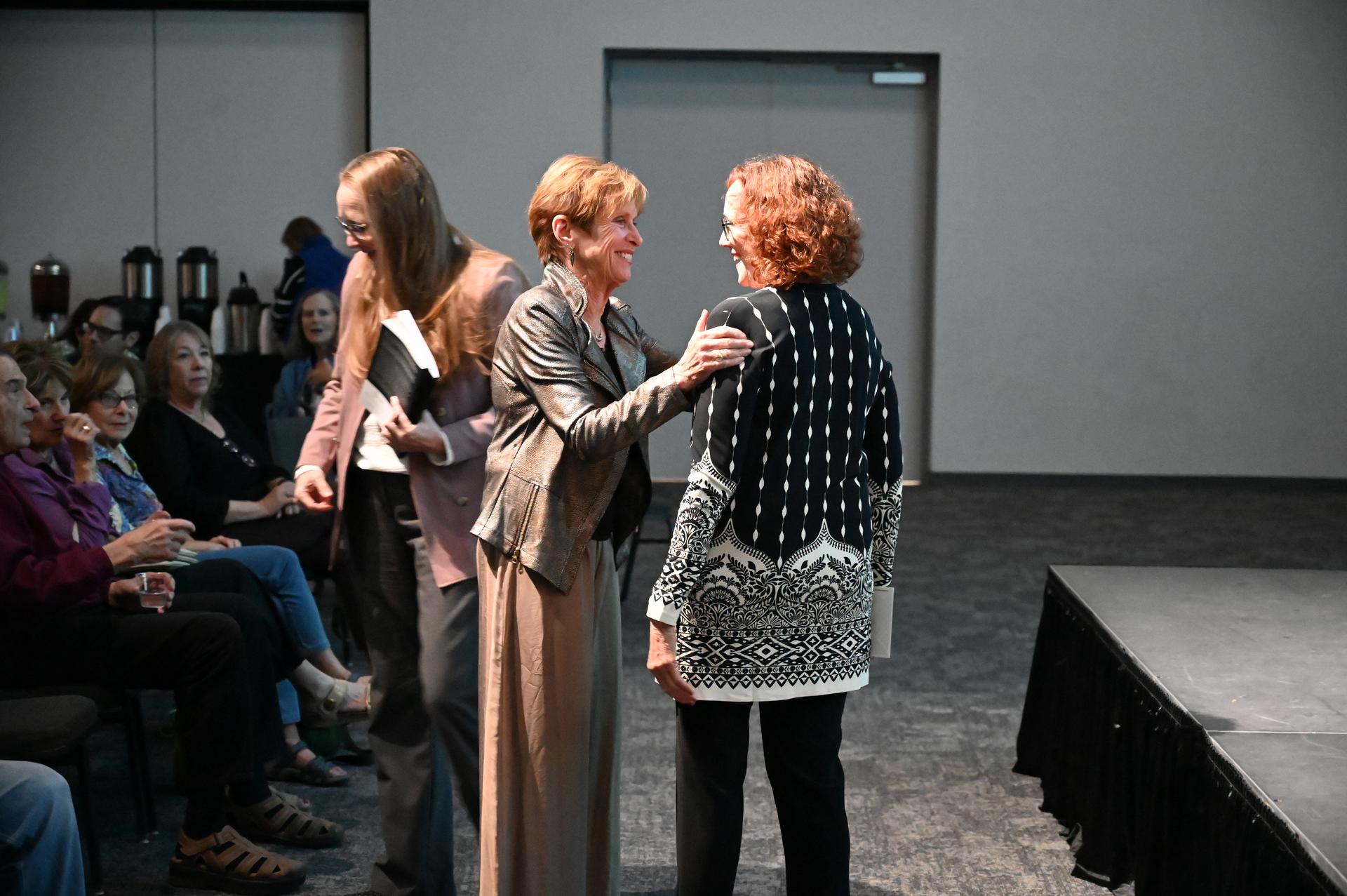
Last evening, over 120 people joined us at the J for “Between the Lines: Author Insights + Book Talk” with local author and professor, Mimi Nichter about her newly published book, Hostage: A Memoir of Terrorism, Trauma, and Resilience. In conversation Amy Hirshberg Lederman, an award-winning author and Jewish educator, the audience learned about Nichter’s first-hand experience as a hostage on a plane hijacked by the Popular Liberation Front for the Liberation of Palestine in 1970, one of the most significant events in aviation history. The event, put on in partnership with the Weintraub Israel Center, did exactly what our Arts, Culture, and Community events seek to accomplish: amplify and give new perspective to important questions we face as a community, build bridges by exploring new ideas and shared stories, and foster meaningful connection. 


As we enter Shabbat, may we continue, together, to kindle the ner tamid within our hearts and within our community. Shabbat Shalom. 

Reminders, Resources + Learning