From the Desk of Chloe Loos | Director of Arts + Culture

Shabbat Shalom
Shabbat Shalom

From the Desk of Chloe Loos | Director of Arts + Culture

In this week’s parasha, Devarim, we move into the final book of the Torah. At the edge of the Promised Land, Moses recounts the Israelites’ journey through the wilderness. But something is different; Moses changes the telling.


For instance, when the story of the spies first appears in the book of Numbers, G-d commands Moses to send men to scout the land. When Moses revisits the story, he remembers it differently, claiming that the idea came from the people. Moses speaks as himself, recounting his malleable story to an ever-changing “you.” Sometimes this “you” is all the Israelites who left Egypt, sometimes the 40-years-later generation, and sometimes just a small group among them.


What happens to a story after the experience is over? How do we talk about what happened, and who even is the “we” doing the telling?


Jewish memory collapses time and implores the individual to experience things they never really did. We were slaves in Egypt, we stood at Sinai, and we wandered through the wilderness. On Tisha B’Av, which follows the Shabbat on which we read Devarim, we mourn Temples we never saw and a city we never watched burn, and yet, despite the countless generations between, the “you” in each of these stories… is us.


In Devarim, Moses isn’t faithfully recording history, but processing forty years of wandering, loss, challenges, and revelations, and creating a story to be carried forward by the next “you.” Memories, and the stories that come from them, are never neutral. They change depending on who tells them, when they are told, and what they need the listener to grasp on to. The listener also reads into the stories to find what to take forward. This is Torah.


After forty years, Moses begins his final speech when they are on the precipice of what they have been seeking. They look backward because they can finally move forward. Their experiences are not erased. We remember their story and keep telling it.


Maybe that is why we read Devarim as we approach Tisha B’Av. Jewish history contains more than we could possibly hold as individuals, but we carry these inherited memories forward, mixing ancient experiences with our modern lives, telling the stories that have shaped us as a people and trying to make sense of it year after year. We remember the wilderness from its edge. We mourn Jerusalem because we dream of Jerusalem. We speak of destruction because destruction was not the end.


The “you” keeps changing as the story keeps being told. And, miraculously, we are still here to tell it.
Devarim means “words” in Hebrew; the story of the Jewish people, much like the story of our community at the Tucson J, is experienced and told L’dor v’ dor—from generation to generation. From Early Childhood Education to Healthy Aging programs and across family trees, our community grows with us, shaping our present and future. 


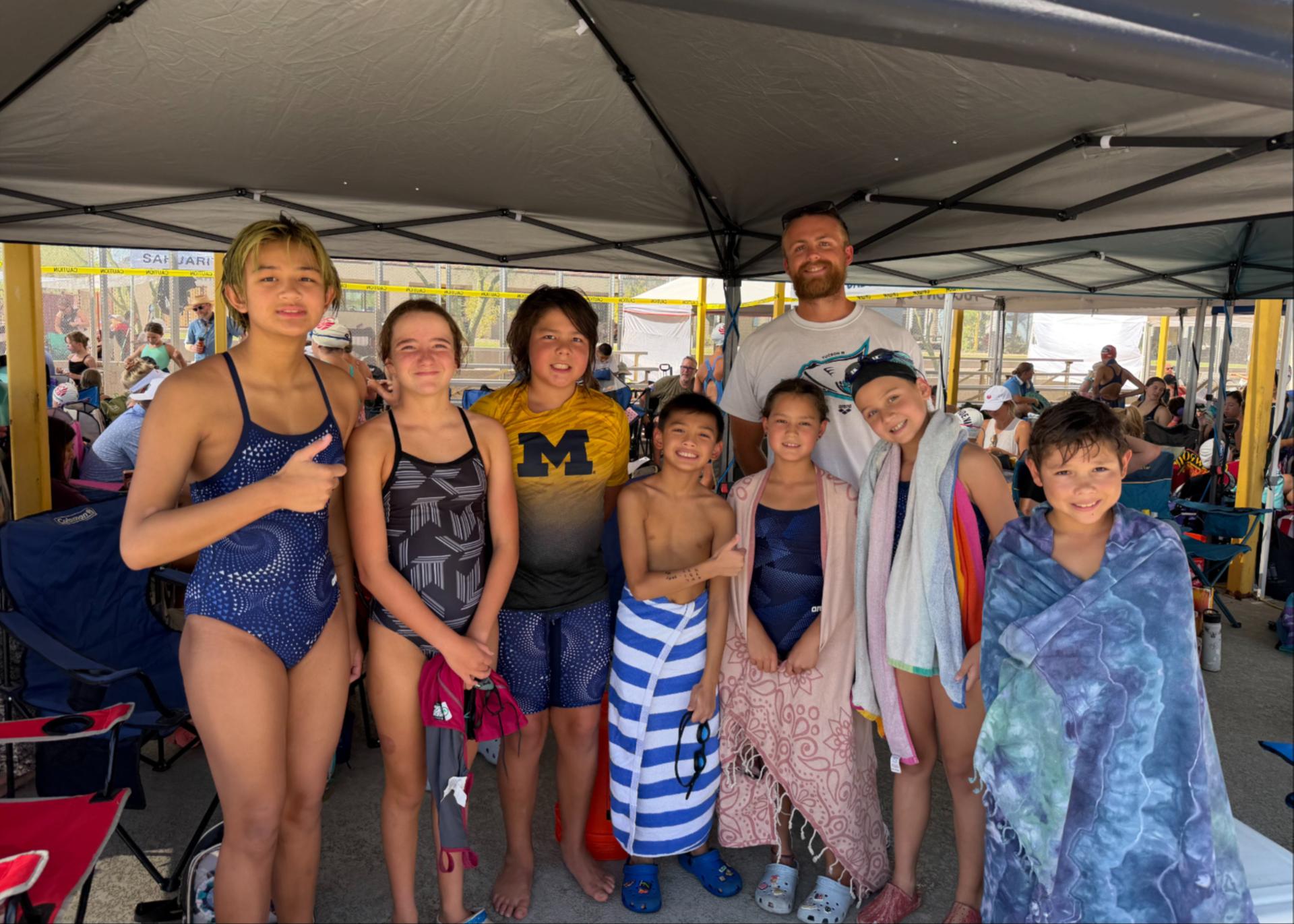
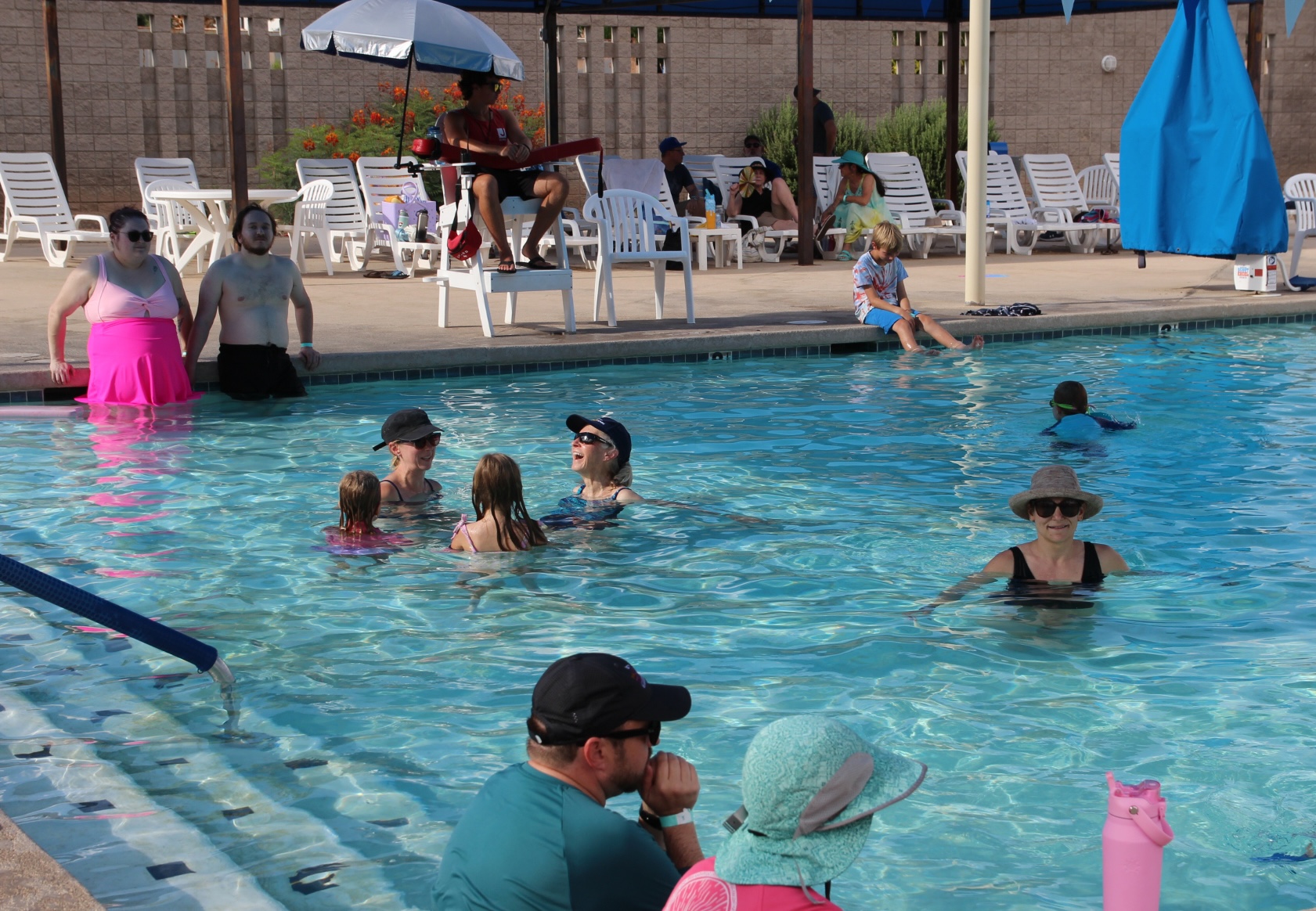
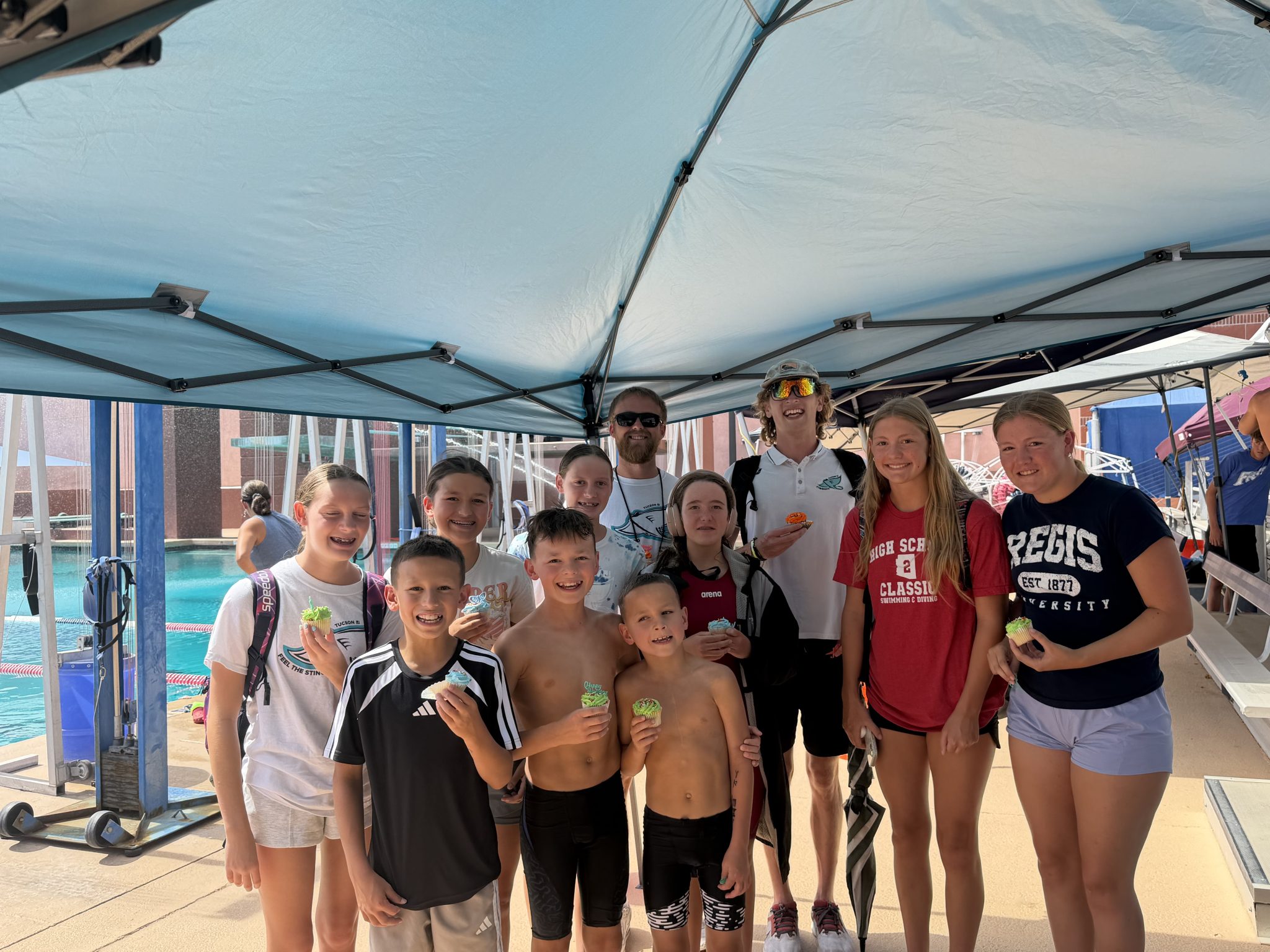
This week at the J began with the Stingrays Swim Team Regional Championships in Phoenix! All ten swimmers who competed delivered outstanding swims, and Logan M, Isadora F, Evie L, Ben L, Jacqueline T, and Manuelito V rounded out the competition with new State qualifying times! Mazel tov and good luck to each and every swimmer as they finish out their long course summer season at States! Movement is important at every age and these athletes are laying the foundation for a lifetime of health and wellness! The Stingrays meet year-round and accept swimmers ages 5-18 at all levels; sign up for an assessment and join the team here. 


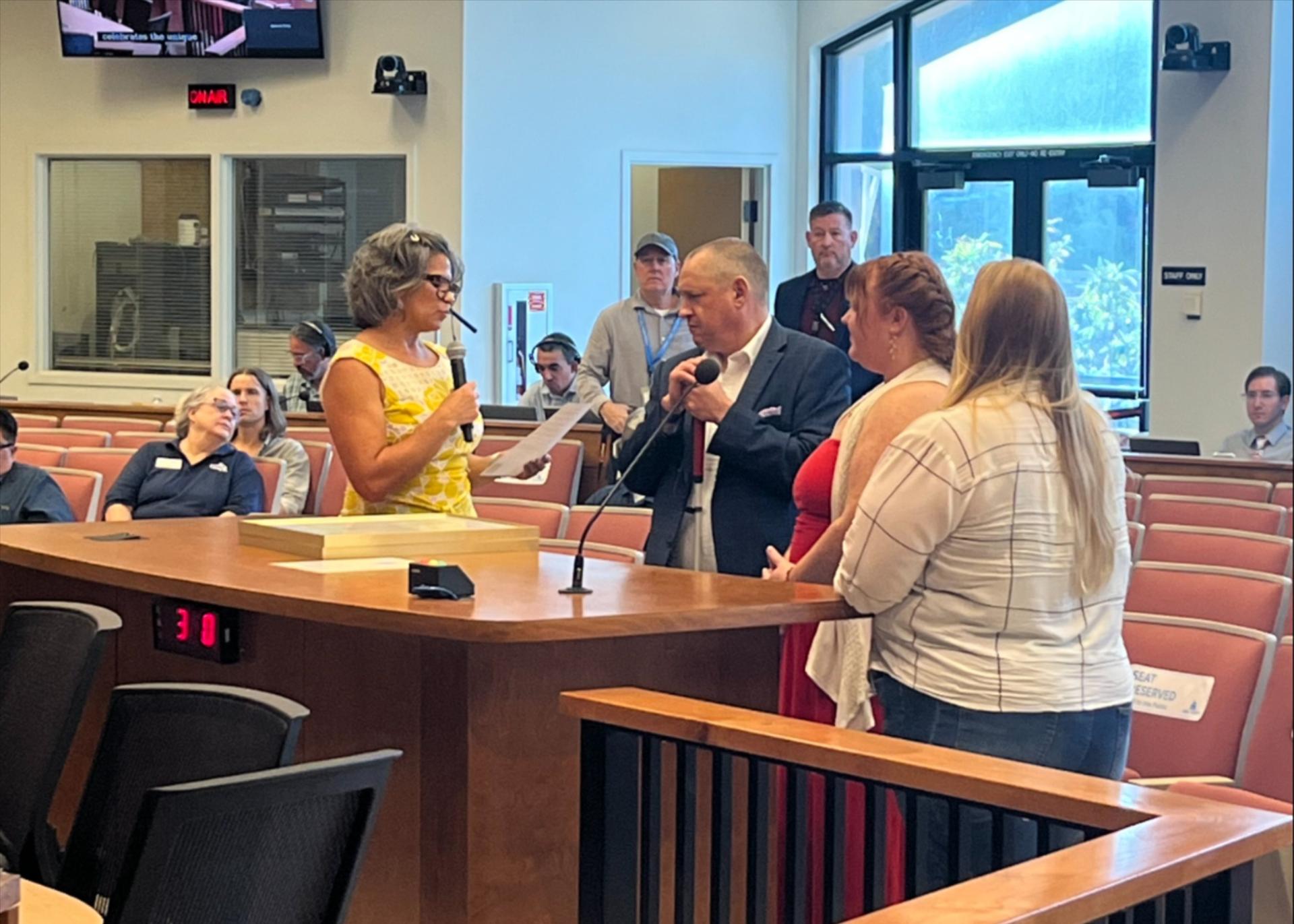
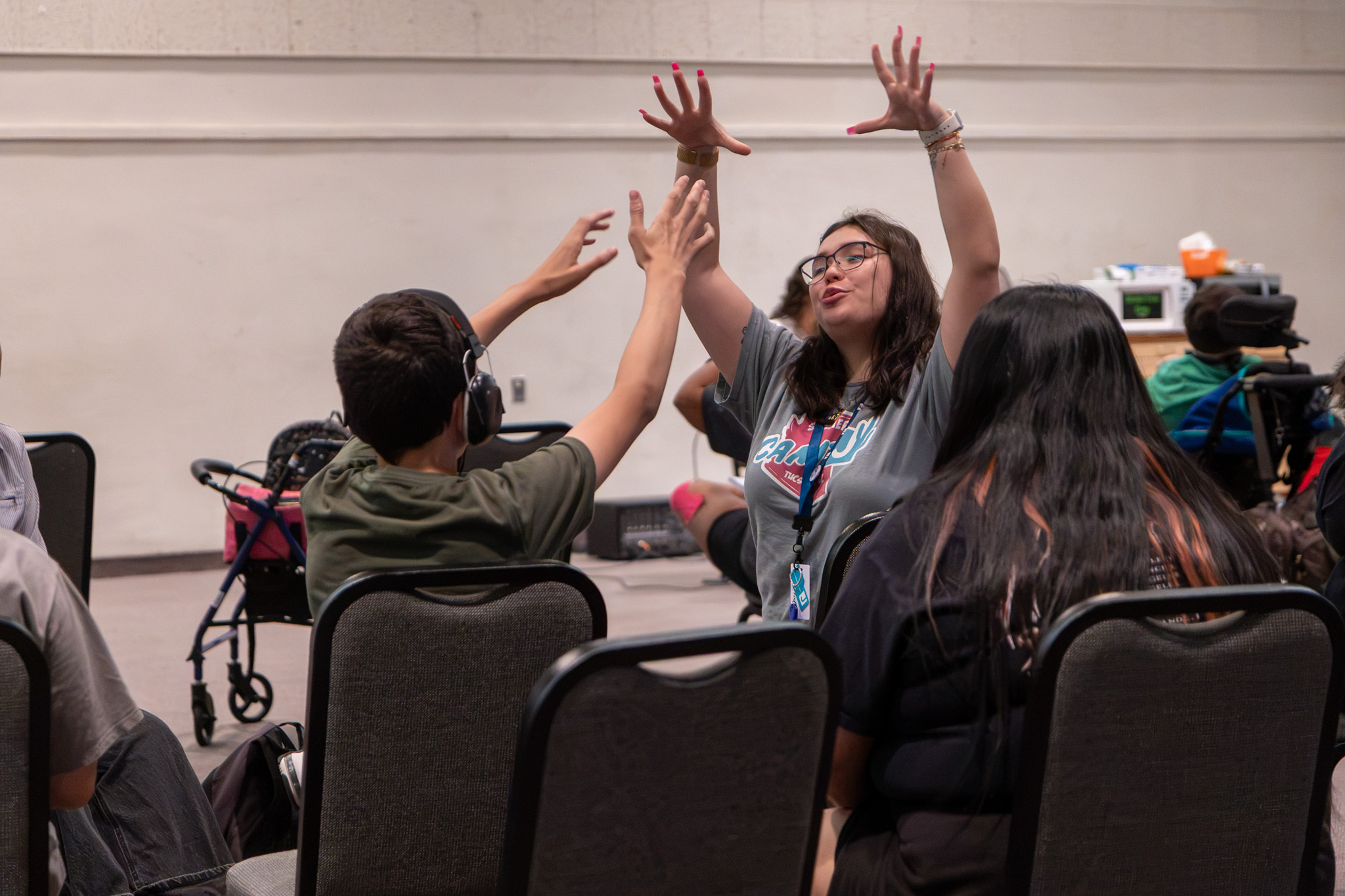
The J is proud to be a space where people of all abilities are welcome, seen, and supported. On Tuesday, Charlie Paige, Sr. Director of Disability Program Services, attended a Pima County Board of Supervisors Proclamation recognizing July as Disability Pride Month for the entire southern Arizona region and Wednesday DPS families gathered for their summer Parent Night. It is moments like these that light the way for future generations. 
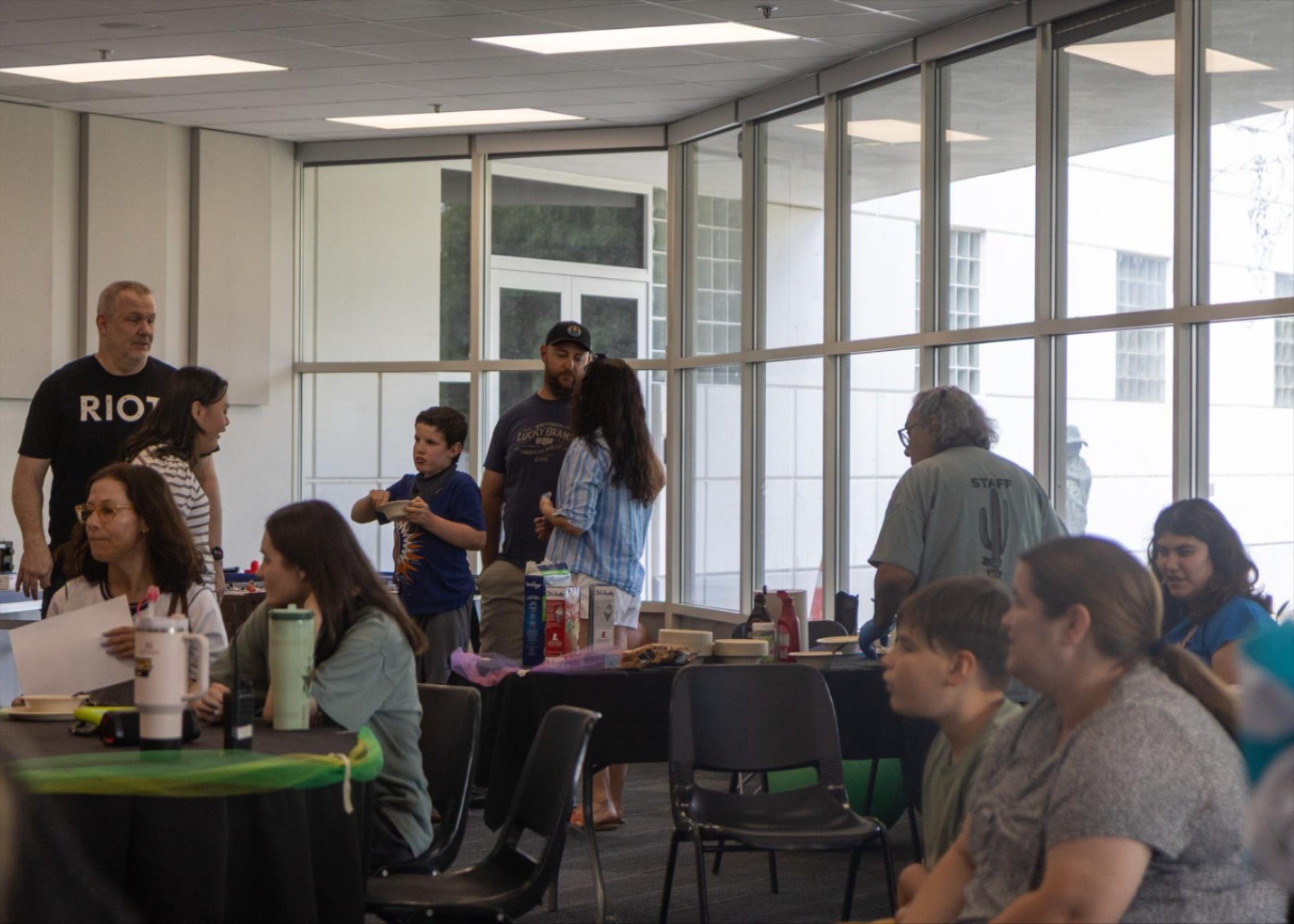
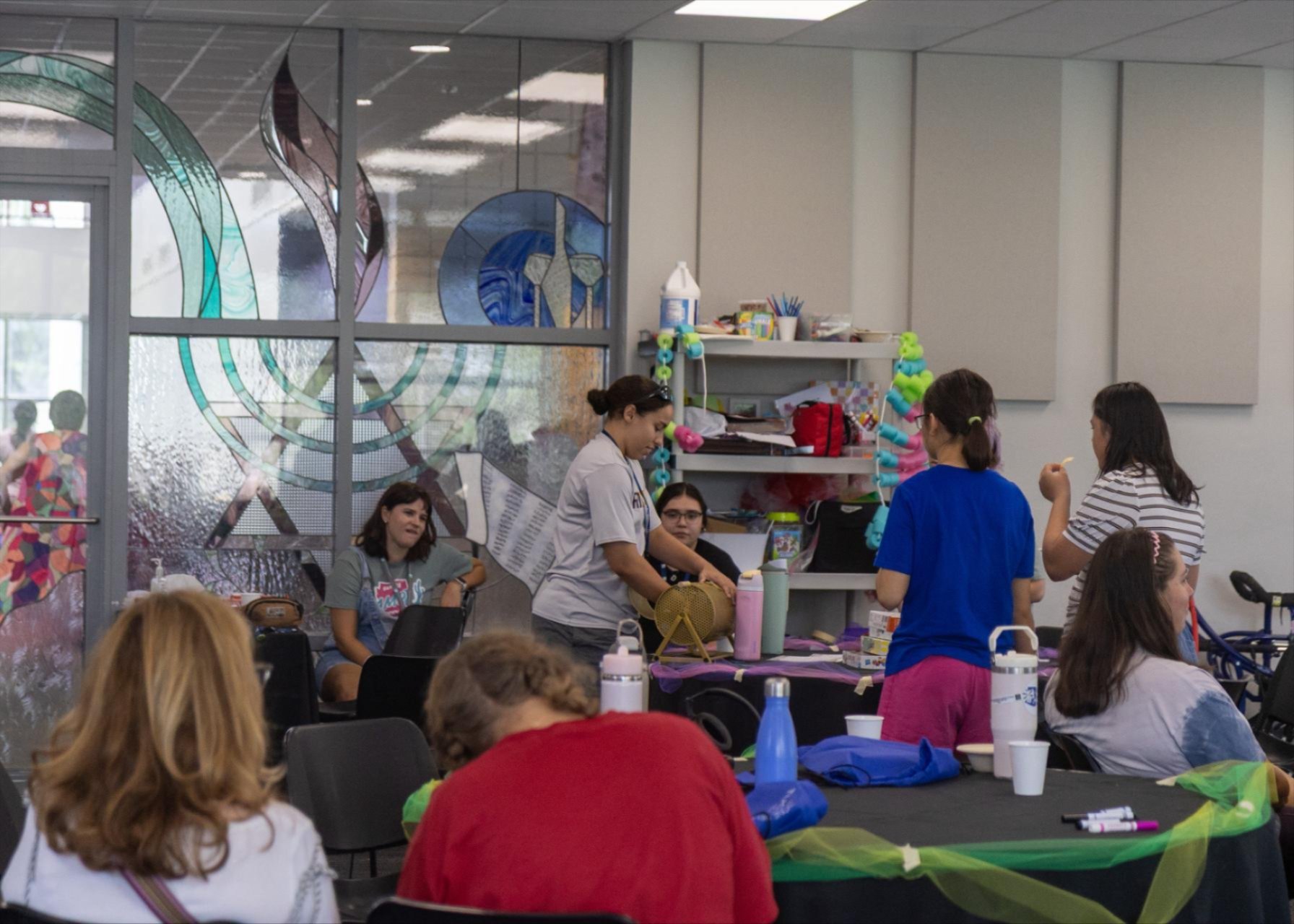
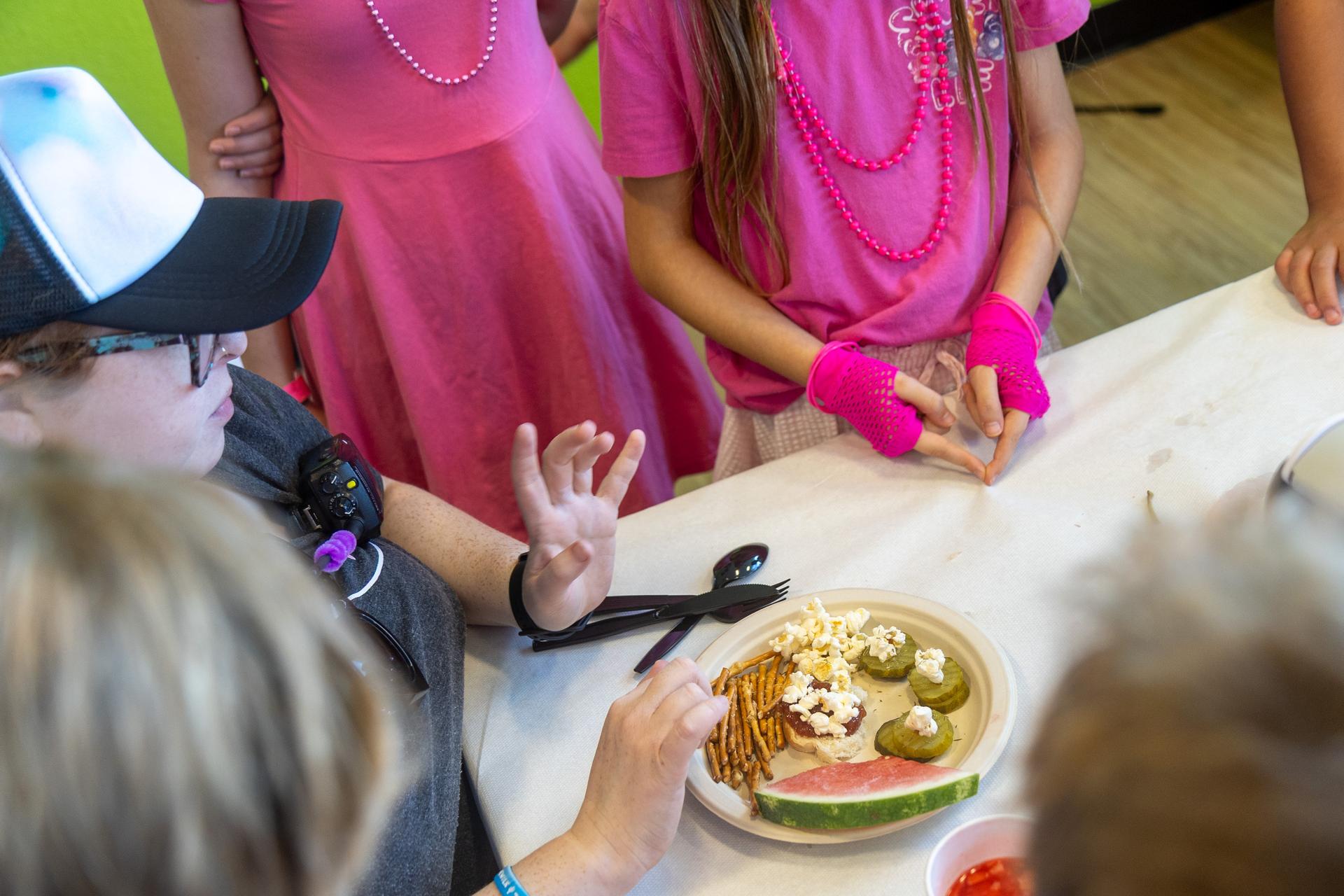
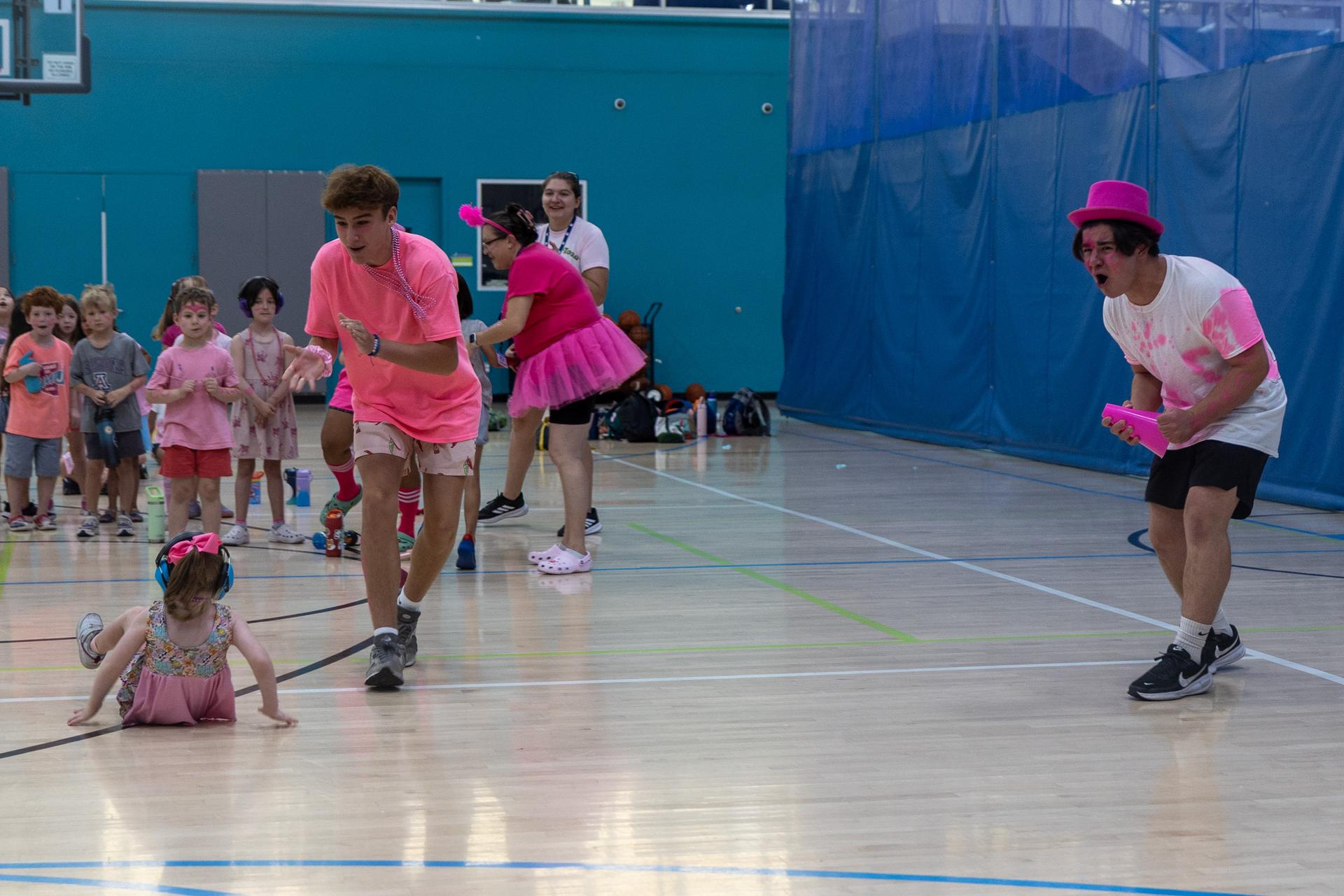
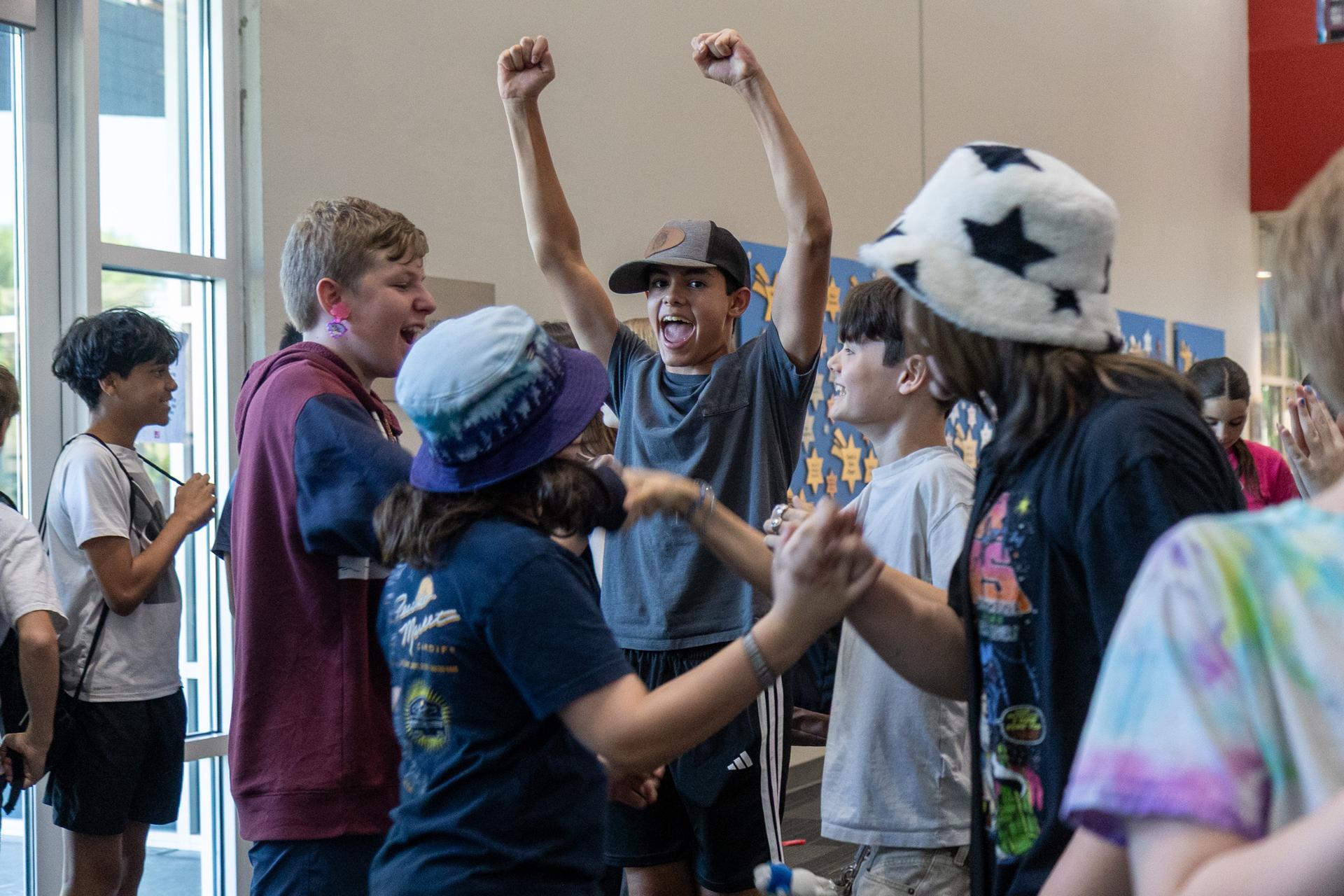
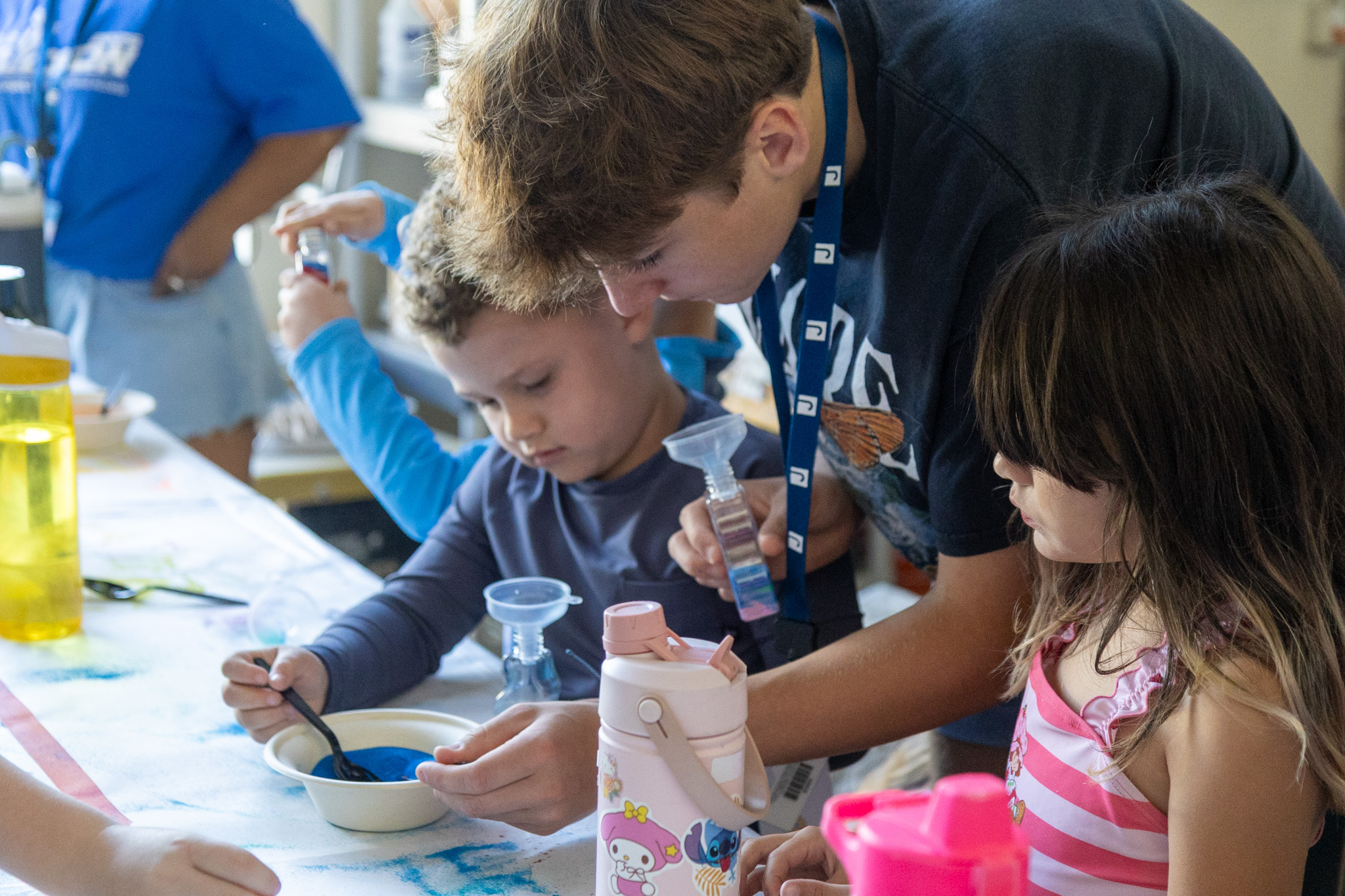
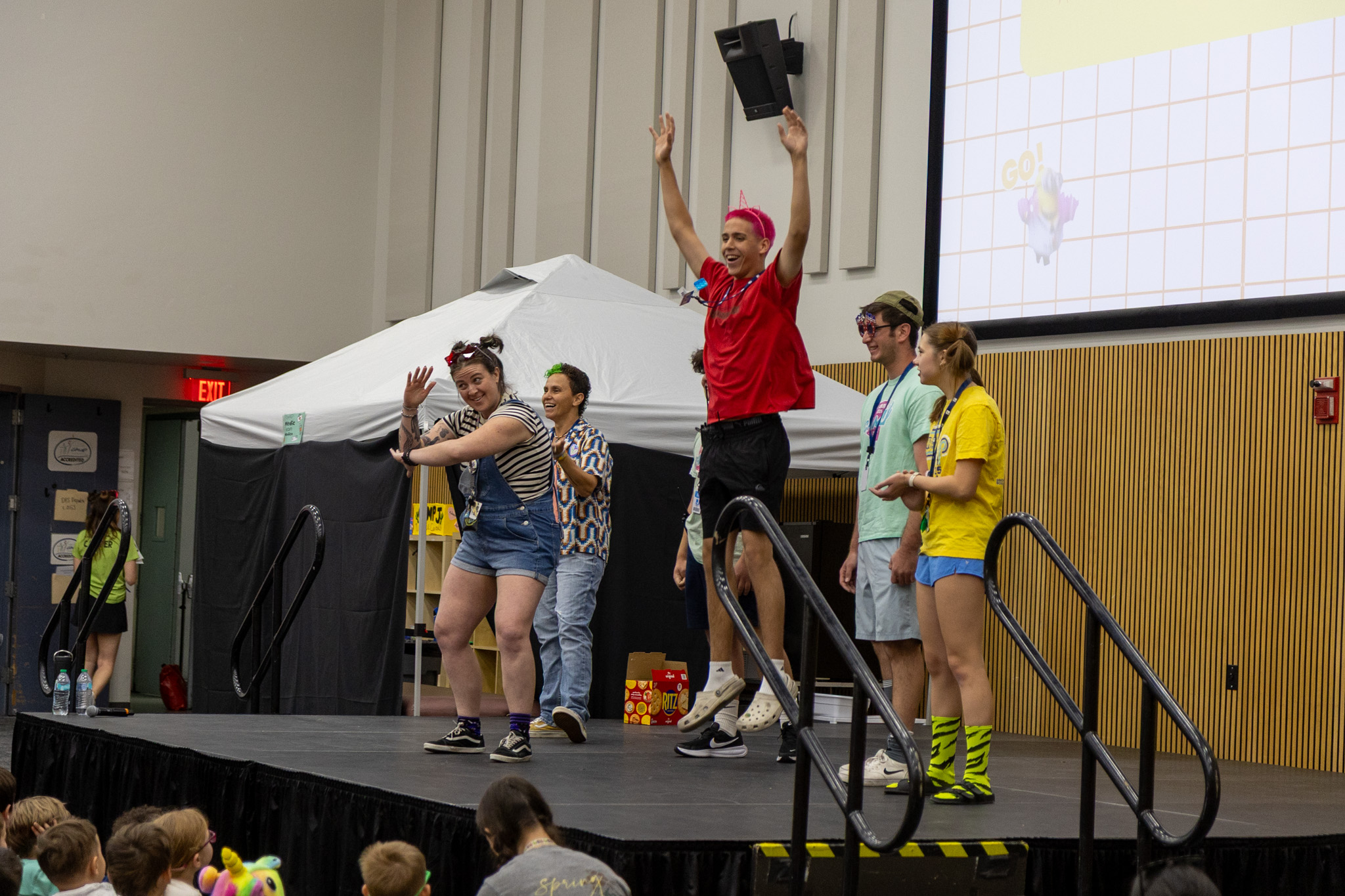
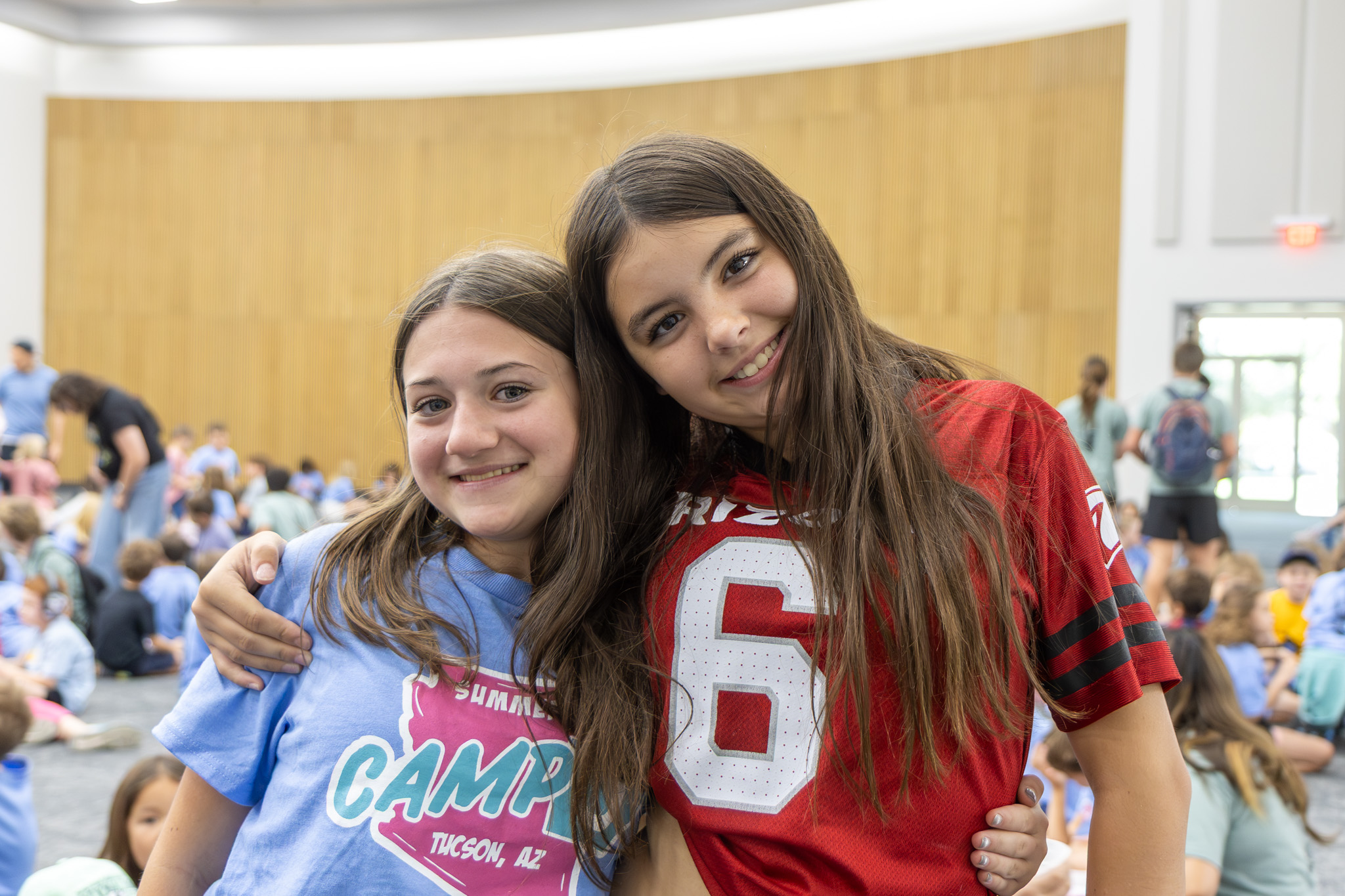
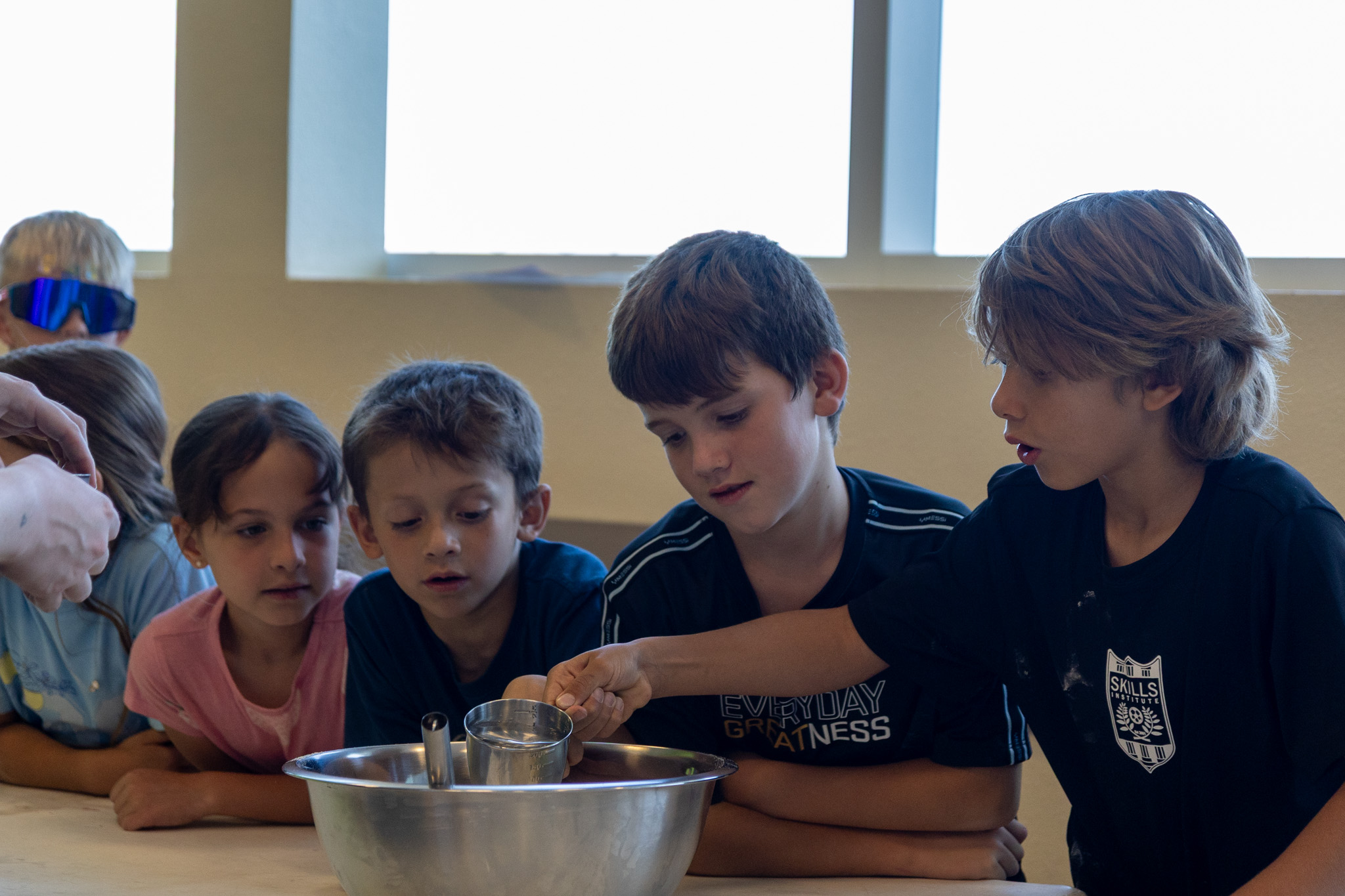
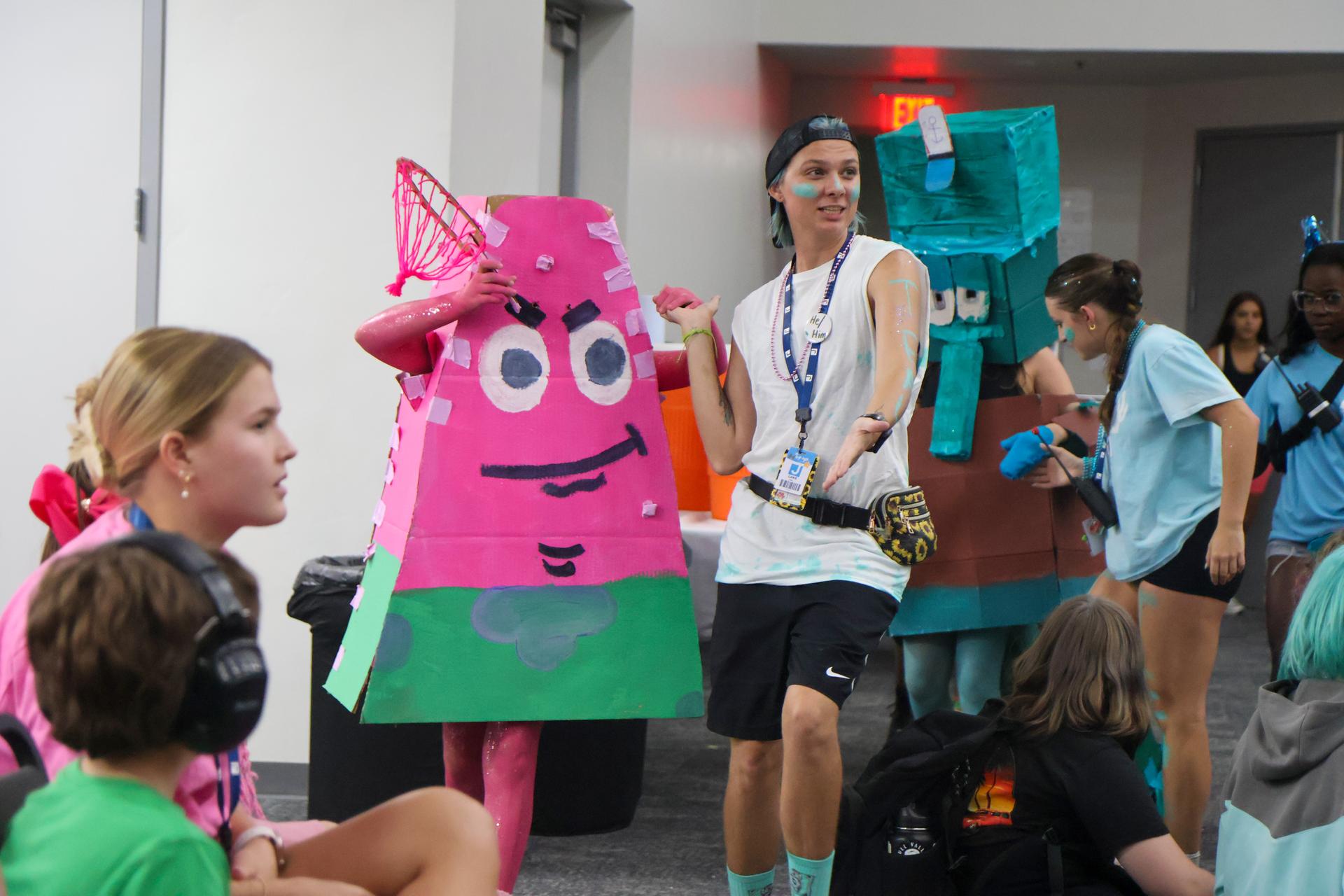
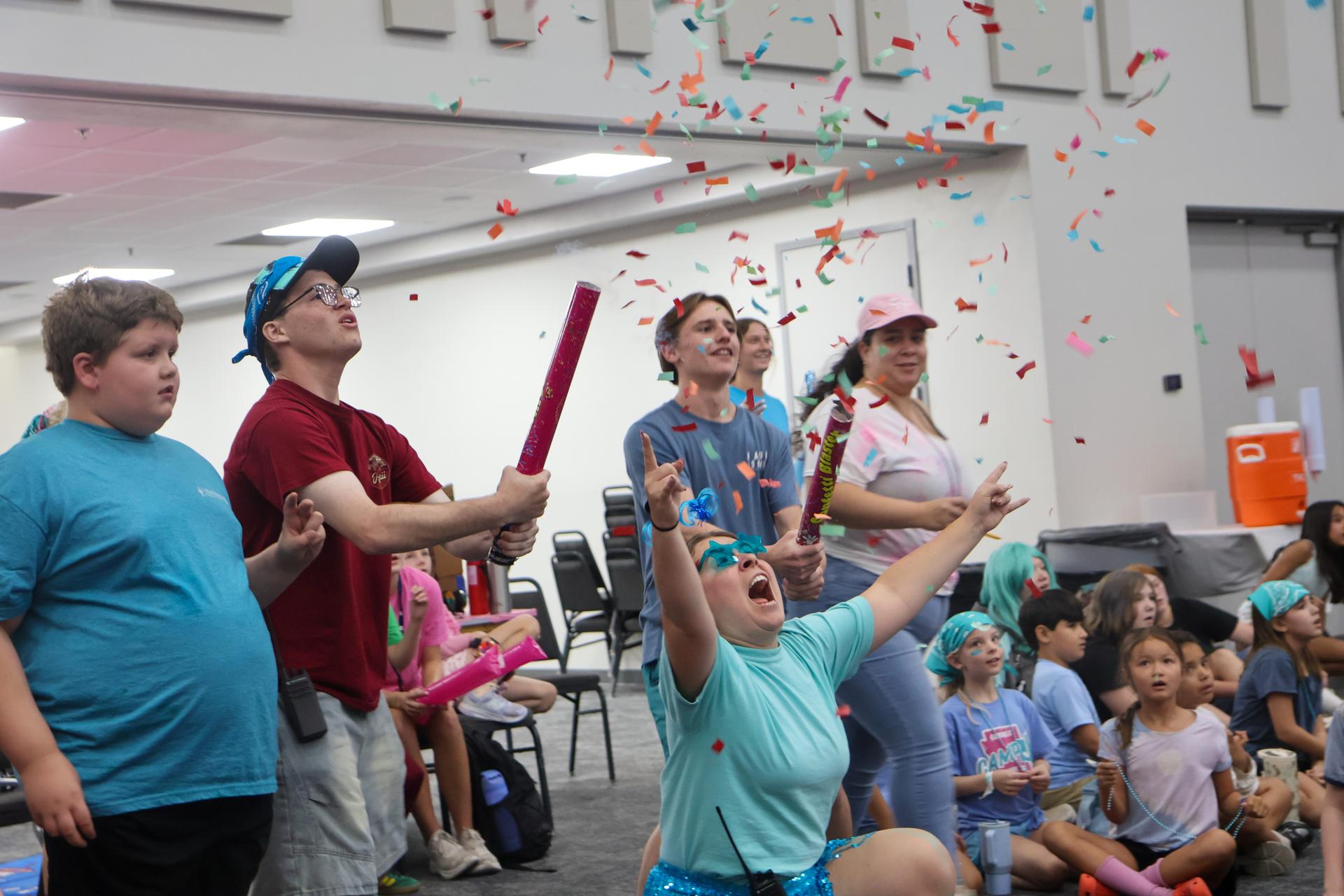
We reached the pinnacle of Camp J season this week with our annual Maccabiah Games. With all of camp divided into two teams—Pink and Teal—spirits were high, cheers were loud, and competition was fierce but always friendly all across campus. With classics like relay races, swim competitions, Chopped, and Gaga, and new favorites like Cake Decorating, campers showed up and out bringing their best skills and sportsmanship! After four days of fun, Maccabiah culminated today with a bagpipe performance, the unveiling of banners and mascots, and a final cheer-off before announcing the winner: TEAM PINK! The memories and friendships made all summer will become part of the stories these campers carry with them for years to come.


Each of these snapshots of our week at the J is part of the story we are writing together. As we move into Shabbat, we invite you to reflect on the stories you are part of and the legacy you are helping to build for the generations that follow. Thank you for being part of a community. Shabbat Shalom.
Reminders, Resources + Learning

From the Desk of Jennifer Lorch Selco | Sr. Director of Jewish Living + Engagement

Shabbat Shalom
Shabbat Shalom

From the Desk of Jennifer Lorch Selco | Sr. Director of Jewish Living + Engagement

This week’s double Torah portion, Matot-Masei, ends with the story of five sisters: Mahlah, Noa, Hoglah, Milcah, and Tirzah—the daughters of Zelophehad.


After their father dies, they realize that, according to the law at the time, they will not inherit his land because he has no sons. Instead of accepting things as they were, the sisters speak up for themselves. They go to Moses and explain why they believed the law should be different. Moses, unsure what the right answer was, brings their question to God. God’s response is simple: the daughters are right.


Their courage leads to a change in the law, allowing daughters to inherit when there were no sons. Later, when the Israelites enter the Promised Land, the sisters remind the leaders of the promise that had been made, and they receive the land they had been promised. In finding the courage to raise their voices, at first for themselves, they help create a more just future for others.


This story reminds us that every voice matters. Change is not initiated with a big speech—it often starts with one person who is willing to say, “I think we can do better.”


The daughters of Zelophehad also remind us that good leaders listen. Moses does not pretend to have all the answers. He is willing to hear their perspective, ask for guidance, and make room for change.


As we move into Shabbat, let’s remember that each of us has something valuable to contribute. Like the daughters of Zelophehad, we have the opportunity to use our voices to create positive change—for ourselves, for our community, and for those who come after us.

Matot-Masei means “The Tribes” and “The Marches [of the Israelites].” In this double portion, we learn of the Israelite’s journey from Egypt through the wilderness and eventually of their arrival in the Promised Land. In addition to the lessons we take from the story of the daughters of Zelophehad, we learn about the importance of embracing the journey through whatever wilderness we may be facing. One of our strengths here at the J is that while we are all on our own individual journeys, we are never alone. Together, we support one another, work together toward shared visions of the future, and are strengthened by our collective pursuit of wellness. 


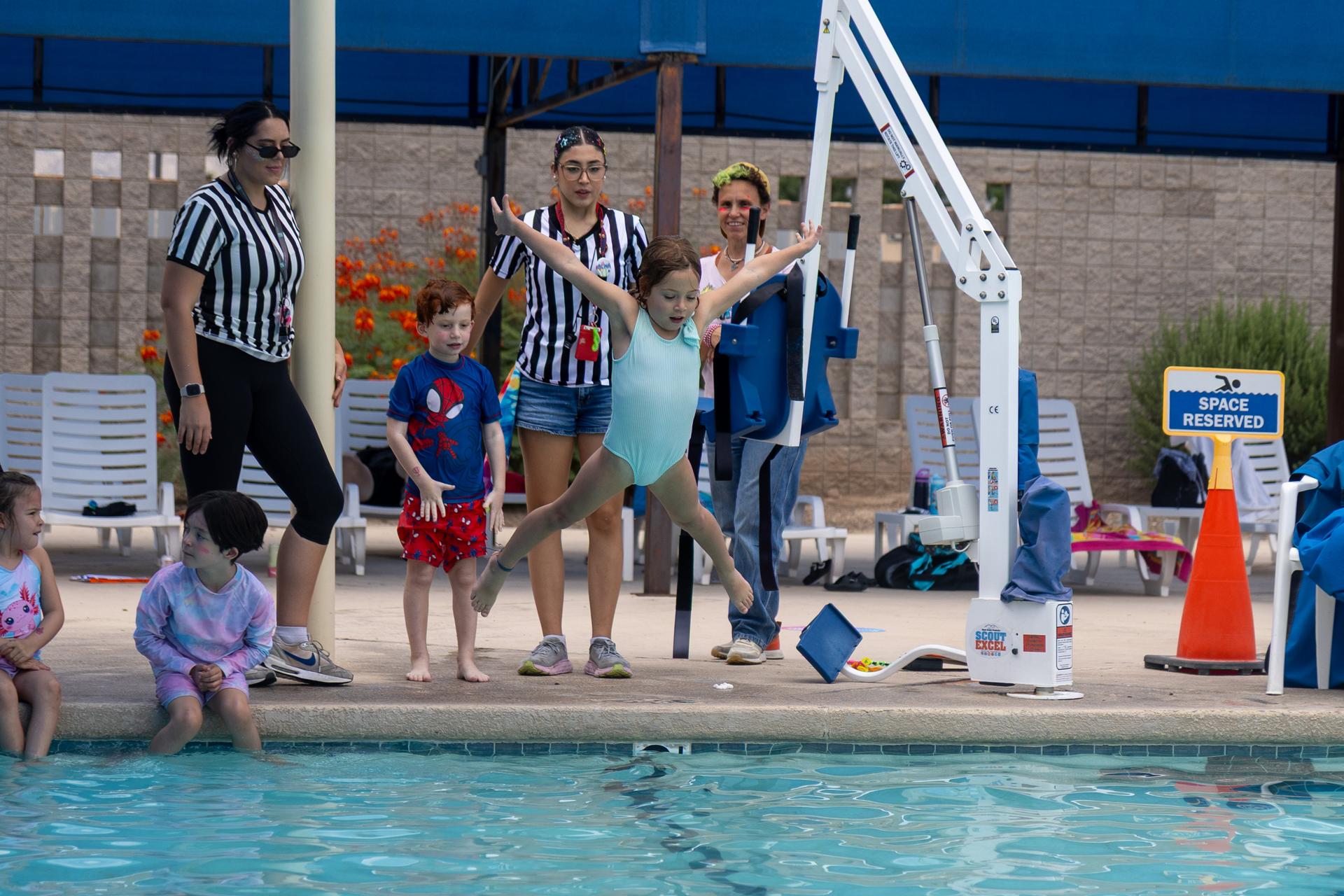
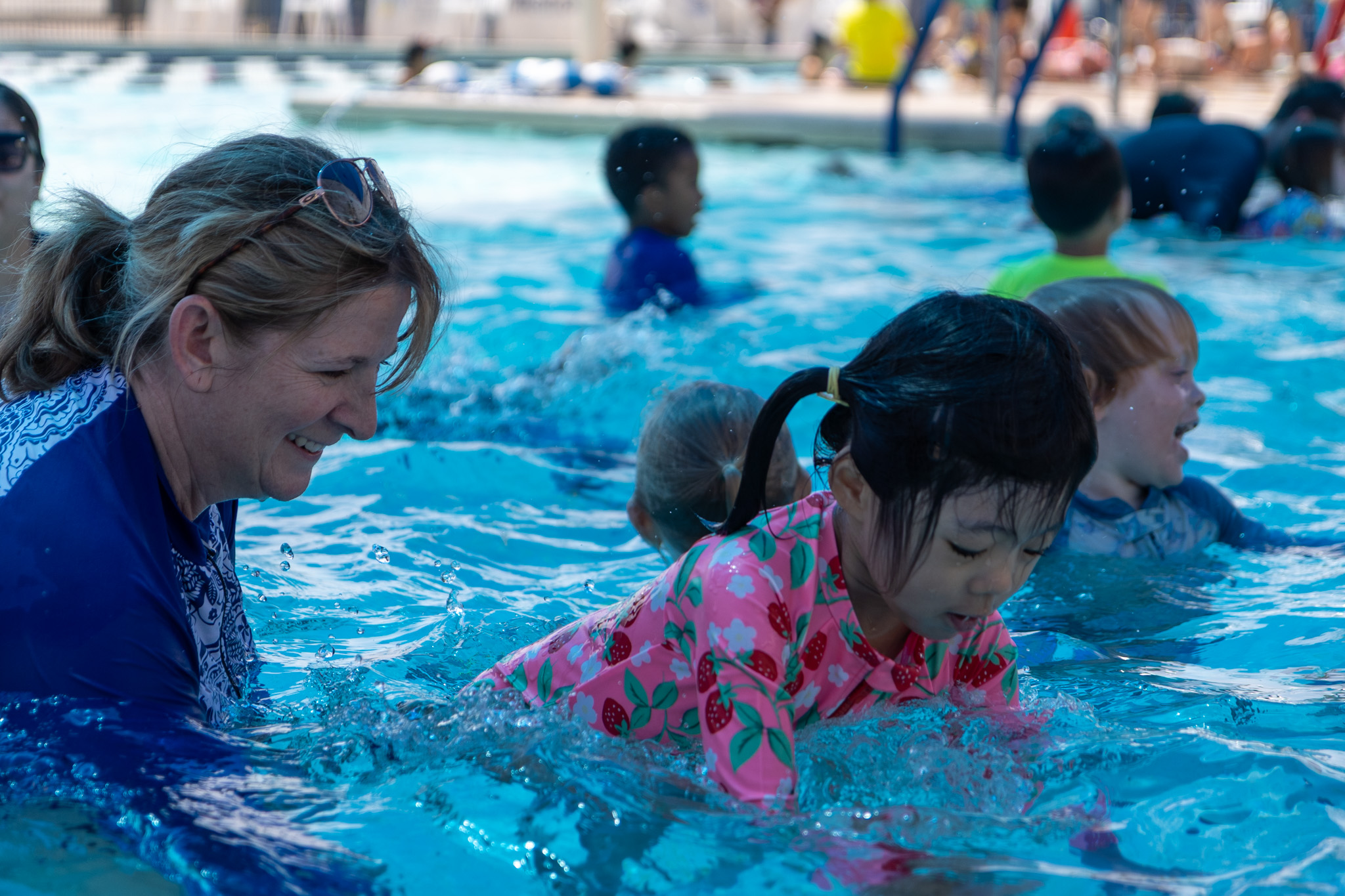
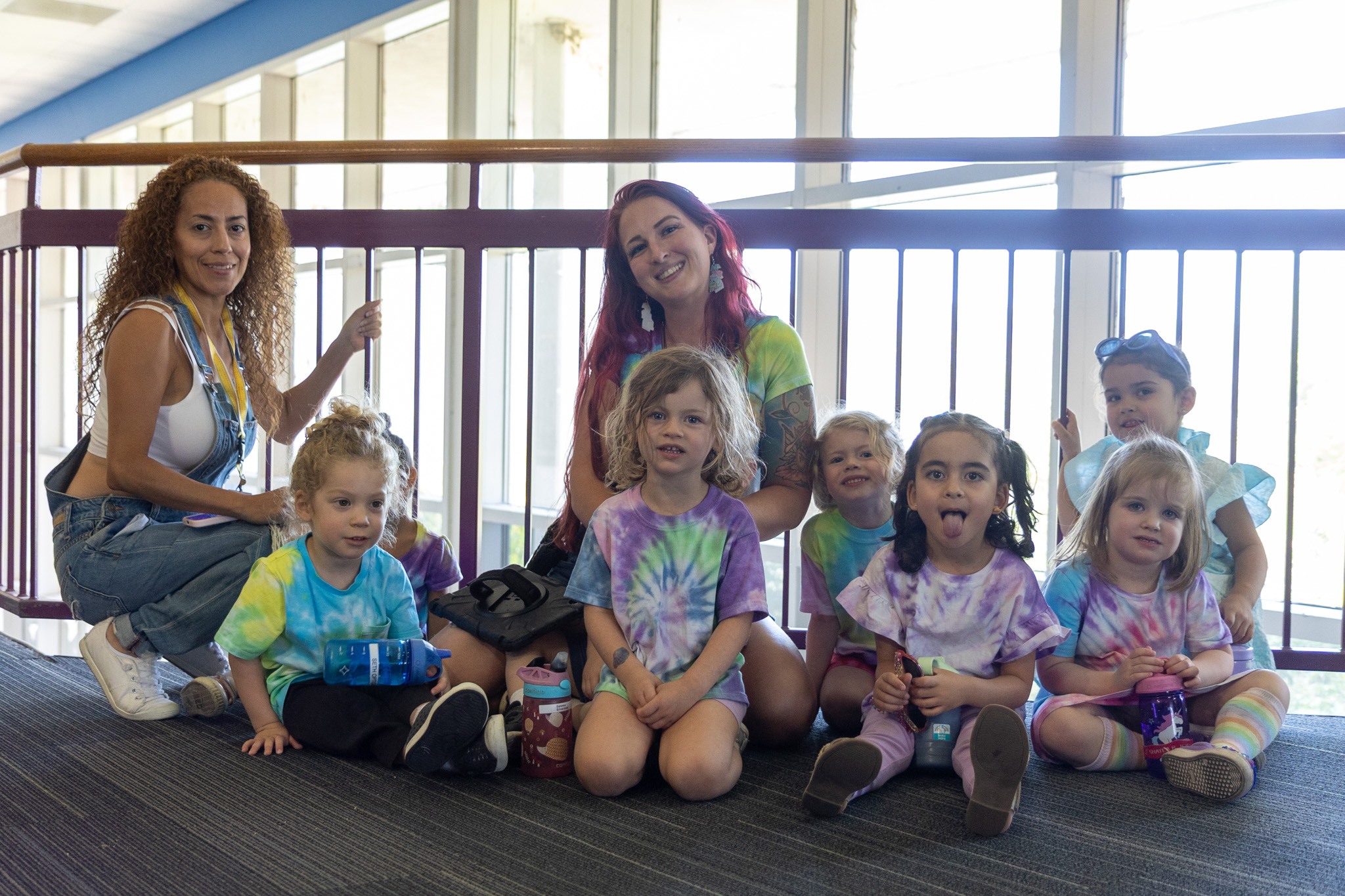
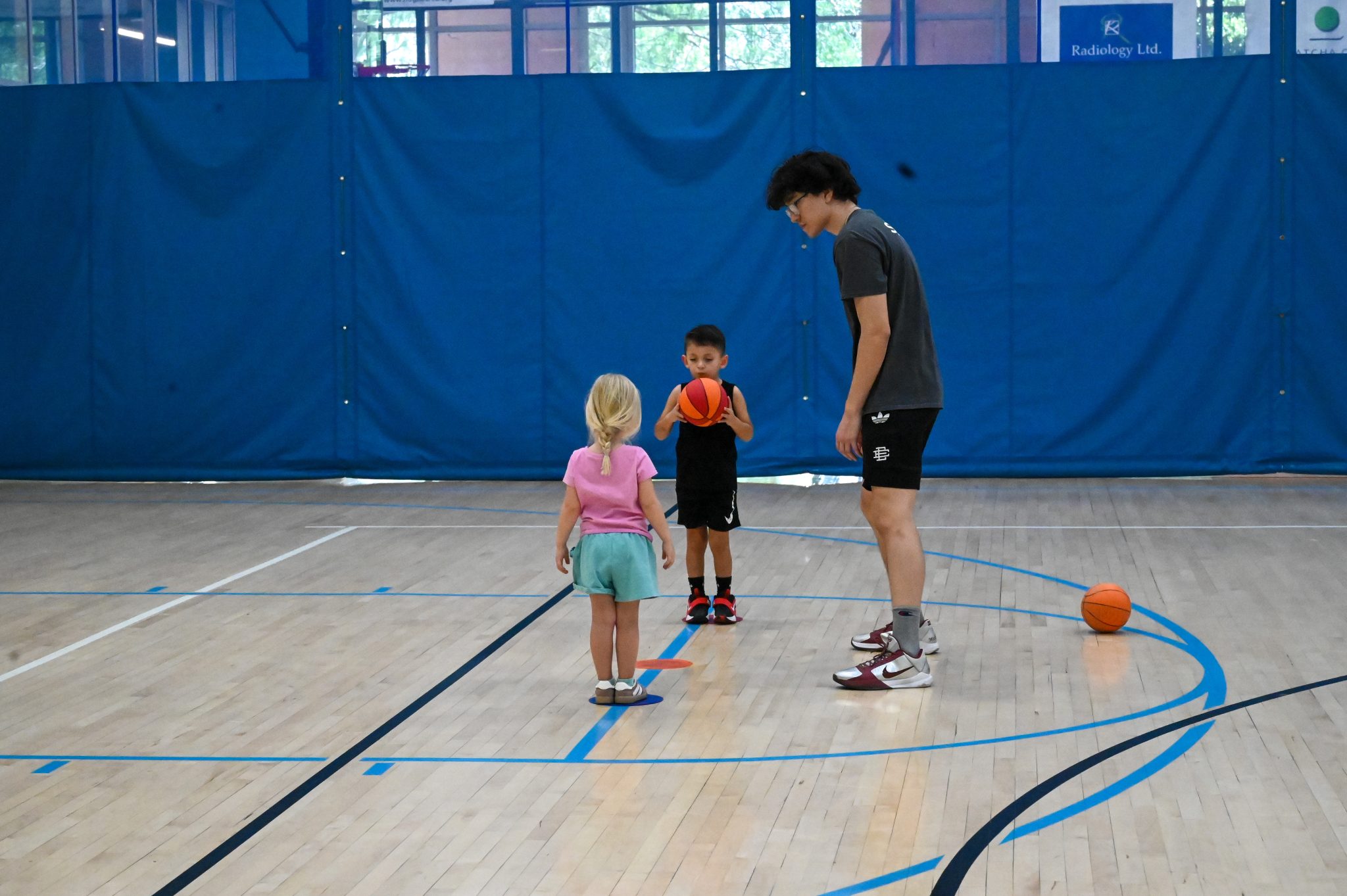
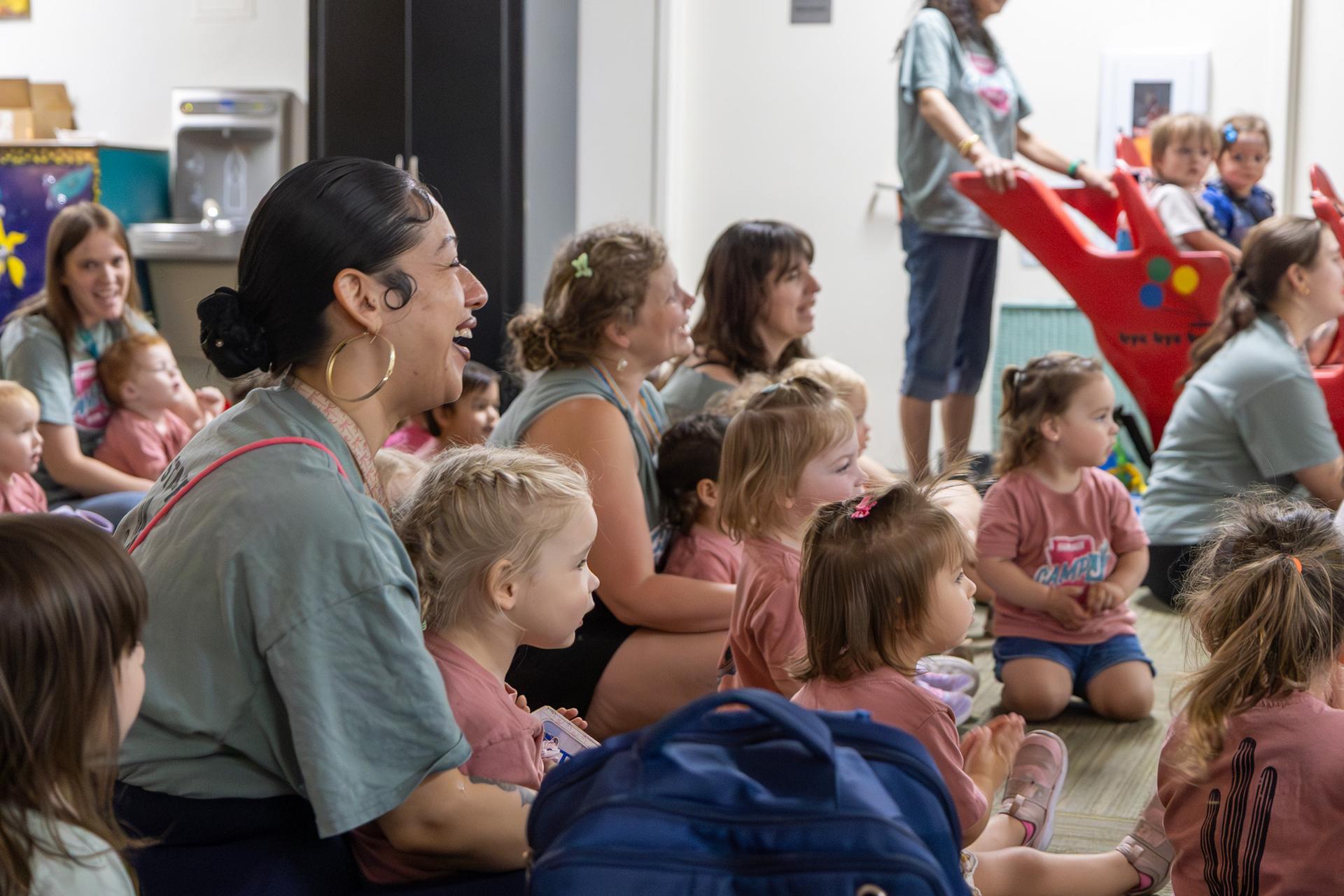
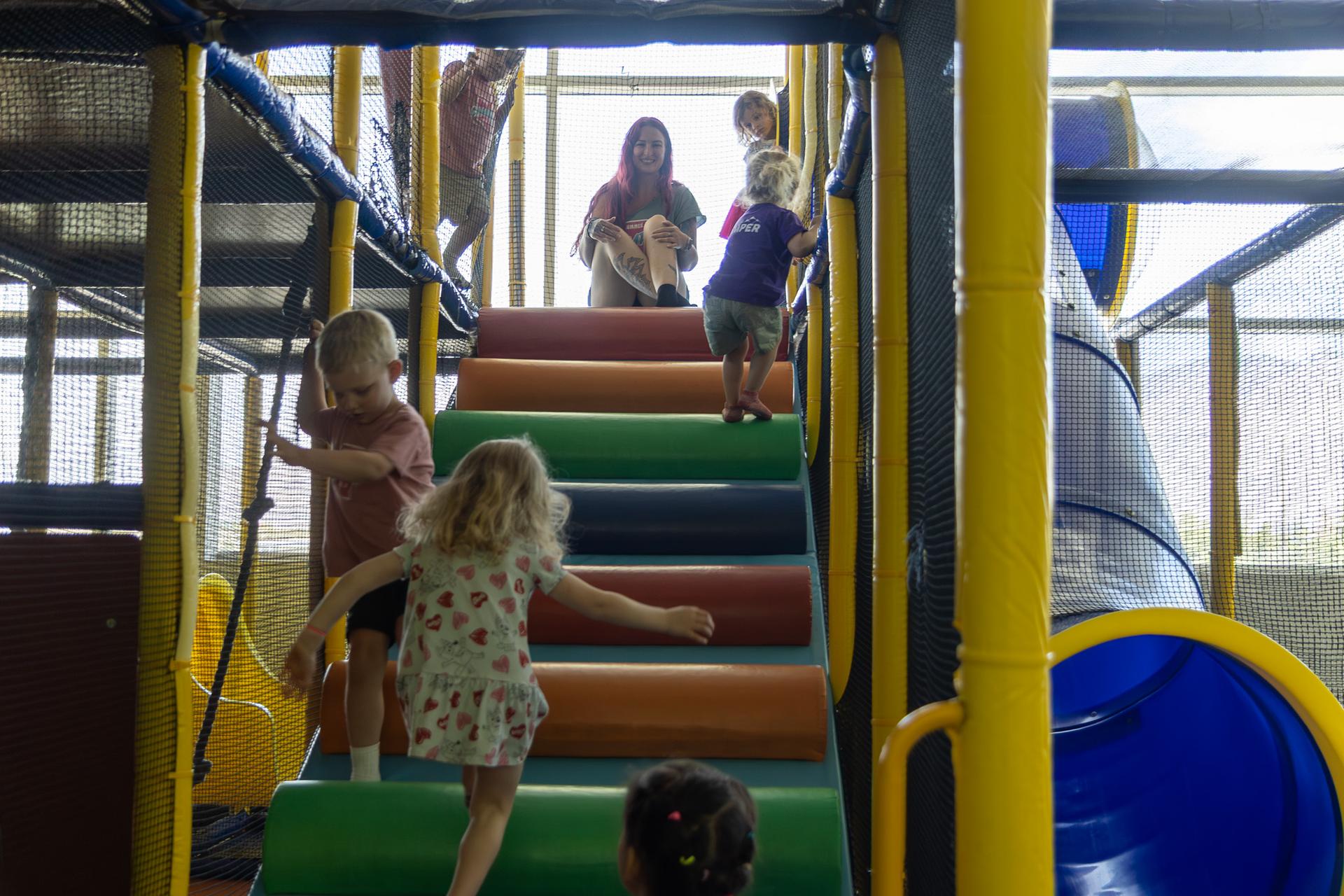
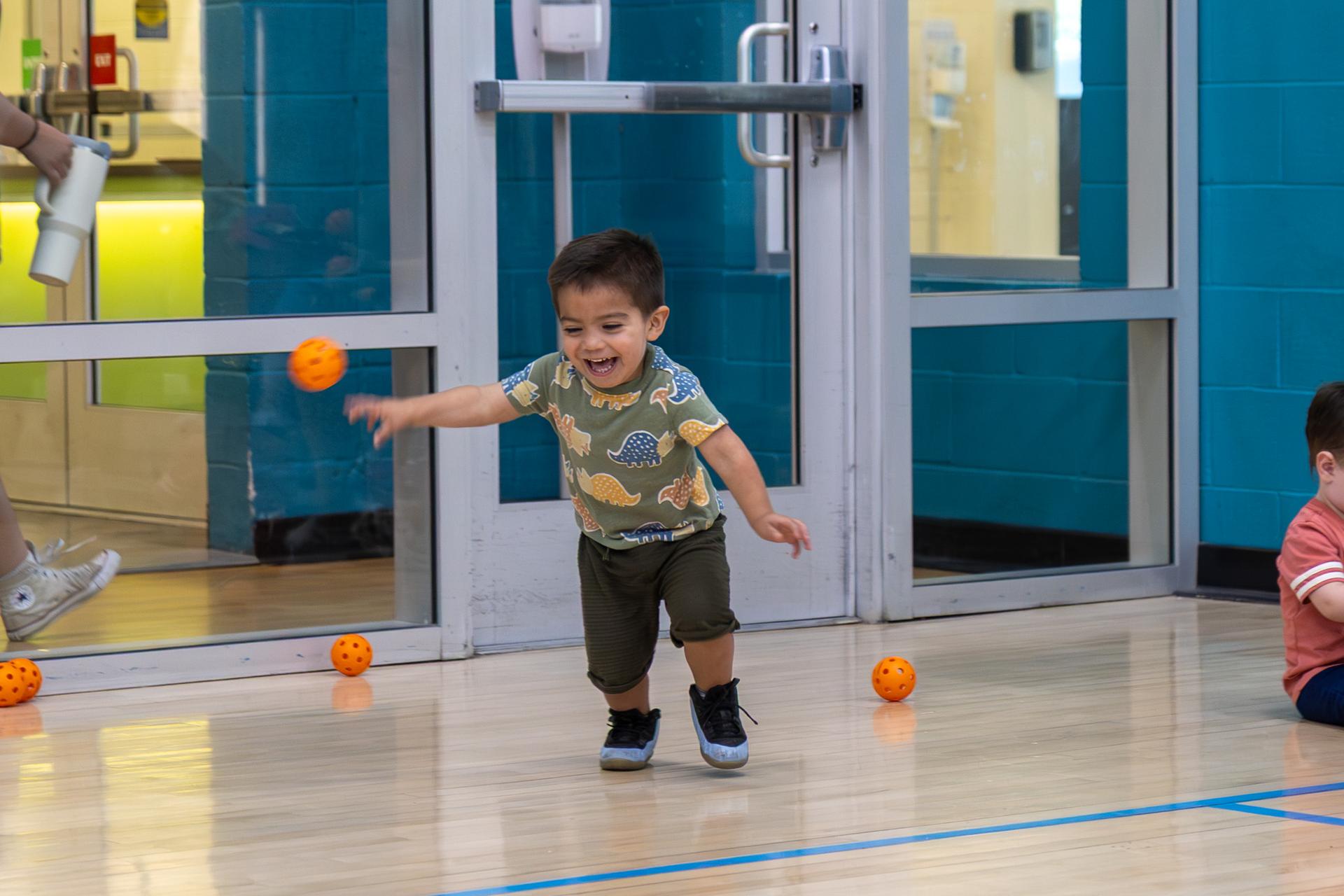
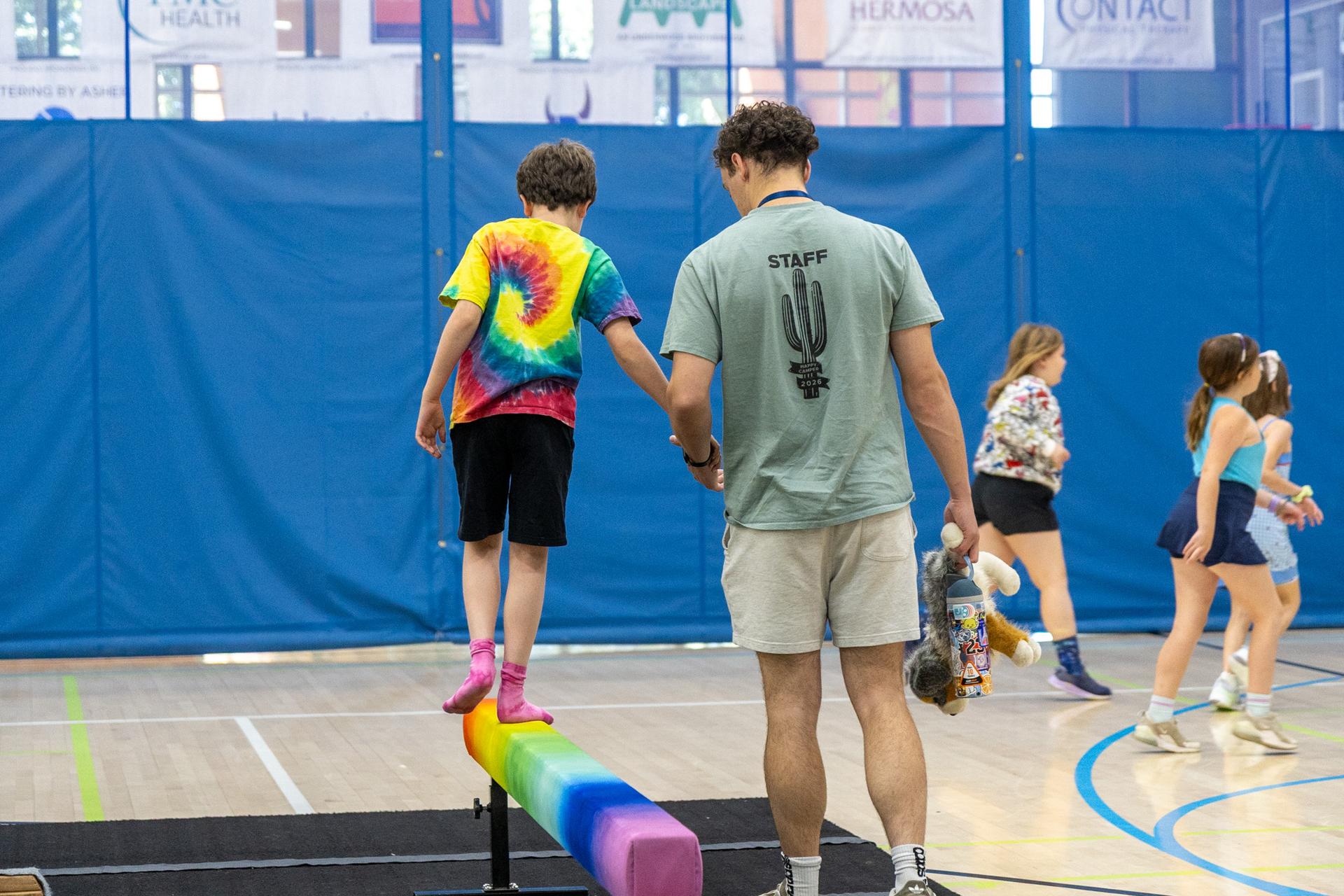
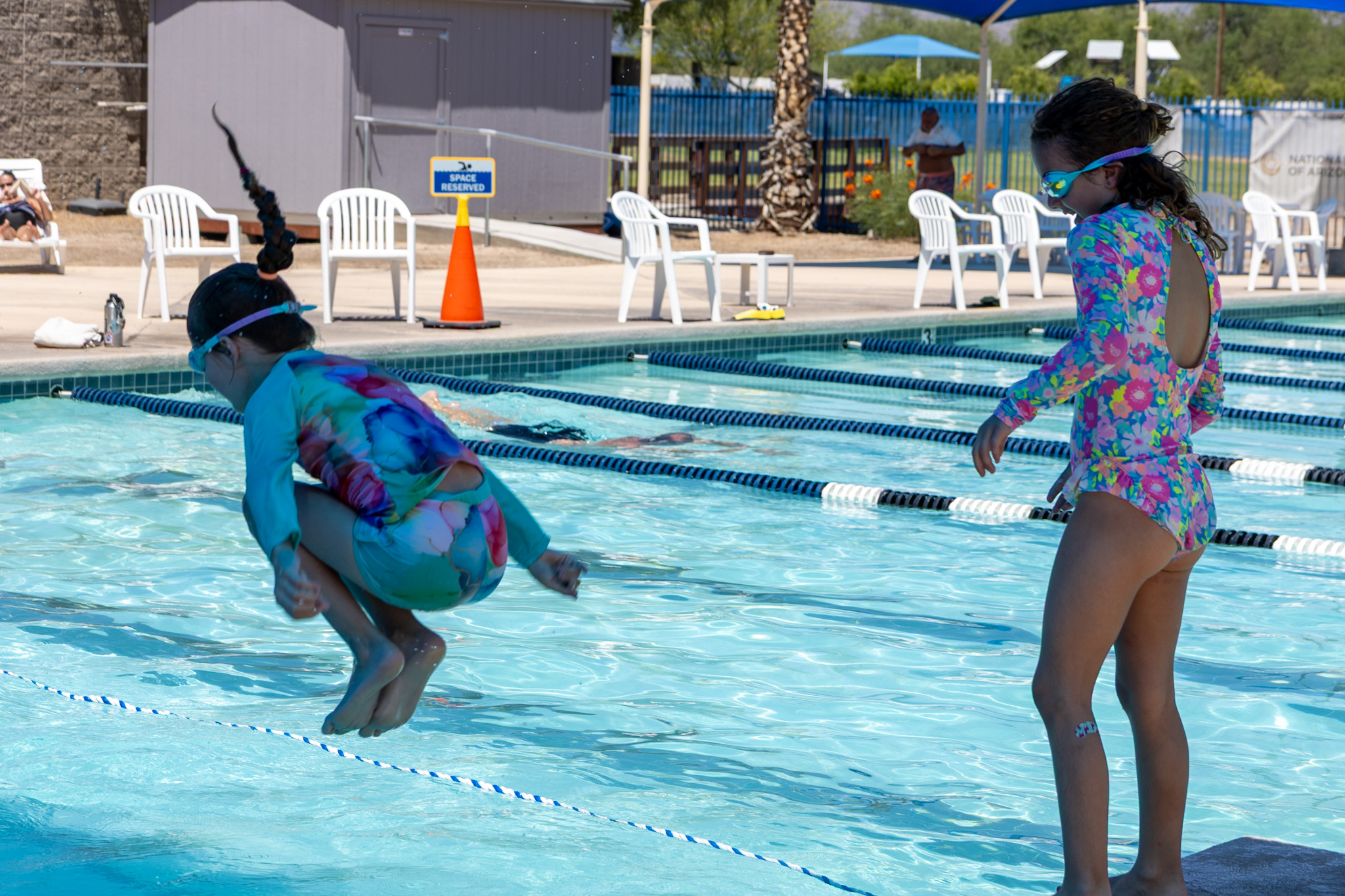
This week at the J, kids in Early Childhood Education beat the heat and learned new skills together at the pool. One classroom showed off their camaraderie and creative spirit wearing matching tie-dye shirts they made themselves, and other ECE students cheer eachother on in PeeWee sports! 


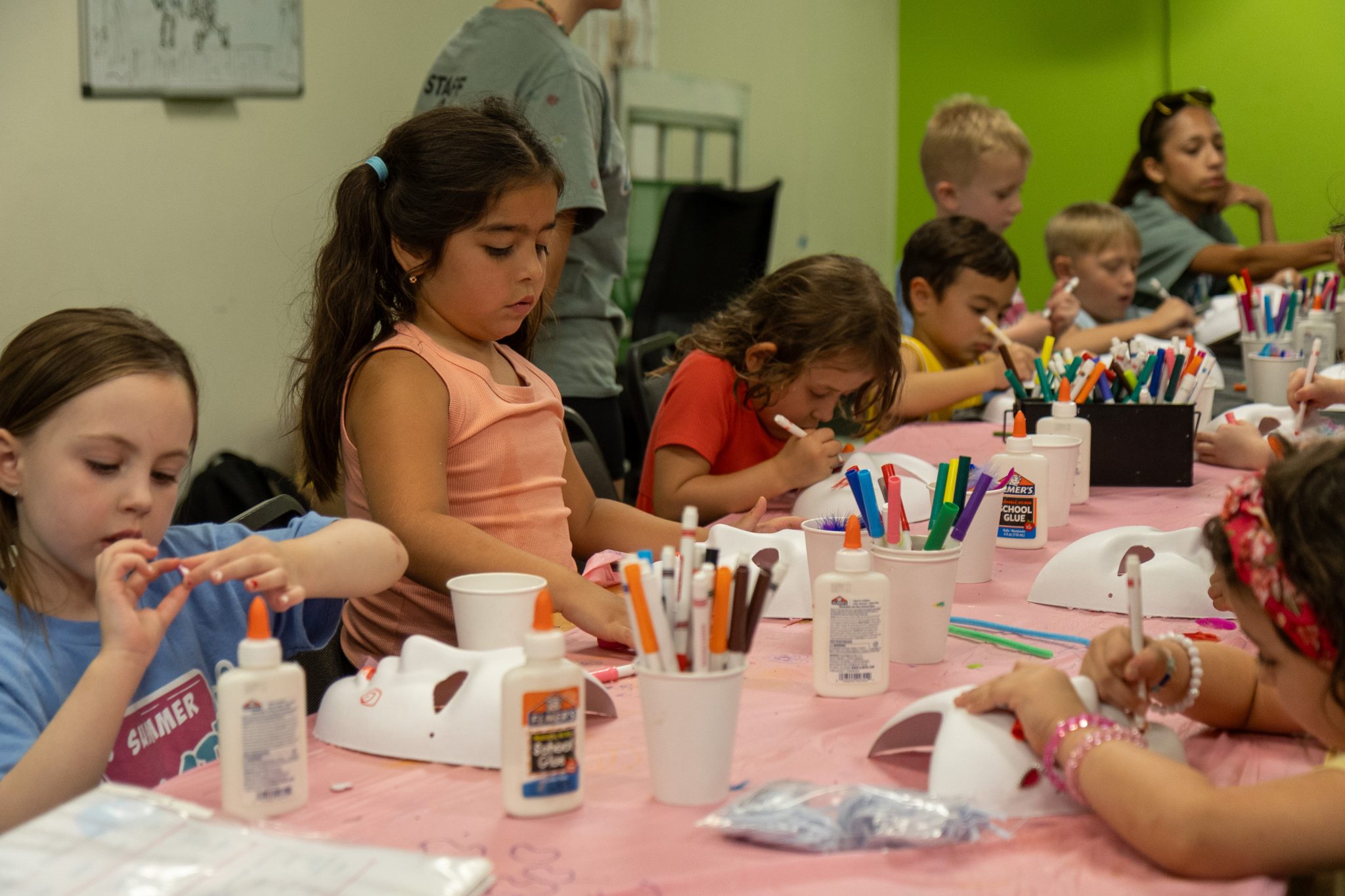
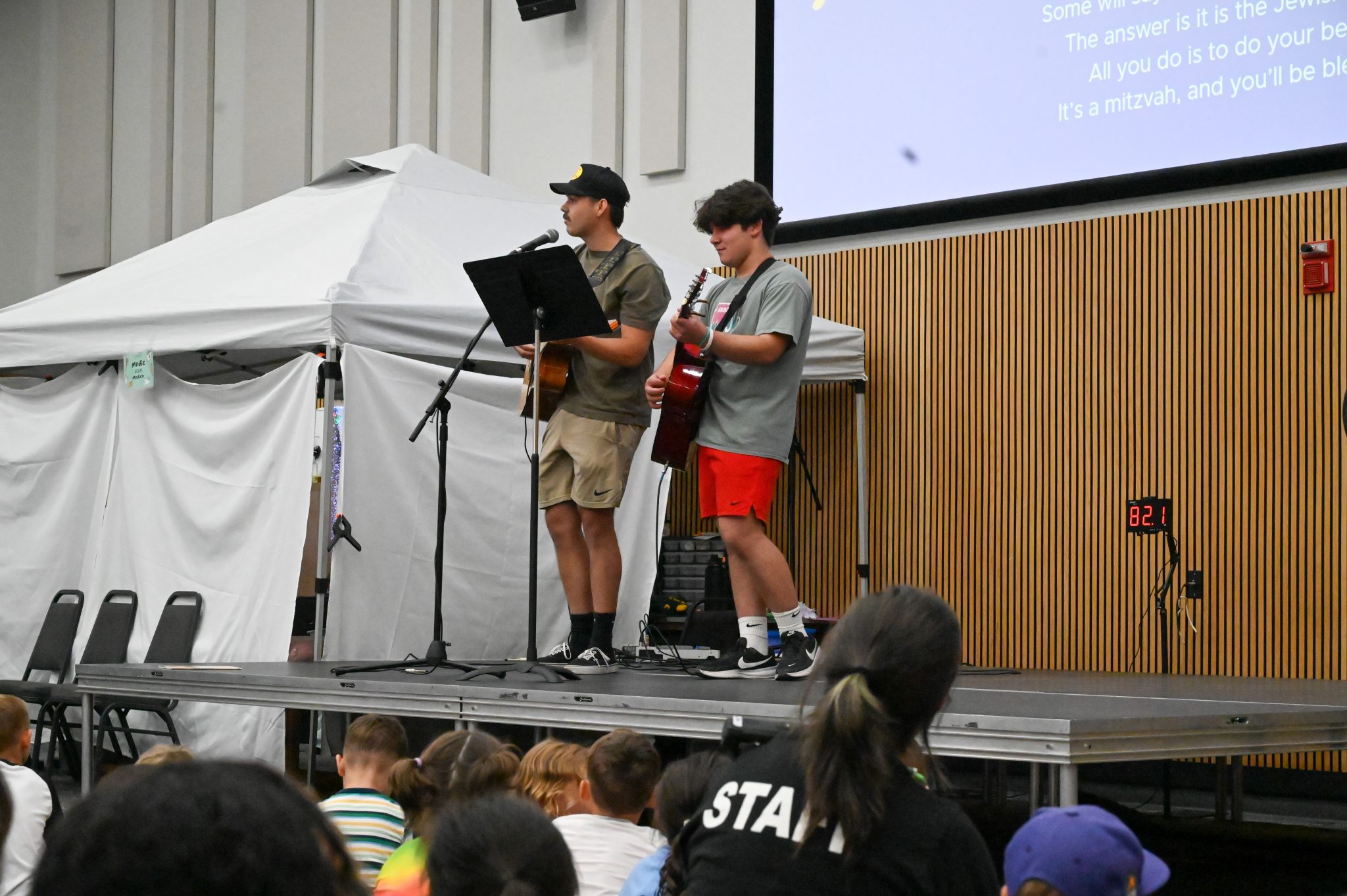
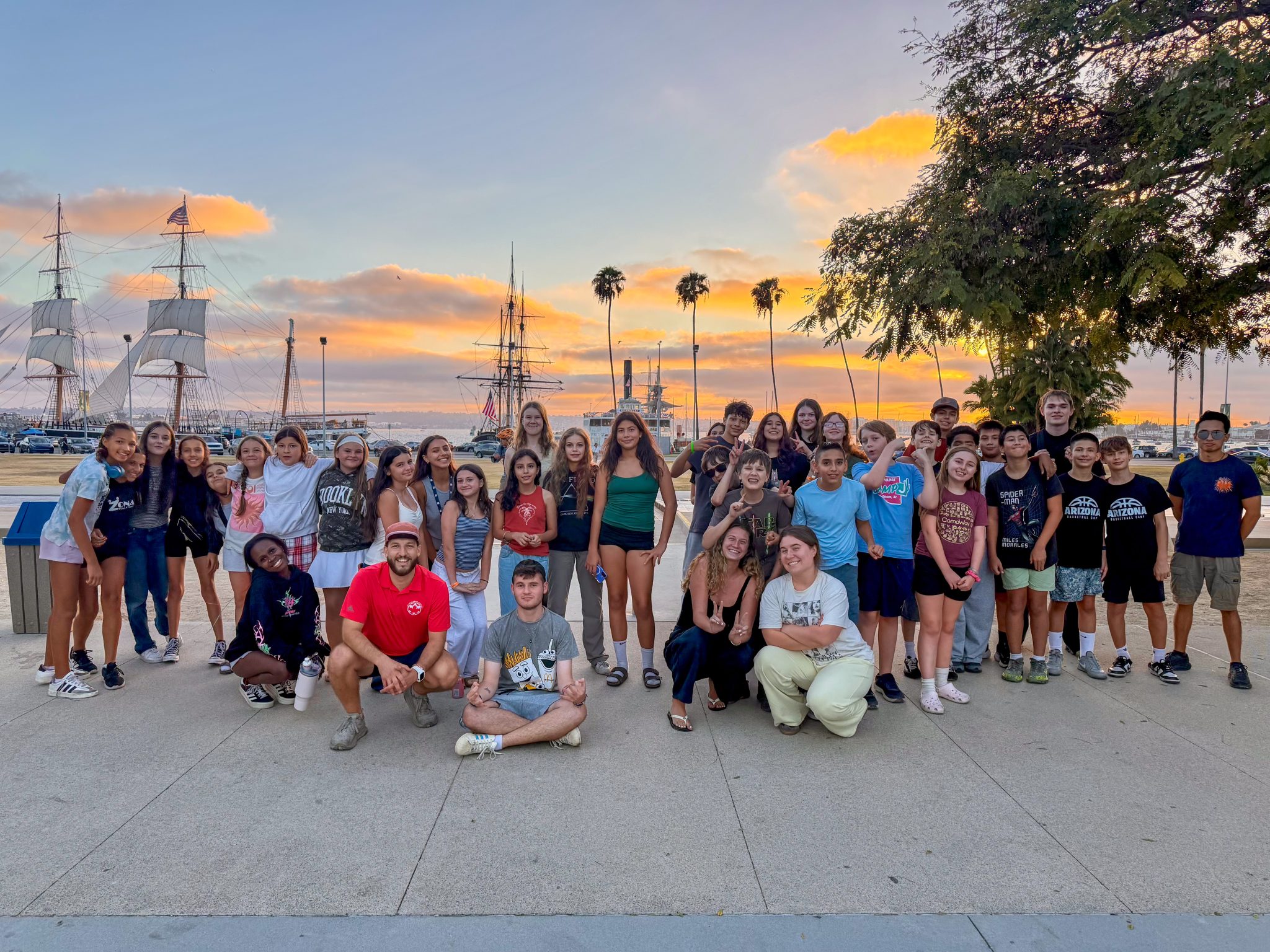
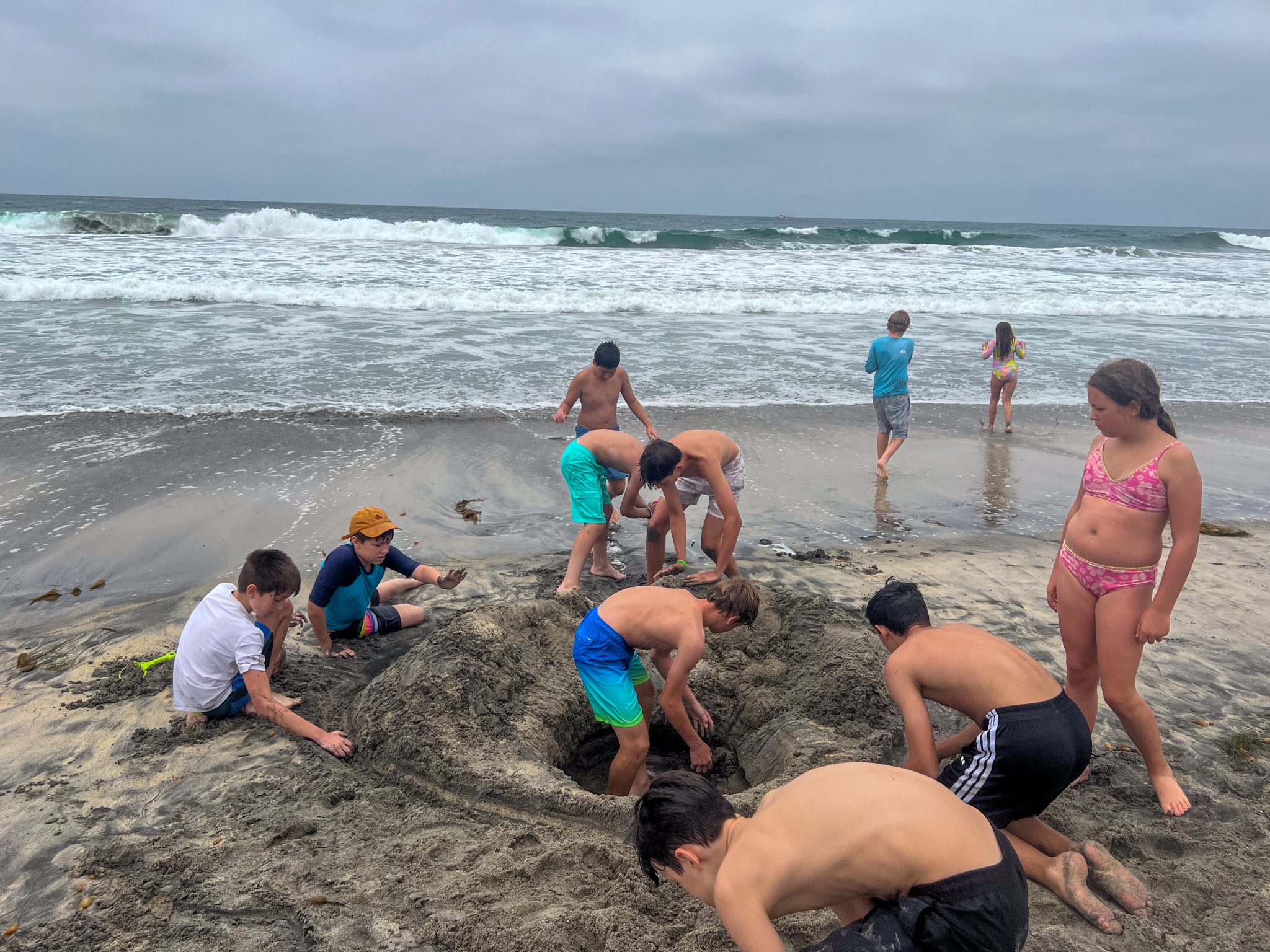
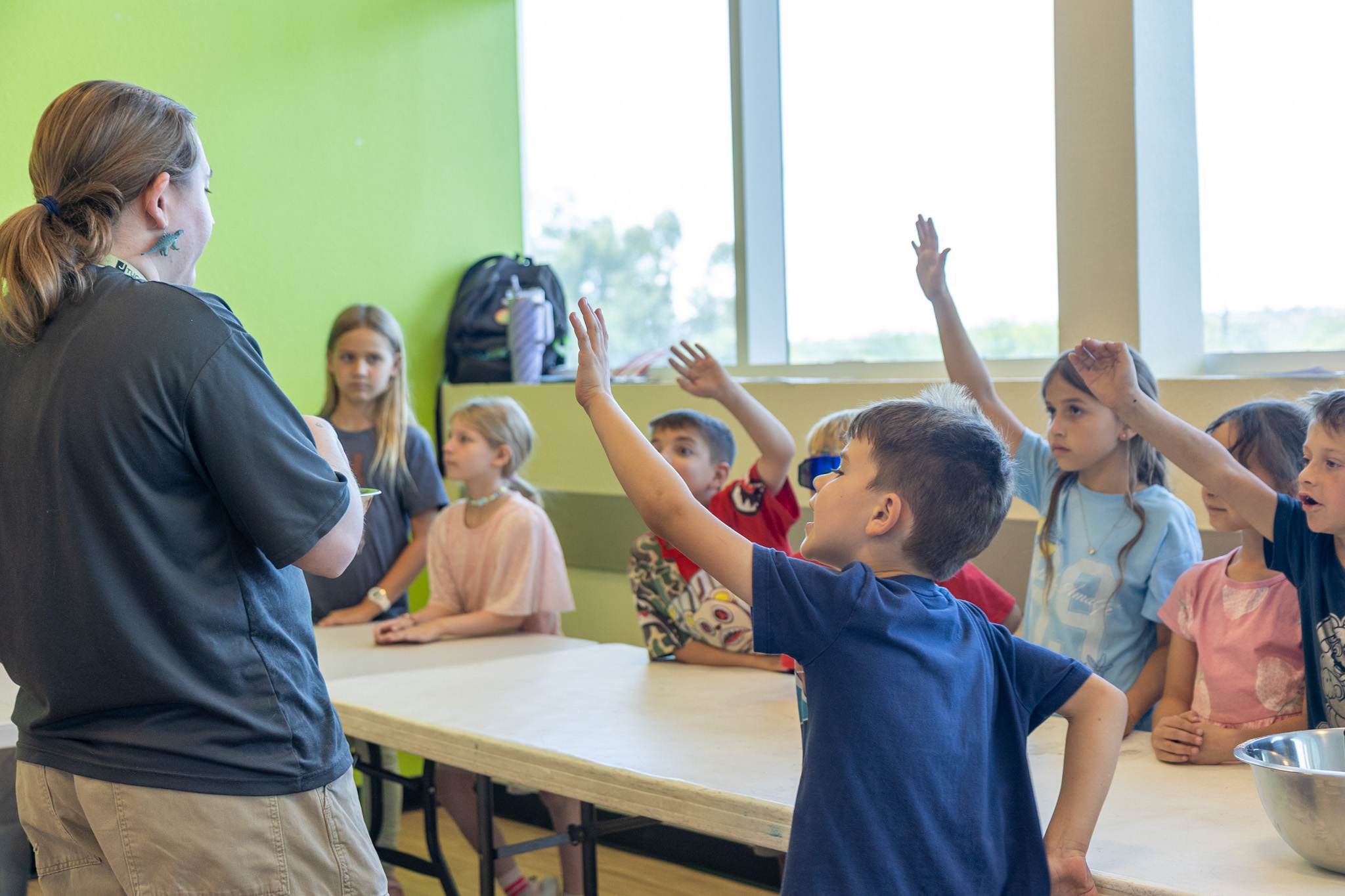
In Camp, we had a blast with Wednesday’s themed Pajama Day, made masks in the theatre chugim (choice activity), baked pretzels in cooking, crafted lanyards in art, and took a field trip to see the newest Minions movie. Tiyul took an exciting overnight trip to San Diego and enjoyed cooler weather and time at the beach! We also had an extra special Shabbat with a visit from Rabbi Billy, and Tyler led the group in a special song written by beloved past Camp Director Scott Zorn (otherwise known as “Shabbat Scott”). Scott was a counselor to many of our current camp staff when they were young and it was meaningful to reflect on their journey from camper to counselor! 

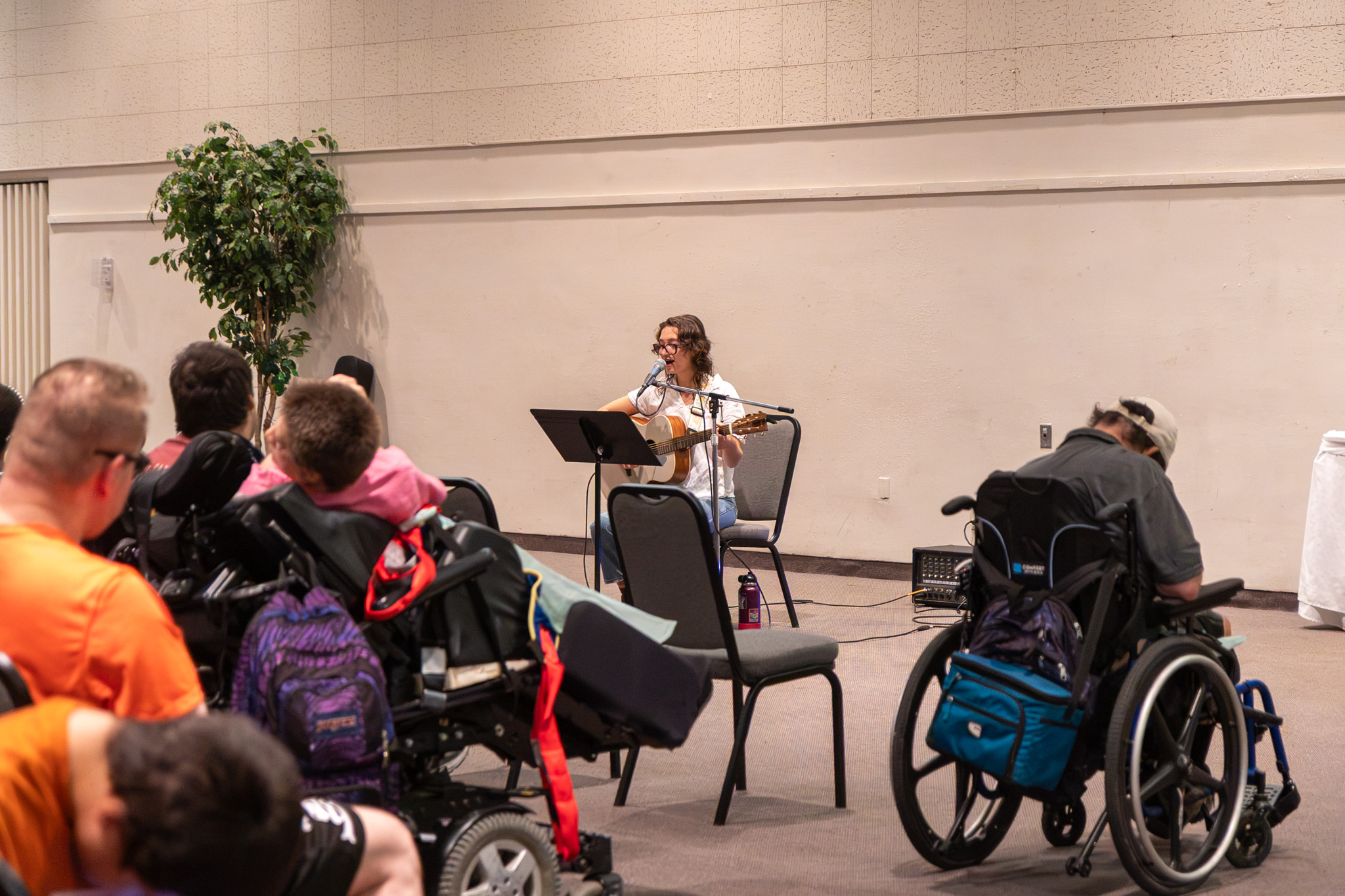
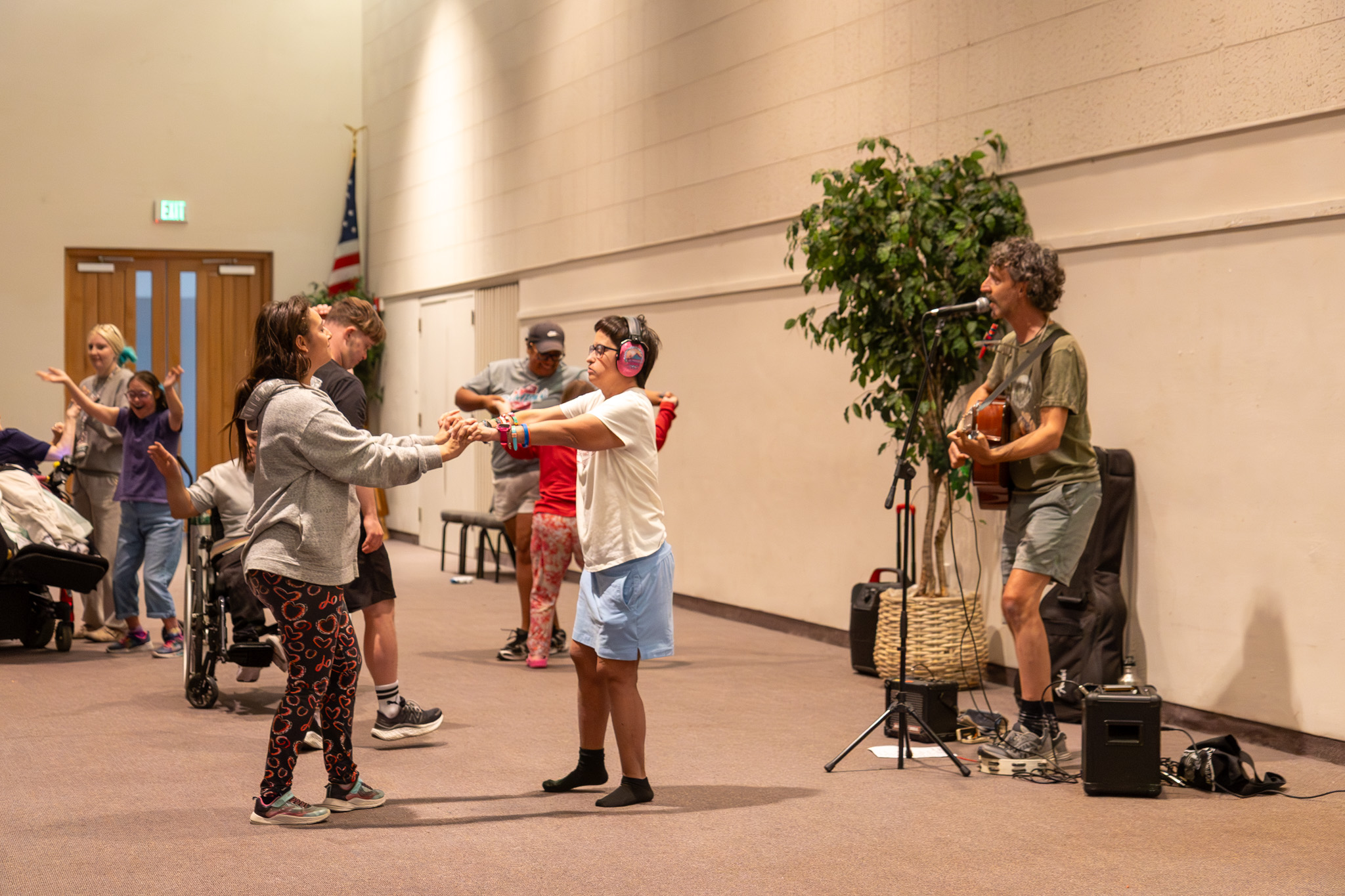
Participants in our Disability Program Services programs enjoyed the last of their summer concerts with a performance by Chelsea Cannon, who sings professionally in the Tucson Symphony Orchestra Chorus, Helios Choral Ensemble, and Chamber Choir. Connecting with music can be an important tool for all of us on our journeys, providing comfort in challenging times, and amplifying our joy in good times. 


As we reflect on the journeys of the Israelites and our own, may we find strength in the people who walk beside us and purpose in each step along the way. Wishing you a peaceful Shabbat filled with connection, renewal, and the joy of being part of a community that journeys together.

Reminders, Resources + Learning

From the Desk of Stories Behind the Numbers | Rabbi Malcom Cohen, Kol Ami Synagogue

Shabbat Shalom
Shabbat Shalom

From the Desk of Stories Behind the Numbers | Rabbi Malcom Cohen, Kol Ami Synagogue

Next time you’re in shul, look at the person behind or in front of you who you may or may not know. Don’t stare too intensively, that’s creepy! What’s their story? Where were they born? What was their upbringing like? Who influenced them? What is their greatest achievement? What are their goals in life? What gets them up in the morning? What keeps them up at night? In addition to seeing, really seeing, one or two individuals around you, we usually count how many people show up at services. 


In this week’s portion, Pinchas, Moses and Elazar are charged with counting the Israelites, those aged twenty and upwards, mainly for the purposes of assessing their military strength. This is a relatively sober, emotionless counting. We need to know how many soldiers we have to see who effective we would be in fighting our enemies. 43,730 from the tribe of Reuben, 22,200 from the Tribe of Simeon etc. In an army, the individual details of each person counted is not so important. Indeed, in the military, individualism is problematic if it erodes your ability to follow orders. For some tasks, humans just need numbers, volume. 


Our sages tell us: The one who sees crowds of Israelites should say “ברוך חכם הרזים, Blessed are You who is wise in secrets,” because, the sages say, their minds differ and their faces differ. A crowd of people, like we have in shul, don’t look alike so they also don’t think alike. I have the advantage of the high ground, I’m often up on a bimah, looking down. I see everything from up there. I don’t mean that in a sinister way, that I’m checking up on folks. I mean that, when I look out from that vantage point, I see people in their fullness. Someone who I know has had a hard week because of illness to them or a loved one, someone who is going through a major life transition and it’s eating them up inside, despite their calm exterior, someone who is relatively new to Judaism and struggling to internalize Jewish practice. 


It’s at those moments that the mass of numbers of people in our congregation transform into life stories and experiences. What a beautiful thing. Shabbat Shalom!

Also in Pinchas, we encounter the powerful story of the daughters of Zelophehad—five courageous sisters who “draw near” to Moses and the leaders of Israel to advocate for their rightful inheritance. Their act of stepping forward, of coming close with clarity and purpose, brings about real change and sets a precedent for justice in our tradition. At the Tucson J, we are inspired by this model of sacred closeness—of drawing near to community, to tradition, and to one another. And we believe that everyone matters. Our mission is rooted in creating a space where people feel empowered to engage, connect, and be heard—where every individual, like the daughters of Zelophehad, has the opportunity to help shape the future for themselves, our community, and the world around us.


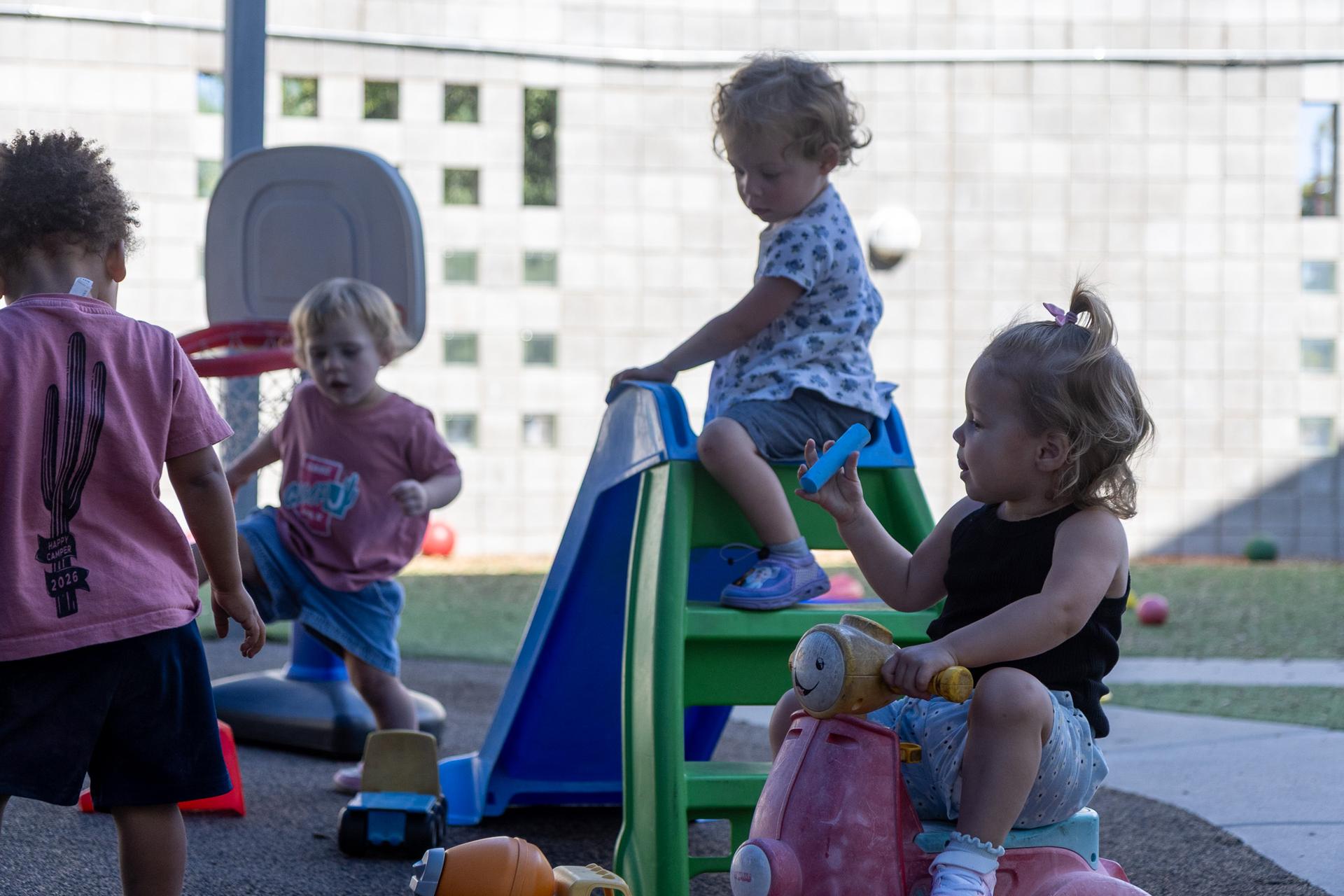
That commitment begins with our youngest community members: every day in our Early Childhood Education program, we create a nurturing and supportive environment where kids learn to explore their individual interests, build meaningful relationships with their peers, and learn the skills they need to thrive here at the J and far beyond. Whether celebrating Shabbat each Friday, exploring in the PlaySpace, creating in the ECE art studio, or listening to a story in the classroom, we celebrate each child’s individuality and are honored to contribute to their bright futures!

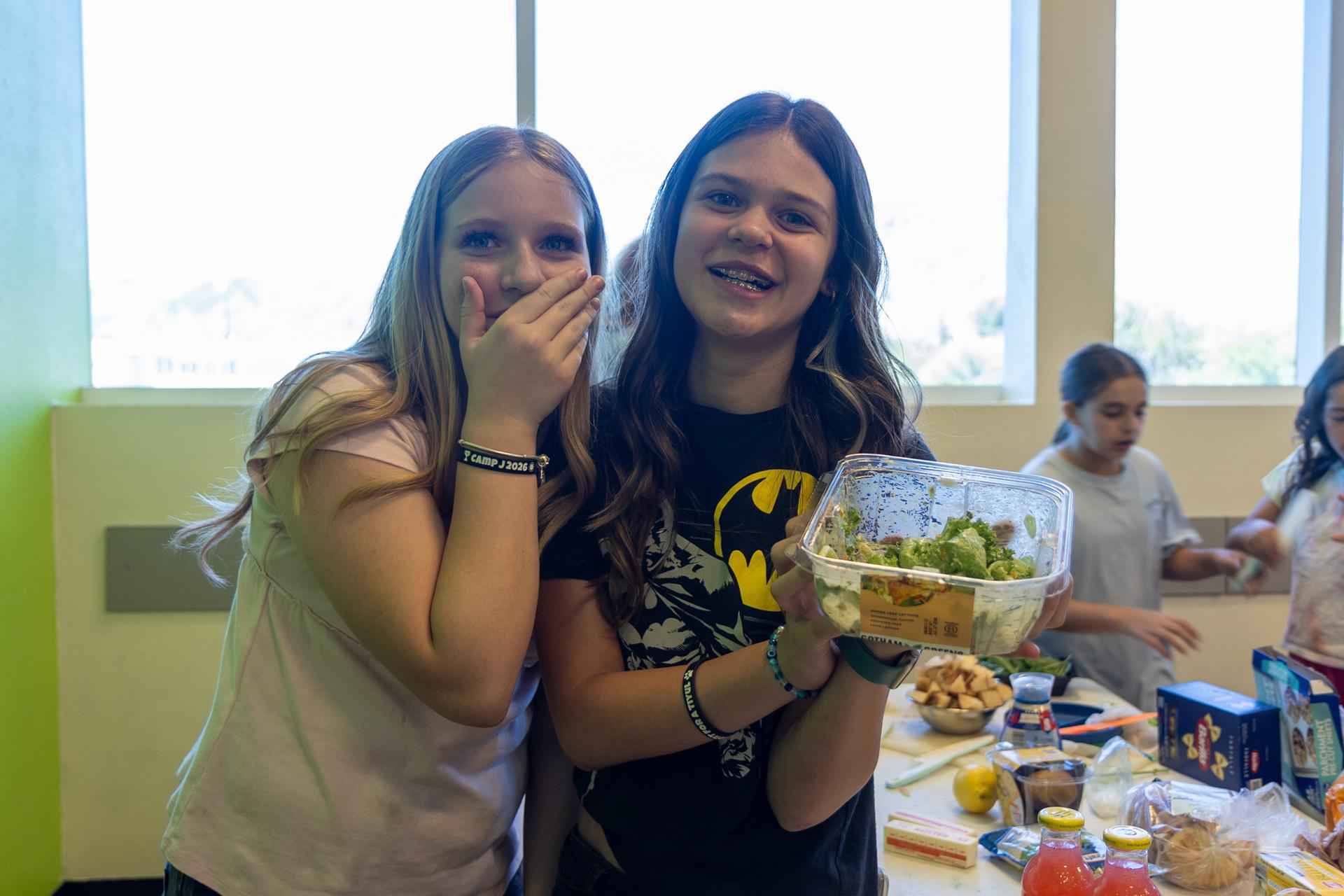
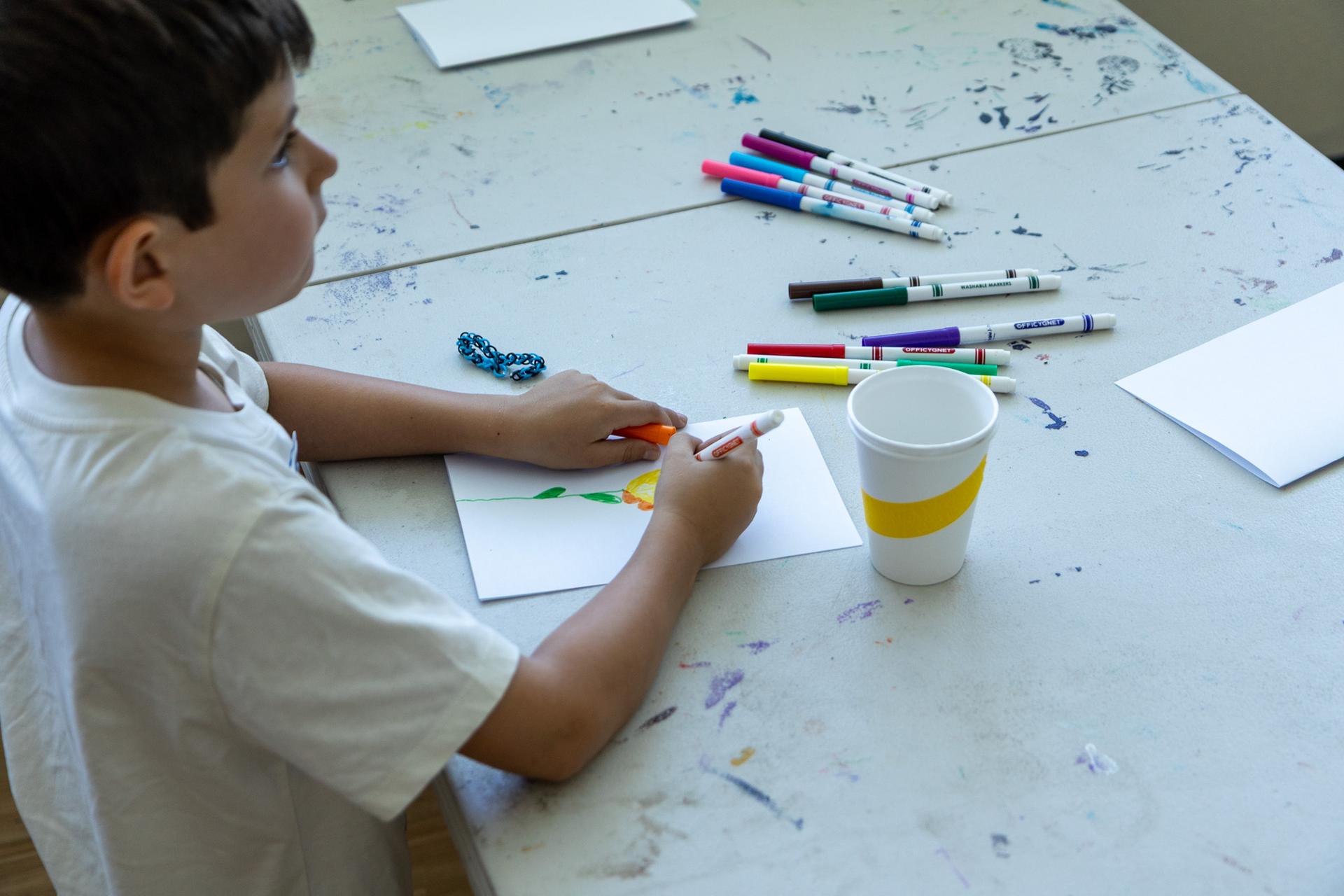
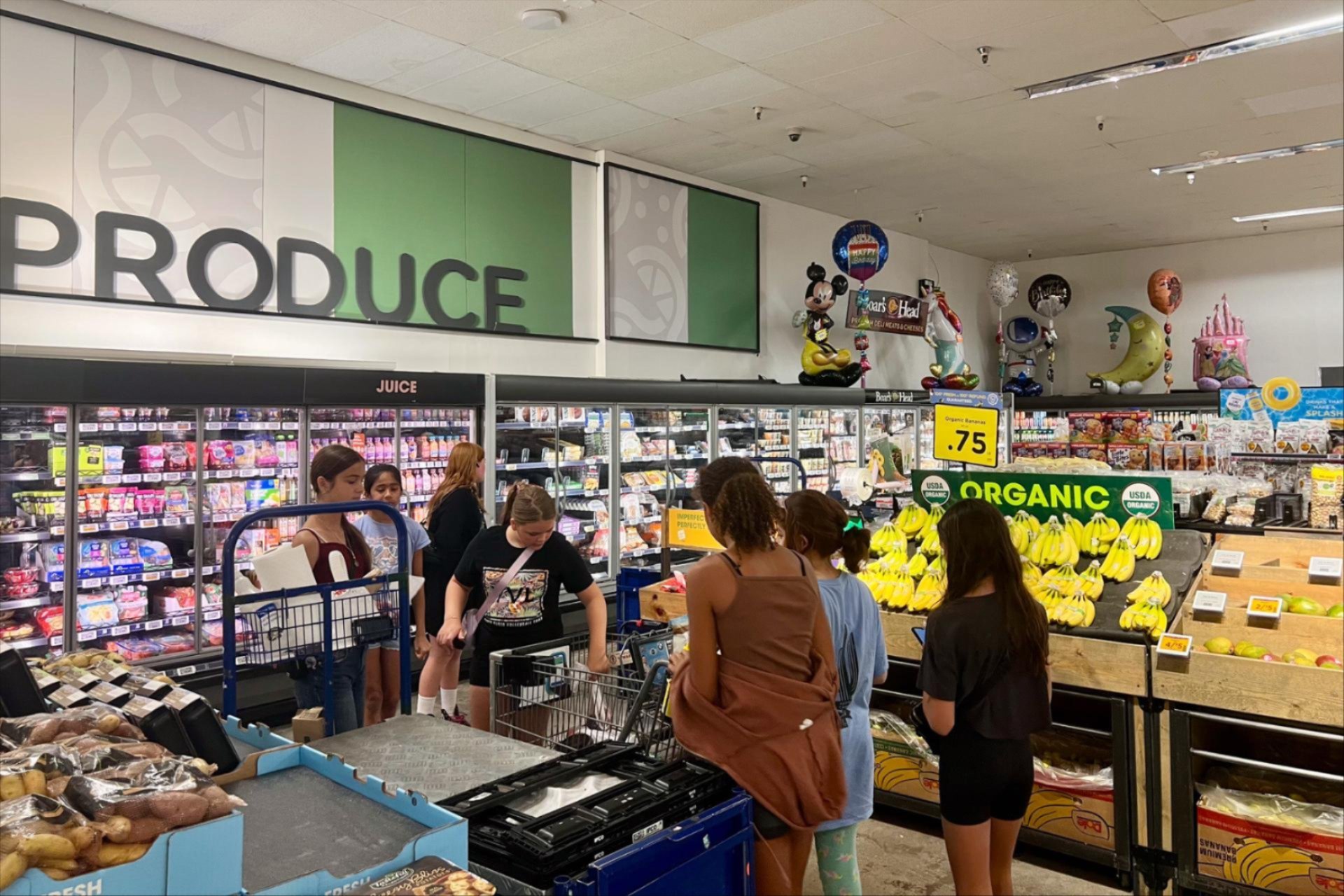
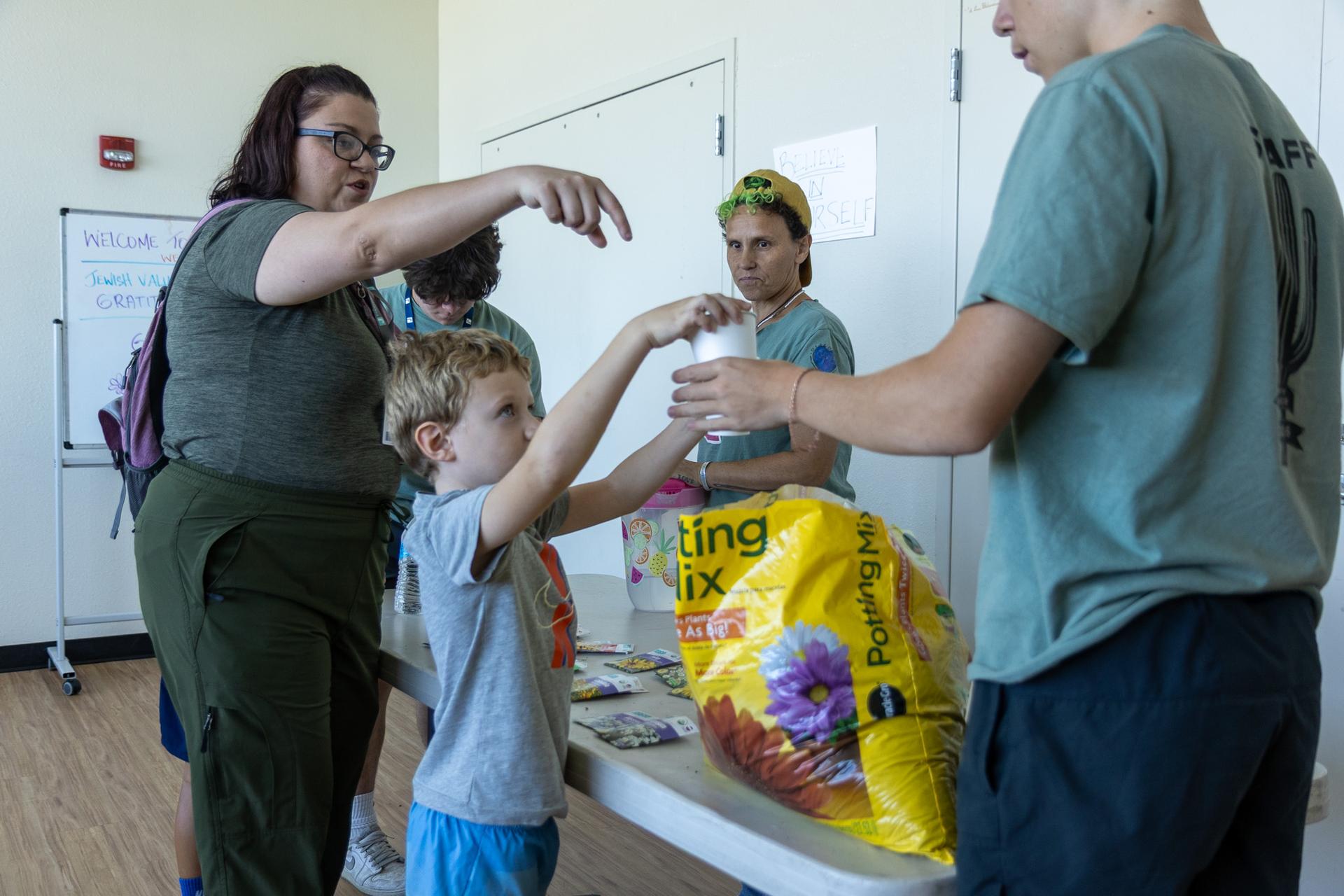
As summer continues, we also see this idea of “drawing near” come to life at Camp J— campers learn to work together, step outside their comfort zones, grow more confident in themselves, build their leadership skills, and discover that they belong to something bigger than themselves. These moments of connection and community help create a summer filled not only with fun, but with the sense of empowerment and belonging that will stay with them long after camp ends. This week, highlights included making gratitude cards and planting seeds in Discovery, “Red, White + Blue” Day (including ice cream treats for the entire Tucson J team), and our Tiyul group’s annual and highly anticipated Restaurant Wars! This year to prepare, Tiyul toured Kneller’s Delicatessen, Street Taco, Empire Pizza, Corbett’s, and Dairy Queen and then went shopping for ingredients! Please join us in thanking judges  Christian Padilla (of Zio Peppe), Jeremy Kneller (of Kneller’s Delicatessen), and Adina Karp (former Camp J staff), and congratulating Team Tacos Eduardos on their win! 


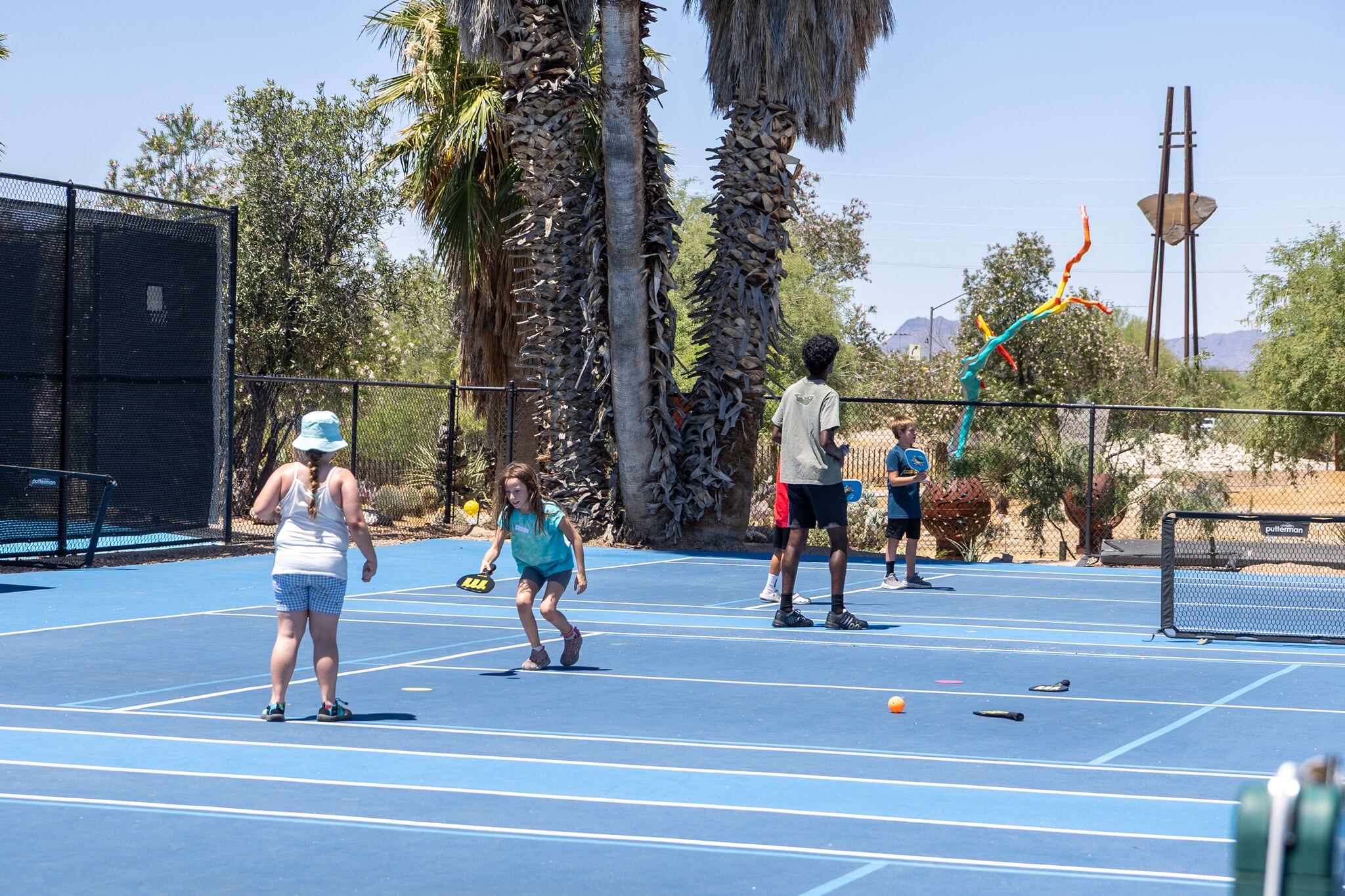
Just as every person has something unique to contribute to our community, every member finds their own way to engage at the J. On any given day, you’ll find members catching up between pickleball games, encouraging one another in group fitness classes, swimming laps, working toward fitness goals with a personal trainer, and so much more. While everyone’s path to wellness looks different, we are so often reminded that some of the strongest connections are built simply by showing up together.


Whether you are trying something new in ECE or camp, shooting a game of Noon Hoops, attending an art class, or living your best life in one of our Healthy Aging programs, we are grateful you are part of our community. Shabbat Shalom. 

Reminders, Resources + Learning

From the Desk of Jennifer Lorch Selco | Sr. Director of Jewish Living + Engagement

Shabbat Shalom
Shabbat Shalom

From the Desk of Jennifer Lorch Selco | Sr. Director of Jewish Living + Engagement

It’s hard to listen to others when we are so intent on being right. 


This week’s double Torah portion is Chukat-Balak. In Parshat Balak, we meet a king who wants to curse the Israelites, a wizard of sorts, and a talking donkey. Balak, the King of Moab hires Bilam, the wizard of sorts, to curse the Israelites, who were moving closer into Moabite territory. Bilam rides on his donkey toward a place where he can look down at the Israelites to curse them. Along the journey, God sends an angel that Bilam cannot see, and he is quite angry and confused when the donkey suddenly stops for no apparent reason. A very angry and confused Bilam yells at and beats the donkey. This happens two more times, until God puts words into the donkey’s mouth who says to Bilam, “Why do you beat me?” God opens up Bilam’s eyes to the sight of the angel who had been blocking Bilam’s journey. Ultimately, Bilam ends up blessing the Israelites. The blessing features a phrase that is part of Jewish liturgy today, “Mah tovu, o’halecha Ya’akov, mishkenotecha Yisrael; How goodly are your tents, Jacob, your dwelling places, Israel!” The saga of Bilam and Balak ends when they part ways.


Bilam’s donkey saw something that Bilam could not see, but Bilam was not open to the idea of following his donkey’s lead. Bilam reminds us, that even as adults, sometimes it’s hard to listen. In Jewish life, there is a practice called Hitlamdut, Hebrew for internalizing what we learn or experience. Practicing hitlamdut means taking a moment for non-judgmental curiosity – asking ourselves what is being said, how are we hearing what is being said, and how might our own biases impact what we are hearing. When we take a pause to practice hitlamdut, we have the opportunity to truly listen to what is being said and to what is happening around us. Practicing hitlamdut is just like any other skill – it takes practice and consistency. We might stumble sometimes, and we should always strive to seek to understand multiple perspectives and to be open to a variety of possibilities.


This Shabbat, I invite us all to reflect on the idea of listening and hitlamdut. May we all be pleasantly surprised by what we hear.

In the story of Balak and Balam, it is not the powerful king or the famous prophet who sees most clearly, but a donkey who notices what everyone else misses. The story reminds us that our perspective is often enriched by unexpected voices and that holiness has a way of revealing itself where we least expect it. We experience those same truths in our community here at the Tucson J. The moments that shape us most are often the ones that seem ordinary: a conversation over breakfast, a child discovering something new at camp, or a game shared across generations. 


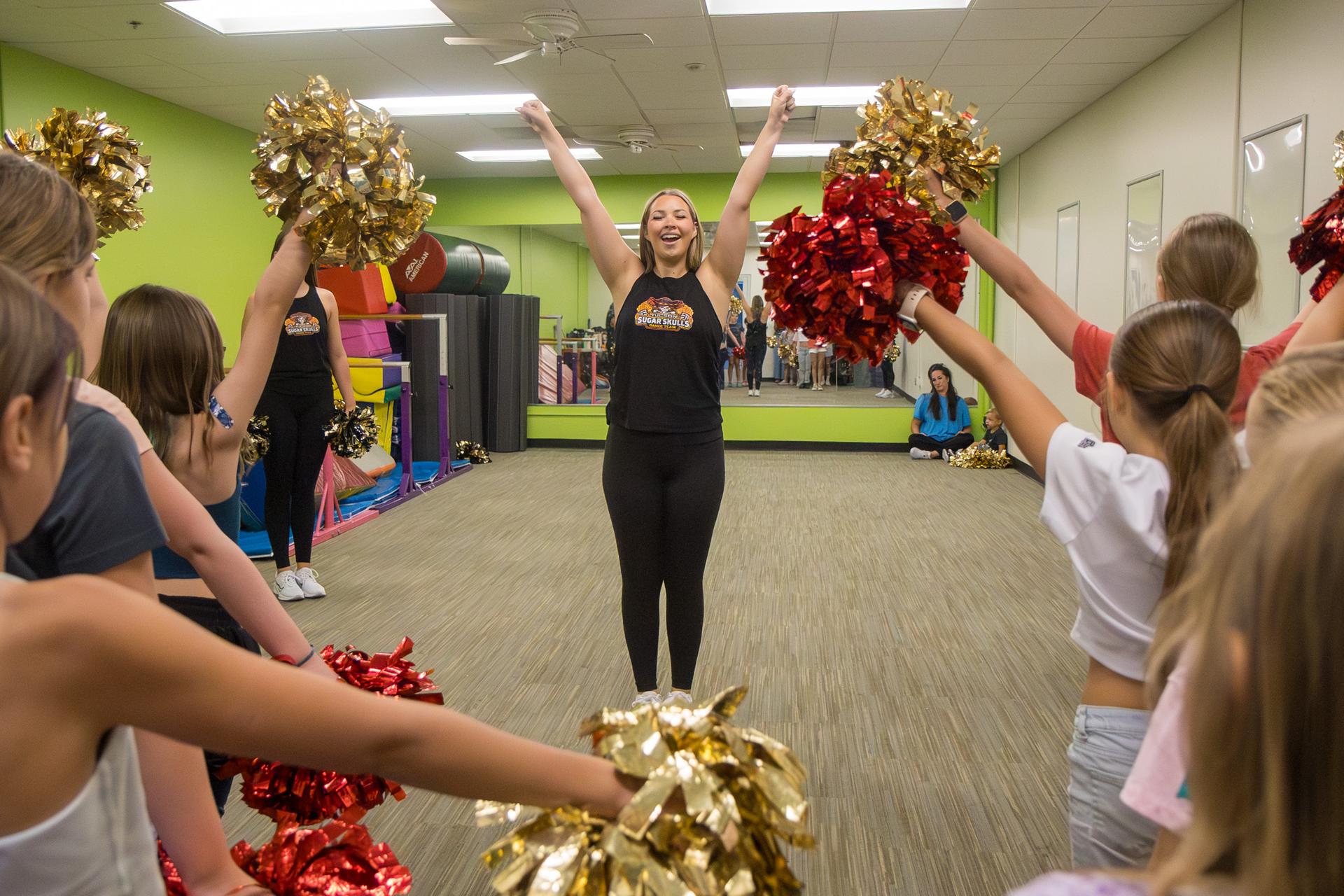
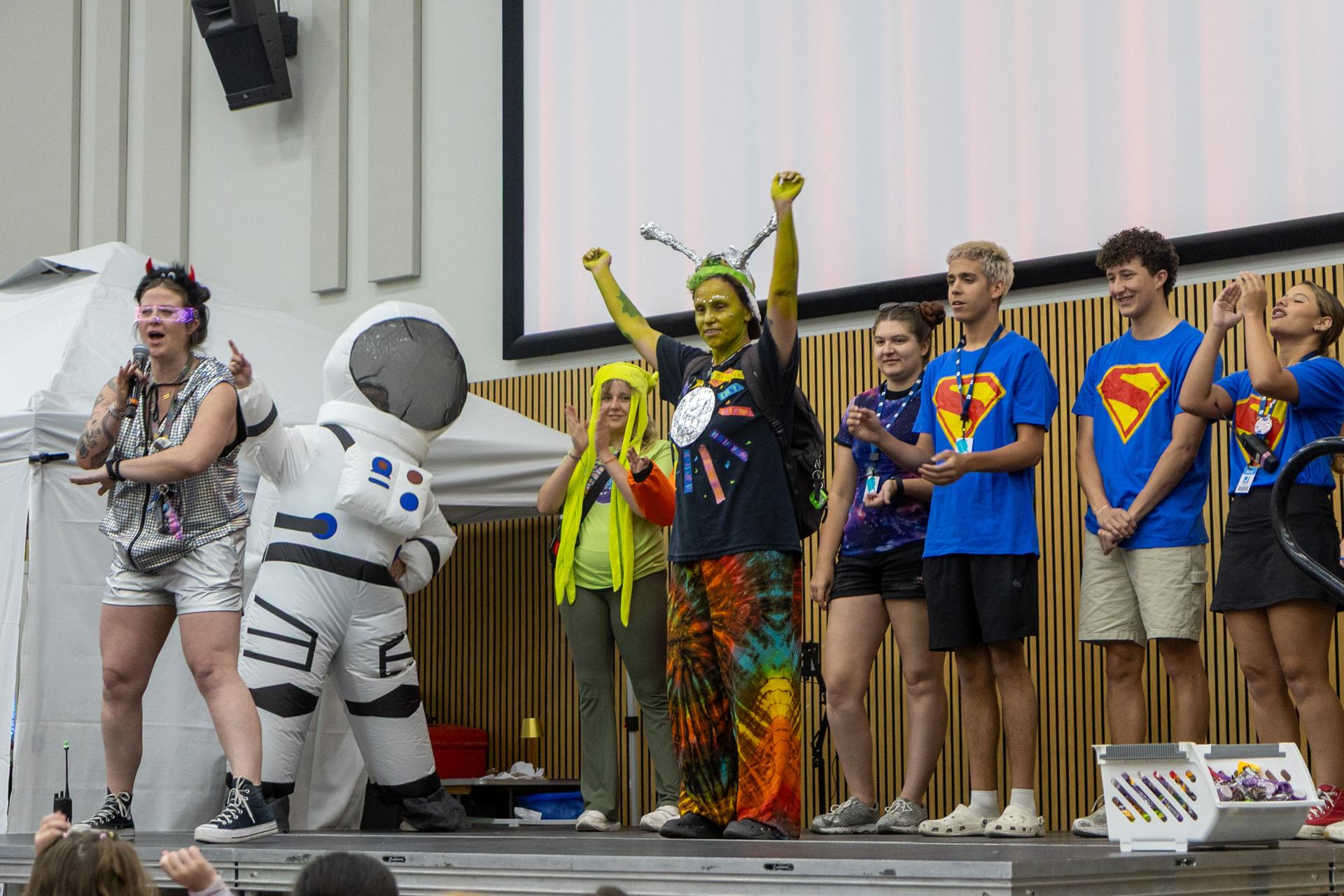
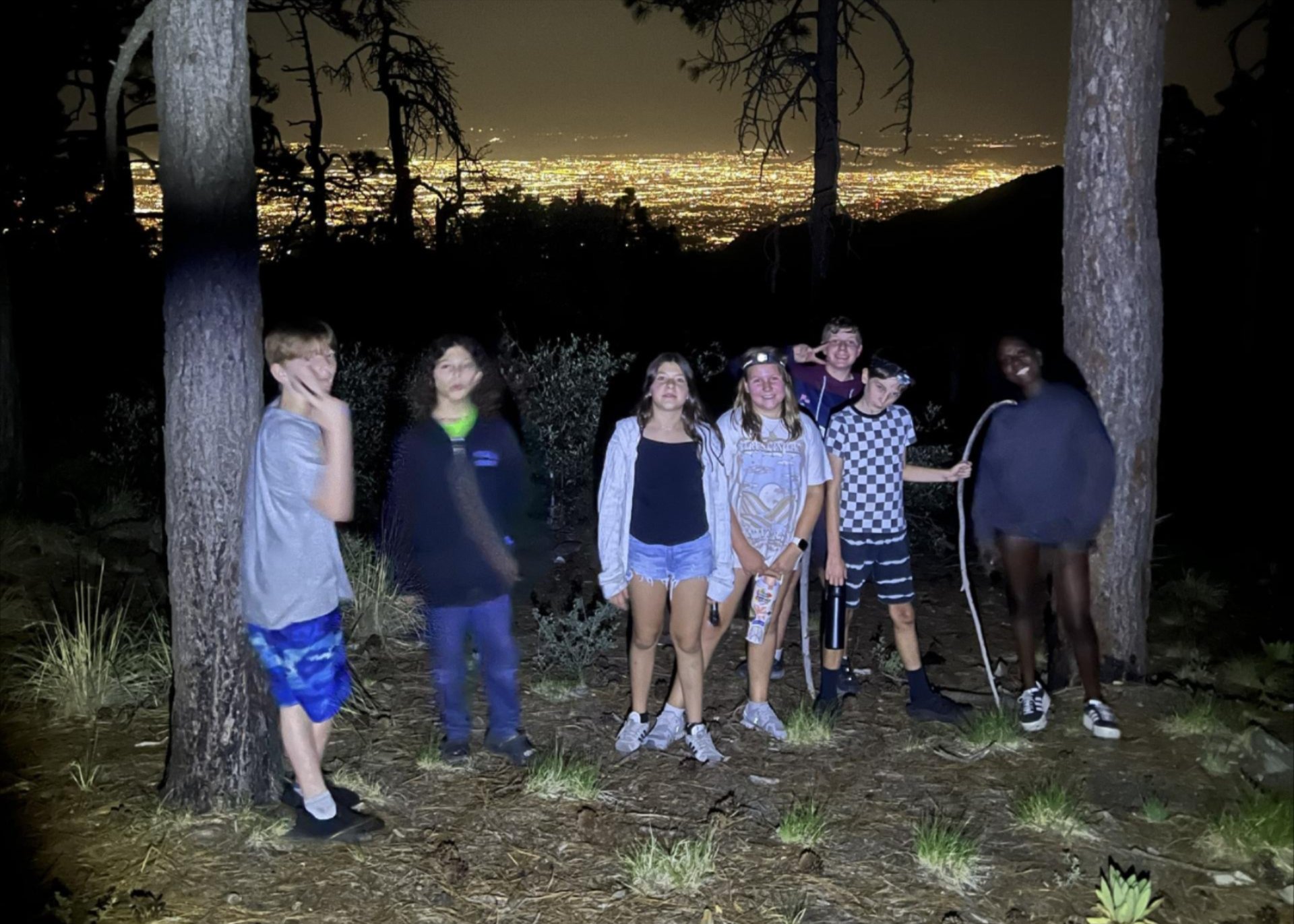
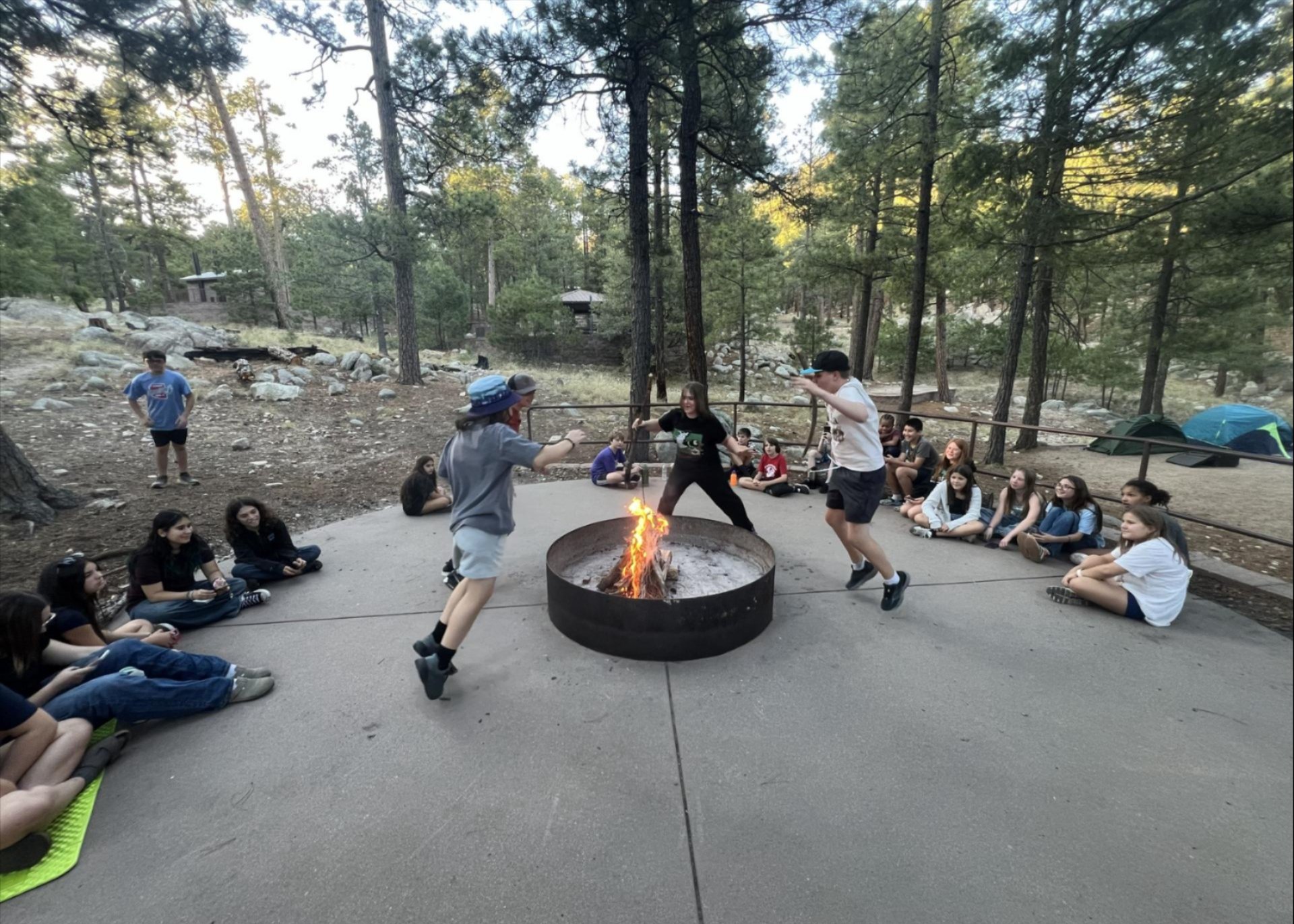
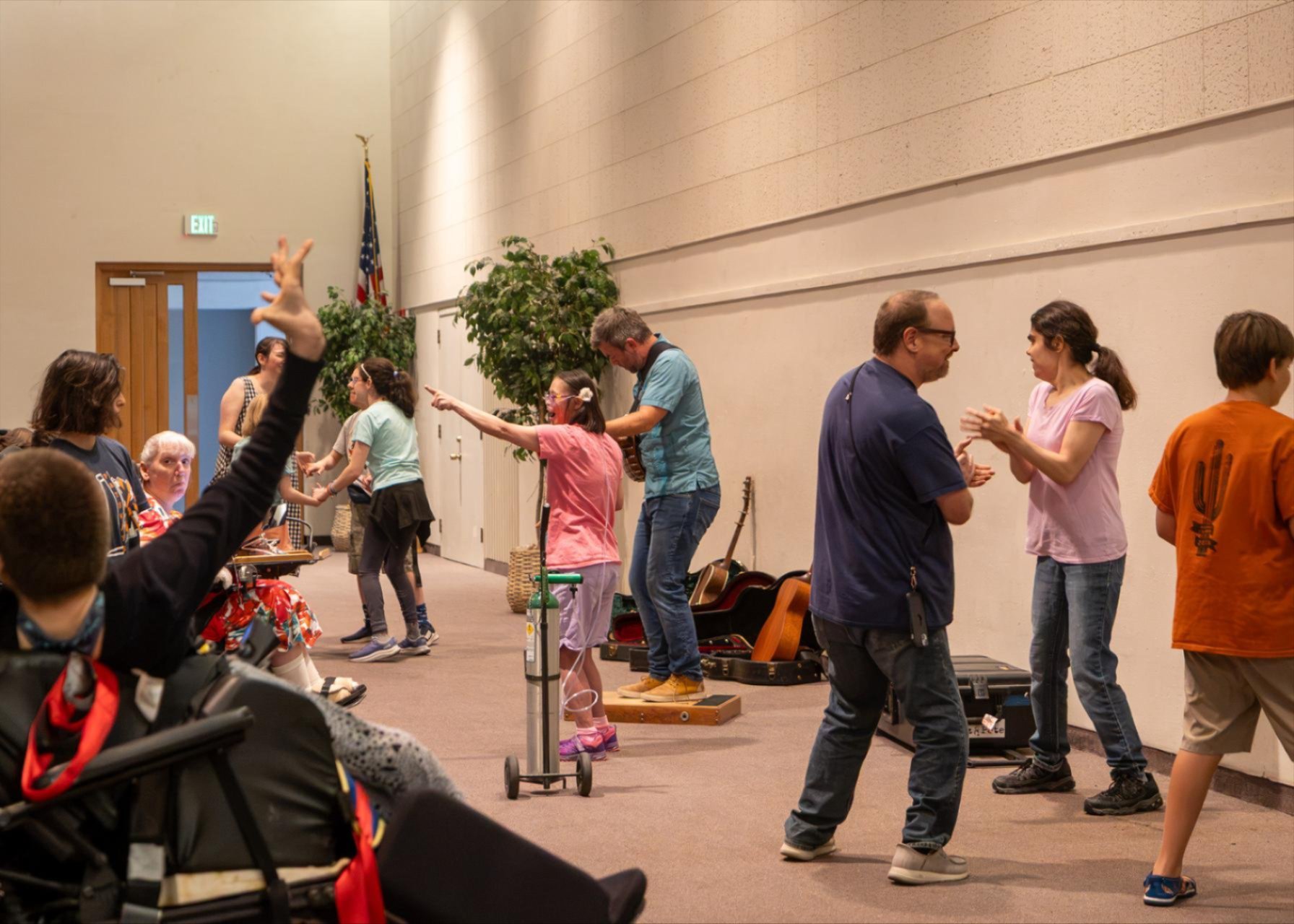
This week marked the half-way point of camp season—time truly flies when you’re having fun! Some highlights from the week include a very special chugim (choice/elective activity) with the Tucson Sugar Skulls Dance Team, Out of this World dress-up day, making pinch pots in art, mock interviews for our teens in Nisayon, a camping trip on Mt. Lemmon for Tiyul, and a field trip to Skate Country for Giborim. In Disability Program Services, participants enjoyed another Summer Concert, this time rocking out to tunes on the banjo. 

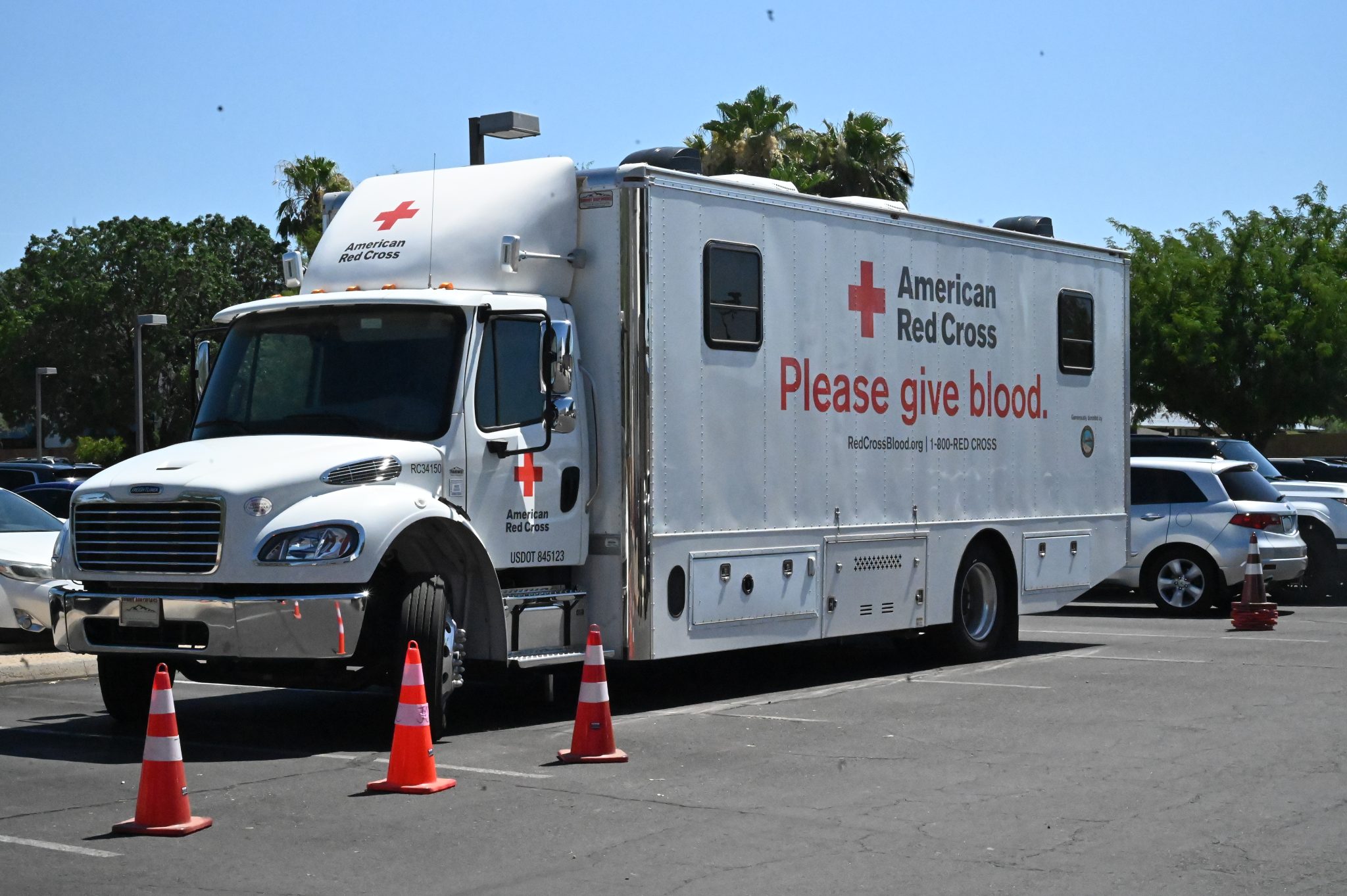
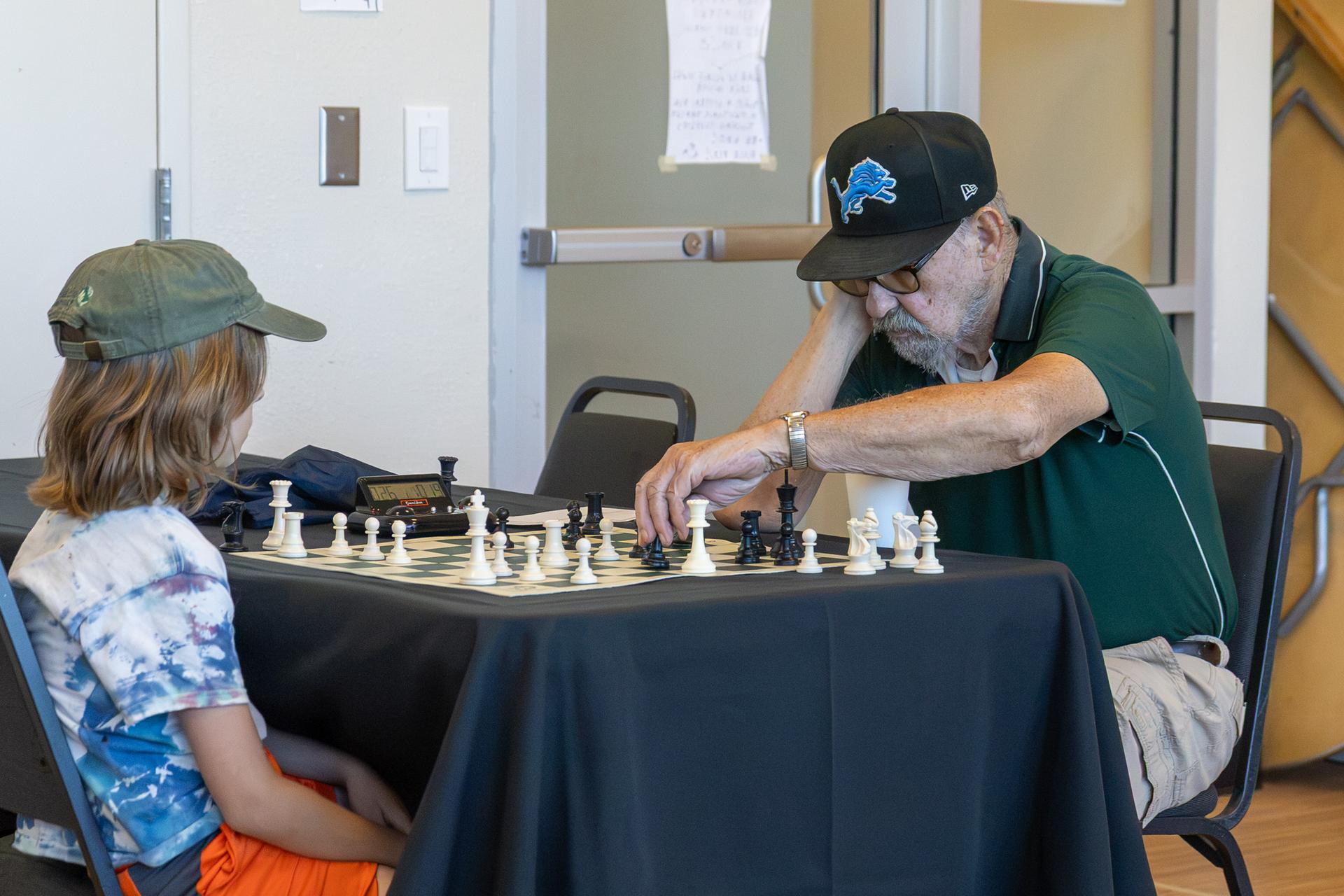
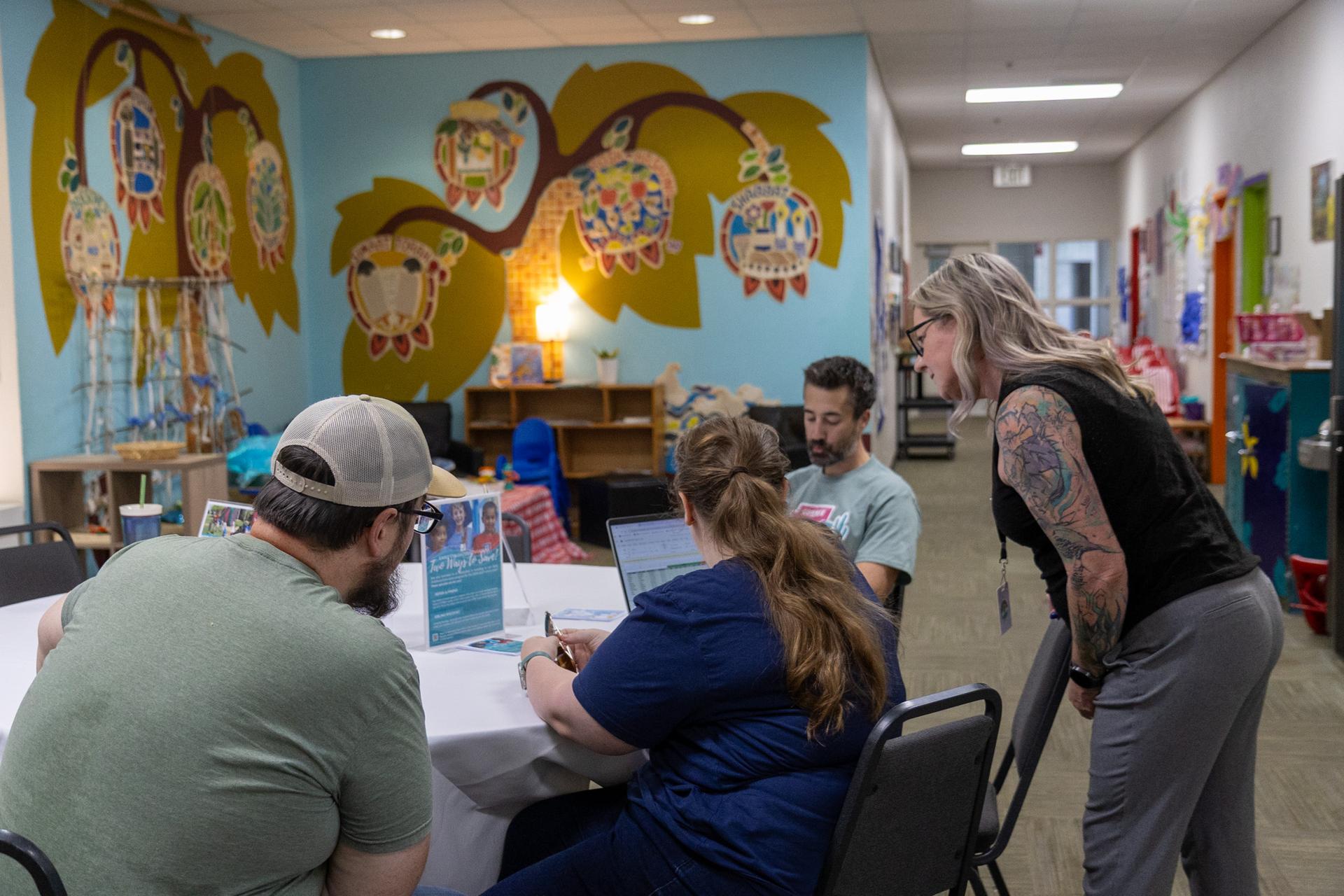
On Tuesday, we proudly hosted another Blood Drive for American Red Cross, practicing the value of Tikkun Olam (heal the world) by giving back to our community. The next Blood Driveis August 26; join us! Wednesday, our weekly chess club met in the multi-purpose room to connect through friendly competition and shared interests. And this morning, parents met with our Early Childhood administrators for pastries and coffee and chatted about the many exciting things coming up for families—including a new Newborn Basics class led by Tanque Verde Pediatrics and a pop-up Move Like a Mother workout with Tess from Intuitive Training. 
 

This shabbat, we are grateful to be able to take a moment to notice the blessings and the holiness that is present among us each and every day. Wishing you a restful and restorative weekend. Shabbat Shalom. 

Reminders, Resources + Learning

From the Desk of Daniella Ironi | Weintraub Israel Center, Junior Community Shlicha

Shabbat Shalom
Shabbat Shalom

From the Desk of Daniella Ironi | Weintraub Israel Center, Junior Community Shlicha

Last week, we mistakenly sent out the incorrect Shabbat message. Here is the message for Korach that was sent out last week. Below is the message that was meant for last week. 


This week’s parsha Sh’lach tells the story of the twelve spies sent to explore the Land of Israel. When they return, they all see the same land, the same people, and the same challenges. Yet they come back with very different messages. Ten of the spies focus on fear and obstacles, while Yehoshua (Joshua) and Kalev (Caleb) focus on hope, possibility, and the value of the land itself.


One of the powerful lessons of this story is that sometimes what matters most is not what we see, but how we choose to see it.


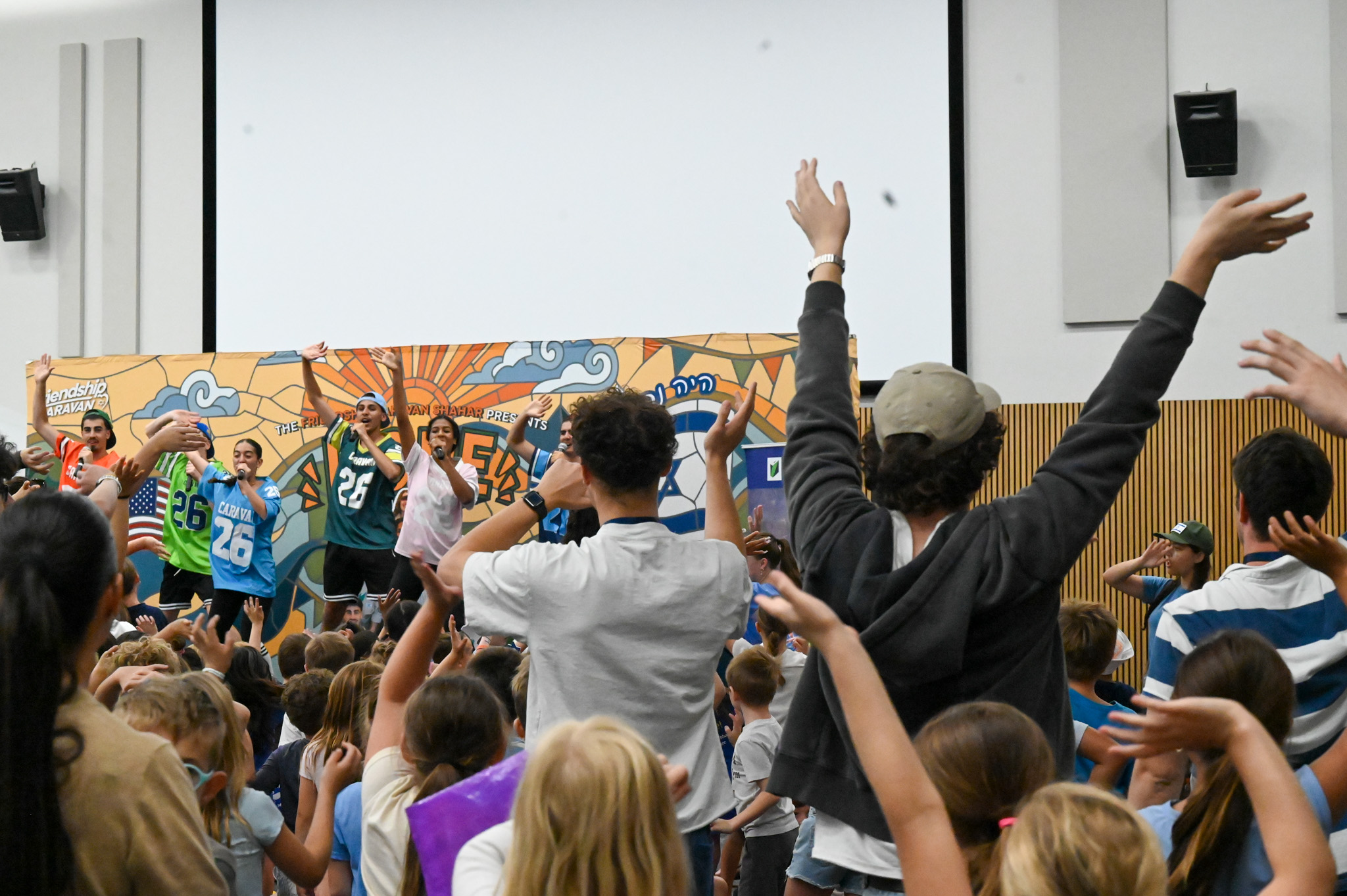
This week at the J’s Summer Camp, we celebrated Israel Day and had the privilege of hosting the Tzofim Friendship Caravan. The teens who traveled here from Israel brought music, stories, and a piece of Israel with them. For many of our campers, meeting Israelis in person creates a connection that goes beyond pictures. It reminds us that Israel is a living, breathing community filled with people, culture, dreams, and challenges.


Like the spies, we all tell stories about what we experience. The question is: what perspective do we choose to share? Do we focus on fear and distance, or on hope and connection?


There’s a saying that whatever we shine our light on will grow. This week, may we choose to shine our light on connection, possibility, and community, helping to create a better tomorrow.


One of the pieces that always comes to mind when I read this parsha is an Israeli song called “Canaan” (כנען). Listen here. Its message resonates with me deeply and I hope that you’ll enjoy it as much as I do.

Another lesson we learn from parsha Sh’lach is that the  future is shaped not by those who see only obstacles, but by those who have the courage to see possibility. While most of the spies returned from the Land of Israel overwhelmed by fear and the opinions of the majority, two chose a different path—one grounded in faith, resilience, and hope. As Rabbi Lord Jonathan Sacks taught, “Optimism is the belief that things will get better; hope is the belief that together we can make things better.” At the Tucson J, this vision of hope guides our work every day as we provide opportunities to move, learn, connect, and shape the future of the J together. We believe that growth comes through effort and the willingness to embrace challenges, even when the path feels uncertain. 


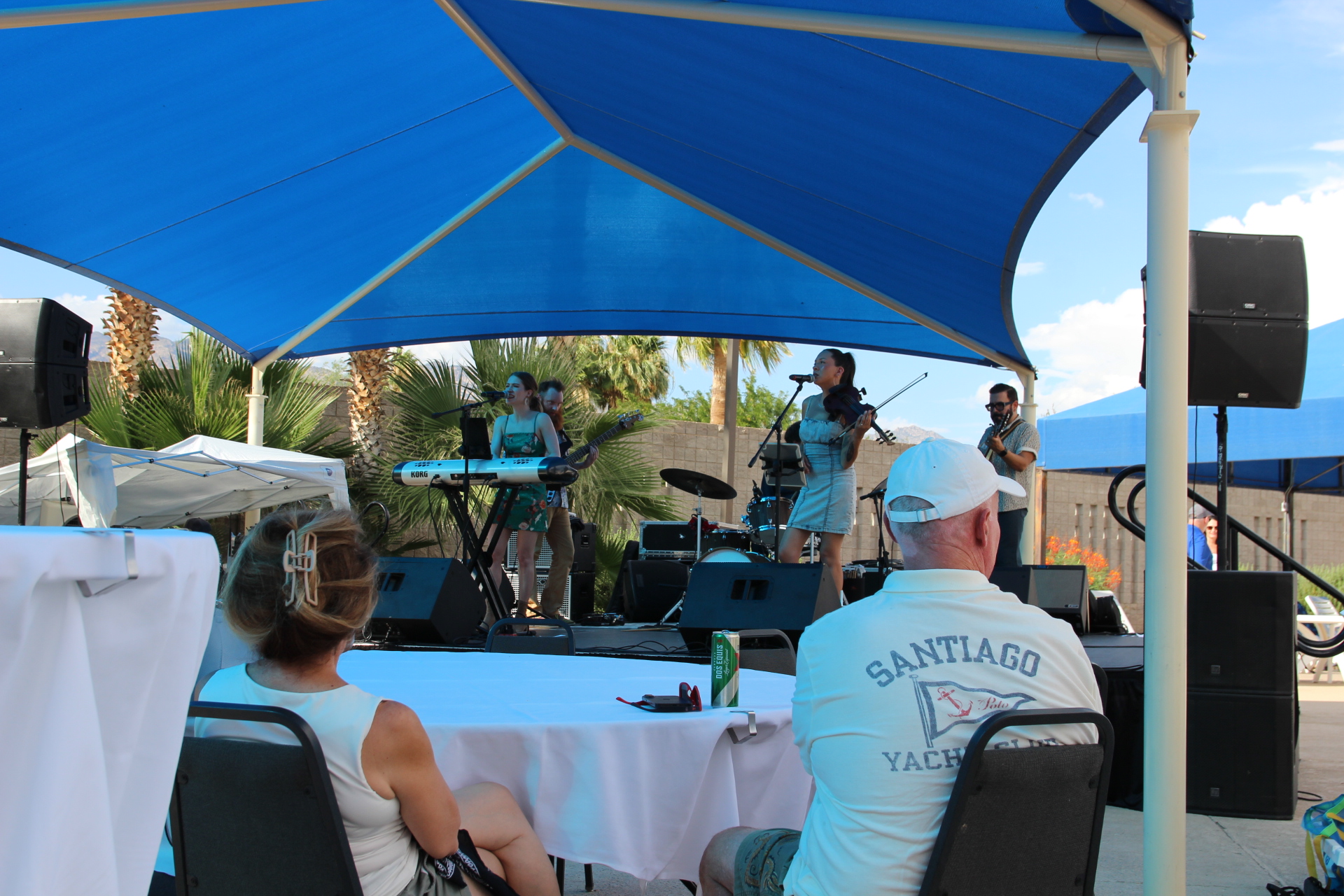
This week at the J began on Sunday with our first of three Summer Nights at the J. Old friends connected, new friends were made, and between live music from Stef and the Articles, delicious BBQ catered by Asher, and fun in the pool, we were reminded of the joy found in being together. The vibrant, welcoming community we enjoy today did not appear overnight—it has been built through years of shared effort, participation, and commitment. We are grateful to the many people who make the J more than just a gym (though our facilities are truly amazing!) and embrace the opportunities to connect that make our campus such a special place. We hope you’ll join us for the next one, with live music from The Wayback Machine, July 26. 

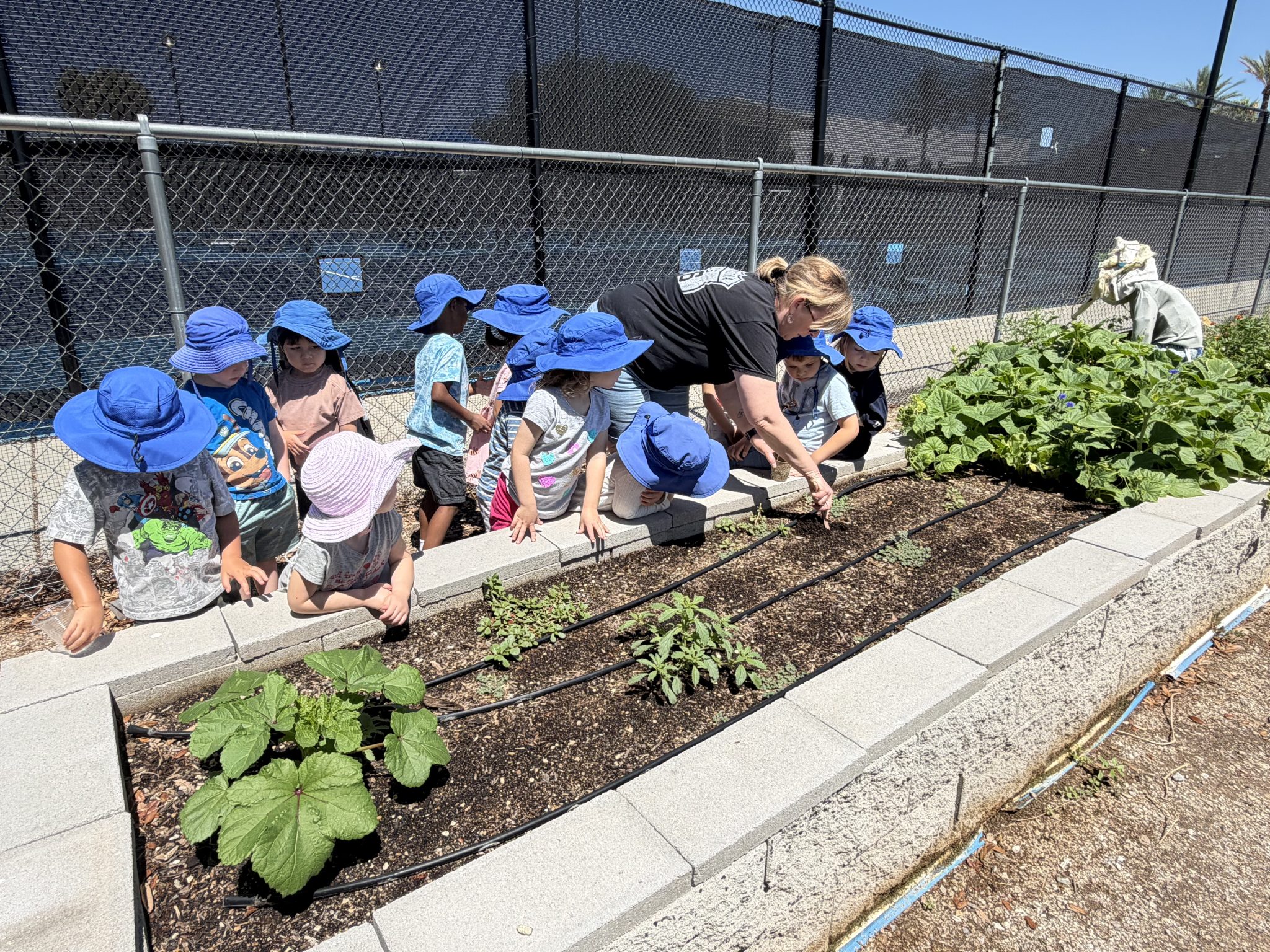
In Camp J and Early Childhood Education we are teaching Jewish values and cultivating a growth mindset every day. Our ECE learners spent time in the Shay Shay Community Gardenplanting zucchini, an experience that became a living lesson in care, responsibility, and patience. As they tended the soil and considered what it means to help something grow, they engaged with the Sheva Lenses that guide our program—seeing how acts of tikkun olam(repairing the world) and kedusha (holiness) can show up even in something as simple as planting a seed.


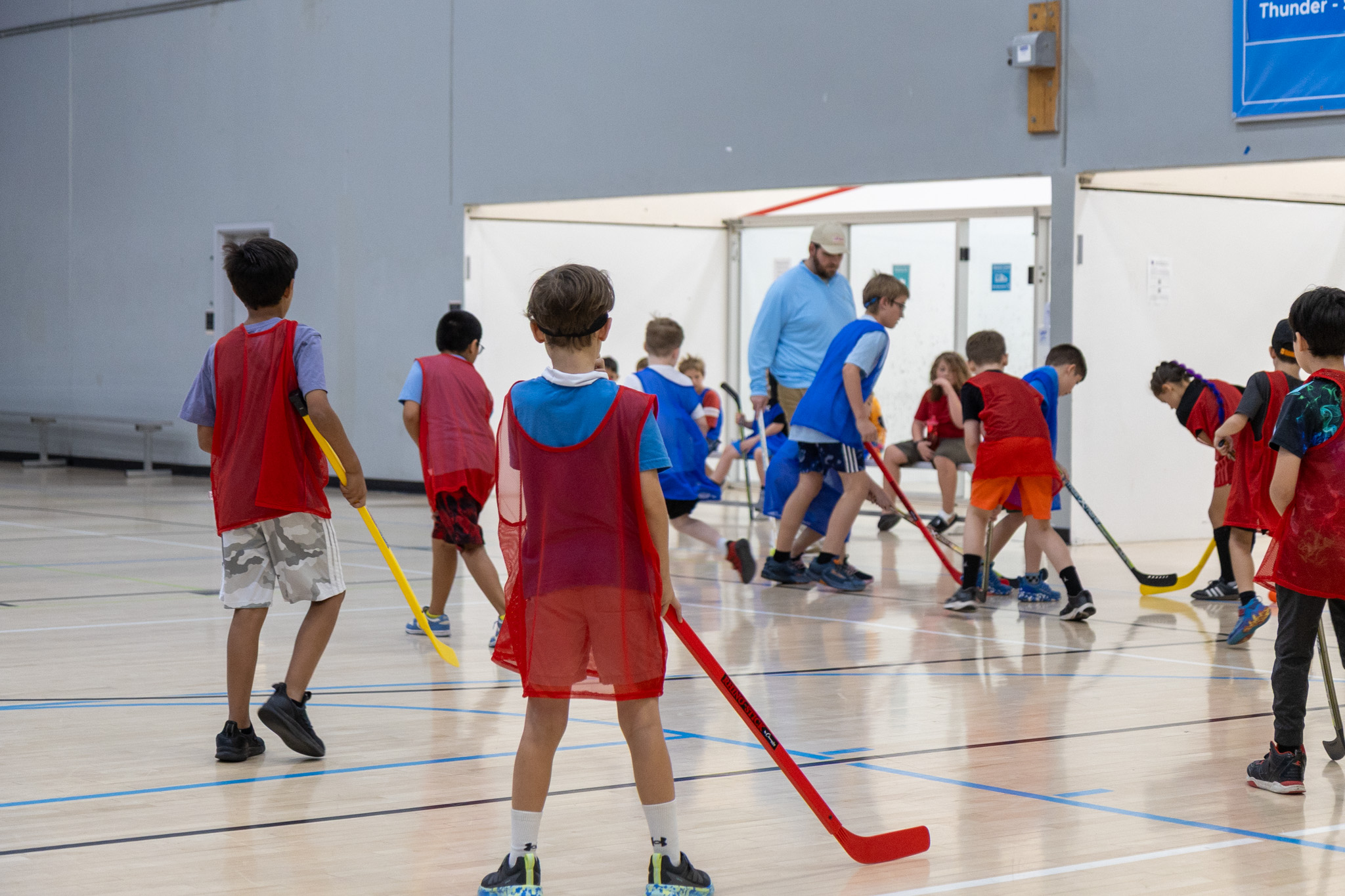
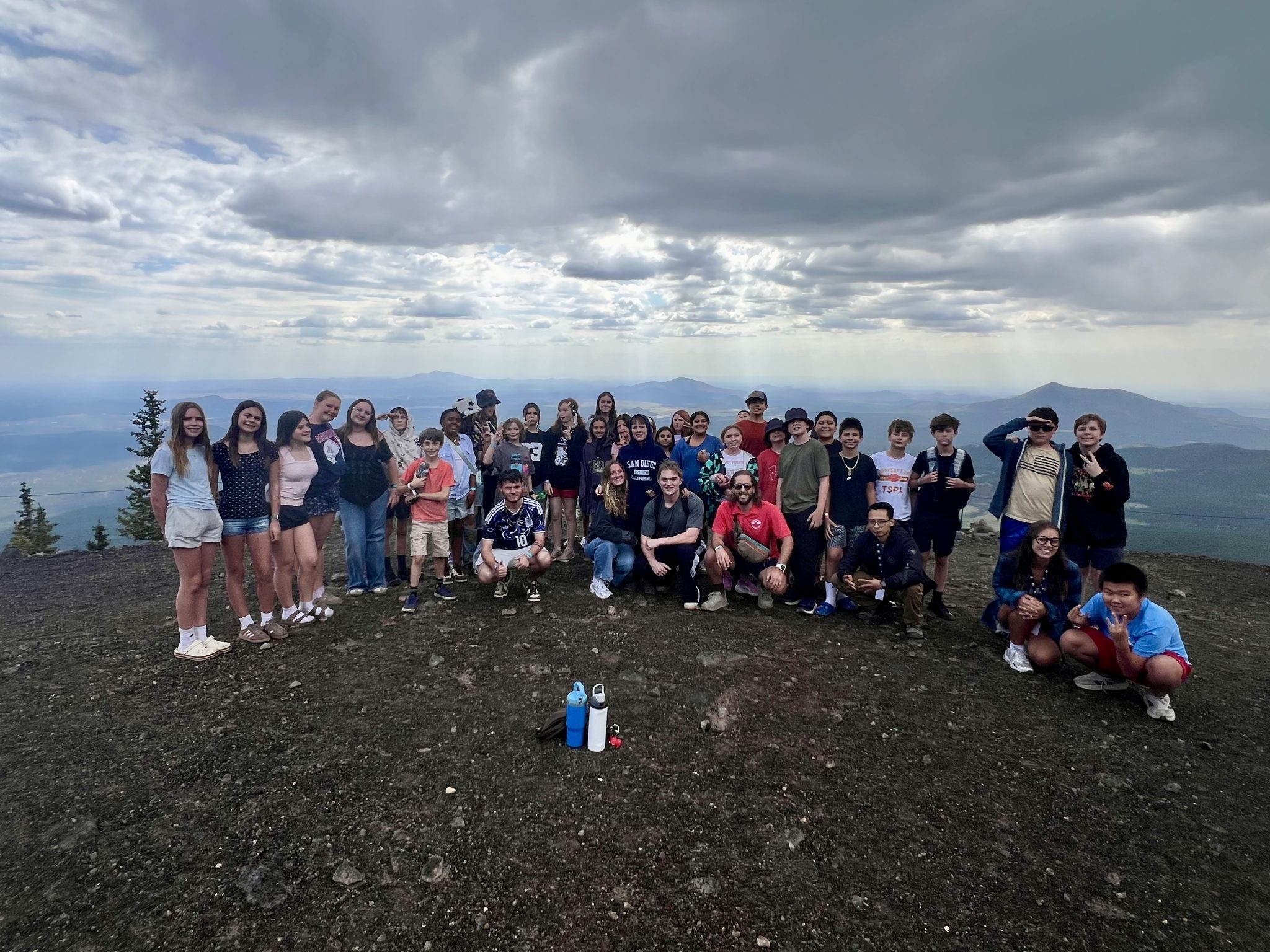
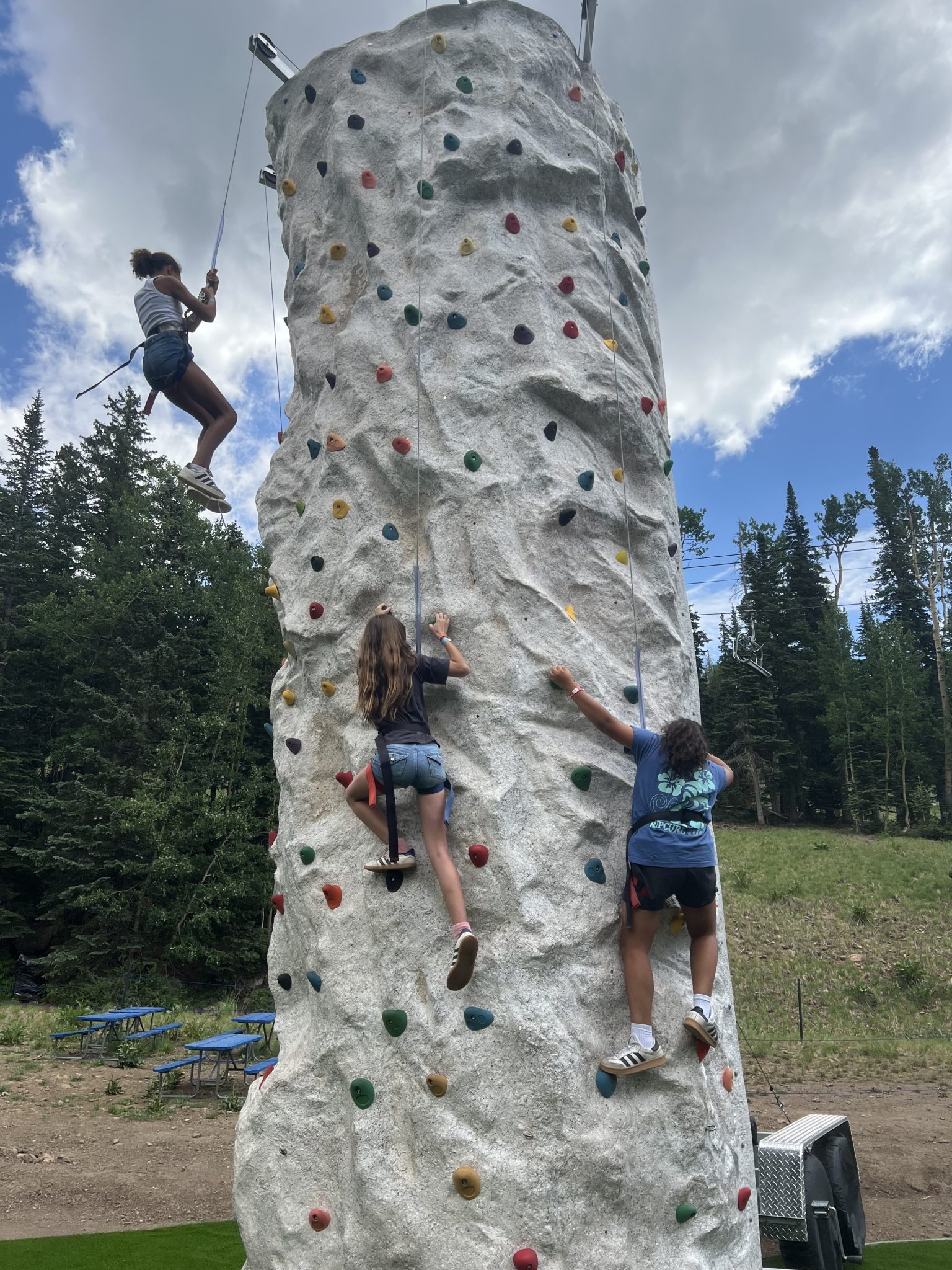
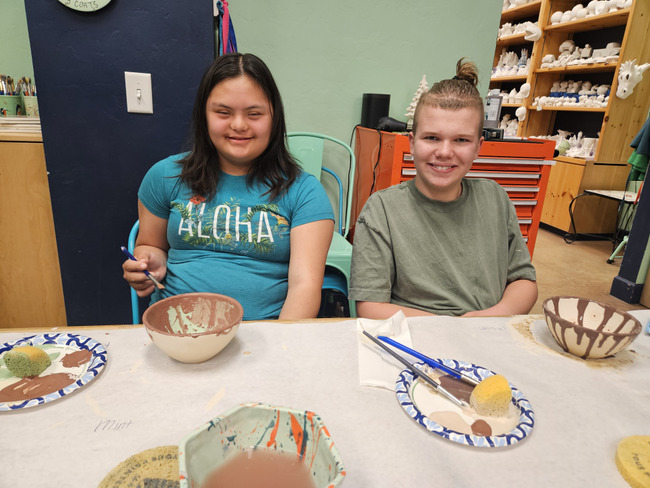
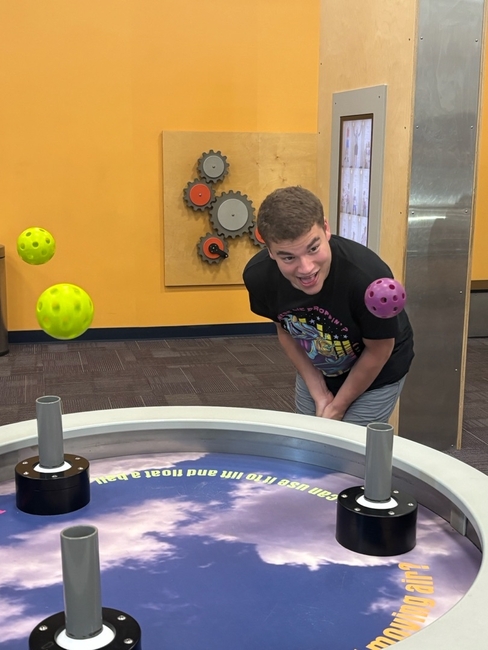
Meanwhile, our camper’s weekly virtue was Yetzirah (creativity) and they learned that sometimes the way to persevere is by thinking outside the box! Camp is all about trying new things, stretching skills, and building confidence. Some highlights from the week include: new Hockey and Water Polo chugim (choice activities), a surprise visit from a ventriloquist, and field trips to to Lucky Strike Bowling and Ben’s Bells. Among other activities, our Tiyul group of 6th-8th graders took an overnight trip to Flagstaff where they spent the night at the Molly Blank Jewish Community Center and headed up to Snowbowl for tubing, rock climbing, and a gondola ride to the mountaintop overlook. And in Gesher for middle- and high-school aged youth with disabilities, campers went to Color Me Mine for pottery painting, had a blast at the Children’s Museum of Tucson, and created self portraits! 


May we continue to build a community where hope courage are not just ideas we hold, but practices we live—through learning, connection, and the ongoing work of growing together. Shabbat Shalom.

Reminders, Resources + Learning

From the Desk of Johanna Shlomovich | Head of School, Tucson Hebrew Academy

Shabbat Shalom
Shabbat Shalom

From the Desk of Johanna Shlomovich | Head of School, Tucson Hebrew Academy

Parshat Korach — Building a Jewish Future Rooted in Purpose, Identity, and Justice


Parshat Korach is one of the Torah’s most complex and challenging narratives. At its center is a rebellion: Korach challenges Moshe’s leadership, asking, “Why do you raise yourself above the congregation of God? For the entire community is holy, all of them, and God is among them” (Bamidbar 16:3). On the surface, Korach’s words seem to express a powerful and even inspiring idea — that every person has inherent holiness and that every member of the community matters. Yet our tradition teaches us that something deeper was at play. Korach’s mistake was not believing that everyone had value; his mistake was confusing equality with entitlement and community with self-interest.


This distinction carries a powerful lesson for Jewish education today. Our responsibility as educators, parents, and community members is not simply to teach children to be successful individuals. Our responsibility is to help raise young people who understand that they are part of something larger than themselves — a people, a tradition, and a collective responsibility that stretches across generations.


Jewish identity does not develop by accident. It is cultivated through relationships, experiences, and meaningful engagement. Children become connected to Judaism when they experience the beauty of Shabbat, the joy of holidays, the depth of Torah, the power of Hebrew, and the responsibility of caring for others. They need to know not only what Jews do, but why we do it — and how our tradition calls us to make the world more whole.


Korach’s rebellion also challenges us to think about the difference between having a voice and using that voice responsibly. Judaism has always valued questioning, debate, and the pursuit of justice. The Talmud is filled with disagreement, most famously between Hillel and Shammai. But Jewish disagreement is meant to be “for the sake of Heaven” — rooted in humility, relationship, and a shared search for truth. The goal is not simply to be heard; the goal is to contribute and grow.


This is an essential lesson for the next generation. We want our children to grow into leaders who recognize their own worth, while also recognizing the dignity and humanity of others. We want them to be proud Jews who are deeply connected to their heritage and who understand that Jewish values call us to stand for kindness, compassion, and justice.


The Torah repeatedly reminds us that holiness is not only found in ritual; it is found in how we treat one another. The prophets of our tradition taught that caring for the vulnerable, pursuing justice, and creating a more equitable world are central expressions of our covenant with God. A strong Jewish identity is not built on isolation — it is built on connection, responsibility, and action.


At Tucson Hebrew Academy, this is at the heart of our mission. We strive to create a learning environment where students develop a strong sense of who they are as Jews while also understanding their responsibility to the broader world. We want our students to carry Torah not only in their minds but in their hearts and in their actions. We want them to ask important questions, engage thoughtfully with complexity, and become compassionate leaders who help repair the world.


Parshat Korach reminds us that every member of the community has holiness within them. The question before us is what we do with that holiness. Do we use it to elevate ourselves, or do we use it to uplift others?


As we nurture the next generation of Jewish leaders, may we help our children discover that their Jewish identity is not only a connection to the past — it is a responsibility for the future. May they understand that being part of a sacred community means showing up with humility, courage, and compassion, and may they become the builders of a more just and more beautiful world.


Shabbat Shalom.

Taking the lessons of this week’s Torah portion, Korach, we are reminded of our inherent connection to one another; of the importance of honoring the unique role each of us plays within the communities we belong to; that true leadership is grounded in service to each other; and that not only what we say, but how we say it, shapes the communities we build together. Here at the J, we believe a thriving community is not one in which everyone does the same thing, but one in which each person contributes their gifts toward a shared purpose. And we know that when we are connected and committed to something larger than ourselves, our differences become strengths and our community becomes stronger.


We saw these lessons come to life at Camp J this week, where hundreds of young people built friendships and confidence by sharing experiences and learning new things together; and as they felt pride in their link to global Jewish peoplehood with a special performance by the Tzofim Israeli Scouts Friendship Caravan and Israel Day activities that included exploring the shuk (market). 

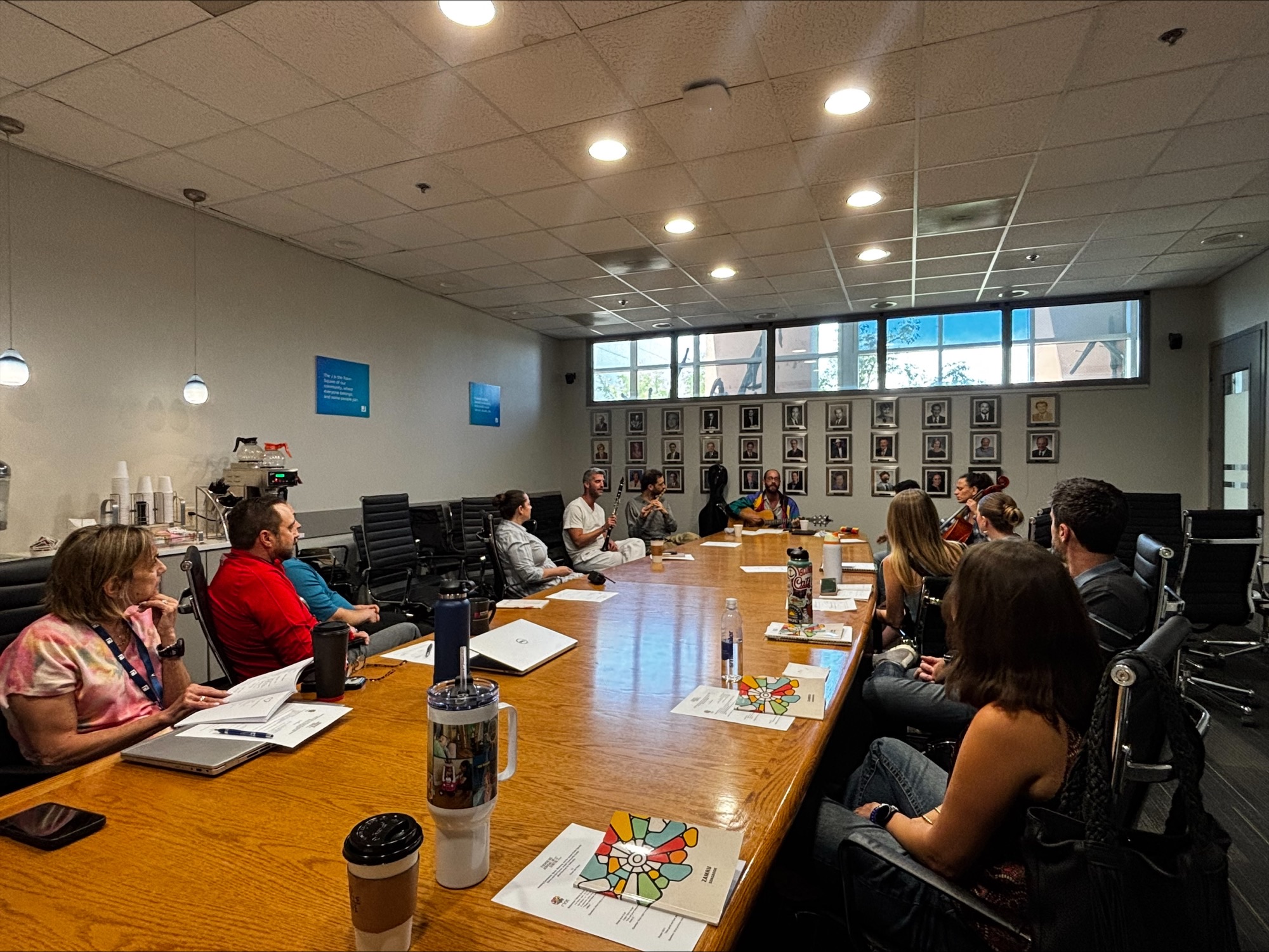
Apropos to the teachings of Korach, our senior leadership team reflected on the community we are shaping here at the J through a professional development session presented by the Fuchsberg Jerusalem Center titled “Holding Complexity: Music, Meaning, and the Jewish Public Square.” The team gathered together for a text study and conversation with the members of Zamru, a musical group which focuses on the experiential, creative, and inquisitive exploration of prayer. The experience, and the beautiful music it opened and closed with, offered a powerful moment of inquiry, pause, and inspiration. 


The Stingrays swim team exemplifies these lessons as well. Their outstanding performance at last weekend’s Tucson Ford Southwest Classic swim meet demonstrates that while each swimmer brings their own strength and determination, excellence is not achieved alone, but through the encouragement of teammates, guidance of coaches, and support from families. Despite the tough competition, the team qualified for finals in 7 out of 12 swims, and out of 62 individual swims, 51 of them resulted in new personal best times, 40 resulted in new or improved Regional championship qualifying times, and 4 resulted in new or improved State championship qualifying times! 


In a world that often encourages us to focus on what separates us, we are grateful and honored to foster a community that continues to choose connection, service, and belonging. Shabbat Shalom. 

Reminders, Resources + Learning

From the Desk of Rabbi Yeshaya Levin | Tucson Torah Center Rosh Kollel

Shabbat Shalom
Shabbat Shalom

From the Desk of Rabbi Yeshaya Levin | Tucson Torah Center Rosh Kollel

Habits are inevitable, good habits are invaluable, but even great habits can be dangerous.


In the Torah portion this week, Bha’alotcha, Moshe (Moses) is charged with instructing the Kohanim (priest) how to light the Temple Menorah; a daily service. After Aharon (the High Priest) receives the instructions, the Torah praises him that “[he did] just as G-d commanded Moshe.”


In a Torah where every letter is meant to teach us something, this verse seems unnecessary. Not only was Aharon cosmically pious, he was ALSO an excellent ‘employee’ of G-d! Why would the Torah need to praise the fact that he simply listened to instructions? 


Our Sages explain that the Torah is highlighting something very special.


As humans, we have a tendency to live our lives on auto pilot. Oftentimes, we fail to make the most of the opportunities that our habits and systems afford us simply because we grow used to them. The Torah is telling us that Aharon performed the daily service – day in and day out- with the same level of connection and intention as he did when he received the initial instructions. A rare expression of focus, self-mastery, and devotion that was so powerful it was worth a whole sentence.


We all have many beautiful habits. Some of them are verbal like “Have a good day,” “I love you,” “Please,” and “Thank you.” Some of them are actions like caring for family, visiting family, visiting the sick, prayer, lighting candle, and other mitzvot. 
 

It’s something worth thinking about:


What could we accomplish if we took one or two habits and focused on them? While we may lack the spiritual ‘firepower’ of Aharon, we are all very capable of achieving greatness! With the right energy we could slowly but surely develop ourselves into deeper, more grateful, and more connected people.


Shabbat Shalom!

As we move through our days, and the busy season of summer, it can be easy to overlook the extraordinary impact of the habits and routines that shape our lives. Yet when we approach familiar experiences with renewed purpose and presence, they become opportunities for growth, connection, and joy. Meaningful experiences are often built not from grand gestures, but from the moments we choose to return to again and again. From new discoveries made at Camp J, to new goals achieved in our fitness and wellness programs, and the many ways our community comes together to connect throughout the week, we see this in action each week at the Tucson J. 
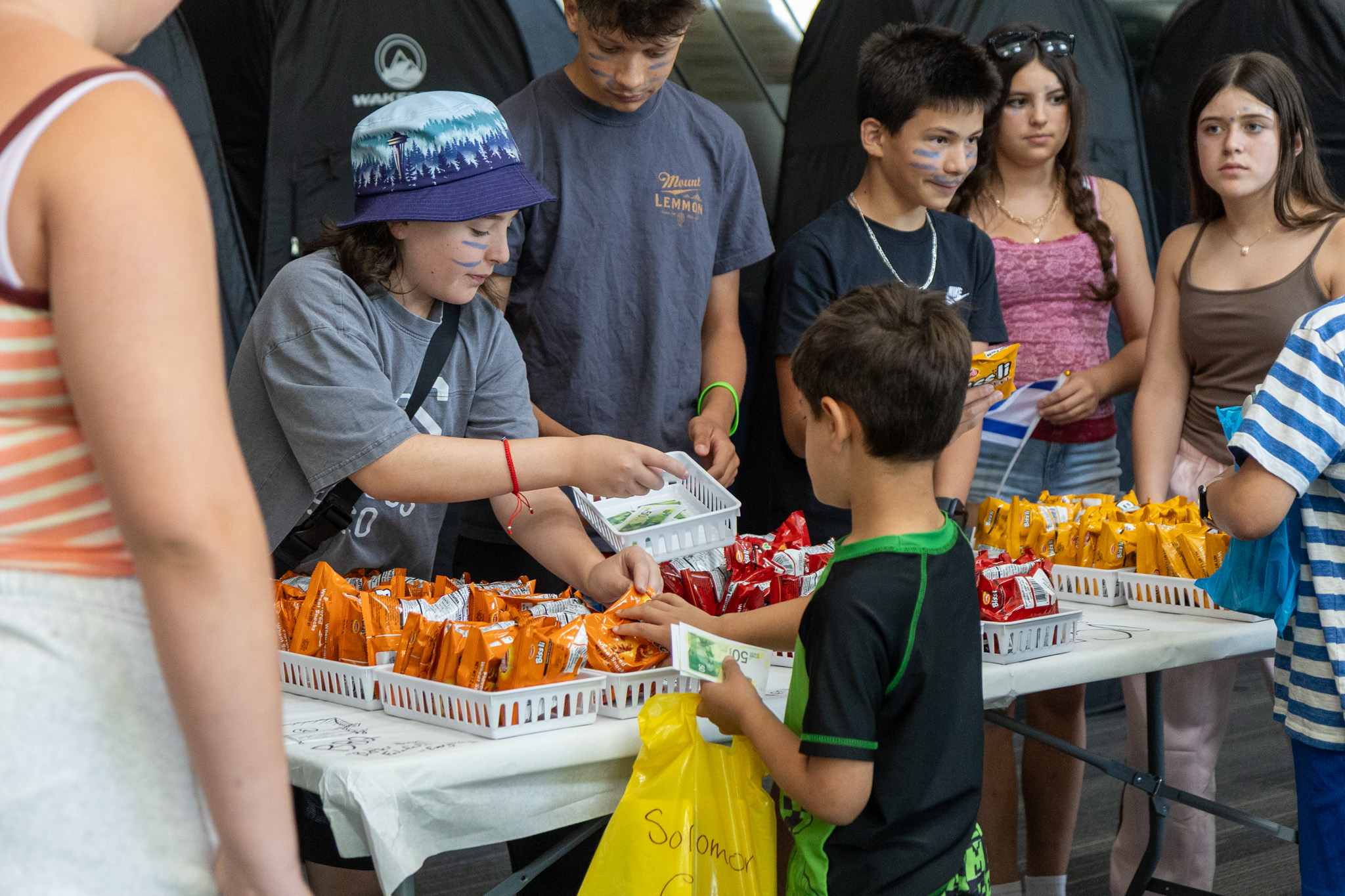
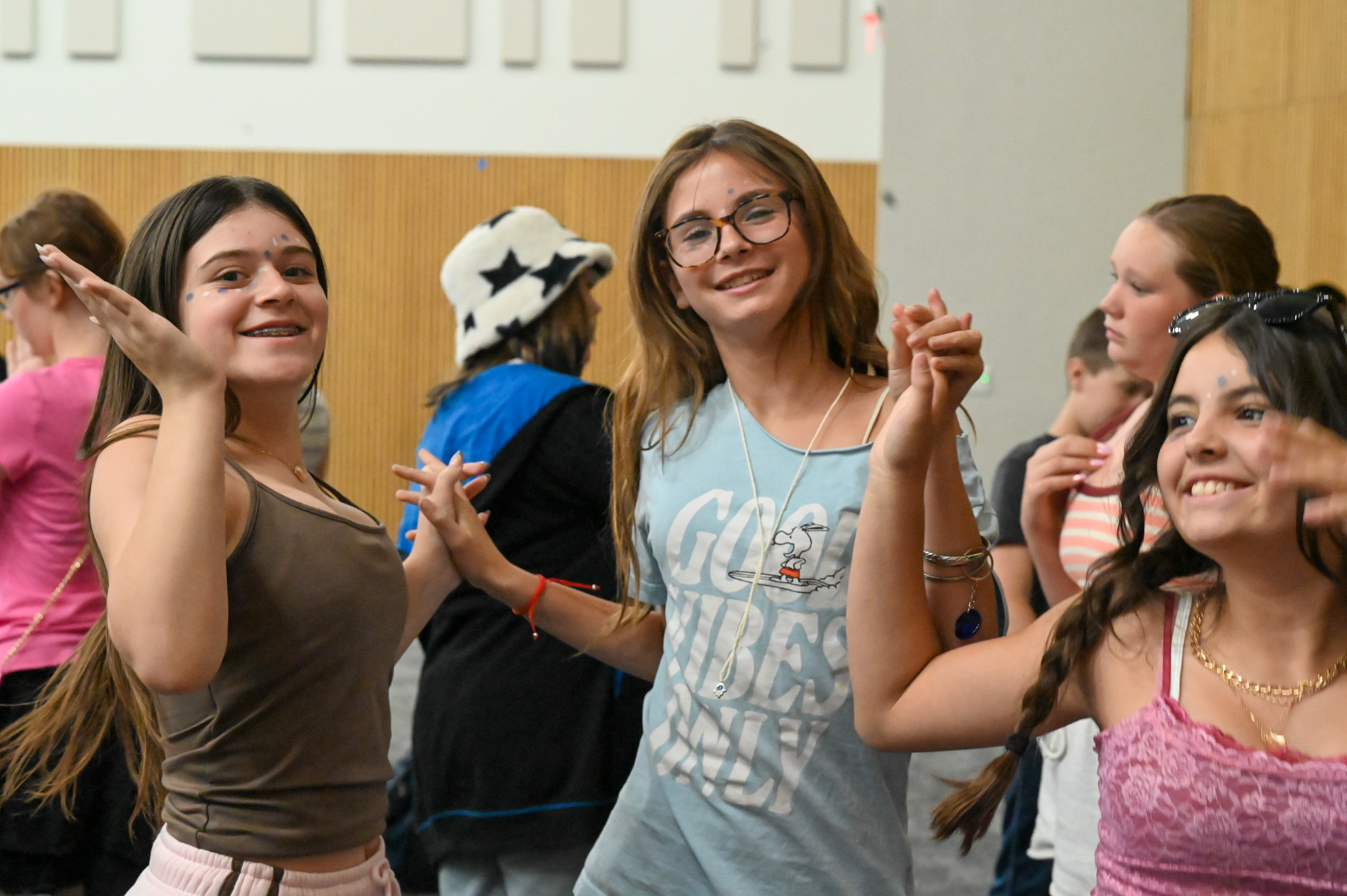
 

Week 2 of Camp J was filled with both familiar and new experiences as campers explored this week’s virtue of hatmada (persistence/grit) ! Just a few highlights include: 

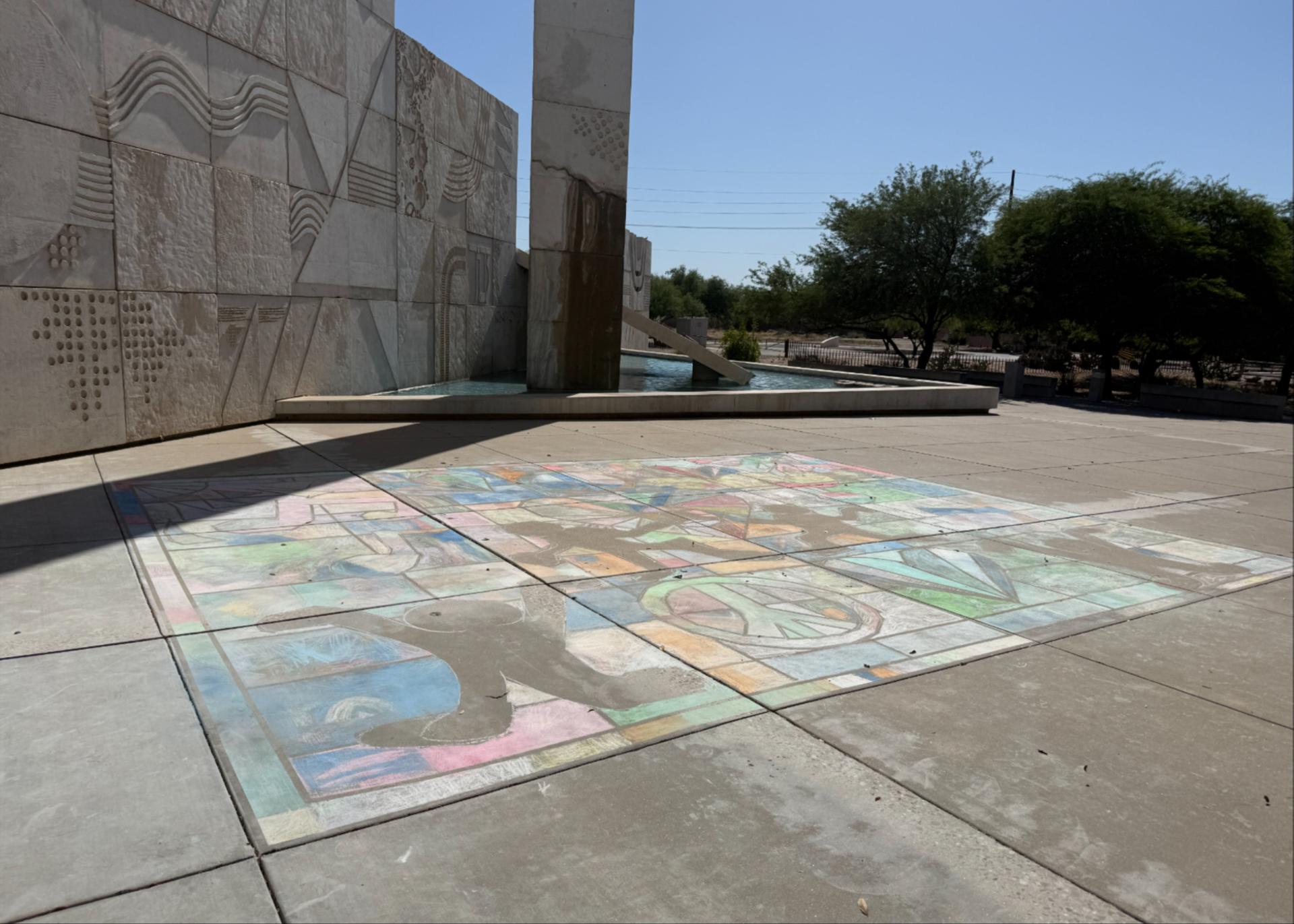
  • a community mural at the front entrance that each group participated in! Be sure to check it out if you haven’t.
  • building paper airplanes using different materials and then determining which was most conducive to flight 
  • making and enjoying “stone soup” (based on the popular children’s book about how everyone has something to contribute!) with veggies, broth, and pasta
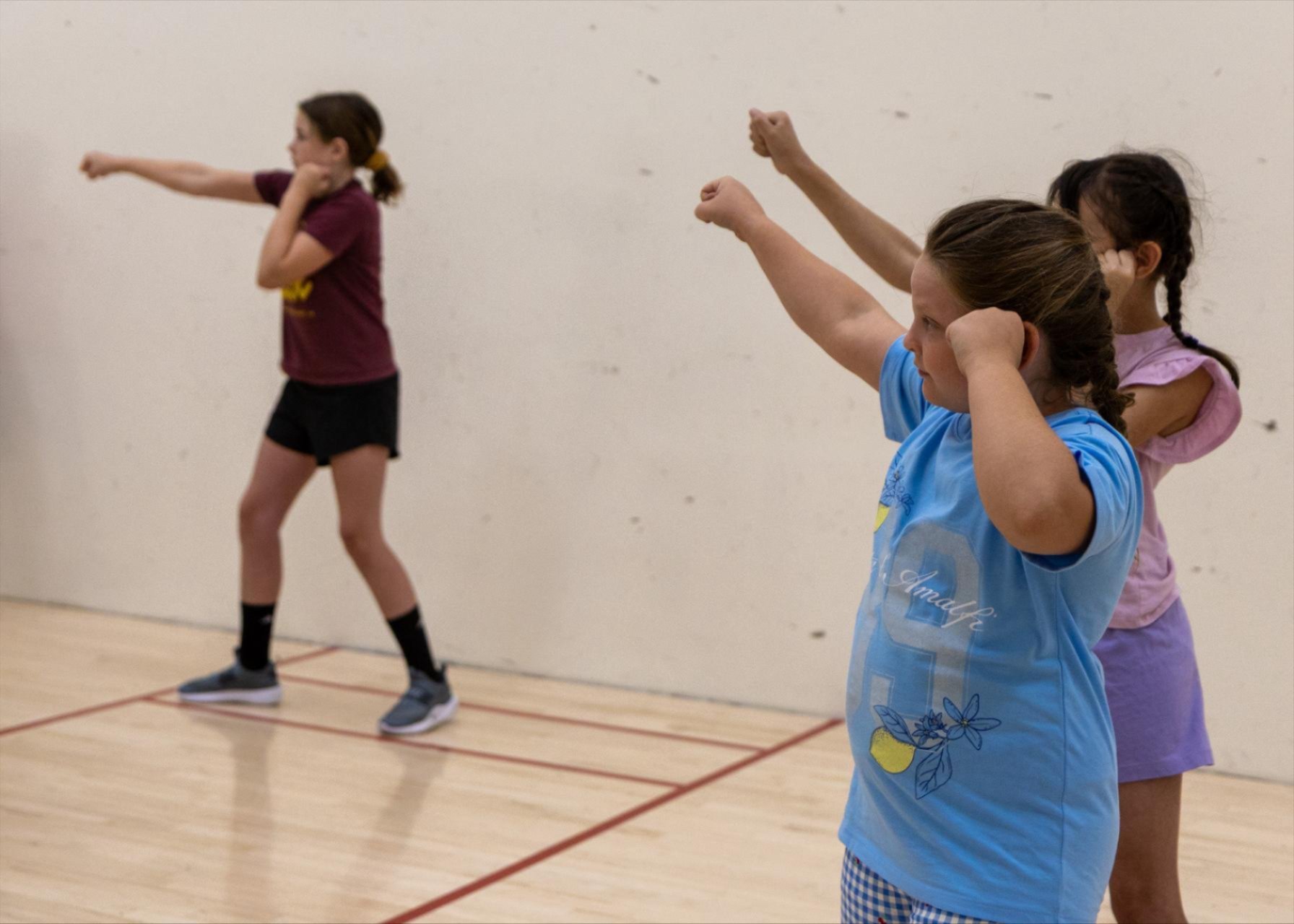
  • getting moving in volleyball, tae kwon do, and gymnastics
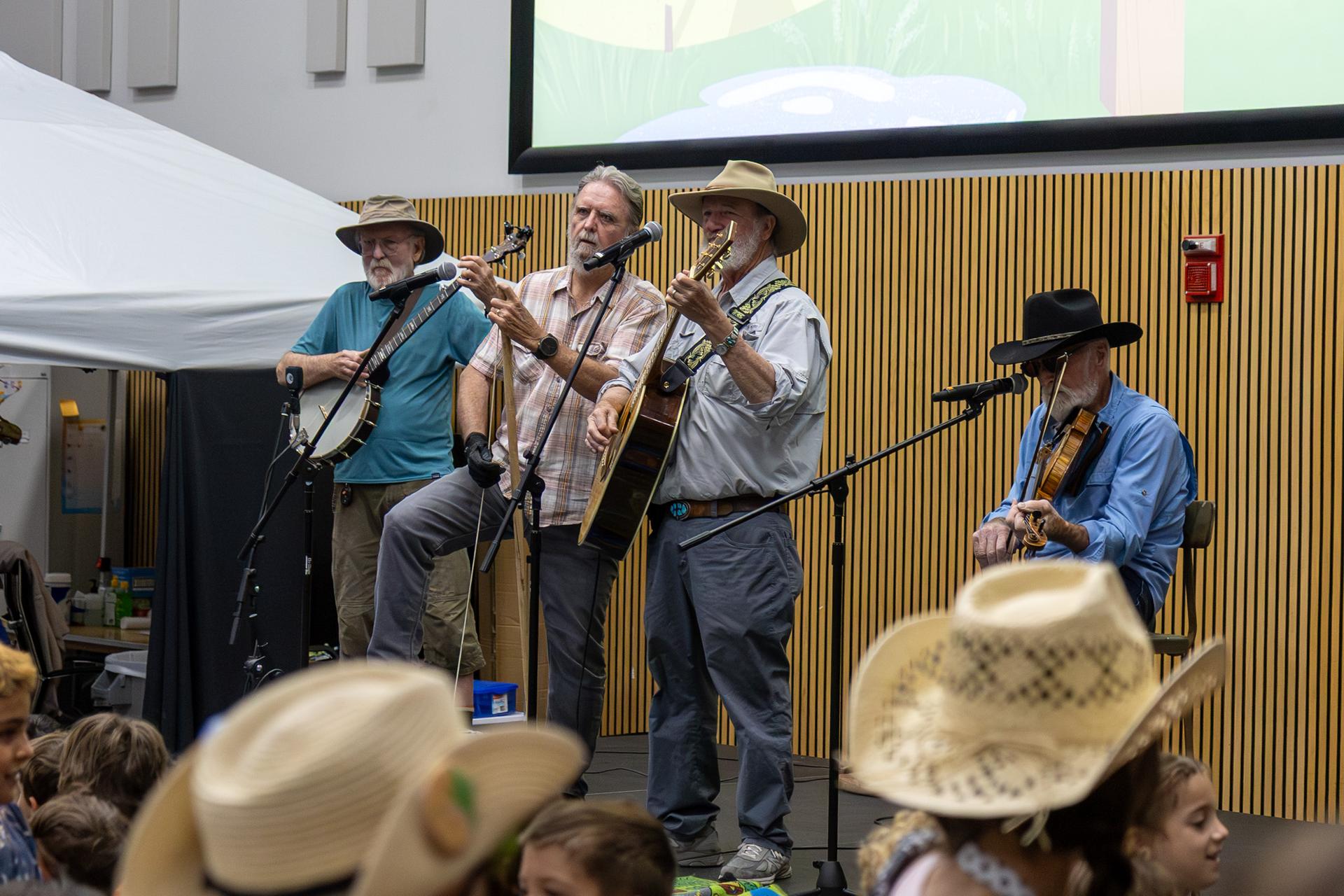
  • moving and shaking to a blue grass concert for Wild West Day 
  • exploring how to express emotions in theatre
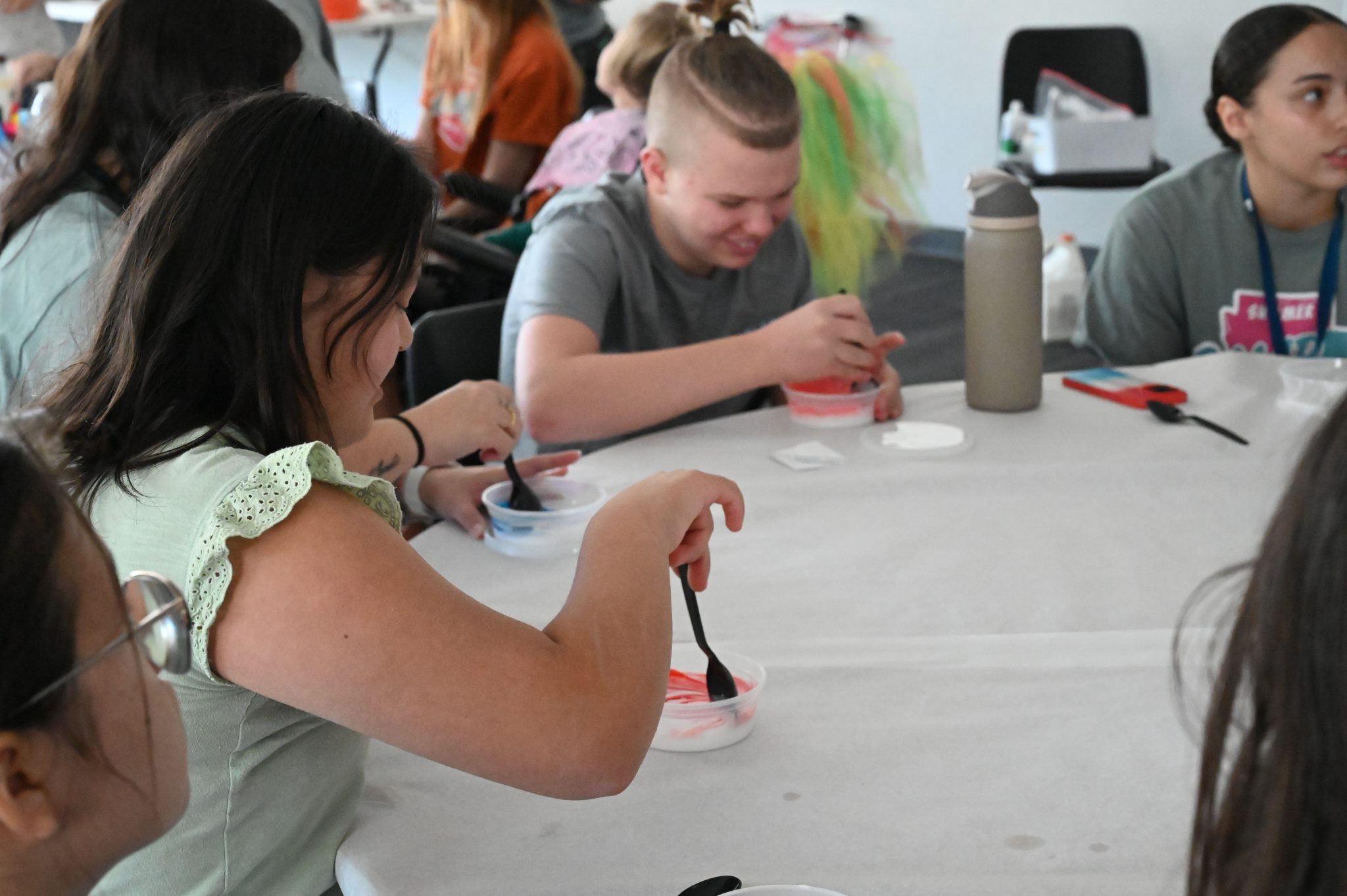
  • making everyone’s favorite sensory experience, slime
  • taking a field trip to the Pima County Air + Space Museum
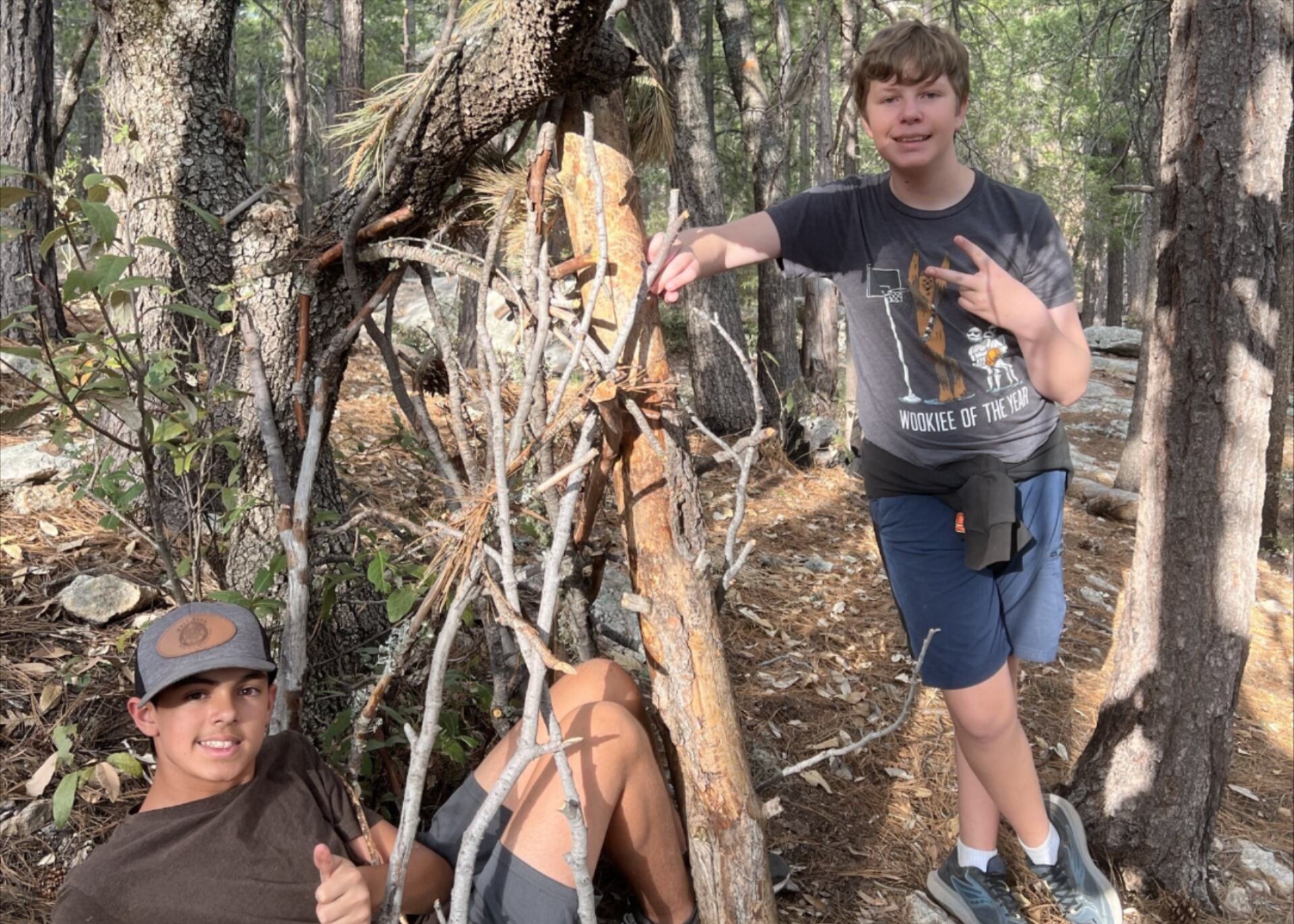
  • traveling off campus for an overnight for our oldest group complete with Shaksuka  over the camp fire and building bush craft shelters

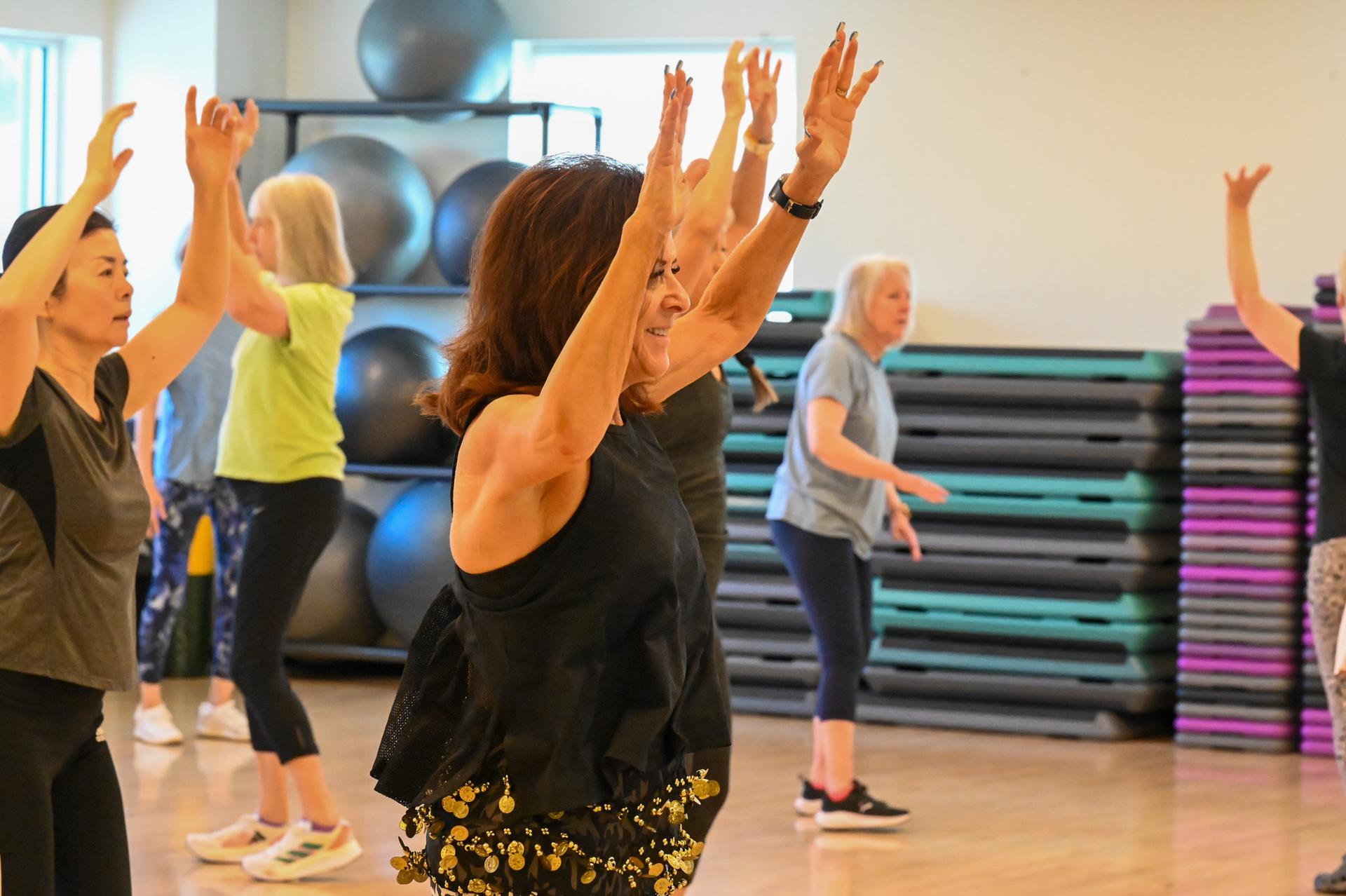
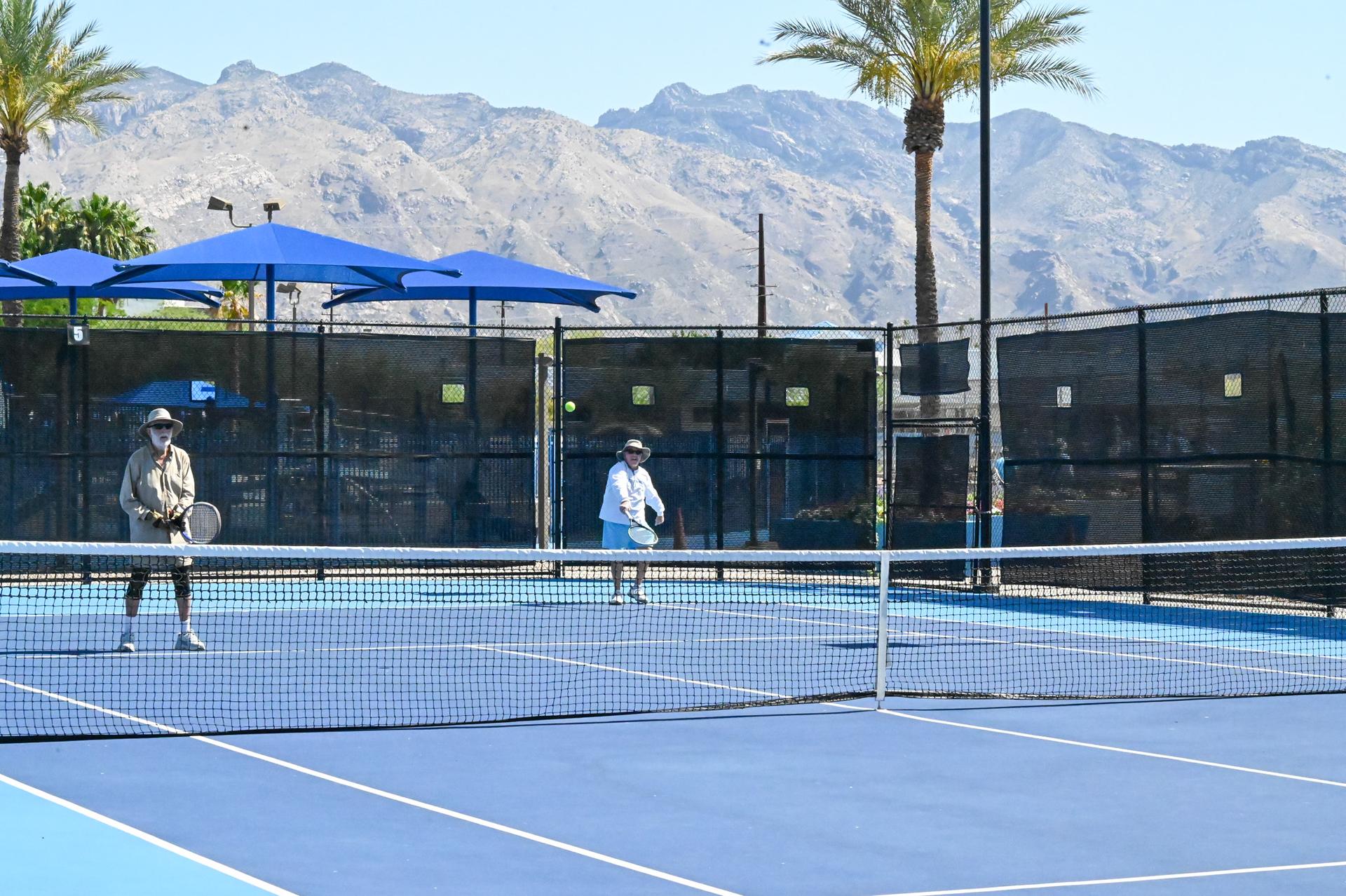
Camp kids weren’t the only community members practicing the virtue of persistence this week! It was the first week of our summer Volleyball and 3v3 Men’s Basketball Leagues, we danced our hearts out in Zumba, and got competitive at the Sarver Tennis Center. However you embraced your routine at the J this week, we hope you found moments of growth and connection.


In Early Childhood Education, kiddos learned about Tikkun Olam (heal the world) by planting zucchini seeds they will care for in the classroom and then transfer to the Shay Shay Community Garden. Over the next few weeks, part of their daily routine will be watering and observing the plants as they grow!   


As we head into Shabbat—another meaningful routine—we invite you to take a moment to reflect on the habits you return to. Are they enriching your life or holding you back? Where is there room to expand or eliminate in service of living in greater alignment with your goals and dreams? Shabbat Shalom. 

Reminders, Resources + Learning

From the Desk of Rabbi Norm Roman | Beth Shalom Temple Center of Green Valley

Shabbat Shalom
Shabbat Shalom

From the Desk of Rabbi Norm Roman | Beth Shalom Temple Center of Green Valley

This week’s Torah portion, Nasso, teaches that hearing the Divine voice is not about where God is, rather whether or not we have positioned ourselves to listen—meaning, wisdom, and connection emerge when we make ourselves present and attentive. Our hope is that the Tucson J is a place where people can come to “tune in.” 


The opening days of Camp J are filled with a different kind of noise: laughter, nervous introductions, Shabbat songs, and the energy of children discovering a new community and trying new things. But beneath all that activity lies something quieter and more lasting. Summer camp offers a powerful setting for the kind of listening we are taught about in Nasso. Removed from the routines of every day life, camp creates space for children to discover new strengths, build meaningful friendships, develop a deeper sense of belonging, and come closer to themselves and one another. As we welcomed over 350 campers to the J this week, we are proud to be a place where these discoveries unfold and honored to be part of it. 


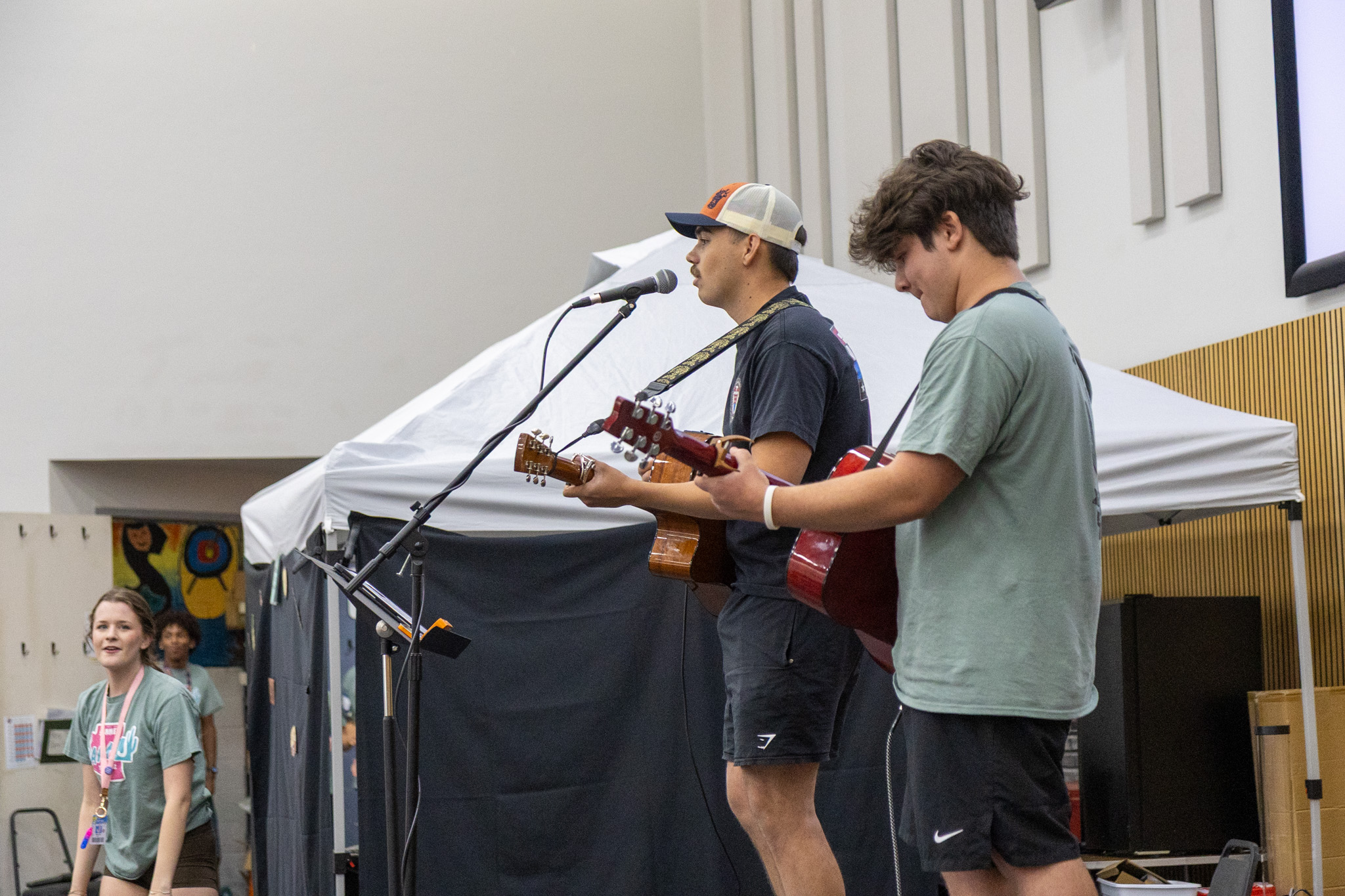
With Cass Johnson, Director of Camp + Youth, at the helm, this first week was full of time in the pool, theater with our new Shlichim (emissary) Yuval, pickleball, cooking, water games, a field trip to the zoo, an overnight at the J, a concert, Shabbat with Tyler and Zach on the guitar, and so much more. We are excited for the summer ahead and grateful for the community of parents who send their children to spend this important time with us! 

With an emphasis on the commandments and the mitzvot that since ancient times have guided us as a people, this week’s double Torah portion, Behar-Bechukotai, brings us to the heart of sacred responsibility—toward the land, toward one another, and toward the values that sustain community. At the Tucson J, our work to enrich lives, build community, and foster Jewish connection is deeply rooted in these very principles. Just as Sinai represents a space where the sacred and the everyday converge, we strive to create a space where all people of all ages can find meaning, wellness, and a sense of belonging. 


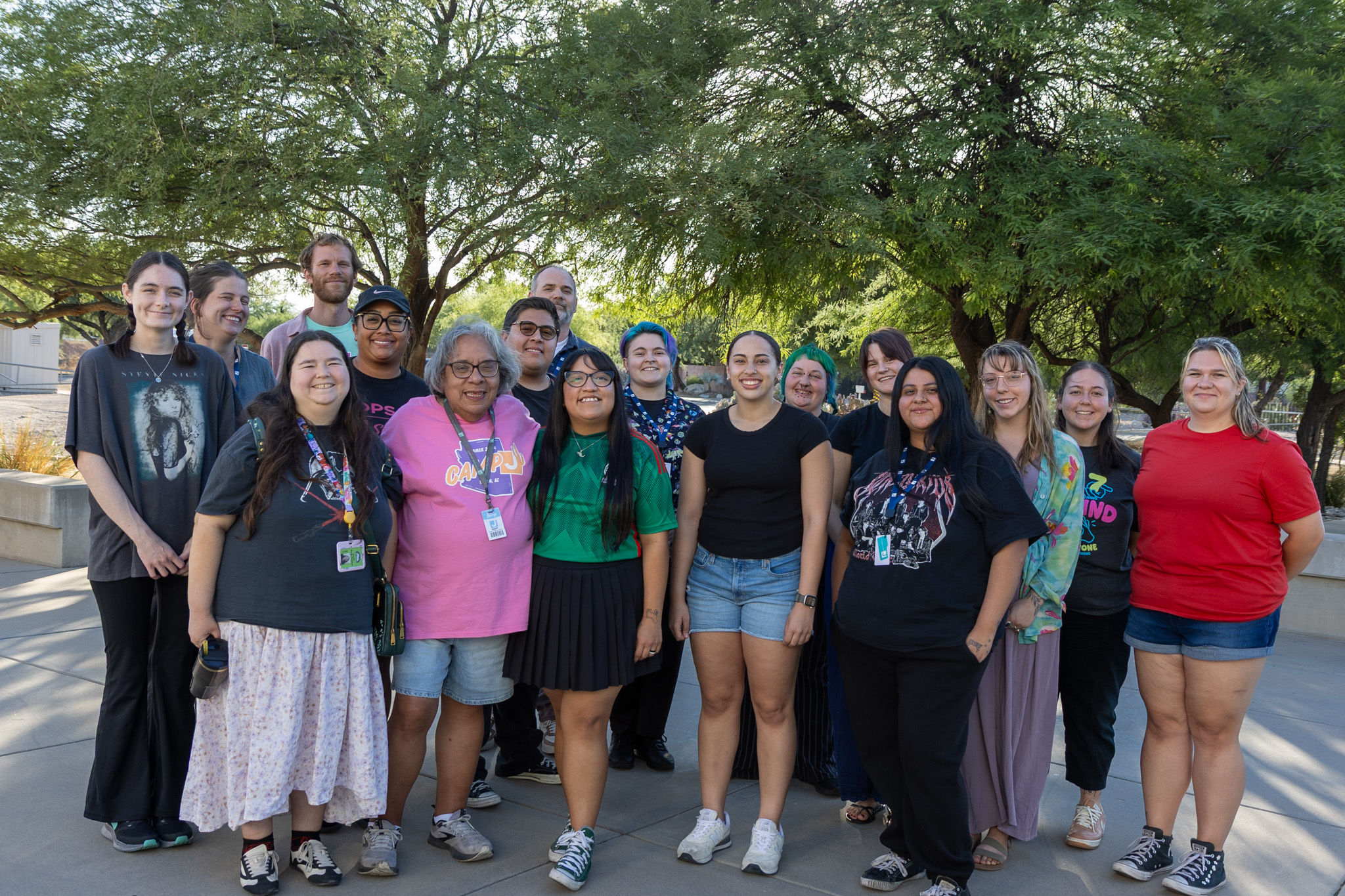
Over the last two weeks, Camp J staff have been busy in team training preparing for our biggest summer ever—with more kiddos and even more fun coming up Tuesday! Among many other activities, the team heard from a behavioral specialist Stephanie Buchler to ensure our campers have the most positive experience—big feelings and all, participated in a water safety training, and did plenty of team bonding. On Tuesday, campers met their counselors and connected with the kids they’ll be spending time with all summer and on Wednesday our DPS campers did the same! As we ramped up for Camp, JCare wound down with time in the PlaySpace and their last cooking project of the year — chocolate covered pretzel bark! 

Off campus, Todd Rockoff, President + CEO  traveled to Austin to speak at the farewell celebration honoring Rabbi Daniel Septimus for his years of leadership as President + CEO of Shalom Austin. As Rabbi Septimus transitions to become the JCC Association’s inaugural Executive Director of the Center of Jewish Peoplehood, the occasion was a reminder that the work of building Jewish community extends far beyond any one city or institution. We are proud to celebrate leaders who strengthen the bonds that connect Jewish communities across North America and wish Rabbi Septimus every success in this exciting new chapter.


From the joyful beginnings of summer camp to the relationships and stories that connect Jewish communities across North America, this week reminded us that belonging is built through presence, attention, and shared purpose. May we carry that spirit into Shabbat and the week ahead.

Reminders, Resources + Learning

From the Desk of Jennifer Lorch Selco | Sr. Director of Jewish Living + Engagement

Shabbat Shalom
Shabbat Shalom

From the Desk of Jennifer Lorch Selco | Sr. Director of Jewish Living + Engagement

This Shabbat in Conservative and Orthodox communities of the diaspora (outside of Israel), we read a special selection of the Torah for the second day of Shavuot. The reading comes from Deuteronomy 14:22-16:17 and outlines the laws of the three major pilgrimage festivals (Passover, Shavuot, and Sukkot), the agricultural nature of the holiday, and the commandment to share one’s harvest and rejoice with the vulnerable.


Note that in Israel and in Reform synagogues in the diaspora, the annual cycle of Torah reading continues with Parshat Nasso. Ultimately, we will be out of sync in the Torah readings until we read a double portion later in June.


After we read about the three pilgrimage festivals (Passover, Shavuot and Sukkot), we find the verse, “Bear in mind that you were slaves in Egypt and take care to obey these laws” (Deuteronomy 16:12). The text is a reminder that our historical memory of slavery in Egypt should inform our actions and behaviors. Not only did we stand at Sinai together to receive the Torah, but that moment was even more meaningful because of the years we spent as slaves.


The Torah is meaningful to us today not only because it teaches stories of the past, the Torah inspires us to think about how we want to live Jewish lives of meaning today.  As we move into Shabbat, I invite you to think not only of our shared collective historical experiences but of your own lived experiences that inform who you are today.


Shabbat Shalom and Chag Sameach!

At the heart of the holiday of Shavuot is a lifelong commitment to learning—we were given the Torah at Sinai, but the responsibility to study, question, and live our values continues in every generation. In this week’s reading from Deuteronomy, we are reminded that Jewish life is not meant to be lived alone: we are called to gather together, celebrate together, and care for those in our community. At the Tucson J, we are proud to be a center for learning in all its forms: from Early Childhood Education and Camp J and in art classes to group fitness classes, we create opportunities to learn from and with one another across generations.


This week at the J, Camp J and Disability Program Services Camp staff spent time together learning everything there is to know about camp! Throughout the summer, they’ll help campers build friendships, try new activities, grow in confidence, and create lasting memories—all while learning important values like teamwork, kindness, and resilience. 


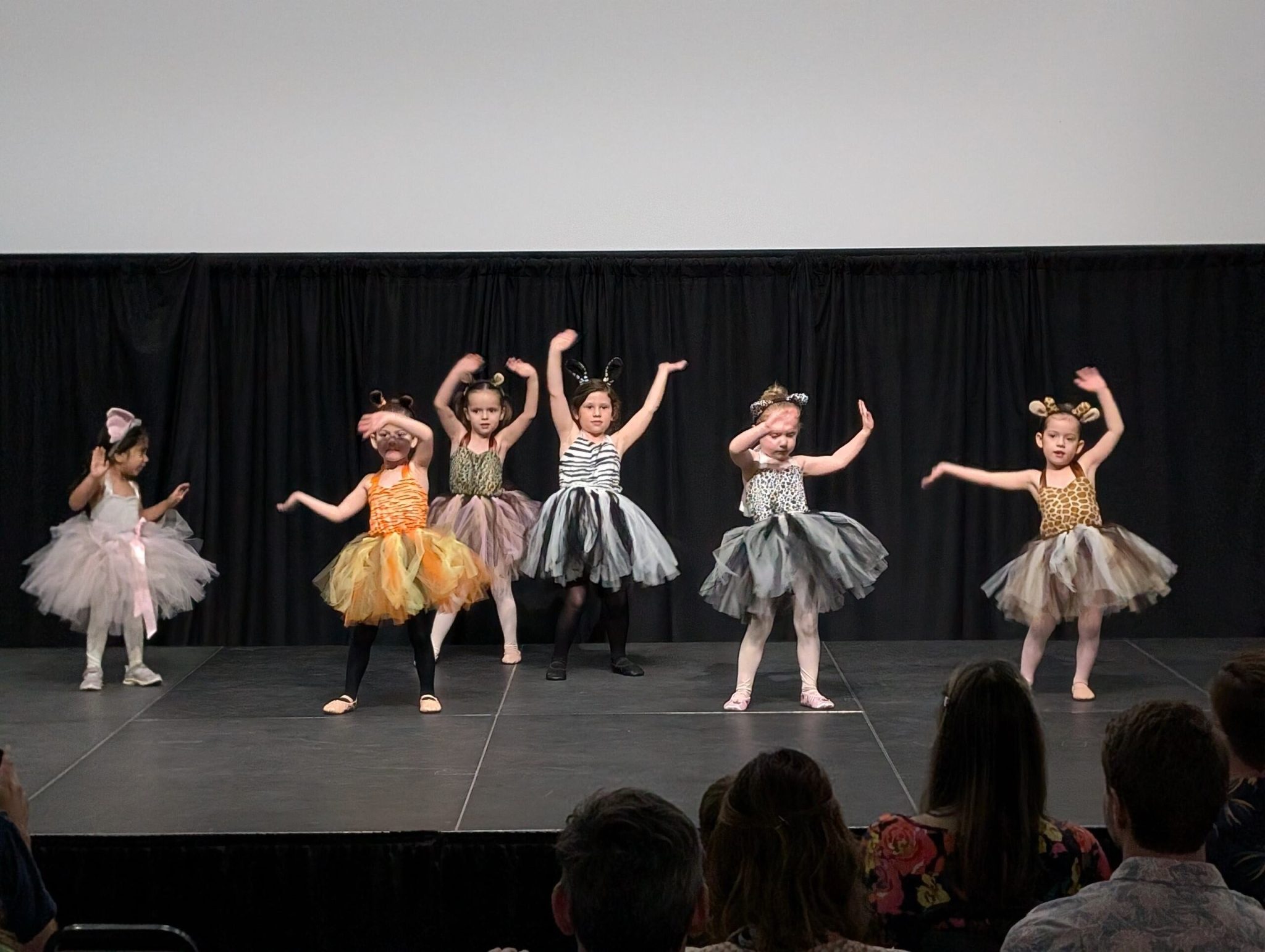
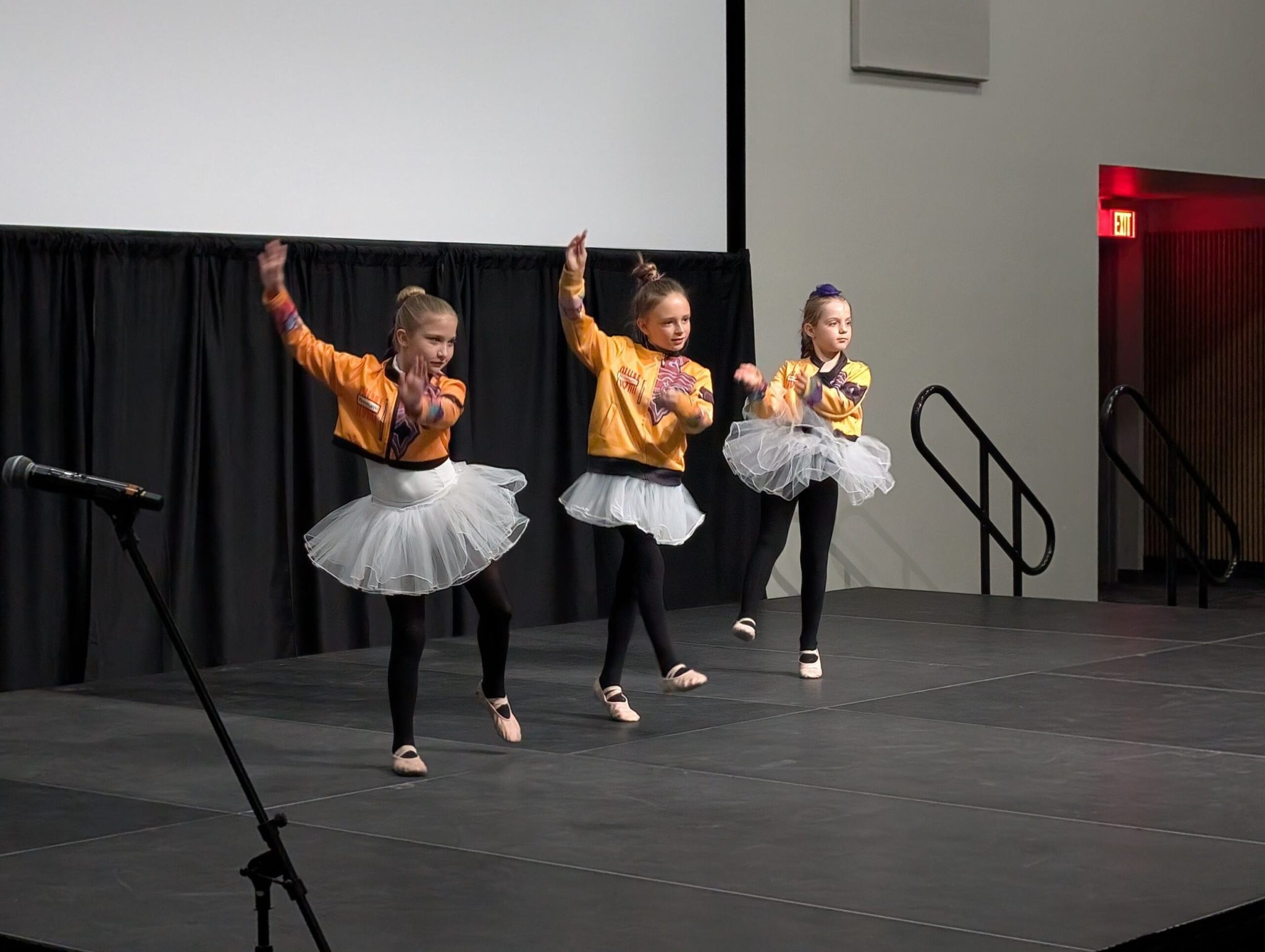
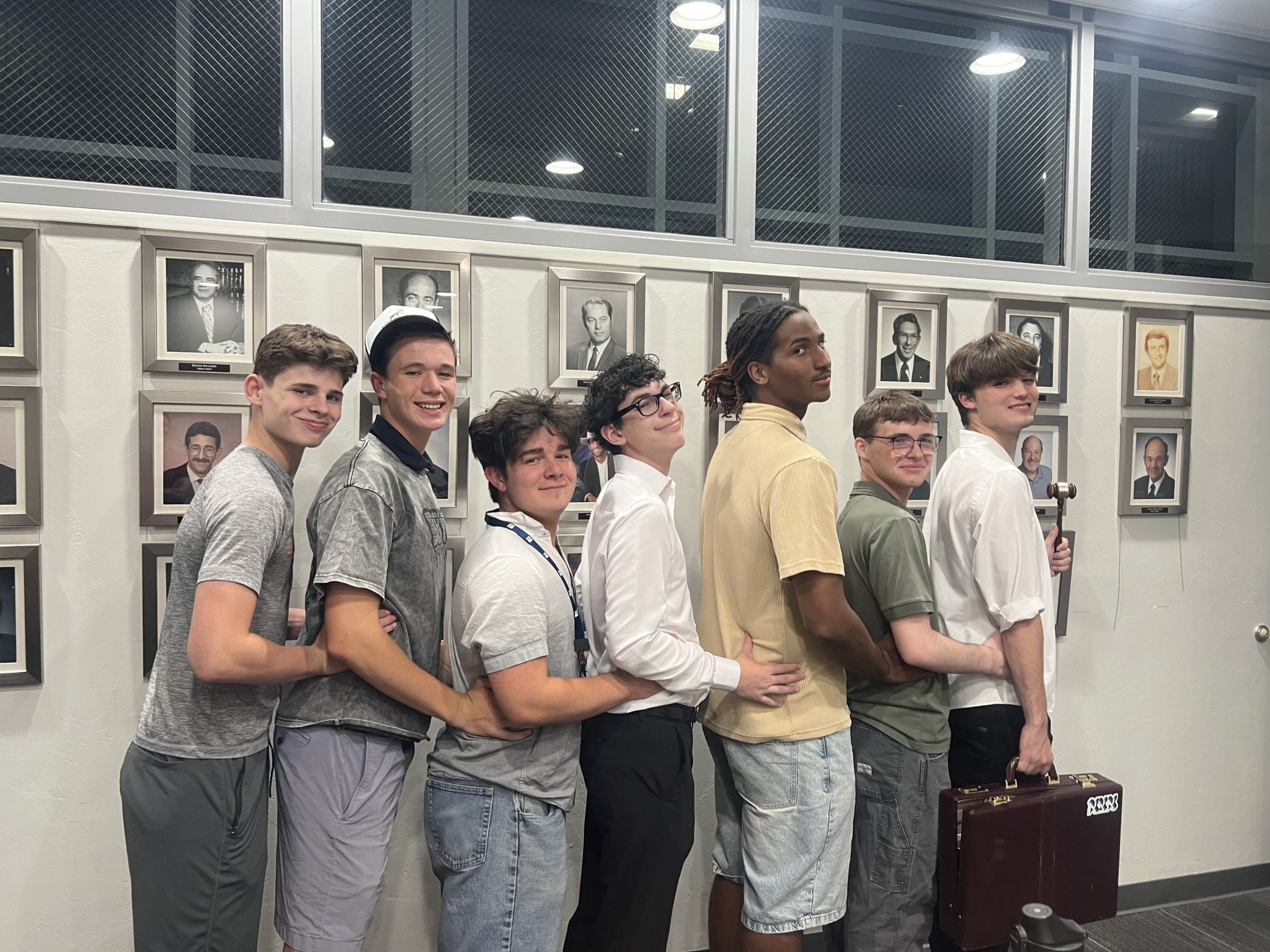
On Sunday, after a whole semester of learning dance moves and mastering routines, our youth dance program ended their season with a recital performance. BBYO participants ended their school year by electing chapter boards. Join us in congratulating Abi, Carolyn, Livia, Jacqui, Emmy, Evelyn, Zena, and Phoebe on the Kadimah (girls) board; and on the Abba Godol (boys) board, Kyle, Bodhi, Razin, Aden, Zach, and Emil. These board members will be in charge of planning engaging programs, recruiting members, and representing their peers at regional and national events!

All year, kids in our JCare after school program have been learning Judaic values, getting help with their homework, making art and making friends, and so much more. As the program came to a close for the summer, they celebrated by making cupcakes in the demo kitchen! 


Just last night, we hosted our annual community Tikkun Leil Shavuot Experience—an all-night Torah learning opportunity. Because Shavuot commemorates the receiving of the Torah at Mt. Sinai, which is described as a spiritual marriage between God and the Jewish people, this year’s theme was “All You Need is Love.” 130 people joined us for choose-your-own sessions, snacks, and a love-song singalong! 


Through experiences like these that happen each week at the J, we continue the work that began at Sinai by creating a vibrant, connected Jewish community. Shabbat Shalom. 

Reminders, Resources + Learning

From the Desk of Jennifer Lorch Selco | Sr. Director of Jewish Living + Engagement

Shabbat Shalom
Shabbat Shalom

From the Desk of Jennifer Lorch Selco | Sr. Director of Jewish Living + Engagement

This Shabbat we read the double parsha – Behar (on the mountain) and Bechukotai (in my laws), which will conclude the third book of Torah, Vayikra (or Leviticus). The Israelites are physically at Mt. Sinai where Moses receives instructions from God, yet the focus is on the future, once the people enter Israel – how will we tend the land, and what are the ethics and consequences of our collective behaviors.


Vayikra, as a book focuses on holiness, ritual purity and the sacrificial system. Absent from the book is the dramatic narrative found in Beresheet and Shemot, and the book ends with a vision of responsibility. The Torah is telling us revelation isn’t just about the moment on the mountain; it’s about how those ideals translate into everyday living.


In Behar we find rules for letting the land rest – shemitah (sabbatical year) every seven years, then after the forty-ninth year, a jubilee year in year fifty. How does this idea of resting the land translate to our everyday living? Just as we rest the land, Shabbat is our opportunity, a weekly one, in fact, where we get to rest.


Mordechai Kaplan, a prominent Jewish philosopher taught, “An artist cannot be continually wielding his brush. He must stop at times in his painting to freshen his vision of the object, the meaning of which he wishes to express on his canvas. Living is also an art….The Sabbath represents those moments when we pause in our brushwork to renew our vision of the object. Having done so we take ourselves to our painting with clarified vision and renewed energy.” Shabbat is our opportunity for rest, reflection, renewal and reconnecting with ourselves and others.


As we move into Shabbat, I invite you to take advantage of the weekly gift that is Shabbat.

At the J, we often talk about building Jewish community not only for today, but for the future we hope to create together. The themes of stewardship, responsibility, and purposeful pause found in this week’s double parsha inform that work and invite us to consider how we foster personal and organizational growth, invest in young people, honor those who teach and lead, and create spaces where Jewish life can flourish long into the future. This week at the J was filled with opportunities to pause, reflect, celebrate, and appreciate the people and relationships that shape and sustain our community.


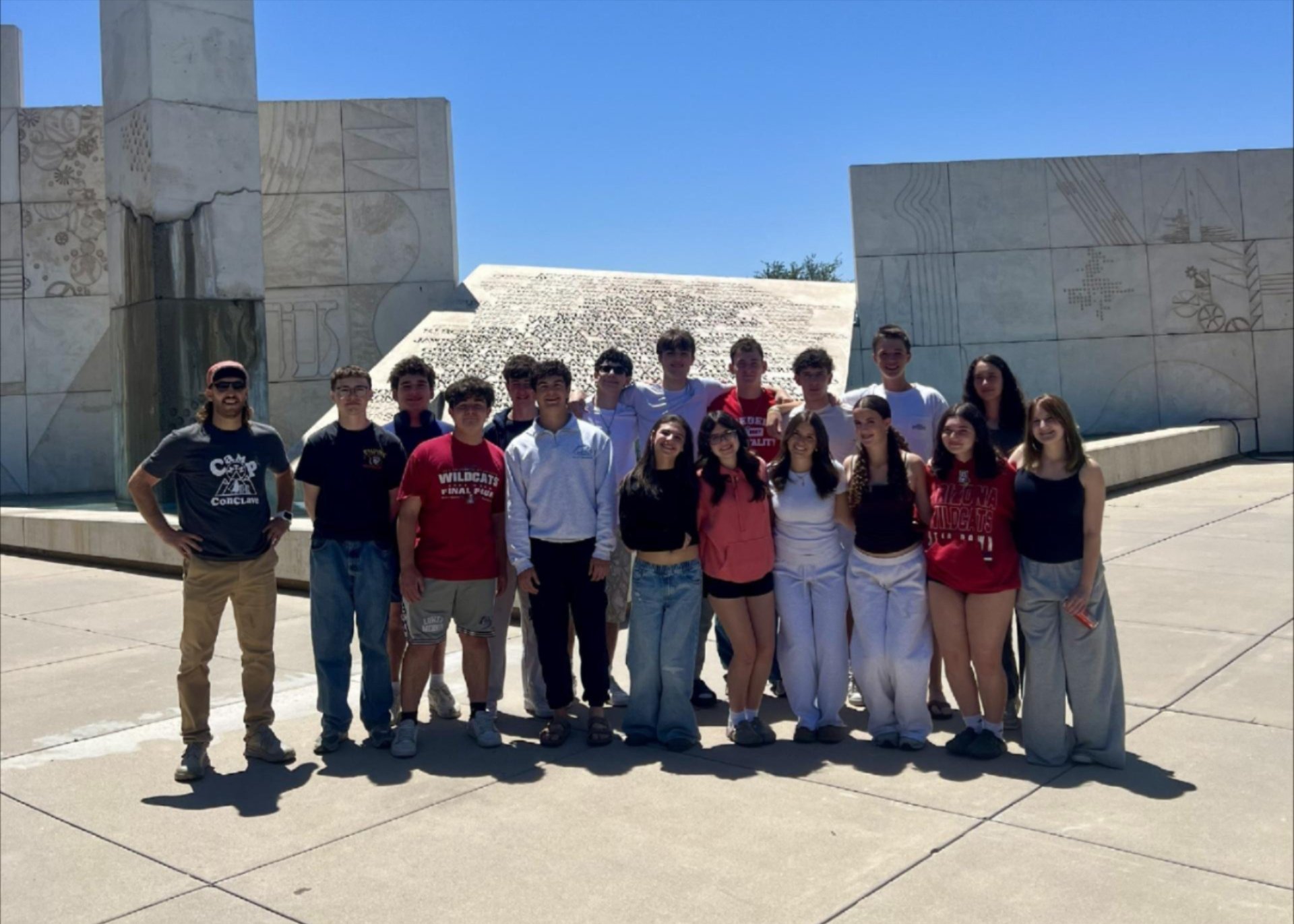
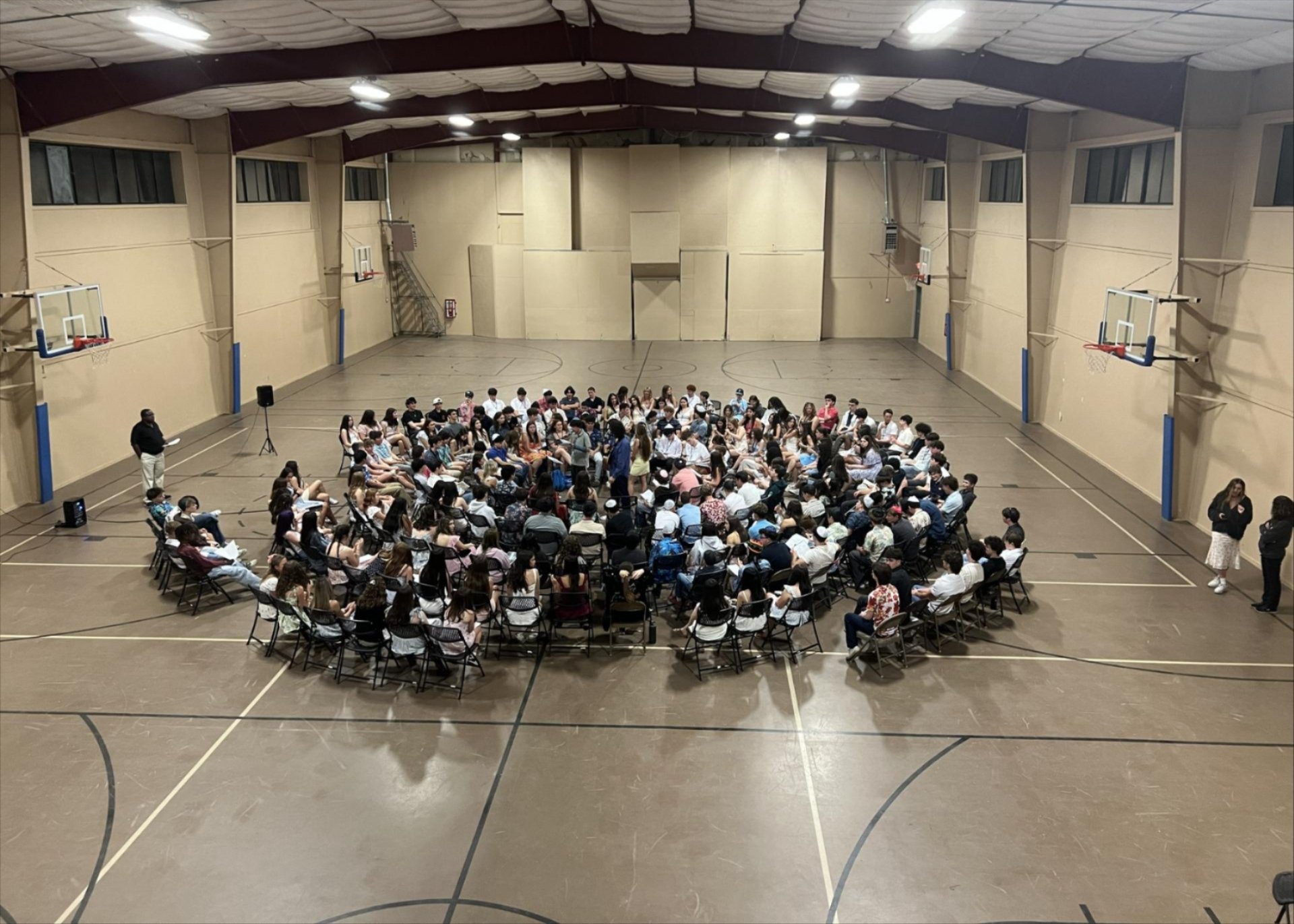
Over the weekend, 17 BBYO members traveled to Prescott to attend Spring Conclave, the final BBYO convention of the year and the last convention for many graduating seniors. The weekend was filled with meaningful programming, including Shabbat prayers and songs, Havdallah, teen-led breakout sessions, and an Ultimate Soap and Dodgeball AZAA/BBGG sports tournament. Regional Board elections for the coming year were also held at Spring Conclave and for the fourth year in a row, Tucson won a presidency, this time on the AZA Regional Board. Join us in congratulating Coby Jeck on his appointment! 


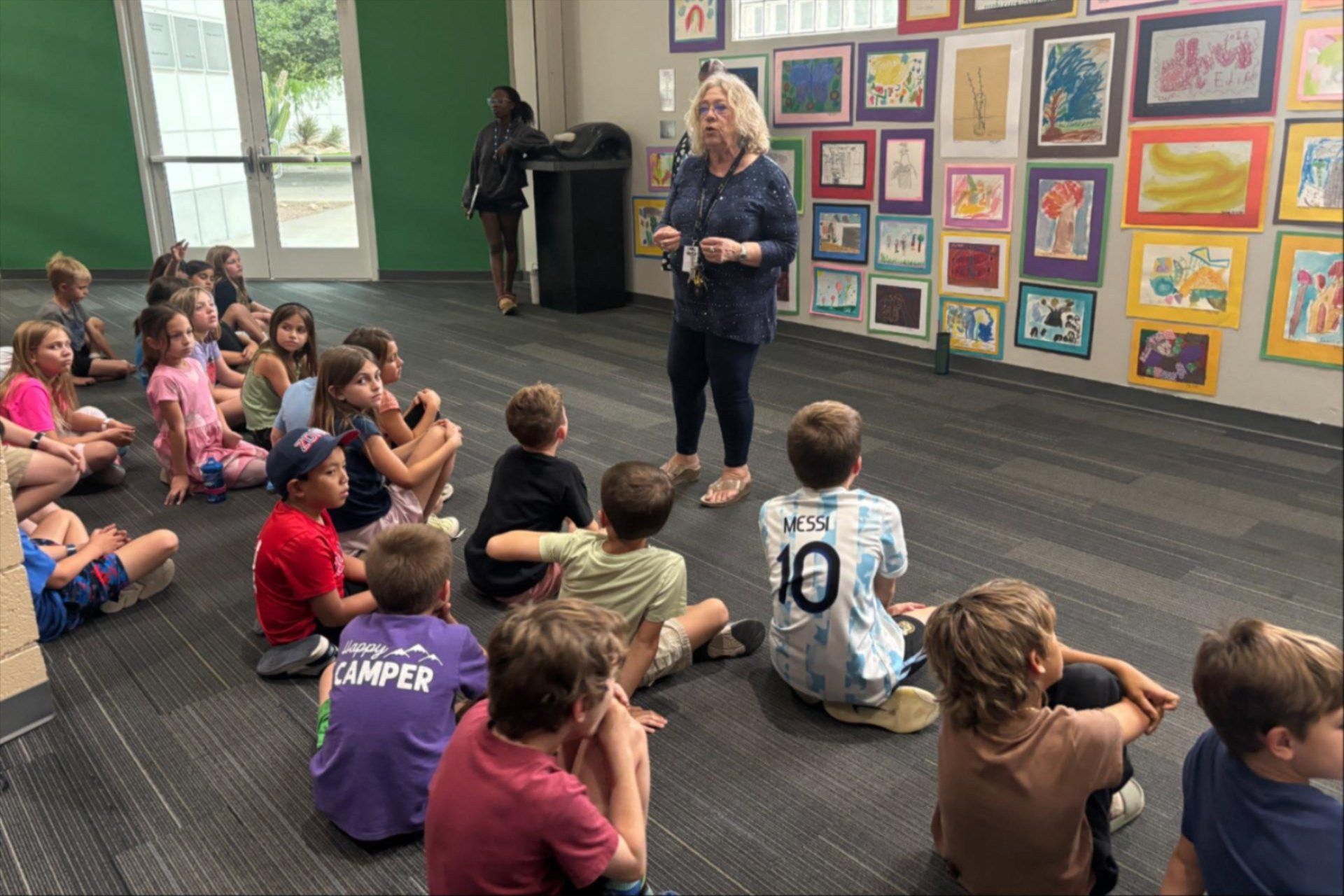
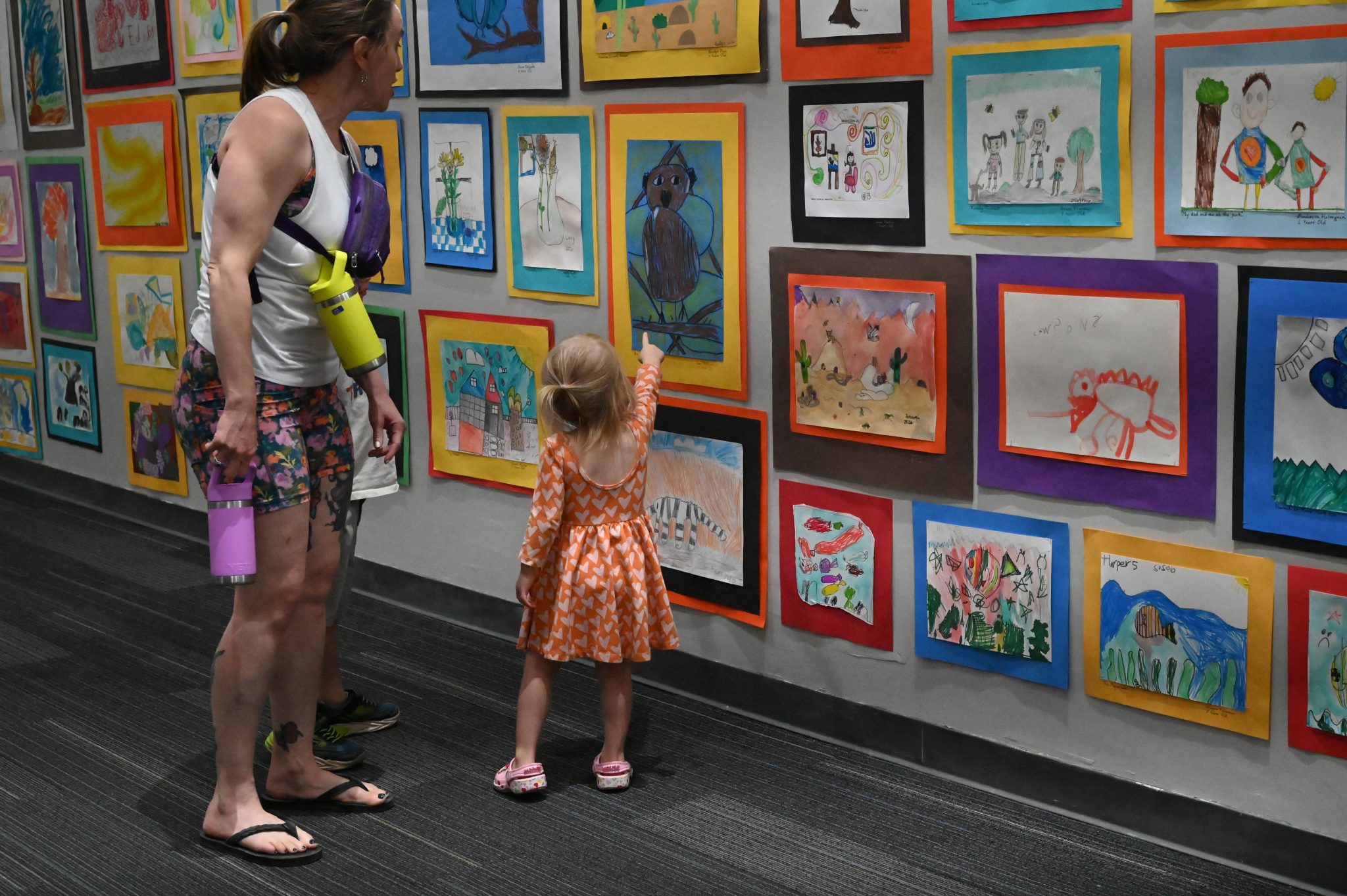
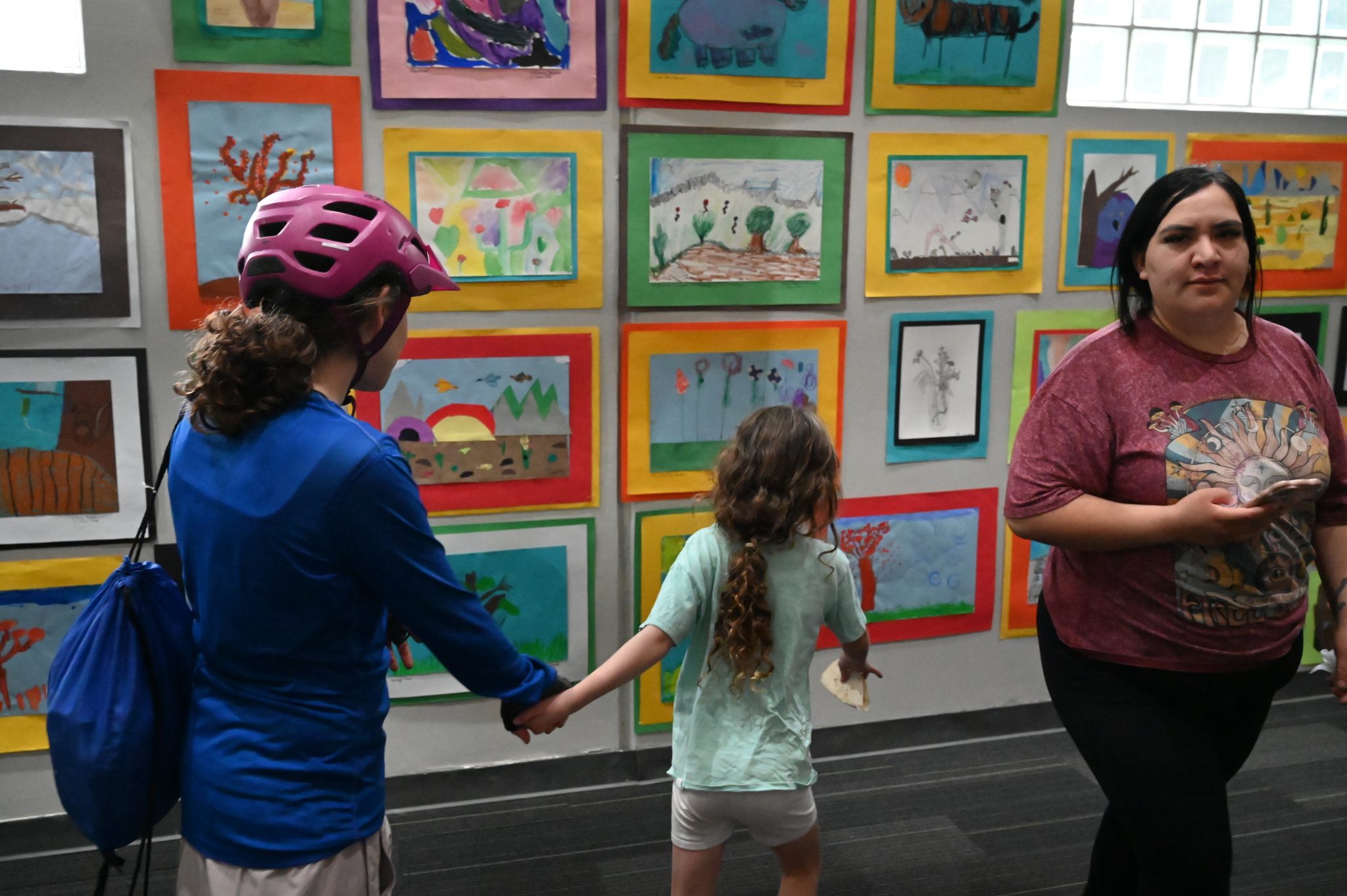
On Monday, a school year’s worth of art instruction and creativity culminated in our JCareafterschool program’s annual Art Show! Proud parents stopped in to view the truly impressive collection of art, hear from Ms. Janet (whom we are immensely grateful for!), and enjoy light snacks. The show is hung in the hallway outside the Ballroom and will come down on Monday—be sure to take a look if you haven’t! 

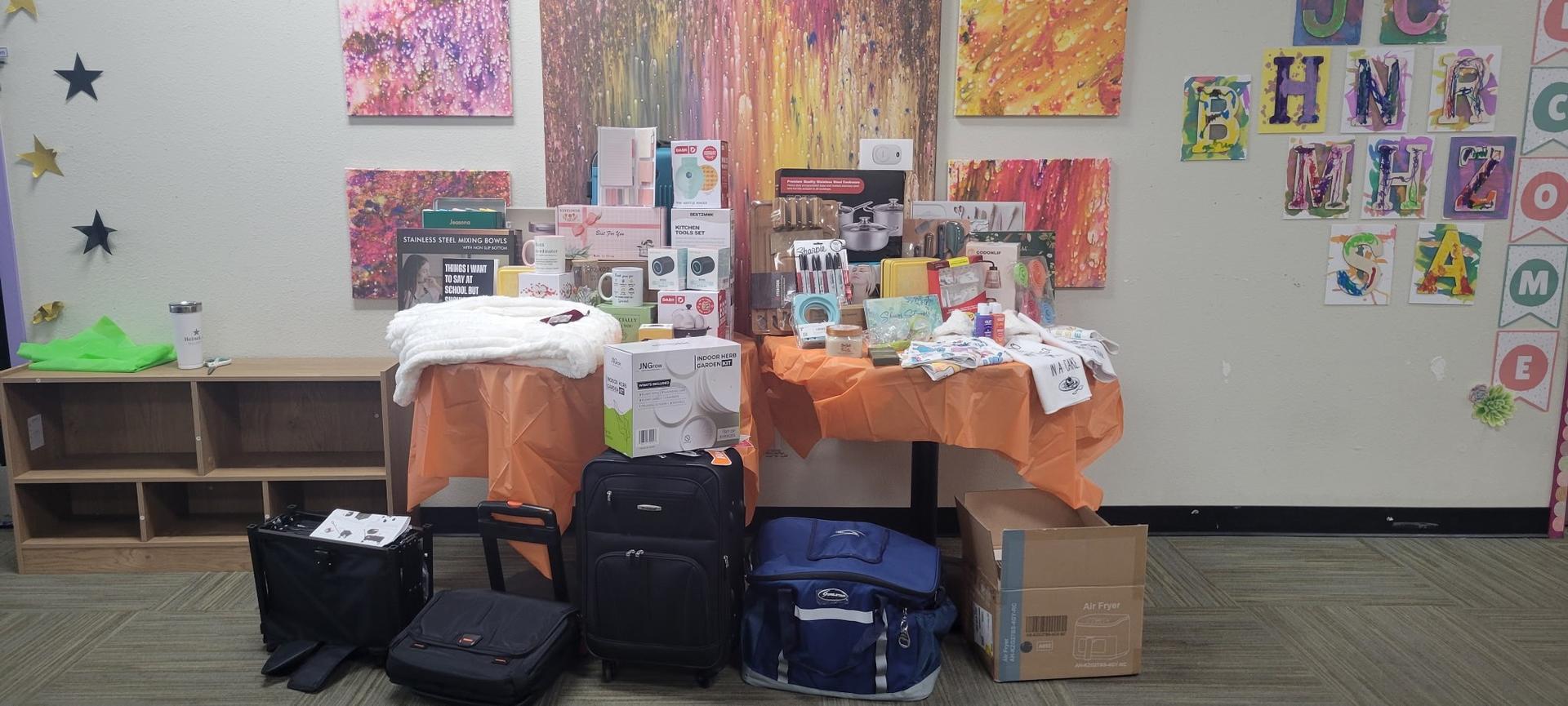
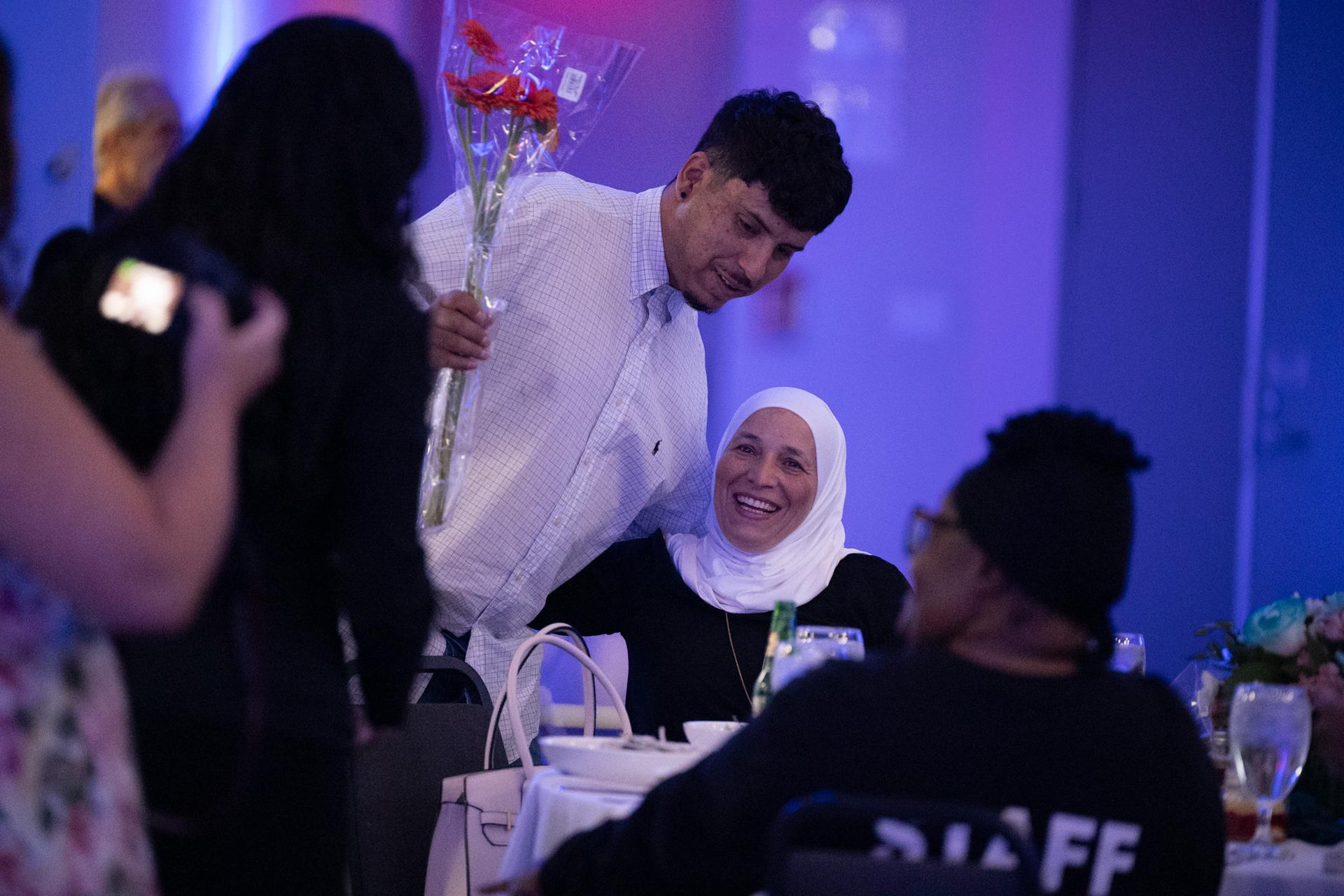
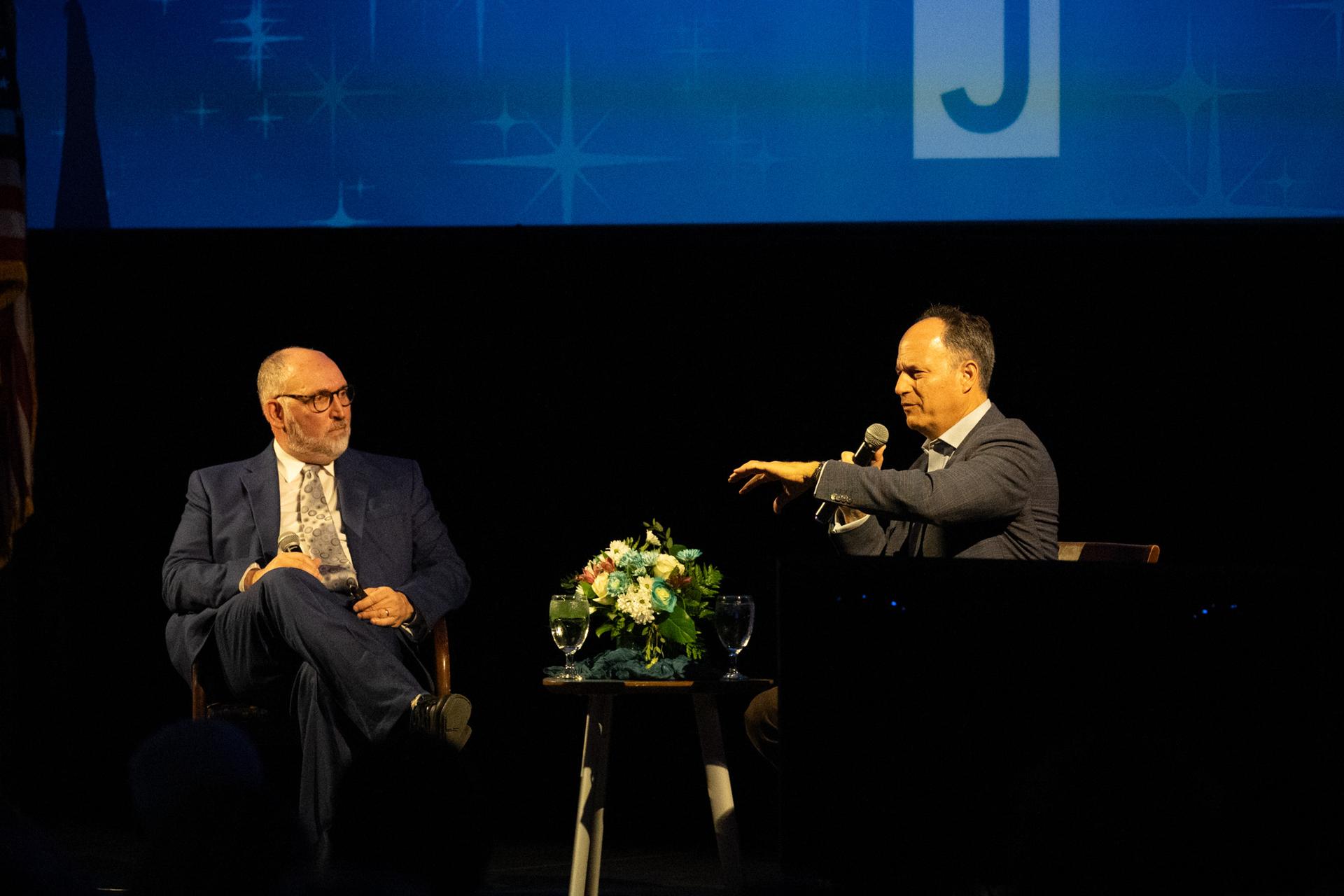
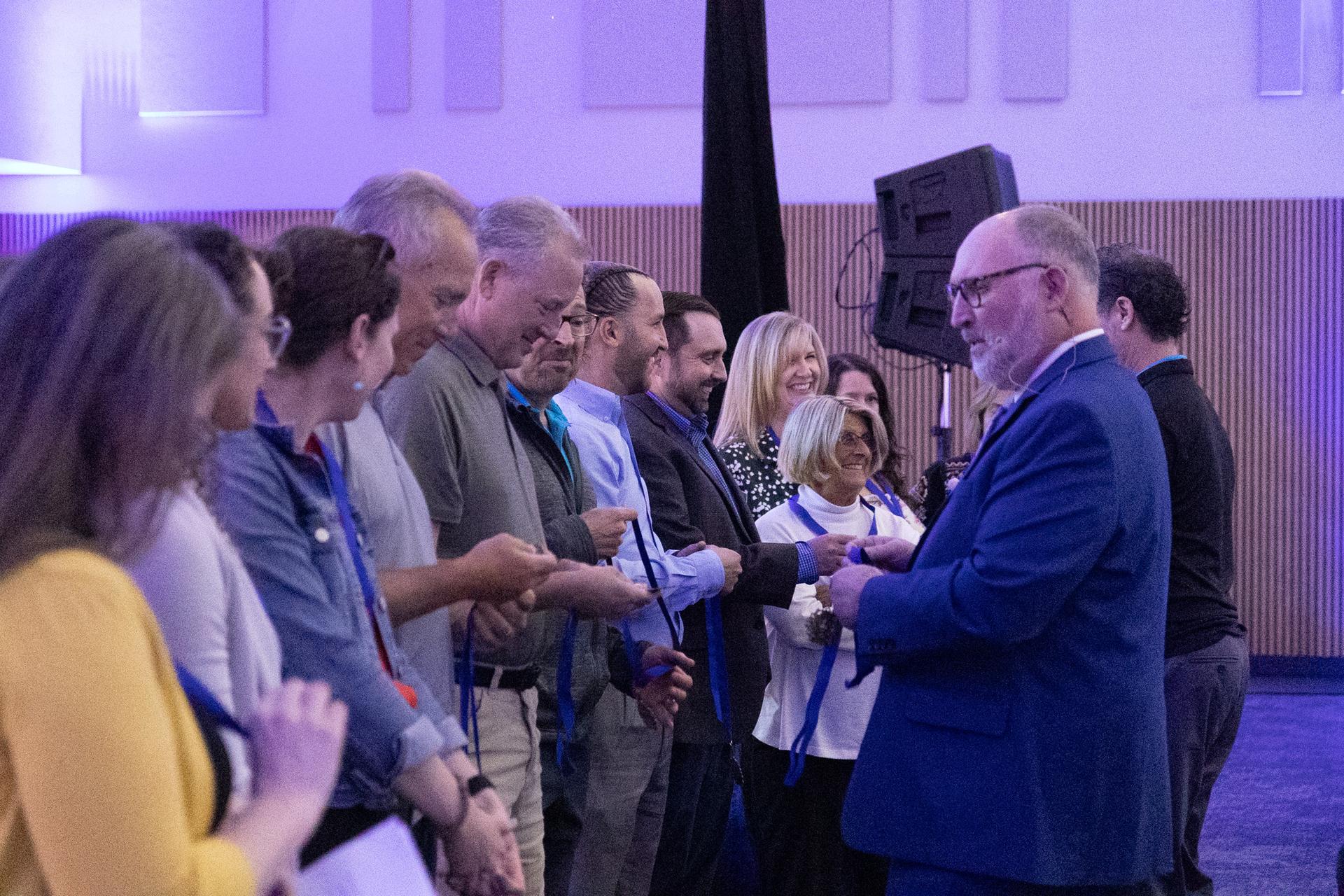
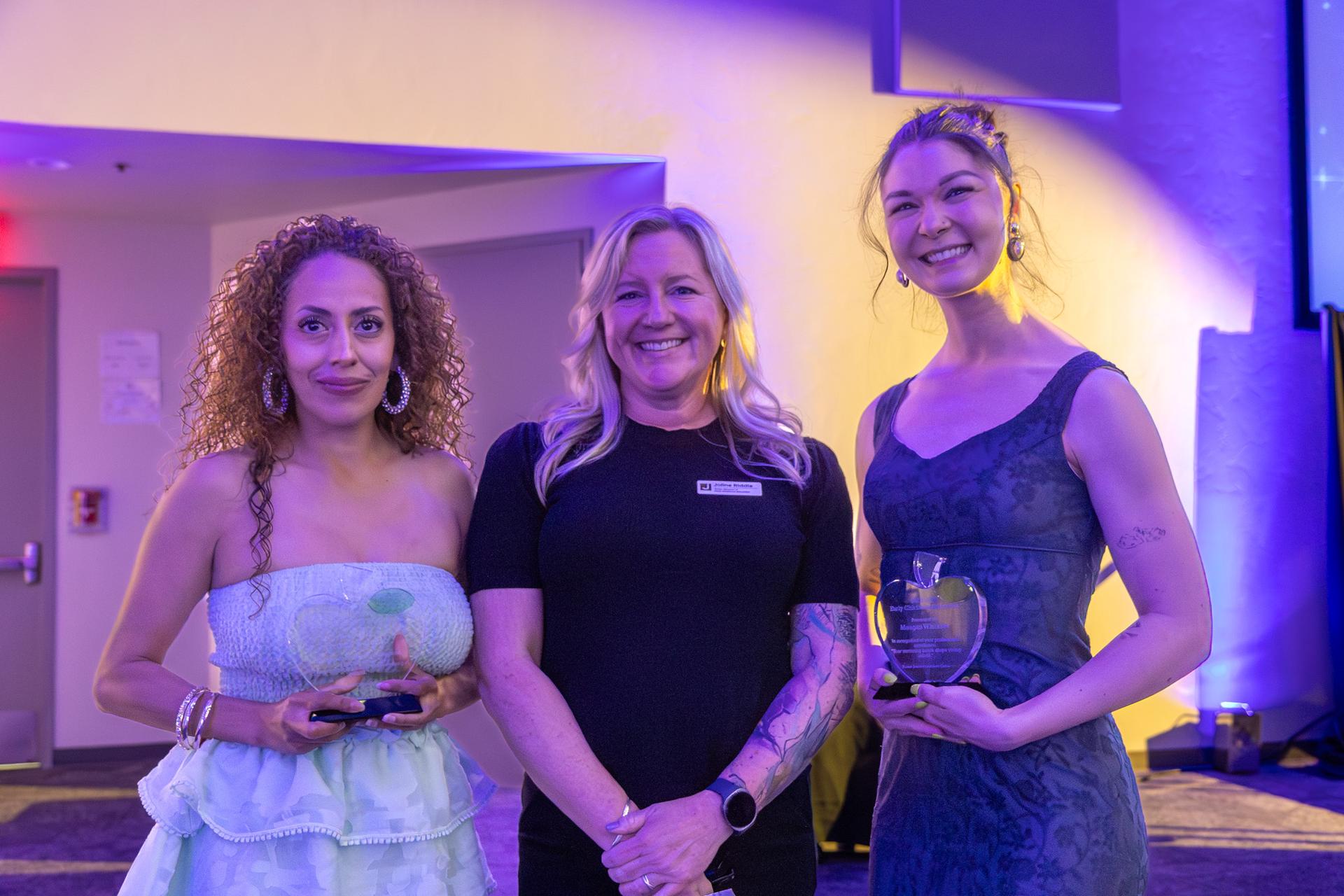
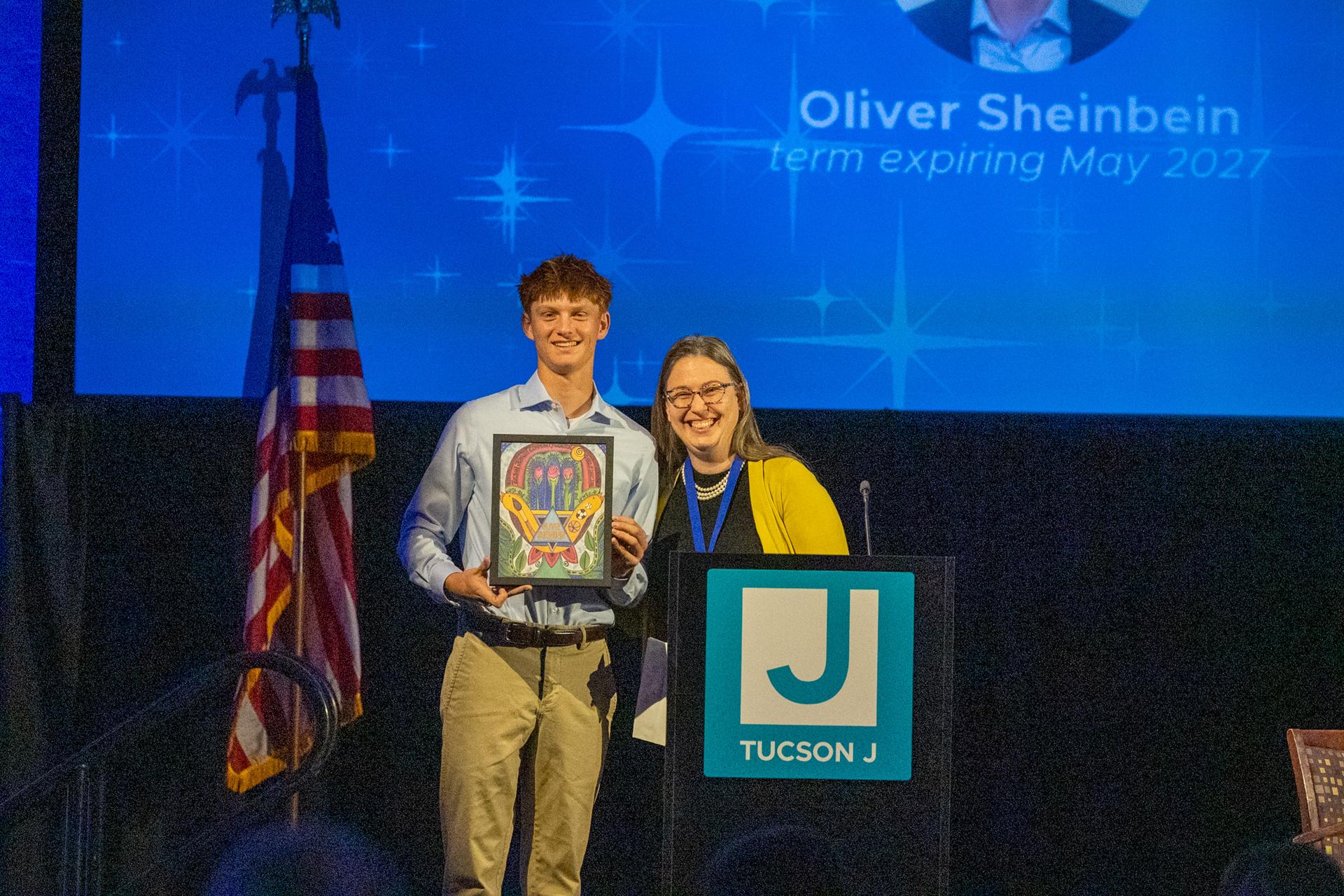
On Tuesday, nearly 200 community members gathered at the J for our Annual Celebration. The evening was an opportunity to celebrate our 2025 accomplishments, take note of where we are this year and what we are building for the future, honor Tucson J staff and volunteers for their leadership, and elect new Board members. We were also joined by special guest, Zack Bodner, CEO of the Oshman Family JCC, founder of the Z3 Conference, and author of Why Do Jewish, for a conversation about the future of Jewish life, the role JCC’s play, and the importance of fostering Jewish peoplehood across the globe. We extend our sincere appreciation to those who attended and again wish our award-winners a great big Mazel Tov! You can see more photos of the celebration here on Facebook. 


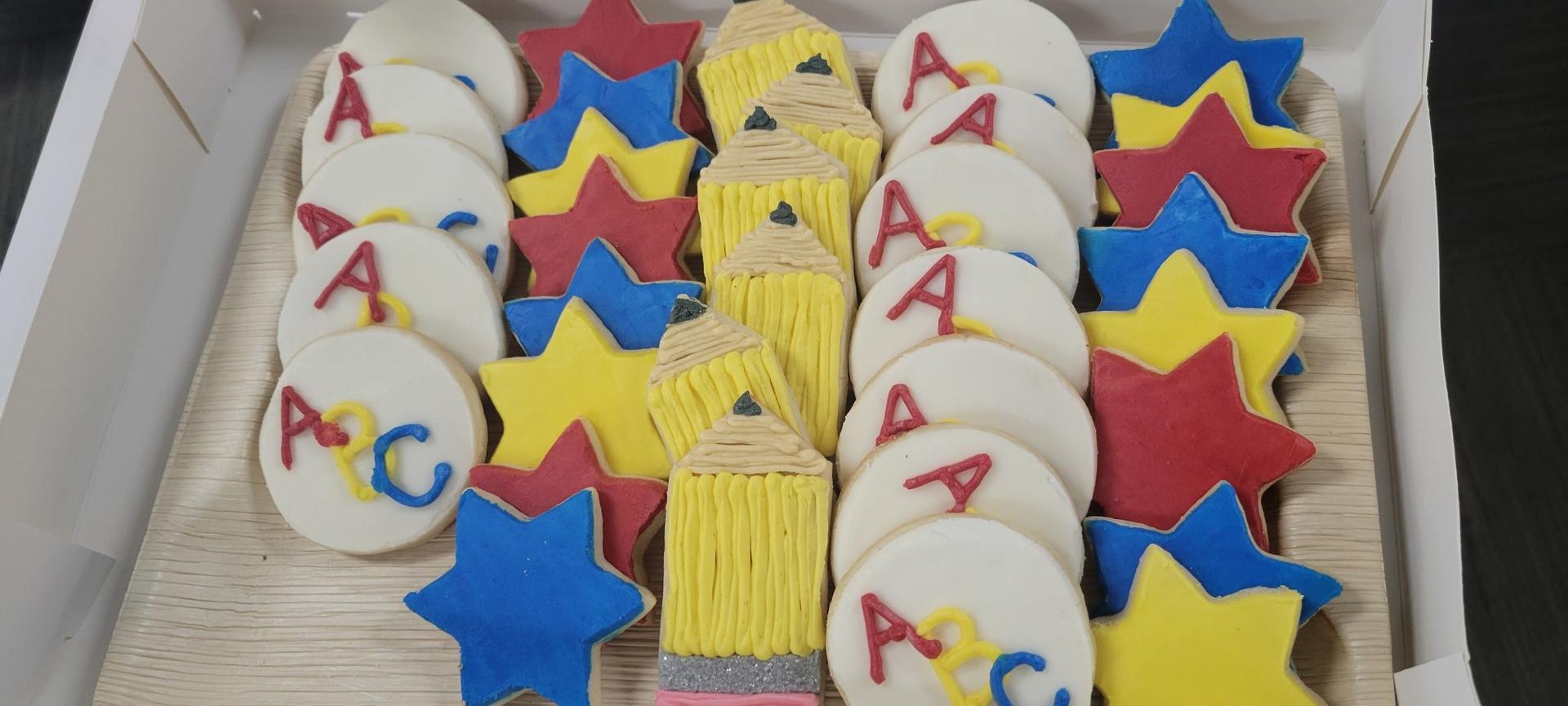
All week long, we celebrated Teacher Appreciation Week with breakfast, treats, and special recognition for the incredibly talented educators who bring expertise, enthusiasm, and care to our Early Childhood Education program each and every day. The ECE team is shaping the future of not only the Tucson J and broader Tucson communities, but the world. We are proud of and deeply thankful for their work. 


As we welcome Shabbat, may we carry forward the reminder to keep planting seeds for the future and taking moments to pause and recognize what is already growing around us. Wishing you a peaceful and restorative Shabbat.

Reminders, Resources + Learning