Kadima B’Yachad: Forward Together – The Tucson J Sets its Strategic Vision 

From the desk of Todd Rockoff, CEO and President of the Tucson J
In January, the Tucson J Board of Directors approved a new strategic plan that builds on our past success while boldly embracing the opportunities ahead. Appropriately titled Kadima B’Yachad: Forward Together, this plan reflects not only where we are going, but how we intend to get there: as one community. 


Approximately 1.5 million people walk through JCC doors each week. The Tucson J has over 10,000 members from across Tucson encompassing a diversity of backgrounds and identities. Yet JCC’s operate within a web of federations, day schools, Hillels, synagogues, camps, and countless agencies. As Rabbi Avraham Infeld teaches, “We all have the same job; we just have different tasks.” Our collective job is to build vibrant, durable Jewish life, and no one thread in that web can do it alone. 


We are deeply grateful to Jewish Philanthropies of Southern Arizona for their generous grant support that helped make this important work possible. Their partnership reflects a powerful truth our shared success as a community is based on collaboration, not fragmentation. When we work together, we are not giving up power; we are gaining strength. 


The J is not simply a facility. It is a gathering place of belonging, strength, and shared purpose. The previous strategic plan, spanning the years, 2021 to 2025, culminated in the Tucson J hosting the JCC Maccabi Games and Access ®, an effort that was successful because of the involvement of the entire Jewish and broader community. 


Our new plan is built around six strategic pillars: 


Enhance the JCC’s role as the heart of Jewish Tucson, ensuring every Jew feels welcome and finds connection here. 


Invest in new marketing capabilities to expand awareness of the JCC and drive increased membership and participation. 


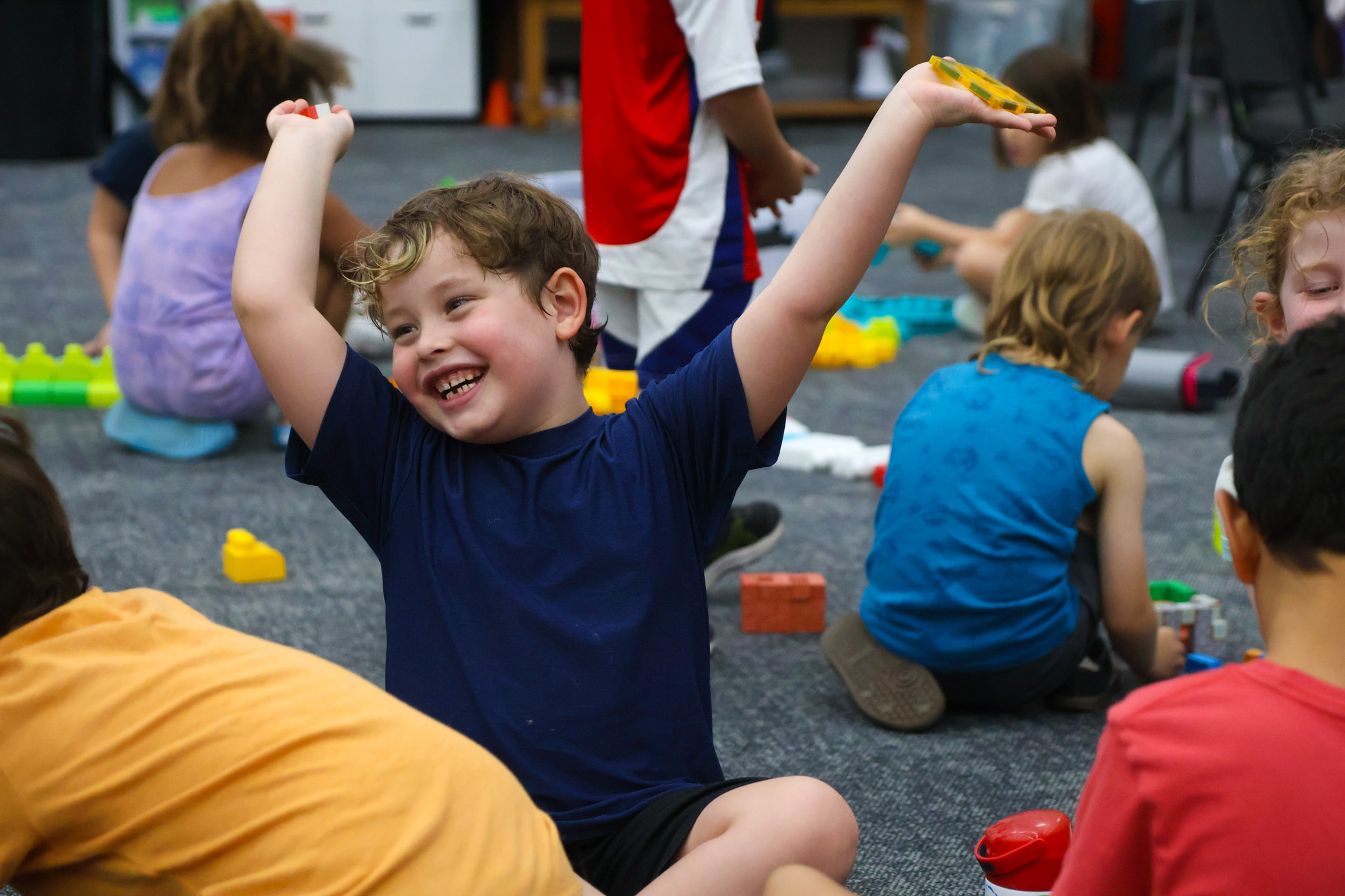
Drive growth in programming for school-age youth through innovative new offerings and meaningful collaborations. 


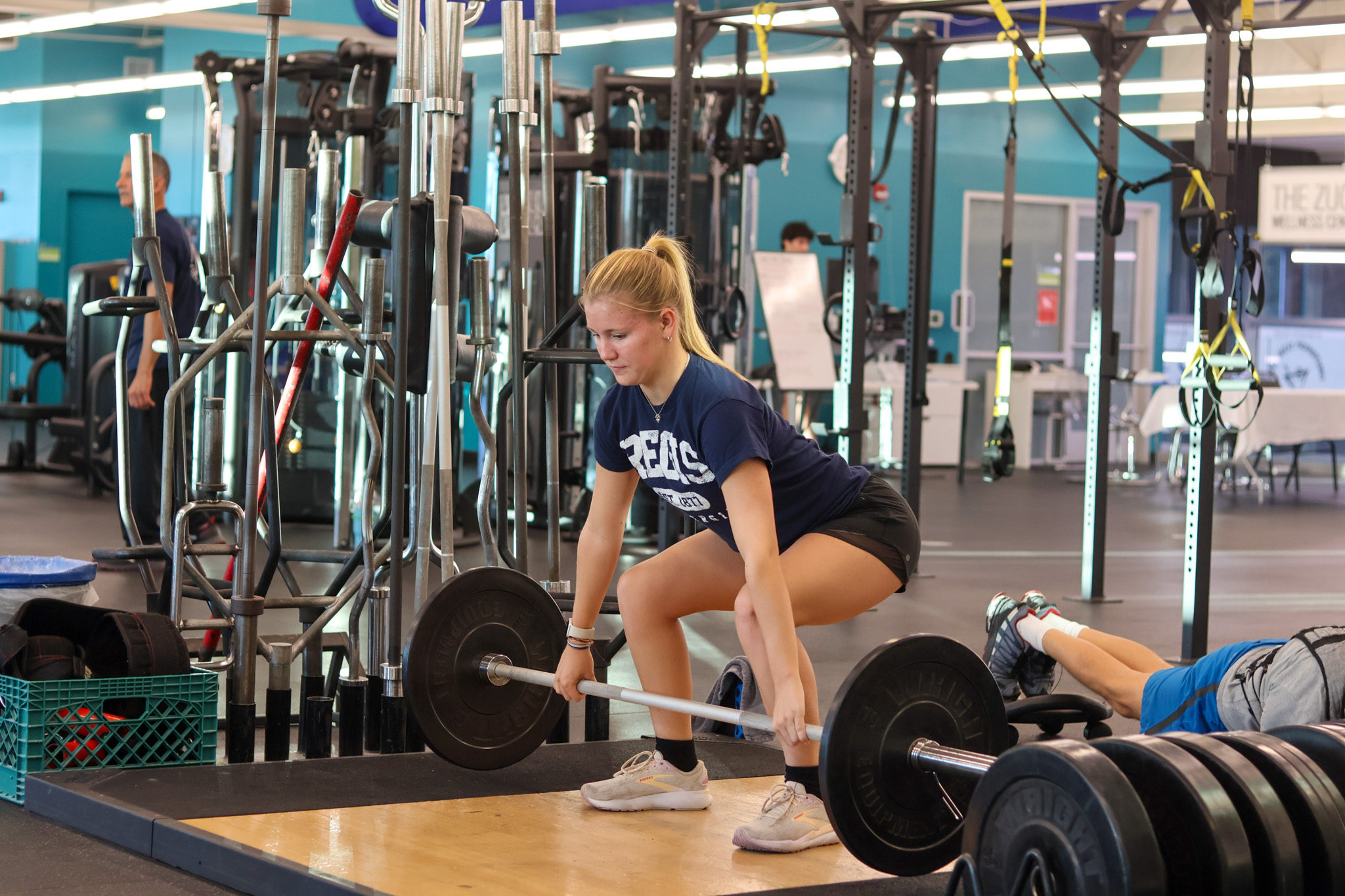
Revitalize our fitness, wellness, and sports/recreation offerings to meet the evolving interests of active adults. 


Develop a stronger, more agile technology infrastructure that advances user experience, supports staff productivity, and expands our reach. 


Explore campus enhancements that make the JCC an even more attractive center for the community and create capacity for future growth. 


We are living in a moment of extraordinary change in Jewish life, shaped by geopolitical instability, rising antisemitism, generational transition, economic pressure, technological disruption, and profound shifts in identity and affiliation. Complexity is no longer episodic; it is constant. And in such a moment, leadership cannot be reactive. Nor can it be solitary. 


Rabbi Shai Held teaches, “Hope is the refusal to give up on the possibility of transformation.” That spirit animates this moment. We are not standing still. We are moving forward with intention, with courage, and with one another— and we believe our strategic plan will be a powerful vehicle to get where are going, together.  


In addition to our partner organizations, we are proud to have support and guidance from the lay leaders who helped steer the direction of the strategic plan, and to the many community members who participated in a variety of ways, including focus groups, individual interviews, and a user experience survey.  


As we look ahead, I feel a great deal of hope for our collective future. Hope rooted in our history. Hope strengthened by partnership. Hope energized by the extraordinary people who make up this community—donors, leaders, board members, staff, and families. 


Kadima: forward. 
B’Yachad: together. 


Growth + Progress at the J: Summer 2026 Development Update

Dear Chevre (Friends),

The first half of 2026 has been filled with tremendous energy, momentum, and purpose. From packed fitness classes and thriving youth programs to meaningful Jewish engagement opportunities, the Tucson J is a place where our community grows, connects, and thrives together.


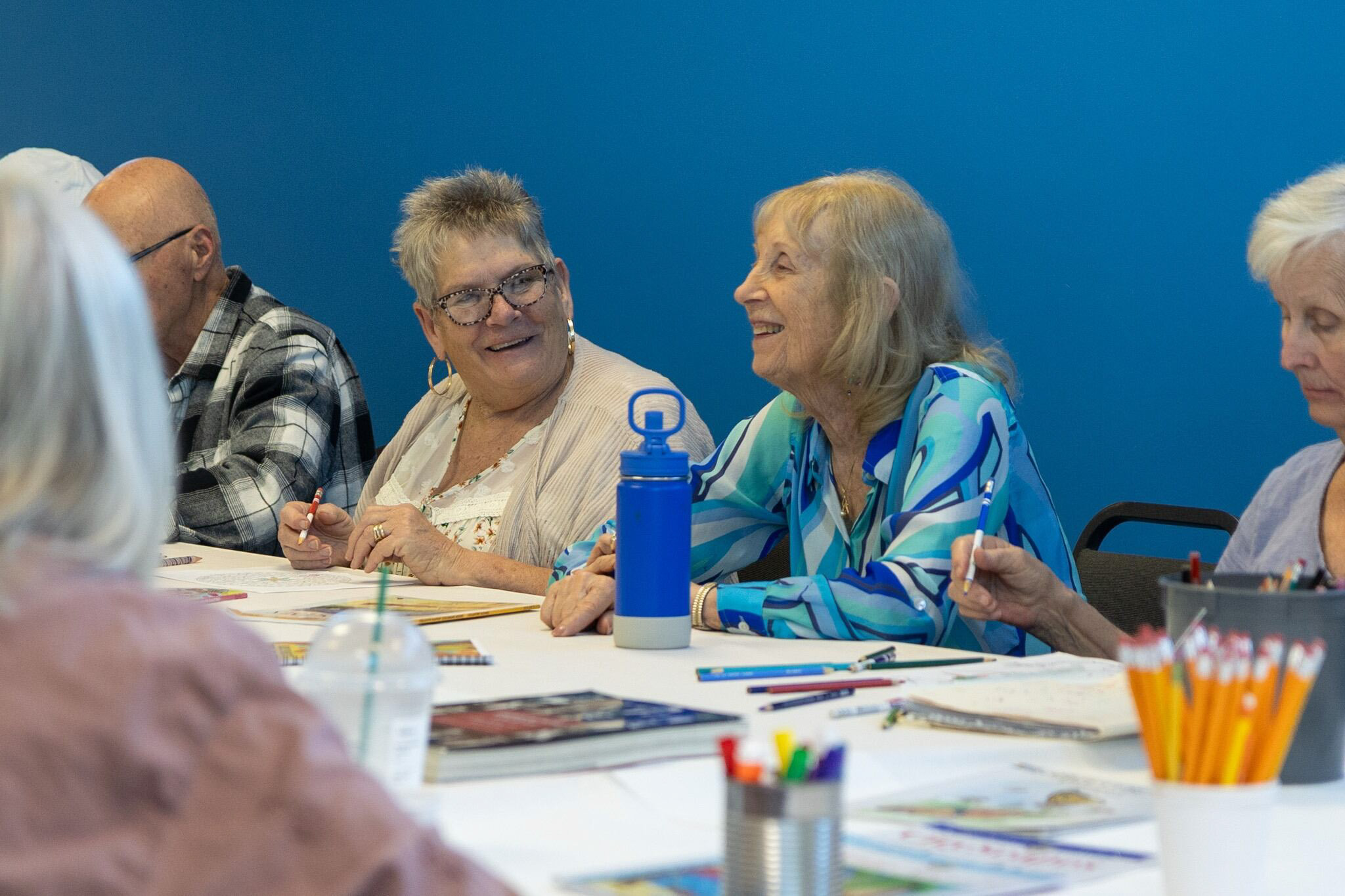
Across campus, we saw community members of all ages deepen their connection to the J. Families gathered to celebrate Jewish holidays and traditions, teens stepped into leadership opportunities, older adults found support and belonging through Healthy Aging programming, and participants in Disability Program Services continued building confidence, independence, and community through innovative vocational and enrichment opportunities.


With each season, we see the spirit of partnership and collaboration shine, fueling our mission and building our community. Through relationships with partner organizations, grants, volunteers, donors, and community leaders, we were able to deepen and expand wellness programs, create impactful learning experiences across departments, and continue strengthening the Tucson J as a welcoming home for all.


We are especially grateful to the generous donors who supported our work through the Arizona State Tax Credit program, helping provide vital scholarships for Early Childhood Education, Camp J, and the JCare afterschool program so that more children and families can access our award-winning childcare regardless of financial circumstances. As we dive into summer, the excitement and enthusiasm we are seeing from returning campers, staff, families, and participants across departments speaks to the deep sense of belonging that defines the Tucson J experience.


Early this year, we launched a new 5-year Strategic Plan, Kadimah B’Yacha—Forward Together. The plan is designed to propel the J forward by investing in new marketing capabilities; driving growth in our programming for school-age youth; revitalizing our fitness and wellness and sports and recreation offerings to meet the evolving interests of active adults; enhancing the J’s role as the heart of Jewish Tucson and a place where all Jews feel welcome and find connection; developing a stronger and more agile technology infrastructure, and exploring campus enhancements.


Looking ahead, we remain committed to fostering Jewish joy, wellness, inclusion, and lifelong learning in every corner of our organization. None of this meaningful work would be possible without the generosity and support of our community. Thank you for believing in the Tucson J and for helping us continue to build a stronger, more connected future together.


With gratitude,

Fran Katz,
Chief Development Officer

The Tucson J entered 2026 welcoming new members, supporting vibrant community engagement opportunities, and continuing to strengthen the J as a gathering place for wellness, connection, and Jewish life. While winter is often a quieter season in Tucson, the J remained active and energized with programming and services for community members of all ages. From welcoming new members to strategic partnerships and facility usage, the J continues to evolve to meet the needs of our growing community. Additionally, this quarter we are proud to share developments including:

  • launching two membership campaigns in December and May, resulting in 128 new member units, expanding membership and community
  • strengthening community partnerships and facility usage opportunities through collaborations with organizations like the YMCA and the Tucson Sugar Skulls Dance Team.
  • resurfacing the Sarver Tennis Center Courts, replacing the carpet in the locker rooms, and refreshing the cardio equipment in the gym (including the addition of a Plyo Set we’ve never had before!)
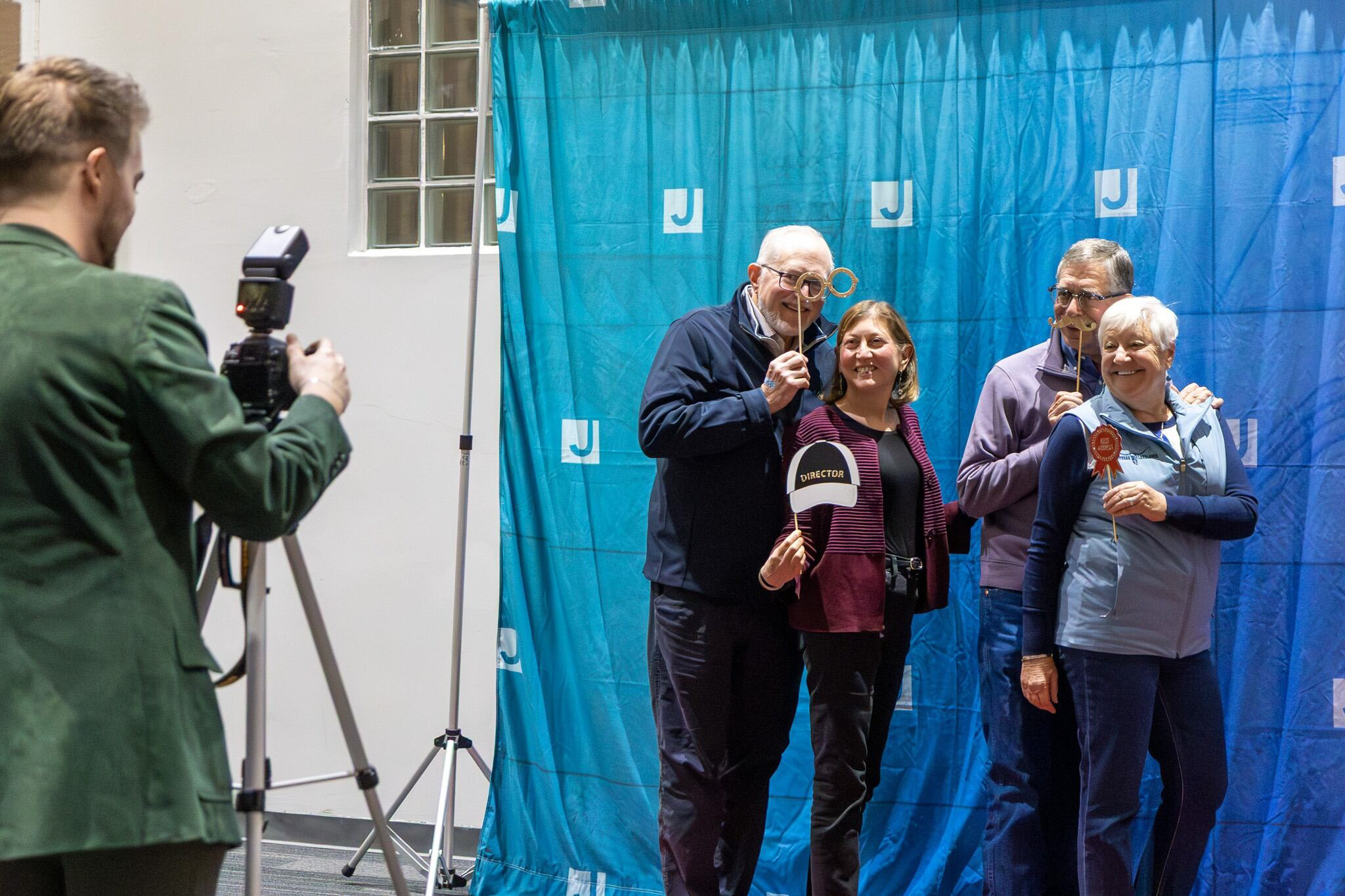
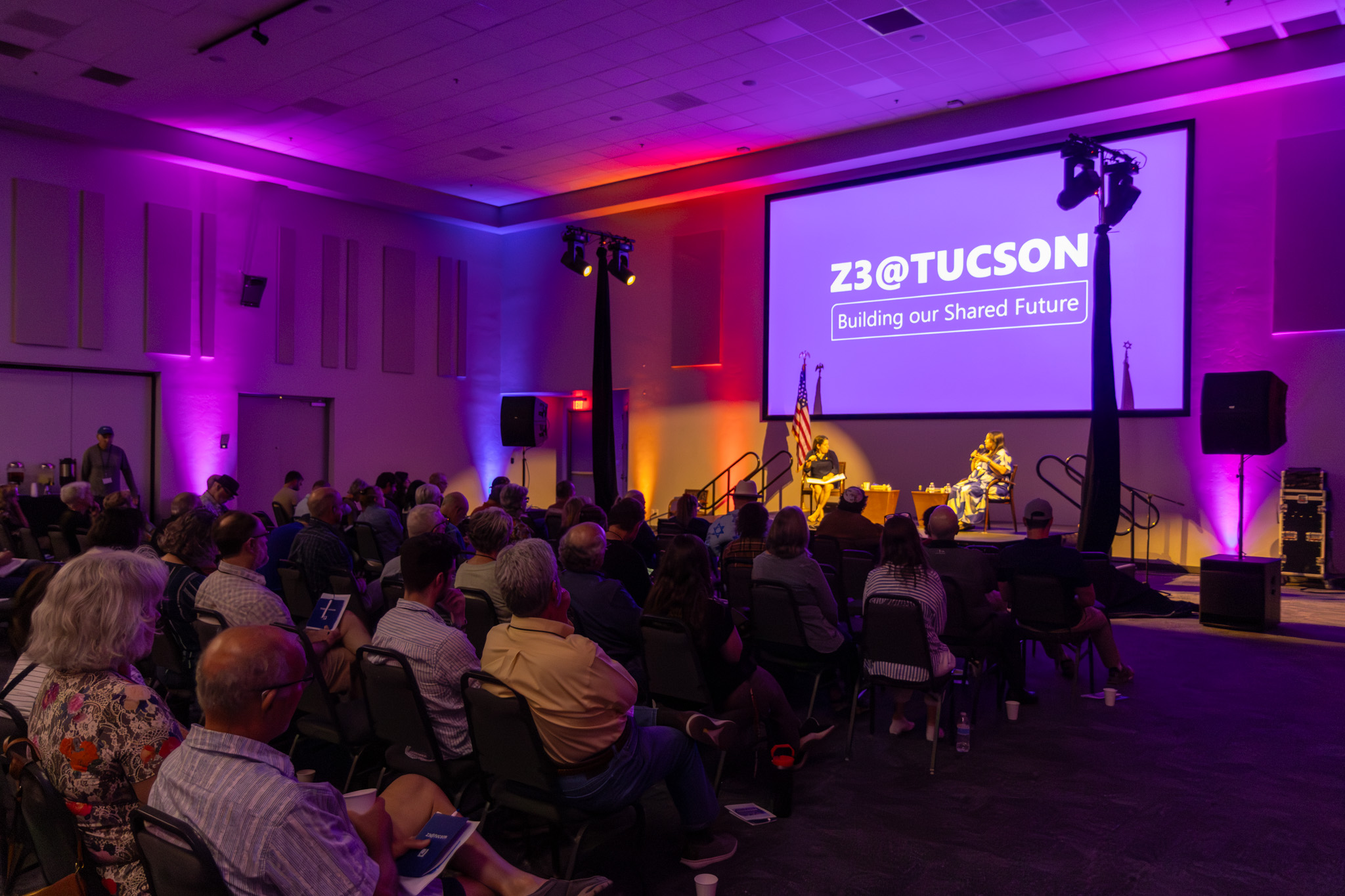
  • welcoming nearly 200 people to the Annual Celebration in May, where we elected new board members, celebrated staff and leadership award-winners, reflected on the work we did in 2025 (including shining a spotlight on the JCC Maccabi Games + Access), and enjoyed a conversation between special guest Zach Bodner (CEO of the Oshman Family JCC, author of Why Do Jewish, and founder of the Z3 Conference) and Tucson J President + CEO, Todd Rockoff.
newsletter graphic with the words Fitness and wellness on a teal background

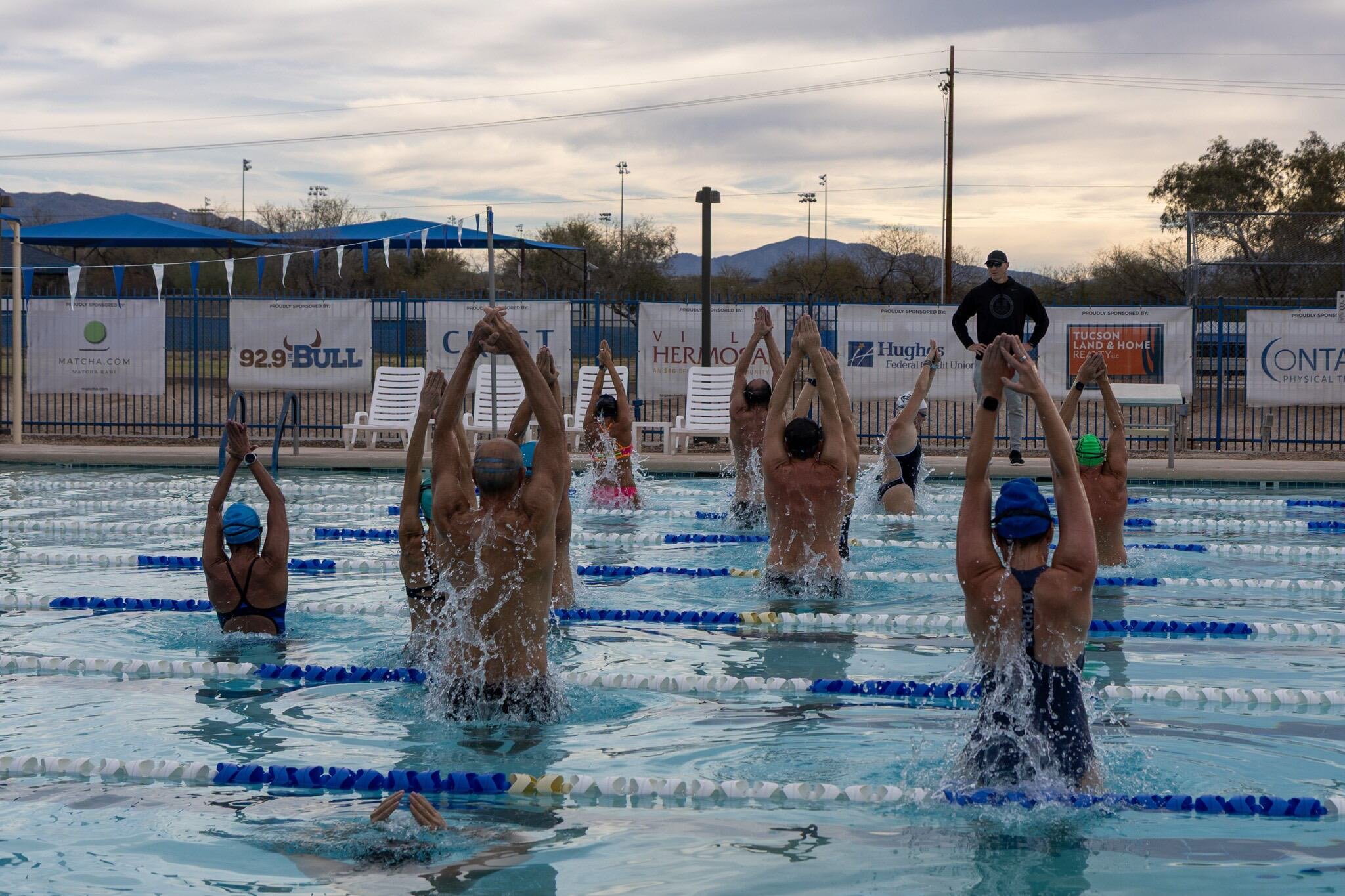
At the Tucson J, wellness is about much more than exercise—it is about creating opportunities for people of all ages and abilities to thrive physically, socially, and emotionally. The first quarter of the year is traditionally one of the busiest seasons for Fitness + Wellness programming and this year was no different! This season brought exciting developments across aquatics, sports leagues, Healthy Aging initiatives, and specialized training programs, while continued grant support and volunteer leadership strengthened our ability to serve the community in impactful ways. Highlights from the quarter include:

  • hosting Lunch and Learn programs for the Parkinson’s community in partnership with sponsors including AbbVie and Medtronic.
  • welcoming 125 registrants across four Aging and Social Connections sessions, with strong ongoing participation and positive community
  • receiving a grant from the American Parkinson Disease Association (APDA) to support participant fees, screenings, and instructor costs for the J Parkinson Program from May 2026 through April 2027; and receiving a grant from the Sephardic Foundation on Aging for a collaborative dementia-friendly community initiative involving Jewish organizations throughout Tucson.
  • celebrating Volunteer Appreciation Month by honoring three dedicated Healthy Aging volunteers who collectively contributed more than 2,000 hours to the Movement/Arts Immersion Program.
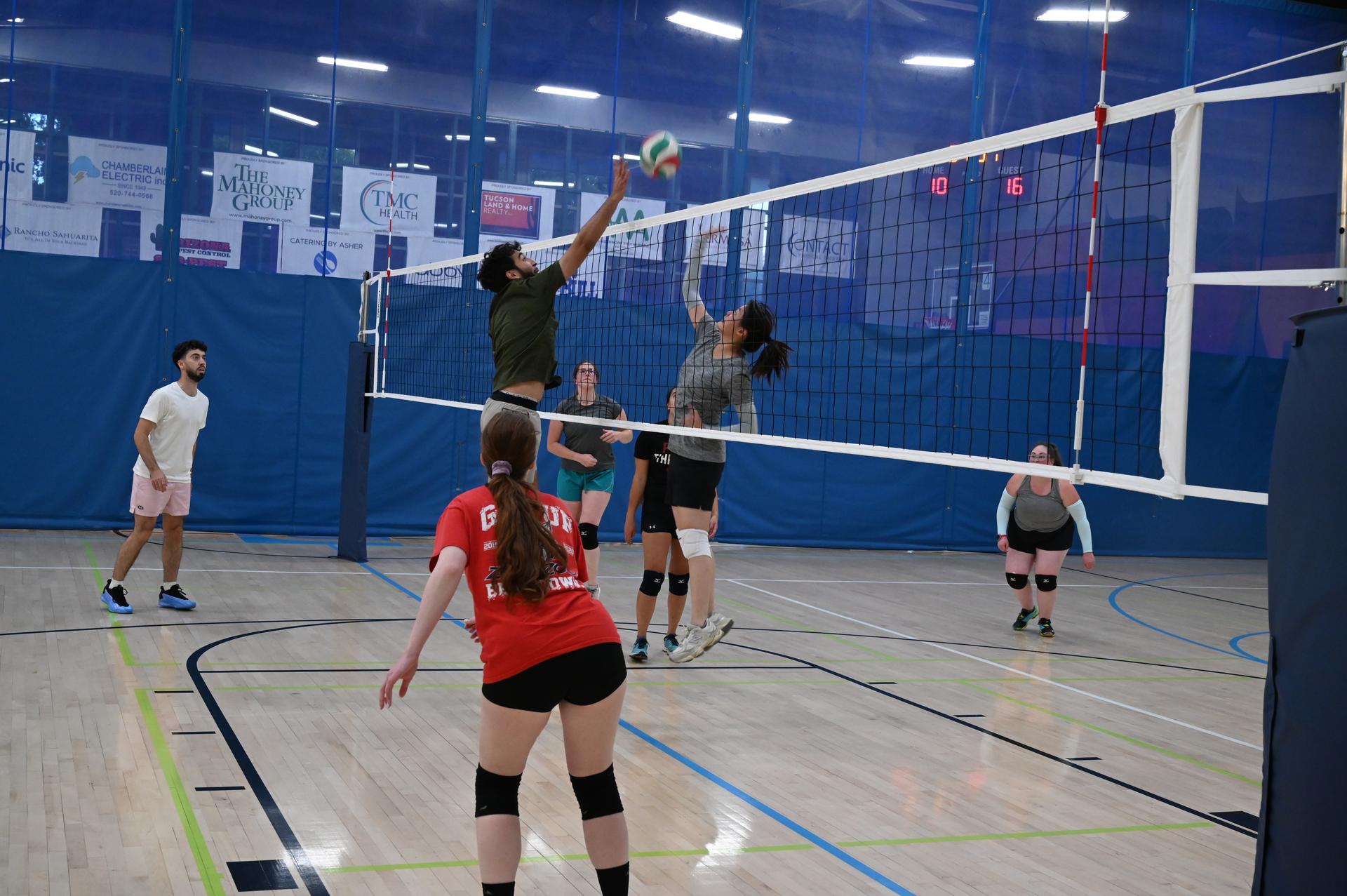
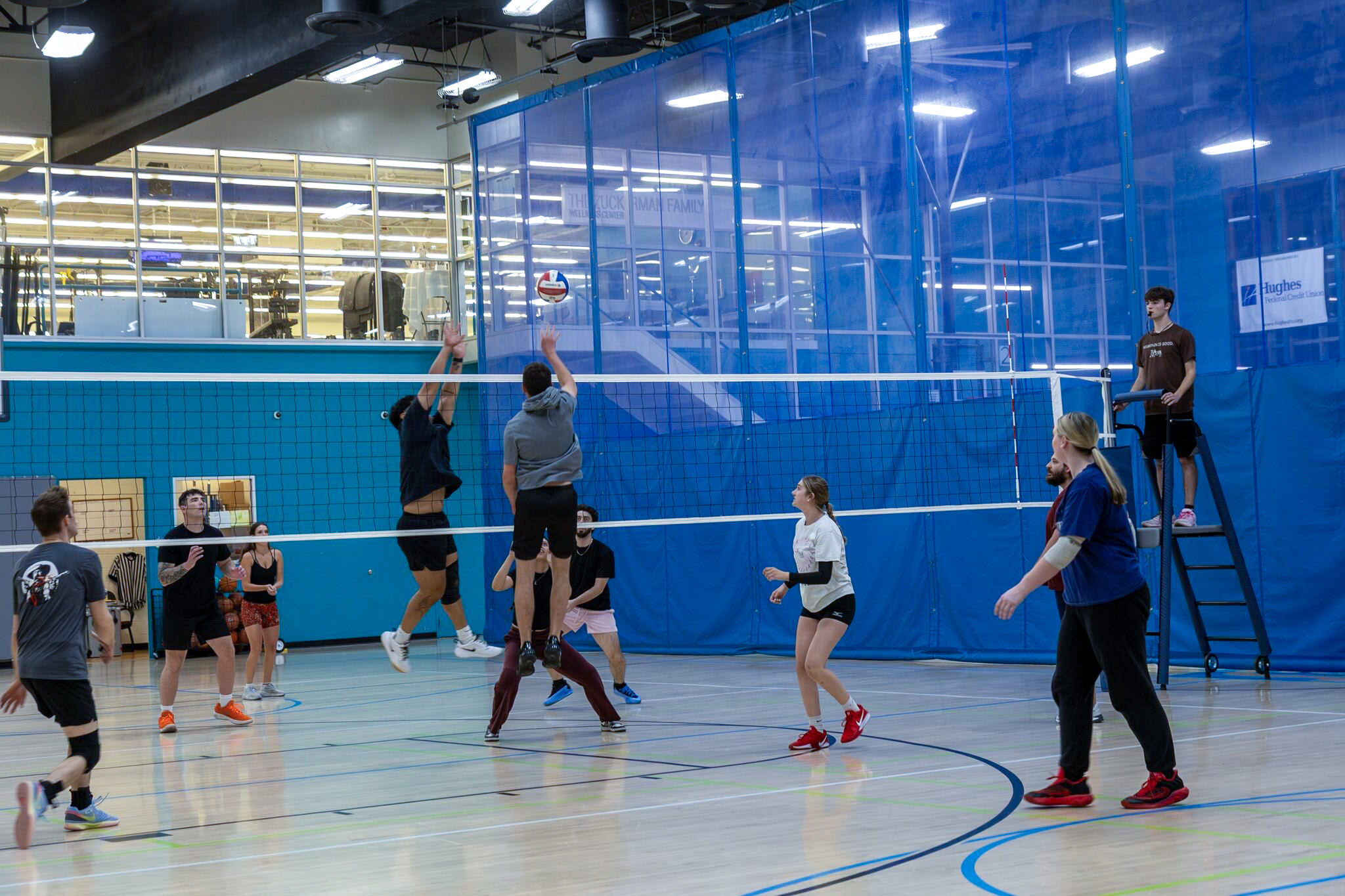
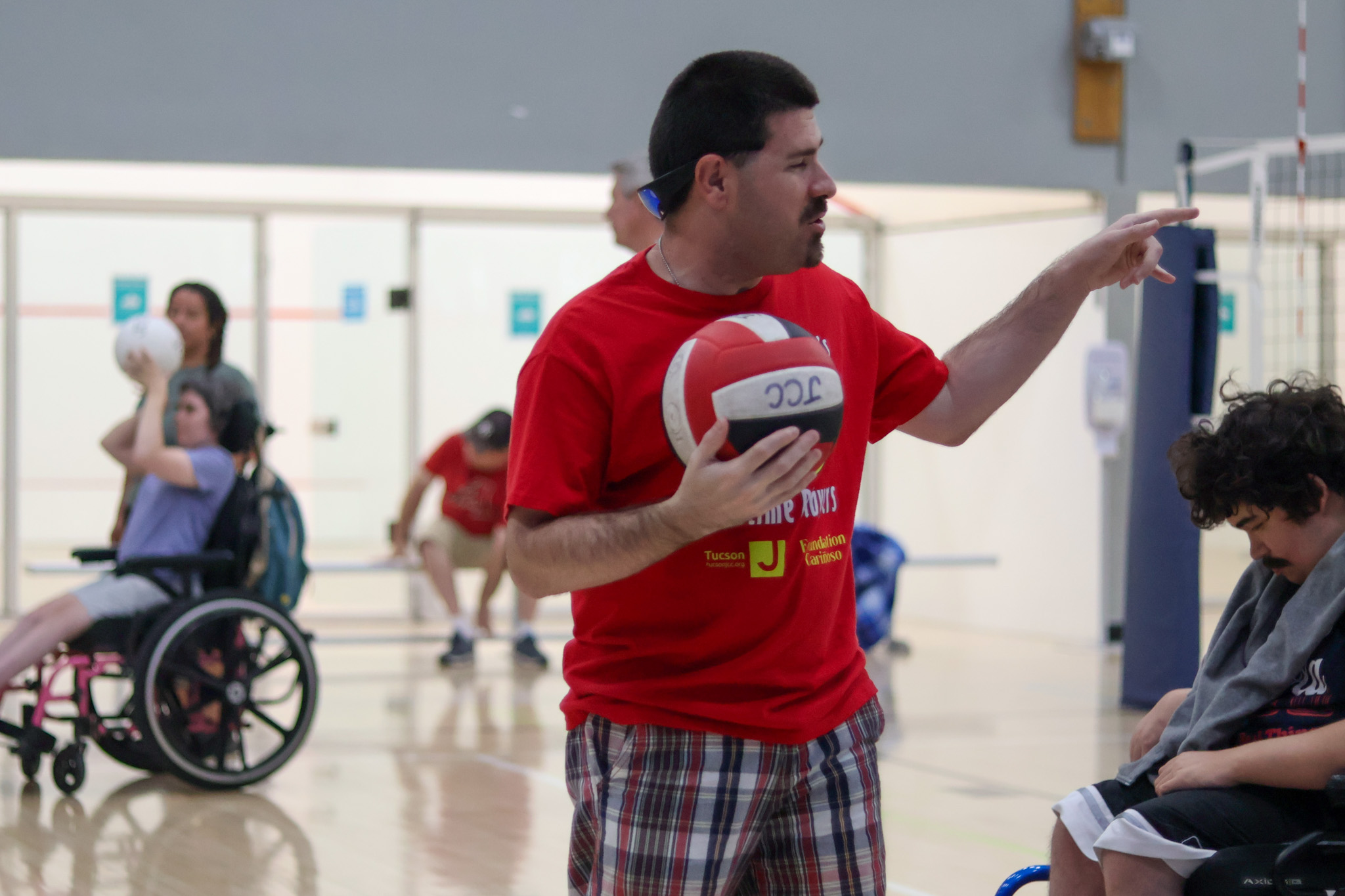
  • launching the Spring Co-ed Volleyball season with 34 participants and continued enthusiasm for future league offerings later in the year.
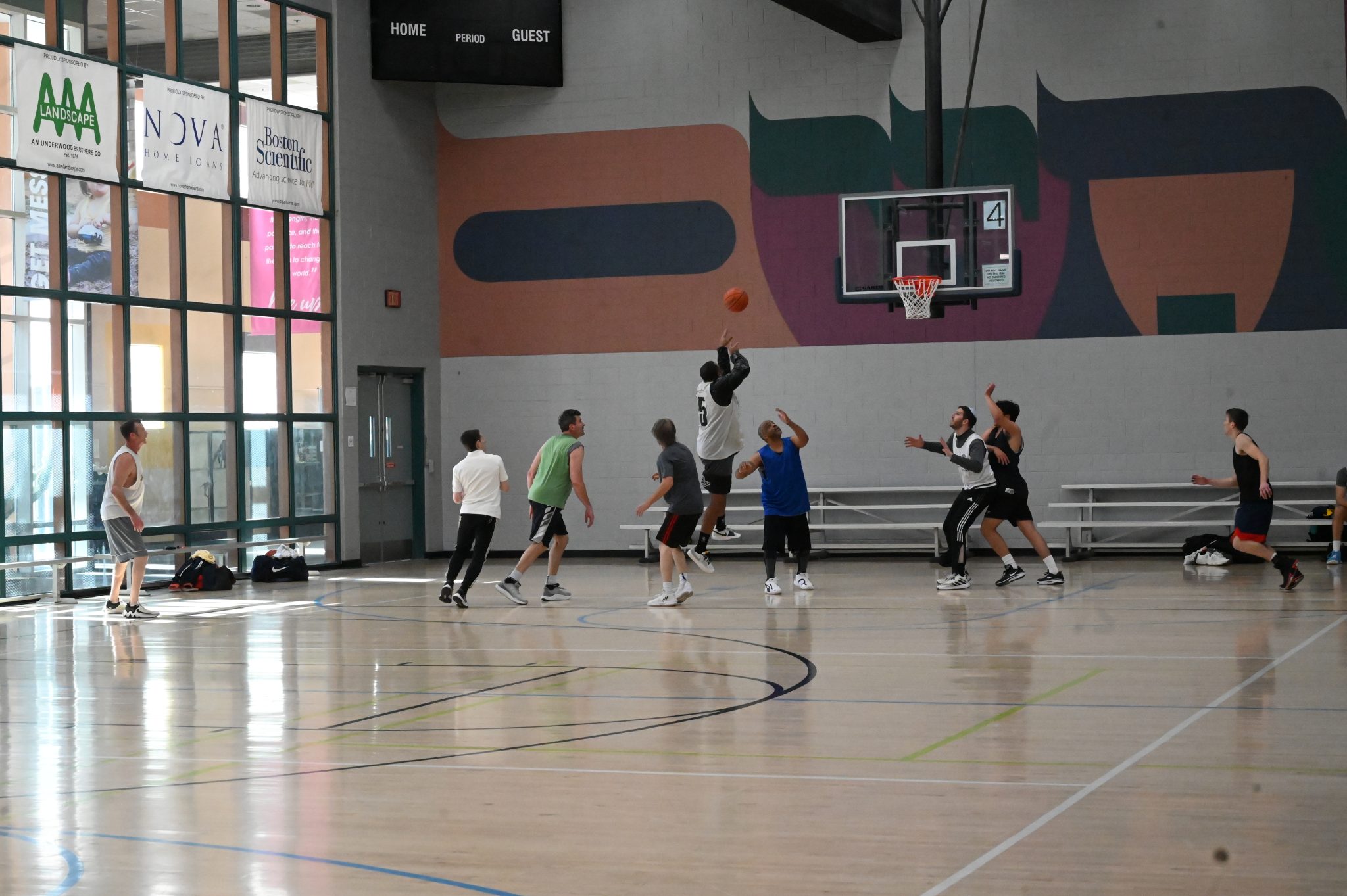
  • serving 65 athletes across 10 teams in the Men’s Spring Basketball League and preparing for the return of the 3v3 league.
  • welcoming participants to Youth Basketball programs including Lil Ballers, Mighty Mites, and All-Stars, while PeeWee Sports programs continued to trend upward in enrollment.
  • growing the Tucson Jays basketball program to 12 participants, while athletes and families raised $1,300 through a car wash mitzvah project to support scholarships for teammates.
  • launching Elite Basketball Private Lessons and Yoga for Athletes with seasoned coach Inti Salinas.
  • bringing back Massage Therapy through the JWellness
  • hosting Olympic gold medalist and Maccabi athlete Jason Lezak for a special aquatics event attended by 46 swimmers and community members, inspiring Stingrays Swim Team athletes ahead of championship season.
  • closing out Stingrays meet season with numerous personal bests and top finishes across all age groups.
  • serving 138 registrants in JRays Swim School lessons since March 1, when the season began.
  • wrapping up the inaugural season for the Tucson J NICA Youth Mountain Biking team after competing in five races throughout the season.

Jewish life at the Tucson J was vibrant and deeply felt this season, bringing people together through film, learning, holiday celebrations, and shared experiences rooted in connection and community. From the success of the Tucson J International Film Festival to hands-on PJ Library programs, Community Shabbat, and new adult learning opportunities, community members of all ages found meaningful ways to engage with Jewish culture, tradition, and one another. This quarter, we focused on:

  • celebrating the 35th Tucson J International Film Festival, which welcomed approximately 946 unique attendees, issued 2,868 tickets, and scanned in more than 2,300 guests throughout the festival.
  • welcoming Rina Fox as Chair of the Jewish Life + Engagement Committee, helping guide new and existing initiatives connected to Jewish learning, joy, and community engagement.
  • partnering with PJ Library, PJ Our Way, and the Northwest Tucson Jewish community to celebrate Tu Bishvat at Tohono Chul with hands-on family activities, learning opportunities, and take-home seder kits.
  • welcoming nearly 450 participants to Community Shabbat services and approximately 370 guests to dinner in partnership with local synagogues and Jewish organizations.
  • adding a new Tot Shabbat experience to Community Shabbat programming for families with children.
  • hosting 120 adults for a special conversation with author Mimi Nichter about her memoir, Hostage: A Memoir of Terrorism, Trauma, and Resilience.
  • supporting AEPi’s Charity Basketball event at the Tucson J, creating additional opportunities for college student engagement and philanthropy. 
  • signing a contract with the Melton School of Adult Jewish Learning, paving the way for expanded adult Jewish education offerings beginning in Fall 2026.
  • partnering with the Tucson Torah Center Women’s Division to host a Hamantaschen Bake for more than 120 women and children.
  • fostering Jewish Peoplehood as we honored Yom HaShoa, Yom HaAtzmaut, and Yom HaZikaron with hundreds of community members united in shared stories.
  • celebrating Shavuot with 130 community members at our annual Tikkun Leil program in partnership with Jewish communal partners and
  • expanding Jewish engagement programming for participants in J-Care, Early Childhood Education, and Disability Program Services through partnerships and collaborative learning opportunities.
  • growing Spanish and Hebrew language class participation and seeing continued high participation in mah jongg club and classes.
  • preparing for continued PJ Library growth and engagement opportunities, including sending Jennifer Lorch Selco, Director of Jewish Life + Engagement, and Suzette Jofroy, PJ Library Parent Connector, to the international PJ Library conference.

Children and teens continue to find belonging, leadership, creativity, and joyful learning experiences at the Tucson J. From Early Childhood Education, to JCare, Camp J, Parents Night Out, School Days Out, and BBYO, our Children + Youth programs foster confidence and connection at every age and stage. This season brought strong Camp J enrollment, meaningful Jewish experiences across programs, and exciting preparations for another impactful summer ahead. Highlights from the quarter include:

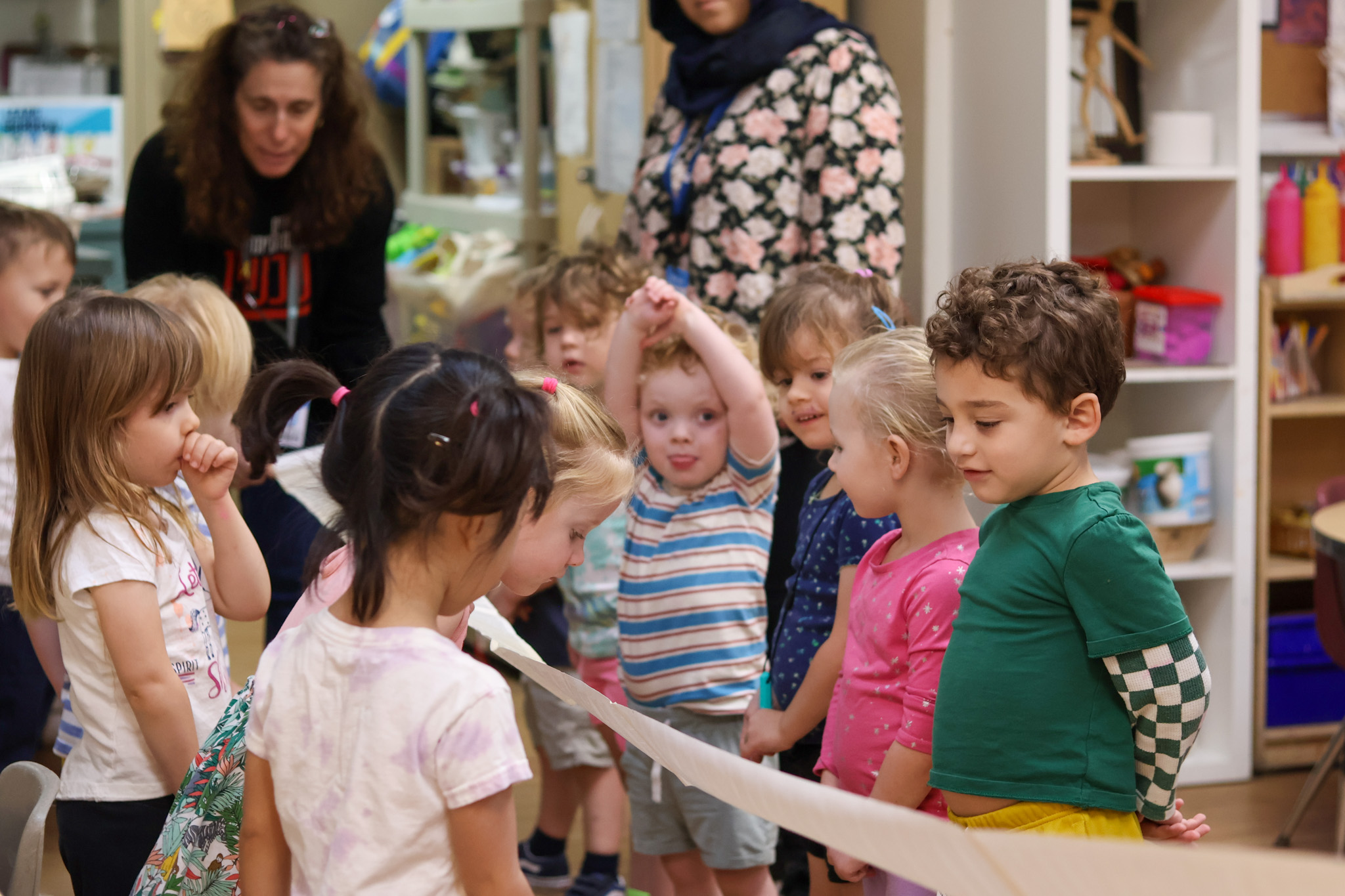
  • celebrating Jewish holidays, Martin Luther King Day, Purim, Passover, and Shavuot throughout Early Childhood Education classrooms with hands-on activities, staff performances, and community gatherings.
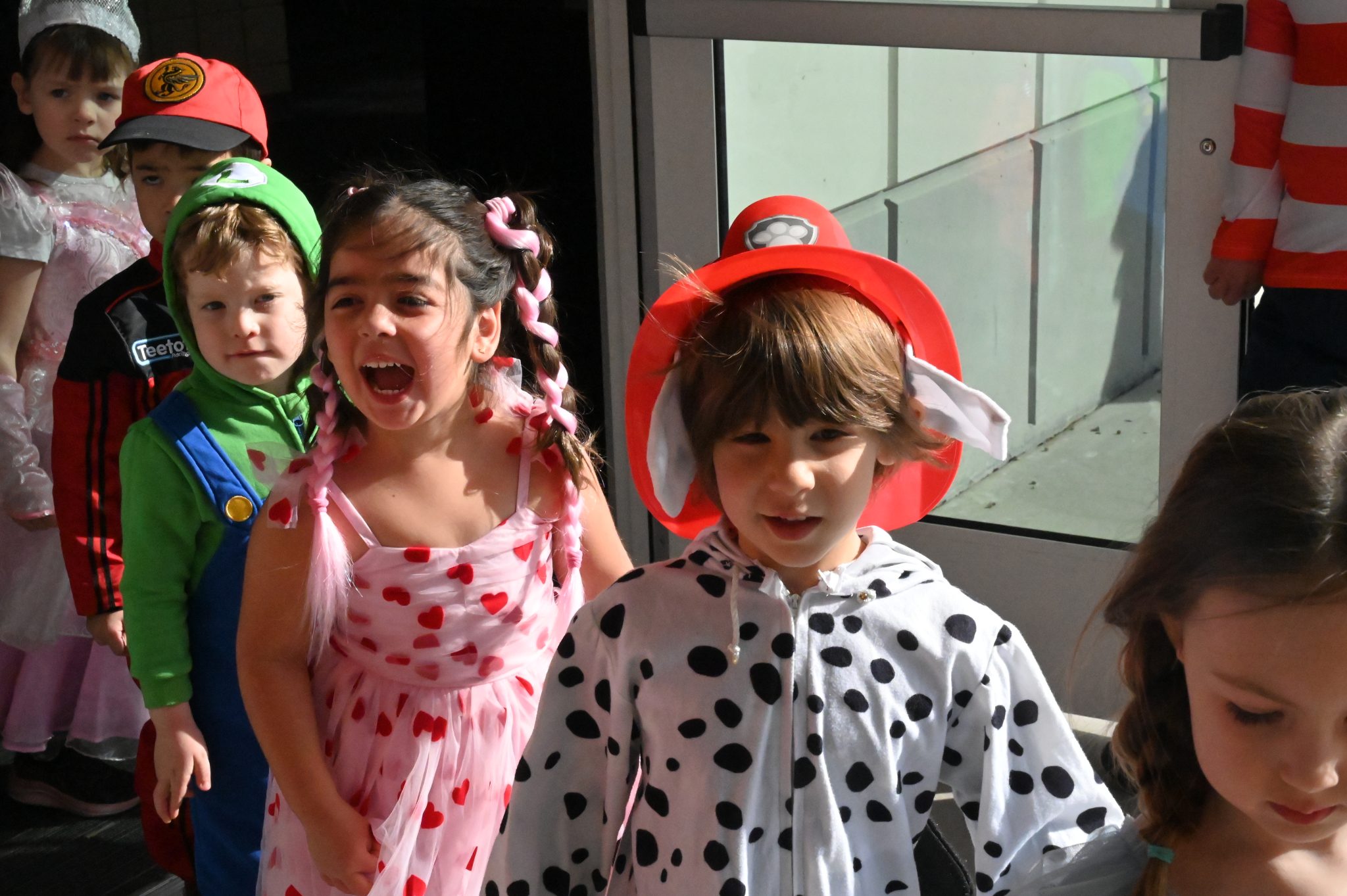
  • promoting literacy with guest readers, a book fair, and our annual Book Character parade during Love of Reading month.
  • building community at the end-of-year Family Shabbat Picnic and honoring our future leaders at Pre-K graduation.
  • surpassing previous Camp J enrollment numbers, reaching 493 unique campers as of May 26.
  • onboarding returning leaders Alma as Assistant Camp Director and Kassandra as Camp Office Manager in preparation for summer programming, plus more than 30 returning staff for Summer 2026.
  • welcoming two Camp Schlichim (ambassadors) from Israel for summer 2026, one of whom is leading a new theater chugim (speciality) for
  • relaunching the Homework Help block within the JCare after school program, supporting an average of 10 students daily, and planning for a new Learning Lab tutoring option in the fall.
  • learning, playing, and growing with 461 kids for several weeks of Spring Break School Days Out and five super-fun Parents Night Outs (including two that sold out!)
  • launching a successful new BBYO term with expanded Rush Week programming, additional events, and a joint AZA and BBG Shabbat.
  • participating in the fourth and final year of meaningful Better Together programs, which brought BBYO and residents from Handmaker Home for the Aging for intergenerational initiatives.
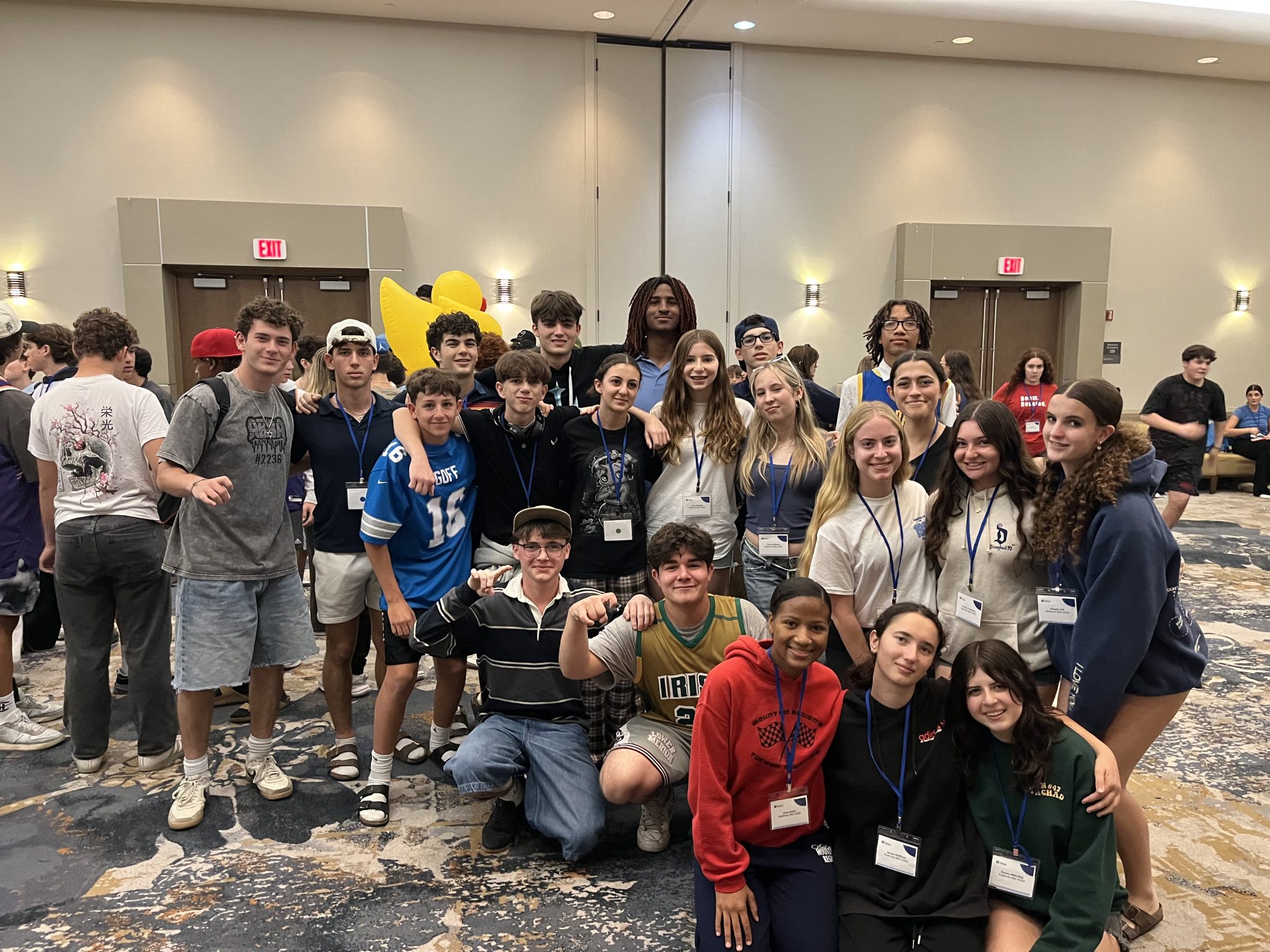
  • sending four Tucson teens to the BBYO International Convention, where they joined thousands of Jewish teens representing more than 60 countries
  • preparing for this summer’s JCC Maccabi Games in Toronto with team building outings including going to the Tucson Village Farm’s ropes course together.

At the J, Disability Program Services continues to redefine what belonging looks like by creating opportunities for independence, social connection, and creativity. This quarter brought exciting growth in vocational programming, volunteerism, culinary education, and family engagement, while participants continued building meaningful relationships both at the J and throughout the Tucson community. Recent developments in Disability Program Services include:

  • increasing average attendance hours in the day
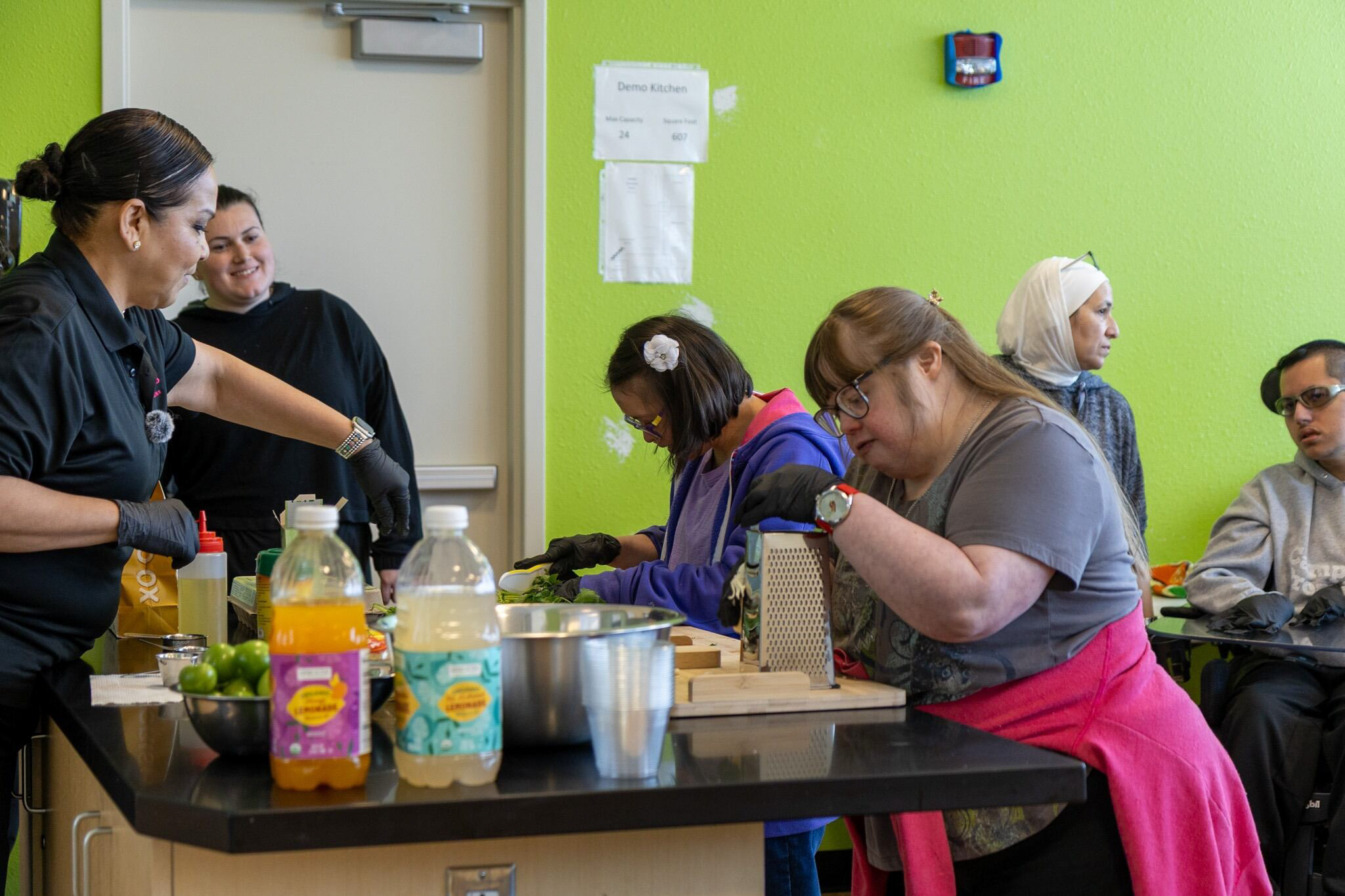
  • launching the second Sprouts Foundation-supported Cooking Club session, providing participants with healthy cooking experiences, adaptive kitchen equipment, and accessible recipes to recreate at
  • preparing a DPS Cooking Club recipe book to share with families at the conclusion of the grant cycle.
  • honoring Black History Month through educational experiences including a visit to the African American Museum of Southern Arizona.
  • continuing diverse and educational field trips for day program participants including visits to the Tucson Museum of Art, Jewish Museum and Holocaust Center, Garden Kitchen, Bet Shalom, Casas Adobes Rehabilitation Center, and Tucson Village Farm.
  • completing 30 hours of volunteer service at La Madera Park, resulting in permanent recognition through a community plaque.
  • participating in the Early Childhood Education Passover story.
  • attending the Wheelchair Basketball National Championships at McKale Center and tabling at the University of Arizona’s first Disability Resource
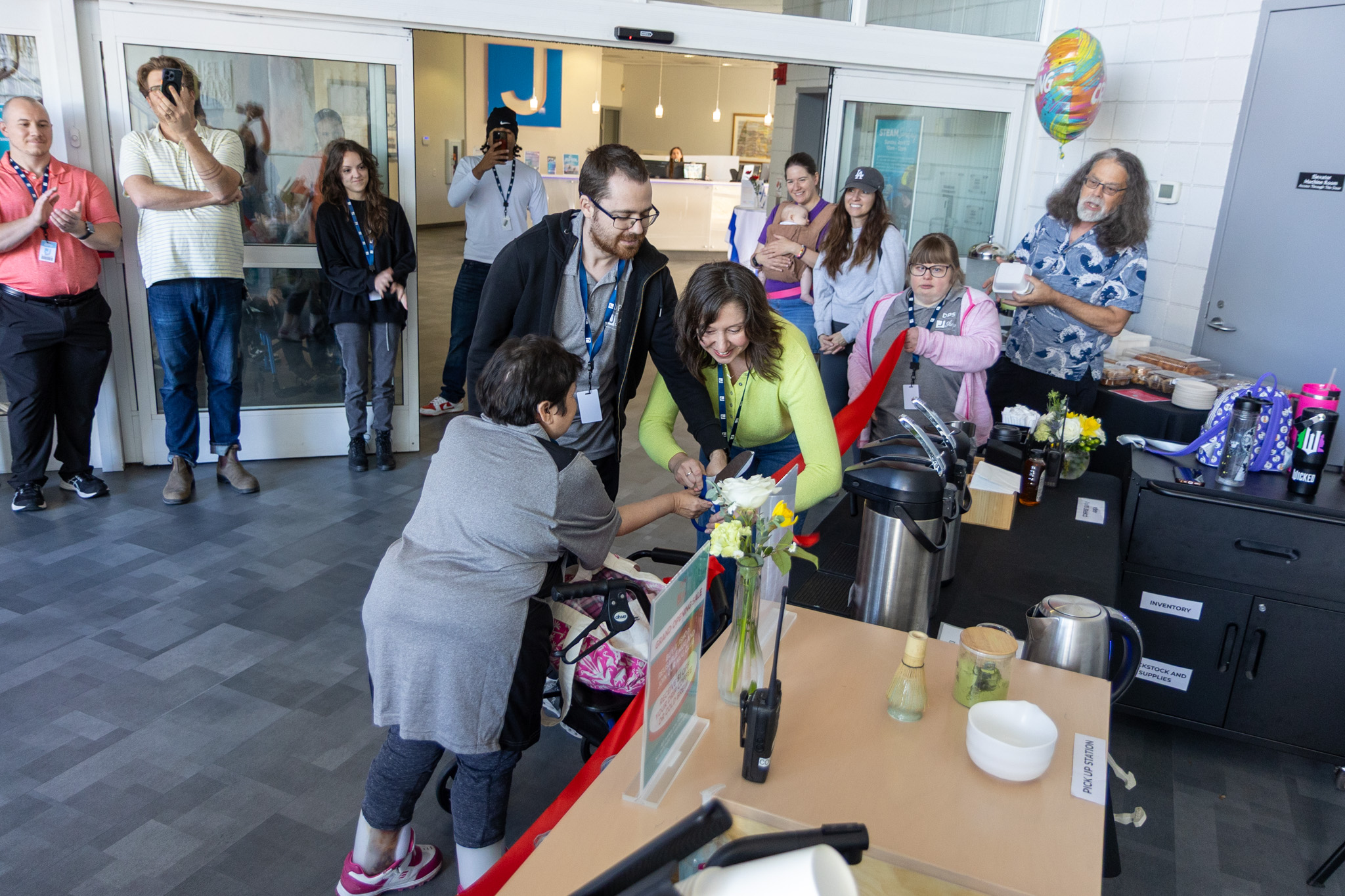
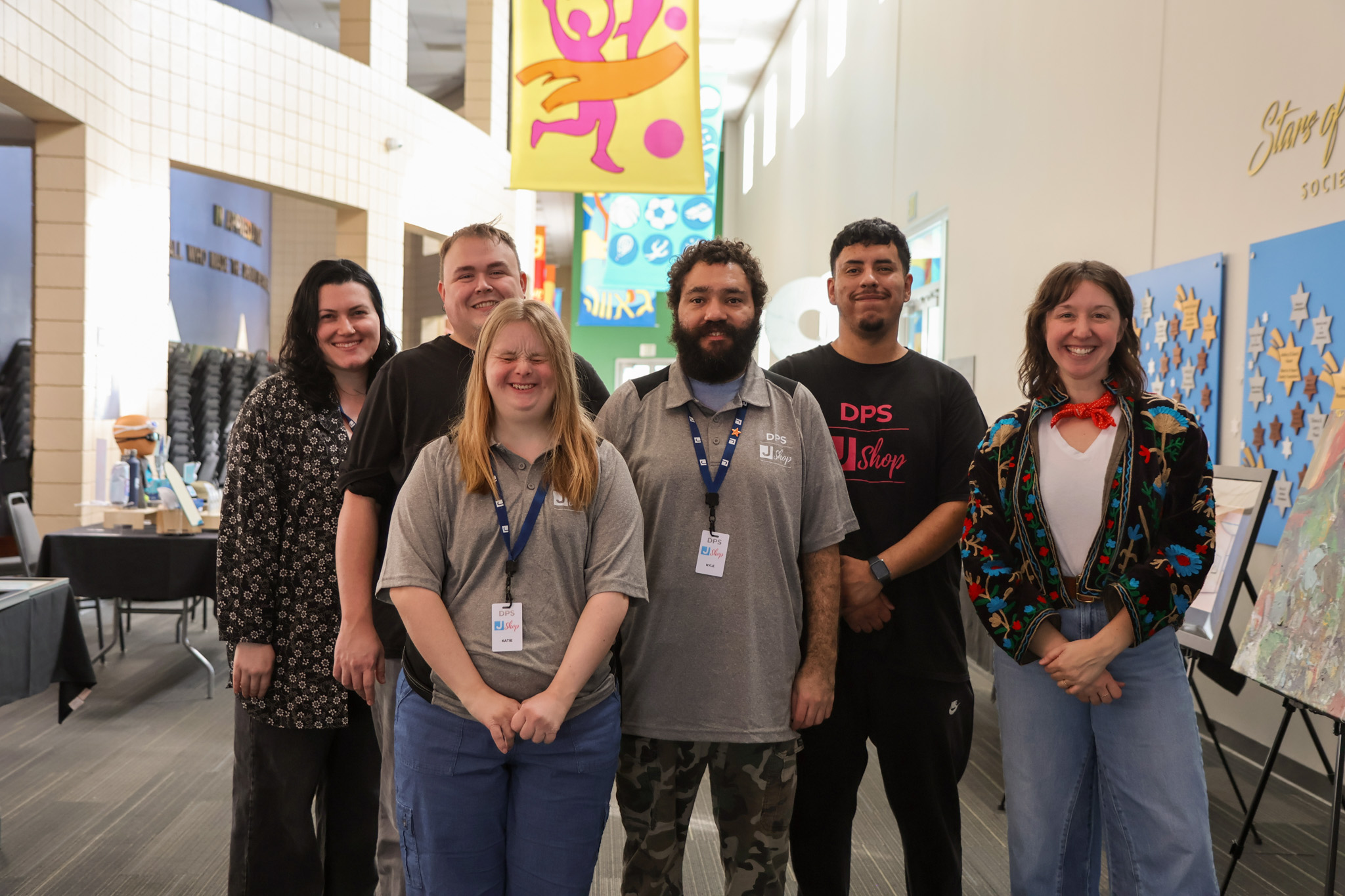
  • opening a second J Shop location in the J’s front entryway featuring a custom-designed accessible coffee cart funded through a grant.
  • hosting two DPS Family Nights at the Tucson J, bringing together families, staff, board members, and community partners to strengthen relationships and connection across departments.
  • tabling at the U of A’s first Disability Resource Fair during the games outside of McKale.
  • developing and getting grant funding for a new Pathways to Employment vocational program. The program is designed for all eligible DDD members of any skill level and ability to access employment options in such a way that takes into account the Member’s preferences and goals, and supports them to obtain Competitive Integrated Options available in this service will help the Member learn the skills necessary to increase the likelihood of employment.

10 Ways the Tucson J Ensures Kindergarten Readiness

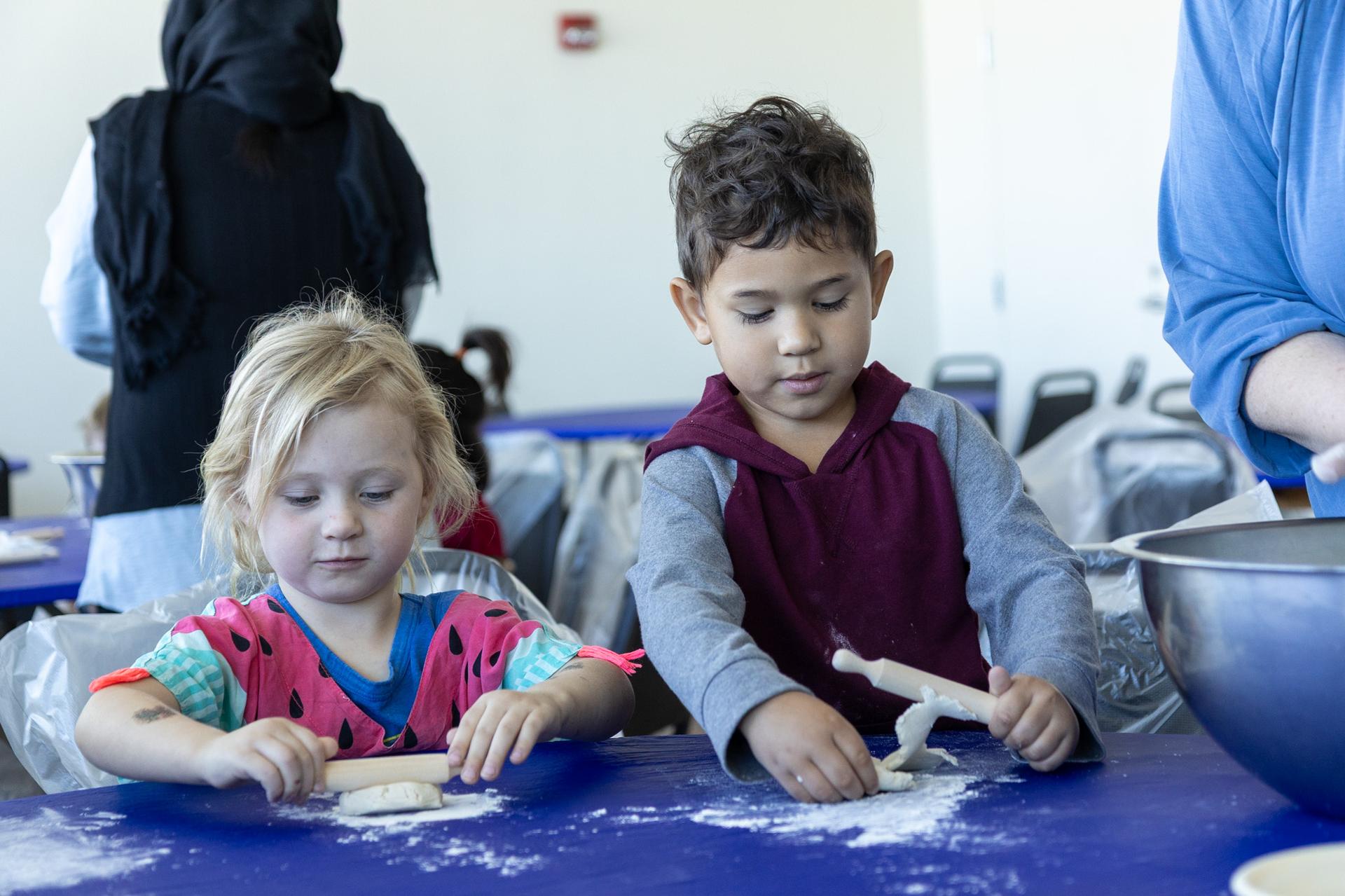
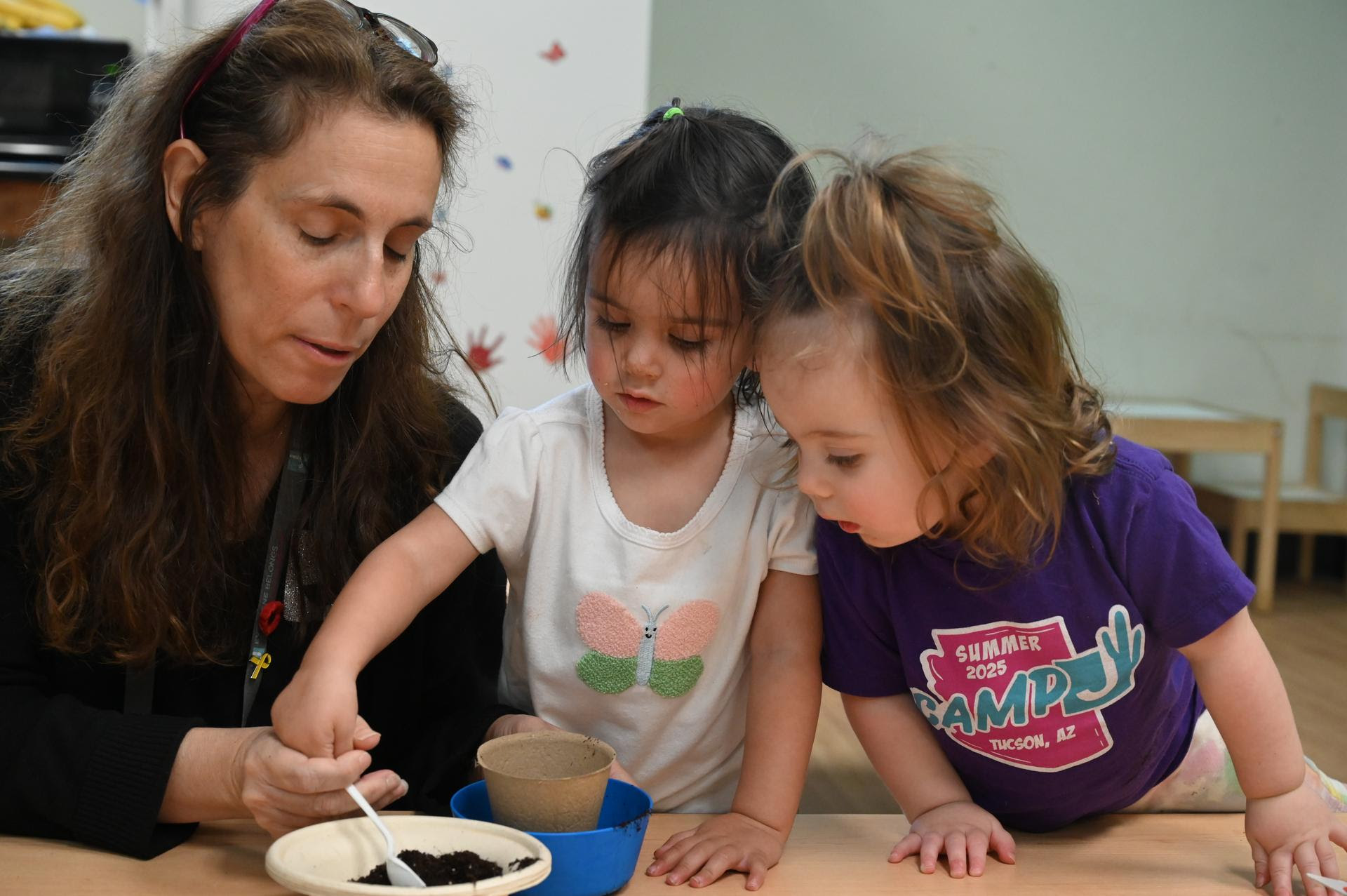
two children sit behind a bowl and pour ingrediants in

From the desk of Joline Riddle, Senior Director of Early Childhood Education

Joline Riddle

In the Tucson J’s Early Childhood Education program, our curriculum centers around developing lifelong learners in every student — from preschool to kindergarten and beyond. We follow the latest research and best practices in early childcare to ensure academic and emotional readiness, and are proud to hear from alumni families each fall about how their children are thriving in kindergarten.


Every activity that our students experience during the day translates to a social, emotional, or fine motor skill essential for kindergarten readiness. Keep reading to explore ten of the many ways our preschool prepares students for school:

Develop Social Skills

Children learn to take turns, share materials, and collaborate with peers during play and group activities. These experiences help preschoolers build friendships, practice communication, and learn how to work cooperatively in a classroom setting.

Build Independence from Parents and Caregivers

Preparing for kindergarten includes helping children feel confident separating from parents or caregivers. Preschool routines encourage children to feel secure, develop trust in teachers, and become comfortable in new environments.

Encourage Curiosity and Exploration

Preschoolers are encouraged to ask questions, investigate new ideas, and explore their surroundings. Curiosity supports problem-solving, creativity, and a lifelong love of learning.

Strengthen Self-Help Skills

Children practice important daily tasks such as washing hands, using the restroom independently, putting on jackets, opening lunch containers, and cleaning up after activities. These skills promote confidence and independence in kindergarten.

Teach Responsibility

Preschool students learn to care for classroom materials, follow directions, complete simple tasks, and participate in classroom jobs. Responsibility helps children understand expectations and become dependable learners.

Practice Following Routines and Directions

Consistent schedules help preschoolers learn classroom routines, transitions, and expectations. Following routines prepares children to manage time, listen to instructions, and participate successfully in structured learning environments.

Develop Early Literacy Skills Through Read-Alouds

Listening and engaging during read-aloud books helps children build vocabulary, comprehension, attention span, and a love for stories. Preschoolers learn how books work and begin developing important pre-reading skills.

Support Emotional Awareness and Expression

Children learn to recognize, acknowledge, and express their feelings in healthy ways. Preschool experiences also teach empathy, self-regulation, and strategies for solving conflicts with peers.

Encourage Early Writing and Communication Skills

Preschoolers begin communicating ideas through scribbles, drawings, symbols, and early writing attempts. These activities strengthen fine motor skills and help children understand that writing and pictures can tell stories and share ideas.

Promote Name Recognition and Self-Advocacy

Children practice identifying their name in print and learning personal information. They are also encouraged to advocate for themselves by asking for help, expressing needs, making choices, and communicating confidently with teachers and peers.

2026 Summer at the Tucson J

What does summer at the J feel like? You decide! Build a wellness routine that excites you, try out a sport to keep moving, experience the adventure of Camp J, get inspired in an arts and culture program, or beat the heat with our state-of-the-art amenities. 


With endless options for every family, summer at the J feels like pool splashes, court camaraderie, sunny smiles, and lasting friendships. But really, it’s up to you! 


To get you inspired for the summer ahead, keep reading to explore some of our ideas to get you moving, socializing, learning, and exploring.

Summer at the J Feels...

Cool and Joyful

Summer is HOT here in Tucson. If you’re looking to cool down, the J is the place to be.  

  • Bring the family or friends for a relaxing day at the pool and SplashPad. 
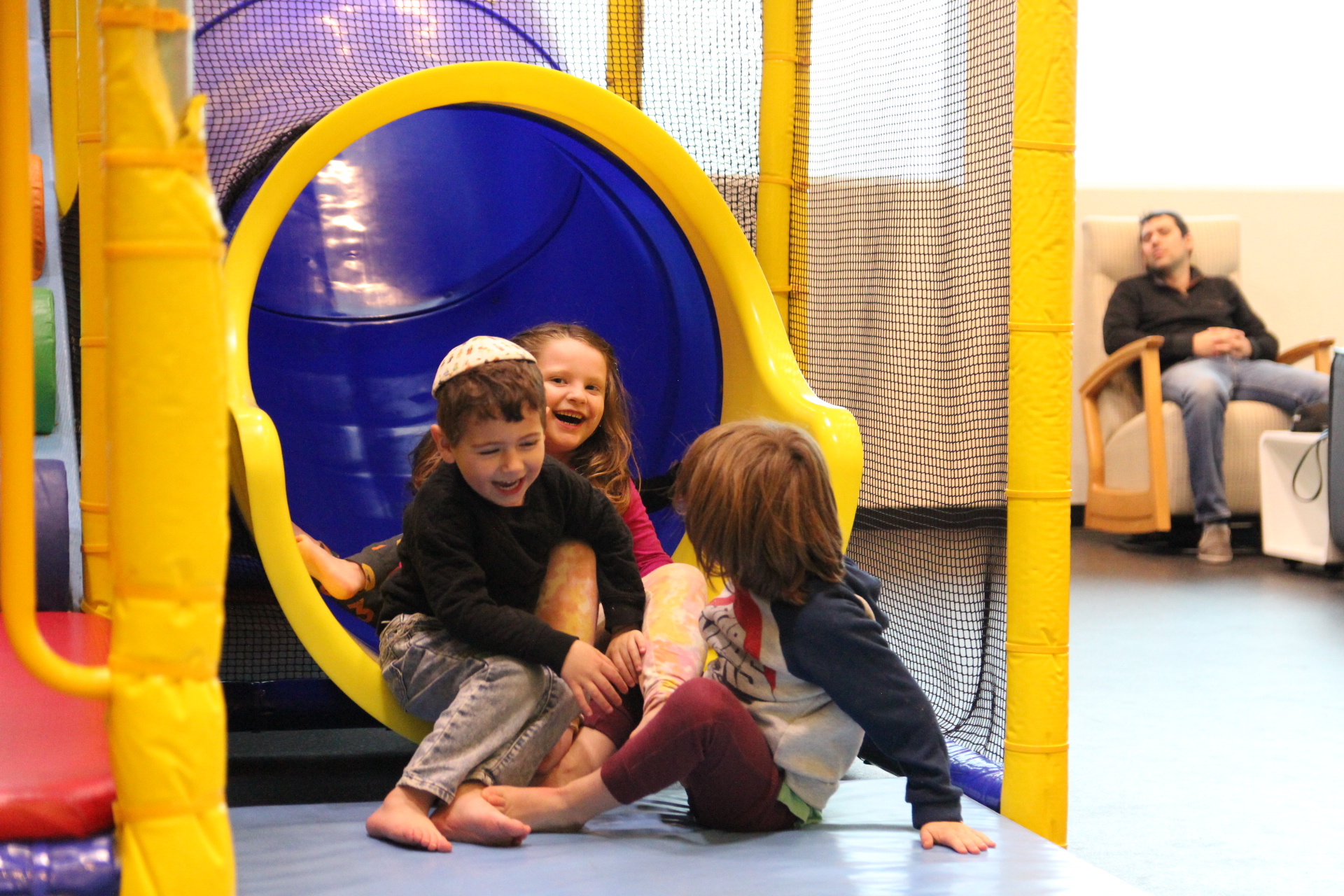
  • Check out our indoor PlaySpace for kids on the weekends. 
  • Grab a bite and hunker down with your laptop in our air-conditioned Cafe. 

Connected and engaging

At the J, community is infused in everything we do!  

  • Kids of all ages can spend the summer exploring, learning, and connecting at ECE Camp or Camp J! 
  • Check out our Summer Nights series and boogie down to live music on the pool deck or enjoy a family movie with a splash at our Dive + Dines!  

Active and Fun

While it heats up outside, build your wellness routine inside with group fitness offerings or in the mornings and evenings on the Sarver Tennis Center courts. 

  • All summer long we have sports and rec opportunities for adults and kids! Have some competitive fun when you join a basketball, volleyball, or pickleball league or hone your skills in a private, buddy, or elite lesson. 
  • Calling all middle and high-school athletes: build your agility and strength at Speed School with Coach Clive Roberts.  
  • Interested in lifting weights? Book a session with one of our seasoned personal trainers to get started. 
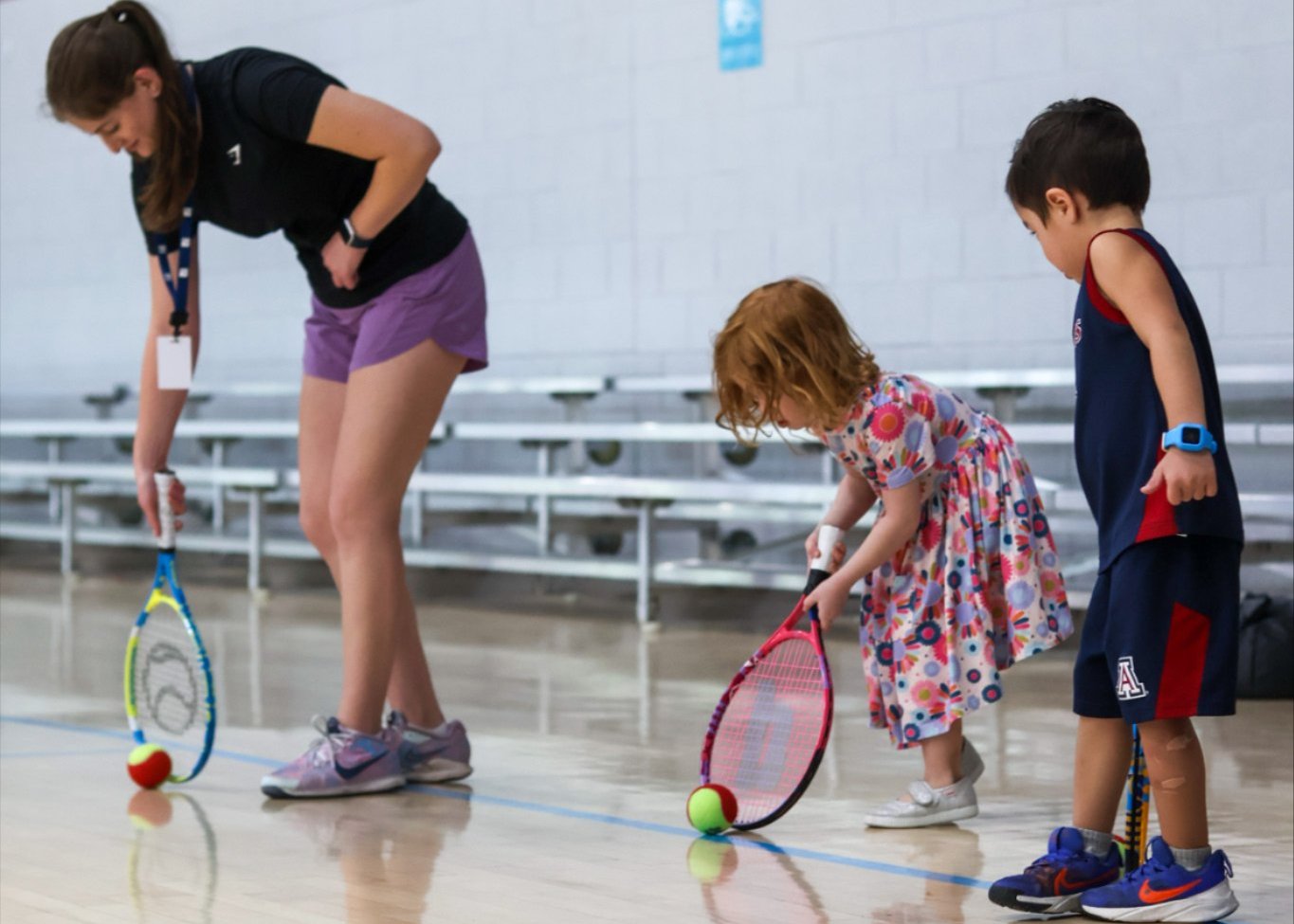
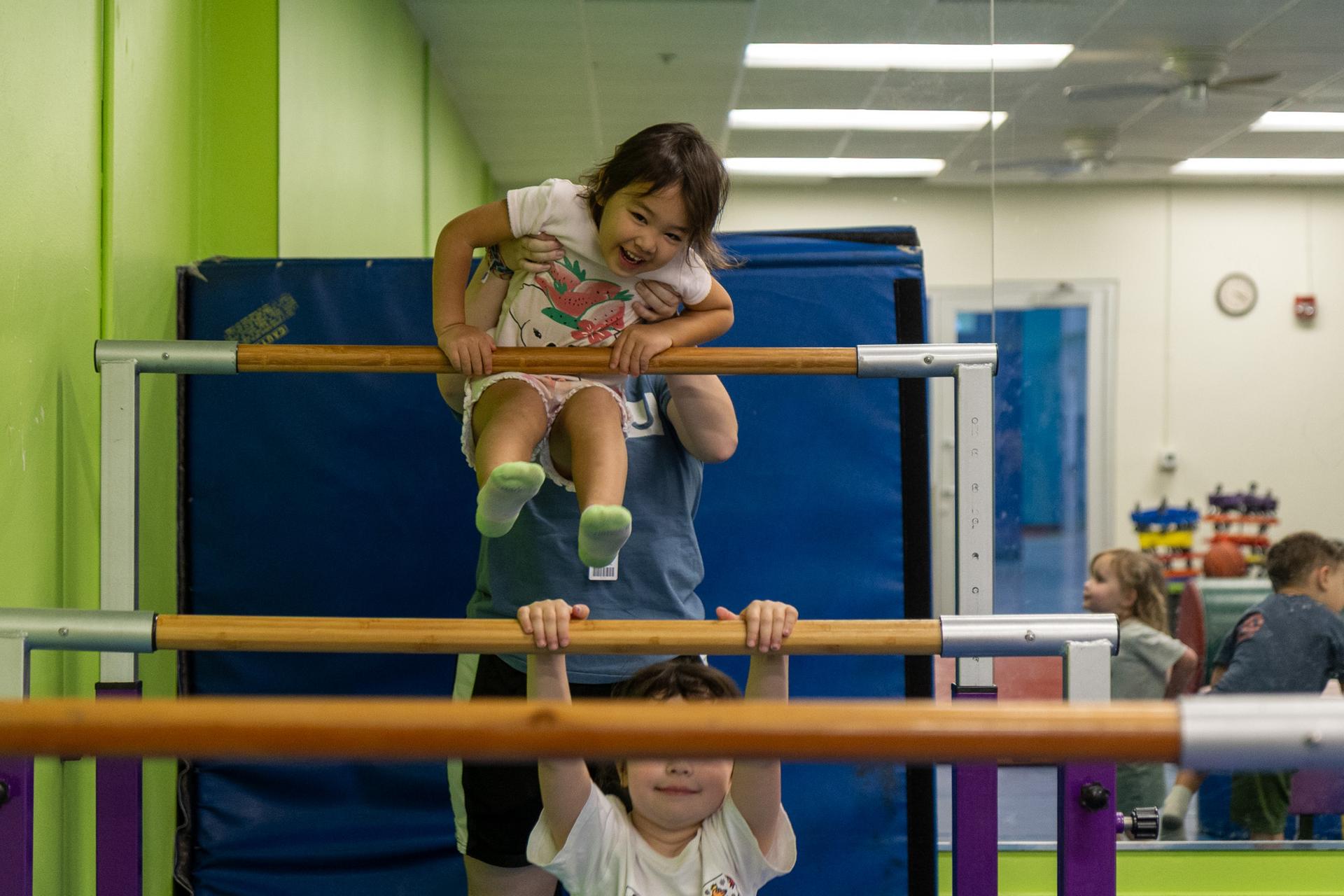
  • Even the youngest members of the family can get moving this summer! Our PeeWee Sports offer age-appropriate introductions to popular sports for toddlers ages 3-5. Offerings include gymnastics, tee ball, soccer, golf, basketball, tennis, and pickleball.  
  • Improve your tennis skills while socializing in a league or clinic.  

We can’t wait to see the summer adventures you enjoy at the J! Not sure where to get started? Email info@tucsonjcc.org or stop by the Welcome or Wellness Desks during open hours to get some ideas. See you soon!  


Plus… join NOW through May 31 and get half off the join fee + half off first month’s dues*! 


*Sale applies to 6 and 12 month memberships. Half-off applies to first full month. 

PJ Library Stories for Passover

two kids stand behind a table smiling

From the desk of Mary Ellen Loebl, PJ Library Coordinator

Mary Ellen Loebl

Is it Passover yet? Well… almost!


That excited question is also the title of just one of the 80+ PJ Library Passover books available for children from birth through age 8. Whether your family will be traveling or celebrating at home, PJ Library has wonderful stories to help bring the holiday to life.


Journey around the world—and across time—through unforgettable Seders: from Argentina to Israel, from Inquisition-era Spain to the White House, from a Seder during the pandemic to one where the dishes get broken first! There’s even a story of a Seder held on a palm tree in the middle of a bustling street.


Working on learning Ma Nishtana – the Four Questions? PJ has books for that too! Check out The Best Four Questions as Marcy leans the traditional questions but also asks funny, imaginative ones like “Are worms kosher for Passover?” and “Is horseradish made from horses?”


Searching for that elusive afikomen? Check out Afikomen Where’s You Go and find the afikomen hidden on every page!


No matter how or where you celebrate, there’s a perfect Passover story waiting for your family.


Explore PJ Library’s Passover books at pjlibrary.org/books by sorting the list by holiday. See a title that catches your eye? Email pjlibrary@tucsonjcc.org to check if we have an extra copy available.


And remember in PJ world even alligators have Seders (Alligator Seder)!


Chag Pesach Sameach! Happy Passover.

PJ Library Favorites for Passover

Roadside Seder

Written by Anna Levine

Illustrated by Naama Lahav


When a downed tree on the highway to Jerusalem ruins a road full of people’s Passover plans, they come together to have a seder right on the road. These new friends share traditions from around the world, bringing to life the opening of the Passover seder: “All those who are hungry, come and eat!”

Afikoman, Where’d You Go?

Written by Rebecca Gardyn Levington
Illustrated by Noa Kelner


The seder can’t end until the kids find the afikoman, a piece of matzah that’s been hidden during the meal. The kids have searched the whole house with no luck. This fun rhyming story lets you in on the hunt — the afikoman is hiding somewhere on every page!

Alone Together on Dan Street

Written by Erica Lyons

Illustrated by Jen Jamieson


It’s Passover in Jerusalem, but because of the coronavirus pandemic, there are no guests allowed at any seders. While practicing the Four Questions on her balcony, Mira thinks of a way to bring her neighbors together, even if they can’t all sit at the same table.

The Best Four Questions

Written by Rachelle Burk
Illustrated by Melanie Florian


Marcy’s finally old enough to ask the Four Questions at her family’s Passover seder — but the questions she wants answers to are not the ones in the Haggadah. How will her family react?

Workitu’s Passover: A Story from Ethiopia

Written by Zahava Workitu Goshen and Maayan Ben Hagai
Illustrated by Eden Spivak


In Workitu’s Ethiopian Jewish community, it’s traditional to break all the dishes before Passover begins. That might sound like fun, but Workitu is sad to see her favorite cups and pots go when it’s time to remake them free of chametz. Auntie Balainesh helps Workitu find the spirit of Passover renewal celebrated by this custom.

Next Year in the White House: Barack Obama’s First Presidential Seder

Written by Richard Michelson

Illustrated by E.B. Lewis


In the spring of 2008, three campaign staffers gathered in a hotel basement, joined by then-candidate Barack Obama, to share the stories and rituals of Passover. Together, they made a toast and a promise: next year in the White House. For the first time, the story of the first official White House Seder is told for picture-book readers — brought to life by an award-winning team, author Richard Michelson and illustrator E.B. Lewis.

A Persian Passover
Written by Etan Basseri
Illustrated by Rashin Kheiriyeh

Ezra and Roza are looking forward to Passover. To help get ready, Ezra brings his family’s flour community baking oven to make matzah – but has an unfortunate mishap along the way. How will they have their seder? Set in 1950s Iran, this sweet story shows how a community comes together to help.


Raquela’s Seder
Written by Joel Edward Stein
Illustrated by Sara Ugolotti


Raquela’s family loves Passover, but they live in Inquisition-era Spain, so it’s not safe for them to hold a seder. Or is it? Raquela’s father comes up with a clever idea that involves a fishing boat, a full moon, and lots of secrecy – not to mention bravery.

The Passover Cowboy
Written by Barbara Diamond Goldin
Illustrated by Gina Capaldi


It’s Jacob’s family’s first Passover in Argentina, and everything is different here than it was in Russia. Jacob wants to invite his friend and neighbor, Benito, to their seder, but Benito has never been to a seder before. Soon everyone is about to have a brand-new experience.

Alligator Seder
Written by Jessica Hickman
Illustrated by Elissambura


This family’s Passover seder is very similar to other seders you may have gone to. There’s really only one big difference: they’re ALLIGATORS.

Find additional holiday resources, activities, and book information at pjlibrary.org.
 
Interested in getting involved with PJ Library? Learn more about how children aged birth to twelve can get free, award-winning books that celebrate Jewish values and culture here. Connect with Mary Ellen with questions, concerns, and recommendations.

*all book synopses from pjlibrary.org

Making the Most of Spring Break 2026 at the Tucson J!  

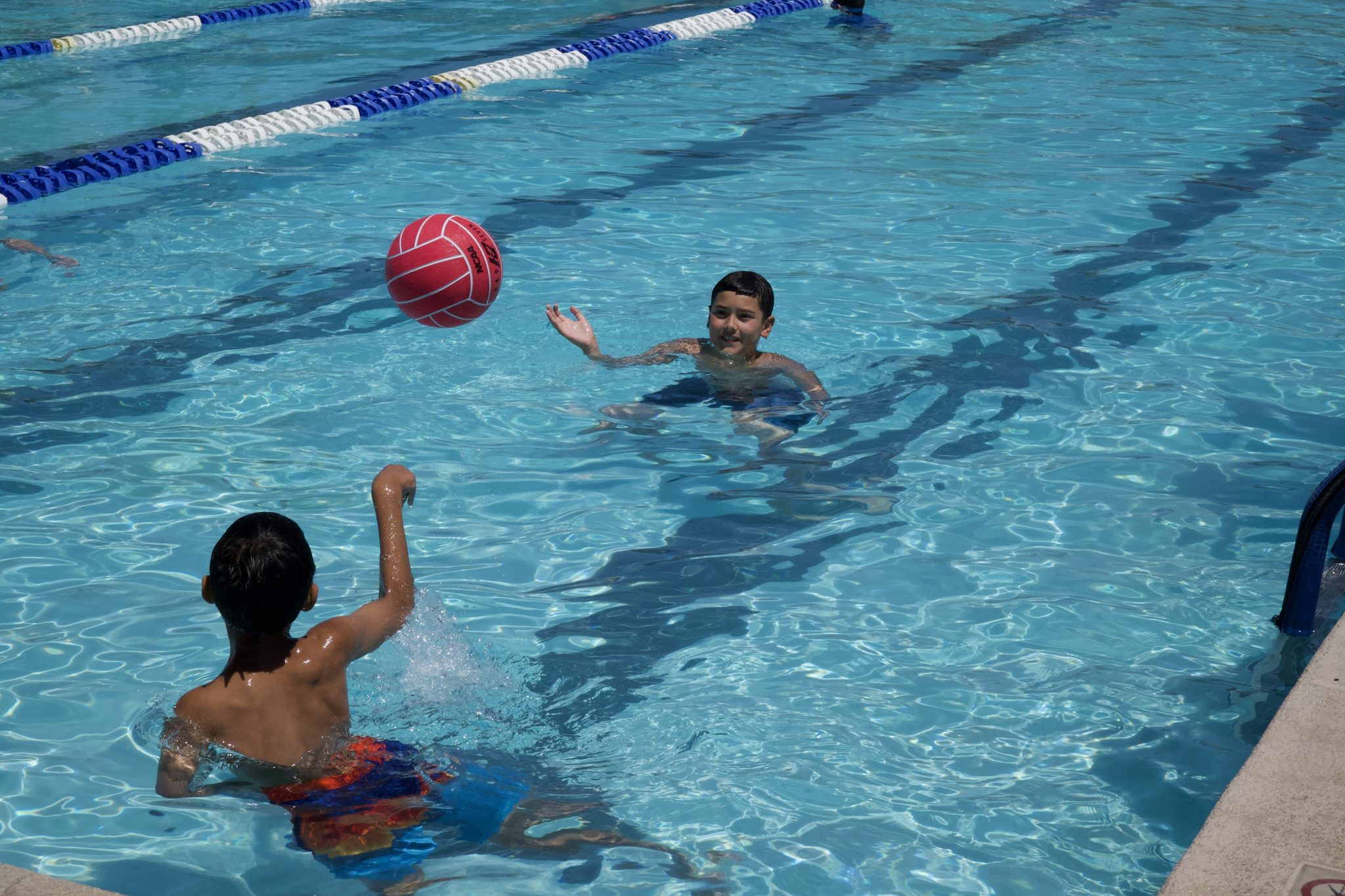
Kids swim in a large pool with a sunset and mountains in the background
As schools across Tucson close for spring break, the Tucson J has everything you need to stay engaged, active, and entertained. From day-long adventures to sports + rec programs, and more, enjoy family fun and supportive childcare all week long.

Spring Break School Days Out

When school is out, the J is open! During most local school spring breaks, we have planned meaningful field trips along with fun activities around the J to keep kids moving, learning, and playing.  

Spring break School Days Out schedule 2026: 

  • March 9-13: Khalsa 
  • March 16-20: TUSD + Basis 
  • March 23-27: CFSD 
  • March 31- April 3: THA 

Schools Days Out runs from 8am-4pm for guests and 8am-6pm for JCare participants. 

Spring Break is for Parents, Too

While the kids are having fun at School Days Out, enjoy time to yourself at the J. Stop by the Fitness Center for a workout, learn something new in an art or language class, or sit in the sauna and relax.  


Not sure where to start? Our knowledgeable staff at the Welcome or Wellness Desks are happy to assist you in finding the perfect program for your interests and schedule.  


And if your kids aren’t attending School Days Out, our JPlay babysitting program makes it easy for you to get in a couple of hours of alone time. For up to two hours a day, kids 3 months through 10 years old can enjoy games, crafts, and visits around the J with our welcoming JPlay staff — check out the JPlay schedule here. 

Youth Sports Leagues and Clinics

Our sports + rec department has a full lineup of options for every athlete over spring break. Just a few options include: 

  • Go beyond the basics in a youth basketball league, clinic, or new elite lesson 
  • Try out for our competitive swim team, the Stingrays 
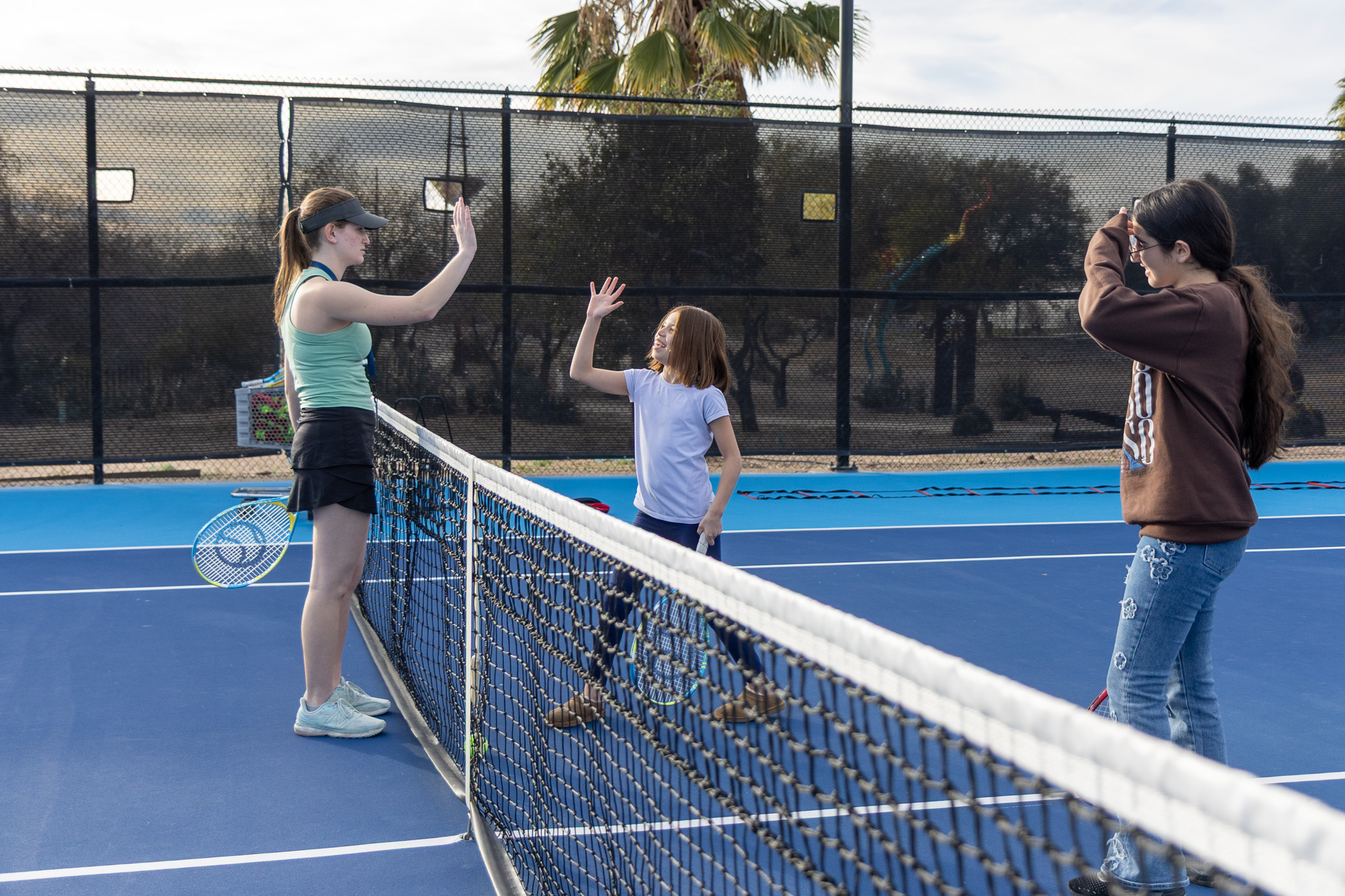
  • Strengthen your skills in a private or buddy tennis lesson at our state-of-the-art Sarver Tennis Center 
  • Learn something new in a volleyball clinic 
  • Increase your agility and strength at High School Speed School 

Family Fun

The J is designed to be intergenerational, making it easier for people of all ages to make meaningful memories together. Over spring break, bring the entire family— grandparents included — to enjoy time together at the J! 


Here are just a few ideas to get started:  

  • Go for a swim in the pool 
  • Have a meal at the Cafe (check out the expanded hours!) 
  • Take a walk through the Jill Rosenzweig Memorial Sculpture Garden 
  • Play tennis or pickleball as a family at the Sarver Tennis Center 
  • Enjoy the latest artwork in our Fine Art Gallery  

Whether for the entire week or just an afternoon, make the J a part of your spring break, your hub for boredom-busting and memory-making! 

Our Favorite PJ Library Books to Read for Love of Reading Month!

From the desk of Mary Ellen Loebl, PJ Library Coordinator

Mary Ellen Loebl

Every February, the Tucson J’s Early Childhood Education program celebrates Love of Reading Month— a time to celebrate stories, reflect on the joy they bring, and unite over a shared love of reading all while fostering important literacy skills that set a strong foundation for our preschoolers. (Bonus: the book character parade is extra adorable!). 


PJ Library of Southern Arizona is all about community, books, and the people—especially kids—who love reading PJ Library stories together. PJ Library provides joyful, meaningful, and educational entertainment for children from birth through age 12, helping families build Jewish life through stories. 


And the books are just the beginning. The national PJ Library website is filled with free, ever-growing resources for families everywhere, much like a physical library. You’ll find holiday guides, activity ideas, recipes, music, podcasts, and so much more, making Jewish family experiences accessible, creative, and fun. 


In addition to books about Jewish holidays, values, and traditions, PJ Library offers stories for everyone. PJ books explore arts and culture, biographies, folktales, food, Hebrew, historical fiction, humor, Israel, life cycle moments, Sephardic stories, summer camp, and more. 


One of the most beautiful parts of PJ Library is seeing yourself, your family, and your community in the pages. In honor of Love of Reading, we’re sharing some of our favorite PJ reads that reflect our families, honor our differences, and bring Jewish values to life—one book at a time: 

Books with characters that look like my family

Queen of the Hanukkah Dosas

Written by Pamela Ehrenberg
Illustrated by Anjan Sarkar


Sadie’s family has both Jewish and Indian background, so at Hanukkah they eat dosas, traditional Indian pancakes. But they get locked out just before their Hanukkah party! Who will save the day?

Rebecca’s Journey Home 

Written by Brynn Olenberg Sugarman
Illustrated by Michelle Shapiro


Mr. and Mrs. Stein and their two sons eagerly adopt a baby girl from Vietnam into their Jewish home.

Antlers with Candles

Written by Chris Barash
Illustrated by Melissa Iwai


Everything looks new when seen from a child’s perspective, including menorahs, dreidels, and latkes. But family togetherness is something everyone understands.

Fridays Are Special 

Written by Chris Barash
Illustrated by Melissa Iwai


For this child’s family, Fridays aren’t like other days. On Fridays, the hustle and bustle is a little different. Everyone seems to be getting ready for something special — something cozy and wonderful. What could it be?

Books that remind me of my grandparents

Chicken Soup, Chicken Soup

Written by Pamela Mayer
Illustrated by Deborah Melmon


Lucky Sophie has two grandmas, Bubbe and Nai Nai, and they both love to cook. Each grandma has her own family recipe for chicken soup — and each soup is yummy! As Sophie learns more about these soups, she soon realizes they’re actually very similar, even though they’ve each got their own delicious flavor.

A Different Kind of Passover

Written by Linda Leopold Strauss
Illustrated by Jeremy Tugeau


Every year, Jessica looks forward to spending Passover with her Grandma and Grandpa — but this year, Grandpa is sick. Jessica is worried. How will the family make sure the holiday still feels special?

Until the Blueberries Grow

Written by Jennifer Wolf Kam
Illustrated by Sally Walker


Until the blueberries grow . . . until the grapes are ripe . . . until the snow falls . . . until the flowers bloom . . . Ben tries to convince his great-grandfather to stay in his house just a little longer as the two celebrate a yearly cycle of Jewish holidays together.


Tia Fortuna’s New Home

Written by Ruth Behar
Illustrated by Devon Holzwarth


Estrella’s Tía Fortuna loves her home in Miami, but it’s time for her to move to an assisted living community. Packing up her belongings is bittersweet, but it gives Tía Fortuna the opportunity to show her niece some of the various belongings from her Cuban Jewish background. This poetic story is a sweet representation of Sephardic culture – and of loving family bonds.

Books that explore the diverse people and world around me

Cakes and Miracles

Written by Barbara Diamond Goldin
Illustrated by Jaime Zollars


Hershel’s blindness doesn’t keep him from living life. He helps his mother by doing chores, but wishes he could do even more for her. When an angel appears in Hershel’s dream and encourages him to make what he sees when he closes his eyes, the boy sneaks into the kitchen, transforming his mother’s cookie dough into beautiful hamantaschen (three-cornered fruit-filled cookies) that can be sold to raise money for the family at Purim.

Pavel and the Tree Army

Written by Heidi Smith Hyde
Illustrated by Elisa Vavouri


Pavel is a new American, and he’s excited to take part in making his adopted country beautiful — so he joins an army corps that’s dedicated to planting trees! Some of the people he works with are less welcoming than others, but Pavel learns that becoming a true American is a little like planting your roots in a new land.

Sign Language Shabbat

Written by Alisa Greenbacher & Jennifer Rosner
Illustrated by Shelley Rotner & David Hyde Costello


The children in this book sign words for things people do on Shabbat, such as eat challah, drink wine or grape juice, sing Shabbat songs, and (of course!) read books. Shabbat Shalom!

The Mitten String

Written by Jennifer Rosner
Illustrated by Kristina Swarner


Ruthie loves to knit — and to help people. When her family gives shelter to a deaf woman and her baby, Ruthie realizes there’s a way for her to do both at once!

Find additional resources, activities, and book information at pjlibrary.org.
 
Interested in getting involved with PJ Library? Learn more about how children aged birth to twelve can get free, award-winning books that celebrate Jewish values and culture here. Connect with Mary Ellen with questions, concerns, and recommendations.
 
Happy reading!

*all book synopses from pjlibrary.org

Jewish Disability Awareness, Acceptance, and Inclusion Month at the Tucson J

Jewish Disability Awareness, Acceptance, and Inclusion Month (JDAAIM) is celebrated every February by Jewish communities worldwide and realized year-round at the Tucson J. The month creates awareness around the stigma and stereotypes people with disabilities face, builds solidarity, empowers people with disabilities, and works to ensure their inclusion in Jewish life and community.  


Everyone belongs at the Tucson J, and we celebrate, support, and recognize the uniqueness of every person. Our programs and spaces are designed with accessibility in mind, so that everyone can thrive and grow while they are at the J. 
 

Eight Guiding Principles on Inclusion 

JCC Association of North America’s Eight Guiding Principles on Inclusion are foundational to the work of the JCC Movement. Rooted in Jewish values, they provide a shared language and direction to these vitally important endeavors. The principles originally were developed as a collaborative effort among JCC Association staff, leaders in the field, and external partners and professionals, including people with lived experience of disability. Although these principles were created specifically for the inclusion of people with disabilities, their core values are universally applicable to all areas of inclusion. The Tucson J is committed to living these eight principles:  


Shlemut — Wholeness 

People with disabilities are whole people who do not need to be cured or fixed. We view disability as a rich and essential part of human diversity.   JCCs strive to be places where our whole selves are celebrated. 


B’tselem Elohim — Inherent worth
 

We respect the inherent dignity and autonomy of each person. We value people because of who they are, not because of how much they produce or accomplish. Each person has something to learn, something to teach, and something to contribute to community. JCCs strive to be places where each individual is valued.   


Arevut — Interdependence
 

No one is entirely independent. Every person is dependent on others, in one way or another. Each person functions differently depending on context and environment.   JCCs strive to be communities that acknowledge and celebrate our interdependence 


Negeshut – Accessibility
 

We are deliberate and mindful about the environment we shape. As our tradition teaches: “You shall not insult the deaf, or place a stumbling block before the blind.” (Leviticus 19:15) Starting from where we are, we look at how we can shift our policies, communications, programs, processes, and facilities to increase and enhance accessibility to JCCs and their programs—and ein sof (we do not finish). We always strive to become more accessible.   JCCs actively seek to identify, remove, and prevent barriers to full participation and to become more accessible by learning about and practicing inclusive design. 


Al Pi Darko
 — Inclusive education 

Building upon Proverbs 22:6—“Teach children according to their way,”—JCCs offer inclusive programs that meet the individual learning needs of children, families, and people of all ages. JCCs strive to support and collaborate with program professionals, educators, and families to ensure educational programs are inclusive 


Kavanah — Acting with intention
 

JCCs embrace the principle of “Nothing About Us Without Us” and include people with disabilities in all facets of planning and decision-making. We plan with accessibility in mind, so we do not create new barriers. When we are not intentionally inclusive, we may be unintentionally exclusive. JCCs strive to be proactive and anticipate access needs 


Svivat Avodah Tovah — Positive work environment
 

JCCs plan for and accommodate staff access needs, from the initial recruitment process to the day-to-day work environment of employees. JCCs strive to be accessible and supportive workplaces in which staff can learn, grow, and achieve 


Tzedek — Justice
 

We view inclusion as the work of tzedek (justice) rather than tzedakah (charity). Because ableism is intertwined with other systemic barriers, we draw on an intersectional approach in undertaking this work. Efforts to remove barriers to full participation are acts of tikkun olam (repair of the world), and we seek to center people with disabilities as contributors and leaders in these endeavors.   JCCs strive to be communities engaged in the work of justice for and with people with disabilities. 


Read the JCC Association Inclusion Statement and check out the 8 Guiding Principles Poster Series 
here. 

Advancements to our Commitment 

Each week through our Disability Program Services department Day Program, we welcome over 70 adults with disabilities to the J to build relationships, practice wellness, exercise their creativity, and contribute to our vibrant community. The program, one of the largest in Southern Arizona of its kind, began as the Taglit Day Program founded in 2008 with support from a committee of dedicated lay leaders. Disability Program Services has grown to serve more people each year and deepened in its impact not only for the participants, but for the entire Tucson community. Over the past several months, with support from grants, outstanding leadership, and a commitment to evolve, the J has expanded its offerings with an enriching vocational training component, JJobs. Interns in the Day Program undergo resume writing, the job interview process, and comprehensive job training ahead of working at the JShop, where community members can purchase a variety of items, including J-branded hats, swim goggles, and even coffee. This new opportunity has not only enhanced the experience of DPS participants, but of everyone who spends time at the J. We all benefit when our peers are uplifted— a beautiful example of arevut (interdependence) and svivat avodah tovah (positive work environment). Learn more about DPS JJobs and the JShop here!  


Last summer, the Tucson J had the honor of hosting 21 
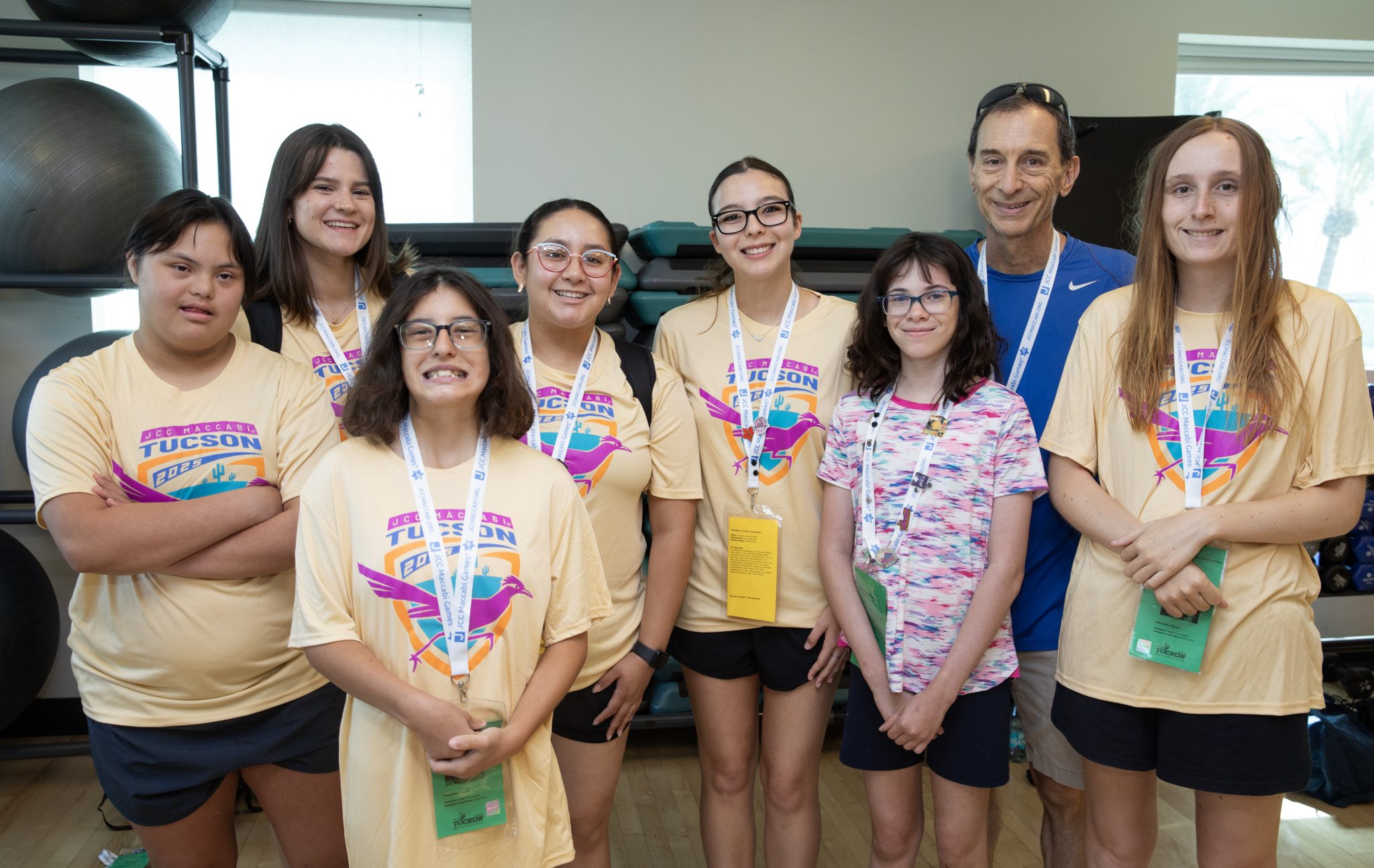
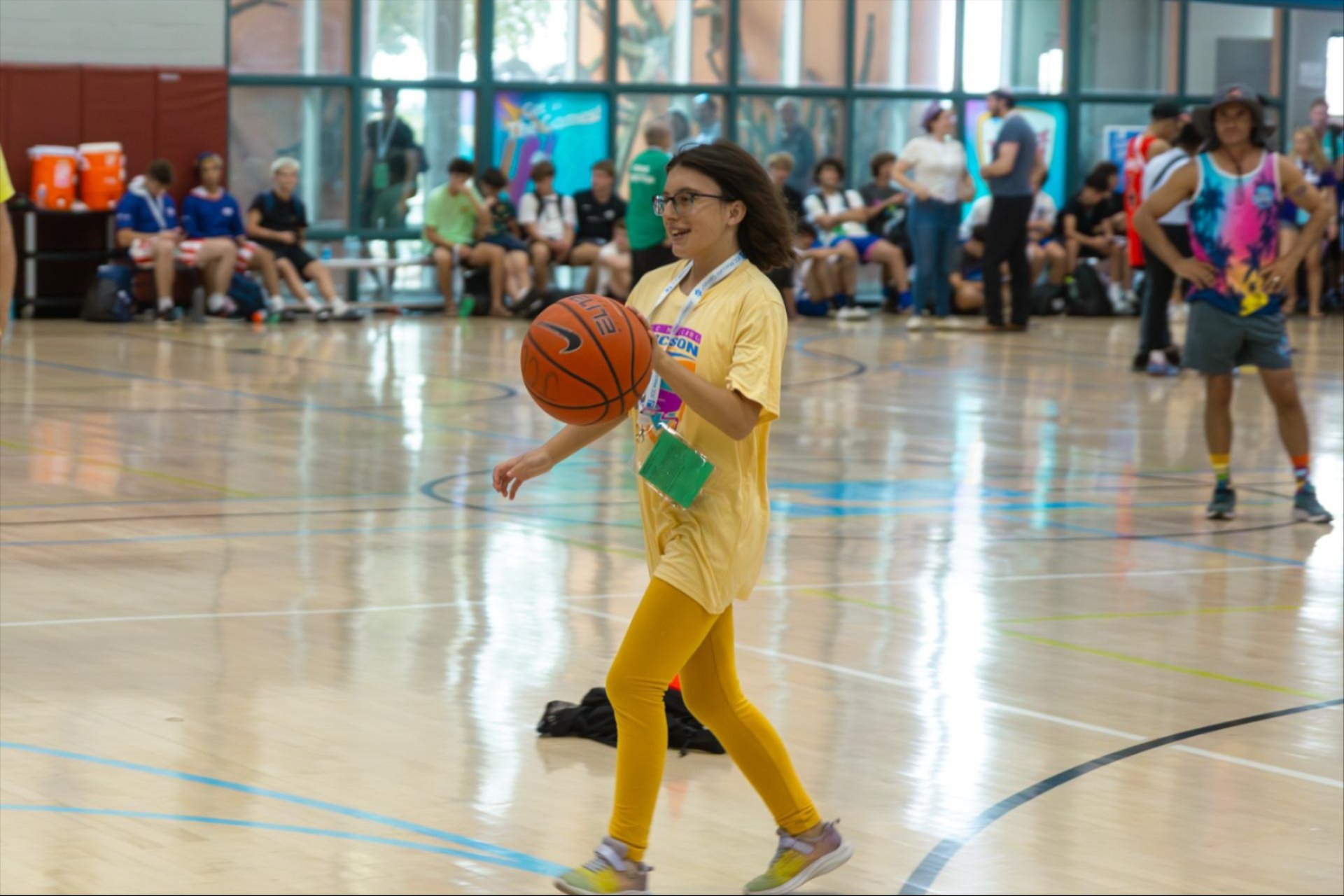
JCC Maccabi Access Games athletes—including four from right here in Tucson—the largest delegation since the program was first piloted in 2022. The Access Games offered an inclusive and meaningful way for athletes with cognitive and developmental disabilities to join thousands of their Jewish peers from around the world in experiencing the magic of JCC Maccabi. The program, now out of its pilot phase, also provides JCCs with opportunities to develop and strengthen connections for these teens and their families in their own communities. Check out this story about the 2025 Access Games at the Tucson J here.  


In November, we were proud to once again partner with ACEing Autism, 
a national nonprofit dedicated to helping children with autism grow, develop, and benefit from social connections and fitness through affordable tennis programming. Over 20 youth aged 5-18 learned new skills, made friends, and most importantly, had a whole lot of fun. The program is supported by a team of Tucson volunteers who paired up with participants to lead them through the clinic. Many of the volunteers were faculty and students from the Speech, Language, and Hearing Sciences department at the University of Arizona,which offered a unique and valuable mutual learning opportunity! Families, participants, and volunteers alike found meaningful connection and movement throughout the ACEing Autism experience. Read more about ACEing Autism here and stay tuned for information about the next clinic coming to the J in March!  

Questions for Reflection 


What does JDAAIM mean to you? This month, take some time to reflect on the following questions: 
 

  • What assumptions do I hold (consciously or unconsciously) about disability 
  • When have I felt included or excluded in Jewish or communal spaces, and what can that teach me about inclusion? 
  • What does a fully inclusive community look like?  
  • How can I help make the J and my communities outside the J more inclusive?  

Resources for Jewish Disability Acceptance, Awareness, and Inclusion Month 

  • Check out this awesome book list for adults from some of our favorite voices in the Disability Rights Movement, including Jewish activist, Judy Huemann (z”l) 
  • Listen to this podcast from the Jewish Women’s Archive about a woman who reads the Torah in Braille 
  • Check out State of Arizona Disability Resources and more here. 
  • Read more about how JCC’s are practicing inclusion here.  

Growth + Progress at the J: January 2026 Development Update

Dear Chevre (Friends),

The new year is here, and while we are so excited for all that’s to come in 2026, it’s important to reflect on last year’s moments that got us here. From everyday programming to signature events, 2025 brought community, growth, and immense joy to everyone at the Tucson J.  


Throughout the year, we hosted incredible arts and culture events — musician Neshama Carlebach, Southern Arizona Symphony Orchestra, theatre dybbuk, Z3@Tucson, along with many artists in the Fine Art Gallery and the Jill Rosenzweig Memorial Sculpture Garden. 


Over the summer, we welcomed over 800 teenagers and their families for the JCC Maccabi Games® & Access in Tucson. It was an incredible success, and I am thankful for your dedication, time, and effort in making the experience so memorable for everyone involved.  


Together, we celebrated each holiday, coming together most recently for the 9th annual Hanukkah Hot Cocoa Run, which gathered 460 racers, and dozens of cheering spectators and generous volunteers.  


But these big events do not underscore the importance of the small, everyday moments that fill the J with magic — the ECE toddlers taking their first steps, achieving a personal record in the Fitness Center, or learning something new in an arts + culture program. Rather, 2025 was marked by a beautiful mosaic of the big and small, ordinary and extraordinary. 


In the year ahead, I hope you will join the J for both the big and small — our upcoming annual Community Shabbat, exciting arts and culture events, invigorating sport and fitness programs, and another fun summer at Camp J. 

 
May 2026 be filled with peace, health, and community.  


With gratitude,

Fran Katz,
Chief Development Officer

Winter at the Tucson J is a time of connection and forward momentum. As participation across our campus continues to grow, we remain focused on creating welcoming, high-quality experiences for members and guests at every stage of life. This quarter was marked with progress as we welcomed new leadership, expanded outreach and partnerships, and welcomed new members to experience the magic of the J. Together, these efforts strengthen the sense of belonging that defines the Tucson J. Some standout achievements from this quarter are: 

  • hiring Matt McQuoid as our inaugural Chief Experience Officer to provide new leadership to enhance member and guest experience.  
  • implementing a successful Pre-Black Friday Sale in November that brought many new members to the community and rolled out a Winter Sale that runs through early January, helping people of all ages start off 2026 with wellness and connection. 
  • hosting several community partnership events, including the 5th AgeWell Day which connected older adults with their peers through art, lecture, and fitness activities.  
  • recognizing our dedicated members through Membership Appreciation Week, with five days of giving.  
  • celebrating our talented team at the annual Staff Holiday Celebration.   
  • welcoming our new Event + Rentals Specialist, Armando Alvarez, who will help expand outreach and grow our rentals and partnership visibility in the community. 
newsletter graphic with the words Fitness and wellness on a teal background

At the Tucson J, Fitness + Wellness is about more than exercise—it’s about creating opportunities for holistic health at every stage of life. This quarter our Fitness + Wellness programs continued to make a meaningful impact across ages, abilities, and interests. From health education and prevention-focused partnerships to competitive athletics, creative movement, and large-scale community events, the J remains a trusted place for individuals and families to build strength, confidence, and connection. Participation across leagues, lessons, and enrichment programs highlights both growing engagement and the depth of experience our team delivers—supported by strong leadership and thousands of hours of personalized member interaction. Some highlights and successes from this quarter include: 

  • honoring Fall Prevention Month in September by partnering with Tucson Medical Center (TMC) for an event offering a complimentary fall assessment, with 104 older adults receiving fall assessments that day; and attending the Alzheimer’s Walk at Reid Park in October with participants and families from our Healthy Aging programs.  
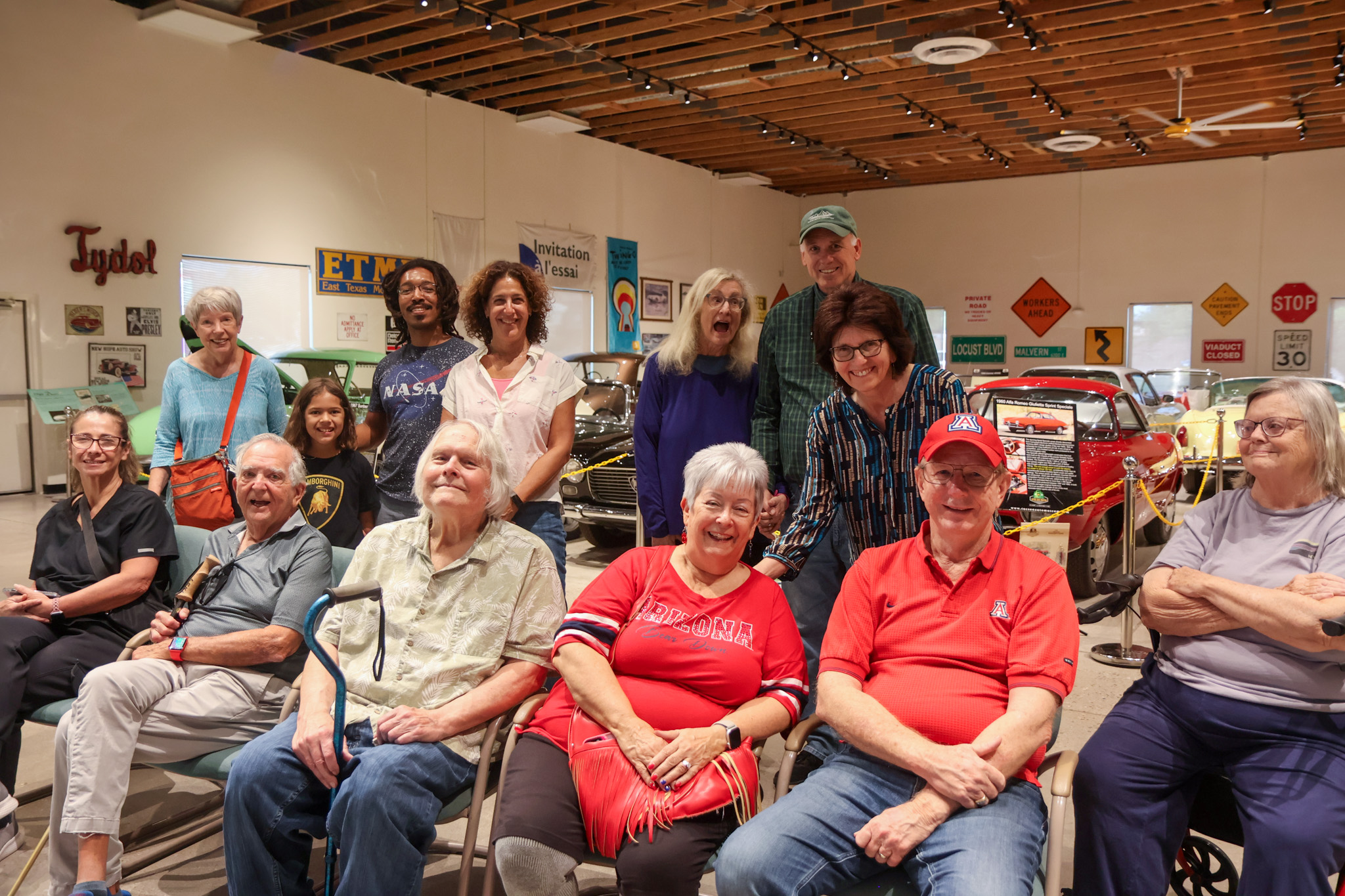
  • bringing Movement/Arts Immersion participants and families to the Tucson Auto Museum and Reid Park Zoo for outings focused on social connection and fun.  
  • providing support through a Lunch and Learn event sponsored by AbbVie for participants and families in our Parkinson’s Wellness program. 
  • ending the 2025 J-Rays Swim School group swim lesson season with 276 swimmers in group lessons from March-October this year.  
  • celebrating Stingrays Swim Team success at many successful meets including the Copper Sprint Classic in Sahuarita and the JSC Fall Invite in Scottsdale, with 21 new personal bests, 25 Regional-qualifying swims, and 8 State-qualifying swims.  
  • closing out the Fall Men’s Basketball League with 70 players and the Co-ed Volleyball League with 81 players (doubling participation over last year!).  
  • promoting Evan Holt to Aquatics Director alongside his responsibilities as head coach for the Stingrays Swim Team.  
  • sharing the light and joy of Hanukkah with 460 community members—140 more than last year—for the 9th Annual Hanukkah Hot Cocoa Run. 
  • ending our newly restructured dance program with 8 dancers performing in an end of semester recital. 
  • partnering on the return of ACEing Autism at the J which brought inclusive tennis programming to 14 participants and enlisted 40 volunteers to help.  
  • concluding the year with 15,820 private or semi-private sports, tennis, aquatics, and personal training sessions, totaling 32,327 hours of member experiences.  

Arts, culture, and community engagement at the Tucson J continues to be powerful pathways for connection, reflection, and Jewish life. This quarter, our work brought together people of different ages, identities, and perspectives through creative expression, meaningful dialogue, shared ritual, and remembrance. From an immersive artistic residency and thoughtful conversations about Jewish peoplehood and Israel, to family-centered celebrations, and grassroots leadership, these efforts reflect a community deeply engaged in shaping Jewish life together. Moving into the final quarter of 2025, the impact we have is demonstrated in the success and progress we’ve made, for example: 

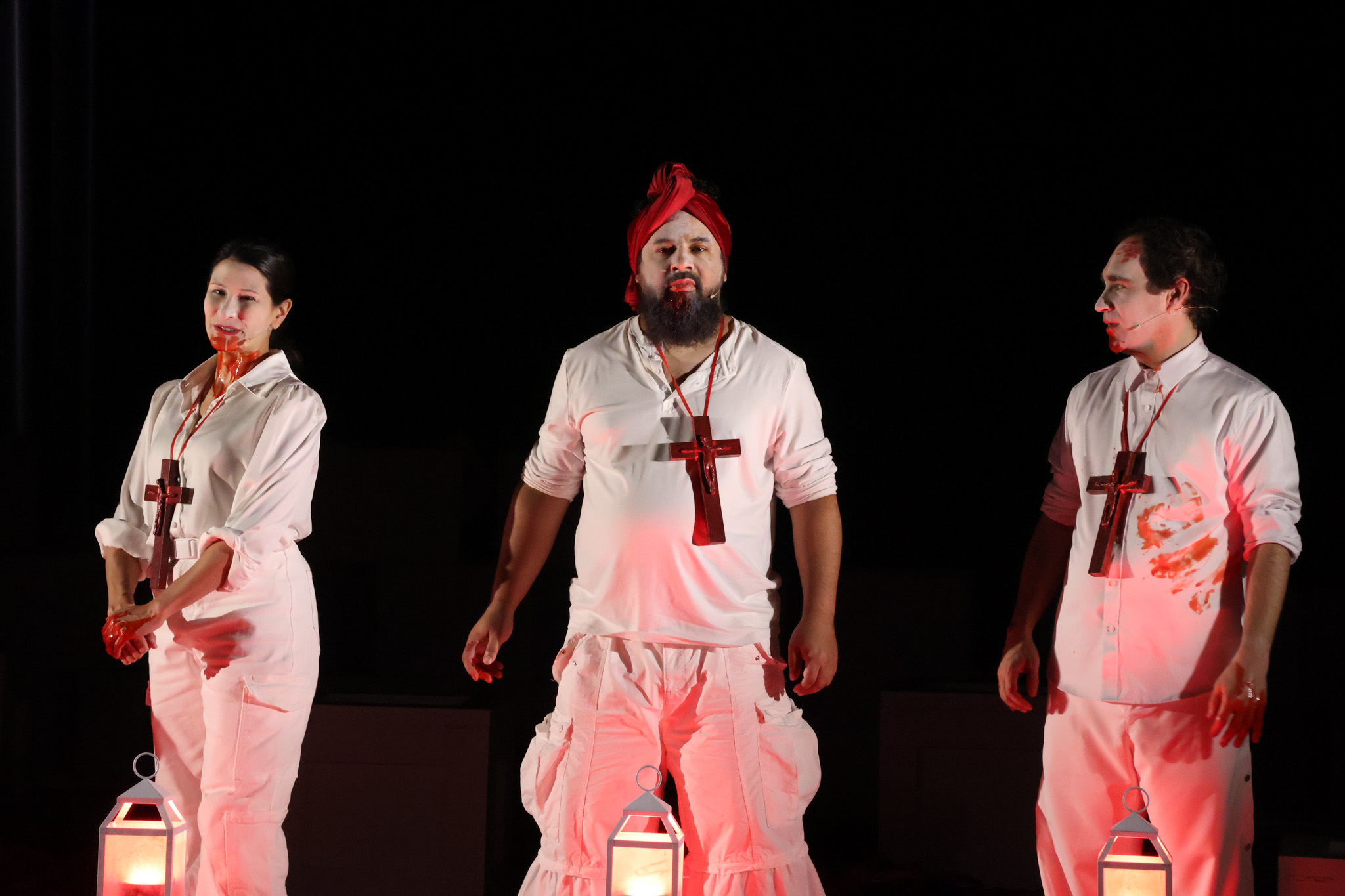
  • engaging 37 new individuals through over three weeks of programming with theatre dybbuk as an artist-in-residency in October, which included a community story writing program, a masterclass, sold-out cooking class, professional development workshop on communication, and two performances of the experimental, Dracula (Annotated) production. 
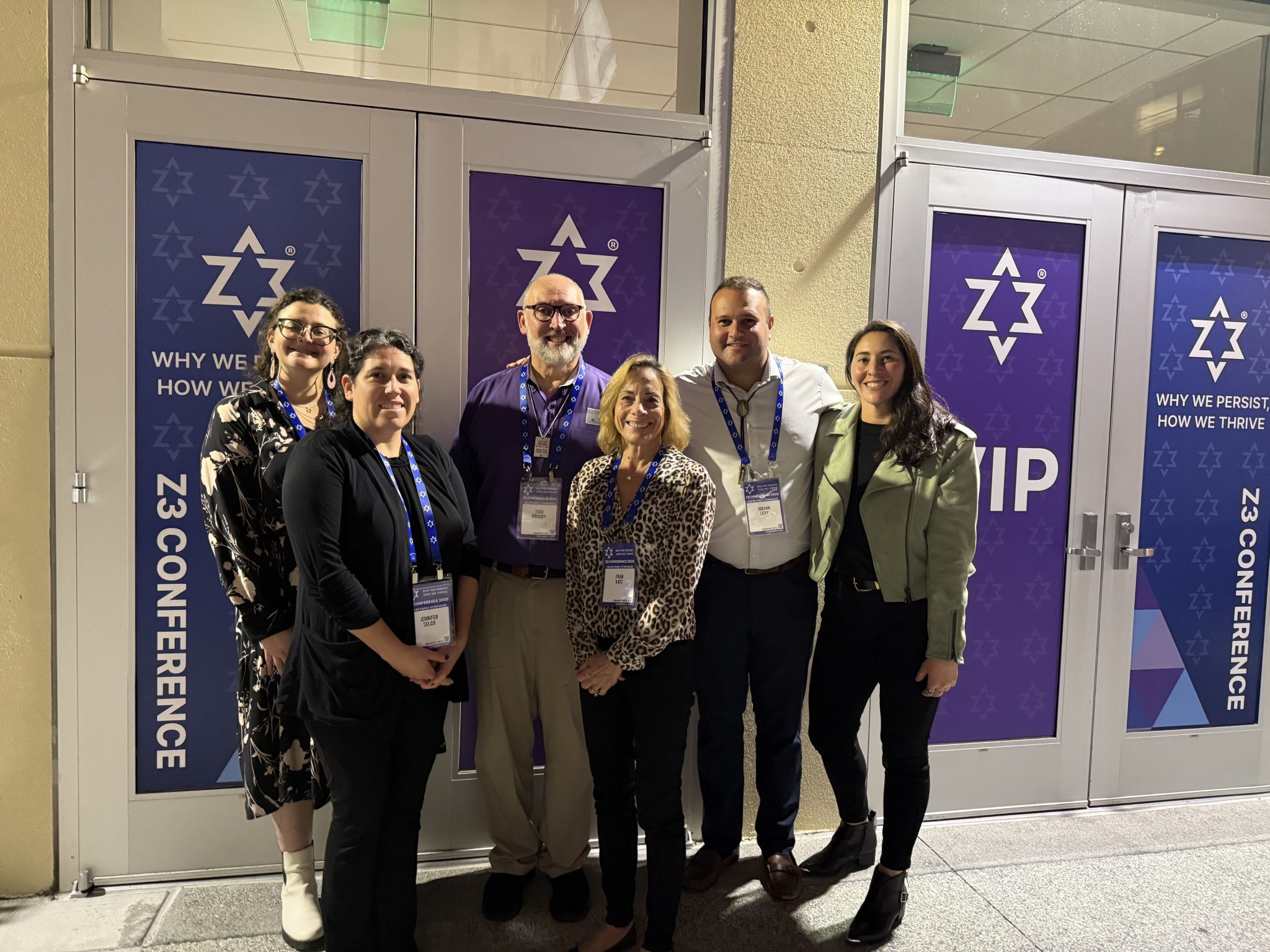
  • facilitating our inaugural Z3@Tucson conference in November with nearly 100 participants spanning different age demographics and perspectives exploring themes centered around Jewish life and peoplehood and our connection to Israel and world Jewry. 
  • sending two community members to attend the Jewish National Fund Conference as Reform Movement Alumni for Israel (RAFI) delegates to further our work around global Jewish Peoplehood. 
  • honoring the memory of those lost on October 7, 2023, with Together We Walk co-hosted by the Weintraub Israel Center, a partnership between the J and JPSA. 
  • beginning a year-long Queer Torah Study program. 
  • empowering lay leaders Paul Binder and Kelsey Davita to host monthly Shabbat potlucks at the J with the success of the July pool party; this quarter, there were 104 participants. 
  • sending nearly 500 Rosh Hashanah greeting cards to families enrolled in PJ Library. 
  • hosting a number of PJ Library events including : 
    • a Sukkot carnival in partnership with THA 
    • a bilingual Sukkot story hour 
    • family yoga experience 
    • Musical Petting Zoo 
    • Bring Your Own Baby: Hanukkah Edition 
    • Hanukkah Extravaganza! In the Northwest at the NW YMCA 
    • A Hanukkah Experience for all ages at Rancho Sahuarita 
    • PJ Library tabling with craft at Tohono Chul Holiday Nights 
    • PJ Library tabling w/craft at Bet Shalom Hanukkah Party 

Children and youth engagement at the Tucson J continues to grow in both reach and impact. This quarter, our programs supported young people from infancy through the teen years with opportunities to learn, lead, and connect—grounded in Jewish values and strengthened through partnerships, professional excellence, and meaningful peer relationships. From expanding Early Childhood Education classrooms and investing in staff development, to vibrant teen engagement, intergenerational initiatives, and the return of Winter Camp J, these efforts reflect a strong and thriving pipeline of Jewish life at the Tucson J. As we reflect on the last quarter, we’re proud to share that we fostered growth and progress by: 

  • increasing our JClub participation to 614 members, with 328 of them falling into the 11-14 middle school age group. 
  • holding meaningful BBYO Monday night chapter meetings with guests including a guest speaker from CTEEN during a joint chapter debate night with 40 members in attendance. 
  • partnering with Handmaker Jewish Services for the Aging on the fourth and final year of the Better Together grant programming, this quarter with a Rosh Hashanah event and Sukkot program. 
  • sending 26 BBYO members to the Mountain Region Convention in Phoenix. 
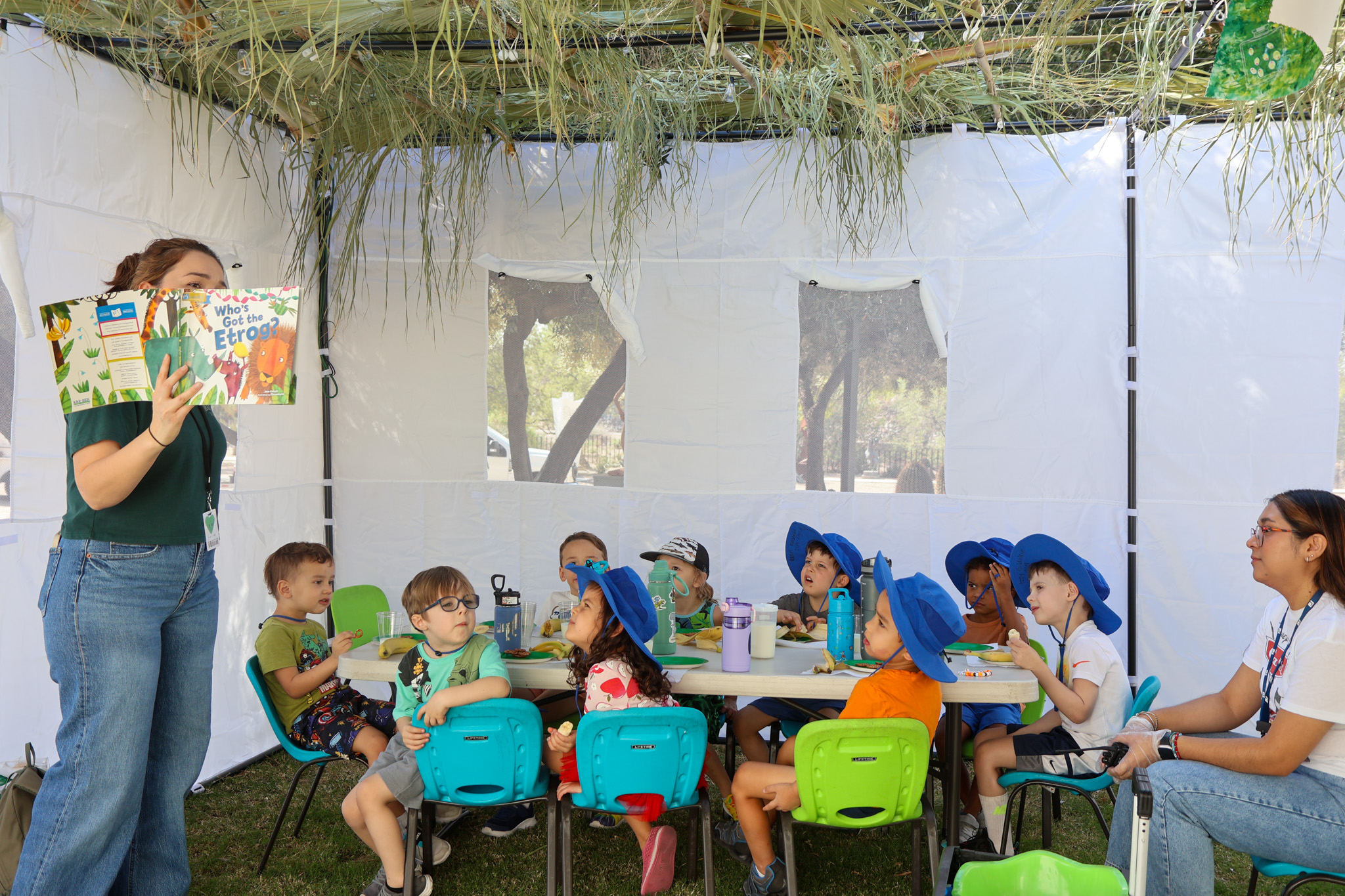
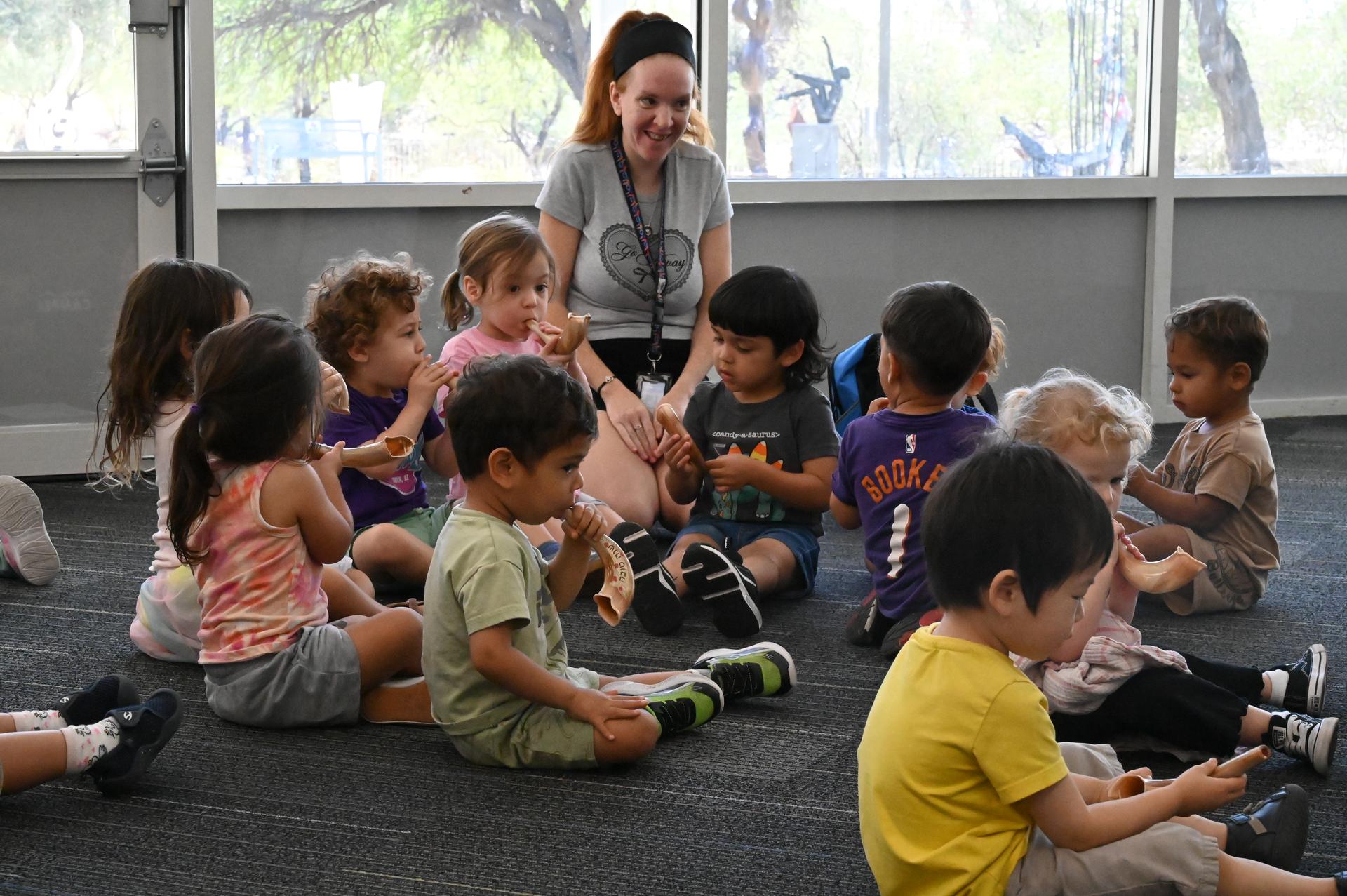
  • celebrating Rosh Hashanah and Sukkot in Early Childhood Education classrooms by collecting food for a local food pantry, making honey bowls, blowing the shofar, and spending time in the J’s sukkah. 
  • opening a 22nd ECE classroom, bringing our classroom breakdown to 4 infant rooms, six toddler rooms, five 2’s rooms, three-and-a-half 3’s rooms, and three-and-a-half pre-k rooms. 
  • offering 12 School Days Out with an average of 75 participates each day during Fall Break. 
  • sending 13 Early Childhood educators to participate in professional development at the Southern Arizona Association for the Education of Young Children annual conference at the University of Arizona College of Education, as well as Assistant Director of ECE, Tiffany Mills-Horton, and Meghan Briceland, ECE Communication and Curriculum coordinator, to Florida to attend the National Association of the Education of Young Children conference—the largest gathering of early childhood educators in the world with over 500 peer-reviewed sessions led by industry experts. 
  • welcoming Cass Johnson as our new Director of Camp + Youth and 40 returning staff for Winter Camp J, which had approximately 100 campers each day enrolled. 

At the Tucson J, inclusion goes hand-in-hand with opportunity. This quarter, our Disability Program Services community continued to expand vocational skills, deepen connections, and engage meaningfully with the broader community. From the new JShop internship program and coffee partnership with Adventure Coffee, to weekly adaptive swim sessions and stewardship projects in local parks, participants are building confidence, independence, and a sense of purpose. With new leadership on board and programming growing as we welcomed Arts for All participants to campus, Disability Program Services is helping define what true belonging looks like—while making the J stronger, more vibrant, and more inclusive every day. Recent developments in Disability Program Services include: 

  • building out our vocational programming with the grand opening of DPS’s JShop, a retail store at the Wellness Desk staffed by DPS participant interns and shoppable by the whole community; some highlights from this quarter at the shop are: 
    • partnering with local Adventure Coffee to sell ground beans, interns learned how to grind and make coffee for interested J members to sample before purchasing our custom “J Blend.” 
    • the graduation of the first cohort who completed 48 intern hours; these participants received a Certificate of Completion and will move on to other vocational opportunities at the J, including acting as JShop internship mentors to new J Shop interns. 
  • returning to swimming at Edith Ball, the City of Tucson’s recreational indoor therapy pool at Reid Park; this activity supports increased range of motion and flexibility, relief of pain, and overall relaxation. 
  • integrating Arts for All participants with their peers at the J for a total of 68 DPS participants.  
  • welcoming McKenna Czerny as Disabilities Program Specialist to provide additional support for program and curriculum design. 
  • developing a new community-based track for DPS participants; participants in this track visited DPS’ new Adopt a Park, La Madera Park. In addition to playing and eating at the park, participants and staff assisted with the park cleaning. DPS leadership staff then logged their work to help La Madera Park stay informed on any maintenance needs and to collect their progress towards DPS’ “ongoing stewardship commitment with a sign and ceremony at their adopted site.”

2025 Best of Tucson Award-Winner: What makes the Tucson J’s Early Childhood Education Program Special!

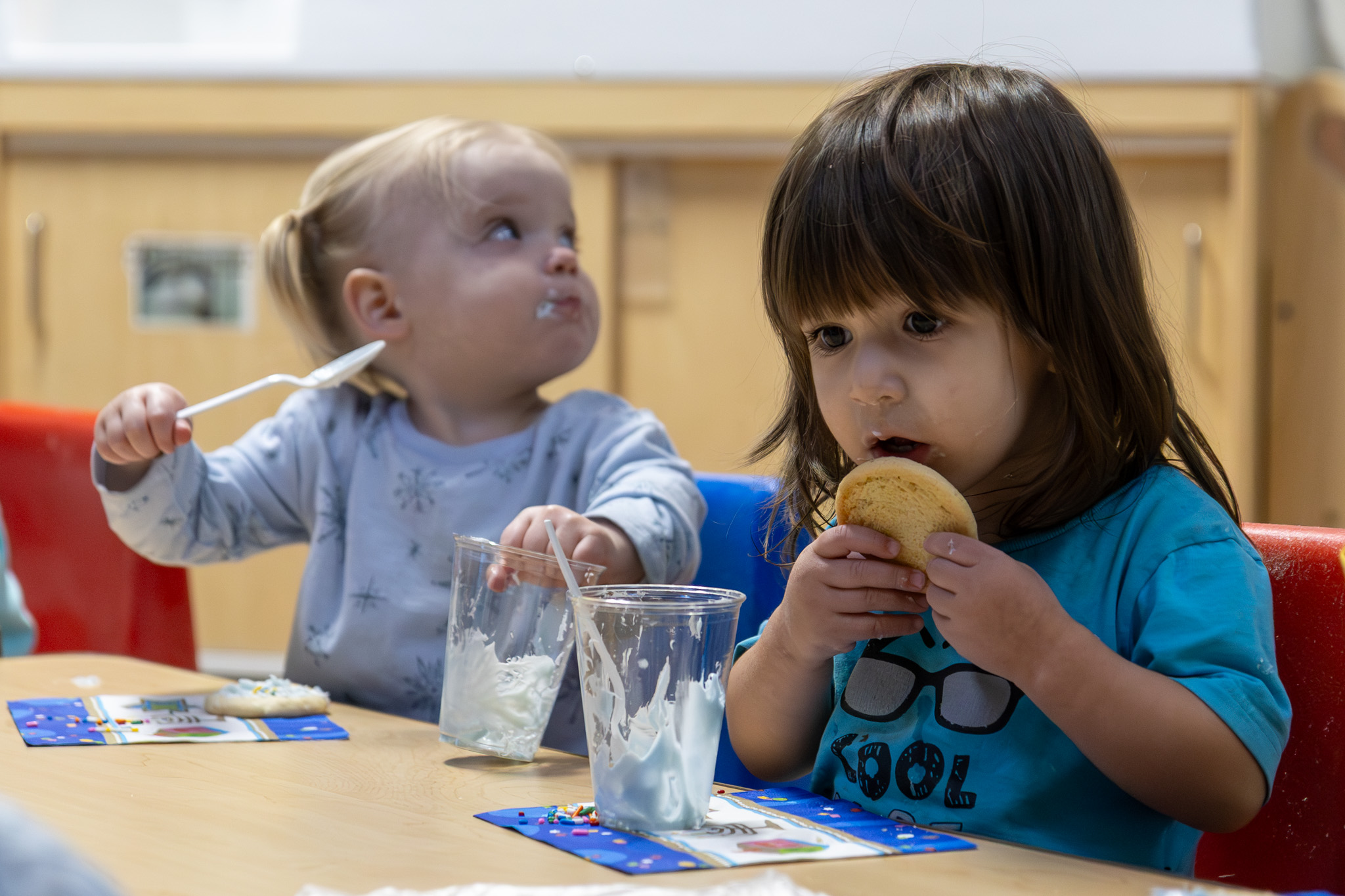
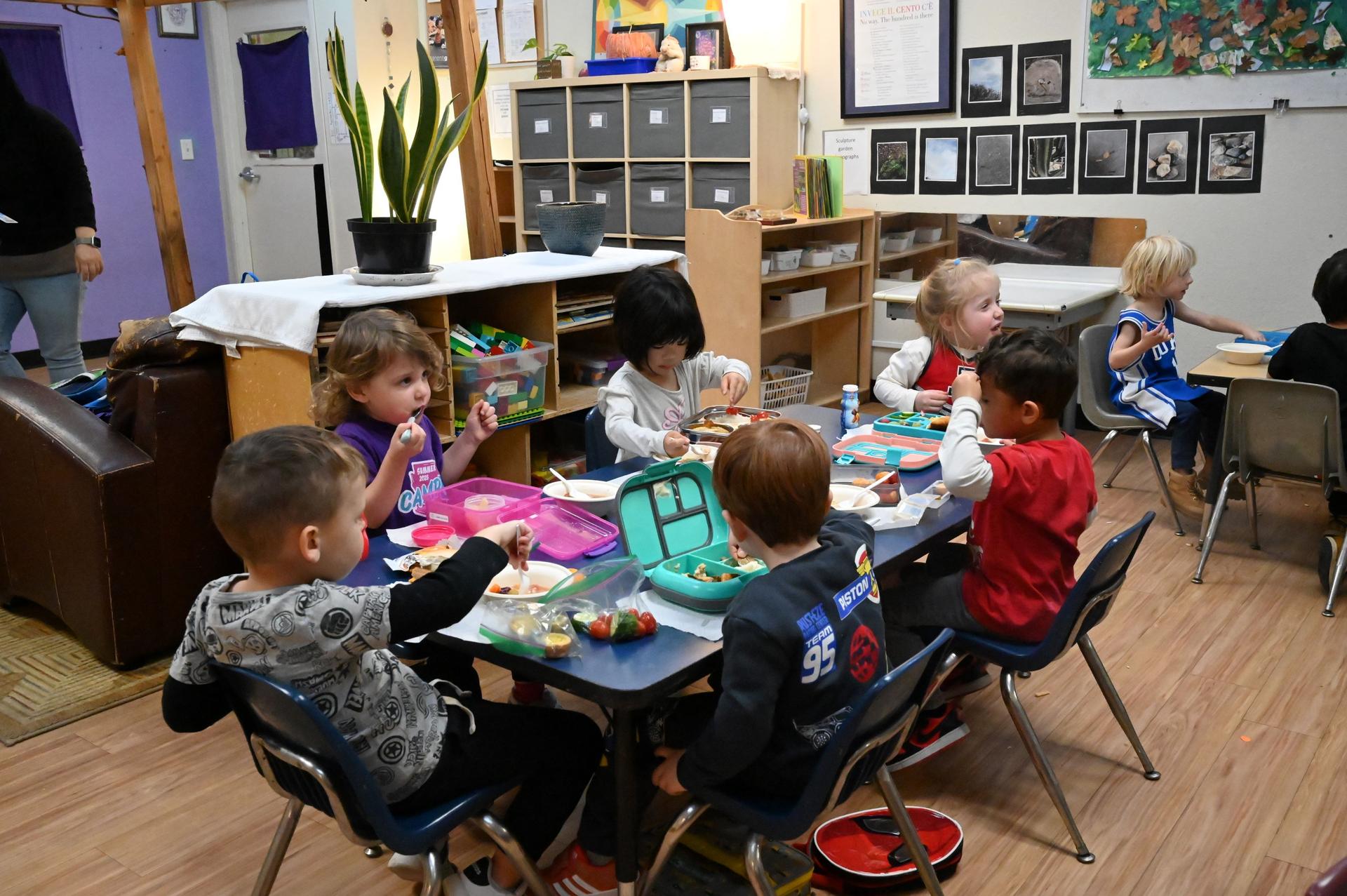
The Tucson J’s Early Childhood Education (ECE) program was recently named the 2025 Best of Tucson’s Best Daycare. Led by director Joline Riddle, assistant director Tiffany Mills-Horton, and a staff of incredible teachers, our ECE program offers year-round learning for children ages 6-weeks to pre-k.   

It is no wonder that our program is consistently ranked among the best early childcare programs in Tucson! Keep reading to explore three reasons why our program goes beyond your typical daycare or preschool — and why so many families choose to make the Tucson J part of their lives. 

Highly-Educated, Passionate Staff

How many preschools are led by soon-to-be Ph.D. graduates? Well… at least one! Our director, Joline, is pursuing a Ph.D. in education at the University of Arizona, and our assistant director, Tiffany, at Grand Canyon University. Their advanced academic work brings an exceptional depth of knowledge in child development, evidence-based practice, and early learning theory directly into our classrooms.  


And it’s not just our leadership team who are childcare experts. Our ECE program is supported by a dedicated teaching group of early childhood professionals who bring a powerful combination of training, experience, and heart. Every classroom is led by teachers with specialized early childhood experience, many of whom hold degrees or certifications in Early Childhood Education, Child Development, or related fields. 


Plus, our teachers participate in ongoing professional development, including workshops, specialized early childhood trainings, and national conferences to stay current on research, policy, and best practices in early childcare. This commitment to continued learning allows the children in our program to benefit from the most current, developmentally informed approach to early education and child development. 

A Play-based Curriculum that Builds Confidence and a Love of Learning

At the Tucson J, our curriculum is intentionally designed to nurture the whole child — socially, emotionally, physically, intellectually, and creatively. From infant to toddler and pre-k, our program is rooted in the Sheva Framework, a philosophy developed by the Jewish Community Center Association. Sheva, meaning “seven” in Hebrew, reflects our belief that each child is unique, capable, and full of potential. 


Our play-based approach allows children to learn through exploration, creativity, and meaningful experiences. We make room for imagination and curiosity, build confidence through supportive relationships, and foster a genuine love of learning that children carry with them as they grow. We believe that “care” and “education” are inseparable, and we view each child as a feeling, thinking, and creative individual.


Children learn best when they are active participants in their own learning. Through play, inquiry, problem-solving, and discovery, children develop critical thinking skills, positive self-esteem, and a strong foundation for future academic success. Our teachers act as facilitators—thoughtfully structuring environments, guiding experiences, and supporting each child’s individual rate and pattern of growth.


As part of the Sheva Learning Community, we integrate seven core elements and Jewish values into our daily experiences, emphasizing wonder, inquiry, responsibility, compassion, and community. These values help children see themselves as capable learners and caring members of the world around them.
 

A Unique, State-of-the Art Facility

While our ECE program has all the typical amenities of a high-quality preschool— a playground, spacious classrooms, shared learning spaces, and an art studio — it also offers something truly special: access to the full Tucson J campus!  


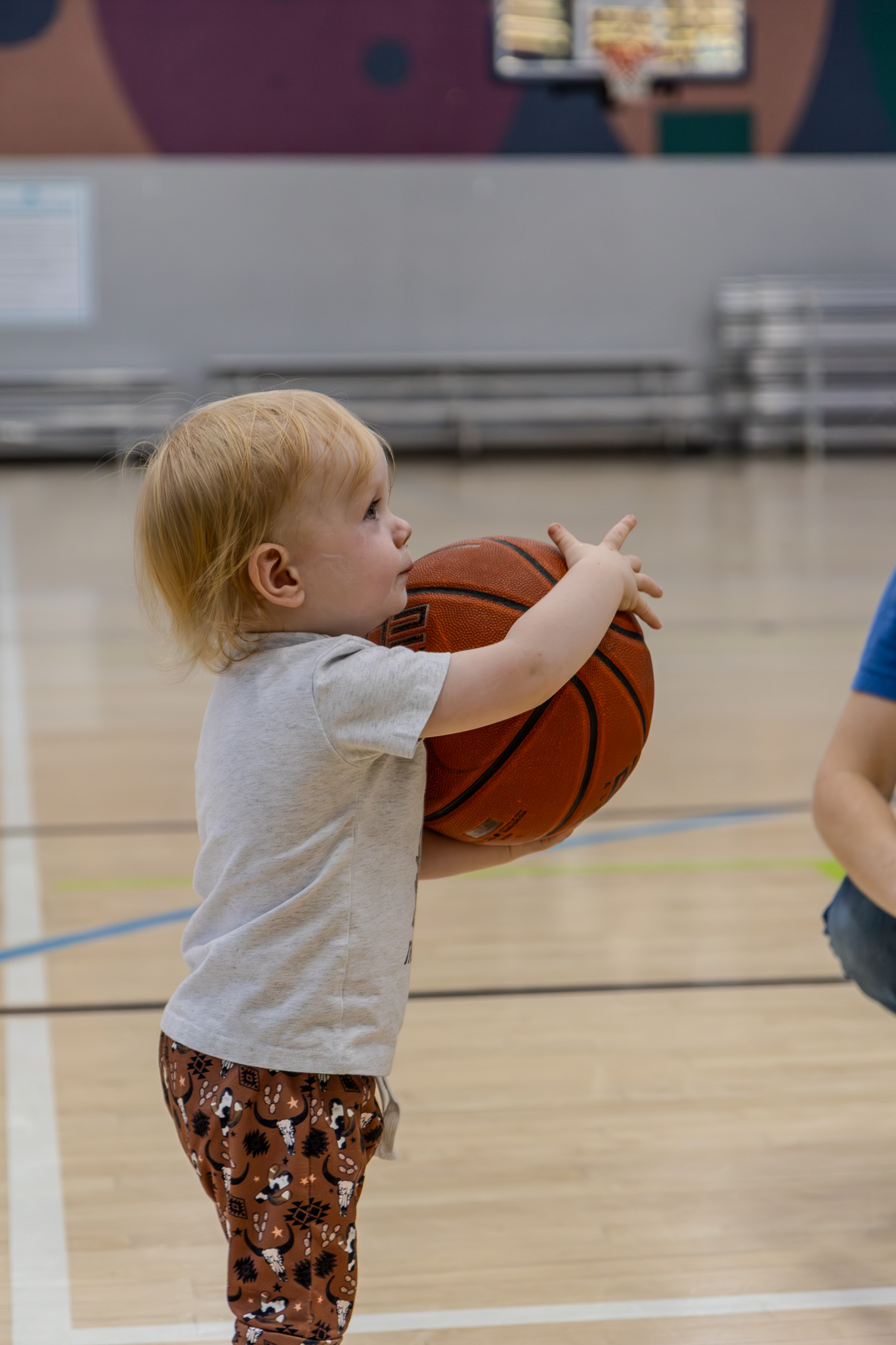
Throughout the day, our students enjoy our indoor PlaySpace, gymnasium, a second playground that is wheelchair accessible, Sculpture Garden, and, during the summer months, the pool and SplashPad. ECE children can often be found exploring the Fine Art Gallery to discover the latest works on display—sparking curiosity and creativity—or joyfully moving their bodies, bouncing balls, and playing games in the gym. Also unique to our program, our 12-month students participate in swim lessons offered during their school day. There is also a wide variety of PeeWee Sports, such as tennis, basketball, gymnastics, and soccer, designed for kids ages 3-5—and the coaches pick your child up directly from class! These experiences support physical development, confidence-building, and healthy movement in ways that go far beyond a traditional preschool or daycare setting. 
 

Flexible Options with a True Family Focus

Every family’s schedule looks different—and we believe childcare should support, not complicate family life. Our preschool is open 7am to 6pm, with 7, 9, and 11-hour options for care as well as 10 (pre-k only) or 12-month contracts, to meet a wide range of needs. The J’s family-centered approach extends beyond the classroom. While your preschooler is learning and playing, older children can attend a sports clinic, and parents can enjoy a workout or class in our Fitness Center. Programs at the J are designed for every stage of life—including grandparents who can find community in one of our many Healthy Aging programs—creating a vibrant, multigenerational community.  


The Tucson J’s programming is intentionally designed so that there is always something new for children to grow into and enjoy. Many families join the J for early childhood education and remain members as the J grows with their changing needs. From first steps to lifelong friendships, we’re proud to be a place where families belong.  

We invite you to experience the Tucson J’s award-winning Early Childhood Education program firsthand. Schedule a tour, meet our passionate educators, and see how our play-based, developmentally informed approach helps children grow with confidence, curiosity, and joy. You can learn more here.  


Questions? Contact Joline Riddle at jriddle@tucsonjcc.org