Is it Passover yet? Well… almost!
That excited question is also the title of just one of the 80+ PJ Library Passover books available for children from birth through age 8. Whether your family will be traveling or celebrating at home, PJ Library has wonderful stories to help bring the holiday to life.
Journey around the world—and across time—through unforgettable Seders: from Argentina to Israel, from Inquisition-era Spain to the White House, from a Seder during the pandemic to one where the dishes get broken first! There’s even a story of a Seder held on a palm tree in the middle of a bustling street.
Working on learning Ma Nishtana – the Four Questions? PJ has books for that too! Check out The Best Four Questions as Marcy leans the traditional questions but also asks funny, imaginative ones like “Are worms kosher for Passover?” and “Is horseradish made from horses?”
Searching for that elusive afikomen? Check out Afikomen Where’s You Go and find the afikomen hidden on every page!
No matter how or where you celebrate, there’s a perfect Passover story waiting for your family.
Explore PJ Library’s Passover books at pjlibrary.org/books by sorting the list by holiday. See a title that catches your eye? Email pjlibrary@tucsonjcc.org to check if we have an extra copy available.
And remember in PJ world even alligators have Seders (Alligator Seder)!
Chag Pesach Sameach! Happy Passover.
Roadside Seder
Written by Anna Levine
Illustrated by Naama Lahav
When a downed tree on the highway to Jerusalem ruins a road full of people’s Passover plans, they come together to have a seder right on the road. These new friends share traditions from around the world, bringing to life the opening of the Passover seder: “All those who are hungry, come and eat!”
Afikoman, Where’d You Go?
Written by Rebecca Gardyn Levington
Illustrated by Noa Kelner
The seder can’t end until the kids find the afikoman, a piece of matzah that’s been hidden during the meal. The kids have searched the whole house with no luck. This fun rhyming story lets you in on the hunt — the afikoman is hiding somewhere on every page!
Alone Together on Dan Street
Written by Erica Lyons
Illustrated by Jen Jamieson
It’s Passover in Jerusalem, but because of the coronavirus pandemic, there are no guests allowed at any seders. While practicing the Four Questions on her balcony, Mira thinks of a way to bring her neighbors together, even if they can’t all sit at the same table.
The Best Four Questions
Written by Rachelle Burk
Illustrated by Melanie Florian
Marcy’s finally old enough to ask the Four Questions at her family’s Passover seder — but the questions she wants answers to are not the ones in the Haggadah. How will her family react?
Workitu’s Passover: A Story from Ethiopia
Written by Zahava Workitu Goshen and Maayan Ben Hagai
Illustrated by Eden Spivak
In Workitu’s Ethiopian Jewish community, it’s traditional to break all the dishes before Passover begins. That might sound like fun, but Workitu is sad to see her favorite cups and pots go when it’s time to remake them free of chametz. Auntie Balainesh helps Workitu find the spirit of Passover renewal celebrated by this custom.
Next Year in the White House: Barack Obama’s First Presidential Seder
Written by Richard Michelson
Illustrated by E.B. Lewis
In the spring of 2008, three campaign staffers gathered in a hotel basement, joined by then-candidate Barack Obama, to share the stories and rituals of Passover. Together, they made a toast and a promise: next year in the White House. For the first time, the story of the first official White House Seder is told for picture-book readers — brought to life by an award-winning team, author Richard Michelson and illustrator E.B. Lewis.
A Persian Passover
Written by Etan Basseri
Illustrated by Rashin Kheiriyeh
Ezra and Roza are looking forward to Passover. To help get ready, Ezra brings his family’s flour community baking oven to make matzah – but has an unfortunate mishap along the way. How will they have their seder? Set in 1950s Iran, this sweet story shows how a community comes together to help.
Raquela’s Seder
Written by Joel Edward Stein
Illustrated by Sara Ugolotti
Raquela’s family loves Passover, but they live in Inquisition-era Spain, so it’s not safe for them to hold a seder. Or is it? Raquela’s father comes up with a clever idea that involves a fishing boat, a full moon, and lots of secrecy – not to mention bravery.
The Passover Cowboy
Written by Barbara Diamond Goldin
Illustrated by Gina Capaldi
It’s Jacob’s family’s first Passover in Argentina, and everything is different here than it was in Russia. Jacob wants to invite his friend and neighbor, Benito, to their seder, but Benito has never been to a seder before. Soon everyone is about to have a brand-new experience.
Alligator Seder
Written by Jessica Hickman
Illustrated by Elissambura
This family’s Passover seder is very similar to other seders you may have gone to. There’s really only one big difference: they’re ALLIGATORS.
*all book synopses from pjlibrary.org

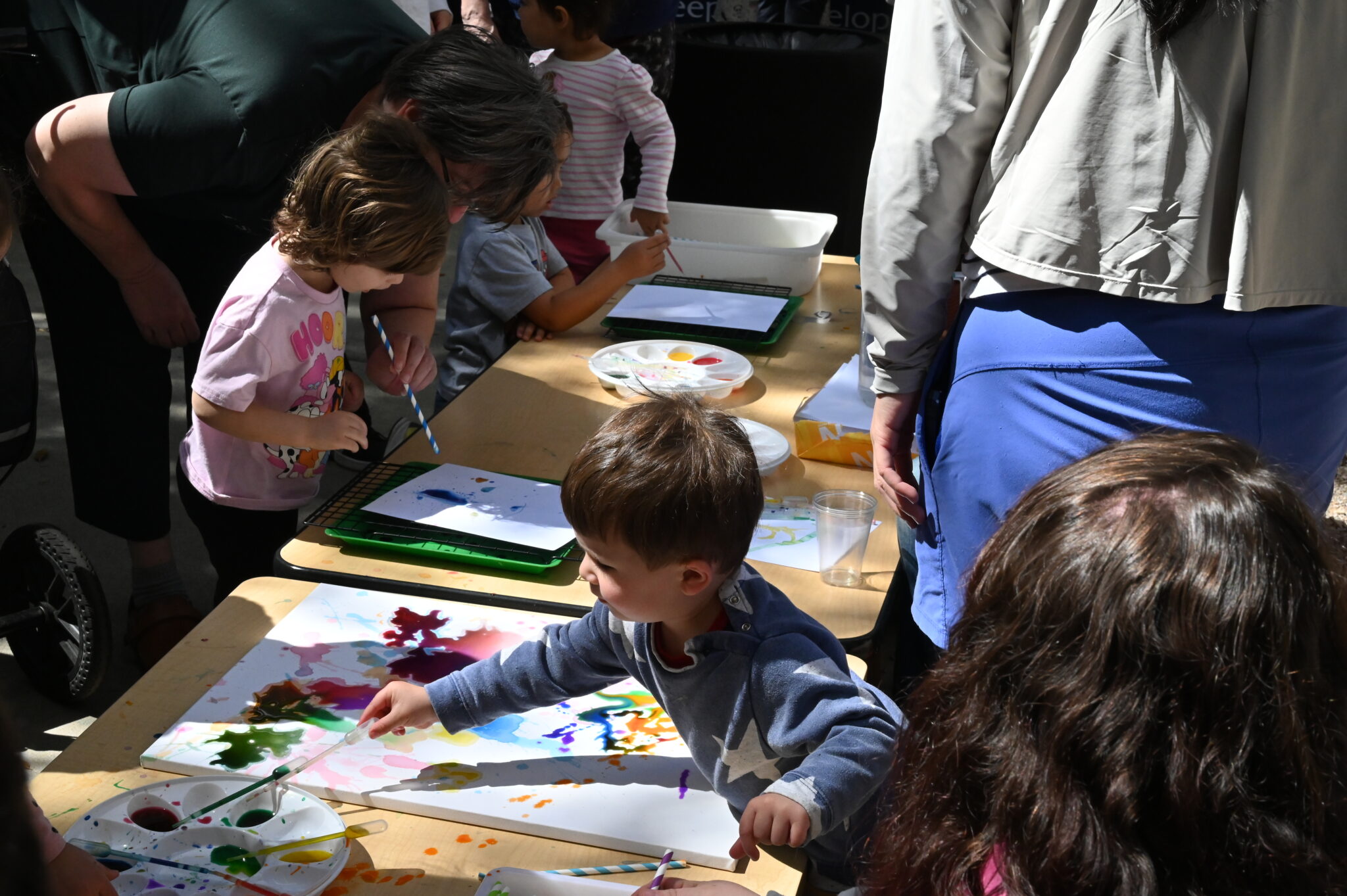
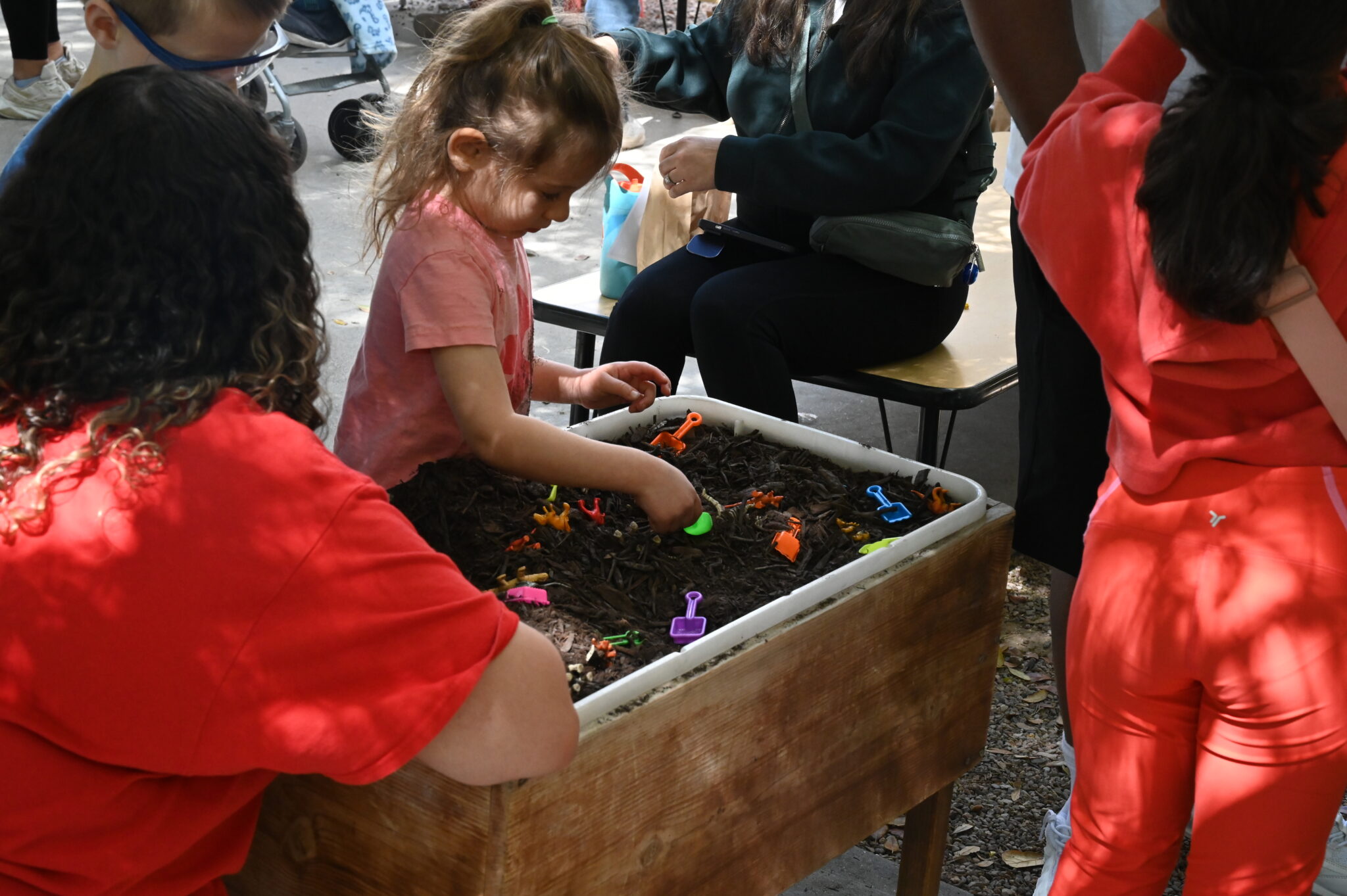
Each spring, the Tucson J’s Early Childhood Education program highlights its incredible curriculum, staff, and facilities through STEAM Sunday, a free afternoon of engaging activities for families.
STEAM stands for science, technology, engineering, art, and mathematics, all knowledge areas that instill curiosity, problem-solving, and critical thinking.
“For young children, STEAM activities provide a foundation for future development, allowing them to learn cause and effect, develop strategies, and build executive function skills like memory, cognitive flexibility, and inhibitory control,” said Joline Riddle, senior director of early childhood education at the Tucson J.
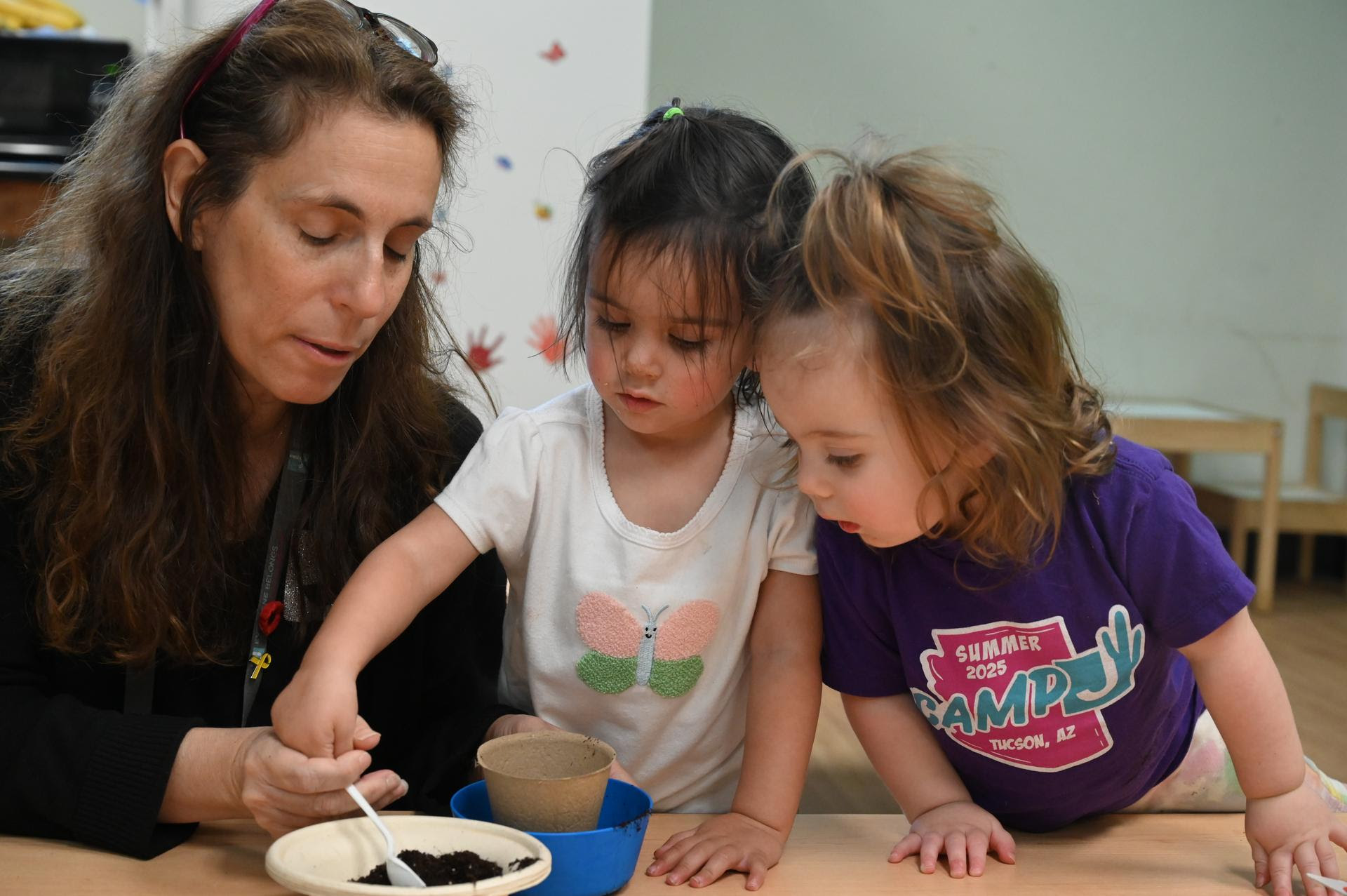
In the Tucson J’s Early Childhood Education program, STEAM education is infused in daily activities through hands-on and collaborative learning and lots of exploratory play and interactive experiences.
“Hands-on learning not only develops curious learners, but prompts students to be actively engaged and truly interested in what they are learning about,” said Joline. “STEAM education is an important part of our curriculum and key to developing lifelong learners.”
Science – Figuring out how the world works
Technology – Using and creating pulleys, wheels, levers, scissors, and ramps
Engineering – Constructing while problem-solving
Art – Creatively solving problems, representing feelings, events, and experiences
Math – Number, operations, measurement, patterns, geometry, and spatial sense
Everyone is invited to join us on Sunday, April 12, from 10am-12pm, for STEAM Sunday. Designed for families with children 2-8 years old, enjoy a morning of fun, with hands-on, educational activities led by the Tucson J Early Childhood educators and special guests.
Plus, the first 125 registered guests will receive a special goody bag, and a light snack will be served for attendees.
During the event, you can also take a tour of our preschool, and registration fees for ECE summer camp and the 2026-2027 school year will be waived.
While the word technology evokes images of computers and screens, it actually refers to the application of scientific knowledge for practical purposes. From wheels to zippers— technology surrounds us!
Try this activity to get your child thinking about technology.

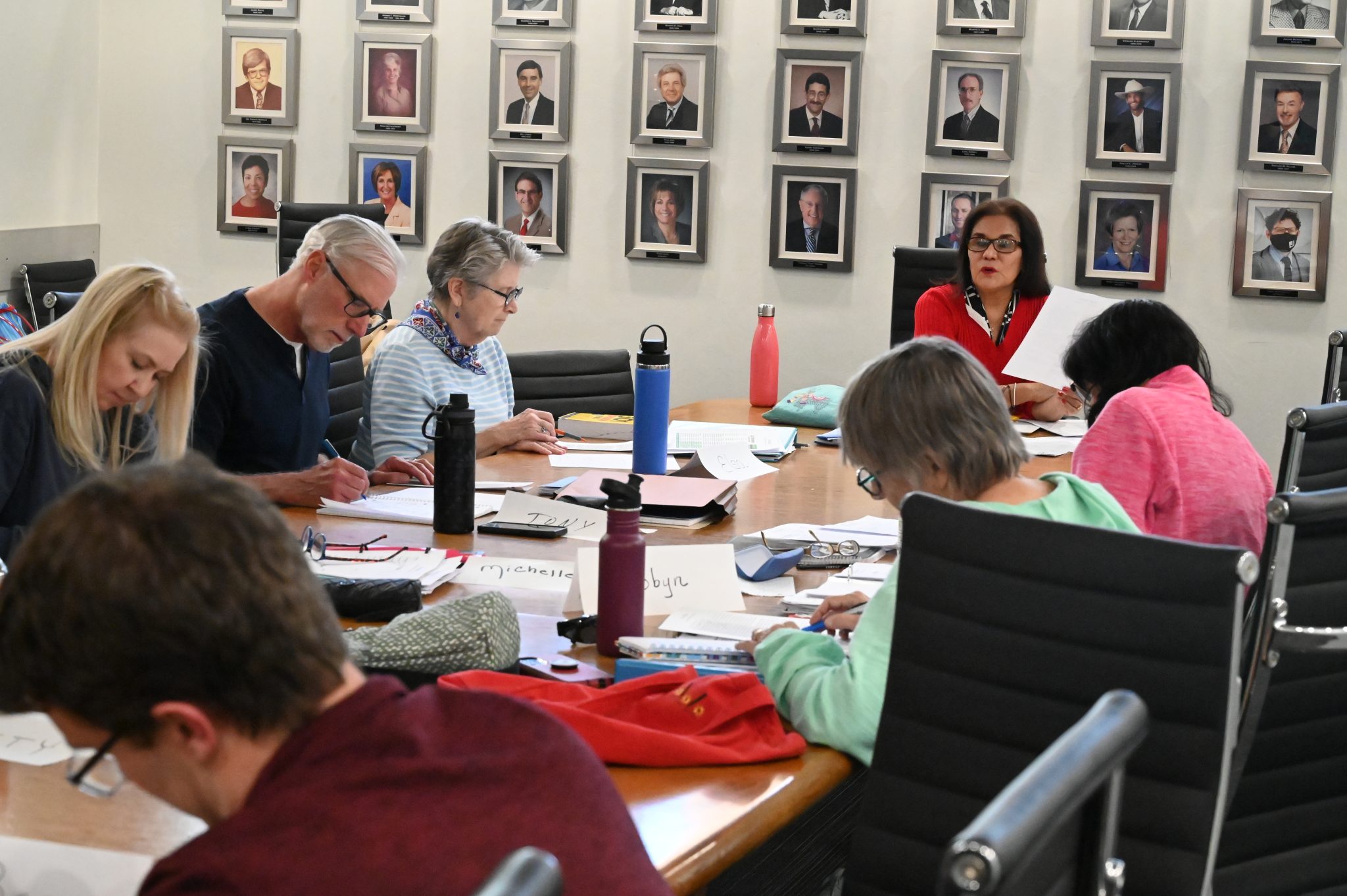

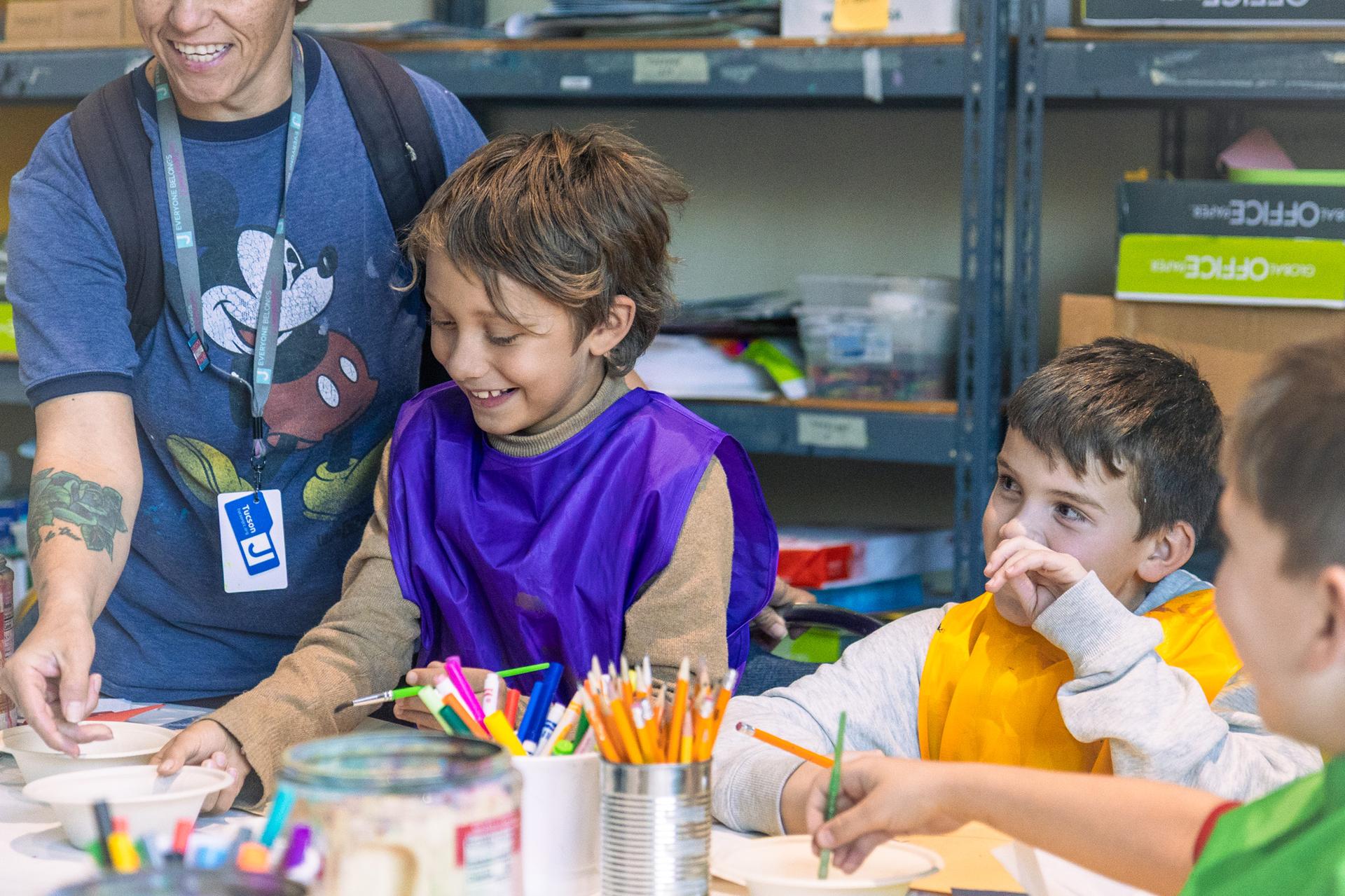


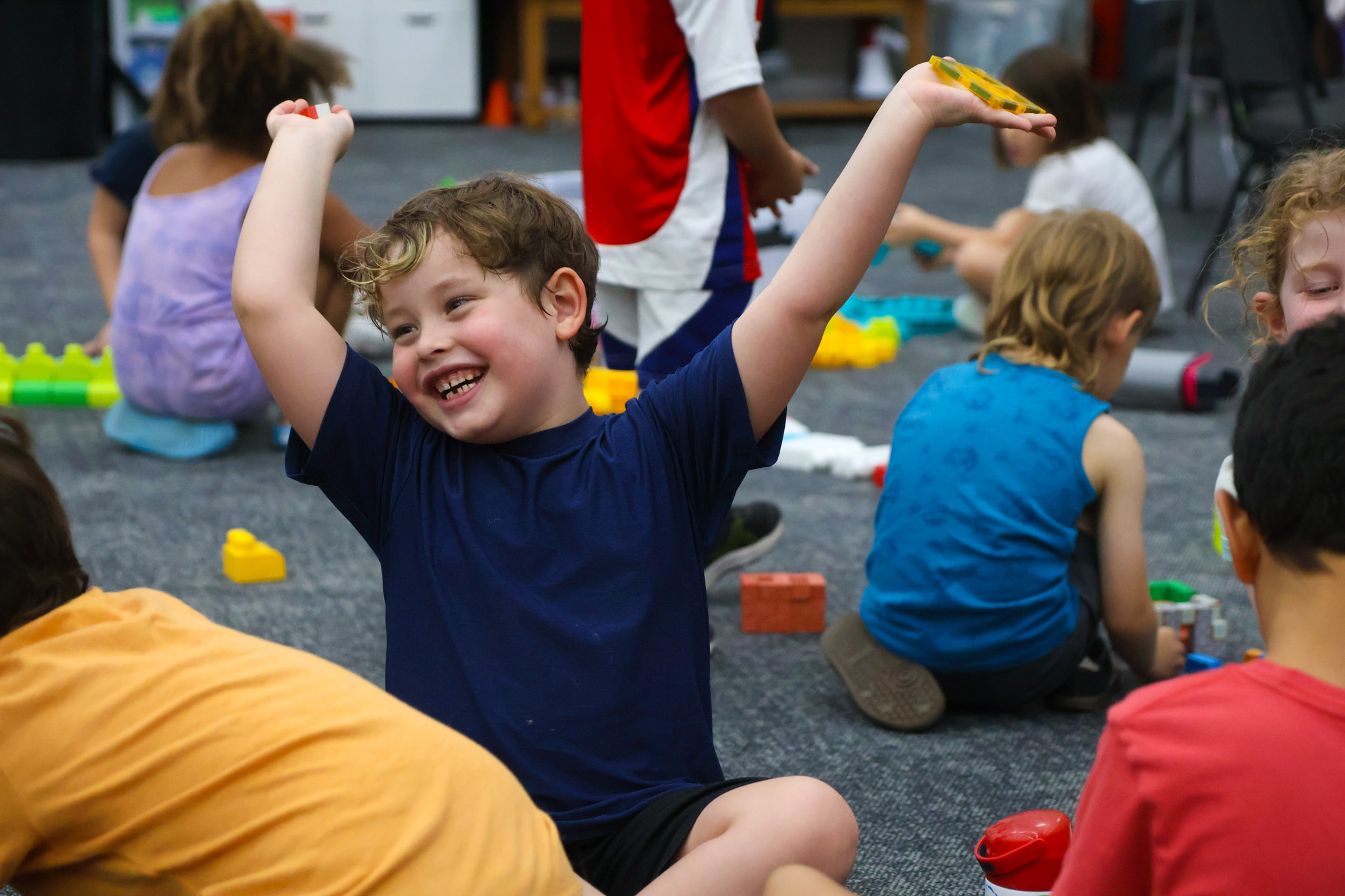
When school is out, the J is open! During most local school spring breaks, we have planned meaningful field trips along with fun activities around the J to keep kids moving, learning, and playing.
Spring break School Days Out schedule 2026:
Schools Days Out runs from 8am-4pm for guests and 8am-6pm for JCare participants.
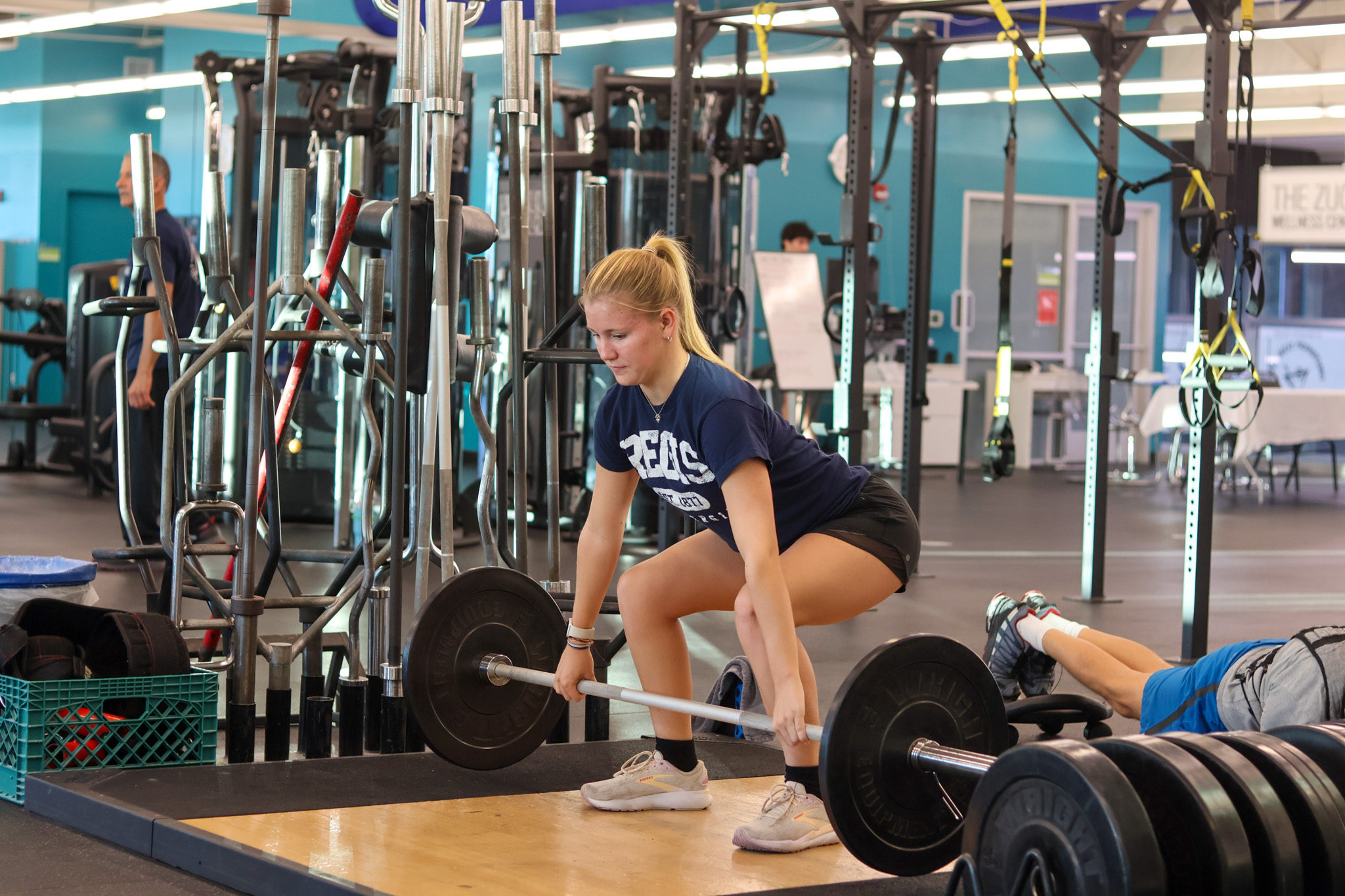
While the kids are having fun at School Days Out, enjoy time to yourself at the J. Stop by the Fitness Center for a workout, learn something new in an art or language class, or sit in the sauna and relax.
Not sure where to start? Our knowledgeable staff at the Welcome or Wellness Desks are happy to assist you in finding the perfect program for your interests and schedule.
And if your kids aren’t attending School Days Out, our JPlay babysitting program makes it easy for you to get in a couple of hours of alone time. For up to two hours a day, kids 3 months through 10 years old can enjoy games, crafts, and visits around the J with our welcoming JPlay staff — check out the JPlay schedule here.
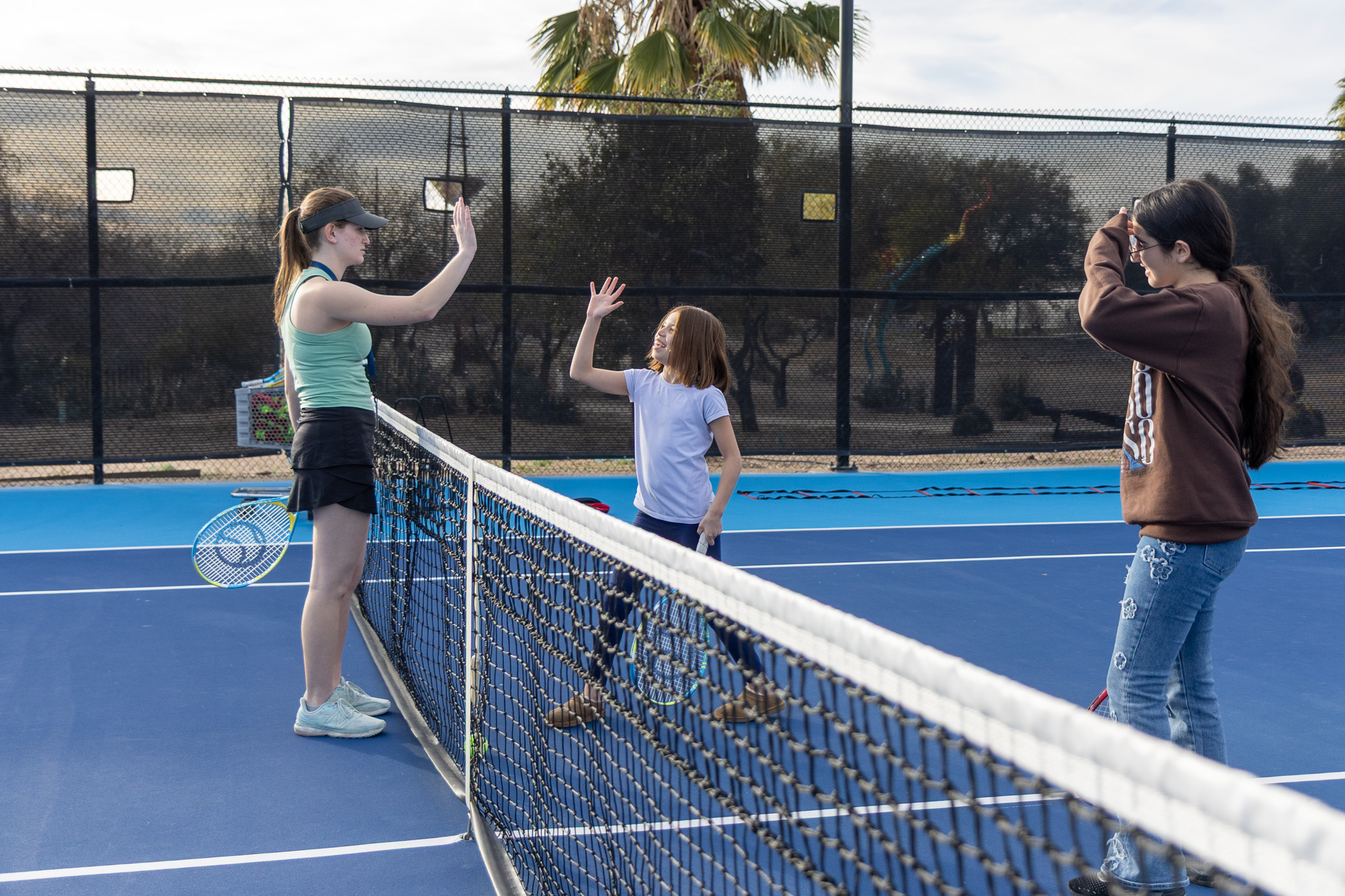
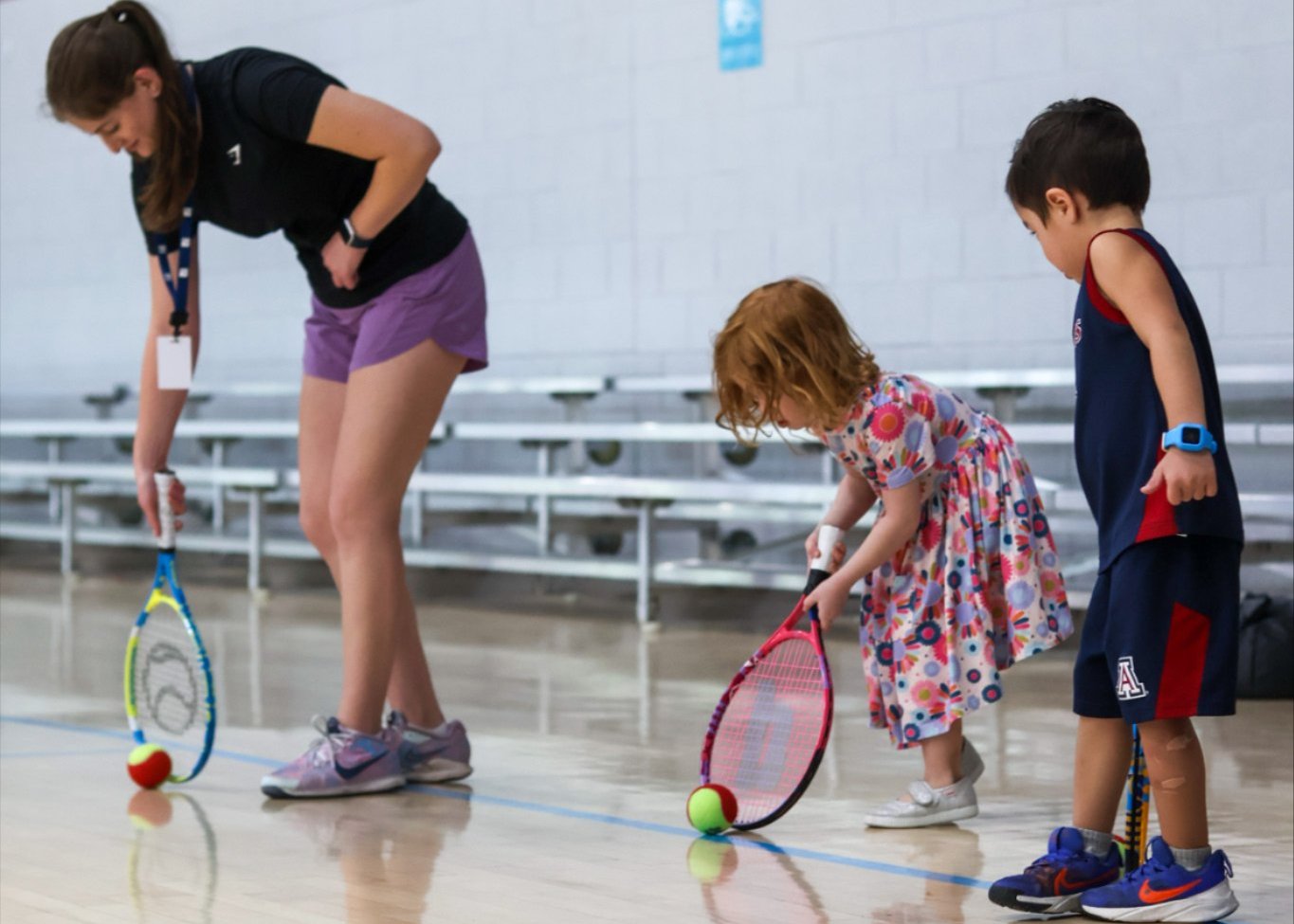
Our sports + rec department has a full lineup of options for every athlete over spring break. Just a few options include:
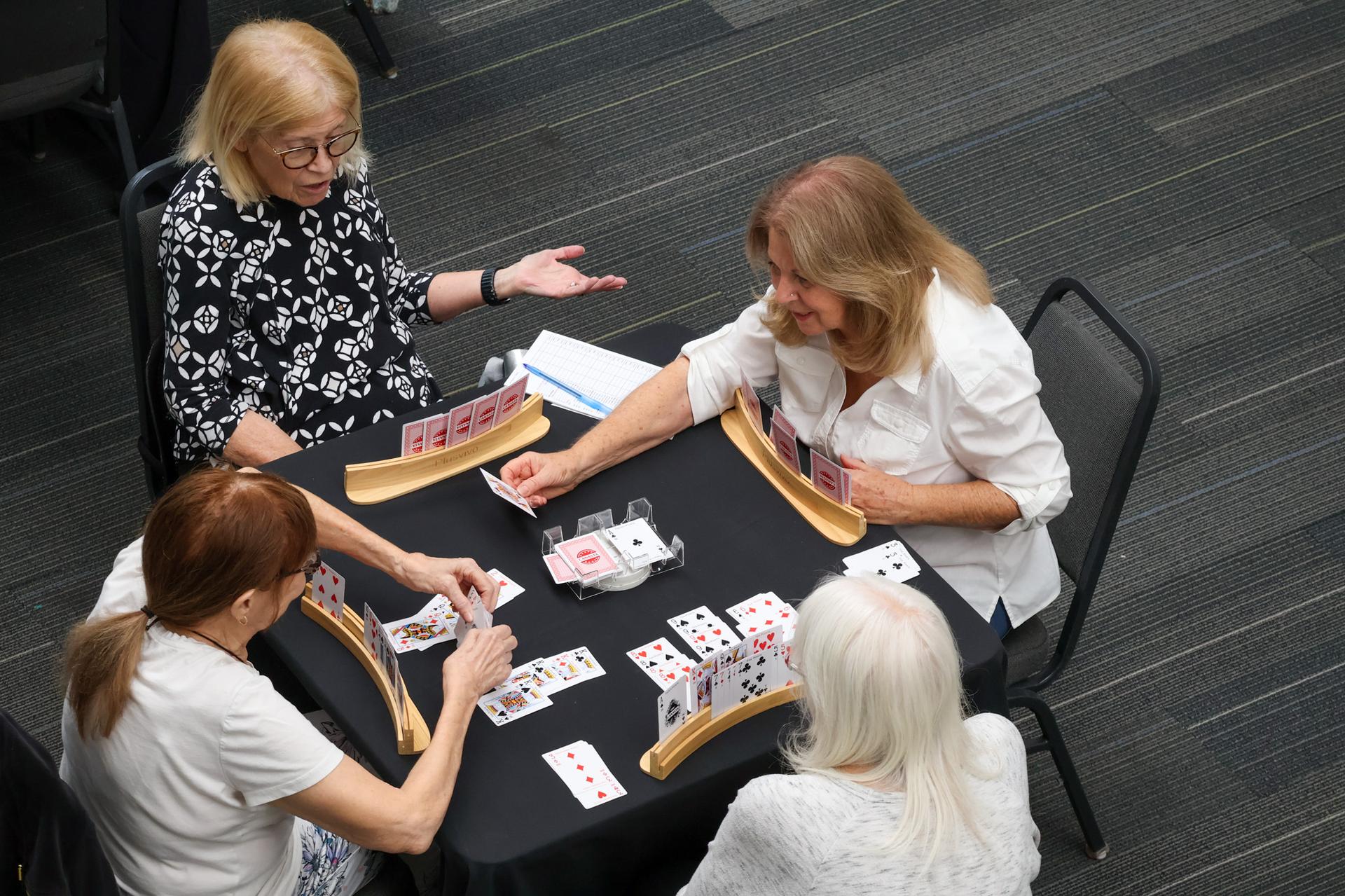
The J is designed to be intergenerational, making it easier for people of all ages to make meaningful memories together. Over spring break, bring the entire family— grandparents included — to enjoy time together at the J!
Here are just a few ideas to get started:
Whether for the entire week or just an afternoon, make the J a part of your spring break, your hub for boredom-busting and memory-making!
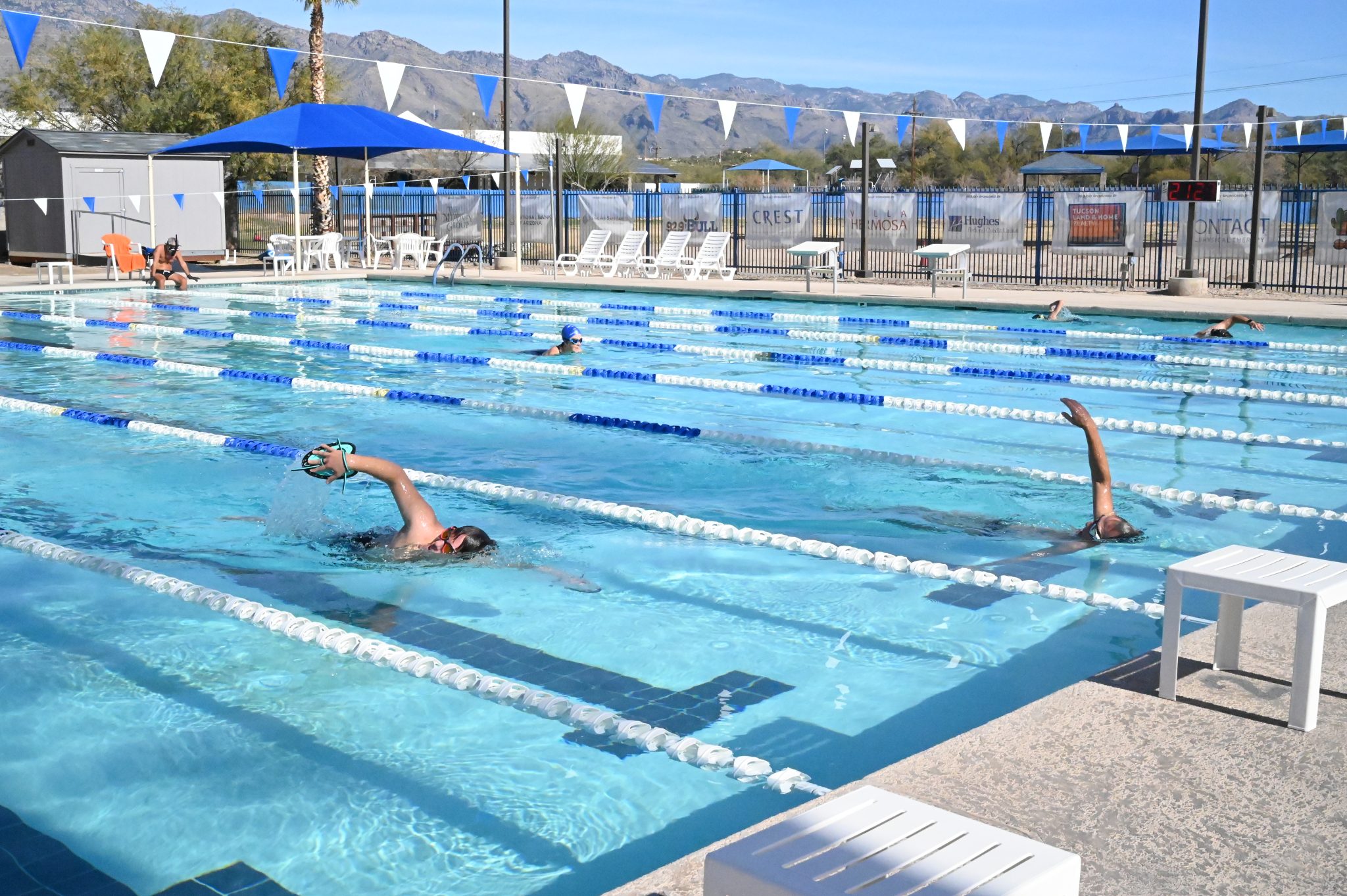
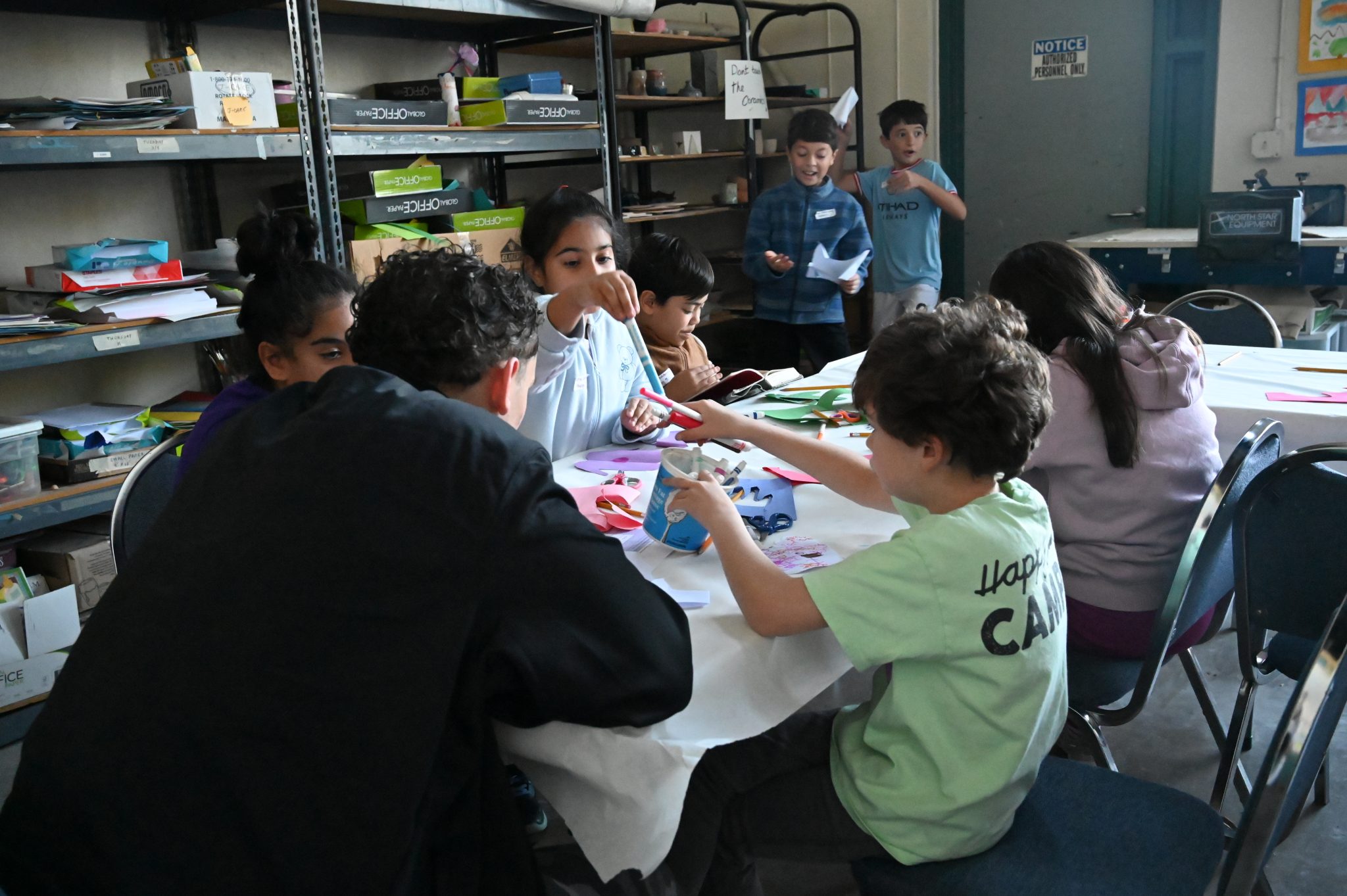


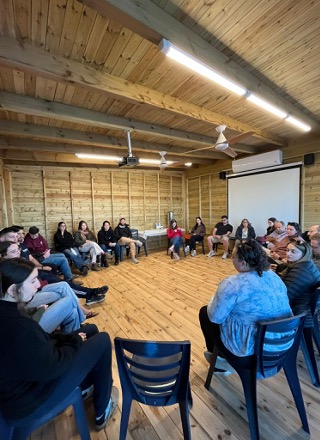
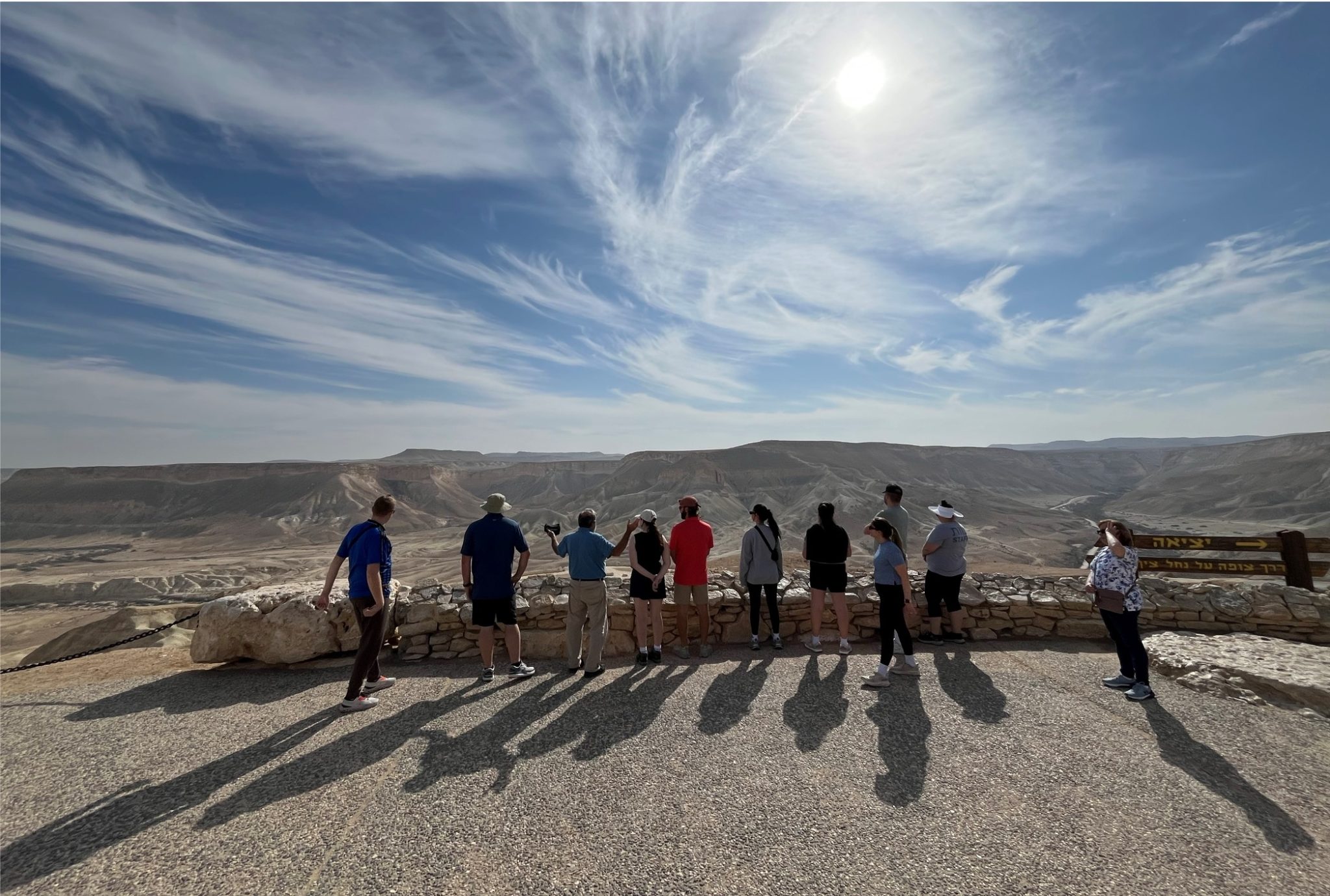
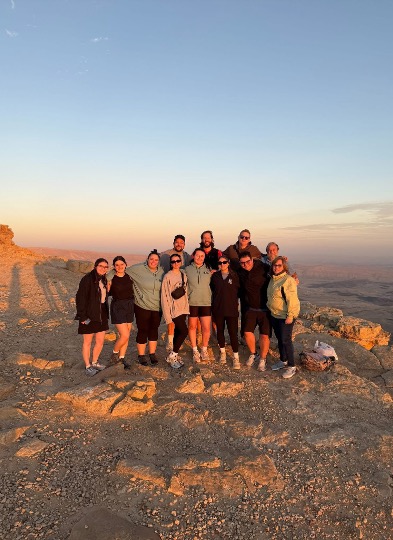
In January, Davis Hubbell, the Tucson J director of teen engagement, spent several weeks in Israel attending a seminar as part of the Merrin Teen Professional Fellowship, a program through JCC Association of North America. Designed for JCC staff who work with teenagers, fellows build leadership skills, strengthen their professional networks, grow their Jewish knowledge, and learn more about engaging with and supporting teens.
Our trip began in Tel Aviv, the starting point of modern-day Israel, which felt deeply inspirational. A city built on the motto, “make your dreams a reality,” it’s a credo I do my best to live by. Seeing the photo of the original pioneers standing on a sand hill, with the backdrop of what is now a sprawling city filled with skyscrapers and public transit, was an incredible launching point for the journey.
We visited some of the first schools in Israel and learned the story of how one of Israel’s earliest standout writers came to find his name, Eliezer Ben-Yehuda, originally Eliezer Yitzhak Perelman, and in doing so helped shape the birth of modern Hebrew. It set an intention in my heart: the world is always ripe for innovation, and it truly is what you make of it.
On the graffiti tour, we began to dive into the soul of Israelis and what it looks like to move through life during war, navigating the time of the hostages and the mixed bag of opinions and storylines that exist in Israel. From there, we got into the nitty–gritty geopolitics and the formation of this young democracy. Guided by our speaker Joe Perlov, we participated in a map exercise exploring neighboring countries and when they gained independence. The exercise was called the “Changing Map of Israel,” and it’s a program I plan to do with our Tucson teens.
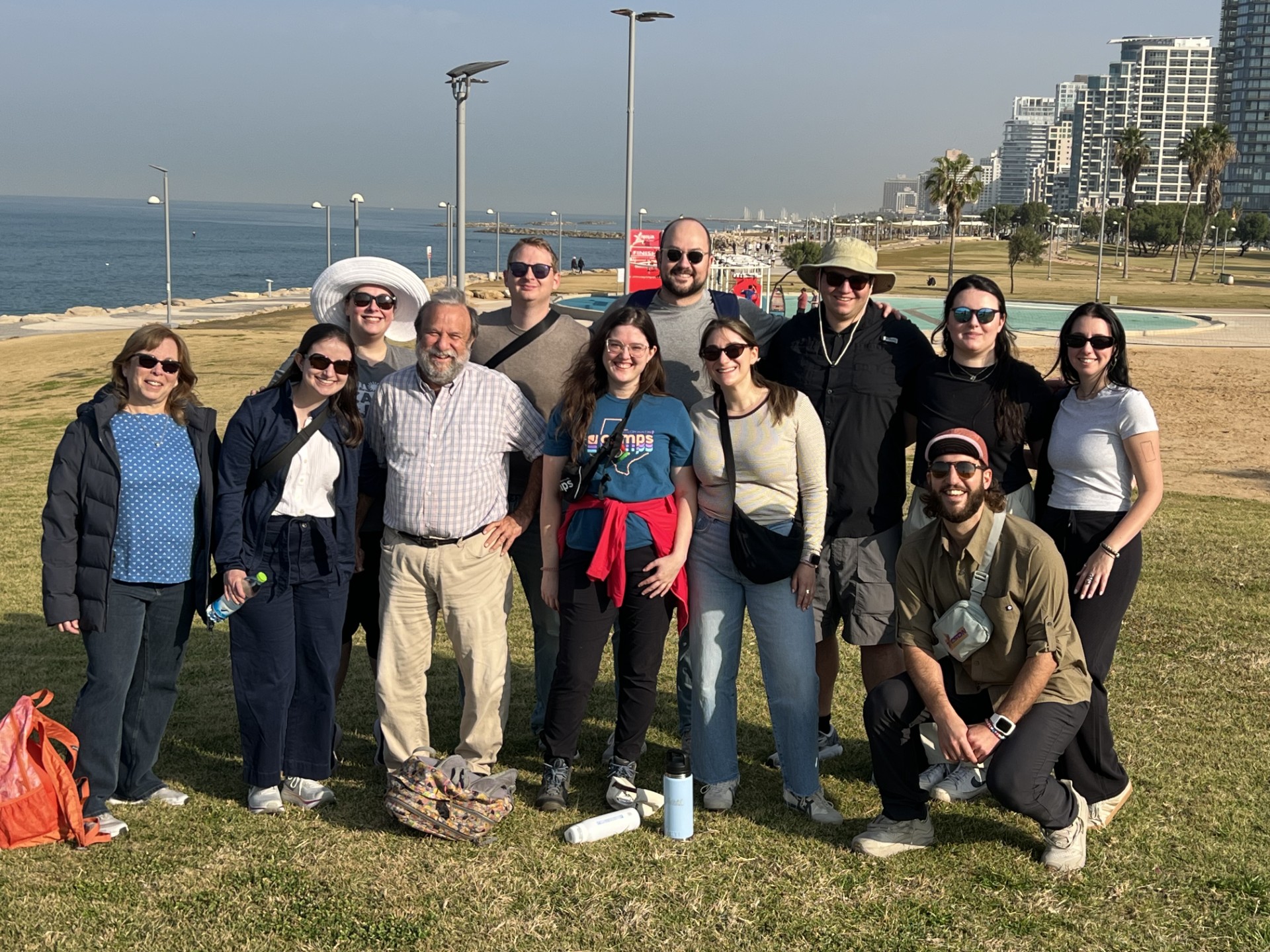
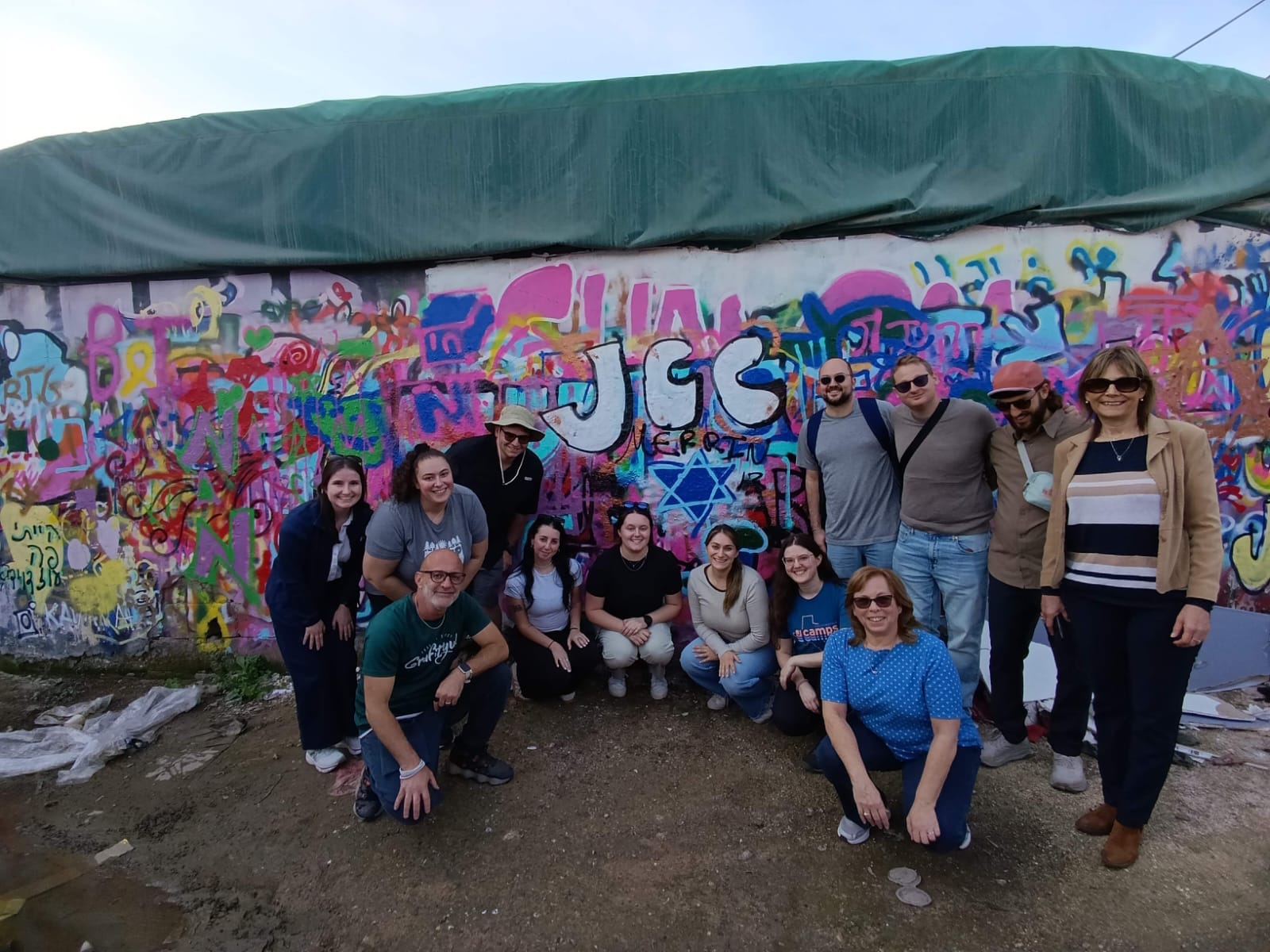
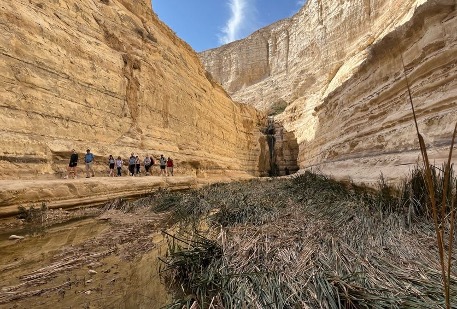
The following day, we returned to our roots with a walk in the desert before visiting Ben-Gurion’s grave. The trip created a deeply personal connection for me to Ben Gurion. Ben Gurion has always been a name that looms large as someone you know is important, but learning about his early failures and the journey that led him to become Israel’s first Prime Minister made him feel like a friend, someone I genuinely know in my heart.
The day also included a visit to the Ramat HaNegev Research and Development Center, which felt particularly like home for me, coming from Tucson. The kind of innovative agricultural research being done in Israel draws strong parallels to the research happening in Arizona. There was even a Tucson pioneer recognized for his time in Ramat HaNegev, Sol Resnick, a University of Arizona professor in the Department of Hydrology and Water Resources.

From there, we visited Shanti House, a place that continued to inspire and reaffirm what the best of any society is capable of: caring for young people who are truly in need. I can’t say enough great things about Shanti House, and meeting the staff member who showed us the facility truly filled my cup. The visit left me with a deep sense of pride around youth engagement and the impact that I can have on young lives.
The next day, we headed to Nova, the site of an October 7 attack— the worst pogrom since the Holocaust and a horrific event that has left a lasting mark on Israeli society and the Jewish experience worldwide. There are no words to adequately describe the devastation or the loss of life among one of the most beautiful, vibrant groups of people I have ever borne witness to. Seeing the vehicles stacked in piles was staggering. It was hard to wrap my mind around the sheer scale of the destruction. How could this have been done in so little time? What kind of monsters could do this, and how many did it take?
We then went to Sderot, a town also deeply woven into the events of October 7, where a police station had been overtaken and ultimately brought to the ground. There we met Liron, who, after a day filled with devastation, overflowed with hope and a true belief in a path forward toward a better future. Liron has a mission of returning young adults to the kibbutzim in the Gaza envelope through the Turainu (Our Turn) project.
We returned to Tel Aviv, embraced by the warm, vibrant culture of the city, and shared a dinner focused on how JCCs around the world can unite in bringing light to one another and to our communities. The next day, we visited ANU Museum of the Jewish People, a place that truly anyone, Jewish or not, should experience. It’s less of a museum and more of a celebration of Jewish Peoplehood, and the visit brought clarity and perspective to our collective memory and left me feeling inspired and full of pride.
From ANU, we met with Vera, an Israeli Palestinian Christian who broadened my perspective through a viewpoint I was less familiar with. Her story highlighted the deep complexities and conflicts of this land, while also offering hope, reinforcing the idea that people on opposite sides can seek peace and prosperity without it meaning the other must lose or die.
That evening, as Shabbat approached, we began to wind down and shift the pace. It was time to breathe, to take in the weight of the previous days, and to celebrate Shabbat. We sang songs on the beach and settled into the evening together. The following day, I was lucky enough to attend Shabbat services with our guide, gaining new insight into the size and scope of Conservative and Reform Judaism in Israel. We wrapped up Shabbat by learning about the diverse landscapes of each other’s JCCs and held a Havdalah led by a respected leader in the field— one of many professionals we met who felt like they were passing a torch to us.
We were incredibly fortunate to have a tour educator with a powerful personal story living on a kibbutz, finding love, moving on in a healthy and grounded way, and eventually finding his path to Tel Aviv and to guiding groups like ours. His insights into kibbutz life and the path a young American might take in moving to Israel were eye-opening.
The next day, we began to leave Tel Aviv, first making a meaningful stop at Save a Child’s Heart. The organization is making an unmistakable difference in countless lives and, in doing so, serves as a powerful representation of Israel and Jewish values rooted in compassion. One small but poignant detail stood out: seeing the name of a Palestinian doctor from the West Bank written on the board of pediatric trainees.
As we made our way toward Jerusalem, the landscape began to change, climbing in elevation, trees filling the canyons, yet for much of the drive, Tel Aviv was still visible in the distance, a reminder of how small Israel truly is. We stopped at a colleague’s home in the hills outside Jerusalem, an area I hadn’t experienced before that gave off strong California-hills vibes and felt like a beautiful place to live. We arrived at our hotel later that evening and checked in.
The next morning brought an unexpected and powerful opportunity: a visit to the Temple Mount. Many of us never imagined we would be able to go, but our guide identified a brief window, and we took it. Standing in a place sacred to three religions— the Temple Mount for Jews, the Golden Gate for Christians, and Al-Aqsa Mosque and the Dome of the Rock for Muslims— it felt surreal. It is a place that feels enormous in conversation, yet surprisingly approachable when walking in its courtyards.
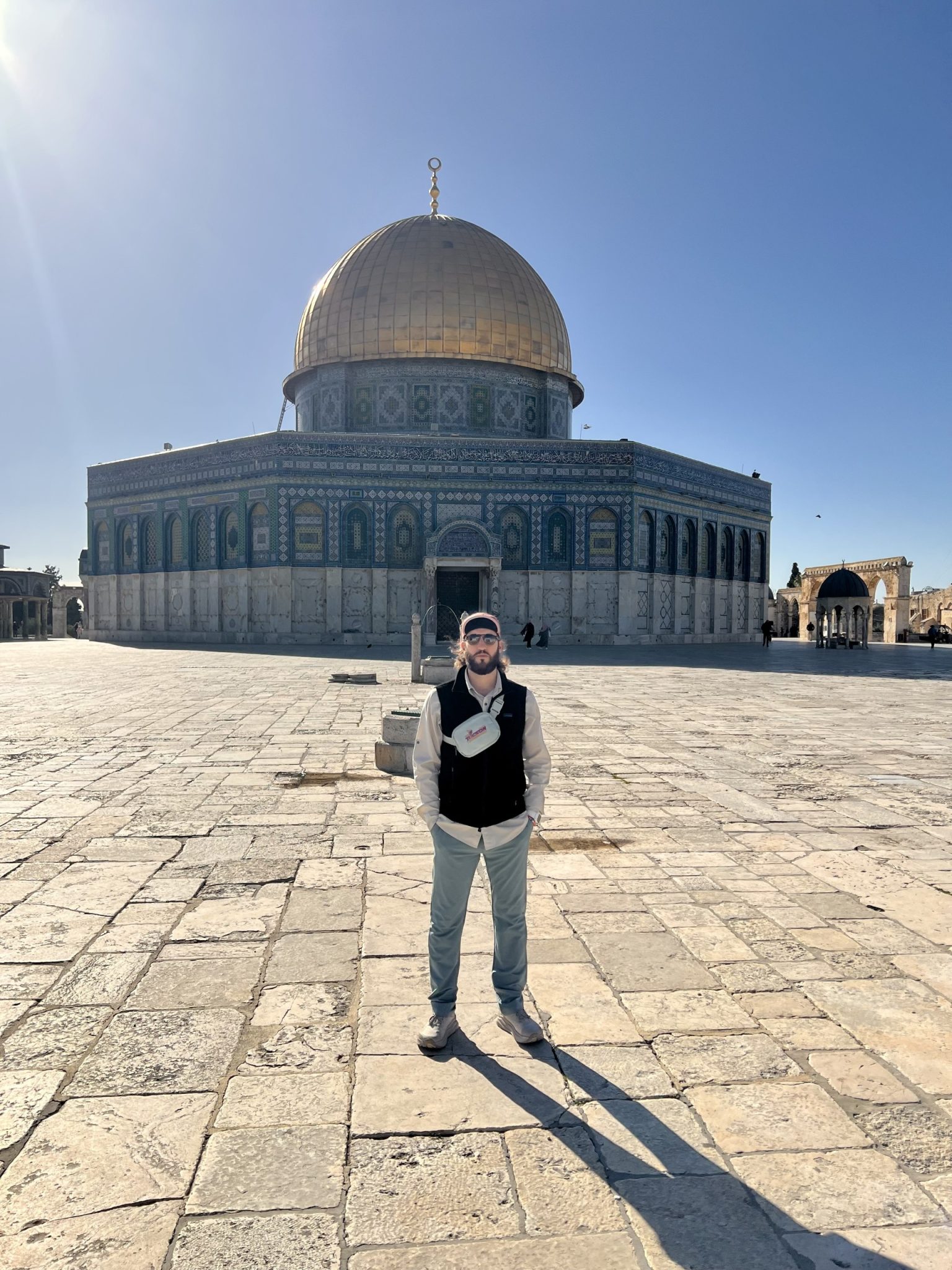
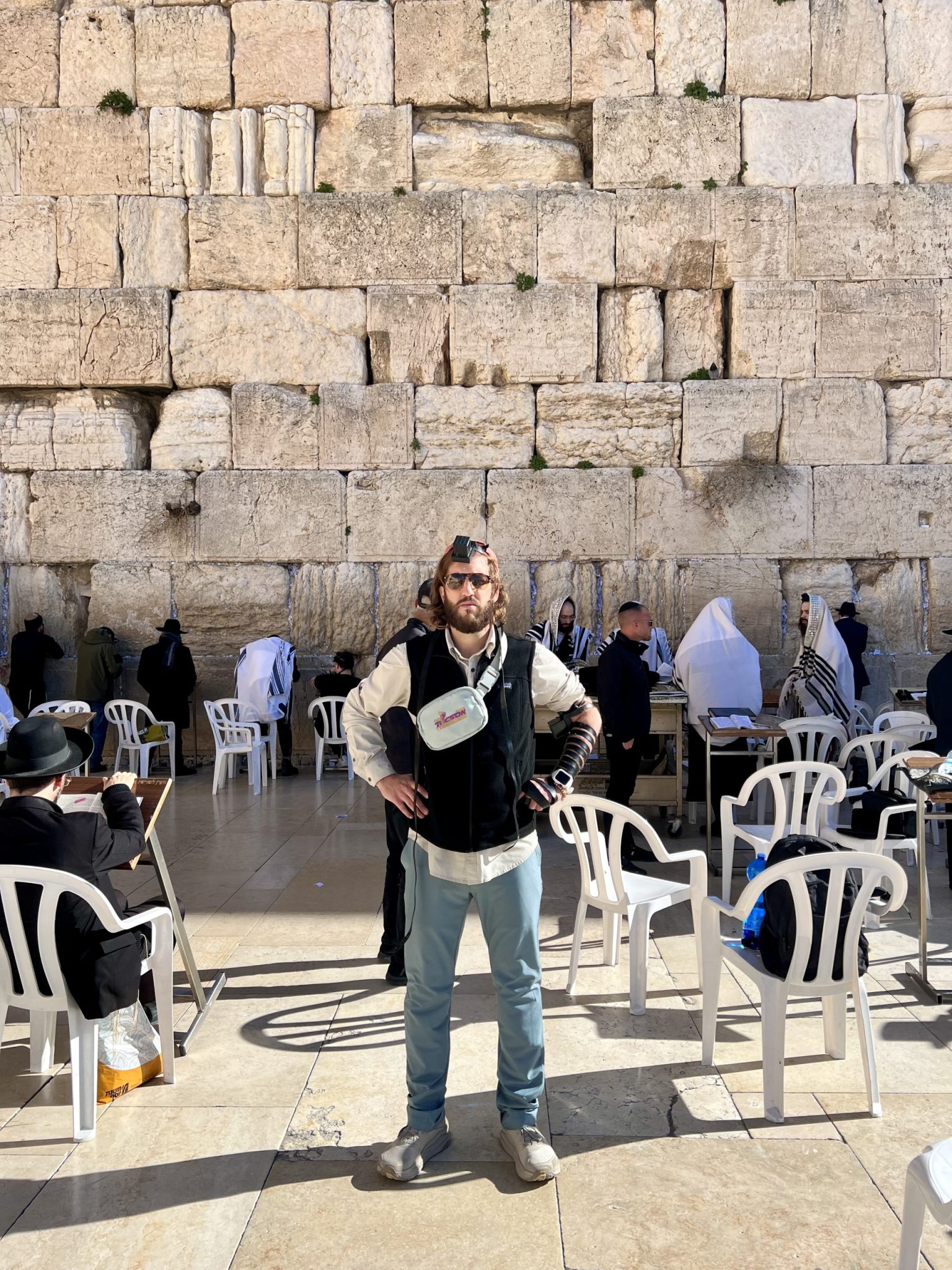
From there, we made our way to the Kotel via a path I had never taken before, one that felt reminiscent of how people might have traveled from the Temple through backroads and tunnels into the Old City. At the Wall, we each took time for personal prayer, writing notes and sitting with our thoughts. While the main plaza was packed, I was struck by how quiet and powerful the surrounding ruins felt, broken pillars from the original Temple and lesser-visited sections of the Western Wall were also so meaningful.
After visiting the Church of the Holy Sepulcher and tracing the layered timelines of Jerusalem, we transitioned to the ultra-modern National Library of Israel. The contrast was striking— a state-of-the-art facility housing ancient texts, paired with an impressive, automated sorting system. We sat with education directors from the library, shared experiences, and gained access to the wealth of resources they offer online, shifting from simply taking things in to doing the work in real time.
That evening, we participated in a cooking workshop mastering Israeli salad, making pita bread from scratch, and preparing a traditional chicken and rice dish called Maqluba that is flipped as part of the process. Bonding with our cohort throughout the trip was deeply meaningful, and this moment stood out as one of many where it simply felt good to be part of the group.
The following day took us through the West Bank toward the Jordan River, to the site traditionally believed to be where Jesus was baptized. Over these days, we learned a great deal about Jesus, which felt fitting given that he is such a prominent and famous Jew. Approaching the river involved passing through minefields, and at the water itself, we stood directly across from the Jordanian side, able to wave to guards and exchange warm greetings, another surreal reminder of how complex and interconnected this region is.
We continued to a winery in the West Bank, enjoying both the wine and a deep conversation around the three non-negotiables often discussed when talking about the region’s future: Jewish identity, democracy, and safety. The conversation underscored how difficult it is to find solutions that honor all three simultaneously, even when the desire for resolution feels strong.
From there, we went to an incredible, meat-focused restaurant where we began with a drum and instrument circle. Once again, the diversity and openness of our cohort added immeasurable value to the experience. The family-style meal that followed did not disappoint, and the family-style format had become a staple of the trip.
The next morning began with a session led by a Holocaust scholar, setting the tone for our visit to Yad Vashem. During a warm-up exercise, I had the opportunity to create a character who had survived the Holocaust and was now sitting in a displaced persons camp, deciding where to go next. I was given the outline of a metropolitan, less-religious Jewish attorney, while the other side in the discussion was Matan, who played a more traditional Orthodox character. The exercise revealed deep insights into identity, values, and how Jewish people at the time viewed their own victimhood and responsibility around the Holocaust. It taught me things about myself I hadn’t fully articulated before, and things about Jewish people I had not previously grasped.
Yad Vashem is a place that should never have to exist. It is gut-wrenching. Sitting in front of the Nazi racial laws defining who was considered Jewish, I couldn’t stop thinking about my three nieces and my nephew, children who currently have little connection to their Jewish heritage, yet under those laws would have been sentenced to death, along with their future children, based solely on having one Jewish grandparent.
After a long lunch to reset, we visited Krembo Wings, a youth movement focused on inclusion and leadership for youth with and without disabilities. As JCC professionals, this felt like familiar ground, and connecting with the teen leaders and participants was both heartwarming and inspiring. Amid war and chaos, here was an organization devoted to uplifting those often overlooked.
On our final day, we visited a film school known for producing acclaimed work that captures many layers of Israeli society. It felt like the perfect way to end the trip, encouraging us to think about memory, storytelling, and how we might bring the essence of this journey back to our own communities.
I wanted to walk through the trip day by day, but even this still feels like a version that doesn’t fully encapsulate the smaller moments of learning and connection. I walked away from this experience feeling tremendously grateful for a profession that provides work I am deeply passionate about and colleagues I have come to cherish.
When I think about how to connect Israel to our local community and teens, it was both inspiring and refreshing to learn how deeply Israel is rooted in teenagers and young adults— the same age group that helped found the nation, and in a camp culture that so strongly resonates with the life and values of our JCCs. My goal moving forward is to bring back our shared sense of belonging through both Judaism and community, and to help convey the intrinsic connection I feel to Israel so that others in my community can feel some piece of that as well.
Graffiti Tour: עמוד הבית – English – גרפיטיול
Shanti House: The Shanti House- A warm home for youth at risk – בית השנטי
Anu Museum: ANU – Museum of the Jewish People in Tel Aviv
National Library of Israel: The National Library of Israel
Turainu (Our Turn) project: Young Adults Say It’s “Our Turn” to Support Israel’s Border Communities
Save A Childs Heart: Save A Child’s Heart: Improving Pediatric Cardiac Care
Krembo Wings: Home – Krembo Wings
Cooking Class: טעמים – english
Film School: Ma’aleh | School of Television, Film & Arts
Ramat HaNegev Desert R&D: R&D | Frontier RNG Innovation Center

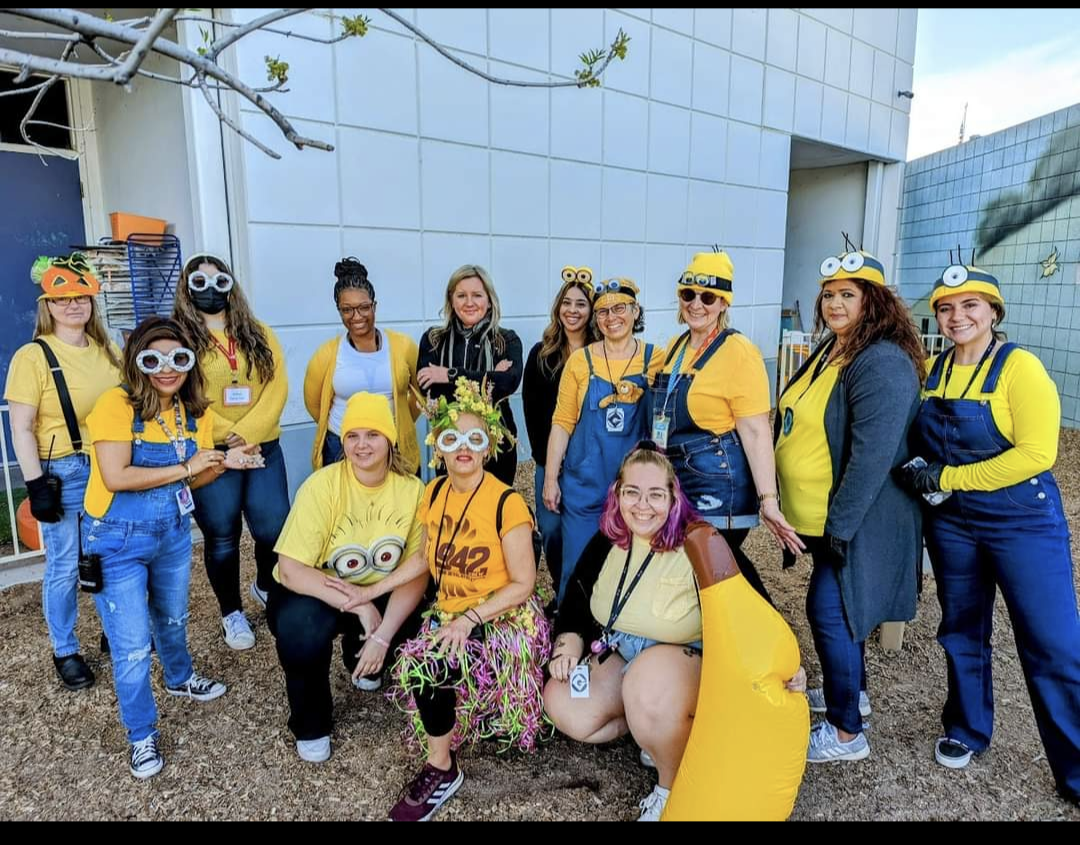
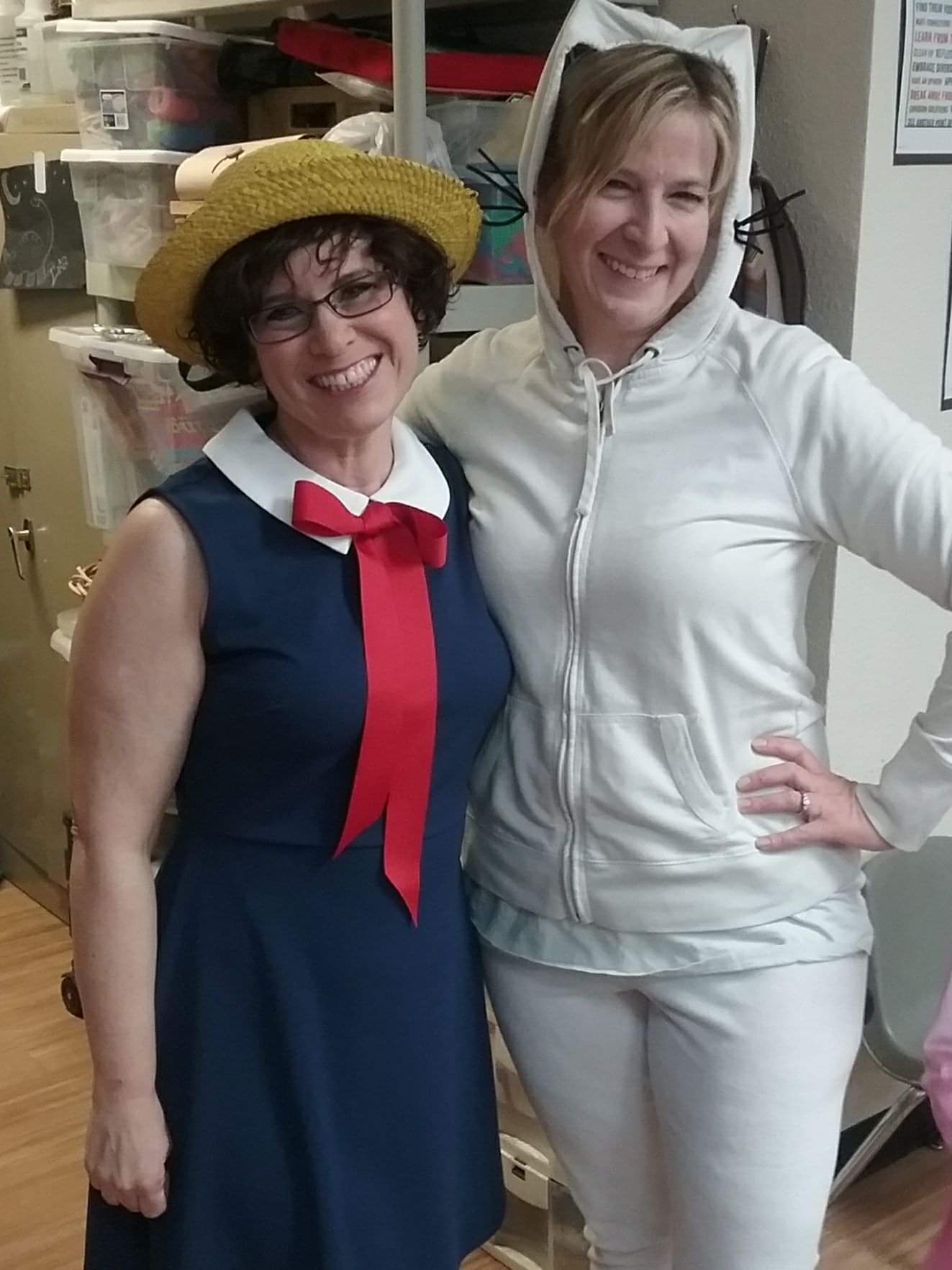
Every February, the Tucson J’s Early Childhood Education program celebrates Love of Reading Month— a time to celebrate stories, reflect on the joy they bring, and unite over a shared love of reading all while fostering important literacy skills that set a strong foundation for our preschoolers. (Bonus: the book character parade is extra adorable!).
PJ Library of Southern Arizona is all about community, books, and the people—especially kids—who love reading PJ Library stories together. PJ Library provides joyful, meaningful, and educational entertainment for children from birth through age 12, helping families build Jewish life through stories.
And the books are just the beginning. The national PJ Library website is filled with free, ever-growing resources for families everywhere, much like a physical library. You’ll find holiday guides, activity ideas, recipes, music, podcasts, and so much more, making Jewish family experiences accessible, creative, and fun.
In addition to books about Jewish holidays, values, and traditions, PJ Library offers stories for everyone. PJ books explore arts and culture, biographies, folktales, food, Hebrew, historical fiction, humor, Israel, life cycle moments, Sephardic stories, summer camp, and more.
One of the most beautiful parts of PJ Library is seeing yourself, your family, and your community in the pages. In honor of Love of Reading, we’re sharing some of our favorite PJ reads that reflect our families, honor our differences, and bring Jewish values to life—one book at a time:

Queen of the Hanukkah Dosas
Written by Pamela Ehrenberg
Illustrated by Anjan Sarkar
Sadie’s family has both Jewish and Indian background, so at Hanukkah they eat dosas, traditional Indian pancakes. But they get locked out just before their Hanukkah party! Who will save the day?

Rebecca’s Journey Home
Written by Brynn Olenberg Sugarman
Illustrated by Michelle Shapiro
Mr. and Mrs. Stein and their two sons eagerly adopt a baby girl from Vietnam into their Jewish home.

Antlers with Candles
Written by Chris Barash
Illustrated by Melissa Iwai
Everything looks new when seen from a child’s perspective, including menorahs, dreidels, and latkes. But family togetherness is something everyone understands.

Fridays Are Special
Written by Chris Barash
Illustrated by Melissa Iwai
For this child’s family, Fridays aren’t like other days. On Fridays, the hustle and bustle is a little different. Everyone seems to be getting ready for something special — something cozy and wonderful. What could it be?

Chicken Soup, Chicken Soup
Written by Pamela Mayer
Illustrated by Deborah Melmon
Lucky Sophie has two grandmas, Bubbe and Nai Nai, and they both love to cook. Each grandma has her own family recipe for chicken soup — and each soup is yummy! As Sophie learns more about these soups, she soon realizes they’re actually very similar, even though they’ve each got their own delicious flavor.

A Different Kind of Passover
Written by Linda Leopold Strauss
Illustrated by Jeremy Tugeau
Every year, Jessica looks forward to spending Passover with her Grandma and Grandpa — but this year, Grandpa is sick. Jessica is worried. How will the family make sure the holiday still feels special?

Until the Blueberries Grow
Written by Jennifer Wolf Kam
Illustrated by Sally Walker
Until the blueberries grow . . . until the grapes are ripe . . . until the snow falls . . . until the flowers bloom . . . Ben tries to convince his great-grandfather to stay in his house just a little longer as the two celebrate a yearly cycle of Jewish holidays together.

Tia Fortuna’s New Home
Written by Ruth Behar
Illustrated by Devon Holzwarth
Estrella’s Tía Fortuna loves her home in Miami, but it’s time for her to move to an assisted living community. Packing up her belongings is bittersweet, but it gives Tía Fortuna the opportunity to show her niece some of the various belongings from her Cuban Jewish background. This poetic story is a sweet representation of Sephardic culture – and of loving family bonds.

Cakes and Miracles
Written by Barbara Diamond Goldin
Illustrated by Jaime Zollars
Hershel’s blindness doesn’t keep him from living life. He helps his mother by doing chores, but wishes he could do even more for her. When an angel appears in Hershel’s dream and encourages him to make what he sees when he closes his eyes, the boy sneaks into the kitchen, transforming his mother’s cookie dough into beautiful hamantaschen (three-cornered fruit-filled cookies) that can be sold to raise money for the family at Purim.

Pavel and the Tree Army
Written by Heidi Smith Hyde
Illustrated by Elisa Vavouri
Pavel is a new American, and he’s excited to take part in making his adopted country beautiful — so he joins an army corps that’s dedicated to planting trees! Some of the people he works with are less welcoming than others, but Pavel learns that becoming a true American is a little like planting your roots in a new land.

Sign Language Shabbat
Written by Alisa Greenbacher & Jennifer Rosner
Illustrated by Shelley Rotner & David Hyde Costello
The children in this book sign words for things people do on Shabbat, such as eat challah, drink wine or grape juice, sing Shabbat songs, and (of course!) read books. Shabbat Shalom!

The Mitten String
Written by Jennifer Rosner
Illustrated by Kristina Swarner
Ruthie loves to knit — and to help people. When her family gives shelter to a deaf woman and her baby, Ruthie realizes there’s a way for her to do both at once!
*all book synopses from pjlibrary.org

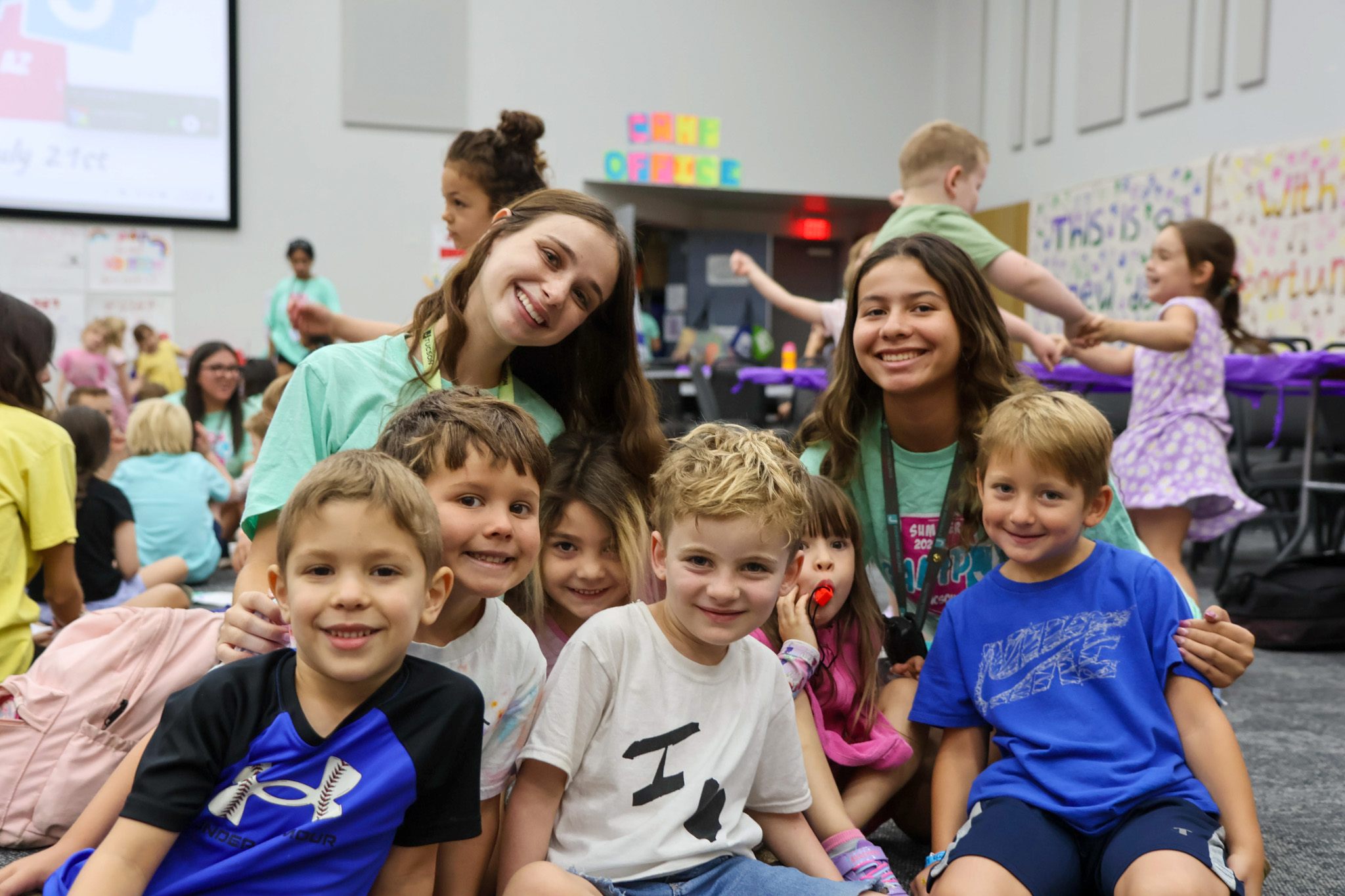
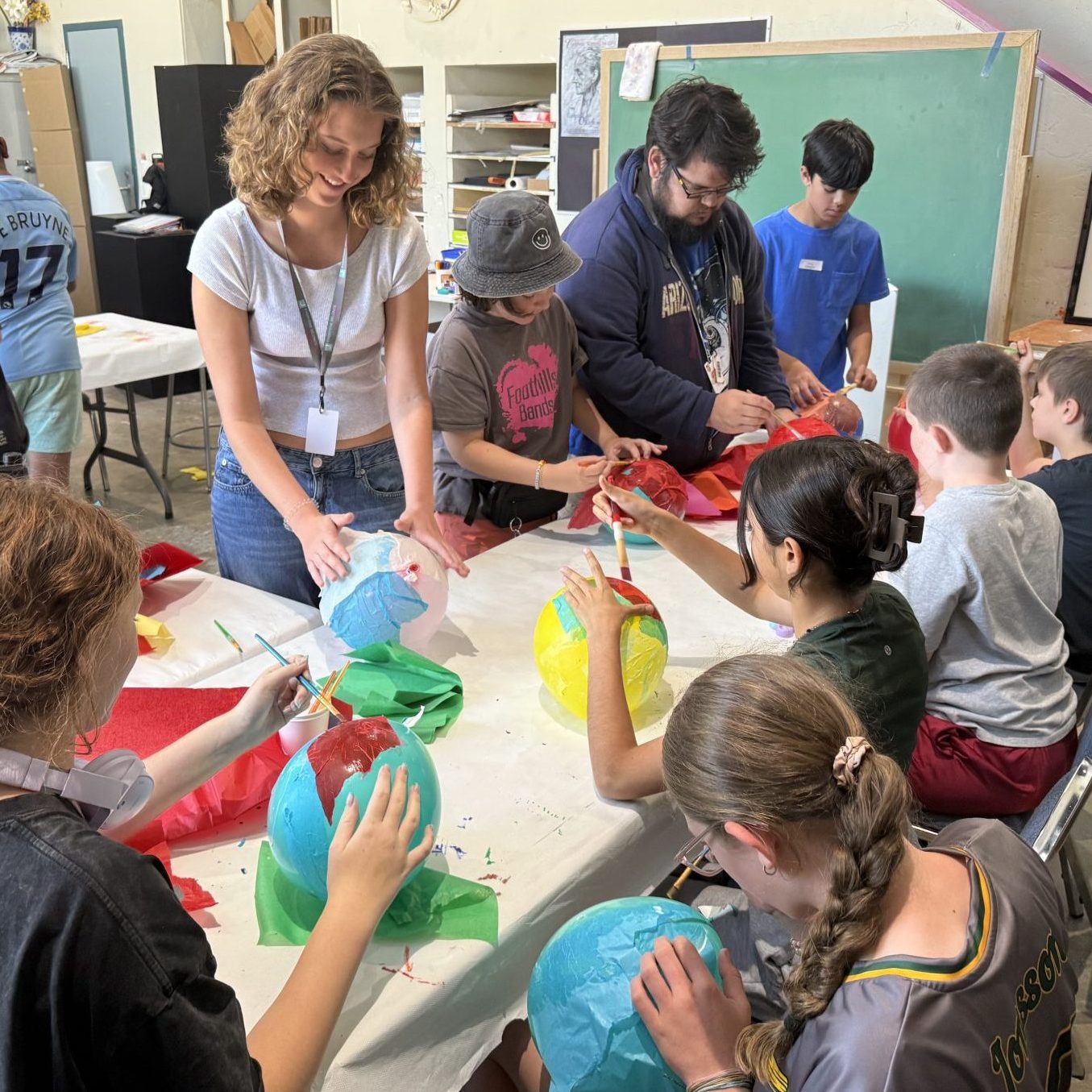
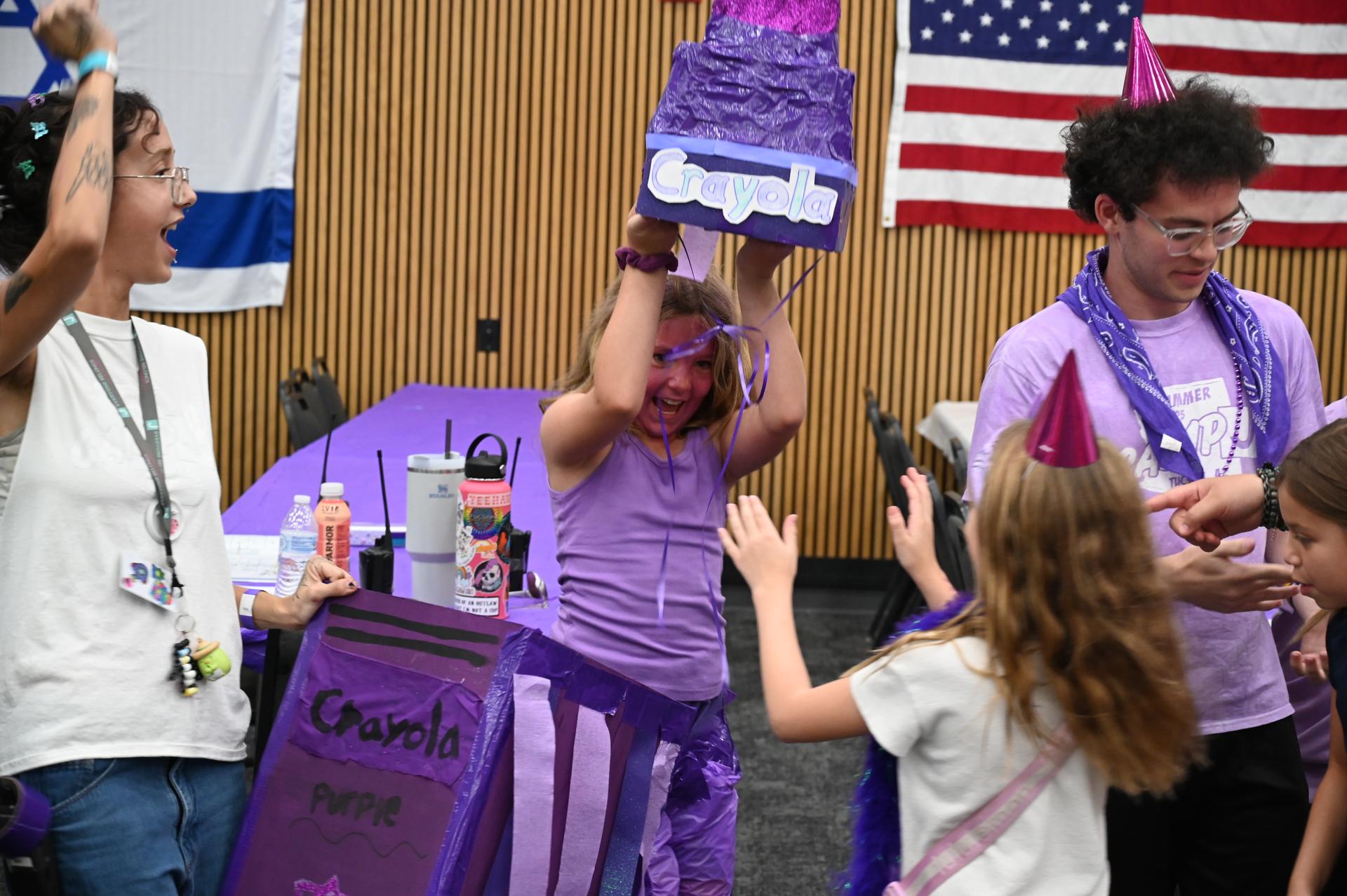
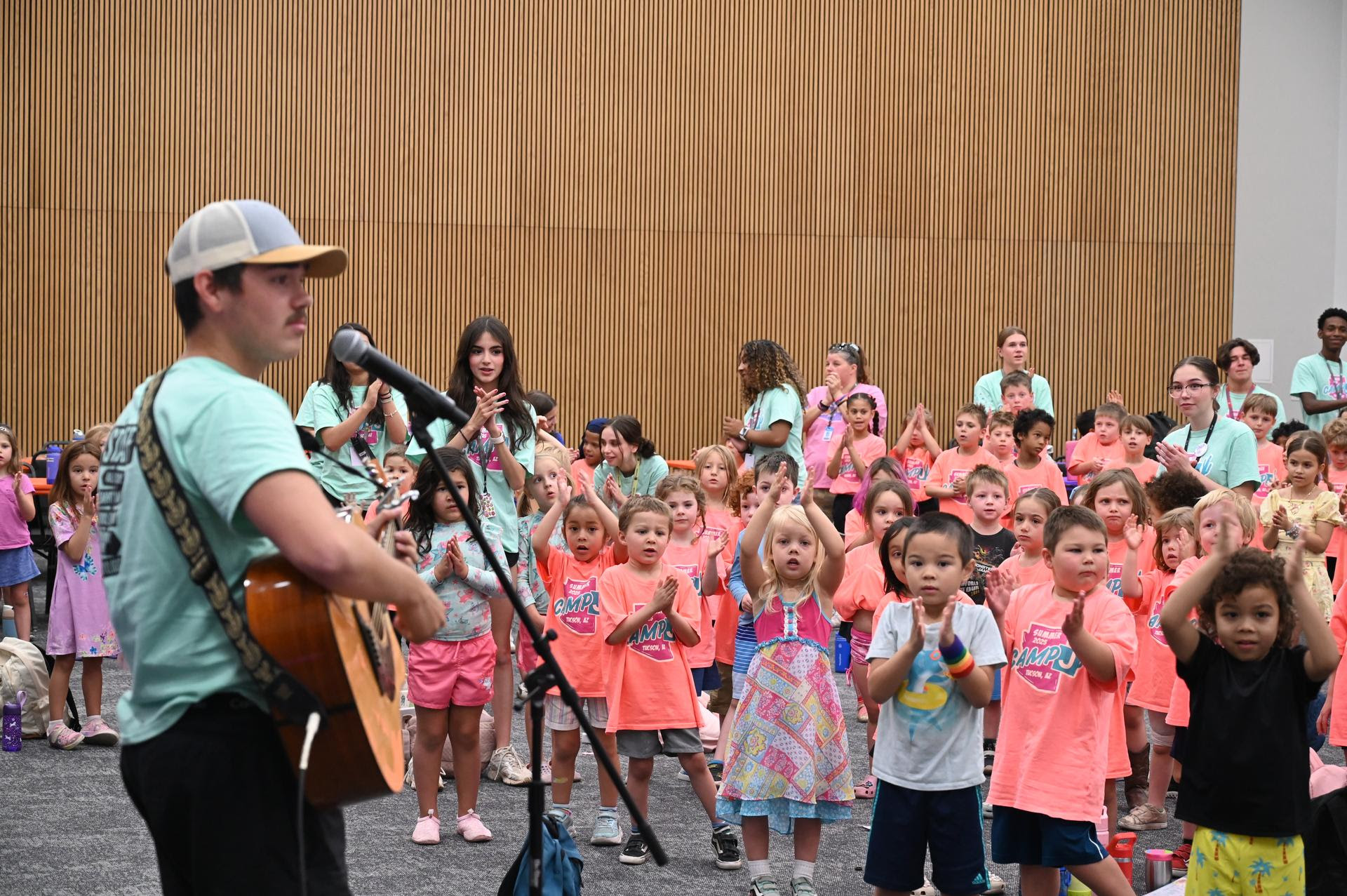
While winter has only just arrived, Tucson J staff are already busy preparing for summer, putting the final touches on what will be a magical summer at Camp J. From May to July, the Tucson J transforms to support hundreds of campers who spend the summer swimming, creating, playing, competing, and exploring.
This summer will be particularly special as we welcome a new Camp J leader— Cass Johnson, who has joined the Tucson J as the director of youth + camp.
Across every chapter of her career, from running high–energy summer camps at the YMCA and Girl Scouts of Southern Arizona, Cass’s passion lies in creating spaces where people can grow, connect, and shine — the same core values that make camp a magical and transformative space. Cass’s primary goal is to create micro-communities where kids and adults alike can feel supported, confident, and engaged. This combination of experience and drive equips Cass to lead programs, support teams, and deliver impactful, well–executed initiatives that reflect strong organizational values and a commitment to growth and excellence.
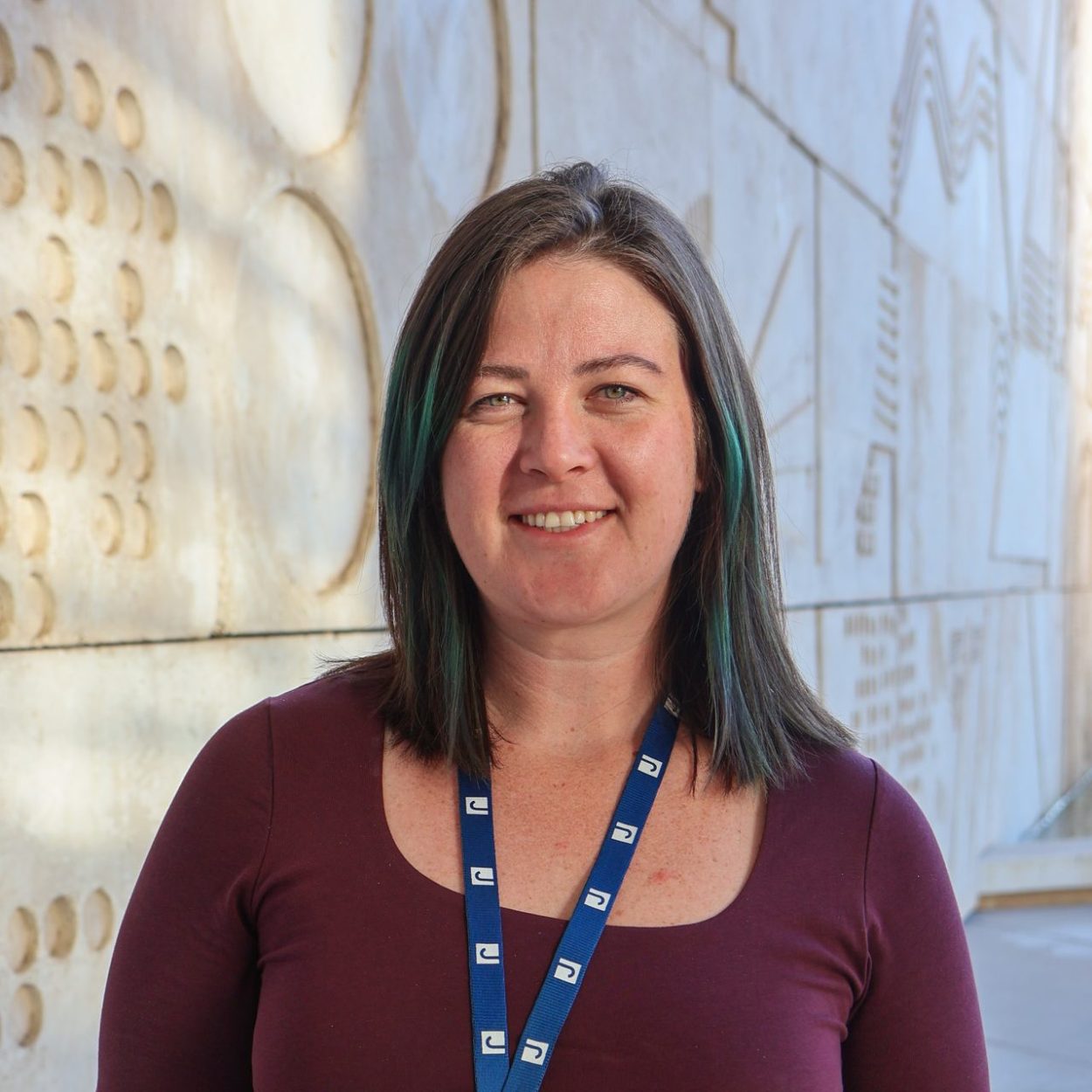
“Camp is a uniquely magical place where kids get to step outside their everyday routines and discover who they are,” said Cass. “It’s one of the few environments designed entirely for growth, joy, and connection. Friendships form in minutes, confidence builds through meaningful challenges, and every day is filled with moments that are memorable and big.”
“Camp gives kids space to try new things, take safe risks, and feel pride from realizing ‘I can do this.’ It’s exciting, transformative, and an experience that stays with them long after their journey.”
Camp J is designed to ensure that all children can succeed, feel comfortable trying new things, and become more confident by summer’s end — whether that be trying new food in cooking, learning a new stroke in the pool, or creating a beautiful piece of art.
“Kids spend a lot of time being told what to do, but camp gives them the freedom to play, explore, and learn who they are,” said Cass.
As one of the only American Camp Association-accredited camps in Tucson, Camp J adheres to the highest standards of safety, quality, and child-centered programming. The program is thoughtfully designed so that all campers can develop life skills, build confidence, and most importantly, have fun while doing so.
“Camp J is distinctive in that our staff is trained to facilitate not only activities but to foster a deep sense of belonging and joy,” said Cass. “Every week, we include character-building themes that help kids grow not just as campers, but as people. Everything we do is intentionally focused on encouraging kids to recognize the strengths they have built and to explore new possibilities.”
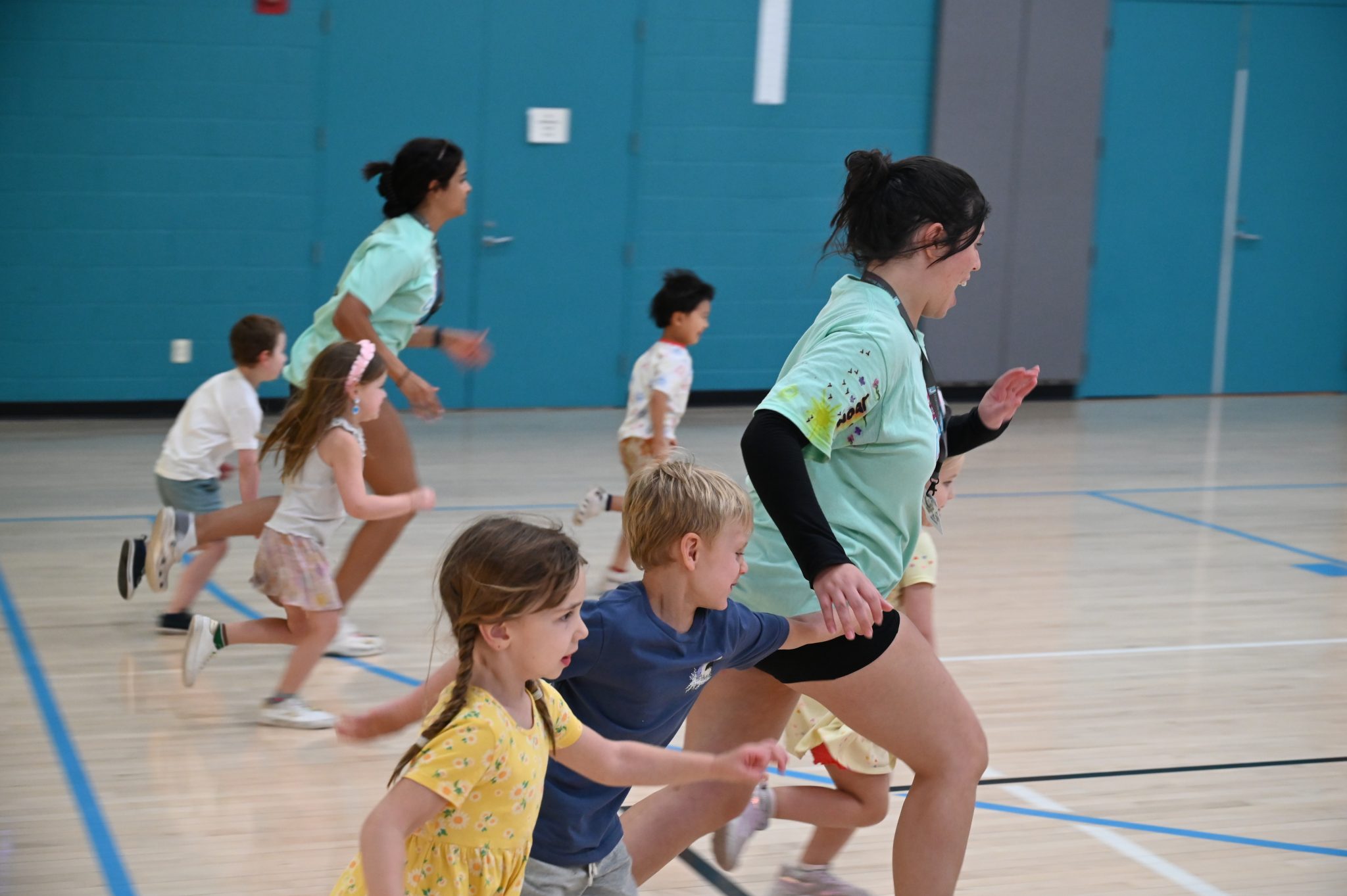
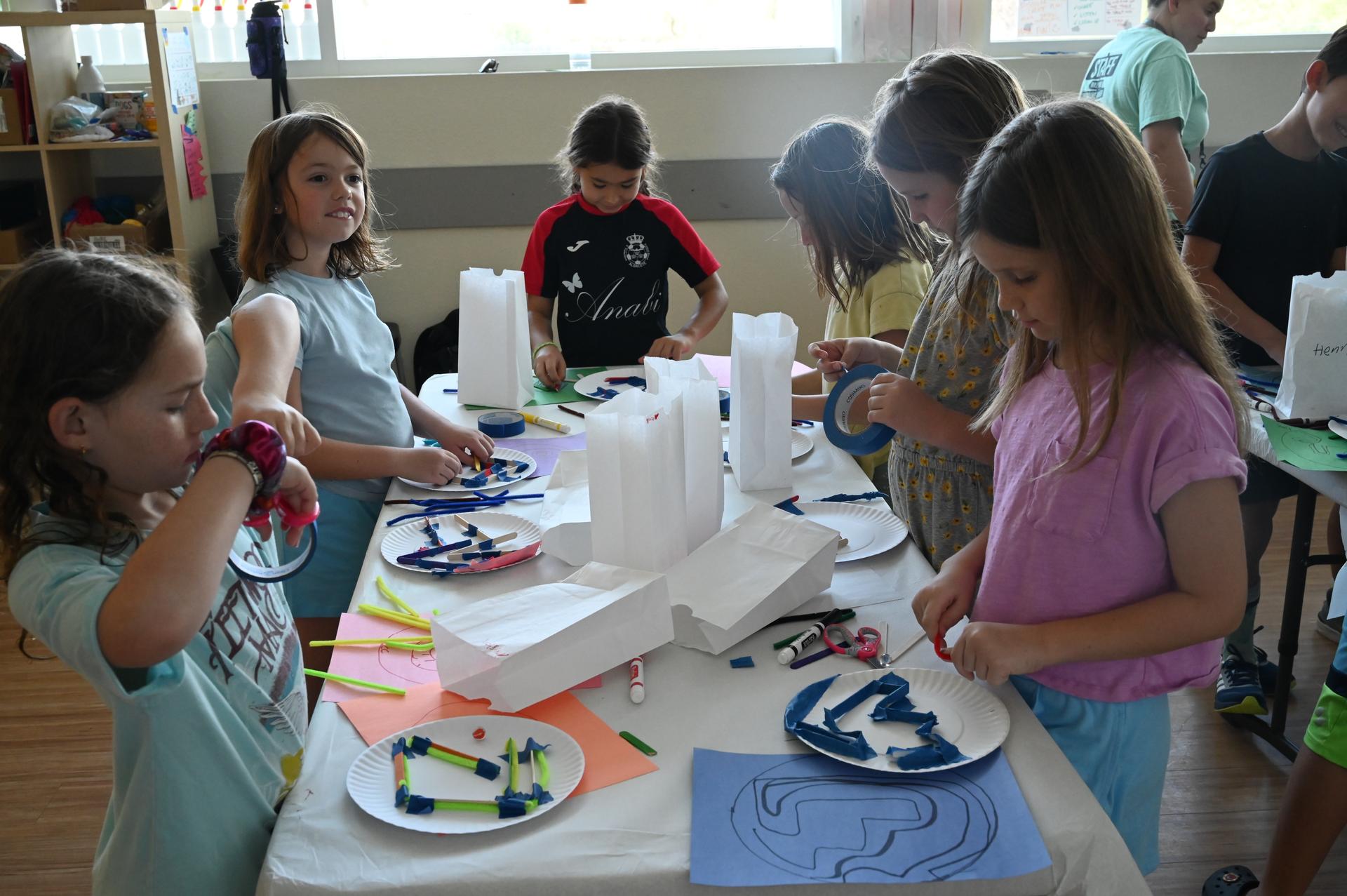
Campers are split into small groups based on age and spend the summer engaged in a variety of activities such as art, STEM, swimming, athletics, wilderness, cooking, and, for older campers, field trips around Tucson and Southern Arizona.
The program is open to rising kindergarteners through 9th and 10th graders who enjoy a leaders-in-training program to prepare them to be counselors. Families enjoy flexible schedule options with camp running 9am-4pm and optional before and after care from 7am-9am and 4pm-6pm.
Camp J also has access to the full amenities of the Tucson J — pool, splash pad, indoor play space, gymnasium, Fitness Center, sculpture garden, art studios, tennis courts, and outdoor areas — making each day dynamic and full of wonder.
“Camp J is deeply inclusive. It’s a place where every child is known, supported, and given the chance to grow,” said Cass.
Registration for 2026 Camp J opens on January 4 for new and existing Tucson J members, and on January 11 for all guests. Pick and choose which weeks your camper will be at Camp J or register for all 10 weeks!
Please contact Cass Johnson at cjohnson@tucsonjcc.org with any questions, and we look forward to seeing you next summer!

The Tucson J’s Early Childhood Education (ECE) program was recently named the 2025 Best of Tucson’s Best Daycare. Led by director Joline Riddle, assistant director Tiffany Mills-Horton, and a staff of incredible teachers, our ECE program offers year-round learning for children ages 6-weeks to pre-k.
It is no wonder that our program is consistently ranked among the best early childcare programs in Tucson! Keep reading to explore three reasons why our program goes beyond your typical daycare or preschool — and why so many families choose to make the Tucson J part of their lives.
How many preschools are led by soon-to-be Ph.D. graduates? Well… at least one! Our director, Joline, is pursuing a Ph.D. in education at the University of Arizona, and our assistant director, Tiffany, at Grand Canyon University. Their advanced academic work brings an exceptional depth of knowledge in child development, evidence-based practice, and early learning theory directly into our classrooms.
And it’s not just our leadership team who are childcare experts. Our ECE program is supported by a dedicated teaching group of early childhood professionals who bring a powerful combination of training, experience, and heart. Every classroom is led by teachers with specialized early childhood experience, many of whom hold degrees or certifications in Early Childhood Education, Child Development, or related fields.
Plus, our teachers participate in ongoing professional development, including workshops, specialized early childhood trainings, and national conferences to stay current on research, policy, and best practices in early childcare. This commitment to continued learning allows the children in our program to benefit from the most current, developmentally informed approach to early education and child development.
At the Tucson J, our curriculum is intentionally designed to nurture the whole child — socially, emotionally, physically, intellectually, and creatively. From infant to toddler and pre-k, our program is rooted in the Sheva Framework, a philosophy developed by the Jewish Community Center Association. Sheva, meaning “seven” in Hebrew, reflects our belief that each child is unique, capable, and full of potential.
Our play-based approach allows children to learn through exploration, creativity, and meaningful experiences. We make room for imagination and curiosity, build confidence through supportive relationships, and foster a genuine love of learning that children carry with them as they grow. We believe that “care” and “education” are inseparable, and we view each child as a feeling, thinking, and creative individual.
Children learn best when they are active participants in their own learning. Through play, inquiry, problem-solving, and discovery, children develop critical thinking skills, positive self-esteem, and a strong foundation for future academic success. Our teachers act as facilitators—thoughtfully structuring environments, guiding experiences, and supporting each child’s individual rate and pattern of growth.
As part of the Sheva Learning Community, we integrate seven core elements and Jewish values into our daily experiences, emphasizing wonder, inquiry, responsibility, compassion, and community. These values help children see themselves as capable learners and caring members of the world around them.
While our ECE program has all the typical amenities of a high-quality preschool— a playground, spacious classrooms, shared learning spaces, and an art studio — it also offers something truly special: access to the full Tucson J campus!
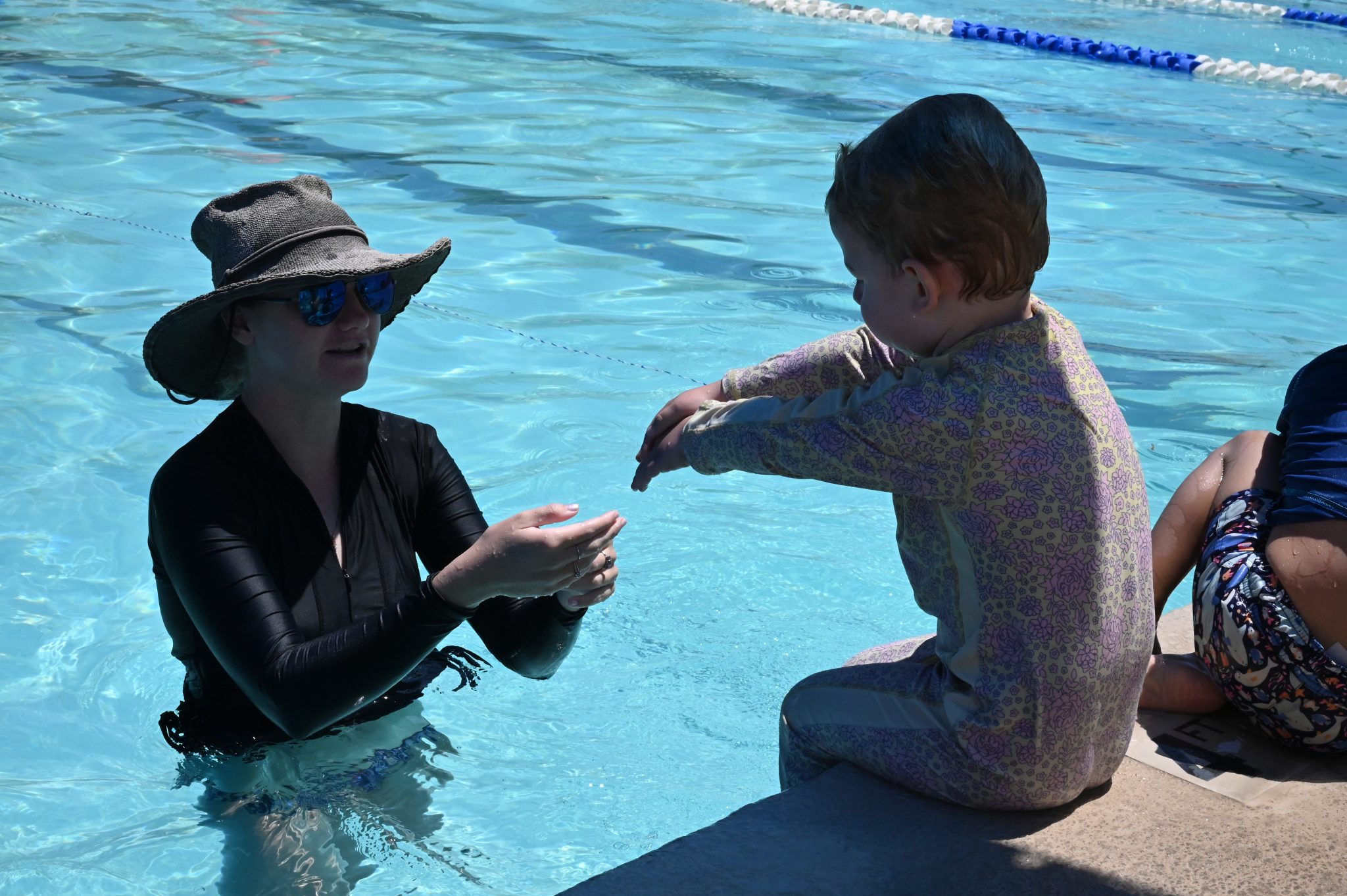
Throughout the day, our students enjoy our indoor PlaySpace, gymnasium, a second playground that is wheelchair accessible, Sculpture Garden, and, during the summer months, the pool and SplashPad. ECE children can often be found exploring the Fine Art Gallery to discover the latest works on display—sparking curiosity and creativity—or joyfully moving their bodies, bouncing balls, and playing games in the gym. Also unique to our program, our 12-month students participate in swim lessons offered during their school day. There is also a wide variety of PeeWee Sports, such as tennis, basketball, gymnastics, and soccer, designed for kids ages 3-5—and the coaches pick your child up directly from class! These experiences support physical development, confidence-building, and healthy movement in ways that go far beyond a traditional preschool or daycare setting.
Every family’s schedule looks different—and we believe childcare should support, not complicate family life. Our preschool is open 7am to 6pm, with 7, 9, and 11-hour options for care as well as 10 (pre-k only) or 12-month contracts, to meet a wide range of needs. The J’s family-centered approach extends beyond the classroom. While your preschooler is learning and playing, older children can attend a sports clinic, and parents can enjoy a workout or class in our Fitness Center. Programs at the J are designed for every stage of life—including grandparents who can find community in one of our many Healthy Aging programs—creating a vibrant, multigenerational community.
The Tucson J’s programming is intentionally designed so that there is always something new for children to grow into and enjoy. Many families join the J for early childhood education and remain members as the J grows with their changing needs. From first steps to lifelong friendships, we’re proud to be a place where families belong.

There are so many wonderful PJ Library Hanukkah stories—over 90, in fact! And truly, Hanukkah books in general abound. With so many choices, it can be hard to pick favorites, but here are a few we especially love at the J.
Hanukkah is known as the Festival of Lights because it commemorates the miracle of a single cruse of oil—enough for one day—burning for eight full nights in the Temple in Jerusalem. It’s a 2,000-year-old reminder that light can triumph over darkness. Books like Gracie’s Night, Hanukkah Cookies with Sprinkles, and The Trees of the Dancing Goats beautifully capture that message, showing little ones how kindness and hope can shine during challenging times.
PJ Library also has a long-standing tradition of introducing children to Jewish life and celebrations from all around the world—and sometimes with a lot of humor along the way! You’ll find this spirit in stories like Hanukkah in Alaska, Hanukkah in Little Havana, Hanukkah Upside Down, and Queen of the Hanukkah Dosas.
Of course, we also cherish our time-honored classics, brand-new favorites, sturdy board books for tiny hands, and wonderfully silly tales—like adventures with talking potato families who celebrate the MACCA-bees (yes, bees!), retellings of old stories in modern voices, an alligator serving latkes from a food truck, Dreidel the Parakeet, and so many more.
Come explore a whole world of Hanukkah magic through stories—there’s truly something for every reader!
Explore PJ Library’s Hanukkah books at pjlibrary.org/books by sorting the list by holiday. See a title that catches your eye? Email pjlibrary@tucsonjcc.org to check if we have an extra copy available.

Hanukkah Upside Down
Written by Elissa Brent Weissman
Illustrated by Omer Hoffmann
Noah lives in New York. Nora lives in New Zealand. Which cousin will have the world’s best Hanukkah? Jewish communities around the world have unique and special ways to celebrate the holiday, but the joy of Hanukkah is universal.

Hanukkah in Alaska
Written by Barbara Brown
Illustrated by Stacey Schueett
Hanukkah in Alaska is unlike anywhere else — less daylight, more snow, and one very unexpected guest!

Hanukkah in Little Havana
Written by Julie Anna Blank
Illustrated by Carlos Vélez Aguilera
This year, Hanukkah starts with a surprise — a road trip to Miami to spend the holiday with Nonna and Nonno in Little Havana. The oranges, latkes, and buñuelos are delicious, but sweetest of all is getting to share the holiday with loved ones.

Queen of the Hanukkah Dosas
Written by Pamela Ehrenberg
Illustrated by Anjan Sarkar
Sadie’s family has both Jewish and Indian background, so at Hanukkah they eat dosas, traditional Indian pancakes. But they get locked out just before their Hanukkah party! Who will save the day?

Hanukkah Cookies with Sprinkles
Written by David Adler
Illustrated by Jeff Ebbeler
Sara and her family are getting ready for Hanukkah — which means delicious foods, including cookies! But then she notices one man who doesn’t seem to eat much at all, let alone Hanukkah treats. Sara decides to try and help.

Gracie’s Night
Written by Lynn Taylor Gordon
Illustrated by Laura Brown
Gracie and her papa have lots of love — but only a little money. Gracie manages to get her papa a beautiful Hanukkah gift anyway — but then she sees someone who could use a little generosity even more than her papa. What she does next transforms Hanukkah for all of them

The Trees of the Dancing Goats
Written by Patricia Polacco
Illustrated by Patricia Polacco
During a scarlet fever epidemic in Michigan, the members of a Jewish family help make Christmas special for their very sick neighbors.

Antlers with Candles
By Chris Barash
Illustrated by Melissa Iwai
Everything looks new when seen from a child’s perspective, including menorahs, dreidels, and latkes. But family togetherness is something everyone understands.

Dreidel Day
By Amalia Hoffman
Illustrated by Amalia Hoffman
During Hanukkah, every day is a dreidel day! Little ones will love counting along with the kitty in this book as the holiday progresses from 1 to 8.

You’re My Little Latke!
By Nicola Edwards
Illustrated by Natalie Marshall
Hanukkah is full of sweet treats and fun traditions, but best of all is sharing it with our little ones. Kids will love the playful cut-outs in this book, and parents will love the opportunity to remind them just how much they are cherished.
*all book synopses from pjlibrary.org

Tell us about your role at the Tucson J!
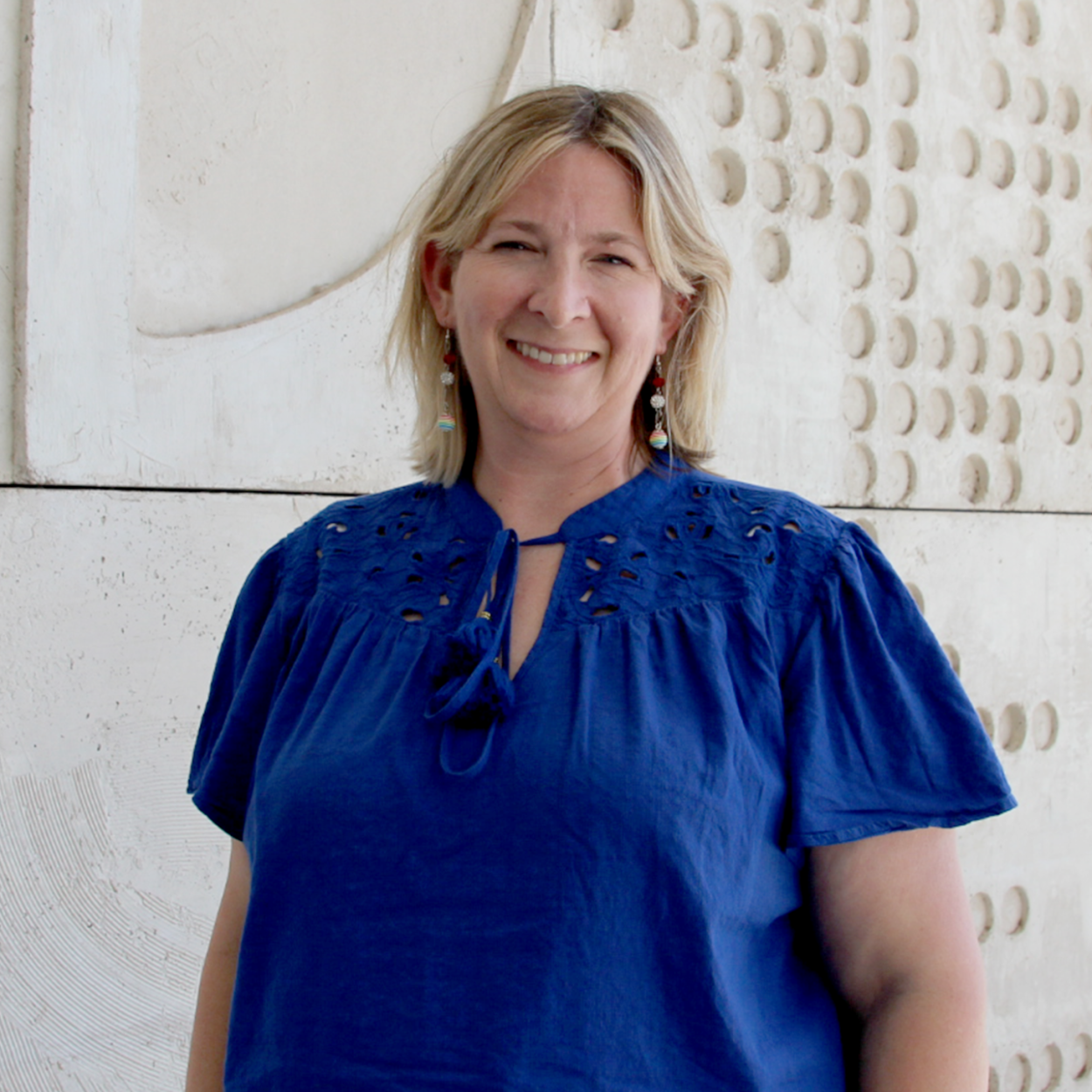
I teach preschool (3-4 year olds). It really is my niche. My other roles include Preschool Studio Coordinator, where I set up invitations for children, teachers, and families to explore our art studio, Three’s Team Lead, and a University of Arizona student teacher mentor.
What inspired you to work in early childhood education?
For as long as I can remember, I’ve always wanted to be a teacher. When I was little I had a pretend classroom for kids in my neighborhood. In elementary school, I would help my after-school counselors with activities. I held on to so many memories of how teachers made me feel, as it helped to shape my view of my role as a teacher.
What is your favorite part about working with young children?
They are genuine and expressive, creative and inventive. They are always excited about learning something new and testing their theories. Their languages of expression and learning are boundless. Their joy and love lifts up my spirit.
If you could share one piece of wisdom about caring for children, what would it be?
Trust in their capabilities and support them when they need it. Our view of the child translates into how they see themselves.
How do you instill a lifelong love of learning and curiosity in your students?
Listen and never stop wondering. Follow their lead. Learn together, create invitations that help support discoveries and show excitement and joy for their “aha” moments.
What is your favorite Jewish holiday to celebrate in your classroom?
I am not Jewish, but I have had the privilege to learn and grow so much in my own spiritual journey. I would have to say Rosh Hashanah and Yom Kippur because it’s a time of reflection, renewal, and promise to yourself to be a better person in the upcoming year.
Can you share a favorite or special memory from your career at the J?
It’s really hard to narrow it down to one special memory. I’ve had so many wonderful experiences.
One that comes to mind was when the parents of one of my classes dedicated pomegranate bushes (that are planted by the side of the front parking lot) in my and my then assistant, JoDee Lawson’s, honor. It was a very beautiful sentiment, and I get to see them still to this day.
Another special memory was when a former student reached out to me through social media to thank me for being there for him when he needed it most. I was touched that he still remembered me.

Between work, family commitments, school drop-off and pick-up, and the many extracurricular activities that kids and teens are involved in, life as a parent is busy. We understand — it can be difficult to find time for yourself during the week, but at the Tucson J, we know that self-care is important. Taking even a few minutes each week to prioritize your own wellness goals helps ensure you have the energy and focus to take care of the rest!
Busy parents, keep reading to learn more about how you can maximize your time and fill up your own cup for a little more ease and a lot less stress.
Accomplish two things at once when you plan your workout in conjunction with morning drop-off or afternoon pick-up. Whether your kids are in our Early Childhood Education program or here for JCare after school, the Fitness + Wellness Center, Sarver Tennis Center, and Aquatics Center hours are open and ready for you!
Click below to see amenity hours:
3800 E. River Road, Tucson, AZ 85718
Didn’t time it quite right? Scroll down to learn more about JPlay!

Outside of exercise, fostering meaningful friendships is one of the most important things we can do to benefit our health and longevity. So why not combine the two?
Working out with a friend maximizes your valuable time. Here are just a few ideas to get going:

The school schedule is not designed for working parents. The J can help! During the school year, we offer our JCare afterschool program for kids from 2-6pm.
JCare provides structured activities and homework time for kids in grades kindergarten through fifth, with fun activities such as cooking, art, and outdoor play time. For middle-schoolers, we offer JClub, which provides tweens with a safe, quiet place to hang out, along with access to our Fitness Center.
Don’t forget about School Days Out and Camp J for those times when school is not in session, and Parents’ Night Out for a perfect, and oh-so-affordable date night your kids will actually look forward to.

Whether you’re going for a swim in the pool, to dance in a Zumba class, or meet up for a tennis match, let your children have fun while being cared for in our JPlay space. Another way the Tucson J offers flexibility for all schedules, JPlay is a childcare option open select hours during the week for kids ages 3 months to fifth grade.
Our friendly, trained staff have fun and age-appropriate activities, toys, and games to keep kids of all ages occupied and happy.
Bonus: we’re now offering 25% off the first month for any new or existing member who signs up! Please note, reservations are encouraged, but walk-ins are accepted.

Self-care should be holistic. While it’s easy to focus on bodily health when we’re strapped for time, the J offers a number of programs designed to support your mind and spirit. Find a moment each week to quiet your mind with a quick peruse through the Fine Art Gallery to enjoy the latest show on view, or enjoy a lap around our beautiful Jill Rosenzweig Sculpture Garden. Try something new with an art workshop or language class.
Many of our special events even offer childcare for free (email us to inquire or let us know you’re in need – we’re here for you!).