From the desk of Mallory Shenker, Director of Athletics and Aquatics

There are endless hobbies and activities for children to discover– and they should explore them all – but finding a favorite movement-based activity is especially important for setting children up for an active lifestyle into adulthood.
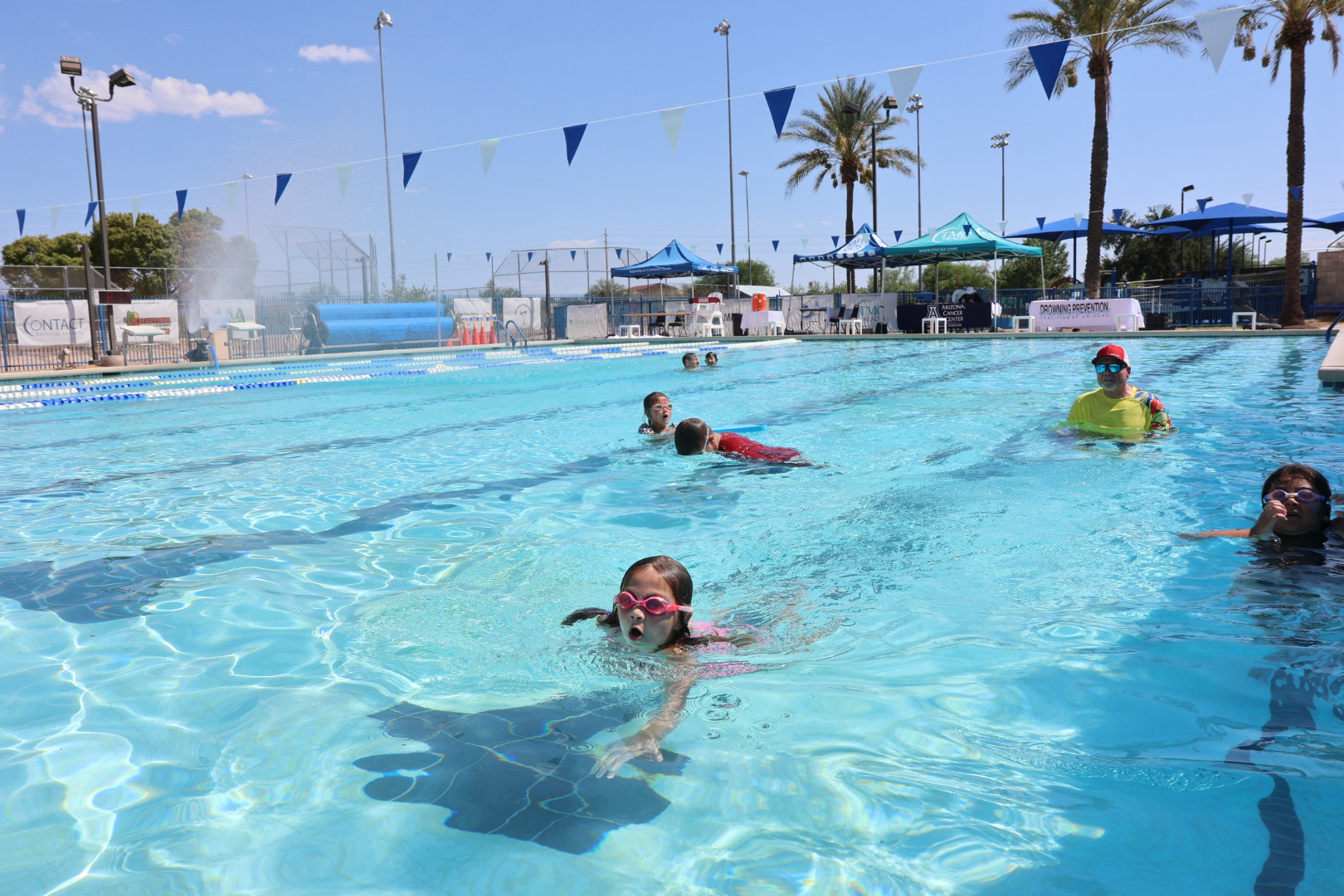
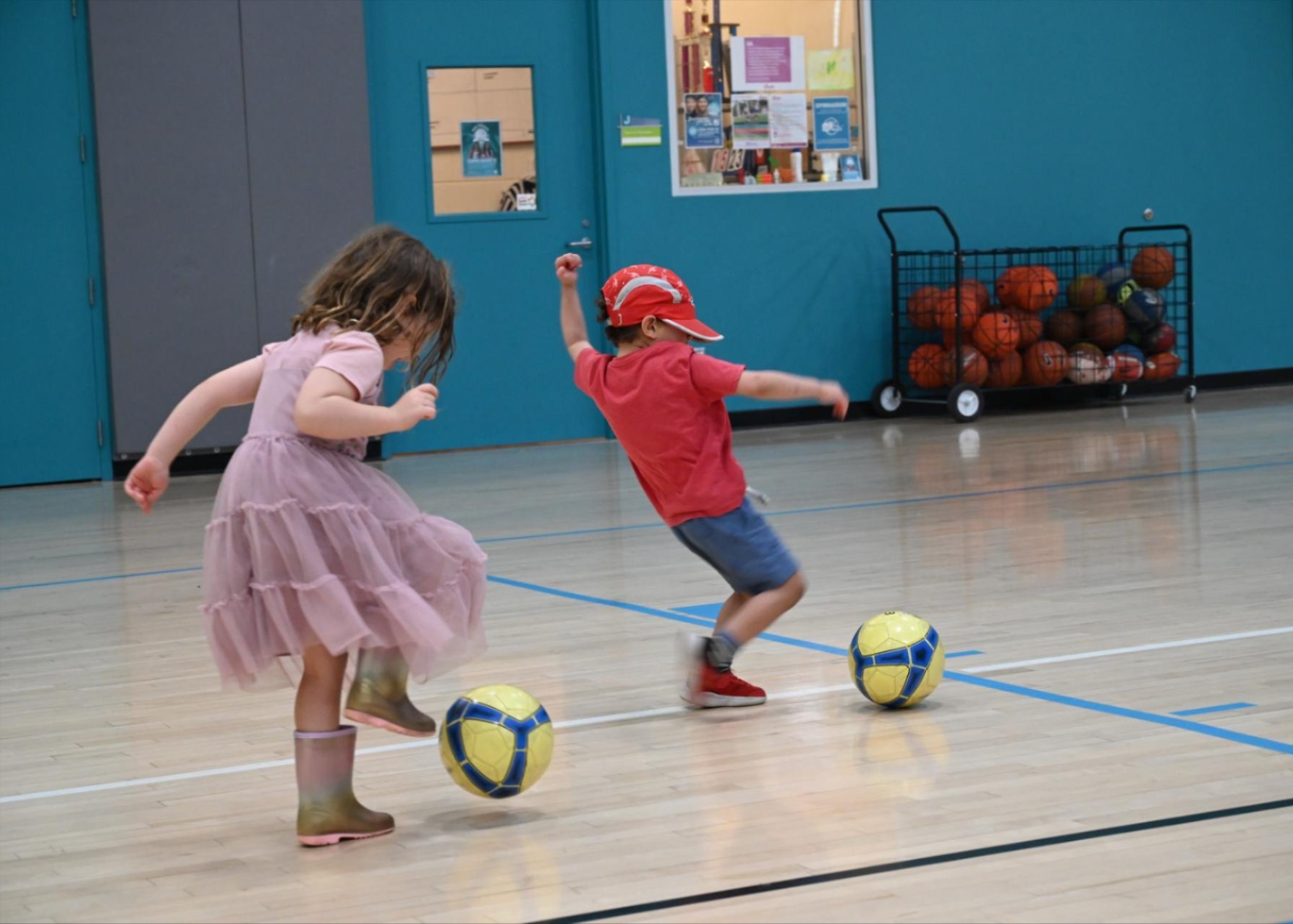
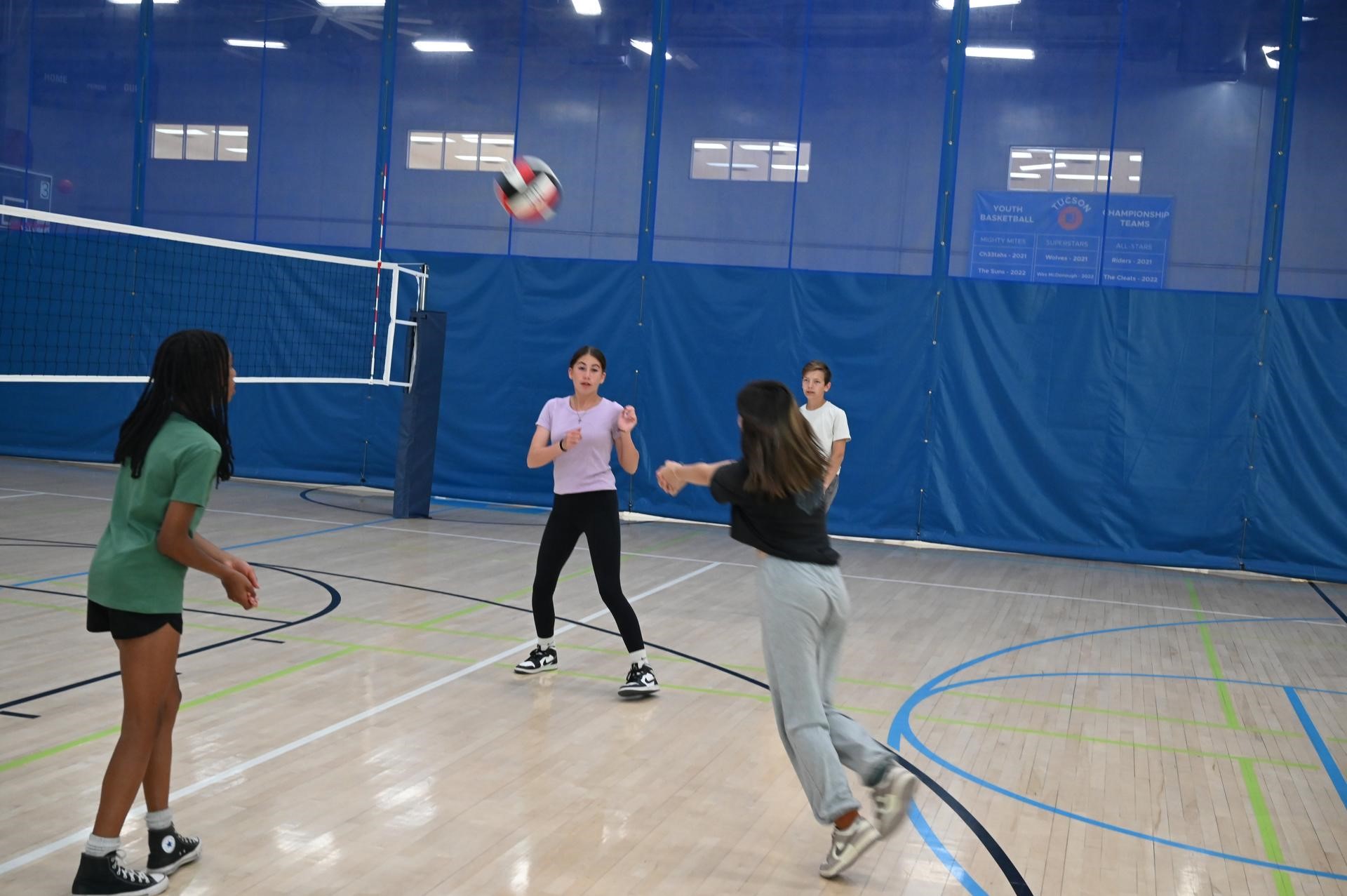
There are countless ways for kids to stay active: running, walking, or hiking outside; exploring movement and music in dance classes; or joining competitive sports, such as volleyball, flag football, karate, or basketball.
While all forms of exercise offer benefits beyond the physical, competitive youth sports provide additional advantages across all areas of child development. Continue reading to learn more about how regular involvement in youth sports can support overall well-being.
Friendship + Social Skills
Outside of school or other activities, youth sports offer a fun environment to make new friends around a shared interest. When you join, for example, a youth basketball team at the Tucson J, you join an environment where kids from all over Tucson gather to build their skills, immediately connecting with new friends.
In competitive sports, kids build trust with their teammates, learning skills like teamwork, sportsmanship, cooperation, and communication – important life skills to set everyone up for success.
Enhanced Mental Health
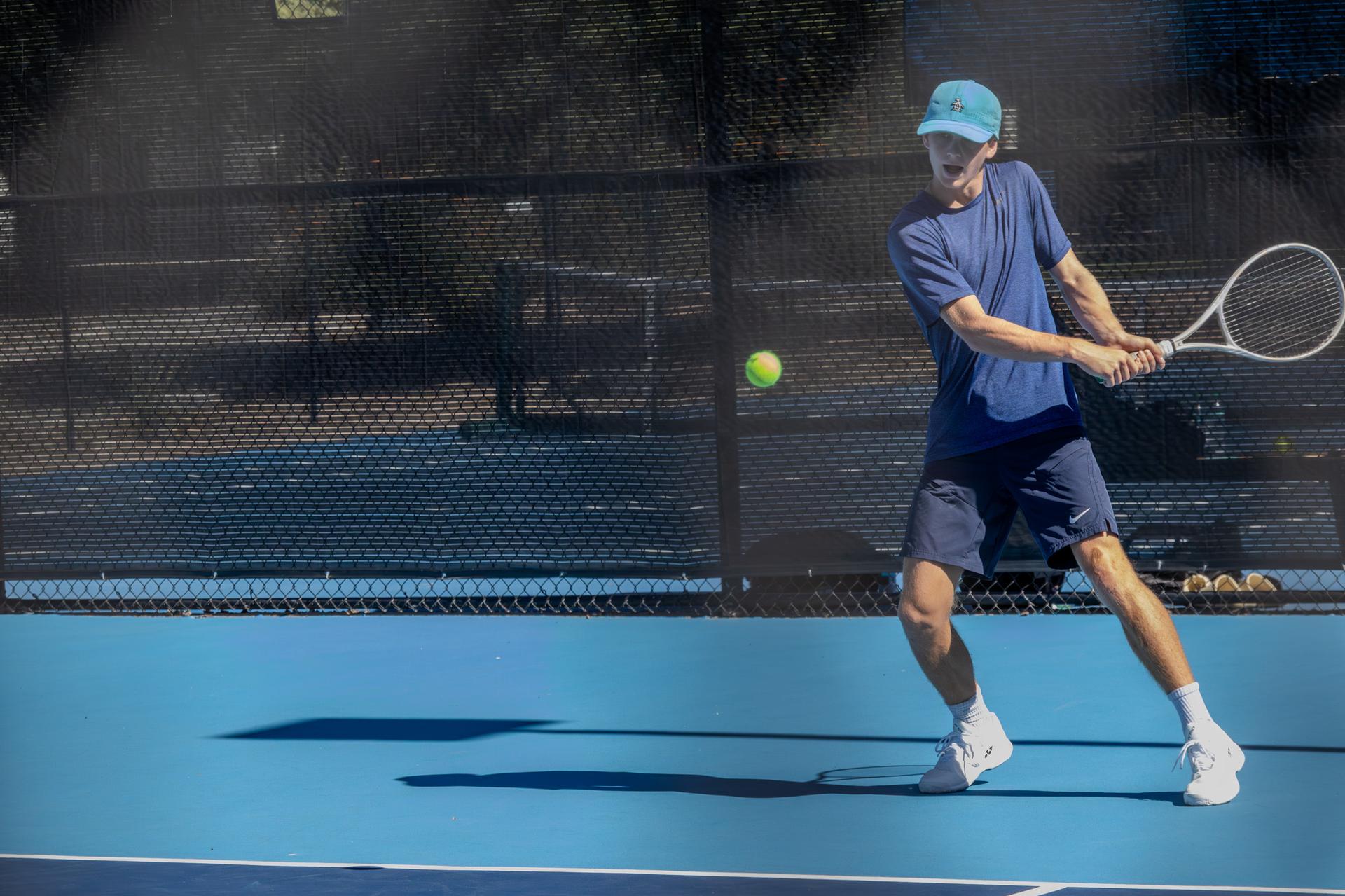
When kids achieve their goals – finally acing their forehand groundstroke in tennis or nailing their jump shots in basketball– they prove to themselves that they can follow through on their ambitions…otherwise known as building confidence!
Exercise is a proven outlet for managing stress and anxiety. Movement is a mood-booster, meaning that regular engagement with competitive sports can help guide the big emotions that define childhood and teenagehood.
Character Development
Sports build leadership skills. Between the highs and lows of competition and the daily energy required in athletics, sports build resilience, teamwork, trust, and discipline, important leadership qualities.
Some of the most well-known leaders across industries such as business, tech, and media, were athletes. For example, Robin Roberts, a news anchor on Good Morning America, played collegiate basketball, and athletes such as Michael Jordan, Shaquille O-Neal, Tony Hawk, and Serena Williams have gone on to become successful investors and businesspeople.
Time Management
Between sports practice and games, school, and other extracurricular activities, kids have a lot going on. And as they get older, even more responsibilities stack on, such as jobs, social outings, family commitments, and more.
Successfully balancing multiple responsibilities is an important life skill that, when established as a child, makes navigating growing tasks easier. Competitive sports can be an intense time commitment, but one that garners great time management skills.
Lifelong Healthy Habits
Did you know that habits begin to take root in children by age 9? This means that many of our lifelong routines can be directly informed by all that we experience in childhood.
One habit that can directly impact living a long and happy life? Exercise! Finding movement that brings you joy at a young age, such as competitive or recreational sports, sets you up for lifetime of activity.
The most important thing to remember, especially for children: it doesn’t matter what type of movement you enjoy, only that you enjoy doing it!
Ready to get moving? Check out the Tucson J’s youth sports offerings, which include lessons, leagues, and clinics designed for athletes of all ages and abilities.