Shavuah Tov 16 Elul 5786

Shavuah Tov


There are moments in the life of every organization and every community when the path ahead feels particularly challenging. Plans do not unfold exactly as we anticipated. Circumstances change. We encounter obstacles that require us to reconsider assumptions, make difficult choices, and sometimes find a different path forward.


Yet I have come to believe that these moments can also be among our greatest opportunities.


Jewish tradition does not teach us to avoid difficulty. It teaches us how to respond to it.


In the Book of Exodus, as the Israelites battle Amalek, Moses stands above the battlefield with his hands raised. But eventually, we are told, “Moses’ hands grew heavy.” Aaron and Hur then stand beside him, one on each side, and hold up his hands until sunset.


What a remarkable image of leadership and community.


Moses does not become less of a leader because he needs Aaron and Hur. He does not surrender his authority by allowing others to help carry the burden. Quite the opposite. Together, they become stronger than any one of them could have been alone.


That lesson feels particularly meaningful to me.


Too often we think that working together requires us to surrender something our authority, our independence, our ideas, or our individual voice. Jewish tradition suggests precisely the opposite. When we bring our individual strengths to a shared purpose, we do not give away power. We multiply our strength.


Kohelet teaches:


“Tovim hashnayim min ha’echad — Two are better than one.”


And then it tells us why: when one falls, the other can lift them up. A few verses later, Kohelet offers an image that might describe a healthy community perfectly: “A threefold cord is not readily broken.”


Our strength is not found in never stumbling. Our strength is found in knowing that when one of us stumbles, another will be there to help us rise.

Rabbi Lord Jonathan Sacks z”l described this through the Jewish idea of brit, covenant. He taught that in covenant, people come together in loyalty and trust “to do together what neither can do alone.”


That is such an important distinction. Community is not simply a collection of individuals occupying the same space. Community is created when we recognize that there are things we can accomplish together that none of us can accomplish alone.


Rabbi Sacks points to the building of the Mishkan as one of the great examples. After leaving Egypt, the Israelites had largely been recipients: God parted the sea, provided manna and led them through the wilderness. Then came the Mishkan. Suddenly everyone was invited to contribute. Some brought materials. Some brought artistic talent. Some brought craftsmanship. Everyone had something to offer.


The challenge became an opportunity to become builders.


And perhaps that is the invitation before us as well.


At the Tucson J, there will always be challenges. Some will be financial. Some operational. Some will involve programs, facilities, staffing, or changing community needs. We should neither minimize those challenges nor fear them. Instead, we should ask:


What is this moment inviting us to build?


What can we learn?


What might we do differently?


Whose wisdom have we not yet heard?


And what becomes possible when we put our shoulders together and move forward as one community?


Stephen Sondheim captured something similar in Into the Woods with the beautiful reminder, No One is Alone Not because the journey is easy, but precisely because it isn’t. Difficult journeys remind us how much we need one another.


And the Israeli song Yachad gives us another simple but powerful image: yachad, lev el lev together, heart to heart.


That is how communities move through challenging moments.


Not by pretending difficulties do not exist.


Not by searching for someone to blame.


Not by retreating into our individual corners.


But by moving closer to one another.


Board members bringing wisdom and stewardship. Staff bringing talent, creativity, and extraordinary commitment. Volunteers bringing their time and passion. Donors providing generosity and possibility. Community members bringing their experiences, ideas, questions, and dreams.


Each of us brings something different. Together, we create something none of us could create alone.


Perhaps that is one of the great gifts hidden inside challenging moments: they remind us that we were never meant to do this work alone.


Our tradition calls us to be builders.


Our challenges give us something to build.


And our community gives us the strength to build it.


Chazak, chazak, v’nitchazek  Be strong, be strong, and may we strengthen one another.

Cochenu b’Achduteynu | כחינו באחדותינו | Our strength is in our unity.


Am Yisrael Chai 
| עם ישראל חי

Todd Rockoff

President + CEO, Tucson J 

From the Desk of Jennifer Lorch Selco | Sr. Director of Jewish Living + Engagement

Shabbat Shalom
Shabbat Shalom

From the Desk of Jennifer Lorch Selco | Sr. Director of Jewish Living + Engagement

This week’s Torah portion is Ki Tavo (When You Enter). In this Torah portion, Moses instructs the Israelites regarding the first fruit offering. Moses then lists the blessings the people will enjoy if they keep the commandments, and the punishments they will suffer for disobeying them. Moses is preparing them to enter the land of Israel without them.


In Ki Tavo, we find the verses that we read as part of the Haggadah during Pesach:


You shall then recite as follows before the ETERNAL your God: “My father was a fugitive Aramean. He went down to Egypt with meager numbers and sojourned there; but there he became a great and very populous nation. The Egyptians dealt harshly with us and oppressed us; they imposed heavy labor upon us. We cried to the ETERNAL, the God of our ancestors, and the ETERNAL heard our plea and saw our plight, our misery, and our oppression. GOD freed us from Egypt by a mighty hand, by an outstretched arm and awesome power, and by signs and portents. – Deuteronomy 26:5-8


Rabbi Lord Jonathan Sacks, of blessed memory, writes, “Here for the first time, the retelling of the nation’s history becomes an obligation for every citizen of the nation. In this act, known as the vidui bikkurim, ‘the confession made over first fruits,’ Jews were commanded, it were, to become a nation of storytellers” (Lessons in Leadership, page 277).


Judaism is our story and the sacred obligation to share our story is required of each of us. We are not asked to remember our history, we are asked to retell it as it is our own. I have shared before about master teacher, Avram Infeld, who says, “Jews don’t have history, we have memory.” Not only do we retell our story, we embrace it as our own, and as we live proud Jewish lives of meaning, we add our own chapters to the story. In doing so, we carry with us, our collective memory, not only for our lives today, but for future generations.


Shabbat Shalom.

In Torah portion Ki Tavo, we are commanded to bring an offering of fruit as a way of acknowledging our thanks to God for providing an abundant harvest, and we are also commanded to set aside portions of fruit for the Levite, the stranger, the orphan, and the widow. Embedded here is not only the idea that practicing gratitude for our blessings is important, but sharing our blessings with others makes them more meaningful. Gratitude, in this sense, is not simply about recognizing what we have, but about what we do with what we have been given. At the Tucson J, we have the privilege of building a community where people can share their time, talents, traditions, and joy with one another. This week, we saw that spirit in a number of ways. 

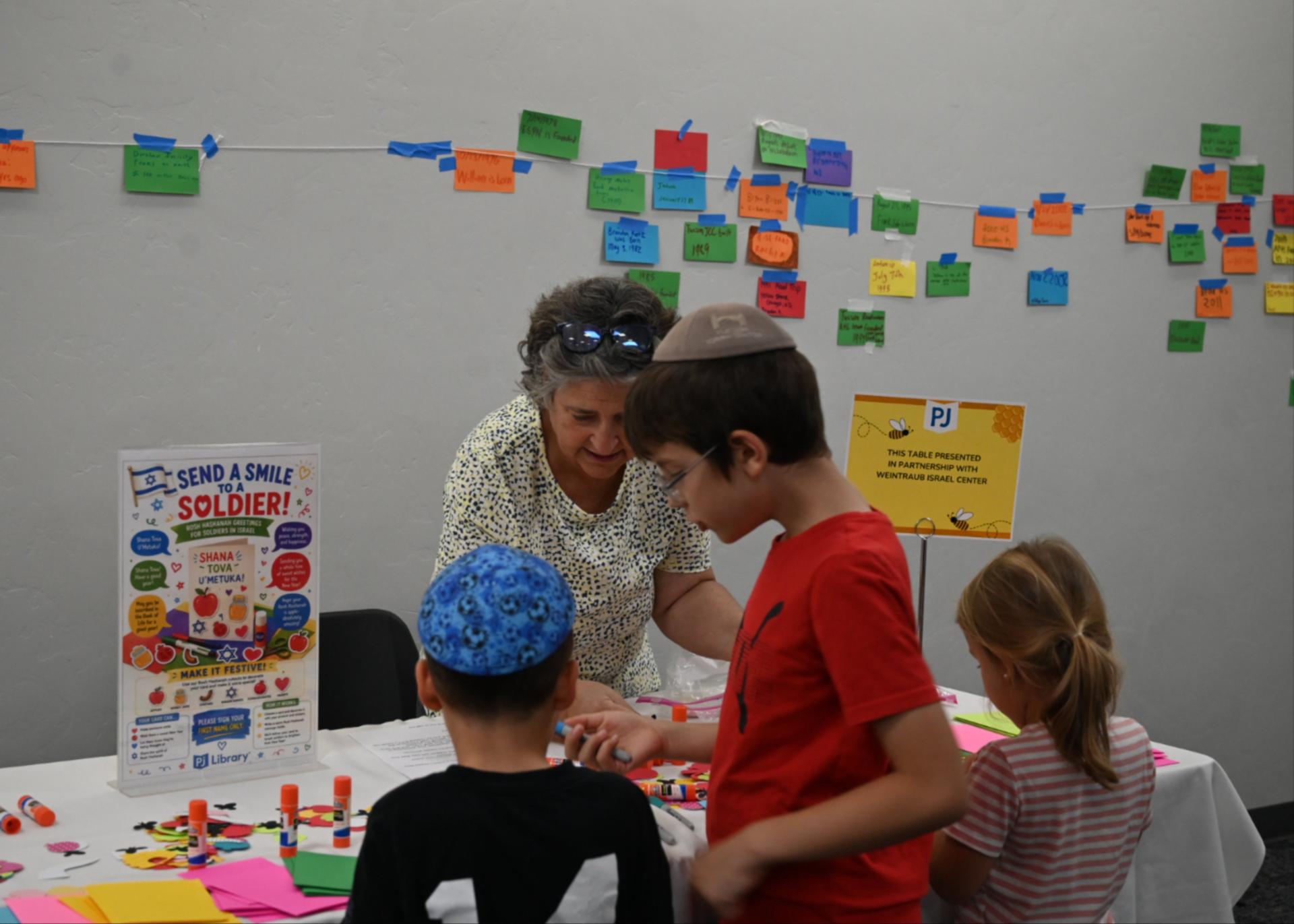
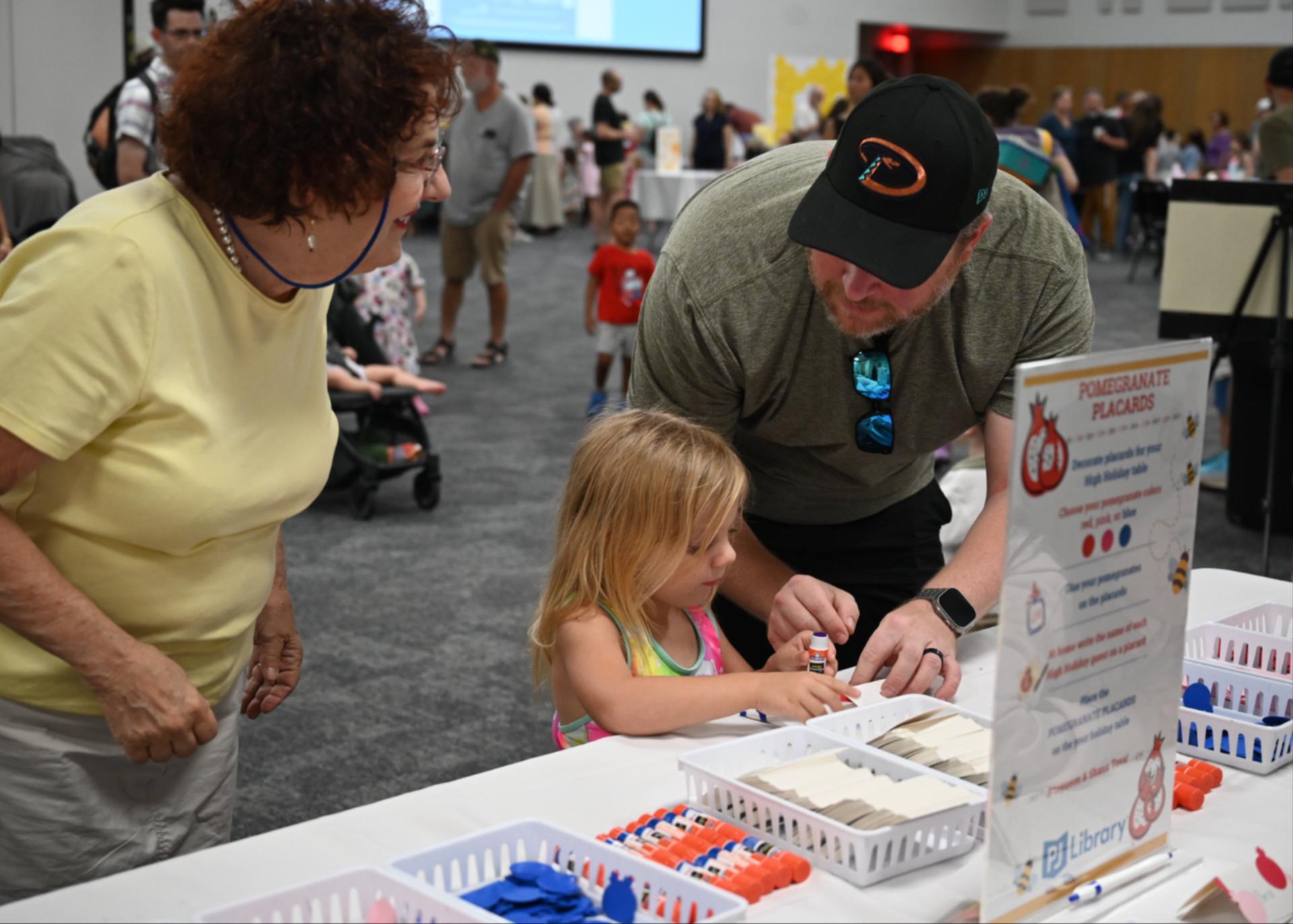
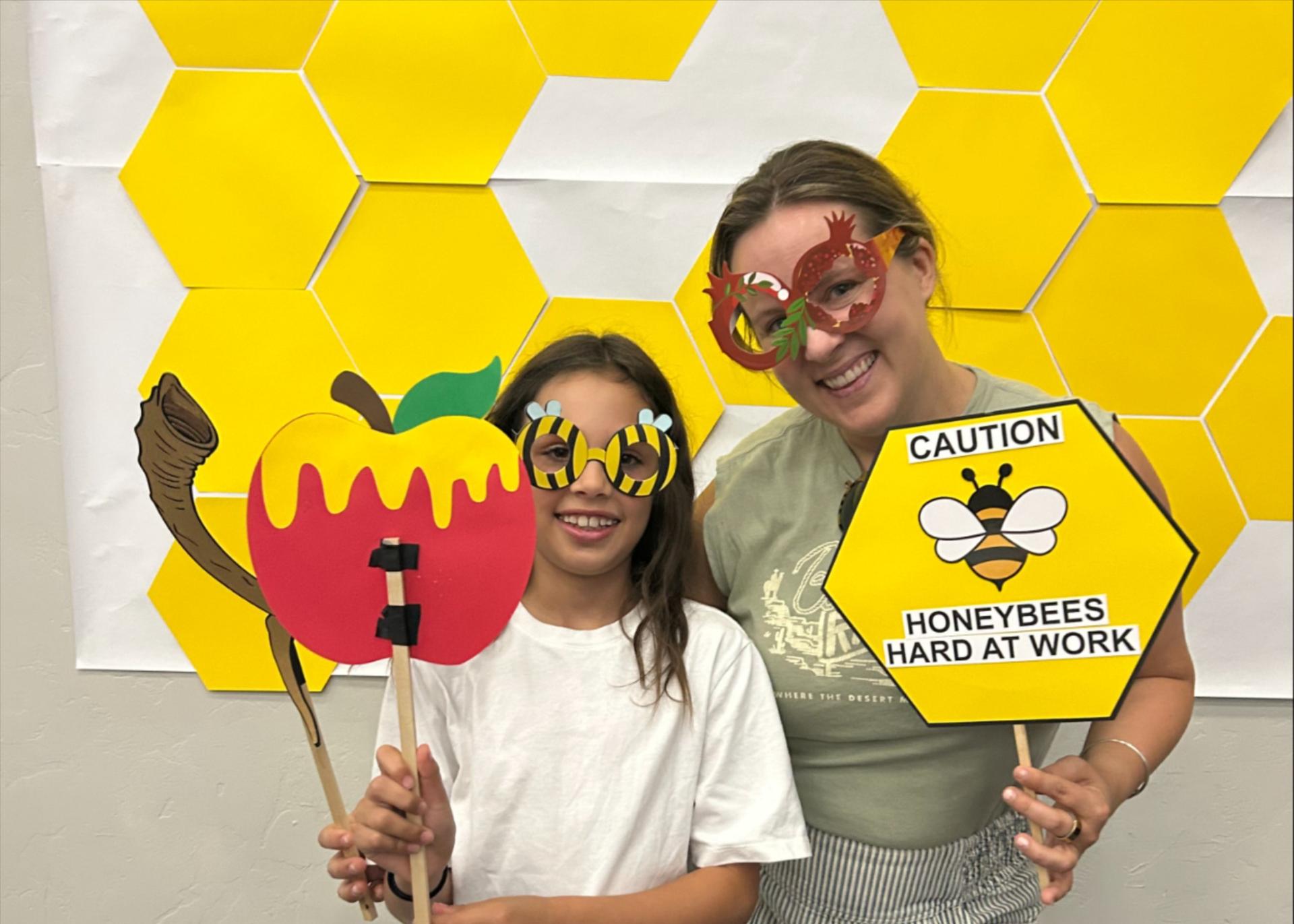
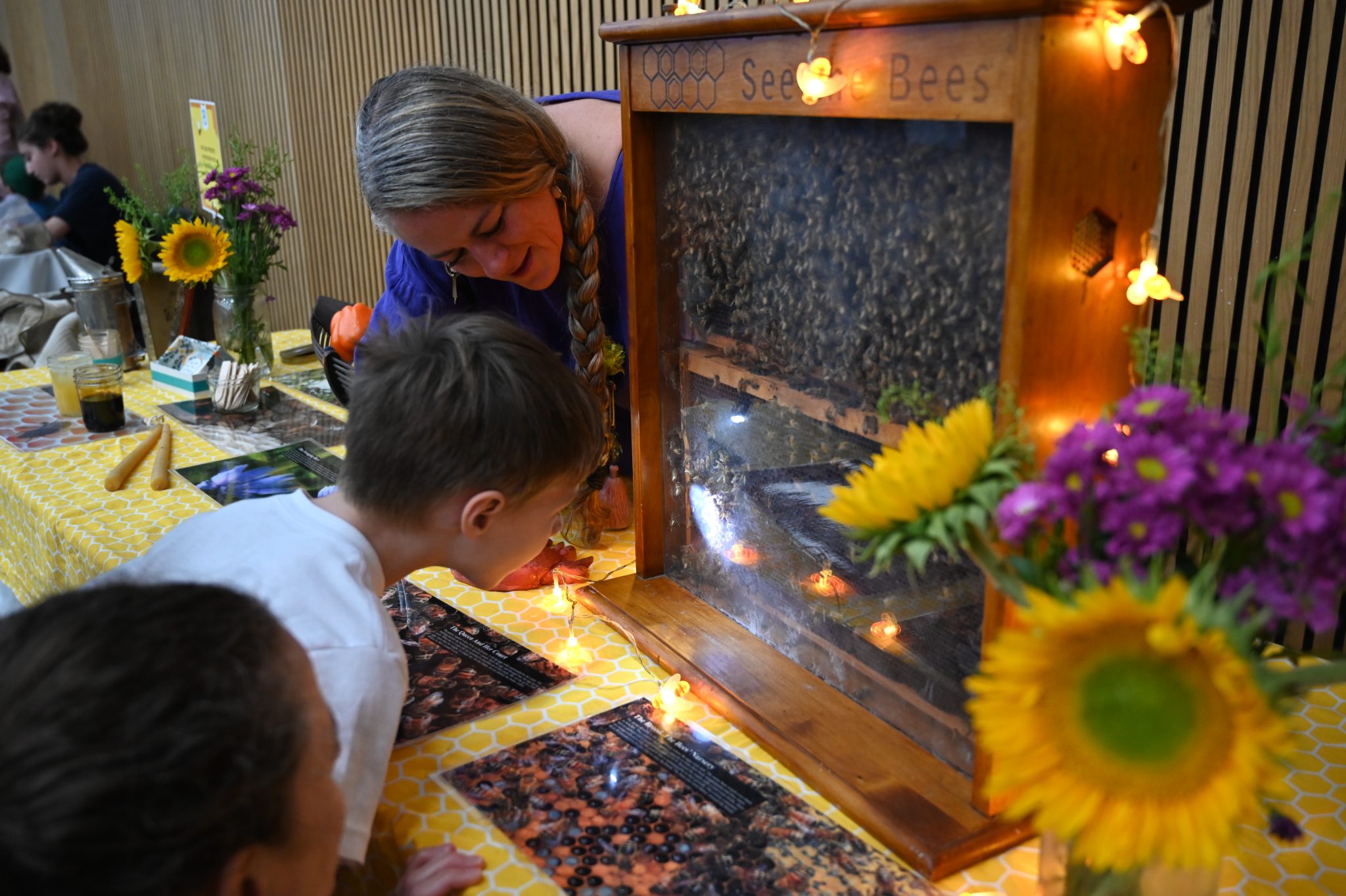
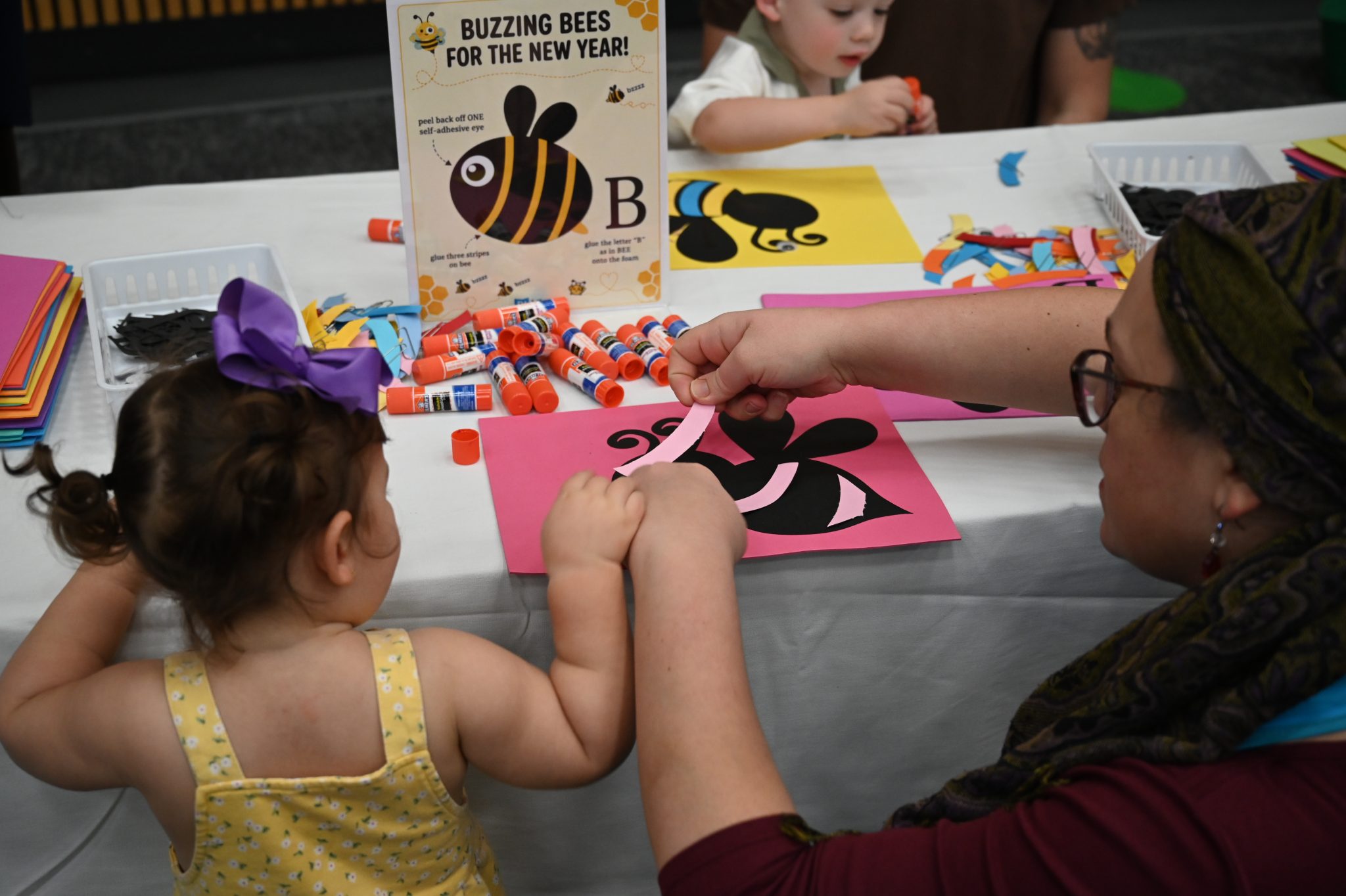
We began the week on Sunday with over 250 people of all generations celebrating the upcoming holiday of Rosh Hashanah with PJ Library’s Sweet Beginnings event in partnership with Jewish Philanthropies of Southern Arizona and organizations from across the Southern Arizona Jewish community. The afternoon was full of fun crafts, yummy treats, and even a live honeybee hive for observing! What a sweet reminder that joy grows when it is shared. 


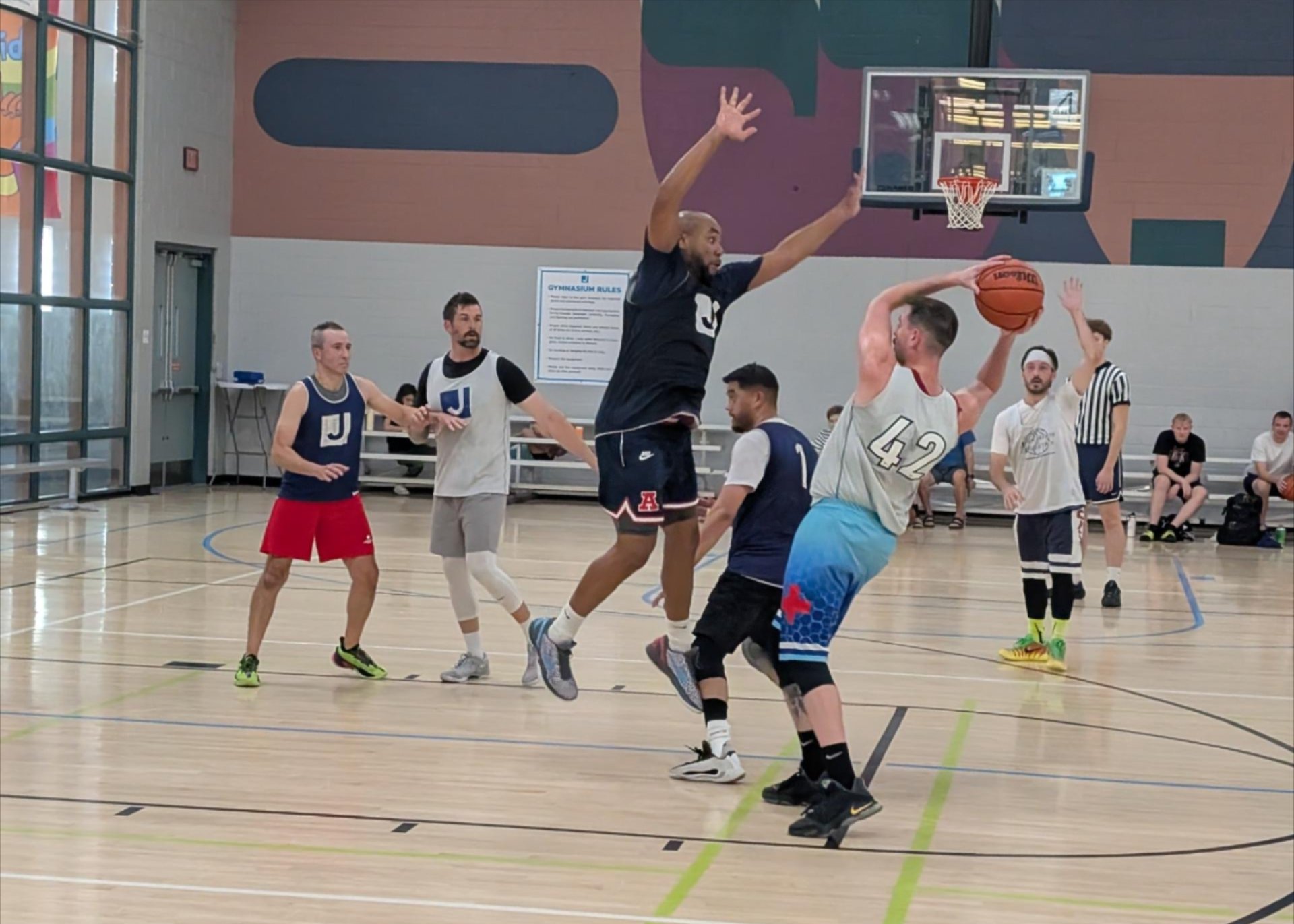
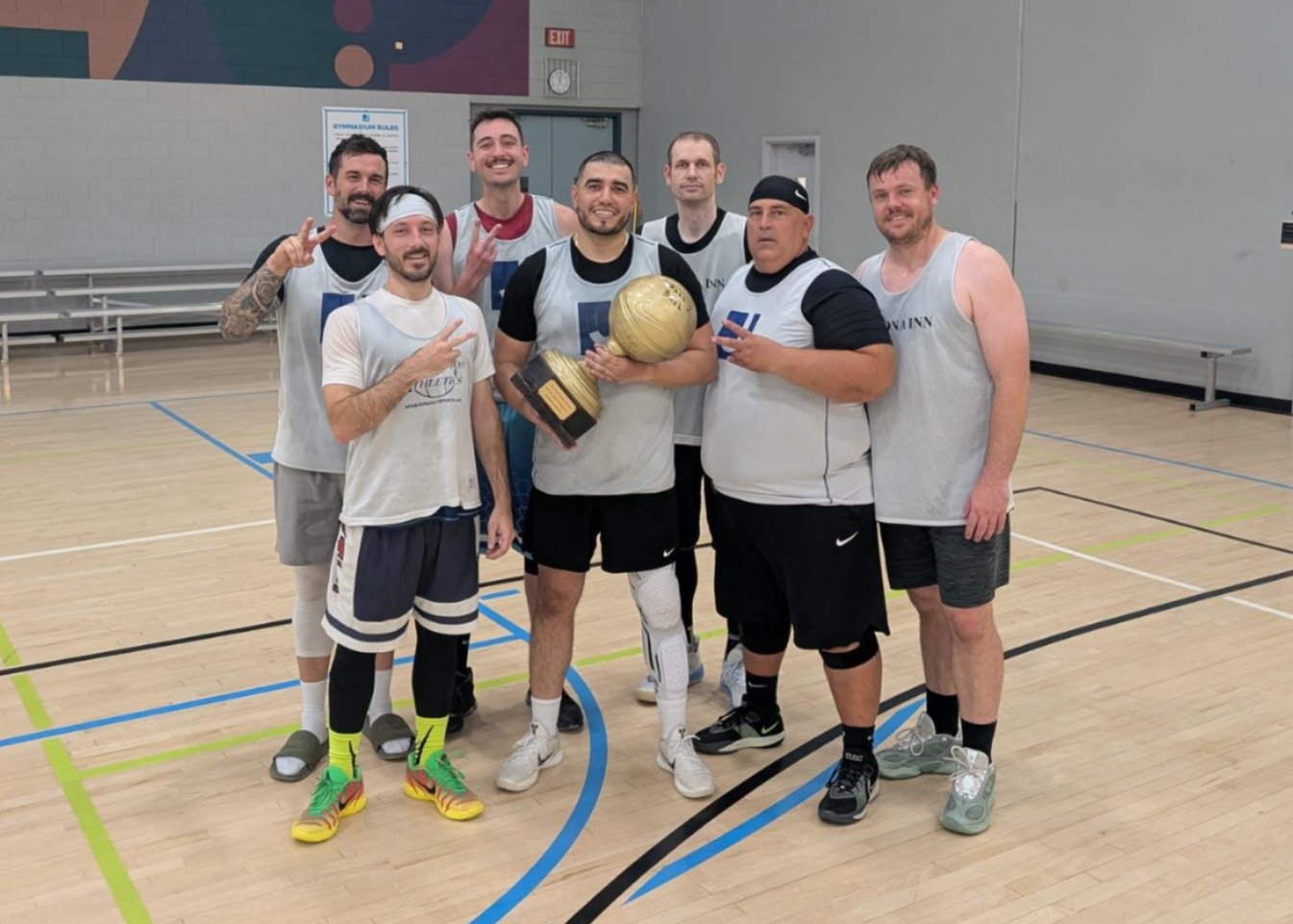
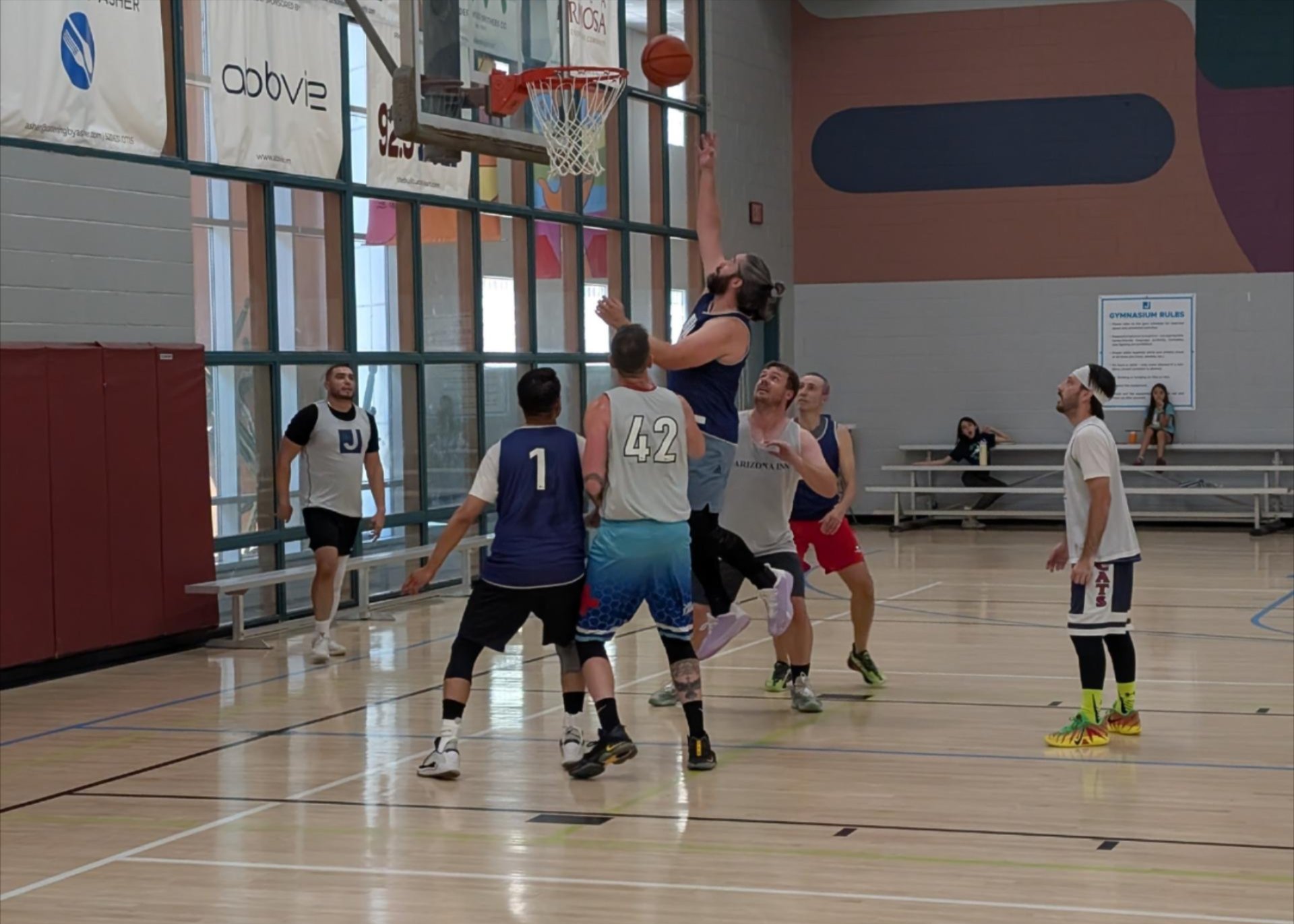
As families were enjoying the Rosh Hashanah festivities, competition was hot on the gymnasium courts with the championship game of our Summer Men’s Basketball League! Congratulations to every player this season, but especially back-to-back season champs, Team 1 and Team 6 in second place! Thank you to everyone who made another great season possible. Fall Men’s Basketball League begins September 20, Co-Ed Volleyball League begins September 30, and there are many more Sports and Rec opportunities for youth and adults all season—learn more here. 

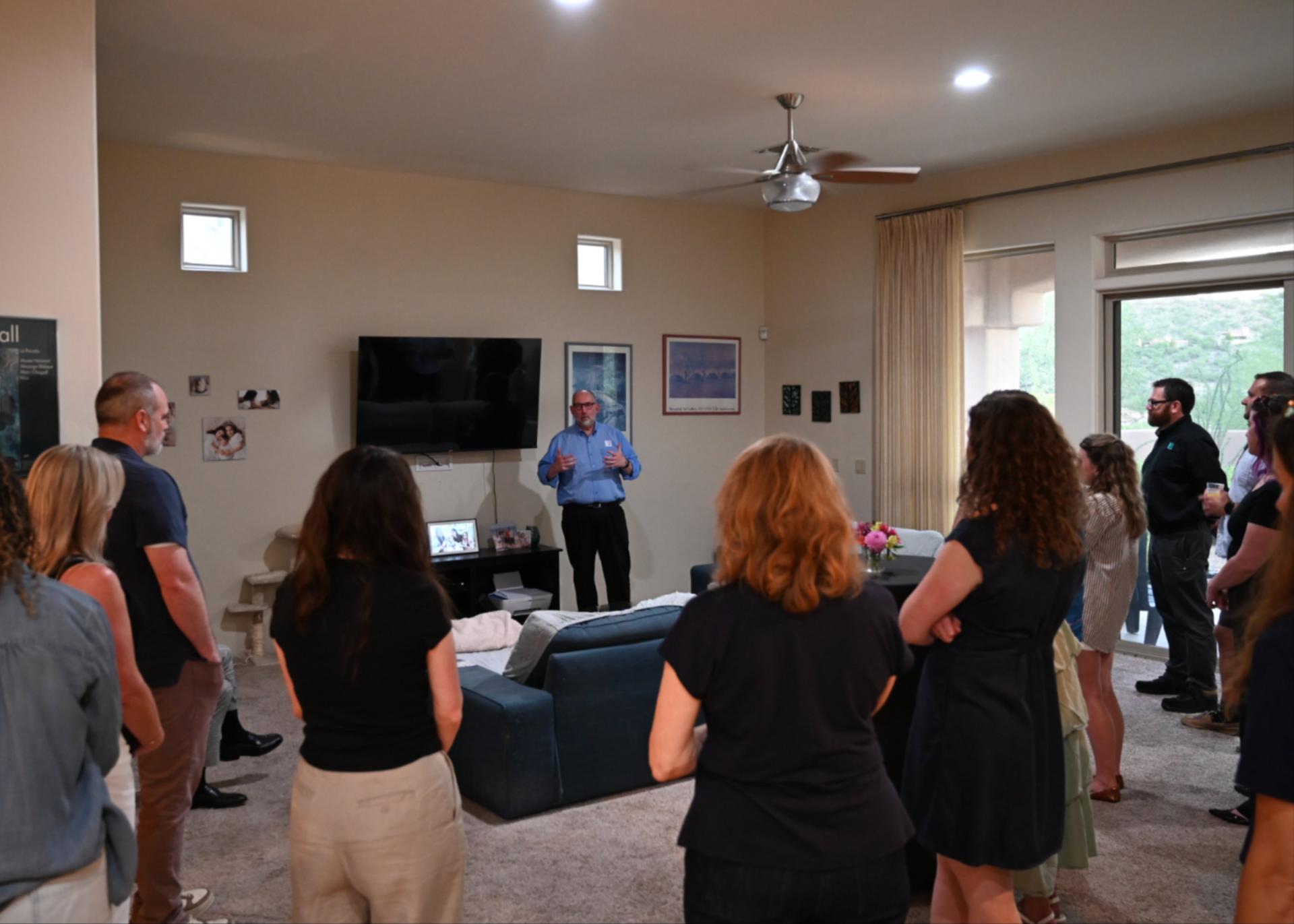
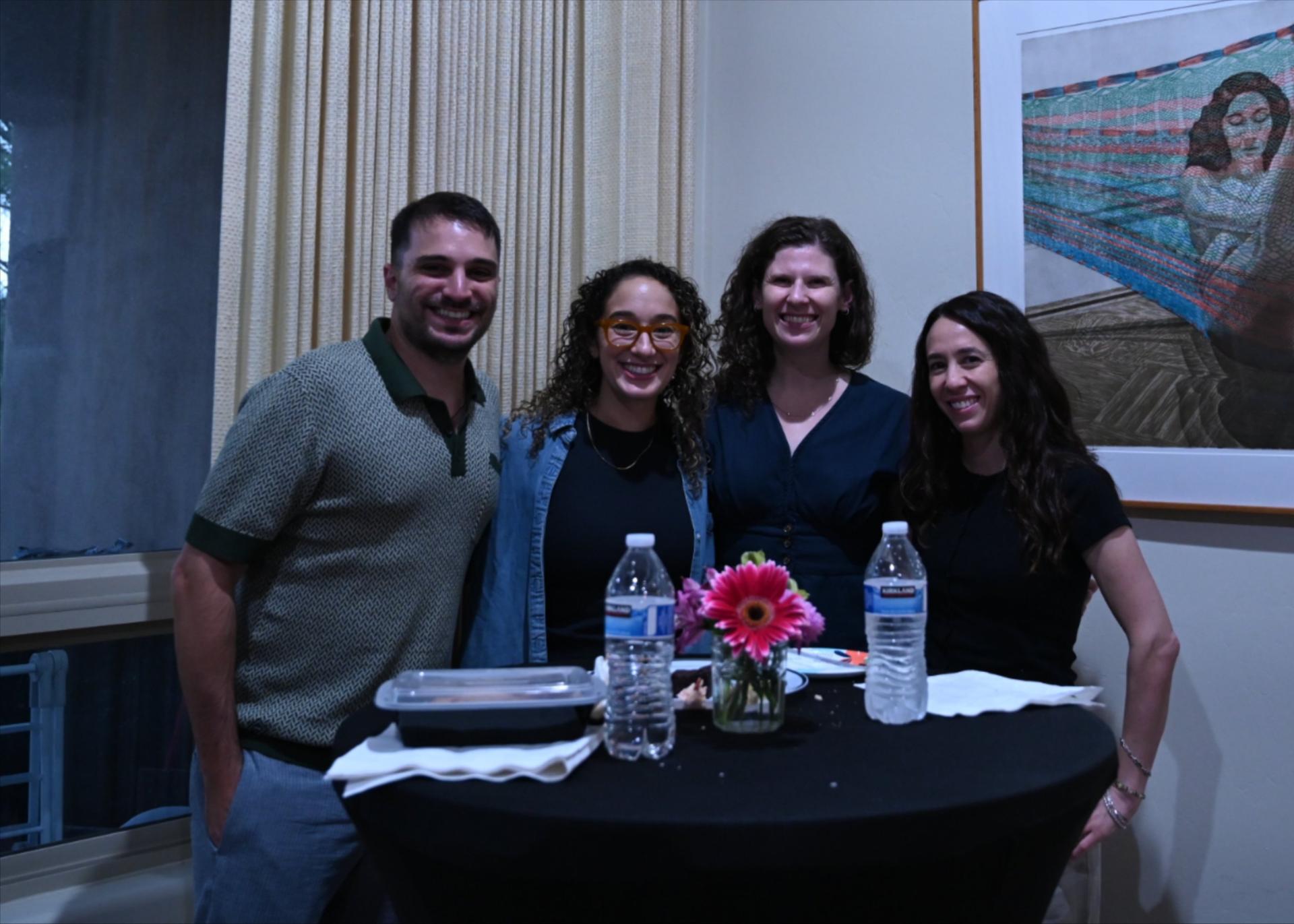
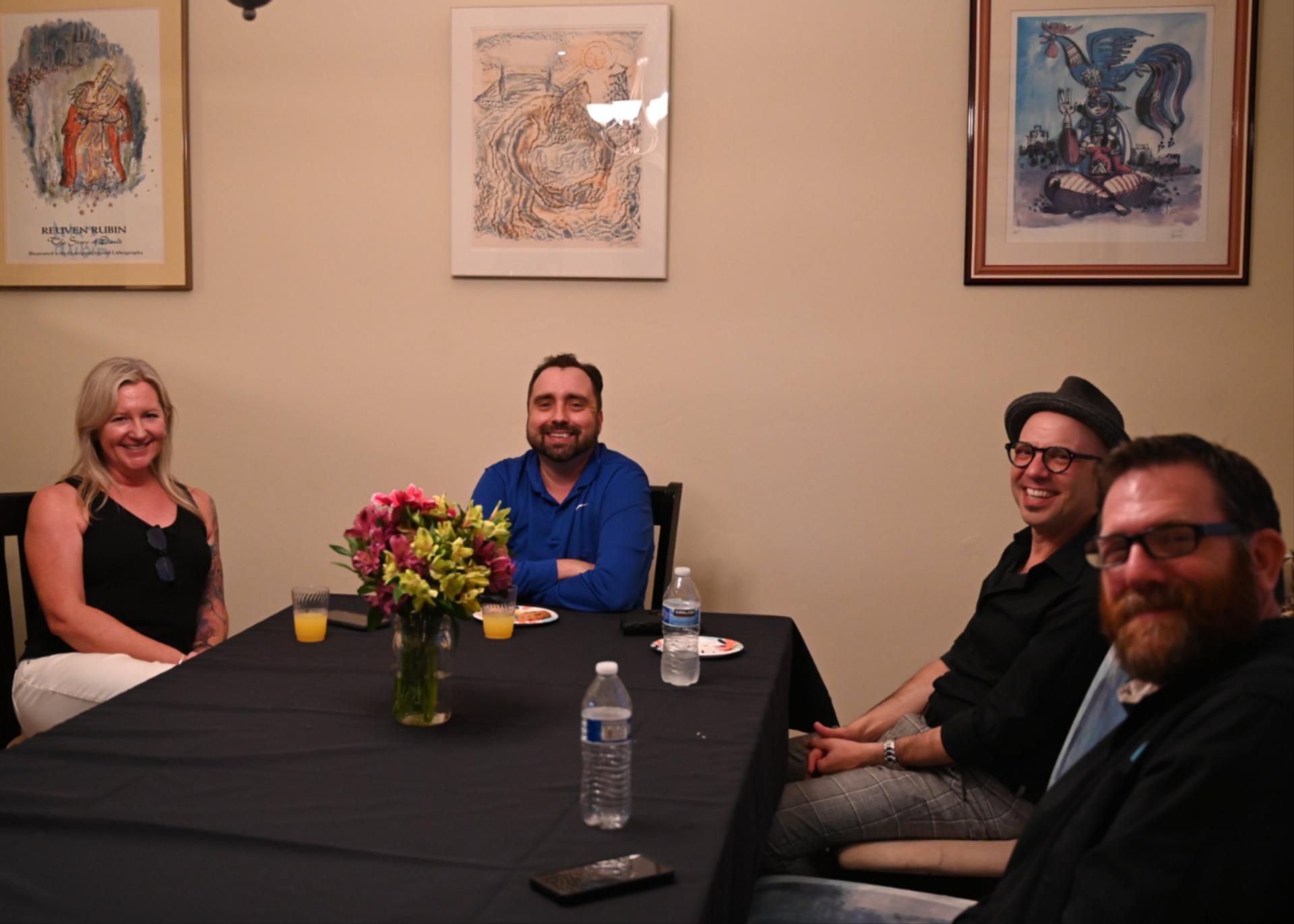
After a day of learning and connection in their annual Board Summit, Tucson J Board Members joined the senior leadership team at CEO + President, Todd Rockoff’s house Sunday evening for a delicious dinner spread, lively conversation, and time to reflect on the meaningful work we are moving forward together. We are grateful for this group of strong and engaged leaders and the skills and dedication they share with our community. 


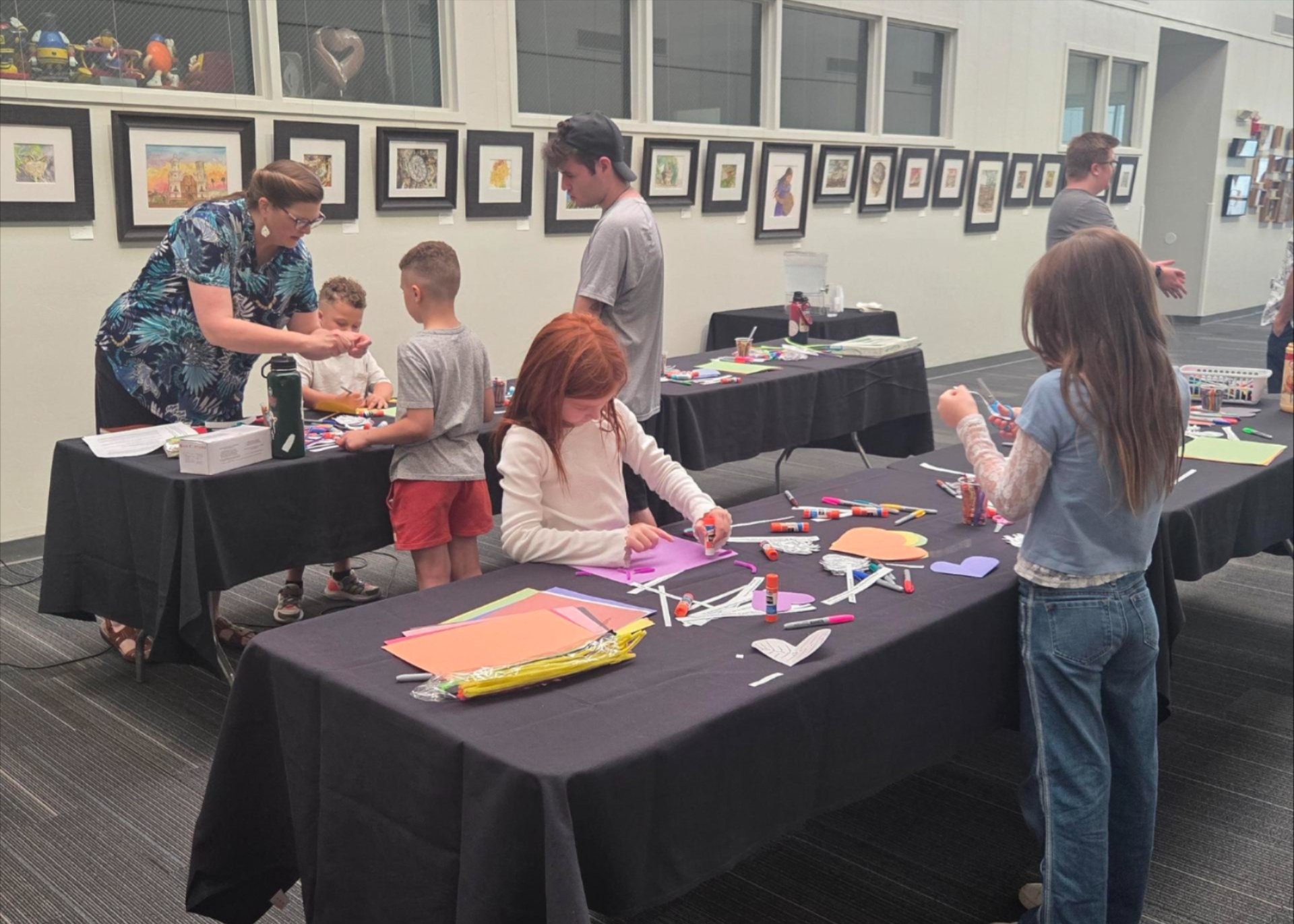
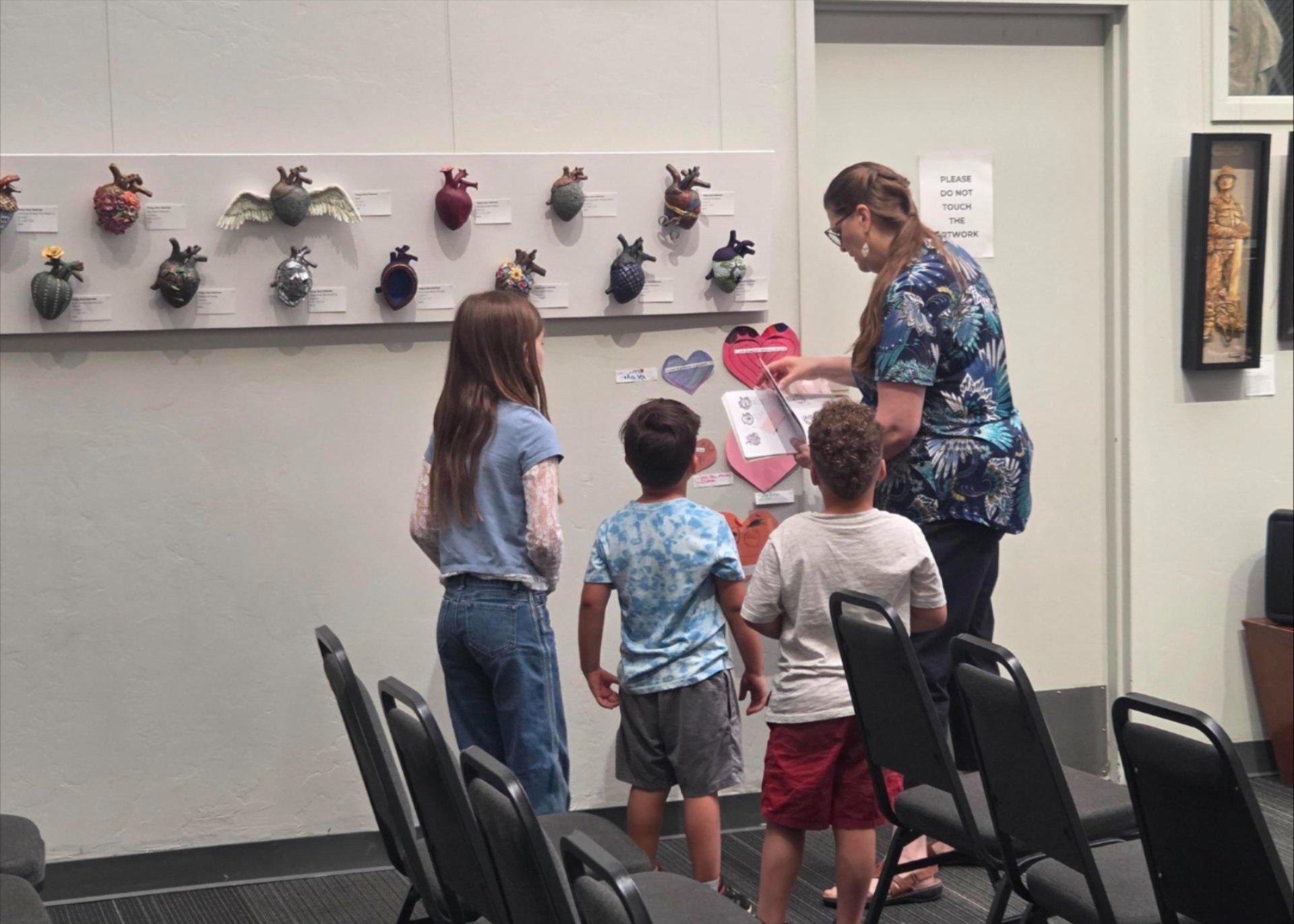
On Thursday, prolific local artist Tracy Ann Holmes led an art activity for kids in the Fine Art Gallery in conjunction with her show, “Meditation + Metaphor: Ceramic Sculpture and Watercolors,” on display through September 27 with a reception on the 24th. In our JCare afterschool program, kids continued in the spirit of creativity making paper mâché shofars, perfect for Rosh Hashanah. Art brings people together at the J, and that is a blessing! Check out more Fall arts opportunities here. 


Our blessings are not meant to be enjoyed in isolation; they become richer when we share them—whether around a dinner table with our volunteer leaders, on the basketball court with friends and teammates, at a joyful Rosh Hashanah celebration with our families, or through the shared experience of making art. As we move into Shabbat, we invite you to take a moment to reflect on something you are grateful for and share it with someone close to you. Shabbat Shalom. 

Reminders, Resources + Learning

CHALLAH ORDERS

Please note: Due to an increase in cost from Nadine’s, Challah will now be $6 cash or $6.50 if paid by card. 10-pass bundles will increase to $60. 


Orders must be made by 10pm on Monday. Orders may be picked up from 5am-6pm at the Front Desk and/or Sports + Wellness Desk on Thursday or Friday each week. 


If you have a child/dependent in one of the J’s childcare programs or Taglit, we can send your Challah order home with them. 


Contact Member Services at membership@tucsonjcc.org or mark the boxes on our online order form to set up a standing order or to purchase a new 10 pass for weekly challah at a discounted rate of $60.

5 Ways to bring meaning and joy into the Jewish New Year 

a group of people posing with their pickleball paddles

L’Shana Tovah U’Metuka

Soon we will celebrate Rosh Hashanah, the Jewish New Year. The holiday offers a meaningful pause to reflect, reset, and return to our best selves before embarking on the journey of a new year. Whether it’s your favorite Jewish holiday or completely new to you, everyone can benefit from taking a moment to think about how you will grow, thrive, and find joy in the year ahead. 


Continue reading to explore some meaningful rituals and questions for reflection to bring with you into the Jewish year 5786. L’Shana Tovah U’Metuka, wishing you a good and sweet new year!
 

Daily movement that brings you joy

Exercise is not only essential for our health, but for our minds and spirits. It can evoke more creative thoughts, boost our moods, and improve our sleep. 


While movement is often viewed as a chore, it doesn’t have to be! You must find what movement works for you. When we enjoy exercise, we will stick to it as part of a daily routine.


Whether it be through dance, a walk in nature, or a spin class – find your favorite activity and see how it changes your day. The Tucson J is a wonderful place to start. With lap-lanes for
swimming, pickleball and tennis courts, a full Fitness Center, and a variety of group fitness classes, you are guaranteed to find something for you! 


Reflection question: How have my body and mind changed through joyful movement?
 

Entirely tech-free Shabbat

In Tiffany Shlain’s acclaimed book, 24/6: Giving up Screens One Day a Week to Get More Time, Creativity, and Connection, she shares about how her Jewish family adopted a tech-free Shabbat and how that weekly ritual improved their lives. The best part about this practice: anyone can do it! 


Although it may be challenging for some, explore how one less day of scrolling and texting and one more day of in-person conversations and screen-free time can change how you feel and think. 


Reflection question: How can I be more intentional about my technology use?
 

Find awe in the everyday 

Practice the art of Hakarat Ha’tov, Hebrew for recognizing the good, by cultivating awareness and gratitude for even the smallest things—a colorful sunset, a chat with a friendly neighbor, the sound of a child’s laughter. A daily moment of wonder can shift your perspective, soften your heart, and reconnect you to something greater than yourself. 


Start your morning each day with a gratitude moment, keep track of your “good” in a special notebook, or simply be more intentional about slowing down to take deeper notice of the world around you and see what happens.


Reflection question: When do I feel most present?
 

Community activities and engagement

Did you know that strong social connections help you live longer? This new year, find new or more ways to connect with others and be in community.  


At the J, community is the heart of everything we do, and there are endless ways to socialize. In
Masters Swim Club, participants have bonded over a shared love of swimming- and now are friends for life! In our Movement/Arts Immersion program, participants and their families are so close that they held a Friendsgiving together! 


From weekly
mah jongg to Men’s Basketball League, PJ Library get-togethers to art gallery openings and monthly book club, connect over shared interests and make new friends at the J. 


Reflection question: What does community mean to me?
 

Be of service 

Chesed (loving-kindness) is a Jewish value that transforms both giver and receiver. Volunteer your time or skills, donate to an organization making an impact, or show up for a friend who needs support. Even small acts like holding a door, offering a smile, or checking in on someone can create ripples of healing in a world that deeply needs it. Let your presence be a blessing to others in small, everyday ways. 


Reflection question: How do I feel when I show up in service to others and my community?
 

Click here to learn more about Rosh Hashanah and explore additional resources to celebrate the New Year! 

Shavuah Tov 9 Elul 5786

Shavuah Tov


As we move through the month of Elul and look toward Rosh Hashanah, I find myself thinking about one of the most beautiful values in Jewish tradition: Hakarat HaTov the recognition of the good.


Hakarat HaTov is often translated simply as gratitude, but its meaning is deeper. It asks us not only to feel grateful, but to intentionally recognize the good to notice the people, moments, blessings, and acts of kindness that can too easily become part of the background of our lives.


Pirkei Avot asks:


“Eizehu ashir? HaSameach b’chelko.”
“Who is rich? One who rejoices in what they have.”
—Pirkei Avot 4:1


Gratitude begins with noticing. And when I look at the Tucson J and the community we are privileged to serve, there is so much good to recognize.

The project of building community is never the work of one person. It is best done shoulder to shoulder and hand in hand. I am grateful for the wisdom and leadership of our Board; for the extraordinary work, commitment, and heart of our staff; for the countless hours and talents shared by our volunteers; and for the incredible generosity of our donors and community partners.


Each of you helps make the Tucson J what we aspire for it to be: a town square where people gather, relationships are built, Jewish life flourishes, and everyone can find a place of belonging.


Psalm 92 teaches:

“Tov l’hodot laAdonai.”
“It is good to give thanks.”


Perhaps gratitude is described as good because it changes not only the person receiving our thanks, but also the person offering it. Hakarat HaTov trains us to see abundance rather than absence, possibility rather than limitation, and the contributions of others rather than simply our own efforts.


That feels particularly meaningful during Elul.


Elul is our season of cheshbon hanefesh, an accounting of the soul. As we prepare for Rosh Hashanah, we are invited to look backward and forward at the same time. We celebrate what went well, acknowledge what did not go as planned, and ask where we missed the mark. Most importantly, we ask what we have learned and how those lessons can help us return teshuvah to our best intentions and our best selves.


Hakarat HaTov does not require us to pretend that everything has been perfect. We can be grateful for all we have accomplished while remaining honest about the places where we can do better. We can learn from disappointment without being defined by it. And then we move forward with renewed passion and purpose.


During Elul, we hear the shofar each morning. Maimonides understood its call as a spiritual alarm: “Awake, you sleepers, from your sleep.”


The shofar asks us to pay attention.


Perhaps this year we can hear within its call two questions:


What am I being called to be thankful for?


And what am I being called to do?


Those questions belong to each of us individually, but they also belong to us collectively. Where are we being called to show up, to listen more carefully, to serve more deeply, to repair what needs repairing, and to build what has yet to be built?


The prayer Modeh Ani offers a powerful starting point. Before we begin the work of the day, Jewish tradition teaches us to begin with gratitude: Modeh ani lefanecha I give thanks before You. Imagine what might happen if we approached our communal work the same way: beginning with gratitude for one another and then asking what more we can accomplish together.


That spirit of possibility also brings to mind Stephen Sondheim’s Our Time  from Merrily We Roll Along. The song looks toward a future waiting to be created a future shaped by people willing to dream it and build it.


Elul asks us to look back, but Judaism never asks us to remain there. We look back so that we can learn and then move forward. We recognize our successes with gratitude, acknowledge our disappointments with humility, and carry the lessons of both into what comes next.


The Tucson J is here as your town square to serve you, bring us together, and help create more vibrant Jewish life and a stronger community. A town square becomes a community because of the people who fill it with their ideas, passion, generosity, relationships, and willingness to participate.


As the shofar calls us toward a new year, may we hear within it a call to gratitude, reflection, and action. May we recognize the good that surrounds us, learn from the moments when we missed the mark, and answer the call to build the future together.


Shoulder to shoulder and hand in hand, this is our time and together, we can rise to great heights.


With deep gratitude for all that you do and excitement for all that lies ahead


Cochenu b’Achduteynu | כחינו באחדותינו | Our strength is in our unity.


Am Yisrael Chai | עם ישראל חי


Todd Rockoff

President + CEO, Tucson J 

From the Desk of Kelsey Davita Avni, MS | Development + Grants Coordinator, Jewish Family + Children’s Services of Southern AZ

Shabbat Shalom
Shabbat Shalom

From the Desk of Kelsey Davita Avni, MS | Development + Grants Coordinator, Jewish Family + Children's Services of Southern AZ

Two weeks ago, I had the joy of joining Jewish Family and Children’s Services of Southern Arizona as the new Development and Grants Associate. After four years getting to know the Tucson Jewish Community through my work at Hillel, it is exciting to continue my community relationships in this new capacity. It is also exciting to continue writing these shabbat messages! Imagine my amusement upon realizing that this week’s parsha, Ki Teitzei, is *really into* stoning people for their familial transgressions. Alas, as anybody at JFCS could tell you, family therapy has evolved as a discipline over the last few thousand years.  


How can we take this parsha as a whole and understand it in our modern context? Beyond the instances of stoning, topics within run the gamut from adultery, baby birds, ancient marital rites, disobedient sons, and rules regarding captives.  


Overall, Ki Teitzei paints a picture of a people concerned with communal obligation and building a better society. Guess what? Rules and cultural norms have changed, but these are ideas we still deeply care about. Many pieces of an individual’s Jewish life can be completed at home. You can pray, make shabbat dinner, and teach your children within the home. However, a message that Ki Teitzei sends us is that when we step outside of our homes, we are still Jewish and still obligated to act in the best interest of Am Yisrael. A common thread throughout the parsha is that both financial and moral infractions are punishable because of the burden it places upon society. Further, acting in accordance with the laws serves to build society.  


We are all someplace different on the spectrum of observing halacha, but no matter where you personally are, you can still strive to build society. One of my joys from this previous weekend was a project to clear debris from the Bet Shalom Garden alongside both some of my closest compatriots and passionate volunteers. And it has been wonderful to start working with JFCS, whose core mission revolves around providing services that can help build both the Jewish Community as well as improving the lives of the entire Southern Arizona community. We are even about to celebrate 85 years of that mission this upcoming November 8th with a mural reveal and block party! I encourage you this weekend to contemplate as we approach the days of awe:  “How are my actions serving to build my local Jewish community? My local Tucson community?” Then, take the next year to act on your conclusions. This is a takeaway from Ki Teitzei which hopefully can resonate with all of us.  

One of the things Ki Teitzei makes clear is that building a community is an active responsibility. The Torah is concerned not only with how we behave in our own homes, but with how our actions affect the people around us. It asks us to notice one another, take responsibility for our shared spaces, and consider how we are in relationship with the people who are part of our community. That idea feels especially relevant at the J, where community-building is at the center of what we do. As we begin a new season, we’re reminded that a strong community grows through relationships—by welcoming new people to the J, expanding our network in broader Tucson, and creating more opportunities for everyone to learn and connect with one another.


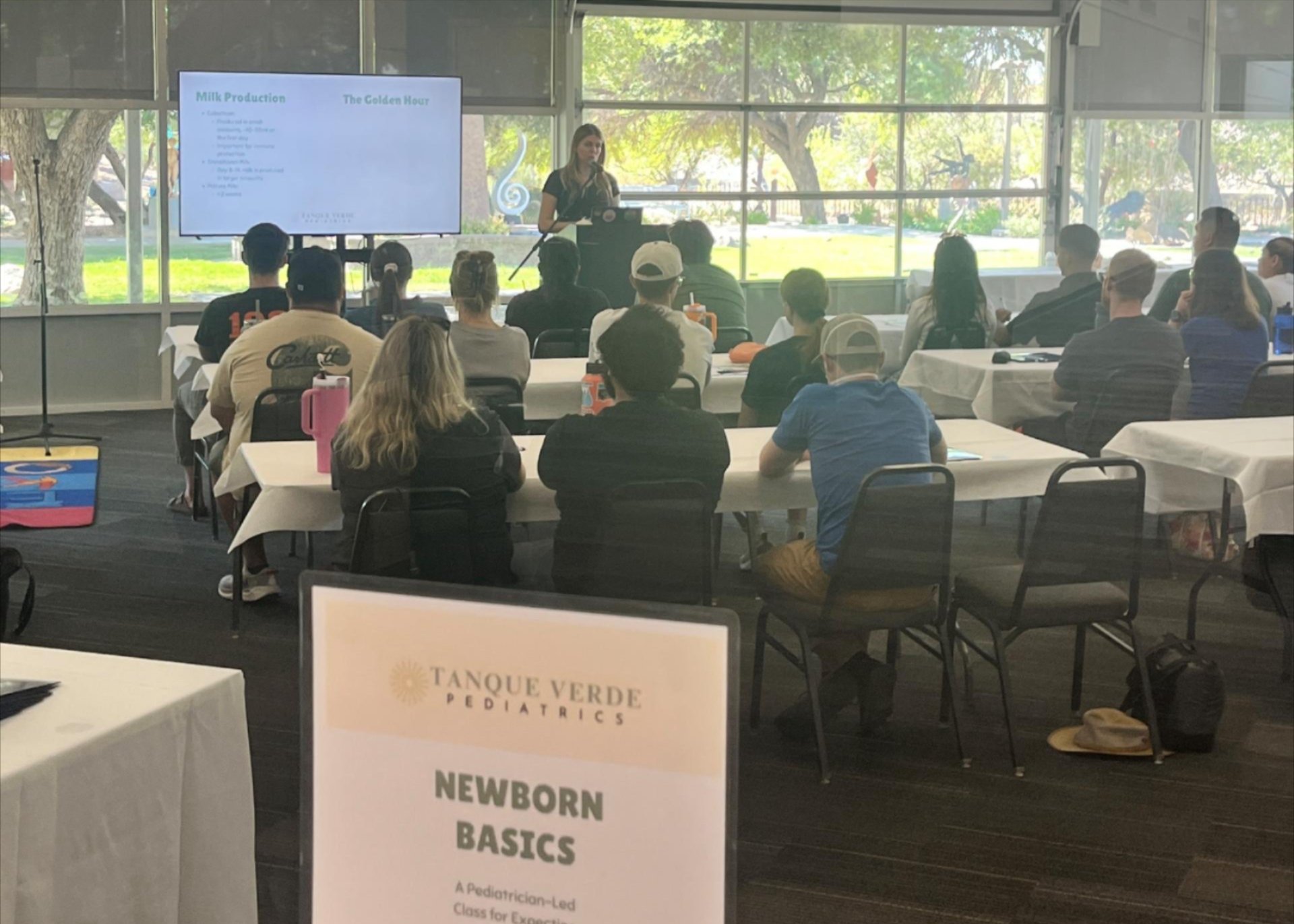
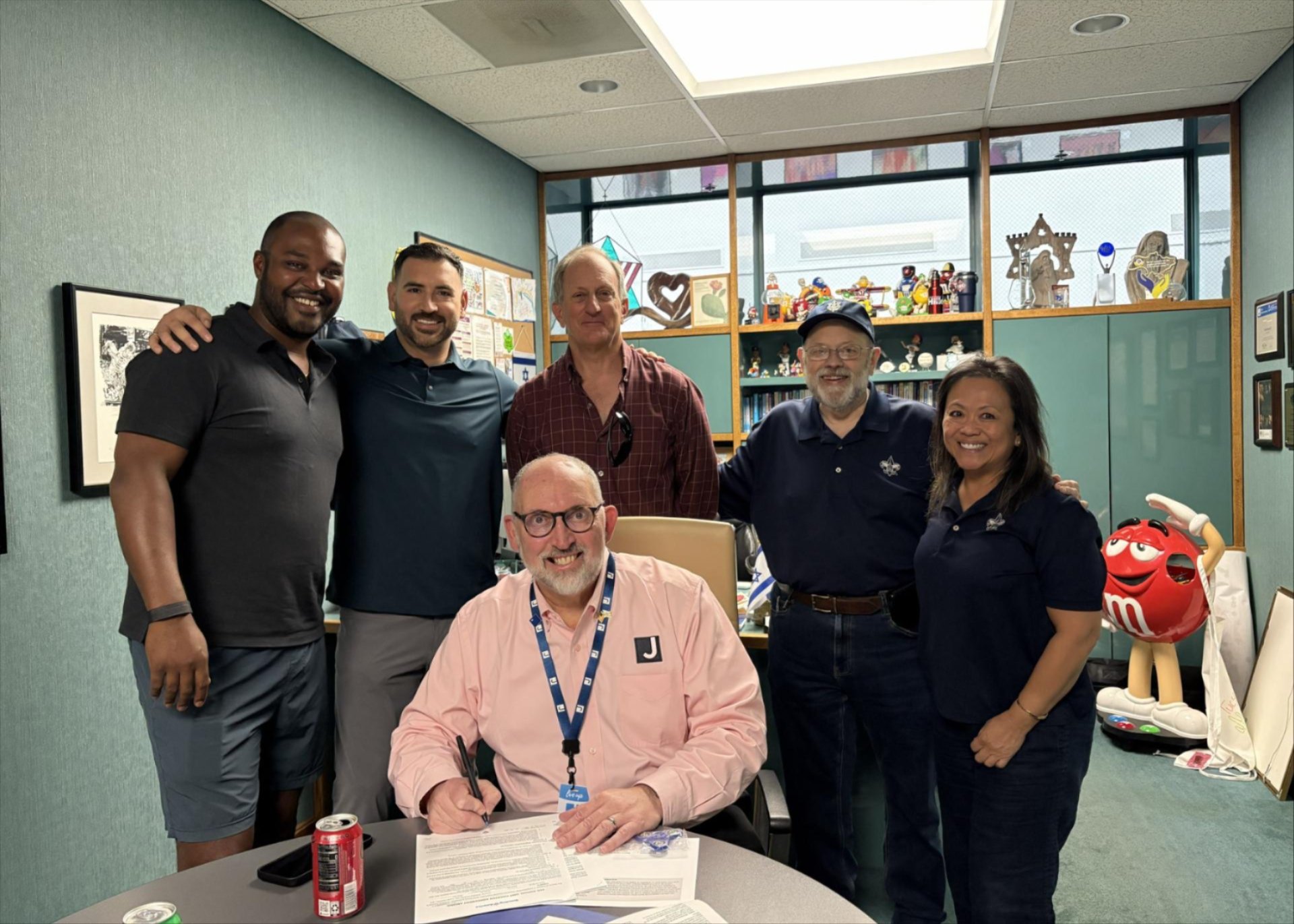
This week at the J, we celebrated the launch of an exciting new partnership with Tanque Verde Pediatrics as we hosted the first Newborn Basics class for expecting parents! We are honored to be a space where families can come to feel supported through every life stage and look forward to hosting these classes quarterly. Also this week, we had the pleasure of meeting with leaders from Cub Scout Pack 613! The group is hosting an information session on Monday, August 24 at 4:30pm in the J’s PlaySpace for kids interested in joining the pack, and adults interested in leadership and volunteer opportunities. 

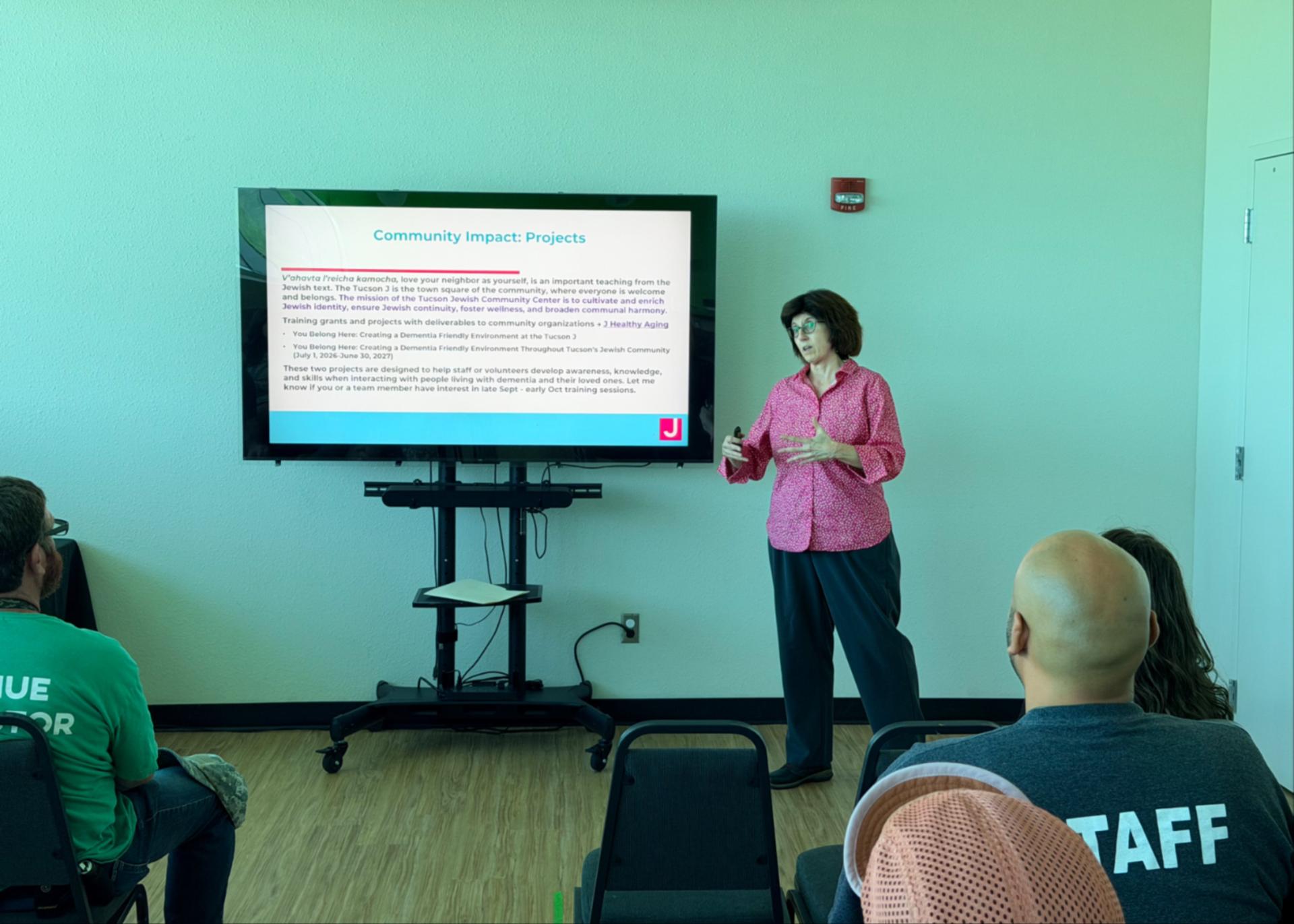
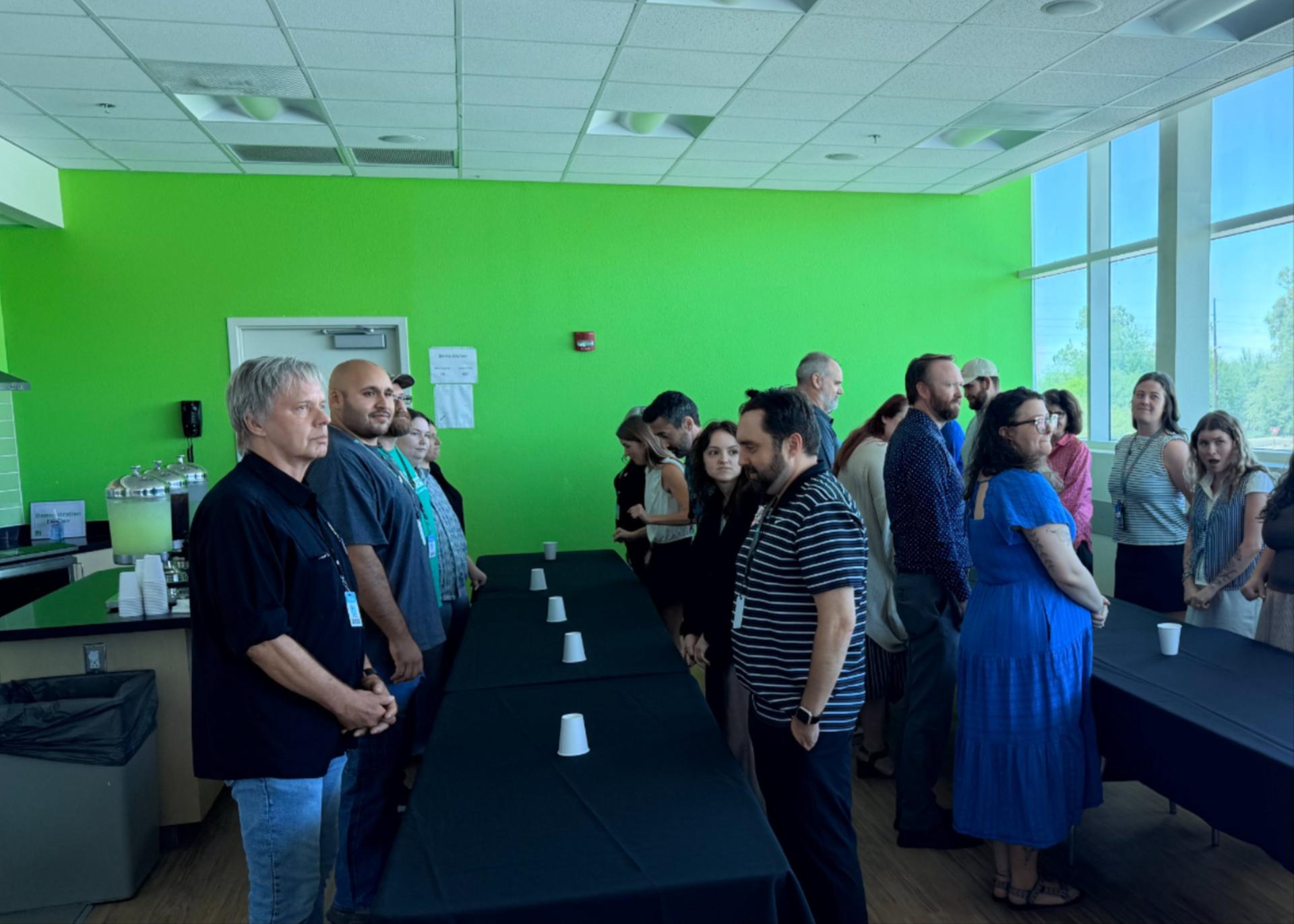
On Thursday, our entire leadership team (called Tzevet, hebrew for team) joined together for the first group meeting since we paused for summer. We took time to reflect on the upcoming High Holidays with a learning moment led by Chloe Loos, Director of Arts + Culture; engaged in a fun “Get up and move!” team building activity by Evan Holt, Director of Aquatics; and enjoyed a presentation from Linda Travis, Director of Healthy Aging, about how Healthy Aging programs serve our community. 


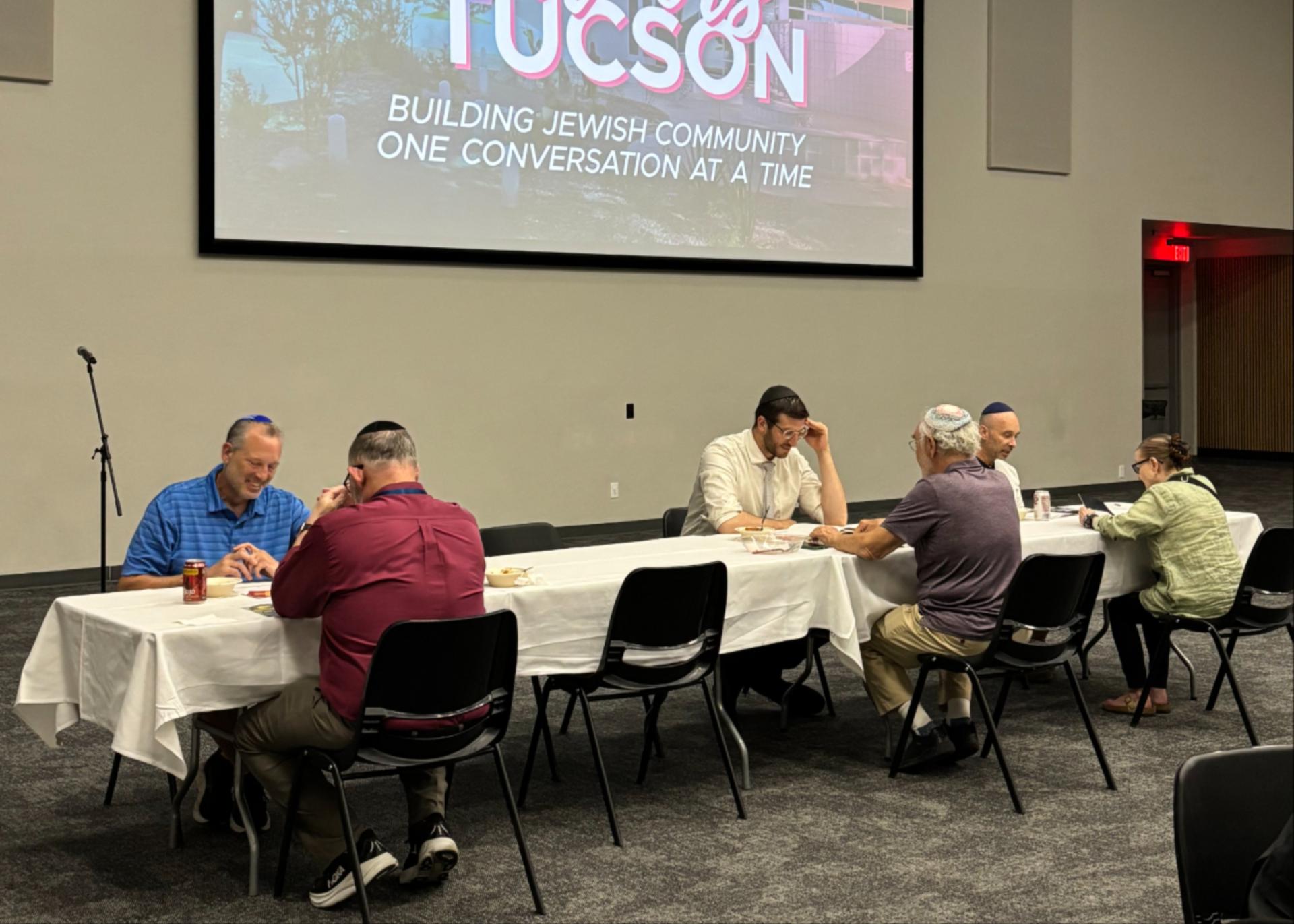
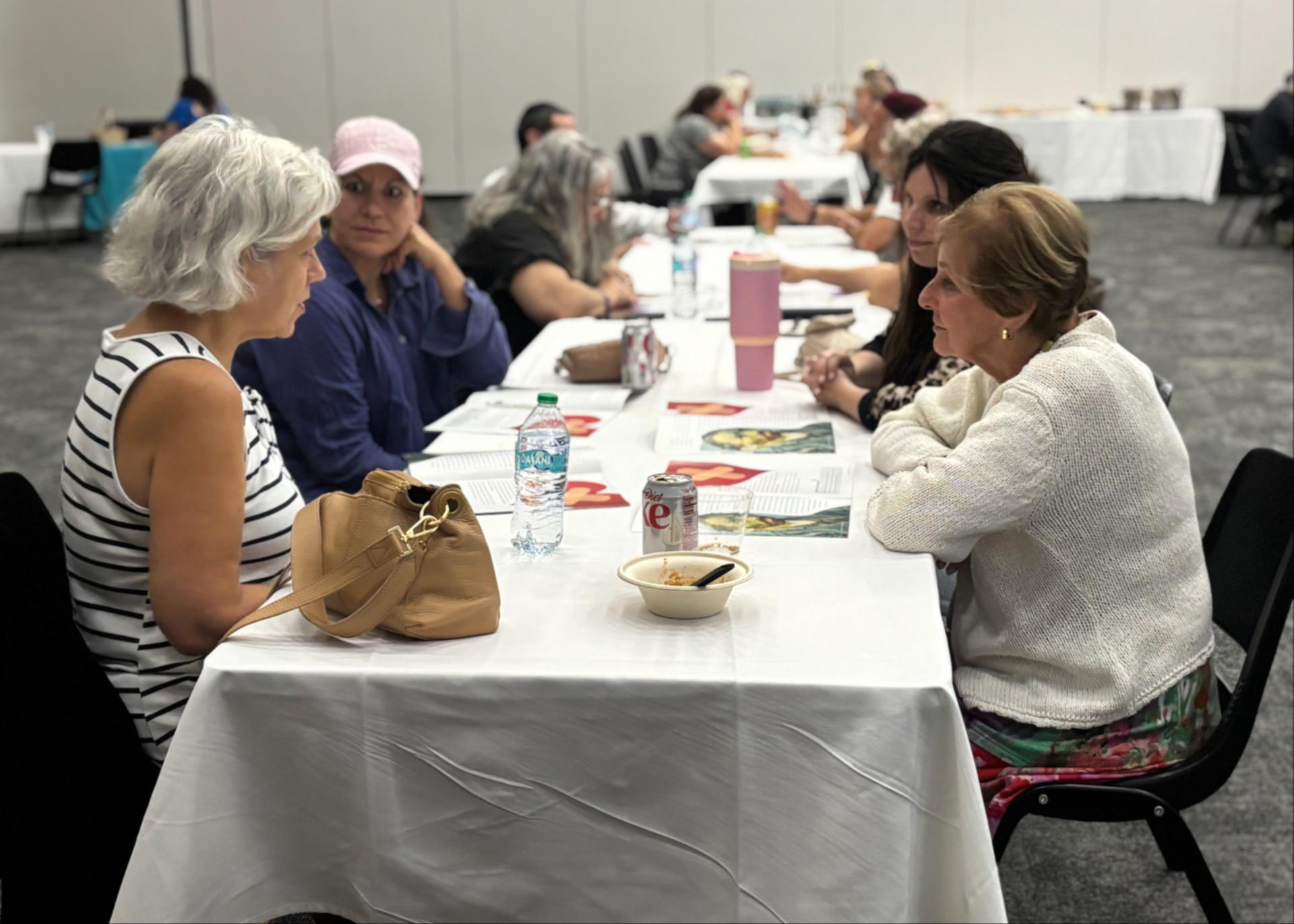
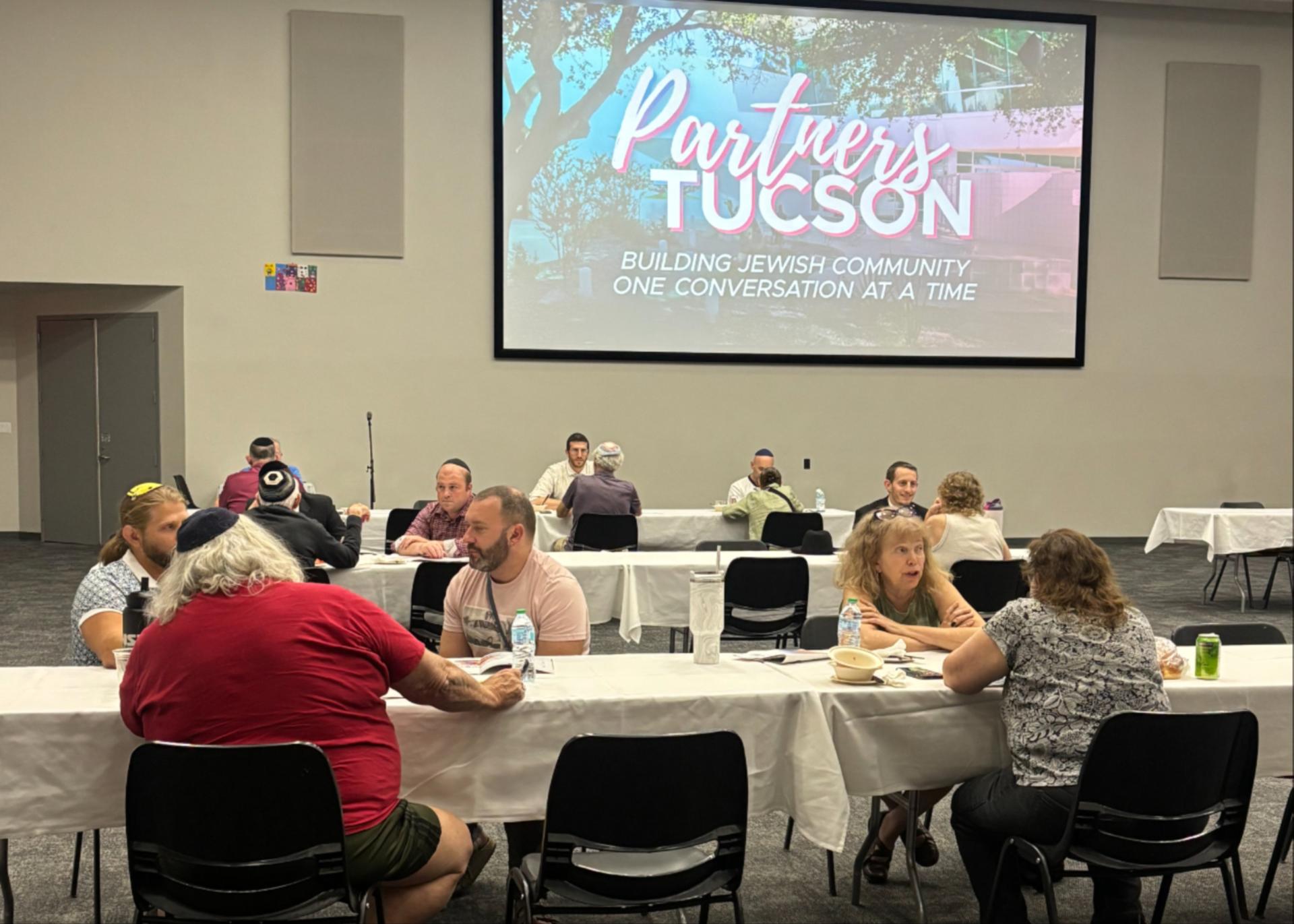
Thursday evening, 40 community members gathered for the first of a new series of Partners in Tucson programs. Partners is designed for Jewish people of all backgrounds and experiences to explore perspectives through meaningful conversation in pairs, using the teachings of Rabbi Lord Jonathan Sacks (z”l), with the ultimate goal of creating a better now and future for Jewish life. Join us for the next one on September 17!


As we make our way toward the High Holidays and season of renewal, may we all take stock of where we are, where we want to go, and what kind of community we want to be part of. At the J, we are committed to continuing to find our way forward by creating space for people to gather, learn, contribute, and find their place—and we are grateful to each of you for the ways you help shape the community we share. Shabbat Shalom. 

Reminders, Resources + Learning

CHALLAH ORDERS

Orders must be made by 10pm on Monday. Orders may be picked up from 5am-6pm at the Front Desk and/or Sports + Wellness Desk on Thursday or Friday each week. 

If you have a child/dependent in one of the J’s childcare programs or Taglit, we can send your Challah order home with them. 

Contact Member Services at membership@tucsonjcc.org or mark the boxes on our online order form to set up a standing order or to purchase a new 10 pass for weekly challah at a discounted rate of $55.

Shavuah Tov 2 Elul 5786

Shavuah Tov


As we welcome the Hebrew month of Elul, we enter a sacred season in the Jewish calendar. Elul is the final month of the year, a bridge between the year that is ending and the new year waiting just beyond the horizon. Jewish tradition invites us to use these weeks intentionally for introspection, for cheshbon hanefesh, an accounting of the soul, and for teshuvah, the work of returning, repairing, and beginning again.


I have always appreciated that our tradition gives us an entire month for this work. Elul is a gift. Rather than arriving at Rosh Hashanah and suddenly being asked to consider who we have been and who we hope to become, we are given time to prepare. We can look back honestly at the year that has passed, acknowledge where we have succeeded, recognize where we have missed the mark, and consider how what we have learned can create forward motion in the year ahead.


One of the beautiful teachings associated with Elul comes from Song of Songs 6:3:


Ani l’dodi v’dodi li, “I am my beloved’s, and my beloved is mine.”


The first Hebrew letters of these four words Aleph, Lamed, Vav, Lamed spell Elul. During this season, these words remind us that the work of reflection and teshuvah is deeply relational. We consider our relationships with one another, with ourselves, with our community, and with the Divine.


That idea feels particularly meaningful at the Tucson J.


As an organization, we too have an opportunity to engage in cheshbon hanefesh. We can ask ourselves: Where did we fulfill our mission particularly well this year? Where did we miss the mark? Whom did we welcome and engage? Who might still be standing at the edges of our community? How can we listen more deeply? And how can we better fulfill our goal of building and strengthening Jewish community and creating vibrant Jewish life?


Importantly, we cannot answer those questions alone.


We want to hear from you.


Once again, the Tucson J will participate in the JCC Association Benchmarking Project. In the coming weeks, you will receive a survey asking about your experiences, perspectives, and connection to the Tucson J. I hope you will take the time to complete it and share your thoughts with us.


Your feedback is an important part of our organizational cheshbon hanefesh. Listening to our community helps us understand what we are doing well, where we need to grow, and how we can continue becoming the Tucson J our community needs us to be. This is not simply about measuring where we have been. It is about learning from where we have been so that we can move forward with greater purpose.


Music often gives us another way to enter this season. Hashiveinu, asks that we be brought back so that we might return, and that our days might be renewed. That idea of return sits at the very heart of teshuvah. Elul asks us not simply to identify what we would change, but to consider what we want to return to our values, our relationships, our sense of purpose, and the people we aspire to be.


I also find myself thinking about Bob Dylan’s Forever Young. Written as a blessing, the song expresses hopes for wisdom, courage, integrity, joy, and a life grounded in what matters. There is something particularly appropriate about a blessing during Elul. Our accounting of the year is not only about asking where we fell short. It is also about asking who we hope to become.

Together, these songs capture something essential about this season: we return in order to renew, and we reflect in order to become.


As we prepare to enter a new year, what qualities do we hope to carry forward? What do we want for our children, our families, our community, and ourselves? What do we need to leave behind? And what choices will we make to help our hopes become reality?


Elul reminds us that reflection is not meant to leave us looking backward. We look back so that we can move forward with greater intention, wisdom, humility, and hope.


As each of us begins our own cheshbon hanefesh, may we have the courage to celebrate what was good, acknowledge where we missed the mark, seek repair where it is needed, and imagine what is possible in the year ahead.


And in the spirit of Hashiveinu and Forever Young, may we return to what matters most, remain open to learning and growth, stand firmly in our values, and continue to see the possibility and wonder around us.


I wish you and those you love a meaningful month of Elul. May our individual journeys of reflection strengthen our collective journey, and may the work we do together continue to create a Tucson Jewish community filled with belonging, connection, purpose, and vibrant Jewish life.4


Chodesh Tov,


Cochenu b’Achduteynu | כחינו באחדותינו | Our strength is in our unity.


 Am Yisrael Chai | עם ישראל חי


Todd Rockoff

President + CEO, Tucson J 


From the Desk of Jennifer Lorch Selco | Sr. Director of Jewish Living + Engagement

Shabbat Shalom
Shabbat Shalom

From the Desk of Jennifer Lorch Selco | Sr. Director of Jewish Living + Engagement

This week’s Torah portion, Shoftim (Hebrew for judges), reminds us of the importance of learning. In Shoftim we read about judges, leaders, and the systems that help a society function with fairness and integrity. There are also rules around a king, should Israel wish to have a ruler like the other nations around it.


When he is seated on his royal throne, he shall have a copy of this Teaching written for him on a scroll by the Levitical priests. Let it remain with him and let him read in it all his life, so that he may learn to revere the Eternal his God, to observe faithfully every word of this Teaching as well as these laws. – Deuteronomy 17:18-19


In his commentary, Lessons in Leadership: A Weekly Reading of the Jewish Bible, Rabbi Lord Jonathan Sacks, of blessed memory, teaches “to be a Jewish leader means spending time to study both Torah and hokma (Jewish wisdom): hokma to understand the world as it is, Torah to understand the world as it ought to be. Leaders should never stop learning. That is how they grow and teach others to grow with them (page 267).”


Shoftim reminds us that leaders should not stop learning, not only because learning helps them to lead the community, but also because others will learn from them. We are a learning people, using ancient wisdom to help us make sense of our world today and empowering us to strive to make our community and  world a better place.


As we bring in Shabbat, may we be inspired by this idea that learning truly is a lifelong journey. The questions we ask, the conversations we have, and the new perspectives we encounter, each provide an opportunity to grow. When we make learning a part of who we are, we strengthen not only ourselves, but the community we are building together.

One of the lessons of Shoftim is that leadership begins with a commitment to keep learning. The Torah’s vision of leadership asks us not only to guide others, but to remain curious, grounded in wisdom, and open to growth ourselves. That idea is deeply connected to the work of the J, where we have the opportunity—and the responsibility—to cultivate leadership at every level of our community. We believe leadership grows when people are invited to learn, take initiative, and share what they have to offer—and when we create spaces for our staff, members, and guests both young and old to do that. This week, we saw our commitment to learning and leadership come to life in many different ways! 


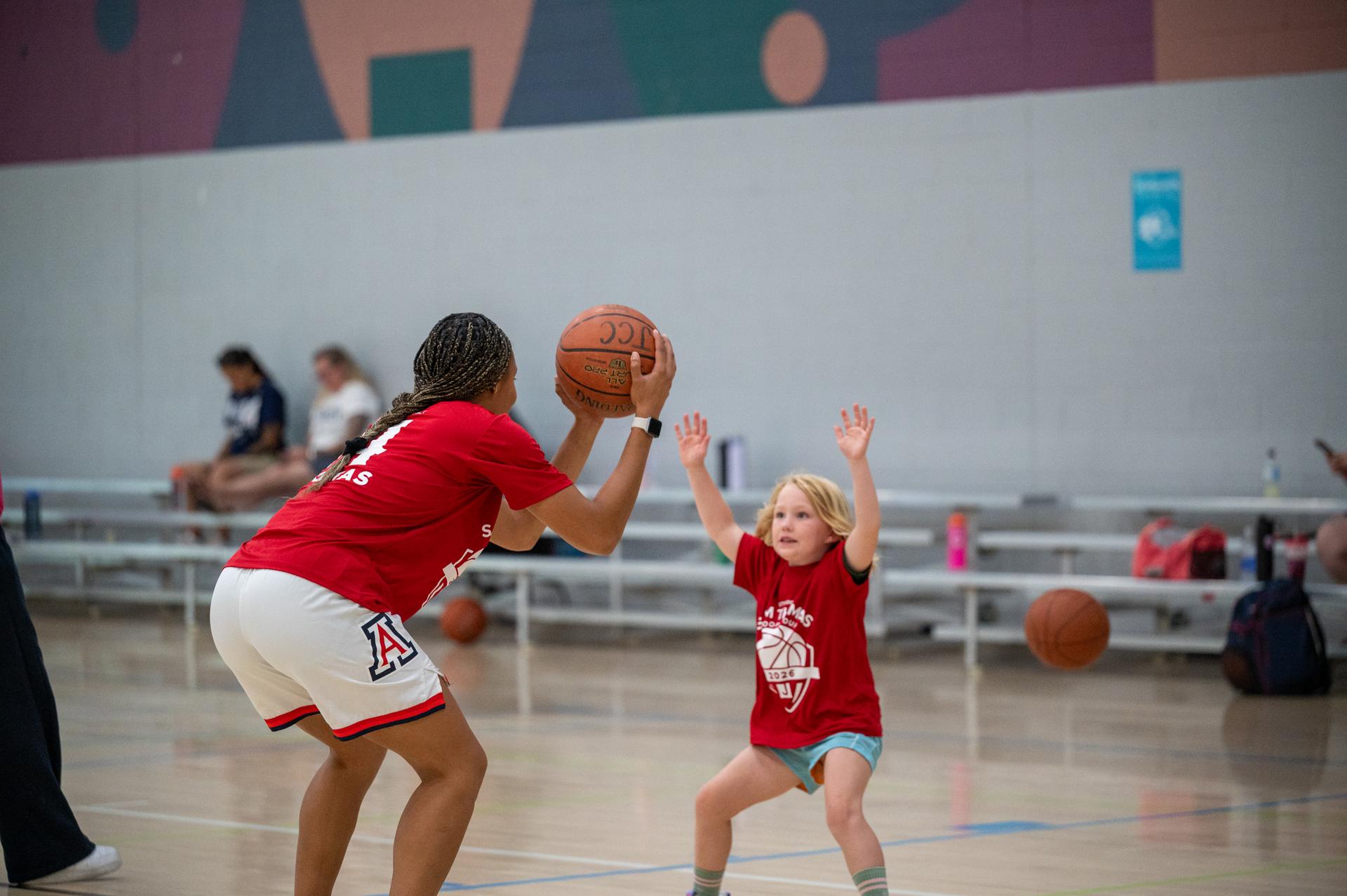
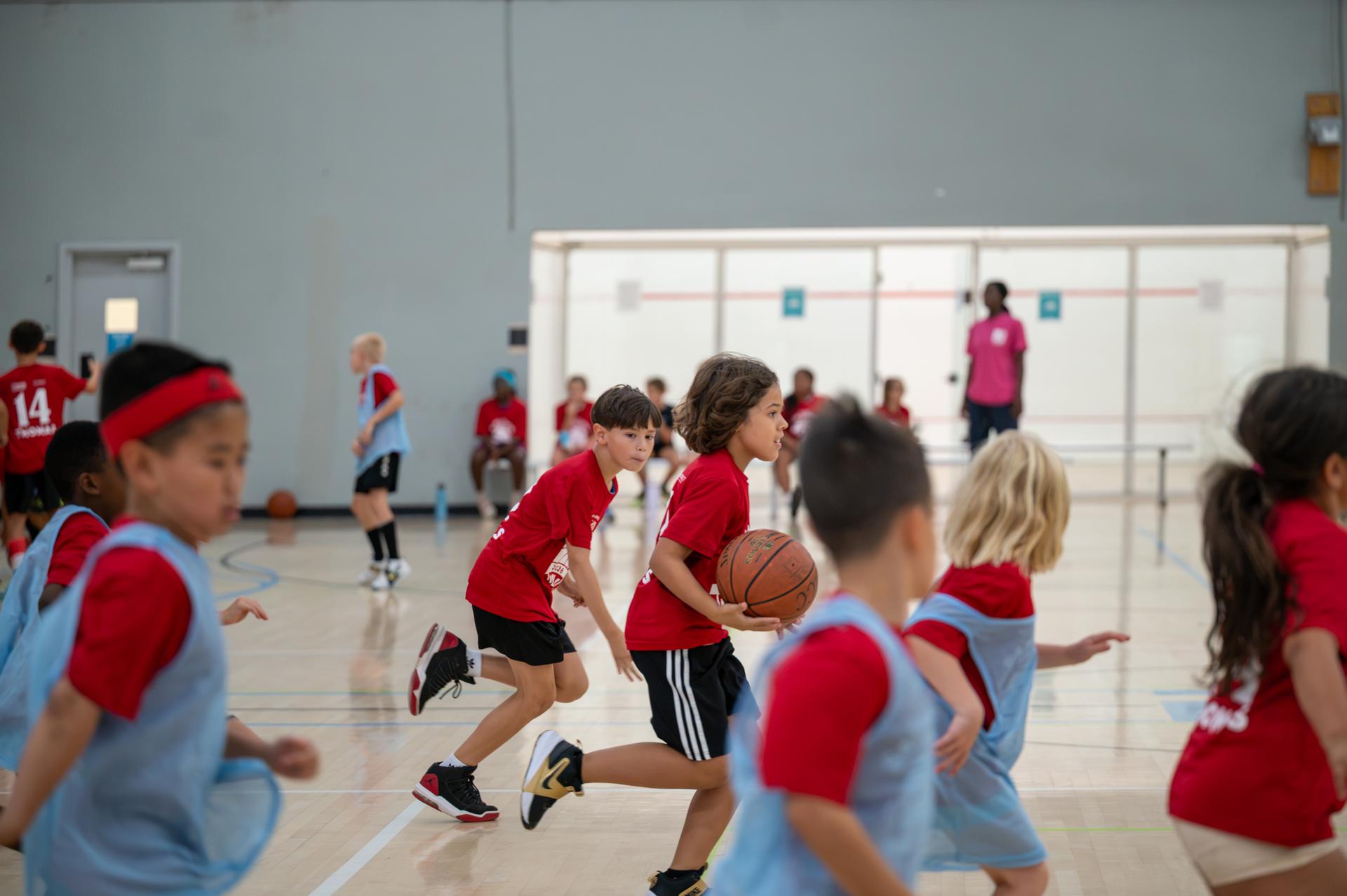
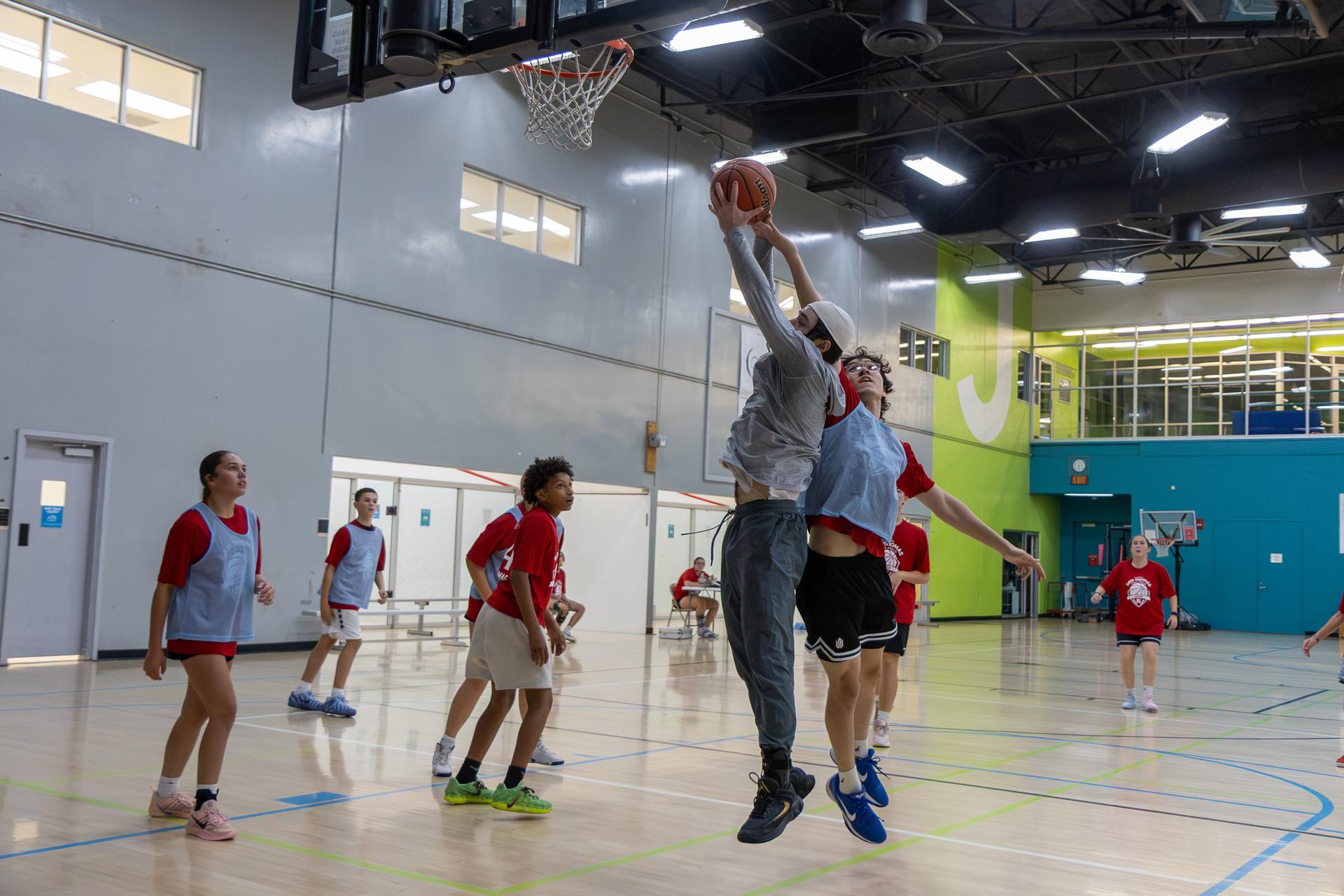
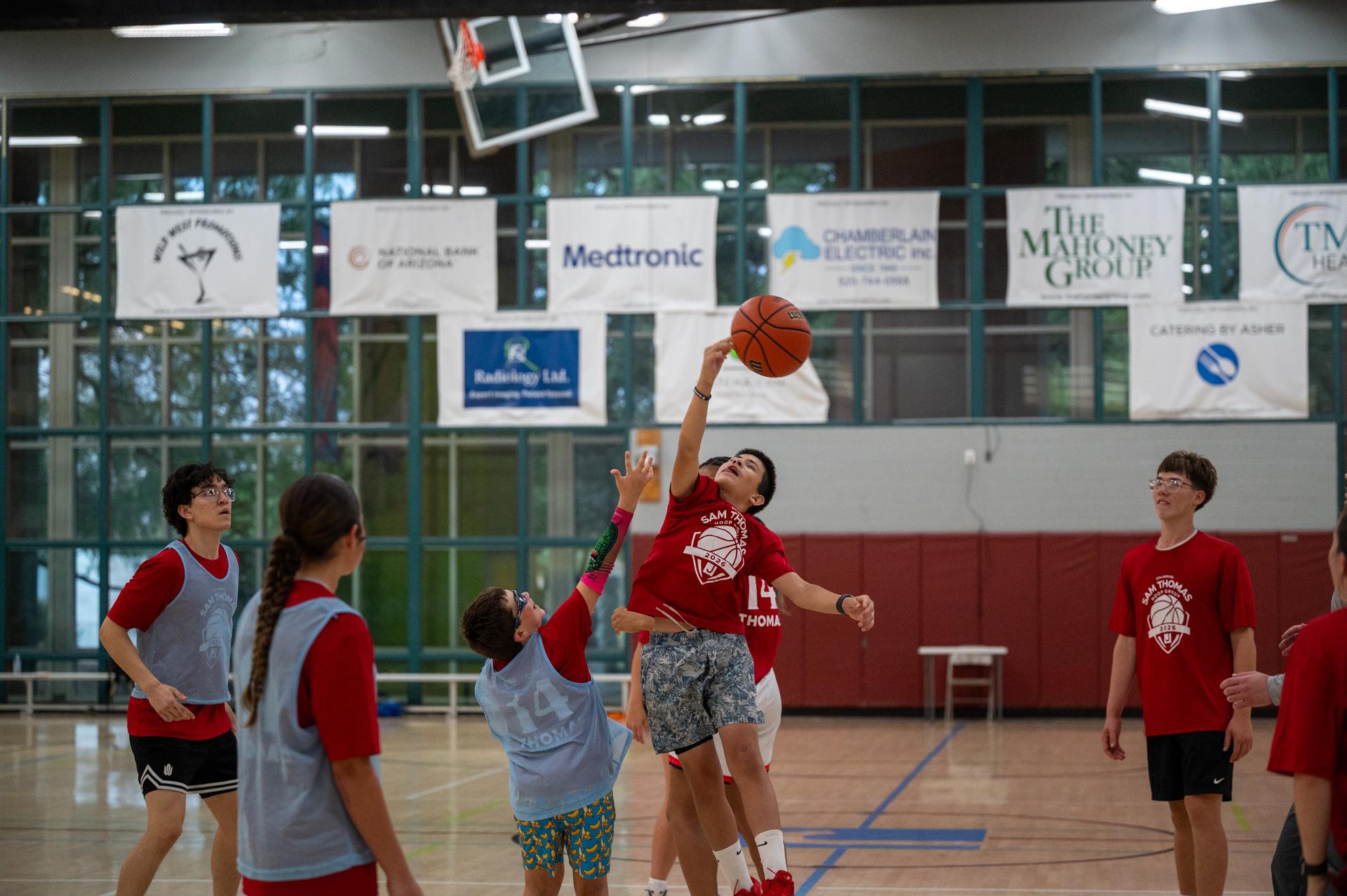
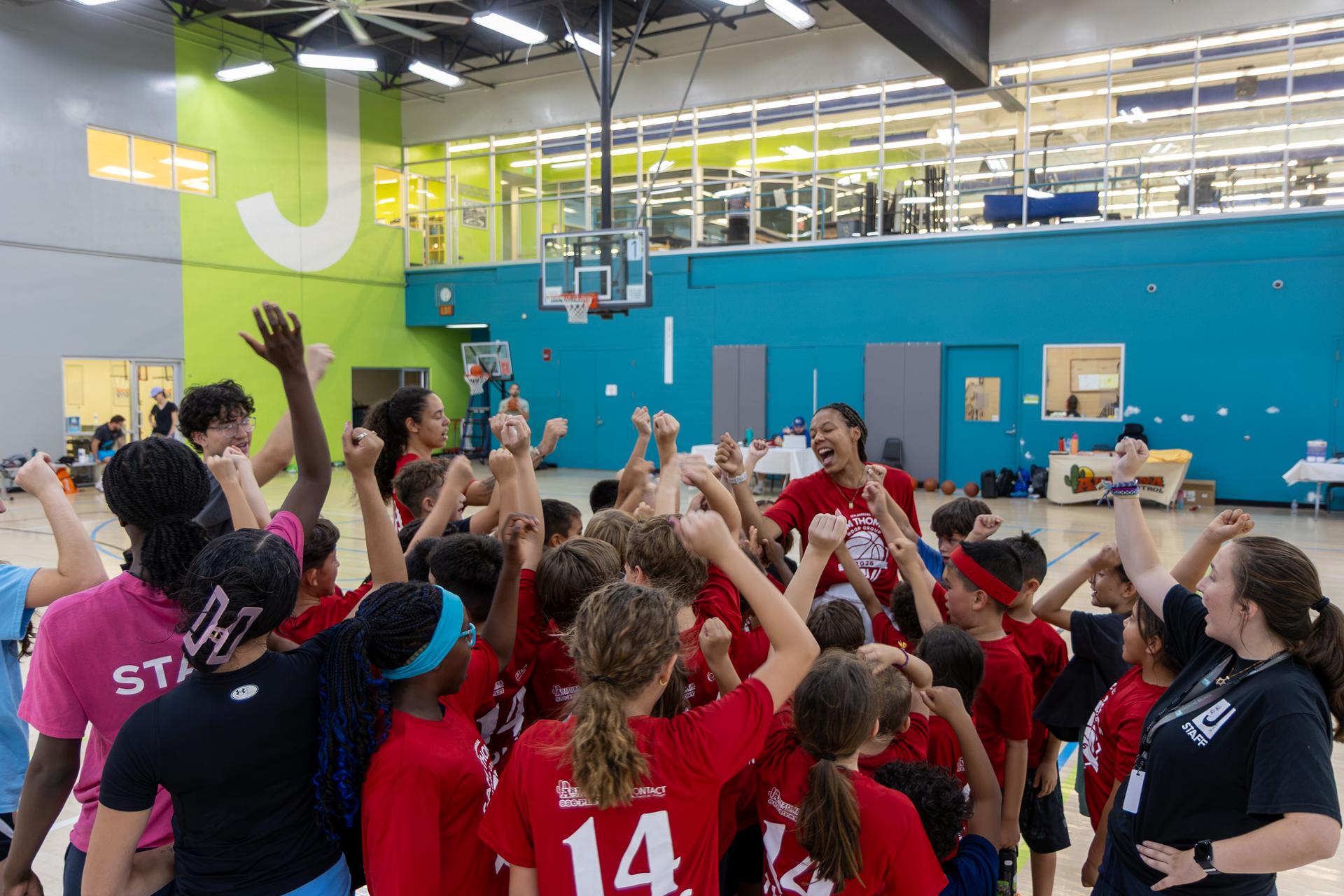
We began the week on Sunday welcoming back UA women’s basketball legends Sam Thomas and Dominique McBryde to the J for their 5th annual Hoop Group youth basketball clinic. As leaders on the court, they brought their skills and experience to a group of over 80 young athletes, many of whom have returned year after year! You can read more about the clinic here from our friends at the Arizona Daily Star and check out photos here on Facebook. 

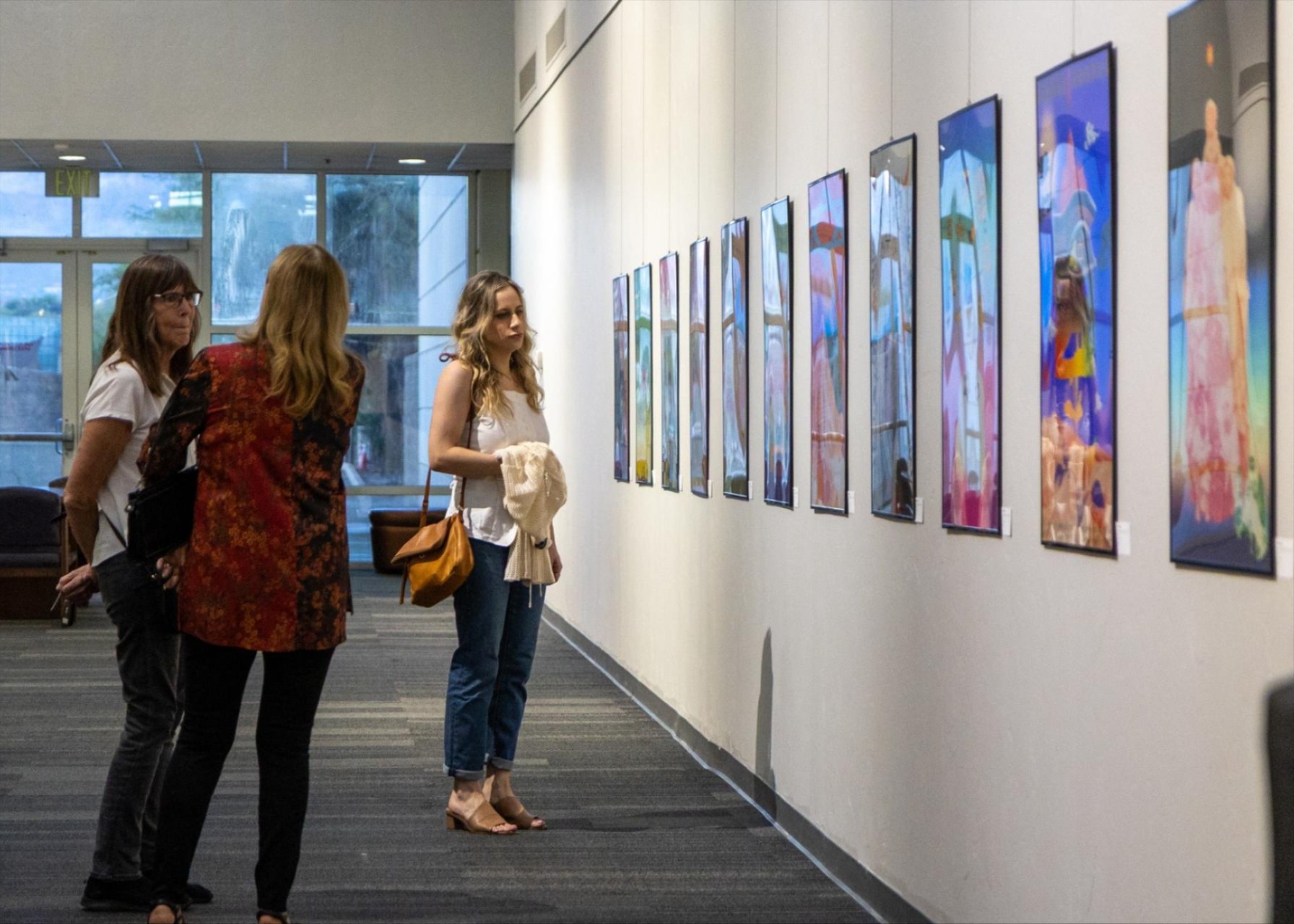
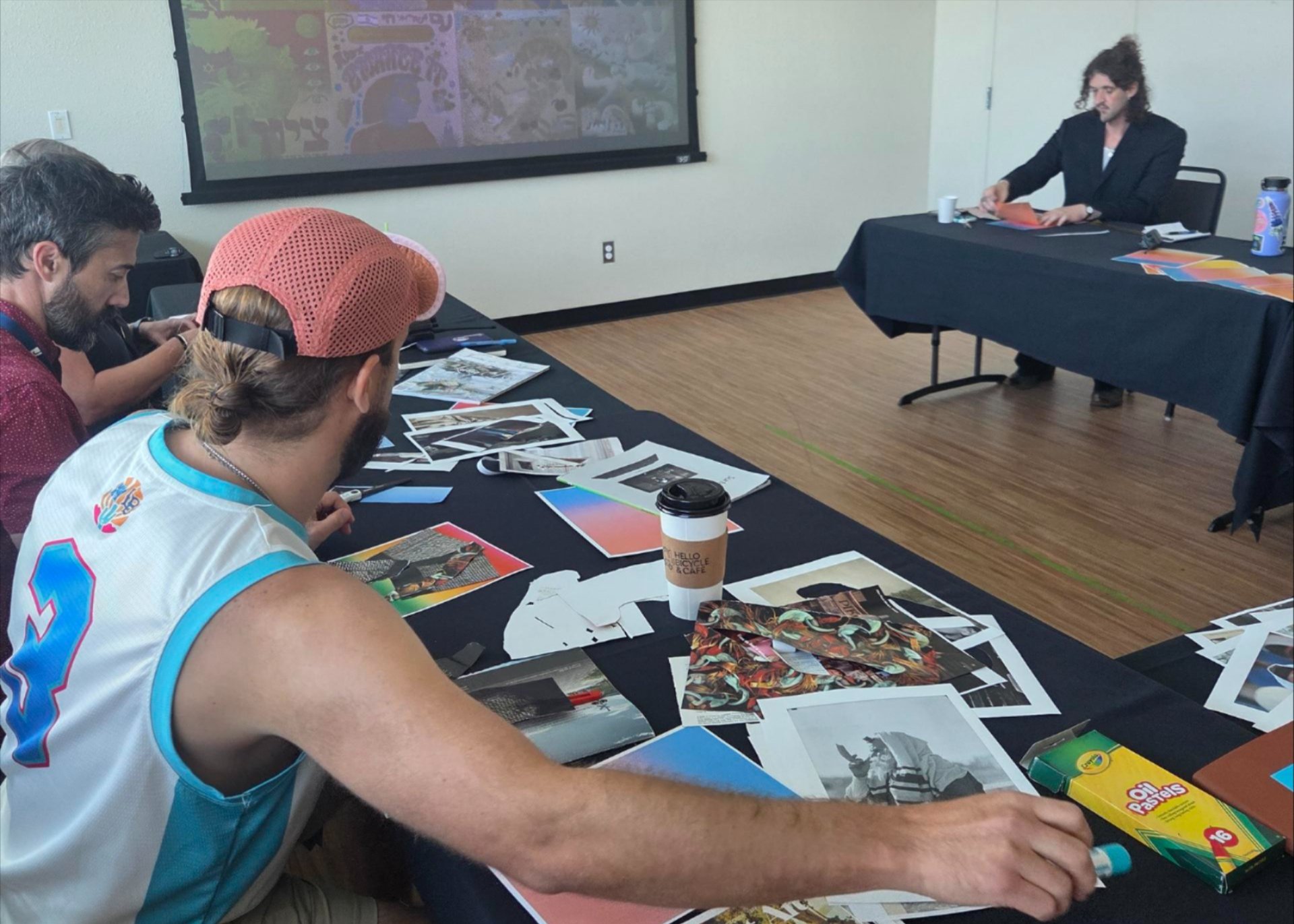
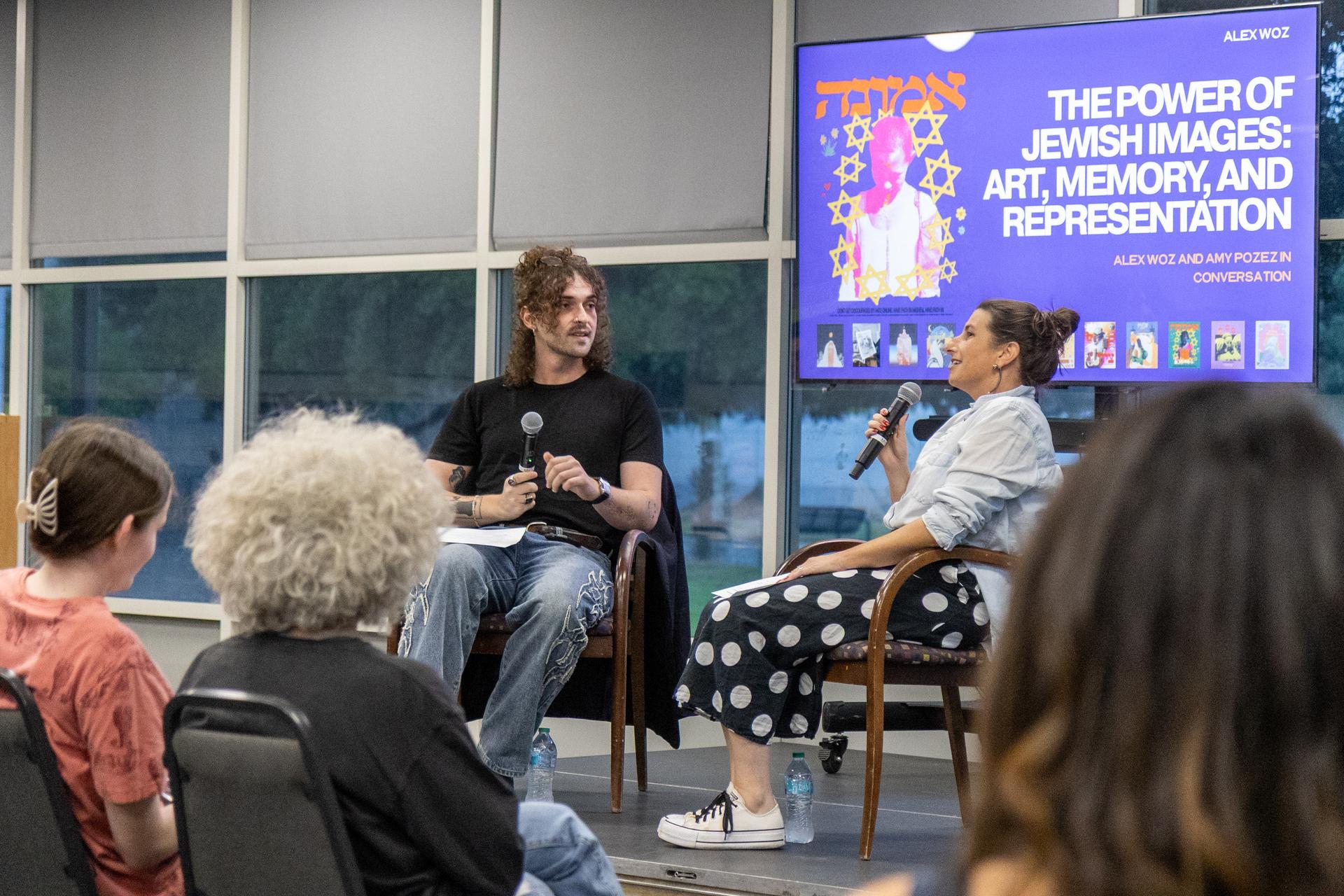
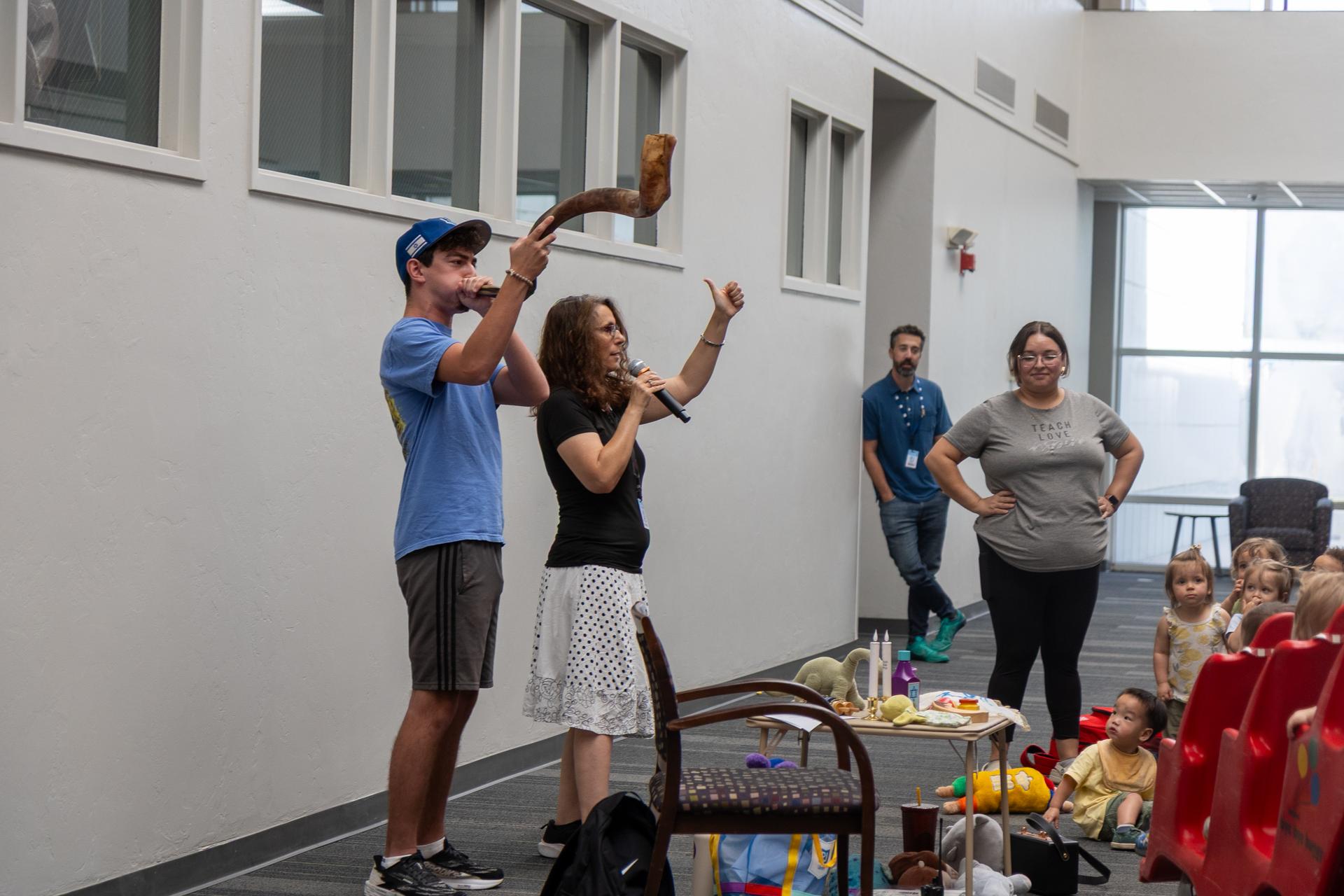
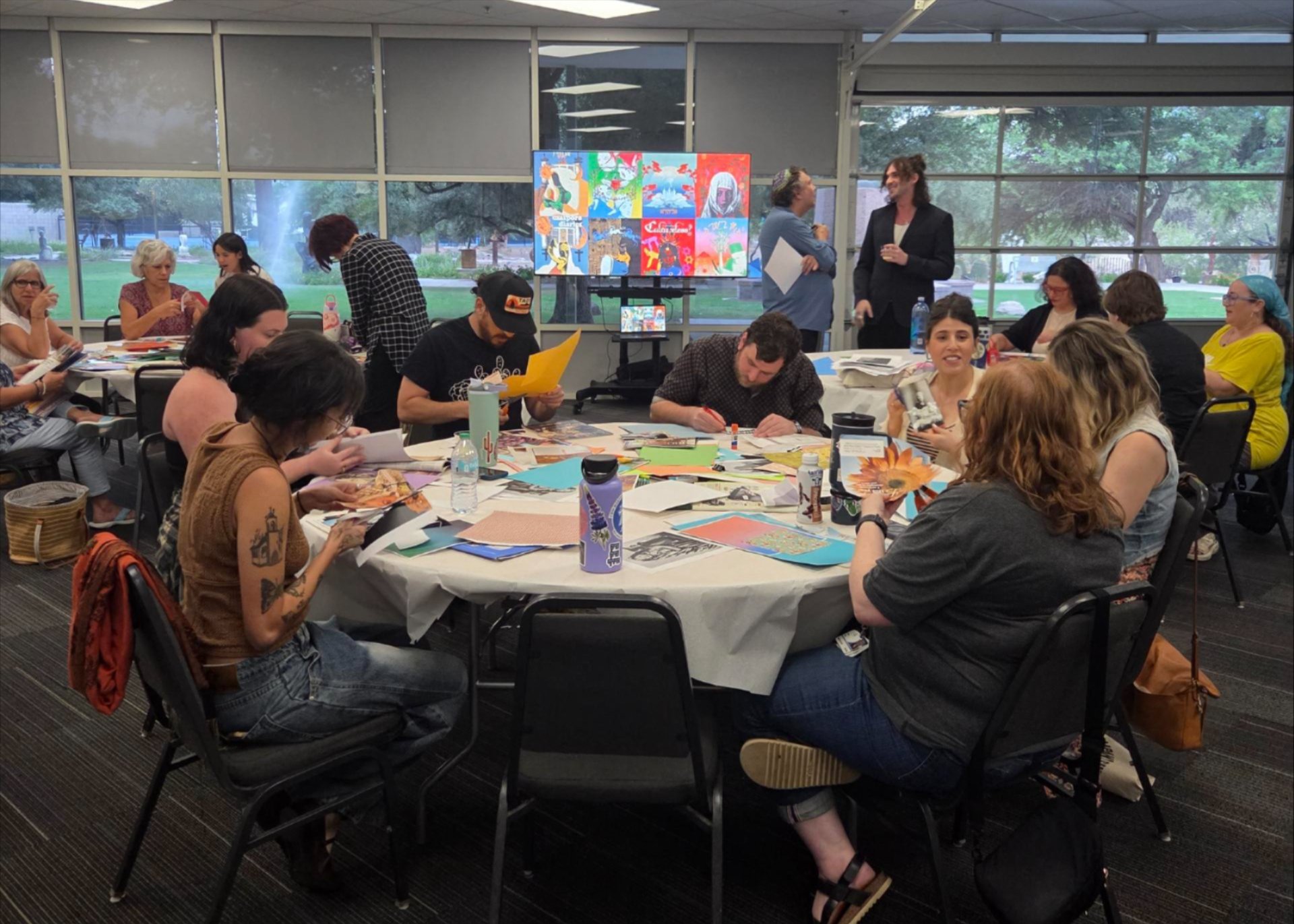
Beginning Wednesday, we had the honor of hosting LA-based Argentinian Jewish artist, Alex Woz, to campus for a short but impactful artist residency that included a pop-up exhibition, artist talk, and collage workshop, all centered around the theme of Jewish identity and combatting antisemitism using the power of art to share positive stories. Alex also delivered a presentation and workshop for our leadership team, offering a powerful moment to learn together, express our creativity, and think about the role our work and we as leaders play in shaping the narrative of our local and global Jewish communities. Just this morning, Zev Greenberg joined his mom Jennifer, our Jewish Culture + Curriculum Coordinator for Early Childhood Education, at ECE Shabbat to welcome the Hebrew month of Elul by sounding the shofar (ram’s horn). It is customary to blow the shofar every weekday morning from the second day of Elul to the the last day of the month before the holiday of Rosh Hashanah begins; the idea being that the sounds of the blast stir our souls awake and bring us closer to God as we approach the new year. As a former “J kid,” JCC Maccabi athlete, and Camp J staff, we are proud of Zev for showing leadership and sharing his Jewish spirit with the next generation! Looking for a way to celebrate Rosh Hashanah? Join us for Sweet Beginnings with PJ Library! As we move into Shabbat, each of these experiences reminds us that when we cultivate curiosity and create room for others to grow, we strengthen not only individual leaders, but the vibrant, connected community we are building together.

Reminders, Resources + Learning

J Stories | The Arroyo Family

Play Video

Listen to the article

3:40 minutes

The Arroyo family

Four years ago, Melissa Arroyo was handed a diagnosis that would reshape how she thought about her daughter’s future. Her daughter, Valentina, had autism—and with it came a clear message from doctors: she would need the right environments to truly thrive. School, childcare, even something as quintessential as summer camp, would have to be chosen with care, intention, and trust. 


For many families, summer camp is a given. For Melissa, it was a question mark. 


Today, that question has an answer. For the last several summers, Valentina has spent her days at Camp J, swimming, playing, and making friends just like any other camper. What once felt uncertain has become a place of belonging, growing, and thriving—at the J, Valentina is not defined by her diagnosis but reaching beyond it. 


Melissa and Valentina’s journey is not just a story about one child at camp. It is a window into what becomes possible when the right support systems are in place—and why access to them matters for every family. 


“Camp J is a place where every kid, regardless of ability, is empowered to grow and learn in a community-centered environment,” said Cass Johnson, the director of camp and youth at the Tucson J. “Our camp is focused on fostering independence and helping kids to get out of their comfort zone, so they leave with more confidence than when they first arrived.” 


Melissa first heard about Camp J from other families in the community. “I asked a lot more questions and I visited the facilities, and what we noticed was that we saw a lot of different types of families… It made us very comfortable as a family to consider bringing our daughter here.”  


Melissa reflected that Camp J provided Valentina with the appropriate level of support and attention from counselors, allowing her “to be the child that none of us knew that she could be.” 


Camp J takes incredible care in staffing and training counselors, ensuring that campers can get one-on-one support if needed. “Accessibility and inclusion are central to Camp J. We think of families as partners, because when families and camp are aligned, we can create a safer and more successful environment for kids to thrive,” said Cass. 


“Every day, my daughter would come home and would have done something different. It was very clear that the program was developed and built specifically for all these kids, giving them the ability to not just do things that they love to do or like to do, but actually try new things.” 


Camp J is filled with activities like swimming, cooking, sports, art, and wilderness, allowing campers to engage with their favorites, while having space to explore and embark on new adventures.  


As camp went on, Melissa watched Valentina blossom. The family was working on improving her storytelling skills, and at Camp J, Valentina made incredible progress. “[Valentina] would come home with stories all the time. She would know exactly what she was doing during the day… It was a first experience for us being able to see how animated she could get and actually articulate things that she did and was excited about,” Melissa said. 


Ultimately, Camp J has given Melissa and her family the one thing that every parent wants—peace of mind. “As a parent of a child who has [autism], to be able to know and feel safe when we leave her and not feel the constant anxiety of wondering how she’s doing, how people are treating her, is she enjoying herself? We always felt safe knowing that she was going to be taken care of and included… because of who she’s being cared for by at the J.” 


All children deserve an experience like Valentina’s, filled with the support and space needed to flourish all summer long and to take those skills and memories with them when the camp season ends. The J’s Annual Send a Kid to Camp campaign makes that possible. Donations provide scholarships for those in need, as well as help to make important investments in staff, enhance programming, and contribute to facility updates that make the J a truly child-friendly place.  

make an impact + donate today!

J Stories | The Contento Family

Play Video

Listen to the article

4:37 minutes

The Contento Family

From Early Childhood Education and the JCare after school program to Camp J and beyond, the Tucson J offers so much more than the average childcare center—it’s a place where kids grow, families connect, and community is built. For busy families balancing childcare, work, school, and everything in between, having a trusted, enriching environment that fosters lifelong learning can make all the difference.  
 

For the Contentos, and so many others like them, what began as a search for childcare turned into something much bigger. From their earliest days in the Early Childhood Education program, to summers spent at Camp J, the J has become a home away from home for their family—and a place where they found the values, diversity, and sense of belonging they were looking for.   


Victoria and Brad Contento initially joined the J for the Early Childhood Education (ECE) program for their then 11-month-old son, Lorenzo. “I had heard a lot of good things about the ECE here at the J from coworkers and friends. We came for a tour and checked it out, and decided we wanted to come here,” said Victoria.  


That first visit quickly affirmed that they had found the right place.  


“From the very beginning, when we were touring the ECE, it was made very clear that our children would be exposed to multiple languages, multiple people, multiple religions, and that was something they made an emphasis to show us and to make sure we would fit in and be part of the community,” said Brad. 


“ECE has exposed our children to phenomenal instructors and a great curriculum to prepare them for kindergarten and beyond,” added Victoria. 


As their kids’ involvement at the J grew, so did its role in their daily lives.  


“The Tucson J gives us a third space to be at—a place to work out, a place to have fun with the kids, not just for daycare and preschool, but also swimming lessons and birthday parties. It’s a big part of our lives at this point,” said Brad. 
 

The family found friends, made memories, and today, Lorenzo is eight years old, spending his summers at Camp J, while the littlest member of the family, Arlette, is a thriving ECE student, and Victoria is back at work part-time.  


Victoria and Brad say that, like any transition, moving from ECE to Camp J had its challenges, but “it was a lot easier being familiar with the staff and the facility than it would have been otherwise.” Camp J makes the switch from preschool to summer camp seamless, with a designated group for rising kindergartners, called Noar. This age group relies on familiarity and routine, so each day, camp schedules follow a structured schedule that includes a rest period, splitting up the morning and afternoon activities, so that campers can truly ease their way into kindergarten and big-kid camp. 


“A big memory that stands out for me from Camp J was the first time that Lorenzo came home with a virtue card. A virtue card is a card that staff members give out to campers when they have displayed the virtue or the theme of the week that they’re trying to drive home at camp. That first day that he got that virtue card, he came running out, holding it in his hand, so excited.” said Victoria.  


That excitement was just the beginning for Lorenzo. By the end of the summer, it was clear how much camp meant to him and to his camp community.   


“I remember how emotional [the end of summer] was for the children and the counselors and how deeply they were all affected by it. And it just showed how much they liked being there and how important it was to them,” added Brad. 


While Camp J is filled with pool days, art projects, sports, cooking, and so much more, it is all of the moments in between the activities that set it apart: at Camp J, character is built, leadership skills are developed, and children grow into their most confident, kindest, and best selves. Every child deserves the opportunity to shine—this is why the J is committed to making Camp J accessible for all. Through scholarships provided by the Send a Kid to Camp campaign, our community comes together to ensure no child is turned away for lack of funds.  


Inspired by their own journey at the J, the Contentos are passionate about giving other families the same meaningful experience.  


“We would encourage people to invest in the Tucson J. We hear about the scholarships and opportunities that it can give to other families to come to camp or to be a part of the ECE. We want everyone to have that opportunity to come here,” said Victoria, as she looked at her family with a smile. 


From preschool to after school and summer camp to swim lessons, the J is proud to be a place where the Contento family—and every family—can grow, finding support, wellness, and community through every age and stage. 

make an impact + donate today!

J Stories | Marlene and Blaine

Caretaking, especially for loved ones, can be a rewarding yet isolating experience. But when you find a community of people going through the same thing, everything feels a bit lighter, which is exactly what Linda Travis, director of healthy aging at the Tucson J, intended when developing the Movement/Arts Immersion program. The program is one of several offerings at the Tucson J designed to support the well-being of aging adults; others include the Parkinson’s Wellness Exercise program, an Aging and Social Connections discussion series, and programs focused on bone health and mobility. 
 

“The Movement/Arts Immersion program here at the J is focused on participants living with early to mild stage dementia and their family members. It’s six hours a week— two, three-hour sessions,” said Linda. “We focus on things like arts, whether it’s coloring, sometimes it’s glassware, clay, and then we have an hour of fitness.” 


While creative expression and movement are central components of the program, Linda says the relationships formed among participants and caregivers are just as important. The program creates opportunities for families to connect with others who understand the unique challenges of living with dementia. 


The program also focuses on caregivers and loved ones, “the caregivers learn to connect with each other. They get tips from each other like, ‘hey, how do you handle being in a restaurant?’” Linda said, adding that, “it’s very relaxing for the caregiver and the person being cared for. They can make friends, and they don’t have to worry about making mistakes.” 


For families navigating dementia, that sense of acceptance and belonging can be life-changing. 


“I praise God for the day that Linda let us in here, because it’s been a big, big help for our lives, a good part,” said Marlene Nickolai, who travels nearly an hour to the program each week with her husband, Blaine Patrick, who was diagnosed with Alzheimer’s Disease in 2012. 


Marlene first heard about the program through a friend, “I just thought it would be good to be with other Alzheimer’s people… and he just loves it here. I have a hard time even getting him out of the room!” Marlene said, smiling at Blaine.  


For Marlene, the program has allowed her to meet and become friends with other caregivers. Recently, caregiver meetings have been added to the program, allowing the caregivers to gather while their loved ones are safe and happy with Linda and program volunteers.  

 
“I love that we all go around and tell where we’re at in our lives and what problems we’re having. And we help solve each other’s problems,” said Marlene. “It’s wonderful because most caregiver groups don’t allow the spouses to come. And so we can’t get into any others because I can’t leave him.” 


For Blaine, the program provides more than activities—it offers connection, purpose, and community. In a welcoming environment where he is encouraged to participate and build relationships, Marlene has watched him become more engaged and confident. “He walks in the room, and he doesn’t even sit by me. He goes back and talks to other people. So it’s a world of difference,” Marlene said. 


Marlene’s feelings extend beyond the Movement/Arts Immersion program and reflect the entire Tucson J community, “I just love the feeling here. It’s just warm and comfortable, and everything’s caring… I love it when I see the little babies coming in the carts. All ages are covered here at the J,” she said.  
 

But at the end of the day, Marlene’s dedication to the J is tied to her devotion to Blaine, “I want to do what’s best for him… he knows he matters during the program.” 
 

This is Linda’s hope for everyone. “Throughout all Healthy Aging programs, we have two goals, which are to enhance people’s independence so they can live fully in the community, but also their social connections. We want to decrease their isolation. We want to increase their social connections.” 


Feeling connected and involved is important for people of all ages, abilities, and backgrounds. Linda added that it’s important to remember that for older adults, “people still find relationships meaningful and satisfying.”  


It’s never too late to find your community, and the J makes it easier to connect with others navigating the same stage of life, ensuring that you have a supportive network to celebrate the wins and navigate the challenges — every step of the way.