Shavua Tov 26 Tamuz 5786

Shavua Tov

As Shabbat has now ended and we look ahead to a new week, we also arrive at one of Judaism’s beautiful moments of transition. This morning we read the double Torah portion of Matot–Masei, bringing the Book of Bamidbar (Numbers) to its conclusion. Next week we begin Devarim (Deuteronomy), the final book of the Torah, where Moses pauses to reflect on the Israelites’ journey before preparing them for the future that awaits.


These transitions are woven throughout Jewish life. They remind us to pause, to look back with gratitude, and to look ahead with hope.


Each time we complete a book of the Torah, congregations around the world proclaim:


חֲזַק חֲזַק וְנִתְחַזֵּק — Chazak, Chazak, v’nitchazek.


Be strong, be strong, and may we be strengthened.


Those words remind us that every ending is also a beginning, and that every conclusion carries within it the promise of another chapter waiting to be written.


The Ba’al Shem Tov, the founder of Hasidism, offered a profound image for these moments. He taught that living is like climbing a ladder. To reach the next rung, one must accept a brief moment when one foot has left the rung below while the other has not yet reached the one above. For an instant, we are suspended between what has been and what will be. That feeling of instability is not a sign that we are lost it is often the very evidence that we are growing.


Rabbi Lord Jonathan Sacks z”l beautifully observed:


“Faith is the courage to live with uncertainty.”


Those words remind us that our confidence does not come from knowing every step before we take it. Rather, it comes from trusting our values, our purpose, and the people who walk beside us.


Rabbi Nachman of Breslov expressed this same truth in words that have become one of Judaism’s most beloved songs: Kol Ha’oalm Kulo, Gesher Tzar Me’od v’ha’ikar lo lefached klal “The whole world is a very narrow bridge, and the essential thing is not to be afraid.” There is a beautiful connection between Rabbi Nachman’s narrow bridge and the Ba’al Shem Tov’s ladder.


Both remind us that growth requires movement. We cannot remain firmly planted where we are and still expect to arrive somewhere new. Faith is found in taking the next step, even when we cannot yet see the entire path.


Tomorrow afternoon, the first half of the Major League Baseball season comes to a close before the All-Star break. That pause is more than a few days away from the game. It is an opportunity for players, coaches, and organizations to reflect on what has gone well, honestly assess what needs improvement, and prepare intentionally for the second half of the season. Life offers us similar pauses not as interruptions, but as invitations to become stronger.


Here at the Tucson J, we find ourselves in one of those meaningful moments. We celebrate the remarkable work taking place throughout our community while thoughtfully preparing for what comes next. Like the Israelites standing on the threshold between the wilderness and the Promised Land, we honor the journey that has brought us here while embracing the possibilities that lie ahead.


This week’s Torah reading also reminds me of one of my favorite Broadway songs, Corner of the Sky from Pippin. The song speaks of searching for “a spot to begin” and believing that each of us has “a corner of the sky” where we are meant to contribute, grow, and make a difference. Our Jewish tradition teaches something similar. We are each called to keep climbing, to keep learning, and to keep moving toward the place where our unique gifts can strengthen our community and help repair our world.


As Shabbat comes to a close and prepare to begin a new book of Torah next week, may we embrace these moments of transition with confidence and humility. May we have the courage to cross the narrow bridge, the faith to climb to the next rung, and the wisdom to discover our own corner of the sky.


Chazak, Chazak, v’nitchazek.


May we be strengthened by one another, inspired by our tradition, and filled with hope as we continue this journey together.

Cochenu b’Achduteynu | כחינו באחדותינו | Our strength is in our unity.


Am Yisrael Chai 
| עם ישראל חי

Todd Rockoff

President + CEO, Tucson J 

From the Desk of Jennifer Lorch Selco | Sr. Director of Jewish Living + Engagement

Shabbat Shalom
Shabbat Shalom

From the Desk of Jennifer Lorch Selco | Sr. Director of Jewish Living + Engagement

This week’s double Torah portion, Matot-Masei, ends with the story of five sisters: Mahlah, Noa, Hoglah, Milcah, and Tirzah—the daughters of Zelophehad.


After their father dies, they realize that, according to the law at the time, they will not inherit his land because he has no sons. Instead of accepting things as they were, the sisters speak up for themselves. They go to Moses and explain why they believed the law should be different. Moses, unsure what the right answer was, brings their question to God. God’s response is simple: the daughters are right.


Their courage leads to a change in the law, allowing daughters to inherit when there were no sons. Later, when the Israelites enter the Promised Land, the sisters remind the leaders of the promise that had been made, and they receive the land they had been promised. In finding the courage to raise their voices, at first for themselves, they help create a more just future for others.


This story reminds us that every voice matters. Change is not initiated with a big speech—it often starts with one person who is willing to say, “I think we can do better.”


The daughters of Zelophehad also remind us that good leaders listen. Moses does not pretend to have all the answers. He is willing to hear their perspective, ask for guidance, and make room for change.


As we move into Shabbat, let’s remember that each of us has something valuable to contribute. Like the daughters of Zelophehad, we have the opportunity to use our voices to create positive change—for ourselves, for our community, and for those who come after us.

Matot-Masei means “The Tribes” and “The Marches [of the Israelites].” In this double portion, we learn of the Israelite’s journey from Egypt through the wilderness and eventually of their arrival in the Promised Land. In addition to the lessons we take from the story of the daughters of Zelophehad, we learn about the importance of embracing the journey through whatever wilderness we may be facing. One of our strengths here at the J is that while we are all on our own individual journeys, we are never alone. Together, we support one another, work together toward shared visions of the future, and are strengthened by our collective pursuit of wellness. 


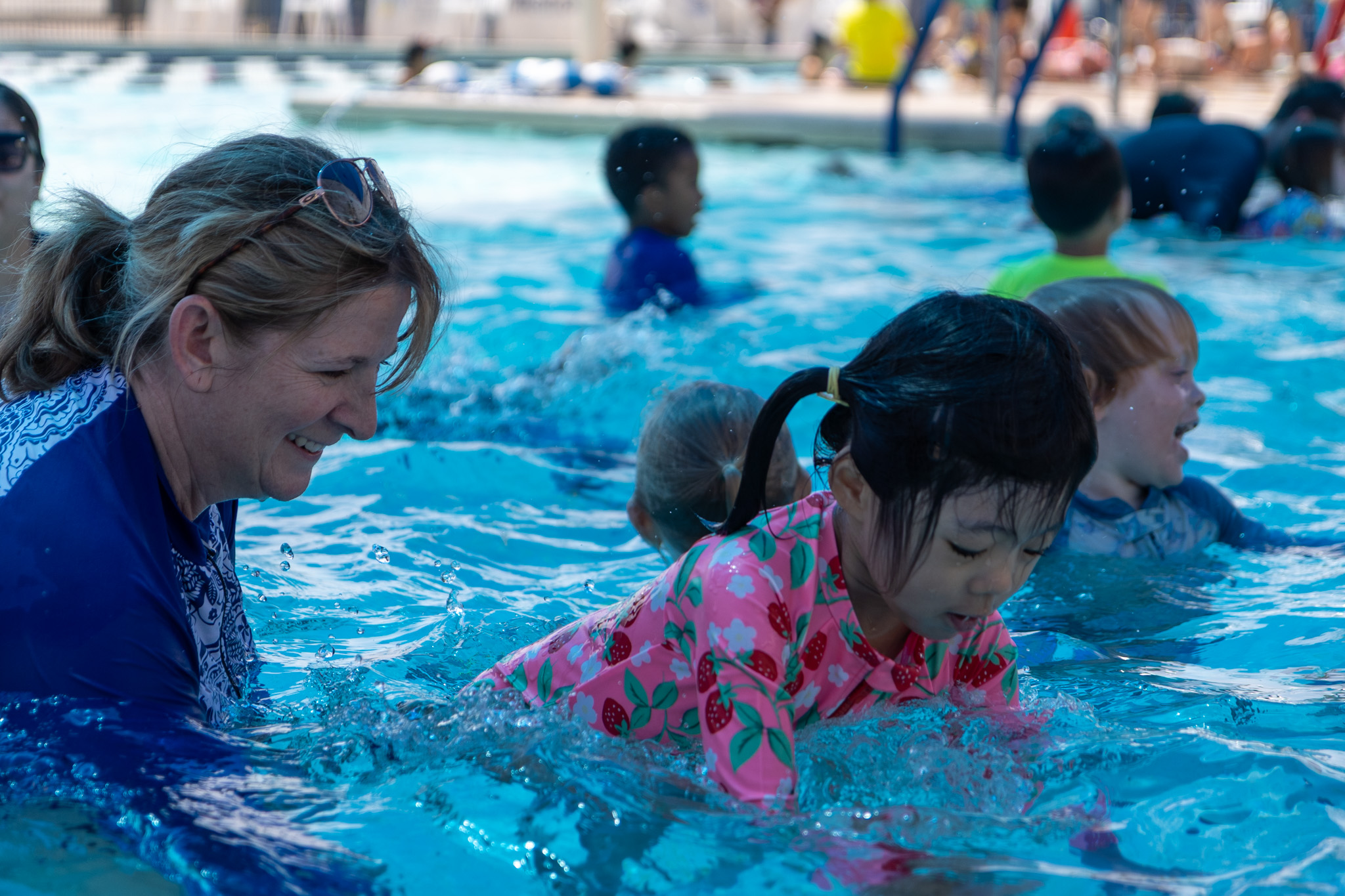
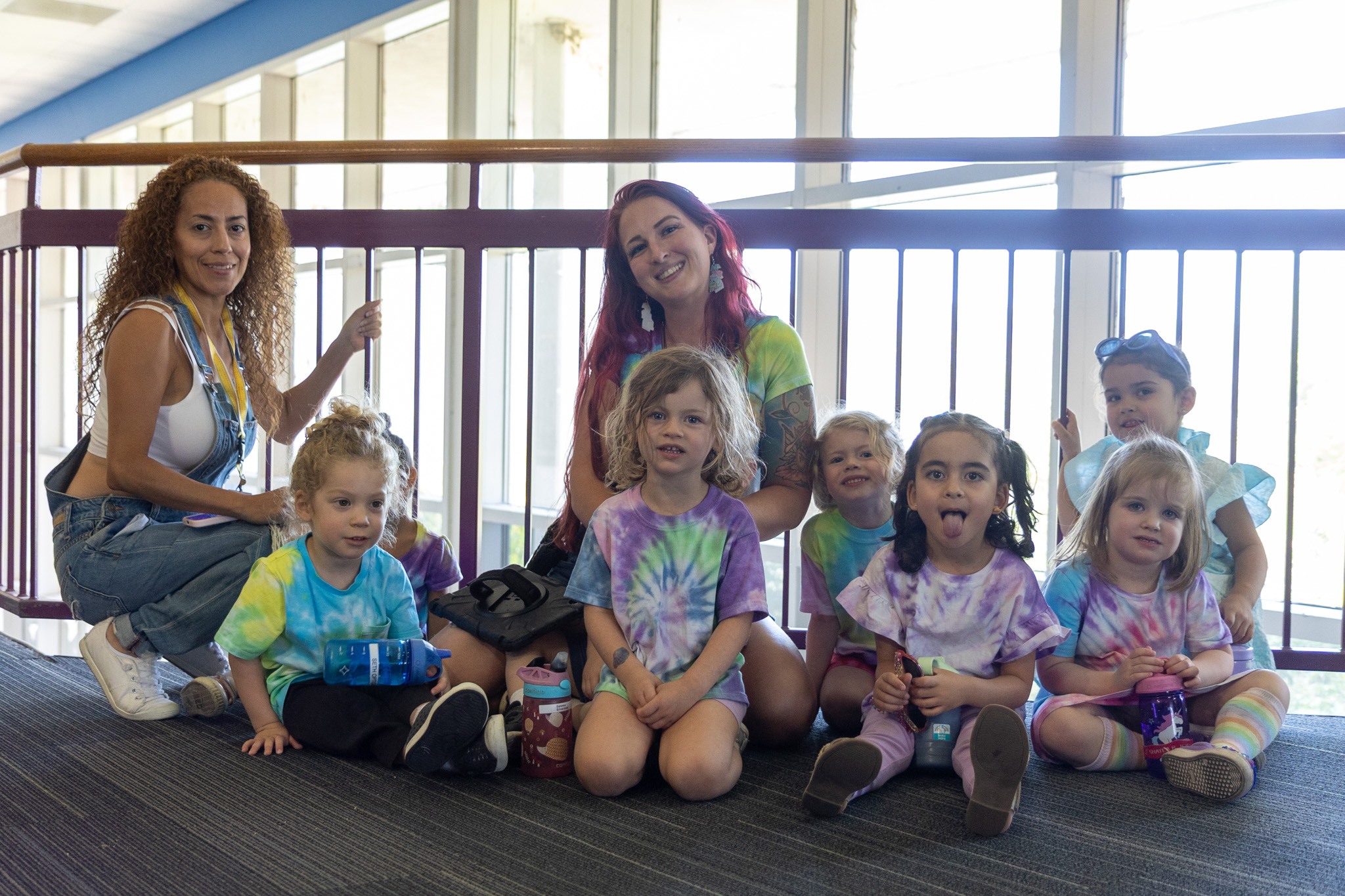
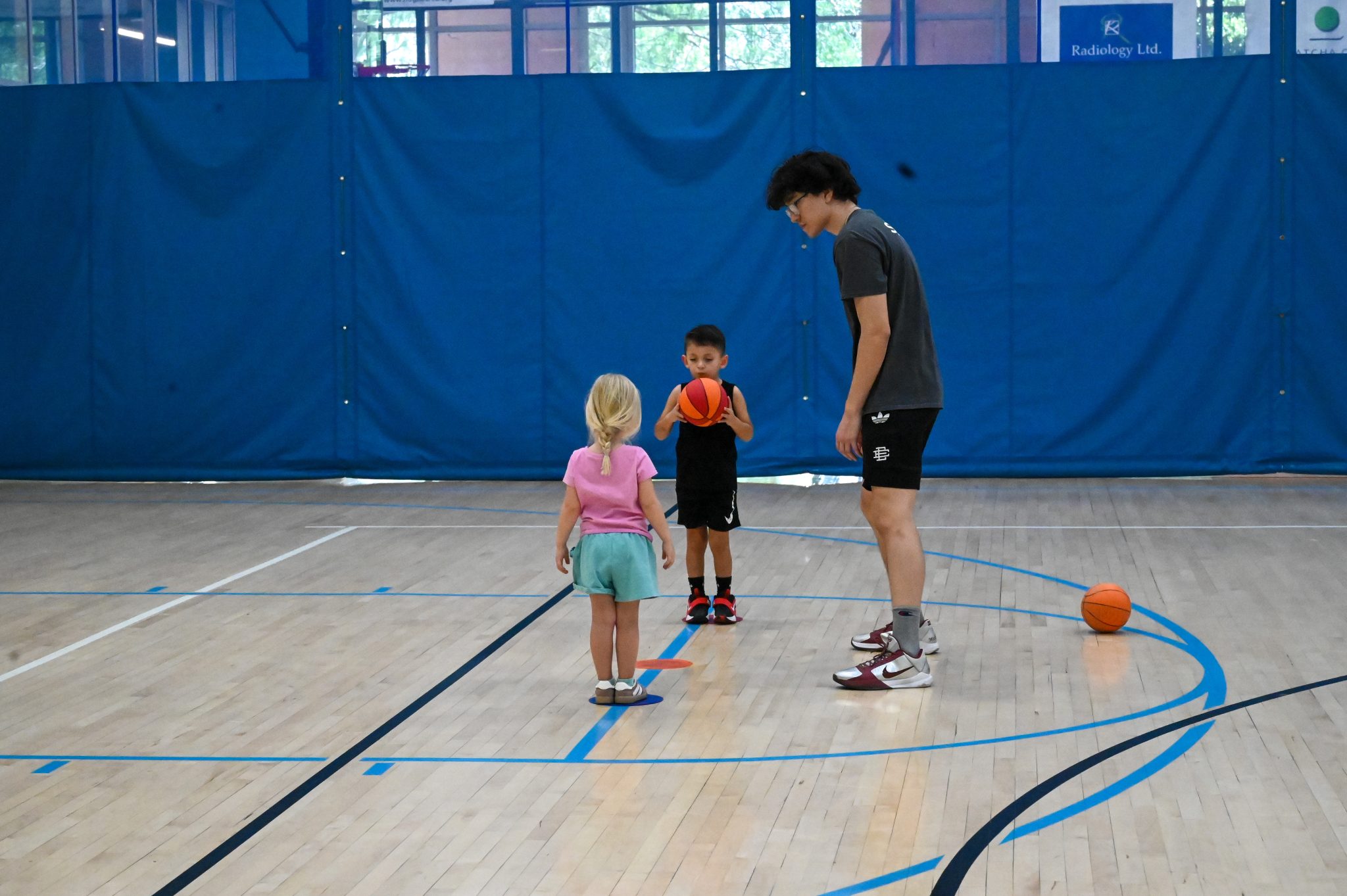
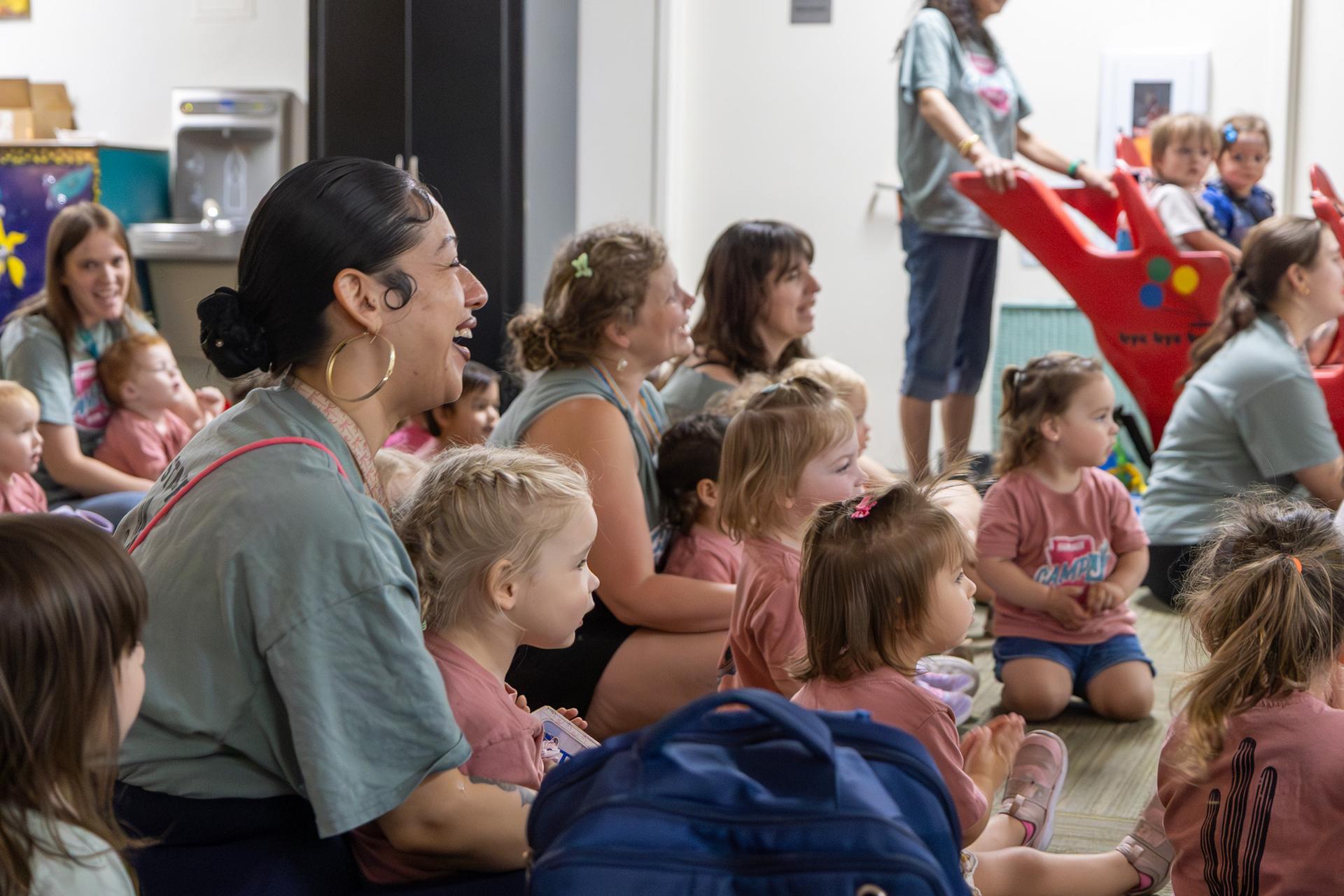
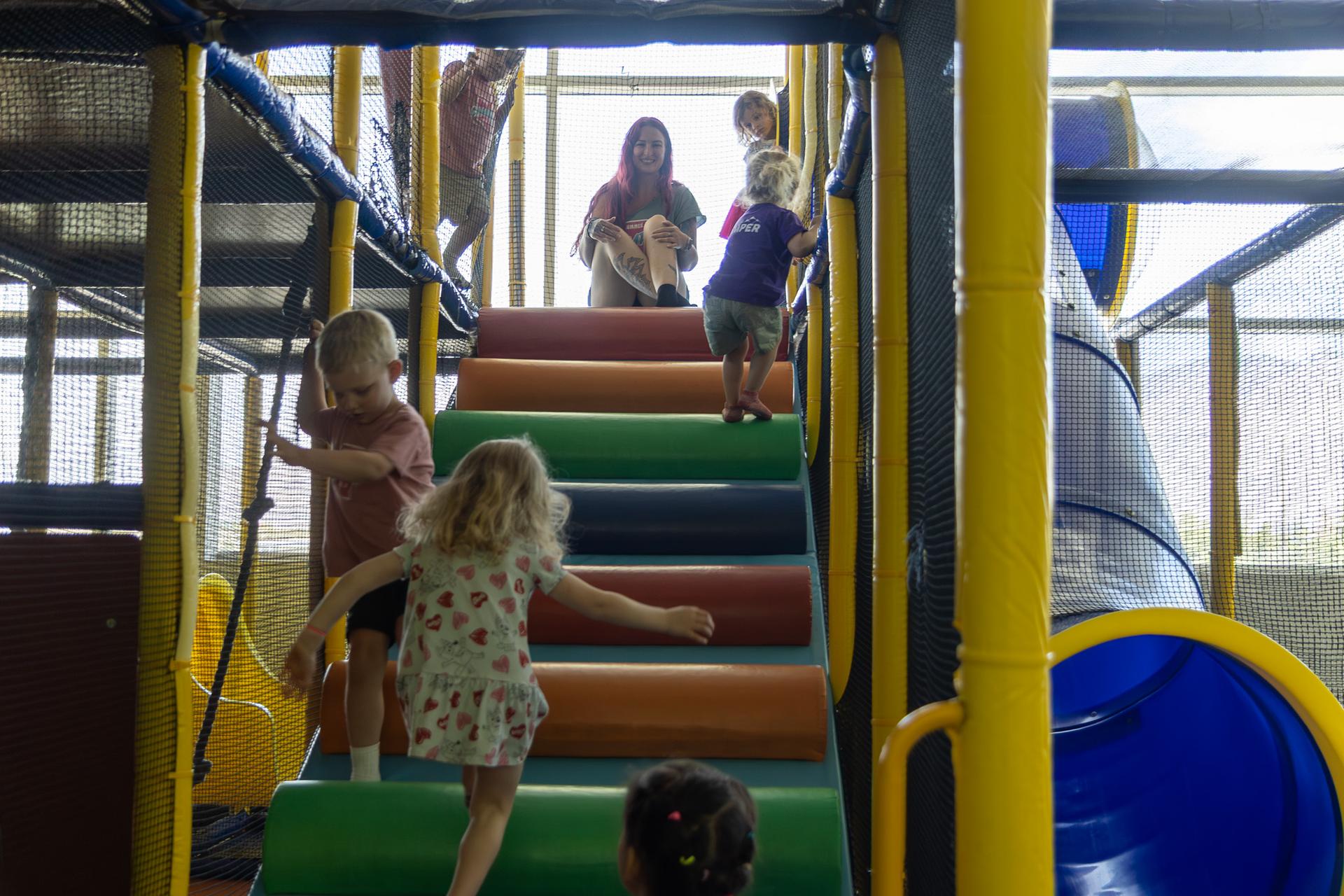
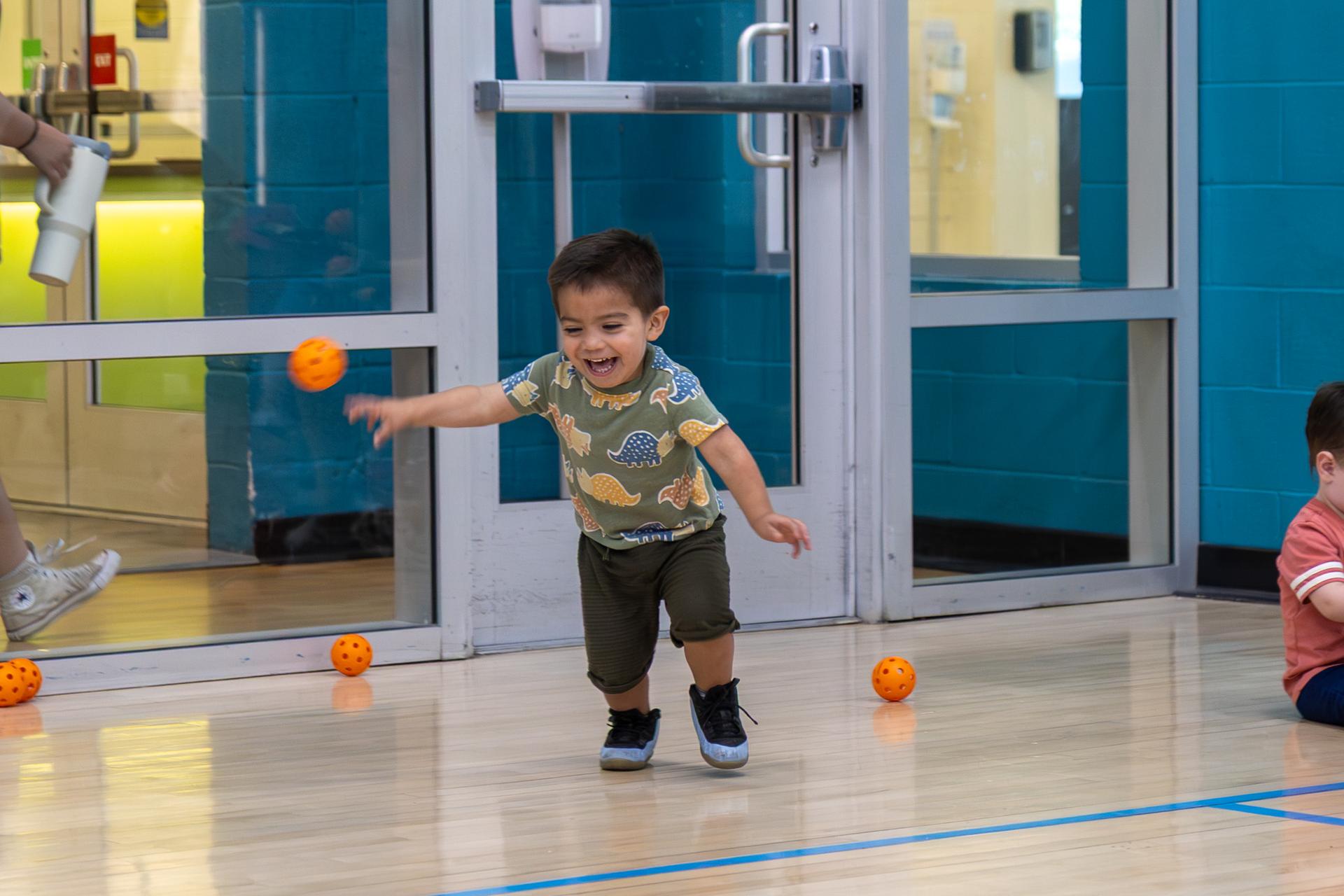
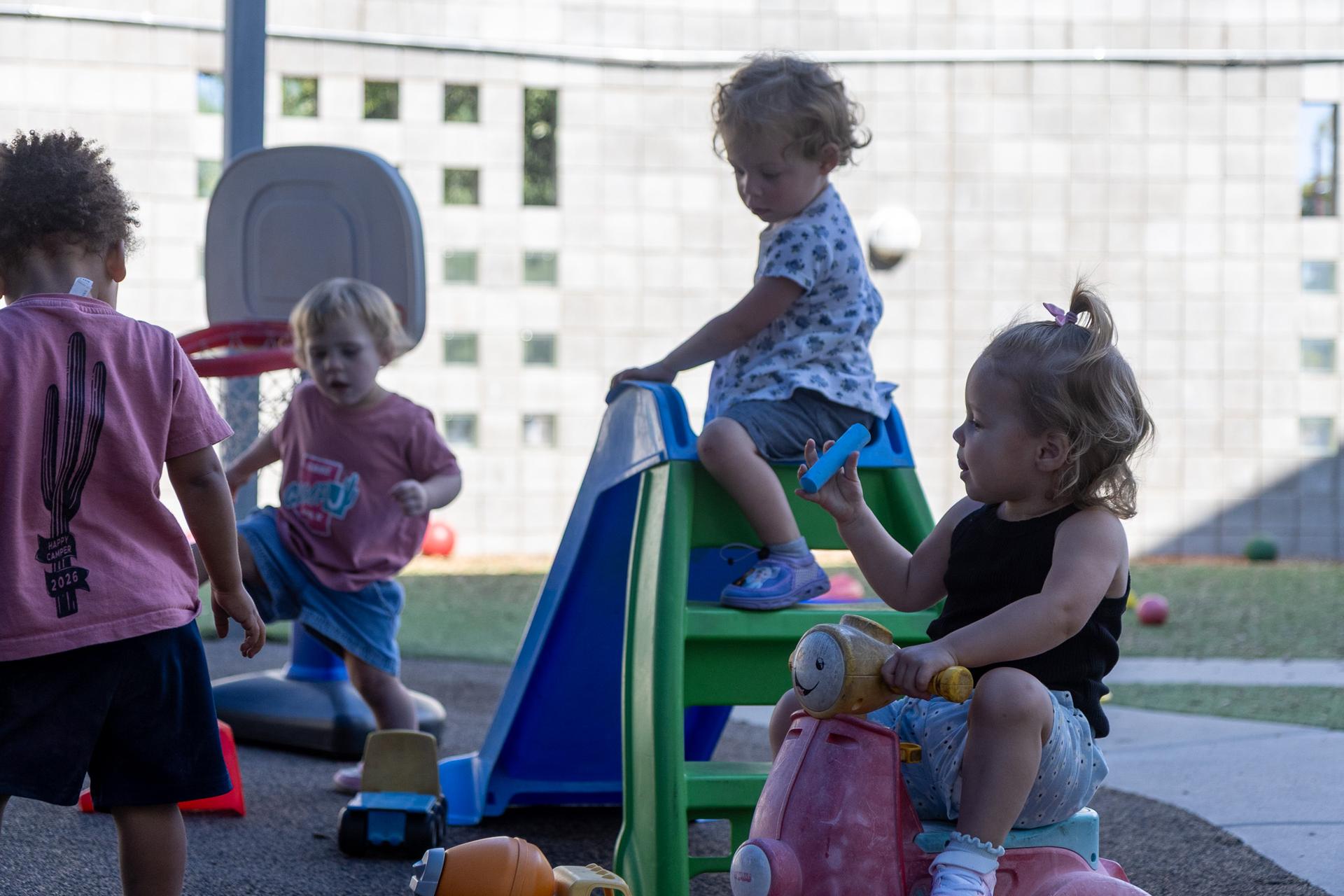
This week at the J, kids in Early Childhood Education beat the heat and learned new skills together at the pool. One classroom showed off their camaraderie and creative spirit wearing matching tie-dye shirts they made themselves, and other ECE students cheer eachother on in PeeWee sports! 


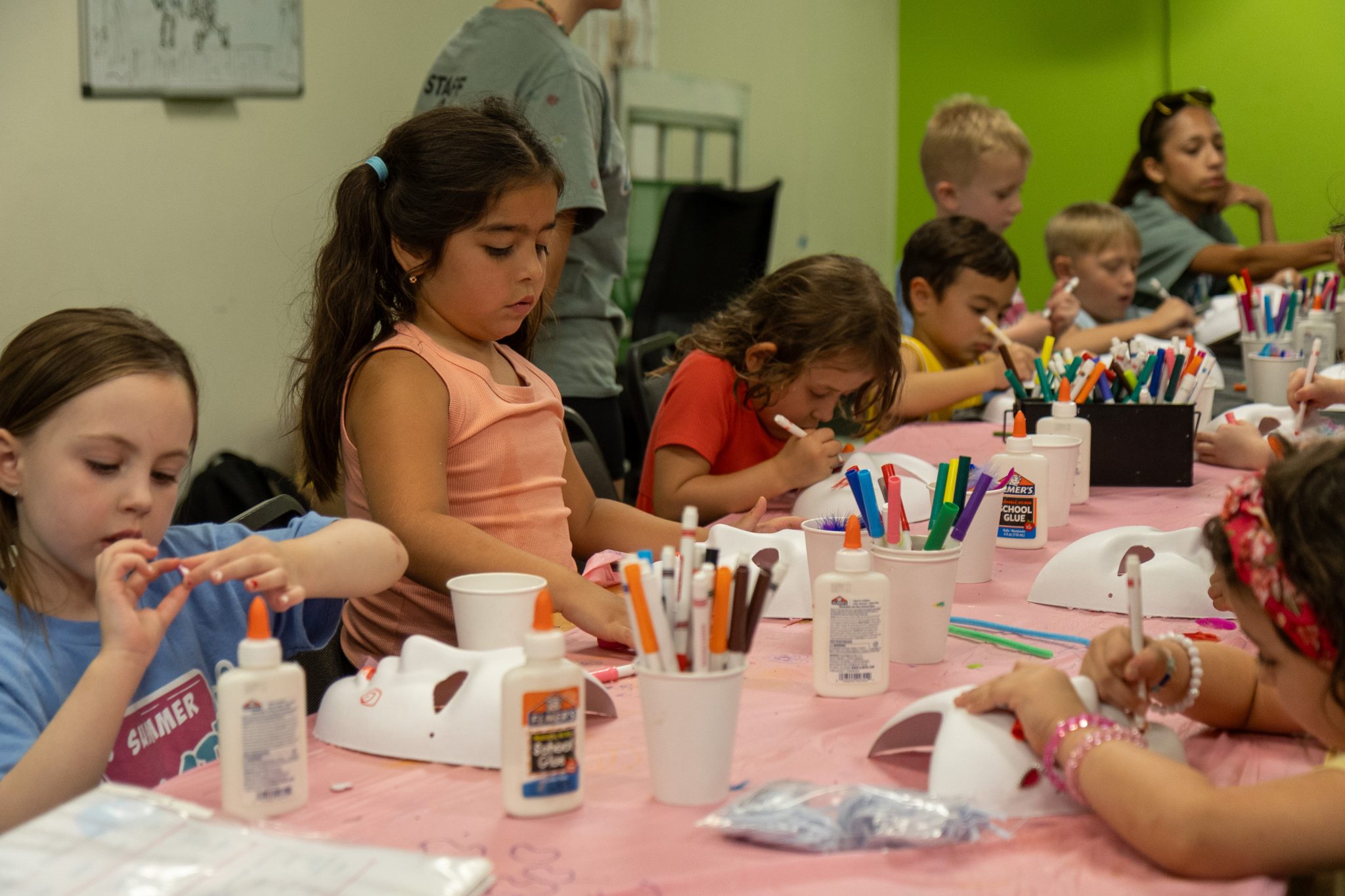
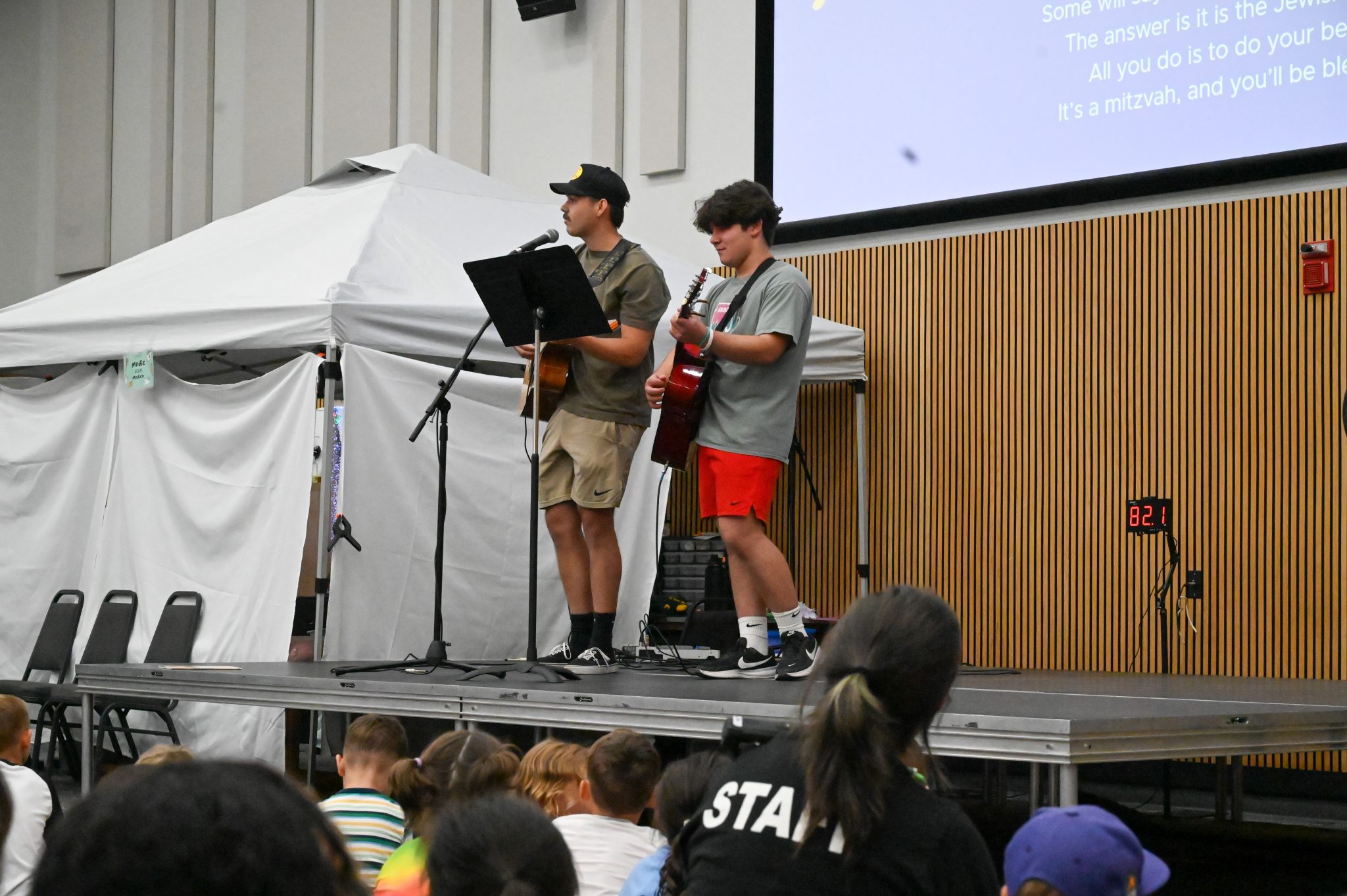
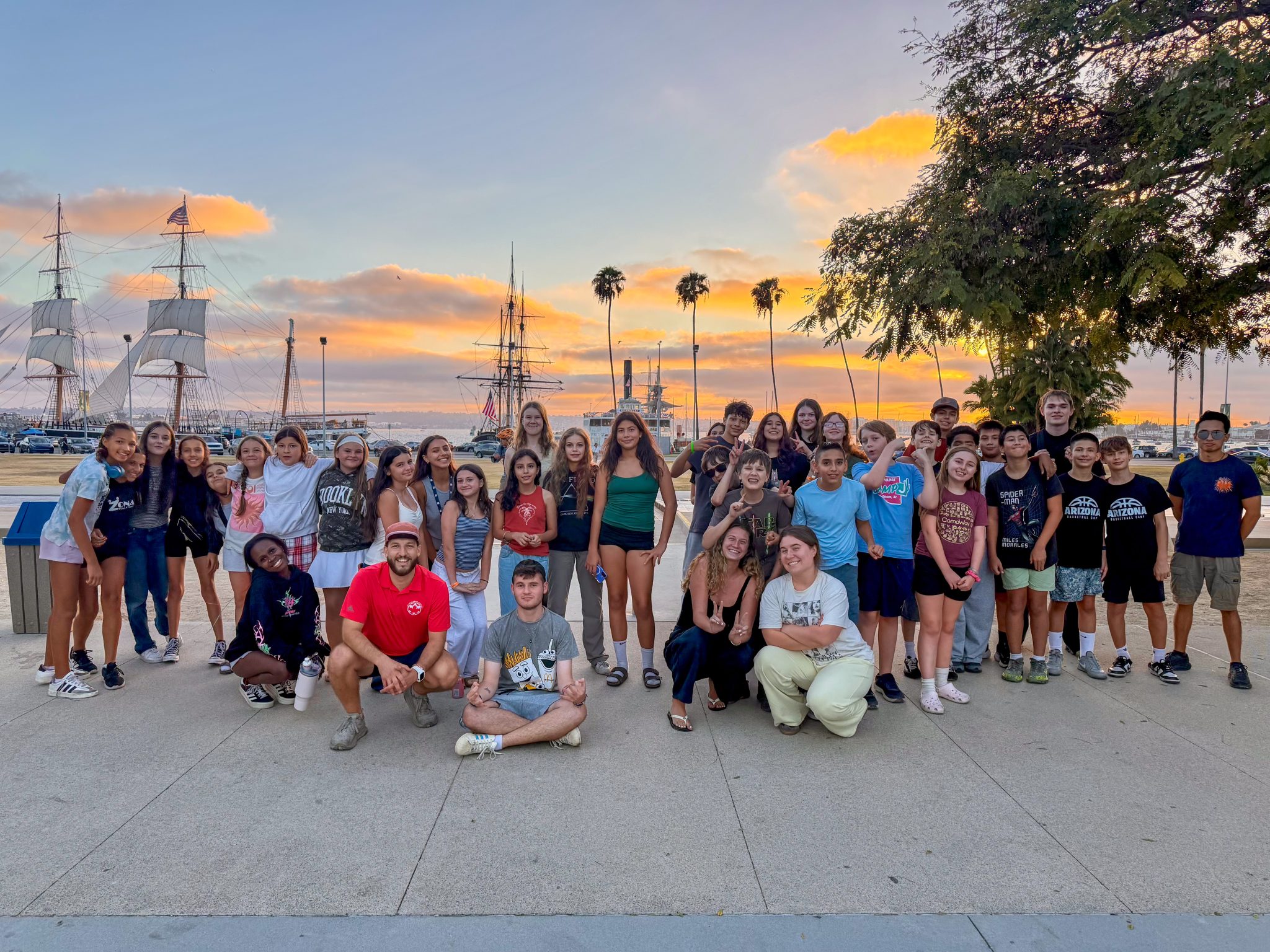
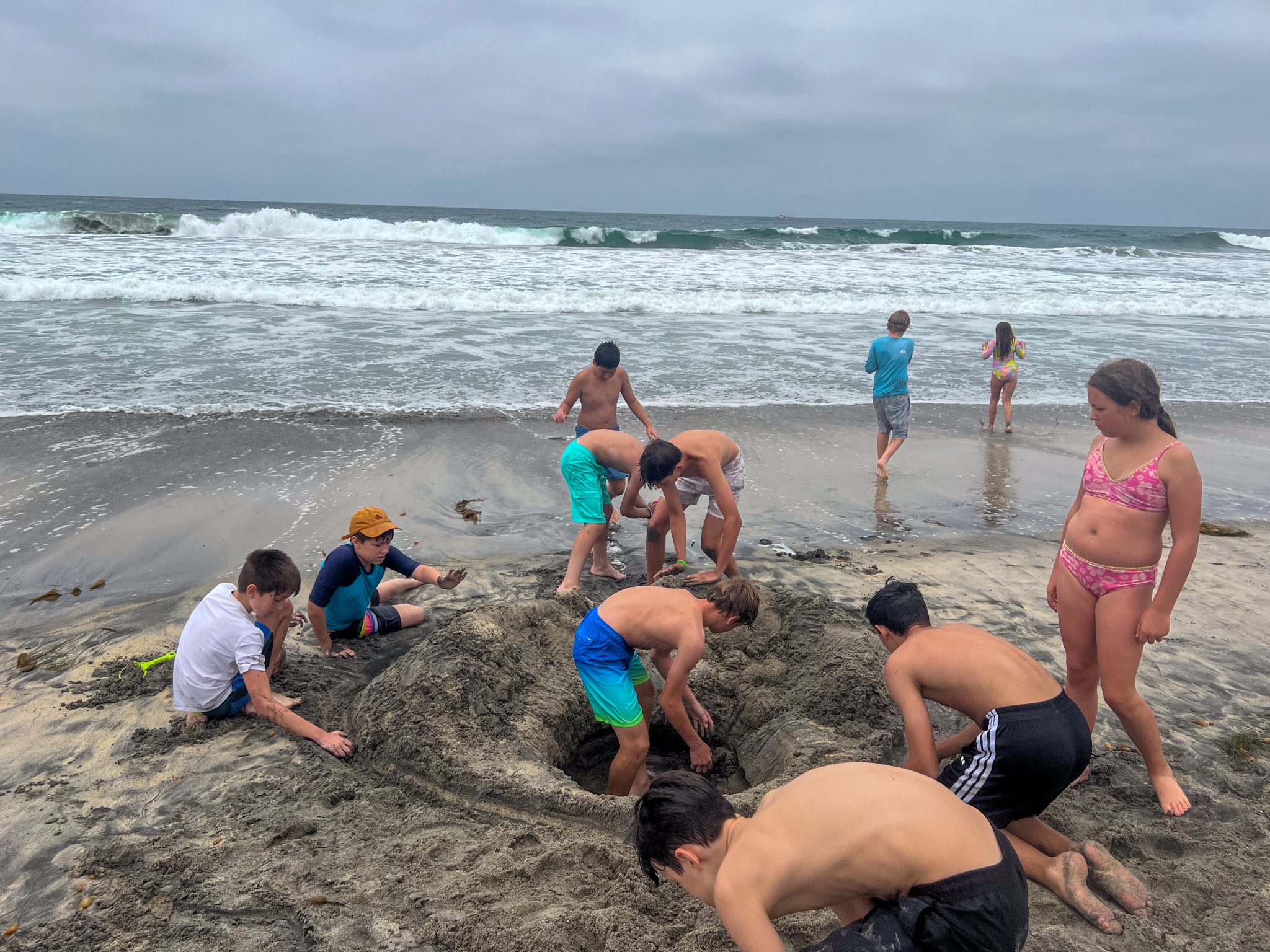
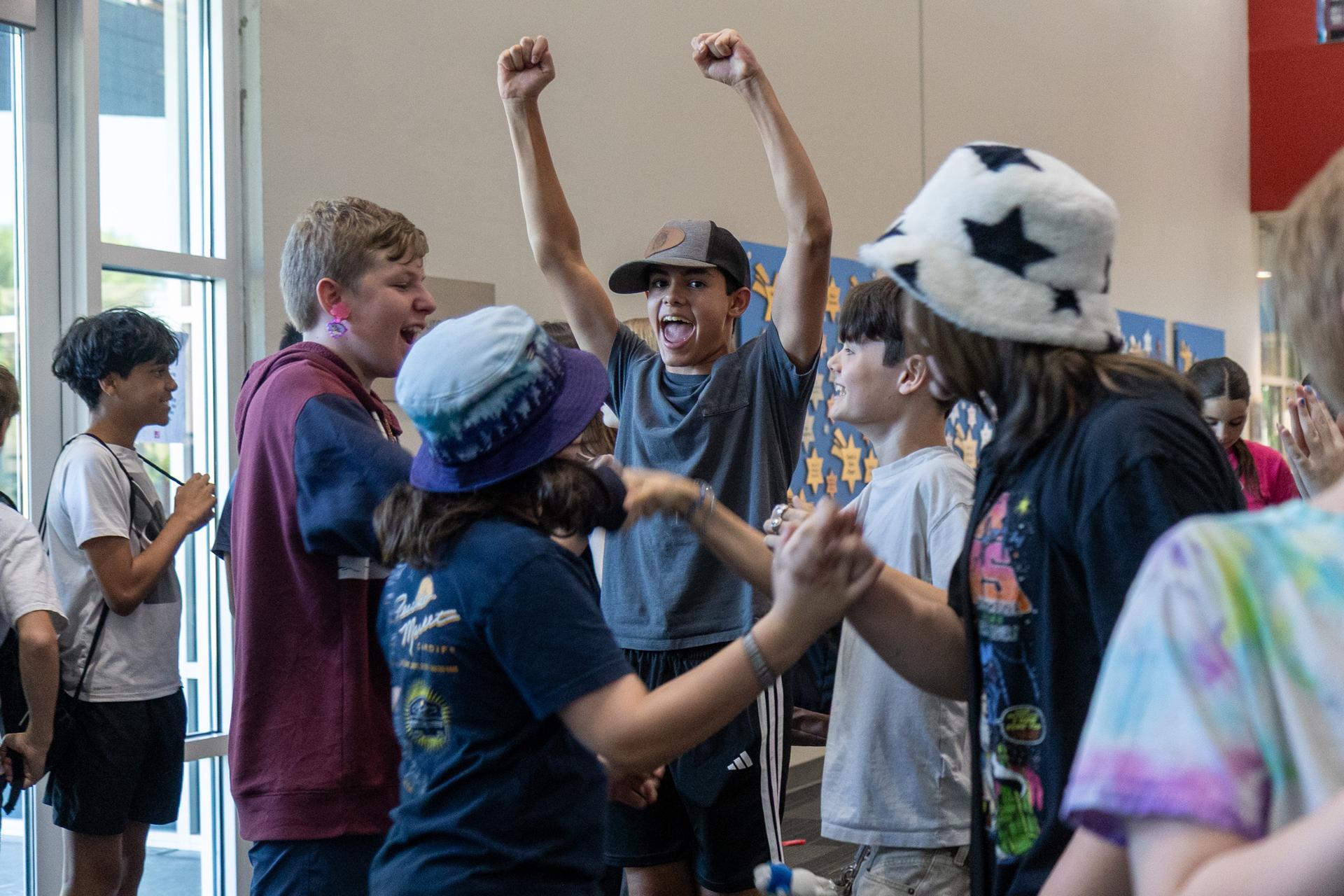
In Camp, we had a blast with Wednesday’s themed Pajama Day, made masks in the theatre chugim (choice activity), baked pretzels in cooking, crafted lanyards in art, and took a field trip to see the newest Minions movie. Tiyul took an exciting overnight trip to San Diego and enjoyed cooler weather and time at the beach! We also had an extra special Shabbat with a visit from Rabbi Billy, and Tyler led the group in a special song written by beloved past Camp Director Scott Zorn (otherwise known as “Shabbat Scott”). Scott was a counselor to many of our current camp staff when they were young and it was meaningful to reflect on their journey from camper to counselor! 

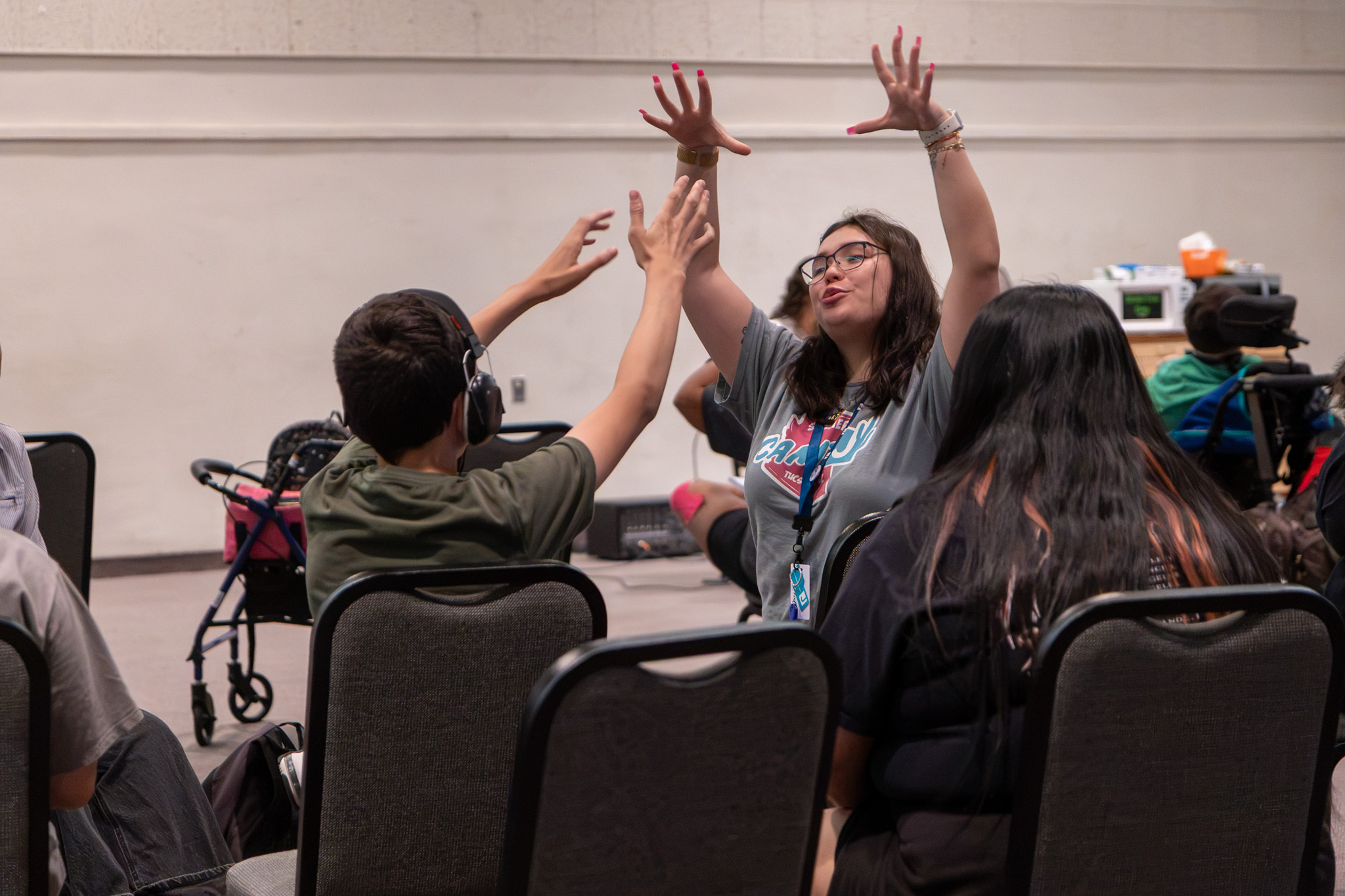
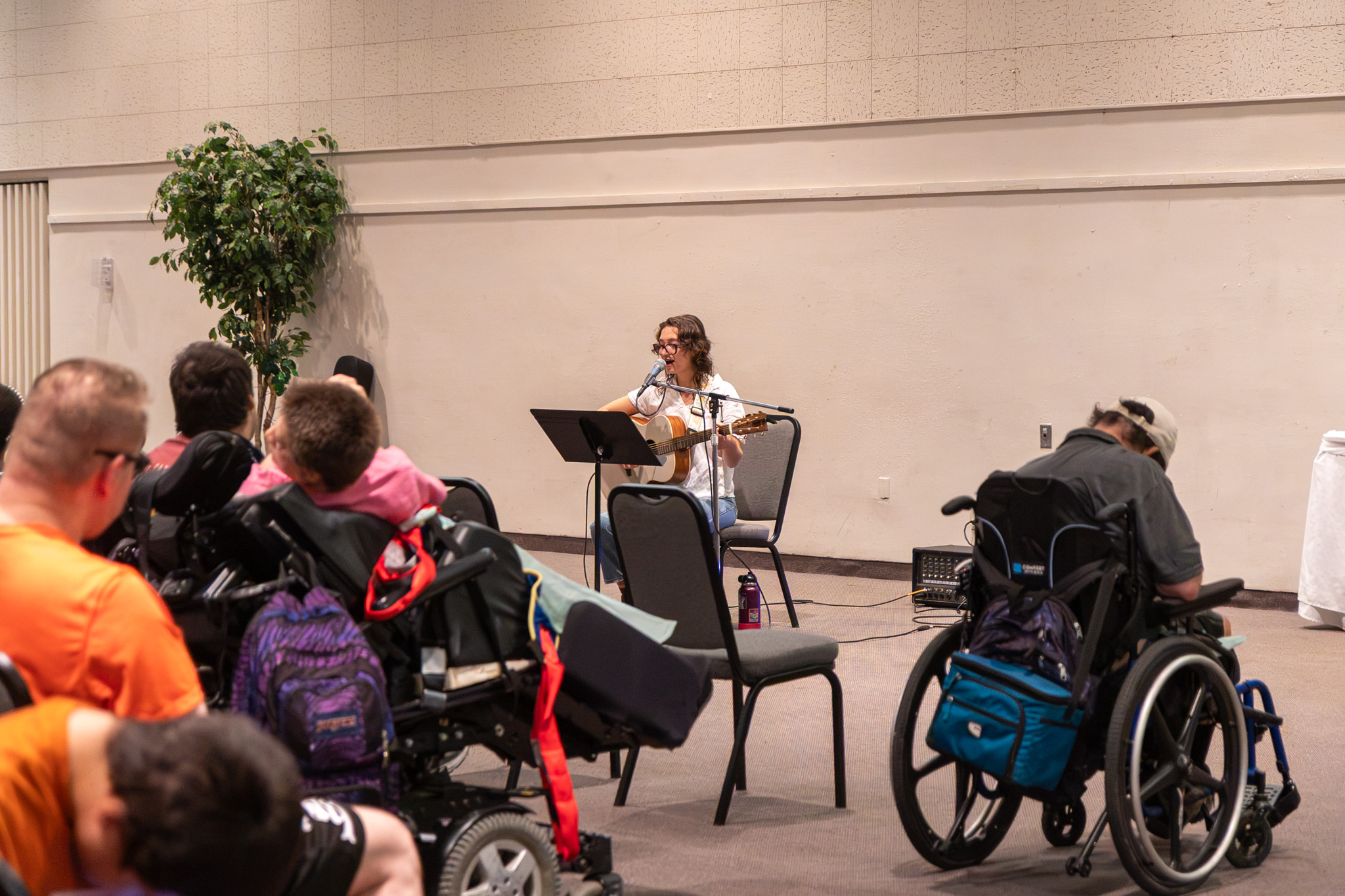
Participants in our Disability Program Services programs enjoyed the last of their summer concerts with a performance by Chelsea Cannon, who sings professionally in the Tucson Symphony Orchestra Chorus, Helios Choral Ensemble, and Chamber Choir. Connecting with music can be an important tool for all of us on our journeys, providing comfort in challenging times, and amplifying our joy in good times. 


As we reflect on the journeys of the Israelites and our own, may we find strength in the people who walk beside us and purpose in each step along the way. Wishing you a peaceful Shabbat filled with connection, renewal, and the joy of being part of a community that journeys together.

Reminders, Resources + Learning

Rosh Hashanah Resources, Recipes, and Crafts from PJ Library of Southern Arizona

Three elderly adults and one child paint ceramic flowers

Shanah Tovah (good year) from PJ Library of Southern Arizona! Rosh Hashanah, the Jewish New Year, invites us all to reflect on the past year and look ahead to the new year. Plus, it’s an especially meaningful and fun holiday to celebrate with kids.  


To celebrate PJ Library’s upcoming event, Sweet Beginnings: A Rosh Hashanah Family Experience on Sunday, August 23, we are sharing some at-home crafts, recipes, and easy resources to keep the holiday fun going. With minimal supplies, bring the holiday to life with the whole family! 

How are you celebrating Rosh Hashanah with your family? Drop us a message at @pjlibrarysaz on Instagram and Facebook!  

Supporting the Tucson J through Qualified Charitable Distribution

From the desk of Caron M. Mitchell, CPA + Tucson J Immediate Past Board Chair

Caron Mitchell

Reaching the age of 73 and beyond comes with many milestones, including the annual obligation to take Required Minimum Distributions (RMDs) from traditional IRAs. The IRS mandates these withdrawals, which unfortunately boosts taxable income—even if that extra cash isn’t actually needed for daily living.

Fortunately, there is a brilliant financial tool designed to ease this burden: the Qualified Charitable Distribution (QCD). A QCD allows individuals to direct money straight from an IRA to a qualified charity, like the Tucson J. The beauty of this strategy is that the donation counts toward the annual RMD, but the distributed amount is completely excluded from taxable income. It is a highly effective way to support a worthy cause while keeping taxes in check.

To ensure the IRS approves the donation, a few guidelines must be followed:

  • Funds must move directly from the IRA custodian to the eligible charity. If a check is made out to the account owner first, the tax benefit is lost.
  • Account holders can donate up to $111,000 per year via a QCD. For married couples where both spouses have their own IRAs, each can donate up to $111,000.
  • Most standard 501(c)(3) nonprofits qualify, though Private Foundations and Donor-Advised Funds (DAFs) are generally excluded.

Since tax laws changed to significantly raise the standard deduction, the vast majority of retirees no longer itemize. Consequently, traditional charitable donations often yield no tax benefits. Because a QCD bypasses adjusted gross income (AGI) entirely, the tax benefit is realized regardless of whether a taxpayer itemizes or takes the standard deduction. Bonus: Keeping AGI lower does more than just reduce income tax. It can also help reduce costly Medicare premium surcharges (IRMAA) and keep a larger portion of Social Security benefits tax-free.

For those planning charitable giving, contacting an IRA custodian or financial advisor before taking the next RMD is an excellent way to maximize the impact of every dollar.

Shavua Tov 19 Tamuz 5786

Shavua Tov


As we celebrate the Fourth of July, we also mark an extraordinary milestone in our nation’s history the 250th anniversary of the signing of the Declaration of Independence. This semiquincentennial invites us not only to celebrate America’s remarkable journey, but also to reflect on the enduring relationship between the American experiment and the Jewish experience.


Few countries in history have provided the opportunity for Jewish life to flourish as the United States has. Since the earliest days of our republic, American Jews have been able to contribute to every aspect of our nation’s civic, cultural, economic, and military life while remaining proudly and authentically Jewish. The story of American Judaism is, in many ways, a story of gratitude for freedoms protected, opportunities embraced, and communities built.


That promise was captured beautifully in one of the most remarkable letters ever written by an American president. In 1790, President George Washington responded to the Hebrew Congregation of Newport, Rhode Island, assuring the fledgling Jewish community that the new nation would reject mere tolerance in favor of true equality:


“The Government of the United States… gives to bigotry no sanction, to persecution no assistance.”


He concluded with words that continue to inspire generations:


“May the Children of the Stock of Abraham, who dwell in this land, continue to merit and enjoy the goodwill of the other inhabitants; while every one shall sit in safety under his own vine and fig tree, and there shall be none to make him afraid.”


Those words remain among the clearest expressions of the American promise a nation where people of every faith may live openly, contribute fully, and belong completely.


The history of Jewish Community Centers is woven into that promise. JCCs emerged as places that helped newly arrived Jewish immigrants become Americans while preserving the richness of Jewish tradition, learning, and community. They were places where families learned English, built friendships, developed leadership skills, found recreation, and discovered that one could fully embrace both American citizenship and Jewish identity.


Today, that mission has evolved in an equally important way.


Our responsibility is no longer simply to help Jews become Americans. Rather, it is to help Americans remain deeply connected to being Jewish and to Jewish community. At a time when belonging cannot be taken for granted, the Tucson J continues to be what it has always aspired to be the town square of our community, where everyone belongs and some people join. Here, Jewish values are lived, friendships are formed, children discover who they are, older adults remain connected, families celebrate together, and our entire community experiences the joy of Jewish life.


Our connection to America has also been expressed through service. Since its founding in 1917, the Jewish Welfare Board (JWB), now a part of the Center for Jewish Peoplehood at JCC Association, has ensured that Jewish servicemen and servicewomen serving our nation never have to leave their Judaism behind. Through the extraordinary work of the JWB Jewish Chaplains Council, Jewish chaplains have provided spiritual care, pastoral support, religious resources, and a Jewish presence for members of the United States Armed Forces and their families during times of war and peace alike. Their service reminds us that patriotism and Jewish identity have long stood side by side.


Rabbi Lord Jonathan Sacks z”l reminded us that, “Freedom is sustained not by the state but by the moral habits of its citizens.” The work of institutions like the Tucson J helps cultivate those habits—kindness, service, responsibility, generosity, and community. They are the qualities that strengthen both our Jewish community and our American democracy.


Music has always helped tell the American story, and many of its most beloved songs were written by Jewish composers whose families experienced the promise of this country firsthand. Perhaps no song captures gratitude for America more beautifully than Irving Berlin’s God Bless AmericaWritten by an immigrant who arrived in the United States as a young Jewish refugee from Eastern Europe, the song is both a prayer and a profound expression of thanksgiving for a nation that gave his family refuge and opportunity.


Irving Berlin also gave us Give Me Your Tired, Your Poor inspired by Emma Lazarus’s immortal words inscribed on the Statue of Liberty. Lazarus, herself a proud American Jew, transformed the statue into a beacon welcoming generations of immigrants seeking freedom and hope. Her words continue to remind us that America’s greatness has always been strengthened by those who arrived on its shores dreaming of a better future.


Neil Diamond’s America celebrates that same journey. While written generations later, it captures the courage, optimism, and determination of millions of immigrants, including countless Jewish families, who crossed oceans believing that America offered not only opportunity, but the freedom to live openly as themselves while contributing to something larger than themselves.


More recently, Lin-Manuel Miranda’s Hamilton beautifully returned us to George Washington’s vision. In the song One Last Time, Washington sings of the hope that every citizen might one day “sit under their own vine and fig tree,” directly echoing both the Hebrew prophet Micah and Washington’s letter to the Newport congregation. It is a powerful reminder that the American ideal is ultimately one of peace, dignity, security, and shared responsibility a vision deeply rooted in the Jewish tradition itself.


As we gather this weekend with family, friends, and neighbors, may we celebrate the blessings of liberty, give thanks for those who have safeguarded it, and recommit ourselves to building a community worthy of the freedoms we have inherited.


As fireworks light the skies this Independence Day, may we also celebrate the light that has allowed Jewish life to flourish in America for nearly two and a half centuries. May we continue to strengthen our nation by strengthening our communities, our friendships, our institutions, and our shared commitment to one another.


Happy Independence Day

Cochenu b’Achduteynu | כחינו באחדותינו | Our strength is in our unity.


Am Yisrael Chai 
| עם ישראל חי

Todd Rockoff

President + CEO, Tucson J 

From the Desk of Stories Behind the Numbers | Rabbi Malcom Cohen, Kol Ami Synagogue

Shabbat Shalom
Shabbat Shalom

From the Desk of Stories Behind the Numbers | Rabbi Malcom Cohen, Kol Ami Synagogue

Next time you’re in shul, look at the person behind or in front of you who you may or may not know. Don’t stare too intensively, that’s creepy! What’s their story? Where were they born? What was their upbringing like? Who influenced them? What is their greatest achievement? What are their goals in life? What gets them up in the morning? What keeps them up at night? In addition to seeing, really seeing, one or two individuals around you, we usually count how many people show up at services. 


In this week’s portion, Pinchas, Moses and Elazar are charged with counting the Israelites, those aged twenty and upwards, mainly for the purposes of assessing their military strength. This is a relatively sober, emotionless counting. We need to know how many soldiers we have to see who effective we would be in fighting our enemies. 43,730 from the tribe of Reuben, 22,200 from the Tribe of Simeon etc. In an army, the individual details of each person counted is not so important. Indeed, in the military, individualism is problematic if it erodes your ability to follow orders. For some tasks, humans just need numbers, volume. 


Our sages tell us: The one who sees crowds of Israelites should say “ברוך חכם הרזים, Blessed are You who is wise in secrets,” because, the sages say, their minds differ and their faces differ. A crowd of people, like we have in shul, don’t look alike so they also don’t think alike. I have the advantage of the high ground, I’m often up on a bimah, looking down. I see everything from up there. I don’t mean that in a sinister way, that I’m checking up on folks. I mean that, when I look out from that vantage point, I see people in their fullness. Someone who I know has had a hard week because of illness to them or a loved one, someone who is going through a major life transition and it’s eating them up inside, despite their calm exterior, someone who is relatively new to Judaism and struggling to internalize Jewish practice. 


It’s at those moments that the mass of numbers of people in our congregation transform into life stories and experiences. What a beautiful thing. Shabbat Shalom!

Also in Pinchas, we encounter the powerful story of the daughters of Zelophehad—five courageous sisters who “draw near” to Moses and the leaders of Israel to advocate for their rightful inheritance. Their act of stepping forward, of coming close with clarity and purpose, brings about real change and sets a precedent for justice in our tradition. At the Tucson J, we are inspired by this model of sacred closeness—of drawing near to community, to tradition, and to one another. And we believe that everyone matters. Our mission is rooted in creating a space where people feel empowered to engage, connect, and be heard—where every individual, like the daughters of Zelophehad, has the opportunity to help shape the future for themselves, our community, and the world around us.


That commitment begins with our youngest community members: every day in our Early Childhood Education program, we create a nurturing and supportive environment where kids learn to explore their individual interests, build meaningful relationships with their peers, and learn the skills they need to thrive here at the J and far beyond. Whether celebrating Shabbat each Friday, exploring in the PlaySpace, creating in the ECE art studio, or listening to a story in the classroom, we celebrate each child’s individuality and are honored to contribute to their bright futures!

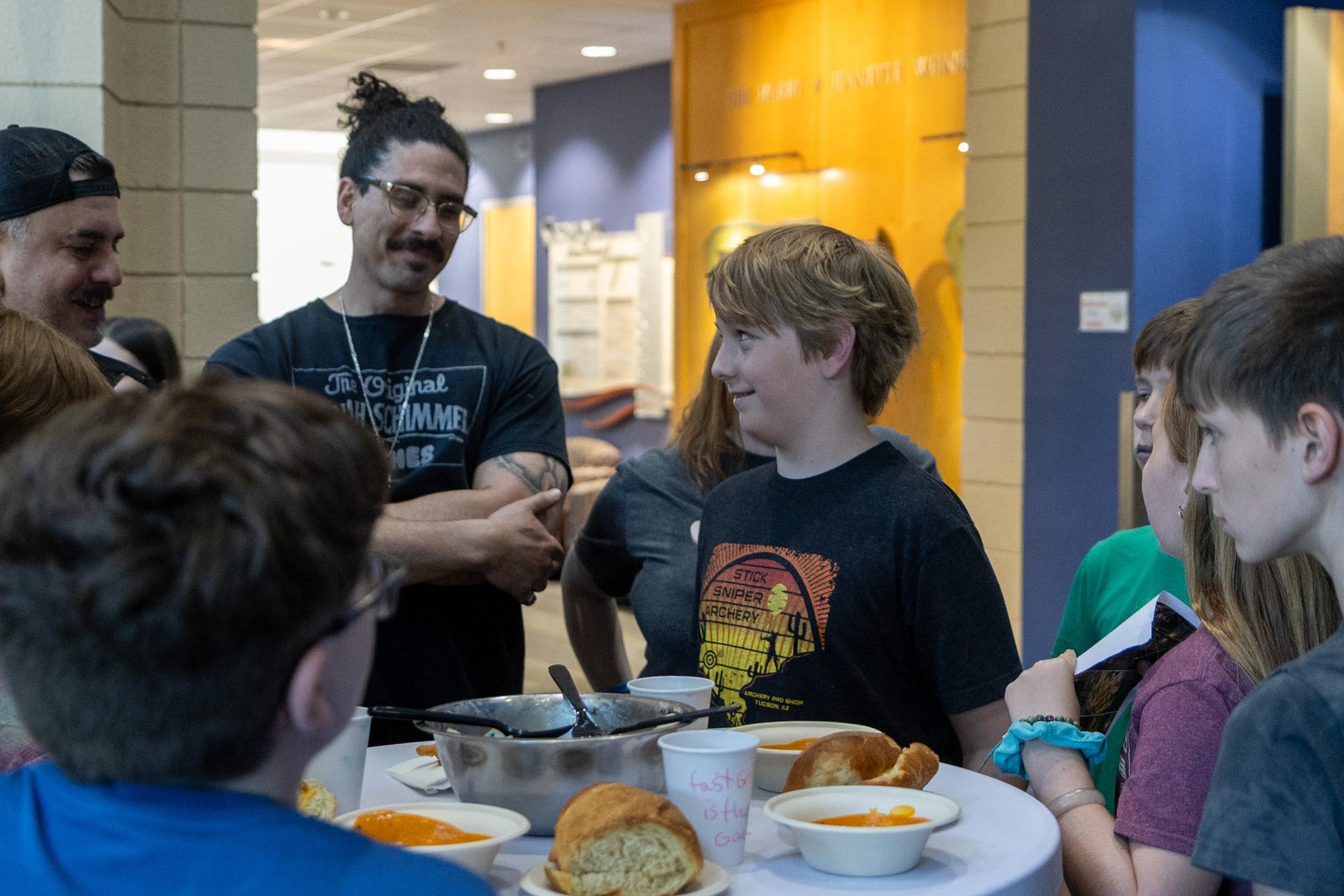
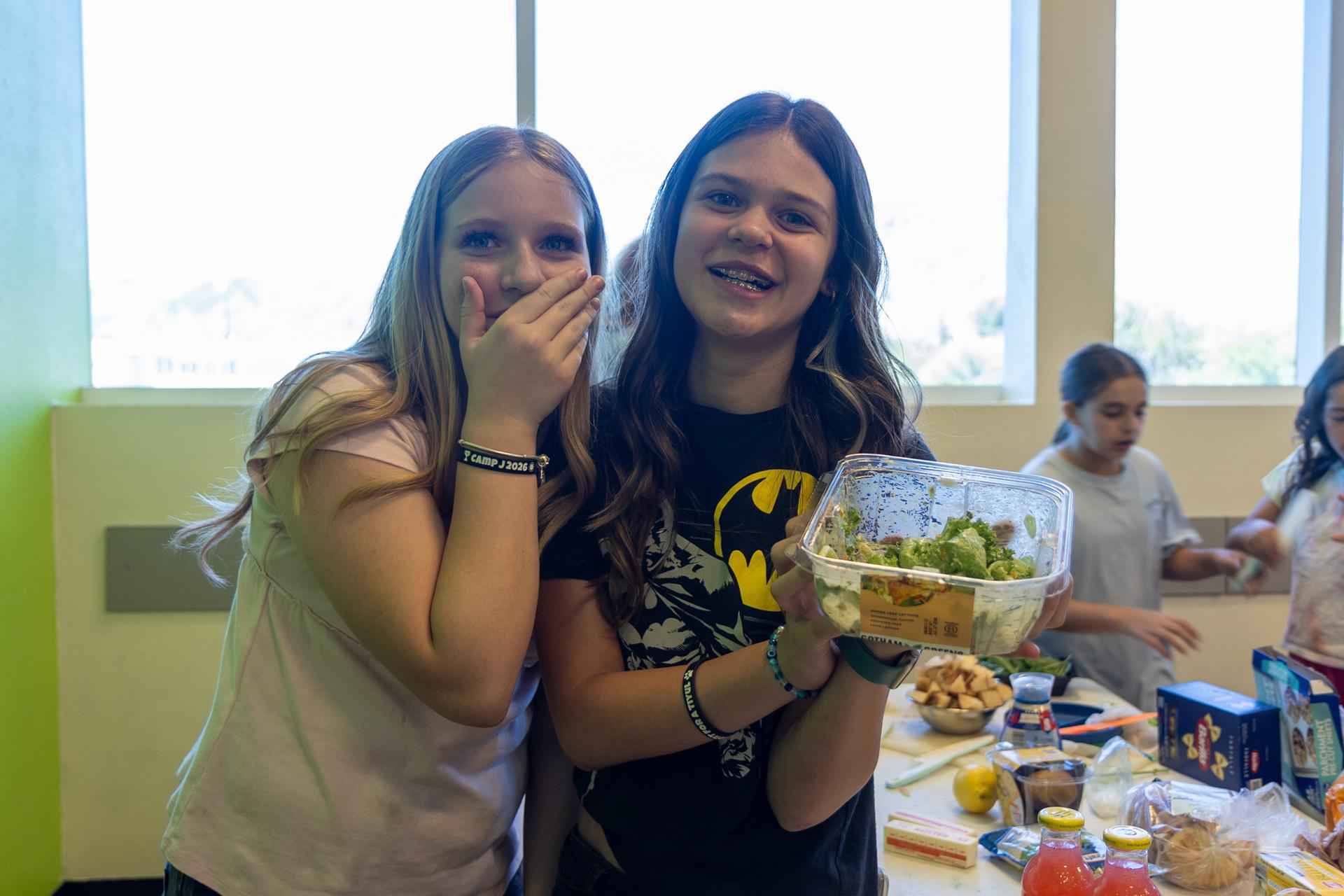
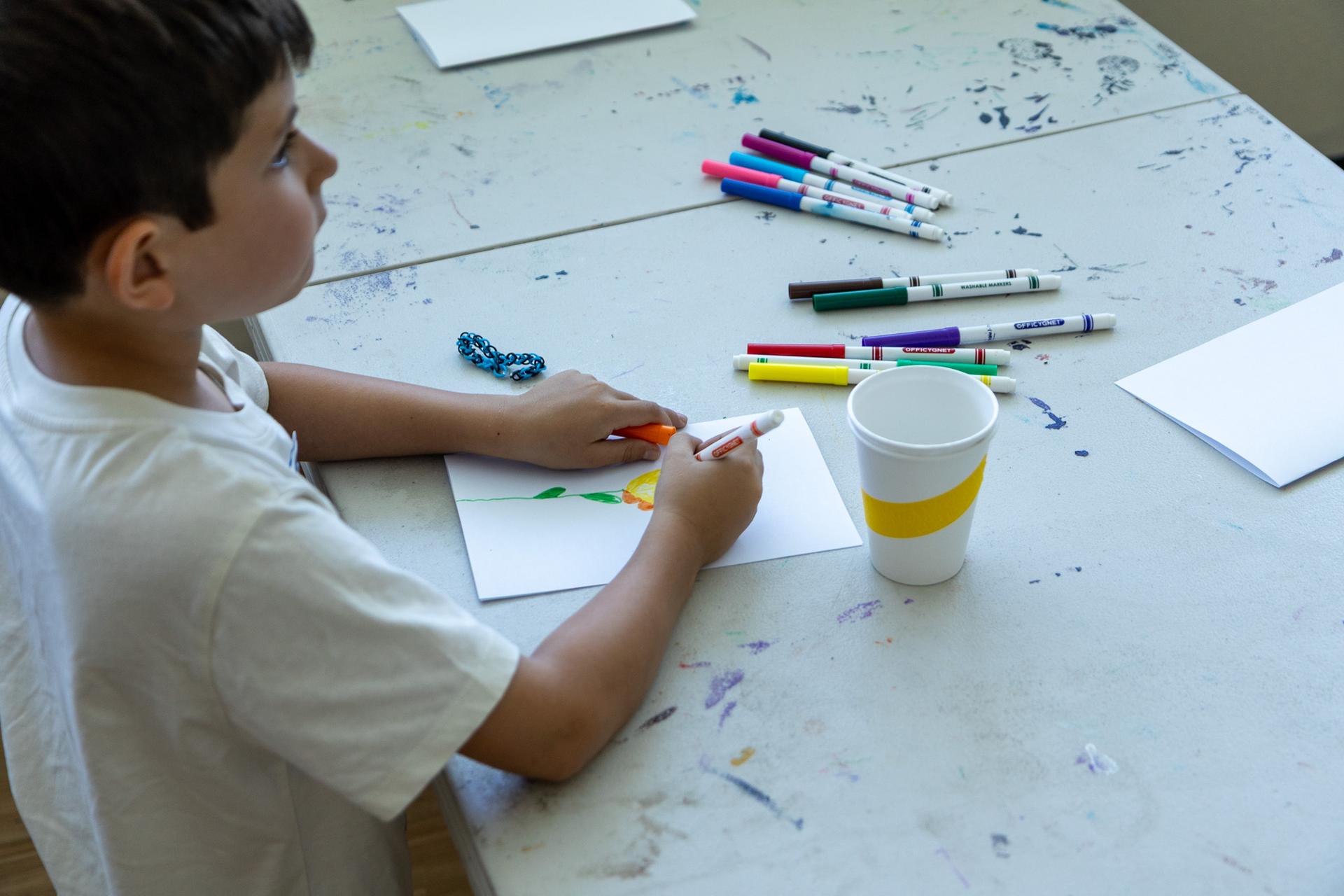
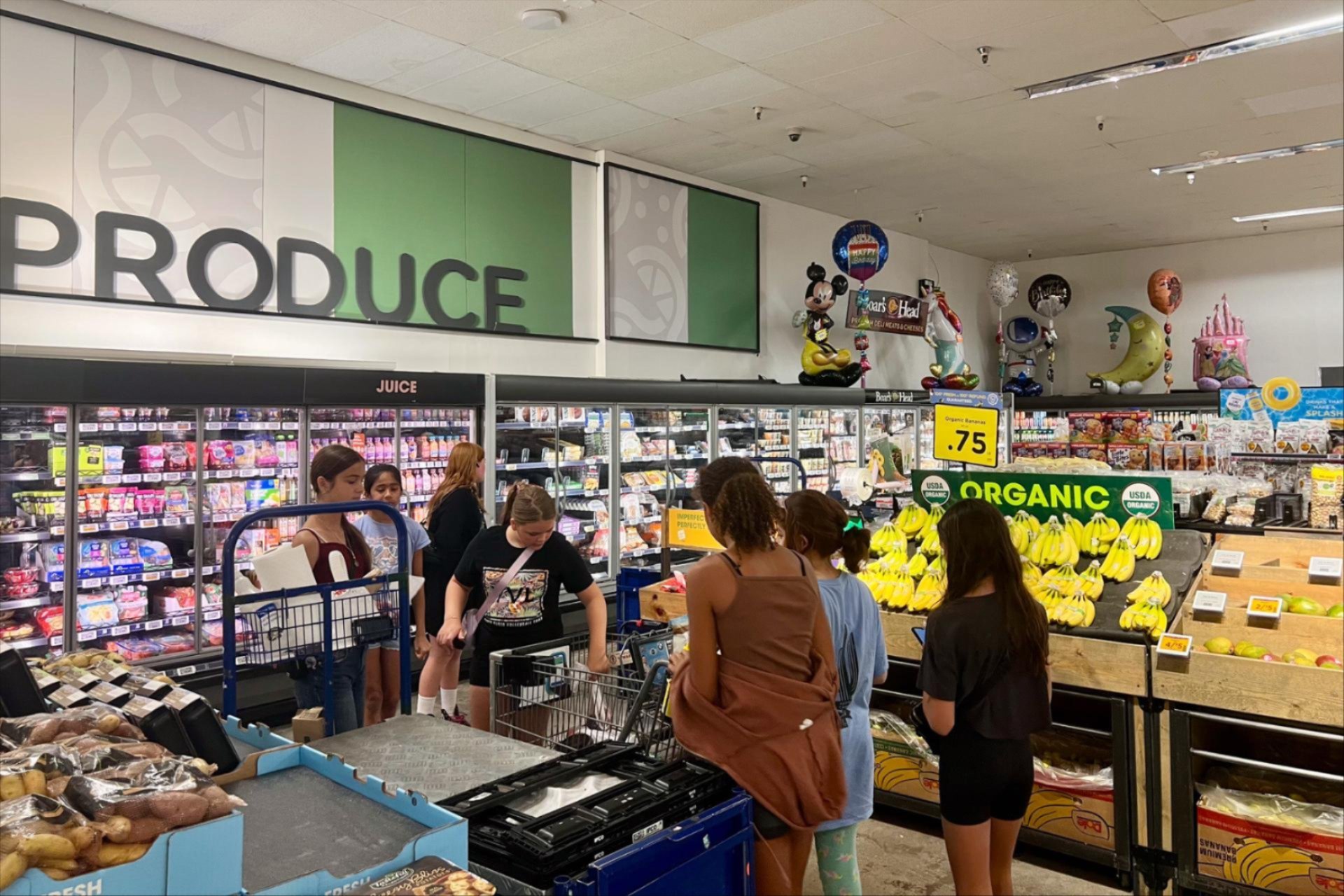
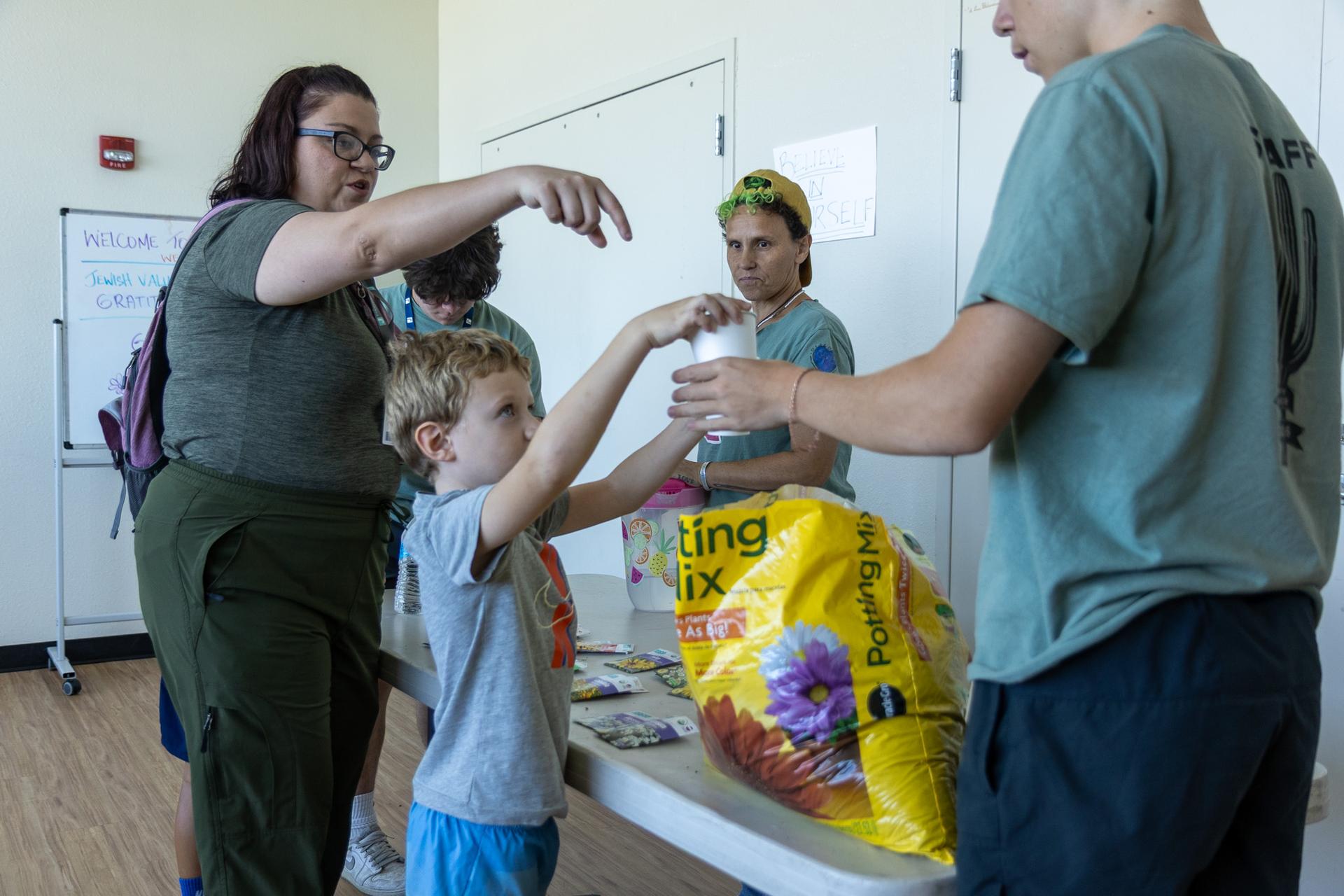
As summer continues, we also see this idea of “drawing near” come to life at Camp J— campers learn to work together, step outside their comfort zones, grow more confident in themselves, build their leadership skills, and discover that they belong to something bigger than themselves. These moments of connection and community help create a summer filled not only with fun, but with the sense of empowerment and belonging that will stay with them long after camp ends. This week, highlights included making gratitude cards and planting seeds in Discovery, “Red, White + Blue” Day (including ice cream treats for the entire Tucson J team), and our Tiyul group’s annual and highly anticipated Restaurant Wars! This year to prepare, Tiyul toured Kneller’s Delicatessen, Street Taco, Empire Pizza, Corbett’s, and Dairy Queen and then went shopping for ingredients! Please join us in thanking judges  Christian Padilla (of Zio Peppe), Jeremy Kneller (of Kneller’s Delicatessen), and Adina Karp (former Camp J staff), and congratulating Team Tacos Eduardos on their win! 


Just as every person has something unique to contribute to our community, every member finds their own way to engage at the J. On any given day, you’ll find members catching up between pickleball games, encouraging one another in group fitness classes, swimming laps, working toward fitness goals with a personal trainer, and so much more. While everyone’s path to wellness looks different, we are so often reminded that some of the strongest connections are built simply by showing up together.


Whether you are trying something new in ECE or camp, shooting a game of Noon Hoops, attending an art class, or living your best life in one of our Healthy Aging programs, we are grateful you are part of our community. Shabbat Shalom. 

Reminders, Resources + Learning