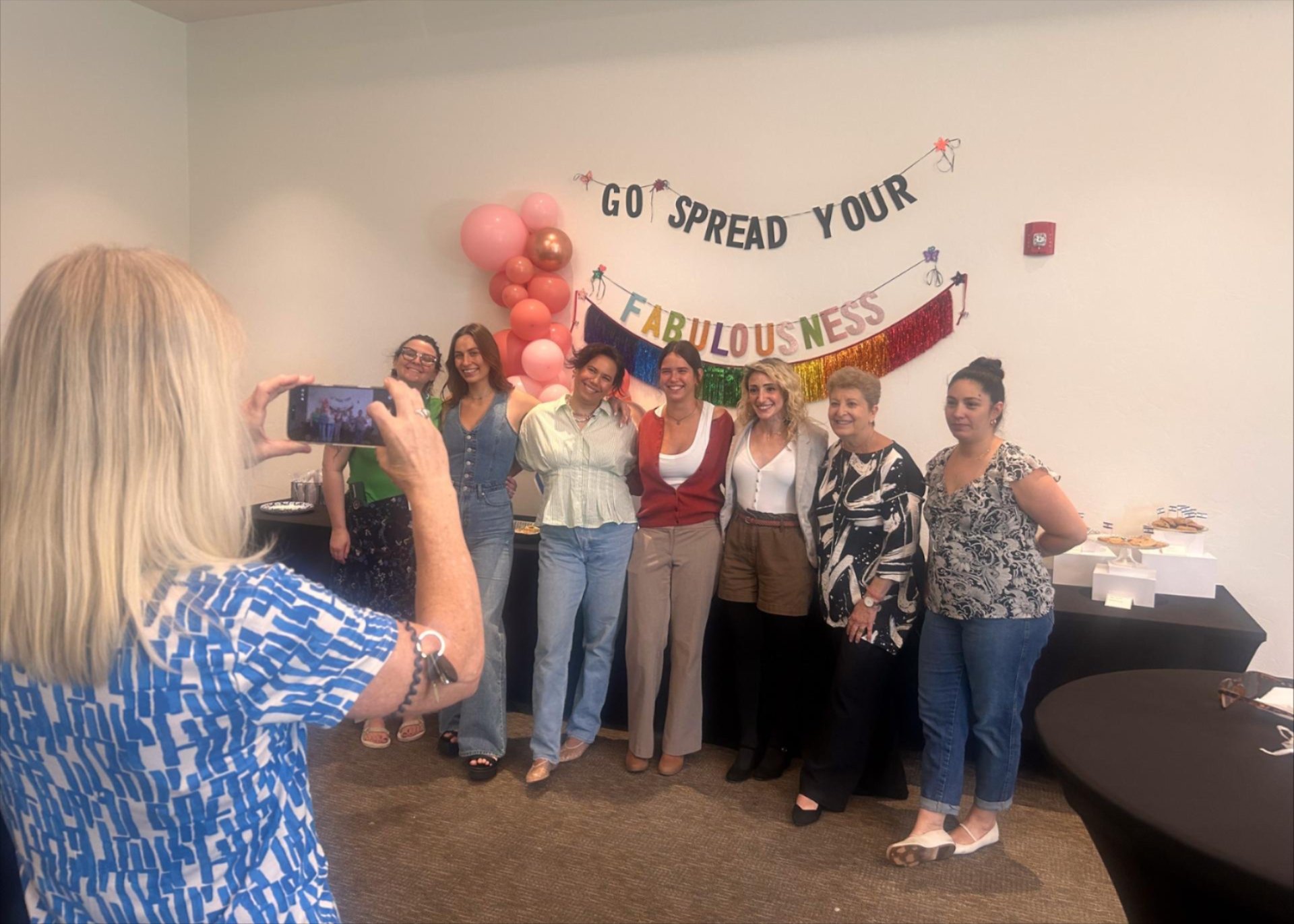
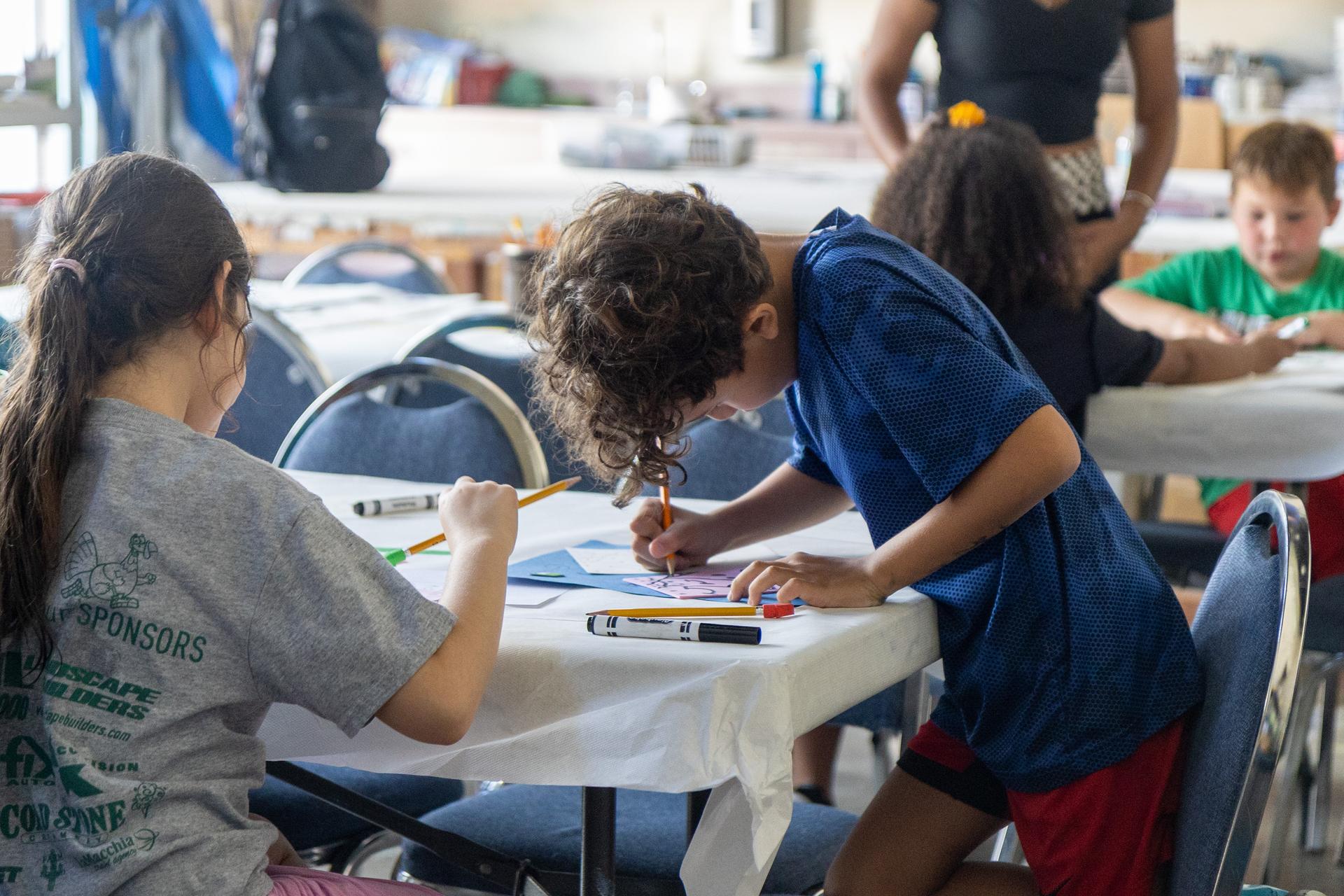
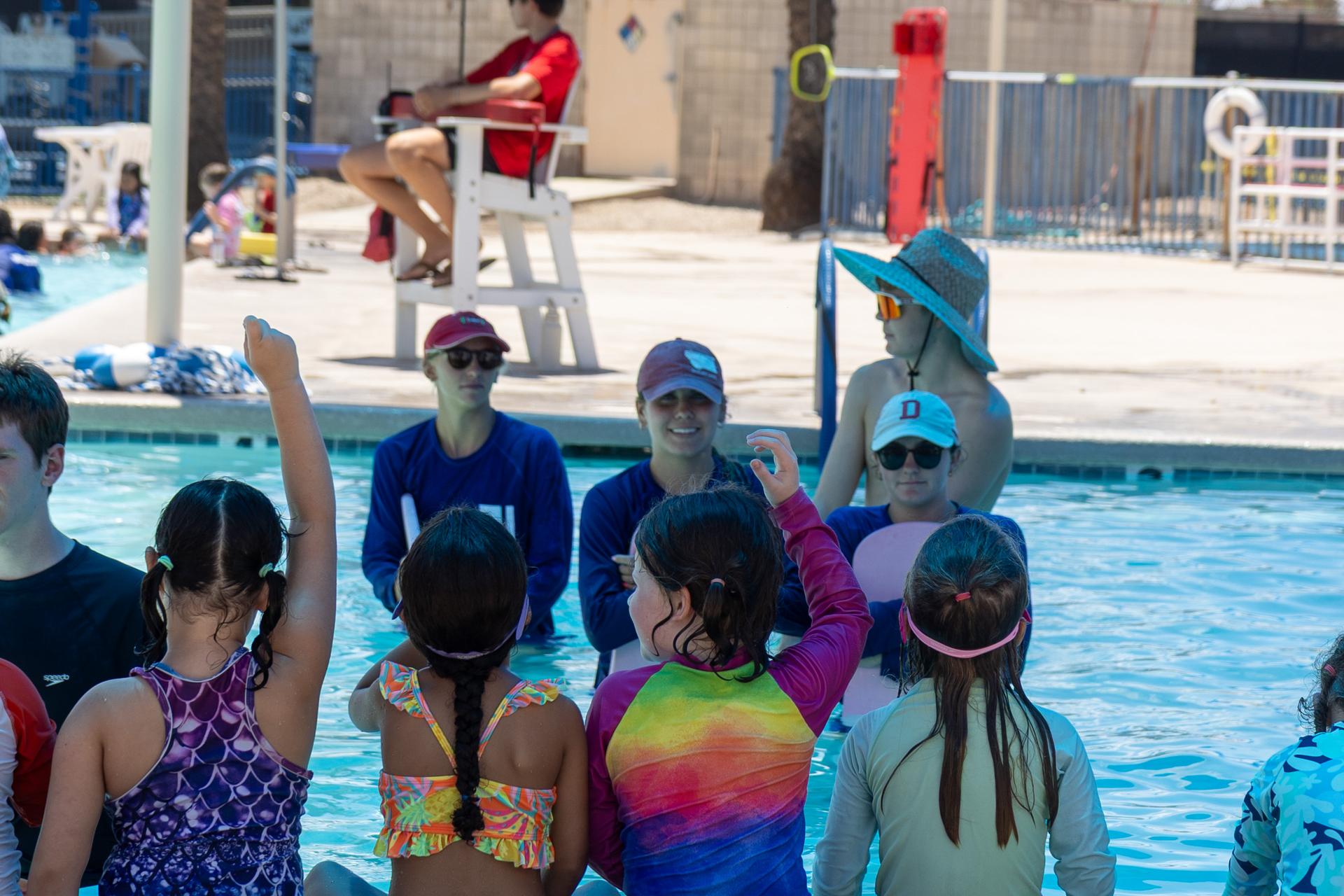
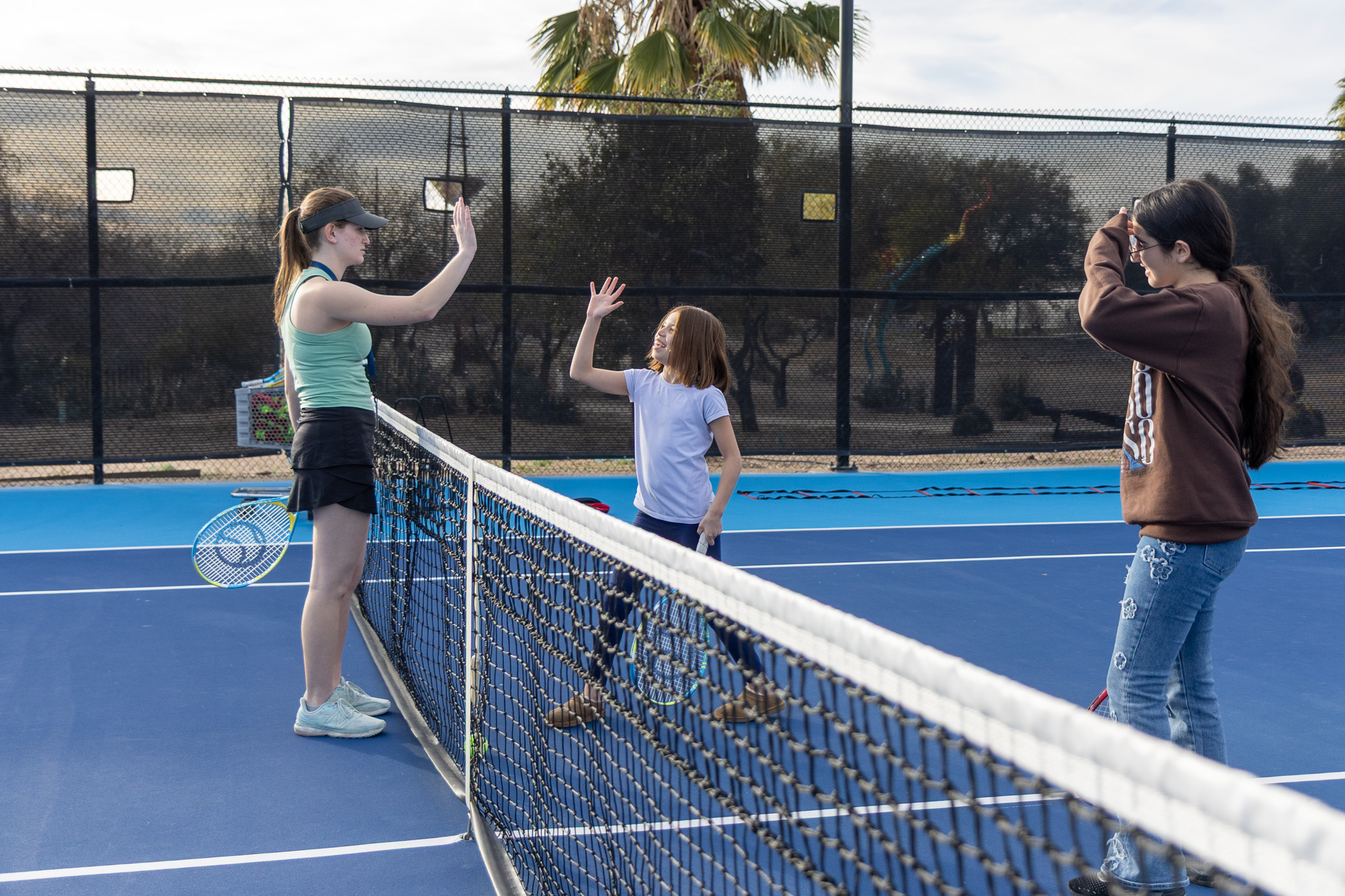
Whether through a swimming lesson, an art class, or simply a smile, each day the Tucson J staff brightens the lives of our members and guests. We are proud of the variety of skills and stories that our staff bring to their work, and celebrate this each week through our Facebook and Instagram “Staff Spotlight” series.
Continue reading on for a preview of our latest spotlights, and check out the full posts at all @tucsonjcc accounts!
Jennifer Greenberg | Jewish Culture + Curriculum Coordinator
Q: Tell us about your role here at the Tucson J!
A: Shalom! In my role, I educate children and staff about Jewish culture, including Jewish holidays, Hebrew language, Israel, and the Sheva Lenses. In addition, I oversee the Early Childhood Education curriculum, ensuring that our teachers uphold the high standards of our program and provide engaging, developmentally appropriate learning experiences for every child. My goal is to support both educators and students in creating a rich, nurturing environment where children can learn, grow, and thrive.
Q: Why is it important that our ECE program is guided by Jewish values?
A: Jewish values are central to our ECE program because children are the next generation (L’Dor V’Dor-generation to generation). By nurturing their identity, ethics, and compassion, we help them build strong communities and inspire them to care for future generations.
Q: What is your favorite Jewish holiday to celebrate in the classroom?
A: My favorite holiday tradition is celebrating Shabbat each week with all the classrooms. I love seeing the children joyfully sing, clap, and participate in the service, and hearing them greet one another with “Shabbat Shalom” throughout the J.
Q: What does community mean to you?
A: Community (Kehilah) is at the heart of our experience at the J’s ECE. Our community is warm, welcoming, and inclusive, and every individual plays an important role in creating a strong sense of belonging and connection.
Tomorrow, thousands of Jewish teens from across North America, Israel, and around the world will arrive in Toronto and Kansas City for the opening of the 2026 JCC Maccabi Games + Access. They will come from different communities, traditions, and backgrounds, yet for one remarkable week they will discover something much greater than themselves they will experience what it means to be part of one Jewish people.
Here in Tucson, we understand that gift perhaps better than most. Just one year ago, we had the privilege of welcoming the Jewish world as hosts of the 2025 JCC Maccabi Games + Access. We watched strangers become lifelong friends. We saw competition inspire compassion, inclusion, and belonging. We witnessed Jewish identity strengthened not only through ceremonies and celebrations, but around Shabbat tables, on playing fields, in host homes, and through countless acts of kindness. While medals are awarded at the end of the week, the true victories are measured in relationships, confidence, Jewish pride, and a deeper sense of connection.
At the Tucson J, Amiut Yehudit, Jewish Peoplehood is at the heart of our mission. Our service pledge reminds us that we create community based on Jewish values by providing the highest quality programs and services in a safe and secure environment for all people of all ages. The JCC Maccabi Games are a living expression of that promise. They remind us that Jewish community is built not by where we live or how we practice, but by our commitment to one another.
Jewish educator Avraham Infeld teaches that Judaism is more than a religion it is membership in an extended family whose story stretches across generations. We inherit that story, we add our own chapter, and we pass it to those who follow. The JCC Maccabi Games invite our teens to discover that they are part of that remarkable global Jewish family.
The Torah teaches:
“You are standing today, all of you, before the Lord your God…your leaders, your elders, your children…everyone in Israel.” (Deuteronomy 29:9–10).
Before entering the Land of Israel, Moses gathered every generation together. The covenant belonged to everyone. Jewish peoplehood has always rested on the belief that every individual matters and every generation has a role to play.
The Talmud reinforces this with the timeless teaching, “Kol Yisrael arevim zeh bazeh”—”All Israel is responsible for one another.” (Shevuot 39a).
Responsibility is more than obligation; it is relationship. It means caring for one another, celebrating together, and ensuring that no one journeys alone. That is precisely what happens during the JCC Maccabi Games, where friendships transcend borders and strengthen the fabric of the Jewish people.
This week’s Hebrew soundtrack could well be Yad B’Yad (“Hand in Hand”), a contemporary Israeli song that beautifully captures the spirit of the Games. Its message reminds us that our greatest accomplishments come when we move forward together. Young Jews arrive as individuals, but they leave as members of one extended Jewish family, carrying friendships and memories that will last a lifetime.
The Broadway classic Children will Listen from Into the Woods offers another fitting reminder. The values we model become the values our young people carry into the future. Every welcoming smile, every host family, every volunteer, every act of sportsmanship, and every shared Shabbat experience teaches our teens what Jewish community can and should be.
As our friends in Toronto and Kansas City begin this extraordinary week, we send them our blessings and gratitude. We know firsthand that lives will be changed, friendships will be forged, and future Jewish leaders will emerge.
At the Tucson J, our work is guided by two enduring commitments:
To create more vibrant Jewish life.
To build greater Jewish community.
The JCC Maccabi Games + Access fulfill all three. They bring Judaism to life through joyful experiences and meaningful relationships. They connect young Jews across continents, reminding us that we are one people with a shared past, present, and future. And they produce lasting outcomes, as participants return home with greater Jewish pride, stronger connections to Israel and the Jewish people, lifelong friendships, and the confidence to lead.
Those of us who experienced the magic of Tucson 2025 know that the impact of these Games cannot be measured solely by medals won or records broken. It is measured in the host family that becomes family forever, the athlete who discovers a deeper connection to Jewish life, the volunteer whose own identity is renewed through service, and the friendships that span oceans and generations.
As we celebrate the opening of the 2026 JCC Maccabi Games + Access, may we remember that while the competitions last only a week, their impact lasts a lifetime. Every athlete, volunteer, coach, host family, donor, and supporter helps write the next chapter of our people’s story.
May this year’s Games strengthen the bonds of Amiut Yehudit, inspire a new generation of Jewish leaders, and remind us all that when we move yad b’yad hand in hand there is no limit to what the Jewish people can accomplish together.
Cochenu b’Achduteynu | כחינו באחדותינו | Our strength is in our unity.
Before the destruction of the Second Temple, our tradition teaches that Jerusalem was not defeated by a lack of strength or wisdom, but by sinat chinam, baseless hatred. Last week, as we prepared for and observed Tisha B’Av, I reflected on Rabbi Abraham Isaac Kook’s profound teaching that if the Temple was destroyed because of sinat chinam, then it will one day be rebuilt through ahavat chinam baseless love.
This Tuesday evening, our calendar offers us a remarkable spiritual transition as we welcome Tu B’Av, often called the Jewish Day of Love. The placement of these two observances is no accident. Judaism does not leave us in mourning. It insists that after we acknowledge brokenness, we begin the work of healing. After remembering what hatred can destroy, we recommit ourselves to what love can build.
The Torah expresses this calling in words that have echoed through the generations:
“You shall love your neighbor as yourself; I am the Lord.” (Leviticus 19:18)
Rabbi Lord Jonathan Sacks z”l taught that love in Judaism is not merely an emotion but an act of responsibility. Communities are sustained not simply because people care about one another, but because they choose, day after day, to care for one another. Love becomes visible through kindness, generosity, forgiveness, and the willingness to see the Divine image in every person.
That is precisely what I have the privilege of witnessing each day at the Tucson J.
I see it in our early childhood educators who greet children with warmth and patience. I see it in Camp J counselors who create friendships that campers will remember for a lifetime. I see it in conversations around our Healthy Aging programs, on the tennis courts, in the fitness center, at the pool, in our arts and cultural programs, and in the countless acts of welcome that take place throughout our campus. Every smile at the front desk, every volunteer who gives their time, every donor who invests in our mission, every staff member who goes the extra mile is helping to build something far greater than a building. Together, we are building community.
The beautiful prayer Ahavat Olam (Everlasting Love) reminds us that God’s love is constant, enduring, and unconditional. As we sing of God’s everlasting love for us, we are challenged to reflect that same enduring love in our relationships with one another. The more we extend patience, compassion, generosity, and grace, the more we become partners in bringing holiness into our world.
The Beatles famously sang All You Need is Love. While we know that communities also require hard work, courage, accountability, and sacrifice, there is profound wisdom in that simple refrain. Love remains the force that gives purpose to all those efforts. Without it, institutions become transactional. With it, they become transformational.
In a different musical voice, Adele’s Make You Feel My Love speaks to the quiet power of steadfast presence the willingness to stand beside another person through joy and hardship alike. That, too, is a beautiful expression of ahavat chinam: choosing to accompany one another, especially when it would be easier to walk away. Caissie Levy created a beautiful mash up of these Two Songs
Perhaps that is the invitation of Tu B’Av. Not simply to celebrate love, but to practice it intentionally. To offer the benefit of the doubt. To listen before judging. To forgive more quickly. To reach out to someone who may be feeling isolated. To welcome someone new into our circle. To disagree with respect while never forgetting our shared humanity.
At the Tucson J, we often say that we are the town square of our community, where everyone belongs and some people choose to join. That vision only becomes reality when each of us accepts the responsibility to create a culture of ahavat chinam one conversation, one relationship, and one act of kindness at a time.
As we celebrate Tu B’Av this week, may we each find new opportunities to fulfill the timeless commandment to “love your neighbor as yourself.” May we choose love over cynicism, compassion over judgment, understanding over division, and hope over despair.
And in doing so, may we continue the sacred work that Rabbi Kook envisioned: rebuilding our communities and perhaps, one day, rebuilding the world itself through the quiet, extraordinary power of ahavat chinam.
Cochenu b’Achduteynu | כחינו באחדותינו | Our strength is in our unity.
From the Desk of Charlie Paige | Sr. Director of Disability Program Services
This week’s parasha, Va’etchanan, meaning “I entreated,” is part of Deuteronomy, the final of book of the Torah. The people of Israel are camped just east of the Jordan River. Moses describes his failed efforts for God to revoke the divine decree that Moses will not enter the Land himself: “I pray You, let me go over and see the good land that is beyond the Jordan, that goodly mountain and the Lebanon.” But God, firm in the judgement to Moses, responded: “Enough! Speak no more to Me of this matter.” (Deuteronomy 3:23)
God then instructs Moses to go up to the top of the summit to see the good land that is beyond the River and tells Moses “for you shall not cross this Jordan.” God instructs Moses to encourage and strengthen Joshua “for he shall go over before this people, and he shall cause them to inherit the land which you shall see.”
Moses now speaks to the people of Israel about an essential theme of this parasha: if they are to survive in the Land, and survive as a people, they must follow the teachings in the Torah they received at Sinai.
As I read commentaries and interpretations of this parashah, what resonated with me most was the idea that the lesson Moses teaches the Israelites is the same lesson God was trying to teach him. Moses longed to cross the Jordan and did not want to accept that he would not. God’s response reminds him that his relationship with God is not dependent on reaching a particular destination. Whether Moses remained on the east side of the Jordan or entered the land with Joshua and the Israelites, his path to God remained the same—through faith, trust, and living according to God’s commandments.
Working at the Tucson J has exposed me to Judaism and the Torah. In our work to serve youth and adults with developmental disabilities, we infuse Jewish values and culture into our programming. Just as the early childhood program is guided by the Sheva lenses, the Disability Program Services department is enriched by the wisdom of these lenses, as well as the JCC Association’s Eight Guiding Principles of Inclusion that are also rooted in Jewish values.
Reading this Torah portion reminded me that Judaism teaches us that our relationship with God is both deeply personal and profoundly communal. Through my work at the J and my meaningful exposure to Jewish values, I have come to appreciate what I see as a sincere and ongoing journey to honor, understand, and live out those values in service to others.
Va’etchanan, invites us to reflect on what it means to build a life grounded in purpose and connection. In this portion, Moses recounts the giving of the Ten Commandments, and also, for the first time, speaks the Shema, a prayer so powerful we are commanded to say it twice daily. The call to “love Adonai your God with all your heart, all your soul, and all your might” is followed immediately by the charge to teach these values to our children, speak of them in our homes, and carry them into every aspect of our lives. At the Tucson J, we strive to create the kind of community those words envision—where Jewish values are experienced across generations, not only in our Jewish programming, but in everything we do.
Daniella Ironi, Jr. Community Shlicha (emissary), is one person who, over the last 1.5 years, has worked to help the J and our broader Jewish community fulfill this goal. Daniella originally came to the J to support in the planning efforts for the 2025 JCC Maccabi Games + Access here in Tucson, specifically focused on “Hang Time” programming for the teens—but by the time the Games were over, her vibrant spirit had captured our hearts. So, we found a role for her working closely with Yuval, our Sr. Community Shlicha, at the Weintraub Israel Center (a partnership between the J and Jewish Philanthropies of Southern Arizona) to infuse programs across the community with Jewish values and foster a strong connection to Israel. On Wednesday, we said l’hitraot (see you later) to Daniella with a lunch at JPSA honoring her contributions to our entire community, and wished her well on her next adventure! Daniella will be dearly missed, and we know the relationships she built here will continue to have a lasting impact.
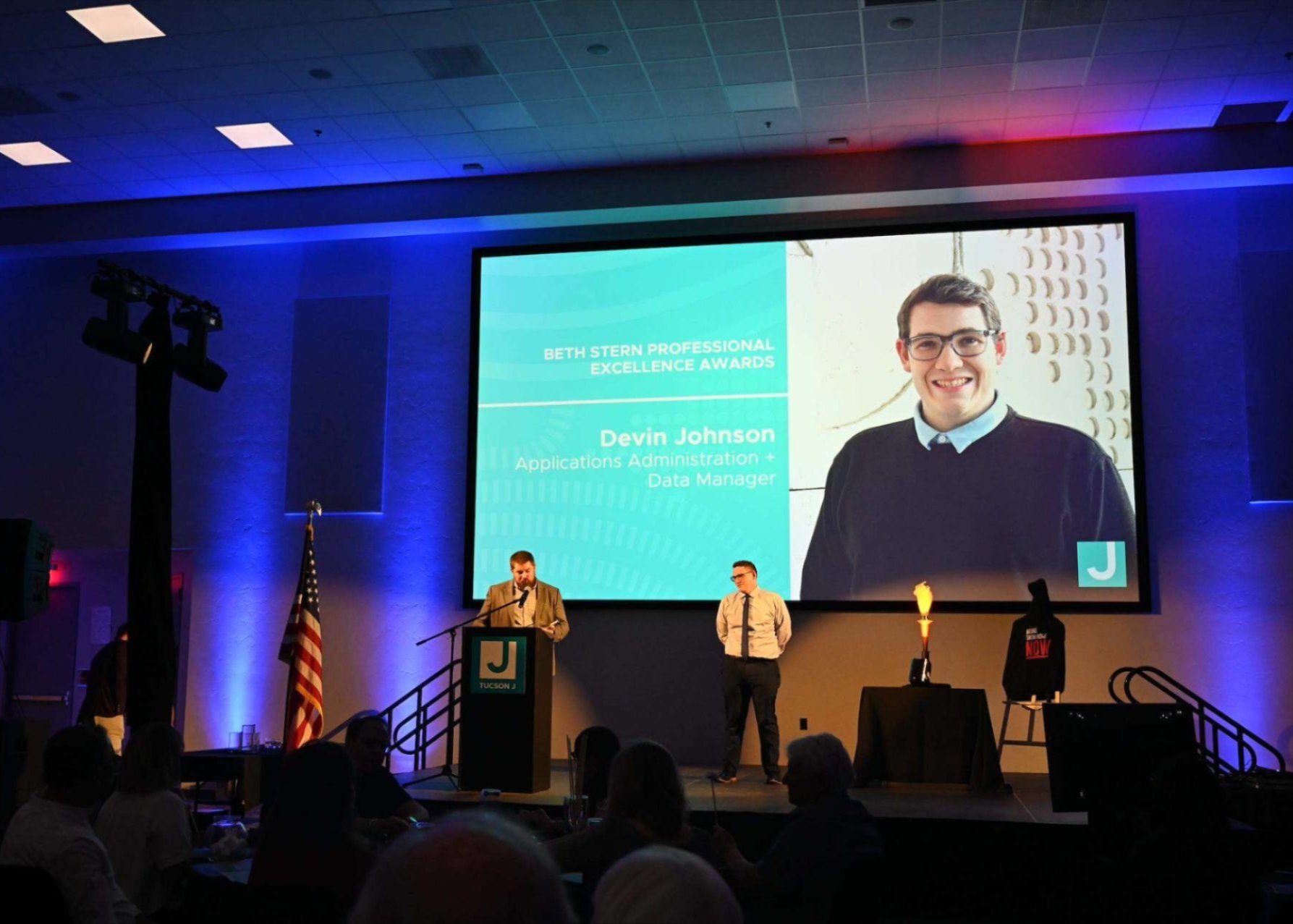
Speaking of strong leaders who make an impact, we got the news that Devin Johnson, the J’s Applications Administrator and Data Manager, was elected to the Board of Tucson Young Professionals! Devin’s work at the J is invaluable to our community (he even won a Beth Stern Staff Excellence Award (pictured here!). Often behind the scenes, he is responsible for overseeing the technology that ensures our operational success—and we know that he will be a wonderful addition to the group. Join us in wishing mazel tov (congratulations) to Devin!
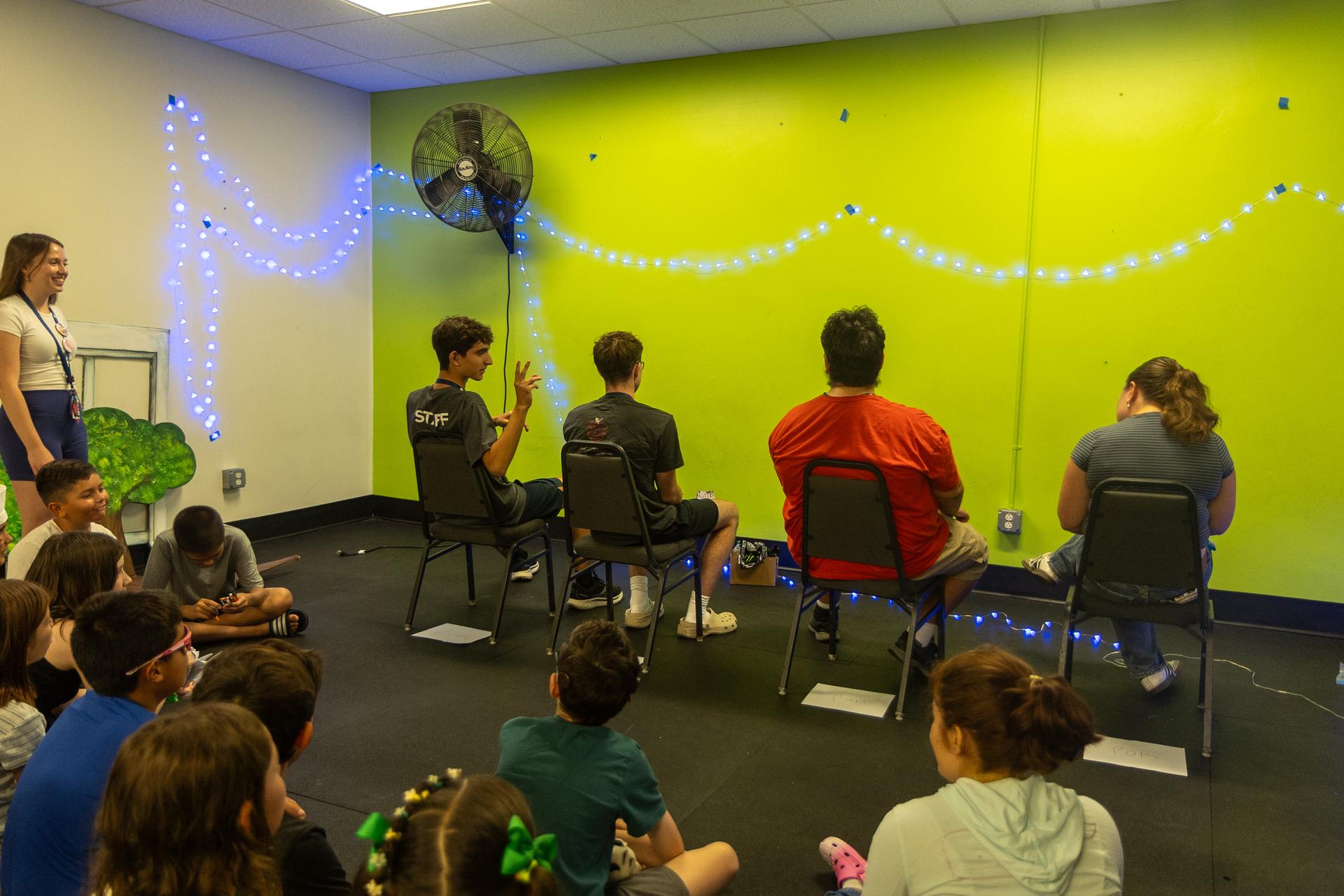
Just like that, Camp J continued for it’s last full week before a partial session next week, and with it came a whole lot of fun. Highlights included petting bunnies and guinea pigs with our friends at TRAK, making greeting cards and block prints in art, theatre games with counselors, plenty of pool time, and trips to Oro Valley Aquatics Center and the Tucson Museum of Art!
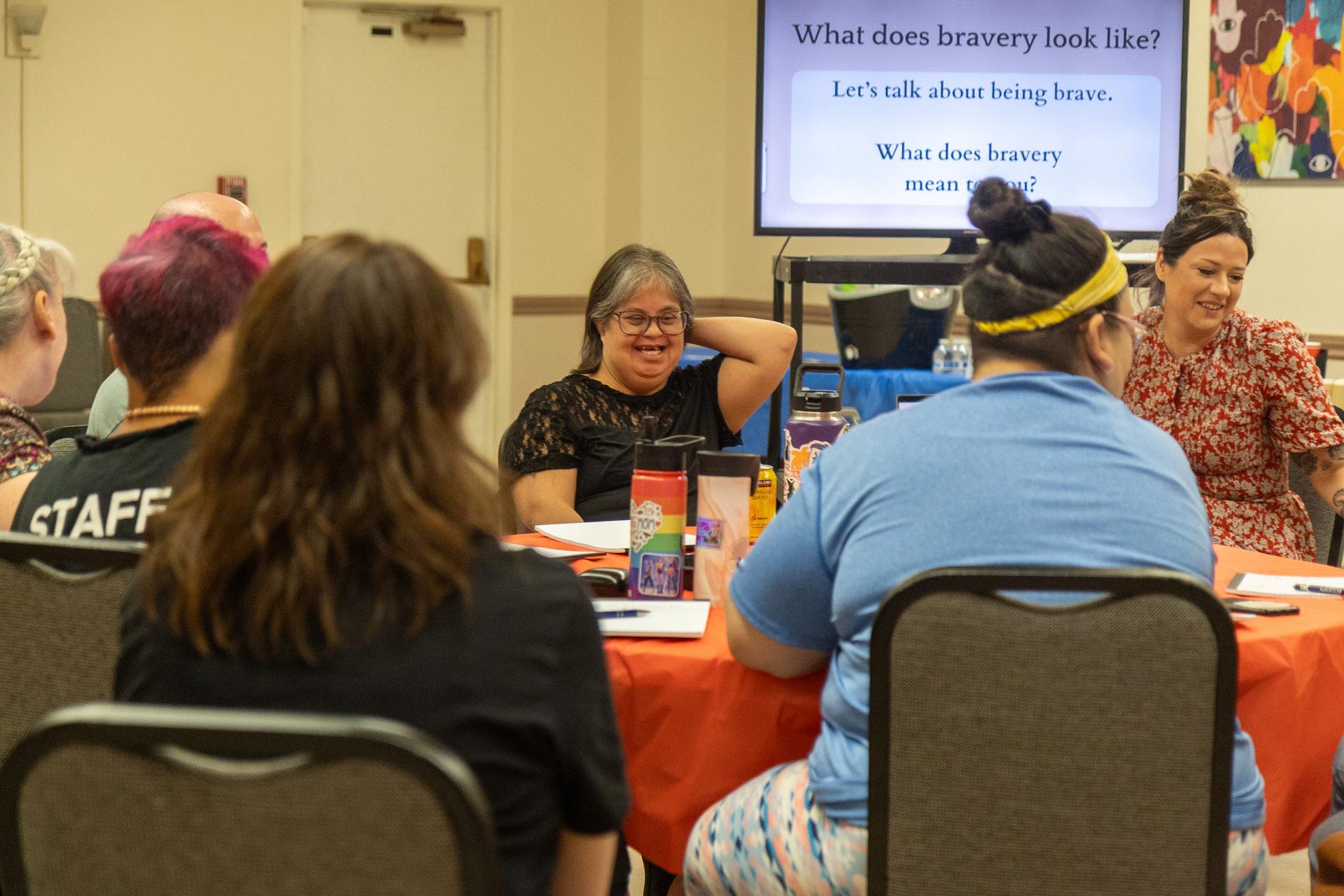
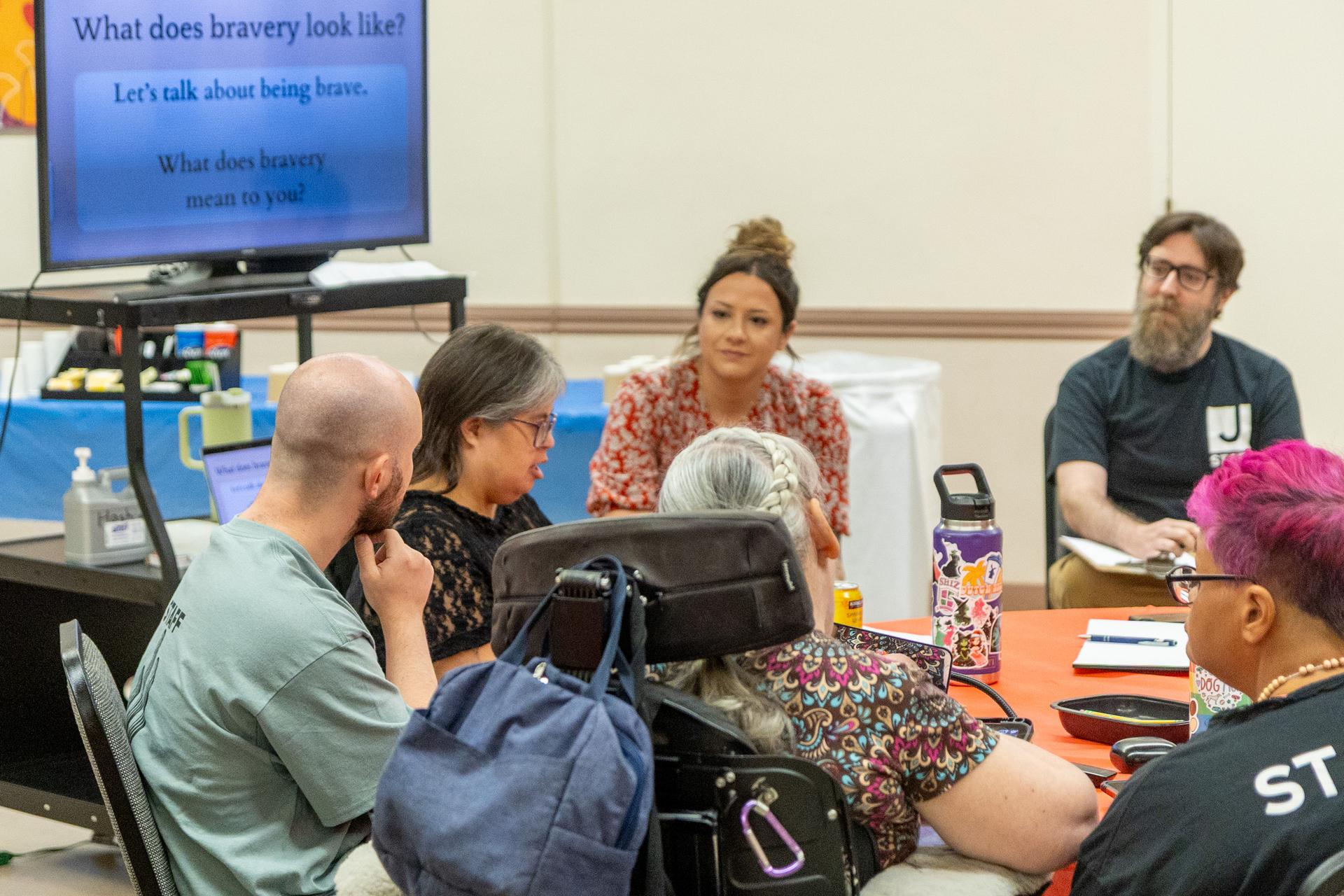
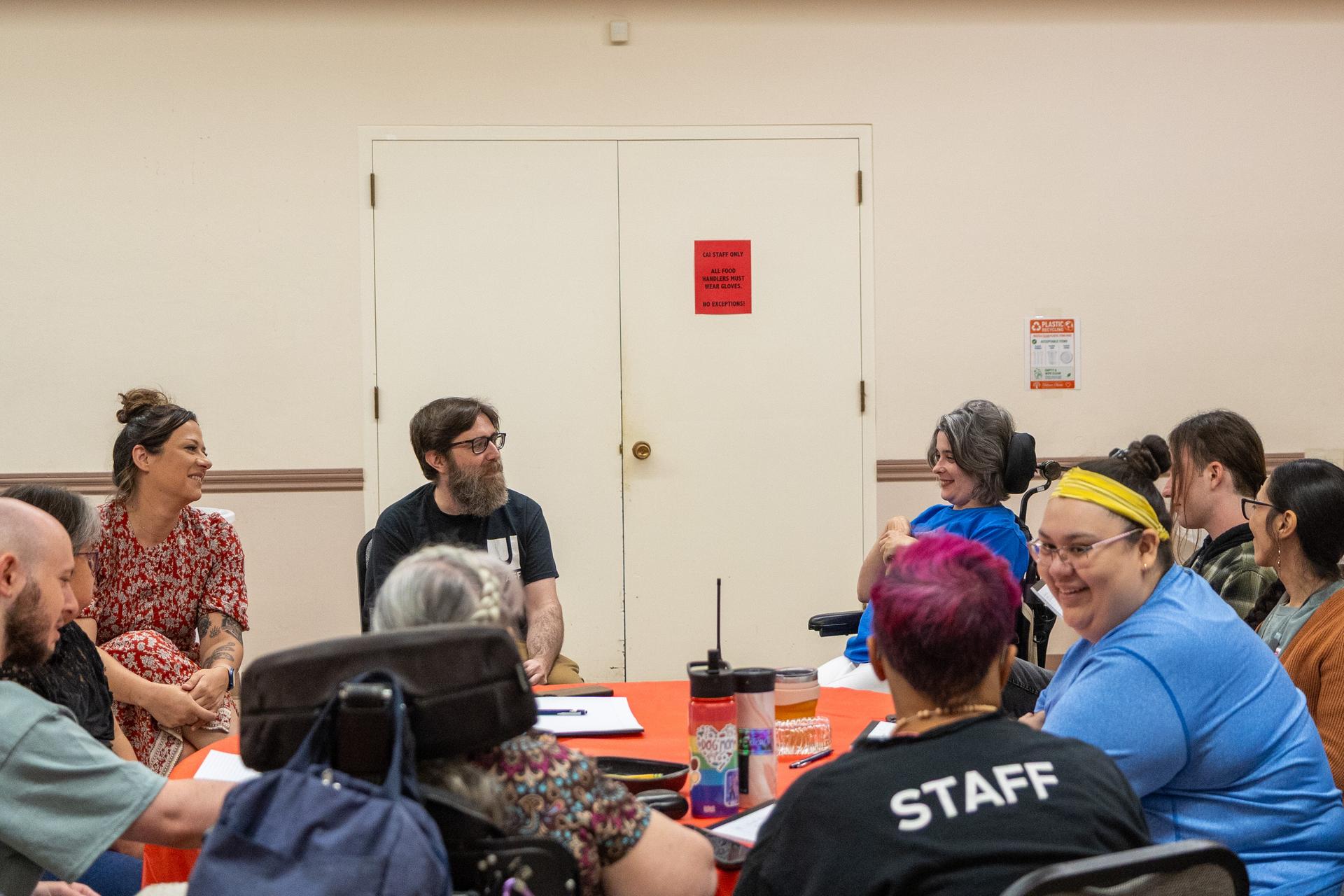
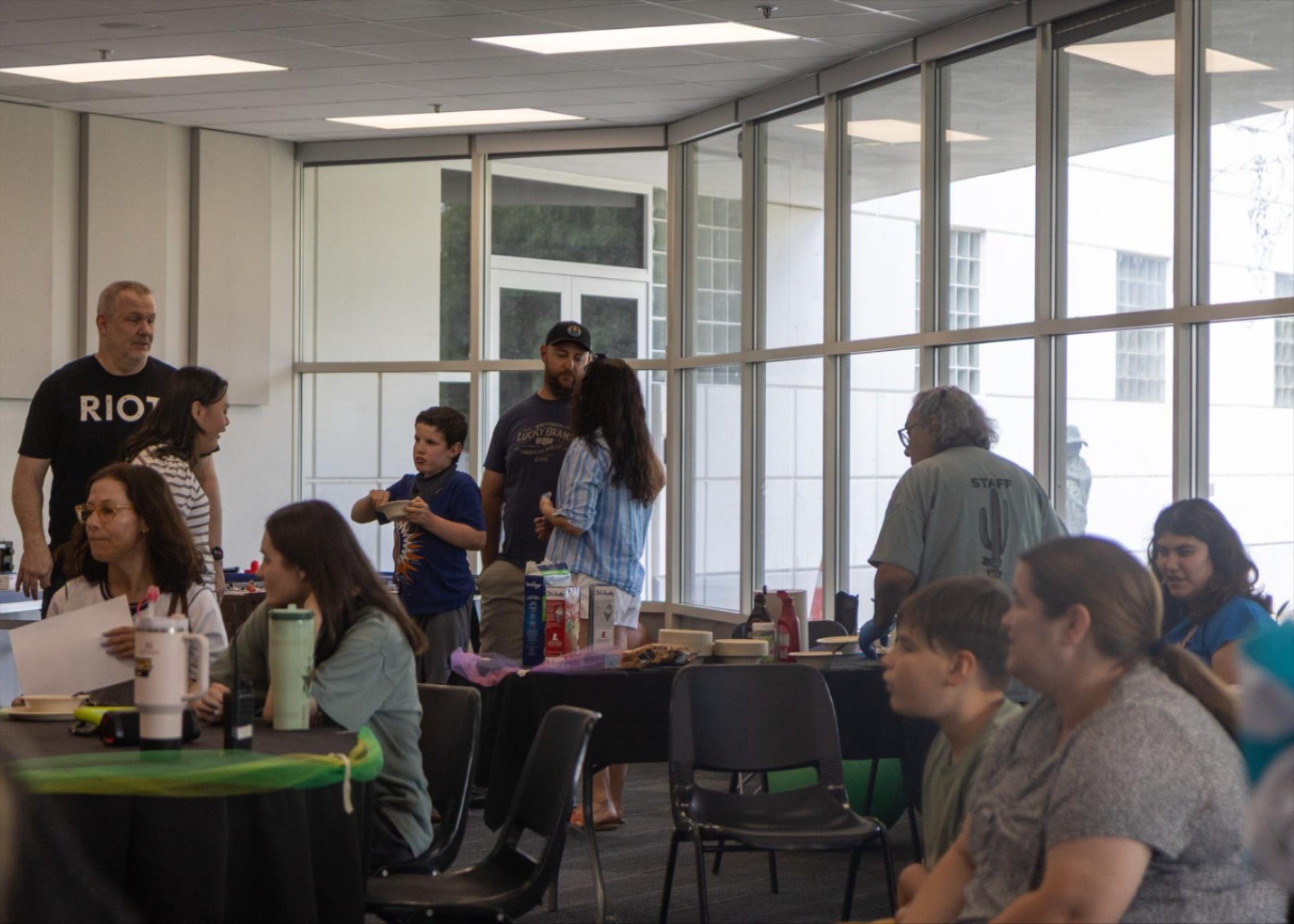
Participants in Disability Program Services met with team members from AZPM’s Tucson Spotlight for a very special workshop in partnership with Story Slaw, that will result in an upcoming public performance. As a group, they learned about the importance of storytelling, crafted personal narratives centered around the theme of bravery, and then filmed the telling of their stories. Stay tuned for more information about the performance coming soon!
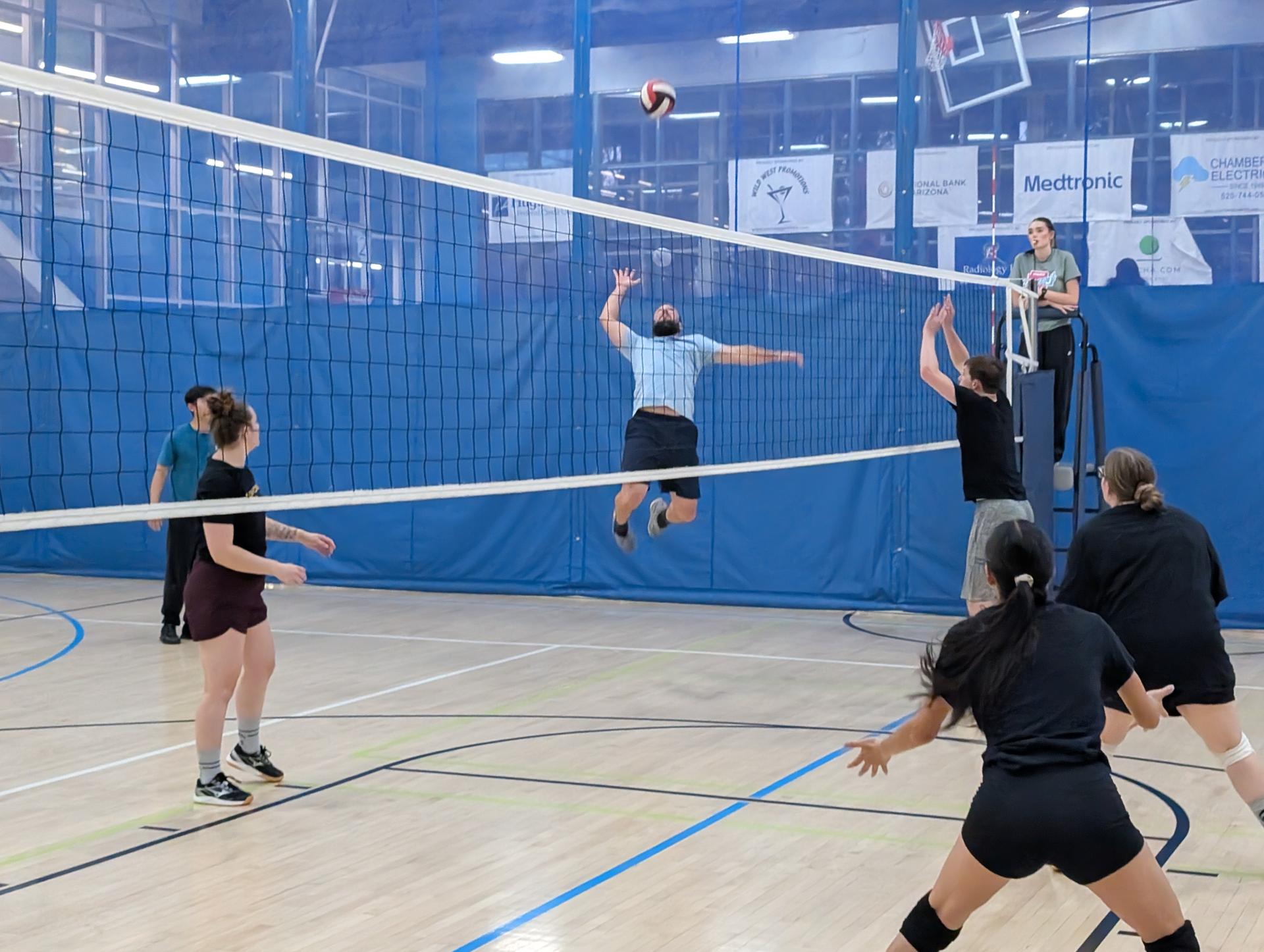
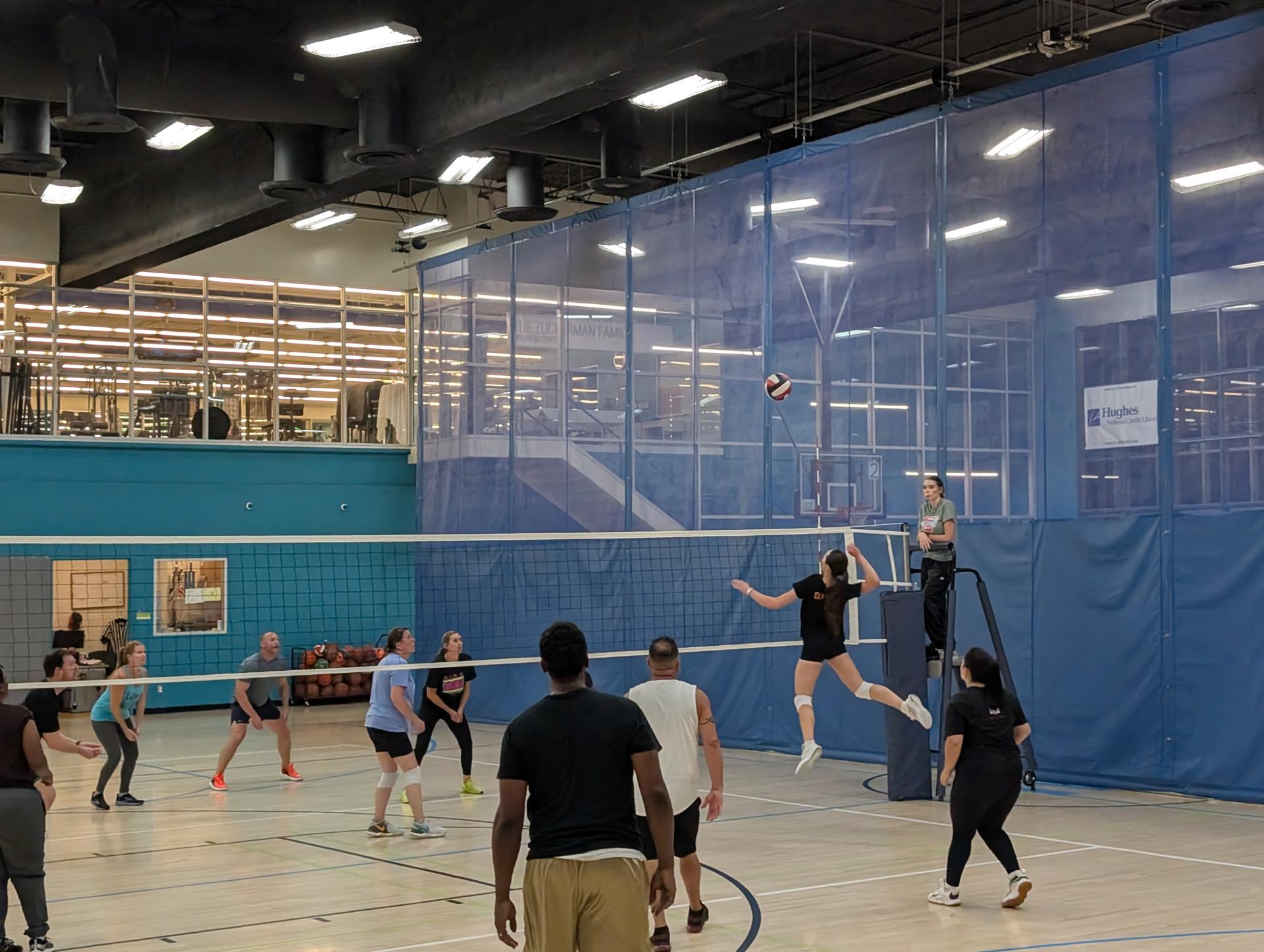
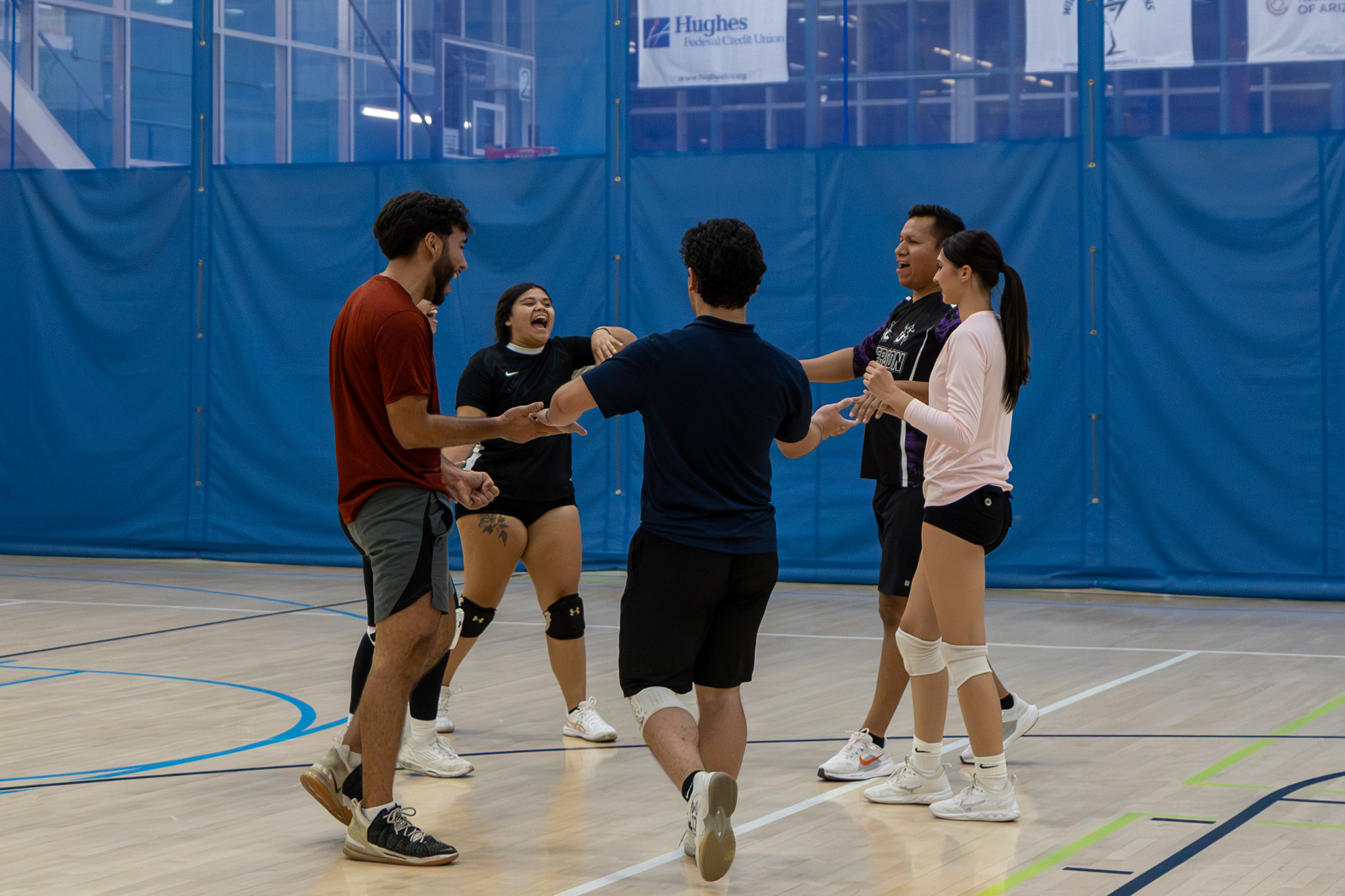
Every day people of all ages and abilities come to the J to meet their wellness goals and build community—this week, the competition was on for members of our Co-ed Volleyball League as they make their way toward the championship in two weeks! Registration is open now for fall Sports + Recprograms, join us!
Taken together, these moments remind us that a strong Jewish community is built through the people who show up for one another every day—with leadership, kindness, creativity, and a shared commitment to something greater than themselves. As we welcome Shabbat, may Va’etchanan inspire us to continue strengthening those connections, passing our values from generation to generation, and finding meaning in the communities we build together. Shabbat Shalom.
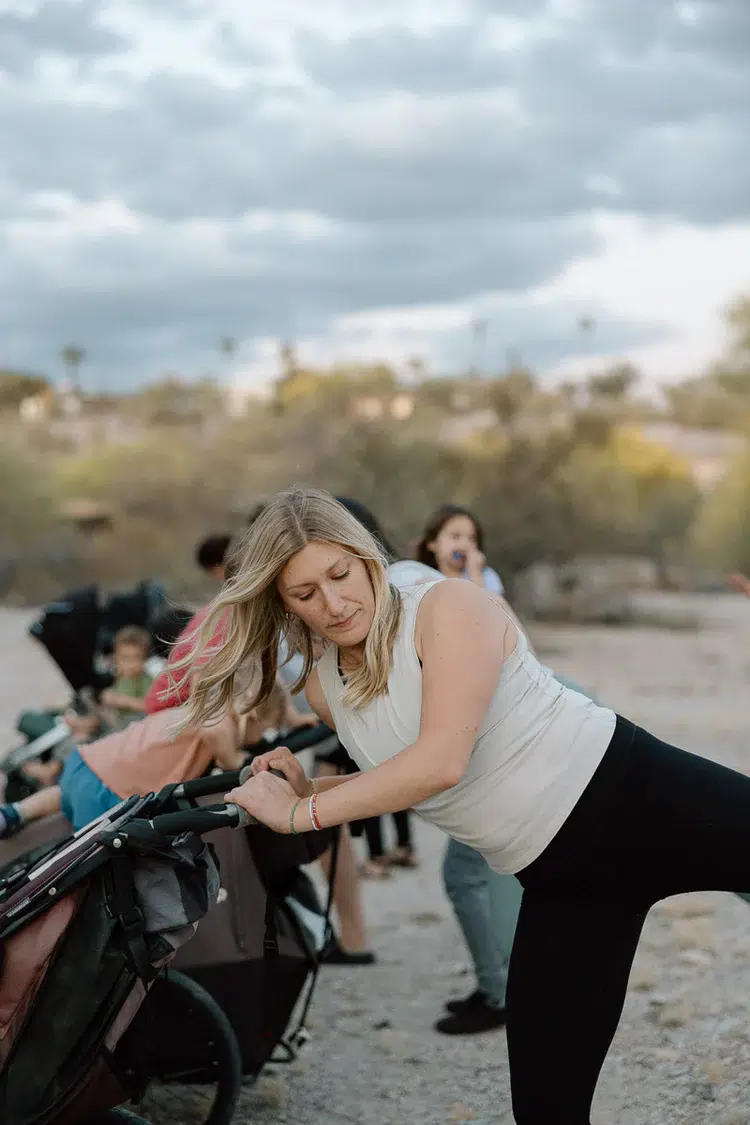
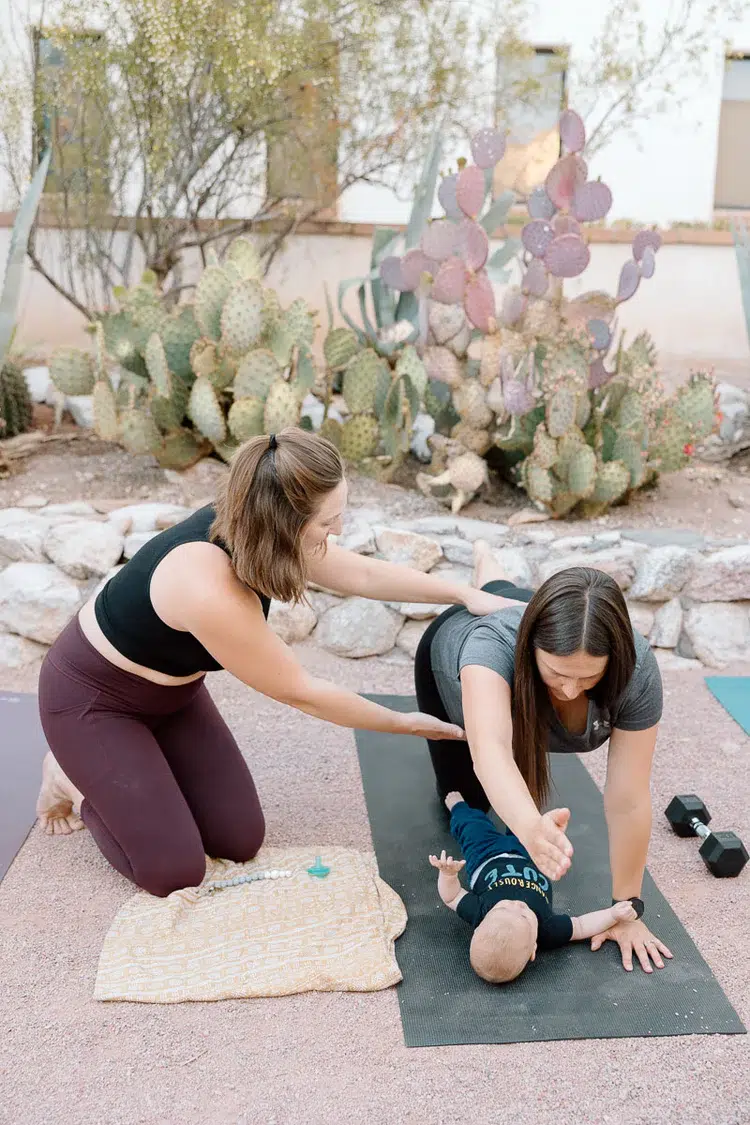
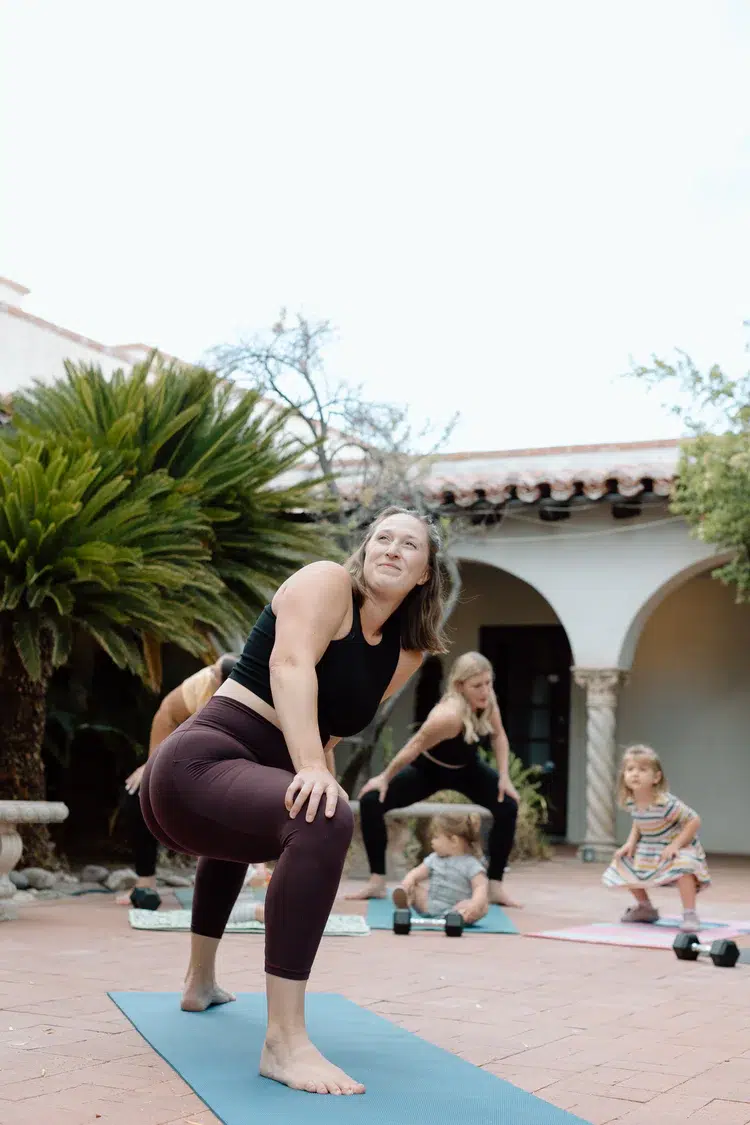
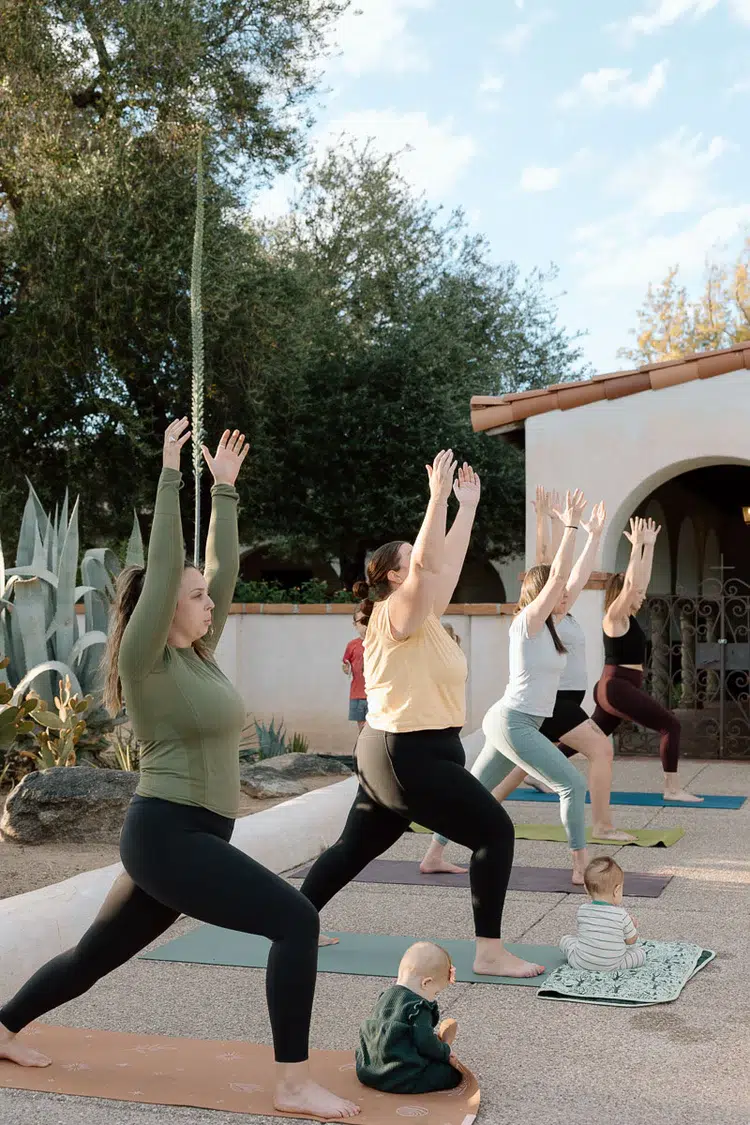
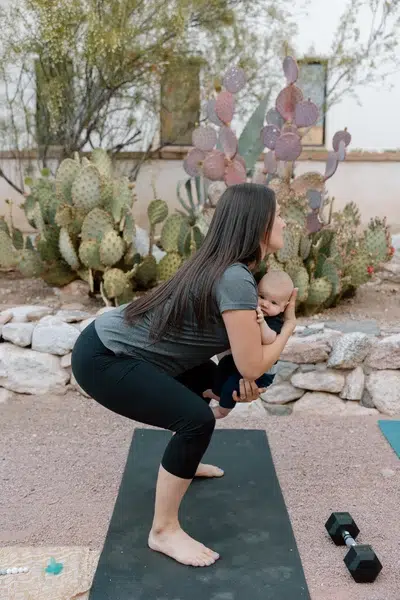
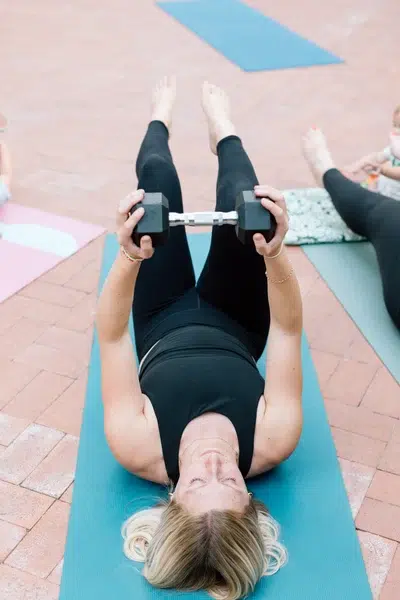
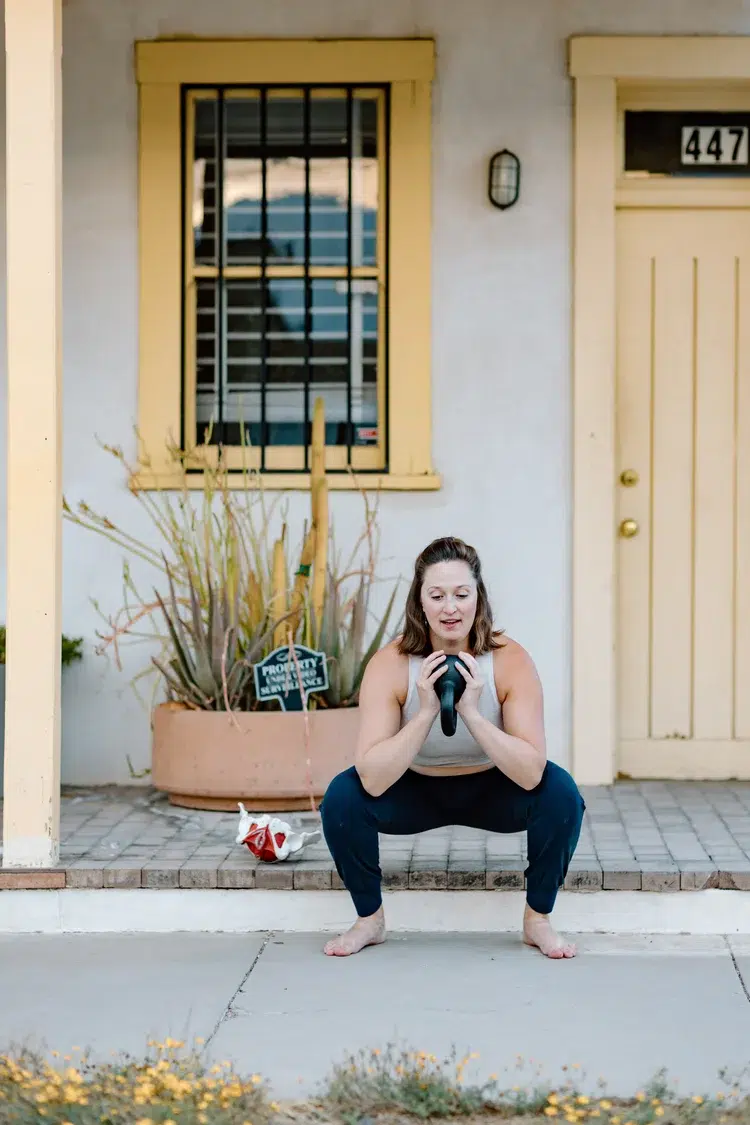
The Tucson J is always seeking new wellness opportunities to bring to our community. That’s why we are teaming up with Tess Ajax, founder of Intuitive Training, to bring her pregnancy and postpartum fitness classes to the J!
Keep reading to learn more about Tess, her fitness classes, and wellness philosophy.
ABOUT TESS
Tess Ajax is the founder of Intuitive Training, a movement collective and community for mothers in Tucson, Arizona. She is an NASM Certified Personal Trainer, a multi-certified Pregnancy & Postpartum Corrective Exercise Specialist (CES & Pronatal Fitness), and Functional Movement Systems L1 coach with six years experience coaching pregnant and postpartum people.
Known for her inclusive and accessible “all movement counts” philosophy, Tess’s approach to fitness focuses on meeting people exactly where they are and reestablishing trust and confidence in their body. By blending functional movements, strength training, pelvic floor & core exercises, and evidenced-based programming, she helps people recover from the effects of pregnancy and birth and reach their performance goals in a sustainable way.
With firsthand experience with cesarean and vaginal births, diastasis recti, and pelvic floor dysfunction, Tess is keenly aware of the challenges and opportunities for growth associated with rebuilding and returning to fitness after giving birth. She finds immense joy in helping moms move forward (instead of “bouncing back”), build athletic maturity, and embrace how movement can evolve with us and serve us through every season of life.
When she’s not coaching, you can find Tess hiking in Sabino Canyon, enjoying an iced coffee with a friend, fitting in a workout, cooking for a meal train, or spending time with her favorite people: her husband and two children.
What inspired you to start Intuitive Training?
Intuitive Training started pretty unexpectedly. I was a personal trainer before becoming a mom, and while I was pregnant, I became a certified Pregnancy & Postpartum Corrective Exercise Specialist because I wanted to better understand how to support women through this season.
But even with all of my knowledge, experience, and love of movement, it was incredibly difficult for me to muster the motivation or energy to workout regularly after having my baby. My body felt unfamiliar, tired, weak, and depleted, and something that had always brought me so much joy felt not only daunting, it felt impossible.
So I changed my approach – I figured that if I was struggling to find my way back to movement, maybe other moms were too.
At nine months postpartum, I offered a small postpartum-focused exercise class where babies were welcome. We did exercises together, but we also openly discussed the complexity of motherhood, the changes our bodies & pelvic floors went through during pregnancy & birth, and what we could do to support our healing. It was really beautiful, and it really showed me that returning to exercise postpartum is about a whole lot more than just exercise – being in community with other moms allowed us to heal together, on a multitude of levels.
Five moms showed up to that first class, and something really special sparked. What started as a small gathering has grown into a rich community.
Why is it important for moms to have a dedicated fitness space?
This is such an important question, and there are so many layers to unpack here.
First, we all know that the changes we go through when we become mothers are profound, and while our bodies are not fragile, there’s a better path forward than simply jumping back into what we were doing pre-motherhood and just hoping for the best.
By tailoring classes specifically to moms, we can recover smarter by approaching workouts with awareness and knowledge of pelvic floor and core health, birth injuries, and the physical and physiological changes of pregnancy and postpartum at the forefront (not an afterthought!).
Beyond perinatal-specific coaching, being in a fitness space specifically for moms means that you’re face-to-face with other women and birthing people, which is absolutely priceless in the age of social media.
Being in-person together means that we get real insight into what postpartum recovery looks like, making us all feel a little more normal when we don’t “bounce back” the way it looks like someone online may have appeared to do. Instead, we can destigmatize pelvic floor symptoms, ask each other questions, share resources, and learn from each other.
When you’re in an Intuitive Training class, no one bats an eye if your baby is fussy, if you need to nurse mid-workout, if your toddler spills their snack, or if your kids are having a tough time sharing. There are always enough toys to go around, and you’re literally always next to another mom who knows what the hard days are like and may even be able to lend a hand or a hug when you need it.
What can attendees expect from your classes?
When someone comes to class, they’re invited to meet their body exactly where it is that day and to make the workout their own. We acknowledge that we all have different goals, injury histories, sleep(less) situations, and energy levels, which means you may be doing different exercises than the person next to you. And not only is that ok, it’s encouraged.
Attendees can expect thoughtful coaching, with modifications and progressions offered for every exercise, babywearing-friendly movement options, and pelvic floor and core-focused coaching cues interwoven throughout the warmup and workout.
While children and babies are not required to attend, many people bring their kiddos. This means that sometimes classes get noisy, and sometimes we have to shift plans mid-workout. We practice a lot of mental flexibility and creativity in our workouts, which makes us stronger and more resilient both in and out of class.
If you could define your wellness philosophy in one phrase or quote, what would it be?
“All movement counts. All bodies are good bodies. Let movement evolve with your life.”
Those three ideas really capture my philosophy. I want people to know that “fitness” isn’t all or nothing. It’s about showing up for yourself in ways that are sustainable, compassionate, and realistic for the chapter you’re in. And hopefully experiencing a little joy while doing it!
Why did you decide to partner with the Tucson J?
The J has such a strong reputation in Tucson for welcoming everyone and being committed to supporting health throughout every stage of life, which feels completely in alignment with Intuitive Training.
Early motherhood can be an incredibly vulnerable season. A lot of moms hesitate to even leave their homes because of anxieties surrounding their baby crying, a toddler meltdown, or feeling like they don’t belong. The J creates the opposite experience. It’s a place where families are already gathering and where people are accepted as they are. It’s exactly the type of environment I want our moms to walk into every week.
The Tucson J is focused on building a community where everyone belongs. What does community mean to you?
At this point in my life, community means being together, face-to-face, with people walking a similar path or navigating similar chapters. I believe community is co-created, and every person who shows up contributes to the energy, intention, and direction of the group (consciously and unconsciously). And that’s what makes a community rich: connecting through our similarities and being strengthened by the things that make us different.
Community has always been at the heart of what I do. It enriches our lives in such an essential way, and I couldn’t be more excited for Intuitive Training to join and contribute to the incredible multigenerational community the J has built.
Thank you, Tess!
Tess is offering a FREE pop-up class at the J on Sunday, September 20 from 8:45-9:45am along with a variety of class sessions throughout the fall. Enroll today!
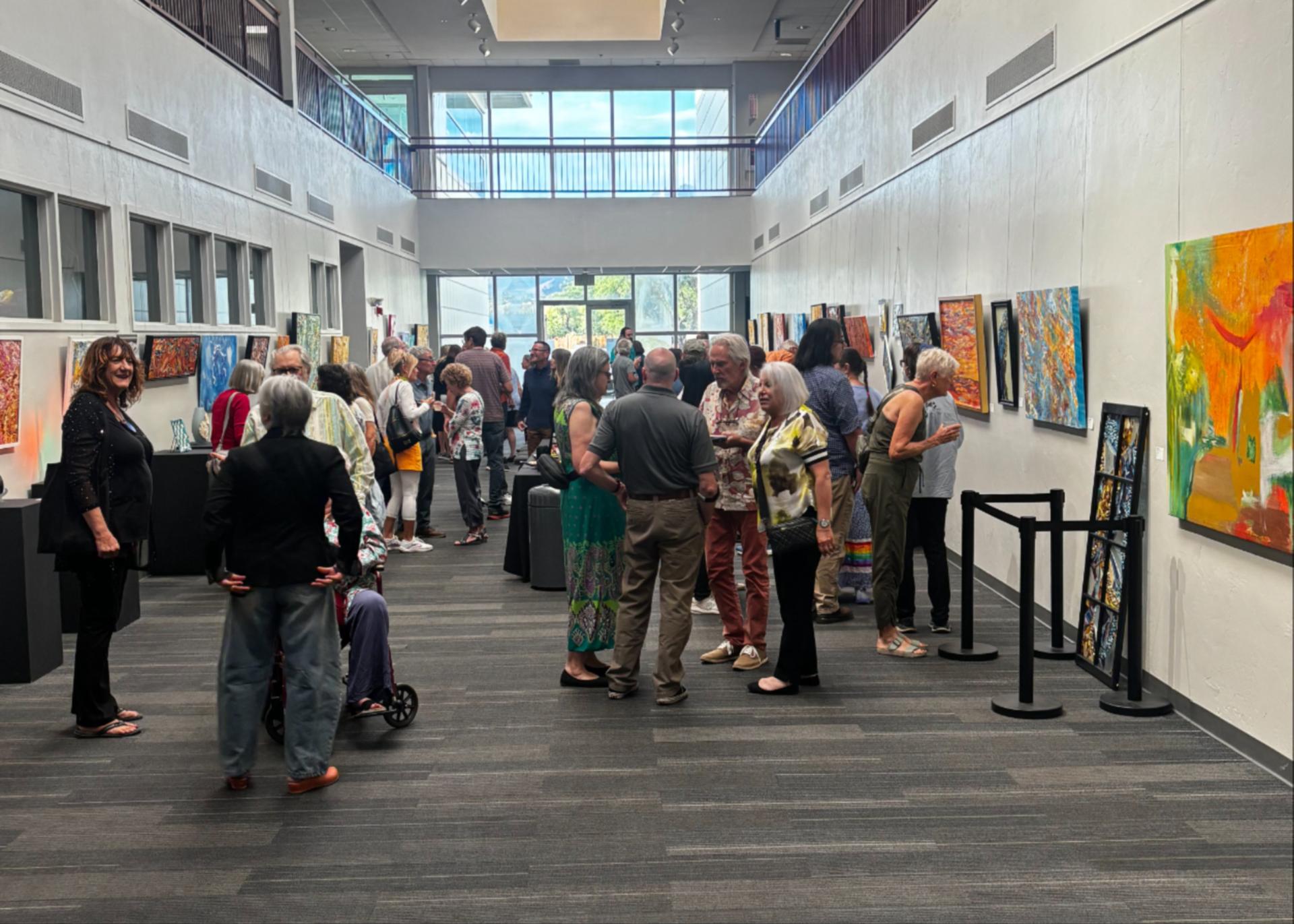
Running Thursday, August 20 through Sunday, September 27, the show demonstrates “a balance between control and serendipity that happens when water, pigment, and paper combine.”
Keep reading to learn more about Tracy, the show, and what viewers can expect.
ABOUT TRACY ANN HOLMES
Tracy Ann Holmes, grew up in Napa, California. She earned a BFA with an emphasis in Ceramics and an Art Ed Certificate from BYU. In school, Tracy discovered her two favorite media: ceramic and watercolor. Tracy taught art full-time for five years in Utah and North Carolina before moving to Arizona.
Over the last 20+ years in Arizona, Tracy continues to teach select art classes while being a full-time studio artist. Her watercolor series, “Sonoran Desert Life”, contains over 100 images of the animals and plants of the Southwest. Tracy’s ceramic sculptures are metaphorical in nature and primarily centered around the female figure with themes of endurance, faith, and struggle. Her sculptures are one-of-a-kind, built by hand, using slab and coil building techniques.
Can you share your creative process, both in the studio and in shaping the overall vision for the show? Meditation is the act of being mindfully aware and reaching a calming state. That zen state of observation comes while I am painting watercolors. It is a balance between control and serendipity that happens when water, pigment, and paper combine. I take in my surroundings and share my love of color and the life of the Sonoran Desert. These observations lead to deeper questions and to my personal studies. I often find a quote or a tenet of faith and wonder, “how could I portray this concept visually?” A visual metaphor is created when an image or object represents a concept, emotion, or idea beyond its literal appearance. I make sketches, gather references, and then sculpt artwork in clay. My use of meditation and metaphors brings balance and understanding to my life, and I hope that my work helps others find the same.
What themes are you exploring in this show, and why are they important to you? The themes I am exploring in “Meditation & Metaphor” are the tenets I try to live by. First, as seen in my watercolors, we are surrounded by the beauty and tenacity of life in the Sonoran Desert, and that is to be celebrated. Secondly, my sculptural work examines the indomitable spirit of humankind through hardships. We are all a bit broken, vulnerable, and struggling through life–but with divine help, self-love/forgiveness we can still live beautiful lives. We can find peace in the storm.
Is there a particular piece in the show that holds a meaningful story or memory for you? The Japanese technique of kintsugi is a repair technique that uses lacquer and gold leaf to repair valued and treasured pottery. These repaired pieces are not considered less for being broken but even more beautiful with their golden fractures mended. My piece “And Yet She Persisted” is an homage to the technique and the message that we are often broken but can still be beautiful. She is still holding one of the pieces and is actively putting herself back together again.
How do you hope viewers feel after experiencing the show? Our culture often encourages us to say, “I’m fine” and hide our feelings. I hope viewers will connect with my work and see that it is ok to be “not fine” and give yourself the grace/time to grieve and heal. This life is hard and we can make it through with the support of God, good people, and finding love for self. I also hope they feel the joy and wonder in the beauty of the animals and flowers that surround us here in the Sonoran Desert.
The Tucson J is all about collaboration and community. Are there any artists you draw inspiration from? My favorite ceramic artist is Adrian Arleo. Her figurative ceramic sculpture is evocative and beautiful. I am also grateful to the Southern Arizona Arts Guild (SAAG) and the many artists there who have helped me make connections and grow my art career. It was through SAAG that I learned about the Tucson J and participated in my first show here.
Why are you excited to share your work at the Tucson J? What an honor to be able to present my work at the Tucson J! There are so many wonderful patrons of the art within this community and I’m grateful to share my work with them. I have been in several shows with the Tucson J and it is always an amazing experience. Thank you for sharing your beautiful gallery space with me. I have been working hard over the last 18 months to fill it!
Thank you, Tracy! We are looking forward to the show!
Alongside the gallery show, Tracy will host two free events at the J:
Artist talk and kid-friendly art activity | Thursday, August 27, 5-6pm
From the desk of Rachael Mitchell | Sr. Director of Marketing, Communications + PR
Throughout each day, babies, toddlers, and preschoolers in the Tucson Jewish Community Center’s Early Childhood Education program discover the world around them through play, curiosity, and connection — studying a painting in the fine art gallery, dressing up for a Purim parade, or finding the mitzvah in a beloved storybook. On Friday mornings, the J comes alive with the sound of children singing Shabbat songs. At snack time they enjoy fresh challah and on Mondays, those same voices gather again for Havdalah, the ceremony to mark the end of Shabbat (traditionally held on Saturday evenings), welcoming a new week with music, ritual, and community.
These experiences may appear effortless, but they are intentionally designed. The Tucson J’s Early Childhood Education program is guided by the Sheva Early Learning Framework, developed by JCC Association of North America, which outlines a dynamic vision of excellence in Jewish early childhood education grounded in research and multiple philosophies of early education.
“Sheva” means “seven” in Hebrew. The framework is rooted in seven Sheva lenses that reflect core Jewish values and animated by core elements that guide how those values come to life each day. Together, they provide a common language for lesson planning, classroom environments, professional development, and family engagement. While grounded in Jewish wisdom, these values resonate with families of every background and help all children cultivate curiosity, compassion, confidence, and a lifelong love of learning.
Hit’o’rerut – Awakening
Our lives are enriched by a sense of amazement.
Children are natural constructivist learners, and wonder is often where learning begins. The Tucson J’s classrooms, art studio, playgrounds and indoor play space are designed to inspire inquiry, and children can also explore the fine art gallery, sculpture garden, and gymnasium. A group of toddlers may become fascinated by shadows stretching across the playground, while preschoolers build the Western Wall from blocks before carefully sticking on a note. As children move through the building they are often singing as they go — sometimes in Spanish, other times “The Itsy Bitsy Spider” with akavish, the Hebrew word for spider, woven into the lyrics.
Brit – Covenant
Commitment to self, family, friends, and the world is the foundation for responsibility and compassion toward others.
The Sheva framework recognizes families as engaged partners in their children’s learning. At the Tucson J, relationships are just as important as routines. The J’s Open Space was created as a place where families can pause and play with one another before or after the school day. Families connect and make memories together at Shabbat family picnics, pool play dates, and classroom experiences such as making matzah for Passover. Through daily conversations, volunteer opportunities, the Brightwheel communication app, the monthly Buggy Bulletin, and classroom documentation, the J invites families into the learning process, recognizing that children thrive when home and school are connected.
T’zelem Elohim – Divine Image
At each person’s core is an undeniable spark of dignity that requires nourishment and encouragement.
Every child deserves to be seen as capable, competent, and full of potential. That belief shapes how the J’s educators approach each day. Rather than focusing only on outcomes, teachers encourage children to ask questions, solve problems together, make choices, and build confidence through play. Educators are also recognized as professionals whose growth matters. Through monthly Sheva-centered professional development and collaborative reflection, teachers continue refining the ways they support every child and family.
Kedusha – Holiness
We strive to bring our full presence to everything we do in order to recognize the unique, miraculous nature of every moment.
Some of the most meaningful learning happens during everyday rituals and routines. Observing wildlife in the windows of the J’s main hallway, singing the motzi before snack time, lighting Shabbat candles, or listening to a story all invite children to slow down and be present. These moments help create a rhythm to the week and remind children that even ordinary experiences can become opportunities for gratitude, connection, and joy.
D’rash – Interpretation
A spirit of inquiry is the impetus for growth and reflection.
Inquiry isn’t just for children — it guides the J’s educators as well. Every week, teachers intentionally incorporate one of the Sheva lenses into their lesson planning, ensuring that Jewish values are woven naturally into classroom experiences. Monthly professional development invites teachers to examine classroom scenarios through different Sheva lenses, read current research, learn from one another, and set personal goals for strengthening their relationships with children and families. Just as they encourage children to remain curious, they ask the same of themselves.
Masa – Journey
Telling and retelling stories from our past helps us renew our strength and refine our vision for the future.
Stories connect children to something larger than themselves. Through weekly Shabbat and Havdalah gatherings, Jewish holidays, and bi-monthly classroom visits from the J’s Jewish Culture and Curriculum Coordinator, children experience Jewish traditions as living, joyful experiences. Families are invited to celebrate holidays at the ECE Purim and Passover parades, volunteer to make latkes and matzah, and view their children’s art in the sukkah. Local rabbis and cantors regularly join the J’s classrooms, and books, music, and celebrations help children see themselves as part of an ongoing story and develop a strong sense of Jewish peoplehood.
Tikkun Olam – Repair of the World
We must live for the benefit of others, both in this generation and for the generations to come.
One recent installation in the ECE Open Space invited children to think about caring for beaches and oceans. They built with sand, explored books about Tel Aviv’s coastline, discussed the animals that live in the water, and talked about simple ways people can help protect our environment. In the classroom, favorite picture books become opportunities to discover kindness, generosity, and responsibility. Through movement, healthy habits, and caring for one another, children also learn Sh’mirat HaGuf — taking care of our bodies — as an important part of caring for the world around us. These experiences help even the youngest learners understand that repairing the world begins with everyday actions.
The beauty of the Sheva Early Learning Framework is that it isn’t something children experience only during a lesson or a holiday celebration. It is woven into the rhythm of each day — creating an environment where children are valued and nourished, educators are continually learning, families are partners, and Jewish values are lived rather than simply taught.
This coming Wednesday evening and Thursday, the Jewish people will observe Tisha B’Av, the day of mourning that commemorates the destruction of both the First and Second Temples in Jerusalem. It is one of the most solemn days on the Jewish calendar, inviting us not only to remember our past, but to reflect honestly on the kind of people and community we aspire to become.
The Talmud offers a profound and challenging teaching. In Yoma 9b, our sages ask why the Second Temple was destroyed. Their answer is both timeless and deeply relevant: sinat chinam, baseless hatred. They teach that it was not simply external enemies that led to destruction, but internal division, factionalism, and the inability to recognize the dignity and humanity of one another. It is a sobering reminder that communities are often weakened not only by the challenges they face from outside, but by the fractures that emerge within.
Rabbi Abraham Isaac Kook offered the antidote. If the Temple was destroyed through sinat chinam, then it will ultimately be rebuilt through ahavat chinam, baseless love. Love that is offered freely. Respect that is extended even in disagreement. Compassion that is rooted in the understanding that every person is created b’tzelem Elohim, in the image of God.
This idea speaks directly to one of the defining principles of Jewish Peoplehood. We are one people, bound together across continents, denominations, generations, and perspectives. Our strength has never come from thinking alike. Rather, it comes from recognizing that we belong to one another. As our tradition teaches, “Kol Yisrael arevim zeh bazeh” All Israel is responsible for one another (Shevuot 39a).
How blessed we are to experience that reality here in Tucson.
Our Jewish community is enriched by remarkable synagogues, agencies, schools, organizations, and countless homes where Jewish life is nurtured each day. We share a deep connection with our brothers and sisters in Israel, throughout North America, and across the Jewish world. Each institution, congregation, and family contributes something unique to the extraordinary tapestry of Jewish life we are privileged to call our own.
At the Tucson J, we are honored to help strengthen those bonds every day. Our mission is to help create greater Jewish community and more vibrant Jewish life by bringing people together across differences, fostering relationships, and creating spaces where everyone belongs. We often speak of the idea that we can be unified without being uniform. Tisha B’Av reminds us why that aspiration is so essential. Unity does not require unanimity. It requires humility, empathy, curiosity, and an abiding commitment to one another.
The enduring Israeli song Shir LaShalom reminds us that peace is not something we simply wait for it is something we choose to build through our words, our actions, and our willingness to see one another as partners in a shared future. That message resonates deeply with the call of Tisha B’Av. Likewise, Pete Seeger’s beloved American folk song Turn, Turn, Turn, drawing its words from the Book of Kohelet, reminds us that every season has its purpose “a time to weep, and a time to laugh… a time to break down, and a time to build up.” Tisha B’Av invites us into a season of remembrance, not so that we remain in mourning, but so that we recommit ourselves to rebuilding our communities with compassion, understanding, and ahavat chinam love freely given.
As we prepare to observe Tisha B’Av, may we honor the lessons of our past by choosing a different path for our future. May we reject the dangers of sinat chinam and embrace the promise of ahavat chinam. May we continue to strengthen the bonds of Jewish Peoplehood, deepen our commitment to one another, and work together to build communities worthy of the dreams of those who came before us.
May this Tisha B’Av inspire us to rebuild not only walls of stone, but bridges of understanding, compassion, and love.
Cochenu b’Achduteynu | כחינו באחדותינו | Our strength is in our unity.
From the Desk of Chloe Loos | Director of Arts + Culture
In this week’s parasha, Devarim, we move into the final book of the Torah. At the edge of the Promised Land, Moses recounts the Israelites’ journey through the wilderness. But something is different; Moses changes the telling.
For instance, when the story of the spies first appears in the book of Numbers, G-d commands Moses to send men to scout the land. When Moses revisits the story, he remembers it differently, claiming that the idea came from the people. Moses speaks as himself, recounting his malleable story to an ever-changing “you.” Sometimes this “you” is all the Israelites who left Egypt, sometimes the 40-years-later generation, and sometimes just a small group among them.
What happens to a story after the experience is over? How do we talk about what happened, and who even is the “we” doing the telling?
Jewish memory collapses time and implores the individual to experience things they never really did. We were slaves in Egypt, we stood at Sinai, and we wandered through the wilderness. On Tisha B’Av, which follows the Shabbat on which we read Devarim, we mourn Temples we never saw and a city we never watched burn, and yet, despite the countless generations between, the “you” in each of these stories… is us.
In Devarim, Moses isn’t faithfully recording history, but processing forty years of wandering, loss, challenges, and revelations, and creating a story to be carried forward by the next “you.” Memories, and the stories that come from them, are never neutral. They change depending on who tells them, when they are told, and what they need the listener to grasp on to. The listener also reads into the stories to find what to take forward. This is Torah.
After forty years, Moses begins his final speech when they are on the precipice of what they have been seeking. They look backward because they can finally move forward. Their experiences are not erased. We remember their story and keep telling it.
Maybe that is why we read Devarim as we approach Tisha B’Av. Jewish history contains more than we could possibly hold as individuals, but we carry these inherited memories forward, mixing ancient experiences with our modern lives, telling the stories that have shaped us as a people and trying to make sense of it year after year. We remember the wilderness from its edge. We mourn Jerusalem because we dream of Jerusalem. We speak of destruction because destruction was not the end.
The “you” keeps changing as the story keeps being told. And, miraculously, we are still here to tell it.
Devarim means “words” in Hebrew; the story of the Jewish people, much like the story of our community at the Tucson J, is experienced and told L’dor v’ dor—from generation to generation. From Early Childhood Education to Healthy Aging programs and across family trees, our community grows with us, shaping our present and future.
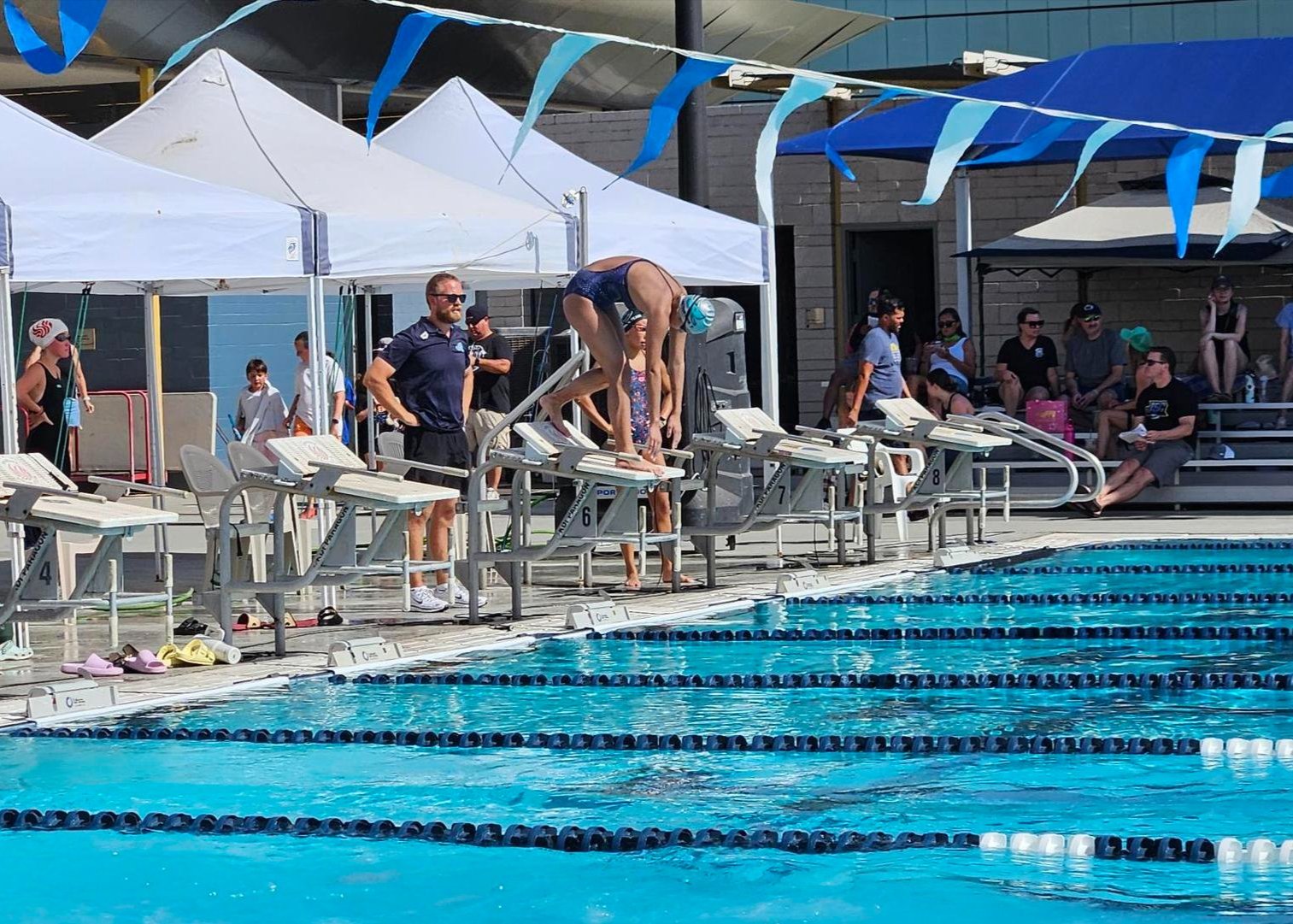
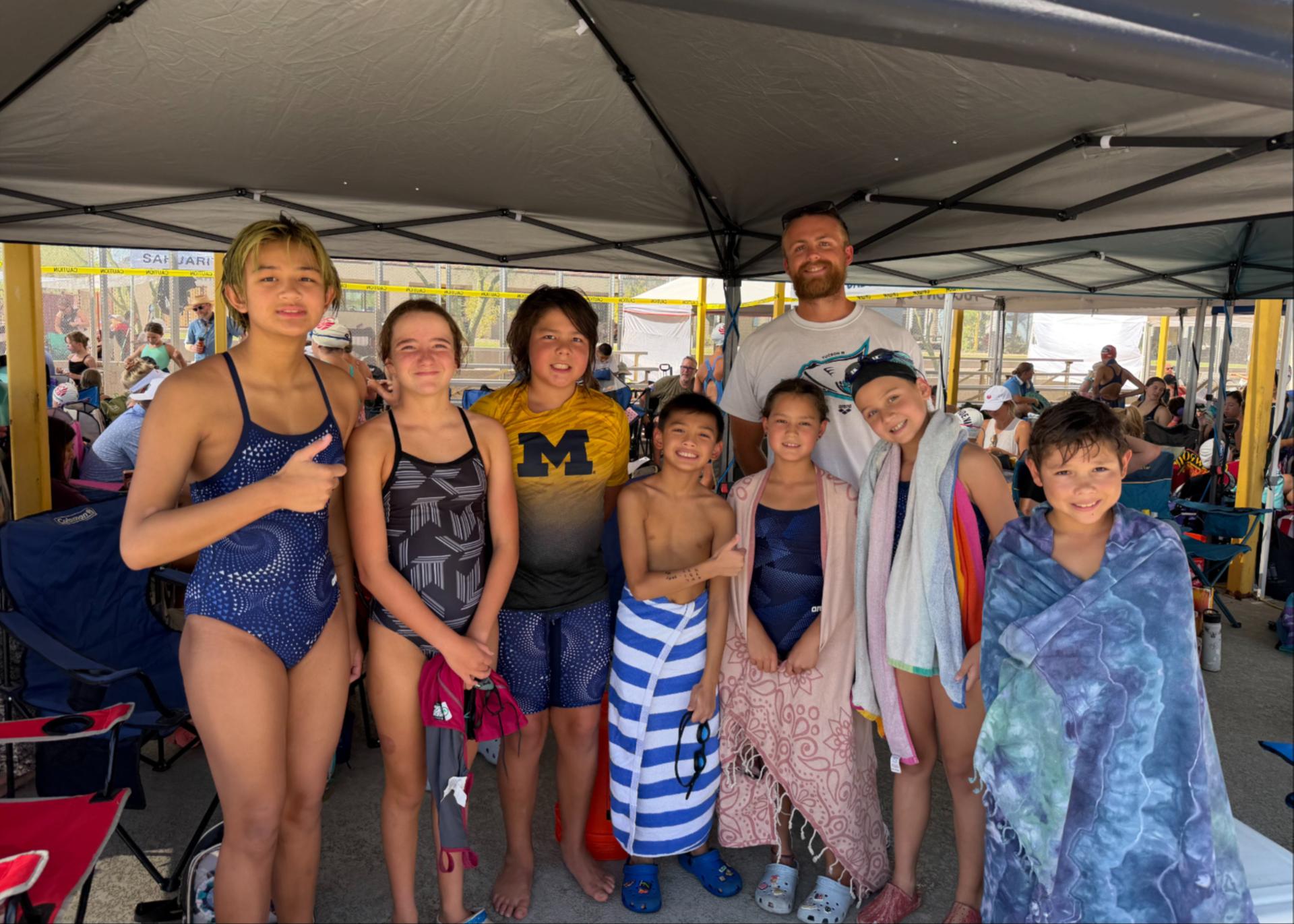
This week at the J began with the Stingrays Swim Team Regional Championships in Phoenix! All ten swimmers who competed delivered outstanding swims, and Logan M, Isadora F, Evie L, Ben L, Jacqueline T, and Manuelito V rounded out the competition with new State qualifying times! Mazel tov and good luck to each and every swimmer as they finish out their long course summer season at States! Movement is important at every age and these athletes are laying the foundation for a lifetime of health and wellness! The Stingrays meet year-round and accept swimmers ages 5-18 at all levels; sign up for an assessment and join the team here.
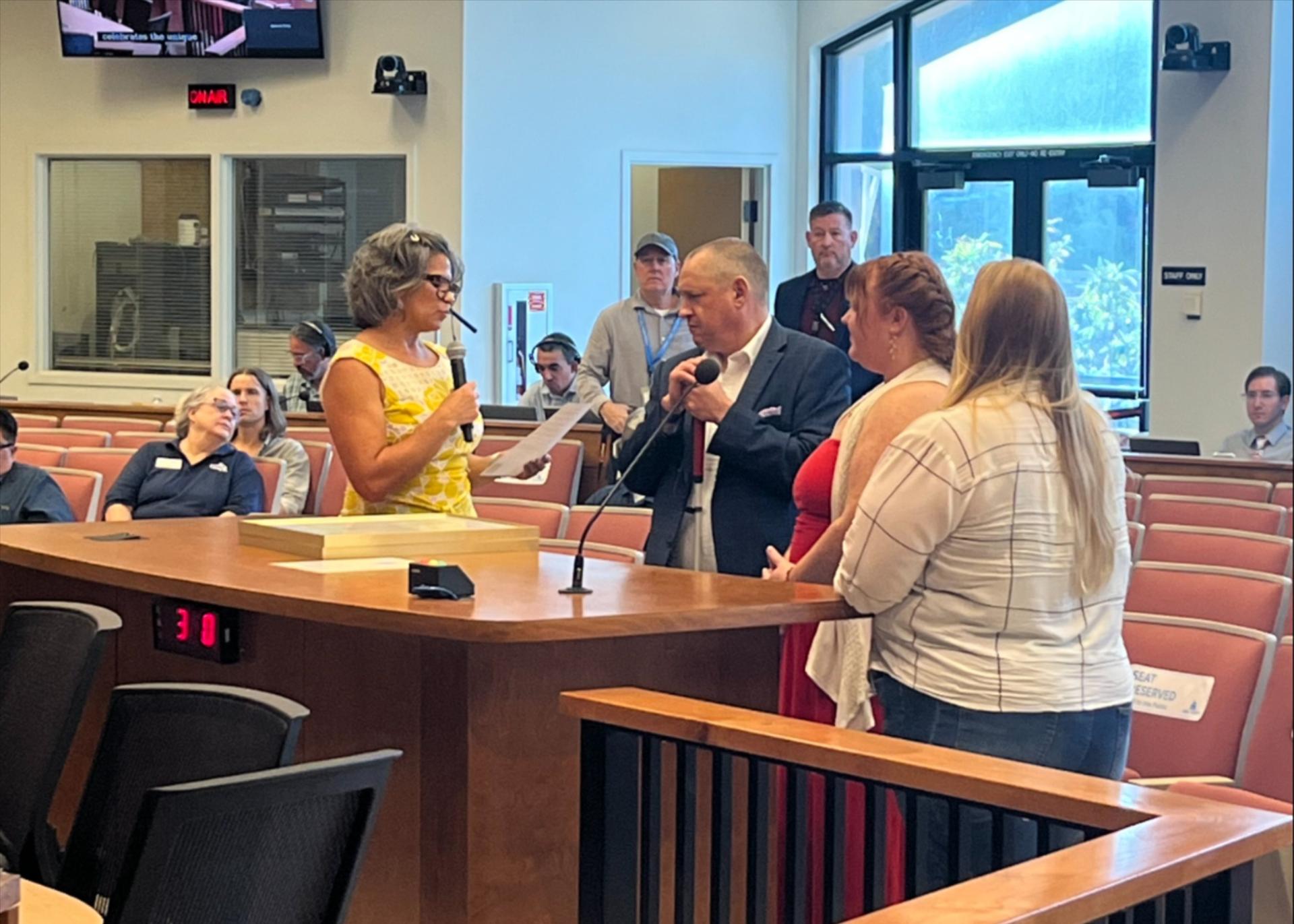
The J is proud to be a space where people of all abilities are welcome, seen, and supported. On Tuesday, Charlie Paige, Sr. Director of Disability Program Services, attended a Pima County Board of Supervisors Proclamation recognizing July as Disability Pride Month for the entire southern Arizona region and Wednesday DPS families gathered for their summer Parent Night. It is moments like these that light the way for future generations.
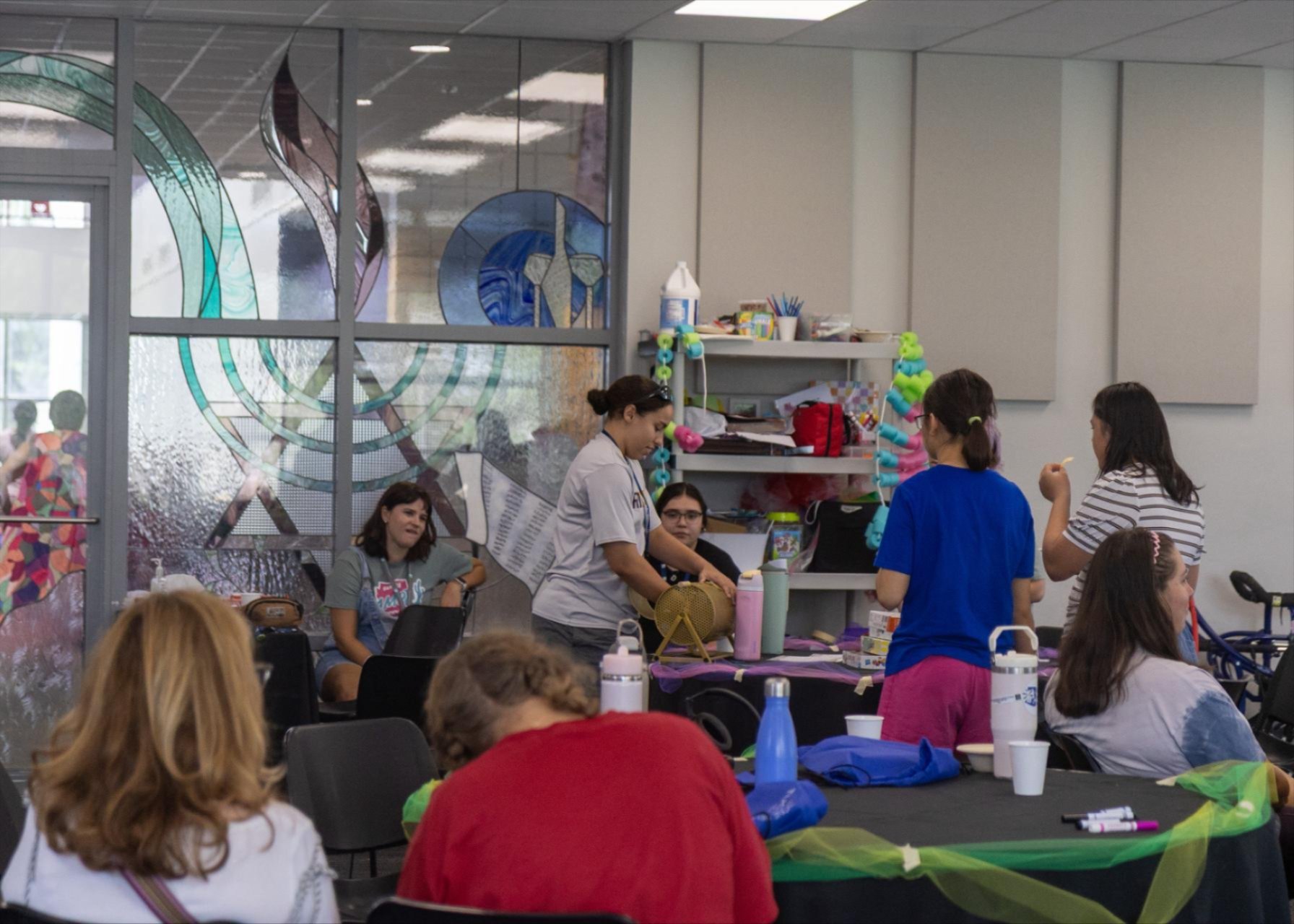
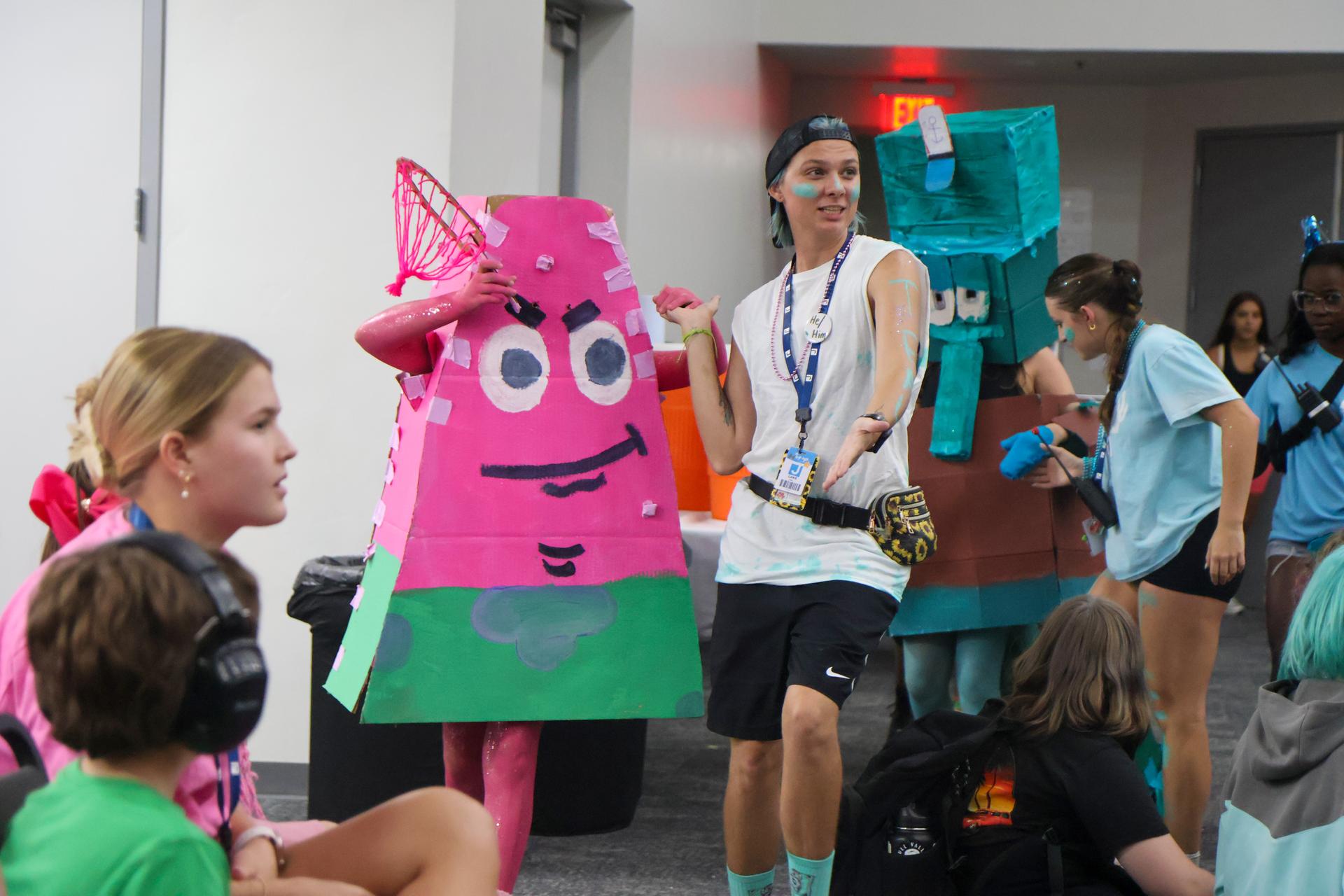
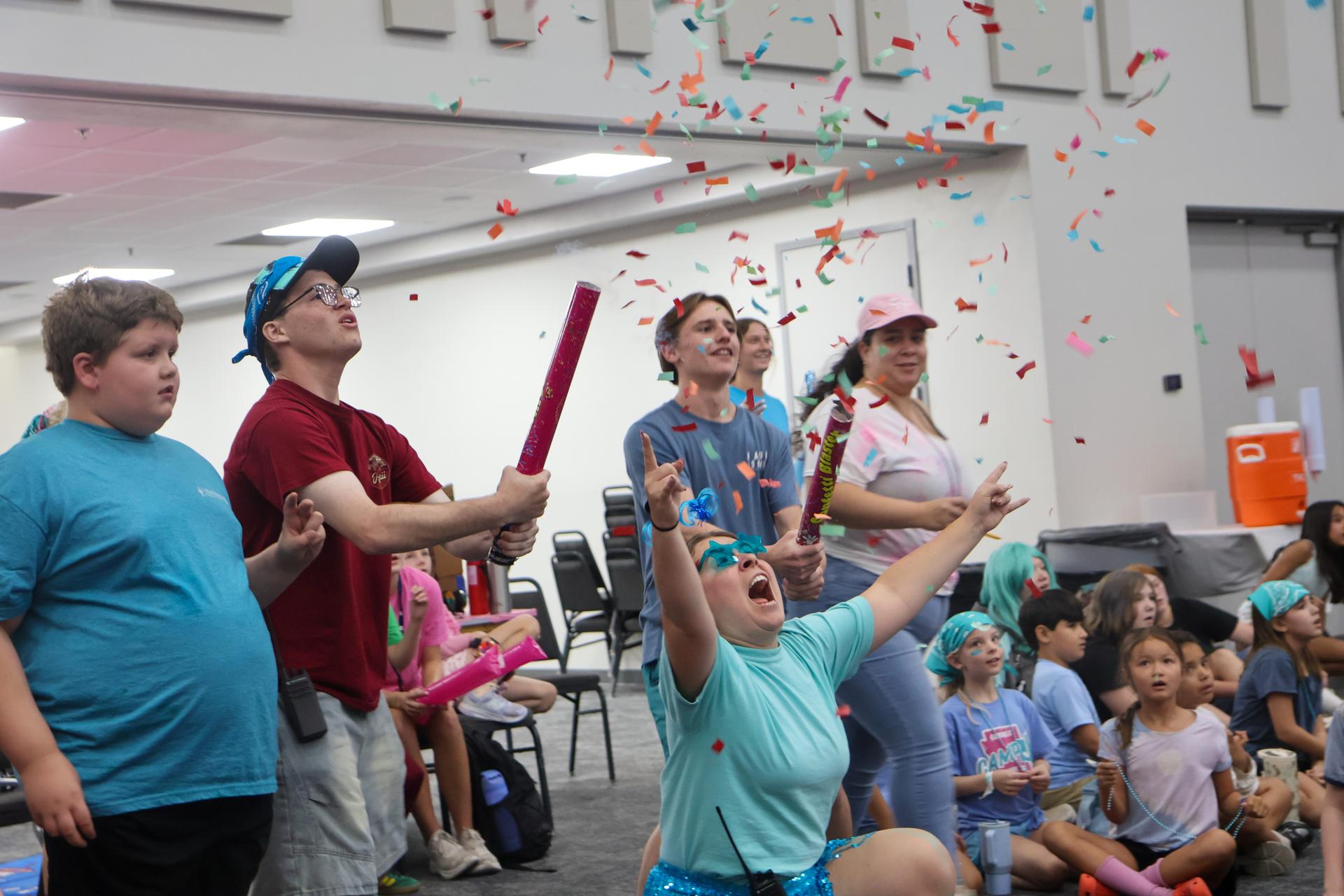
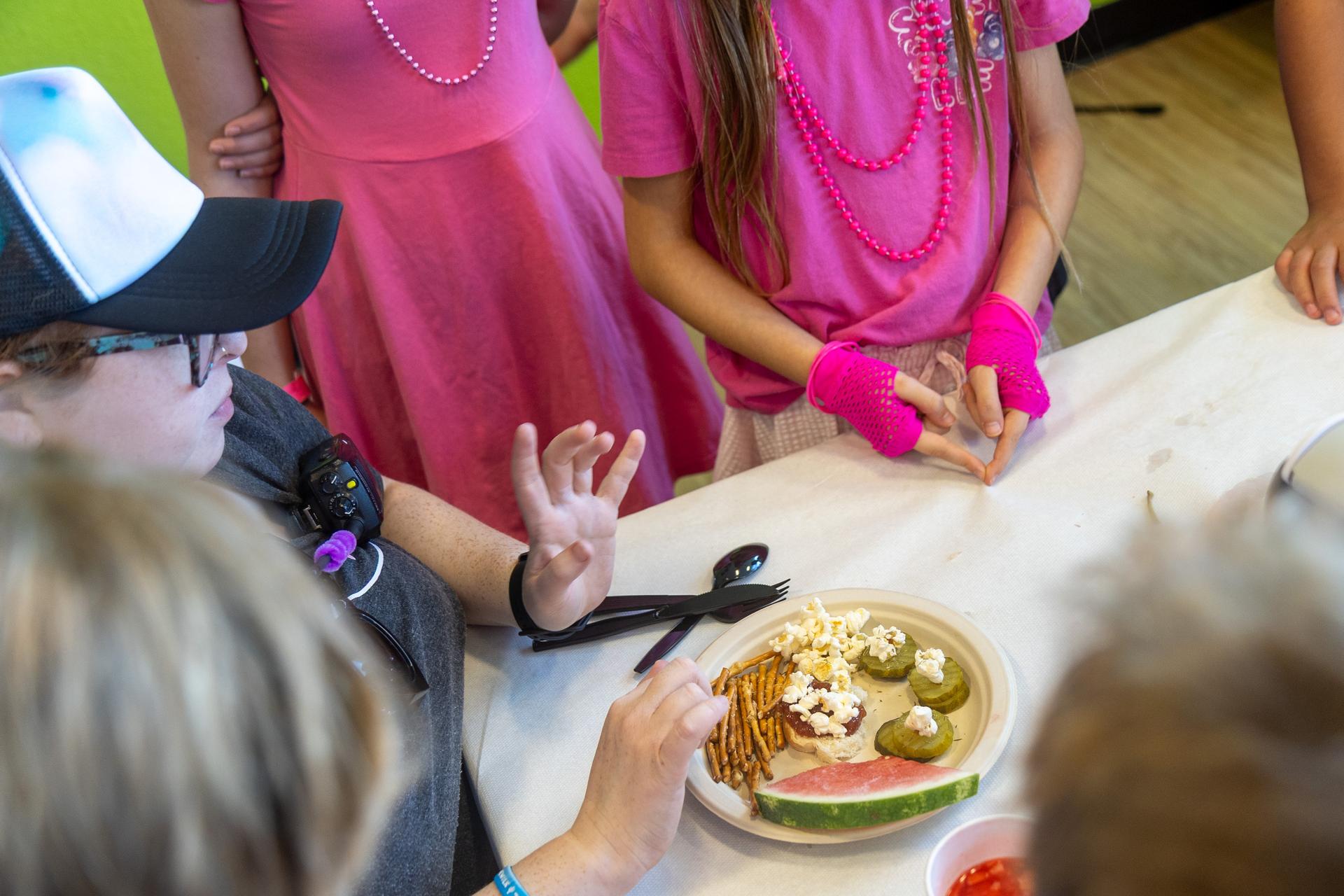
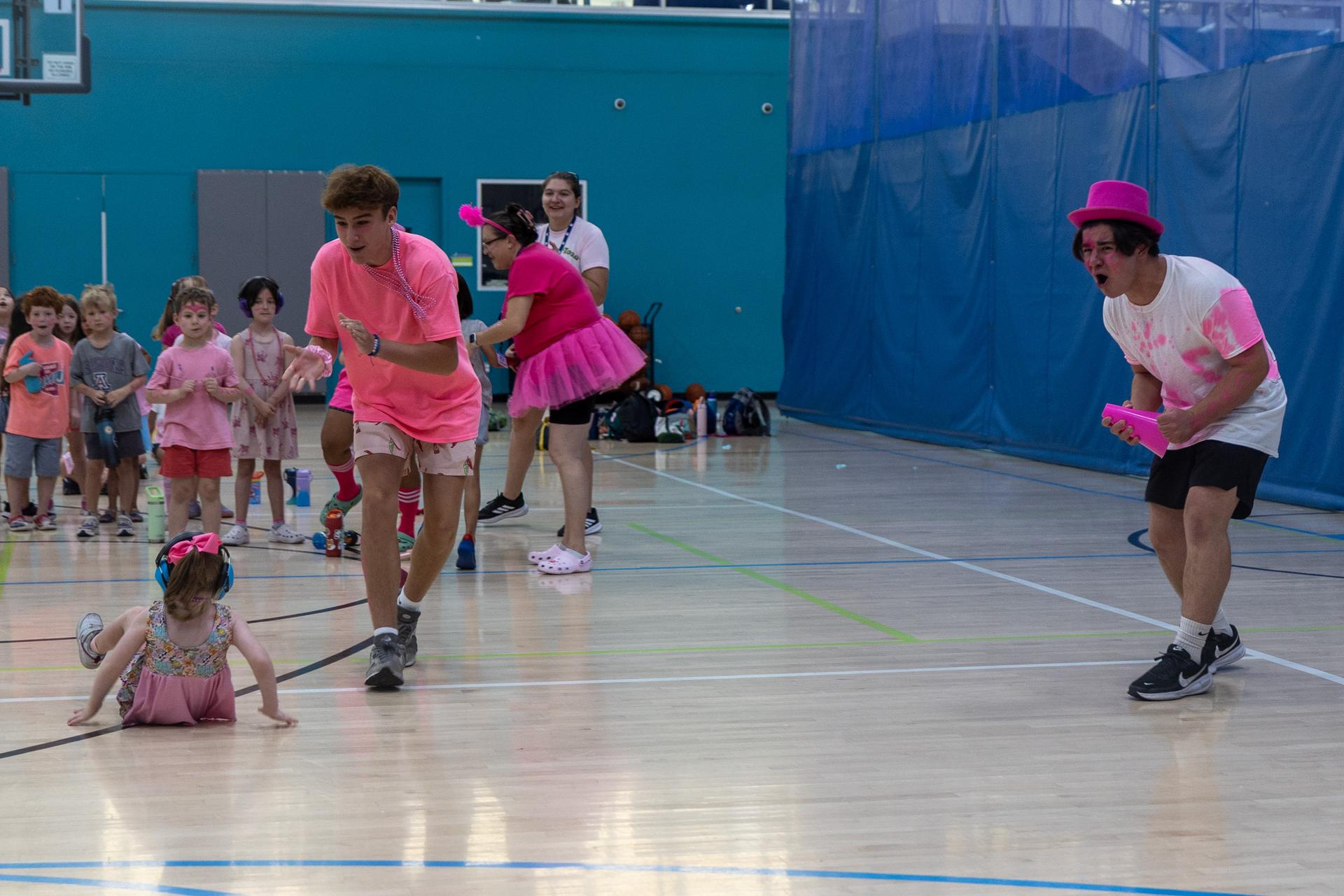
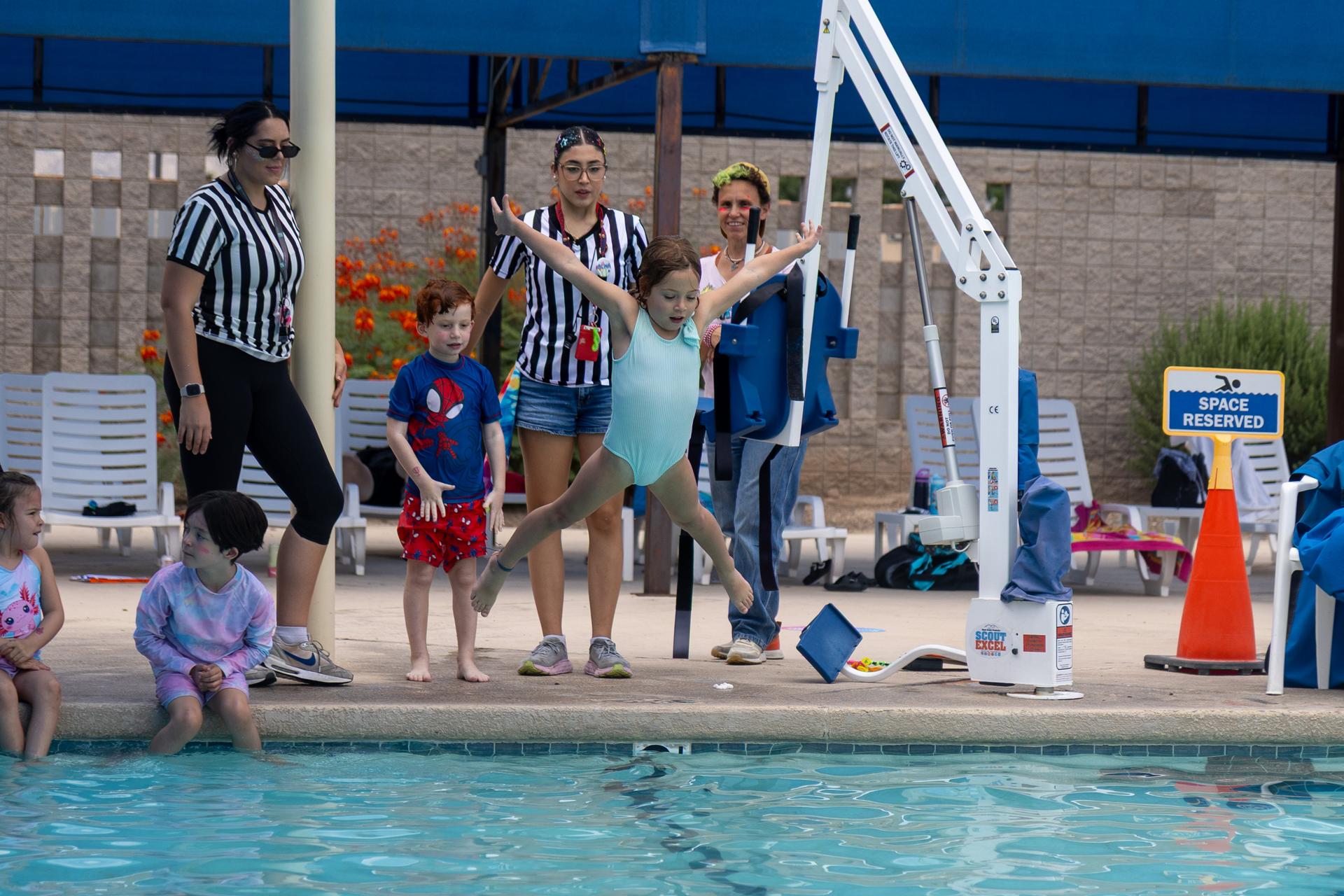
We reached the pinnacle of Camp J season this week with our annual Maccabiah Games. With all of camp divided into two teams—Pink and Teal—spirits were high, cheers were loud, and competition was fierce but always friendly all across campus. With classics like relay races, swim competitions, Chopped, and Gaga, and new favorites like Cake Decorating, campers showed up and out bringing their best skills and sportsmanship! After four days of fun, Maccabiah culminated today with a bagpipe performance, the unveiling of banners and mascots, and a final cheer-off before announcing the winner: TEAM PINK! The memories and friendships made all summer will become part of the stories these campers carry with them for years to come.
Each of these snapshots of our week at the J is part of the story we are writing together. As we move into Shabbat, we invite you to reflect on the stories you are part of and the legacy you are helping to build for the generations that follow. Thank you for being part of a community. Shabbat Shalom.
When you think of wellness, what do you think about? Layering paint on a canvas? Meeting up with your favorite trainer for a session at the gym? Chatting with a friend on the phone? Five minutes of time alone?
At the Tucson J, when we think of wellness, we think about taking care of one’s emotional, mental, and physical well-being. It’s enjoying time at the Fitness Center and tennis courts, but also at art classes and meetups in the Cafe. Wellness is playing Mah Jongg with your friends and having access to safe, enriching childcare for your family.
So, while wellness means something different to everyone, the Tucson J is proud to embrace every definition— keep reading to explore wellness options A to Z at the J!
Attend one of our arts and culture events
Become a member of the J
Cool down with a swim in the pool
Discover a competitive sports league to keep you moving and socializing
Embrace creativity and community in an art class
Focus your mind and connect with your body in a yoga class
Grab a basketball and shoot some hoops in the gymnasium
Have a delicious meal at our kosher cafe
Introduce yourself to someone new
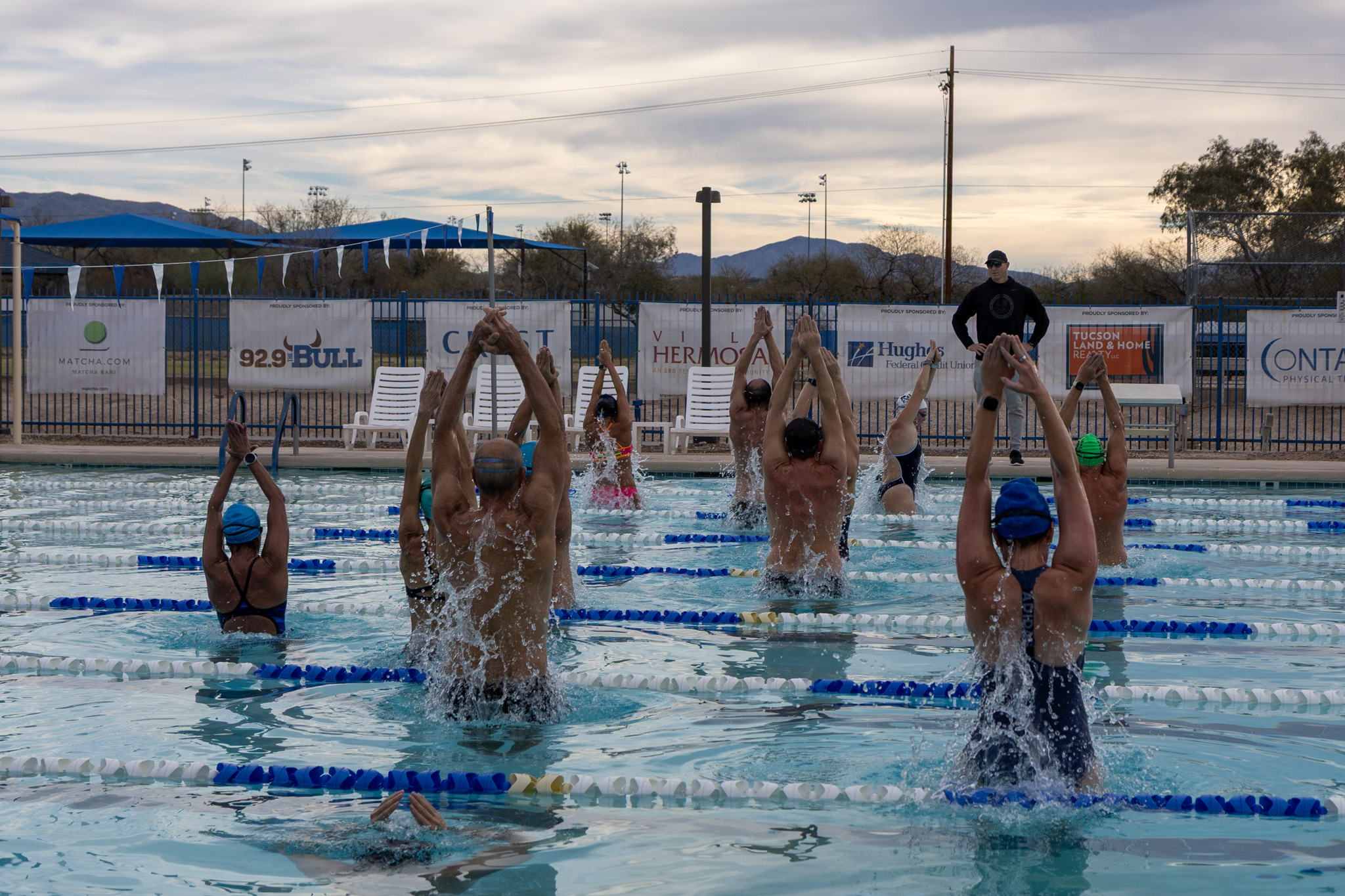
Join our Masters Swim program for adults and get coached pool workouts six days a week
Keep track of your favorite workouts in the Fitness Center
Learn a new language in a Spanish or Hebrew class
Meet your fitness and wellness goals with the help of a personal trainer
Notice the latest gallery show in the Fine Art Gallery
Open your mind to new possibilities, connections, and opportunities for growth
Prepare for the school year ahead by enrolling your child in our Early Childhood Education program or our afterschool program, JCare
Question: what does community mean to you?
Register for a Healthy Aging program, with options for those living with Parkinson’s Disease and early/mild stages of dementia
Stroll through the Jill Rosenzweig Memorial Sculpture Garden and enjoy one of the largest sculpture gardens in Southern Arizona
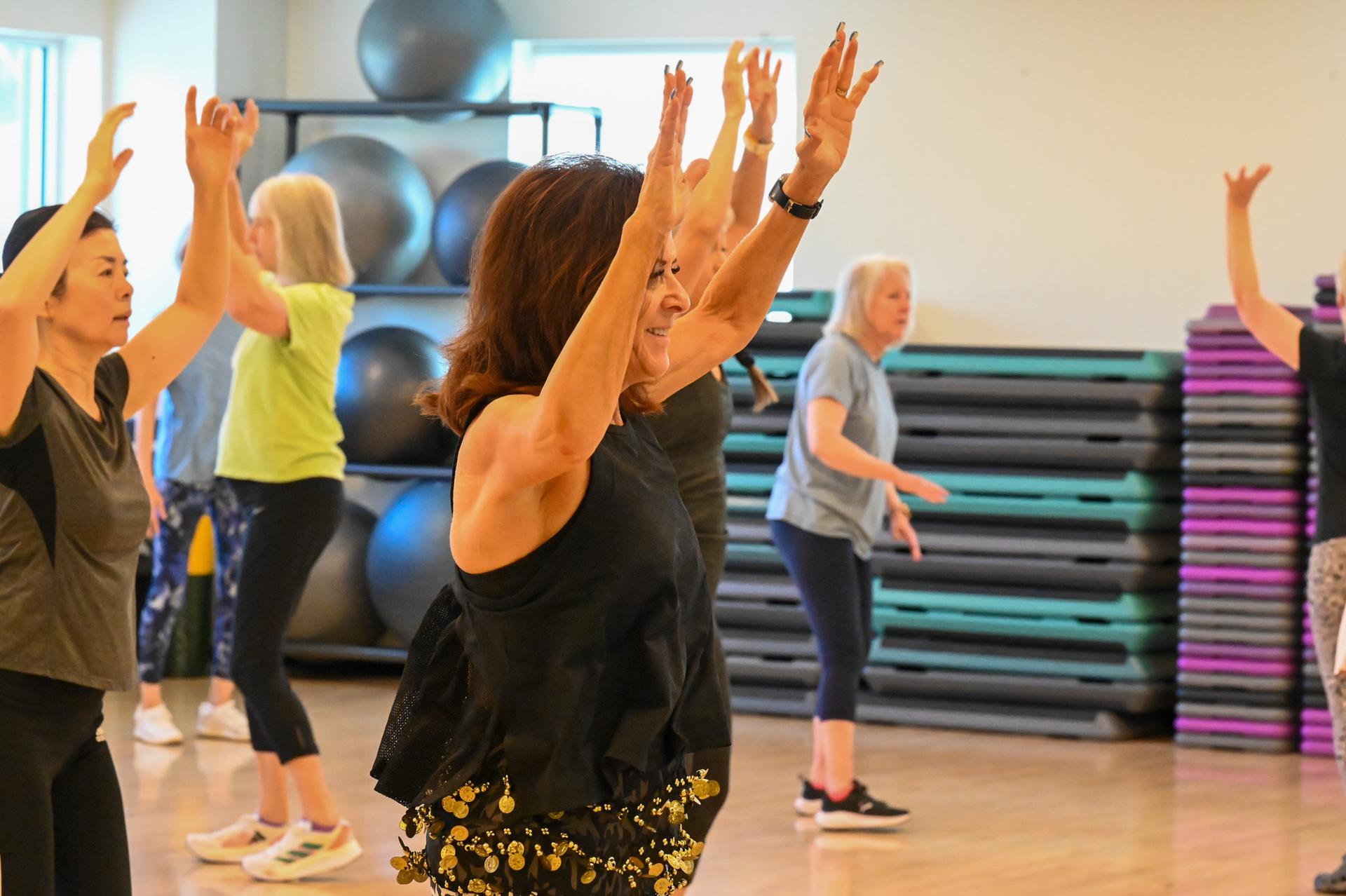
Try out a group fitness class—included free with a membership to the J
Utilize our free wifi to take a work call or respond to emails
Visit our Sarver Tennis Center and sharpen your skills with our Racquet Sports pros
Walk or run on the treadmill (plus… you can even watch Netflix and YouTube on the machine!)
X-out stress, anxiety, and all the problems of the day with a massage in our dedicated massage studio
Yield to reflection and renewal in the Gan Tikvah: Garden of Hope
Zoom around The Loop on your bike, scooter, or skateboard, located just across from the Tucson J
What does wellness mean to you?
From art classes to fitness classes, explore endless wellness options at the J.