JCare afterschool program offers safe and fun afternoons for Tucson students 

At the Tucson J, we are dedicated to ensuring that families have everything they need for a meaningful one-stop shop experience, blending childcare and wellness experiences so that everyone can thrive. 


One way we are making family schedules easier to manage? Our JCare afterschool program.  


JCare offers a safe, welcoming environment where children in grades k-5 spend after-school hours learning, playing, moving, and exploring. Students are split up into small groups based on age and engage with activities such as cooking, Learning Lab, art, time outside on the playground, and other enriching experiences designed to support their growth beyond the school day. 


IMPORTANCE OF AFTER-SCHOOL CARE
 

For many families, after-school care is a necessity. Work schedules and school schedules seldom align, so safe, reliable, and engaging childcare is critical. Parents can remain focused at work knowing their children are in a safe, supervised setting where they are engaged in meaningful activities rather than simply passing time until pickup. 


Additionally, research consistently shows that participation in structured afterschool programs can support academic achievement, strengthen social-emotional skills, and promote healthy behaviors. Studies have found that children who participate in quality afterschool programs demonstrate improved school attendance, stronger classroom engagement, and gains in important life skills such as teamwork, communication, problem-solving, and self-confidence. 


Afterschool programs are often free-play experiences, gathering students for a place to relax under supervision until parents arrive. But JCare is different— it’s intentionally designed to combine enrichment activities, physical movement, and caring adult mentorship to help children feel more connected, confident, and successful both in and out of the classroom. Also ever-important in today’s world: afterschool programs provide engaging alternatives to spending several unsupervised hours on devices, cutting back on screen time in favor of building lasting friendships and making memories.  


OUR PROGRAM
 

JCare runs from 2-6pm when school is in session, offering transportation from a variety of elementary and middle schools, including: 

  • Basis Primary 
  • CFHS 
  • Fruchthendler 
  • Khalsa Montessori (River + Camden Campuses) 
  • Manzanita 
  • Orange Grove Middle 
  • Sam Hughes 
  • Sunrise Dr. 
  • Tucson Hebrew Academy 
  • Ventana Vista 
  • Esperero Canyon Middle School 


Once at the J, students spend the afternoon in small groups based on grades, guided by caring and well-trained staff. Students get to utilize the state-of-the-art facilities of the Tucson J, including the art studio, demo kitchen, and playground. Grown-ups can also enroll their children in Learning Lab to get additional help on homework.  


When school is on a break, the Tucson J offers School Days Out, structured similarly to JCare, but with added field trips and programming. Plus, keep an eye out for our monthly Parents’ Night Out, offering crafts, games, dinner, and a movie on select Saturday evenings throughout the school year. 


Curious to learn more? Click here to register for the 2026-2027 school year, running August 3, 2026, through May 25, 2027, or reach out to Caitlin Jacob, Director of After School Programming, at cjacob@tucsonjcc.org to learn more.  

From the Desk of Jennifer Lorch Selco | Sr. Director of Jewish Living + Engagement

Shabbat Shalom
Shabbat Shalom

From the Desk of Jennifer Lorch Selco | Sr. Director of Jewish Living + Engagement

It’s hard to listen to others when we are so intent on being right. 


This week’s double Torah portion is Chukat-Balak. In Parshat Balak, we meet a king who wants to curse the Israelites, a wizard of sorts, and a talking donkey. Balak, the King of Moab hires Bilam, the wizard of sorts, to curse the Israelites, who were moving closer into Moabite territory. Bilam rides on his donkey toward a place where he can look down at the Israelites to curse them. Along the journey, God sends an angel that Bilam cannot see, and he is quite angry and confused when the donkey suddenly stops for no apparent reason. A very angry and confused Bilam yells at and beats the donkey. This happens two more times, until God puts words into the donkey’s mouth who says to Bilam, “Why do you beat me?” God opens up Bilam’s eyes to the sight of the angel who had been blocking Bilam’s journey. Ultimately, Bilam ends up blessing the Israelites. The blessing features a phrase that is part of Jewish liturgy today, “Mah tovu, o’halecha Ya’akov, mishkenotecha Yisrael; How goodly are your tents, Jacob, your dwelling places, Israel!” The saga of Bilam and Balak ends when they part ways.


Bilam’s donkey saw something that Bilam could not see, but Bilam was not open to the idea of following his donkey’s lead. Bilam reminds us, that even as adults, sometimes it’s hard to listen. In Jewish life, there is a practice called Hitlamdut, Hebrew for internalizing what we learn or experience. Practicing hitlamdut means taking a moment for non-judgmental curiosity – asking ourselves what is being said, how are we hearing what is being said, and how might our own biases impact what we are hearing. When we take a pause to practice hitlamdut, we have the opportunity to truly listen to what is being said and to what is happening around us. Practicing hitlamdut is just like any other skill – it takes practice and consistency. We might stumble sometimes, and we should always strive to seek to understand multiple perspectives and to be open to a variety of possibilities.


This Shabbat, I invite us all to reflect on the idea of listening and hitlamdut. May we all be pleasantly surprised by what we hear.

In the story of Balak and Balam, it is not the powerful king or the famous prophet who sees most clearly, but a donkey who notices what everyone else misses. The story reminds us that our perspective is often enriched by unexpected voices and that holiness has a way of revealing itself where we least expect it. We experience those same truths in our community here at the Tucson J. The moments that shape us most are often the ones that seem ordinary: a conversation over breakfast, a child discovering something new at camp, or a game shared across generations. 


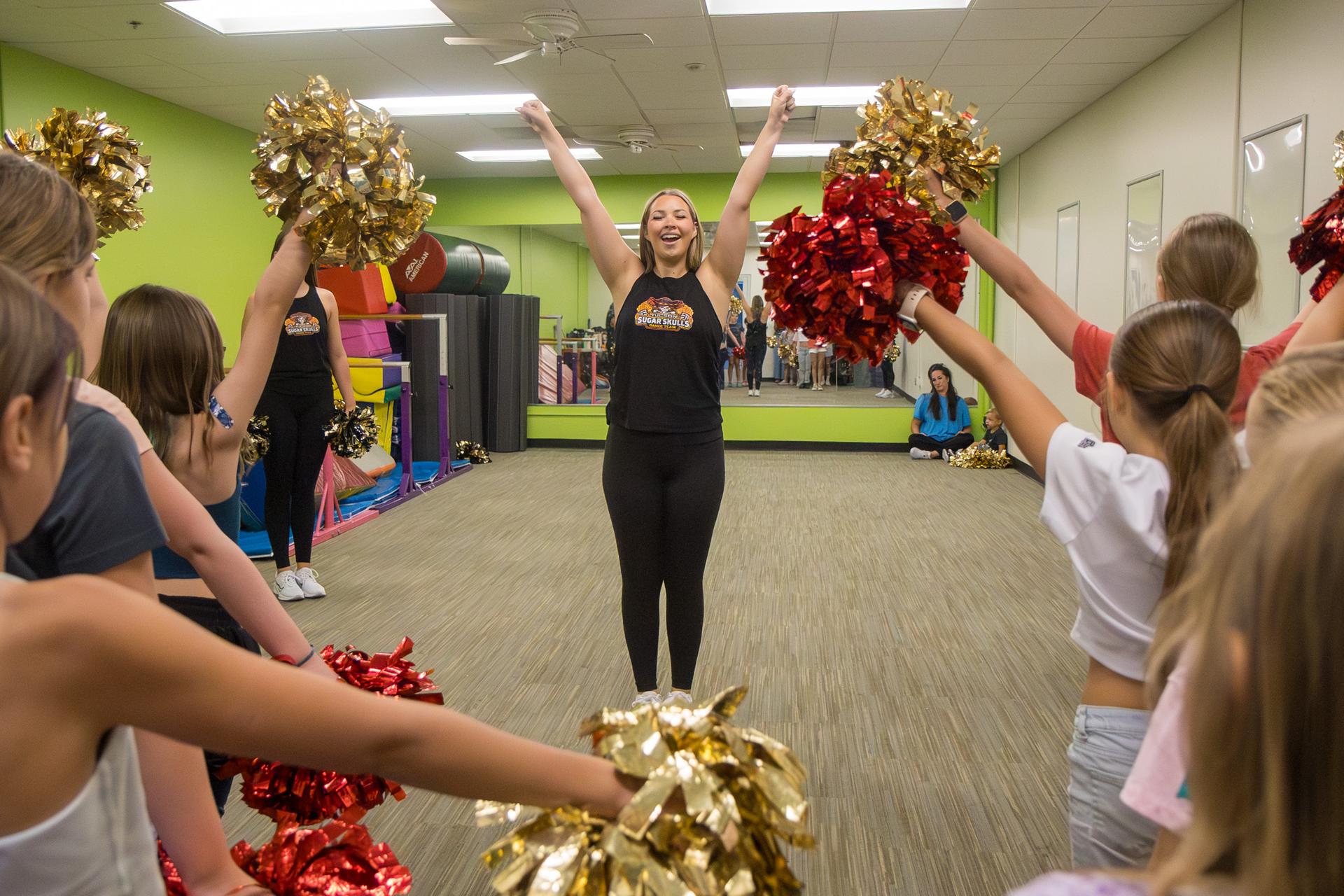
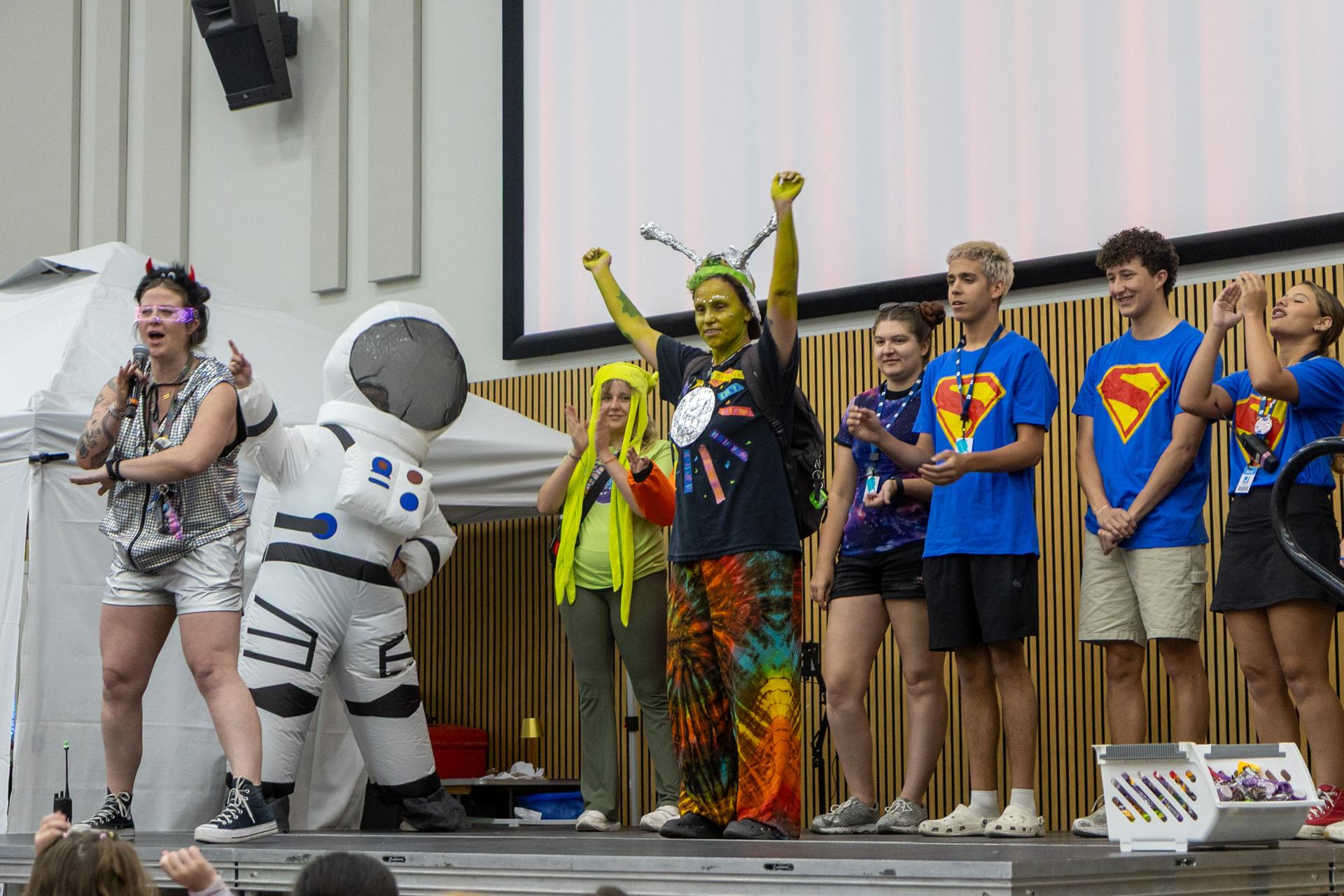
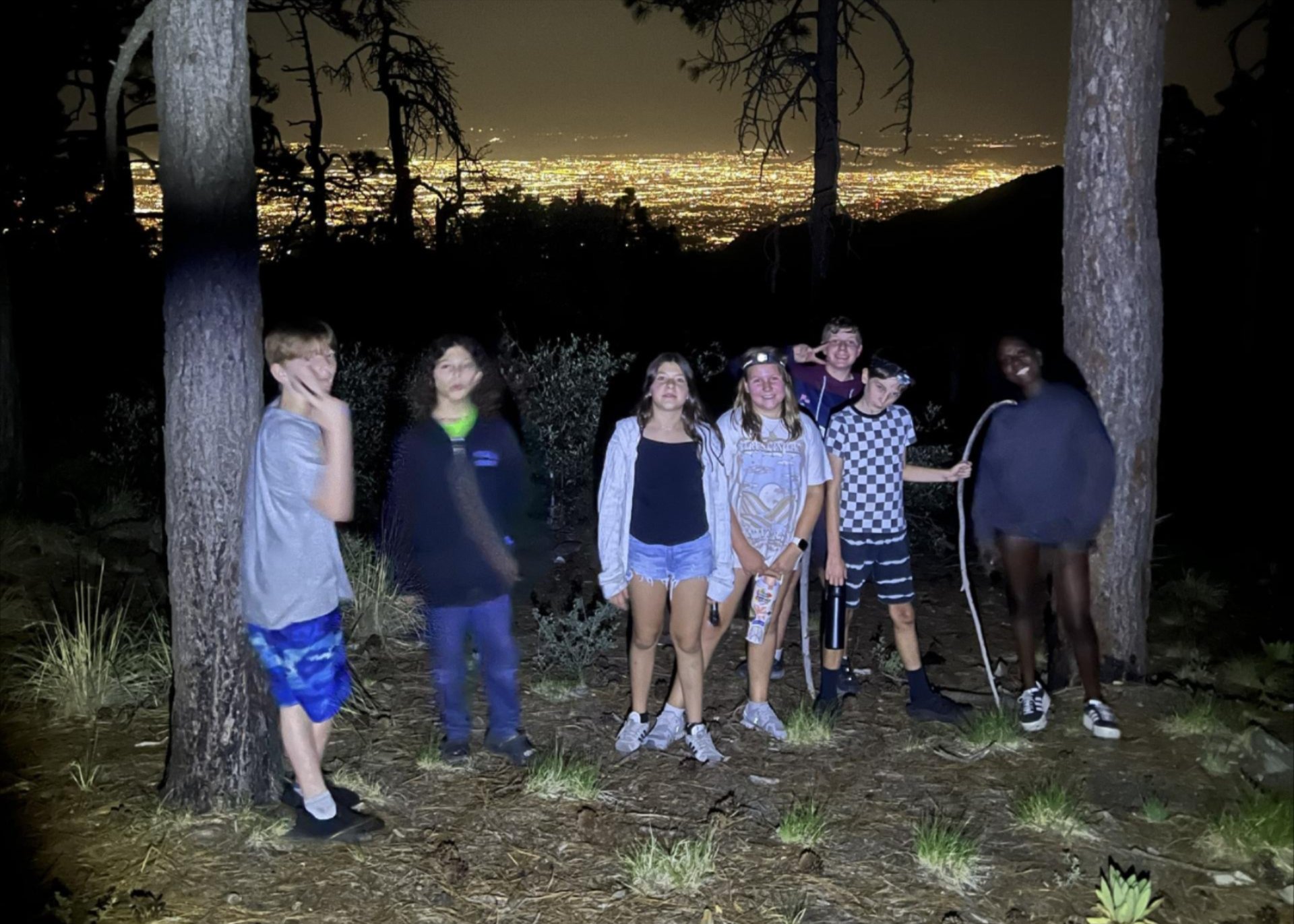
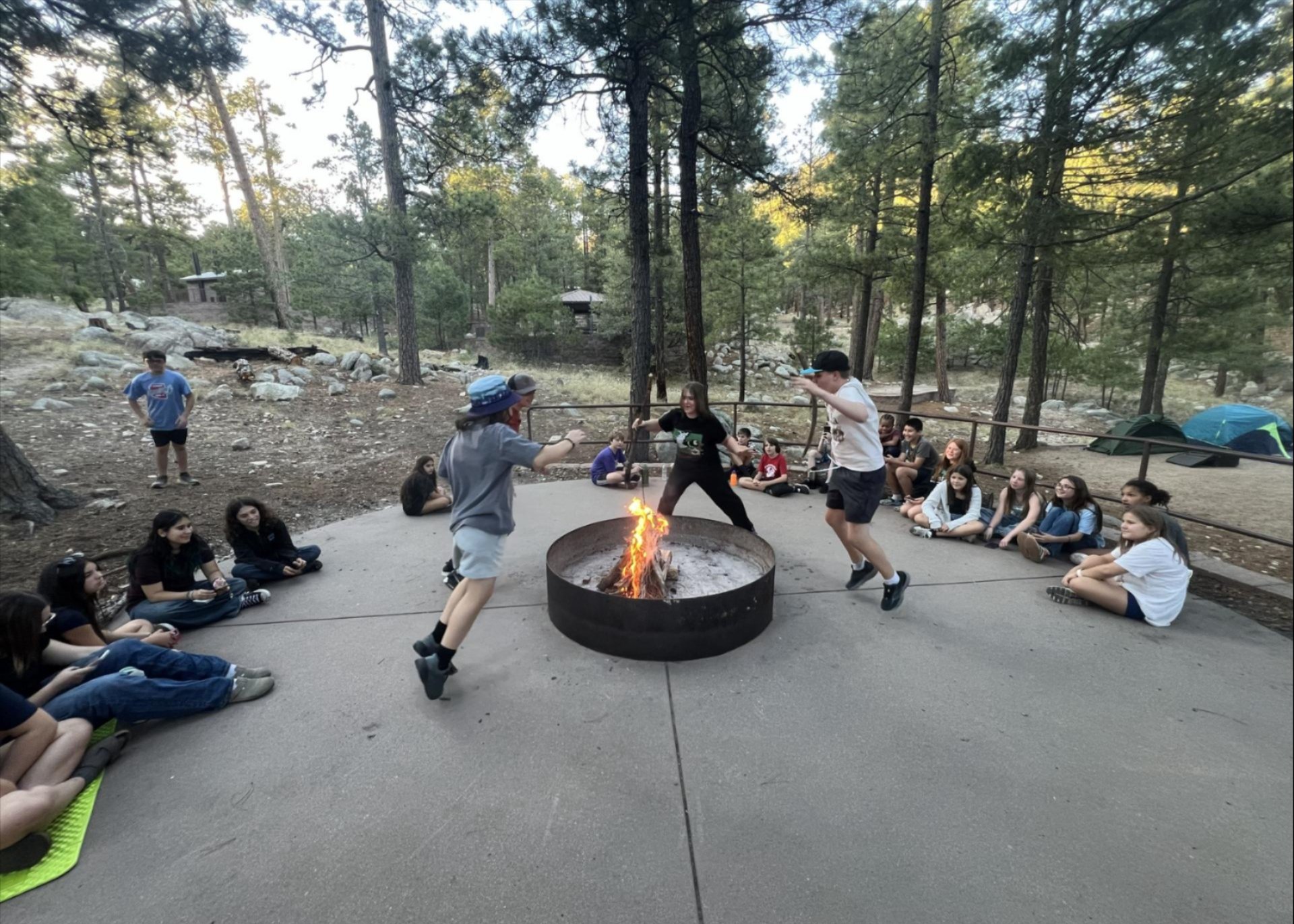
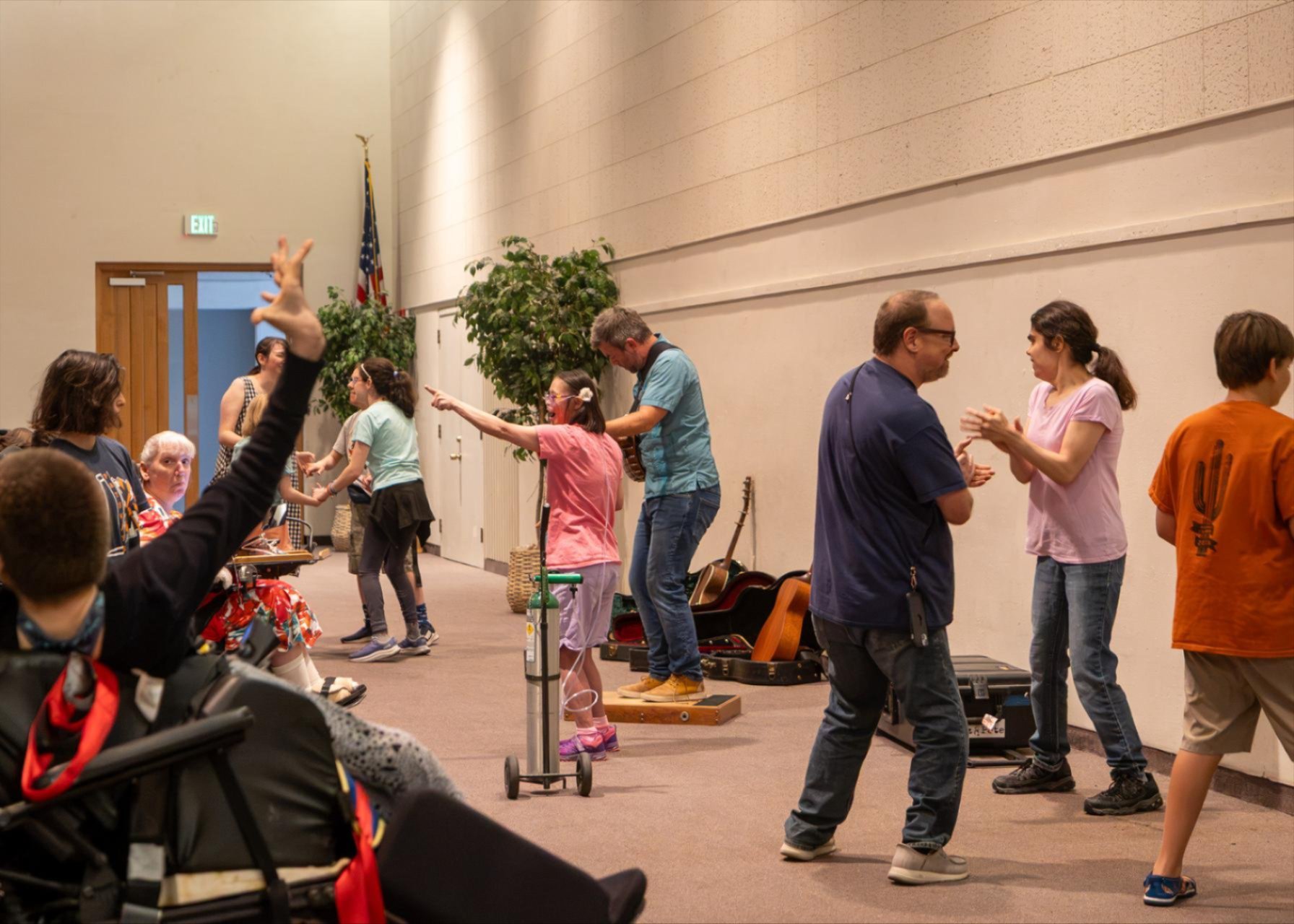
This week marked the half-way point of camp season—time truly flies when you’re having fun! Some highlights from the week include a very special chugim (choice/elective activity) with the Tucson Sugar Skulls Dance Team, Out of this World dress-up day, making pinch pots in art, mock interviews for our teens in Nisayon, a camping trip on Mt. Lemmon for Tiyul, and a field trip to Skate Country for Giborim. In Disability Program Services, participants enjoyed another Summer Concert, this time rocking out to tunes on the banjo. 

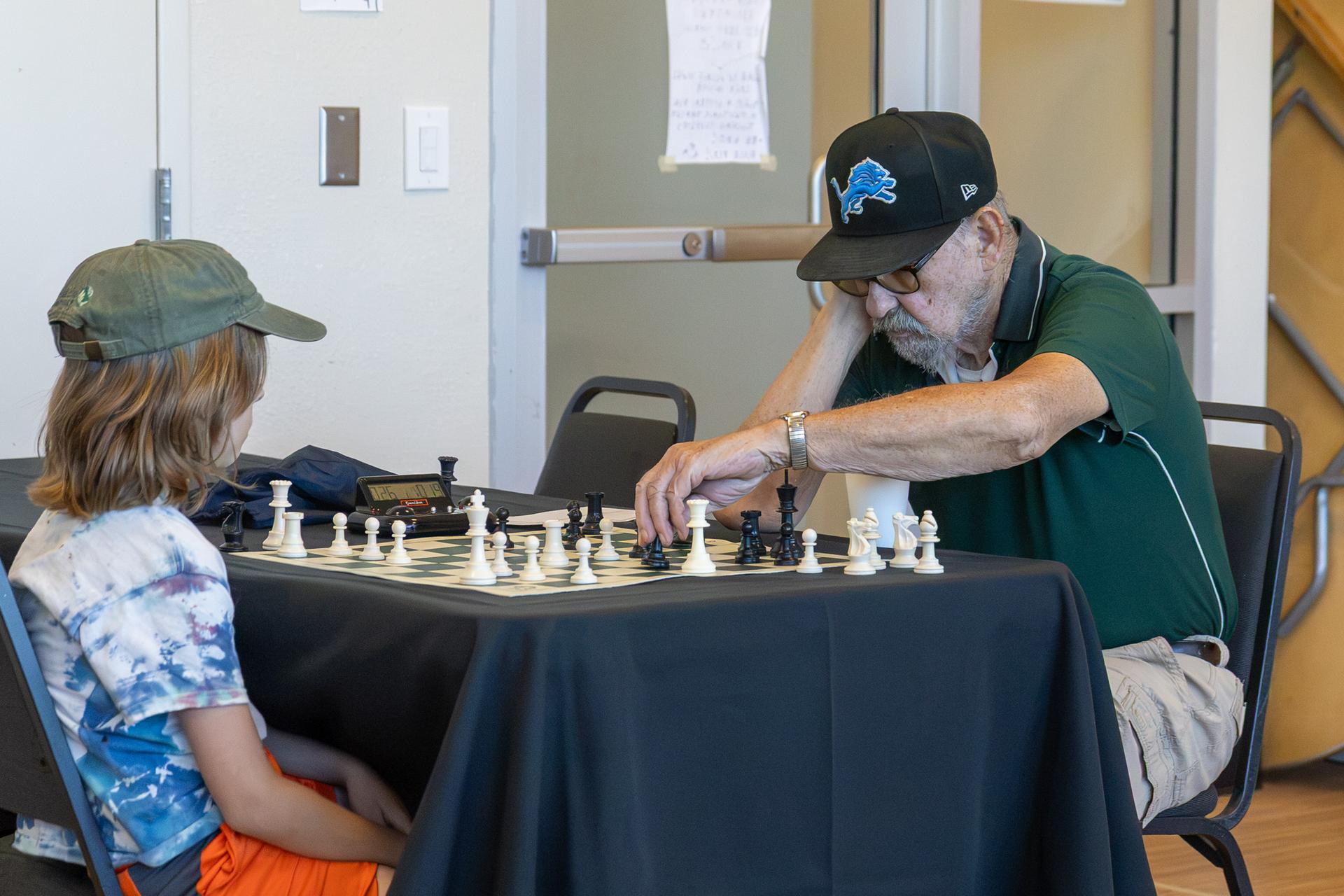
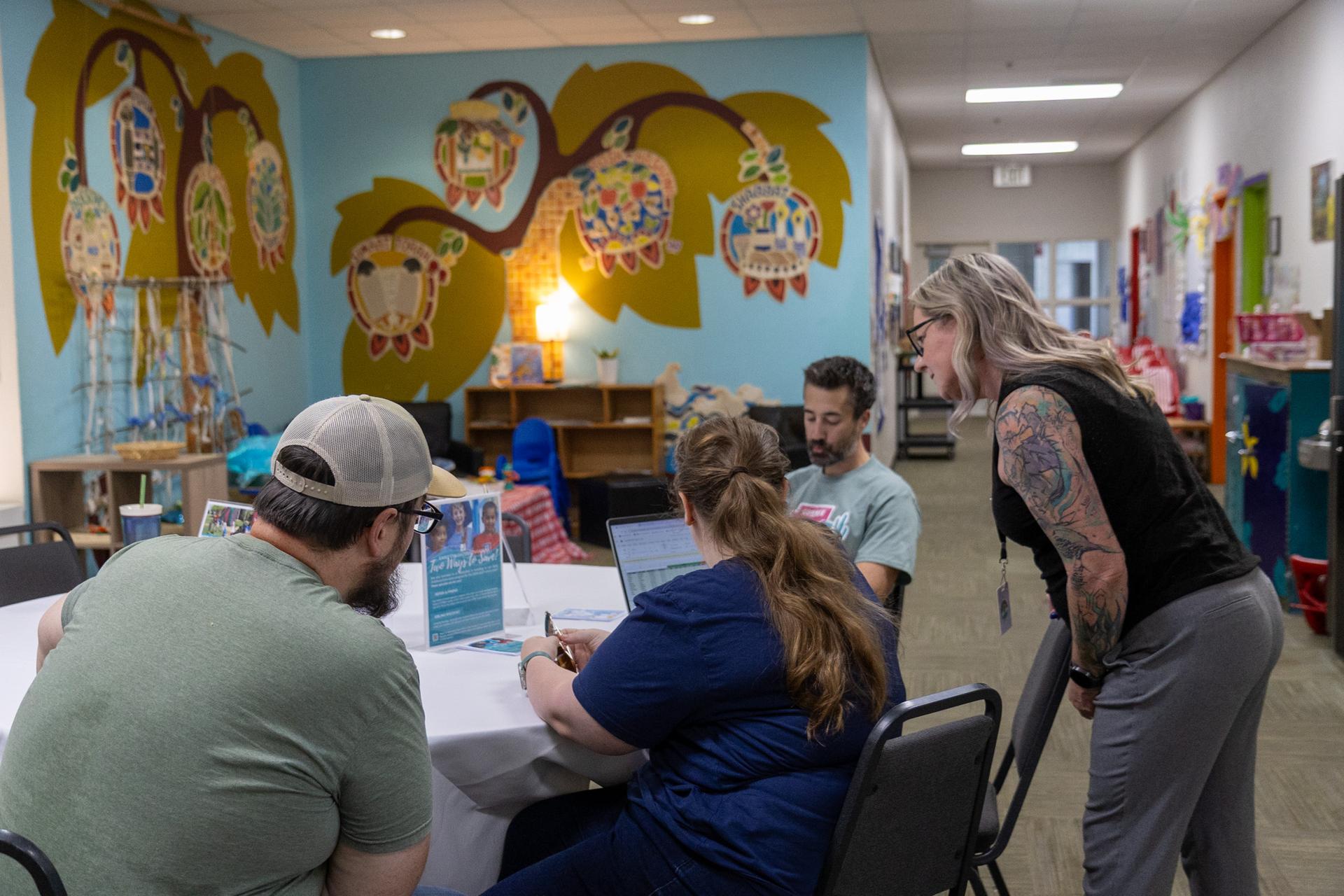
On Tuesday, we proudly hosted another Blood Drive for American Red Cross, practicing the value of Tikkun Olam (heal the world) by giving back to our community. The next Blood Driveis August 26; join us! Wednesday, our weekly chess club met in the multi-purpose room to connect through friendly competition and shared interests. And this morning, parents met with our Early Childhood administrators for pastries and coffee and chatted about the many exciting things coming up for families—including a new Newborn Basics class led by Tanque Verde Pediatrics and a pop-up Move Like a Mother workout with Tess from Intuitive Training. 


This shabbat, we are grateful to be able to take a moment to notice the blessings and the holiness that is present among us each and every day. Wishing you a restful and restorative weekend. Shabbat Shalom. 

Reminders, Resources + Learning