2026 Summer at the Tucson J

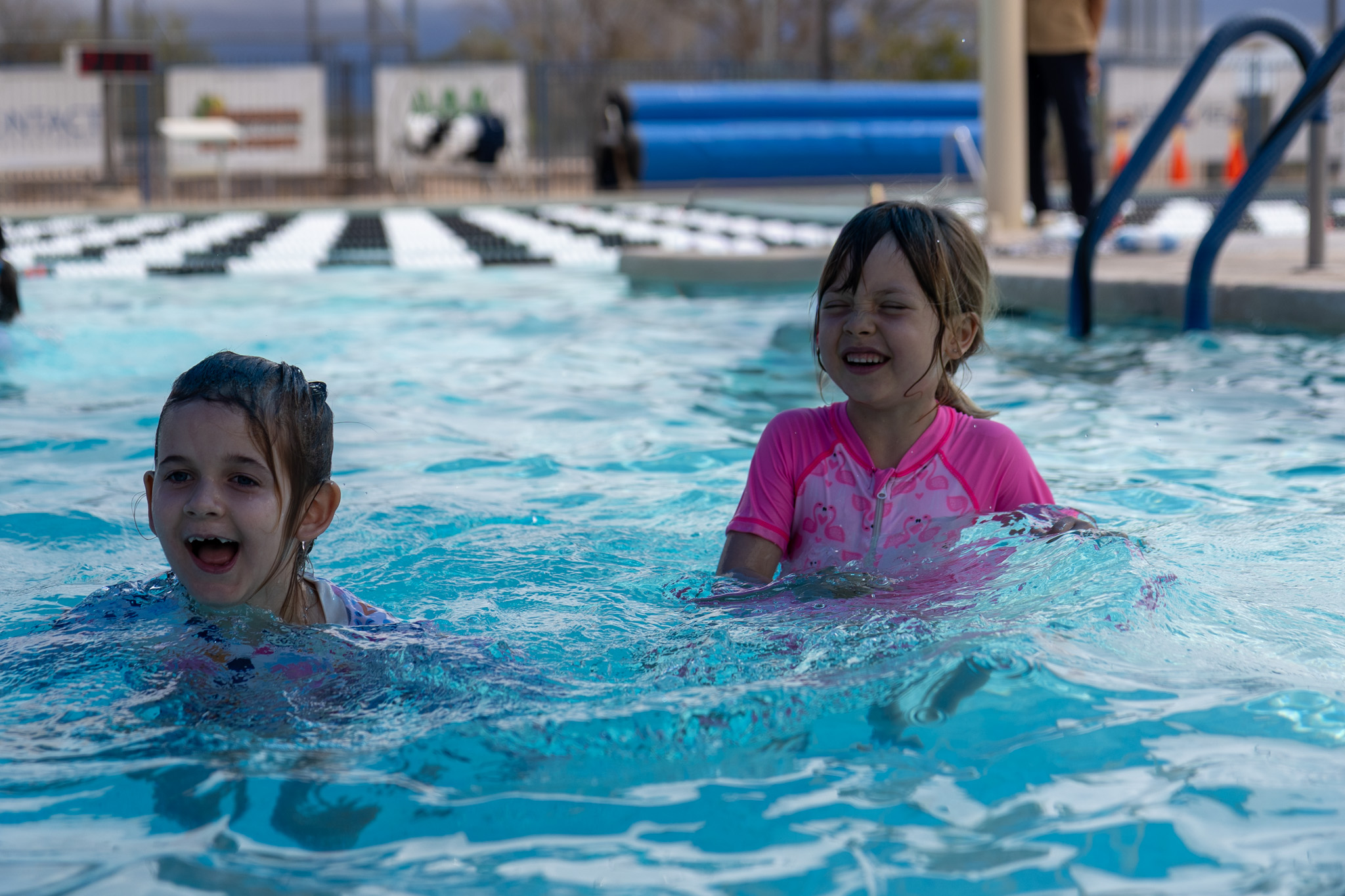
What does summer at the J feel like? You decide! Build a wellness routine that excites you, try out a sport to keep moving, experience the adventure of Camp J, get inspired in an arts and culture program, or beat the heat with our state-of-the-art amenities. 


With endless options for every family, summer at the J feels like pool splashes, court camaraderie, sunny smiles, and lasting friendships. But really, it’s up to you! 


To get you inspired for the summer ahead, keep reading to explore some of our ideas to get you moving, socializing, learning, and exploring.

Summer at the J Feels...

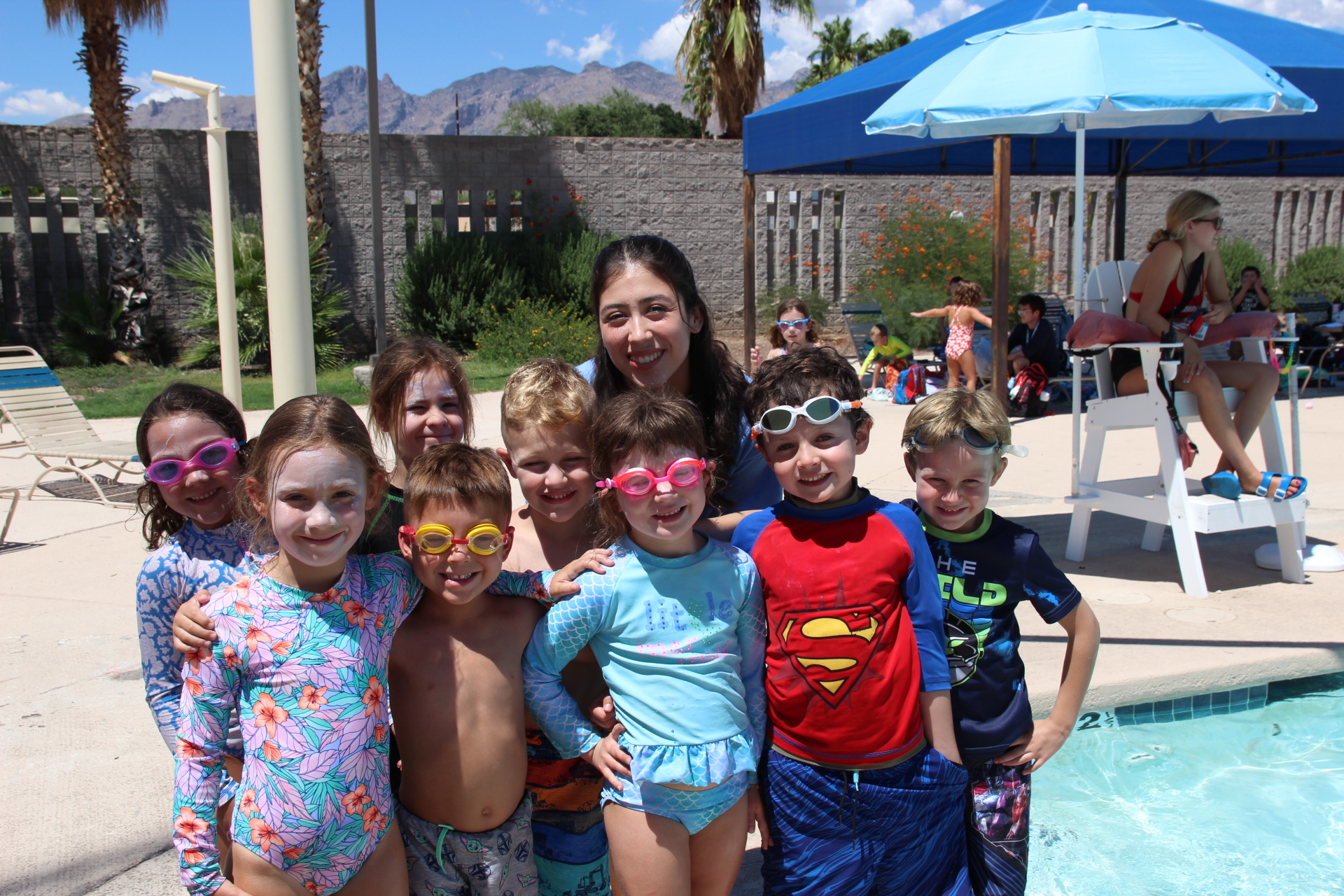
Cool and Joyful

Summer is HOT here in Tucson. If you’re looking to cool down, the J is the place to be.  

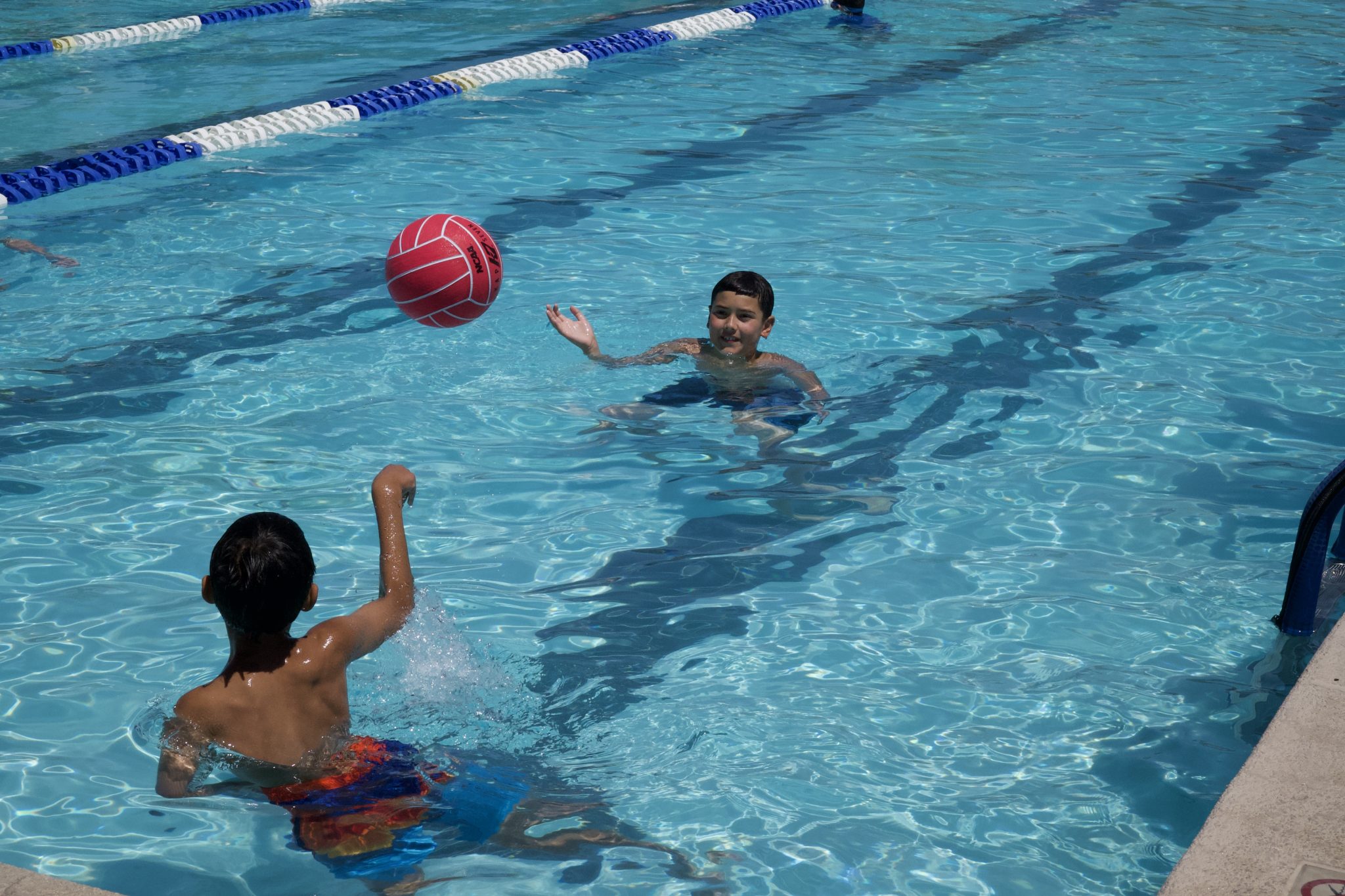
  • Bring the family or friends for a relaxing day at the pool and SplashPad. 
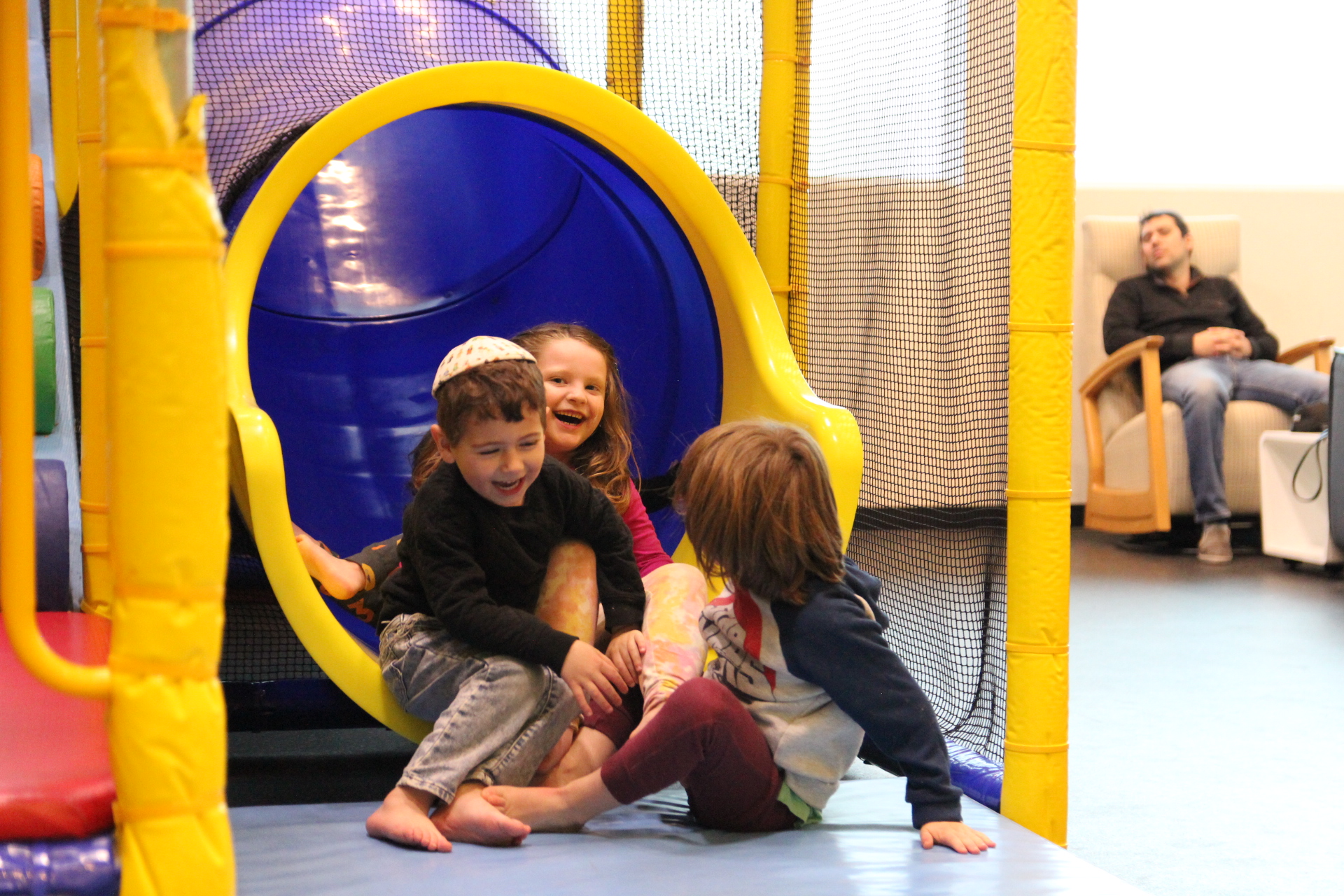
  • Check out our indoor PlaySpace for kids on the weekends. 
  • Grab a bite and hunker down with your laptop in our air-conditioned Cafe. 

Connected and engaging

At the J, community is infused in everything we do!  

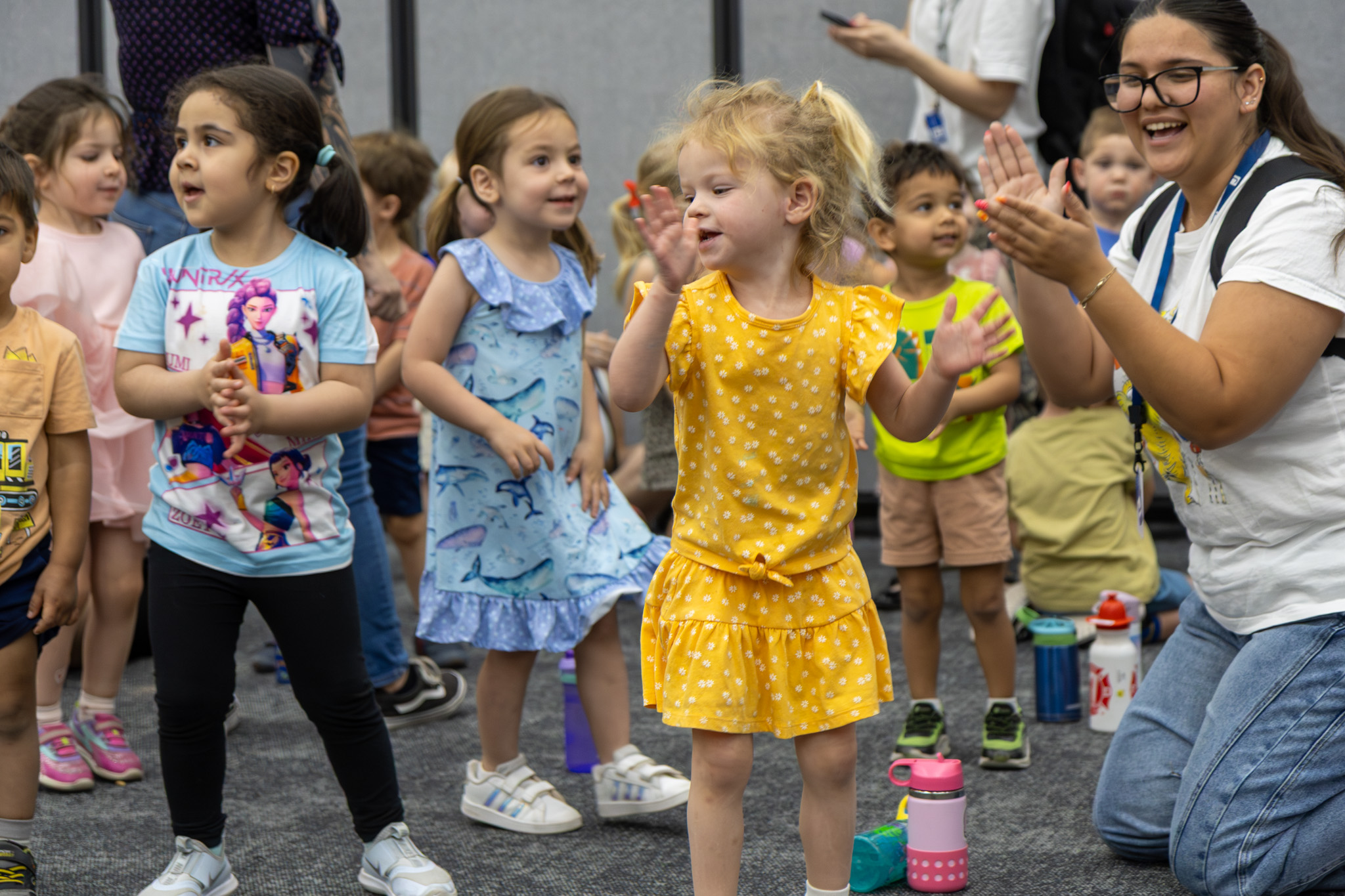
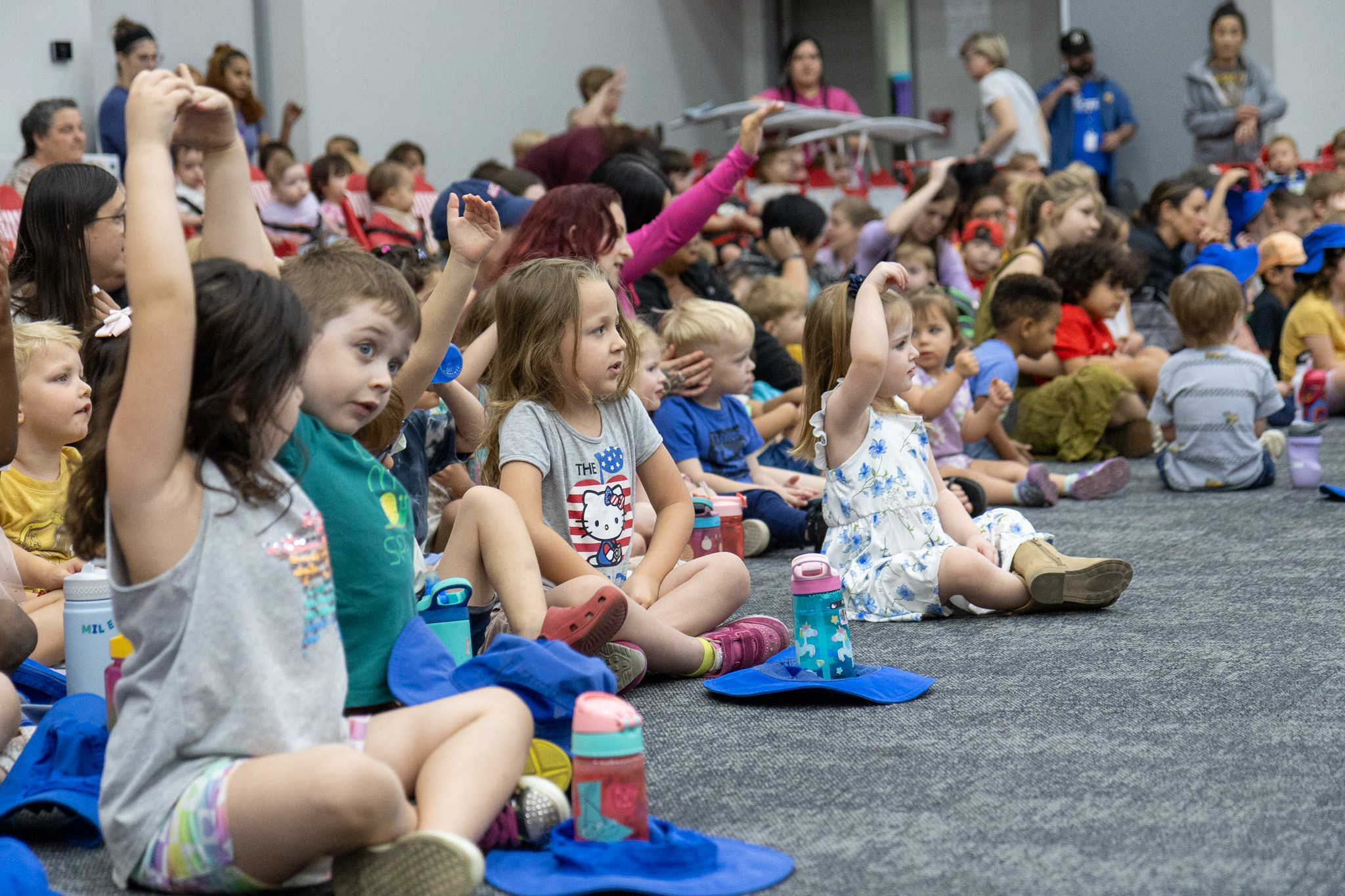
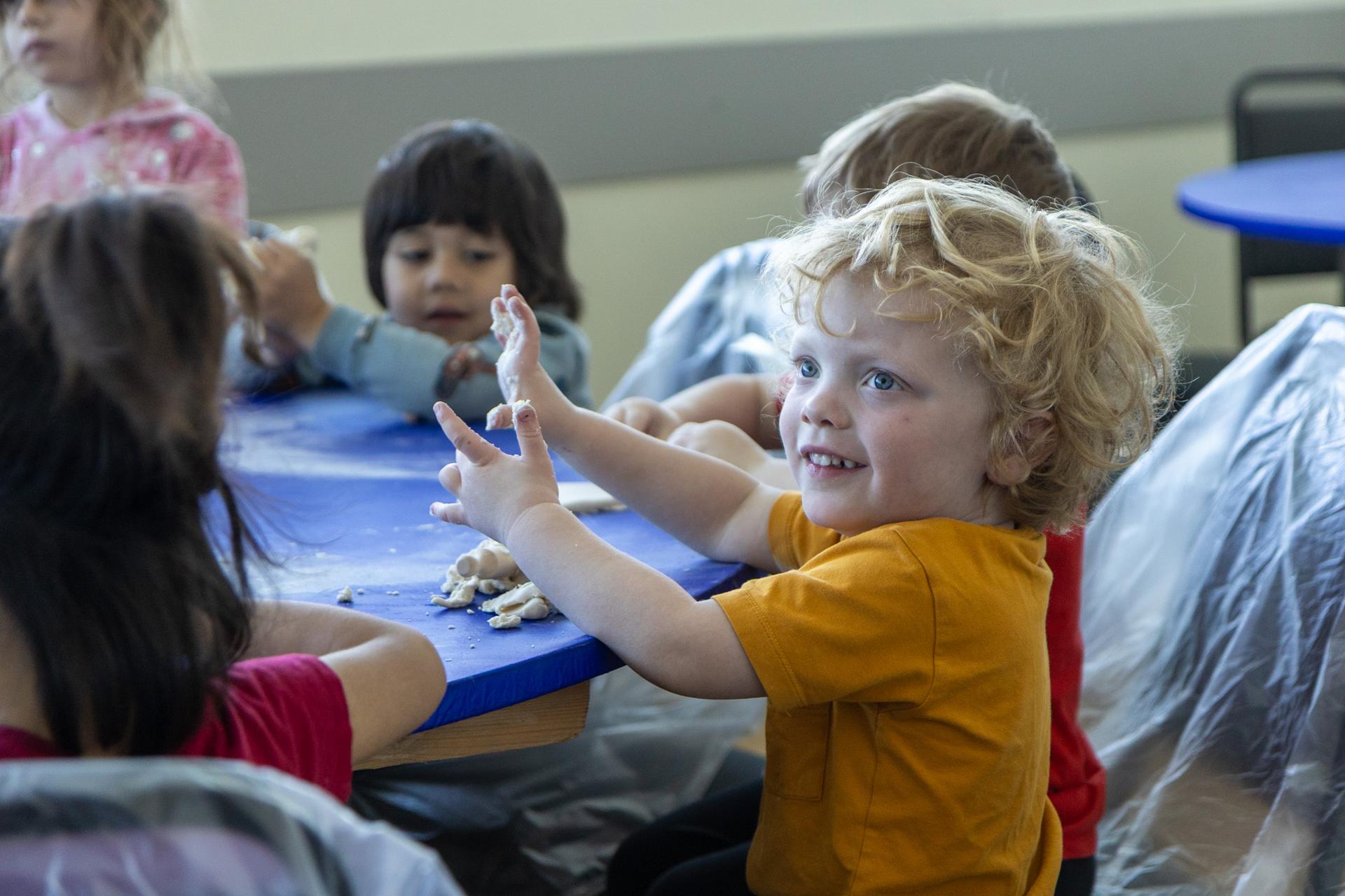
  • Kids of all ages can spend the summer exploring, learning, and connecting at ECE Camp or Camp J! 
  • Check out our Summer Nights series and boogie down to live music on the pool deck or enjoy a family movie with a splash at our Dive + Dines!  
Active and Fun

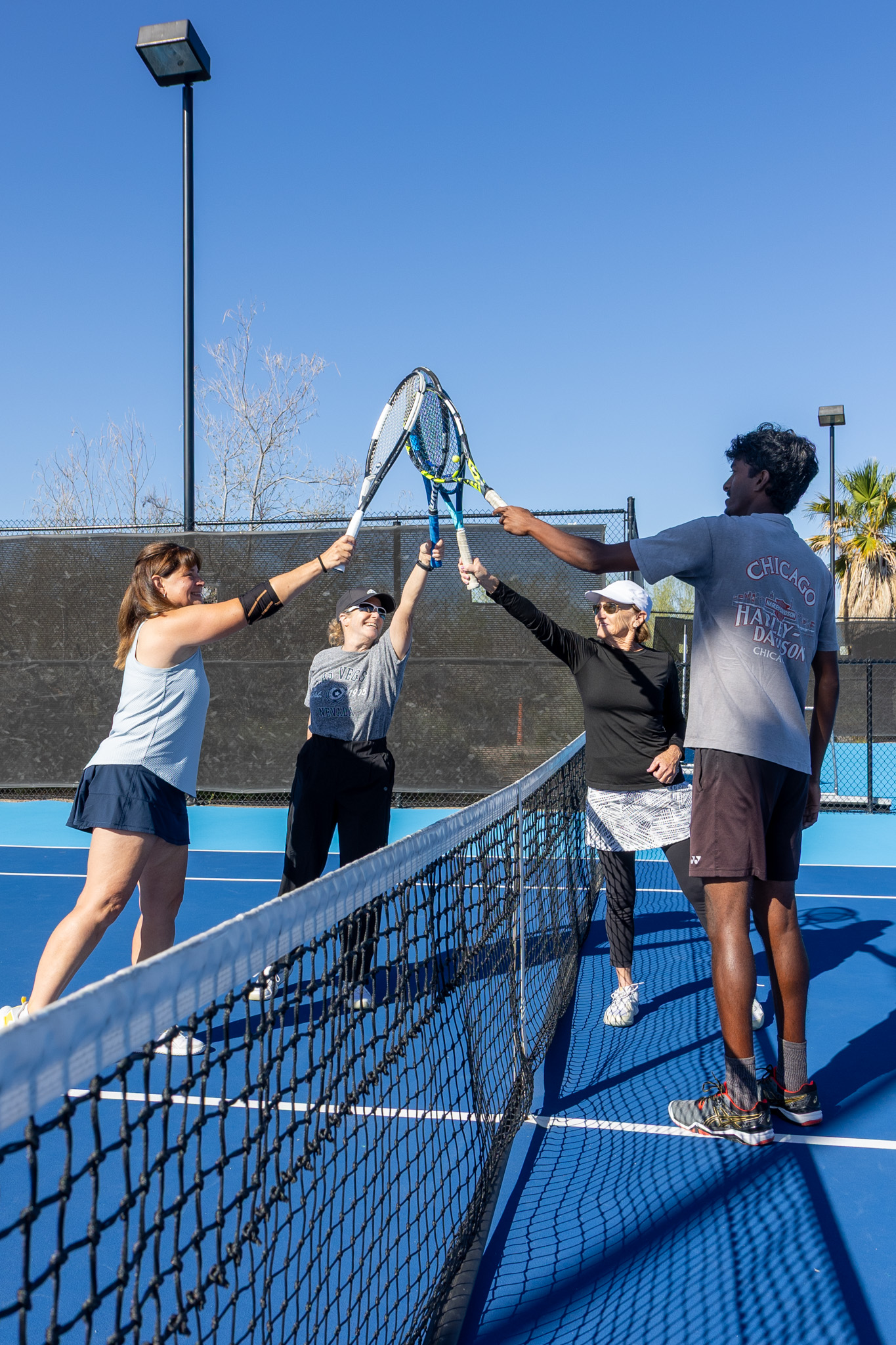
While it heats up outside, build your wellness routine inside with group fitness offerings or in the mornings and evenings on the Sarver Tennis Center courts. 

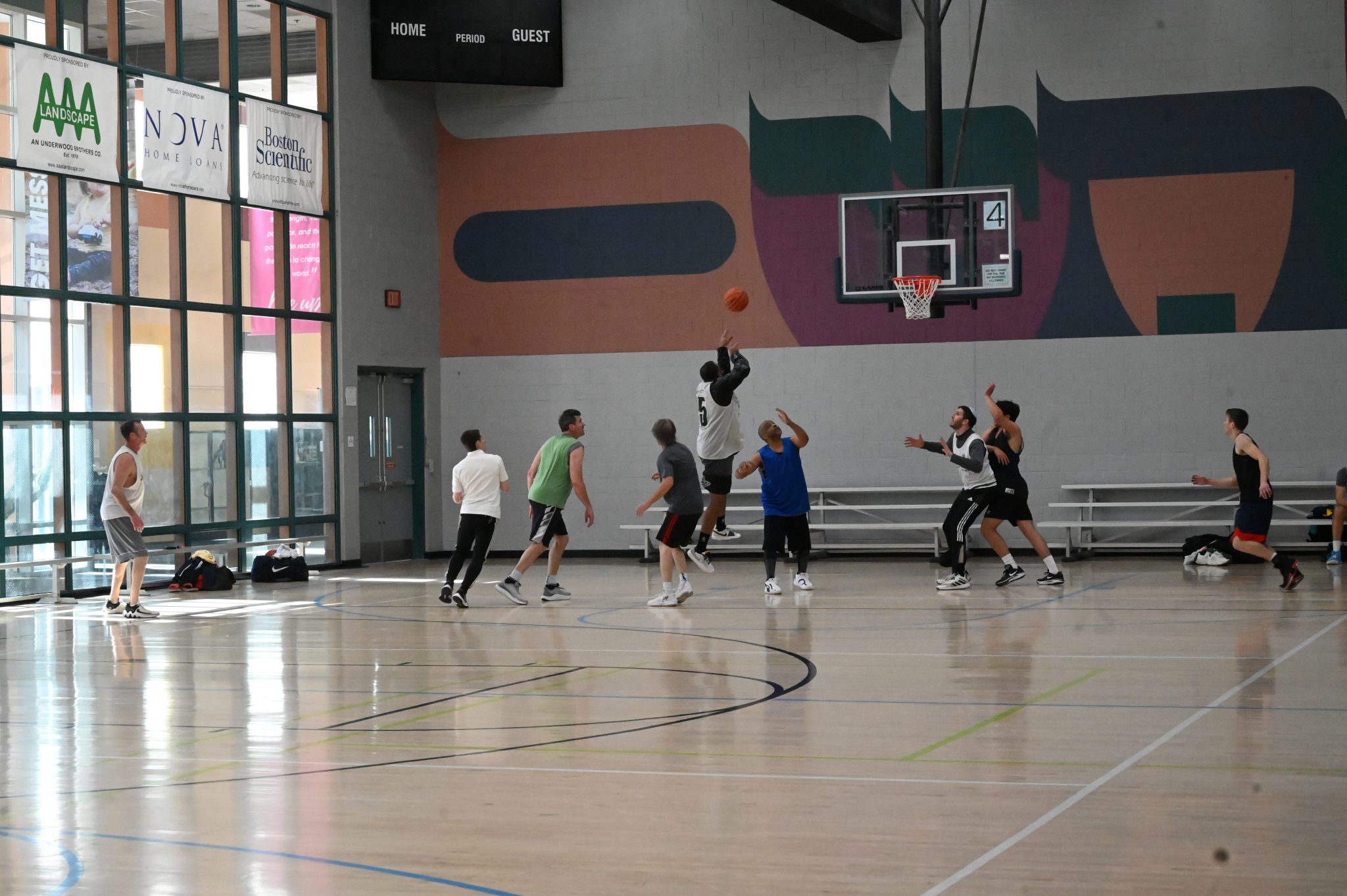
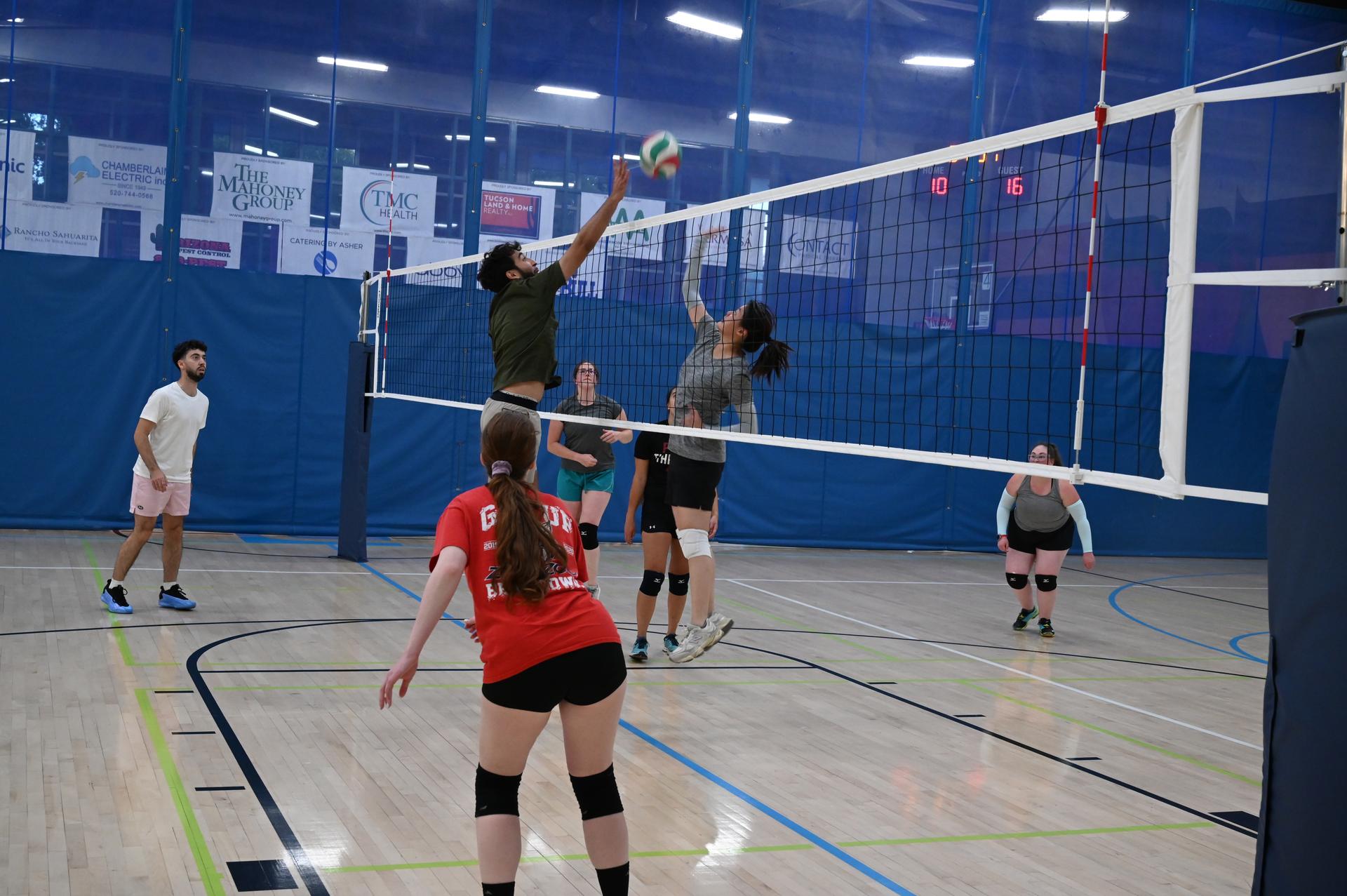
  • All summer long we have sports and rec opportunities for adults and kids! Have some competitive fun when you join a basketball, volleyball, or pickleball league or hone your skills in a private, buddy, or elite lesson. 
  • Calling all middle and high-school athletes: build your agility and strength at Speed School with Coach Clive Roberts.  
  • Interested in lifting weights? Book a session with one of our seasoned personal trainers to get started. 
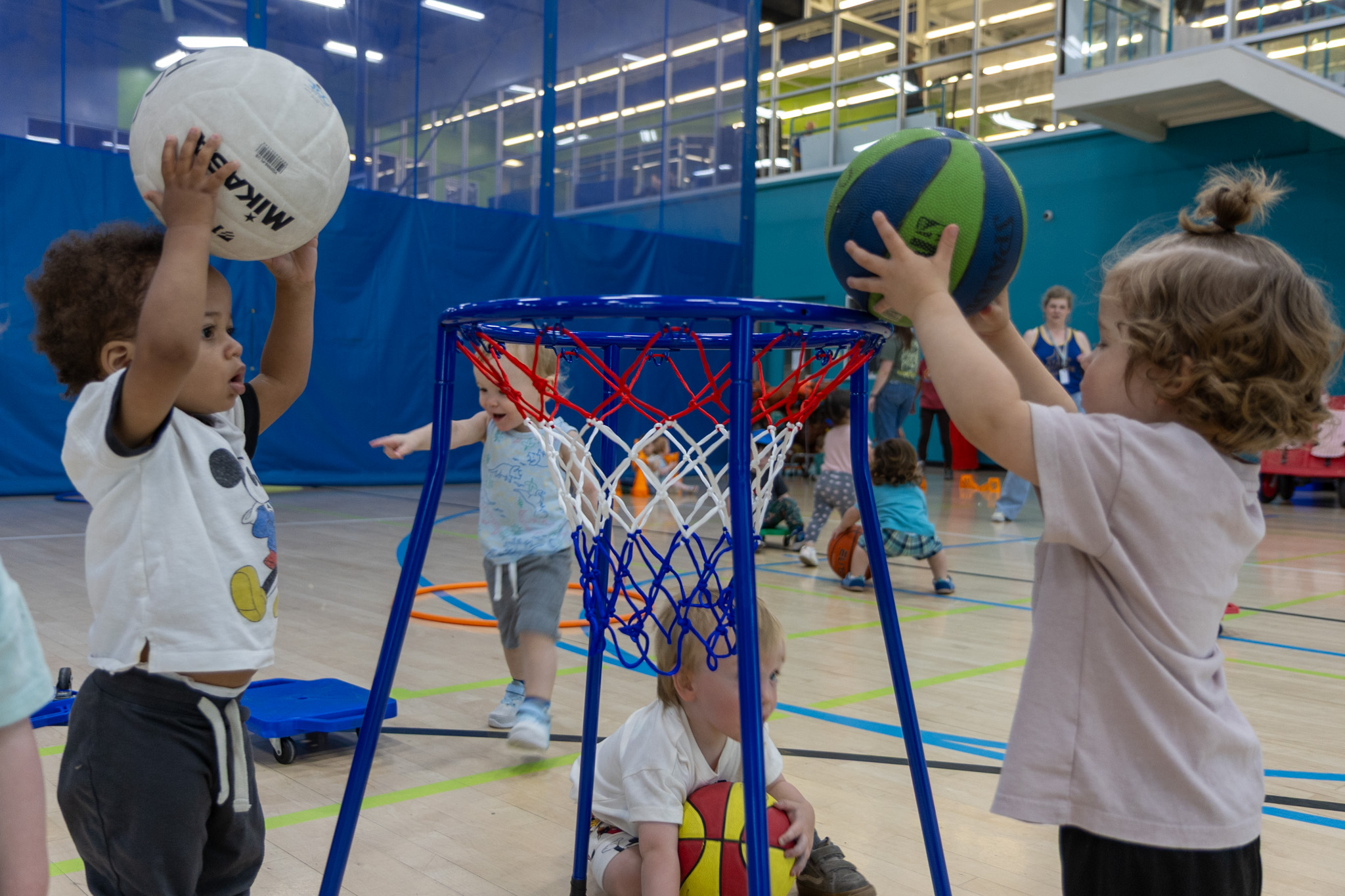
  • Even the youngest members of the family can get moving this summer! Our PeeWee Sports offer age-appropriate introductions to popular sports for toddlers ages 3-5. Offerings include gymnastics, tee ball, soccer, golf, basketball, tennis, and pickleball.  
  • Improve your tennis skills while socializing in a league or clinic.  

We can’t wait to see the summer adventures you enjoy at the J! Not sure where to get started? Email info@tucsonjcc.org or stop by the Welcome or Wellness Desks during open hours to get some ideas. See you soon!  


Plus… join NOW through May 31 and get half off the join fee + half off first month’s dues*! 


*Sale applies to 6 and 12 month memberships. Half-off applies to first full month. 

March Staff Spotlight Roundup

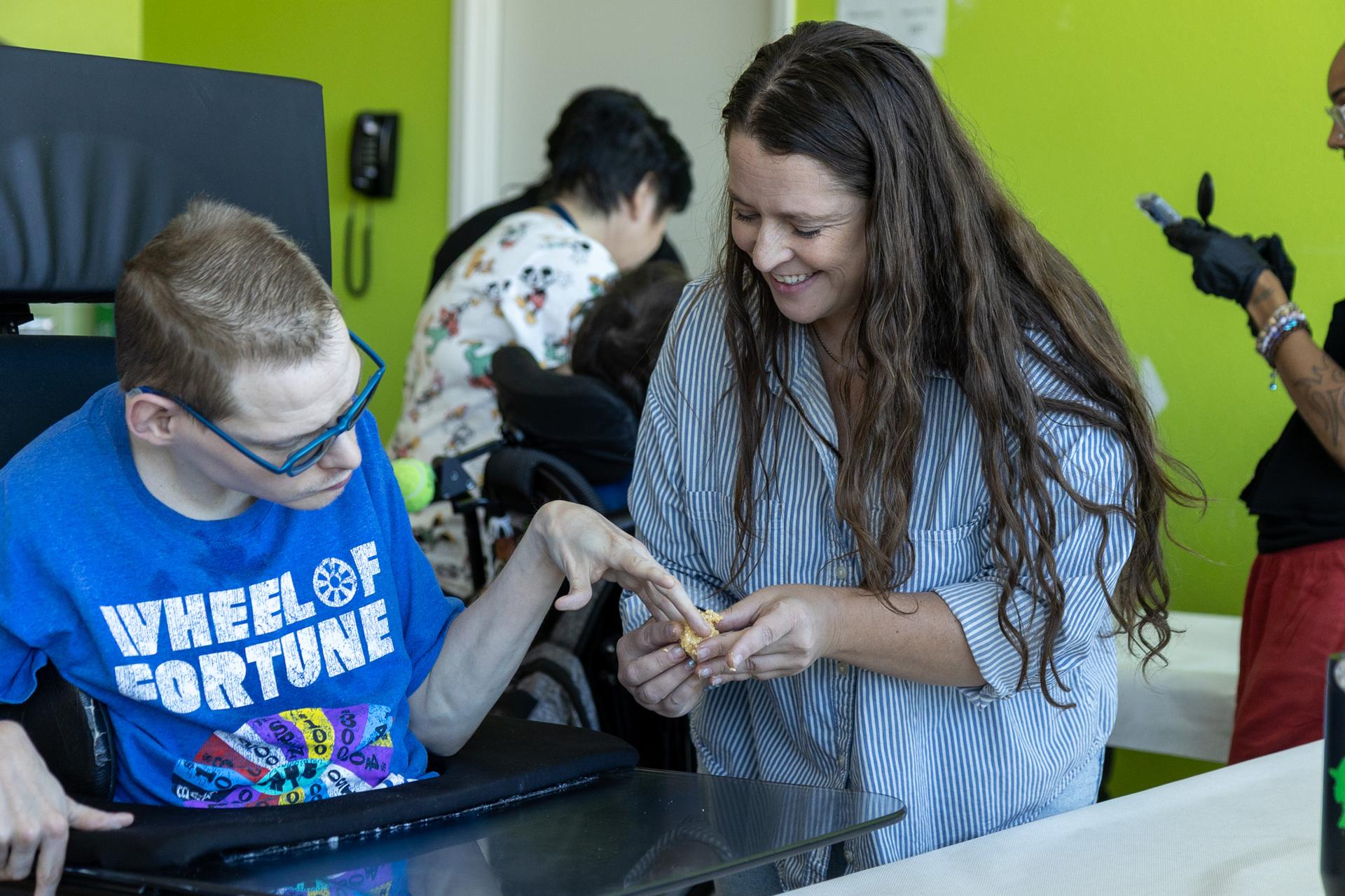
An adult woman rolls out dough, assisting another adult

Whether through a swimming lesson, an art class, or simply a smile, each day the Tucson J staff brightens the lives of our members and guests. We are proud of the variety of skills and stories that our staff bring to their work, and celebrate this each week through our Facebook and Instagram “Staff Spotlight” series.  


Continue reading on for a preview of our March spotlights, and check out the full posts at all @tucsonjcc accounts!

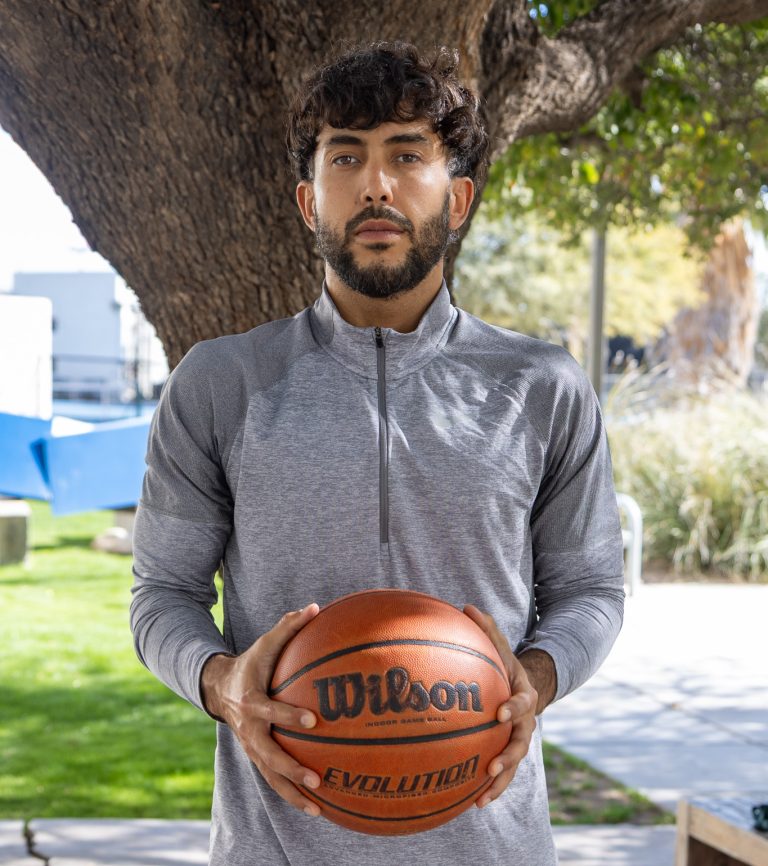
Inti Salinas | Basketball Coordinator

Learn more about Inti and his basketball coaching philosophy in this video! 

Dyana Martin | ECE Teacher

“Hello, my name is Dyana. I’ve been at the J for almost a year and carry around 12 years of childcare experience. My love for childcare stems deep within me, as I was a daycare child myself and was inspired by my own teachers’ love and guidance throughout my life. I chose childcare because working with young children feels meaningful and grounding to me.

As a mom, I understand how important it is to know that your child is safe, cared for, and truly seen. I love being part of children’s early growth and watching them build confidence, independence, and trust in the world around them. I love creating a nurturing environment where children feel supported, and it’s something I care deeply about, and of course, it’s rewarding to play a small role in those early experiences.”

Morgan Montague | JRays Swim School Coordinator

Q: Tell us about your swimming background and role at the J!

A: I have competitively trained in swimming since I was 5 years old, eventually joining the @tjccstingrays in 2012, then teaching lessons in 2016. I help organize and coordinate all the swim lessons at the J, group lessons and privates, and I teach as well!


Q: Why is it important for all children to understand water safety and learn to swim?

A: Tucson is a unique place in terms of swimming; we live in a desert, yet there is a pool in every other backyard and community pools almost everywhere you look. This means simply for safety purposes, everyone should learn how to swim and know how to be safe around large bodies of water. And when it’s 110°, where else would you want to be other than in a pool?


Q: What is your favorite part about your role at the J?

A: My favorite part is definitely teaching. Seeing the joy and understanding light up the face of one of my swimmers… best experience ever!


Diana Ramirez | DPS Transition to Work Instructor

Q: Tell us about your background and role at the J!

A: I have a background in Pedagogy and Neuropsychology and have always been passionate about helping others thrive through education and inclusivity. I’m excited to take on this role within DPS, providing support to our participants, creating meaningful experiences, and making a positive impact in our community.


Q: Favorite item for sale at the JShop Retail Store or Coffee Cart?

A: The Coffee! We partner with local roasters, Adventure Coffee, and it’s delicious. The Chapstick is also a favorite of mine.


Q: What are you most looking forward to as you get deeper into your role? 

A: I’m excited to contribute to the growth of the program and see our interns learn new skills and thrive in their roles. It’s really rewarding to watch people gain confidence, build independence, and discover what they’re capable of, and I’m looking forward to supporting that journey.

Shavua Tov 10 Nisan 5786

Shavua Tov

As we approach this coming Wednesday night, we join Jews across Tucson, North America, Israel, and around the world as we gather around the Seder table to mark the beginning of Passover.

Together, we retell the story of our people’s exodus from Egypt, Mitzrayim, the narrow place. It is a story not only of liberation, but of transformation. As we leave that narrow place, we begin to see possibility unfolding before us. We are no longer simply escaping we are becoming. A nation is being formed, filled with promise, purpose, and hope.

The Torah reminds us: “You shall tell your child on that day, saying: It is because of what the Eternal did for me when I went out of Egypt” (Exodus 13:8). Each year, we don’t just remember and we relive. We see ourselves in that journey.

And when our ancestors reached the sea and crossed into freedom, their joy was so profound that words alone could not contain it. So they sang.

That spirit still lives within us today. Whether it’s the quiet gratitude of Irving Berlin’s beautiful Count your blessings the recognition that It’s a Small World that we are deeply interconnected or the powerful hope captured in When You Believe by Stephen Schwartz from The Prince of Egypt, music helps us express what words sometimes cannot: faith, resilience, and the possibility of redemption.

Rabbi Lord Jonathan Sacks z”l taught:

Freedom is not won on the battlefield alone. It is won in the human imagination and the courage to build a different future.

Today, many of us still experience moments of Mitzrayim, narrow places of uncertainty, challenge, or isolation. But Passover reminds us that there is always a path forward. One of the widest, most life-giving spaces we can step into is community.

Here at The J and in organizations and synagogues throughout Tucson, community is where we expand beyond the narrow:

When we show up

When we volunteer

When we build friendships

When we support one another

It is here that we find joy, belonging, and meaning.

We are not alone. We are connected—to each other here in Tucson, across North America, in Israel, and to Jews around the world. That connection is our strength. It is our song.
As you gather at your Seder tables this year, may you feel that connection deeply. May you find joy in the telling, meaning in the rituals, and inspiration in the journey ahead.

Chag Pesach Sameach. Wishing you and your loved ones a Passover filled with freedom, hope, and community.

Cochenu b’Achduteynu
 | כחינו באחדותינו | Our strength is in our unity.


Am Yisrael Chai 
| עם ישראל חי


Todd Rockoff

President + CEO, Tucson J 

From the Desk of Johanna Shlomovich | Head of School, Tucson Hebrew Academy

Shabbat Shalom
Shabbat Shalom

From the Desk of Johanna Shlomovich | Head of School, Tucson Hebrew Academy 

In Parshat Tzav, we encounter a powerful and enduring image:


“Esh tamid tukad al hamizbe’ach, lo tichbeh” — A perpetual fire shall be kept burning on the altar; it shall not be extinguished (Vayikra 6:6).

The rabbis teach that this was not merely a physical instruction about maintaining a flame. It was a spiritual charge—one that speaks across generations. The fire on the altar required constant tending. Even though it was initially kindled by Divine fire, it was the responsibility of the kohanim to sustain it day after day, without interruption.

This partnership between Divine spark and human responsibility is at the heart of Jewish continuity.

Each generation inherits a sacred flame—a legacy of Torah, tradition, identity, and purpose. But that flame does not sustain itself. It must be nurtured, protected, and actively passed forward. Without intentional effort, even the brightest fire can flicker.

Today, one of the most powerful ways we tend that flame is through Jewish education.

A strong Jewish education does more than impart knowledge. It builds identity. It cultivates pride. It deepens connection—to our people, our history, our values, and our future. It equips our children not only to understand what it means to be Jewish, but to live it with confidence, meaning, and joy.

At Tucson Hebrew Academy, we see this sacred work every day. We see it in the questions our students ask, in the traditions they embrace, and in the leadership they begin to embody. We are not simply educating students—we are helping to ensure that the esh tamid, the eternal flame of the Jewish people, continues to burn brightly here in Tucson and beyond.

But like the fire on the altar, this work is a shared responsibility. It belongs not only to schools, but to families, to synagogues, to community members—to all of us. Each investment we make in Jewish education is an investment in continuity. Each moment we choose to strengthen Jewish identity is an act of sustaining the flame.

In a world that often pulls our children in many directions, we must be intentional about what we pass on. The Torah reminds us that continuity is not accidental—it is cultivated.

May we all merit to be guardians of this eternal flame. May we tend it with care, with commitment, and with love. And may we ensure that it burns even brighter in the generations to come.

Shabbat Shalom.

As we reflect on the call to keep the the eternal flame burning, we are reminded that Jewish continuity does not rest in any one place or person, but in the sacred chain that links us l’dor v’dor, from generation to generation. At the Tucson J, this responsibility is reflected in the community we build together across every age and stage of life, from Early Childhood Education to Healthy Aging programs. We are each both inheritors and stewards of this flame—called not only to receive its warmth, but to tend it, strengthen it, and pass it forward.

This week, kids in our School Days Out Spring Break program explored the concept of l’dor v’dor through the cultural tradition of making challah and learning about Oral Tradition. They talked about how, for thousands of years before the invention of the printing press and the widespread availability of written teachings, the words of the Torah and their subsequent commentaries were passed from parent to child, and from teacher to student through vocal repetition using “Trop”—recitation in a melodic and rhythmic manner to create a strong mnemonic device, allowing for easier memorization and retention of the teachings. Despite having many ways to pass down or stories and traditions, we still use Trop today! 

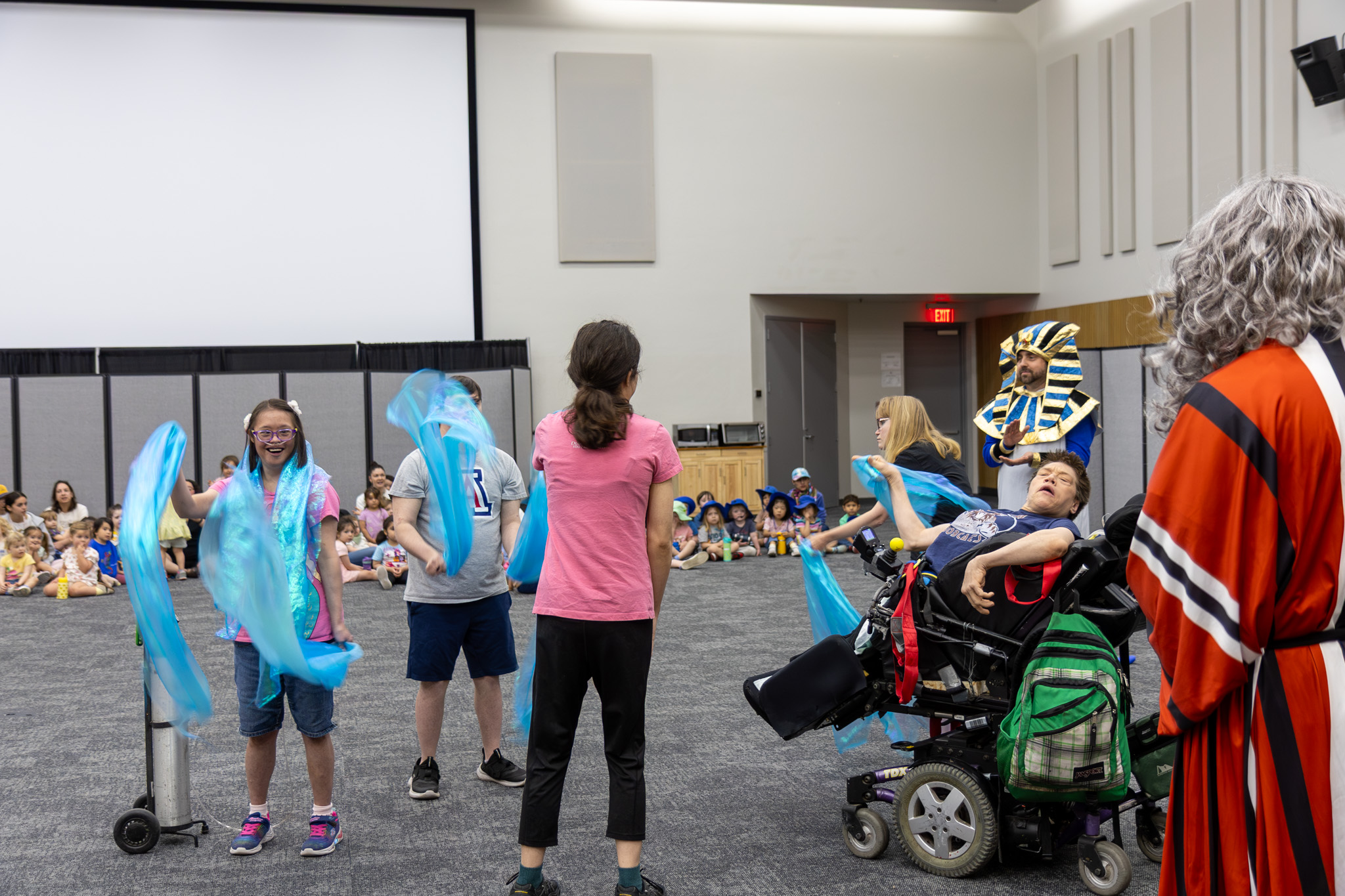
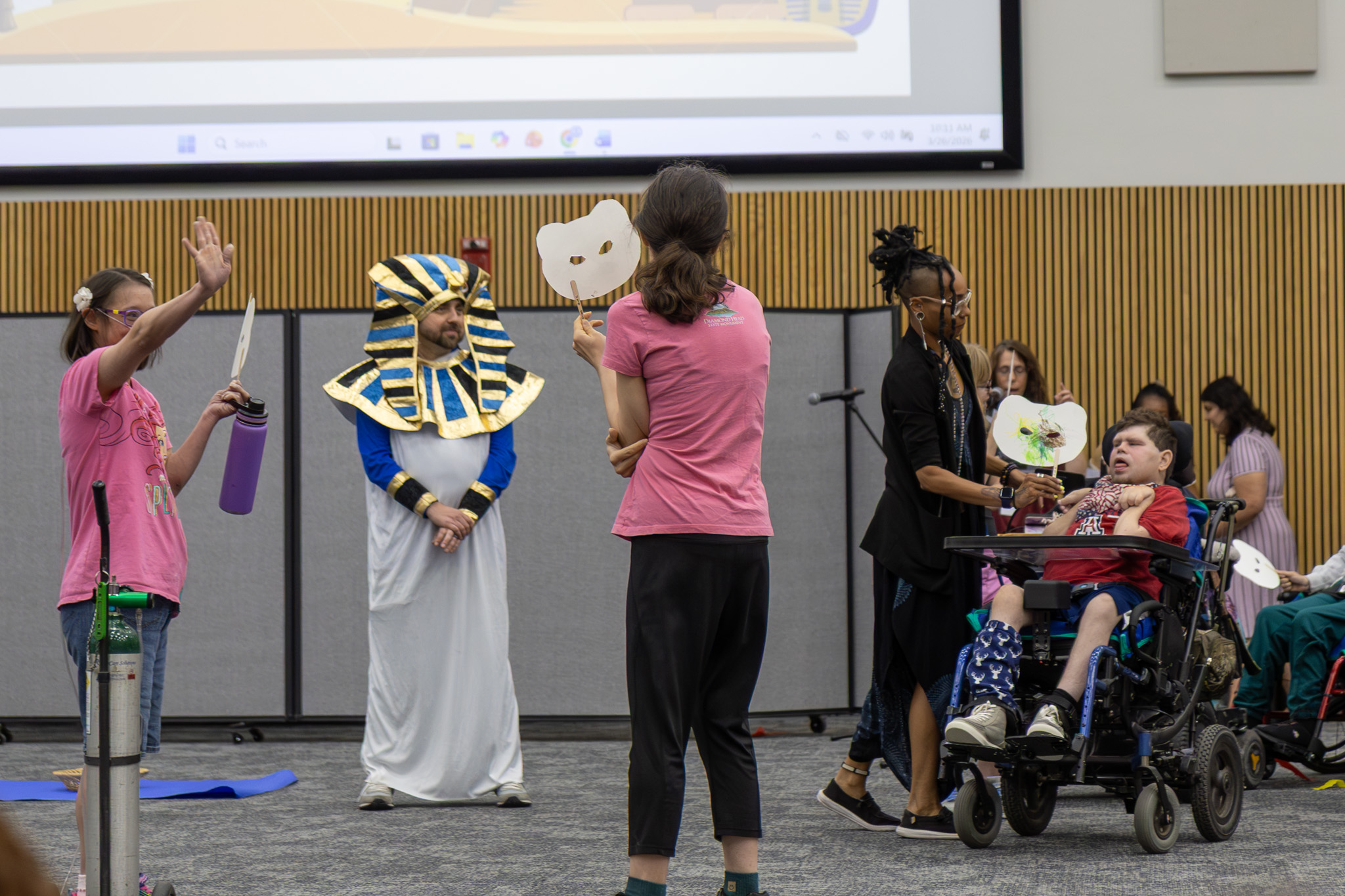
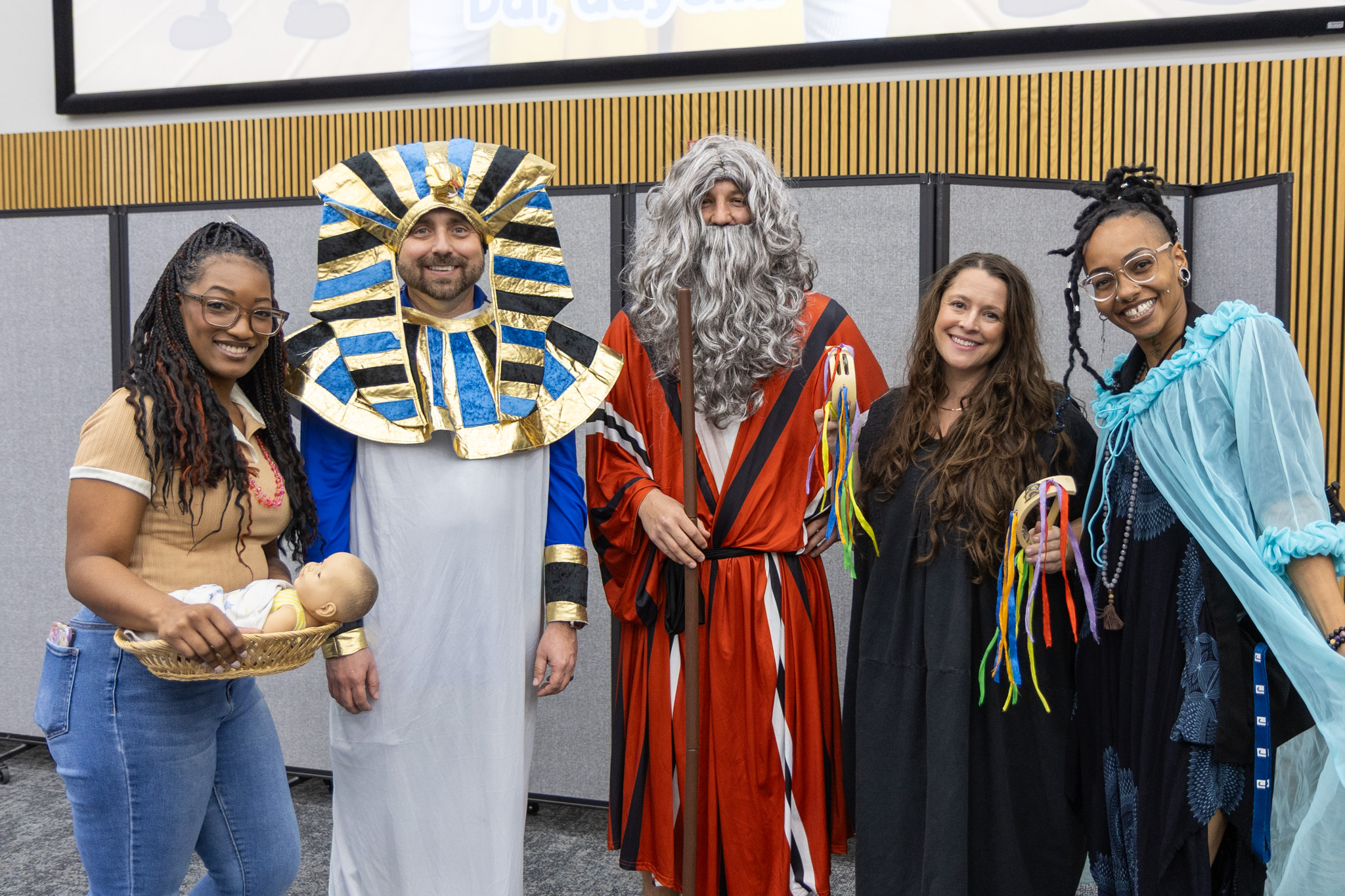
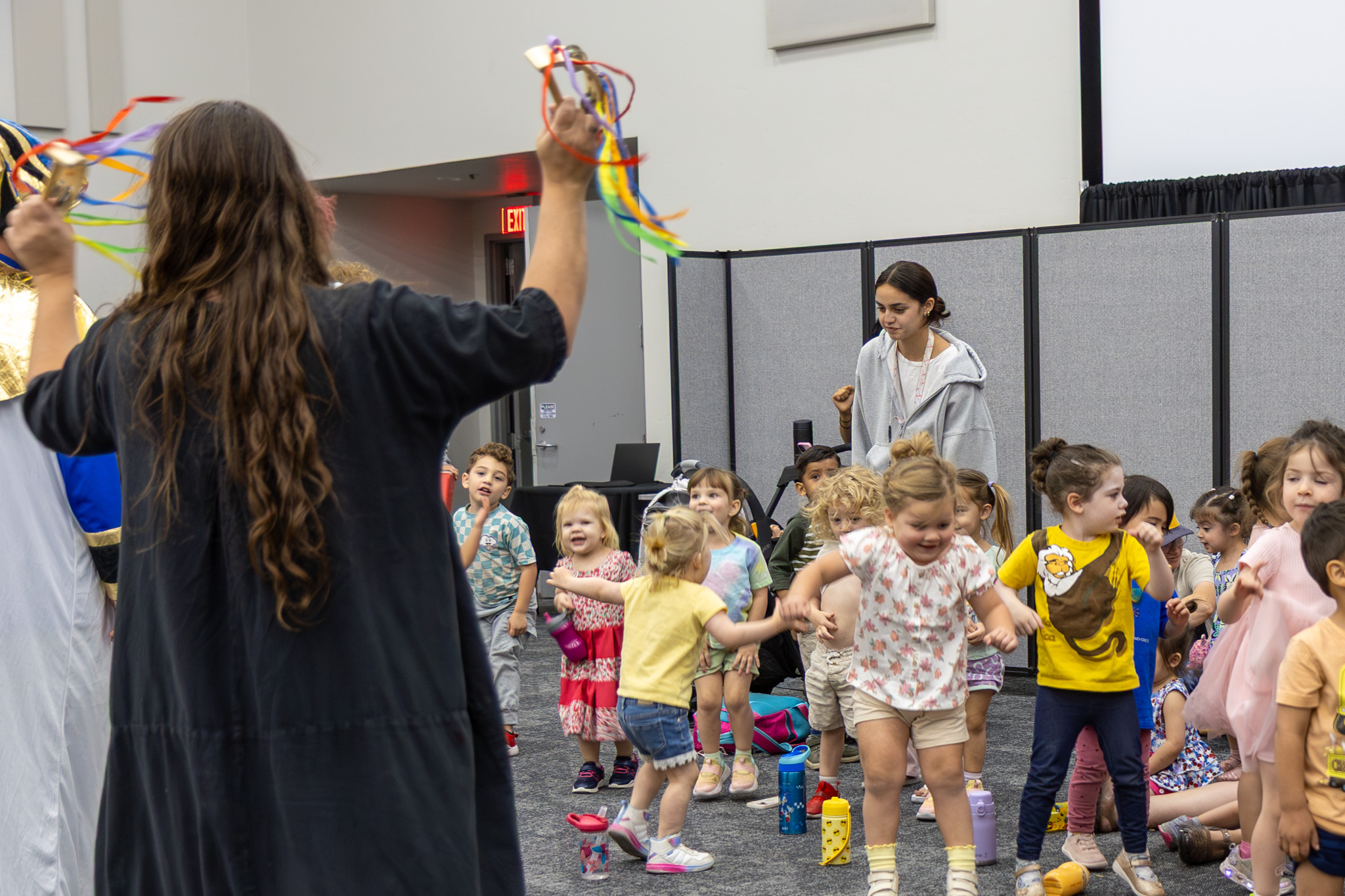
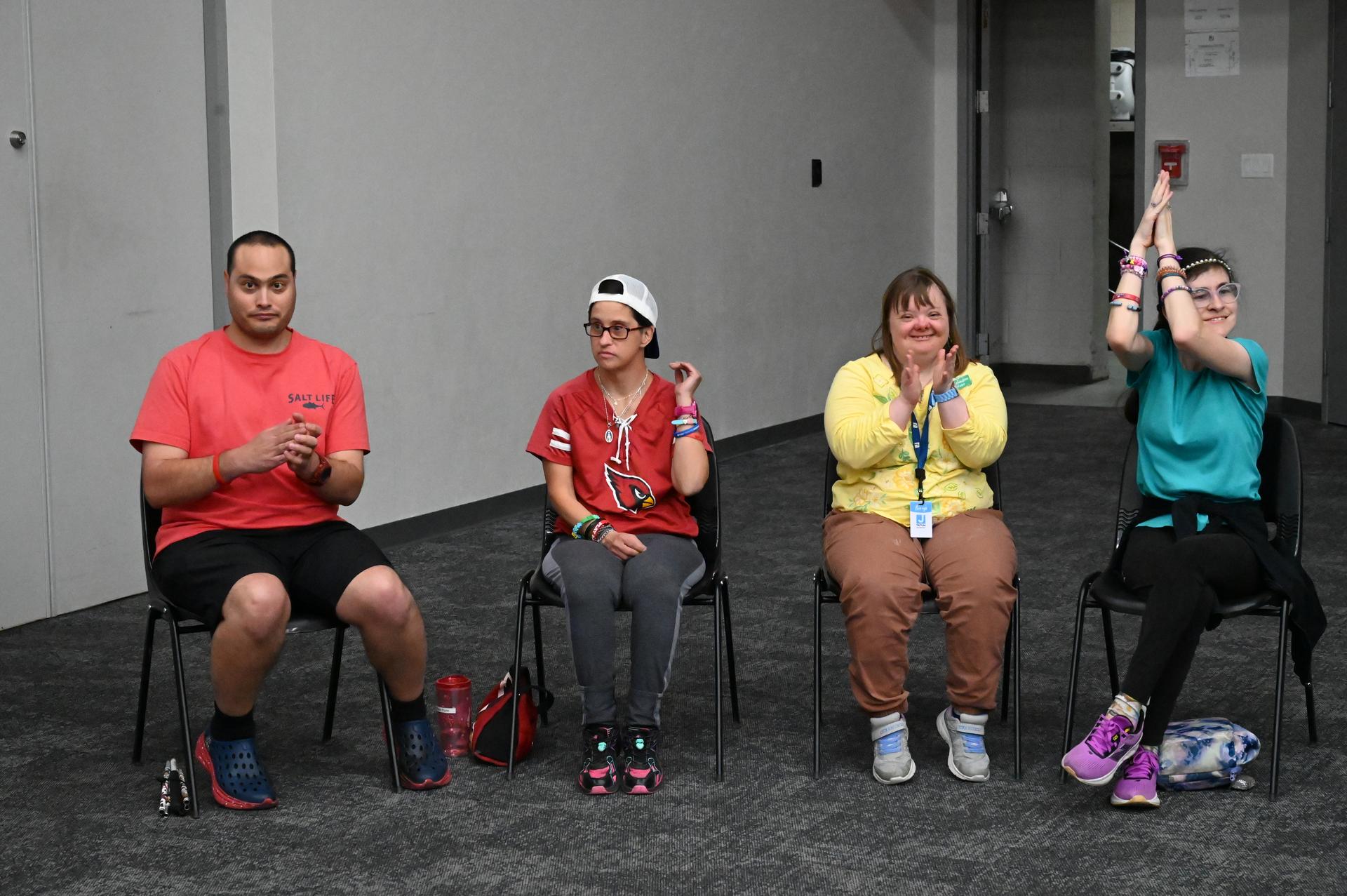
On Thursday, we saw l’dor v’dor in action as Tucson J leaders and participants in our Disability Program Services department brought the story of Passover to life for kids in Early Childhood Education with our annual Story Walk. Through narration, song, and creative costumes and props, we celebrated our shared history and reflected on the meaning of freedom. 

Every day, l’dor v’dor comes alive through movement and play as we build a culture of  wellness for people of all ages. Across our fitness and sports programs community members spanning generations build strength—not only in body, but in connection to one another. We kindle that sacred flame when we pass down the values of perseverance, wellbeing, and belonging. Our Stingrays Swim Team is a great example of this; three of our swimmers just competed at the 8 and under championship meet in Phoenix. Mazel tov to Evie, Lilly, and Raegan who collectively brought home 7 top 16 finishes, 81% of them being new personal bests! 

As we enter Shabbat HaGadol (the Shabbat before Passover), may we take pride in the many ways this sacred flame continues to shine brightly within our Tucson J community. Each story shared, each tradition practiced, and each connection nurtured affirms our commitment to strengthening our community today while ensuring a vibrant, meaningful tomorrow for generations to come. Shabbat Shalom.

Reminders, Resources + Learning

Each week we share resources for more learning:

This week’s resources:

Last week’s resources:

Is there a topic you’d like to learn more about? Email Jenn Selco with requests. 

PJ Library Stories for Passover

two kids stand behind a table smiling

From the desk of Mary Ellen Loebl, PJ Library Coordinator

Mary Ellen Loebl

Is it Passover yet? Well… almost!


That excited question is also the title of just one of the 80+ PJ Library Passover books available for children from birth through age 8. Whether your family will be traveling or celebrating at home, PJ Library has wonderful stories to help bring the holiday to life.


Journey around the world—and across time—through unforgettable Seders: from Argentina to Israel, from Inquisition-era Spain to the White House, from a Seder during the pandemic to one where the dishes get broken first! There’s even a story of a Seder held on a palm tree in the middle of a bustling street.


Working on learning Ma Nishtana – the Four Questions? PJ has books for that too! Check out The Best Four Questions as Marcy leans the traditional questions but also asks funny, imaginative ones like “Are worms kosher for Passover?” and “Is horseradish made from horses?”


Searching for that elusive afikomen? Check out Afikomen Where’s You Go and find the afikomen hidden on every page!


No matter how or where you celebrate, there’s a perfect Passover story waiting for your family.


Explore PJ Library’s Passover books at pjlibrary.org/books by sorting the list by holiday. See a title that catches your eye? Email pjlibrary@tucsonjcc.org to check if we have an extra copy available.


And remember in PJ world even alligators have Seders (Alligator Seder)!


Chag Pesach Sameach! Happy Passover.

PJ Library Favorites for Passover

Roadside Seder

Written by Anna Levine

Illustrated by Naama Lahav


When a downed tree on the highway to Jerusalem ruins a road full of people’s Passover plans, they come together to have a seder right on the road. These new friends share traditions from around the world, bringing to life the opening of the Passover seder: “All those who are hungry, come and eat!”

Afikoman, Where’d You Go?

Written by Rebecca Gardyn Levington
Illustrated by Noa Kelner


The seder can’t end until the kids find the afikoman, a piece of matzah that’s been hidden during the meal. The kids have searched the whole house with no luck. This fun rhyming story lets you in on the hunt — the afikoman is hiding somewhere on every page!

Alone Together on Dan Street

Written by Erica Lyons

Illustrated by Jen Jamieson


It’s Passover in Jerusalem, but because of the coronavirus pandemic, there are no guests allowed at any seders. While practicing the Four Questions on her balcony, Mira thinks of a way to bring her neighbors together, even if they can’t all sit at the same table.

The Best Four Questions

Written by Rachelle Burk
Illustrated by Melanie Florian


Marcy’s finally old enough to ask the Four Questions at her family’s Passover seder — but the questions she wants answers to are not the ones in the Haggadah. How will her family react?

Workitu’s Passover: A Story from Ethiopia

Written by Zahava Workitu Goshen and Maayan Ben Hagai
Illustrated by Eden Spivak


In Workitu’s Ethiopian Jewish community, it’s traditional to break all the dishes before Passover begins. That might sound like fun, but Workitu is sad to see her favorite cups and pots go when it’s time to remake them free of chametz. Auntie Balainesh helps Workitu find the spirit of Passover renewal celebrated by this custom.

Next Year in the White House: Barack Obama’s First Presidential Seder

Written by Richard Michelson

Illustrated by E.B. Lewis


In the spring of 2008, three campaign staffers gathered in a hotel basement, joined by then-candidate Barack Obama, to share the stories and rituals of Passover. Together, they made a toast and a promise: next year in the White House. For the first time, the story of the first official White House Seder is told for picture-book readers — brought to life by an award-winning team, author Richard Michelson and illustrator E.B. Lewis.

A Persian Passover
Written by Etan Basseri
Illustrated by Rashin Kheiriyeh

Ezra and Roza are looking forward to Passover. To help get ready, Ezra brings his family’s flour community baking oven to make matzah – but has an unfortunate mishap along the way. How will they have their seder? Set in 1950s Iran, this sweet story shows how a community comes together to help.


Raquela’s Seder
Written by Joel Edward Stein
Illustrated by Sara Ugolotti


Raquela’s family loves Passover, but they live in Inquisition-era Spain, so it’s not safe for them to hold a seder. Or is it? Raquela’s father comes up with a clever idea that involves a fishing boat, a full moon, and lots of secrecy – not to mention bravery.

The Passover Cowboy
Written by Barbara Diamond Goldin
Illustrated by Gina Capaldi


It’s Jacob’s family’s first Passover in Argentina, and everything is different here than it was in Russia. Jacob wants to invite his friend and neighbor, Benito, to their seder, but Benito has never been to a seder before. Soon everyone is about to have a brand-new experience.

Alligator Seder
Written by Jessica Hickman
Illustrated by Elissambura


This family’s Passover seder is very similar to other seders you may have gone to. There’s really only one big difference: they’re ALLIGATORS.

Find additional holiday resources, activities, and book information at pjlibrary.org.
 
Interested in getting involved with PJ Library? Learn more about how children aged birth to twelve can get free, award-winning books that celebrate Jewish values and culture here. Connect with Mary Ellen with questions, concerns, and recommendations.

*all book synopses from pjlibrary.org

Shavua Tov 3 Nisan 5786

Shavua Tov


At the Tucson J, learning is not confined to a classroom it is alive in every space we share and in every relationship we build. From our Early Childhood Education programs to J Care, Camp, BBYO, and beyond, we are constantly teaching and learning formally, informally, and through the lived experiences of community.


This week, we took another meaningful step forward with the launch of Partners Tucson, where rabbis and community members came together to explore the meaning of Passover and to reflect on a powerful truth: we are all educators. Each conversation, each question, each shared story contributes to a culture of limmud sacred learning that has sustained our people for generations.


Rabbi Lord Jonathan Sacks taught, “To be a Jew is to be a lifelong learner.” This value of limmud is not only central to our past it is essential to securing our Jewish future. Rabbi Shai Held reminds us that “education is the process of learning to see the world through the eyes of others,” a perspective that deepens empathy, strengthens community, and brings our tradition to life in meaningful ways.


We are also reminded of the words from the beloved Hebrew song Lo Alecha:


“Lo alecha hamlacha ligmor, v’lo ata ben chorin l’hibatel mimena”


“It is not upon you to complete the work, but neither are you free to desist from it.”


This message resonates deeply in our work at the J and throughout our Jewish Community. We may not finish the task of shaping Jewish life, but we are each responsible for contributing to it through learning, teaching, and showing up for one another.


And as Crosby, Stills, & Nash so beautifully expressed in Teach Your Children:


“Teach your children well… and feed them on your dreams.”


At the Tucson J, we are doing exactly that—nurturing the next generation while learning alongside them.


The J strives to help answer a fundamental question: What kind of Jewish lives do we want to lead, and how can we make that possible? Through shared learning and collective purpose, we create space for discovery, meaning, and belonging.


We are at our very best when we come together as a people and as a community committed to learning from one another and building a vibrant Jewish future.


I hope each of us finds time to learn together, to explore the richness of our texts, and to uncover their relevance in our modern lives.


With gratitude for all you do to sustain and strengthen our community,


Cochenu b’Achduteynu
 | כחינו באחדותינו | Our strength is in our unity.


Am Yisrael Chai 
| עם ישראל חי


Todd Rockoff

President + CEO, Tucson J 

From the Desk of Daniella Ironi, Junior Community Shlicha (Emissary) | Weintraub Israel Center 

Shabbat Shalom
Shabbat Shalom

From the Desk of Daniella Ironi, Junior Community Shlicha (Emissary) | Weintraub Israel Center

This week we begin a new book of the Torah: Vayikra. At first glance, it can feel a little strange- It talks a lot about korbanot (sacrifices) and detailed rituals that we don’t practice today. How does that relate to the J?


The book opens with the words, “Vayikra el Moshe” (And He called to Moses). Rashi points out that this “call” is an expression of love. Before giving instructions, God reaches out. The relationship comes from both.


The korbanot themselves were not just about giving something up. The word “korban” comes from the root “karov,” meaning to come close. The purpose was to create closeness between people and God, and maybe also within ourselves.


When I first moved to Tucson a year ago and started the journey of creating a new life far from home, I realized that I needed to make some sacrifices of comfort for closeness, to reach out, communicate, and give up anonymity for community.


Today, we don’t bring sacrifices. But we still search for ways to feel connected to our traditions, to each other, and to something bigger than ourselves, especially in a place like the J, where connection is one of the highest goals.


Vayikra reminds us that connection doesn’t happen automatically. Just like the korban required intention and effort, so does building community and meaning in our lives.


Maybe our “modern korban” is giving our time, our attention, or our kindness.


As we start this new book, we can ask ourselves: what helps me feel closer? And how can I help others feel that same connection?


Shabbat Shalom.

Vayikra begins not with instruction, but with a call—an expression of love and closeness. It’s a reminder that community is strengthened not only through shared experiences, but through noticing, affirming, and lifting each other up. At the Tucson J, that can look like celebrating someone’s milestone, offering a kind word, or recognizing the unique spark each person brings to our community. In doing so, we help create a space where people feel seen—and where real connection can grow.


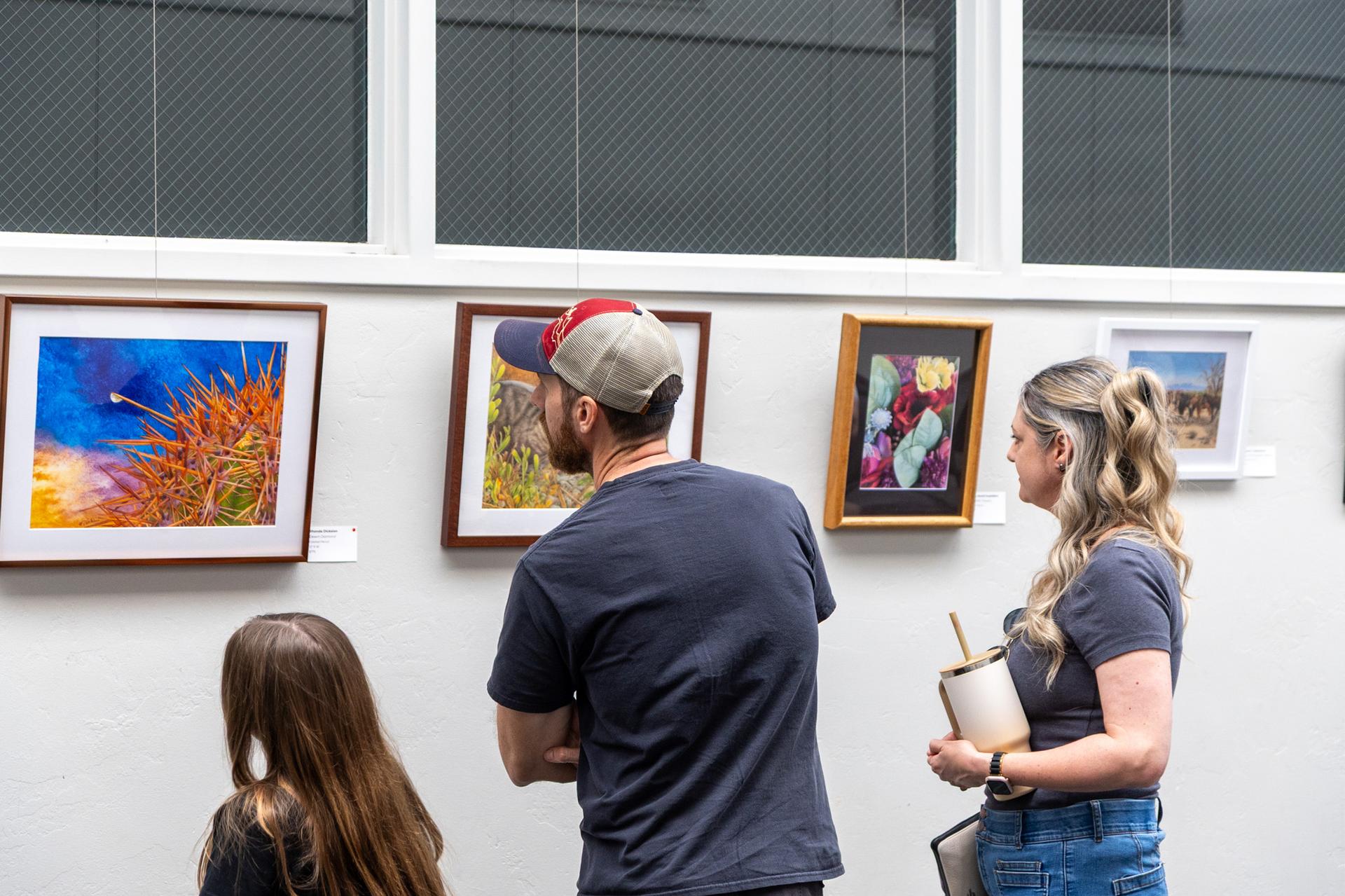
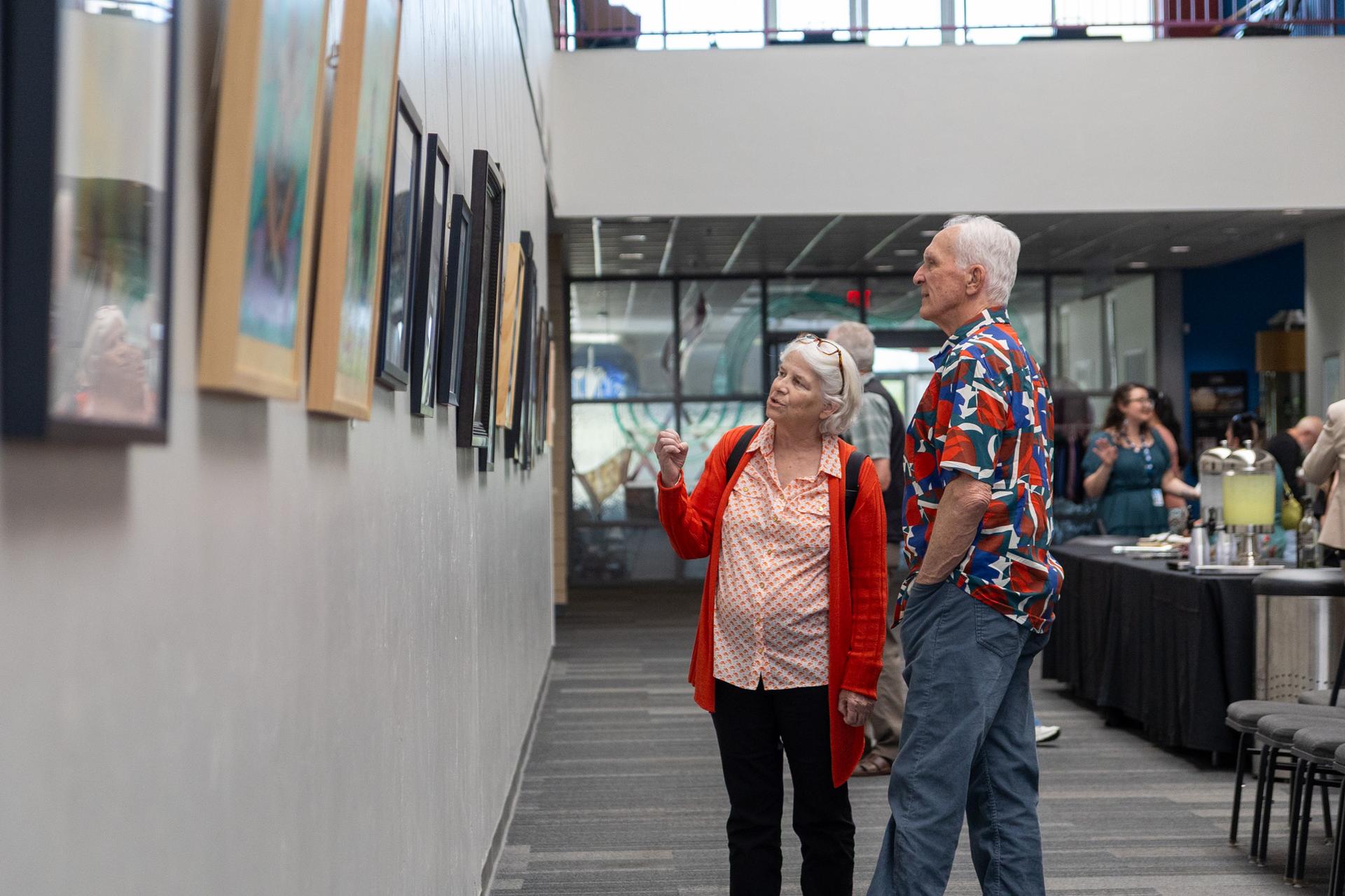
This week at the J began on Sunday with the opening reception of “Rhapsody in Hue” in the Fine Art Gallery. The show beautifully showcases the diverse artistic expression and varying styles of a variety of artists who are part of the Colored Pencil Society of America Phoenix and Tucson chapter. The group strives to elevate the medium, educate others about it, and encourage innovation with the use of colored pencils. Each work on display is a true labor of love and creativity—stop by through April 5 to enjoy them and read more about the show here. Our last show of the 2025-2026 Fine Art Gallery season ends with “Shards and Sparks: Fires of Creation” opening on Thursday, April 16; it’s free and open to the whole community. Join us! 


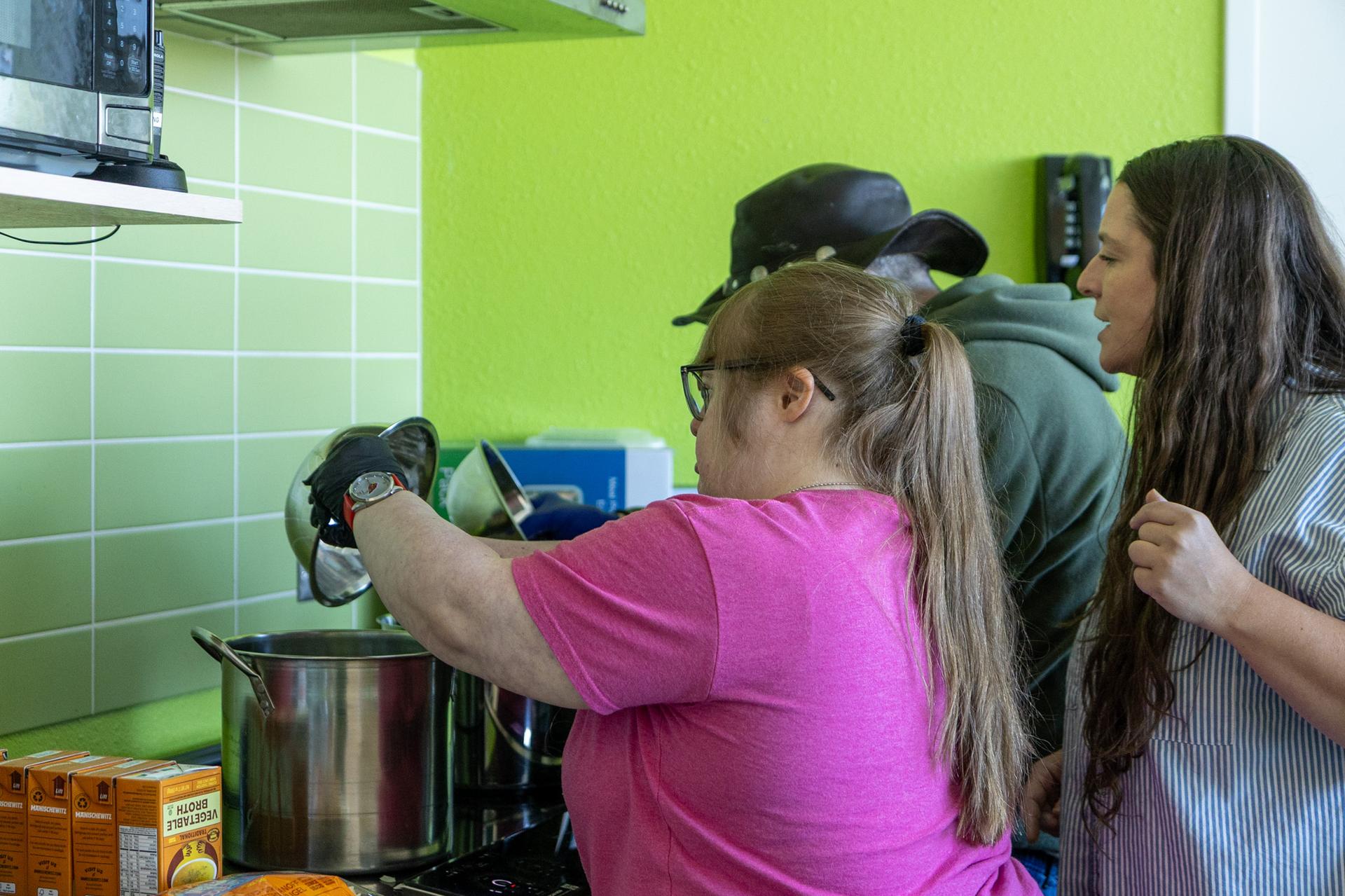
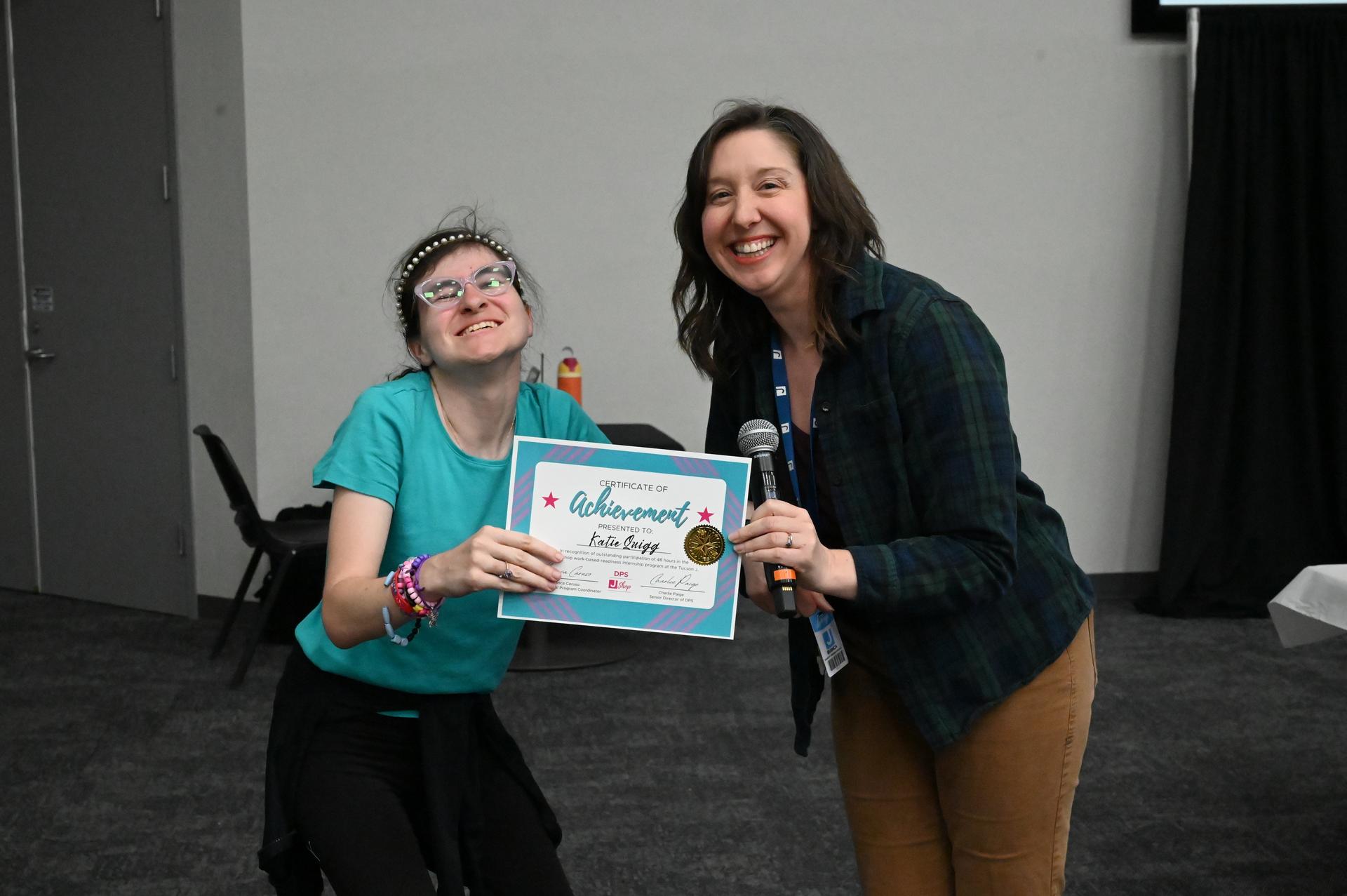
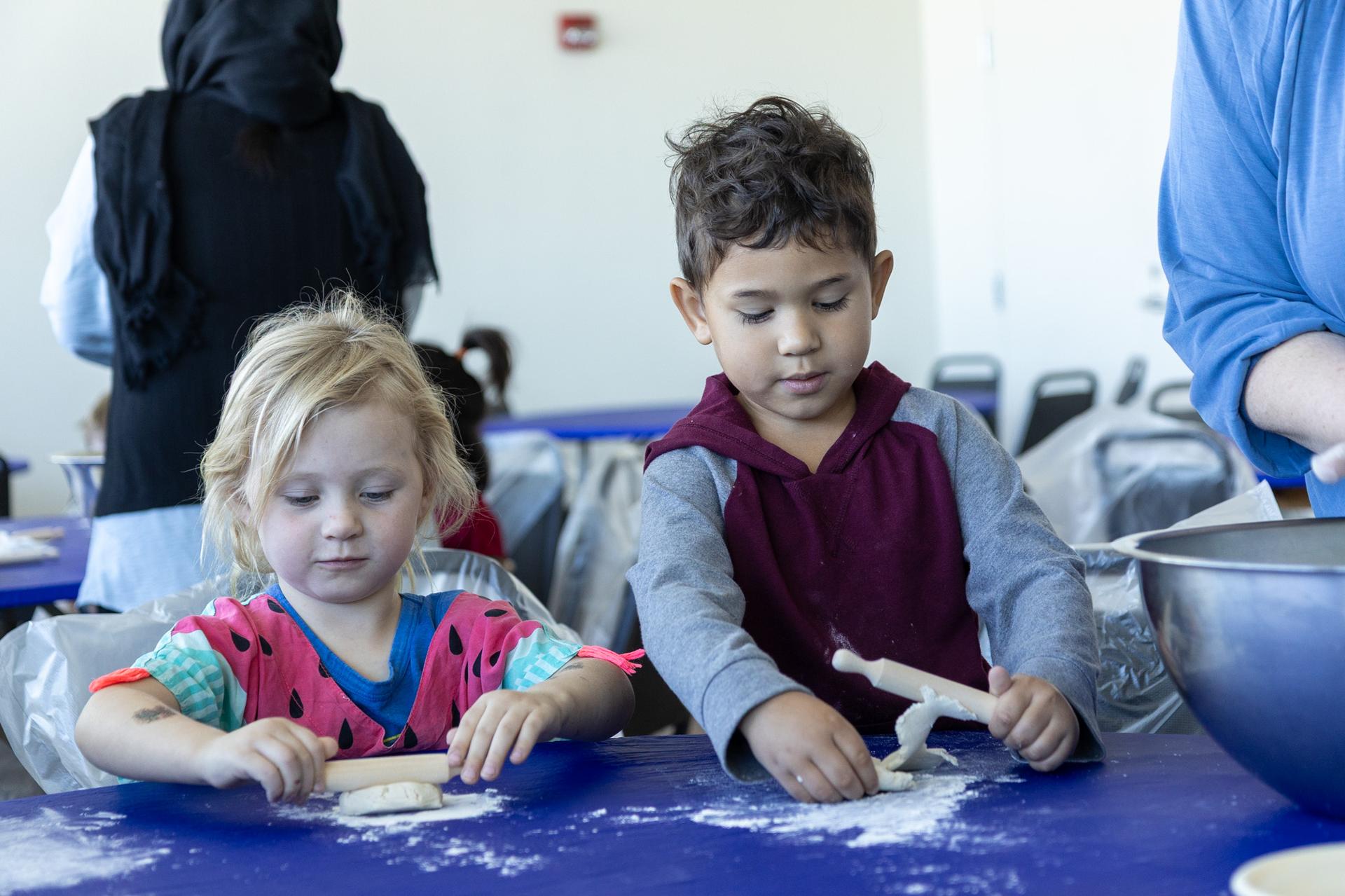
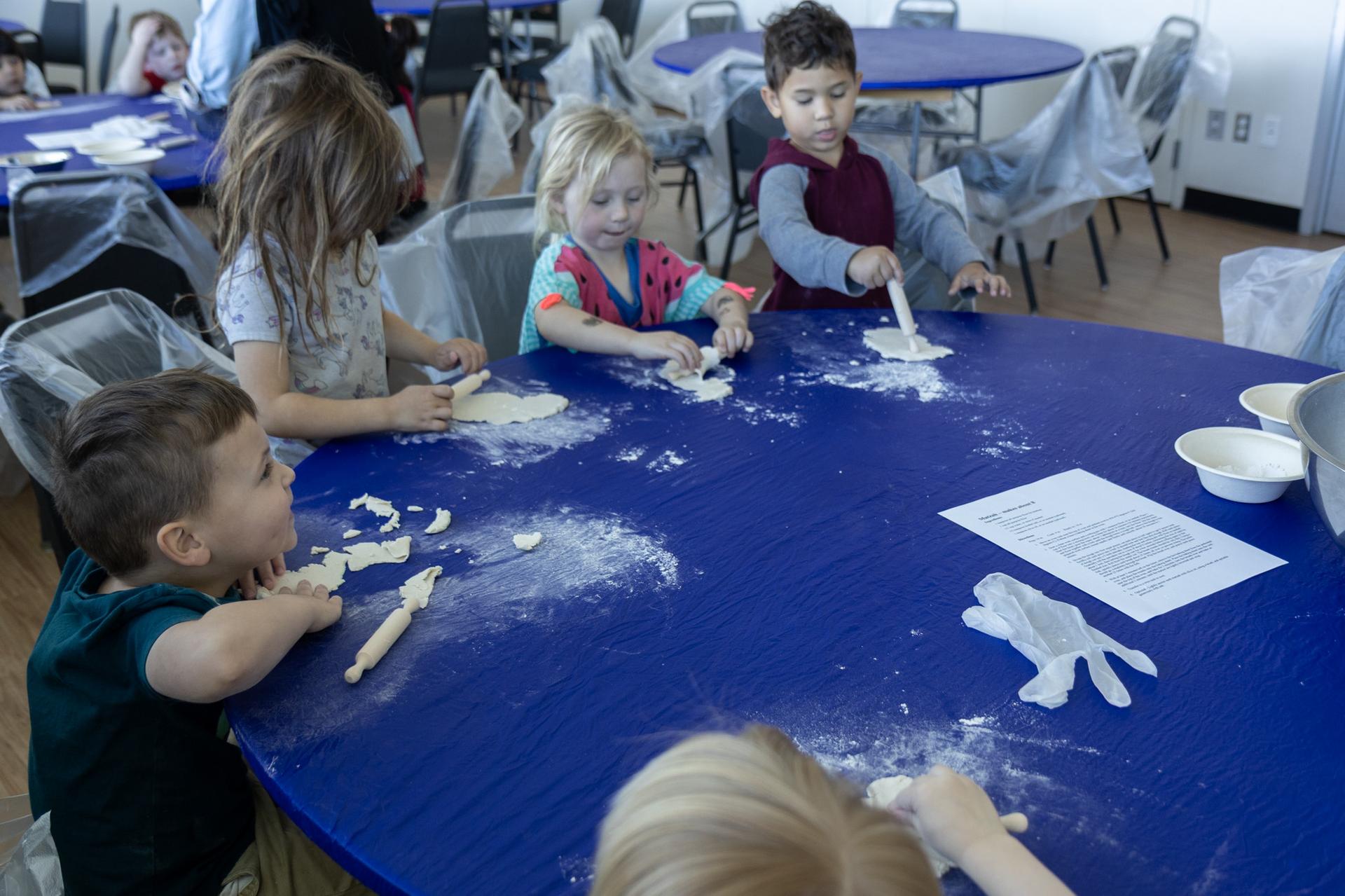
In anticipation of Passover coming soon, kids in our Early Childhood Education program got in the holiday spirit by making homemade Matzah in the demo kitchen. Participants in Disability Program Services Cooking Club got in on the holiday preparation, too, as they learned how to make Matzah Ball Soup with Rachael, the J’s Sr. Director of Marketing, Communications, + PR. Collaborating across departments is one way we strengthen community at the J and utilize our unique gifts and talents. DPS also celebrated the graduation of another Vocational Program intern cohort. Mazel tov to Katie, Tatum, Robin, and Chase for completing 48 hours of job training at our DPS JShop and Coffee Cart! 

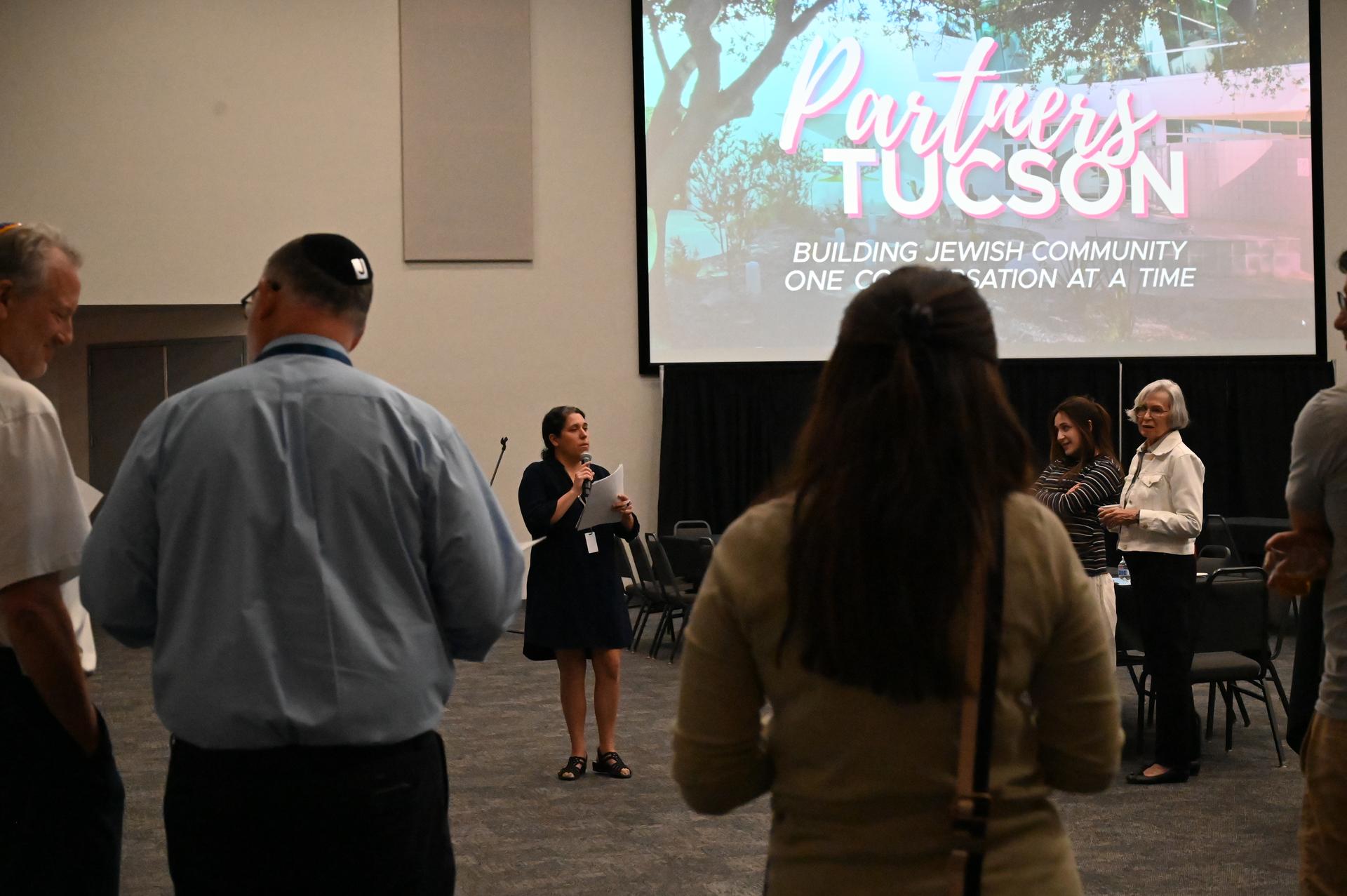
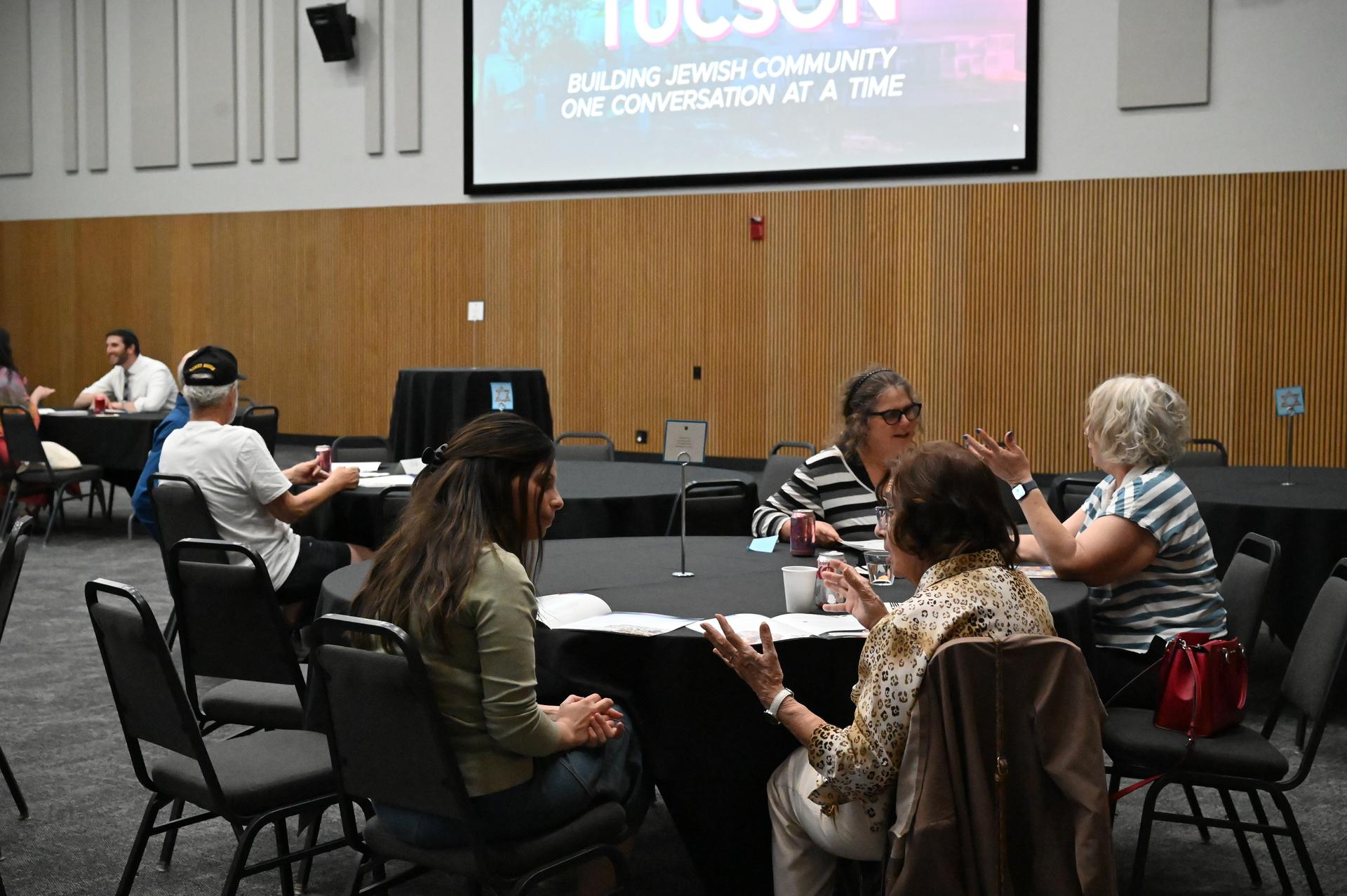
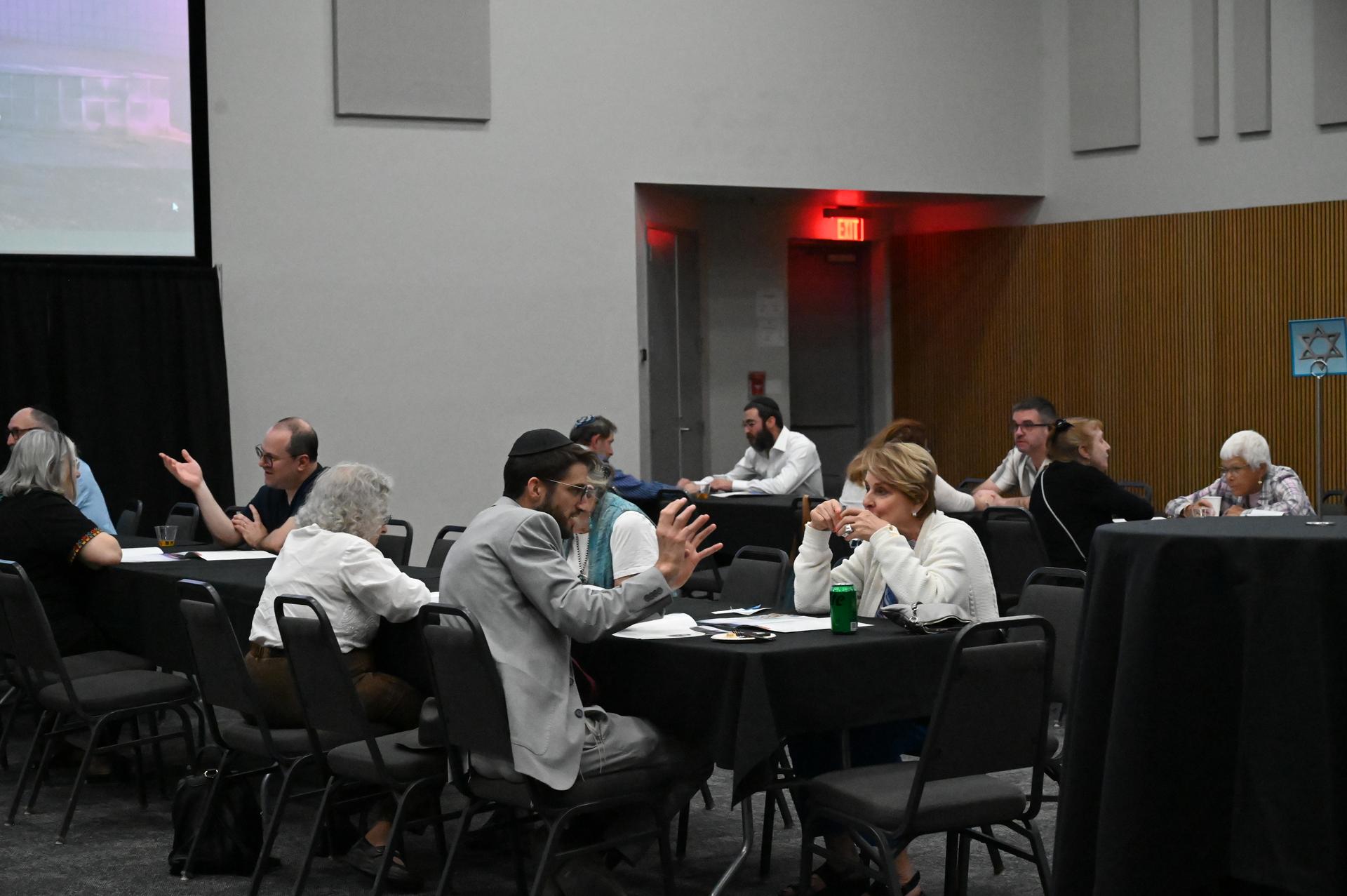
Last night, 30 community members gathered together for the first “Partners Tucson: Building Community, One Conversation at a Time” program. The experience was an opportunity to connect with someone new and engage in Jewish learning through conversation. Over a nosh and with provided reading material, chavruta (partners) softened, leaned in, and expressed the thoughts and ideas on their hearts to one another. It is hard to describe the sweetness and joy of the energy in the room, but safe to say we are excited to offer this program on a regular basis. You can register here for the April Partners program focused on the topic of Community + the Dignity of Difference. 


As we move through this season and toward Passover, may we continue to answer the call of Vayikra. Each moment of connection, whether in conversation, creativity, or collaboration, helps shape a community rooted in belonging and care. Wishing you a meaningful Shabbat and a week ahead filled with connection. Shabbat Shalom.

Reminders, Resources + Learning

Shavua Tov 25 Adar 5786

Shavua Tov


In our cycle of reading Torah, this morning our community completed the reading of the Book of Shemot, the book in which the children of Israel transform from a family into a nation. In Shemot we move from slavery to freedom, but just as importantly we become something new in the world a people bound together by shared destiny and responsibility.


Each time we complete a book of Torah we proclaim:


חזק חזק ונתחזק — Hazak, Hazak, V’nithazek.


Be strong, be strong, and let us strengthen one another.


These words remind us that the strength of the Jewish people has never come from individuals standing alone. Our strength comes from the deep bonds we share with one another from Amiut Yehudit, Jewish peoplehood.


Rabbi Lord Jonathan Sacks beautifully captured this idea when he wrote:


“Judaism is the religion of a people bound together in responsibility for one another.”


For thousands of years this understanding has sustained us. We celebrate together in times of great joy; weddings, births, holidays, and achievements. And in times of challenge or uncertainty, we turn to one another for comfort, strength, and hope.


Community is where we belong.


At the Tucson J, this belief is at the heart of everything we do. Our service pledge expresses it clearly:


“We create community based on Jewish values by providing the highest quality programs and services in a safe and secure environment for all people of all ages.”


The Tucson J is a Mercaz, a hub of Jewish life, a place where everyone can find connection, meaning, and belonging. It is where children grow, families gather, friendships are formed, and generations come together.


The idea of belonging is expressed beautifully in Jewish music. The beloved Hebrew song Kol HaOlam Kulo reminds us:


Kol ha’olam kulo gesher tzar me’od,
V’ha’ikar lo lefached klal.


The whole world is a very narrow bridge, and the most important thing is not to be afraid.


We cross that narrow bridge not alone, but together.


That same spirit is echoed in American music as well. In the song You’ve Got a Friendwe hear a simple but powerful promise:


“You just call out my name, and you know wherever I am, I’ll come running… you’ve got a friend.”


That is the essence of community. It is the promise that no matter what challenges we face, we will be there for one another.


Every day at the Tucson J we see this promise lived out through the generosity of our donors, the leadership of our board, the dedication of our staff, and the participation of thousands of community members who walk through our doors.


Together we create something sacred: a place where people know they belong.


As we move forward from the Book of Shemot, may we carry its message with us. May we continue to strengthen the bonds of Jewish peoplehood. And may the Tucson J remain a place where community flourishes and where every person feels part of something larger than themselves.


Hazak, Hazak, V’nithazek.


May we be strong, may we strengthen one another, and may our community continue to grow in connection, compassion, and belonging.

With gratitude and pride,


Cochenu b’Achduteynu | כחינו באחדותינו | Our strength is in our unity.


Am Yisrael Chai 
| עם ישראל חי


Todd Rockoff

President + CEO, Tucson J 

From the Desk of Rabbi Sara Metz | Congregation Anshei Israel

Shabbat Shalom
Shabbat Shalom

From the Desk of Rabbi Sara Metz | Congregation Anshei Israel

In uncertain times, one of the most powerful things a community can do is build something sacred together.


Today our hearts are with the Temple Israel community in West Bloomfield, Michigan, following the attack at their community. We are grateful for the quick and decisive actions of the security personnel who helped protect the community and save countless lives. When a Jewish community is targeted anywhere, Jews everywhere feel it. We hold the Temple Israel community in our prayers and stand in solidarity with them.


Moments like this remind us how important it is that our communities remain connected, vigilant, and supportive of one another. Here in Tucson, we are deeply grateful for the guidance and leadership of our Jewish community’s Security Director, Chelsea Gutierrez, and the work of JPSA, whose efforts help keep our institutions prepared, protected, and connected.


Jewish tradition has long understood that strong communities do not happen by accident. They are built intentionally, through the care, commitment, and participation of many people.

This week’s Torah portion, Vayakhel–Pekudei, describes exactly that kind of communal effort. It tells the story of the building of the Mishkan, the portable sanctuary the Israelites carried through the wilderness. The Torah emphasizes that the entire community participated. Kol asher nesa’o libo (כׇּל אֲשֶׁר נְשָׂאוֹ לִבּוֹ), every person whose heart was moved brought something.


Some brought gold.

Some spun wool.
Some offered their skill and creativity.

Together they created a place where holiness could dwell.


Commentators note that the building of the Mishkan follows the difficult story of the Golden Calf. The Mishkan offered the people a way to redirect their energy and rebuild their community with purpose and care.


This parsha is also read alongside the special reading for Shabbat HaChodesh, the Shabbat just before the beginning of the month of Nissan, when we begin turning our attention toward Passover. We read the words, “This month shall be for you the beginning of months.” The mitzvah of marking the new moon reminds us that renewal is woven into the rhythm of Jewish time. Even when the moon disappears into darkness, it returns.


That promise of renewal is something the Jewish people have carried with us in every generation, in our communities here and in Israel.


We continue to watch events unfolding in Israel and across the region with deep concern. Our hearts remain firmly with the people of Israel, who show remarkable resilience and courage as they defend their country and their future. We also hold hope that people across the region, including those in Iran and throughout the Arab world who long for peace and stability, will one day live in a Middle East defined by dignity, security, and peace.


May this season bring renewal and strength to our community as we continue building spaces of connection, compassion, and hope together.


Shabbat Shalom.

In this week’s parsha, Vayakhel–Pekudei, we read how an entire community came together to build the Mishkan, each person contributing what they could—their resources, their skills, and their hearts. That spirit of shared responsibility and collective care is animated at the Tucson J every day. Just as our tradition teaches that sacred spaces are built through the participation of many, the J thrives because of the people who show up each week to learn, play, grow, and connect, in both times of celebration and times of sadness. 


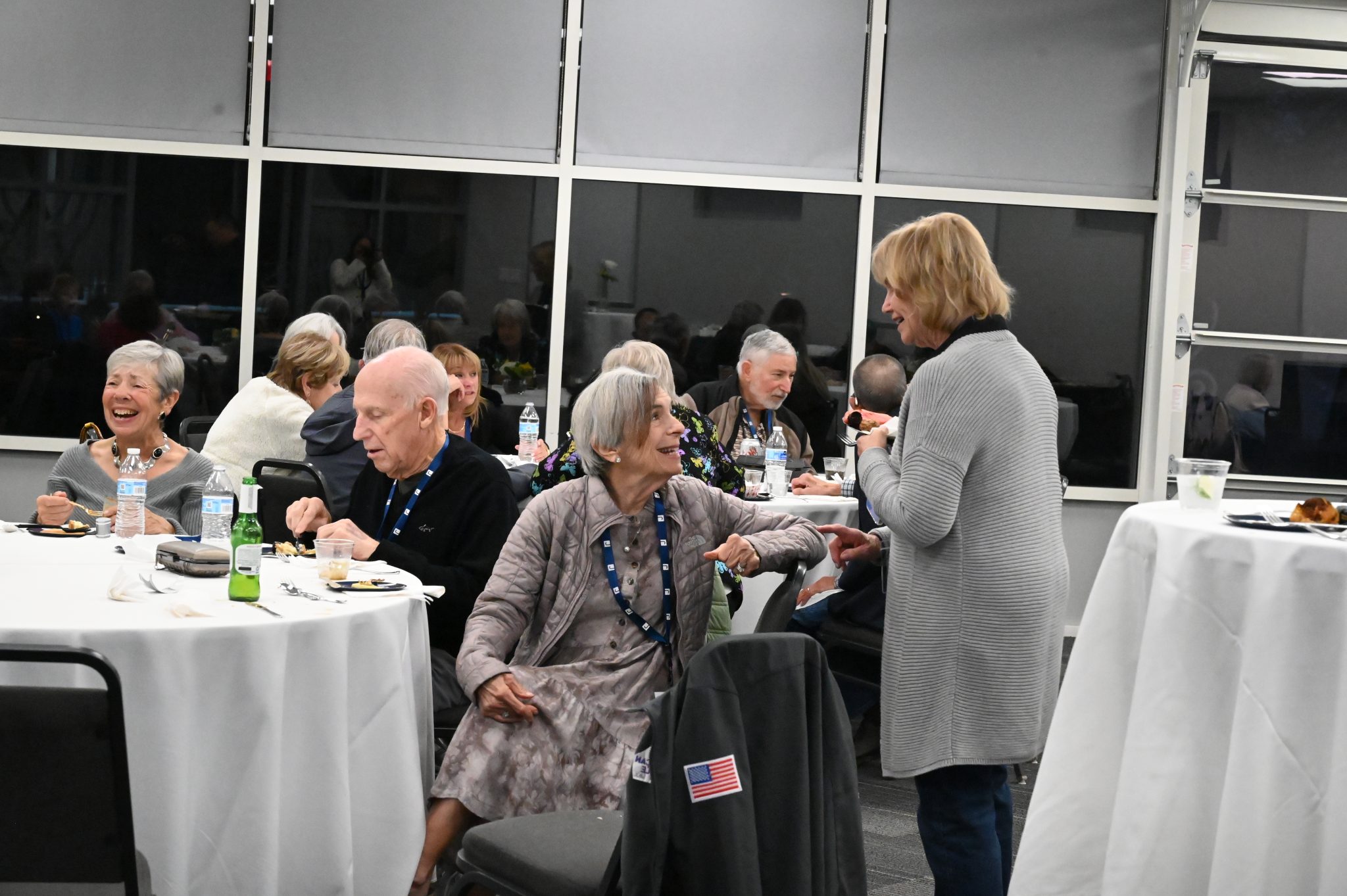
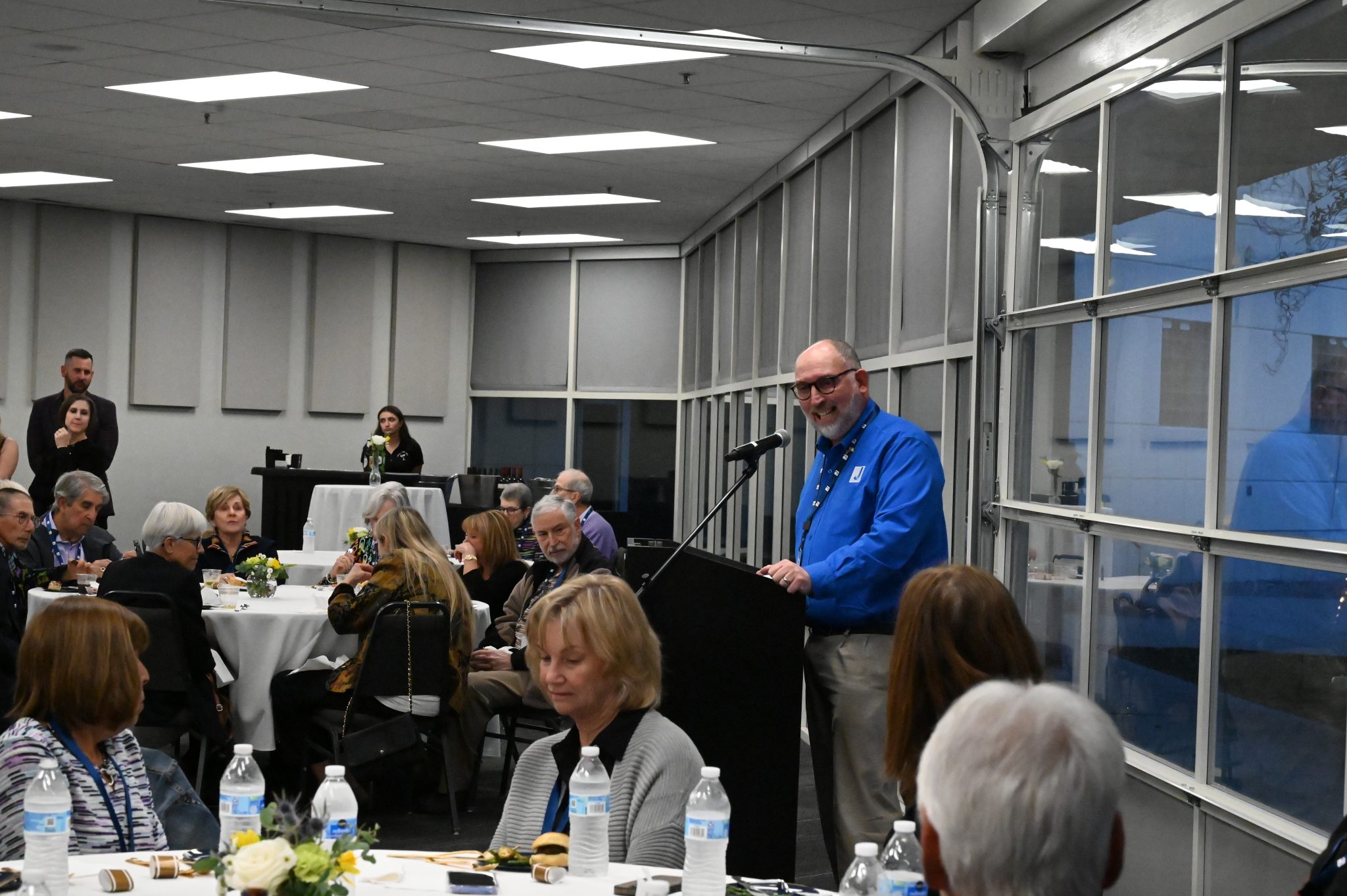
This week at the J, our Stars of Giving—the incredible community of donors whose support makes our sacred work possible—gathered together to celebrate their impact. Board Chair, Caron Mitchell, and President + CEO, Todd Rockoff offered gratitude and inspiration as they reflected on the year behind us and shared about the J’s new five year strategic plan, Kadimah B’Yachad—Forward Together. The six pillars of the plan include: enhancing the J’s role as the heart of Jewish Tucson; investing in new marketing capabilities; growing programming for school-age youth; revitalizing fitness, wellness, and sports and recreation offerings; developing a stronger and more agile technology infrastructure; and exploring campus enhancements. As we work together to realize these pillars in the years ahead, it is with recognition that JCC’s are part of an ecosystem working to strengthen Jewish life collectively through shared goals and collaboration. You can read more about this from Todd in the Times of Israel here. 

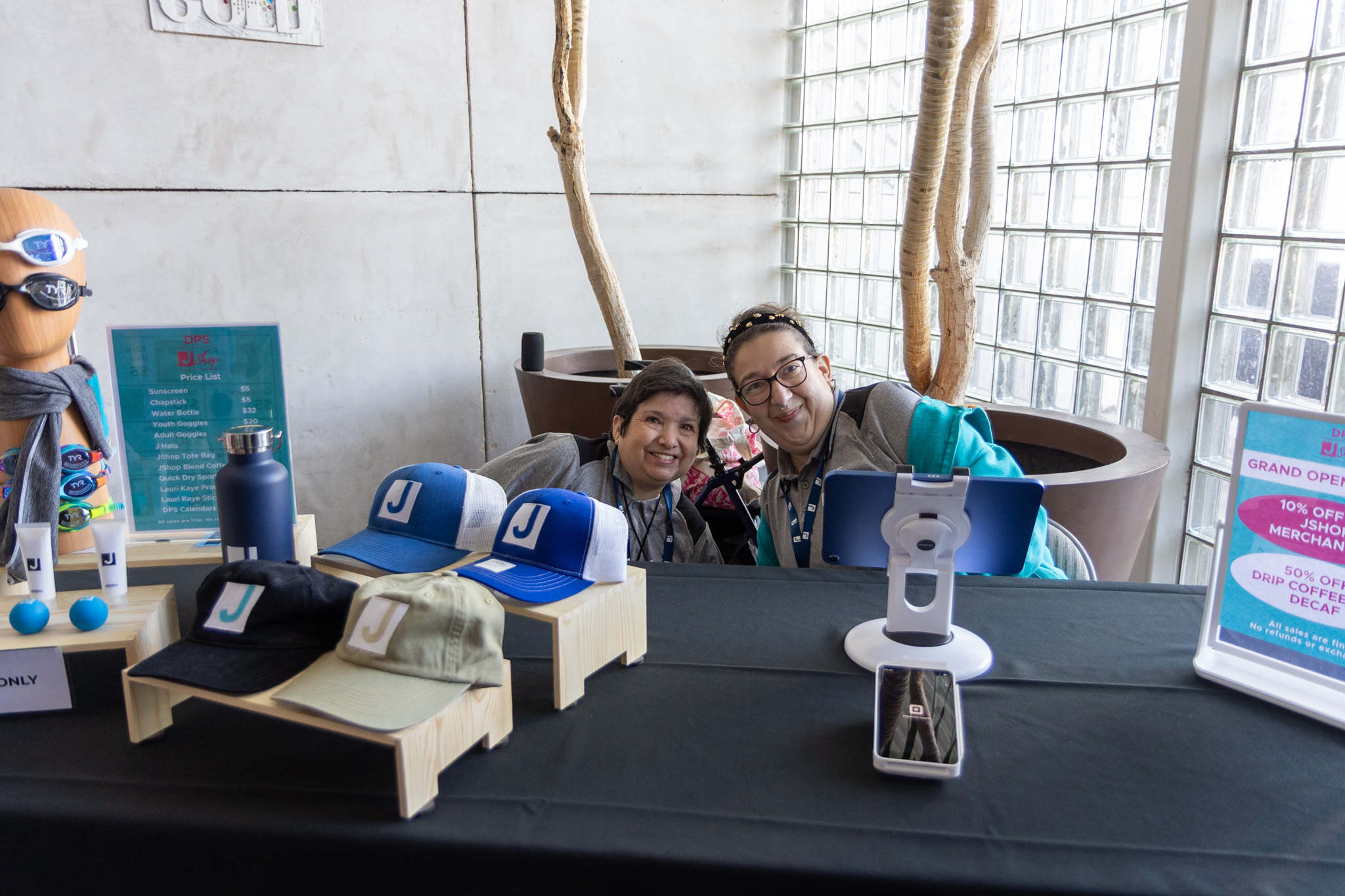
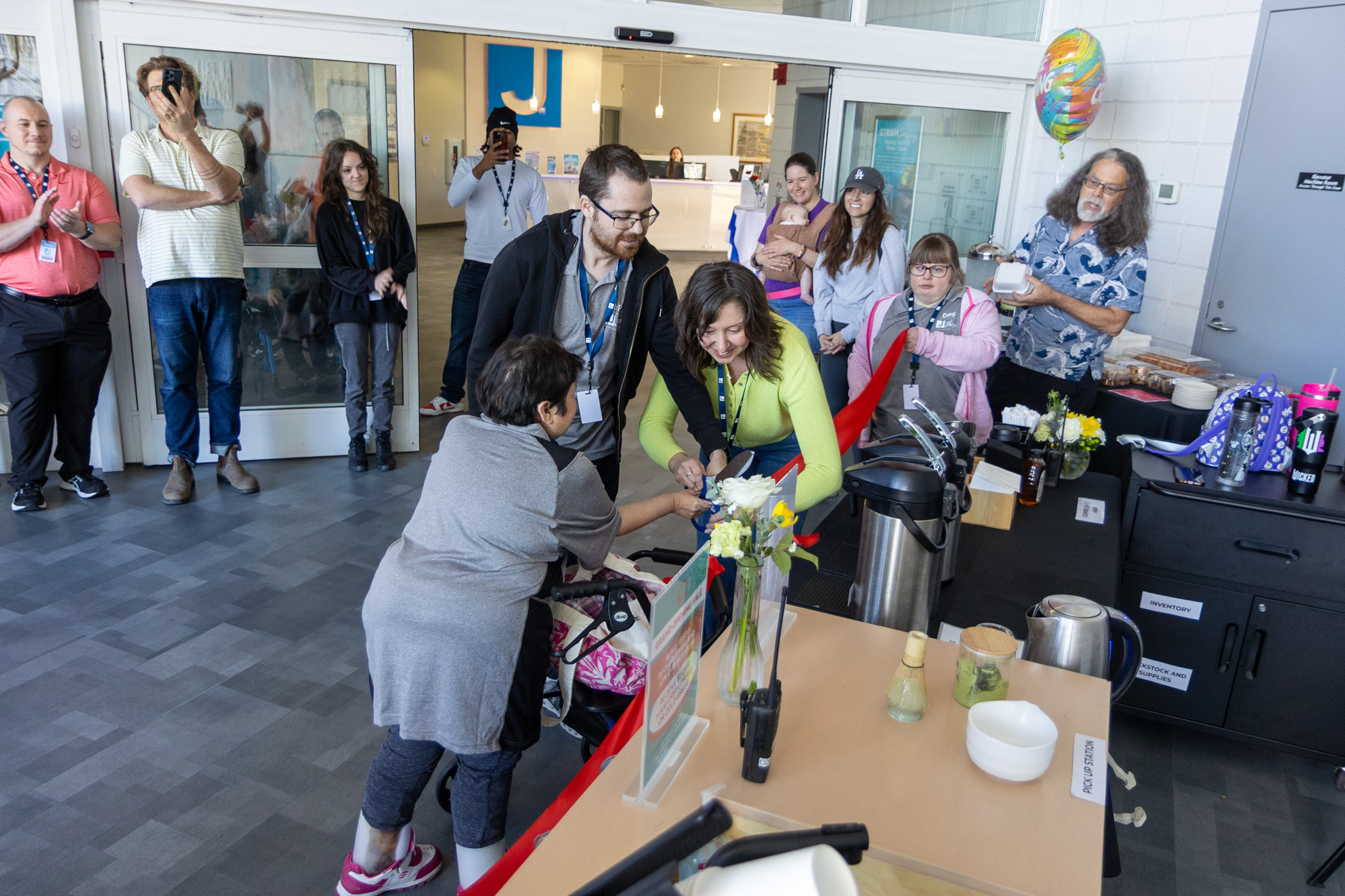
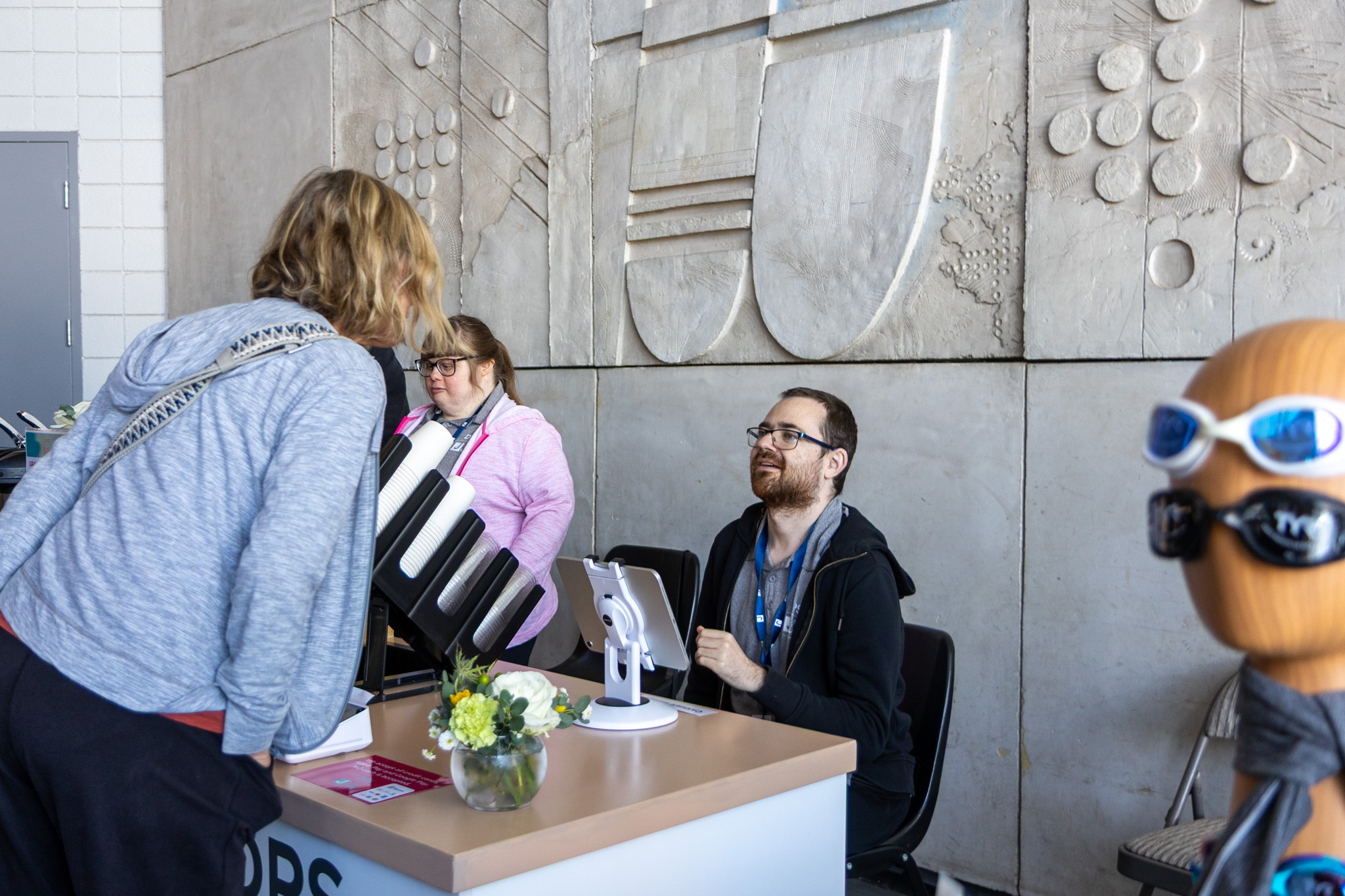
On Thursday, our Disability Program Services department was joined by staff from across the J and many community members for the official Grand Opening of the new JShop Coffee Cart! Everyone enjoyed fresh hot and iced coffee, matcha, and pastries. The Coffee Cart is the second phase in the DPS Vocational Program, coming after the opening of the JShop at the Wellness Desk. The program is a structured, hands-on work readiness opportunity designed to support individuals with disabilities in developing practical employment skills, confidence, and independence. The Coffee Cart and JShop act as internship sites where participants gain real-world experience, supported by an intentional curriculum that enhances their learning. Stop by the Coffee Cart Monday-Thursday from 8:30-10:30am at the main entrance, and the JShop Monday-Thursday from 9:30-11:30am at the Wellness Desk. 


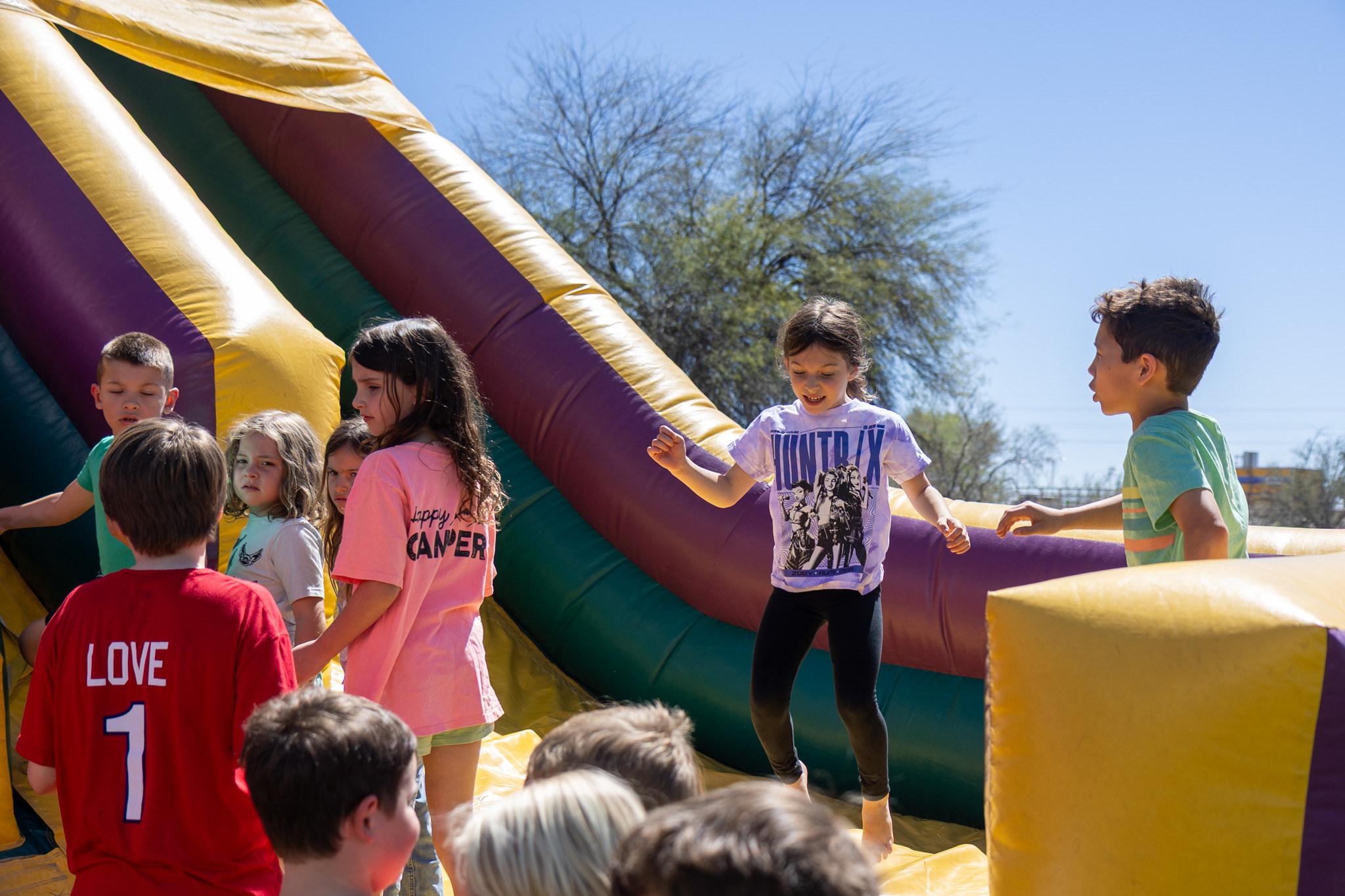
All week, kids from across Tucson spent their Spring Break with us in our School Days Out program practicing the art of watercolor in the art studio, baking cookies in the demo kitchen, splashing around at the pool, moving in the gym and ever-popular bounce houses, watching their favorite movies, and venturing off campus for a field trip to Ben’s Bells. It may only be March but the joy and laughter ringing throughout the building this week got us looking forward to Camp J season—if your kids aren’t yet signed up, don’t wait, spaces are filling up quickly! 


Day by day, week by week, and for long into the future, we show up together to build something meaningful. As we welcome Shabbat, we invite you to reflect on what you bring to our Mishkan—to our community—and know that it matters. 

Reminders, Resources + Learning

Q+A: Robert Feldman, Artist

The 2025-2026 Tucson J Fine Art Gallery Season will end with a sparkling finale! From Thursday, April 9 to Sunday, May 17, Shards and Sparks: Fires of Creation will display a variety of juried glasswork along with artist Robert Feldman’s fire paintings.


ABOUT THE SHOW

Shards and Sparks: Fires of Creation is an exploration of transformation, fragmentation, and renewal through the elemental force of fire. Inspired by Lurianic Kabbalah’s mystical vision of shattered vessels and the cosmic sparks within, as well as the creation story of Parshat Bereshit, this exhibit brings together two dynamic art forms. Featuring the mesmerizing fire paintings of Robert Feldman alongside a juried selection of glassworks, Shards and Sparks captures the tension between destruction and creation—where what is broken can be remade, and where light emerges from the fractures.

ABOUT ROBERT FELDMAN

Robert Feldman’s work as a poet, musician, and painter originated while in his late teens in his hometown of Paterson, NJ. Later, he began experimenting with applying fire to augment and enrich his paintings during his years living in Bisbee and Tucson; it was during this period that he acquired skills as a stonecutter and silversmith as well. Subsequently, upon returning to NYC, Robert transitioned into designing sculptural jewelry for women, where his metalwork appeared in several prominent stores throughout the country, including Saks 5th Ave and Bergdorf Goodman, as well as being featured in Harper’s Bazaar and Vogue. Mr. Feldman holds an MA in English, Linguistics, and Languages from the University of Arizona.

Keep reading to learn more about Robert and his work, and join us for the show to explore a variety of artists and glasswork!

Can you share your creative process, both in the studio and in shaping the overall vision for the show?
When I paint (or write poetry), expressing color and cadence are primary. I love exploring “unchartered” techniques in applying paint, as well as other mediums, with the understanding that making art, like life, is a process: “there are no mistakes.” And as a former jewelry designer, I developed the ability to integrate fire, using a torch, to burn the various pigments and other applications used to embellish unique textures and color transitions that are possible only by applying a direct flame. Thus, it is with these notions and convictions that I look forward to sharing my perspectives and exhibiting and my “fire paintings” at the Tucson J.

What themes are you exploring in this show, and why are they important to you?
Confronting conventions, embracing experimentation, and celebrating abstract expressionism.

Who is your favorite artist or one you draw inspiration from? 
Yves Klein, Wassily Kandinsky, along with the “New York School”, and of course the post-impressionist painters.

Is there a particular piece in the show that holds a meaningful story or memory for you?
Many do, but I suppose “Ocean of Winter” (because it is accompanied by its namesake epic poem I began writing at the same time).

How do you hope viewers feel after experiencing the show?
Inspired, intrigued, and perhaps fancying to own one of my paintings.

Why are you excited to share your work at the Tucson J?
First and foremost, because I am a Jewish man who has been an active member of the J since rehoming to Tucson— this is a blessing. Moreover, the opportunity to share my work with the Tucson Jewish community as well as the greater Tucson populace is truly an honor. Finally, I am well aware that the J is committed to serve as a hub for art and the creative experience via the Fine Art Gallery and the Jill Rosenzweig Memorial Sculpture Garden, not to mention all the rich and motivational programs and presentations it hosts. Yes, I am appreciative and jazzed to be part of this effort!

On Thursday, April 16 from 6-7:30pm, everyone is invited to a free reception celebrating the show. Stop by and meet the artists, and enjoy light refreshments and conversation!