Shavua Tov 11 Adar 5786

Shavua Tov


On Monday night, we will gather to celebrate Purim, a holiday of costumes and celebration, of laughter and noise, of joy that seems almost irreverent. Beneath the masks and merriment lies one of the most profound teachings in Jewish life.


Purim is the story of hiddenness and courage. It is the only book of the Tanach in which God’s name does not explicitly appear. And yet, as Rabbi Lord Jonathan Sacks z”l taught, God is present precisely in that hiddenness in the quiet bravery of Esther, in Mordechai’s moral clarity, and in a community that refuses to surrender to fear. The absence of God’s name is not the absence of God. It is an invitation for human beings to step forward.


Rabbi Sacks often wrote that Judaism is the story of “the transformation of fate into destiny.” The turning point of Purim v’nahafoch hu “it was turned upside down” is not merely about survival. It is about responsibility. Esther does not wait passively for redemption. She embraces her moment and says, “If I perish, I perish.” In that act of courage, she transforms Jewish fate into Jewish destiny.


That message speaks powerfully to us at the Tucson J.


Our mission is to strengthen Jewish life and create a more vibrant Jewish future. That future does not simply unfold on its own. It is built through vision, generosity, leadership, and daily acts of commitment. It is built by donors who invest in Jewish continuity. By board members who steward our sacred trust. By staff who animate our values in classrooms, on the fitness floor, in cultural arts, and in the relationships they nurture. By community members who choose to gather, celebrate, and belong.


The Megillah tells us:


LaYehudim hayta orah v’simcha v’sasson vikar


“For the Jews there was light and joy, gladness and honor.” (Esther 8:16)


In many communities, these words are not simply read they are sung. They rise together in melody, transforming text into shared celebration.


At the Tucson J, our work is to create that orah  that light. Light in early childhood education that shapes Jewish identity from the very beginning. Light in programs that bring generations together. Light in spaces of wellness, learning, culture, and connection. Light that ensures Judaism is not something hidden or fragile, but vibrant, visible, and filled with joy.


There is a lyric from the Broadway musical Dear Evan Hansen that feels especially resonant:


“Even when the dark comes crashing through,
When you need a friend to carry you…


You will be found


Purim reminds us that we find one another. And when we do, what once felt uncertain can be turned upside down into possibility.


As we enter this holiday of courage and celebration, may we continue to choose responsibility over resignation, generosity over hesitation, and joy over fear. May we be worthy of the sacred work entrusted to us strengthening Jewish life today and building a vibrant Jewish future for tomorrow.


And may we help ensure that for our community, too, LaYehudim Hayta OrahlaYehudim hayta orah v’simcha there is light and joy.


Chag Purim Sameach,

Cochenu b’Achduteynu | כחינו באחדותינו | Our strength is in our unity.


Am Yisrael Chai 
| עם ישראל חי


Todd Rockoff

President + CEO, Tucson J 

From the Desk of Jennifer Lorch Selco | Sr. Director of Jewish Life + Engagement

Shabbat Shalom
Shabbat Shalom

From the Desk of Jennifer Lorch Selco | Sr. Director of Jewish Life + Engagement

In this week’s Torah portion, Tetzaveh (Further Instruct), we learn that we should bring pure olive oil to light the Ner Tamid (Eternal Flame) above the ark. Aaron and his sons are selected to be priests. God tells Moses to make special clothes for the priests and Aaron and his sons are ordained and instructed in daily rituals.  


In reference to the Ner Tamid, Rabbi Ana Bonheim teaches that “we Jews are custodians of a personal ner tamid. [This idea] is also reflected in a teaching from Itturei Torah: ‘Every Jew must light the ner tamid in his own heart.’ The ner tamid can thus be a link for us — from the biblical Tabernacle to the modern-day synagogue to our own internal worlds. It reminds us that each of us has our own ner tamid, an ever-present flame for us to access when we need it most, waiting for us to bring mitzvot into the world, limitless in its capacity for kindling and sharing.”


How beautiful an interpretation that each of us carries an internal light within us. The Eternal flame is always there, whether in times or normalcy or times of darkness (when perhaps we might feel it the most). May the eternal flame we each hold in our own hearts inspire us to bring goodness, joy and compassion into our world.

The Ner Tamid we learn of in parsha Tetzaveh symbolizes the divine presence of God, which, as this week’s reflection shares, also lives in each of us. Here at the Tucson J, our work is to tend that flame. Just as Aaron and the priests were called to sacred service, we too are called to show up for one another with care and intention. Through the programs we create, the connections we foster, and the moments of learning, wellness, celebration, and support that fill our campus, the J strives to be a place where every person’s inner light is nurtured and strengthened.


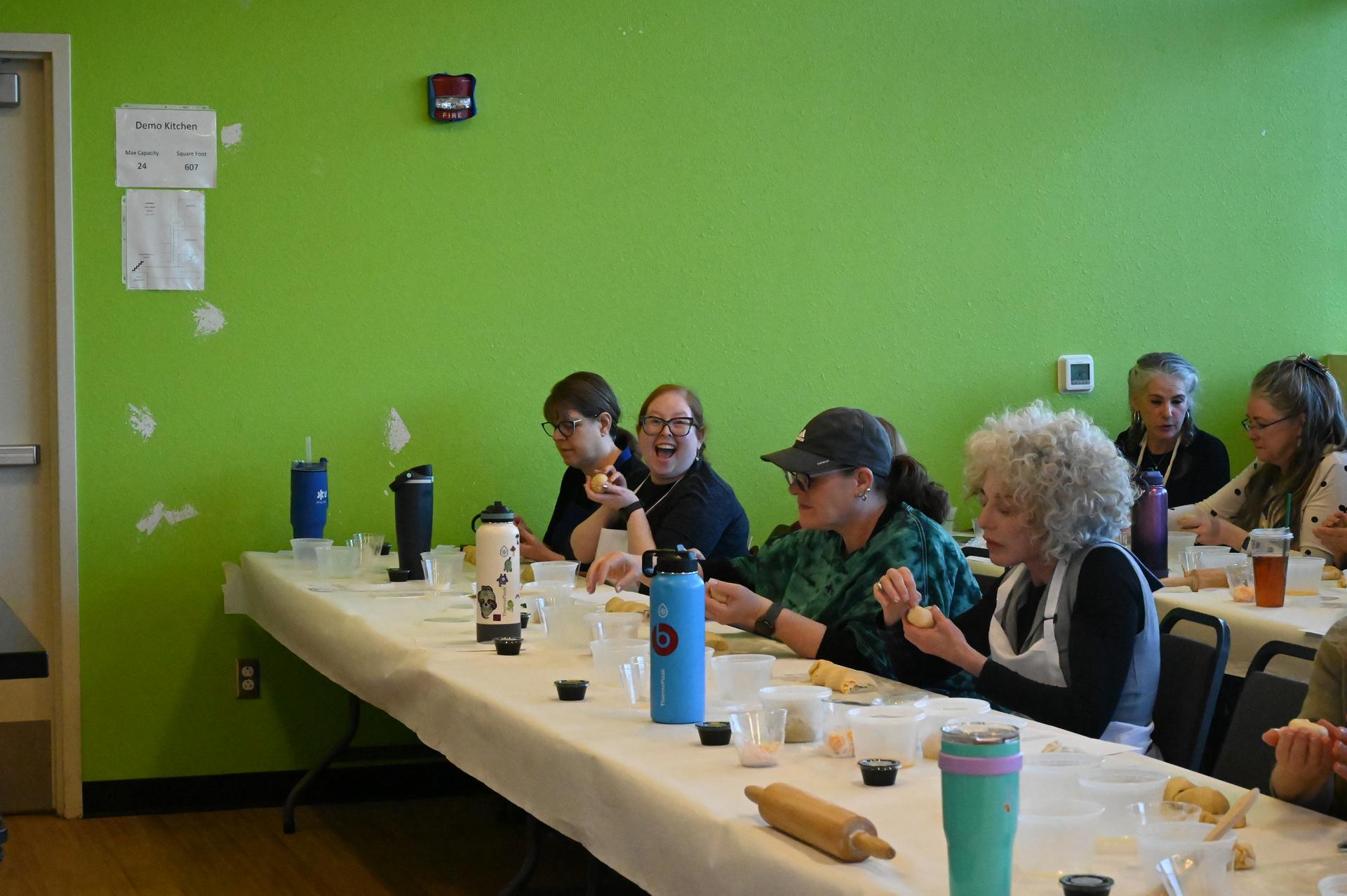
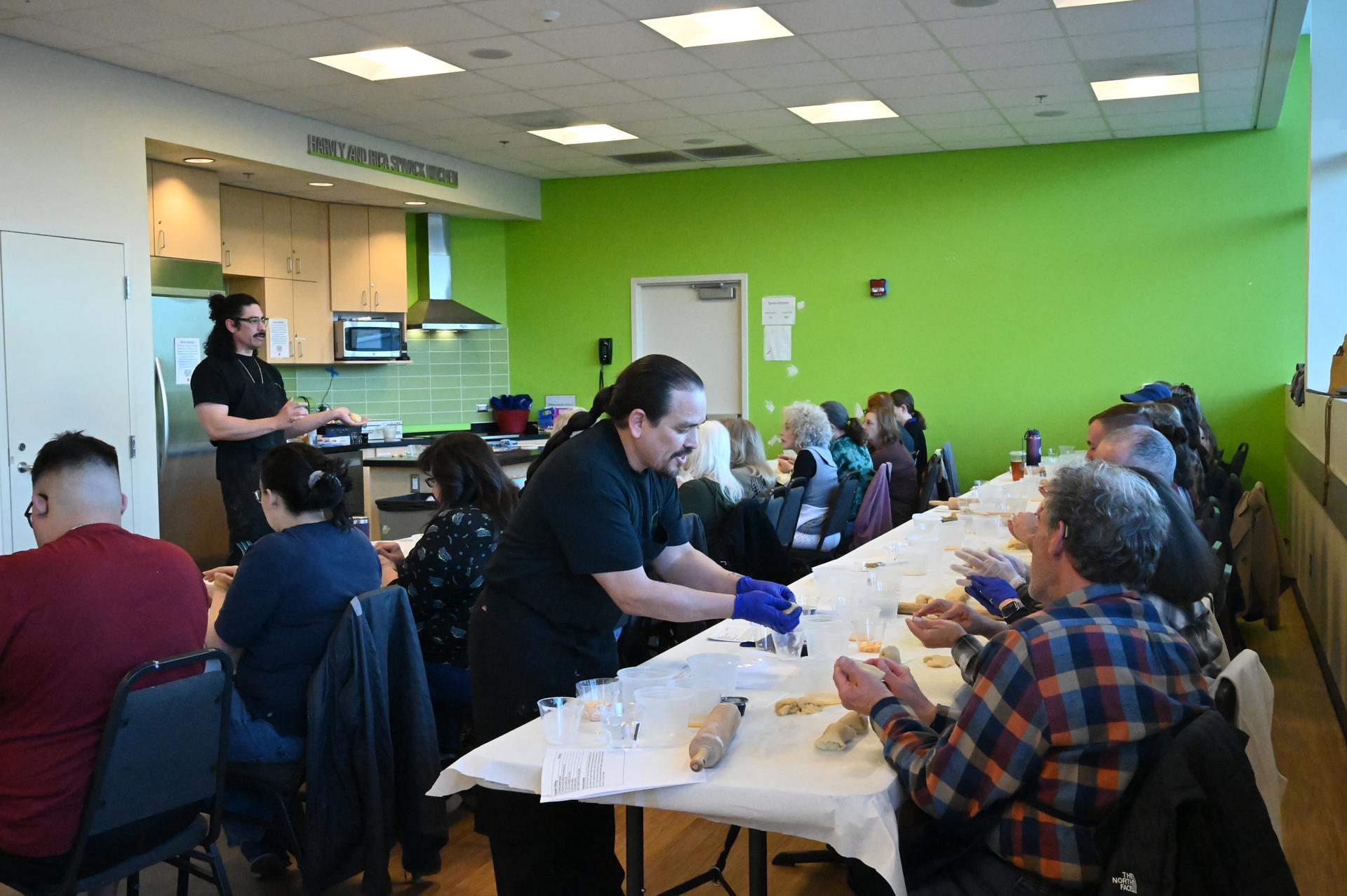
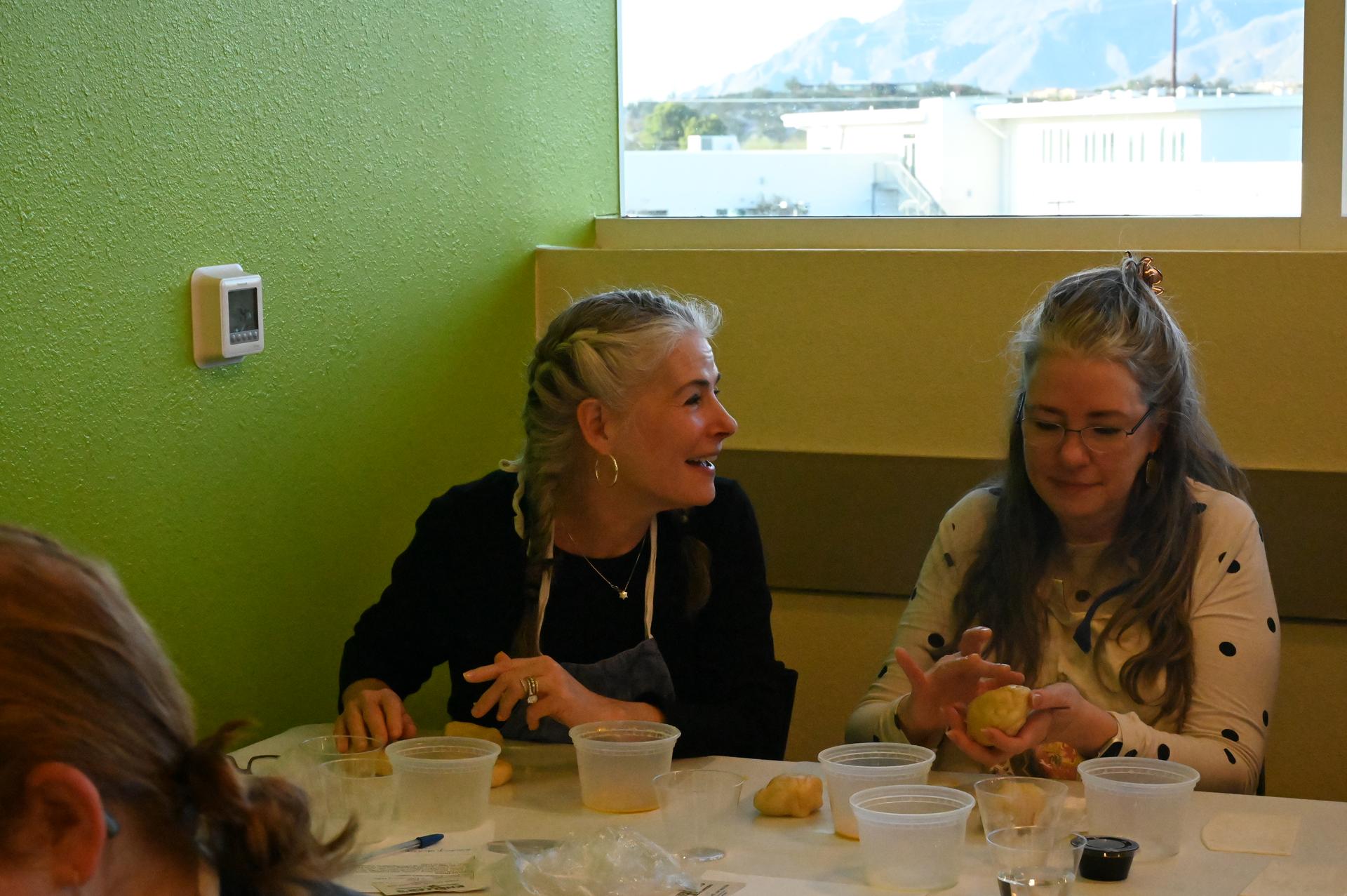
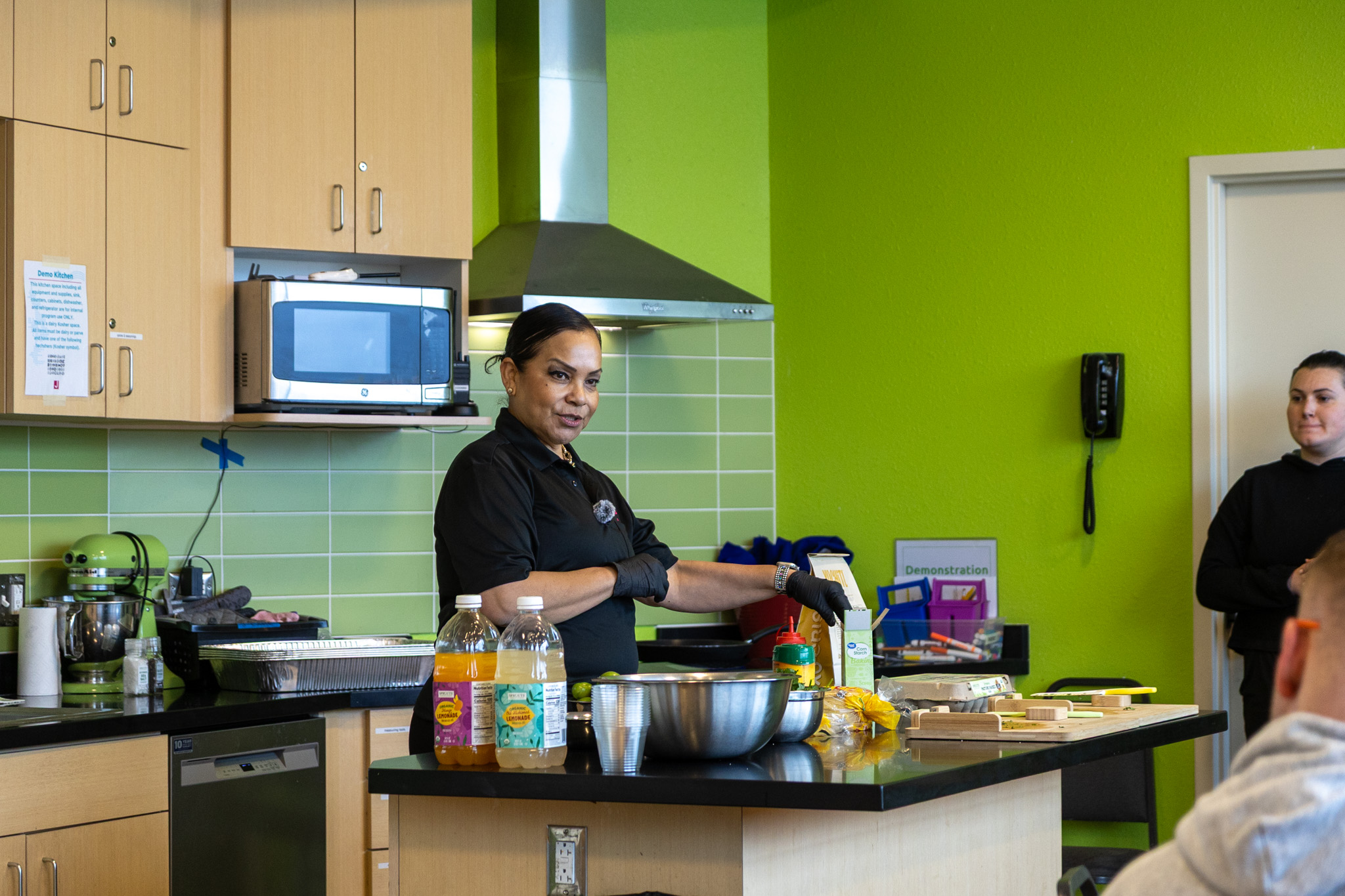
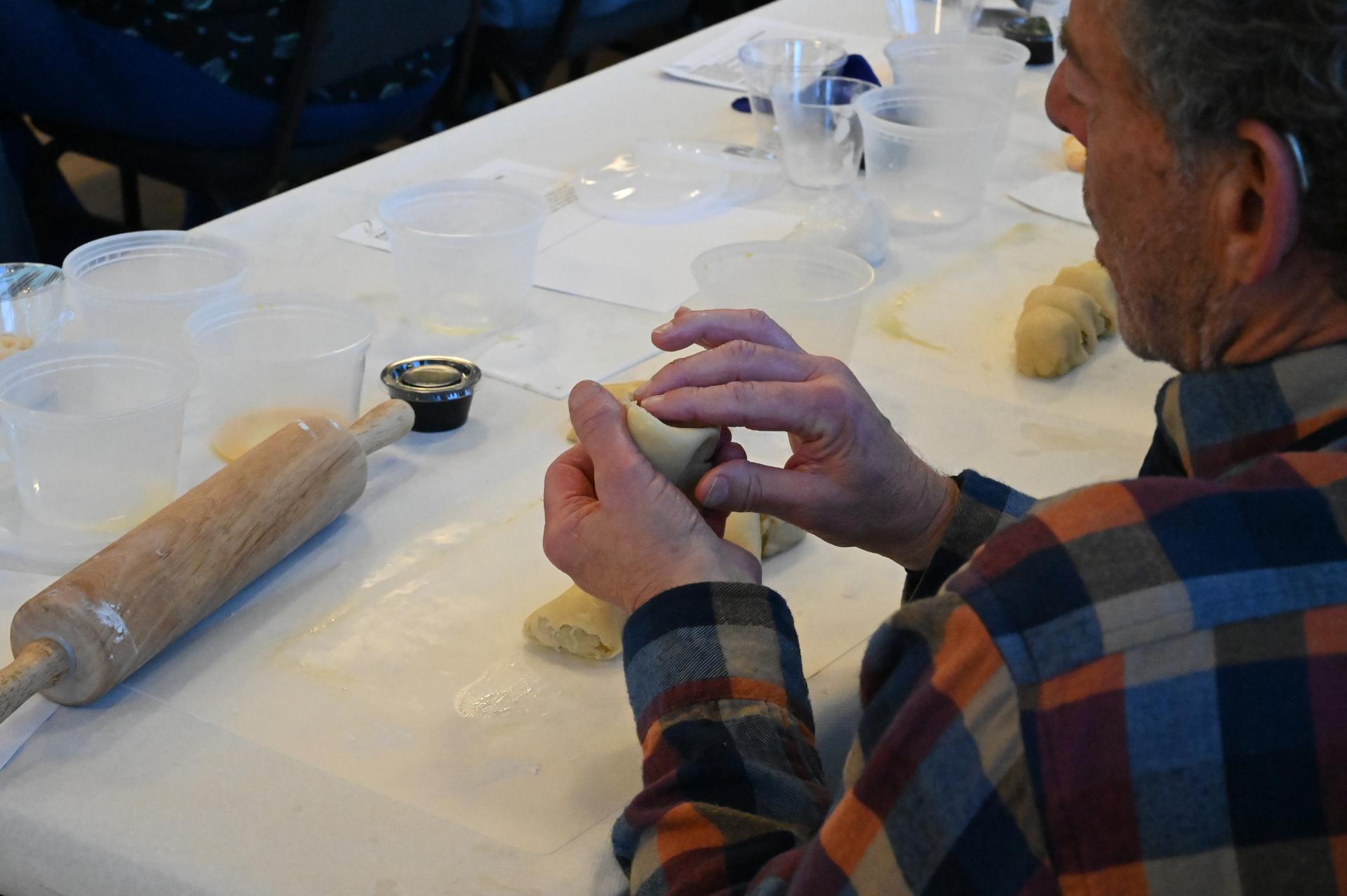
We ended the week last Friday with a sold-out Knish-Making Workshop with Jeremy Kneller-Hernandez, the chef and owner of Kneller’s Delicatessen. Forty community members gathered in our demo kitchen to shape, stuff, and taste delicious potato knishes, exploring their culinary skills and experiencing one of the best parts of Jewish culture: the food! 


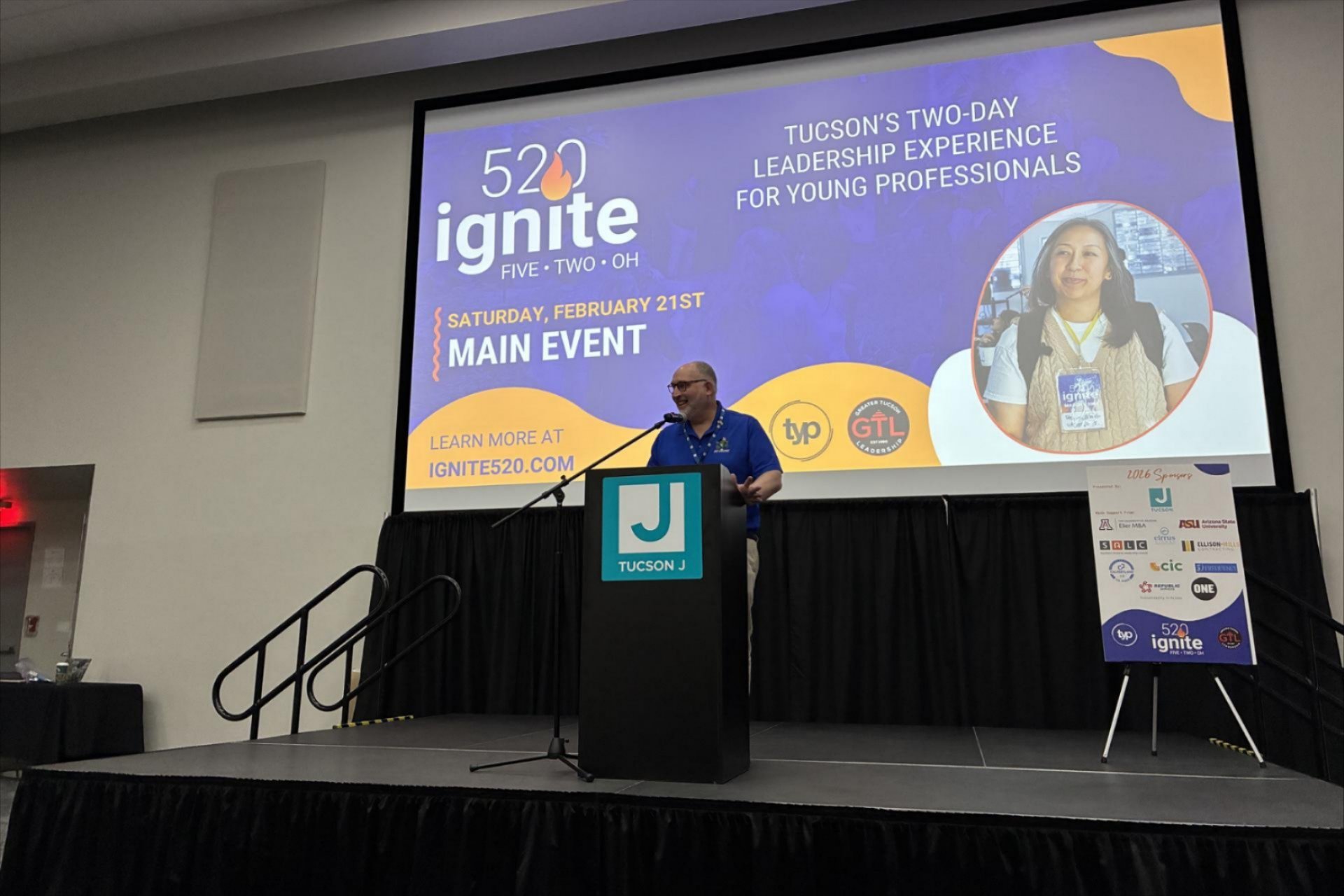
Over the weekend, as Title Sponsor, the J proudly hosted 520 Ignite: Tucson’s Leadership Experience for Young Professionals, in partnership with Tucson Young Professionals. Tucson J President + CEO, Todd Rockoff, who is a TYP mentor, welcomed the group—which included several of our own young leaders. Keynote Speaker, Andi Fetzner, PsyD, LPC, delivered the keynote session “Learning to Ride the Waves: Community, Care, and Resilience,” noting that her own professional journey began right here at the J as a Camp J counselor! 

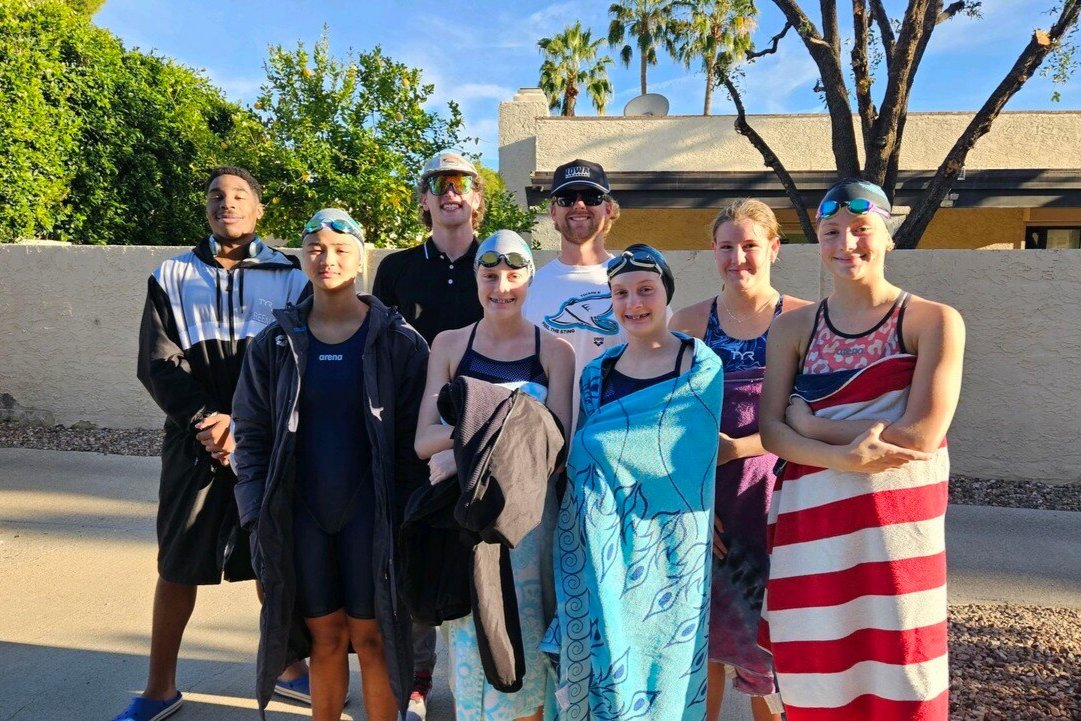
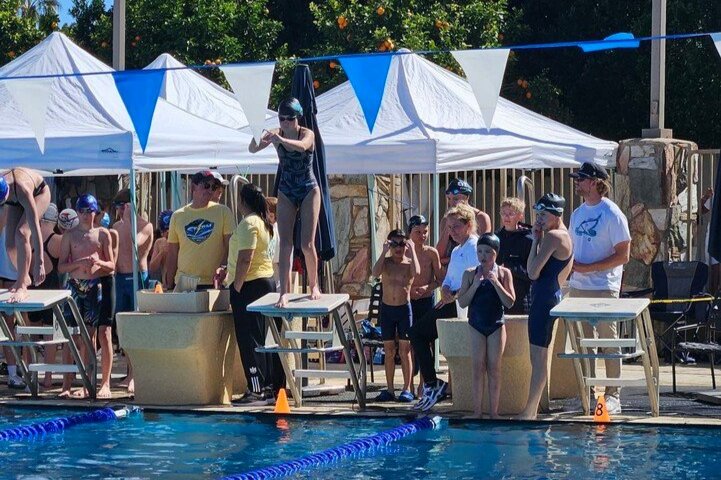
Off campus, 18 of our Stingrays Swim Team swimmers crushed it at the Regional Championship in Phoenix, finishing tenth overall with 65% of swims resulting in personal or season best times—talk about inner light! A highlight of the meet was Isadora, a first-time qualifier, dropping 30 seconds on her mile, resulting in a first-place finish and new Age Group State Championship cut! Mazel tov (congratulations) to the whole team for their effort and spirit throughout the entire season. Join us in cheering them on as they make their way to the State Championships this weekend! 


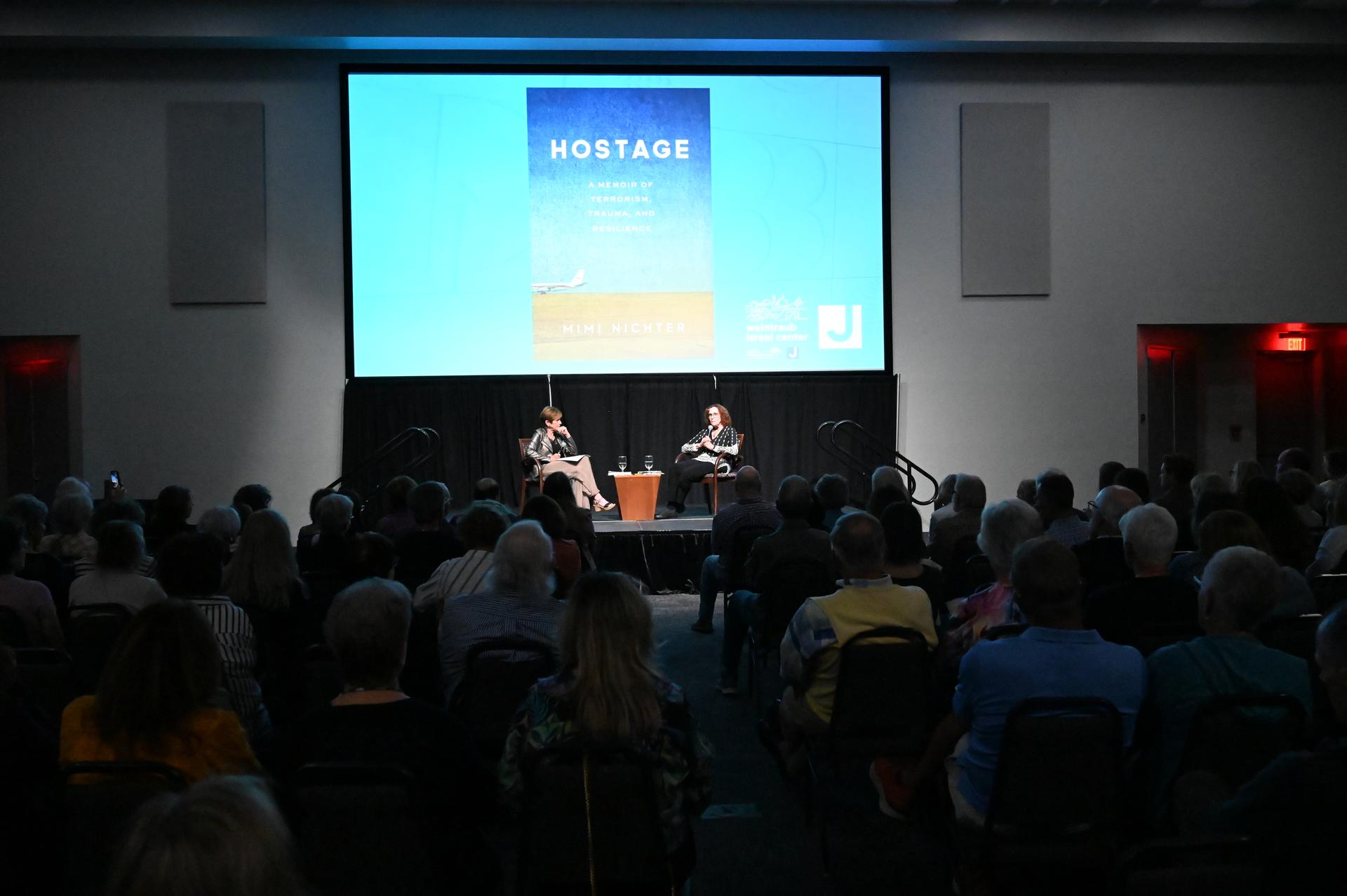
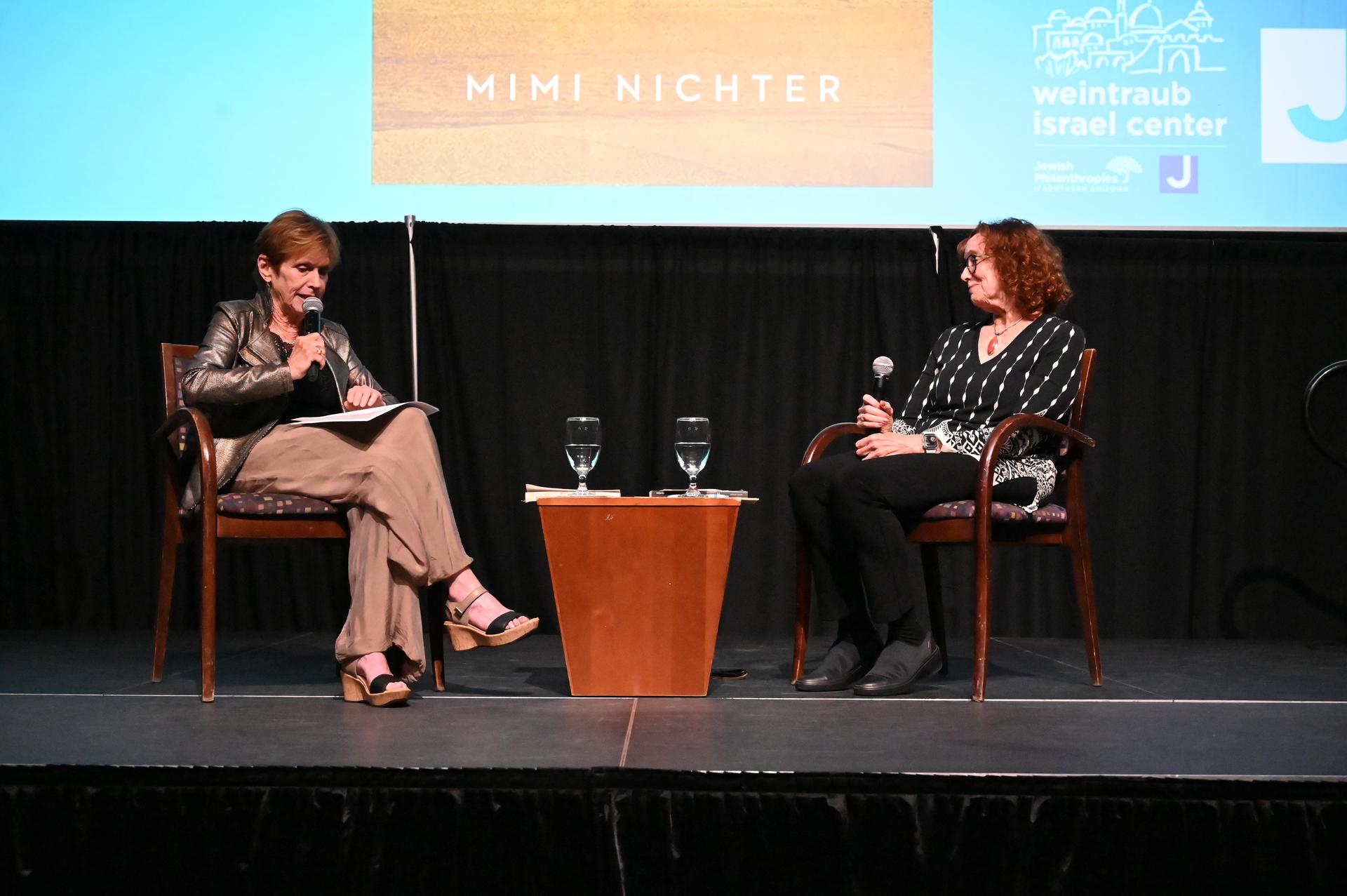
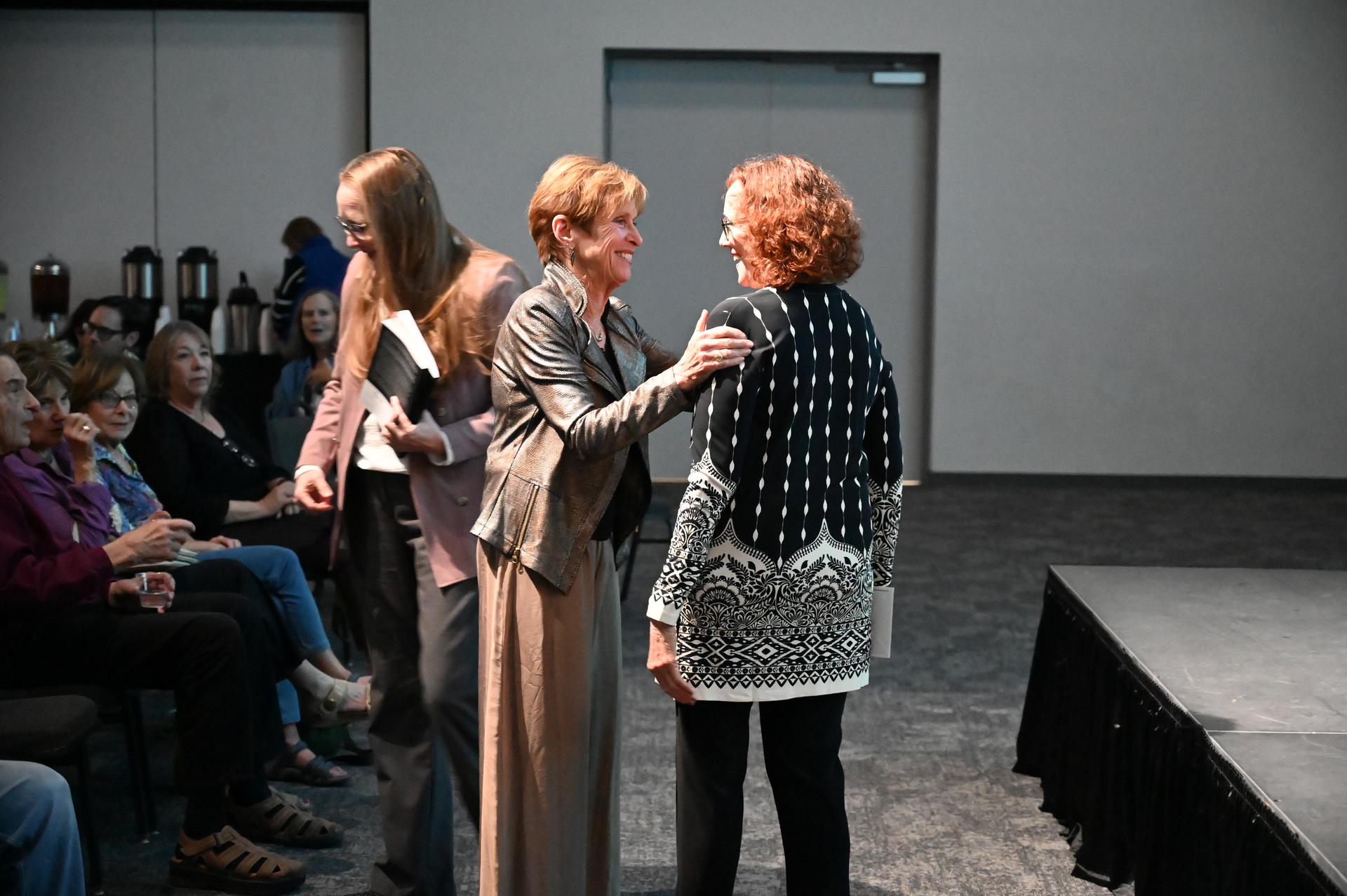
Last evening, over 120 people joined us at the J for “Between the Lines: Author Insights + Book Talk” with local author and professor, Mimi Nichter about her newly published book, Hostage: A Memoir of Terrorism, Trauma, and Resilience. In conversation Amy Hirshberg Lederman, an award-winning author and Jewish educator, the audience learned about Nichter’s first-hand experience as a hostage on a plane hijacked by the Popular Liberation Front for the Liberation of Palestine in 1970, one of the most significant events in aviation history. The event, put on in partnership with the Weintraub Israel Center, did exactly what our Arts, Culture, and Community events seek to accomplish: amplify and give new perspective to important questions we face as a community, build bridges by exploring new ideas and shared stories, and foster meaningful connection. 


As we enter Shabbat, may we continue, together, to kindle the ner tamid within our hearts and within our community. Shabbat Shalom. 

Reminders, Resources + Learning

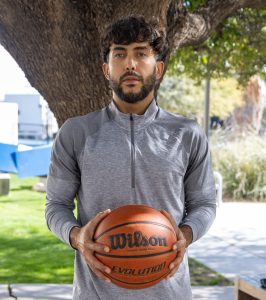
Q+A: Inti Salinas, Basketball Coordinator + Coach

The Tucson J is excited to welcome Inti Salinas to our team as basketball coordinator. Inti is a seasoned collegiate and professional basketball trainer and spent last summer working on the JCC Maccabi Games and Access in Tucson. We are happy to welcome him back to offer elite basketball lessons.  


Continue reading to learn more about Inti, his expertise, and how a lesson can support your game!  

What can participants expect from your lessons? 

Athletes can expect a high-level training session with me, a coach and trainer with 15+ years of experience working with top athletes. I have worked with over 30+ D1 athletes and 10+ professionals and have a lot of experience with what it takes to develop athletes. I am highly detailed and focused on not only making skilled basketball players, but also successful basketball players, on and off the court.  


Can you share how you personalize each lesson to the athlete?  

The first lesson will be an overview of all the essential skills required to play the game. Some drills will be very easy, some may be very difficult, but the purpose is to get to know the strengths and weaknesses of each athlete. 


Depending on the athlete’s age, we may also dive into developing workouts tailored to their current and future roles as players. The more we work together, we will also review recorded footage of the player and comparable players.  


Why should an athlete consider adding private lessons to their training routine? 

Basketball, like any youth sport, often relies on volunteers, parents, or teachers who are doing their best but lack the experience to truly develop athletes. They also often lack time and resources to focus on each player individually. Private lessons are a great way to build confidence, good habits, and a growth mindset. I also like to say that my goal is to “teach them how to fish,” so that when athletes train alone, the growth can continue.    


Who has guided your success as a trainer or informed your training style?  

I am blessed to have been guided by many great coaches and trainers in my time. I was lucky to coach for five years at one of the top prep schools in Canada alongside Michael Chmielewski, where he taught me the science behind the game. I was also very lucky to have been invited to the NBA academy in Africa, where I was able to meet a lot of great coaches, scouts, and trainers who not only validated my training system, but also taught me a lot about the business behind the game.  


Your lessons cater to both the mental and physical aspects of basketball. Why is it important to focus on both while training? 

Yes, in my opinion, they go hand in hand. I believe that the mental aspect is actually more important because even if you make it far in basketball, you still have a life after. I believe cultivating a growth mindset and building confidence can push a player further than just working on skills. Building strong habits that attract success both on and off the court is the key. During our training, both of these elements are constantly present.  


Do you have a meaningful success story or memory you can share from a past client? 

The most recent success story was with an athlete whom I’ve been working with for almost 10 years. He had played university ball in Canada and had one more year of eligibility upon graduation. He asked me to connect him with some pro scouts to get him a role in Europe. I personally felt he should play his last year; he agreed but didn’t want to stay in Canada. He wanted to live his dream of playing in the NCAA. He wasn’t interested in the offers he received…until the Kansas Jayhawks came calling. The team will be playing at the University of Arizona on February 28th and seeing him on the McKale court will be a very special moment for me.  


Inti's training has definitely helped me improve as a basketball player. From when I first started training with him to now, I'm a completely different player. His take on basketball philosophy is unique. It's more modern and built for this generation of basketball. And I can really see it when I watch high-level games. I see exactly what he's working on with me and how it translates to a higher level of basketball. He tailors to my needs as a basketball player and helps me develop skills for what I need as a basketball player. I play for Premier Prep, and I play club basketball with Peak. And I competed at a national level for high school basketball.

Shavua Tov 4 Adar 5786

Shavua Tov


Bob Dylan offered a blessing that has echoed across generations:

“May you always stay forever young.”


To stay Forever Young is not about age. It is about spirit. It is about maintaining a sense of possibility. It is about meeting each new chapter with curiosity rather than criticism, with openness rather than cynicism.

At the Tucson J, this mindset is not optional it is essential.


In Jewish life, mindset is not merely attitude; it is kavannah. Kavannah means intention of the heart. It is the inner orientation we bring to what we do. In prayer, kavannah transforms words into connection. In leadership, kavannah transforms responsibility into sacred purpose. It asks not only what we are doing, but how and why we are doing it.


When we approach our work with kavannah, we move from reaction to reflection. From criticism to curiosity. From guarding the status quo to building the future.


Rabbi Lord Jonathan Sacks taught:


“To be a Jew is to be an agent of hope in a world serially threatened by despair.”


Hope is not naïve. It is disciplined optimism. It is the courageous decision to believe that tomorrow can be better because we are willing to shape it together. A youthful outlook is rooted in that hope. It shifts our instinct from “Why won’t this work?” to “What might be possible?”


Our tradition reinforces this posture. In Pirkei Avot (4:1) we read:


“Who is wise? One who learns from every person.”


Curiosity is wisdom in action. When we approach each other and the evolving needs of our community as learners, we create space for innovation, collaboration, and growth. When we lead with criticism, we close doors. When we lead with curiosity and kavannah, we open them.


This spirit is beautifully captured in the Hebrew song  Yihiye Tov יהיה טוב “It will be good.” The refrain repeats with steady confidence: Yihiye tov, yihiyi tov. It is not a denial of challenge. It is a declaration of resilience. It is the music of Jewish hope.


Every day, we are entrusted with sacred work. The Tucson J is not simply a campus. It is where Jewish life is strengthened, renewed, and reimagined. It is where children discover joy in Jewish identity. Where teens wrestle with big questions. Where adults build lasting relationships. Where older adults remain engaged and valued. Where every generation finds belonging.


This is how we build vibrant Jewish life not by accident, but by intention. Not by standing still, but by climbing higher.


As Dylan’s blessing continues:


“May you build a ladder to the stars
And climb on every rung.”


That is our charge. To keep climbing. To keep building. To keep learning. To keep bringing kavannah, intention of the heart, to the work of strengthening Jewish life in Southern Arizona.


The world is changing. Jewish life is evolving. Our strength will not come from defending what has been, but from courageously shaping what can be.

May we remain forever young in spirit curious, hopeful, and intentional as we continue the sacred work of building a more vibrant Jewish future together.


Yihiye Tov


It will be good


With gratitude and resolve,


Cochenu b’Achduteynu
 | כחינו באחדותינו | Our strength is in our unity.


Am Yisrael Chai 
| עם ישראל חי


Todd Rockoff

President + CEO, Tucson J 

From the Desk of Rachael Mitchell | Sr. Director of Marketing, Communications + PR

Shabbat Shalom
Shabbat Shalom

From the Desk of Rachael Mitchell | Sr. Director of Marketing, Communications + PR

In this week’s parsha is Terumah (offering, gift, or contribution), God tells Moses at the summit of Mt. Sinai, “v’asu li mikdash v’shochanti b’tocham (Hebrew for, “let them make Me a sanctuary, that I may dwell among them”). God then gives the people of Israel detailed instructions on how to build and adorn a tabernacle, or mishkan, that would foreshadow the building of the first temple—portable, of course, so that it may be moved as they journeyed through the desert. 


When I first read and reflected on this Torah portion as I was preparing to make my aliyah at my twin sister and I’s Bat Mitzvah, I noticed both the specificity and grandeur with which the mishkan was to be decorated and the offerings the Israelites were to give: acacia wood; gemstones; onyx; gold; blue-, purple-, and red-dyed wool; painted cherubs gracing the ark. The preciousness of it all made sense and the message resonated with me, a burgeoning teenager preoccupied with having all the coolest “stuff.” But what was lost on me then that feels so profound now is that maybe it isn’t the stuff, but the intention and attention—the ritual behind the stuff —that invites God in, turning the ordinary into something extraordinary, making meaning from the mundane.   


16th-century Kabbalist and Rabbi Moshe Cordovero taught that “Until Moses built the Tabernacle, the spiritual power of God was not openly transmitted to a place on earth. By building a place for worship and praise of the Holy Presence on earth, Moses caused divine abundance to flow into the world.” 


Whether you are religious or spiritual or not, I invite you to think about how you intentionally welcome goodness and awe into your life through presence and ritual. How are you making of yourself a tabernacle? How might Shabbat offer the space to do that and where else in your life can you let more of that magic in?

In this week’s parsha, we read about the building of the mishkan—a sacred space shaped by many hands and many offerings. Here at the Tucson J, we see parallels to that story every day. Our community members shows up in a variety of ways to contribute their time, talents, resources, and hearts to something larger than themselves. 


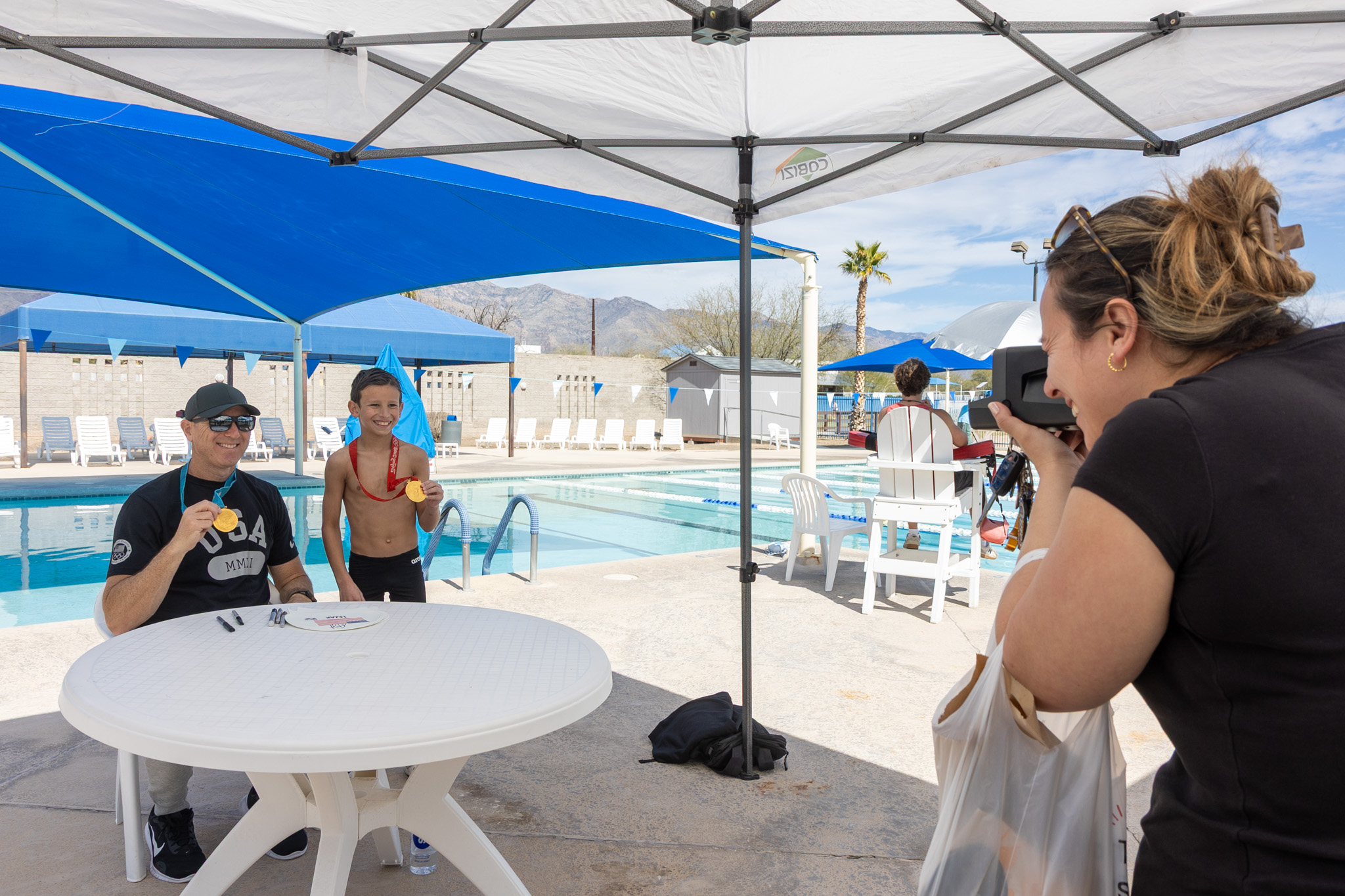
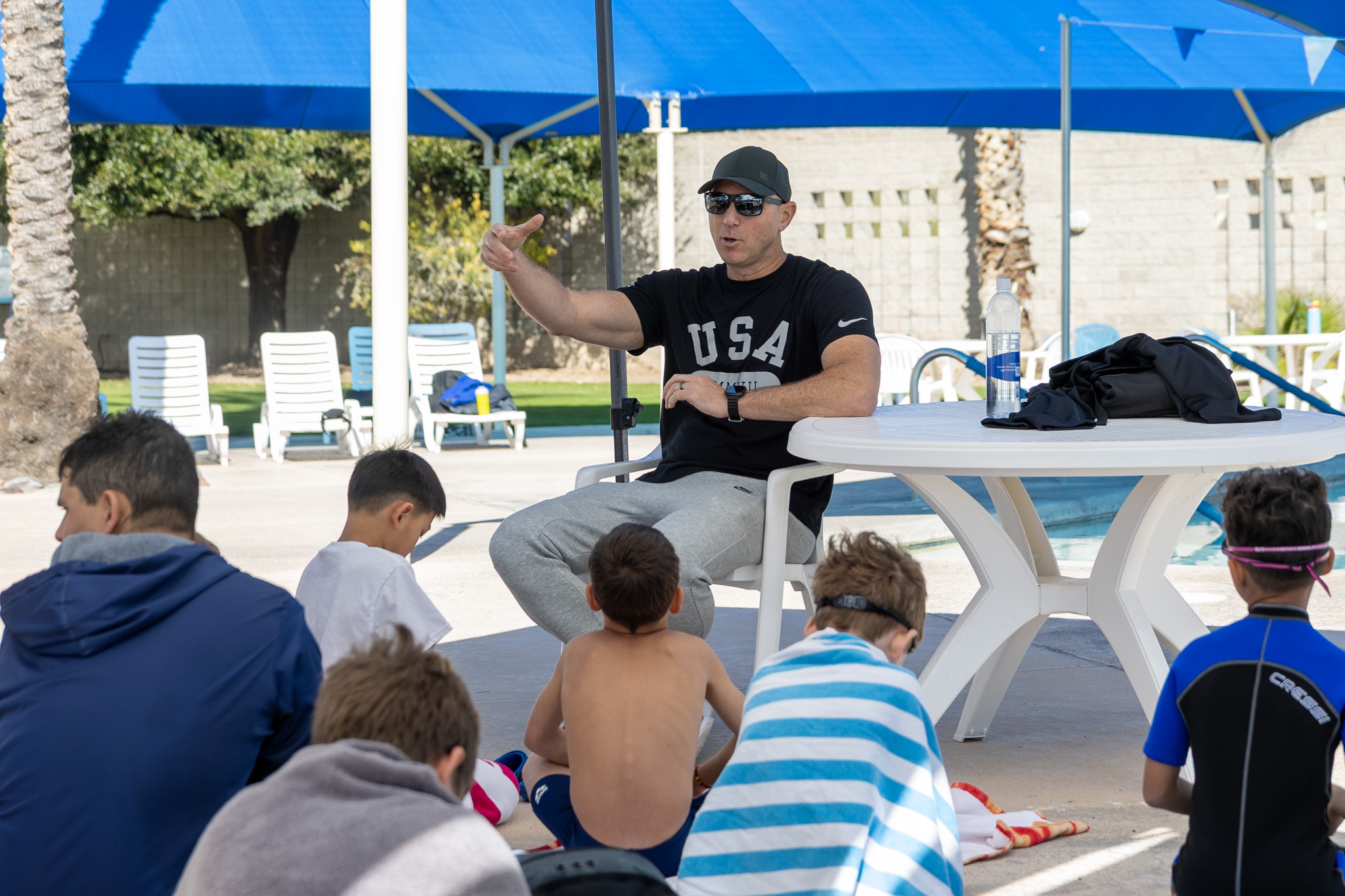
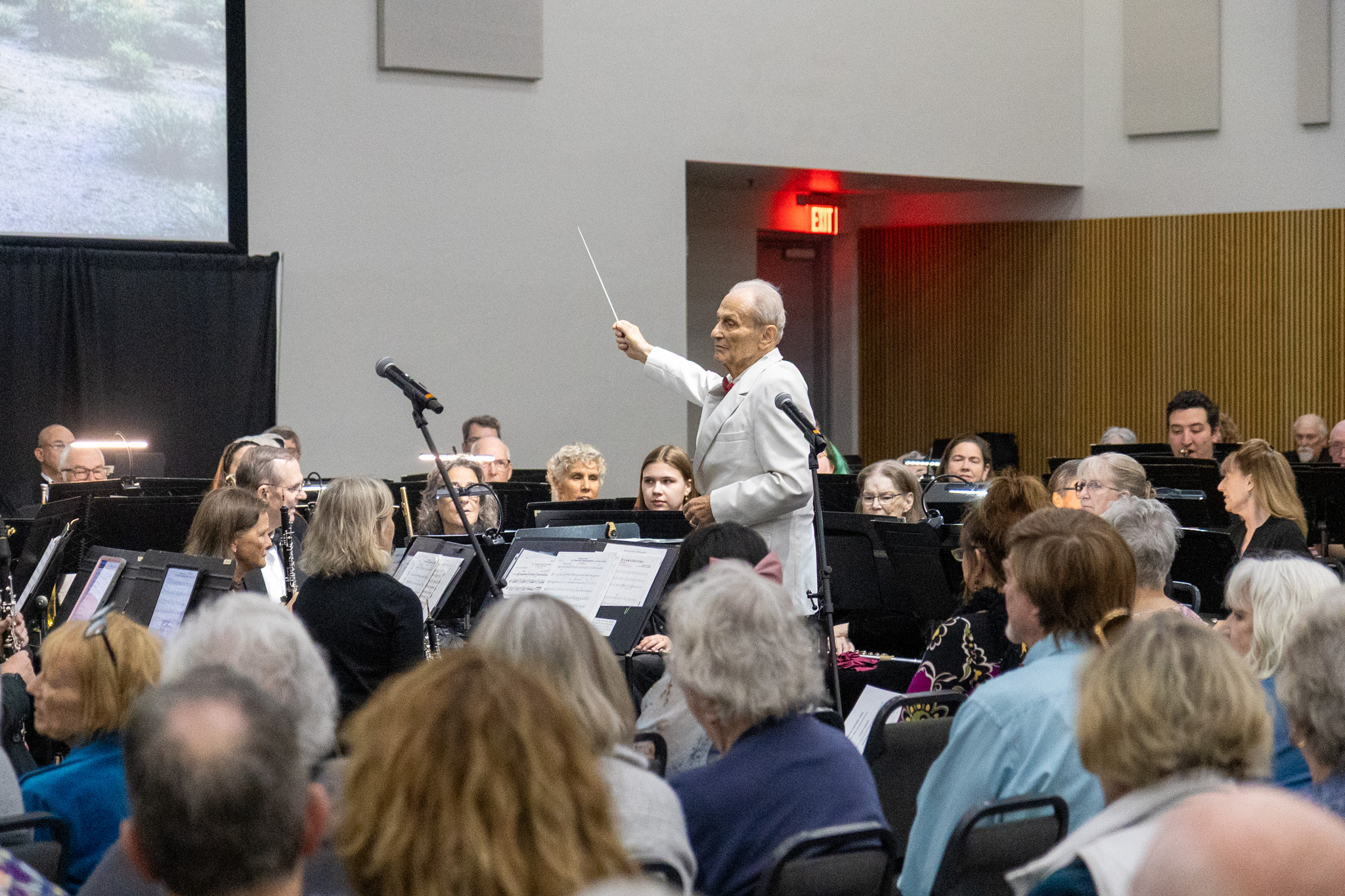
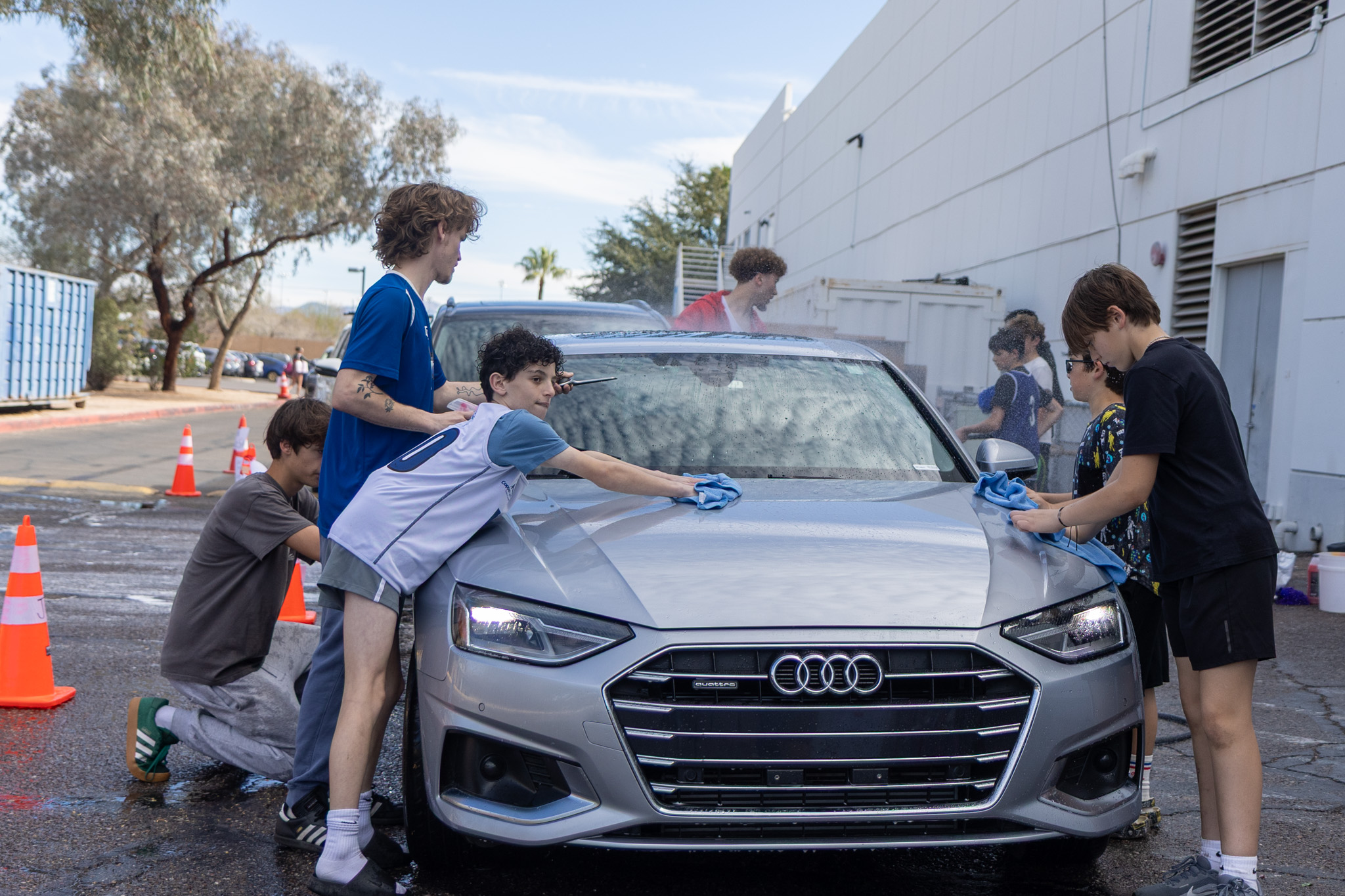
This week began on Sunday with three incredible events, thanks to the effort and participation of many! The morning began with an inspiring Swim Clinic taught by 8-time Olympic medalist and Maccabiah athlete, Jason Lezak. Jason mentored swimmers of all ages, including our Aquatics staff, through backstroke and freestyle drills, shared tips and techniques, and imparted words of wisdom and his personal success story. Later in the afternoon, over 200 people joined us for “From Italy to Vienna, Chicago and the Highlands” with Arizona Symphonic Winds featuring conductor László Veres and special guest, soprano Dori Cărdenas-Smith. Throughout the day, the Tucson Jays Middle School Club Basketball Team washed cars in the north parking lot for player Noah’s Bar Mitzvah service project. The car was was a fundraiser to support scholarships for the Jays; the team raised over $1,300—thank you to everyone who contributed to make it a success! 


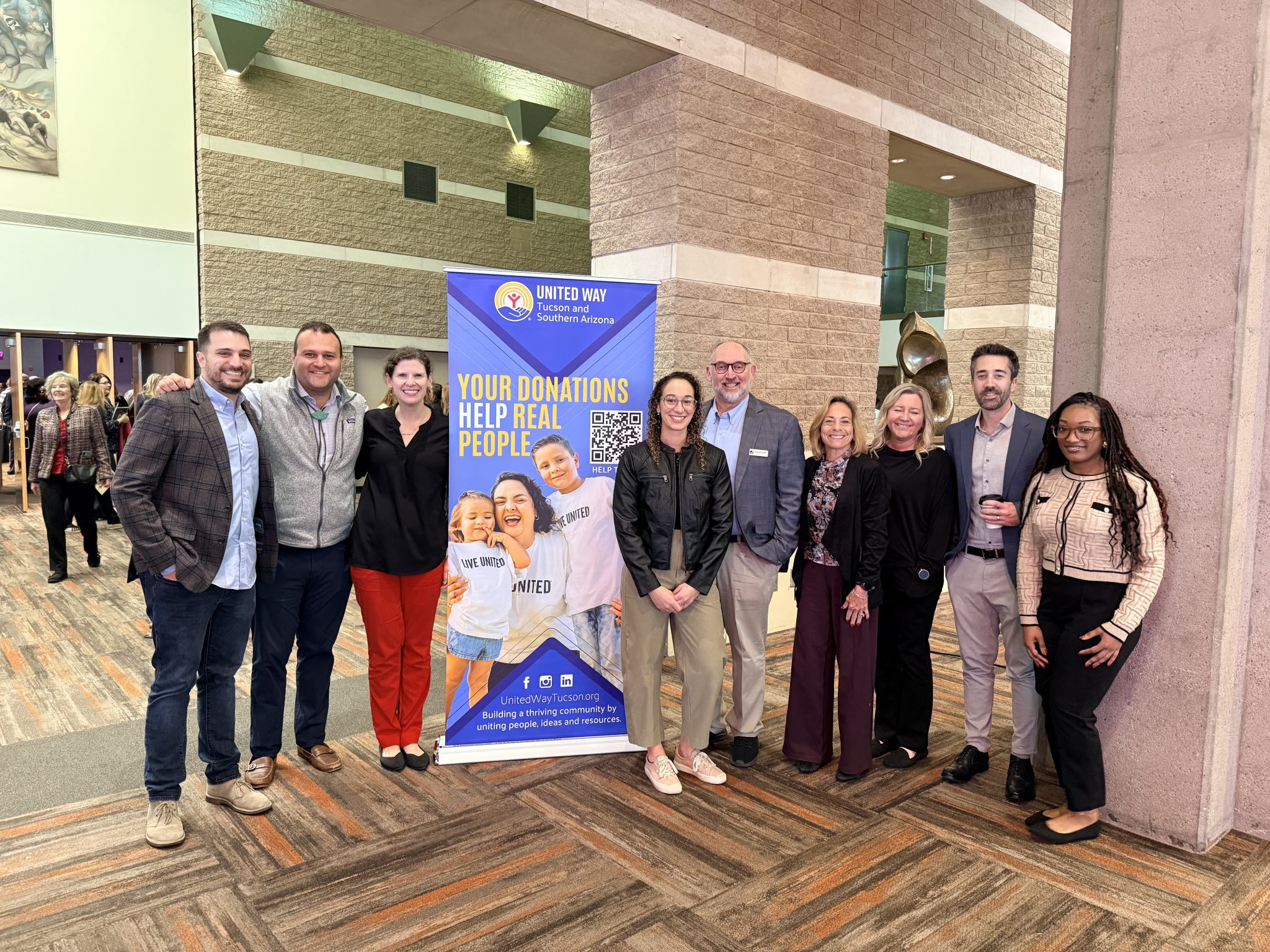
While our work would not be possible—or meaningful—without the more than 10,000 members and guests who make up our J community, it is our dedicated team and lay leaders who bring it all to life. On Thursday, leaders and Board members of the J represented our organization at the United Way of Tucson and Southern Arizona Business Leaders for Early Education Breakfast hosted by Women United. The breakfast promoted the importance of early childhood education in the trajectory of a child’s life and celebrated educators in our community who are championing early literacy. We were proud to represent our award-winning ECE program and connect with other local leaders in this area.

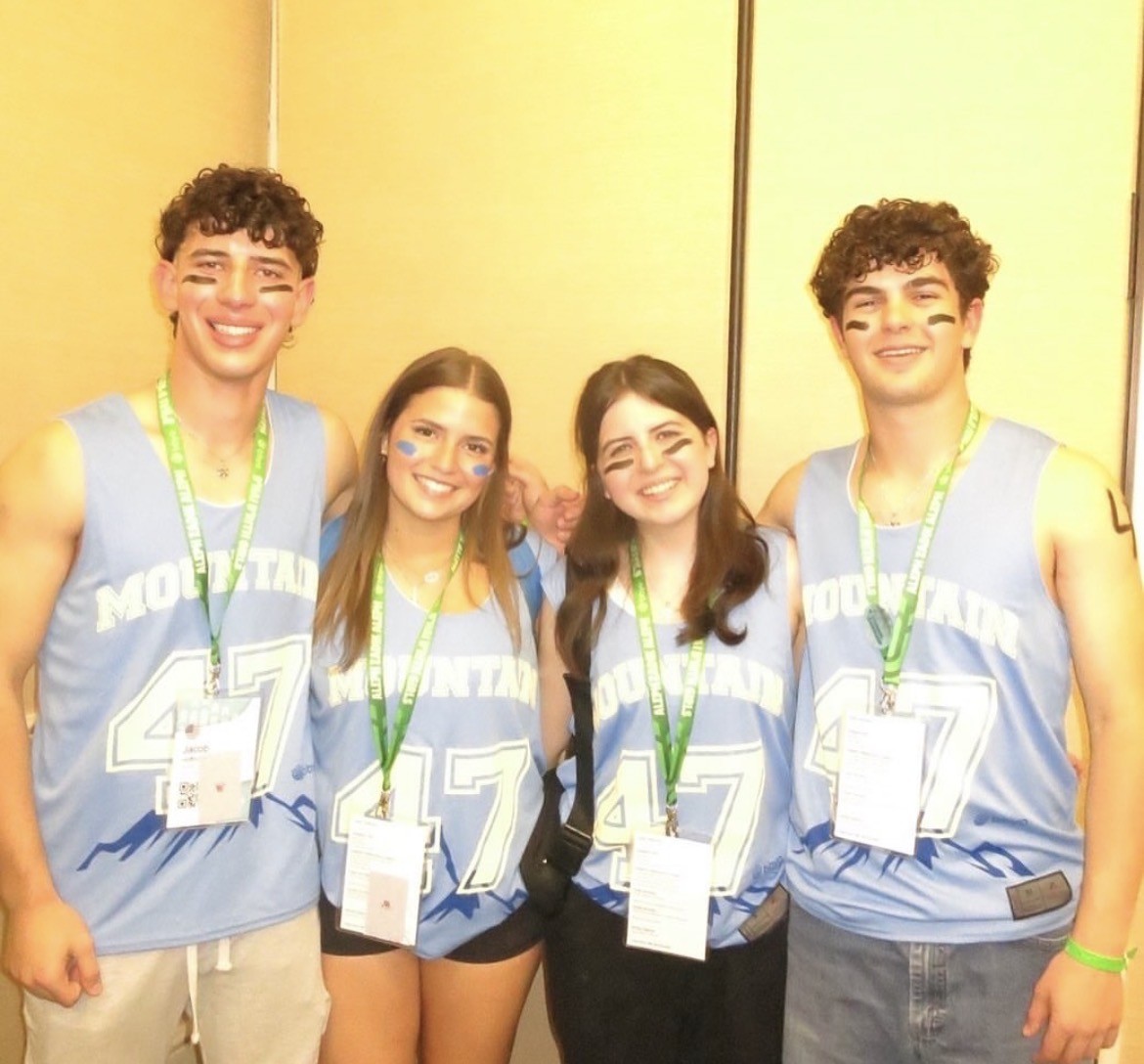
Four BBYO teens returned from a few days spent at the BBYO International Convention in Philadelphia, this year themed “We The Future”  Our Director of Teen Engagement, Davis Hubbell, and one of the teens in attendance were part of the organizing committee for AZAA/BBGG Day a sports-focused outing that spread 1,200 of the 3,500 teens in attendance across 15 sports at six venues. Before the International Convention, Davis spent time in Israel as part of the Merrin Teen Professional Fellowship. The trip was an opportunity to build leadership skills, strengthen professional networks, grow Jewish knowledge, explore the meaning of Peoplehood, and learn more about engaging with and supporting teens. Davis shared about the experience with our leadership team in a meeting this week—you can read about his experience here.  


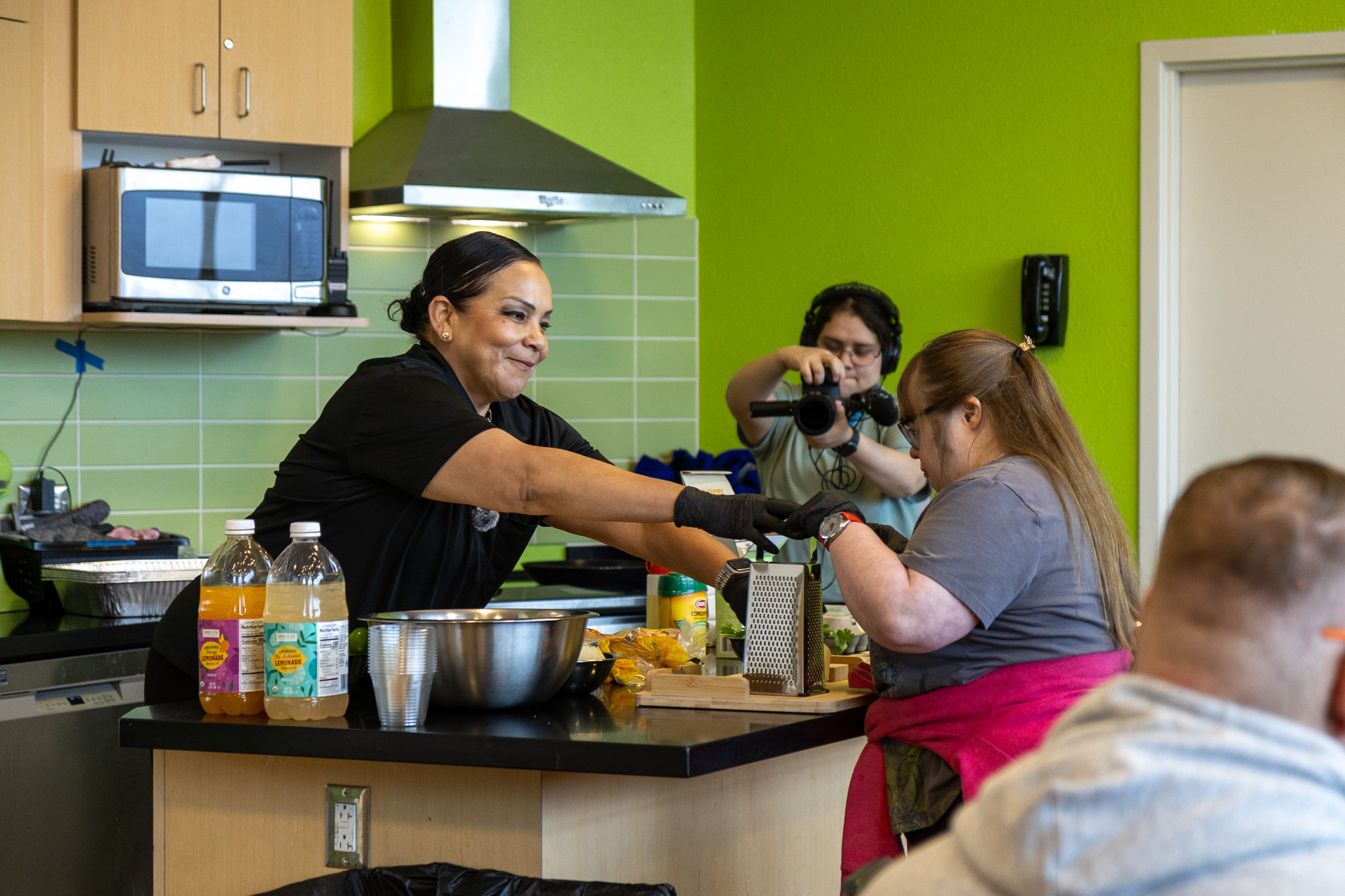
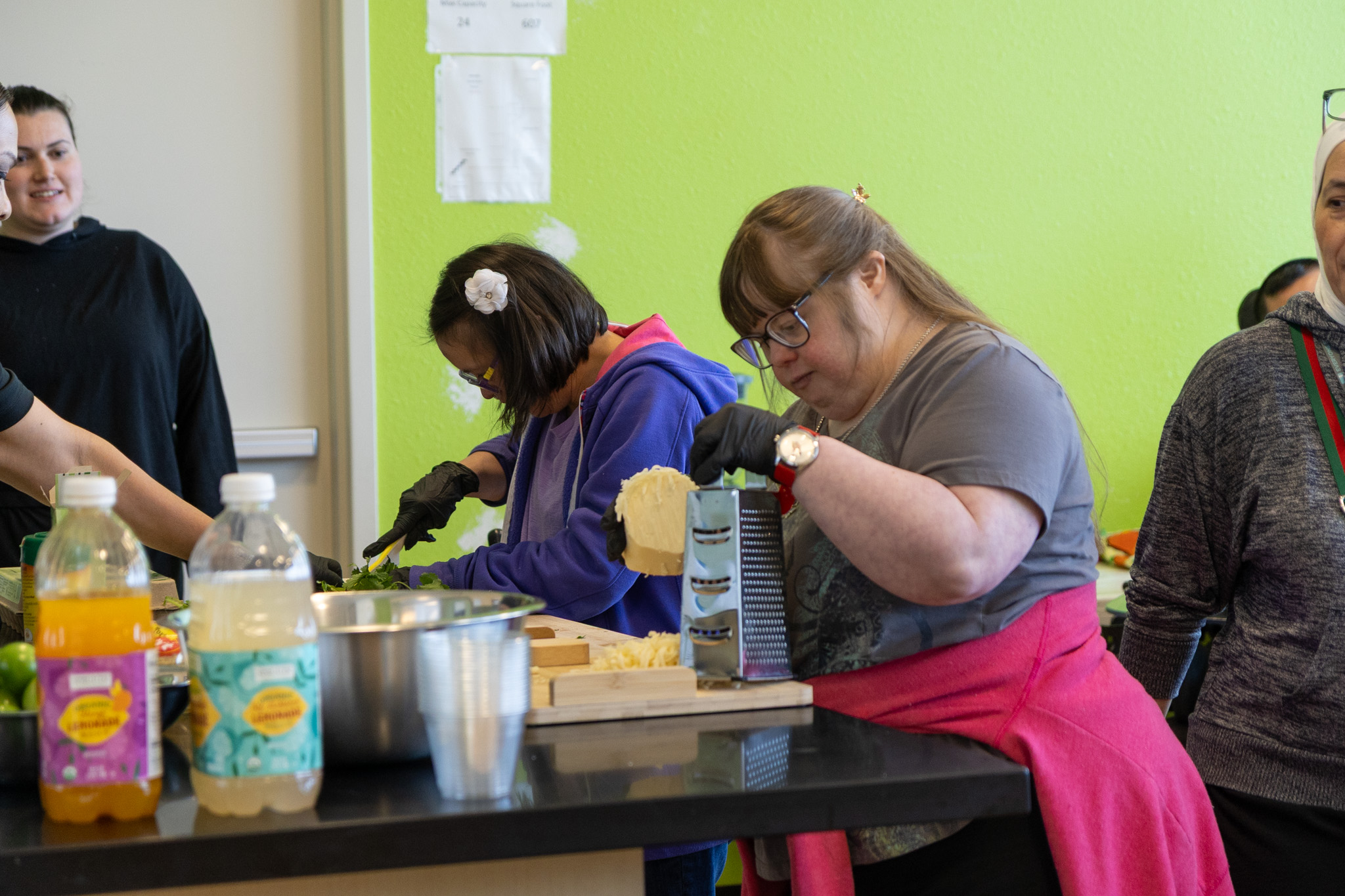
Community partners are also an integral part of our network of helping hands. This morning, the chefs of Chela’s Latin Cuisine joined our Disability Program Services participants for their weekly cooking club! Together, they made delicious Chilaquiles and Enchiladas which everyone enjoyed. Next week, DPS will enter the next phase of their vocational programming with the soft launch of a new coffee cart. Stop by the main entrance atrium in the mornings to check it out! 


As we move into Shabbat, we’re grateful for the role each individual in our community plays in shaping our shared sanctuary. Shabbat Shalom. 

Reminders, Resources + Learning

Each week we share resources for more learning:

This week’s resources:

Last week’s resources:

Is there a topic you’d like to learn more about? Email Jenn Selco with requests. 

Making the Most of Spring Break 2026 at the Tucson J!  

Kids swim in a large pool with a sunset and mountains in the background
As schools across Tucson close for spring break, the Tucson J has everything you need to stay engaged, active, and entertained. From day-long adventures to sports + rec programs, and more, enjoy family fun and supportive childcare all week long.

Spring Break School Days Out

When school is out, the J is open! During most local school spring breaks, we have planned meaningful field trips along with fun activities around the J to keep kids moving, learning, and playing.  

Spring break School Days Out schedule 2026: 

  • March 9-13: Khalsa 
  • March 16-20: TUSD + Basis 
  • March 23-27: CFSD 
  • March 31- April 3: THA 

Schools Days Out runs from 8am-4pm for guests and 8am-6pm for JCare participants. 

Spring Break is for Parents, Too

While the kids are having fun at School Days Out, enjoy time to yourself at the J. Stop by the Fitness Center for a workout, learn something new in an art or language class, or sit in the sauna and relax.  


Not sure where to start? Our knowledgeable staff at the Welcome or Wellness Desks are happy to assist you in finding the perfect program for your interests and schedule.  


And if your kids aren’t attending School Days Out, our JPlay babysitting program makes it easy for you to get in a couple of hours of alone time. For up to two hours a day, kids 3 months through 10 years old can enjoy games, crafts, and visits around the J with our welcoming JPlay staff — check out the JPlay schedule here. 

Youth Sports Leagues and Clinics

Our sports + rec department has a full lineup of options for every athlete over spring break. Just a few options include: 

  • Go beyond the basics in a youth basketball league, clinic, or new elite lesson 
  • Try out for our competitive swim team, the Stingrays 
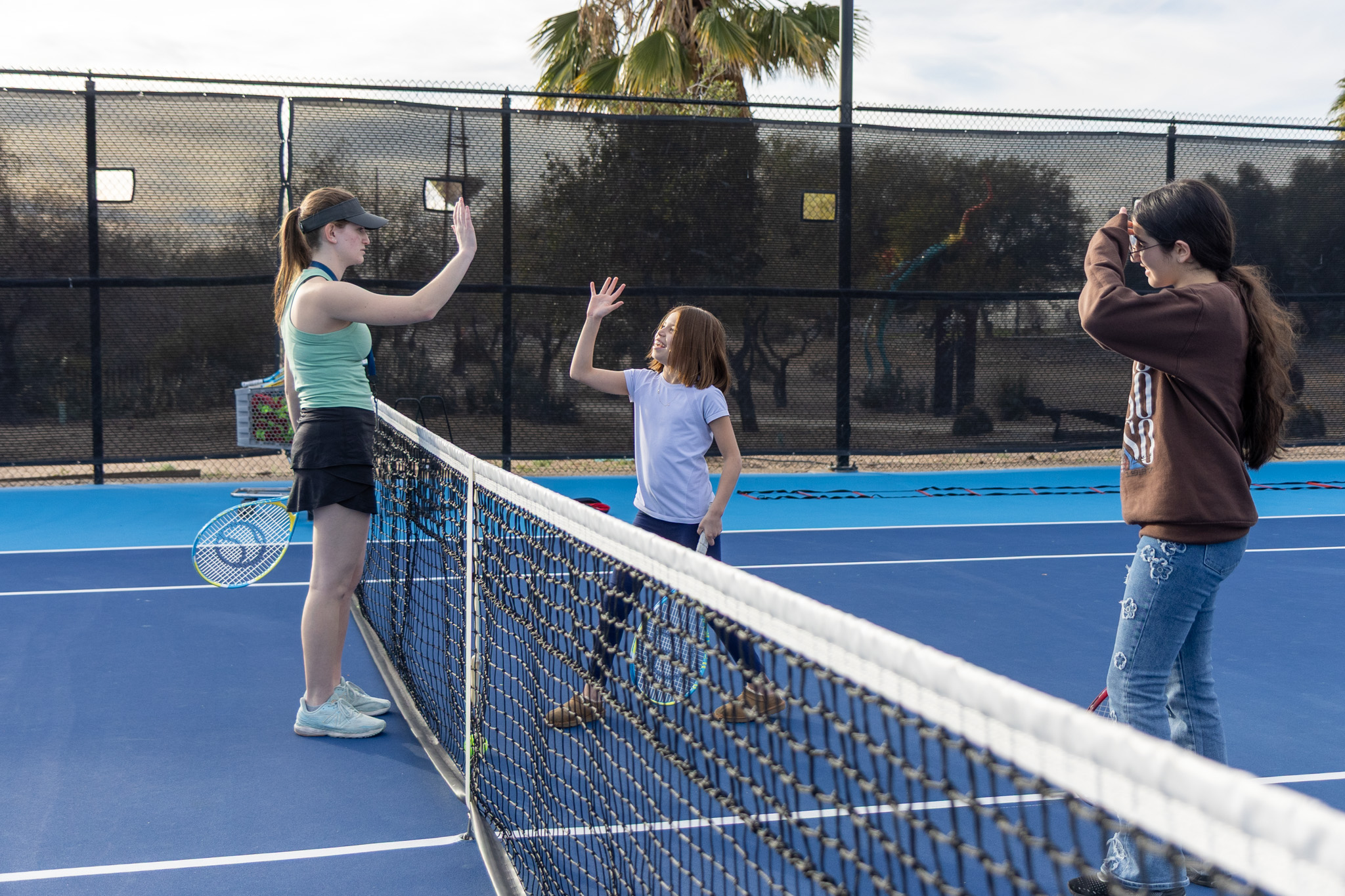
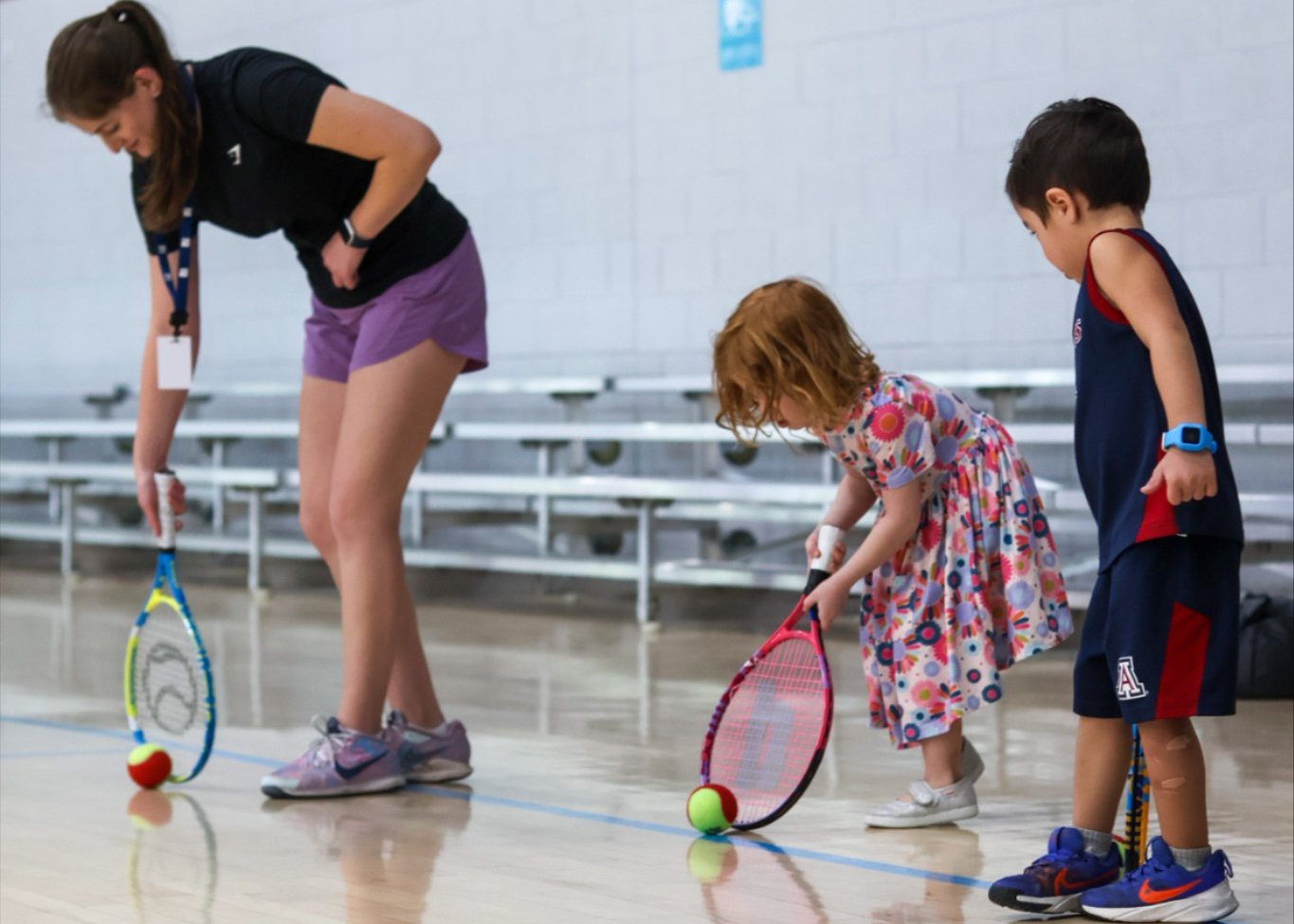
  • Strengthen your skills in a private or buddy tennis lesson at our state-of-the-art Sarver Tennis Center 
  • Learn something new in a volleyball clinic 
  • Increase your agility and strength at High School Speed School 

Family Fun

The J is designed to be intergenerational, making it easier for people of all ages to make meaningful memories together. Over spring break, bring the entire family— grandparents included — to enjoy time together at the J! 


Here are just a few ideas to get started:  

  • Go for a swim in the pool 
  • Have a meal at the Cafe (check out the expanded hours!) 
  • Take a walk through the Jill Rosenzweig Memorial Sculpture Garden 
  • Play tennis or pickleball as a family at the Sarver Tennis Center 
  • Enjoy the latest artwork in our Fine Art Gallery  

Whether for the entire week or just an afternoon, make the J a part of your spring break, your hub for boredom-busting and memory-making! 

Shavua Tov 27 Shevat 5786

Shavua Tov


I write to you filled with gratitude and hope.


In January, the Tucson J Board of Directors approved a new strategic plan that builds on our past success while boldly embracing the opportunities ahead. Appropriately titled Kadima B’Yachad: Forward Together, this plan reflects not only where we are going, but how we intend to get there: as one community.


We are deeply grateful to Jewish Philanthropies of Southern Arizona for their generous grant support that helped make this important work possible. Their partnership reflects a powerful truth our shared success as a community is based on collaboration, not fragmentation. When we work together, we are not giving up power; we are gaining strength.


Our plan is built around six strategic pillars:


Enhance the JCC’s role as the heart of Jewish Tucson, ensuring every Jew feels welcome and finds connection here.


Invest in new marketing capabilities to expand awareness of the JCC and drive increased membership and participation.


Drive growth in programming for school-age youth, especially JCare and Camp, through innovative new offerings and meaningful collaborations.


Revitalize our fitness, wellness, and sports/recreation offerings to meet the evolving interests of active adults.


Develop a stronger, more agile technology infrastructure that advances user experience, supports staff productivity, and expands our reach.


Explore campus enhancements that make the JCC an even more attractive CENTER for the community and create capacity for future growth.


The Psalmist reminds us, “Hinei mah tov u’mah na’im, shevet achim gam yachad” “How good and how pleasant it is when we dwell together in unity”. This verse captures our aspiration. The J is not simply a facility. It is a gathering place of belonging, strength, and shared purpose.


Rabbi Shai Held teaches, “Hope is the refusal to give up on the possibility of transformation.” That spirit animates this moment. We are not standing still. We are moving forward with intention, with courage, and with one another.


As we look ahead, I feel a great deal of hope for our collective future. Hope rooted in our history. Hope strengthened by partnership. Hope energized by the extraordinary people who make up this community donors, leaders, board members, staff, and families.


When I think about the spirit of this moment, I hear the message of Yad B’Yad hand in hand a reminder that our greatest strength comes when we walk forward together. Our future depends on that togetherness. And in the language of American folk tradition, it echoes the simple, enduring truth of Lean on Me that we are strongest when we support one another. Kadima forward. B’Yachad together. Thank you for your partnership, your belief, and your commitment to the Tucson J. I look ahead with deep hope and confidence in what we will build side by side.


Kadima: forward.
B’Yachad: together.


Thank you for your leadership, your generosity, and your belief in the Tucson J. The best chapters of our story are still ahead.


With gratitude and hope


Cochenu b’Achduteynu
 | כחינו באחדותינו | Our strength is in our unity.


Am Yisrael Chai 
| עם ישראל חי


Todd Rockoff

President + CEO, Tucson J 

From the Desk of Jennifer Lorch Selco | Sr. Director of Jewish Living + Engagement 

Shabbat Shalom
Shabbat Shalom

From the Desk of Jennifer Lorch Selco | Sr. Director of Jewish Living + Engagement

In this week’s Torah portion, Mishpatim (Hebrew for “rules”), the Israelites are at Sinai in the middle of Revelation as they receive rules and laws around how to live Jewishly. We find ourselves reading a variety of “shalls” and “shall nots” and read the Torah’s first mention of our responsibility to protect the stranger. “You shall not oppress a stranger, for you know the heart of a stranger: you were strangers in the land of Egypt” (Exodus 23:9). We also learn the details about the holidays of Passover, Shavuot and Sukkot. Finally, Moses ascends Mt Sinai for a one-on-one meeting with God, leaving Aaron in charge.


In Beresheet (Genesis) and the first part of Shemot (Exodus) the text reads as a dramatic narrative, sharing important stories that help shape who we are as a people. Now, we find ourselves reading tangible ways to live within an ethical framework.


Rabbi Jonathan Sacks, of blessed memory, notes, “Hence the remarkable project of the Torah: to translate historical experience into detailed legislation, so that the Israelites would live what they had learned on a daily basis, weaving it into the very texture of their social life. In Parshat Mishpatim, vision becomes detail, and narrative becomes law (Lessons in Leadership, page 90).”


The structure and framework for Jewish life is one that encourages ethical and joyful behaviors. We are encouraged to think about how our actions impact others. Our historical experiences are meant to shape the people we are.


Parshat Mishpatim teaches us that Jewish life is not meant to be passive—we are not mere witnesses to our story. Instead, we are called to live it. The memories of Egypt, the experience of receiving Torah, and the rhythms of our sacred holidays are meant to shape how we treat one another, especially the stranger. Jewish living is active, transforming memory into responsibility and faith into daily action.


Shabbat Shalom!

As we reflect on Parshat Mishpatim and its call to build a just and caring society, we are reminded that community does not happen by accident—it is created through intention, sacred listening, and the shared responsibility of uplifting one another. At the Tucson J, that commitment comes to life in the ways we gather, support each other, and create spaces where every individual is welcomed and valued.


We ended last week with over 400 people gathering to celebrate Shabbat together with a collaborative Tot Shabbat experience, services led by various congregations and a delicious communal dinner. We are also excited to share that since August 2025, over 50 PJ Library and PJ Our Way families have hosted their own Get Togethers through the Harold Grinspoon Foundation where they have celebrated Shabbat and other Jewish holidays with Jewish friends and family. 


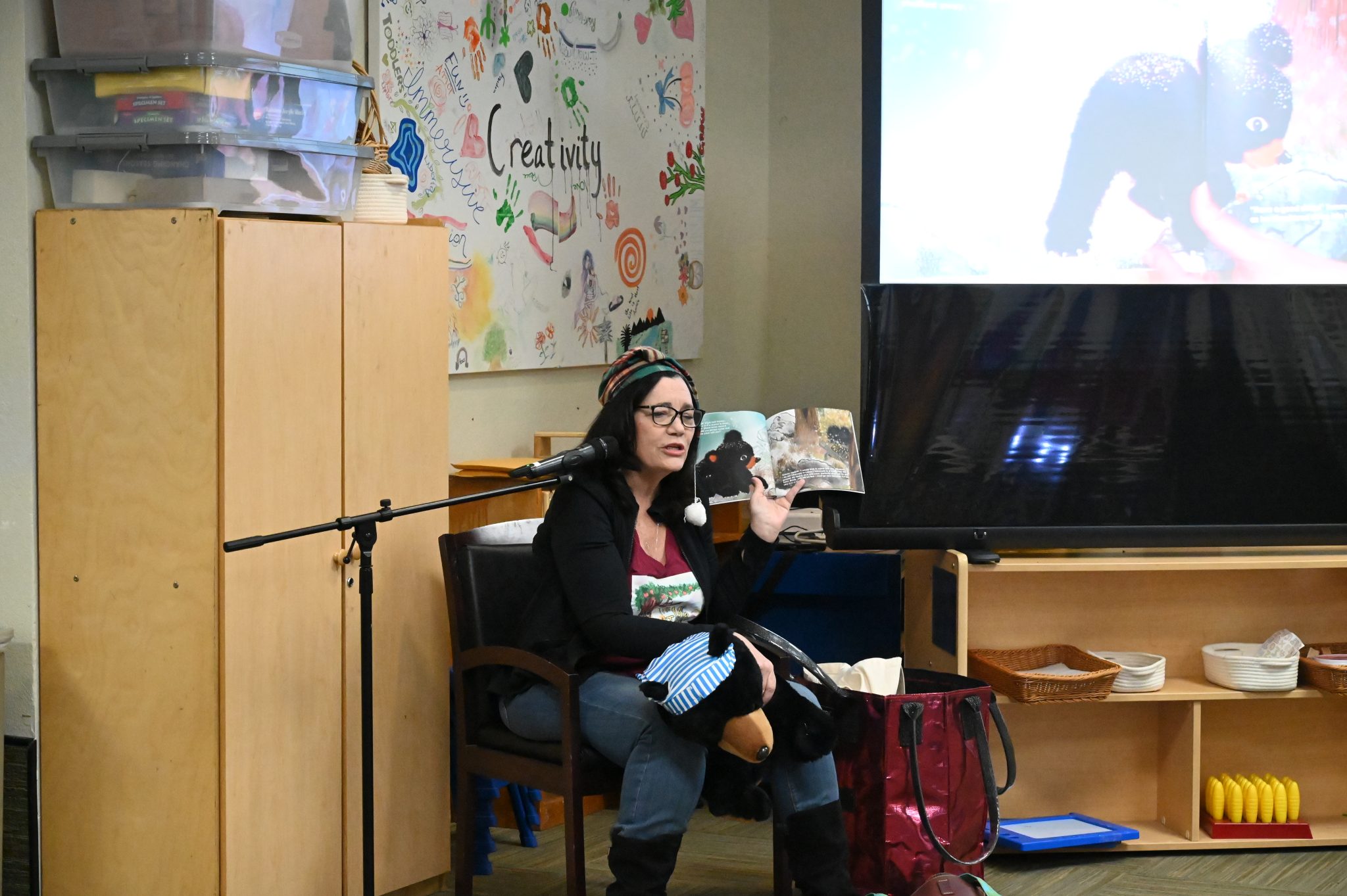
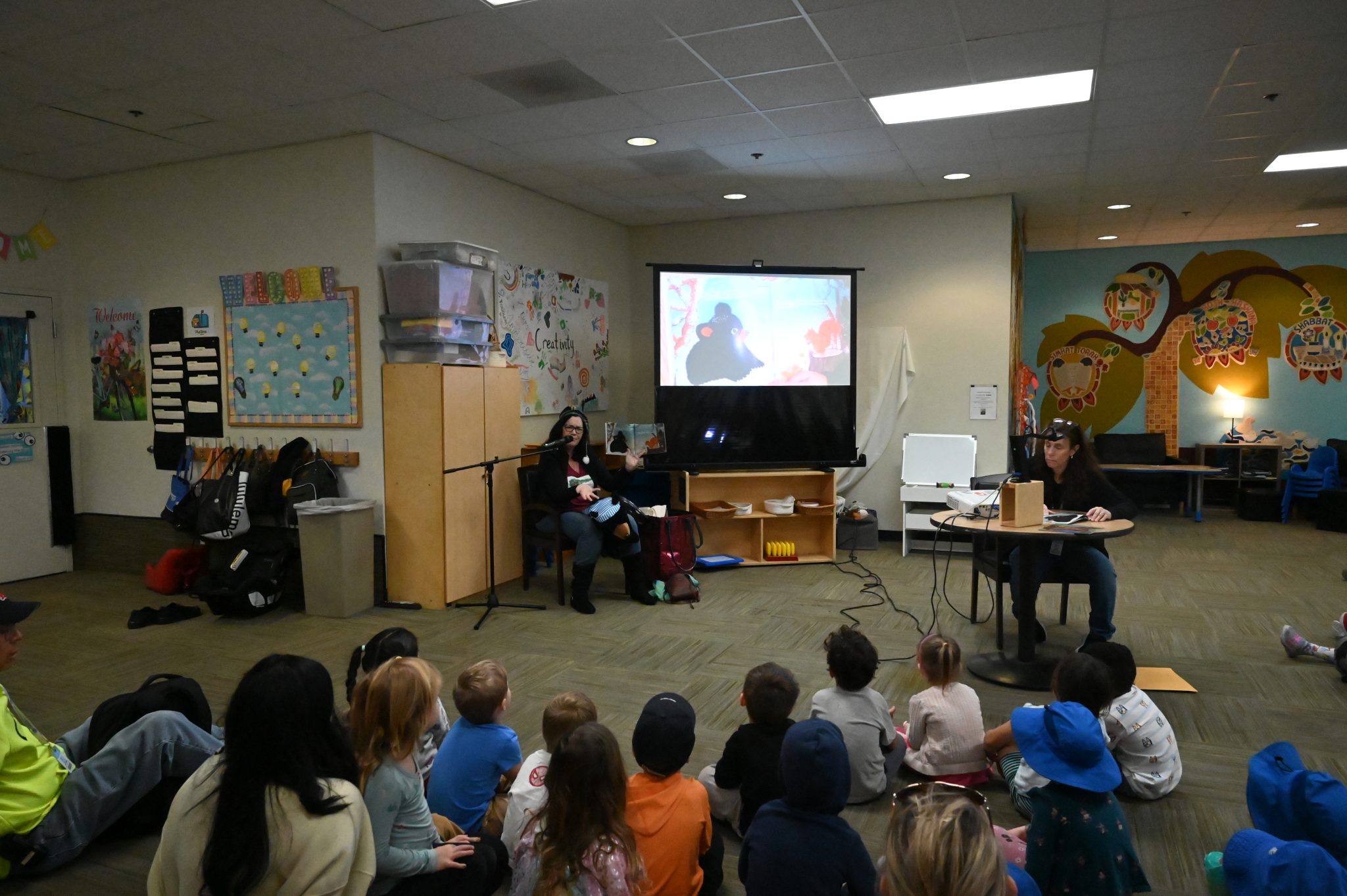
Love of Reading Month continued this week with a special visit to Early Childhood Education students from local children’s book author Cindy Sadowsky. Kids and parents enjoyed hearing  Brody’s Hibernation Tale and The Me Tree in the ECE open space and learning about the author.

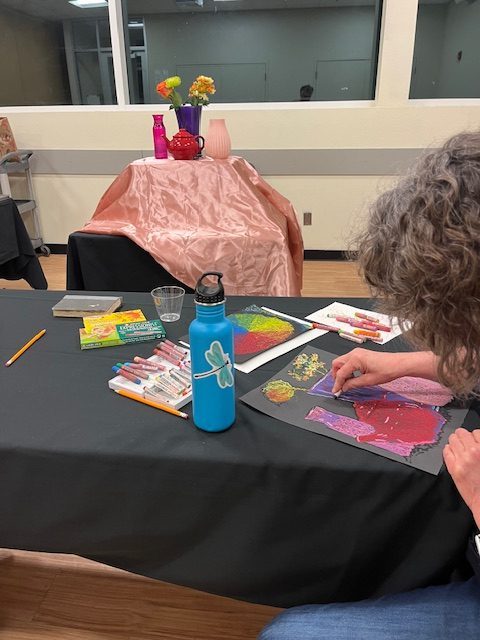
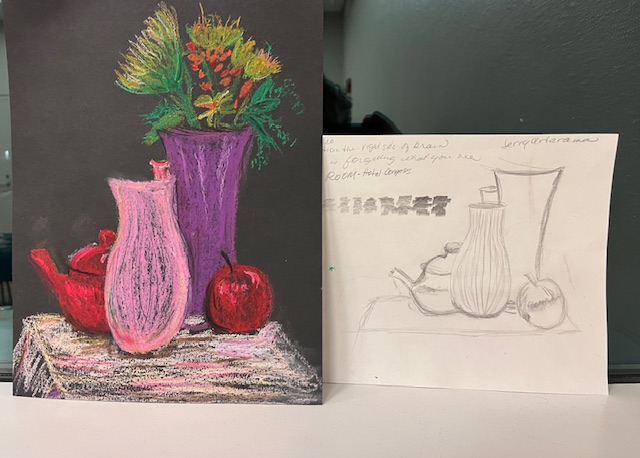
On Thursday, artist Russell Kahn hosted an Oil Pastel workshop where participants experimented with color, light, and composition. Catch Russell’s work on display in the Fine Art Gallery through February 22 and don’t miss the opening of the next show, Rhapsody in Hue with Colored Pencil Society of America’s Phoenix Chapter. 


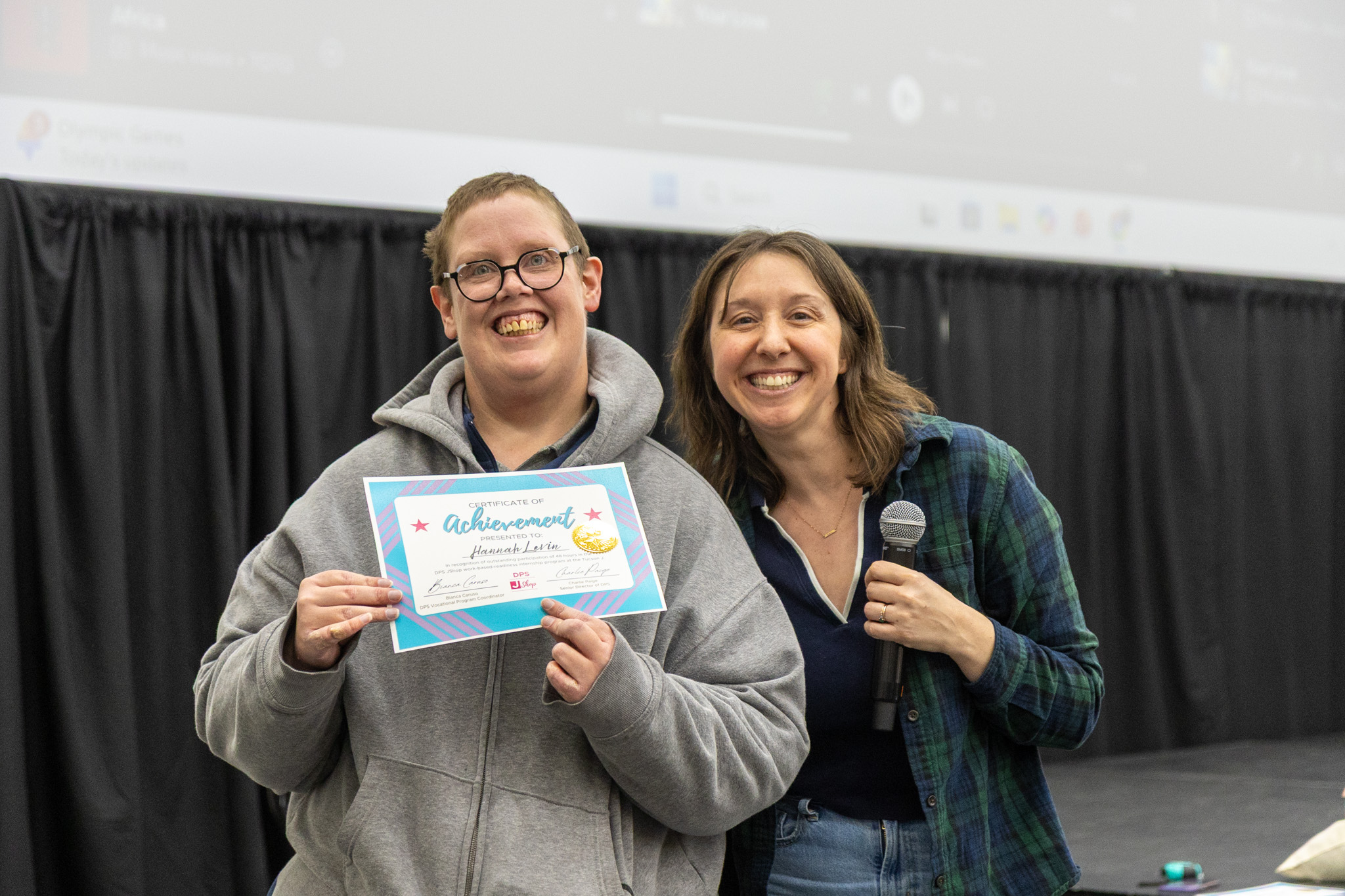
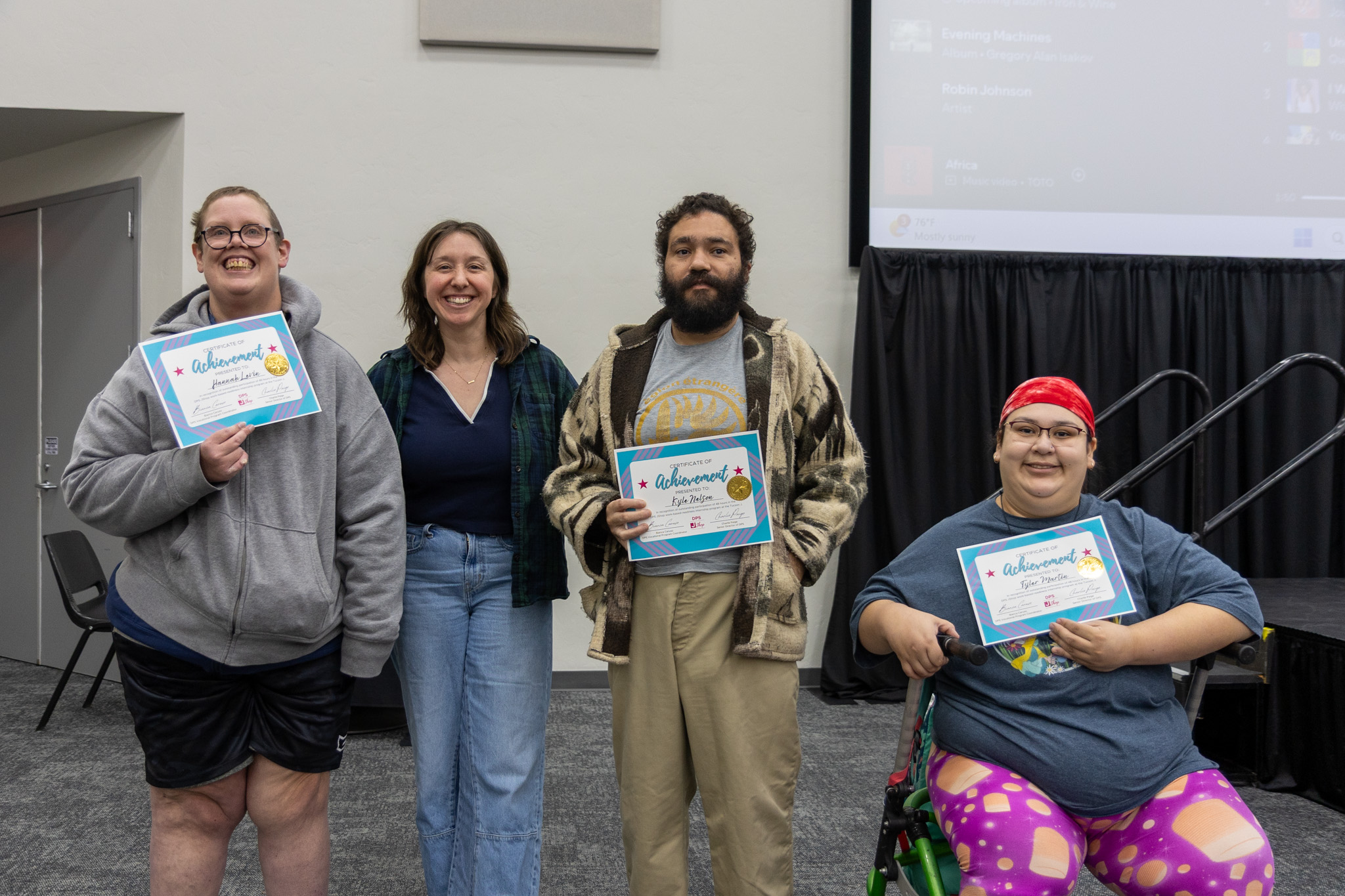
Also on Thursday, we celebrated another graduation of Disability Program Services JJobs JShop interns! Kyle, Tyler, and Hannah completed 48 hours of training in the JShop that included learning about customer service, sales, and inventory management. Join us in wishing them a Mazel Tov Gadol (big congratulations) and stay tuned for information about the next phase of JJobs—a coffee cart! 


All week, every week, our community stays active, weaving wellness, care, and community into their daily lives through programs like Healthy Aging, Racquet Sports, Spanish class, and so much more. We’re proud to transform Jewish values into vibrant, everyday life and grateful to do it alongside you—our partners in this meaningful work. Shabbat Shalom. 

Reminders, Resources + Learning

Merrin Teen Professional Fellowship: Israel Seminar Reflection

From the desk of Davis Hubbell, Director of Teen Engagement

Davis Hubbell

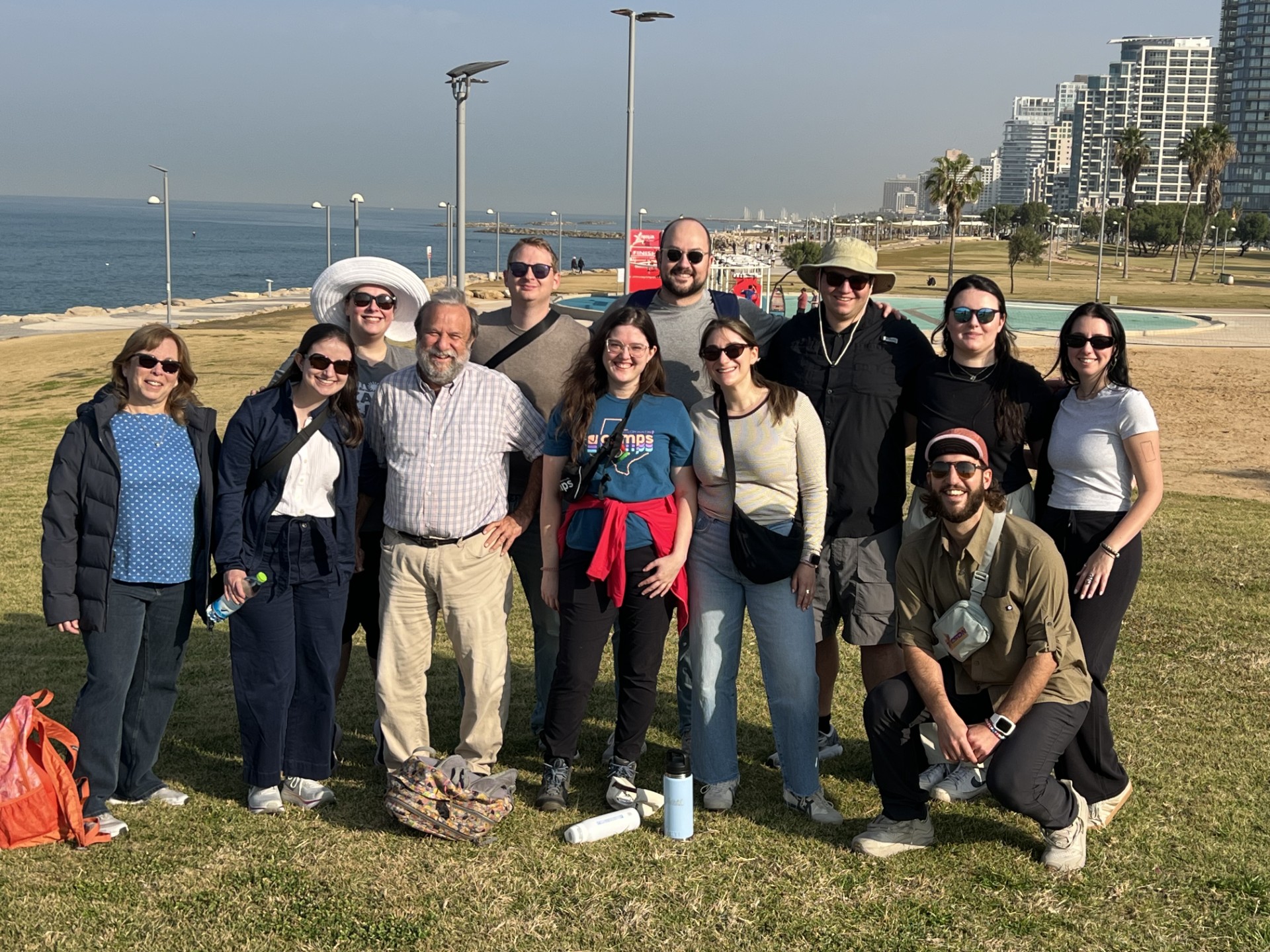
In January, Davis Hubbell, the Tucson J director of teen engagement, spent several weeks in Israel attending a seminar as part of the Merrin Teen Professional Fellowship, a program through JCC Association of North America. Designed for JCC staff who work with teenagers, fellows build leadership skills, strengthen their professional networks, grow their Jewish knowledge, and learn more about engaging with and supporting teens.

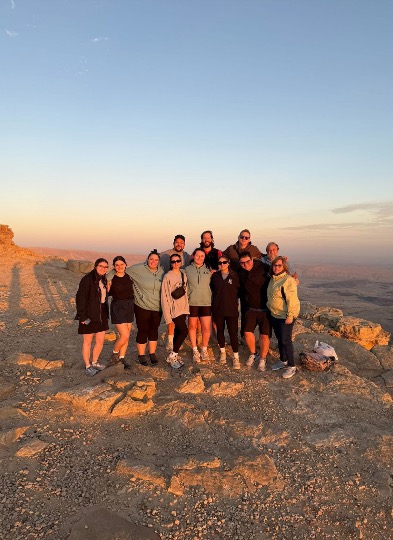
Our trip began in Tel Aviv, the starting point of modern-day Israel, which felt deeply inspirational. A city built on the motto, “make your dreams a reality,” it’s a credo I do my best to live by. Seeing the photo of the original pioneers standing on a sand hill, with the backdrop of what is now a sprawling city filled with skyscrapers and public transit, was an incredible launching point for the journey.  


We visited some of the first schools in Israel and learned the story of how one of Israel’s earliest standout writers came to find his name, Eliezer Ben-Yehuda, originally Eliezer Yitzhak Perelman, and in doing so helped shape the birth of modern Hebrew. It set an intention in my heart: the world is always ripe for innovation, and it truly is what you make of it. 


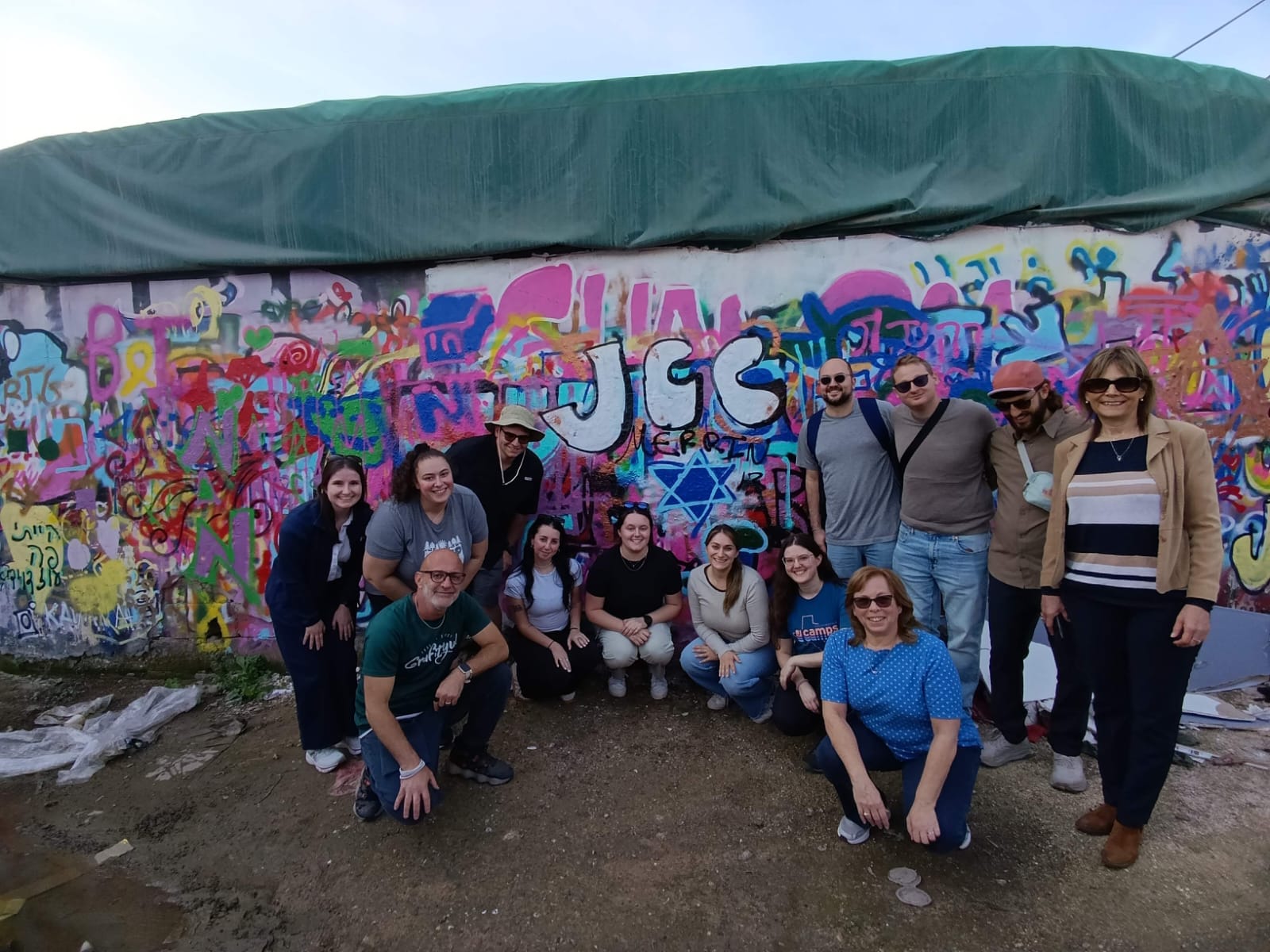
On the graffiti tour, we began to dive into the soul of Israelis and what it looks like to move through life during war, navigating the time of the hostages and the mixed bag of opinions and storylines that exist in Israel. From there, we got into the nitty–gritty geopolitics and the formation of this young democracy. Guided by our speaker Joe Perlov, we participated in a map exercise exploring neighboring countries and when they gained independence. The exercise was called the “Changing Map of Israel,” and it’s a program I plan to do with our Tucson teens. 

The following day, we returned to our roots with a walk in the desert before visiting Ben-Gurion’s grave. The trip created a deeply personal connection for me to Ben Gurion. Ben Gurion has always been a name that looms large as someone you know is important, but learning about his early failures and the journey that led him to become Israel’s first Prime Minister made him feel like a friend, someone I genuinely know in my heart.  


The day also included a visit to the Ramat HaNegev Research and Development Center, which felt particularly like home for me, coming from Tucson. The kind of innovative agricultural research being done in Israel draws strong parallels to the research happening in Arizona. There was even a Tucson pioneer recognized for his time in Ramat HaNegev, Sol Resnick, a University of Arizona professor in the Department of Hydrology and Water Resources. 

From there, we visited Shanti House, a place that continued to inspire and reaffirm what the best of any society is capable of: caring for young people who are truly in need. I can’t say enough great things about Shanti House, and meeting the staff member who showed us the facility truly filled my cup. The visit left me with a deep sense of pride around youth engagement and the impact that I can have on young lives. 


The next day, we headed to Nova, the site of an October 7 attack— the worst pogrom since the Holocaust and a horrific event that has left a lasting mark on Israeli society and the Jewish experience worldwide. There are no words to adequately describe the devastation or the loss of life among one of the most beautiful, vibrant groups of people I have ever borne witness to. Seeing the vehicles stacked in piles was staggering. It was hard to wrap my mind around the sheer scale of the destruction. How could this have been done in so little time? What kind of monsters could do this, and how many did it take? 


We then went to Sderot, a town also deeply woven into the events of October 7, where a police station had been overtaken and ultimately brought to the ground. There we met Liron, who, after a day filled with devastation, overflowed with hope and a true belief in a path forward toward a better future. Liron has a mission of returning young adults to the kibbutzim in the Gaza envelope through the Turainu (Our Turn) project. 


We returned to Tel Aviv, embraced by the warm, vibrant culture of the city, and shared a dinner focused on how JCCs around the world can unite in bringing light to one another and to our communities. The next day, we visited ANU Museum of the Jewish People, a place that truly anyone, Jewish or not, should experience. It’s less of a museum and more of a celebration of Jewish Peoplehood, and the visit brought clarity and perspective to our collective memory and left me feeling inspired and full of pride. 


From ANU, we met with Vera, an Israeli Palestinian Christian who broadened my perspective through a viewpoint I was less familiar with. Her story highlighted the deep complexities and conflicts of this land, while also offering hope, reinforcing the idea that people on opposite sides can seek peace and prosperity without it meaning the other must lose or die. 

That evening, as Shabbat approached, we began to wind down and shift the pace. It was time to breathe, to take in the weight of the previous days, and to celebrate Shabbat. We sang songs on the beach and settled into the evening together. The following day, I was lucky enough to attend Shabbat services with our guide, gaining new insight into the size and scope of Conservative and Reform Judaism in Israel. We wrapped up Shabbat by learning about the diverse landscapes of each other’s JCCs and held a Havdalah led by a respected leader in the field— one of many professionals we met who felt like they were passing a torch to us. 


We were incredibly fortunate to have a tour educator with a powerful personal story living on a kibbutz, finding love, moving on in a healthy and grounded way, and eventually finding his path to Tel Aviv and to guiding groups like ours. His insights into kibbutz life and the path a young American might take in moving to Israel were eye-opening. 


The next day, we began to leave Tel Aviv, first making a meaningful stop at Save a Child’s Heart. The organization is making an unmistakable difference in countless lives and, in doing so, serves as a powerful representation of Israel and Jewish values rooted in compassion. One small but poignant detail stood out: seeing the name of a Palestinian doctor from the West Bank written on the board of pediatric trainees. 


As we made our way toward Jerusalem, the landscape began to change, climbing in elevation, trees filling the canyons, yet for much of the drive, Tel Aviv was still visible in the distance, a reminder of how small Israel truly is. We stopped at a colleague’s home in the hills outside Jerusalem, an area I hadn’t experienced before that gave off strong California-hills vibes and felt like a beautiful place to live. We arrived at our hotel later that evening and checked in. 


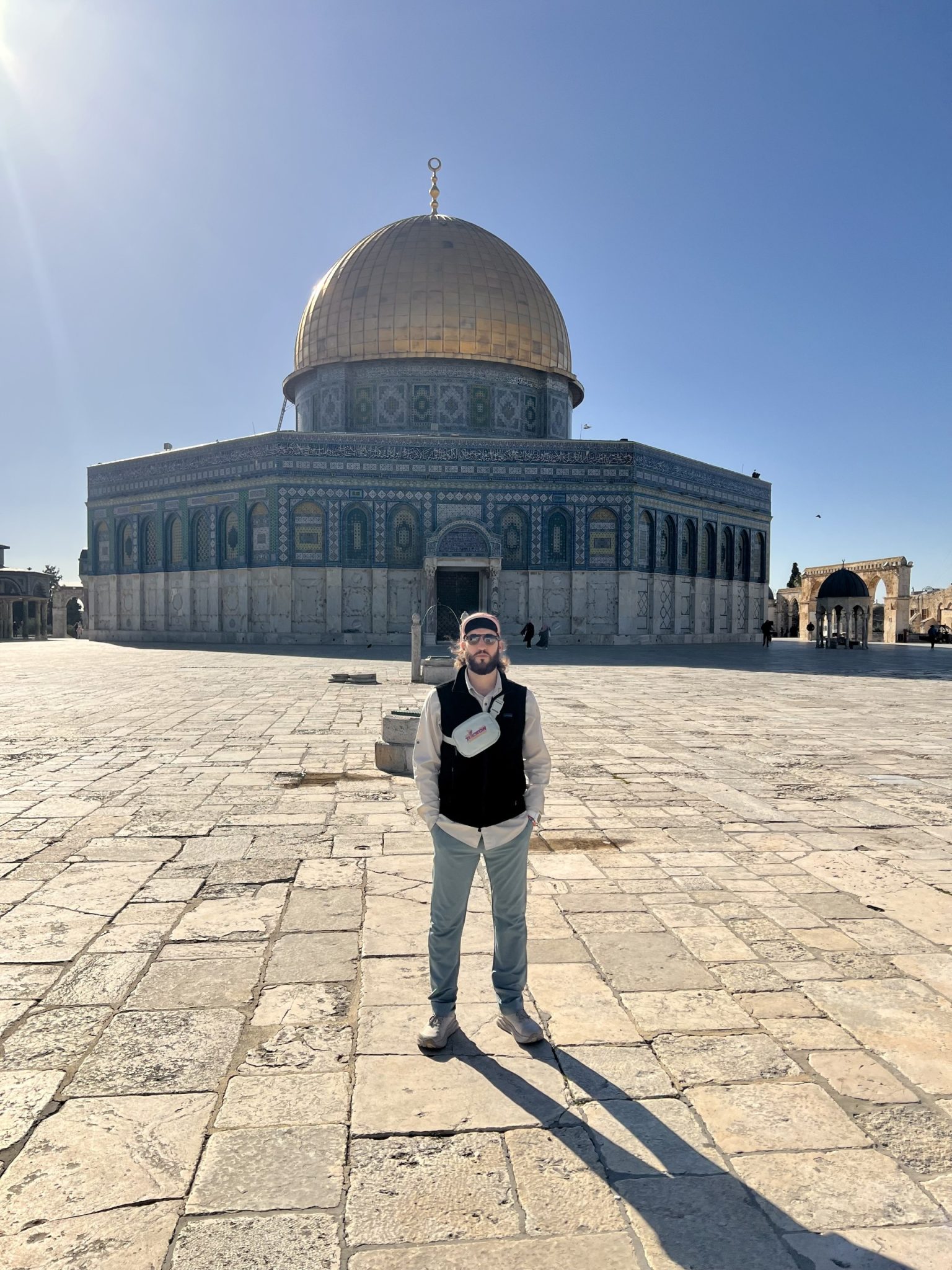
The next morning brought an unexpected and powerful opportunity: a visit to the Temple Mount. Many of us never imagined we would be able to go, but our guide identified a brief window, and we took it. Standing in a place sacred to three religions— the Temple Mount for Jews, the Golden Gate for Christians, and Al-Aqsa Mosque and the Dome of the Rock for Muslims— it felt surreal. It is a place that feels enormous in conversation, yet surprisingly approachable when walking in its courtyards. 

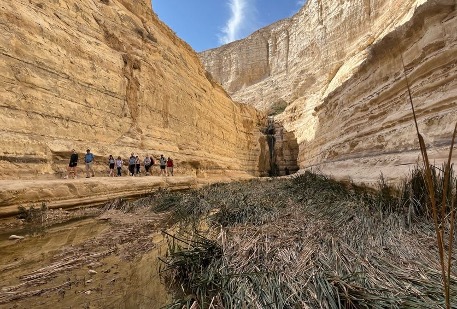
From there, we made our way to the Kotel via a path I had never taken before, one that felt reminiscent of how people might have traveled from the Temple through backroads and tunnels into the Old City. At the Wall, we each took time for personal prayer, writing notes and sitting with our thoughts. While the main plaza was packed, I was struck by how quiet and powerful the surrounding ruins felt, broken pillars from the original Temple and lesser-visited sections of the Western Wall were also so meaningful.  


After visiting the Church of the Holy Sepulcher and tracing the layered timelines of Jerusalem, we transitioned to the ultra-modern National Library of Israel. The contrast was striking— a state-of-the-art facility housing ancient texts, paired with an impressive, automated sorting system. We sat with education directors from the library, shared experiences, and gained access to the wealth of resources they offer online, shifting from simply taking things in to doing the work in real time. 


That evening, we participated in a cooking workshop mastering Israeli salad, making pita bread from scratch, and preparing a traditional chicken and rice dish called Maqluba that is flipped as part of the process. Bonding with our cohort throughout the trip was deeply meaningful, and this moment stood out as one of many where it simply felt good to be part of the group. 


The following day took us through the West Bank toward the Jordan River, to the site traditionally believed to be where Jesus was baptized. Over these days, we learned a great deal about Jesus, which felt fitting given that he is such a prominent and famous Jew. Approaching the river involved passing through minefields, and at the water itself, we stood directly across from the Jordanian side, able to wave to guards and exchange warm greetings, another surreal reminder of how complex and interconnected this region is. 


We continued to a winery in the West Bank, enjoying both the wine and a deep conversation around the three non-negotiables often discussed when talking about the region’s future: Jewish identity, democracy, and safety. The conversation underscored how difficult it is to find solutions that honor all three simultaneously, even when the desire for resolution feels strong. 


From there, we went to an incredible, meat-focused restaurant where we began with a drum and instrument circle. Once again, the diversity and openness of our cohort added immeasurable value to the experience. The family-style meal that followed did not disappoint, and the family-style format had become a staple of the trip. 


The next morning began with a session led by a Holocaust scholar, setting the tone for our visit to Yad Vashem. During a warm-up exercise, I had the opportunity to create a character who had survived the Holocaust and was now sitting in a displaced persons camp, deciding where to go next. I was given the outline of a metropolitan, less-religious Jewish attorney, while the other side in the discussion was Matan, who played a more traditional Orthodox character. The exercise revealed deep insights into identity, values, and how Jewish people at the time viewed their own victimhood and responsibility around the Holocaust. It taught me things about myself I hadn’t fully articulated before, and things about Jewish people I had not previously grasped. 


Yad Vashem is a place that should never have to exist. It is gut-wrenching. Sitting in front of the Nazi racial laws defining who was considered Jewish, I couldn’t stop thinking about my three nieces and my nephew, children who currently have little connection to their Jewish heritage, yet under those laws would have been sentenced to death, along with their future children, based solely on having one Jewish grandparent. 


After a long lunch to reset, we visited Krembo Wings, a youth movement focused on inclusion and leadership for youth with and without disabilities. As JCC professionals, this felt like familiar ground, and connecting with the teen leaders and participants was both heartwarming and inspiring. Amid war and chaos, here was an organization devoted to uplifting those often overlooked. 


On our final day, we visited a film school known for producing acclaimed work that captures many layers of Israeli society. It felt like the perfect way to end the trip, encouraging us to think about memory, storytelling, and how we might bring the essence of this journey back to our own communities. 


I wanted to walk through the trip day by day, but even this still feels like a version that doesn’t fully encapsulate the smaller moments of learning and connection. I walked away from this experience feeling tremendously grateful for a profession that provides work I am deeply passionate about and colleagues I have come to cherish.  


When I think about how to connect Israel to our local community and teens, it was both inspiring and refreshing to learn how deeply Israel is rooted in teenagers and young adults— the same age group that helped found the nation, and in a camp culture that so strongly resonates with the life and values of our JCCs. My goal moving forward is to bring back our shared sense of belonging through both Judaism and community, and to help convey the intrinsic connection I feel to Israel so that others in my community can feel some piece of that as well. 

Resources

From the Desk of Avey Hanshaw | Tucson J Board Member 

Shabbat Shalom
Shabbat Shalom

From the Desk of Avey Hanshaw | Tucson J Board Member

This week’s Torah portion is parsha Yitro, telling the story in which Moses’ father-in-law (Yitro) visits Moses from Midian and notices that he is the only person who settles other’s disputes in the community. Yitro notices the flaws in this and helps set up a court of magistrates and judges, and later in the portion everyone gathers at Mount Sinai to receive the Ten Commandments through Moses.


Usually the second half of this portion is focused on because of its grandeur and high religious importance, but I believe the first part is actually more relevant to our world today. On the surface, Yitro’s questioning of Moses’ system can be interpreted as worry for his wellbeing and burnout from constant work. While that is quite important, I bring up a different interpretation: how disastrous a closed mind can be. Before the court was installed, Moses was the only one to decide right from wrong for all people. In a way, we all somewhat think of ourselves as Moses. It’s easy for us to set the highest standard on our own opinions, values and overall selves while disregarding other philosophies. However, ideas like politics and morality are such spectrums that it’s impossible to find one solution for all people, which is why to this day Torah is consistently debated and discussed with different conclusions each time. If we are all Moses, there is no room for community or learning. This shabbat, I implore you to sit with yourself and think about your identity. Talk to your neighbors. Ask your family questions. Compromise. Perhaps we each carry a sliver of Moses within ourselves, but we can only reach our highest potential by coming together.

This week at the J offered many opportunities to come together and explore new ideas and perspectives, uncover new passions or parts of ourselves, and deepen existing interests. Our mission comes to life only in community—when we lean in to conversation, collaboration, and our collective stories, we grow as individuals each contributing to the strength and vibrancy of our shared present and future. 


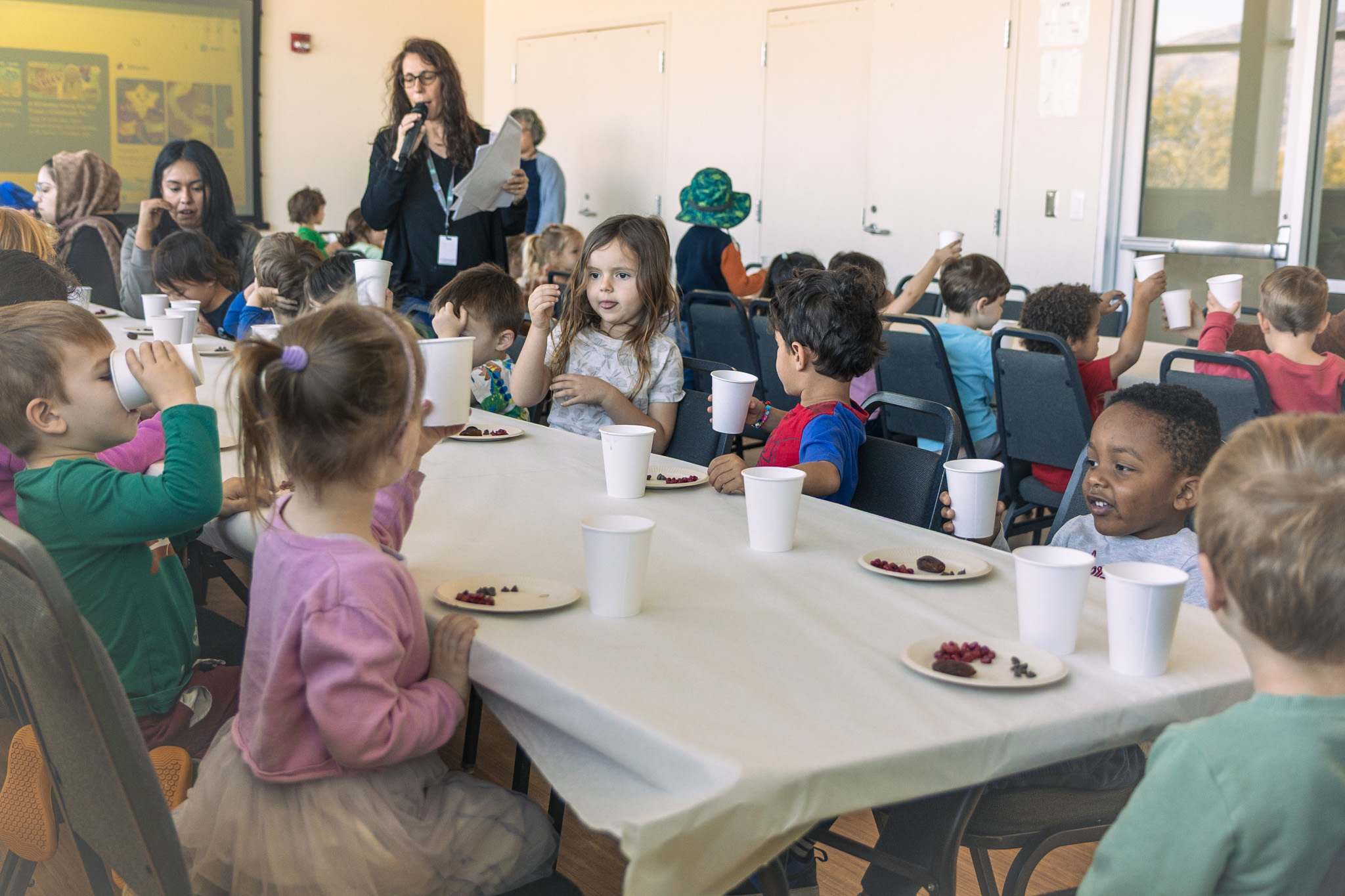
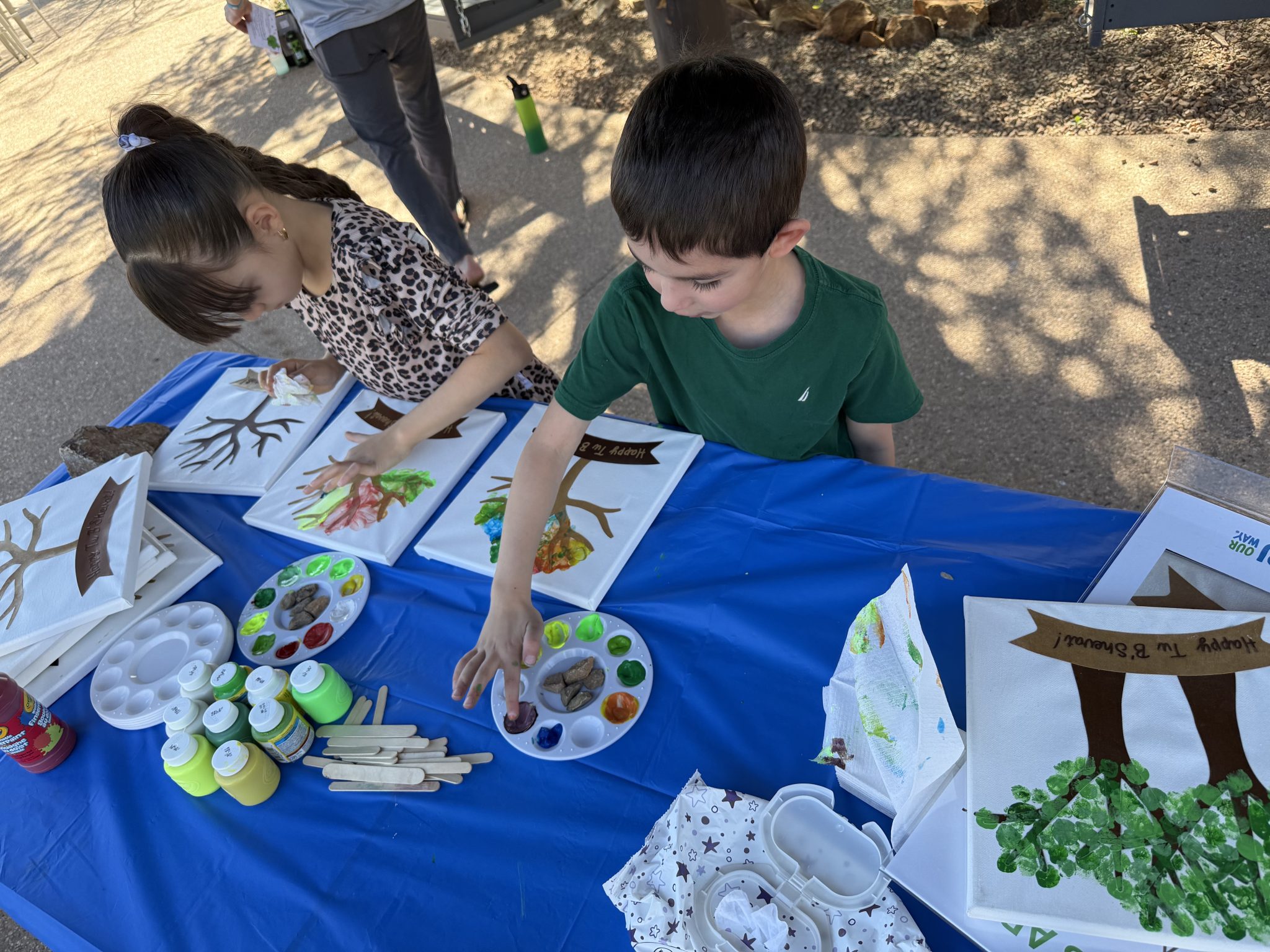
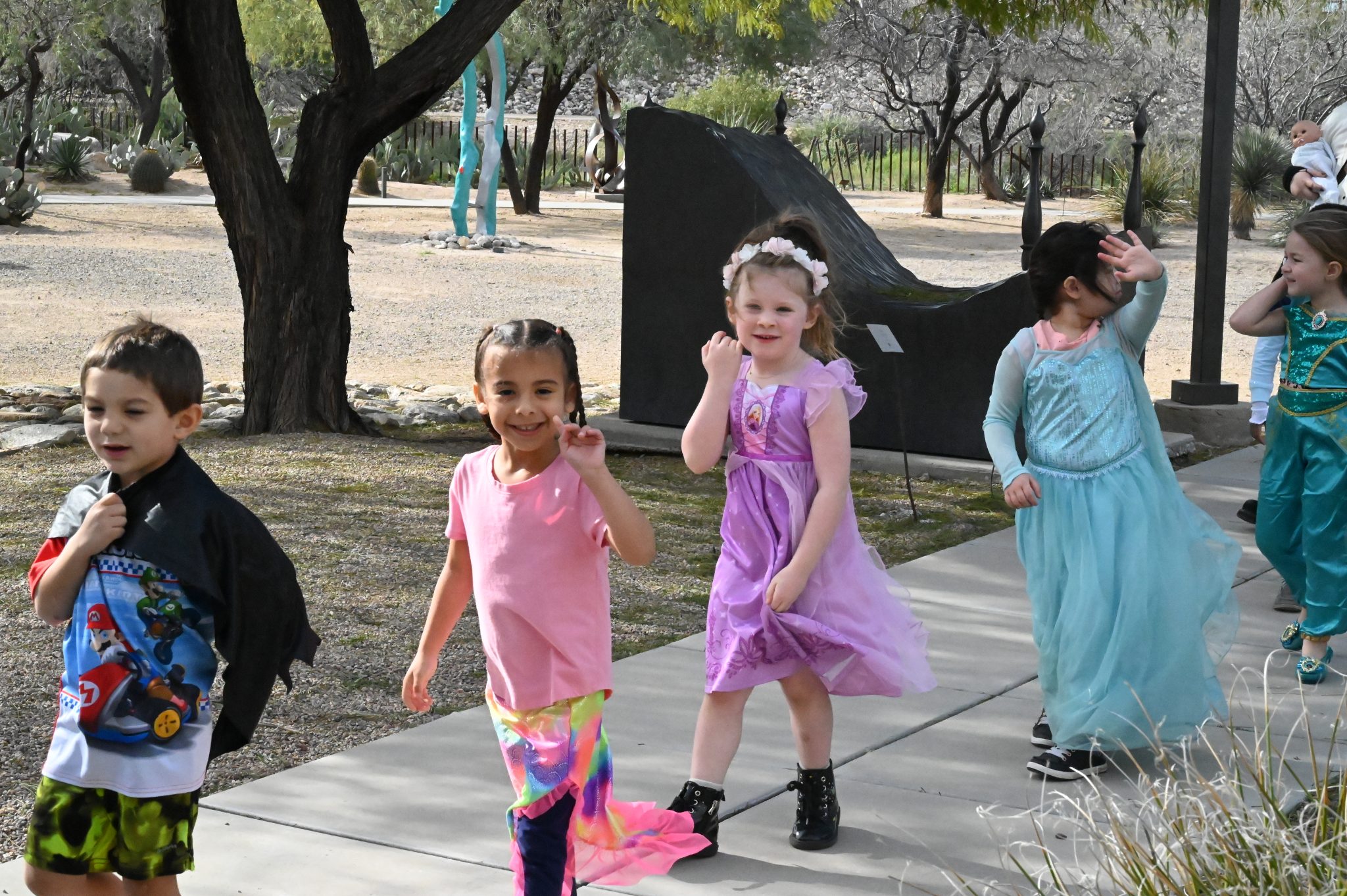
We began the week in celebration of Tu Bishvat with a PJ Library event Sunday at the beautiful gardens of Tohono Chul, surrounded by trees and nature. Families joined in a meaningful blessing for the trees—shared in English, Hebrew, and Spanish led by PJ parent, David—and spent the afternoon making grass heads, planting parsley, painting, creating with clay, and exploring more hands-on activities. The celebration continued in Early Childhood Education on Monday with a tasty Tu Bishvat Seder and story time. Later in the week, ECE took to the Sculpture Garden with our annual Love of Reading Month book character parade! 

Making the most of the beautiful spring weather, the Stingrays Swim Team had a blast at the Sweetheart Meet! In a smaller, more fun-focused environment, the Stingrays were able to put together some great swims and fun relays! Swimmers had a few best times and a couple of Regional championship qualifying swims, but the highlight of the meet came from the mixed relays, a relatively new offering for swim meets, and the ‘Rays first time competing in them. As a result, the team walked away with three new team records!


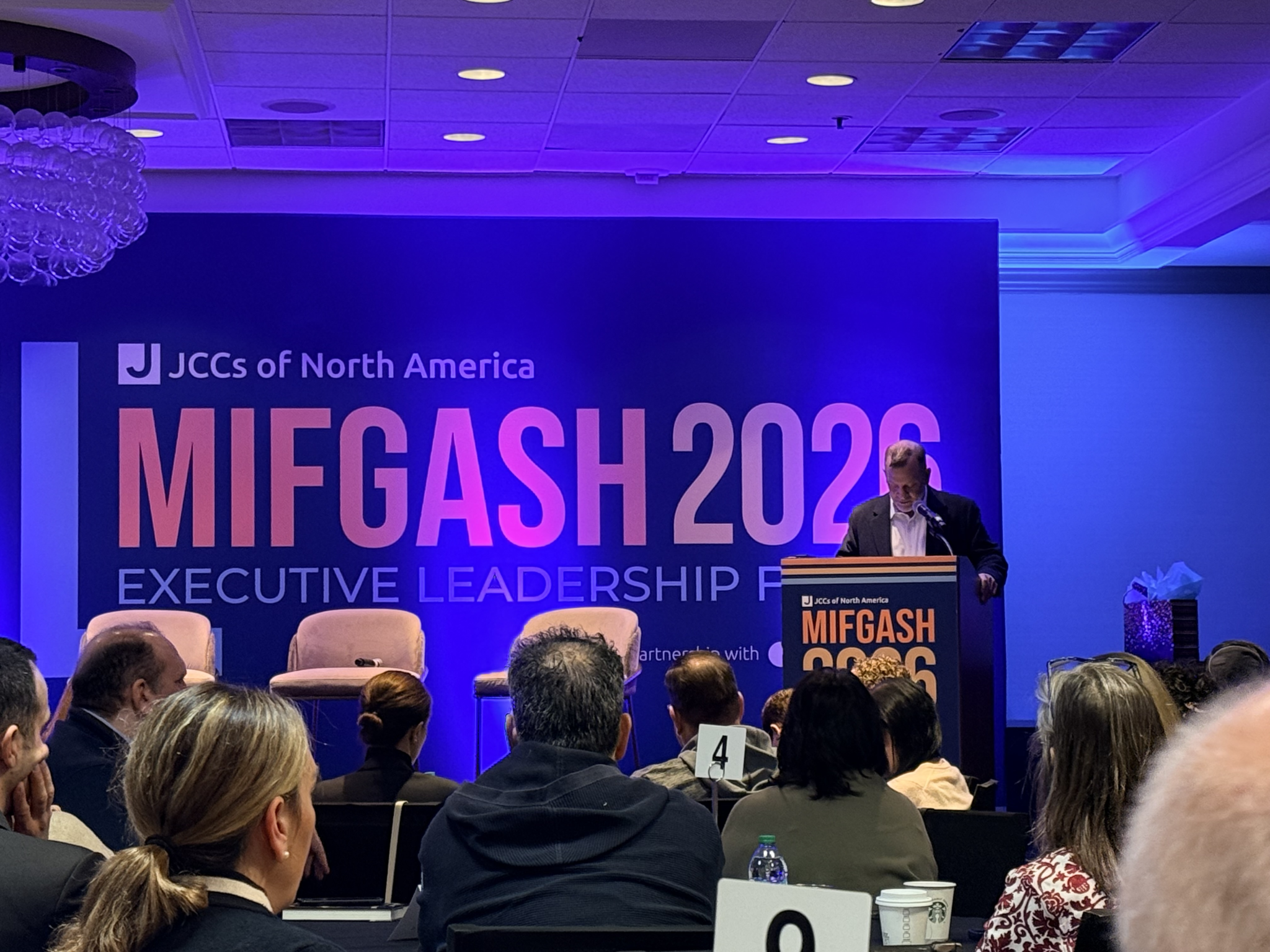
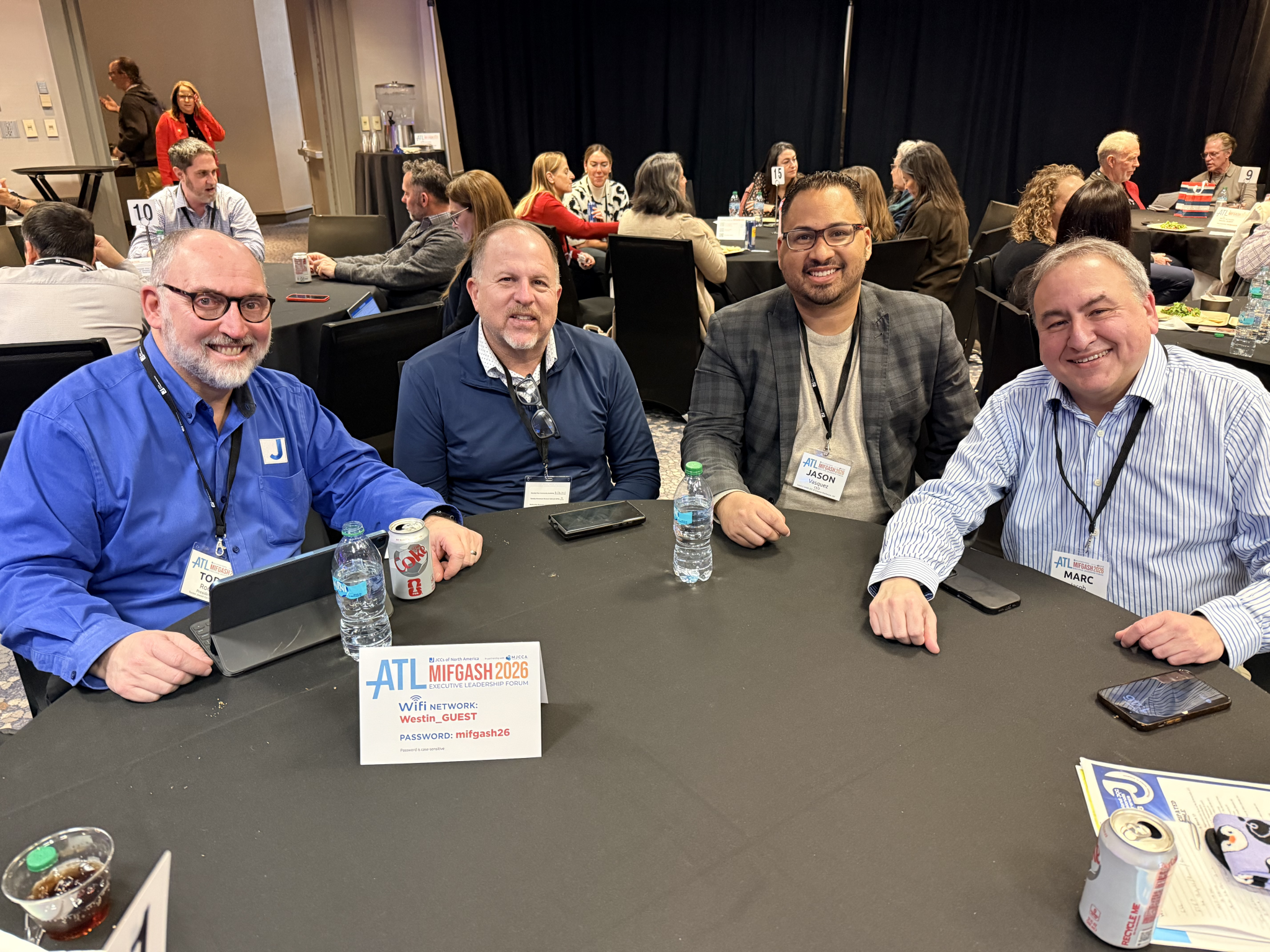
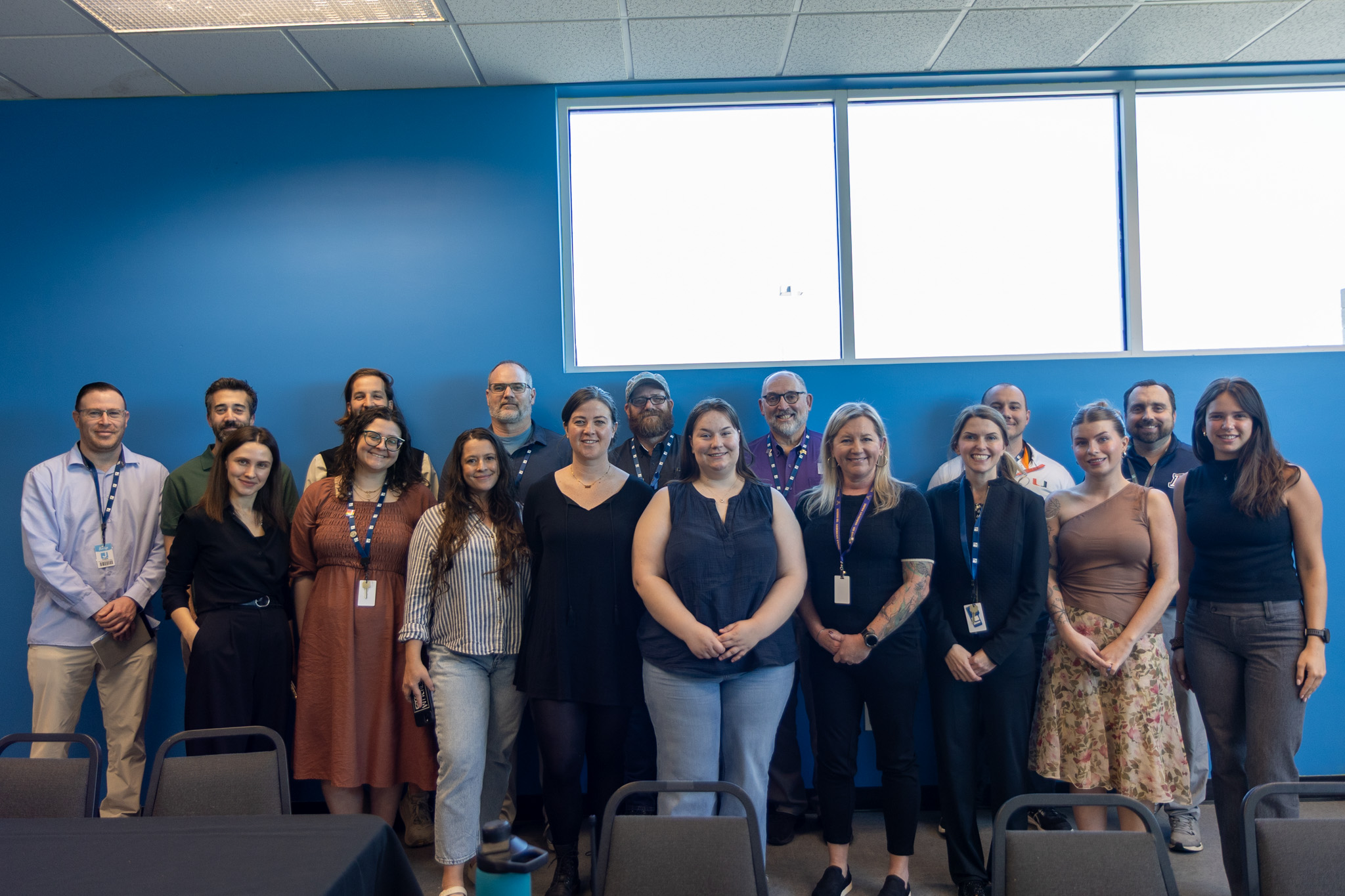
The Tucson J team is also an important part of our J community. This week, CEO + President, Todd Rockoff, returned from the JCC Association Mifgash Executive Leader forum in Atlanta with colleagues from across North America, Israel, Budapest, Moldova and Estonia! The group learned about  the JCC Association’s three centers of excellence: Talent, Jewish Peoplehood, and Innovation and Impact. They explored the power of storytelling, dove into real challenges and opportunities leaders are navigating, and talked about the need for both practical tools and deep connection within the movement. Here on campus, Tucson J leaders had the honor of meeting with Daria Pavlovschi, CEO of the Kedem Jacobs JCC in Kishnev, Maldova. The Tucson J has been in partnership with Kedem Jacobs, most recently bringing a delegation of teens to compete in last summer’s JCC Maccabi Games as part of Team Tucson. Daria explained the history of Jews in Moldova and the current landscape the work of her J exists in, before opening it up to the team for questions, conversation, and idea-sharing. 

 

As we head into Shabbat, we’re grateful for the many ways this week reminded us of the power of gathering, learning, and growing together. May the stories and connections we shared carry us into a restful Shabbat and inspire the week ahead. Shabbat Shalom. 

Reminders, Resources + Learning