From the Desk of Rabbi Samuel M. Cohon | Rabbi of Congregation Beit Simcha and host of The Too Jewish Radio Show + Podcast
This week we read the wonderful Torah portion B’Shalach, the great conclusion of the tale of the Exodus from Egypt. The story is familiar from Hebrew School, Torah classes, sermons, Passover Seders, movies, even cartoons. The Israelites, under the leadership of Moses—with help from his brother Aaron and sister Miriam—have been liberated from the dark night of Egyptian slavery. God has sent 10 plagues to destroy the will of the oppressors, and now our people escapes Egypt after 400 years of slavery with bundles of clothing, unleavened matzah baked in haste, and trinkets of gold and silver given them by their former slavers.
The Israelites approach the Sea—some say the Sea of Reeds, some the Red Sea—when the evil Pharaoh has a change of heart. He decides, cruelly, to follow the Israelites with his chariot army and re-enslave them. Stuck on the shore of the Sea between the oncoming enemy and deep waters, God miraculously saves the Israelites by dividing the sea and allowing them—us—to cross on dry land, the waters closing up behind to destroy their Egyptian pursuers.
As they look back on the now unparted waters the Israelites celebrate, and sing a great song, “Who is like You, God, among the gods? Who is like You, adorned in holiness, awesome in praise, who does wonders?”
That song is part of every evening and morning service in Jewish tradition, the Mi Chamocha, and it is usually sung to a melody that is upbeat, joyous, energizing. For in that very moment our people fully comprehended the miraculous saving power of God, the amazing ability to be redeemed from death and destruction.
While it doesn’t always turn out that way, it does remind us that, in Jewish belief God can do anything, and has done so for our people at rare and remarkable times. It’s not something to count on in daily life—although David Ben-Gurion, the founding Prime Minister of Israel and the true father of the country, memorably said, “In Israel in order to be a realist you must believe in miracles.” That capacity is actualized in this portion to demonstrate freedom can come even to the most downtrodden and enslaved people in the world.
Ben-Gurion also said, “Anyone who doesn’t believe you can’t change history has never written his memoirs.” One of the great aspects of B’shalach is that as soon as the story of the Exodus and the crossing of the sea is told in prose form, there is an immediate reinterpretation into poetry. And we have been reinterpreting this fantastic tale ever since. We’ll do it again not only this Shabbat, but again on Passover.
Freeing the oppressed thus lies very close to the heart of Judaism and Jewish life. It is also a wonderful lesson that has been taken to heart by nearly every liberation movement since the Exodus, over 3000 years ago. No matter how dark the prospects for freedom may seem, sometimes—often—God makes it possible for slaves to become free, for autocrats, dictators and cruel leaders to be overthrown.
In the same way, God can make it possible for any of us to free ourselves from the bonds imposed upon us in our own personal lives, allowing us to achieve spiritual liberty and to reach a time of true celebration.
On this Sabbath celebrating liberation, it is customary for synagogues to hold a joyous Shabbat of Song, a Shabbat Shirah. Attend Friday night services this and you can enjoy a musical reminder of the power of divine liberation from autocracy.
It is because of the Jewish values that guide our work that we at the J have built a space where everyone belongs. This is not just something we say, but a concept that is foundational to everything we do. From the scholarships we offer for membership and childcare, to the essential programs in our Disability Services and Healthy Aging departments, and the Arts and Culture events that start conversations that build bridges, we truly live our mission to foster wellness and broaden communal harmony by welcoming people of all ages and identities to participate in a community that not only welcomes them with open arms, but supports them through all stages of life. “Tzedek, tzedek, tirdof” — “justice, justice, you shall pursue” — is a biblical command we find in Deuteronomy that is resonate in our work and the world today, particularly as we celebrate Black History Month and Jewish Disability Awareness, Inclusion, and Acceptance Month (JDAAIM) in February.
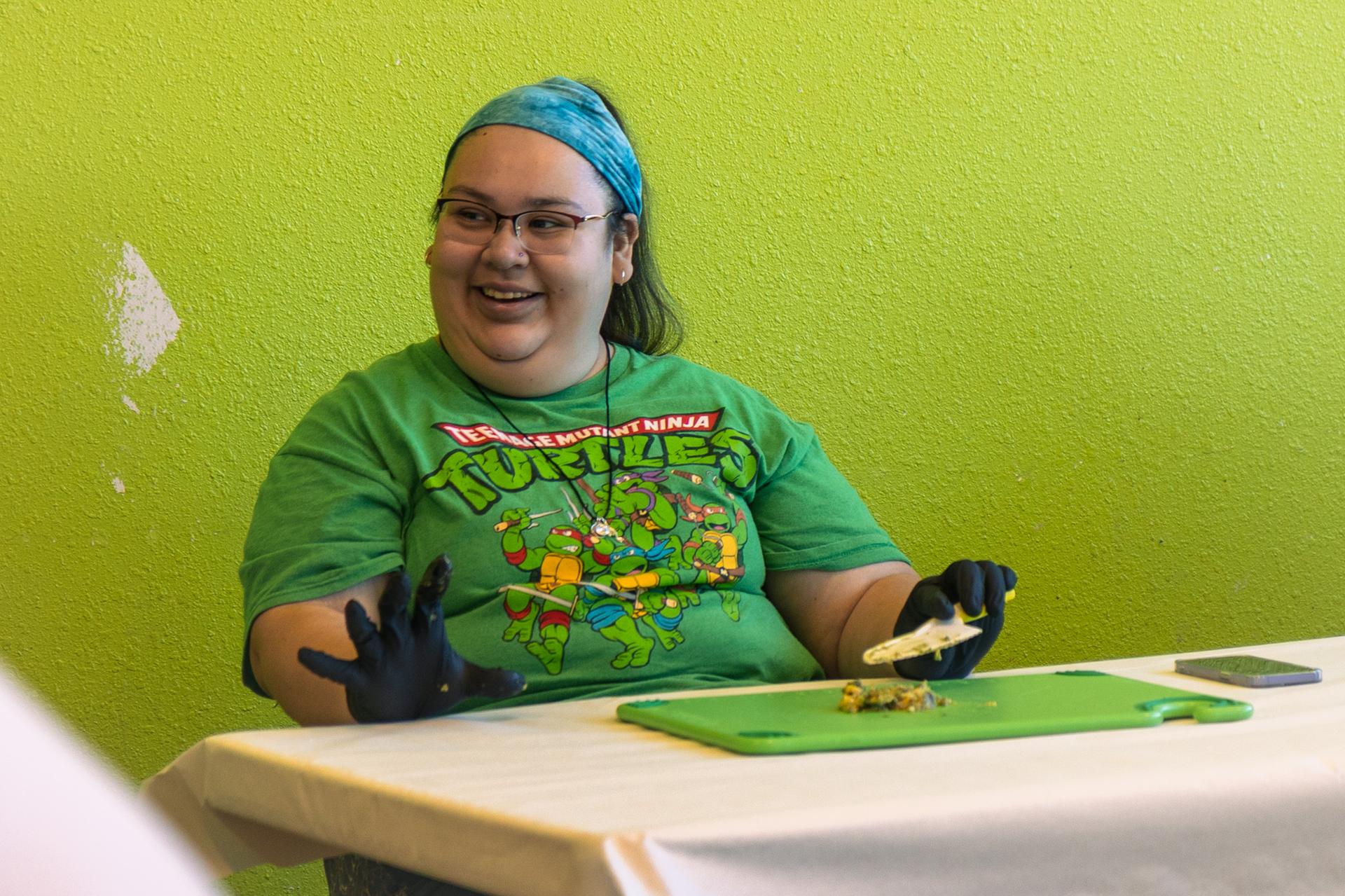
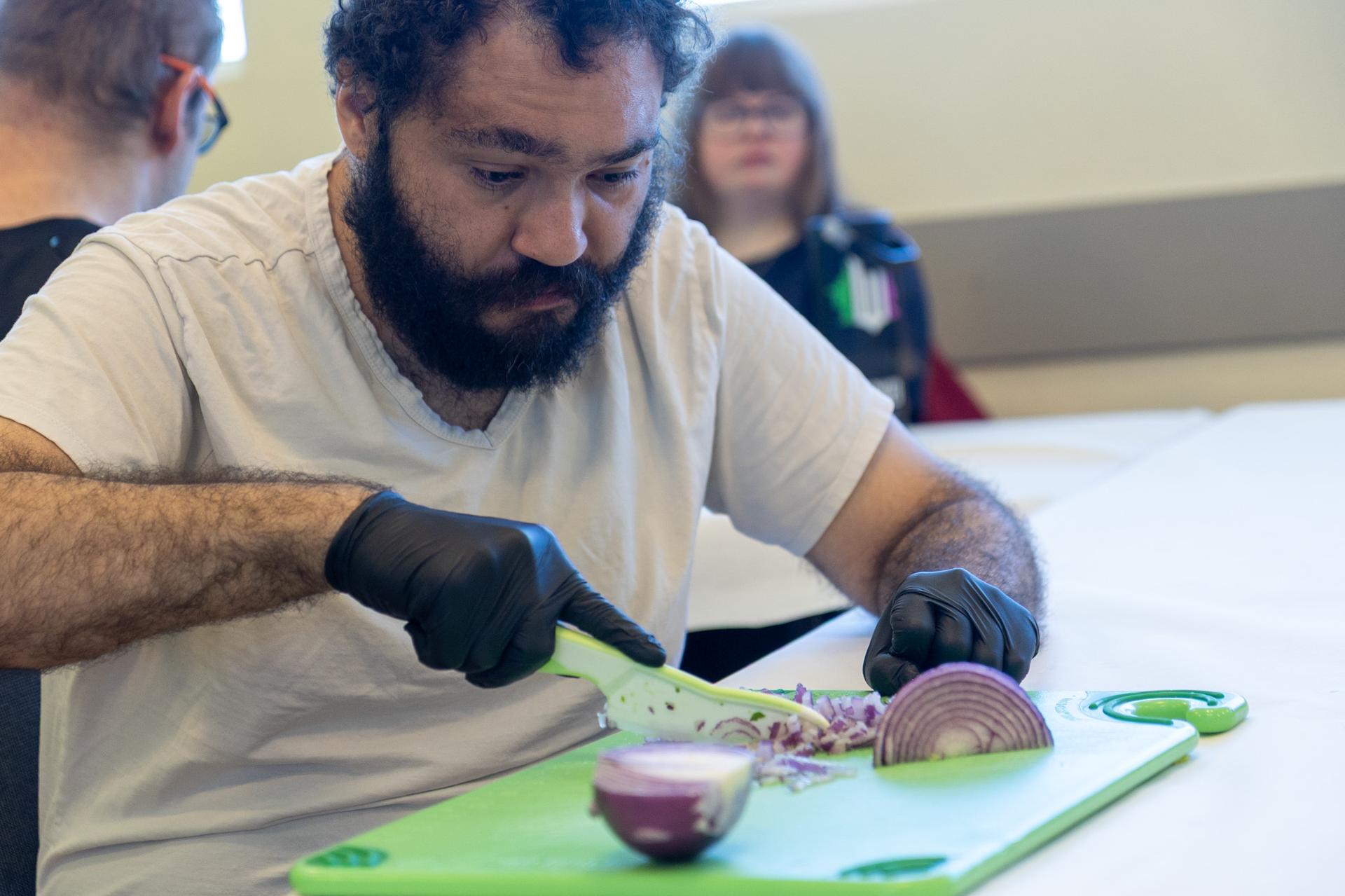
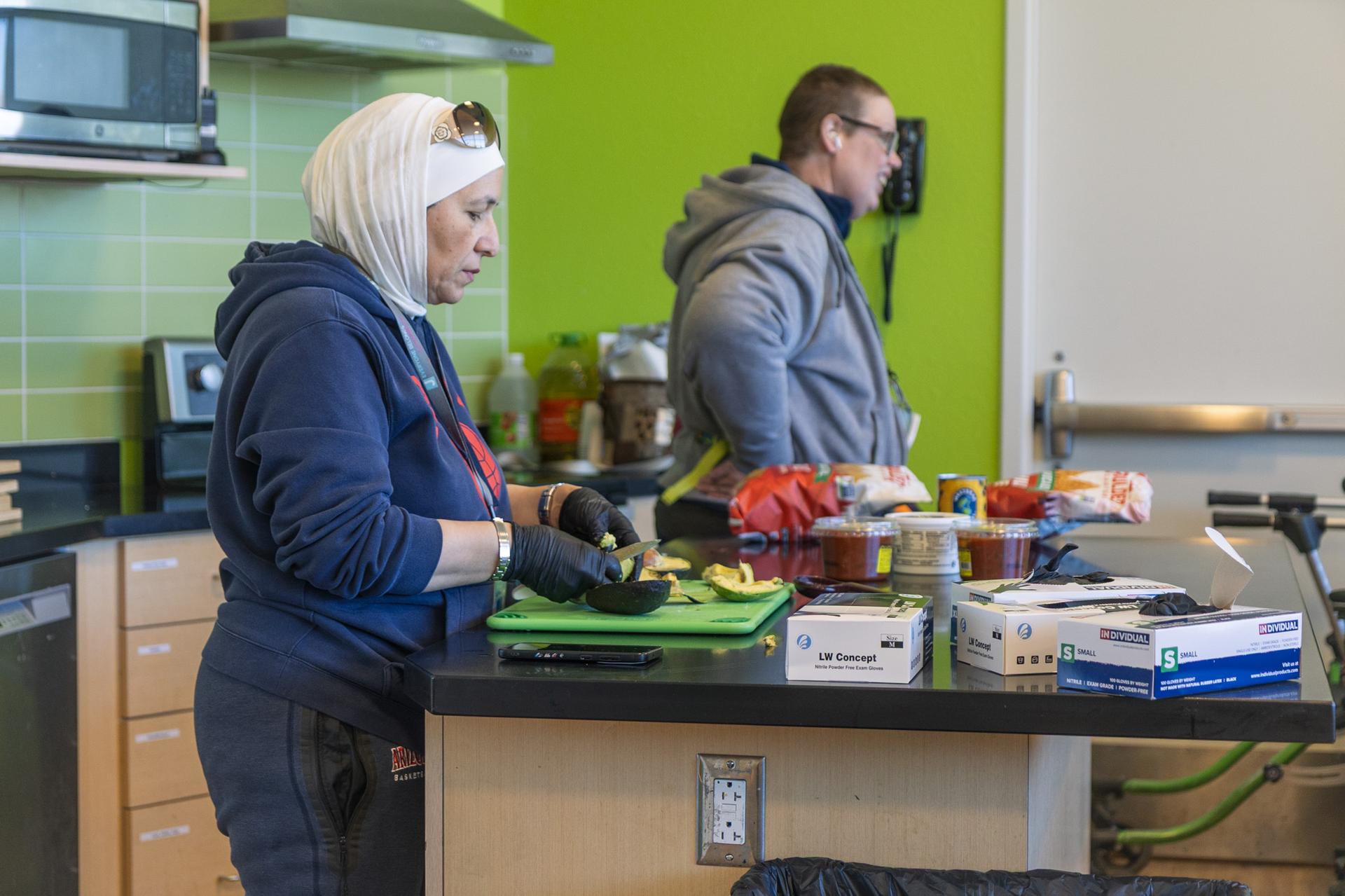
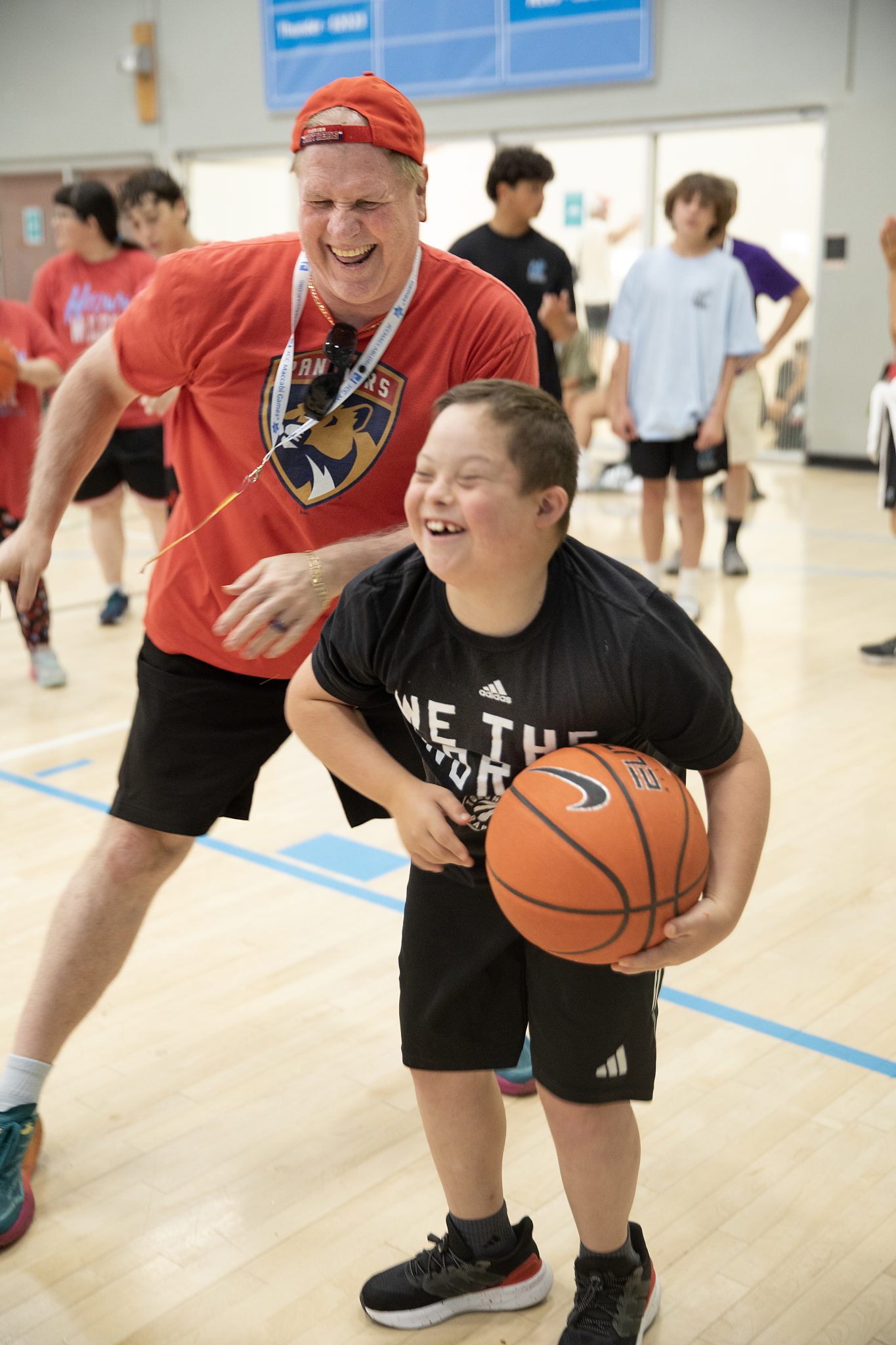
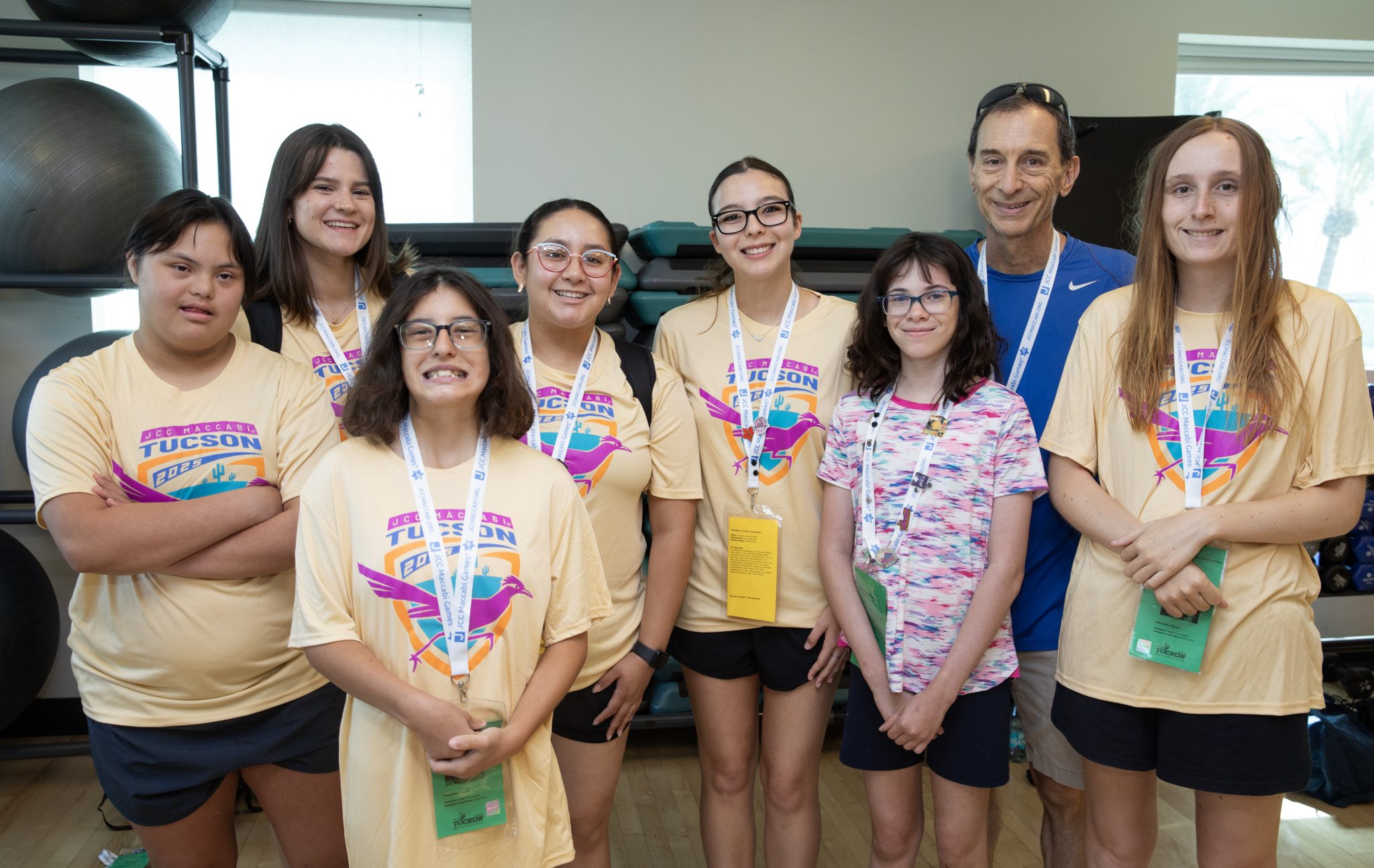
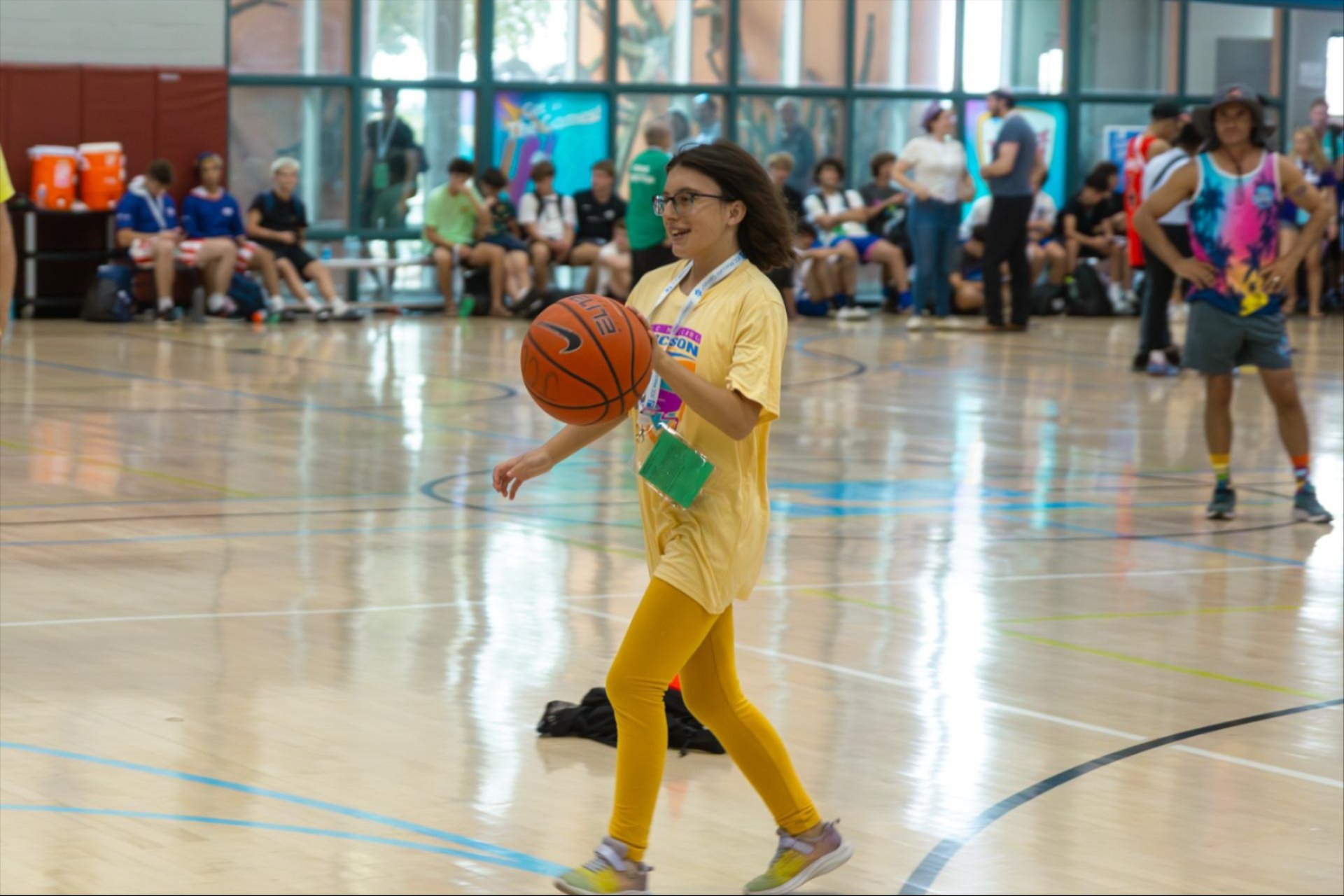
This week at the J, participants in Disability Program Services sharpened their culinary skills in weekly Cooking Club — this week with a delicious recipe for Guacamole! DPS has been busy preparing for the next phase of JJobs, a vocational training program that provides interns from the department the opportunity to build confidence, independence, and job skills. Phase 2 is the launch of a coffee cart that will serve patrons of the J with delicious local coffee, matcha, and more. Stay tuned for more information in the coming weeks!
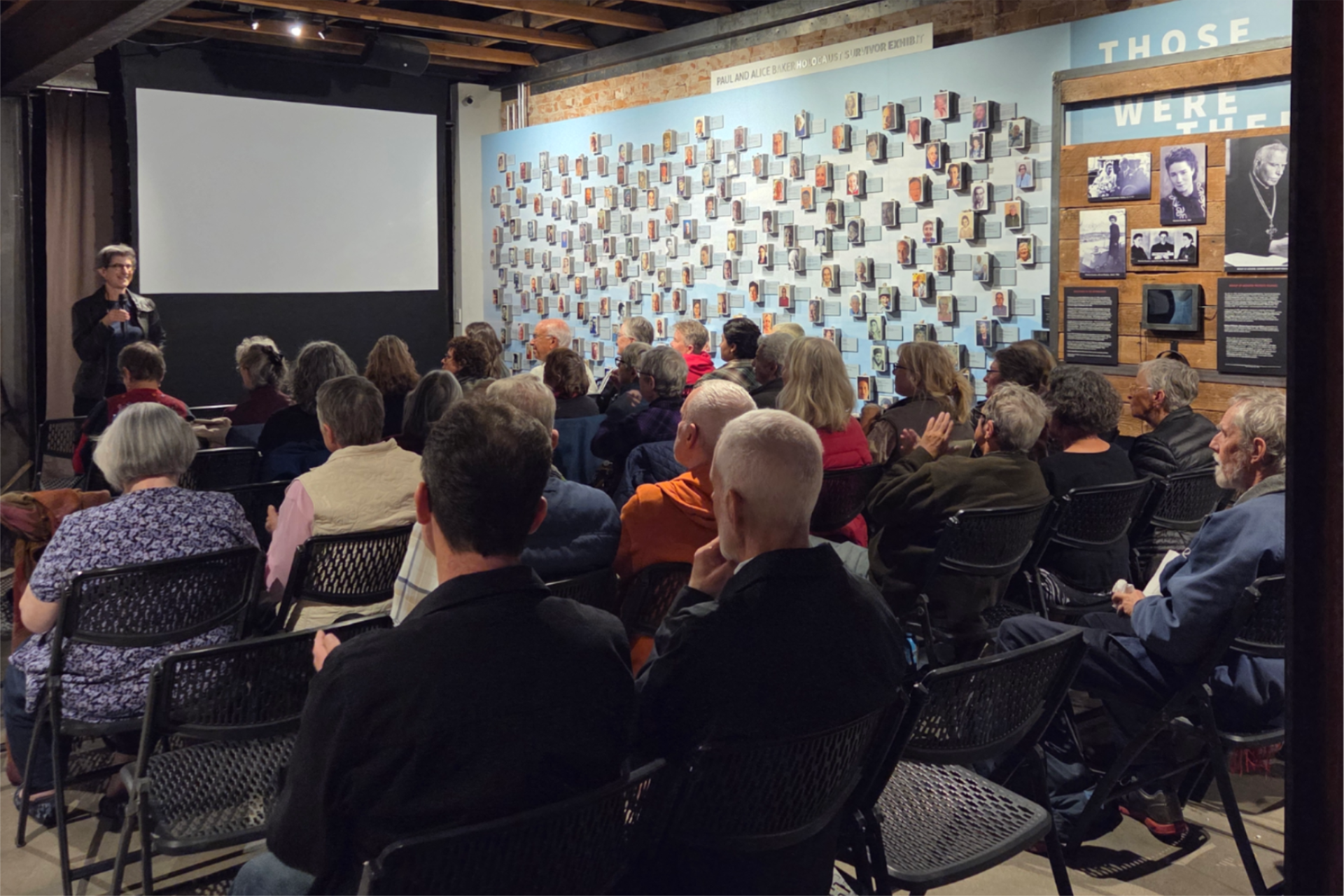
On Thursday, we joined our friends at the Tucson Jewish Museum + Holocaust Center for a screening of Nelly + Nadine, an unlikely and harrowing love story between Belgian classical singer, Nelly Mousset-Vos and Nadine Hwang, the daughter of a Chinese ambassador to Spain. Nelly and Nadine meet in the darkest of times on Christmas Eve, 1944. Through their newly recovered personal diaries and Super-8 home movies, the film takes audiences on a personal journey through the nearly forgotten history of one of the greatest love stories never told.
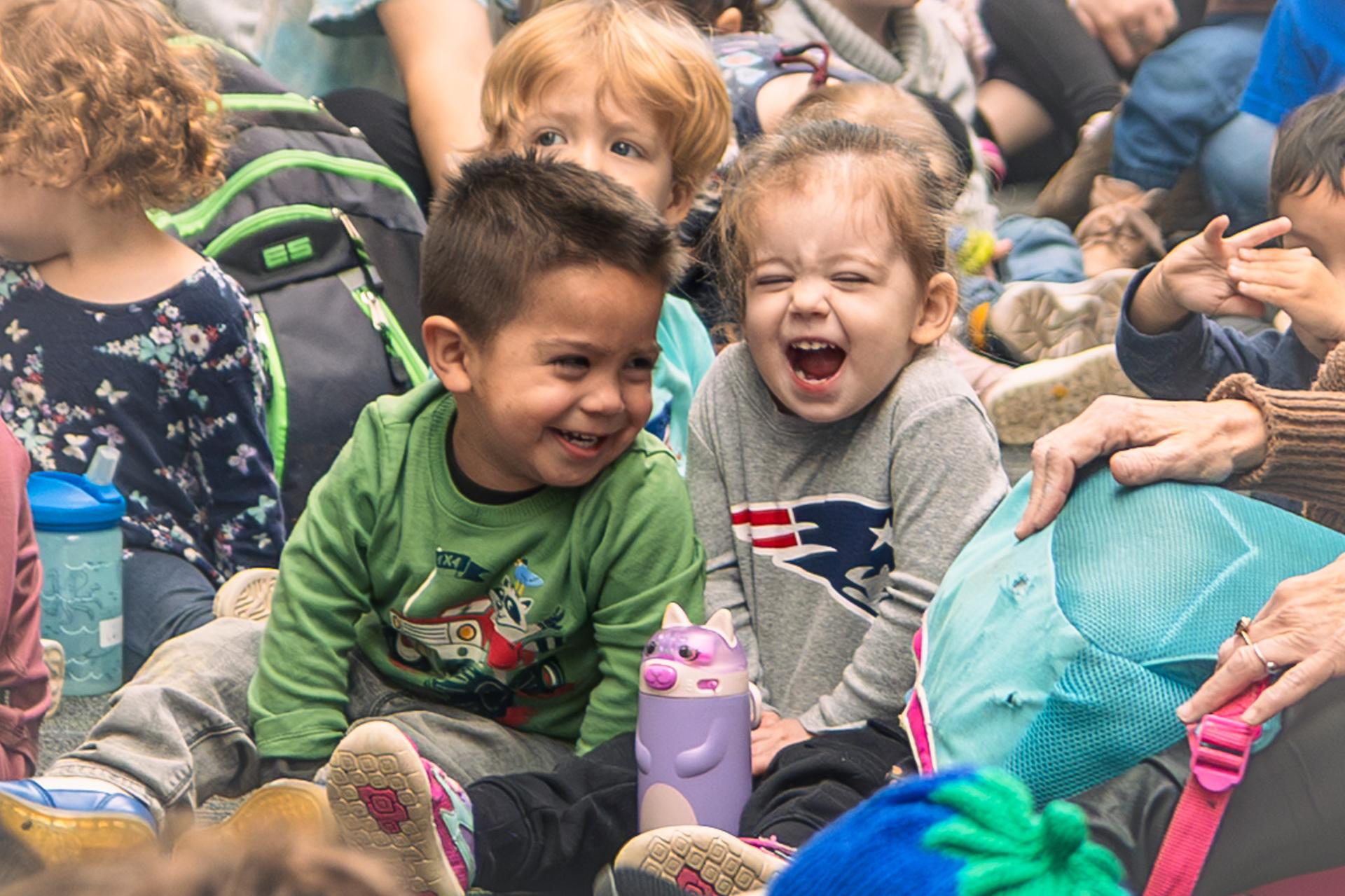
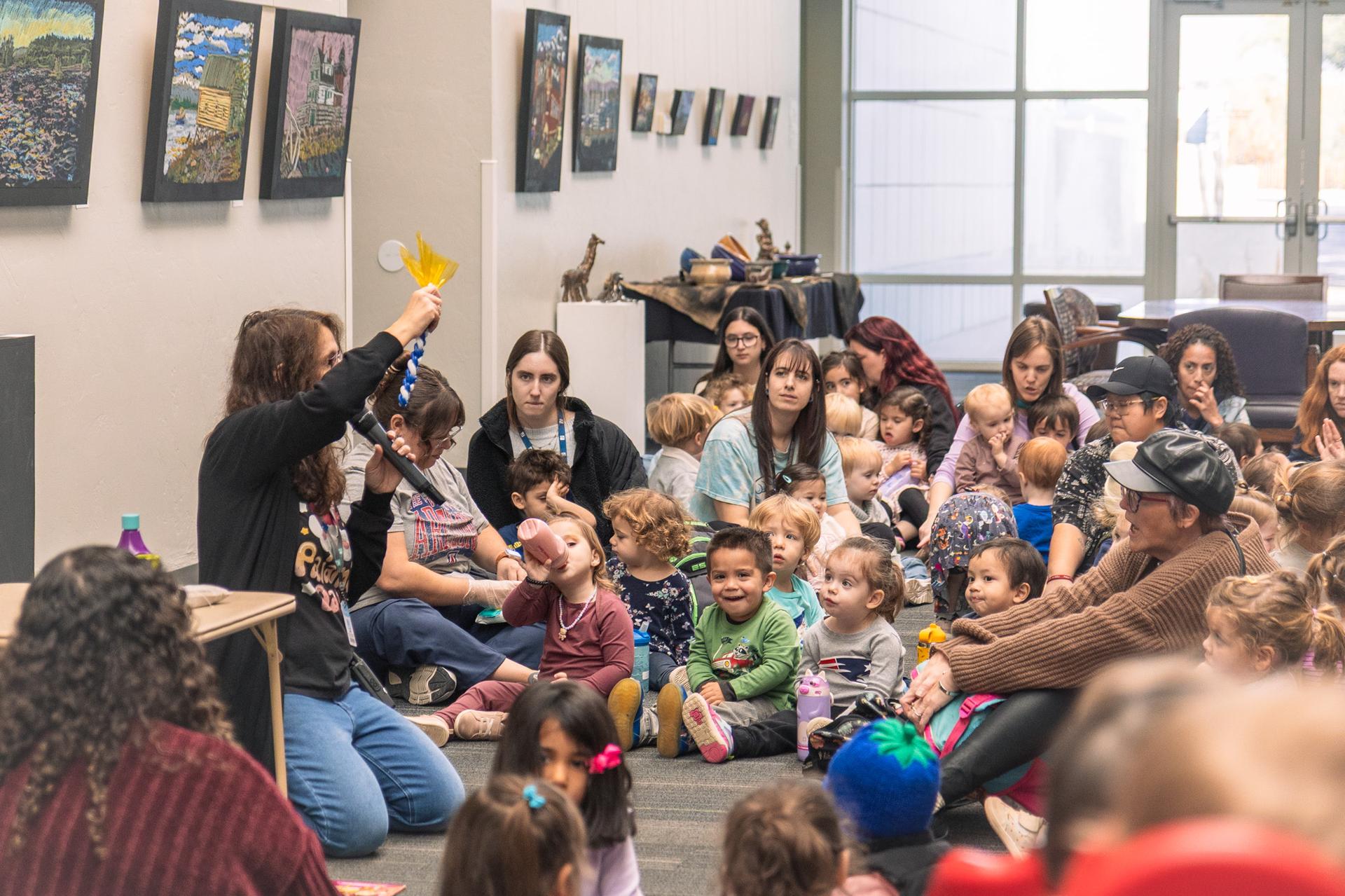
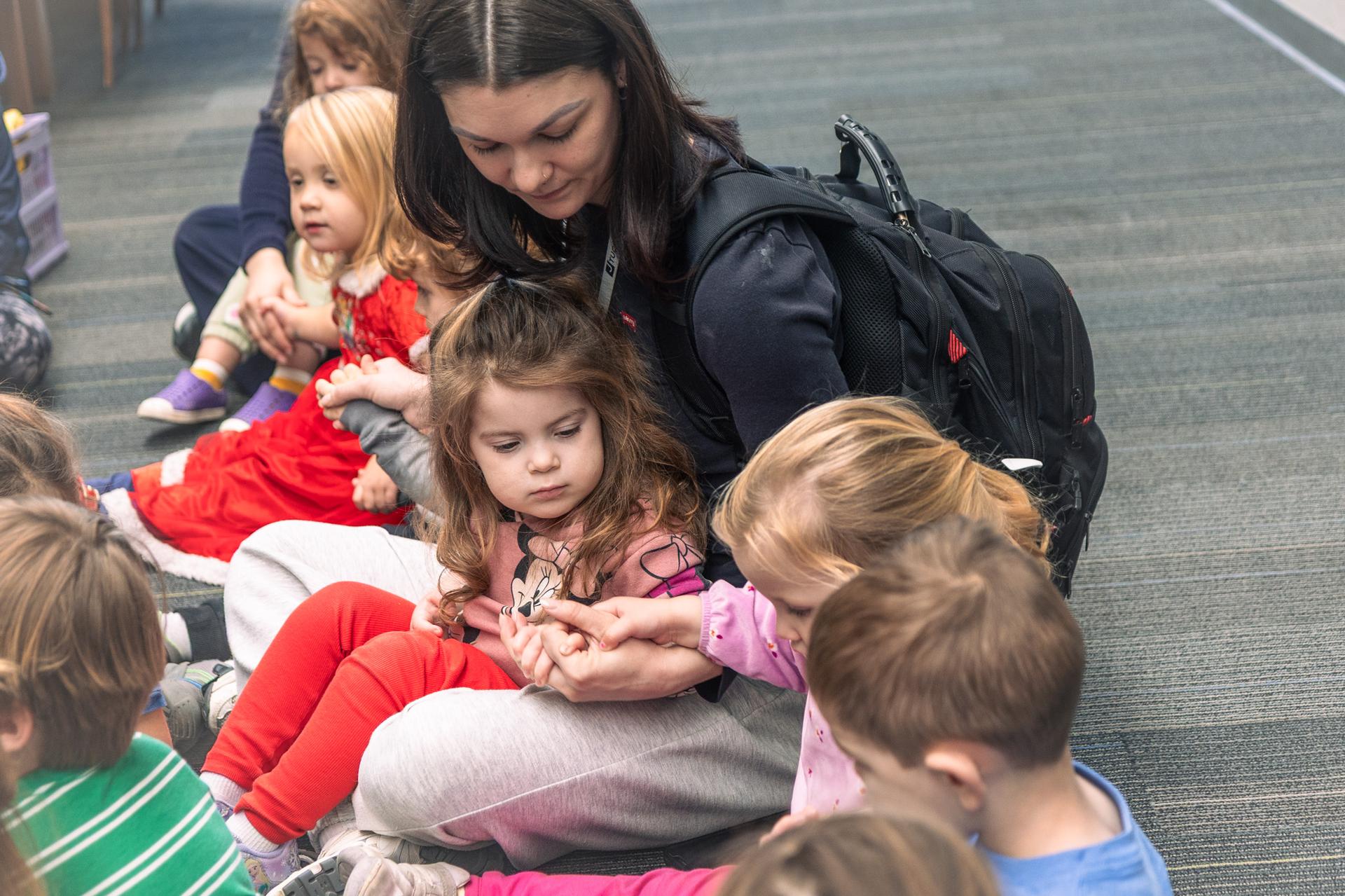
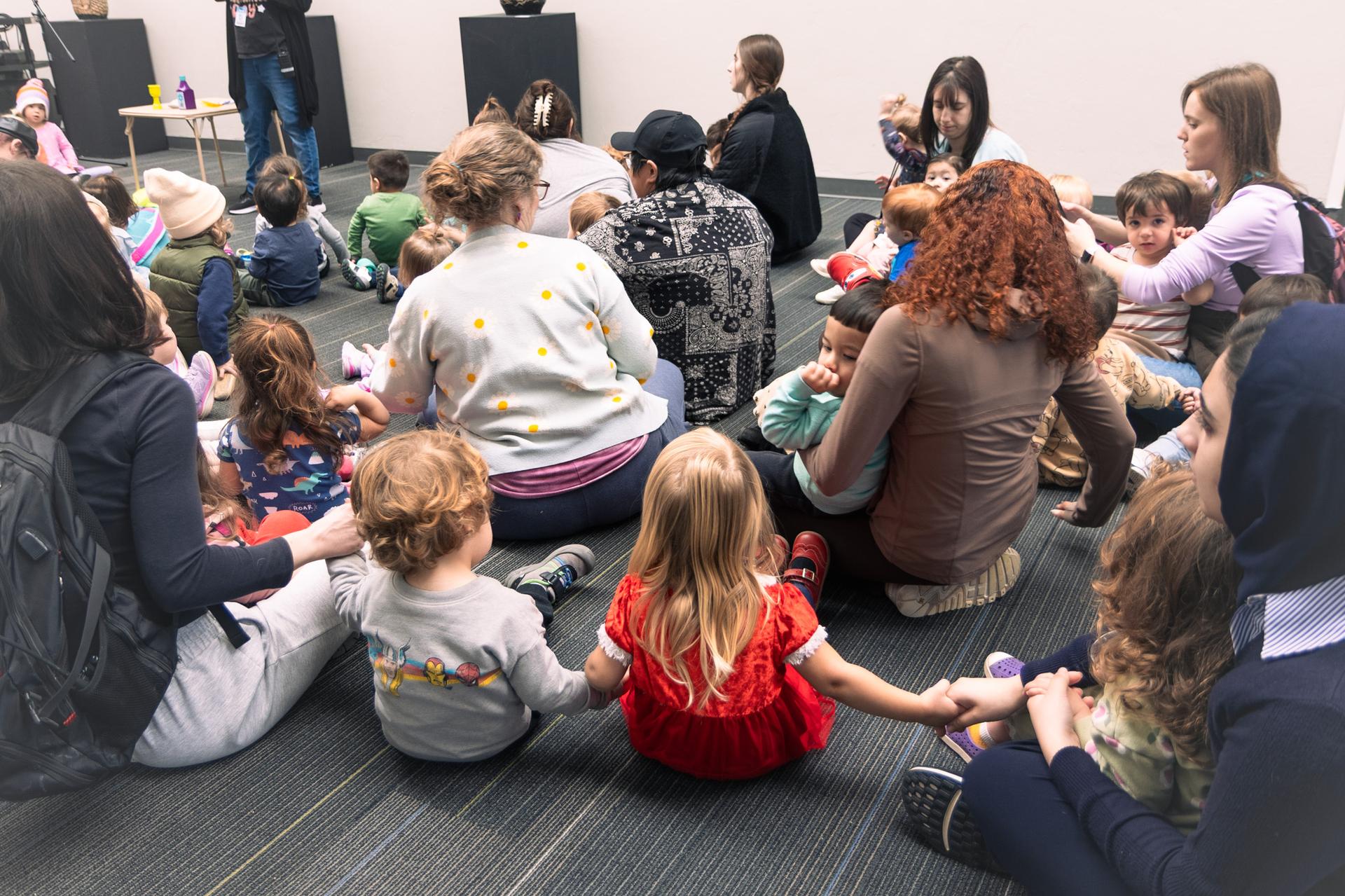
Every day, we nurture these values from the very beginning in our Early Childhood Education program. Through daily moments of curiosity, creativity, and connection, children build the foundations for lifelong learning, kindness, respect, and community. In caring for our youngest members, we affirm our belief that inclusion, justice, and belonging are not abstract ideals, but lessons lived and learned from the very start. Registration for new families seeking to join our award-winning program opens on Sunday — we’d love for your kids to join us!
As we move into Shabbat and reflect on these lessons of justice and belonging, we invite you to consider what small and big things you can do in your own life to help build a more just and compassionate world for all. To learn more about JDAAIM and explore some resources that work to that end, check out this blog post on the J’s News + Media page. Shabbat Shalom.
Reminders, Resources + Learning
Each week we share resources for more learning:
This week’s resources:
- Of Technology, Miracles and Radical Amazement Rabbi Hanan Schlesinger (My Jewish Learning)
- Can You Be Righteous? by Katia Bolotin (Chabad)
Last week’s resources:
- The Liberating Power of the Calendar by Hillel Gruenberg (Jewish Theological Society)
- The Necessity of Asking Questions by Rabbi Jonathan Sacks
Is there a topic you’d like to learn more about? Email Jenn Selco with requests.