

Whether through a swimming lesson, an art class, or simply a smile, each day the Tucson J staff brightens the lives of our members and guests. We are proud of the variety of skills and stories that our staff bring to their work, and celebrate this each week through our Facebook and Instagram “Staff Spotlight” series.
Continue reading on for a preview of our June spotlights, and check out the full posts at all @tucsonjcc accounts!
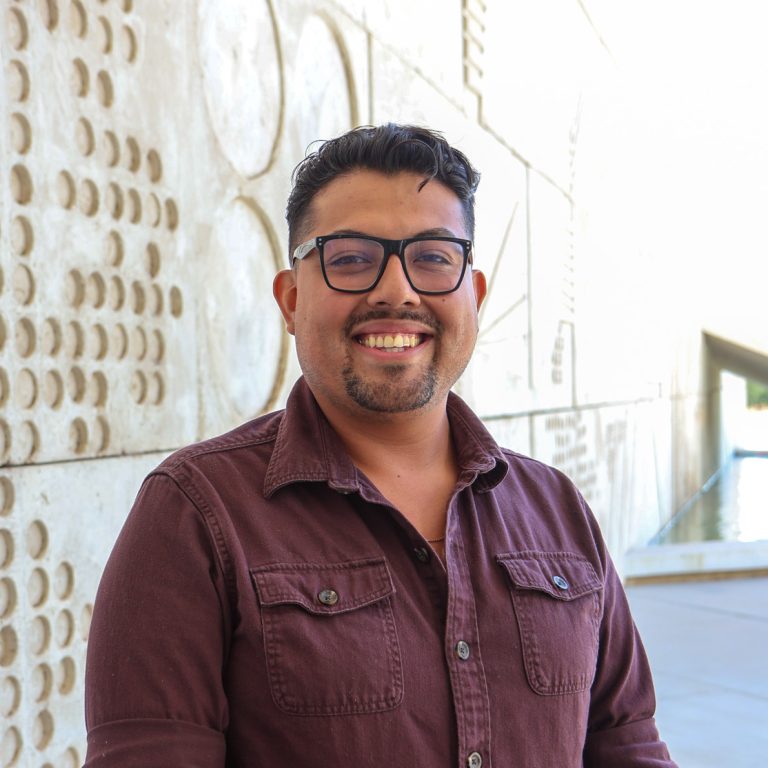
Pamela Adler | Yoga Instructor
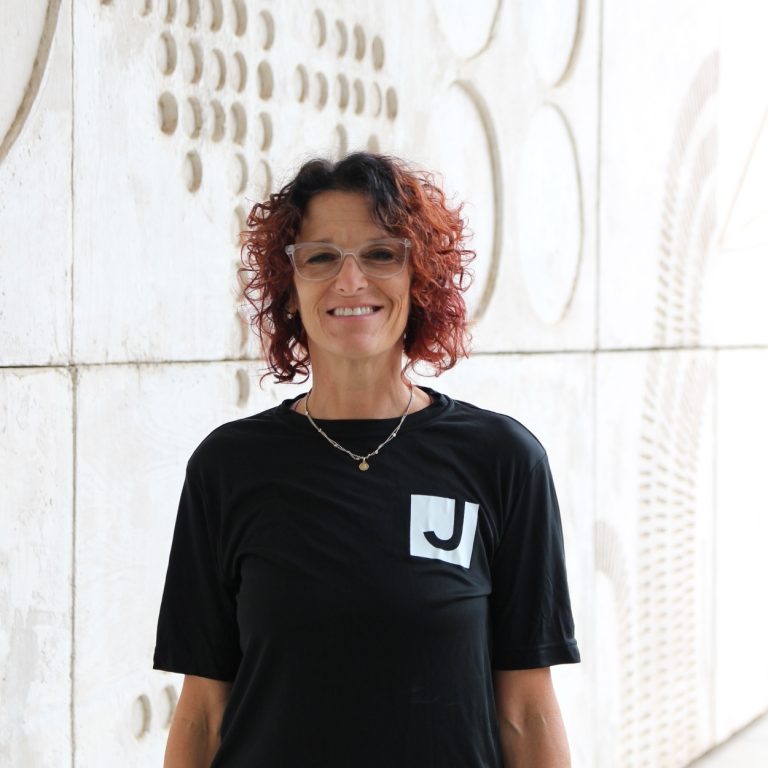
Q: Tell us about your role at the Tucson J?
A: I am a group fitness instructor specializing in various styles of yoga and meditation. In addition to my current yoga classes, I serve as a facilitator in the Healthy Aging Program, an incredible initiative I’m honored to be part of. I teach Chair Yoga for individuals affected by Parkinson’s disease and work with a wonderful community of people experiencing dementia-related conditions, along with their care-partners.
Q: Why is it important to prioritize movement and wellness at every age?
A: Prioritizing movement is essential at every stage of life because it supports the body, mind, and overall quality of life. Regular movement helps maintain strength, flexibility, balance, and cardiovascular health — all of which contribute to independence and longevity. Staying active also fosters social connection and confidence, especially when done in a supportive group environment.
Q: What’s the biggest myth in fitness that you wish more people understood?
A: One of the biggest myths about fitness is that it’s only for certain people — the young, the strong, or the experienced. Fitness is accessible to everyone, at any age and any level. Every movement can be adapted to meet individual needs in any given moment. Another common misconception is that fitness must feel like a chore or involve discomfort. The old saying “no pain, no gain” simply isn’t true. Movement can be fun, joyful, empowering — and that’s exactly how it should be!
Read the full Q+A!
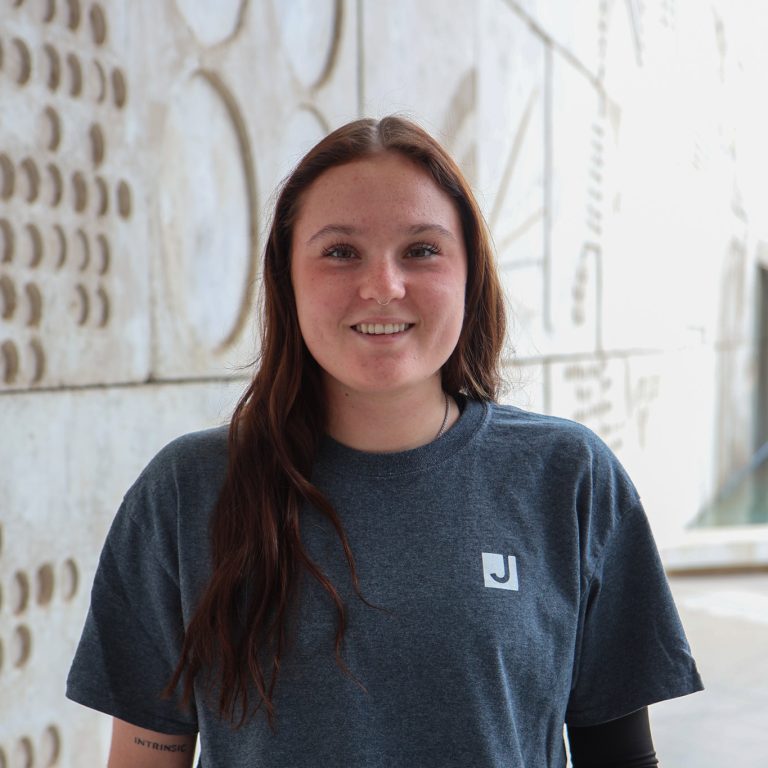
Ava Pritz | Youth Volleyball Coach and Camp J and JCare Counselor
“My name is Ava Pritz and I am super excited to be coaching volleyball here at the J!
I was born and raised in Tucson. I am a student at the University of Arizona, where I am studying Neuroscience and Cognitive Science, Spanish, and Health and Human Values. I am planning a career working with children.
I started playing volleyball in middle school but took it a lot more seriously in high school when I played on my school’s varsity team, as well as club volleyball outside of school. I love the sport of volleyball and learned so many things from it. Not only the sport itself, but also athletic conditioning and even things like communication and time management.
I grew up in all the J’s programs from ECE and children and youth to aquatics and athletics. For the past several years, I have worked in the children and youth department as a counselor for the JCare afterschool program, and winter and summer Camp J!
I am excited to share my love of the sport with even more youth!”
McKenna Czerny | DPS Program Specialist
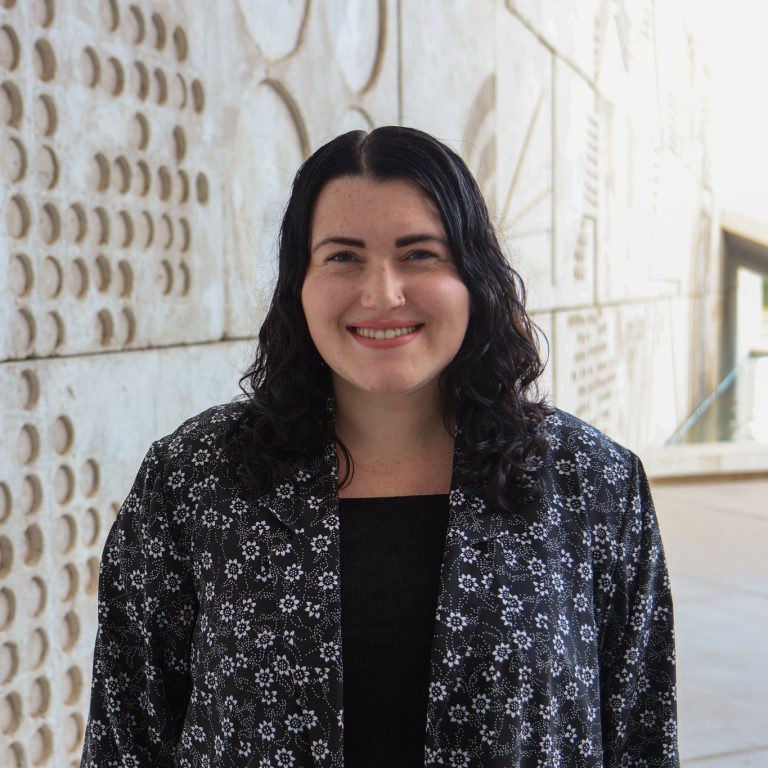
Q: Tell us about your professional background and role at the J!
A: I’ve had the opportunity to work in trauma-informed care across various roles: Psychiatric Technician, Direct Support Professional, and Social Service Management. My background includes working with children and adults facing a range of mental health challenges and managing support services within the disability community. At the J, my role includes programming, management, and building community partnerships.
Q: If you could instantly learn any skill, what would it be and why?
A: I’d love to learn as many languages as possible. The ability to communicate with everyone and learn from different cultures would be wonderful.
Q: What are you most looking forward to as you get further into your role?
A: I am looking forward to getting to know DPS participants more, and I aim to build on programming that supports participants’ interests and goals.

